Filter :

क्या आपने कभी सोचा है कि एक छोटी सी अनदेखी गांठ आपके जीवन की दिशा बदल सकती है? स्तन कैंसर सिर्फ एक बीमारी नहीं, बल्कि एक महिला के शारीरिक और मानसिक साहस की परीक्षा है। आज के समय में, बदलती जीवनशैली और पर्यावरण के कारण ब्रेस्ट कैंसर के मामले तेजी से बढ़ रहे हैं। लेकिन याद रखें, कैंसर का मतलब जीवन का अंत नहीं है। यदि सही समय पर जान लिया जाए कि वह ब्रेस्ट कैंसर जैसी गंभीर समस्या का सामना कर रही हैं, तो एडवांस मेडिकल साइंस से इसे पूरी तरह हराने में सक्षम है।
सीके बिरला अस्पताल में हमारा मानना है कि हर महिला को अपने शरीर के संकेतों को समझने का अधिकतार है। इसलिए यदि आपको भी इस ब्लॉग में बताए गए लक्षण महसूस होते हैं, तो बिना देर किए हमारे अनुभवी डॉक्टर से मिलें और इलाज लें।
Table of Contents
जब स्तन की कोशिकाएं (Cells) असामान्य रूप से बढ़ने लगती हैं और एक ट्यूमर का रूप ले लेती हैं, तो इसे स्तन कैंसर या ब्रेस्ट कैंसर क्या है के रूप में समझा जाता है। यह कोशिकाएं धीरे-धीरे स्वस्थ ऊतकों को नष्ट करने लगती हैं और शरीर के अन्य हिस्सों में भी फैल सकती हैं। भारत में, हर 28 में से 1 महिला को अपने जीवनकाल में इस बीमारी का सामना करना पड़ सकता है, जो एक चिंताजनक आंकड़ा है।
ये भी पढ़े: एस्ट्रोजन हार्मोन कैसे बढ़ाये
कैंसर को हराने का सबसे पहला कदम है इसके लक्षणों को पहचानना। अक्सर महिलाएं दर्द न होने के कारण गांठ को नजरअंदाज कर देती हैं, जो एक बड़ी गलती हो सकती है। बेस्ट कैंसर के लक्षण निम्नलिखित हो सकते हैं –
यदि आपको इनमें से कोई भी लक्षण दिखे, तो बिना डरे तुरंत डॉक्टर से संपर्क करें। ब्रेस्ट कैंसर लक्षणों को जल्दी पहचानना ही जीत की आधी गारंटी है।
ये भी पढ़े: पीरियड कम आना या खुलकर ना आने का कारण, लक्षण और उपाय
अक्सर लोग पूछते हैं कि आखिर ब्रेस्ट कैंसर क्यों होता है? इसके कोई एक निश्चित कारण नहीं है, बल्कि कई कारक मिलकर इसके जोखिम को बढ़ाते हैं –
ये भी पढ़े: रजोनिवृत्ति (Menopause): संकेत, लक्षण और शरीर पर होने वाले बदलाव
आज की तकनीक ने इस सवाल को बहुत आसान बना दिया है। निदान के लिए डॉक्टर निम्नलिखित प्रक्रियाएं अपनाते हैं –
स्टेज 1 ब्रेस्ट कैंसर में पहचान होने पर इलाज की सफलता दर 90% से भी अधिक होती है। इसलिए नियमित स्क्रीनिंग बेहद जरूरी है।
ये भी पढ़े: कौन-कौन से सुपरफूड्स आपकी रोग प्रतिरोधक क्षमता बढ़ा सकते हैं?
कैंसर का नाम सुनते ही सर्जरी का डर मन में आता है, लेकिन आधुनिक ब्रेस्ट कैंसर का बहुत एडवांस हो चुका है। उपचार रोगी की स्थिति और कैंसर की स्टेज पर निर्भर करता है –
ये भी पढ़े: एल्कलाइन वाटर: क्या होता है, फायदे, नुकसान, और सेवन का सही तरीका
पूरी तरह से बचाव मुमकिन नहीं है, लेकिन जोखिम को कम जरूर किया जा सकता है –
ये भी पढ़े: ओमेगा 3 क्या होता है और इसके फायदे, पोषक तत्त्व और नुकसान?
स्तन कैंसर एक कठिन लड़ाई जरूर है, लेकिन यह लाइलाज नहीं है। जागरूकता, सही समय पर निदान और उचित ब्रेस्ट कैंसर ट्रीटमेंट के साथ हजारों महिलाएं आज एक सामान्य और खुशहाल जीवन जी रही हैं। अपने शरीर के प्रति सजग रहें और किसी भी असामान्य बदलाव को अनदेखा न करें। आपकी हिम्मत और सही चिकित्सा सलाह ही कैंसर को मात देने की सबसे बड़ी शक्ति है।
अगर आपको या आपके किसी परिचित को कोई लक्षण महसूस हो रहे हैं, तो संकोच न करें। सीके बिरला अस्पताल की टीम आपकी सुरक्षा और गोपनीयता का पूरा ध्यान रखते हुए आपको सर्वोत्तम इलाज प्रदान करने के लिए प्रतिबद्ध है। इसलिए तुरंत अपना परामर्श सत्र बुक करें।
ये भी पढ़े: विटामिन K की कमी का शरीर पर क्या असर होता है?
क्या पुरुषों को भी स्तन कैंसर हो सकता है?
हां, हालांकि यह दुर्लभ है, लेकिन पुरुषों में भी स्तन ऊतक होते हैं, जिनमें कैंसर विकसित हो सकता है। 100 में से लगभग 1 मामला पुरुषों से संबंधित होता है।
स्तन कैंसर की जांच किस उम्र से शुरू करनी चाहिए?
हर महिला को 20 साल की उम्र से ही महीने में एक बार खुद से स्तन की जांच (BSE) करनी चाहिए और 40 की उम्र के बाद सालाना मैमोग्राफी करानी चाहिए।
क्या स्तन में हर गांठ कैंसर होती है?
नहीं, 80% स्तन की गांठ गैर-कैंसर (Benign) होती हैं, जैसे सिस्ट या फाइब्रोएडेनोमा। फिर भी, किसी भी गांठ की डॉक्टर से जांच कराना अनिवार्य है।
क्या स्तन कैंसर पूरी तरह ठीक हो सकता है?
जी हां, विशेष रूप से अगर यह स्टेज 1 ब्रेस्ट कैंसर या शुरुआती स्टेज में पकड़ा जाए, तो सही इलाज से मरीज पूरी तरह स्वस्थ हो सकता है।
क्या स्तनपान करने से स्तन कैंसर का खतरा कम होता है?
हां, कई शोध बताते हैं कि जो महिलाएं स्तनपान कराती हैं, उनमें स्तन कैंसर होने का जोखिम उन महिलाओं की तुलना में कम होता है जो ऐसा नहीं करतीं।
क्या तनाव से स्तन कैंसर होता है?
तनाव सीधे तौर पर कैंसर का कारण नहीं है, लेकिन लंबे समय तक तनाव इम्यून सिस्टम को कमजोर कर सकता है और अस्वस्थ आदतों को बढ़ावा देता है, जो जोखिम बढ़ा सकते हैं।
स्तन कैंसर की शुरुआती पहचान कैसे की जा सकती है?
नियमित आत्म-परीक्षण (Self-exam) और डॉक्टर द्वारा क्लिनिकल ब्रेस्ट एग्जाम के माध्यम से किसी भी नए बदलाव या गांठ को पहचानकर इसकी शुरुआत में ही पहचान की जा सकती है।

लोगों के मन में अनानास के बारे में बहुत सारी भ्रांतियां हैं। अनानास को खाने के बहुत फायदे हैं, लेकिन लोगों को इसकी जानकारी बहुत कम है। चाहे आप जोड़ों के दर्द से परेशान हों या बढ़ते वजन को लेकर चिंतित, अनानास के फायदे आपकी जीवनशैली को एक नई दिशा दे सकते हैं। सीके बिरला अस्पताल में हमारा उद्देश्य हमेशा आपको ऐसी जानकारी देना है जो न केवल वैज्ञानिक रूप से सटीक हो, बल्कि आपके दैनिक जीवन में लागू करने में आसान भी हो। हम आपको एक बेहतर और रोग-मुक्त जीवन जीने में मदद करेंगे, लेकिन यदि आपको किसी भी प्रकार की स्वास्थ्य समस्या का सामना करना पड़ रहा है, तो सबसे पहले हम आपको सलाह देंगे कि आप हमारे इंटरनल मेडिसिन (Internal Medicine) के विशेषज्ञों से मिलें और इलाज लें।
Table of Contents
अनानास एक उष्णकटिबंधीय (Tropical) फल है, जिसे वैज्ञानिक भाषा में Ananas comosus कहा जाता है। इसकी खेती मुख्य रूप से गर्म और नमी वाले इलाकों में होती है। भारत में इसे ‘अनानास’ कहा जाता है, लेकिन वैश्विक स्तर पर इसकी पहचान पाइनेप्पल (pineapple) के रूप में है। हाल के दिनों में pink pineapple की चर्चा भी काफी बढ़ी है, जो कि जेनेटिकली मॉडिफाइड किस्म का फल है और इसमें लाइकोपीन की मात्रा अधिक होती है। इसकी सबसे बड़ी खासियत इसमें पाया जाने वाला ‘ब्रोमेलैन’ (Bromelain) एंजाइम है, जो शरीर में प्रोटीन को तोड़ने और सूजन को कम करने में मदद करता है।
ये भी पढ़े: जानें ग्रीन टी के फायदे, नुकसान और सही मात्रा में सेवन
प्रति 100 ग्राम अनानास में मिलने वाले पोषक तत्वों के विवरण को हमने नीचे दिए गए (अनुमानित डाटा) टेबल की मदद से समझाने का प्रयास किया है –
| पोषक तत्व | मात्रा (प्रति 100 ग्राम) |
| कैलोरी | 50 kcal |
| विटामिन C | 47.8 mg (दैनिक आवश्यक का लगभग 80%) |
| मैंगनीज | 0.9 mg (हड्डियों के लिए जरूरी) |
| फाइबर | 1.4 g |
| विटामिन B6 | 0.1 mg |
| पोटैशियम | 109 mg |
इसमें वसा (Fat) और कोलेस्ट्रॉल ना मात्र होता है, जो इसे हृदय रोगियों के लिए सुरक्षित बनाते हैं।
ये भी पढ़े: शिलाजीत: फायदे, नुकसान, न्यूट्रिशनल वैल्यू और सेवन करने का सही तरीका
अनानास खाने के बहुत सारे फायदे हैं। चलिए उन सभी को समझते हैं –
ये भी पढ़े: पित्ताशय की पथरी का कारण, लक्षण और इलाज
हर सिक्के के दो पहलू होते हैं। यदि अनानास के नुकसान की बात करें, तो इसके अत्यधिक सेवन से कुछ समस्याएं हो सकती हैं जैसे कि –
ये भी पढ़े: जानिए काला चना की न्यूट्रिशनल वैल्यू पर 100 ग्राम: प्रोटीन, न्युट्रिशन और अन्य स्वास्थ्य लाभ
अनानास कब खाना चाहिए, यह आपके स्वास्थ्य लक्ष्य पर निर्भर करता है।
ये भी पढ़े: शिलाजीत: फायदे, नुकसान, न्यूट्रिशनल वैल्यू और सेवन करने का सही तरीका
सबसे अच्छा तरीका इसे काटकर ताज़ा खाना है। अनानास खाने का तरीका ऐसा होना चाहिए कि आप इसके रेशों (Fiber) का पूरा लाभ उठा सकें।
ये भी पढ़े: विटामिन K की कमी का शरीर पर क्या असर होता है?
अनानास प्रकृति का दिया हुआ एक अनमोल उपहार है। अनानास खाने के फायदे और नुकसान दोनों को समझना जरूरी है ताकि आप इसका अधिकतम लाभ उठा सकें। यह न केवल आपके स्वाद को बढ़ाता है बल्कि आपको अंदर से मजबूत भी बनाता है।
यदि आपको गुर्दे की बीमारी, गंभीर मधुमेह या गर्भावस्था से जुड़ी कोई जटिलता है, तो इसे खाने से पहले अपने डॉक्टर से परामर्श अवश्य करें।
ये भी पढ़े: ओमेगा 3 क्या होता है और इसके फायदे, पोषक तत्त्व और नुकसान?

Table of Contents
Do you know one of the hardest things to do? Saying ‘no’ to your favorite food.
We all love enjoying a slice of pizza, a packet of chips, or a late-night dessert. After all, life is meant to be enjoyed. But when junk food becomes a daily habit and saying no feels impossible, it can slowly begin to affect your health in ways you might not expect.
One growing concern is the increased risk of breast cancer linked to long-term poor dietary habits and unhealthy lifestyle choices.
In this blog, we will understand the connection between junk food and the risk of breast cancer. Read until the end to learn how small changes today can help protect your long-term health.
Junk food usually means highly processed foods that are high in sugar, unhealthy fats, salt and calories, but low in fibre, vitamins, and minerals. Some examples of junk food are:
They are basically ‘empty calories foods’ because they might give you energy but very little nutrition.
Also Read: Tips to boost your immune system
Breast cancer is a disease in which cells in the breast begin to grow uncontrollably. Normally, cells grow and divide in a controlled way. Cancer develops when this control breaks down.
The cells of breast cancer begin inside the milk-producing ducts. If these cancer cells spread into nearby breast tissue, they cause tumours.
There are different types of breast cancer, such as hormone receptor-positive (linked to estrogen or progesterone), HER2-positive, and triple-negative breast cancer. Breast cancer stages range from Stage 0 (very early) to Stage IV (spread to other parts of the body).
Also Read: Lifestyle changes and Blood Pressure control
Some of the most common signs of breast cancer are:
If you notice an unusual lump in your breast, even if it is not painful, you should seek medical evaluation. While most breast lumps are non-cancerous, it is important not to ignore them. When diagnosed at an early stage, breast cancer is often treatable and has a high survival rate.
So, always consult your doctor if you experience any of these signs.
Also Read: Pregnancy and Nutrition
Breast cancer is more often seen in females. According to WHO, approximately 99% of the women suffer from breast cancer, whereas, 0.5 to 1% of breast cancer occur in men.
When it comes to the causes of breast cancer, it does not have a single cause. There are multiple risk factors behind it. Some of the most commonly discussed causes of breast cancer are:
Also Read: Prostate Cancer: Complete guide on symptoms, causes and treatments
According to research published in the National Center for Biotechnology Information, diets high in junk food items are linked to increased cancer risk markers. However, diet alone does not directly cause breast cancer, but it can influence some of the risk factors, especially body weight and hormone levels.
Excess body fat is a known risk factor for breast cancer. Fat tissue produces estrogen. Higher estrogen levels can stimulate certain breast cancer types. If your daily diet contains junk food, it is strongly linked to weight gain, which is a major risk factor of breast cancer.
Diets rich in processed meats, sugary foods, and refined carbs may increase long-term inflammation in your body, which can contribute to DNA damage, increasing cancer risk.
High sugar intake may cause insulin resistance. Insulin is a hormone that controls blood sugar. When the body becomes resistant, insulin levels rise. Rising insulin may result in uncontrollable cell growth, which can cause breast cancer.
Junk food has very little nutrients. Whereas fruits, vegetables, and whole grains provide fibre and antioxidants that protect your cells from damage.
As per some studies, frequent late-night snacking may disrupt circadian rhythm, which is your internal body clock. This can potentially influence breast cancer risk.
Here is a simple junk food chart to understand its effect on your health.
| Food Habit | Possible Long-Term Effect |
| High sugar intake | Weight gain, diabetes |
| High saturated fat | Increased inflammation in the body |
| Low fibre intake | Poor gut health |
| Frequent late-night eating | Hormonal imbalance |
Also Read: Fox Nut (Makhana): Know the Nutrition, Benefits & Side Effects
Breast cancer awareness is growing in India, but we cannot ignore the fact that modern day lifestyle patterns are also changing rapidly. Nowadays, we have easy access to fast food and packaged snacks. Long-hour sitting jobs, stress, and irregular meal timings further complicate health.
It is also seen that Indian women often prioritise family over themselves. In most households, even regular health check ups are not taken seriously.
Additionally, post-menopausal obesity is rising in India. In one report, obesity rates increased from about 76% before menopause to about 86% after menopause. Since obesity is linked with higher estrogen levels, long-term junk food habits may indirectly raise breast cancer risk.
Also Read: Total Leukocyte Count (TLC) Test: Complete detail, procedure, normal levels, and testing methods
Some studies suggest that diet is believed to play a great role in the prevention of 30% to 40% of cancer cases. While there is no single food or eating pattern that can completely prevent breast cancer, making small but meaningful changes to your lifestyle make a big long-term difference.
You can start with some simple suggestions given below:
You don’t need to start a battle of healthy food vs junk food. Banning your favourite treats forever may only make you crave them more. So, try to find a balance that is realistic and sustainable.
Also Read: Fox Nut (Makhana): Know the Nutrition, Benefits & Side Effects
You should do breast self examination on a routine basis and if you notice anything unusual or any of these signs during the evaluation, consult an expert doctor.
If you have strong risk factors, your doctor may recommend earlier screening. Remember, early detection improves breast cancer treatment success rates significantly.
Also Read: Guava & Guava Leaves: Health Benefits, Nutrition, Side Effects and how to eat
Eating junk food does not directly cause breast cancer. But consistent unhealthy eating patterns can increase obesity, inflammation, and hormonal imbalances, which are linked to higher risk.
When you choose balanced meals, stay active, and pay attention to your body, you create a path toward a healthy lifestyle. So, make small, steady changes today that can protect your future self.
Also Read: Shilajit: Uses, Nutrition Value and who should avoid it.
Does eating junk food occasionally cause breast cancer?
No. Eating junk food occasionally does not directly cause breast cancer. Risk increases when you have long-term unhealthy habits.
How does junk food increase breast cancer risk?
It may contribute indirectly by causing obesity, hormonal imbalance, inflammation, and insulin resistance, which are all linked to increased risk.
Is obesity linked to breast cancer?
Yes. Excess body fat increases estrogen levels, raising risk for certain breast cancer types.
Are sugary drinks associated with breast cancer?
High intake of sugary drinks may increase obesity and insulin resistance, which are risk factors for breast cancer.
Can a healthy diet lower breast cancer risk?
A balanced diet rich in fruits, vegetables, fibre, and whole grains may reduce risk by lowering inflammation and maintaining healthy weight.
Should people with a family history of breast cancer avoid junk food completely?
They don’t need complete restriction, but maintaining a healthy lifestyle is especially important if you have breast cancer genetic risk factors. Balanced nutrition, exercise, and regular screenings become even more essential.

Table of Contents
Ashwagandha, whose Sanskrit meaning is ‘smell of a horse’, is an ancient medicinal herb used in Ayurveda for more than 3,000 years. Its scientific name is Withania somnifera, which means ‘sleep-inducing’.
This herb is an adaptogen that helps your body adapt to stress, whether it is emotional, physical, or environmental.
Traditionally, people used to dry the Ashwagandha roots and ground it into powder. Its leaves and extracts are also commonly used to get the best benefits.
Here’s what makes it one of the most beneficial herb:
Also Read: Adrenal Insufficiency: Symptoms & Treatment
Now let’s check out some commonly discussed Ashwagandha benefits.
In Ayurveda, it is also believed that Ashwagandha can lower your cortisol levels. Cortisol is your ‘fight or flight’ hormone. When it stays high for too long, it can cause fatigue, weight gain, and mood swings. So, if you intake Ashwagandha regularly, in the right amount, it may help you manage stress and anxiety naturally.
If you are someone who is struggling to sleep on time or need to enhance their sleep quality without any sedatives, you can try taking Ashwagandha leaves for improved results. Ayurvedic studies suggest that it may help people fall asleep faster and improve sleep quality.
In Ayurveda, it is also used as a beneficial medicine for men.
There are several benefits of Ashwagandha for women recognised in Ayurveda.
However, if you are a pregnant woman, you should avoid it or consult your doctor before adding it to your routine.
Ashwagandha roots have antioxidant and anti-inflammatory properties due to which it benefits your skin.
There are some topical skincare products in the market that contain Ashwagandha oil for better nourishment.
Also Read: Testosterone
Some studies also believe that intake of Ashwagandha roots extract may help in improving memory and attention. However, a single dose of it cannot help you achieve the desired results. If you want to see the long-term outcomes, regular supplementation of Ashwagandha in the right quantity is needed.
| Particular | Benefit |
| Stress | May reduce cortisol and anxiety |
| Sleep | May improve sleep quality |
| Men’s Health | May show rise in testosterone & strength |
| Women’s Health | May help in hormonal balance and mood swings |
| Skin | Provides antioxidants for a healthy skin |
| Brain | May improve memory and focus |
Also Read: Testosterone in Male & Females
Ashwagandha appears to help regulate the HPA axis.
The HPA axis is your body’s central stress response system. Ashwagandha may help keep this system balanced so you don’t stay stuck in panic mode due to stress.
It also contains compounds that reduce inflammation.
However, if you face any serious illness, you should consider consulting a professional healthcare provider instead of relying only on natural remedies.
Also Read: Shilajit: Uses, Nutrition Value and who should avoid it.
Ashwagandha plants contain chemicals called bioactive compounds such as withanolides, alkaloids, saponins, iron and amino acids.
These compounds have anti-inflammatory and anti-oxidant properties. They help in managing stress, making the nervous system work properly and maintaining overall health.
Out of all the bioactive compounds, withanolides are considered most important. Most supplements available in the market standardise their extract to contain a specific percentage of withanolides.
Also Read: What is cumin water? Benefits, Nutritional Value and possible side Effects?
If taken in the right amount, Ashwagandha is generally considered safe for many healthy adults, according to Ayurveda. However, every good thing has its downsides. So, let’s talk about Ashwagandha’s side effects.
You should avoid or consult a doctor if you:
Some reports also suggest rare cases of liver injury linked to high-dose supplements, though this appears uncommon.
Ashwagandha may interact with some other medications like sleeping pills, thyroid medications, blood pressure medicines, diabetes medications, immunosuppressants and more. So, always consult your doctor before consuming this herb on a regular basis.
Also Read: What is cholesterol? Type, normal range, Diagnosis and Treatment
Unlike traditional times, when herbs were taken raw or simply prepared using traditional methods, today we have many forms available to consume them conveniently.
1. Ashwagandha Powder
You can mix Ashwagandha powder in warm milk, smoothies, or normal water according to your preference.
2. Capsules or Tablets
Many people prefer Ashwagandha tables or capsules due to the ease of consumption without bothering much about the taste.
3. Ashwagandha Gummies
Recently, they have also become quite popular. Gummies are easy to consume, especially for beginners. Ashwagandha gummies taste better but may contain added sugar.
4. Liquid Extract
It absorbs quickly and allows flexible dosing.
5. Ashwagandha Oil
It is used topically in some skincare products or massage oils.
Before using any of these forms, you should always follow the dosage instructions.
Also Read: Guava & Guava Leaves: Health Benefits, Nutrition, Side Effects and how to eat
According to Ayurveda, there are several benefits of Ashwagandha, especially for stress, sleep, and certain hormonal aspects.
If you want to maintain a healthy lifestyle, you can consider adding an adequate amount of Ashwagandha to your routine. But if you are pregnant, dealing with any disease or medication, it is best to consult your doctor first.
Also Read: Fox Nut (Makhana): Know the Nutrition, Benefits & Side Effects
Can women take Ashwagandha?
Yes. Many women use it for stress relief and hormonal balance. There are promising Ashwagandha benefits for women, but pregnant or breastfeeding women should avoid it unless advised by a doctor.
Is Ashwagandha safe for long-term use?
Short-term use appears safe for most adults. For the long-term, it is wise to consult a healthcare provider.
Which form of Ashwagandha is best — capsule, powder, or resin?
Capsules offer convenience and measured doses. Ashwagandha powder is more traditional. The best form depends on your preference and lifestyle.
Can Ashwagandha increase testosterone?
Some studies suggest potential Ashwagandha benefits for men, including rise in testosterone levels and strength. However, results may vary.
Will Ashwagandha keep me awake?
No. It is not a stimulant like caffeine. In fact, many people take it to improve their sleep quality. Some individuals may feel alert at first, but it generally helps in feeling relaxed rather than alert.

Table of Contents
Vitiligo is a condition in which your skin loses its natural colour or pigment.
Your body produces different cells to perform different kinds of functions. One of those cells are ‘melanocytes’ that produce melanin.
Melanin gives colour to your skin, hair, and eyes. When melanocytes stop producing melanin, white patches appear on different parts of the body.
Over time, these white spots on different parts of the body may slowly increase in size or appear in new areas.
Noticing these white patches can feel confusing and a little scary, but it is important to understand that Vitiligo is not contagious, not life-threatening, and not caused by poor hygiene or lifestyle habits.
Also Read: Dermatitis: Types, Causes, Symptoms & Home Remedies for Treatment
Vitiligo can affect anyone, regardless of age or gender.
However, it may be more noticeable in people with darker skin tones because of the contrast between normal skin and white patches.
Symptoms commonly begin before the age of 30.
You may have a slightly higher risk if you have:
Also Read: Skin Allergies- Types, Causes, Symptoms & Treatments
The exact cause is not always clear, but researchers believe multiple factors may be involved.
Let’s understand some common causes of vitiligo.
1. Autoimmune Conditions
In vitiligo, the immune system may attack melanocytes, treating them like harmful invaders. This leads to loss of pigment and the appearance of white patches on skin.
This is considered the most common cause of vitiligo.
2. Genetic Factors
Vitiligo can run in families, although not everyone with this skin condition has a family history. Certain genetic traits may make melanocytes more vulnerable to damage.
3. Stress and Emotional Factors
Both emotional and physical stress may act as triggers in some individuals. Stress can affect your immune system and may disrupt normal production of melanocytes.
4. Environmental Triggers
There are certain external factors that may trigger or worsen vitiligo.
Also Read: Types of Skin Problems & their Solutions
Vitiligo can appear in different forms depending on how and where white patches develop on the body.
1. Generalised Vitiligo
This is the most common type. In this case, patches appear symmetrically on both sides of the body.
2. Segmental Vitiligo
Affects one side of the body and often stabilises over time.
3. Focal Vitiligo
In this type, white patches appear in only one or a few areas. It may remain stable and not spread for long periods.
4. Mucosal Vitiligo
This type affects the mucous membranes — the soft linings of areas like the mouth and nose. It commonly causes white patches on the lips, inside the mouth, or inside the nose.
5. Universal Vitiligo
This is a very rare type. It affects most of the skin surface. Large areas of the body lose colour in this kind of vitiligo.
6. Trichrome Vitiligo
This type shows three skin tones: a central white patch, a surrounding lighter area, and normal skin on the outer edge.
Each person’s experience with vitiligo is unique. Some people have only small white patches on skin, while others may notice wider spread.
A positive mindset and confidence can definitely help you overcome the differences it may cause. Plus, our expert doctors are always there to give you the best advice.
Also Read: 10 common skin rashes in children
The most visible symptom of vitiligo is loss of skin colour in certain areas. These symptoms may appear gradually and vary from person to person.
Common symptoms of vitiligo are:
No. Dry white patches do not always mean vitiligo. In the majority of cases, people don’t suffer from dryness or itching in this skin condition.
If the patch is dry, flaky, or itchy, it is more likely to be something else. It can be:
If you notice spreading patches, colour change without dryness, or are unsure, it is best to consult a dermatologist for correct diagnosis.
Also Read: How to Treat Itchy Skin? Common Causes & Treatments Explained by Leading Dermatologists
Since this skin condition is not harmful and does not affect your physical well-being, you do not necessarily need treatment. You can live a happy and healthy life regardless of the colour of your skin.
But if you are not emotionally comfortable with this condition, our expert doctors are always there to help you.
1. Topical Medications
Doctors often prescribe creams or ointments to help restore pigmentation, especially in early stages.
2. UV Light for Vitiligo
Phototherapy is a common treatment in which the skin is exposed to controlled ultraviolet light to stimulate melanocytes and gradually restore natural skin colour.
3. Surgical Treatment
For stable vitiligo, when patches stop spreading, surgical options may be considered.
These can be:
4. Home Care and Lifestyle Support
These steps help prevent worsening of the condition.
Sometimes, but not always.
There are studies that indicate about 30% of vitiligo cases are genetic. Vitiligo can run in families, but most people with vitiligo do not have a family history.
Diet alone cannot cure vitiligo, but good nutrition helps make your skin healthy and immune balance.
Here are some options that you can add in your vitiligo diet chart.
Vitiligo Foods to Avoid
Also Read: The Anti-Wrinkle Diet: 5 Collagen-Rich Foods for Youthful Skin
Vitiligo is a condition that changes your skin’s pigment or colour, but it does not change who you are.
It is not contagious and dangerous. And most importantly, if you are dealing with this condition, our experts are always there to guide the right step.
With proper medical guidance, supportive treatment, and a healthy lifestyle, many people see improvement or stability. With the right care and mindset, you can continue living confidently and fully.
Q: Is vitiligo painful?
A: No, vitiligo is usually not painful and does not cause physical discomfort in most cases.
Q: Does vitiligo cause complications?
A: Vitiligo itself is not life-threatening. However, some people may experience sun sensitivity, emotional stress, increased risk of sunburn.
Q: How is vitiligo diagnosed?
A: Doctors diagnose vitiligo through:
Q: What other conditions look like vitiligo?
A: Some skin conditions may look similar, such as:
A dermatologist can correctly identify the condition.
Q: Will my natural skin colour return with vitiligo?
A: In some cases, skin colour may partially return with treatment. But it is not necessary.
This depends on:
The results may vary for each treatment.

There is a Persian saying, “Every seed of the pomegranate holds a blessing.” And when you eat a pomegranate fruit, it really does feel that way. Inside its thick skin lie ruby-red seeds that are juicy, sweet and slightly tart, yet also rich in iron, potassium, vitamin C, and antioxidants that nourish the body.
Packed with nutrients and natural goodness, it has been valued for generations as a simple way to support your overall health. Read along to know why this vibrant fruit deserves a place in your daily routine.
Table of Contents
Pomegranate, also known as anar, is a round fruit with a tough outer skin and hundreds of small, jewel-like edible seeds inside. These seeds are called arils. They contain both the juice and most of the nutrients.
Late winter to early spring is the ideal growing season for the anar plant. It is valued not only for its taste, but also for the high nutritional benefits it offers.
Now let’s check out how pomegranates help you maintain a healthy body.
Also Read: Pineapple: Benefits, Nutrition, Right Way to eat and who should avoid
Pomegranate benefit goes far beyond basic nutrition. It maintains multiple functions in your body and contributes to overall well-being. Let’s explore some major pomegranate eating benefits.
1. Pomegranate keeps your heart healthy.
Pomegranate is rich in antioxidants that protect you from cell damage and reduce the risk of chronic diseases. One group of antioxidants called polyphenols act as a natural defence system against everyday stress, pollution and ageing, translating to:
So, eat pomegranate regularly and make it your heart’s best friend for a healthy life.
2. Pomegranate boosts immunity.
Pomegranates contain high levels of vitamin C that strengthens your immune system. This helps your body to
Stay healthy & strong overall
3. Pomegranate improves digestion.
Pomegranate is a good source of fibre or roughage which helps in keeping your digestive system happy. Consuming this fruit regularly may help you:
4. Pomegranate can make your skin healthy and glowing.
The antioxidants in anar fruit help protect your skin from damage, making pomegranate a good complement to other collagen-rich foods for younger-looking skin. Eating pomegranate regularly may help in
5. Pomegranate Aids Healthy Development During Pregnancy.
Pomegranate and pregnancy are often linked because the fruit contains nutrients that support both mother and baby.
Important Note: Always consult a doctor before making dietary changes during pregnancy.
Also Read: Shilajit: Uses, Nutrition Value and who should avoid it.
One of the biggest reasons why pomegranate uses are so widely recommended is its powerful antioxidants. In fact, pomegranate is often considered one of the most antioxidant-rich fruits available.
There are molecules in the human body that can damage cells and contribute to aging and chronic diseases. But if you eat pomegranate regularly, you are safe! There are antioxidants in anar fruit that will always try their best to protect you from these harmful molecules.
Still wondering how pomegranate works as an antioxidant?
Let’s figure it out!
Pomegranate is rich in the following antioxidants:
These antioxidants help:
Also Read: Lifestyle changes and Blood Pressure control
Every good thing has its limits, and this nutritious fruit is no exception. While pomegranate is a highly nutritious fruit, it may not suit everyone in every situation.
There are a few things to keep in mind before having a pomegranate.
Important tip: Make sure that you eat in moderation. Eating one pomegranate per day is usually safe for most people.
Also Read: How to increase Haemoglobin naturally
Pomegranate is rich in essential nutrients that your body needs daily.
Here is the approximate nutritional value per 100 grams of edible pomegranate seeds/arils.
| Nutrients | Approximate Amount (per 100g) |
| Calories | 80-85 kcal |
| Fibre | 4 grams |
| Vitamin C | Aprrox. 10 mg (10-11% of daily requirement) |
| Potassium | Approx. 236 mg (5-10% of daily requirement) |
| Folate (Vitamin B9) | Approx. 38 μg (9-10% of daily requirement) |
| Antioxidants | High |
Pomegranate seeds also contain natural sugars, minerals and other beneficial plant compounds.
Important Note – These values are based on the edible portion only which is the juicy seeds, not the peel. Actual nutrition may vary slightly depending on the variety and ripeness of the fruit.
Also Read: Guava & Guava Leaves: Health Benefits, Nutrition, Side Effects and how to eat
Many people worry about fruits and sugar, especially those managing diabetes. But you don’t need to worry about that, because pomegranate and diabetes can coexist safely when consumed in moderation.
Here is why:
Now, let’s check out some pomegranate benefits for blood sugar.
However, portion control is really important when eating anything. Always consult your doctor if you have diabetes.
There are many easy and enjoyable ways to include pomegranate in your daily routine.
Simple Ways to Eat Pomegranate
Pomegranate Drink Options
Meal Additions
Pomegranate uses in food are versatile and easy to make.
Also Read: Tips to boost your immune system
If you are eating pomegranate regularly in moderate amounts without overconsuming it, you will surely get the best benefits of this fruit.
Recommended Daily Intake of Pomegranate
| Person | Recommended Quantity |
| Adults | 1 medium size pomegranate |
| Children | Half cup seeds |
| Pregnant Women | As advised by doctors |
| Diabetic Patients | Controlled portions |
If you remember nothing else, remember these major points while eating pomegranate.
Pomegranate is a fruit that holds great nutritional value. It protects your body from within and provides natural healing. From making your heart and digestion strong to boosting immunity and maintaining healthy blood sugar levels, the many benefits of pomegranate make it a valuable addition to your daily diet.
And you don’t need any complicated recipes or special preparation to enjoy the goodness of this fruit. Whether you enjoy eating it raw, add it to meals or drink it as a pomegranate shake or juice, this fruit fits easily into everyday life. Just remember to consume it consistently and in moderation. Adding pomegranate to your daily routine is a simple yet effective way to care for your health.
Now that you are done reading this blog, go grab a pomegranate, open it up, and enjoy the ruby-red seeds of wellness!
Also Read: Prenatal Vitamins: Importance & How to Choose them
Q: How can I eat pomegranate daily to get the best results?
A: Eat 1/2 to 1 cup of fresh pomegranate seeds daily. You can add seeds to salads, yogurt, oats, smoothies, or fruit bowls. Avoid packaged juice. Fresh seeds are better because they contain fiber.
Q: What are the health benefits of pomegranate?
A:
Q: Are pomegranate seeds healthy?
A: Yes! Pomegranate seeds are very healthy. They have many essential nutrients like fibre, vitamins, and antioxidants that help in keeping a healthy body.

Table of Contents
When a sore throat starts making swallowing or talking painful, it could be more than just a temporary irritation. Constant discomfort or swelling at the back of your throat may point to tonsillitis.
While this is a common condition that affects both children and adults, the symptoms can sometimes be uncomfortable enough to disturb your everyday activities like eating, drinking, or speaking.
Understanding the causes, symptoms, and treatment options for tonsillitis can help you recognise the condition early and know when it may be time to seek medical care.
Tonsils are two oval-shaped lymphatic tissues located on the left and right sides at the back of your throat. You can see them when you open your mouth wide. They are part of your immune system and help prevent germs from entering your body through your nose and mouth. This is the primary function of tonsils.
When tonsil tissues get infected or swollen, it is called tonsillitis. In simple terms, tonsillitis is tonsil inflammation. The reason behind this inflammation is usually a viral or bacterial infection.
Also Read: Fox Nut (Makhana): Know the Nutrition, Benefits & Side Effects
There are different types of tonsillitis:
These types of tonsillitis can be caused by either viral or bacterial infections.
Bacterial tonsils infection is often due to Streptococcus pyogenes, which causes strep throat.
Viral tonsillitis can be caused by infections such as mononucleosis or glandular fever. People with this condition may also experience common cold symptoms like cough or a blocked nose.
Bacterial tonsillitis is generally considered more serious than viral tonsillitis, and its symptoms may appear more severe. However, it can be difficult to distinguish between the signs of different types of tonsillitis. Therefore, it is always recommended to consult an ENT specialist for proper medical advice.
Also Read: Sinusitis: Cause, Symptoms & Treatment
The symptoms can vary depending on the cause, but some of the common symptoms of tonsillitis are:
In acute tonsillitis, symptoms like sore throat and fever usually return to normal within one or two weeks. However, it may take a little longer for the swelling of the tonsils to go away.
Children may also complain of stomach pain or refuse to eat because it hurts while swallowing.
The causes of tonsillitis are mostly viral and bacterial infections.
In viral tonsillitis, when an infected person sneezes or talks, tiny droplets containing germs are released into the air and may come into contact with the mucous membranes of healthy people. These infected droplets then begin to multiply.
Some of the most common viruses that cause tonsillitis are:
Streptococcus pyogenes (Group A Streptococcus) is a type of bacteria that is the most prevalent cause of bacterial tonsillitis.
Chronic tonsillitis is less common in children.
They are more prone to acute tonsillitis (which occurs for a few days) and recurrent tonsillitis (which occurs multiple times in a year). It is most commonly seen in children between the ages of 5 and 15 years.
Their immune systems are still developing, which means their bodies are still learning how to recognise and fight different germs. At the same time, they often interact closely with others at school or while playing, which increases their exposure to viruses and bacteria that can cause throat infections.
Some common symptoms of tonsillitis in children are:
Sometimes, enlarged tonsils block airflow at night, leading to snoring. If your child snores heavily, breathes through the mouth constantly, or has repeated infections, you should consult a pediatrician.
Also Read: How to increase Haemoglobin naturally
As mentioned before, the most common reason for tonsillitis caused by bacteria in children is Group A Streptococcus. It spreads through respiratory droplets like coughing, sneezing, or sharing utensils.
The risk factors of bacterial tonsillitis are:
Also Read: How do we get Pneumonia?
An ENT specialist (otolaryngologist) will examine your throat and check for inflamed tonsils. If a bacterial infection is suspected, a rapid strep test or throat swab may be performed.
Tonsillitis treatment depends on its cause:
Important – Do not take any medication for tonsillitis without consulting a qualified ENT specialist.
Also Read: Walking or Spot Jogging: Which is more beneficial for body
Tonsil removal (tonsillectomy) may be considered in the following cases:
Tonsil cancer is rare and not related to common tonsillitis. However, persistent one-sided swelling, difficulty swallowing, or unexplained weight loss should always be evaluated by a doctor.
For mild cases, the following remedies may help provide relief:
These remedies can help soothe throat discomfort caused by tonsillitis. However, they do not treat bacterial infections. If symptoms are moderate to severe, consult an ENT specialist for proper diagnosis and treatment.
Also Read: Home Remedies to treat cough and cold in newborns (include cough in chest)
When your throat is sore from tonsillitis, even normal eating can feel painful. Staying hydrated and choosing soft, warm foods can help soothe your throat and make swallowing easier.
Some good options are:
When you have tonsillitis, certain foods can irritate your throat and make swallowing even more uncomfortable. It is best to avoid:
These foods can further irritate the already inflamed tonsils and worsen throat discomfort.
Tonsillitis may feel intimidating because it causes constant pain while swallowing or speaking, which may disturb your daily routine. However, recognising the symptoms of tonsillitis, understanding its causes, and seeking timely care can help you manage the condition effectively.
Most cases improve within a few days to a week with rest, proper hydration, and appropriate medical guidance. However, if the pain becomes severe, the fever is high, or swallowing becomes extremely difficult, it should not be ignored. Consulting an ENT specialist can help you get the right diagnosis and treatment.
Will tonsillitis go away on its own?
Viral tonsillitis usually resolves within a few days with right care.
What does tonsillitis look like?
In tonsillitis, you will see red, swollen tonsils, sometimes with white patches or pus.
What should we not do when afflicted with tonsillitis?
You should avoid cold water, smoking exposure, spicy foods, and self-medicating with antibiotics without a prescription.
Is tonsillitis a serious condition?
Most cases are mild. However, untreated bacterial infection may cause complications.
Can I buy throat lozenges for tonsillitis?
Yes. Lozenges can soothe throat pain but won’t treat bacterial infection.
Can tonsillitis cause snoring in children?
Yes. Enlarged tonsils can block airways during sleep, leading to snoring.

Table of Contents
Ever avoided wearing your favorite black outfit because you were worried white flakes might show on your shoulders? We get it.
Those flakes are hard to ignore. Most people assume it is just dandruff, but that’s not always the case. While dry scalp and dandruff may look similar, they are actually different conditions. Treating them the same way can lead to using the wrong products and make the problem worse.
Before you start switching shampoos or trying every oil and home remedy suggested online or by people around you, it is important to understand what’s really happening on your scalp.
In this blog, you will learn the difference between dry scalp and dandruff, why they occur, and how to manage them effectively.
Our skin continuously produces new cells to replace the old ones. Under normal circumstances, this process happens gradually. However, when this cell renewal process speeds up, dead cells begin to accumulate in clusters and appear as white flakes, which we commonly call dandruff. This condition is primarily linked to overgrowth of a fungus called ‘Malassezia’, which lives on our scalp’s natural oils (sebum).
Also Read: Dermatitis: Types, Causes, Symptoms & Home Remedies for Treatment
In oily scalp dandruff, you may notice:
When your scalp doesn’t produce or retain enough natural oils (sebum), it results in a dry scalp. In this condition, your scalp becomes flaky and itchy.
Dry scalp often worsens in winter or in air-conditioned environments because cold air and low humidity strip moisture from the skin. Hot showers and harsh shampoos can also make it worse.
Now let’s understand the difference between dandruff and dry scalp to help you choose the right care.
| Feature | Dandruff | Dry Scalp |
| Cause | Excess oil and fungal growth | Lack of Moisture |
| Flake Type | Oily and sticky | Dry and powdery |
| Hair Type | More common in oily scalp | Often in normal or dry |
| Seasonality | Can occur year-around | Worse in winter |
You might have oily hair strands but dehydrated dry scalp skin underneath, or the other way around. This can feel confusing because your scalp and hair can behave differently. In such cases, you should consult with an expert dermatologist for the right advice. They may help you with the right treatment for long-term relief.
Also Read: Hyaluronic Acid: Benefits, Uses, and How It Enhances Skin Health
Yes, sometimes. Dry scalp is more common during winter due to low humidity. Dandruff may flare up during colder months too, as people tend to wash hair less often and wear caps, which create a warm, oily environment. Stress and seasonal changes can also trigger these skin conditions.
Many people worry that dandruff leads to hair fall. The truth is, dandruff itself does not directly cause permanent hair loss. However, persistent inflammation and scratching can weaken hair roots and cause temporary hairfall.
Similarly, a very dry scalp may affect the overall scalp condition. When the scalp barrier, which is the protective outer layer of skin, is disrupted, your hair may appear dull or brittle. But with proper dandruff treatment and care, hair health usually improves.
If you are suffering from these conditions excessively, you should speak with an expert dermatologist. Ignoring these conditions for a long time may worsen the problem.
In most cases, dry scalp and dandruff are mild conditions. However, if left untreated, severe dandruff may lead to redness, thick scaling, or infection from excessive scratching. If you notice persistent dry scalp patches, bleeding, or intense inflammation, you must consult a dermatologist.
Some easy tips for maintaining dry scalp:
Some dandruff home remedies and easy tips:
If your scalp condition is mild, you can try to manage it with these remedies. However, if your condition feels moderate to severe, regular remedies might not be enough. In such cases, you may need a medicated shampoo. It is always a good idea to consult a dermatologist. They can advise you on the right treatment for your dry scalp or dandruff.
Also, don’t expect instant results. Managing dry scalp and dandruff takes time. With a consistent routine and the right care, you will likely start noticing improvement within a few weeks. You need to stay patient and stick to your routine.
Important: Avoid harsh scrubbing or aggressive scratching. It can irritate your scalp further and make the problem worse.
Understanding the difference between dry scalp and dandruff helps you choose the right care. Dry scalp is caused by lack of moisture and dehydration, while the reasons for dandruff are usually linked to excess oil and fungal overgrowth.
With gentle cleansing, balanced scalp care, and appropriate dry scalp and dandruff treatment, most people find relief. If you are currently dealing with these flakes, take time to understand your symptoms. If they continue to appear, seek professional guidance to find a safe and effective treatment plan for your needs.
A healthier scalp is absolutely achievable.
Is dandruff natural?
Yes, mild dandruff is common and manageable.
Can I use lemon for dandruff daily?
No. Using a diluted lemon occasionally is fine, but its frequent use may irritate the scalp.
Does dandruff lead to hairfall?
It may cause temporary hairfall, but it does not cause permanent baldness.
What is the best dandruff solution?
Medicated anti-dandruff shampoos with antifungal ingredients which are clinically proven may help you find relief. However, you should consult with a dermatologist if the condition is moderate to severe.
How long does dry scalp treatment take?
Mild cases may improve within a few weeks with consistent care.
Does Hair Loss Increase Due to Dry Scalp or Dandruff?
Dandruff does not directly damage hair follicles. However, constant itching and inflammation may lead to temporary shedding. Once treated, hair growth usually normalises.
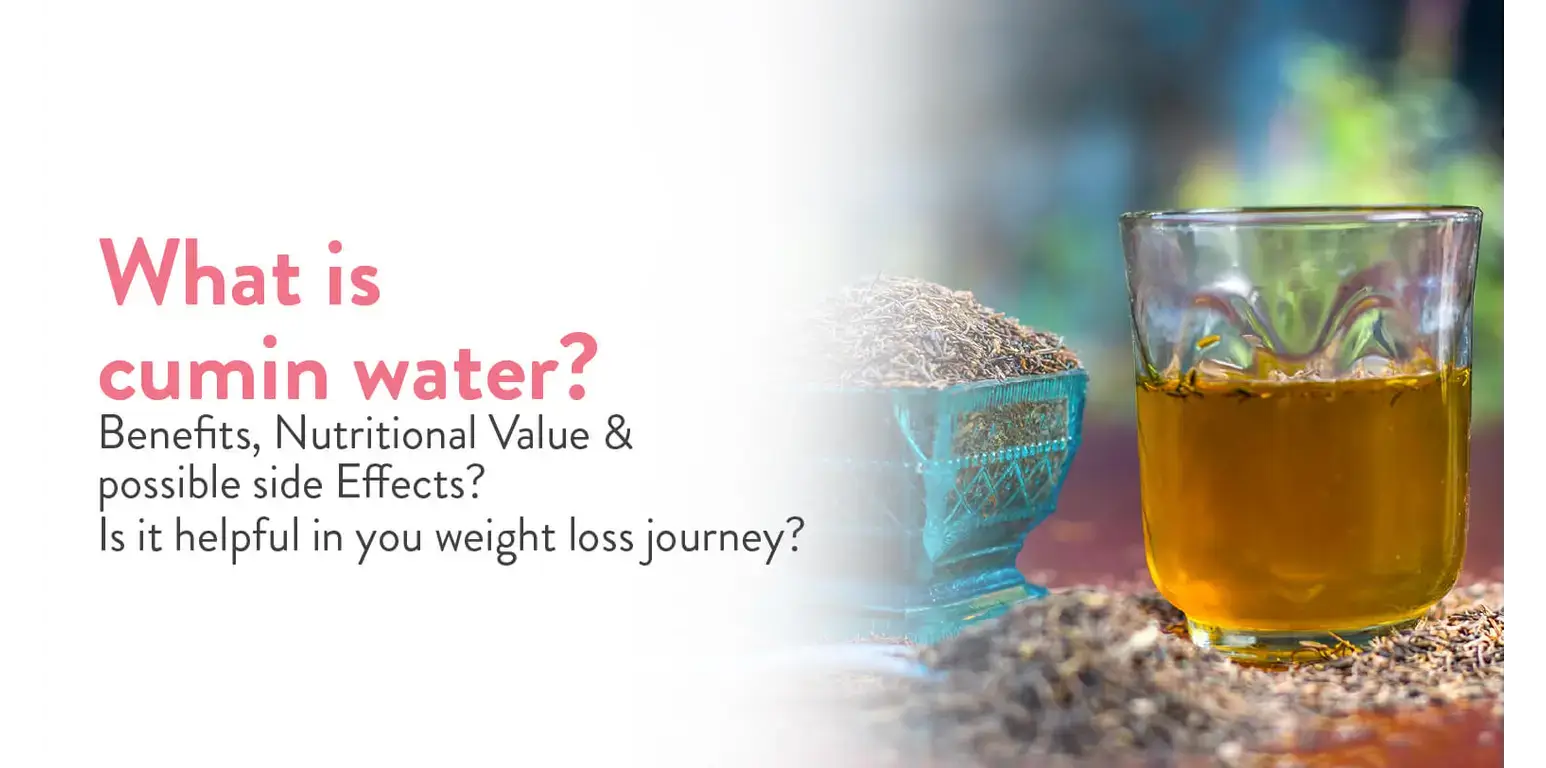
Table of Contents
Feeling bloated, heavy, or uncomfortable after meals? This has become a common issue for many people today. Despite trying different home remedies, the results often feel inconsistent or confusing.
Among the many traditional solutions, cumin (jeera) water is often recommended as a simple daily habit. But does it actually help, or is it just another health fad?
Read on to find out!
Cumin seeds come from the plant called Cuminum cyminum and are widely used in Indian cooking. When you soak cumin seeds overnight or boil them in water to extract their nutrients and flavour, it becomes cumin (jeera) water.
Ayurveda has long suggested great benefits of cumin seeds, which has made them popular among the masses. According to studies indexed in NIH databases (PubMed), cumin seeds have antioxidants and certain plant compounds. These compounds are believed to:
The natural compounds in cumin seeds mainly add to the benefits of cumin water. But remember, cumin water is not a magic potion. It works best when you combine it with a balanced diet and a healthy lifestyle.
Let’s look at some commonly discussed health benefits of cumin water.
1. It may help improve digestion problems.
If you are dealing with poor digestion and looking for an easy home remedy, drinking cumin water regularly may benefit you. Cumin seeds have natural properties that can stimulate digestive enzymes and help break down food more efficiently.
As a result, you may experience:
Many people drink jeera water in the morning to kickstart digestion for the day.
But if your digestion problem is persistent, it can also be a sign of more serious concerns. So, make sure you consult your doctor in time.
2. It may help with weight loss.
If you are trying to lose weight, cumin water can be a healthy addition to your diet. A study published in the Journal of Diabetes & Metabolic Disorders found that cumin supplementation helped reduce body weight.
It may make your metabolism stronger and help your body process food properly, which can contribute to better weight management over time.
But you should also understand that cumin alone can never help you lose weight. It may only help you when you combine it with the following healthy habits:
3. It may help reduce acidity and bloating.
That constant feeling of heaviness after meals, bloating, or acidity at the wrong time can affect your entire day. It is not just uncomfortable, but it can affect your mood, and even make you hesitant about what to eat next.
Cumin water may help by stimulating digestive juices and reducing gas formation in the stomach. This may result in:
4. It may make your skin look healthy.
Healthy skin often reflects what’s happening inside your body.
Cumin seeds are packed with antioxidants, which may help protect your skin cells from damage caused by pollution and stress.
With regular consumption, it may:
However, staying hydrated, eating a balanced diet, and getting proper sleep is equally important for visible results.
5. It may make your metabolism stronger.
A well-functioned metabolism helps your body use energy efficiently and maintain overall balance.
Cumin water gently stimulates metabolic activity, which may help your body:
This is why some people prefer drinking jeera water on an empty stomach in the morning.
While cumin water offers several benefits, it is not a quick fix or miracle solution.
You are more likely to notice positive changes when it is combined with:
When you add cumin seeds to any dish, their nutritional value slightly changes. Although the standard serving sizes of cumin are 1 tablespoon (6 grams) or 1 teaspoon (2 grams), we are examining its nutritional value per 100 gram serving to get accurate figures.
| Nutrients | Amount |
| Energy | 375 kcal |
| Water | 8.06 g |
| Protein | 17.81 g |
| Total Fat | 22.27 g |
| Carbohydrates | 44.24 g |
| Dietary Fibre | 10.5 g |
| Sugar | 2.25 g |
So as you can see from the above nutrition chart, cumin has very low calories, making cumin water a light and refreshing drink. Even though the other nutrients are present in small quantities, regular intake may contribute to overall wellness when combined with a healthy diet.
Also Read: Guava & Guava Leaves: Health Benefits, Nutrition, Side Effects and how to eat
You only need a few minutes, some water and cumin seeds to make the healthy cumin water.
Ingredients Required
Simple Steps to Follow
You can chew the soaked seeds if you like.
This is the simplest recipe for cumin water.
Some people prefer instant hot cumin water.
Simple Steps to Follow
Optional Variations
You can enhance the flavour and benefits by adding:
Also Read: Fox Nut (Makhana): Know the Nutrition, Benefits & Side Effects
The most commonly recommended time to drink cumin water is on an empty stomach in the morning.
Drinking jeera water in the morning may:
Cumin (jeera) water is generally considered safe for most people when consumed in moderation. However, like any natural remedy, it may lead to certain side effects if consumed in excessive amounts.
Here are few things to keep in mind:
These side effects of cumin water are very rare and uncommon, but you should still be aware of them.
We suggest consulting your doctor before adding it to your daily routine.
Also Read: How to increase Haemoglobin naturally
While most people can consume cumin water safely, you should take extra caution if you:
Drinking jeera water during pregnancy in large quantities should be discussed with a doctor first. Excess cumin may stimulate uterine contractions in rare cases. However, moderate culinary amounts of cumin are normally considered safe.
If you are pregnant, always check with your healthcare provider before regularly drinking cumin seed water.
Cumin water is not recommended for infants under 6 months of age. Infants under 6 months should only be fed breast milk, unless advised by a pediatrician.
If you want to enjoy the benefits of cumin water safely, make sure you keep a few points in mind.
Also Read: Total Leukocyte Count (TLC) Test: Complete detail, procedure, normal levels, and testing methods
The benefits of cumin water make it a simple and healthy addition to many people’s daily routine. It may help you with digestion, metabolism, skin health, weight management and other concerns.
But also keep in mind that cumin water works best alongside healthy eating, exercise, and good sleep. It is a supportive wellness habit, not a magic tonic.
You can try drinking jeera water for a few weeks and see how your body responds. If you are unsure, consult your doctor for expert advice.
Also Read: What is cholesterol? Type, normal range, Diagnosis and Treatment
Does cumin water for weight loss really work?
Cumin water may help indirectly in weight loss by improving your digestion and metabolism, but it should be combined with healthy lifestyle habits.
Can we drink jeera water daily?
If you are having it in moderation, you can drink jeera water daily. Because its calories are very low, it fits well into most diets. However, daily intake should still be balanced with a healthy diet and lifestyle.
How many calories are there in cumin water?
A glass of cumin water contains very few calories.
Is lemon with cumin water better?
Adding lemon may provide extra vitamin C and improve taste, but both versions offer digestive benefits.
Can jeera water for weight loss reduce belly fat?
Jeera water for belly fat may support overall fat loss by improving digestion and metabolism, but it won’t target belly fat alone.
How often should we drink jeera water for better digestion?
For most people 1 – 2 glasses per day is enough. But don’t overconsume it. Also, make sure you are not allergic to cumin seeds.
Can jeera water be consumed at night instead of morning?
Yes. You can drink jeera water at night if it suits your routine. However, the jeera water in morning habit is more popular because it may support digestion early in the day. If you struggle with acidity at night, warm cumin seed water may help soothe the stomach.

