Filter :

Table of Contents
Male infertility in India is often overlooked and up until recently, hardly spoken about. So the first point of action is often acknowledging that there might just be a problem. If you are dealing with male infertility, it is natural to feel overwhelmed and concerned about your future or your relationship. But the reassuring part is that in many cases, it is manageable with the right approach.
So, if you are feeling stuck in this situation, this blog will help you find direction. With this blog we will explain what male infertility actually means, its causes, symptoms, diagnosis, and treatment options, so that you can make an informed decision for your future.
It involves challenges related to male reproductive health that may make it harder for a couple to successfully conceive after a year or more of regular unprotected sexual intercourse. Male infertility often comes down to issues with sperm quality such as low count, poor motility, or abnormal shape.
There is a common condition in male infertility called oligospermia, which causes a lower sperm count than normal. Since sperm health plays a very important role in conception, even small disruptions can affect fertility outcomes.
Some studies also suggest that modern lifestyle patterns, environmental exposure, and increasing stress levels are also causing a rise in the cases of male infertility.
Also Read: Most Common STDs for Women and Men
Male infertility can be caused by various reasons, and in some cases, more than one factor may be involved. To understand better, let’s divide it into four broad categories:
1. Medical Factors
Also Read: Prevention & management of erectile dysfunction
2. Genetic Factors
Also Read: How to consume Pomegranate, it’s health benefits and nutrition value?
3. Lifestyle Factors
4. Environmental Factors
Also Read: All you need to know about Erectile Dysfunction
You may not be able to see obvious symptoms of male infertility until you try to conceive. Some possible signs of male infertility can be:
Also Read: Walking or Spot Jogging: Which is more beneficial for body
To diagnose male infertility, doctors may recommend:
When the cause is detected early, it can ease stress and open up better treatment options.
Also Read: Ashwagandha: Uses, Nutrition Value and who should avoid it
When it comes to treatments for male infertility, the approach depends on the root cause. In many cases, they are treatable. Male infertility can be treated in the following ways:
Also Read: Shilajit: Uses, Nutrition Value and who should avoid it.
Male infertility can be an overwhelming and deeply personal concern, but increasing awareness and medical advancements are helping more men find support and effective treatment options. If you have been noticing signs or have concerns, seeking help early can help you both mentally and physically.
Also Read: What is cumin water? Benefits, Nutritional Value and possible side Effects?
Can stress cause male infertility?
Yes. Long-term stress can impact your hormone production and sperm health, which may eventually cause infertility. That’s why mental well being is just as important as physical care.
Does age affect male fertility?
Age does affect male fertility. In men, sperm quality typically begins to decline gradually around age 35-45 and continues to decrease over time. However, age is not the only factor. Older men who maintain healthy habits may preserve fertility better. Genetics, health conditions, and environmental factors also play important roles.
Can male fertility be cured naturally?
While not all cases can be treated naturally, many can improve with healthy and consistent lifestyle changes. You can try the following tips for better reproductive health:
How long does it take for sperm to regenerate?
Although the male body produces new sperm continuously, the full cycle of sperm production takes about 64 – 74 days for a new, mature sperm cell to be created. This cycle is called spermatogenesis.
Can laptop use affect male fertility?
Using a laptop directly on the lap for long periods may increase heat exposure, which can affect sperm health over time. But the evidence does not prove that use of a laptop alone directly causes infertility.

Does thicker semen really mean better fertility?
Many men who notice thinner or watery semen start to feel concerned about what it might mean for their sexual health. It is easy to fall into a cycle of overthinking, especially with so much confusion and misinformation around reproductive health. But the truth is that semen thickness alone is not always the indicator of fertility.
What actually matters is a combination of internal factors like sperm count, motility, hydration, and overall lifestyle. Simple lifestyle changes may help improve your semen quality and reproductive health.
But before jumping into remedies, it is important to understand what is causing these changes and what you should really focus on. Let’s get started!
Table of Contents
Although the terms semen and sperm are often used interchangeably, they refer to different things. Semen is the fluid that carries sperms, which are microscopic reproductive cells. So when we talk about semen thickness, we are mostly referring to the fluid, not necessarily the health of the sperm cell.
| Factor | Semen | Sperms |
| What it is | It is a fluid released during ejaculation. | They are microscopic reproductive cells. |
| Function | It carries sperm. | A sperm fertilises the egg. |
| Composition | It contains enzymes, protein, and minerals. | It is an individual sperm cell. |
Myth: Thicker semen means stronger or masculine fertility.
Reality: Fertility is not determined by semen thickness alone. Instead, it depends more on:
Thicker semen might look healthier, but it does not always translate into better chances of pregnancy. In fact, extremely thick semen (called hyperviscosity) can make it harder for sperm to move freely.
In a clinical study of men undergoing fertility evaluation, less than 1% had watery semen, while nearly 1 in 5 had semen that was too thick.
If you have noticed thinner semen, it is often temporary and linked to everyday lifestyle factors. It mostly happens, when you ejaculate too frequently and the body does not get enough time to rebuild sperm production.
Common causes of thin semen can be:
Also Read: Lighter Periods Than Usual
The body naturally changes semen consistency. It initially looks thick and becomes more fluid within 15 – 30 minutes. This is called liquefaction, and it is completely normal.
Also Read: Living with PCOS
Many men focus only on the thickness of semen, but changes in semen quality can sometimes be linked to deeper health concerns.
Effects of low-quality thin semen are:
These effects do not happen in every case, but they highlight why it is important to pay attention to overall reproductive health rather than just semen thickness.
Also Read: Sweet Potato: Health Benefits, Nutritional Value and Possible Side Effects
Yes. If watery semen carry healthy and motile sperm, a woman can get pregnant.
Pregnancy depends on factors like:
It is a common misconception that watery semen indicates infertility. The reality is, even if semen appears watery, it may still contain enough healthy sperm for fertilisation. If you are still unsure or concerned, it is advisable to consult a fertility expert.
Also Read: What is Endometrial Thickness and Why Does it Matter?
Now, let’s check out what actually helps maintain the right semen thickness.
1. Eat Nutrient-Rich Foods
Diet plays a great role in maintaining your sexual health. If you want healthy semen, make sure you eat a balanced diet packed with the right nutrients.
Zinc is one of the most important minerals that helps maintain healthy sperm production. Eating foods that contain high zinc content can also help improve semen thickness.
Foods that may help you:
2. Stay Hydrated
About 90% of semen is fluid. Low water intake can make it look more concentrated or inconsistent. If you want your semen to be healthy and sperms to be properly motile, drink at least 2 – 4 litres of water everyday.
3. Manage Stress Levels
Chronic stress can affect hormones like testosterone, which directly impacts your sperm production.
Some simple ways to manage stress:
If you are unable to manage stress on your own and the situation is concerning, speak to an expert for better advice.
4. Avoid Smoking and Excess Alcohol
Both can negatively impact your:
If you are not able to quit immediately, at least reducing your intake can lead to improvements over time.
Also Read: Can Long-Term Junk Food Habits Raise Your Breast Cancer Risk?
5. Maintain a Healthy Weight
Being overweight can disrupt hormone balance and lower testosterone levels. This also affects your sperm quality.
6. Give Your Body Time Between Ejaculations
As mentioned earlier, multiple ejaculations in a short time can lead to fewer sperm per ejaculation, which may cause thinner semen. Giving your body time between ejaculations allows it to rebuild healthier sperm.
7. Get Enough Sleep
Sleep is when your body regulates hormones. Poor sleep can reduce testosterone levels and negatively impact sperm health.
8. Stay Physically Active
Regular movement improves blood flow and hormone balance, which supports reproductive health.
9. Be Cautious with Supplements
There are certain medications in the market that claim to thicken semen instantly. The truth is, no pill can instantly thicken semen. Most supplements take time and should only be used when prescribed by a qualified doctor.
Along with a balanced diet, certain vitamins play an important role in maintaining sperm health and semen quality.
Including these nutrients in your daily diet can gradually improve your reproductive health.
Also Read: Iron Rich Foods
If you notice persistent changes in semen quality or are trying to conceive without success, you should get a semen analysis for better clarity.
Some general reference points are as follows:
For accurate results, doctors usually recommend avoiding ejaculation for 2 to 5 days before the test. A proper test is the most reliable way to understand your fertility status.
Also Read: Why should we drink Green Tea? Benefits, Nutritional Value and Possible Side Effects
It is completely normal to notice changes in semen texture from time to time. The important thing to remember is that thickness alone does not define fertility. What really matters is your sperm health, movement, and count.
Instead of stressing over your semen thickness, focus on consistent, healthy habits that will improve sperm quality. If something feels persistently unusual, you should consider getting a semen analysis done.
Also Read: Ashwagandha: Uses, Nutrition Value and who should avoid it
How can I make my sperm thick and healthy naturally?
Focus on balanced nutrition, hydration, stress management, and proper sleep. These directly improve sperm production and overall health.
Can thick sperm cause pregnancy?
Yes, but only if sperm inside the semen are healthy and active. Thickness alone does not guarantee fertility.
Why is my sperm so thick sometimes?
It could be due to dehydration, longer gaps between ejaculation, or natural body variation.
Can watery sperm get a woman pregnant?
Yes. Even watery semen can contain enough healthy sperm for fertilisation.
How to make sperm stronger for pregnancy?
Improve sperm motility, count, and quality through diet, exercise, and avoiding harmful habits.
Thick sperm vs watery sperm, which is better?
Neither extreme is ideal. Balanced consistency with healthy sperm parameters is what matters most.
What are the signs of unhealthy sperms?
Low energy levels in sperm (poor motility), abnormal shape, or low count are some common signs of unhealthy sperms. These are only confirmed through proper semen analysis tests.
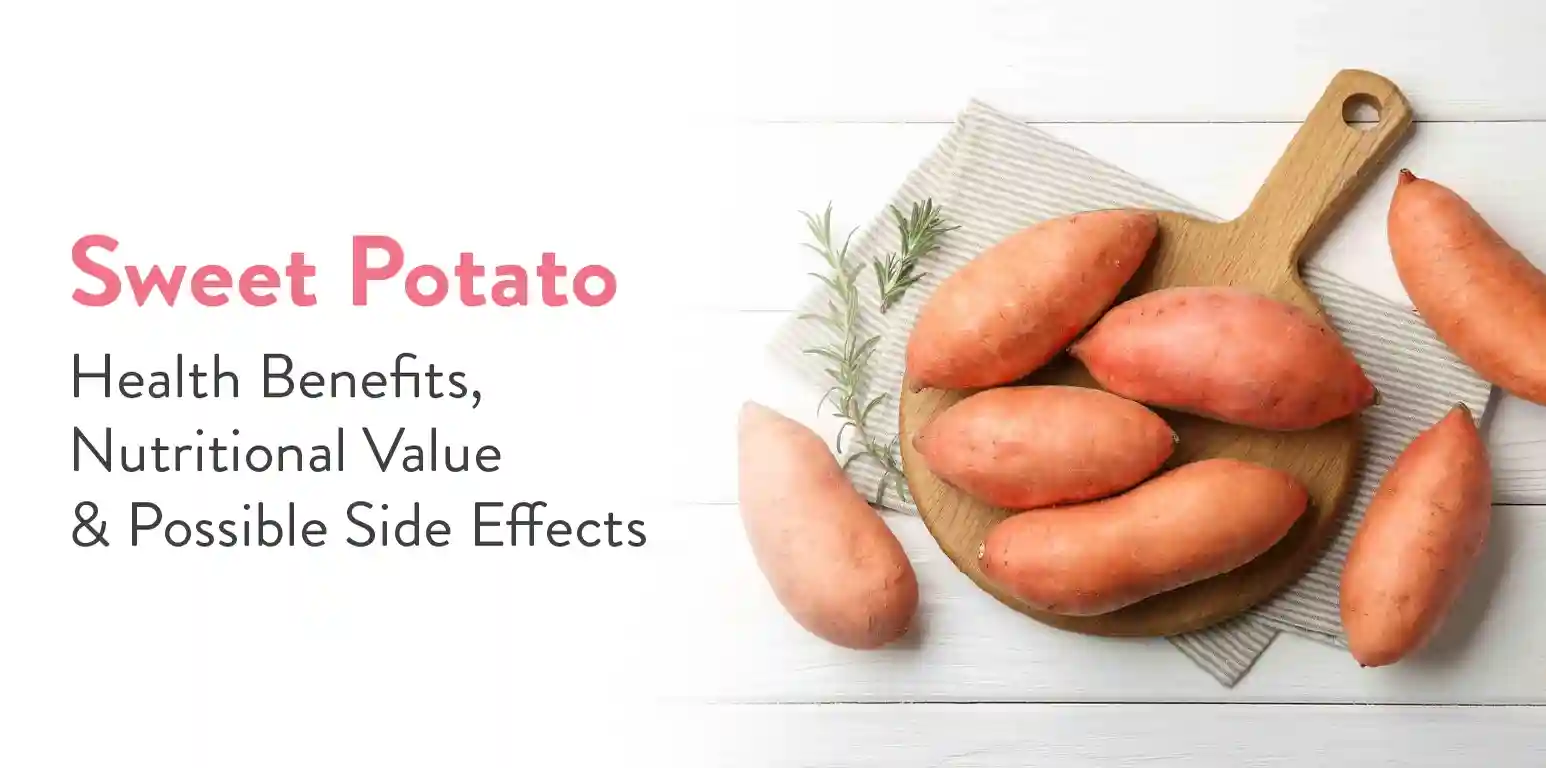
If you still believe that healthy food cannot be tasty, you must try sweet potato the right way.
Known as shakarkandi in India, this naturally sweet root vegetable is packed with a powerful nutritional punch.
But does it suit everybody’s diet? Can we eat it every day? In this blog, we cover everything you need to know about sweet potatoes. From its nutritional value and major health benefits to side effects and the best ways to cook it.
Table of Contents
Sweet potato is a root vegetable that grows underground and belongs to the morning glory plant family. It is sweeter in taste and is different from regular white potatoes.
When compared with white potatoes, sweet potatoes are richer in fibre, vitamins, and antioxidants that may help you maintain a healthy body. They are also gluten-free and easy to digest for most people.
Also Read: Sweet Potato: Health Benefits, Nutritional Value and Possible Side Effects
Sweet potatoes come in a variety of types. Some of the commonly recognised varieties are:
Each type has slightly different nutritional profiles.
Also Read: Pineapple: Benefits, Nutrition, Right Way to eat and who should avoid
Now, let’s see what nutrients are present in sweet potato that make it a healthy option.
Nutrients in Raw Sweet Potato (Per 100g)
| Nutrients | Amount |
| Calories | 86 kcal |
| Carbohydrate | 20 g |
| Protein | 1.6 g |
| Fibre | 4 g |
| Fat | 0.1 g |
| Vitamin A | 79% Daily Value |
| Vitamin C | 3 – 4% Daily Value |
| Potassium | 337 mg |
Also Read: Best Food for strong bones and joints
As you can see in the above mentioned chart, sweet potatoes are packed with nutrients, especially fibre, making this vegetable a great addition to your diet.
Apart from these nutrients, sweet potatoes are also rich in vitamins and minerals such as:
These nutrients in sweet potatoes may help you improve digestion, heart health, vision, and overall health. But make sure you eat them in moderate or balanced amounts. Overeating them can cause more side effects than benefits.
Also Read: How to increase Haemoglobin naturally
Let’s check out some commonly known benefits of sweet potatoes.
1. It can improve your eye health.
Sweet potatoes have a good amount of beta-carotene, which the body converts into vitamin A. According to the National Institutes of Health (NIH), vitamin A is essential for maintaining healthy eyesight. This vitamin present in sweet potatoes may help in:
Also Read: How to consume Pomegranate, it’s health benefits and nutrition value?
2. It helps boost your immunity.
Your immune system relies on nutrients like vitamin A and vitamin C. Because sweet potatoes contains both of these vitamins, eating them regularly can help your body:
This is also the reason traditional diets often include shakarkandi during seasonal changes.
Also Read: What is cumin water? Benefits, Nutritional Value and possible side Effects?
3. Improves your gut health and digestion.
Sweet potato is a fibre-rich root vegetable which may help you:
When your gut stays healthy, it helps boost immunity and regulate mood.
Also Read: Shilajit: Uses, Nutrition Value and who should avoid it.
4. Helps maintain healthy blood sugar.
It is true that sweet potato contains carbs, but it has a moderate glycaemic index when cooked properly. Because of its fibre, sweet potato releases sugar slowly into the bloodstream. This helps avoid sudden spikes in blood glucose.
You can boil, steam or bake sweet potatoes to help balance blood sugar. Deep-frying can increase the calorie load and reduce the overall health benefits.
5. It may improve heart health.
Sweet potatoes have a good amount of potassium that may help in:
The fibre also helps manage cholesterol levels.
6. It may help in maintaining healthy skin and hair.
Vitamins in sweet potatoes include vitamin A and antioxidants that are considered good for keeping your hair and skin healthy. Beta-carotene present in sweet potatoes is also believed to strengthen your scalp health.
Also Read: Why should we drink Green Tea? Benefits, Nutritional Value and Possible Side Effects
Yes. If you eat them in moderation, they are generally considered safe.
Sweet potatoes have many health benefits, but it is always recommended to consult a doctor before adding anything to your regular diet, especially during pregnancy.
Also Read: Ashwagandha: Uses, Nutrition Value and who should avoid it
Overall, sweet potatoes are a healthy choice because they contain much higher levels of vitamin A than regular potatoes.
There is no single way to cook sweet potatoes. But methods that preserve the most nutrients are considered the healthiest ways to cook sweet potatoes.
Some of the most common ways to cook sweet potatoes are:
Also Read: Iron Rich Foods
Although sweet potatoes are healthy, eating too much may cause some minor issues.
1. Overconsumption of Vitamin A
Vitamins in sweet potatoes include large amounts of beta carotene. Excessive intake could increase vitamin A content in your body. However, toxicity from plant-based beta carotene is quite rare, but it is still best to consume it in moderation.
2. It may cause digestive discomfort
Some people may experience bloating due to excess intake of fibre from sweet potato. If you want to make it easier to digest:
3. It may cause kidney stone risk (in very rare cases)
Sweet potatoes contain oxalates that may contribute to the formation of kidney stones in some people. People with a history of kidney stones should consult a doctor before eating large amounts of sweet potatoes.
Also Read: Top Vitamin B12 Rich Foods: Boost Your Energy Naturally
There is a reason sweet potatoes have been part of traditional diets for centuries. From improving digestion to helping keep your eyes healthy, the health benefits of sweet potatoes are really impressive. They are filled with several vitamins and minerals that contribute to your wellbeing. Adding sweet potatoes to your diet can be a simple and affordable way to boost overall health.
But make sure you eat them in moderate amounts. When eaten as part of a balanced diet, sweet potatoes are not only tasty but also genuinely good for you.
Are sweet potatoes healthier than white potatoes?
Yes. Sweet potatoes are a healthier option. In many cases, sweet potatoes are considered a healthier choice than white potatoes since they provide more fibre, vitamins, and antioxidants.
What’s the best way to cook sweet potatoes for blood sugar?
You can boil, steam, or bake sweet potatoes to retain most of their nutrients. You can also experiment with different recipes like sweet potato salad, soup, paratha, and more for a change in taste.
Can I eat sweet potatoes every day?
Yes. Sweet potatoes are good when eaten in balanced portions.
Most healthy adults can safely eat about one medium sweet potato per day, or 100 – 150g serving.

यदि आप रोजाना सुबह थकान और हल्के बुखार के साथ उठ रहे हैं, तो इसे सामान्य समझकर नजरअंदाज न करें। इसके साथ-साथ कुछ ही दिनों में आपकी आंखों में पीलापन आने लगता है और शरीर की ऊर्जा पूरी तरह खत्म हो जाती है, तो यह खतरे की घंटी है। यह स्थिति न केवल डरावनी है, बल्कि आपके लीवर के लिए एक बड़ी चेतावनी भी है। हेपेटाइटिस ई बीमारी एक ऐसी ही समस्या है, जो अक्सर हमारे खान-पान की छोटी सी लापरवाही से शुरू होती है।
लीवर हमारे शरीर का ‘इंजन’ है, और जब इस इंजन में हेपेटाइटिस ई का संक्रमण होता है, तो यह आपके पूरे शरीर में उथल-पुथल मच जाती है। सीके बिरला अस्पताल में हम समझते हैं कि बीमारी सिर्फ शारीरिक नहीं, बल्कि भावनात्मक बोझ भी होती है, इसलिए इसका पूरा इलाज आवश्यक है। यदि आप या आपके प्रियजन असामान्य थकान या पीलिया के लक्षणों का सामना कर रहे हैं, तो बिना देरी किए हमारे विशेषज्ञों से सलाह लें। आपकी एक छोटी सी सतर्कता लीवर की बड़ी सर्जरी या गंभीर स्थिति को टाल सकती है।
Table of Contents
हेपेटाइटिस ई लीवर की एक सूजन है, जो हेपेटाइटिस ई वायरस (HEV) के कारण होती है। विश्व स्वास्थ्य संगठन (WHO) के आंकड़ों के अनुसार, हर साल दुनिया भर में लगभग 20 मिलियन HEV संक्रमण होते हैं। यह वायरस मुख्य रूप से लीवर की कोशिकाओं पर हमला करता है, जिससे पाचन तंत्र और विषाक्त पदार्थों को बाहर निकालने की शरीर की क्षमता प्रभावित होती है।
आमतौर पर यह संक्रमण ‘एक्यूट’ (कम समय के लिए) होता है और खुद ठीक हो जाता है, लेकिन कुछ मामलों में, विशेष रूप से गर्भवती महिलाओं या कमजोर इम्यूनिटी वाले लोगों में, यह ‘लिवर फेलियर’ का कारण बन सकता है।
ये भी पढ़े: हेपेटाइटिस: प्रकार, कारण, लक्षण और उपचार
कई लोग अक्सर पूछते हैं कि हेपेटाइटिस ई के क्या कारण हैं? इसका सबसे प्रमुख कारण ‘फेकल-ओरल रूट’ (fecal-oral route) या दूषित पानी या भोजन के संपर्क में आने से फैलता है। चलिए इस स्थिति के सभी मुख्य कारणों को समझते हैं –
हेपेटाइटिस ई को समझने के बाद यह स्पष्ट है कि हमारी जीवनशैली और स्वच्छता की आदतें ही हमारी सबसे बड़ी सुरक्षा कवच हैं। चलिए इस संबंध में और बातों को जानते हैं।
ये भी पढ़े: हेपेटाइटिस ए: कारण, लक्षण और इलाज
हेपेटाइटिस ई के लक्षण संक्रमण के 2 से 8 सप्ताह बाद दिखाई देने लगते हैं। शुरुआत में यह लक्षण बहुत सामान्य लगते हैं –
हेपेटाइटिस ई की पहचान समय पर करना इसलिए जरूरी है, क्योंकि इसके लक्षण अन्य प्रकार के हेपेटाइटिस (जैसे A या B) से मिलते-जुलते हो सकते हैं।
ये भी पढ़े: हेपेटाइटिस बी: कारण, लक्षण और उपचार
यह जानना बहुत जरूरी है कि हेपेटाइटिस ई का संक्रमण कैसे फैलता है ताकि आप सुरक्षित रह सकें। यह समस्या निम्न स्थितियों में फैल सकता है –
ये भी पढ़े: हेपेटाइटिस सी क्यों होता है: इसके लक्षण और उपचार
अगर आपको ऊपर दिए गए लक्षण महसूस होते हैं, तो हेपेटाइटिस ई की जांच अनिवार्य है। डॉक्टर आमतौर पर निम्नलिखित टेस्ट की सलाह देते हैं –
ये भी पढ़े: हेपेटाइटिस डी क्यों होता है: इसके लक्षण और उपचार
अच्छी खबर यह है कि अधिकांश मामलों में हेपेटाइटिस ई का उपचार बिना किसी विशेष दवा के संभव है। इसके इलाज के मुख्य बिंदु निम्नलिखित हैं –
ये भी पढ़े: लिवर में सूजन क्यों होता है: लक्षण, कारण, शरीर पर इसका प्रभाव और इसका इलाज?
लीवर की रिकवरी के लिए सही पोषण बहुत ज़रूरी है। हेपेटाइटिस ई में क्या खाना चाहिए, इसके लिए यहां कुछ सुझाव दिए गए हैं –
ये भी पढ़े: क्या रोज़ाना पपीता खा सकते है। इसके फायदे, नुकसान और पोषक तत्त्व।
हेपेटाइटिस ई से बचाव ही इस बीमारी का सबसे बेहतरीन ‘इलाज’ है। इन सरल नियमों का पालन करें और खुद को स्वस्थ रखें –
ये भी पढ़े: अनानास के फायदे, नुकसान, पोषक तत्त्व और खाने का सही तरीका
यदि आपको निम्नलिखित में से कुछ भी महसूस हो, तो तुरंत हमारे अनुभवी विशेषज्ञों या अपने नजदीकी विशेषज्ञ से संपर्क करें –
ये भी पढ़े: आंत में सूजन क्यों होता है: लक्षण, कारण, शरीर पर इसका प्रभाव और इसका इलाज?
हेपेटाइटिस ई बीमारी सुनने में सामान्य लग सकती है, लेकिन इसकी अनदेखी गंभीर परिणाम ला सकती है। स्वस्थ लीवर ही एक स्वस्थ जीवन की नींव है। हेपेटाइटिस ई कैसे होता है और इससे कैसे बचा जा सकता है, इसकी जानकारी रखना न केवल आपकी जिम्मेदारी है बल्कि आपके परिवार की सुरक्षा के लिए आवश्यक भी है। याद रखें, सावधानी और सही समय पर हेपेटाइटिस ई का इलाज आपको किसी भी बड़ी स्वास्थ्य समस्या से बचा सकता है। अपनी स्वच्छता का ध्यान रखें और स्वस्थ रहें। यदि घर परिवार में किसी को भी कोई समस्या है, तो बिना देर किए हमारे अनुभवी विशेषज्ञों से मिलें और इलाज लें।
ये भी पढ़े: पेट में गैस क्यों बनता है ? जानें कारण, लक्षण और इलाज
क्या हेपेटाइटिस ई एक गंभीर बीमारी है?
सामान्यतः यह खुद ठीक हो जाती है, लेकिन गर्भवती महिलाओं, बुजुर्गों या पहले से लीवर की बीमारी वाले लोगों के लिए यह जानलेवा हो सकती है। गर्भावस्था में इससे मृत्यु दर 20-25% तक हो सकती है।
हेपेटाइटिस ई कितने दिनों में ठीक हो जाता है?
ज्यादातर लोग 2 से 6 सप्ताह के भीतर पूरी तरह ठीक हो जाते हैं। हालांकि, थकान और कमजोरी कुछ हफ्तों तक बनी रह सकती हैं।
क्या हेपेटाइटिस ई एक व्यक्ति से दूसरे व्यक्ति में फैलता है?
यह सीधे छूने से नहीं फैलता, लेकिन यदि स्वच्छता का ध्यान न रखा जाए और संक्रमित व्यक्ति के मल के अंश, पानी या भोजन में मिल जाएं, तो यह फैल सकता है।
क्या हेपेटाइटिस ई के लिए कोई वैक्सीन उपलब्ध है?
हेपेटाइटिस ई के लिए वैक्सीन (Hecolin) विकसित की गई है, लेकिन वर्तमान में यह मुख्य रूप से चीन में ही उपलब्ध है। भारत में स्वच्छता ही सबसे बड़ा बचाव है।
क्या हेपेटाइटिस ई दोबारा हो सकता है?
एक बार संक्रमण होने के बाद शरीर में एंटीबॉडीज बन जाती हैं, जिससे दोबारा संक्रमण होने की संभावना बहुत कम होती है, लेकिन यह पूरी तरह असंभव नहीं है।
क्या हेपेटाइटिस ई बच्चों में भी हो सकता है?
हां, बच्चे भी दूषित पानी या भोजन के माध्यम से संक्रमित हो सकते हैं। हालांकि, बच्चों में अक्सर इसके लक्षण वयस्कों की तुलना में कम गंभीर होते हैं।
हेपेटाइटिस ई में कौन-सी चीजें खाने से बचना चाहिए?
तली-भुनी चीजें, बाहर का जंक फूड, मसालेदार खाना, कच्चा मांस, कच्चा समुद्री भोजन और शराब से पूरी तरह परहेज करना चाहिए।
क्या हेपेटाइटिस ई में अस्पताल में भर्ती होना जरूरी होता है?
ज्यादातर मामलों में घर पर आराम से ठीक हुआ जा सकता है। लेकिन यदि गंभीर डिहाइड्रेशन, लगातार उल्टी या गर्भावस्था जैसी स्थिति हो, तो अस्पताल में भर्ती होना अनिवार्य है।
क्या हेपेटाइटिस ई का घरेलू इलाज सुरक्षित है?
घरेलू उपाय जैसे गन्ने का रस या उबला खाना सहायक हो सकते हैं, लेकिन बिना डॉक्टरी सलाह के कोई भी ‘जड़ी-बूटी’ न लें, क्योंकि इससे लीवर फेलियर का खतरा बढ़ सकता है।
हेपेटाइटिस ई और हेपेटाइटिस ए में क्या अंतर है?
दोनों दूषित पानी से फैलते हैं, लेकिन हेपेटाइटिस ई वायरस अलग है और यह गर्भवती महिलाओं के लिए हेपेटाइटिस ए की तुलना में बहुत अधिक खतरनाक होता है।

गर्मियों में दिन थोड़े बड़े हो जाते हैं, जिसके कारण हमें इस भीषण गर्मी में घर से बाहर निकलना ही पड़ता है। कल्पना कीजिए कि आप काम से घर लौटते हैं और आपको अचानक तेज सिरदर्द, चक्कर या अत्यधिक कमजोरी महसूस होती है। हम अक्सर इसे सिर्फ “धूप की थकान” मानकर छोड़ देते हैं, लेकिन असल में यह आपके शरीर की एक पुकार है कि – मुझे हाइड्रेशन चाहिए।
बहुत ज्यादा गर्मी हमारे शरीर के भीतर के जल स्तर और मिनरल्स को सोख लेते हैं। गर्मी में हाइड्रेटेड कैसे रहें, यह केवल एक सवाल नहीं बल्कि इस मौसम में स्वस्थ रहने की सबसे बड़ी चुनौती है। सीके बिरला हॉस्पिटल में हम रोजाना ऐसे कई मामले देखते हैं जहां समय पर हाइड्रेशन पर ध्यान न देने के कारण लोग हीट स्ट्रोक का शिकार हो जाते हैं। आपकी सेहत हमारी प्राथमिकता है, और इसलिए यह ब्लॉग आपको उन छोटी लेकिन प्रभावी आदतों के बारे में बताएगा, जो इस बहुत गर्मी वाले मौसम में आपको और आपके परिवार को सुरक्षित रखेंगी। यदि आपको इस गर्मी किसी भी प्रकार की समस्या नजर आती है, तो बिना देर किए हमारे इंटरनल मेडिसिन के डॉक्टर से परामर्श लें।
Table of Contents
हमारा शरीर लगभग 60-70% पानी से बना है। जब बाहर गर्मी का मौसम अपने चरम पर होता है, तो शरीर पसीने के जरिए खुद को ठंडा रखने की कोशिश करता है। इस प्रक्रिया में न केवल पानी, बल्कि सोडियम और पोटैशियम जैसे जरूरी इलेक्ट्रोलाइट्स भी हमारे शरीर से निकल जाते हैं।
ये भी पढ़े: सर्वाइकल पेन के लक्षण, कारण और घरेलू इलाज
इससे पहले कि स्थिति गंभीर हो, आपका शरीर कुछ संकेत देता है। इनकी पहचान करना गर्मियों में डिहाइड्रेशन से बचने का सबसे प्रभावी उपाय है। आप निम्नलिखित लक्षणों को डिहाइड्रेशन के शुरुआती लक्षण मान सकते हैं –
ये भी पढ़े: लिवर में सूजन क्यों होता है: लक्षण, कारण, शरीर पर इसका प्रभाव और इसका इलाज?
अक्सर लोग पूछते हैं कि गर्मी में शरीर को ठंडा कैसे रखें? इसके लिए आपको अपनी दिनचर्या में कुछ बुनियादी बदलाव करने होंगे, जैसे कि –
ये भी पढ़े: आंत में सूजन क्यों होता है: लक्षण, कारण, शरीर पर इसका प्रभाव और इसका इलाज?
आपकी थाली ही तय करती है कि आप अंदर से कितने ठंडे रहेंगे। गर्मियों में क्या खाना चाहिए, इसके लिए प्रकृति ने हमें बेहतरीन विकल्प दिए हैं। चलिए इन्हें समझते हैं –
जब बात गर्मियों में हेल्दी ड्रिंक्स की आती है, तो बाजार के कोल्ड ड्रिंक्स से बेहतर हमारे पारंपरिक विकल्प हैं जैसे कि –
ये भी पढ़े: जानें ग्रीन टी के फायदे, नुकसान और सही मात्रा में सेवन
गर्मी में क्या खाना चाहिए और क्या पीना चाहिए, इसके लिए आपको ज्यादा मेहनत न करनी पड़े इसके लिए हमने आपको नीचे एक टेबल दिया है। इस टेबल की मदद से आपको बहुत ज्यादा मदद मिलने वाली है –
| समय | क्या लें? |
| सुबह जल्दी | एक गिलास गुनगुना पानी या नींबू पानी |
| नाश्ता | दलिया या पोहा और साथ में एक फल (तरबूज/पपीता) |
| दोपहर का भोजन | दाल, चावल, ताजी सब्जी, सलाद (खीरा शामिल करें) और छाछ |
| शाम का स्नैक | नारियल पानी या सत्तू का शरबत |
| रात का भोजन | हल्का खाना जैसे खिचड़ी या सूप |
ये भी पढ़े: तेजी से वजन कम करने के घरेलू उपाय और उपचार
गर्मियों में कुछ खाद्य पदार्थों से आपको 2 फीट की दूरी बना लेनी चाहिए जैसे कि –
ये भी पढ़े: डायबिटीज से बचाव के लिए जीवनशैली में अपनाएँ ये 8 बदलाव
बहुत ज्यादा गर्मी बच्चों और बुजुर्गों के लिए घातक हो सकती है, क्योंकि उनकी उम्र के अनुसार प्यास का एहसास कम हो सकता है। बुजुर्गों और बच्चों के लिए निम्न विकल्प का सहारा लें –
ये भी पढ़े: एल्कलाइन वाटर: क्या होता है, फायदे, नुकसान, और सेवन का सही तरीका
गर्मी में हाइड्रेटेड रहने के उपाय केवल आपकी प्यास बुझाने के बारे में नहीं हैं, बल्कि यह आपके शरीर के हर अंग को सुचारू रूप से चलाने का आधार है। गर्मी में शरीर को ठंडा कैसे रखें, इसके लिए प्रकृति ने हमें अद्भुत फल और सब्जियां दी है। याद रखें, एक स्वस्थ शरीर ही इस बहुत गर्मी वाले मौसम का आनंद ले सकता है।
अपनी सेहत के प्रति लापरवाही न करें। यदि आपको अत्यधिक थकान, बेहोशी या पेशाब न आने जैसी समस्या महसूस हो, तो तुरंत विशेषज्ञ से सलाह लें। सीके बिरला हॉस्पिटल (CK Birla Hospital) आपकी सेवा में हमेशा तत्पर है, जहाँ हमारी टीम आपकी सेहत की बारीकियों को समझती है।
सुरक्षित रहें, हाइड्रेटेड रहें!
गर्मियों में एक दिन में कितना पानी पीना चाहिए?
आमतौर पर एक स्वस्थ वयस्क को 3-4 लीटर तरल पदार्थ की आवश्यकता होती है। हालांकि, यदि आप धूप में ज्यादा रहते हैं या एक्सरसाइज करते हैं, तो इसे बढ़ा देना चाहिए।
क्या सिर्फ पानी पीना ही हाइड्रेशन के लिए पर्याप्त है?
नहीं, पसीने के माध्यम से शरीर से नमक और खनिज भी निकल जाते हैं। इसलिए पानी के साथ-साथ नारियल पानी, नींबू पानी या फलों का सेवन जरूरी है ताकि इलेक्ट्रोलाइट्स की कमी पूरी हो सके।
क्या ज्यादा पानी पीना नुकसानदायक हो सकता है?
जी हां, इसे ‘ओवर-हाइड्रेशन’ या वाटर इंटॉक्सिकेशन कहते हैं। यह शरीर में सोडियम के स्तर को बहुत कम कर सकता है। पानी हमेशा प्यास और आवश्यकता के अनुसार घूँट-घूँट करके पिएं।
क्या ठंडा पानी पीना गर्मियों में सही है?
बहुत अधिक बर्फ वाला ठंडा पानी पीने से बचना चाहिए क्योंकि यह आपके पाचन और गले को प्रभावित कर सकता है। मटके (घड़े) का पानी सबसे उत्तम है क्योंकि यह प्राकृतिक रूप से ठंडा और एल्कलाइन होता है।
क्या चाय और कॉफी शरीर को डिहाइड्रेट करती हैं?
हाँ, कैफीन एक ड्यूरेटिक है जो पेशाब के जरिए शरीर का पानी बाहर निकालता है। यदि आप चाय पीते हैं, तो उसके बाद अतिरिक्त पानी जरूर पीएं।
क्या गर्मियों में स्पोर्ट्स ड्रिंक पीना जरूरी है?
केवल तभी जब आप बहुत अधिक पसीने वाली एक्सरसाइज या एथलेटिक एक्टिविटी कर रहे हों। आम लोगों के लिए नींबू पानी या नारियल पानी स्पोर्ट्स ड्रिंक से कहीं बेहतर और प्राकृतिक विकल्प हैं।
क्या फल खाने से भी शरीर हाइड्रेट रहता है?
बिल्कुल! तरबूज, संतरा, अंगूर और खीरा जैसे फलों में पानी की मात्रा बहुत अधिक होती है, जो शरीर को लंबे समय तक हाइड्रेटेड रखने में मदद करती है।
डीहाइड्रेशन के संकेत और उपाय क्या हैं?
इस टेबल की मदद से आपके प्रश्न का उत्तर मिल जाएगा –
| लक्षण | क्या संकेत है? | उपाय |
| गहरा पीला पेशाब | गंभीर डिहाइड्रेशन | तुरंत 2-3 गिलास पानी और इलेक्ट्रोलाइट्स लें। |
| मांसपेशियों में ऐंठन | नमक/पोटैशियम की कमी | नारियल पानी या ओआरएस (ORS) पिएं। |
| सिरदर्द/चक्कर | हीट स्ट्रोक की शुरुआत | ठंडी जगह पर बैठें और शरीर का तापमान कम करें। |

Table of Contents
Endometrial thickness simply means how thick the endometrium lining becomes during different phases of your menstrual cycle.
Endometrium lining is present inside the uterus. It is made up of cells that respond to hormones, mainly estrogen and progesterone, which are produced by the ovaries. These hormones regulate the menstrual cycle, reproduction, and other female sexual characteristics.
This thickness is important because it helps create a healthy environment for a fertilised egg. If the lining is too thin, implantation may become difficult. If it is too thick, it could sometimes be a sign of a hormonal imbalance or other medical issue.
This thickness naturally changes throughout the cycle. It becomes thicker before ovulation and may become thinner after menstruation. Here is a simple overview of endometrial average thickness in cm and in mm during different stages of the menstrual cycle.
These are general ranges which may vary among individuals. Most fertility specialists consider around 8-12 mm or more during ovulation to be a good sign for implantation.
Also Read: Effective Tips to Get Periods Early
The most common way to measure endometrial thickness is with a transvaginal ultrasound. It is a safe, routine scan that gives doctors a much clearer picture of the uterus and ovaries than a standard abdominal scan would.
During the scan, a small ultrasound probe is gently placed inside the vagina. This allows the doctor to see the uterine lining clearly and measure its thickness more accurately.
Also Read: Menopause – Symptoms and Treatment Options
A gynaecologist may suggest checking your endometrial thickness for a number of reasons, such as:
After menopause, the lining naturally becomes much thinner as estrogen levels drop. At this stage, a thickness of less than 4 to 5 mm is generally considered normal. However, if you notice any abnormal bleeding, it is always worth getting checked out sooner rather than later.
Also Read: Irregular menses
The endometrial thickness shifts throughout a woman’s life, influenced by everything from hormones to sleep habits.
Here are some major factors that influence how thick the uterine lining becomes:
Sometimes doctors may also discuss the reason for endometrial thickness changes if scans show values outside the expected range. This does not always mean something is wrong, but it helps guide further evaluation.
Also Read: FAQs About Periods
A healthy uterine lining is essential for implantation. When a fertilised egg makes its way to the uterus, it needs a place to attach and grow. The uterine (endometrium) lining is exactly that place. It acts as the landing pad, providing the nourishment the egg needs to implant and begin growing into a pregnancy.
Without a healthy, well-developed lining, that process becomes a lot harder, which is why doctors pay close attention to it during fertility evaluations and IVF cycles.
The normal range of endometrial thickness for pregnancy is typically considered to be 8 – 14 mm during the implantation window. A lining thinner than about 7 mm may reduce the chances of implantation, although every case is different.
Also Read: Menopause Weight Gain: Causes and Implications
This is why many gynaecology & obstetrics monitor the uterine lining closely when helping couples conceive.
Also Read: Transitioning to Menopause: Understanding its effects on the body
Some women may have a thinner than average lining, which doctors call a thin endometrium. In many cases, there are no obvious symptoms, but certain signs may show up.
Some of the common indicators of thin endometrium are:
If you notice these symptoms, doctors may investigate the causes of endometrial thickness problems through hormonal tests or transvaginal ultrasound.
Also Read: Fighting memory loss battles with menopause
If your scans show that the endometrial lining is too thin or unusually thick, doctors may recommend further evaluation or treatment. These medical approaches can be:
To understand better you can read a documented case study from the CK Birla Hospital that describes how a fertility patient successfully conceived after a procedure called endometrial aspiration, which helped improve uterine receptivity before IVF treatment.
Your endometrial lining constantly changes and that is completely normal. It shifts throughout your menstrual cycle, responds to your hormones, and evolves across different stages of your life. Measurements outside the average endometrial thickness normal size range do not always indicate a serious problem, but they may prompt further investigation.
Eating well, managing stress, staying active, and checking in with your doctor when something feels off can go a long way in supporting your uterine health over time. Whether you are actively trying to conceive or simply trying to understand your body a little better, knowing about endometrial health really matters.
A very thin uterine lining may lower the chances of embryo implantation. In some cases, it can make conception more difficult during natural or assisted fertility treatments.
Some common causes include low estrogen levels, poor uterine blood flow, uterine infections, previous uterine surgeries, or certain medications that affect hormonal balance.
A thick endometrium may simply reflect the normal stage of the menstrual cycle. However, if it remains unusually thick, doctors may investigate hormonal imbalance, or other uterine conditions.
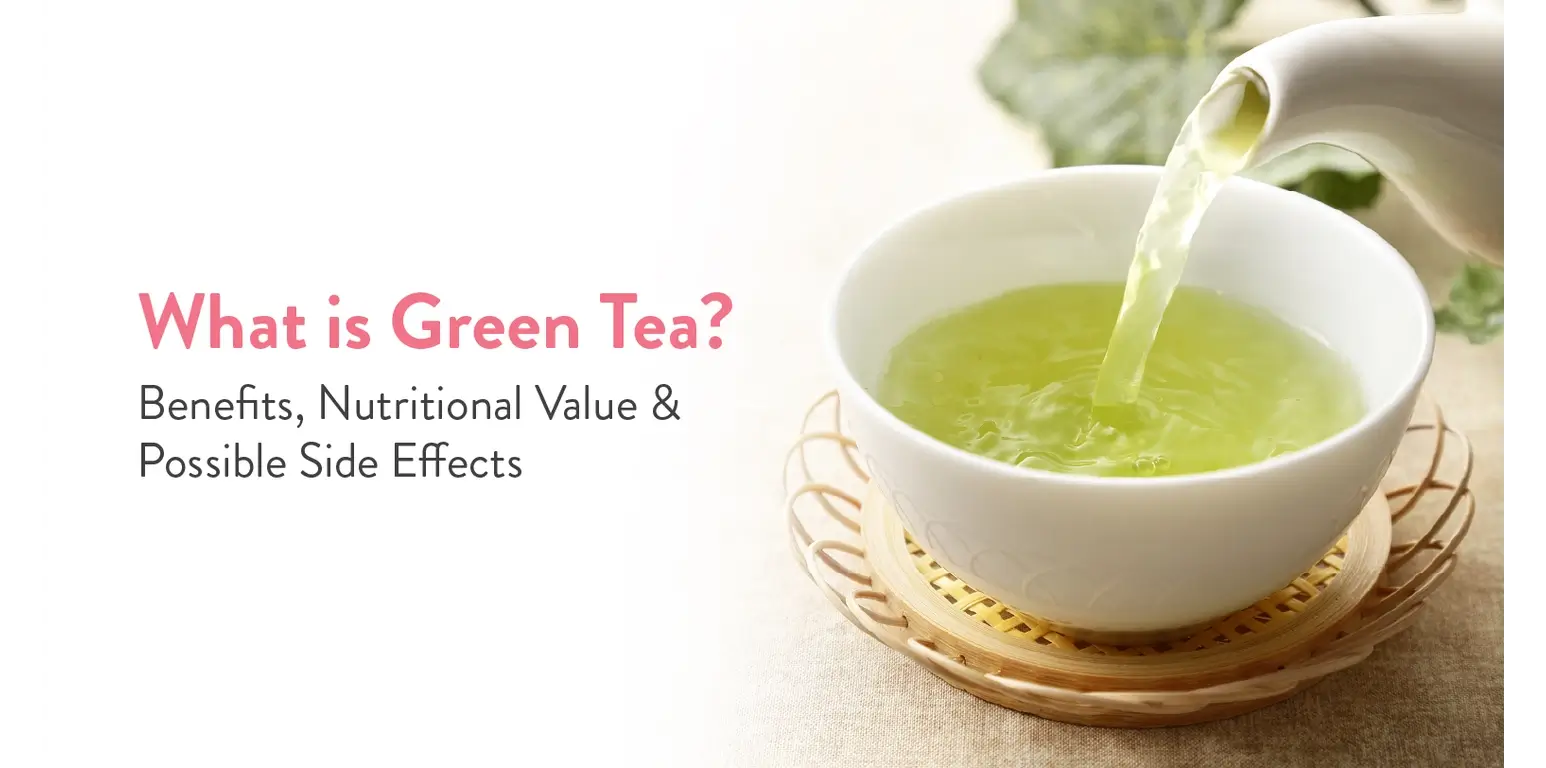
Lots of people have jobs where they sit around all day and do not get to move much. They also get. Do not always eat at the right times. Because of this many people look for ways to stay healthy and manage their weight. Green tea is something that a lot of people are trying.
What does science have to say about green tea and weight loss? How can you drink it safely every day? Let us find out.
Table of Contents
Green tea is brewed from the leaves of the Camellia sinensis plant. This, unlike our regular cup of tea, undergoes minimal processing which ends up preserving all its natural antioxidants and bioactive compounds like flavonoids.
From a clinical perspective, it comes with a high concentration of catechins, specifically epigallocatechin gallate (EGCG) – a compound that has a direct impact on our body’s metabolism and cellular health. Add to that L-Theanine & Polyphenols that reduce oxidative stress and soothes the nerves. Therefore making it a sustainable lifestyle choice that can show health benefits in the long run.
While green tea is not a treatment, it can be a valuable addition to a healthy lifestyle when consumed mindfully. The key nutritional value of green tea from a medical standpoint lies in its negligible caloric load, making it suitable for individuals aiming to reduce overall calorie intake.
Also Read: Shilajit: Uses, Nutrition Value and who should avoid it.
Also Read: What is cumin water? Benefits, Nutritional Value and possible side Effects?
Green tea alone does not lead to significant weight loss, it needs to be part of a structured lifestyle approach.
Also Read: How to consume Pomegranate, it’s health benefits and nutrition value?
This explains the growing popularity of green tea in skincare products. But one must remember topical use of skincare products can leave a minor impact. Real change comes from internal hydration and antioxidant intake for glowing skin. Drinking green tea also counts as fluid intake which helps flush out internal toxins the way fresh juices can.
Also Read: Ashwagandha: Uses, Nutrition Value and who should avoid it
These factors contribute to overall heart health, especially in individuals with lifestyle-related risks.
However, individual responses may vary, and medical guidance is always recommended.
Also Read: PCOD Diet Chart
While green tea health benefits are well-documented, excess of it may cause unwanted woes. Side effects of green tea include:
Moderation is key. For most adults, 2–3 cups per day is safe and sufficient.
Also Read: Guava & Guava Leaves: Health Benefits, Nutrition, Side Effects and how to eat
The effectiveness of green tea also depends on how it is consumed. Here are some recommendations:
Also Read: Fox Nut (Makhana): Know the Nutrition, Benefits & Side Effects
Avoid drinking green tea with milk as it may end up reducing antioxidant benefits altogether.
This is one of the most common questions anyone has about green tea. While marketed as the weight loss elixir, it can help the process but not guarantee it. So the clinical answer is — Yes. But with limitations.
| Green tea can:
✔ Support metabolism |
But it cannot:
✖ Replace exercise |
One must keep in mind that sustainable weight loss is only driven by consistency in diet, activity, and sleep, not by a single food or beverage.
Also Read: Total Leukocyte Count (TLC) Test: Complete detail, procedure, normal levels, and testing methods
There are some simple things one must be mindful of while drinking green tea in day to day life.
Also Read: How to increase Haemoglobin naturally
Green tea is a simple, accessible, and scientifically supported addition to a healthy lifestyle. For individuals looking to manage weight, improve metabolism, or enhance overall wellness, it can be a useful supportive tool, but not a solution on its own. At the CK Birla Hospital, we understand obesity can be a roadblock into multiple health conditions. However, we emphasise on choosing sustainable habits over quick fixes, proper medical guidance over weight-loss trends, and above all preventive care over reactive treatment.
Also Read: Pineapple: Benefits, Nutrition, Right Way to eat and who should avoid
1. Can we drink green tea with honey?
Yes, green tea with honey is safe and can improve taste. However, limit the quantity to avoid excess calorie intake.
2. Can we drink green tea with Tulsi leaves?
Yes, combining green tea with Tulsi can enhance its immunity-boosting properties and is safe for most individuals.
3. Does green tea contain caffeine?
Yes, green tea contains caffeine, but in lower amounts (25–35 mg per cup) compared to coffee.
4. Can we drink green tea during pregnancy?
Green tea in pregnancy should be consumed in moderation. It is advisable to consult a doctor before regular intake due to caffeine content.
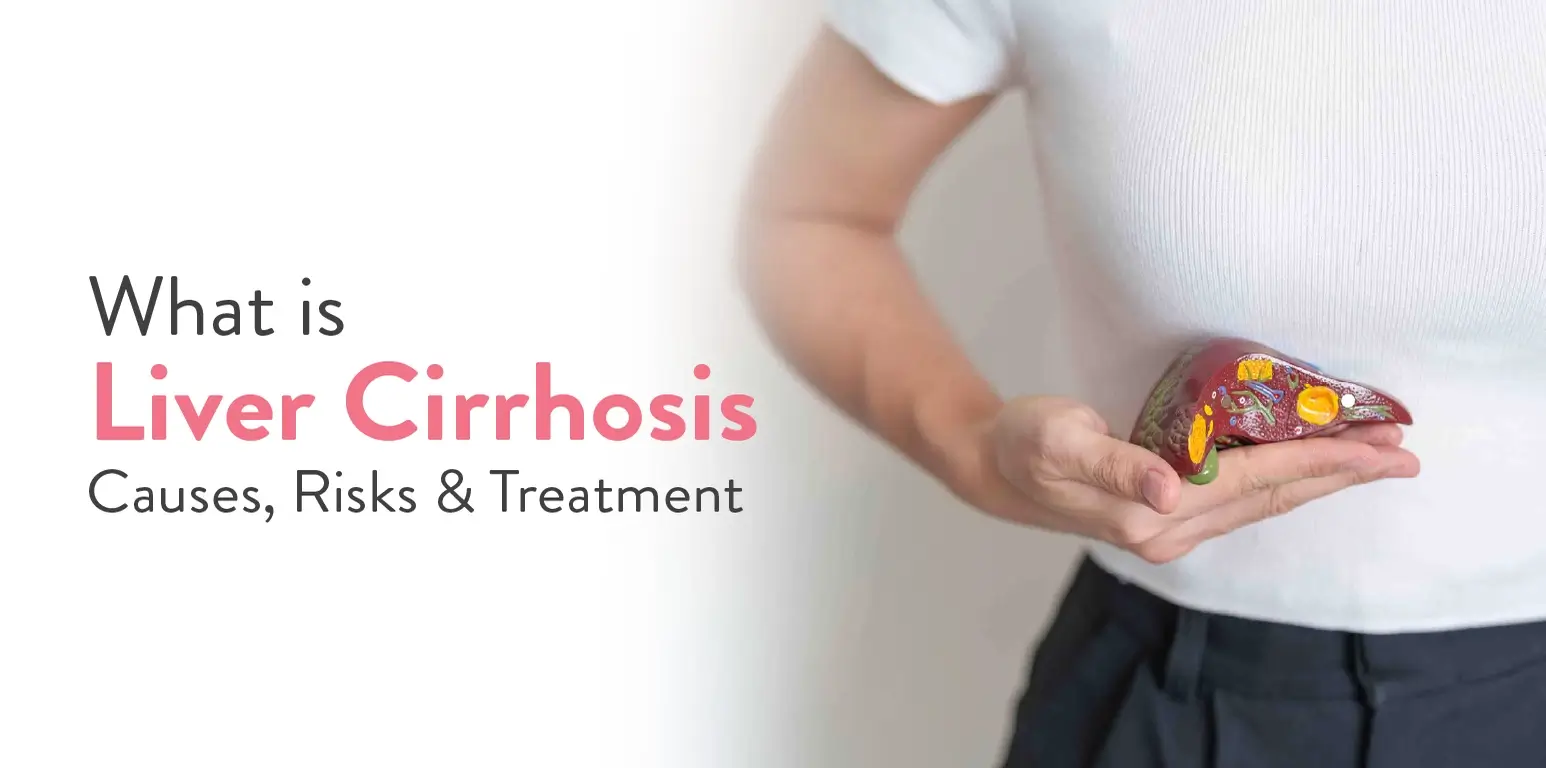
Table of Contents
Your liver is quite good at healing itself. It can easily manage minor damage. But when the same injury keeps happening over and over again, the liver can’t keep up. Instead of healing, it starts forming scar tissue. Over time, healthy liver cells are replaced by this fibrous scar tissue, which interferes with the liver’s ability to function properly.
The scar tissue can also disturb normal blood flow, making it harder for the liver to carry out its many functions, such as filtering toxins, producing proteins, and improving digestion.
Doctors often describe cirrhosis as the late stage of chronic liver disease. In the earlier stages, the liver may still function reasonably well. But as the disease progresses to advanced stages, it can lead to liver failure or other serious complications.
Alos Read: Types of Inherited Metabolic Disorders as Explained by Endocrinologist at the Ck Birla Hospital
Cirrhosis doesn’t happen overnight. It is usually the result of conditions that’s been damaging the liver for years.
Some of the common causes of liver cirrhosis are:
It is also worth mentioning that not everyone exposed to these risk factors will develop cirrhosis. People respond differently, and in most cases, the damage builds up gradually, often over many years before it becomes a serious problem.
Also Read: Hepatitis: types, symptoms and prevention
In the early stages of liver cirrhosis, you may not see clear signs. So, you might only get to know the condition during routine health checkups. As the condition develops further, you may begin to experience:
In the more advanced stages, symptoms can get significantly more serious. These may include confusion, memory problems, severe abdominal swelling, or even vomiting blood, passing dark stool due to internal bleeding.
If any of these symptoms sound familiar, it is worth getting checked out by a gastroenterology specialist sooner rather than later.
Also Read: 8 Signs Your Liver Is Healing
While cirrhosis can affect anyone, certain factors make it more likely. These major risk factors can be:
These factors keep the liver under constant stress, leading to long-term inflammation that eventually turns into scar formation and over time, cirrhosis.
Also Read: Shilajit: Uses, Nutrition Value and who should avoid it.
If liver cirrhosis is not managed well, it can open the door to some serious complications. However, with the right medical care and regular monitoring, many of these risks can be controlled.
Here is what can happen when a heavily scarred liver starts struggling to function properly:
All of these complications trace back to the same root cause, which is a scarred liver that is no longer able to filter toxins, produce essential proteins, or keep blood flowing the way it should.
Also Read: Gas problem – Symptoms, Causes and Treatment
Alcohol is a major factor in many cases of cirrhosis. Your liver is responsible for processing alcohol and clearing it from the body. But when alcohol intake is too high or continues for many years, it can irritate and damage liver cells.
Alcohol related liver diseases usually develop in the following stages:
Not everyone who drinks alcohol develops cirrhosis. However, heavy drinking over a long period of time greatly increases the risk. Also, cirrhosis does not only affect people who drink alcohol. It can also develop in those who do not drink at all, often due to conditions like fatty liver disease or viral hepatitis.
Also Read: Foods to avoid to prevent acid reflux (GERD)
While cirrhosis is not always preventable, certain everyday habits can go a long way in lowering your risk and keeping your liver healthy.
Here are a few preventive steps that you can follow:
These habits may help protect your liver from long-term damage.
Also Read: Breast Fibroadenoma Treatment Without Surgery | Is it possible?
Eating a healthy and balanced diet is very important to help prevent cirrhosis from worsening. Here are some tips you can follow:
Also Read: Can Long-Term Junk Food Habits Raise Your Breast Cancer Risk?
Foods your should limit or avoid:
If you are still unsure about what to eat and what to avoid, you should consult a doctor or nutritionist to get a personalised food plan.
Also Read: Ashwagandha: Uses, Nutrition Value and who should avoid it
You should consider seeking a medical advice if you experience symptoms such as:
Getting checked early can help identify liver problems sooner, prevent further damage, and improve treatment outcomes.
Also Read: How to consume Pomegranate, it’s health benefits and nutrition value?
Liver cirrhosis is a serious condition caused by long-term damage to the liver. While the scarring usually cannot be reversed, early diagnosis and proper care can help slow it down and lower the risk of complications.
By being aware of the condition, recognising its symptoms, maintaining a healthy lifestyle, and seeking timely medical advice, you can take important steps to protect your liver health and long-term well-being.
Also Read: What is cumin water? Benefits, Nutritional Value and possible side Effects?
Can you get affected by liver cirrhosis if you do not drink alcohol?
Yes. While alcohol is a common cause, liver cirrhosis can also be caused due to fatty liver disease, hepatitis infections, autoimmune conditions, or genetic disorders.
Is liver cirrhosis curable?
Since liver cirrhosis is an advanced stage of liver disease, the damage is usually permanent and difficult to cure. However, early diagnosis and treatment can stop or slow further damage.
Can liver cirrhosis be fatal?
Yes, in advanced stages, liver cirrhosis can lead to liver failure and life-threatening complications if not treated. However, timely medical care may improve outcomes.
What is the diagnosis and treatment for liver cirrhosis?
Liver cirrhosis is diagnosed through a combination of Blood tests, Ultrasound or CT scan, Liver biopsy (in some cases). Treatment of liver cirrhosis focuses on slowing the disease and managing symptoms:
In severe cases, a liver transplant may be needed.

Table of Contents
आज की भागदौड़ भरी ज़िंदगी में हम अक्सर ऐसी चीज़ों की तलाश में रहते हैं, जो हमारे शरीर को भीतर से साफ रखें और हमें ऊर्जा से भर दें। सोचिए, अगर आपकी रसोई में ही एक ऐसा ‘सुपरफूड’ रखा हो जो न केवल आपकी त्वचा में चमक ला सके, बल्कि आपके बढ़ते वजन और खराब पाचन की समस्या को भी जड़ से खत्म कर दे? जी हां, हम बात कर रहे हैं पपीता (Papaya) की।
अक्सर हमारे मन में यह सवाल आता है कि क्या रोजाना पपीता खाना सुरक्षित है? या फिर पपीता खाने से क्या होता है? मेडिकल साइंस में इसे ‘फलों का राजा’ तो नहीं, लेकिन ‘औषधीय गुणों का खजाना’ ज़रूर माना जाता है। सीके बिरला अस्पताल के विशेषज्ञों की मानें तो यदि पपीते को सही मात्रा और सही समय पर खाया जाए, तो यह किसी चमत्कार से कम नहीं होता है। इस ब्लॉग में हम पपीते के हर उस पहलू पर बात करेंगे जो आपके स्वास्थ्य के लिए जानना बेहद जरूरी है। इसके अतिरिक्त पाचन तंत्र एक ऐसी समस्या है, जो आपके जीवन को गंभीर रूप से प्रभावित करता है और इसका इलाज पपीता से संभव है। यदि समस्या अधिक गंभीर है, तो बिना देर किए हमारे अनुभवी गैस्ट्रोएन्टेरोलॉजिस्ट से मिलें।
पपीता, जिसे वैज्ञानिक भाषा में Carica papaya कहा जाता है, एक उष्णकटिबंधीय (Tropical) फल है। भारत में इसकी लोकप्रियता इतनी अधिक है कि इसे लगभग हर घर में पसंद किया जाता है। चाहे वह पका पपीता (Ripe Papaya) हो या कच्चा पपीता (Green Papaya), इसके हर रूप का अपना एक विशेष महत्व है। आयुर्वेद में पपीते को उसकी तासीर और गुणों के कारण एक औषधि के रूप में देखा जाता है। इसमें विटामिन-सी, विटामिन-ए और कई एंटीऑक्सीडेंट्स प्रचुर मात्रा में पाए जाते हैं, जो इसे papita food की श्रेणी में सबसे खास बनाते हैं। इसके अतिरिक्त इसके पत्ते भी बुखार में बहुत लाभदायक होते हैं।
ये भी पढ़े: पेट में गैस क्यों बनता है ? जानें कारण, लक्षण और इलाज
जी हां, अधिकांश लोगों के लिए रोजाना पपीता खाना पूरी तरह सुरक्षित और स्वास्थ्यवर्धक है। रिसर्च बताते हैं कि रोजाना एक सीमित मात्रा में पपीता खाने से शरीर की रोग प्रतिरोधक क्षमता (Immunity) बढ़ती है। हालांकि, यहां ‘सीमित मात्रा’ शब्द पर ध्यान देना आवश्यक है। पपीते की तासीर गर्म होती है, इसलिए अत्यधिक सेवन से पेट में मरोड़ या दस्त जैसी समस्याएं हो सकती हैं। यदि आप किसी विशेष चिकित्सा स्थिति से गुज़र रहे हैं, तो सीके बिरला अस्पताल के डाइटिशियन से सलाह लेना बेहतर रहता है।
पपीता गुणों की खान है। पपीता का पोषक तत्वों से गहरा संबंध है। 100 ग्राम पपीते में लगभग –
ये भी पढ़े: जानिए काला चना की न्यूट्रिशनल वैल्यू पर 100 ग्राम: प्रोटीन, न्युट्रिशन और अन्य स्वास्थ्य लाभ
यदि आप रोजाना पपीता खाते हैं, तो आपको निम्न फायदे हो सकते हैं –
ये भी पढ़े: जानें ग्रीन टी के फायदे, नुकसान और सही मात्रा में सेवन
सिर्फ फल ही नहीं, पपीता का पत्ता भी औषधीय गुणों से भरा है। डेंगू के दौरान प्लेटलेट्स बढ़ाने के लिए पपीता के पत्ते के फायदे पूरी दुनिया में प्रसिद्ध हैं। पपीता का जूस (Papita ka juice) और पत्तों का अर्क शरीर से विषाक्त पदार्थों को निकालने में मदद करता है। अक्सर हर घर में इस नुस्खे को उपयोग में लाया जाता है।
ये भी पढ़े: शिलाजीत: फायदे, नुकसान, न्यूट्रिशनल वैल्यू और सेवन करने का सही तरीका
जहां इसके अनेक लाभ हैं, वहीं पपीता खाने के नुकसान को नज़रअंदाज़ नहीं किया जा सकता:
ये भी पढ़े: विटामिन K की कमी का शरीर पर क्या असर होता है?
अक्सर लोग पूछते हैं कि पपीता खाने का सही समय क्या है? चलिए इसे सरलता से समझते हैं –
ये भी पढ़े: चुकंदर के फायदे, पोषक तत्व और नुकसान
संतुलन ही चाबी है। एक स्वस्थ वयस्क को दिन भर में 150 से 200 ग्राम (करीब एक मध्यम कटोरी) पपीता खाना चाहिए। इससे अधिक सेवन करने पर पपीता गर्म है या ठंडा वाली बहस शुरू हो जाती है, क्योंकि अधिक मात्रा में यह शरीर में गर्मी बढ़ा सकता है। इसलिए 150 से 200 ग्राम से ज्यादा किसी को भी नहीं खाना चाहिए।
ये भी पढ़े: क्या रोज़ अंजीर खाना सेहत के लिए अच्छा है? जानिए इसके फायदे, नुकसान और खाने का सही समय
वैसे को पपीता तो सबसे फायदेमंद फल है, लेकिन नीचे बताए गए लोगों को पपीता नहीं खाना चाहिए –
यदि आप भी आप अपने आहार में पपीता को शामिल करना चाहते हैं तो आप निम्न तरीकों से इसे शामिल कर सकते हैं –
ये भी पढ़े: वीर्य बढ़ाने और गाढ़ा करने के प्रभावी घरेलु उपाय
पपीता निश्चित रूप से एक “सुपर फ्रूट” है, जो आपके समग्र स्वास्थ्य को बेहतर बना सकता है। चाहे वह पाचन को सुधारना हो या त्वचा में निखार लाना, पपीता खाने के फायदे अनगिनत हैं। हालांकि, इसके सेवन के दौरान मात्रा और समय का ध्यान रखना बेहद जरूरी है। विशेषकर गर्भवती महिलाओं और एलर्जी की समस्या वाले लोगों को सावधानी बरतनी चाहिए।
अगर आप अपनी सेहत को लेकर गंभीर है, तो आज ही अपनी डाइट में पपीते को शामिल करें। यदि आपको पाचन या स्वास्थ्य से जुड़ी कोई गंभीर समस्या है, तो सीके बिरला अस्पताल की टीम आपकी सहायता के लिए हमेशा उपलब्ध है। हमारे पास पेट-संबंधित समस्या के इलाज के लिए सबसे आधुनिक तकनीक है, इसलिए समस्या दिखने पर तुरंत परामर्श लें।
स्वस्थ रहें, सुरक्षित रहें!
क्या खाली पेट पपीता खाना अच्छा होता है?
हां, खाली पेट पपीता खाना सबसे अधिक फायदेमंद है। यह आपके पाचन तंत्र को सक्रिय करता है, शरीर को डिटॉक्स करता है और कब्ज जैसी समस्याओं से राहत दिलाने में सबसे कारगर साबित होता है।
क्या रात में पपीता खा सकते हैं?
रात के समय पपीता खाने से बचना चाहिए। इसकी फाइबर युक्त प्रकृति और तासीर के कारण यह रात में पाचन को धीमा कर सकता है, जिससे कुछ लोगों को पेट फूलने या भारीपन की समस्या हो सकती है।
क्या पपीता वजन घटाने में मदद करता है?
बिल्कुल, पपीता वजन घटाने के लिए एक आदर्श फल है। इसमें कैलोरी बहुत कम और फाइबर अधिक होता है, जो पेट को भरा हुआ महसूस कराता है और बेवजह की भूख (Cravings) को रोकता है।
क्या डायबिटीज के मरीज पपीता खा सकते हैं?
हां, डायबिटीज के मरीज सीमित मात्रा में पपीता खा सकते हैं। इसका ग्लाइसेमिक इंडेक्स मध्यम होता है और इसमें मौजूद फाइबर ब्लड शुगर को अचानक बढ़ने से रोकने में मदद करता है।
क्या पपीता खाने से पीरियड आता है?
हां, पपीते (खासकर कच्चा पपीता) की तासीर गर्म होती है, जो गर्भाशय की मांसपेशियों में संकुचन पैदा कर सकती है। इसलिए इसे अनियमित पीरियड्स को ठीक करने के लिए एक घरेलू उपाय के रूप में जाना जाता है।

