Filter :

When you think of kiwi, what comes to mind?
For many of us, it is a small, hairy fruit you might spot in the ‘exotic’ section of the supermarket. It often feels like something meant for special occasions rather than everyday meals and that is completely understandable, especially since kiwi has not traditionally been a part of Indian diets.
But here is something that might surprise you. With its growing consumption worldwide, kiwi is slowly moving beyond its exotic label and becoming a more health-conscious choice. More people are beginning to see it not just as a fancy fruit, but as something that can easily fit into daily eating habits.
But, what exactly is making kiwi so popular? Is it just the taste, or is there more to it? Let’s find out!
Table of Contents
Kiwi, often called kiwifruit, is a small, brown, fuzzy fruit with vibrant green flesh and tiny black seeds. Despite its modest size, it got a great punch of nutrients with flavour. It tastes slightly sweet with a tangy twist.
Originally native to China, kiwi is now grown in many parts of the world and has found its way into kitchens far beyond its place of origin. Today, it is appreciated not just for its unique taste, but also for its nutritional value.
Many people simply enjoy kiwi as a refreshing snack, but beyond its deliciousness, this fruit has earned attention for its impressive health profile. This growing awareness is one of the reasons kiwi is no longer seen as just an exotic fruit, but as a meaningful addition to everyday eating habits.
Kiwi stands out for its very high vitamin C content, along with a good balance of fiber, potassium, and essential vitamins. Despite being low in calories, it offers a dense mix of nutrients, making it a practical addition to everyday meals.
Also Read: Why should we drink Green Tea? Benefits, Nutritional Value and Possible Side Effects
Let’s check out what a 100g serving of kiwi offers.
| Nutrient | Amount |
| Energy | 61 kcal |
| Carbohydrates | 14.7 g |
| Dietary Fiber | 3.0 g |
| Sugars | 9.0 g |
| Protein | 1.14 g |
| Total Fat | 0.52 g |
| Water | 83.1 g |
| Vitamin C | 92.7 mg |
| Vitamin K | 40.3 mcg |
| Vitamin E | 1.46 mg |
| Folate | 25 mcg |
| Potassium | 312 mg |
| Calcium | 34 mg |
| Magnesium | 17 mg |
| Iron | 0.31 mg |
Also Read: Guava & Guava Leaves: Health Benefits, Nutrition, Side Effects and how to eat
Kiwi contains antioxidants like vitamin C and vitamin E. These help protect your body from oxidative stress, which is essentially damage caused by unstable molecules known as free radicals. Over time, this damage may contribute to aging and chronic conditions.
Also Read: Shilajit: Uses, Nutrition Value and who should avoid it.
One of the most talked about benefits of kiwi fruit is its role in strengthening immunity. Vitamin C plays a great role in helping your body fight infections and recover faster. Even one kiwi a day can make a noticeable difference over time.
Also Read: Tips to boost your immune system
Kiwi have a natural enzyme called actinidin, which helps break down proteins and makes digestion easier. If you often feel bloated or heavy after meals, adding kiwi might help your gut feel more comfortable.
Also Read: How to consume Pomegranate, it’s health benefits and nutrition value?
The potassium in kiwi helps regulate blood pressure by balancing sodium levels in the body. Fiber may also help in improving your heart health by helping manage cholesterol levels.
Vitamin C is essential for collagen production. Collagen is the protein that keeps your skin firm and elastic. So, if you want a glowing, healthy skin, kiwi can be a great addition to your meal.
Also Read: The Anti-Wrinkle Diet: 5 Collagen-Rich Foods for Youthful Skin
It is also said that kiwi may improve sleep due to its serotonin content, which is a chemical that influences sleep cycles. Eating kiwi in the evening might help you wind down more easily.
Also Read: Types of Sleep Disorders Explained By Leading Pulmonologist
Kiwi also have lutein and zeaxanthin. They are compounds that are beneficial for eye health. These help protect your eyes from damage caused by harmful light exposure.
Also Read: Ashwagandha: Uses, Nutrition Value and who should avoid it
Some studies and anecdotal evidence mentions that kiwi might help improve platelet count, especially in certain conditions like dengue recovery. However, it should not replace medical treatment. You can take it as a helpful addition rather than a cure.
Also Read: How to increase Haemoglobin naturally
Also Read: Walnuts: Benefits, Side Effects, Nutritional Value and How to Consume Them
Kiwi is generally safe and healthy for most people. But there are a few things to keep in mind:
Also Read: Fox Nut (Makhana): Know the Nutrition, Benefits & Side Effects
This small, green, hairy fruit offers powerful nutrients that can benefit your overall wellbeing. With its rich nutrients, from vitamin C and fiber to potassium and antioxidants, it brings meaningful value to your everyday nutrition.
At the same time, it is helpful to remember that no single food alone does wonders for you. The benefits of kiwi fruit are best experienced when it becomes part of a balanced, varied diet.
However, if you are dealing with certain medications and unsure whether to add kiwi to your routine diet or not, you can easily reach out to us. At the CK Birla Hospital, we have an experienced team of nutritionists and dieticians who can help you make the right decision.
Also Read: Sweet Potato: Health Benefits, Nutritional Value and Possible Side Effects
Is kiwi good in pregnancy?
Yes. Kiwi can be a healthy addition during pregnancy if it suits you. It provides folate, which is important for the baby’s development, and vitamin C for immunity. Make sure to eat in moderation, and it is always best to consult your doctor for personalised advice.
Is kiwi a citrus fruit?
No. Kiwi is not a citrus fruit. Citrus fruits belong to a different plant family. However, kiwi is often grouped with them because of its high vitamin C content and tangy taste.
Is kiwi good for health?
Absolutely. From boosting immunity to aiding digestion, the kiwi health benefits make it a great addition to a balanced diet.
Do kiwi increase platelets?
Kiwi may help improve platelet count in some cases, but it should not replace medical care. It can be used alongside proper treatment and a nutritious diet.
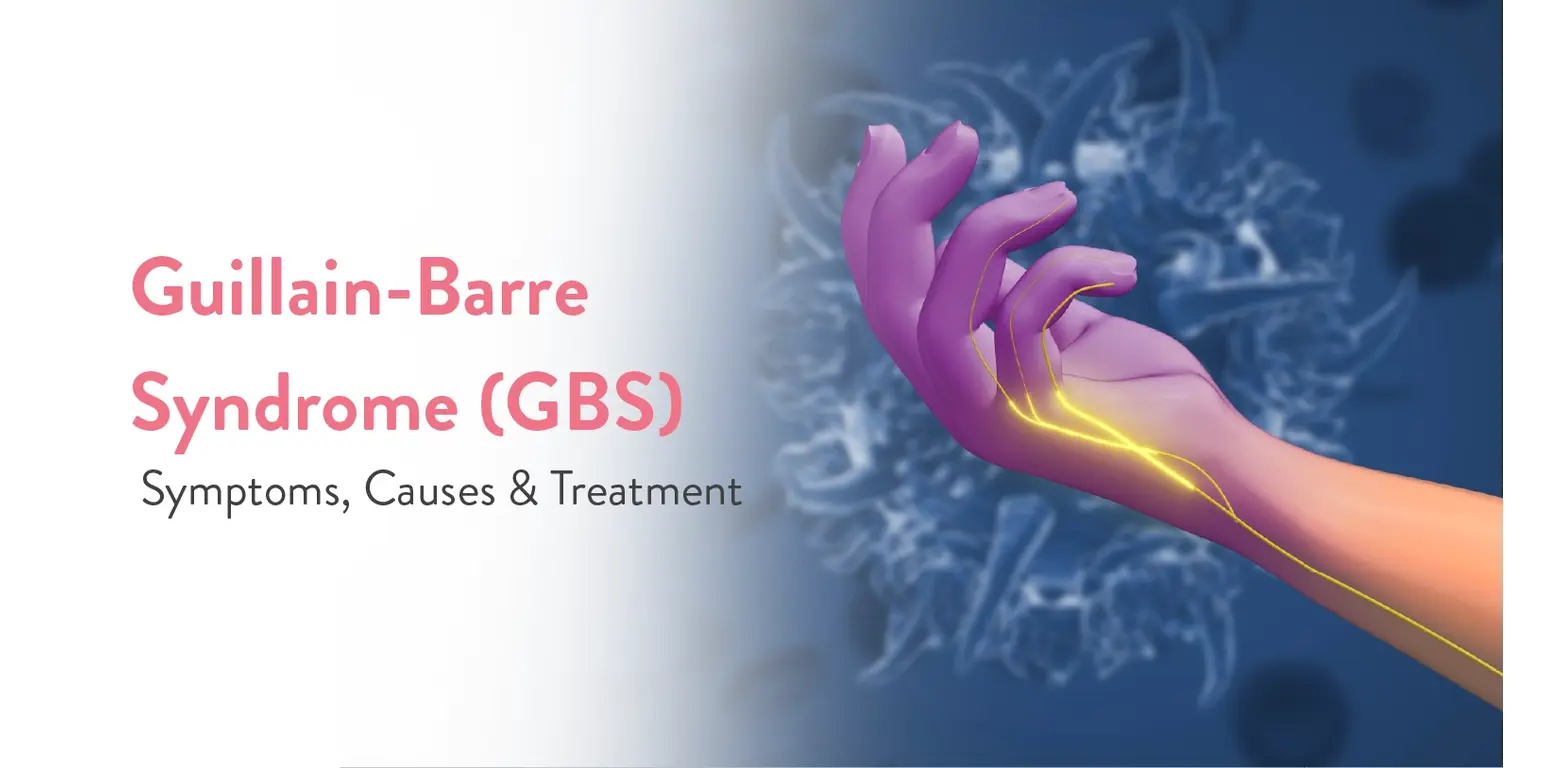
Table of Contents
Guillain-Barre syndrome is a neurological condition, meaning it affects the nerves. In simple terms, it happens when the body’s immune system, which is normally responsible for fighting infections, mistakenly attacks the peripheral nerves. These are the nerves outside the brain and spinal cord that control our movement and sensation.
This immune reaction can damage the protective covering of nerves called myelin, slowing down or blocking signals. As a result, people may experience weakness, numbness, or even temporary paralysis.
If diagnosed early, GBS syndrome is treatable.
Its symptoms usually begin mildly and progress over days or weeks.
Following are the most common signs of GBS syndrome:
Also Read: Guava & Guava Leaves: Health Benefits, Nutrition, Side Effects and how to eat
Symptoms generally follow a pattern. They start in the lower body and move upward. This is known as ascending paralysis.
If someone experiences rapid weakness or trouble breathing, it is very important to seek medical attention immediately. Consulting your condition with a neurologist may help you find the right guidance and prevent future complications.
Also Read: Muscle Spasms: Causes, Symptoms and Prevention
One of the most common questions asked about this condition is what actually causes it.
GBS usually appears after an infection. It doesn’t mean the infection directly damages nerves. Instead, it confuses our immune system.
Some common infections that can trigger GBS are:
Important Note – GBS is not contagious. You cannot catch it from someone else.
There is not just one form of GBS. Doctors classify it into different types based on how nerves are affected.
| Type of GBS | Main Feature |
| Acute inflammatory demyelinating polyneuropathy (AIDP) | Most common form. It affects nerve insulation. |
| Miller Fisher syndrome | Affects eyes, balance, coordination |
| Acute motor axonal neuropathy | Affects motor nerves only |
Each type may show slightly different symptoms, but the overall approach to care is similar.
Also Read: What is Liver Cirrhosis: Causes, Risks and Treatment
When it comes to its diagnosis, GBS involves a combination of physical examination and tests. Since symptoms can resemble other conditions, doctors carefully evaluate your nerve function.
Common diagnostic methods:
There is not a single GBS syndrome test, but these methods together help confirm the condition.
While there is no instant cure, treatment of GBS syndrome focuses on lowering the immune attack and helping the body during recovery.
The two main treatments are:
Also Read: Walnuts: Benefits, Side Effects, Nutritional Value and How to Consume Them
In addition, supportive care plays a very important role:
Most people require hospital care, especially during the early stages.
Also Read: What is Osteoarthritis? Causes, Symptoms and Treatment
There is not a specific diet for this condition, but a good nutritional diet can help recover better.
Some dietary habits that can help you deal with GBS syndrome are:
Also Read: What is cholesterol? Type, normal range, Diagnosis and Treatment
Lifestyle tips during recovery:
Also Read: Why should we drink Green Tea? Benefits, Nutritional Value and Possible Side Effects
Recovery from GBS varies from person to person. This is often one of the biggest concerns.
Typical recovery timeline is as follows:
Many people recover fully, though some may experience lingering weakness or fatigue.
Also Read: Ashwagandha: Uses, Nutrition Value and who should avoid it
You should seek medical attention if you notice:
These could be early signs of GBS and should not be ignored.
Also Read: Role of Genetics and Environment in Women’s Lung Cancer
Hearing about a condition like Guillain-Barre syndrome can feel unsettling, especially because symptoms can progress quickly. But it is equally important to remember that many people recover well with proper treatment and time.
Medical care has advanced significantly, and hospitals are well-equipped to manage GBS safely. With patience, rehabilitation, and the right care plan, recovery is very much possible.
We, at the CK Birla Hospital, are here to provide you the medical care you need. If you are dealing with the similar symptoms of GBS, reach out to us to get the expert guidance from the top neurologists.
Is GBS syndrome contagious?
The answer to this very frequently asked query is no. GBS itself does not spread from person to person. However, the infections that may trigger it, like the flu, can be contagious.
How to prevent GBS syndrome
There is no guaranteed way to prevent GBS, but reducing infection risk can surely help.
Simple preventive steps you can follow to prevent the complications are:
Again, GBS is rare, so these steps are more about overall wellbeing than strict prevention.
Pregnancy comes with many new terms, and one you might hear during your scan is ‘anterior placenta.’ If you are wondering what it is or whether it poses a problem for you or your baby, read on to learn what it means, how it is diagnosed, and when it needs your attention.
Table of Contents
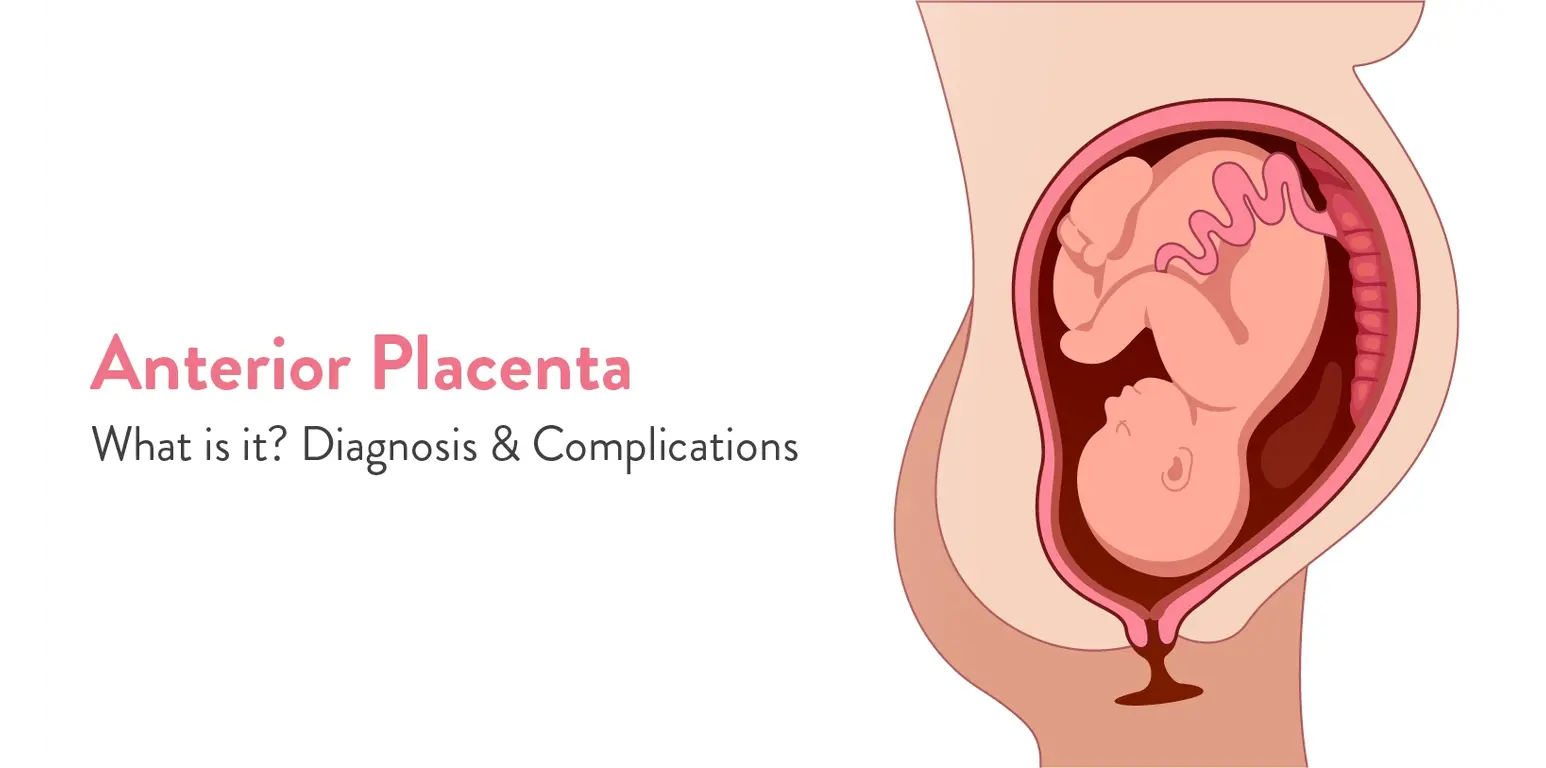
The placenta is an organ (yes a temporary organ), that develops during pregnancy to provide required nourishment to your baby. It attaches to the wall of your uterus, commonly called a womb and connects to your baby through the umbilical cord.
When we say anterior placenta, we simply mean that the placenta is attached to the front wall of your uterus, closer to your abdomen. This is just one of the many possible positions.
Also Read: Transitioning to Menopause: Understanding its effects on the body
Some other common positions can be:
Also Read: FAQs About Periods
There is not a specific or proven reason why a fertilised egg attaches to the front wall of the uterus instead of another area. This process, known as implantation, happens naturally and randomly in early pregnancy.
The uterus has several suitable areas where the embryo can attach and grow, and the front wall is just one of them. It is a healthy, well-supplied part of the uterus, making it a perfectly good spot for the placenta to develop.
It is also important to understand that the placenta’s position does not affect how your baby receives oxygen and nutrients. No matter where it is located, the placenta performs its role effectively in supporting your baby’s growth.
In short, an anterior placenta is not caused by anything you did or didn’t do, but it is simply a natural variation in how pregnancy develops.
Also Read: How to Induce a Period: Natural Remedies, Methods, Risks
An anterior placenta is actually very common, so if you have been told you have one, you are definitely not alone. However, there is not an exact percentage because placement varies naturally from pregnancy to pregnancy. But doctors consider it a completely normal variation, not a complication. It doesn’t affect how your baby grows or gets nutrients, and in most cases, it does not change anything about your pregnancy or delivery.
Also Read: Menopause Weight Gain: Causes and Implications
Sometimes, if it is described as anterior placenta low lying early on, it may even shift higher as your uterus grows. So overall, it is a very routine finding and usually nothing to worry about.
Also Read: Coping with mood swings during pregnancy: Emotional challenges of a pregnant woman
Interestingly, most people don’t have specific symptoms in the usual sense. But there are a few things you might notice:
Also Read: Can Long-Term Junk Food Habits Raise Your Breast Cancer Risk?
You won’t feel the placenta’s position directly. It is usually discovered during a routine ultrasound, often around 18 to 22 weeks after the anomaly scan.
On the ultrasound, the doctor can clearly see:
Also Read: What is cholesterol? Type, normal range, Diagnosis and Treatment
In most cases, it is not dangerous at all.
Doctors consider it a normal variation. Many healthy pregnancies and deliveries happen with an anterior placenta.
However, like any pregnancy detail, it is looked at alongside other factors. Rarely, some situations may need attention. They are:
But having an anterior placenta alone is not a reason to worry.
Also Read: Role of Genetics and Environment in Women’s Lung Cancer
An anterior placenta itself is not caused by specific risk factors, but certain situations may make doctors monitor the placenta’s position more closely during pregnancy:
It is important to remember that these are not direct causes of an anterior placenta. In most cases, placental placement is random and remains a normal part of pregnancy.
Hearing new medical terms during pregnancy can feel overwhelming, but an anterior placenta is one of those things that sounds more serious than it is. In reality, it simply describes where your placenta is sitting and for most people, it does not change the course of pregnancy at all.
If anything, the main difference you may notice is how and when you feel your baby’s movements and that also evens out as your pregnancy progresses.
As always, your doctor will keep an eye on things during routine scans. If something needs attention, they will guide. If you need expert guidance and proper medical care, simply connect us at the CK Birla Hospital.
Is anterior placenta normal?
An anterior placenta means the placenta is attached to the front wall of the uterus. It is a common and completely normal position during pregnancy. In most cases, it does not affect your baby’s growth or your delivery.
How do you know if you have an anterior placenta?
You can only confirm an anterior placenta through an ultrasound scan. It is usually detected during routine pregnancy scans by your doctor. There are no specific symptoms that can reliably point out to its position on your own.
What is the difference between anterior and posterior placenta?
Here is the common comparison:
| Features | Anterior Placenta | Posterior Placenta |
| Location | Front wall | Back wall |
| Baby movements | May feel later/softer | Felt earlier/stronger |
| Ultrasound visibility | Sometimes slightly trickier | Often clearer |
| Risk Level | Usually low | Usually low |
Not directly. Back pain in pregnancy is usually due to:
Placenta position doesn’t typically cause pain.

When we talk about women’s health, conditions like breast cancer, PCOS, or thyroid disorders often dominate the conversation. Lung cancer is rarely one of them.
But perhaps it should be. Because hundreds of thousands of women are diagnosed with lung cancer each year, and in many populations, it claims more lives than breast cancer. What’s even more surprising is that many of these women have never smoked.
So what is really causing it? The answer may not lie in one single factor, but in a combination of factors, such as the environments women are exposed to every day and the genetic factors they carry.
In this blog, we will zoom into what exactly lung cancer is, why it is impacting more and more women, and beyond smoking, how environment and genetics are influencing lung cancer in women.
Table of Contents
Lung cancer is a condition in which cells present in the lungs mutate, grow uncontrollably and form tumours. These abnormally mutated cells then interrupt the function of healthy lung tissue, causing difficulty in breathing. They can also spread to other parts of the body if not treated in time. Usually, it starts with affecting the cells present in the air passage, called bronchi, or in the air sacs called alveoli.
Also Read: Thyroid Diseases Explained: Types, Diagnosis, Treatment & More
Some of the most common lung cancer symptoms are:
Sometimes, the early signs of lung cancer are very subtle or even absent, which is why awareness and timely screening are so important.
Also Read: Transitioning to Menopause: Understanding its effects on the body
Lung cancer is often called a ‘smoker’s disease’, however, with more research being conducted, this perception is shifting. A report by the Lung Cancer Research Foundation says that while smoking is the number one cause of this disease, more than 20% of lung cancers have been diagnosed in non-smokers. What’s more concerning is that non-smokers who develop lung cancer are nearly twice as likely to be women than men.
Also Read: Living with PCOS
Another report by the World Cancer Research Fund mentions that there are around 2.48 million new lung cancer cases globally. Of these, about 908,000 cases were in women, making it the second most common cancer in women.
But why is lung cancer increasing so rapidly among women, and what are the reasons behind it? Let’s know the reason in the following sections.
1. Biological Differences Increasing the Risk
2. Role of Genetic Factors in Women’s Lung Cancer
Genetics refers to the inherited traits passed down from parents. Certain genetic mutations (changes in DNA) can increase the risk of lung cancer. They are as follows:
Also Read: Menopause – Symptoms and Treatment Options
The hormonal influence on lung cancer risk is an area of ongoing research, but studies suggest that hormones, especially oestrogen may also influence the growth of lung cancer cells. Oestrogen is a natural hormone that regulates many functions like menstrual cycle, puberty, pregnancy and more in the female body.
Some reports also says that oestrogen may:
Also Read: Menopause Weight Gain: Causes and Implications
While genetics sets the stage, environmental exposures often act as triggers. Many women encounter environmental risk factors of lung cancer in their daily lives without even realising it.
The risk of lung cancer due to external causes increases if a woman is dealing with long-term exposure to:
In countries like India, indoor air pollution from cooking using traditional fuels is a major concern. Certainly, exposure to these toxins can damage lung cells over time.
Also Read: How to increase Haemoglobin naturally
Even urban air pollution, that is something many people are exposed to daily, can increase lung cancer risk.
This doesn’t mean that you will definitely develop the disease as a woman, but it does mean you should be more vigilant about screening and lifestyle choices.
Also Read: What is Mastitis? It’s Causes, Symptoms, Diagnosis, Prevention and Treatment
Things get more complicated when different risk factors combine and increase the chances of the disease. Lung cancer usually develops because of a mix of genetic factors and environmental exposures.
For instance, a woman with a variation in the GSTM1 gene, which helps the body remove harmful toxins, may have a higher risk of lung cancer when exposed to smoking or air pollution compared to someone without that variation.
Also Read: What is cholesterol? Type, normal range, Diagnosis and Treatment
Yes, lung cancer can be detected early, using the right screening method at the right time, because early lung cancer often does not cause clear symptoms. If you experience any signs of the disease, do not delay discussing them with a cancer specialist. Early detection plays a great role in making the disease treatable.
Coming to its diagnosis, it usually involves screening methods such as:
Also Read: Scarless removal of breast lump: An introduction to VABB
Important to know
– Regular health check-ups are helpful for general health
– But they are not specific lung cancer screening tests
– Many early lung cancers do not show symptoms
Also Read: Sweet Potato: Health Benefits, Nutritional Value and Possible Side Effects
Screening and detection brings us to an important question, is lung cancer curable? The answer depends largely on the stage at which it is diagnosed.
As stated earlier, early stage lung cancer can often be treated successfully with surgery, targeted therapy, or radiation.
In advanced stages, treatment focuses on controlling the disease and improving quality of life.
To conclude, lung cancer is curable, especially when diagnosed early, but its survival rates may vary.
Also Read: Why should we drink Green Tea? Benefits, Nutritional Value and Possible Side Effects
While not every case can be prevented, these steps can meaningfully lower your risk:
Also Read: Can Long-Term Junk Food Habits Raise Your Breast Cancer Risk?
Lung cancer in women is not caused by a single factor. It is the result of a complex combination of genetics and environment. While genetic mutations may increase the risk, environmental exposure often triggers it. Knowing this connection makes prevention easier and detection earlier.
If you are concerned about your lung health, we, at the CK Birla hospital, are here to help you. Book a consultation with our specialists today and take a proactive step towards protecting your lungs.
Also Read: Ashwagandha: Uses, Nutrition Value and who should avoid it
Are certain women more genetically prone to lung cancer?
Two mutations that come up frequently in research are EGFR and ALK. These are particularly relevant for women who have never smoked. These mutations affect how cells grow and divide, increasing cancer risk.
Can lung cancer be passed down through generations?
Having a close relative who had lung cancer doesn’t mean you’ll get it too, but it is worth paying attention to. It can suggest a shared genetic vulnerability in your family, which is why doctors often recommend earlier or more frequent screening if this applies to you.
Is lung cancer in women influenced by hormone levels?
This is an area researchers are still exploring. But a hormone called oestrogen may promote the growth of certain lung cancer cells. Some tumours have oestrogen receptors, suggesting that hormones could influence cancer development and progression.
Does smoking hit women’s lungs harder than men’s?
Smoking is harmful for everyone, but there’s growing evidence that women’s lungs may be more vulnerable to tobacco’s damage, even at lower levels of exposure than men. It’s not entirely clear why, but biology seems to play a role in how the body processes and reacts to the chemicals in cigarette smoke.

A mother’s love is often seen as one of the purest emotions, and breastfeeding is believed to reflect that deep connection. However, this journey is not always as easy as it is portrayed. Many new mothers struggle with pain and inflammation during breastfeeding, and one common condition behind this discomfort is mastitis.
If you are a new mother experiencing these challenges, this blog is for you. Here, we will help you understand what mastitis is, its symptoms, and what you can do if your symptoms match those of mastitis.
Table of Contents
Mastitis is a condition that causes inflammation in the breast tissue. It may or may not involve any infection. It mainly affects breastfeeding women and is also called ‘lactational mastitis’.
The reason mastitis occurs is usually due to buildup of milk in the breast or when bacteria enter through cracked skin, leading to infection. Though it is very rare, it can also occur in those who are not breastfeeding.
A breastfeeding parent may experience the following common symptoms of mastitis:
Initially, you may feel like having a clogged duct with slight pain, heaviness, or small lumps. But if the symptoms worsen quickly, it may indicate a mastitis infection rather than just a blockage. If you notice any of these symptoms, consult a gynaecologist as early as possible. Early detection can help you prevent the condition from worsening.
Are Clogged (Blocked) Ducts and Mastitis the Same?
People usually confuse mastitis with clogged ducts. But in reality, they are not the same. Let’s understand the difference between the two.
Also Read: How to increase Haemoglobin naturally
As mentioned earlier, the breasts are made of milk-producing glands and small tube-like ducts that carry milk from the glands to the nipple. Any abnormality in this process can lead to mastitis.
Let’s understand some of the common causes of mastitis.
The World Health Organisation (WHO) says that proper breastfeeding techniques and frequent feeding play a very important role in preventing mastitis from breastfeeding.
Also Read: Can Long-Term Junk Food Habits Raise Your Breast Cancer Risk?
There are certain situations that may increase the chances of developing mastitis:
Having one or more risk factors does not mean you will definitely develop mastitis, but being aware can help you prevent it. If you are unsure, it is a good idea to speak with an obstetrician-gynecologist to identify the condition early and take the right steps.
Also Read: What is Endometrial Thickness and Why Does it Matter?
Doctors usually diagnose mastitis based on your symptoms and a physical examination.
You may be asked about:
In some cases, especially if symptoms don’t improve, a milk sample test, mammography or an ultrasound may be done to rule out an abscess (a pus-filled infection), breast cancer, or other conditions.
Also Read: Why should we drink Green Tea? Benefits, Nutritional Value and Possible Side Effects
There is no one best treatment for mastitis. The right approach to treatment depends on how severe it is. Generally, the treatment focuses mainly on reducing pain and inflammation and preventing infection.
According to a document published by the World Health Organisation, the main principles of mastitis treatment are:
Also Read: What is Liver Cirrhosis: Causes, Risks and Treatment
It is important to know that researchers are constantly working to find better ways to treat this condition. Therefore, it is important to talk to your obstetrician-gynecologist to better understand your condition.
The Academy of Breastfeeding Medicine (2022) guidelines warn against aggressive massage and attempts to empty the breast completely, as mastitis is not just a blocked duct but it also involves ductal narrowing and inflammation.
Earlier treatment practices included heat, massage, and extra pumping, whereas the modern approaches focus on anti-inflammatory care.
If the condition is mild, the following remedies may help you feel better:
Also Read: Ashwagandha: Uses, Nutrition Value and who should avoid it
If the inflammation and pain still don’t go away within 24 to 48 hours, you should speak to a gynaecologist.
Also Read: How to consume Pomegranate, it’s health benefits and nutrition value?
Prevention of mastitis is often simple and practical:
Also Read: Are Blood Clots normal during Periods and when to worry about it?
While mastitis is usually manageable, you should seek medical help if:
Also Read: Total Leukocyte Count (TLC) Test: Complete detail, procedure, normal levels, and testing methods
Mastitis can feel overwhelming, especially during an already demanding time like breastfeeding. But with the right knowledge and timely care, it is a condition that can be effectively managed. Recognising early mastitis symptoms, and seeking help when needed can help you prevent complications.
We, at the CK Birla Hospital, have highly experienced obstetricians and gynecologists who can provide you with the medical care required for your condition. If you are struggling with the similar symptoms of mastitis, feel free to reach out to us.
What side effects might mastitis cause?
Mastitis can cause inflammation, fatigue, fever, breast pain, swelling, and redness. In rare cases, it may lead to an abscess if untreated.
What is the duration of mastitis?
With proper mastitis treatment, symptoms usually improve within 2 to 3 days, though full recovery may take up to a week.
Is it safe to continue nursing when you have mastitis?
Yes. It is safe to continue breastfeeding if you have mastitis. Continuing to nurse helps keep the milk flowing, which can clear blocked ducts and reduce inflammation. Regular breastfeeding with the right techniques also improves healing and prevents the condition from worsening, while still being safe for your baby.
Can I get mastitis more than once?
Yes. Mastitis can occur more than once, especially if the underlying causes are not resolved. Factors like poor latch, skipped feeds, or incomplete emptying of the breast can increase the risk of recurrence. Taking steps such as ensuring proper breastfeeding technique and regular feeding can help reduce the chances of mastitis happening again.
What can I anticipate if I get mastitis?
If you develop mastitis, you may experience breast pain, inflammation, swelling, and redness, along with flu-like symptoms such as fever, chills, and fatigue. The affected area of the breast may feel tender, making breastfeeding uncomfortable. But with early care, recovery is usually quick.
Does having mastitis make you more susceptible to breast cancer?
No. Mastitis does not increase the risk of breast cancer. However, persistent symptoms should always be evaluated by a doctor to rule out other conditions.
Many people tend to ignore early health concerns, assuming everything is fine, until a routine lipid profile test shows their rising cholesterol levels.
What’s more concerning is that high cholesterol is no longer limited to older adults. It is increasingly being seen among younger people as well. But worrying about it is not enough. If you really want to take control of your cholesterol levels, it is important to understand what exactly it is, its causes, symptoms, and most importantly, how to manage it effectively.
Keep reading to understand it better!
Table of Contents
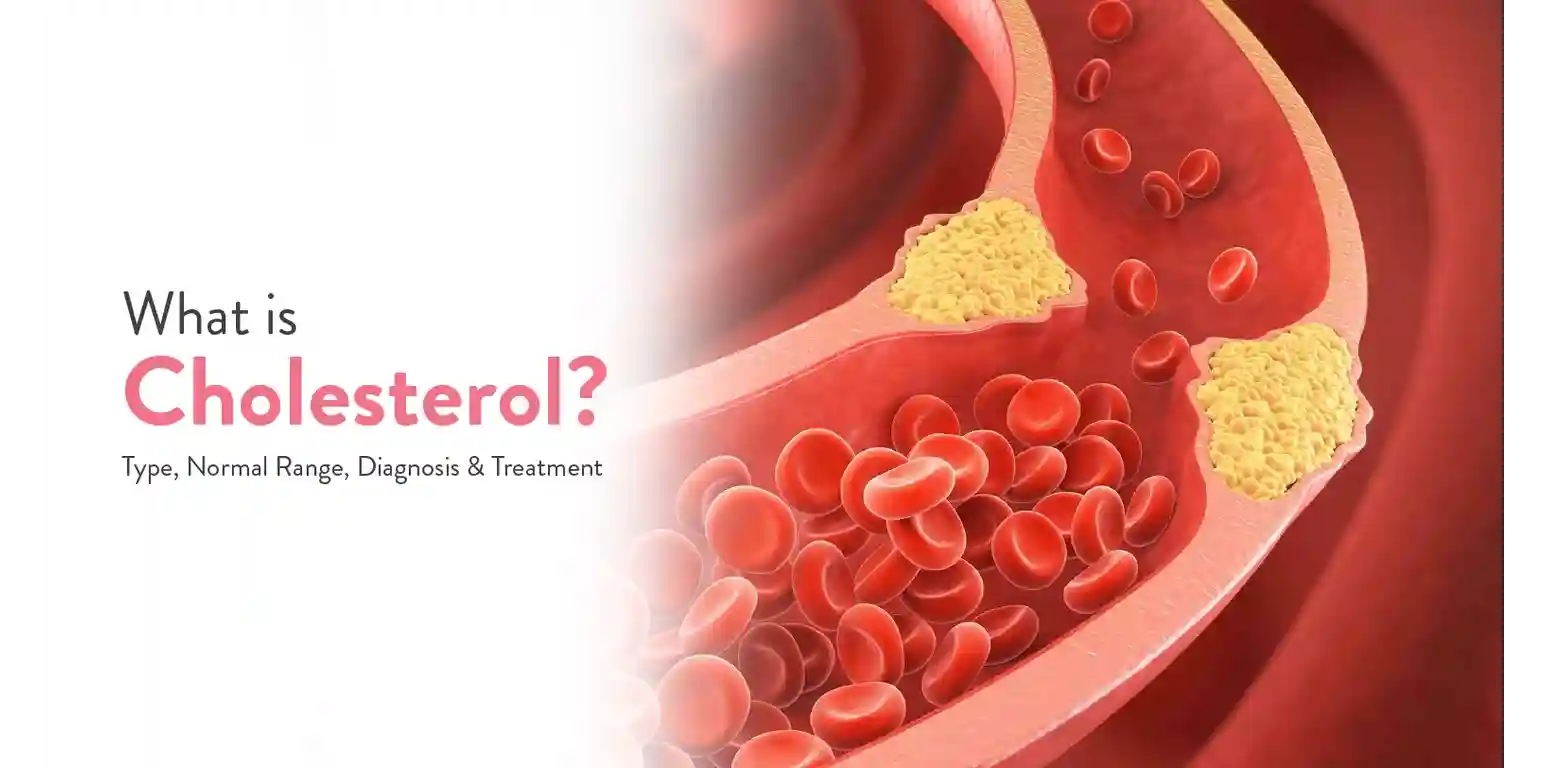
Cholesterol is a wax-like substance produced by your liver and found in your blood. It travels through your bloodstream in the form of lipoproteins.
Your body needs cholesterol to build healthy cells, produce hormones, and aid in digestion. But too much of anything is never good. If cholesterol becomes too high and creates an imbalance, it can start accumulating in your blood vessels, increasing the risk of heart disease and stroke.
Also Read: Sweet Potato: Health Benefits, Nutritional Value and Possible Side Effects
Your body produces different types of cholesterol. They are as follows:
Also Read: Why should we drink Green Tea? Benefits, Nutritional Value and Possible Side Effects
If your report shows an imbalance in any of these types, you should speak with a doctor for the right guidance to bring them back to normal range.
Also Read: Walking or Spot Jogging: Which is more beneficial for body
| Types of Cholesterol | Normal/ Desirable Level |
| Total Cholesterol | Less than 150mg/dL |
| LDL (Bad Cholesterol) | Less than 100 mg/dL (optimal) |
| HDL (Good cholesterol) | 40 mg/dL or higher (men) / 50 mg/dL or higher (women) (higher is better) |
| Triglycerides | Less than 150 mg/dL |
Also Read: Ashwagandha: Uses, Nutrition Value and who should avoid it
The real question is, why do we need to strike a balance between good and bad cholesterol? A balanced cholesterol performs the following functions:
So, cholesterol itself is not harmful, but problems arise when the mix between good and bad cholesterol levels is disbalanced.
Also Read: How to consume Pomegranate, it’s health benefits and nutrition value?
There is no single specific cause of high cholesterol. It can be caused by any of the following reasons:
Also Read: What is cumin water? Benefits, Nutritional Value and possible side Effects?
Although this condition is less common, very low cholesterol can also occur due to:
Low levels can affect hormone production and overall health, though high cholesterol is generally a bigger concern.
Also Read: Shilajit: Uses, Nutrition Value and who should avoid it.
There are certain factors that increase your chances of developing unhealthy cholesterol levels. They are as follows:
Recognising these risk factors early can help prevent complications.
Also Read: Heart Attack in Youngsters: Rising Risks, Cause, Symptoms, Preventions
The more concerning part about increasing cholesterol levels is that they often do not show clear signs in the beginning and are easily overlooked. However, if you ever experience any of the following symptoms, you should visit a doctor and get tested, as prescribed. Because most people discover high cholesterol only after a test.
The signs of high cholesterol can be:
Also Read: Eisenmenger Syndrome: Causes, Symptoms, Complication and Treatment
Based on your symptoms, your healthcare provider may advise you to do a simple blood test that includes a cholesterol test or lipid profile. It helps measure total cholesterol, LDL cholesterol, HDL cholesterol, and triglycerides levels in your body.
Note: Doctors usually recommend fasting for 9 – 12 hours before the test for accurate results.
Also Read: Heart Valve Disease: Causes, Symptoms, and Treatment
You should consult a doctor if:
Also Read: Cardiac Arrest vs. Heart Attack: Know the Key Differences & Signs
Even if you feel perfectly healthy, regular screening is very important for monitoring your overall health.
Also Read: Fox Nut (Makhana): Know the Nutrition, Benefits & Side Effects
Cholesterol is an essential part of your body. The real concern comes when it becomes imbalanced. With rising cases of heart disease, especially among younger populations, being proactive about your health is very important. By regularly monitoring your cholesterol levels, and making mindful lifestyle choices, you can lower your risk of cholesterol related issues.
Also Read: First aid for heart attack: What to do & what to avoid
If you are unsure about the next steps to take, you can reach out to us. Our expert healthcare professionals at the CK Birla hospital, can help you get tested and manage the condition thoughtfully and effectively.
Also Read: How to increase Haemoglobin naturally
How Often Should Cholesterol Levels Be Checked?
How to Lower Cholesterol Naturally?
By understanding your overall health condition, an expert doctor can guide you better. Besides that, you can follow these healthy lifestyle tips to lower cholesterol levels naturally.
Can Cholesterol Be Cured Permanently?
Cholesterol cannot usually be cured with a one-time treatment, especially if it is genetic. However, it can be effectively managed through:
You can maintain healthy cholesterol levels for life with proper care.

In my years as a breast surgeon, I have encountered thousands of lumps, but some cases stay with you—not just because of the surgical complexity, but because of the emotional weight, the patient carries.
Recently, a 21-year-old girl travelled from Hyderabad to see us at the CK Birla Hospital Breast Centre. She was young, vibrant, and at the start of her adult life. However, behind her quiet demeanor was a secret she had been hiding from her own family for months: a rapidly growing mass in her breast.
By the time she sat across from me in the OPD, the situation was critical. What had started as a small, manageable lump had transformed into a 21-centimeter tumor that occupied her entire breast. The skin was stretched to its absolute limit and was on the verge of ulcerating (breaking open).
This is her story—a journey from a silent struggle to a life-changing successful surgery—and a vital lesson for every young woman and parent in India.
Table of Contents
When a tumor reaches this magnitude, we often categorize it as a “Giant Breast Tumor.” In young women around the age of 21, these are typically Giant Fibroadenomas or, more rarely, Phyllodes Tumors.
While these tumors are often benign (non-cancerous), their “benign” nature is deceptive. Because they grow so aggressively, they displace healthy breast tissue, stretch the skin, and can cause significant physical pain and psychological trauma.
In this patient’s case, the sheer size meant that a standard “lumpectomy” was out of the question. We were looking at a complex reconstruction. The challenge was not just removing the mass; it was ensuring that a 21-year-old woman did not have to live the rest of her life with a disfiguring scar or the loss of her breast.
Every surgery at the CK Birla Hospital is preceded by a multidisciplinary meeting. For this case, our goals were three-fold:
Intraoperatively, the true scale of the struggle became apparent. As we carefully dissected the mass away from the chest wall and the thin layer of remaining healthy tissue, we realized the tumor weighed approximately 1.75 kilograms.
To put that in perspective, that is nearly four pounds—the weight of a large laptop—contained within the breast of a young, petite woman.
The most delicate part of the procedure was preserving the blood supply to the Nipple-Areola Complex (NAC). When a tumor is 21cm, it stretches the blood vessels significantly. Through precise surgical technique and oncoplastic principles, we were able to successfully remove the entire 1.75kg mass while keeping the nipple intact.
Once the tumor was out, we performed an immediate reconstruction. We used the remaining breast tissue and advanced plastic surgery techniques to create a natural breast volume and contour that matched her other side, ensuring symmetry and a “normal” appearance post-recovery.
As a surgeon, I can fix the anatomy. But as a doctor, I must address the person.
For a 21-year-old, the breast is a symbol of femininity, identity, and future motherhood. Hiding a growth of this size often stems from “medical gaslighting” (thinking it’s just a hormonal change) or, more commonly in our society, social stigma. Young women often fear that a breast-related diagnosis will affect their marriage prospects or bring shame to the family.
This patient had lived in fear for months. This surgery was about more than clinical success; it was about:
This case serves as a powerful “Take-Home Message” for every household. I often hear patients say, “I thought it would go away on its own,” or “It didn’t hurt, so I thought it wasn’t serious.”
Here is the reality:

If you are reading this and you have noticed a change in your body, please listen: Do not ignore it. Do not hide it.
Look out for these “Red Flags”:
If you notice any of these, talk to your mother, your sister, or a friend. Most importantly, see a Breast Specialist. At the CK Birla Hospital, we offer a “One-Stop Breast Clinic” where we perform the clinical exam, ultrasound, and any necessary biopsy to reduce the “anxiety of waiting.”
Today, our patient is recovering beautifully. The physical weight of the 1.75kg tumor is gone, but more importantly, the emotional weight of her secret has been lifted. She is moving forward with a restored body and a renewed sense of confidence.
At CK Birla Hospital, Gurgaon, we believe that timely intervention doesn’t just save lives—it preserves dignity. We are proud to have been a part of this young woman’s journey back to health.
If you or someone you love has concerns about breast health, remember: Early detection is your greatest ally.

“Eat walnuts, they are good for the brain”.
Long before we understood nutritional labels, this simple piece of advice was passed down by our well wishers. Certainly, walnuts, with their uncanny resemblance to the human brain, are packed with nutrients that are not only good for our brain but also improve the heart health, skin and overall wellbeing.
In this blog, we will zoom into the benefits, limitations, and nutrients of walnuts and understand what makes it so popular.
Table of Contents
You may be surprised to know that this dry fruit has travelled for thousands of years from the mountains of Central Asia to the trade routes of the Silk Road, through Roman lands, to reach our diets.
But what makes it popular is its richness in nutrients that benefit our overall health.
They are especially known for:
In India, it is often recommended during winters and for overall strength, especially for children and elderly members.
Also Read: Sweet Potato: Health Benefits, Nutritional Value and Possible Side Effects
Just a handful of walnuts provides essential nutrients like omega-3, protein, calcium, potassium, and more. Let’s check out a simple chart to know the exact nutritional value of these nuts.
According to the U.S. Department of Agriculture (USDA) and multiple nutrition studies, walnuts are one of the richest plant-based sources of omega-3 fatty acids (ALA), which are important for heart and brain health.
Also Read: Why should we drink Green Tea? Benefits, Nutritional Value and Possible Side Effects
1. Improves Heart Health
It is considered one of the greatest benefits of walnuts. Research published by the American Heart Association suggests that walnuts can reduce the risk of heart disease when eaten regularly. Also, the omega-3 fatty acids present in walnuts may help to:
2. Good for the Brain
No wonder, the shape of walnuts resembles the shape of the human brain so much. Often called ‘brain food,’ walnuts contain compounds like omega-3, antioxidants, and vitamin E that may help improve your cognitive health. These nutrients help protect brain cells from damage and may improve memory and focus.
3. Helps in Weight Management
Walnuts have high calories, but these calories don’t get fully absorbed in your body. According to research published in the National Library of Medicine, the natural compounds present in walnuts, like fibre, protein, and healthy fats, reduce cravings and prevent overeating.
They activate parts of your brain that are connected to hunger control, due to which you feel more satisfied with what you eat and end up eating smaller amounts. So, while you may worry about calories, moderate consumption of walnuts actually adds value in your diet for weight loss.
4. Improves Gut Health
Walnuts act as a prebiotic, meaning they feed good bacteria in your gut. A healthy gut may eventually help in:
5. Benefit Your Skin and Hair
Since walnuts contain compounds like vitamin E, healthy fats, and antioxidants, their regular consumption may help improve your hair and skin quality. Many people also use walnut oil for better nourishment.
6. May Help Control Diabetes
Walnuts have a low glycaemic index, which means they don’t spike blood sugar quickly. Some studies show they may improve insulin sensitivity (how well your body uses sugar).
Also Read: Ashwagandha: Uses, Nutrition Value and who should avoid it
You should seek guidance from a dietician or a nutritionist, as the right timings and quantity differ from person to person.
Generally, the ideal quantity can be 4 to 7 walnuts per day, which is about a small handful. This provides benefits without excessive calorie intake.
When it comes to the right time, walnuts can be eaten at any time of the day. They are especially beneficial when taken as a snack between meals for a feeling of fullness. They can also be eaten before workouts to sustain energy. However, the timing depends on individual needs.
Also Read: How to consume Pomegranate, it’s health benefits and nutrition value?
While walnuts are generally safe, consuming them in excess or without care may lead to some issues. The following can be the adverse effects of walnuts:
If you are introducing walnuts into your diet for the first time, start with a small quantity and observe how your body responds.
Also Read: What is cumin water? Benefits, Nutritional Value and possible side Effects?
Also Read: Shilajit: Uses, Nutrition Value and who should avoid it.
Walnuts (akhrot) are a simple yet powerful addition to your diet. From supporting heart and brain health to improving digestion and skin, their benefits are wide-ranging. However, you should make sure that they are eaten in moderation.
If you are unsure whether to add them to your diet or not, and also want other dietary guidance, you can consult with our expert dieticians and nutritionists at the CK Birla Hospital.
How many calories are in a walnut?
A serving of 7 walnuts provides around 185 calories. Though walnuts are a calorie-dense dry fruit, their calories do not get absorbed fully into your body.
Should you soak walnuts?
Yes. Soaking walnuts overnight is often recommended. Soaked walnuts may improve digestion, reduce bitterness, and enhance nutrient absorption.
Do walnuts raise cholesterol?
No. Walnuts actually help lower bad cholesterol (LDL) and improve your heart health when consumed in moderation. However, you should not take them as a medical treatment for high cholesterol. Speak with your healthcare provider if cholesterol is your concern.
How many walnuts should you eat daily?
The intake of walnuts may vary from individual to individual. It is generally considered ideal to eat 4 to 7 walnuts daily for optimal benefits without excess calories. However, you should consult with your dietician before adding them to your daily routine.
Are walnuts tart?
Walnuts are not tart. They have a slightly bitter taste due to natural compounds, which reduces when they are soaked.
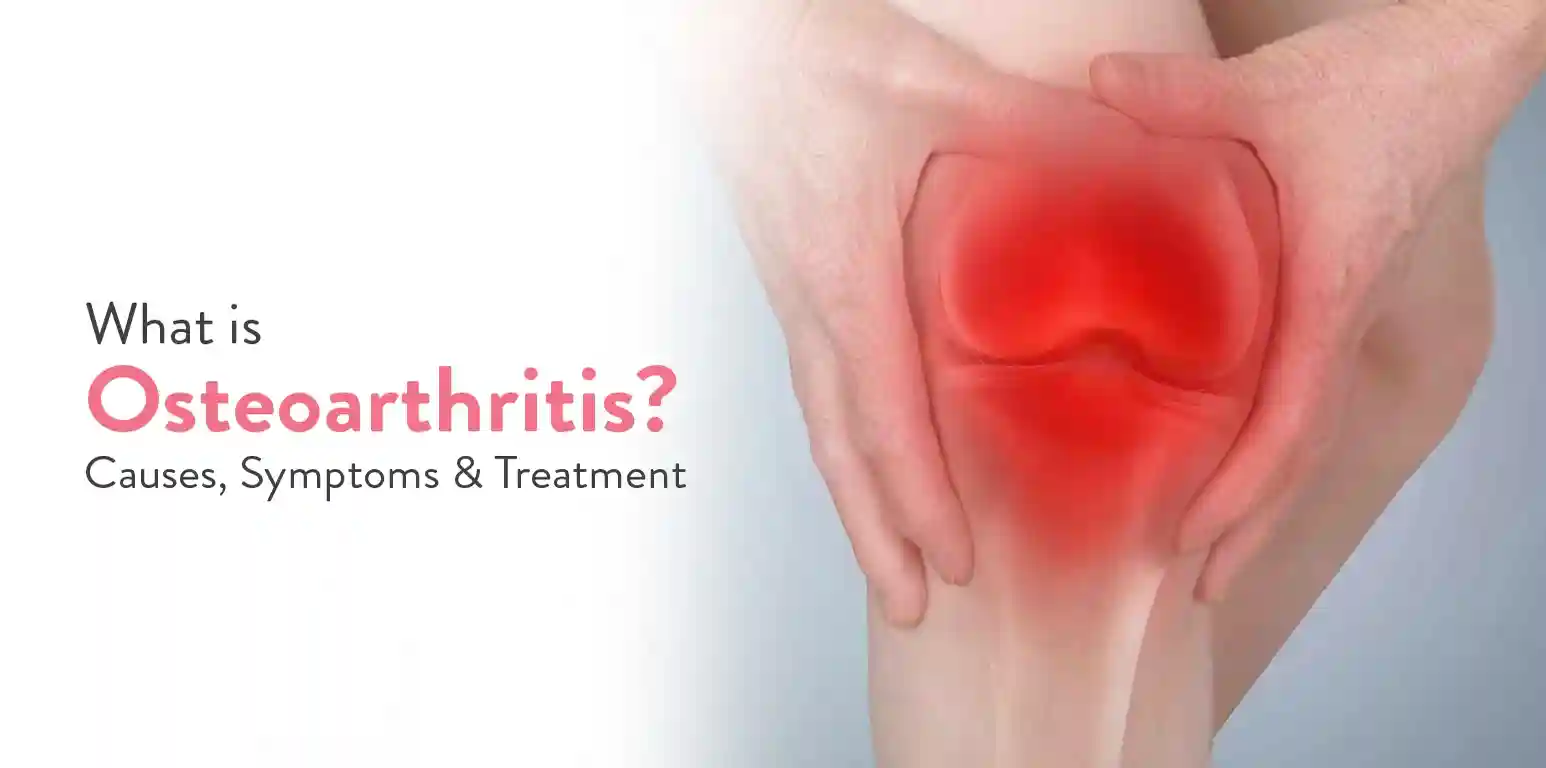
Table of Contents
Have you ever felt stiffness in your knees, hips, or hands when standing up after sitting for a while? Or found yourself thinking twice before taking the stairs, or carrying bags because you feel discomfort in your joints?
These may seem like ordinary signs of being tired or getting older, but when they happen more frequently, they could be early symptoms of osteoarthritis. Recognising this early is important, which is why this blog takes a closer look at osteoarthritis, from its early warning signs and common causes to practical ways of managing it.
Osteoarthritis is a condition in which the cartilage tissue that protects your joints wears down. Joints are the junctions where two bones meet, like your knees, shoulders, elbows, hips, or fingers. Normally, cartilage acts as a cushion in these joints and allows them to move easily. When the cartilage becomes thin, bones start rubbing against each other, which causes pain, swelling, and stiffness in the joints.
There are two main types of osteoarthritis.
Generally, the reason behind this condition is linked to gradual joint damage over time, but there are several other factors that cause osteoarthritis. These factors can be:
Osteoarthritis becomes more common with age and may also develop after a joint injury, particularly if a joint is overused before it has fully healed.
Also Read: The risk of delaying Knee Replacement Surgery
The signs of osteoarthritis often develop slowly and worsen over time. Initially, you might notice:
Also Read: Knee Cartilage Damage Repair and Replacement
Common areas affected in osteoarthritis –
In the early stages, symptoms may be mild. This is often referred to as mild osteoarthritis.
Also Read: Watch out for these early symptoms of arthritis
Certain people are more likely to develop osteoarthritis. If you fall into the following categories, there may be a higher chance of developing this condition.
Women are also slightly more prone, especially after menopause.
Also Read: Why joint pain occurs: The A-Z of Joint Pain
To diagnose this condition, your doctor may recommend the following:
Rheumatologists or orthopedists also classify the condition into different stages, ranging from mild to severe. These osteoarthritis stages help guide better treatment.
Also Read: High Tibial Osteotomy
The difficult part of this condition is that there is no complete cure, but choosing the right treatment may help you lower the pain and improve your joint movement. To manage this condition, your arthritis expert may advise the following measures:
Important Note – You must always consult an expert doctor before starting any medications, supplements, or complex exercises. Taking any step without proper guidance can worsen the condition instead of treating it.
Also Read: Why should you consider physiotherapy during pregnancy?
You should book an appointment with an expert doctor, preferably an arthritis specialist, if you are persistently experiencing the following:
It is always better to find the reasons behind these discomforts early to improve the quality of life.
Also Read: Shoulder osteoarthritis – symptoms, causes & treatment
We understand that conditions like osteoarthritis can affect your day to day activities. But staying consistent with healthy habits, timely treatment, and taking the right steps as suggested by your doctor can definitely help you manage it.
If you want to live an active and fulfilling life, don’t ignore the signs of osteoarthritis. You can reach out to us to understand your condition better and find the right solution.
Can osteoarthritis be cured?
Although osteoarthritis cannot be completely cured, its symptoms can be managed effectively with the right treatment, exercise, and lifestyle changes.
What is the best treatment for osteoarthritis?
The best treatment usually includes a combination of exercise, weight management, medications, and physiotherapy. Severe cases may require surgery. But it is not necessary that what works for one may also work for you. So, always consult with an expert doctor to find the right treatment for your condition.
Which doctor to consult for osteoarthritis?
You should consult an orthopedic specialist or a rheumatologist for proper diagnosis and treatment. At the CK Birla Hospital, we have a great team of expert doctors who can help you manage this condition.
What is knee joint osteoarthritis?
It is a type of osteoarthritis that affects the knee joint, causing pain, stiffness, and difficulty in movement. It is one of the most common forms of the condition.
What are the home remedies for osteoarthritis?
Some helpful natural remedies for osteoarthritis are:
These natural remedies are not a proper cure or treatment for osteoarthritis. You can follow them as a supportive treatment option after consulting with an expert doctor.
What foods to avoid if you have osteoarthritis?
Following an osteoarthritis diet can help manage symptoms. Try to limit:
Instead, focus on anti-inflammatory foods like fruits, vegetables, nuts, and whole grains.

