Filter :
Shilajit, an ancient natural substance, is often talked about for its potential to boost stamina and improve testosterone levels. But what exactly is it? Does it really deliver the benefits people talk about? Is it safe for everyone to use?
In this blog, we will cover everything you need to know about this centuries-old substance.
Read along to know the science behind Shilajit, its benefits, and also the precautions you should take before trying it.
Table of Contents
Shilajit is a sticky natural substance that seeps out of rocks in high mountain ranges like the Himalayas. Formed from the decomposed plants and minerals, it takes centuries to come into existence.
As per research, Shilajit contains fulvic acid and minerals like potassium, calcium, magnesium that add many health benefits to our body. In traditional Ayurveda, it has been used for thousands of years for rejuvenating our body and mind.
We can simply call it a mineral-rich compound that helps with boosting energy, and adding healthy significance to our overall health.
Today, you will find this age-old compound in different forms like resin powder, capsule and sometimes even added to herbal blends or marketed as a “shilajit energy drink”.
Also Read: Flax Seeds: Uses, Nutrition, Health Benefits & Side Effects
Now, let’s understand the commonly discussed Shilajit benefits.
1. Improve Energy Levels
Shilajit is believed to help your mitochondria — the part of your cells that makes energy. When mitochondria work efficiently, your body feels less fatigued over time. This is why many people use Shilajit as a natural way to boost their energy.
2. Help in Increasing Testosterone in Men
When it comes to Shilajit benefits for male, testosterone often comes up.
Some clinical research has shown a rise in testosterone levels among healthy men who took purified Shilajit for over 12 weeks.
This is why it is often marketed for male vitality and strength. However, this doesn’t mean it is a miracle supplement. You should not replace Shilajit with medical treatments for hormonal issues.
3. May Have Antioxidant Properties
Shilajit naturally contains fulvic acid, which helps the body absorb nutrients better and is known for its antioxidant benefits. Antioxidants help protect your body from harmful molecules that can damage cells.
Because of this, taking Shilajit, which is enriched with antioxidants, helps in making your skin healthier, boost collagen production to reduce dullness, wrinkles, and other early signs of aging.
If you want to manage oxidative stress, Shilajit again proves to be a great supplement. It lowers the risk of health issues like diabetes, heart disease, and other disorders. It also reduces long-term inflammation.
Also Read: Heart Valve Disease: Causes, Symptoms, and Treatment
4. Good for a Healthy Brain
Another reason people use Shilajit is for enhancing their focus and alertness. Some research suggests that it improves your cognitive abilities and possibly helps in conditions like Alzheimer’s.
Also Read: Apple Cider Vinegar: Health Benefits & Side Effects
Fulvic acid is the main component in Shilajit that makes it work best. As mentioned before, it is a natural compound due to which our body absorbs nutrients better.
To simplify, consider fulvic acid as a delivery agent that helps transport minerals into cells more effectively.
The components of Shilajit helps in:
Also Read: Basic Facts About Aphasia – What You Need to Know
Here is a quick table to help you understand the nutritional value of the components present in Shilajit.
| Compound | What It Does |
| Fulvic Acid | It helps absorb nutrients and improves energy production. |
| Humic Acid | It has anti-inflammatory properties. |
| Iron | It improves production of red blood cells. |
| Magnesium | It helps muscle and nerve function better. |
| Zinc | It is good for immunity and hormonal balance. |
| Potassium | It maintains fluid balance. |
| Calcium | It improves bone health. |
Also Read: Health Benefits of Chia Seeds
There are some common misconceptions about Shilajit. Let’s clear the air!
Myth 1: Shilajit can boost stamina instantly.
Truth: Shilajit is not a magic tonic that can show its powers in minutes. It takes time to deliver its benefits.
Myth 2: Consume more of Shilajit for better results.
Truth: Overconsumption can increase the risk of Shilajit side effects. That’s why always stick to doses recommended by your doctor.
Also Read: What are the Health Benefits of Pumpkin Seed Oil
Myth 3: Shilajit is only for men.
Truth: While Shilajit benefits for male are heavily marketed, women also use it as a general energy booster.
Myth 4: Taking Shilajit can alone help in maintaining a healthy lifestyle.
Truth: No supplement can replace sleep, balanced diet, and exercise. Shilajit can help your overall well-being as an additional supplement, but you should not compromise on your sleep, good diet and exercise.
Myth 5: It is a substitute of viagra.
Truth: Certainly, Shilajit is good for sexual wellness, but it is not the right clinical substitute for supplements like viagra.
Also Read: All you need to know about Erectile Dysfunction
Now let’s see the negative side of this very beneficial natural substance.
Make sure you are taking it in moderation. It is always best to consult a doctor before using it, as they can advise you on proper usage and dosage.
Also Read: Skin Allergies- Types, Causes, Symptoms & Treatments
Shilajit is not suitable for everyone. It is best to avoid it or at least speak with a doctor first, if any of the following apply to you:
If you are unsure whether it is right for you, a quick conversation with your healthcare provider can help you make a safe and informed decision.
Also Read: Guava & Guava Leaves: Health Benefits, Nutrition, Side Effects and how to eat
Shilajit is available in different forms in the market. You can take it in the form of resin, capsule, powder or as a drink.
1. Shilajit Resin
This is considered the purest form. You can take a small pea-sized amount of Shilajit, dissolve it in warm water or milk and have it!
2. Shilajit Capsule
If you are not comfortable with its strong taste, a Shilajit capsule is convenient and easier to consume. Just make sure you are sourcing the capsules from the verified and trusted option.
3. Powder
Shilajit powder is another easy to consume option. It can be mixed into warm beverages.
4. Shilajit Energy Drink
Some brands add it to herbal drinks. Be cautious about added sugars or stimulants.
Note – Unpurified Shilajit may contain heavy metals. Always choose purified, lab-tested products.
Also Read: Health Benefits of Pumpkin Seeds
Shilajit can be taken at any time of day, but as per ayurveda it is often recommended in the morning or earlier in the day. Since it boosts energy, taking it late at night might disturb sleep for some people.
Also Read: What is cholesterol? Type, normal range, Diagnosis and Treatment
Shilajit is an ancient natural substance that has been a significant part of our traditional medicine system. It contains fulvic acid and multiple minerals that boosts energy, improves hormonal balance, and overall vitality.
Although many potential benefits of Shilajit are promising, it should be taken in moderation.
Before adding it to your routine, consult a healthcare professional who can recommend the appropriate dosage for your needs.
Can women take Shilajit?
Yes! Women can take Shilajit, but with doctor recommended dosage. Shilajit benefits for women include improved energy and vitality. However, pregnant and breastfeeding women should avoid it.
Is Shilajit safe for long-term use?
For short-term, you can take purified Shilajit, but medical supervision is recommended for long-term use.
Which form of Shilajit is best — capsule, powder, or resin?
Shilajit resin is often considered the purest form. Capsules are more convenient and tasteless. The best form depends on your personal preference.
Can Shilajit increase testosterone?
Some studies suggest Shilajit may increase total testosterone levels in healthy men. However, it should not replace prescribed treatment for hormonal disorders.
Will Shilajit keep me awake?
Since Shilajit may boost energy, taking it late in the evening might make it harder to sleep for some people. Morning consumption is usually preferred.
Menstruation is a natural part of your reproductive health, but noticing changes like blood clots during your period can sometimes feel confusing and overwhelming. In most cases, period blood clots are completely normal. But sometimes, they can signal an underlying health issue.
If you are also feeling confused and unsettled while experiencing period blood clots, read this blog until the end. We have covered why menstrual blood clots happen, are they normal, and the signs that mean you should seek medical advice.
Table of Contents
Blood clots are a more thickened and solid form of blood that is shed during your period. Let’s understand it in a little more detail.
During your period, your body sheds the lining of the uterus. This lining contains blood and tissue, which leave the body as menstrual flow.
Sometimes, especially on heavier days, the blood doesn’t flow out immediately. When it stays in the uterus for a little longer, it can thicken and form small clumps. These clumps are what we call blood clots.
Your body actually creates them on purpose. It releases natural clotting proteins to prevent too much blood loss. So in many cases, seeing small clots during your period is simply your body’s normal way of managing heavier bleeding.
Your period blood clots may look like:
Also Read: How to Induce a Period: Natural Remedies, Methods, Risks
There are reasons behind blood clotting during menstruation. Some are completely normal while others may need medical attention.
Common Causes of Blood Clots in Periods
If you notice huge blood clots during period cycles frequently, you must discuss it with a doctor.
Also Read: Can You Get Your Period and Still be Pregnant?
Yes. In many cases, blood clots during menstruation are normal. Medical experts note that occasional blood clots in periods are common, particularly during the first few days of menstruation when flow is heaviest.
| Blood clots are NORMAL when: | Blood clots are CONCERNING when: |
| they are smaller in size | you need to change your protection (pads, tampons, etc.), about every hour |
| they happen only on heavy flow days | clots are consistently large in size |
| they don’t cause severe pain | periods lasts more than 7-8 days and you feel extremely dizzy or tired |
Also Read: FAQs About Periods
While blood clots during periods are usually harmless, you should consider seeing a doctor in the following cases.
If something feels different or concerning, don’t ignore it. Getting medical advice can give you clarity and peace of mind.
Also Read: Lighter Periods Than Usual
As mentioned before, blood clotting during menstruation is generally normal if you don’t have any serious underlying issues. If the causes of blood clots are linked to heavy bleeding, you can try some of the given options to manage them:
Also Read: Worried about first period after delivery?
Period blood clots themselves do not usually affect fertility.
However, conditions causing heavy clotting, such as fibroids or endometriosis, may sometimes interfere with pregnancy if left untreated.
It is also important not to confuse normal period clots with blood clots during pregnancy. Bleeding in early pregnancy is not the same as menstruation. If you are planning a pregnancy and regularly experience very heavy periods, it is wise to get evaluated to ensure everything is healthy.
Also Read: Menstrual Cramps – All you need to know
Noticing blood clots during your period can feel confusing and sometimes overwhelming, especially if no one has ever explained to you that they can be normal.
In many cases, blood clots during menstruation are simply your body’s way of managing a heavier flow. However, if you frequently experience large blood clots during your period, don’t ignore them. Your body may need medical attention.
Also Read: What causes painful periods and how can you reduce the pain?
When to consider blood clotting abnormal?
Blood clots can seem abnormal when they are consistently large in size, your periods last more than 7-8 days, you need to change protection every hour, or you experience severe pain during the period cycle.
What information should I share with my doctor when seeking advice about period blood clots?
Tell your doctor:
This information may help your doctor identify reasons for your blood clot accurately.
How can I manage heavy periods at home?
Simple habits like eating iron-rich foods, staying hydrated, resting during heavy days, and using a heating pad for cramps may help you manage heavy flow periods at home. However, if heavy periods persist, you should seek medical advice.
What symptoms indicate anaemia from heavy periods?
If you are experiencing extreme tiredness, pale skin, shortness of breath, fast heart rate, frequent headaches, your doctor may recommend a blood test to check haemoglobin levels.
Table of Contents
लिवर हमारे शरीर का एक ऐसा योद्धा है, जो बिना रुके हमारे शरीर में मौजूद टॉक्सिन्स को बाहर निकालता है और हमें ऊर्जा देता है। लेकिन क्या हो जब इस योद्धा पर एक साथ दो दुश्मन हमला कर दें? हेपेटाइटिस डी (Hepatitis D) एक ऐसी ही गंभीर स्थिति है।
यदि आप या आपका कोई अपना लिवर से जुड़ी समस्याओं का सामना कर रहा है, तो इस ब्लॉग से आपको बहुत मदद मिलने वाली है। यहां हम केवल बीमारी की बात नहीं करेंगे, बल्कि उस समाधान की बात करेंगे जो आपकी सेहत को फिर से पटरी पर ला सकता है। हमारे विशेषज्ञ हर कदम पर आपके साथ हैं, ताकि आप एक स्वस्थ और सुरक्षित जीवन जी सकें। इसलिए यदि आप भी लिवर की किसी गंभीर समस्या का सामना कर रहे हैं, तो बिना देरी किए हमारे अनुभवी विशेषज्ञों से मिलें और इलाज लें।
हेपेटाइटिस डी, जिसे हेपेटाइटिस डी वायरस (HDV) के रूप में जाना जाता है, लिवर की एक गंभीर सूजन है। इसे ‘अधूरा वायरस’ (Incomplete Virus) भी कहा जाता है, क्योंकि यह अकेले जीवित नहीं रह सकता। इसे फैलने और जीवित रहने के लिए हेपेटाइटिस बी (HBV) की उपस्थिति की आवश्यकता होती है।
सरल शब्दों में कहें तो, यदि किसी व्यक्ति को हेपेटाइटिस बी नहीं है, तो उसे हेपेटाइटिस डी संक्रमण भी नहीं हो सकता। लेकिन जब ये दोनों संक्रमण एक साथ मिलते हैं या एक के बाद एक होते हैं, तो स्थिति बेहद गंभीर हो जाती है। विश्व स्वास्थ्य संगठन (WHO) के अनुसार, दुनिया भर में लगभग 5% हेपेटाइटिस बी संक्रमित लोग हेपेटाइटिस डी से भी पीड़ित हैं। वहीं हालिया रिसर्च के अनुसार, हेपेटाइटिस बी से पीड़ित रोगियों में हेपेटाइटिस डी के जुड़ने से लिवर कैंसर का खतरा 3 गुना बढ़ जाता है। भारत में, लिवर क्लीनिकों में आने वाले गंभीर रोगियों में लगभग 10-15% में एचडीवी की सह-संक्रमण (Co-infection) देखा गया है।
ये भी पढ़े: हेपेटाइटिस ए: कारण, लक्षण और इलाज
एचडीवी संक्रमण मुख्य रूप से संक्रमित रक्त या शरीर के अन्य तरल पदार्थों के संपर्क में आने से फैलता है। इसके प्रमुख कारणों में शामिल हैं –
यह वायरस साधारण छूने, चूमने, साथ खाना खाने या खांसने-छींकने से नहीं फैलता है। इसलिए यदि समाज में ऐसी भ्रांतियां हों, तो सही जानकारी साझा करें।
ये भी पढ़े: जानिए काला चना की न्यूट्रिशनल वैल्यू पर 100 ग्राम: प्रोटीन, न्युट्रिशन और अन्य स्वास्थ्य लाभ
अक्सर लोग इंटरनेट पर Hepatitis D symptoms in Hindi खोजते हैं क्योंकि इसके लक्षण काफी हद तक हेपेटाइटिस बी से मिलते-जुलते हैं, लेकिन कहीं अधिक तीव्र होते हैं। हेपेटाइटिस डी के लक्षण अचानक उभर सकते हैं जैसे कि –
यदि ये लक्षण दिखें, तो इसे सामान्य कमजोरी समझने की गलती न करें। यह हेपेटाइटिस बी और डी संक्रमण का संकेत हो सकता है, जो लिवर फेलियर की ओर ले जा सकता है।
समय पर निदान ही सबसे प्रभावी हेपेटाइटिस डी का इलाज है। चूंकि इसके लक्षण अन्य लिवर बीमारियों जैसे होते हैं, इसलिए रक्त परीक्षण (Blood Test) अनिवार्य है।
ये भी पढ़े: हेपेटाइटिस: प्रकार, कारण, लक्षण और उपचार
जब बात आती है हेपेटाइटिस डी के उपचार की, तो चिकित्सा जगत में इसे एक चुनौतीपूर्ण स्थिति माना जाता है। वर्तमान में, इसका कोई निश्चित इलाज नहीं है, जो वायरस को पूरी तरह खत्म कर दे, लेकिन इसे आसानी से मैनेज किया जा सकता है –
सीके बिरला अस्पताल में हमारा अनुभव कहता है कि सही समय पर शुरू किया गया हेपेटाइटिस डी का इलाज जीवन की गुणवत्ता में बड़ा सुधार ला सकता है।
ये भी पढ़े: जानिए काला पीलिया क्यों होता है ? इसके कारण, लक्षण, उपचार
एक बात लंबे समय से चली आ रही है कि बचाव हमेशा उपचार से बेहतर होता है। यहां कुछ महत्वपूर्ण कदम दिए गए हैं जैसे कि –
हेपेटाइटिस डी निस्संदेह एक कठिन चुनौती है, लेकिन यह लाइलाज नहीं है। सही जानकारी, समय पर जांच और सीके बिरला अस्पताल जैसे विशेषज्ञों की देखरेख में आप इस बीमारी को मात दे सकते हैं। अपनी सेहत के साथ समझौता न करें। यदि आपको ऊपर बताए गए कोई भी लक्षण महसूस होते हैं, तो तुरंत अपने डॉक्टर से संपर्क करें। याद रखें, आपका लिवर आपकी मुस्कान का आधार है। इसकी रक्षा करें।
हेपेटाइटिस डी में क्या नहीं करना चाहिए?
हेपेटाइटिस डी में शराब का सेवन पूरी तरह बंद कर देना चाहिए क्योंकि यह लिवर की क्षति को दस गुना बढ़ा देती है। बिना डॉक्टर की सलाह के कोई भी सप्लीमेंट या पेनकिलर न लें। तला-भुना और अत्यधिक मसालेदार भोजन लिवर पर अतिरिक्त दबाव डालता है, इसलिए इनसे बचें।
क्या हेपेटाइटिस डी लिवर कैंसर का कारण बन सकता है?
हां, हेपेटाइटिस डी को लिवर कैंसर का सबसे आक्रामक रूप माना जाता है। यह हेपेटाइटिस बी के साथ मिलकर लिवर सिरोसिस (लिवर का सिकुड़ना) और बाद में ‘हेपैटोसेलुलर कार्सिनोमा’ (लिवर कैंसर) के खतरे को अत्यधिक बढ़ा देता है, वह भी बहुत कम समय में।
क्या हेपेटाइटिस डी पूरी तरह से ठीक हो सकता है?
वर्तमान में हेपेटाइटिस डी का कोई 100% ‘क्यूरेटिव’ इलाज नहीं है जो शरीर से वायरस को पूरी तरह निकाल दे। हालांकि, दवाओं के माध्यम से वायरल लोड को इतना कम किया जा सकता है कि लिवर को नुकसान न पहुंचे और व्यक्ति सामान्य जीवन जी सके।
क्या हेपेटाइटिस डी फिर से संक्रमित हो सकता है?
यदि एक बार व्यक्ति संक्रमण से उबर जाता है और उसके शरीर में एंटीबॉडी बन जाती हैं, तो पुनः संक्रमण दुर्लभ है। हालांकि, जो लोग पुराने (Chronic) मरीज हैं, उनमें वायरस फिर से सक्रिय हो सकता है यदि उपचार को बीच में छोड़ दिया जाए या स्वास्थ्य की अनदेखी की जाए।
Table of Contents
हमारा शरीर कभी-कभी हमें बिना बताए अपने अंदर इतनी समस्याएं रख सकता है, जिनकी आपको जानकारी भी नहीं है। आपको इसकी जानकारी तब तक नहीं होती है, जब तक आपके लिवर या अन्य किसी समस्या का संकेत नहीं मिलता है। ऐसी ही एक स्वास्थ्य स्थिति है हेपेटाइटिस सी, जिससे दुनिया भर के लोग प्रभावित होते हैं।
जब किसी को पता चलता है कि वह इस वायरस से संक्रमित हैं, तो मन में डर और अनगिनत सवाल उठना स्वाभाविक है। लेकिन यहां एक राहत की बात है कि आज की आधुनिक तकनीक और सीके बिरला अस्पताल जैसे एडवांस चिकित्सा संस्थान की मदद से, हेपेटाइटिस सी अब लाइलाज नहीं रहा। इस ब्लॉग में हम विस्तार से जानेंगे कि हेपेटाइटिस c क्या है, इसके खतरे क्या हैं और आप इससे कैसे जीत सकते हैं। यदि आप इस स्थिति के दायरे में आ रहे हैं, तो बिना देर किए हमारे अनुभवी डॉक्टरों से मिलें और इलाज लें।
सरल शब्दों में कहें तो, हेपेटाइटिस सी लिवर में होने वाली एक सूजन या इन्फेक्शन है, जो हेपेटाइटिस सी वायरस (HCV) के कारण होता है। यह वायरस मुख्य रूप से रक्त के माध्यम से फैलता है और लिवर की कोशिकाओं पर हमला करता है।
हेपेटाइटिस सी दो प्रकार का हो सकता है –
हेपेटाइटिस सी के प्रकार (Hepatitis C type) को समझना इसलिए जरूरी है, क्योंकि उपचार की दिशा इसी पर निर्भर करती है।
ये भी पढ़े: हेपेटाइटिस: प्रकार, कारण, लक्षण और उपचार
हेपेटाइटिस सी कोई छुआछूत की बीमारी नहीं है जो खांसने या छींकने से फैले। यह केवल संक्रमित रक्त के संपर्क में आने से फैलता है। इसके मुख्य कारणों में शामिल हैं –
चलिए समझते हैं कि आंकड़े क्या कहते हैं? विश्व स्वास्थ्य संगठन (WHO) के अनुसार, दुनिया भर में लगभग 58 मिलियन लोग क्रोनिक हेपेटाइटिस सी संक्रमण के साथ जी रहे हैं। भारत में भी इसकी व्यापकता लगभग 1% है, जिसका अर्थ है कि लाखों लोग इस खतरे की जद में हैं।
ये भी पढ़े: हेपेटाइटिस ए: कारण, लक्षण और इलाज
हेपेटाइटिस सी को पहचानना चुनौतीपूर्ण है, क्योंकि इसके शुरुआती लक्षण बहुत सामान्य होते हैं या बिल्कुल नहीं होते। कई मरीज़ों को तो दशकों तक पता ही नहीं चलता कि वे इस वायरस से संक्रमित हैं। जब संक्रमण बढ़ता है, तब हेपेटाइटिस सी के लक्षण सामने आते हैं जैसे कि –
यदि आपको इनमें से कोई भी लक्षण महसूस हो रहे हैं, तो उन्हें नजरअंदाज न करें। Hepatitis C symptoms दिखने का मतलब है कि आपका लिवर खतरे का संकेत दे रहा है।
चूंकि यह एक “साइलेंट” बीमारी है, इसलिए केवल लक्षणों के आधार पर इसकी पुष्टि नहीं की जा सकती। सीके बिरला अस्पताल में हम इसके लिए सटीक डायग्नोस्टिक प्रक्रियाओं का पालन करते हैं। इस स्थिति की जांच के लिए निम्न विकल्पों का उपयोग किया जाता है –
ये भी पढ़े: हेपेटाइटिस बी: कारण, लक्षण और उपचार
अभी तक हेपेटाइटिस सी वायरस के लिए कोई टीका (Vaccine) उपलब्ध नहीं है, इसलिए हेपेटाइटिस से बचाव ही सबसे बढ़िया सुरक्षा है। आप इन उपायों को अपनाकर खुद को सुरक्षित रख सकते हैं –
ये भी पढ़े: जानें ग्रीन टी के फायदे, नुकसान और सही मात्रा में सेवन
पुराने समय में हेपेटाइटिस सी का इलाज बहुत कठिन था और इसके गंभीर दुष्प्रभाव होते थे। लेकिन अब समय बदल गया है। हेपेटाइटिस सी का इलाज अब ओरल दवाओं (गोलियों) के माध्यम से संभव है। चलिए इस दवा और इसकी जानकारी के बारे में समझते हैं –
सीके बिरला अस्पताल में हमारे विशेषज्ञ मरीज़ की स्थिति के अनुसार कस्टमाइज्ड ट्रीटमेंट प्लान तैयार करते हैं, जिससे कम से कम साइड इफेक्ट्स के साथ बेहतर परिणाम मिलते हैं।
ये भी पढ़े: शिलाजीत: फायदे, नुकसान, न्यूट्रिशनल वैल्यू और सेवन करने का सही तरीका
हेपेटाइटिस सी अब कोई ऐसा शब्द नहीं है, जिससे आपको डरना चाहिए, बल्कि यह एक ऐसी स्थिति है, जिसे आपको समझना चाहिए। समय पर जांच और सही उपचार न केवल आपके लिवर को बचा सकता है, बल्कि आपको एक स्वस्थ और लंबा जीवन भी दे सकता है। यदि आप या आपका कोई प्रियजन ऊपर बताए गए लक्षणों का सामना कर रहा है, तो संकोच न करें और परामर्श लें।
सीके बिरला अस्पताल में हम अत्याधुनिक तकनीक और अनुभवी डॉक्टर्स की टीम के साथ आपकी मदद के लिए तैयार हैं। याद रखें, आपकी सेहत ही आपकी सबसे बड़ी पूंजी है, और ‘हेपेटाइटिस सी उपचार’ अब आपकी पहुंच में है।
हेपेटाइटिस सी में क्या नहीं करना चाहिए?
हेपेटाइटिस सी होने पर शराब का सेवन बिल्कुल न करें, क्योंकि यह लिवर की क्षति को तेज करता है। बिना डॉक्टर की सलाह के कोई भी ओवर-द-काउंटर दवा या सप्लीमेंट न लें। साथ ही, अपना रक्त, रेजर या टूथब्रश दूसरों के साथ साझा करने से बचें।
क्या हेपेटाइटिस सी लिवर कैंसर का कारण बन सकता है?
हां, यदि हेपेटाइटिस सी का लंबे समय तक इलाज न किया जाए, तो यह लिवर में पुराने घाव (सिरोसिस) पैदा कर सकता है। समय के साथ, सिरोसिस वाले मरीज़ों में लिवर कैंसर विकसित होने का जोखिम काफी बढ़ जाता है।
क्या हेपेटाइटिस सी पूरी तरह से ठीक हो सकता है?
हां, आधुनिक Direct-acting Antiviral (DAA) दवाओं के साथ, हेपेटाइटिस सी अब 95% से अधिक मामलों में पूरी तरह से ठीक हो सकता है। 8 से 12 सप्ताह के दवा के कोर्स से वायरस को शरीर से पूरी तरह खत्म किया जा सकता है।
क्या हेपेटाइटिस सी फिर से संक्रमित हो सकता है?
हां, हेपेटाइटिस सी से एक बार ठीक होने का मतलब यह नहीं है कि आप भविष्य के लिए सुरक्षित हैं। इस वायरस के खिलाफ शरीर में स्थायी इम्यूनिटी नहीं बनती है। यदि आप फिर से संक्रमित रक्त के संपर्क में आते हैं, तो दोबारा संक्रमण हो सकता है।
क्या हेपेटाइटिस सी सामान्य छूने या साथ खाने से फैलता है?
बिल्कुल नहीं, हेपेटाइटिस सी हाथ मिलाने, गले मिलने, चूमने, साथ बैठकर खाना खाने या एक ही बर्तन इस्तेमाल करने से नहीं फैलता। यह केवल संक्रमित रक्त के सीधे संपर्क में आने से ही प्रसारित होता है।
क्या गर्भावस्था के दौरान हेपेटाइटिस सी मां से बच्चे को हो सकता है?
हां, इसकी संभावना लगभग 5% होती है कि संक्रमित माँ से बच्चे को प्रसव के दौरान यह वायरस मिल जाए। हालांकि, गर्भावस्था के दौरान उचित चिकित्सा निगरानी और प्रसव के बाद बच्चे की जांच से जोखिम को प्रबंधित किया जा सकता है।
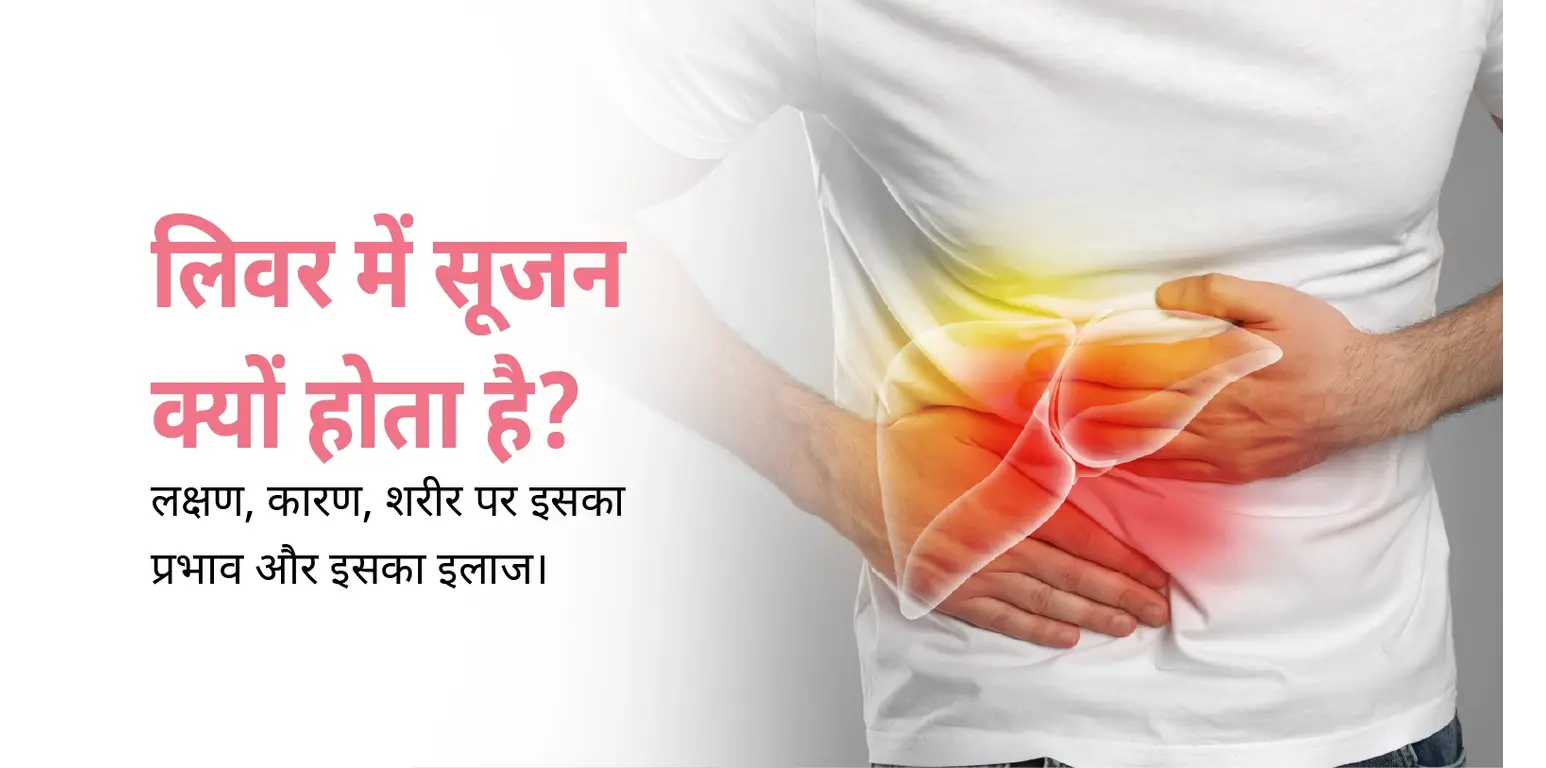
Table of Contents
आज की भागदौड़ भरी जिंदगी, बिगड़ा हुआ खान-पान और अत्यधिक तनाव का सबसे बुरा असर हमारे शरीर के सबसे महत्वपूर्ण अंग यानी लिवर पर पड़ता है। लिवर हमारे शरीर का ‘इंजन’ है, जो खून साफ करने से लेकर भोजन को ऊर्जा में बदलने तक के 500 से ज्यादा काम करता है। शरीर का जो अंग हमारे इतने कार्य करता है, यदि उसी में खराबी आ जाए, तो इसके कारण बहुत सारी समस्याएं उत्पन्न हो सकती हैं।
जब लिवर में सूजन आती है, तो शरीर धीरे-धीरे टूटने लगता है। अक्सर लोग इसे साधारण गैस या अपच समझकर नजरअंदाज कर देते हैं, जो भविष्य में एक जानलेवा गलती साबित हो सकती है। यदि आप या आपके परिवार में कोई भी लिवर में सूजन (Liver Swelling) की समस्या से जूझ रहा है, तो याद रखें कि आपका एक सही कदम और समय पर लिया गया फैसला आपको एक गंभीर बीमारी से बचा सकता है। सीके बिरला हॉस्पिटल (CK Birla Hospital) में हम अत्याधुनिक तकनीक और अनुभवी विशेषज्ञों के साथ आपकी इस समस्या का स्थायी समाधान सुनिश्चित करते हैं।
मेडिकल भाषा में लिवर की सूजन को ‘हेपेटोमेगाली’ (Hepatomegaly) कहा जाता है। यह कोई बीमारी नहीं, बल्कि इस बात का संकेत है कि आपके लिवर के अंदर कुछ सही नहीं चल रहा है और इसे मैनेजमेंट की सख्त आवश्यकता है। जब लिवर की कोशिकाओं में किसी संक्रमण, टॉक्सिन्स या वसा (Fat) के जमाव के कारण जलन या इन्फ्लेमेशन पैदा होती है, तो इसका आकार बढ़ने लगता है। लिवर सूजन की स्थिति में यह अंग अपने सामान्य कार्यों को ठीक से नहीं कर पाता, जिससे शरीर में जहरीले पदार्थ जमा होने लगते हैं।
ये भी पढ़िए: चुकंदर के फायदे, पोषक तत्व और नुकसान
लिवर में सूजन का कारण सिर्फ शराब पीना ही नहीं होता, बल्कि इसके पीछे कई अन्य महत्वपूर्ण कारक भी हो सकते हैं जैसे कि –
हालिया आंकड़ों के अनुसार, भारत में हर 4 में से 1 वयस्क नॉन-अल्कोहलिक फैटी लिवर डिजीज (NAFLD) से प्रभावित है, जो आगे चलकर लिवर में सूजन का प्रमुख कारण बनता है।
ये भी पढ़िए: क्या रोज़ अंजीर खाना सेहत के लिए अच्छा है? जानिए इसके फायदे, नुकसान और खाने का सही समय
शुरुआत में इसके लक्षण बहुत सामान्य लग सकते हैं, लेकिन लिवर में सूजन को पहचानना बहुत जरूरी है। इस स्थिति में निम्न लक्षण उत्पन्न हो सकते हैं –
यदि आपको इनमें से कोई भी लक्षण दिख रहे हैं, तो इसे ‘आम समस्या’ समझने की भूल न करें। लिवर में सूजन के लक्षण और उपाय के बारे में जानना आपकी पहली प्राथमिकता होनी चाहिए।
ये भी पढ़िए: वीर्य बढ़ाने और गाढ़ा करने के प्रभावी घरेलु उपाय
जब आप डॉक्टर के पास जाते हैं, तो उनके मन में यह सवाल उठता है कि लिवर में सूजन क्यों होती है और इस सवाल के जवाब के लिए निम्न टेस्ट का सुझाव दिया जाता है –
ये भी पढ़िए: पित्ताशय की पथरी का कारण, लक्षण और इलाज
लिवर में सूजन का इलाज पूरी तरह से उसके पीछे छिपे कारणों पर निर्भर करता है। लिवर के इलाज में निम्न विकल्प का सुझाव दिया जाता है –
ये भी पढ़िए: किडनी स्टोन का कारण, लक्षण और उपचार (Kidney Stone in Hindi)
अगर समय रहते इसका इलाज न कराया जाए, तो लिवर की सूजन आपके पूरे शरीर के सिस्टम को बिगाड़ सकती है। यह रक्त के थक्के जमने की क्षमता को कम कर देता है, जिससे ब्लीडिंग का खतरा बढ़ जाता है। इसके अलावा, यह किडनी पर दबाव डाल सकता है और मस्तिष्क की कार्यप्रणाली (Hepatic Encephalopathy) को भी प्रभावित कर सकता है।
जी हां, लिवर की सूजन को नजरअंदाज करना जानलेवा हो सकता है। यह धीरे-धीरे ‘लिवर सिरोसिस’ में बदल जाता है, जहां लिवर के टिश्यू पूरी तरह से निशानयुक्त (Scarring) हो जाते हैं और काम करना बंद कर देते हैं। इसके बाद लिवर कैंसर का खतरा भी कई गुना बढ़ जाता है।
लिवर सूजन में क्या खाएं क्या नहीं और लिवर में सूजन के घरेलू उपाय आपकी रिकवरी में 50% से ज्यादा योगदान देते हैं। चलिए समझते हैं कि क्या खाएं और क्या नहीं खाएं –
इन खानपान में बदलावों से बहुत ज्यादा लाभ मिल सकता है –
ये भी पढ़िए: हल्दी वाले दूध पीने के स्वास्थ्य लाभ (benefits of turmeric milk)
लिवर में सूजन कोई छोटी समस्या नहीं है, लेकिन सही जानकारी और सही समय पर इलाज से इसे पूरी तरह ठीक किया जा सकता है। आपकी सेहत आपके हाथ में है। यदि आप ऊपर बताए गए लक्षणों को महसूस कर रहे हैं, तो देर न करें। सीके बिरला हॉस्पिटल में हमारी टीम आपको बेहतरीन स्वास्थ्य सेवा देने के लिए प्रतिबद्ध है। अपनी जीवनशैली बदलें, स्वास्थ्य को प्राथमिकता दें और खुशहाल जीवन जिएं।
लिवर में सूजन क्यों होती है?
लिवर में सूजन मुख्य रूप से अत्यधिक शराब पीने, वायरल संक्रमण (हेपेटाइटिस), फैटी लिवर (गलत खान-पान), और मोटापे के कारण होती है। कुछ मामलों में दवाओं के साइड इफेक्ट्स और ऑटोइम्यून बीमारियां भी इसका मुख्य कारण बनती हैं।
लिवर की सूजन में क्या नहीं खाना चाहिए?
लिवर की सूजन में शराब, बहुत अधिक नमक, चीनी, मैदा (जैसे बिस्कुट, सफेद ब्रेड), तला-भुना जंक फूड और रेड मीट से पूरी तरह परहेज करना चाहिए। ये चीजें लिवर पर दबाव बढ़ाकर सूजन को और ज्यादा बिगाड़ देती हैं।
डॉक्टर से परामर्श कब लेना चाहिए?
यदि आपको पेट में लगातार दर्द, त्वचा या आंखों में पीलापन, अत्यधिक थकान, पैरों में सूजन या काले रंग का पेशाब आने जैसे लक्षण दिखें, तो तुरंत डॉक्टर से संपर्क करना चाहिए। देरी करना लिवर फेलियर का कारण बन सकता है।
क्या लिवर की सूजन पूरी तरह ठीक हो सकती है?
हां, यदि शुरुआती चरण (जैसे फैटी लिवर ग्रेड 1 या 2) में इसका पता चल जाए, तो सही डाइट, व्यायाम और दवाओं की मदद से लिवर को फिर से स्वस्थ किया जा सकता है।
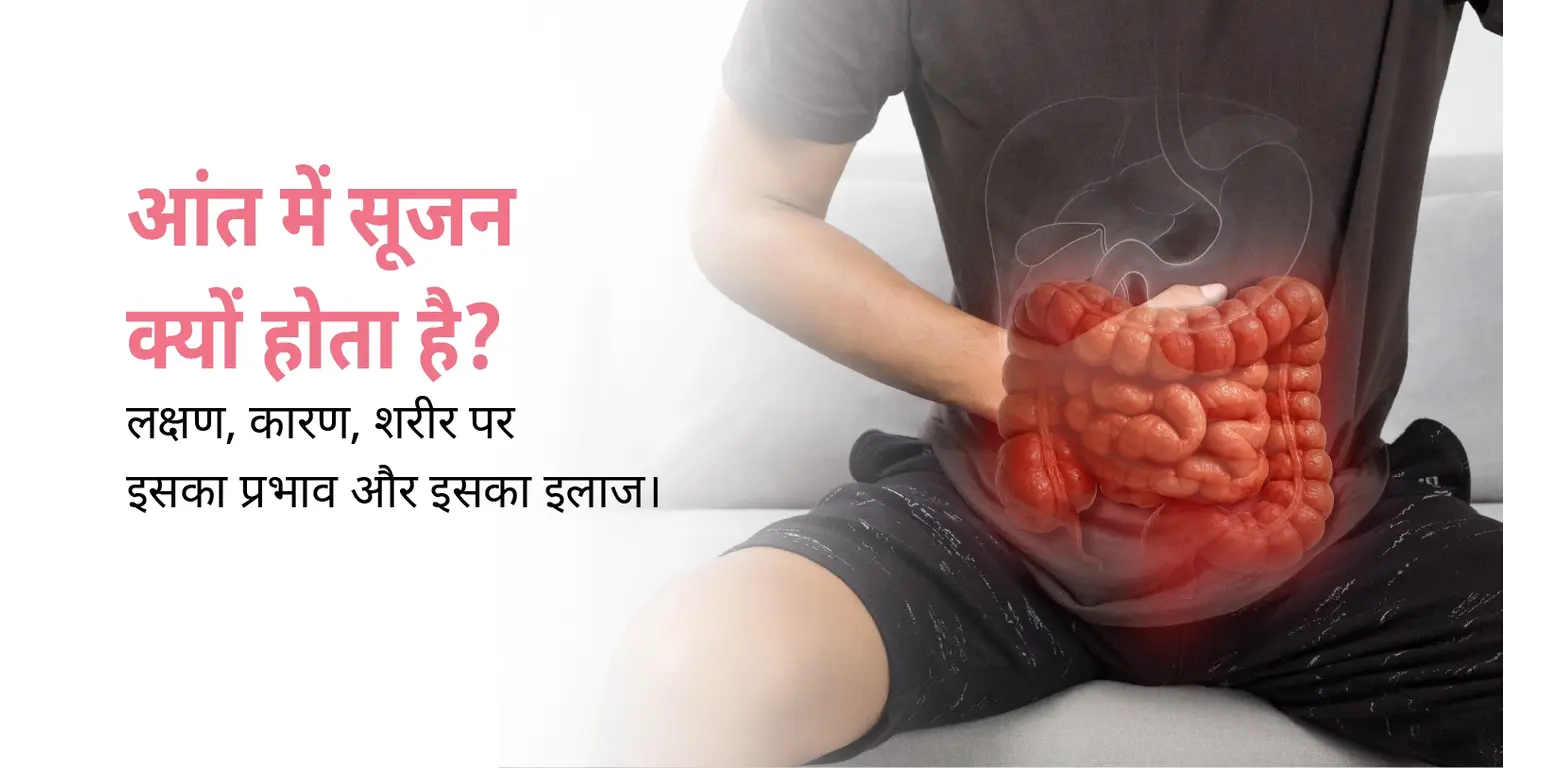
Table of Contents
क्या आप भी हर सुबह पेट के भारीपन, मरोड़ और उस असहनीय दर्द के साथ उठते हैं, जो आपके पूरे दिन को बर्बाद कर देता है? क्या भोजन का आनंद लेना अब आपके लिए एक डर बन गया है, क्योंकि आपको नहीं पता कि कब आपका पेट ‘बगावत’ कर दे? आंत में सूजन केवल एक शारीरिक समस्या नहीं है, यह आपकी मुस्कान, आपकी ऊर्जा और आपके सामाजिक जीवन को धीरे-धीरे छीन लेती है।
अक्सर लोग इसे साधारण गैस या अपच समझ कर टाल देते हैं, लेकिन यही वह मोड़ है, जहाँ एक छोटी सी लापरवाही भविष्य में गंभीर जटिलताओं का कारण बन जाती है। यदि आप भी पेट में लगातार बेचैनी, बार-बार दस्त या कमजोरी महसूस कर रहे हैं, तो रुकिए। आपका शरीर आपको कुछ बताने की कोशिश कर रहा है। समय रहते सही जानकारी और विशेषज्ञ की सलाह आपको फिर से एक खुशहाल और स्वस्थ जीवन दे सकती है। आज ही अपने लक्षणों को पहचानें और अपनी सेहत के प्रति पहला कदम उठाएं।
हमारे पाचन तंत्र का सबसे महत्वपूर्ण हिस्सा ‘आंत’ (Intestine) है। यह एक लंबी, घुमावदार नली की तरह होती है जो पेट से शुरू होकर गुदा (Anus) तक जाती है। इसे ‘गट’ (Gut) भी कहा जाता है और आधुनिक विज्ञान इसे हमारे शरीर का ‘दूसरा मस्तिष्क’ (Second Brain) भी मानता है, क्योंकि इसमें लाखों तंत्रिका कोशिकाएं होती हैं।
आंतें दो मुख्य भागों में विभाजित होती हैं: छोटी आंत (Small Intestine) और बड़ी आंत (Large Intestine)। जब हम कुछ खाते हैं, तो पेट में भोजन पचने के बाद वह आंतों में पहुंचता है। यह वह जगह है जहां जीवन के लिए आवश्यक पोषण का असली खेल शुरू होता है।
ये भी पढ़े: पेट में सूजन का कारण और उपचार | Swelling in Stomach
आंत केवल पाइप की तरह काम नहीं करतीं, बल्कि इनके कई जटिल कार्य हैं जैसे कि –
ये भी पढ़े: पेशाब में जलन क्या है – कारण, निदान और उपचार
मुख्य रूप से आंत दो प्रकार की होती हैं, जो मिलकर हमारे पाचन चक्र को पूरा करती हैं –
मेडिकल भाषा में आंतों की पुरानी सूजन को ‘इन्फ्लेमेटरी बाउल डिजीज’ (IBD) कहा जाता है। इसे मुख्य रूप से 3 भाग में बांटा गया है –
आंत में सूजन के कारण (Intestine swelling reason) और प्रकार को समझना इसलिए जरूरी है, क्योंकि हर प्रकार का उपचार अलग होता है। इसलिए डॉक्टर लक्षणों की बारीकी से जांच के बाद ही इलाज और निदान के विकल्पों पर विचार करते हैं।
ये भी पढ़े: पेट दर्द (Stomach Pain)के कारण, लक्षण और घरेलू इलाज
जब आंतों में सूजन होती है, तो शरीर कई तरह के संकेत देता है। इनकी पहचान करना आंत में सूजन के इलाज (intestine swelling treatment) की दिशा में पहला कदम है। दोनों ही प्रकार के आंत में सूजन के लक्षण भी अलग-अलग होते हैं –
इनके अतिरिक्त, आंत में सूजन के लक्षण में हल्का बुखार और भूख न लगना भी शामिल हैं।
चलिए समझते हैं कि आखिर आंत में सूजन के कारण क्या है? विशेषज्ञों के अनुसार, इसके कई कारण हो सकते हैं जैसे कि –
आंतों की सूजन केवल पेट तक सीमित नहीं रहती, इसका प्रभाव पूरे शरीर पर पड़ता है जैसे कि –
हां, अगर इसे लंबे समय तक नजरअंदाज किया जाए, तो यह आपके लिए खतरनाक साबित हो सकती है। आंकड़ों के अनुसार –
ये भी पढ़े: टाइफाइड पेशेंट को क्या खाना चाहिए और क्या नहीं
आंत में सूजन के लिए डॉक्टर दवाओं और जीवनशैली में बदलाव का सुझाव देते हैं –
दवाओं के साथ-साथ आप आंत में सूजन के उपाय के तौर पर कुछ घरेलू तरीके अपना सकते हैं जैसे कि –
नोट: कोई भी देसी इलाज शुरू करने से पहले डॉक्टर की सलाह जरूर लें
ये भी पढ़े: हल्दी वाले दूध पीने के स्वास्थ्य लाभ (benefits of turmeric milk)
आंतों का स्वास्थ्य ही हमारे संपूर्ण स्वास्थ्य की नींव है। आंत में सूजन एक गंभीर चुनौती हो सकती है, लेकिन सही समय पर पहचान और उचित इलाज से इसे नियंत्रित किया जा सकता है। अपनी डाइट में सुधार करें, तनाव कम करें और शरीर के संकेतों को अनसुना न करें। याद रखें, एक स्वस्थ पेट ही एक खुशहाल जीवन का आधार है। यदि आपको ऊपर बताए गए कोई भी लक्षण महसूस हो रहे हैं, तो तुरंत किसी गैस्ट्रोएंटेरोलॉजिस्ट से परामर्श लें।
आंतों में सूजन क्यों होती है?
आंतों में सूजन मुख्य रूप से खराब खान-पान, संक्रमण, आनुवंशिकी या ऑटोइम्यून प्रतिक्रिया (जब शरीर खुद पर हमला करता है) के कारण होती है। अत्यधिक तनाव और एंटीबायोटिक दवाओं का ज्यादा सेवन भी इसका कारण हो सकता है।
आंतों की सूजन में क्या नहीं खाना चाहिए?
सूजन के दौरान मसालेदार भोजन, तला-भुना खाना, डेयरी उत्पाद (अगर लैक्टोज इनटोलरेंस है), कच्ची सब्जियां (फ्लेयर-अप के समय), कैफीन, और शराब से परहेज करना चाहिए। ये चीजें आंतों की दीवारों में जलन पैदा कर सकती हैं।
डॉक्टर से परामर्श कब लेना चाहिए?
यदि आपको मल में खून आए, लगातार 2 हफ्ते से ज्यादा दस्त रहे, पेट में असहनीय दर्द हो, अचानक वजन कम हो जाए या तेज बुखार के साथ पेट की समस्या हो, तो बिना देरी किए डॉक्टर से मिलना चाहिए।
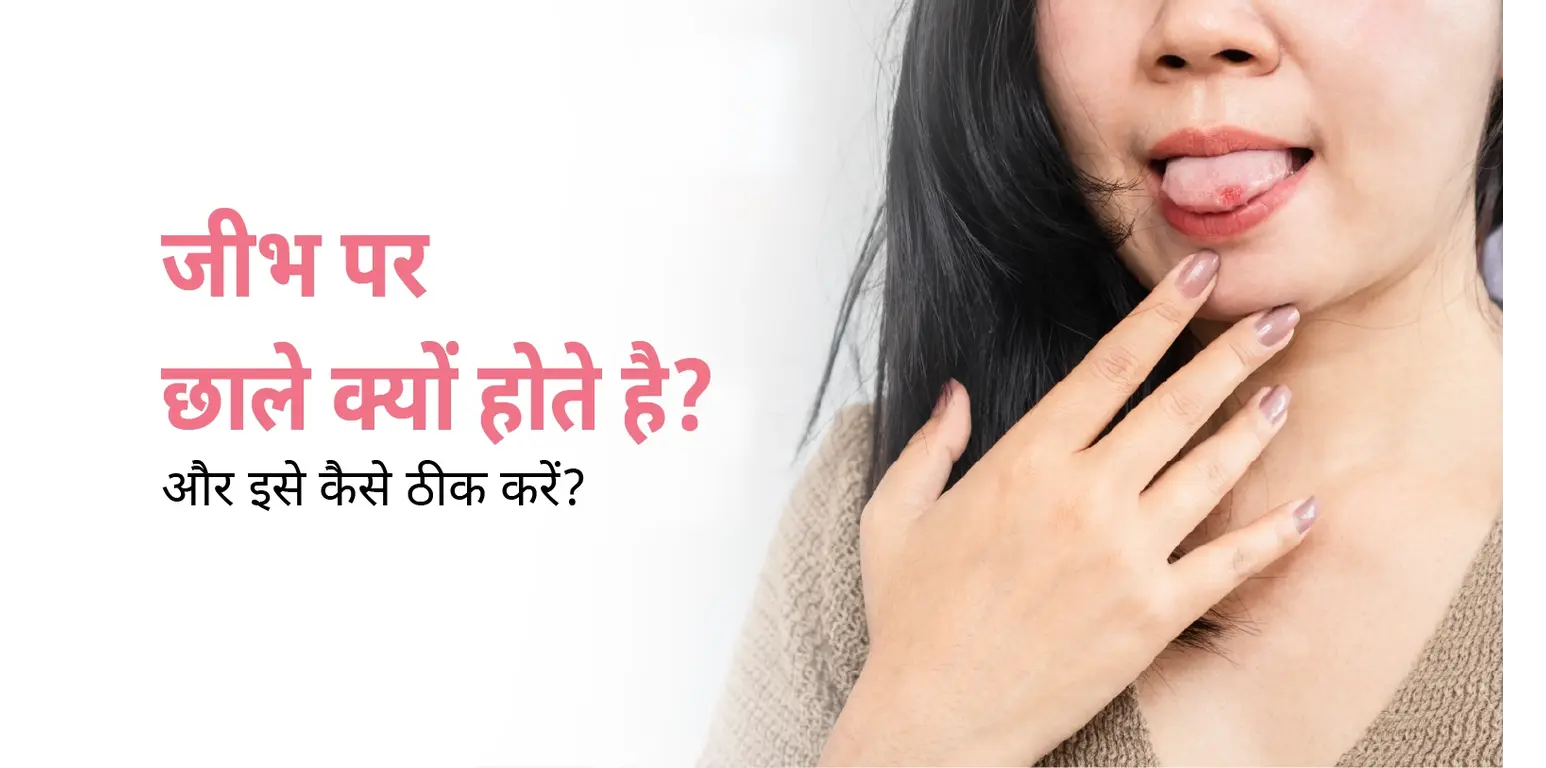
क्या आप भी पिछले कुछ दिनों से अपनी पसंदीदा चाय या फिर अपने पसंदीदा भोजन का लुत्फ नहीं उठा पा रहे हैं? या फिर खाना खाते समय जीभ पर होने वाली वह तीखी चुभन आपको बेचैन कर रही है? जीभ पर छाले होना (Ulcer at tongue) दिखने में भले ही एक छोटी समस्या लगे, लेकिन यह आपके पूरे दिन के सुकून को छीन लेती है। अक्सर हम इसे नजरअंदाज करते हैं, यह सोचकर कि यह खुद ही ठीक हो जाएगा, लेकिन क्या आप जानते हैं कि बार बार जीभ पर छाले होना आपके शरीर में किसी बड़ी कमी या गंभीर बीमारी का संकेत भी हो सकता है?
यदि आप इस दर्द से तुरंत राहत पाना चाहते हैं और अपनी मुस्कान को फिर से बेखौफ बनाना चाहते हैं, तो यह ब्लॉग आपके लिए ही है। हमारी विशेषज्ञ सलाह और असरदार घरेलू नुस्खे न केवल आपके छालों को जल्दी भरेंगे, बल्कि उन्हें दोबारा होने से भी रोकेंगे।
Table of Contents
मुंह और जीभ पर छाले जिन्हें मेडिकल भाषा में ‘एफ्थस अल्सर’ कहा जाता है, छोटे, दर्दनाक घाव होते हैं, जो जीभ, मसूड़ों या गालों के अंदरूनी हिस्सों पर विकसित होते हैं। कई बार ये जीभ पर सफेद छाले के रूप में दिखाई देते हैं, जिनके चारों ओर लाल घेरा होता है। ये कई कारणों से आपको परेशान कर सकते हैं जैसे कि –
यदि आप जीभ पर छाले का इलाज घर पर ही करना चाहते हैं, तो आयुर्वेद और रसोई में मौजूद चीजें कमाल कर सकती हैं। जीभ पर छाले का घरेलू इलाज सुरक्षित और प्रभावी माना जाता है –
ये भी पढ़े: कौन-कौन से सुपरफूड्स आपकी रोग प्रतिरोधक क्षमता बढ़ा सकते हैं?
मुंह के छालों से जल्दी कैसे छुटकारा पा सकते हैं? इसका उत्तर बहुत ज्यादा आसान है। इसके लिए आपको अपने जीवन में कुछ तात्कालिक जीवन शैली बदलाव करने होंगे जैसे कि –
ये भी पढ़े: मुंह में छाला होने के कारण, लक्षण और उपचार | Mouth Ulcers in Hindi
अक्सर छाले 7 से 10 दिनों में खुद ही ठीक हो जाते हैं, लेकिन कुछ स्थितियां चिंताजनक हो सकती हैं जैसे कि –
ये भी पढ़े: विटामिन K की कमी का शरीर पर क्या असर होता है?
रोकथाम हमेशा इलाज से बेहतर होती है। मुंह के छालों को दोबारा होने से कैसे रोके? इसके लिए यहां कुछ टिप्स दिए गए हैं –
ये भी पढ़े: मुँह में छाले: कारण, उपाय, व घरेलु इलाज़
एक अच्छी ओरल केयर केवल सफेद दांतों तक सीमित नहीं है। इसके लिए आपको निम्न चीजों को अपनी जीवनशैली में जोड़ना चाहिए –
ये भी पढ़े: प्रतिरोधक क्षमता(इम्यूनिटी) बढ़ाने के लिए क्या खाएं?
जीभ पर छाले होना शारीरिक कष्ट के साथ-साथ मानसिक झुंझलाहट भी पैदा करता है। हालांकि, सही खान-पान, साफ-सफाई और समय पर जीभ पर छाले का इलाज शुरू करने से आप इस समस्या को जड़ से खत्म कर सकते हैं। याद रखें, आपका मुंह आपके समग्र स्वास्थ्य का दर्पण है। यदि छाले जिद्दी हो जाएं, तो देरी न करें और विशेषज्ञ की सलाह लें। इसके अतिरिक्त यदि दांतों और मुंह की समस्या नहीं है और फिर भी मुंह में छाले लगातार बन रहे हैं, तो हम आपको सलाह देंगे कि आप एक अनुभवी इंटरनल मेडिसिन के डॉक्टर से परामर्श लें।
स्वस्थ रहें, खुश रहें!
जीभ पर छाले कब चिंता का विषय बनते हैं?
यदि छाले दर्द रहित हों लेकिन कठोर हो, या 21 दिनों के बाद भी ठीक न हों, तो यह कैंसर पूर्व स्थितियों का संकेत हो सकता है। ऐसे में तुरंत जांच जरूरी है।
मुंह के छालों के लिए सबसे प्रभावी घरेलू उपचार क्या है?
नमक के पानी से कुल्ला करना और छालों पर शुद्ध देशी घी या शहद लगाना सबसे प्रभावी और सुरक्षित घरेलू उपचार माने जाते हैं।
मुंह के छालों के लिए मुझे दंत चिकित्सक या डॉक्टर से कब मिलना चाहिए?
यदि छालों के साथ मसूड़ों से खून आए, वजन घटने लगे या छाले गले तक फैल जाएं, तो तुरंत डॉक्टर से परामर्श लें।
मैं मुंह के छालों को दोबारा होने से कैसे रोक सकता हूं?
विटामिन युक्त आहार लें, भरपूर पानी पिएं, शराब-धूम्रपान से बचें और ओरल हाइजीन का सख्ती से पालन करें।
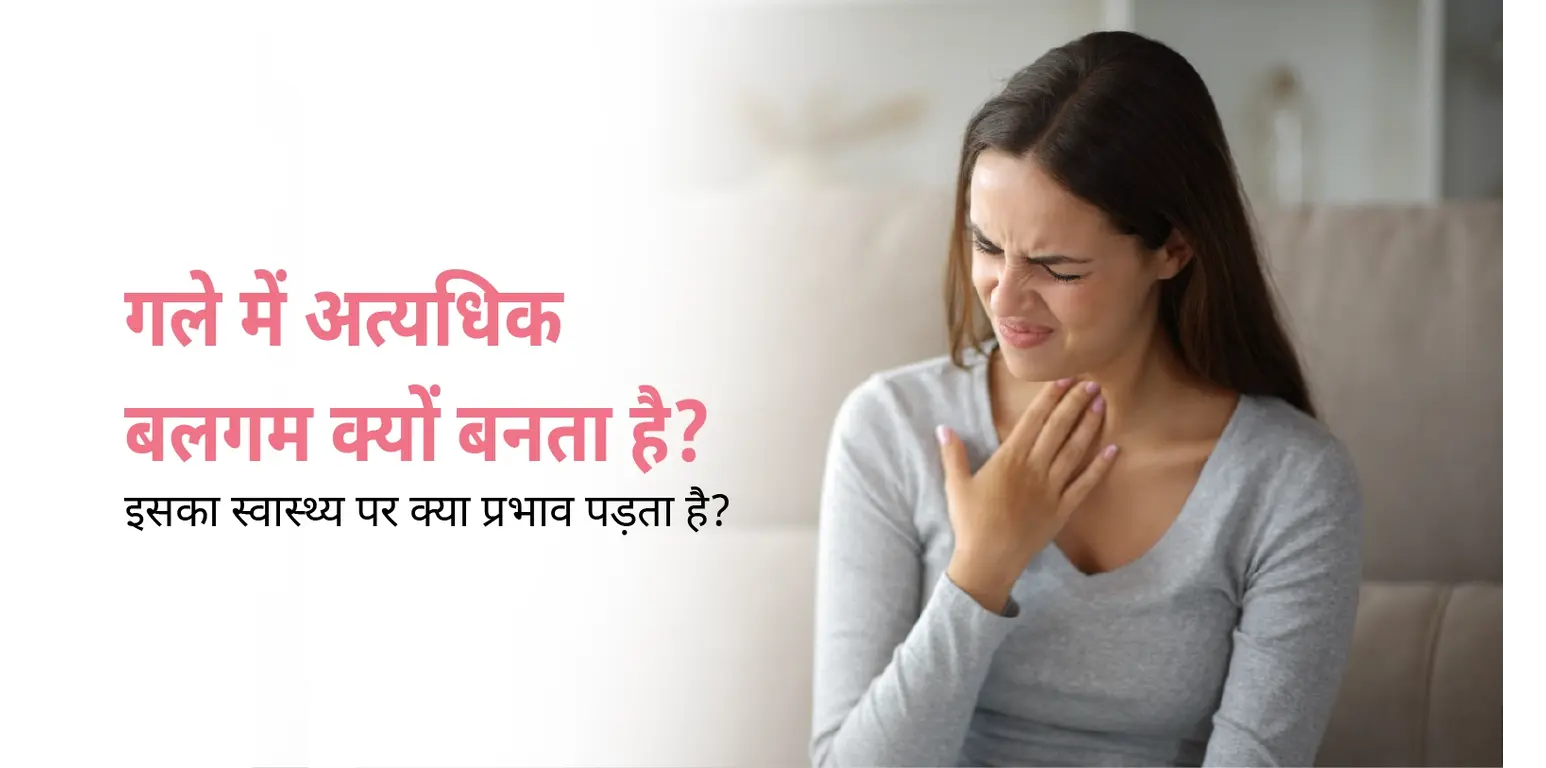
अक्सर गले में खराश और बलगम एक साथ महसूस होते हैं — क्योंकि जब गला किसी संक्रमण या जलन से सूज जाता है, तो शरीर उसकी रक्षा के लिए ज्यादा बलगम बनाने लगता है। नीचे जानें बलगम बनने के कारण, इसके रंग का क्या मतलब होता है, असरदार घरेलू उपाय और डॉक्टर को कब दिखाना चाहिए।
क्या आपको भी ऐसा महसूस होता है कि आपके गले में कुछ अटका हुआ है? आप उसे बार-बार साफ करने की कोशिश करते हैं, ‘खखारते’ हैं, लेकिन वह टस से मस नहीं होता? गले की यह चिपचिपाहट, बार-बार थूकने की जरूरत और रात की बेचैनी न केवल आपकी नींद छीन लेती है, बल्कि आपके आत्मविश्वास को भी प्रभावित करती है।
अक्सर लोग गले में बलगम (Mucus in throat) की समस्या को मामूली समझकर नजरअंदाज कर देते हैं। लेकिन क्या आप जानते हैं कि यह आपके शरीर द्वारा दिया जा रहा एक महत्वपूर्ण संकेत हो सकता है? यदि आप लगातार बलगम आने से परेशान हैं, तो यह समय अपनी सेहत को गंभीरता से लेने का है। इस स्थिति में डॉक्टरी सलाह आपकी मदद कर सकती है। तुरंत परामर्श लें।
Table of Contents
बलगम, जिसे वैज्ञानिक भाषा में म्यूकस (Mucus) कहा जाता है, हमारे शरीर का एक सुरक्षा कवच है। यह एक चिपचिपा तरल पदार्थ है, जो नाक, गले और फेफड़ों की परतों से बना होता है। इसका मुख्य कार्य श्वसन तंत्र को नम रखना और धूल, बैक्टीरिया, वायरस या अन्य हानिकारक कणों को शरीर के अंदर जाने से रोकना है।
अक्सर लोग बलगम और कफ में अंतर को लेकर भ्रमित रहते हैं। सामान्य तौर पर, म्यूकस वह तरल है, जो नाक और गले में हर समय मौजूद रहता है, जबकि ‘कफ’ (Phlegm) वह गाढ़ा बलगम है, जो फेफड़ों या निचली श्वसन नली में संक्रमण के दौरान बनता है और खांसी के जरिए बाहर निकलता है। जब आपका शरीर किसी बाहरी हमले (जैसे कि एलर्जी या वायरस) के खिलाफ प्रतिक्रिया देता है, तो यह सुरक्षा के लिए बलगम का उत्पादन बढ़ा देता है, जिसे अंग्रेजी में “Excessive mucus” कहते हैं।
ये भी पढ़े: गले में खराश का कारण, लक्षण और घरेलू उपचार (Sore Throat In Hindi)
जब शरीर में बलगम की मात्रा सामान्य से अधिक हो जाती है, तो शरीर कई तरह के संकेत (Excess mucus symptoms) देने लगता है। इन लक्षणों को पहचानना उपचार की दिशा में पहला कदम है —
ये भी पढ़े: जानिए फेफड़ों में पानी भरने के मुख्य कारण और इलाज
गले में बलगम बनना कोई बीमारी नहीं, बल्कि एक लक्षण है। इसके पीछे कई शारीरिक और पर्यावरणीय कारण हो सकते हैं जैसे कि —
ये भी पढ़े: गले में इन्फेक्शन का कारण, लक्षण, बचाव और घरेलू उपचार
क्या आप जानते हैं? एक रिसर्च के अनुसार, क्रोनिक साइनस या एलर्जी के कारण होने वाले ‘पोस्ट-नेजल ड्रिप’ से एक उल्लेखनीय हिस्सा वयस्क आबादी प्रभावित रहती है।
ये भी पढ़े: क्या रोज़ अंजीर खाना सेहत के लिए अच्छा है? जानिए इसके फायदे, नुकसान और खाने का सही समय
बलगम का रंग और गाढ़ापन आपकी सेहत के बारे में महत्वपूर्ण जानकारी दे सकता है, हालांकि सिर्फ रंग देखकर किसी बीमारी का पक्का निदान नहीं किया जा सकता (Cleveland Clinic, 2024):
| रंग | आमतौर पर क्या दर्शाता है |
| साफ / पारदर्शी | सामान्य, स्वस्थ बलगम — या एलर्जी के कारण अधिक मात्रा में बन सकता है। |
| सफेद / क्रीम रंग | अक्सर सर्दी-जुकाम या वायरल संक्रमण से शरीर की लड़ाई का संकेत। |
| गहरा पीला या हरा | आमतौर पर संक्रमण का संकेत — कभी-कभी साइनोसाइटिस या बैक्टीरियल इन्फेक्शन से जुड़ा। |
| लाल या गुलाबी | बलगम में खून की मौजूदगी — सूखी या जलन-युक्त नाक की परत से हो सकता है। |
| भूरा | धूम्रपान या हवा में मौजूद प्रदूषकों से जुड़ा हो सकता है; कभी-कभी संक्रमण का भी संकेत। |
| काला | सांस के जरिए अंदर गए किसी कण से हो सकता है, पर गंभीर फंगल संक्रमण का संकेत भी हो सकता है। |
असामान्य रंग का बलगम, खासकर गहरे रंग का या जिसमें खून की मात्रा ज्यादा हो, दिखने पर डॉक्टर से संपर्क करना बेहतर रहता है — खासकर अगर इसके साथ चेहरे पर दर्द या सिरदर्द भी हो (Cleveland Clinic, 2024)।
यदि समस्या की शुरुआत है, तो कुछ प्रभावी जीवन शैली बदलाव और घरेलू उपाय आपके लिए चमत्कारी परिणाम ला सकते हैं जैसे कि —
ये भी पढ़े: अखरोट : फायदे, नुकसान और न्यूट्रिशनल वैल्यू और सेवन का सही तरीका
जब घरेलू नुस्खे काम न आएं, तो तुरंत डॉक्टरी सहायता लें, क्योंकि यह आपकी सेहत के लिए अनिवार्य है। गले में बलगम का इलाज इसके मूल कारण पर निर्भर करता है जैसे कि —
लगातार बलगम आना शरीर में किसी पुरानी सूजन (Chronic Inflammation) का संकेत हो सकता है, जिसके लिए स्टेरॉयड नेजल स्प्रे या विशेष चिकित्सा थेरेपी की आवश्यकता पड़ सकती है। इसलिए यदि आपको यह समस्याएं महसूस हो रही हैं, तो बिना देर किए सीके बिरला अस्पताल के अनुभवी विशेषज्ञ से मिलें और इलाज लें।
ये भी पढ़े: तुलसी के फायदे और नुकसान
गले में अत्यधिक बलगम (Excess mucus in throat symptoms) केवल एक छोटी सी परेशानी नहीं है, बल्कि यह आपके सम्पूर्ण स्वास्थ्य का आईना है। सही समय पर गले में म्यूकस के कारणों को समझना और उचित कदम उठाना आपको एक स्वस्थ और सक्रिय जीवन जीने में मदद कर सकता है। चाहे वह जीवनशैली में बदलाव हो या डॉक्टर की सलाह, अपनी सेहत के प्रति सजग रहना ही सबसे बड़ी प्राथमिकता होनी चाहिए। याद रखें, एक साफ गला और फेफड़े ही आपको खुलकर सांस लेने की आजादी देते हैं।
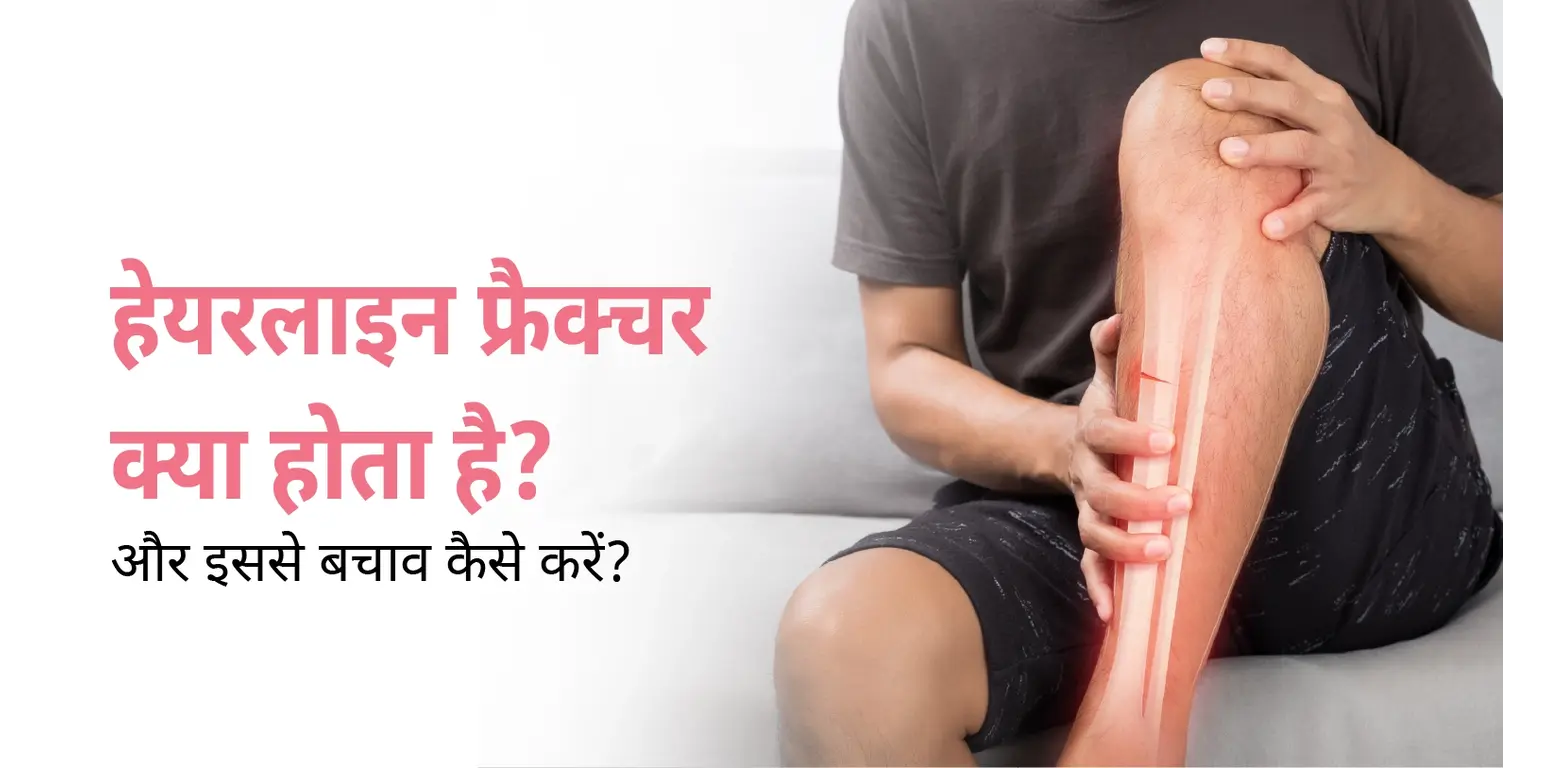
Table of Contents
क्या आपके पैर या हाथ में हल्का लेकिन लगातार दर्द बना हुआ है जिसे आप मोच समझकर नजरअंदाज कर रहे हैं? कभी-कभी जिसे हम मामूली दर्द समझते हैं, वह वास्तव में हड्डी में आई एक बारीक दरार हो सकती है, जिसे मेडिकल भाषा में हेयरलाइन फ्रैक्चर (hairline fracture) कहा जाता है।
कल्पना कीजिए कि आप अपने पसंदीदा इंसान के साथ वॉक पर निकलें हैं और अचानक एक टीस उठे, जो आपके कदमों को रोक दे। यह दर्द न केवल आपके शरीर को थकाता है, बल्कि आपकी सक्रिय जीवनशैली पर भी ब्रेक लगा सकता है। सही समय पर हेयरलाइन फ्रैक्चर का मतलब समझना और इसका उपचार शुरू करना बेहद जरूरी है, ताकि एक छोटी सी दरार भविष्य में किसी बड़ी सर्जरी या गंभीर समस्या का कारण न बन जाए। आपकी सेहत और चलने-फिरने की आजादी अनमोल हैं; इन्हें नजरअंदाज न करें। किसी भी प्रकार की समस्या दिखने पर तुरंत हड्डी रोग विशेषज्ञ से परामर्श लें।
हेयरलाइन फ्रैक्चर, जिसे अक्सर ‘स्ट्रेस फ्रैक्चर’ के रूप में भी जाना जाता है, हड्डी में होने वाली एक बहुत ही बारीक दरार है। हेयरलाइन फ्रैक्चर के अर्थ (A hairline fracture means) को लोग अक्सर पैर या हड्डी का टूटना मान लेते हैं। आपको यह समझना होगा कि इस प्रकार के फ्रैक्चर में हल्की सी दरार होती है। यह दरार अक्सर दिखाई नहीं देती, लेकिन दर्द और सूजन के रूप में अपना एहसास कराती रहती है।
विशेषज्ञों के अनुसार, यह समस्या तब होती है, जब आपकी हड्डियों पर क्षमता से अधिक दबाव पड़ता है। हेयरलाइन फ्रैक्चर आमतौर पर उन हड्डियों में होता है, जो शरीर का वजन ढोती हैं, जैसे कि आपके पैर या पंजे की हड्डियां।
ये भी पढ़े: कमर दर्द क्यों होता है — कारण और घरेलू इलाज (Back Pain in Hindi)
हड्डियां ठोस होती हैं, लेकिन उनमें भी लचीलापन और सहनशक्ति की एक सीमा होती है। जब मांसपेशियों में थकान हो जाती है और वे अतिरिक्त झटके (shock) को सोखने में असमर्थ हो जाती हैं, तो वह दबाव सीधे हड्डी पर चला जाता है, जिससे दरार पड़ जाती है। इसके मुख्य कारण निम्नलिखित हैं –
ये भी पढ़े: विटामिन K की कमी का शरीर पर क्या असर होता है?
अमेरिकन एकेडमी ऑफ ऑर्थोपेडिक सर्जन (American Academy of Orthopaedic Surgeons) के अनुसार, एथलीटों में होने वाली चोटों में लगभग 2% से 15% मामले स्ट्रेस या हेयरलाइन फ्रैक्चर के होते हैं। इसलिए हमें इसके बारे में जानकारी अवश्य होनी चाहिए।
ये भी पढ़े: जानिए बिना धूप लिए कैसे विटामिन डी की कमी को पूरा कर सकते हैं ?
शरीर के अलग-अलग भाग में तनाव के आधार पर इसके कई प्रकार हो सकते हैं –
ये भी पढ़े: जोड़ों में दर्द का कारण, लक्षण और उपचार
इन सभी प्रकार के फ्रैक्चर के इलाज के विकल्प अलग-अलग प्रकार के होते हैं। इसके लिए डॉक्टर लक्षण और जांच के परिणाम की सहायता लेते हैं।
हेयरलाइन फ्रैक्चर के लक्षण को पहचानना थोड़ा मुश्किल हो सकता है, क्योंकि यह सामान्य चोट जैसा महसूस होता है। लेकिन यदि आप नीचे दिए गए लक्षणों को महसूस कर रहे हैं, तो सावधान हो जाएं –
यदि आपको पैर में हेयरलाइन फ्रैक्चर है, तो आपको वजन डालने में कठिनाई महसूस हो सकती है। इसके अतिरिक्त आपको अजीब से दर्द भी हो सकता है, जो अक्सर चलने या फिर फ्रैक्चर वाले स्थान पर जोर डालने पर महसूस होता है।
ये भी पढ़े: नसों में दर्द का कारण और उपचार
हेयरलाइन फ्रैक्चर के उपचार का मुख्य उद्देश्य हड्डी को जुड़ने का समय देना है। इसके लिए डॉक्टर आमतौर पर निम्नलिखित सुझाव देते हैं –
ये भी पढ़े: कैल्शियम की कमी के कारण, लक्षण और उपचार
अक्सर लोग सोचते हैं कि “हड्डी तो टूटी नहीं है, खुद ठीक हो जाएगी।” लेकिन यह सोच खतरनाक हो सकती है। आपको तुरंत डॉक्टर से संपर्क करना चाहिए यदि –
यदि आप भी सोचते हैं कि पैर टूटा नहीं है और इलाज न करवाएं, तो आपको बता दें कि यह दर्द आपको हर साल ठंड में परेशान करेगा।
हेयरलाइन फ्रैक्चर रिकवरी टाइम व्यक्ति की उम्र, स्वास्थ्य और फ्रैक्चर की गंभीरता पर निर्भर करता है। सामान्यतः: –
हेयरलाइन फ्रैक्चर भले ही छोटा लगे, लेकिन यह आपके शरीर का एक संकेत है कि उसे आराम की जरूरत है। सही समय पर पहचान और हेयरलाइन फ्रैक्चर के उपचार के जरिए आप भविष्य की बड़ी परेशानियों से बच सकते हैं। अपनी हड्डियों का ख्याल रखें, संतुलित आहार लें और दर्द को कभी नजरअंदाज न करें। याद रखें, एक मजबूत नींव (हड्डियां) ही एक सक्रिय जीवन का आधार है।
हेयरलाइन फ्रैक्चर क्या होता है?
हेयरलाइन फ्रैक्चर हड्डी में होने वाली एक बहुत ही पतली और बारीक दरार है, जो अक्सर लगातार दबाव या अत्यधिक शारीरिक गतिविधि के कारण होती है।
हेयरलाइन फ्रैक्चर किसे कहते हैं?
इसे मेडिकल भाषा में स्ट्रेस फ्रैक्चर भी कहते हैं। इसमें हड्डी पूरी तरह दो टुकड़ों में नहीं बंटती, बल्कि उस पर एक रेखा जैसी दरार आ जाती है।
हेयरलाइन फ्रैक्चर कैसे ठीक करें?
इसे ठीक करने का सबसे अच्छा तरीका ‘आराम’ है। प्रभावित हिस्से पर बर्फ लगाएं, उसे ऊपर उठाकर रखें और डॉक्टर द्वारा बताए गए सप्लीमेंट्स व सुरक्षात्मक गियर का उपयोग करें।
हेयरलाइन फ्रैक्चर कितने दिनों में ठीक हो जाता है?
आमतौर पर इसे पूरी तरह ठीक होने में 6 से 8 सप्ताह का समय लगता है।

