Filter :
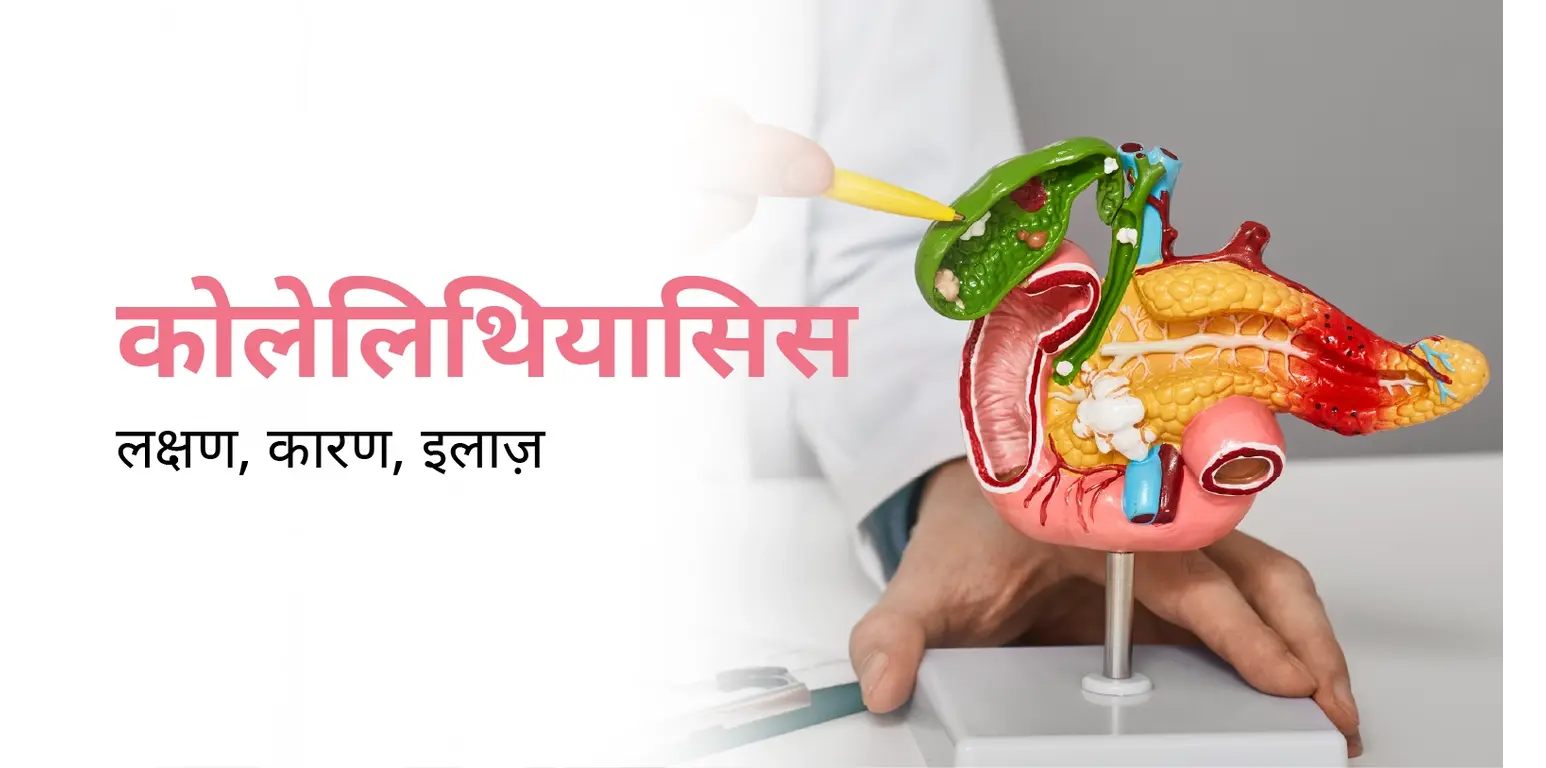
कोलेलिथियासिस, जिसे आमतौर पर पित्त की पथरी (Gallstones) के नाम से जाना जाता है, पाचन तंत्र से जुड़ी एक आम समस्या है जो दुनिया भर में लाखों लोगों को प्रभावित करती है। कई लोगों को बिना जाने ही पित्त की पथरी हो सकती है, जबकि कुछ लोगों को पेट में तेज़ दर्द और पाचन संबंधी परेशानी (Digestive problems) होती है। पित्त की पथरी के लक्षणों, उनके कारणों और उपलब्ध इलाज को समझना शुरुआती निदान और जटिलताओं को रोकने के लिए ज़रूरी है।
इस ब्लॉग में हम कोलेलिथियासिस (पित्त की पथरी) के बारे में विस्तार से बात करेंगे कि पित्त की पथरी कैसे बनती है, किन लोगों को इसका ज़्यादा खतरा होता है, इसका निदान कैसे किया जाता है और इसके सबसे प्रभावी इलाज के विकल्प कौन-से हैं।
Table of Contents
कोलेलिथियासिस एक ऐसी स्थिति है जिसमें पित्ताशय के अंदर पित्त की पथरी नामक ठोस कण बन जाते हैं। पित्ताशय लिवर के नीचे स्थित एक छोटा अंग है जो पित्त को स्टोर करता है, जो एक पाचक द्रव है जो वसा को तोड़ने में मदद करता है।
पित्त की पथरी का आकार अलग-अलग हो सकता है, रेत के छोटे दानों से लेकर गोल्फ बॉल जितनी बड़ी पथरी तक। जबकि कुछ लोगों में कोई लक्षण नहीं दिखते, दूसरों में दर्दनाक और कभी-कभी गंभीर जटिलताएं विकसित हो जाती हैं।
पित्त की पथरी तब बनती है जब पित्त में बहुत ज़्यादा कोलेस्ट्रॉल, बहुत ज़्यादा बिलीरुबिन (Bilirubin), या पर्याप्त पित्त लवण (Bile salts) नहीं होते हैं। इस असंतुलन के कारण पित्त क्रिस्टल बन जाता है और धीरे-धीरे सख्त होकर पथरी बन जाता है।
अन्य योगदान देने वाले कारकों में पित्ताशय का अधूरा खाली होना और गाढ़ा पित्त शामिल है, ये दोनों ही समय के साथ पथरी बनने को बढ़ावा देते हैं।
पित्त की पथरी दो मुख्य प्रकार की होती है:
मुख्य रूप से पित्त में ज़्यादा कोलेस्ट्रॉल के कारण बनती है
कुछ लोगों में दोनों तरह की पथरी का कॉम्बिनेशन हो सकता है।
ये भी पढ़े: जानिए काला पीलिया क्यों होता है ? इसके कारण, लक्षण, उपचार
पित्त की पथरी वाले कई लोगों में कोई लक्षण नहीं दिखते, इस स्थिति को साइलेंट गॉलस्टोन कहा जाता है। हालांकि, जब कोई पथरी पित्त नली को ब्लॉक कर देती है, तो लक्षण अचानक दिखाई दे सकते हैं।
पित्त की पथरी के आम लक्षणों में शामिल हैं:
चेतावनी वाले लक्षण जिन पर मेडिकल ध्यान देने की ज़रूरत है
पित्त की पथरी के कारण अक्सर पित्त की बनावट और पित्ताशय के काम से जुड़े होते हैं। मुख्य कारणों में शामिल हैं:
कुछ मेडिकल स्थितियाँ जो लिवर या खून को प्रभावित करती हैं
ये भी पढ़े: क्या रोज़ अंजीर खाना सेहत के लिए अच्छा है? जानिए इसके फायदे, नुकसान और खाने का सही समय
कोलेलिथियासिस के कई जोखिम कारक पित्त की पथरी बनने की संभावना को बढ़ाते हैं:
निदान आमतौर पर मेडिकल इतिहास और शारीरिक जांच से शुरू होता है, जिसके बाद इमेजिंग टेस्ट किए जाते हैं जैसे:
जल्दी निदान गंभीर जटिलताओं को रोकने में मदद करता है।
पित्त की पथरी का इलाज लक्षणों की मौजूदगी और गंभीरता पर निर्भर करता है।
सबसे प्रभावी और आमतौर पर सुझाया जाने वाला इलाज पित्ताशय को सर्जरी से निकालना है, जिसे कोलेसिस्टेक्टोमी कहा जाता है।
पित्त की पथरी का ऑपरेशन दोबारा होने से स्थायी रूप से रोकता है और पित्ताशय के बिना भी सामान्य पाचन की अनुमति देता है।
पित्त की पथरी एक आम लेकिन इलाज योग्य स्थिति है। जबकि बहुत से लोग बिना लक्षणों के पित्त की पथरी के साथ रहते हैं, दूसरों को गंभीर दर्द और जटिलताएं हो सकती हैं जिनके लिए तुरंत देखभाल की ज़रूरत होती है। पित्त की पथरी के कारणों को समझना, शुरुआती लक्षणों को पहचानना और स्वस्थ जीवन शैली की आदतों को अपनाना जोखिमों को काफी कम कर सकता है। जब ज़रूरी हो, तो आधुनिक सर्जिकल उपचार सुरक्षित और लंबे समय तक चलने वाली राहत देते हैं। जटिलताओं से बचने और पाचन स्वास्थ्य बनाए रखने के लिए शुरुआती मेडिकल सलाह ज़रूरी है।
कोलेलिथियासिस (पित्त की पथरी) के लिए सर्जरी कब ज़रूरी होती है?
जब पित्त की पथरी से बार-बार दर्द, इन्फेक्शन, सूजन, पित्त नलिकाओं में रुकावट, या पैंक्रियाटाइटिस जैसी जटिलताएं होती हैं, तो सर्जरी की सलाह दी जाती है। लक्षण वाली पित्त की पथरी के लिए आमतौर पर सर्जिकल इलाज की ज़रूरत होती है।
खान-पान और खाने की आदतों के बारे में क्या सावधानियां बरतनी चाहिए?
कोलेलिथियासिस से क्या जटिलताएं हो सकती हैं?
इलाज न किए गए पित्त की पथरी से ये हो सकता है:
अगर तुरंत इलाज न किया जाए तो कुछ जटिलताएं जानलेवा हो सकती हैं।
कोलेलिथियासिस से बचाव के लिए क्या उपाय हैं?
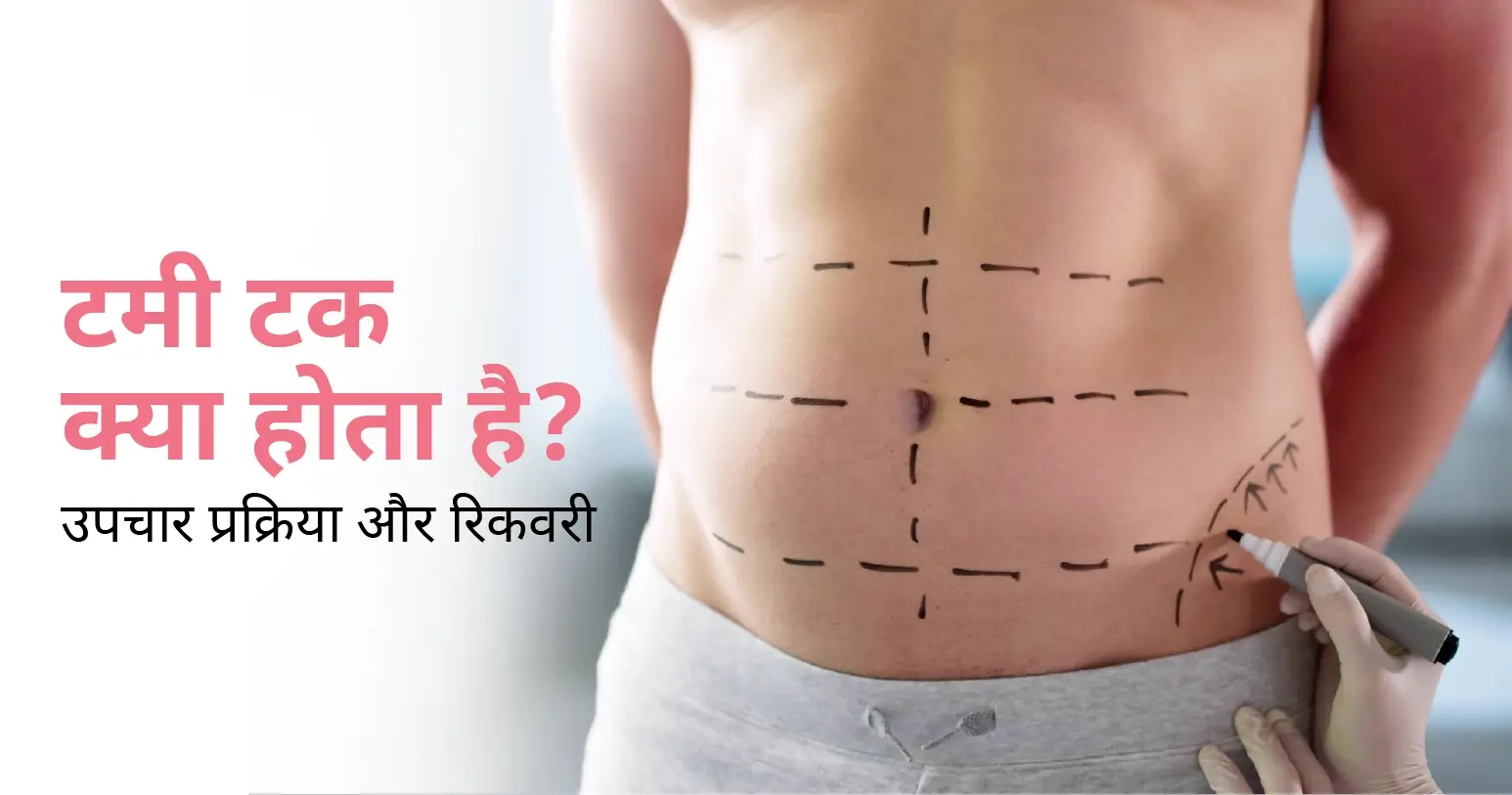
Table of Contents
वजन कम करने, प्रेग्नेंसी या रेगुलर एक्सरसाइज के बाद भी पेट की जिद्दी चर्बी (stubborn fat), ढीली त्वचा या कमजोर पेट की मांसपेशियां रह सकती हैं। कई लोगों के लिए, यह आत्मविश्वास के साथ-साथ शरीर की बनावट को भी प्रभावित करता है। टमी टक ट्रीटमेंट, जिसे मेडिकल भाषा में एब्डोमिनोप्लास्टी (Abdominoplasty) कहा जाता है, एक कॉस्मेटिक सर्जिकल (Cosmetic surgery) प्रक्रिया है जिसे पेट को सपाट और टाइट बनाने के लिए डिज़ाइन किया गया है। इस ब्लॉग में हम टमी टक के बारे में विस्तार से बात करेंगे कि टमी टक क्या होता है, इसे क्यों किया जाता है, इसकी पूरी प्रक्रिया क्या है, इसके फायदे और नुकसान क्या हैं, और सर्जरी के बाद रिकवरी कैसी होती है। ताकि आप पूरी जानकारी के साथ सोच-समझकर सही फैसला ले सकें।
टमी टक एक सर्जिकल प्रक्रिया है जो पेट से अतिरिक्त त्वचा और चर्बी को हटाती है और अंदर की मांसपेशियों को टाइट करती है। समय के साथ, प्रेग्नेंसी, उम्र बढ़ने या वजन में बड़े बदलाव जैसे कारक पेट की मांसपेशियों और त्वचा को उनकी वापस सामान्य होने की क्षमता से ज़्यादा खींच सकते हैं। टमी टक सर्जरी पेट को चिकना और ज़्यादा टोंड बनाने में मदद करती है।
यह ध्यान रखना ज़रूरी है कि टमी टक वजन कम करने का तरीका नहीं है। इसके बजाय, यह शरीर को आकार देने की एक प्रक्रिया है जिसका मकसद पेट की बनावट को बेहतर बनाना है।
टमी टक एस्थेटिक और फंक्शनल दोनों कारणों से किया जाता है। आम कारणों में शामिल हैं:
प्रेग्नेंसी या वज़न कम करने के बाद पेट की ढीली या लटकी हुई त्वचा
जो लोग स्थिर वज़न हासिल कर चुके हैं लेकिन फिर भी पेट की ढीली त्वचा से परेशान हैं, वे अक्सर इस ट्रीटमेंट के बारे में सोचते हैं।
व्यक्तिगत ज़रूरतों के आधार पर टमी टक प्रोसीजर कई तरह के होते हैं:
ये भी पढ़े: मोटापा और वजन घटाने के लिए कम्पलीट डाइट चार्ट
टमी टक सर्जरी के फायदे सिर्फ़ दिखावे से कहीं ज़्यादा हैं:
कई लोगों के लिए, इमोशनल और साइकोलॉजिकल बूस्ट उतना ही ज़रूरी है जितना कि फिजिकल बदलाव।
ये भी पढ़े: प्रोटीन युक्त आहार लिस्ट: 15 हाई प्रोटीन फूड्स
किसी भी सर्जरी की तरह, टमी टक सर्जरी के भी नुकसान और संभावित जोखिम हैं:
एक अनुभवी सर्जन को चुनना और सर्जरी के बाद की देखभाल के निर्देशों का पालन करने से जोखिम काफी कम हो जाते हैं।
ये भी पढ़े: गाइनेकोमैस्टिया क्या है – कारण, लक्षण और उपचार
ये भी पढ़े: संतुलित आहार (7-दिन का संतुलित आहार चार्ट)
टमी टक सर्जरी के फायदे सिर्फ़ दिखावे से कहीं ज़्यादा हैं:
कई लोगों के लिए, इमोशनल और साइकोलॉजिकल बूस्ट उतना ही ज़रूरी है जितना कि फिजिकल बदलाव।
ये भी पढ़े: प्रतिरोधक क्षमता(इम्यूनिटी) बढ़ाने के लिए क्या खाएं?
किसी भी सर्जरी की तरह, टमी टक सर्जरी के भी नुकसान और संभावित जोखिम हैं:
एक अनुभवी सर्जन (experienced surgeon) को चुनना और सर्जरी के बाद की देखभाल के निर्देशों का पालन करने से जोखिम काफी कम हो जाते हैं।
टमी टक सर्जरी के बाद ठीक से देखभाल करना जल्दी ठीक होने के लिए बहुत ज़रूरी है:
इन सावधानियों का पालन करने से कॉम्प्लीकेशन्स कम होते हैं और फाइनल रिजल्ट बेहतर होते हैं।
टमी टक सर्जरी से ठीक होने का समय हर व्यक्ति के लिए अलग-अलग होता है।
धैर्य रखना ज़रूरी है, क्योंकि पूरी तरह ठीक होने में समय लगता है।
ये भी पढ़े: भूख बढ़ाने के आसान घरेलू उपाय
टमी टक ट्रीटमेंट उन लोगों के लिए ज़िंदगी बदलने वाला प्रोसीजर हो सकता है जो पेट की ढीली त्वचा या कमज़ोर मांसपेशियों से परेशान हैं। प्रोसीजर, फ़ायदे, जोखिम और रिकवरी को समझने से सही उम्मीदें रखने में मदद मिलती है। हालांकि यह वज़न कम करने का विकल्प नहीं है, लेकिन जब इसे हेल्दी लाइफ़स्टाइल के साथ जोड़ा जाता है, तो टमी टक लंबे समय तक चलने वाले कंटूरिंग रिजल्ट देता है। हमेशा सोच-समझकर फ़ैसला लें और सुरक्षा और ऑपरेशन के बाद सही देखभाल को प्राथमिकता दें।
क्या टमी टक सर्जरी सुरक्षित है?
हाँ, टमी टक सर्जरी आम तौर पर सुरक्षित होती है जब इसे एक क्वालिफाइड सर्जन सही मरीज़ों पर करता है, हालांकि किसी भी सर्जरी की तरह इसमें भी कुछ जोखिम होते हैं।
टमी टक सर्जरी में कितना समय लगता है?
इस प्रक्रिया में आमतौर पर 2 से 5 घंटे लगते हैं, जो टमी टक के प्रकार और व्यक्ति की ज़रूरतों पर निर्भर करता है।
टमी टक के बाद रिकवरी में कितना समय लगता है?
शुरुआती रिकवरी में लगभग 4 से 6 हफ़्ते लगते हैं, जबकि पूरी तरह से ठीक होने और फाइनल नतीजे आने में कई महीने लग सकते हैं।
टमी टक और लाइपोसक्शन में क्या अंतर है?
टमी टक अतिरिक्त त्वचा को हटाता है और मांसपेशियों को टाइट करता है, जबकि लाइपोसक्शन मुख्य रूप से ढीली त्वचा या मांसपेशियों की कमज़ोरी को ठीक किए बिना सिर्फ़ फैट हटाता है।
क्या टमी टक के बाद पेट फिर से बड़ा हो सकता है?
हाँ, सर्जरी के बाद ज़्यादा वज़न बढ़ने या प्रेग्नेंसी से पेट फिर से खिंच सकता है और नतीजों पर असर पड़ सकता है।
किसे टमी टक सर्जरी करवानी चाहिए और किसे नहीं?
आदर्श मरीज़ वे स्वस्थ वयस्क होते हैं जिनका वज़न स्थिर हो और पेट की त्वचा ढीली हो। जो लोग प्रेग्नेंसी की योजना बना रहे हैं, जिनके वज़न में बहुत ज़्यादा उतार-चढ़ाव होता है, या जिन्हें कोई गंभीर मेडिकल समस्या है, उन्हें यह प्रक्रिया नहीं करवानी चाहिए या इसे टाल देना चाहिए।

Table of Contents
प्रेग्नेंसी एक खूबसूरत सफर है, लेकिन यह इमोशनल, फिजिकल और साइकोलॉजिकल बदलाव भी लाती है। कभी-कभी परेशान या परेशान महसूस करना पूरी तरह से नेचुरल है। हालांकि, जब स्ट्रेस लंबे समय तक या बहुत ज़्यादा हो जाता है, तो कई महिलाओं को डर लगता है कि इससे उनकी प्रेग्नेंसी को नुकसान हो सकता है या गर्भपात भी हो सकता है। यह चिंता आम है, खासकर पहली बार मां बनने वाली महिलाओं में।
इस ब्लॉग में, हम जानेंगे कि क्या स्ट्रेस से गर्भपात हो सकता है, यह शरीर और बच्चे पर कैसे असर डालता है, किन लक्षणों पर ध्यान देना चाहिए, स्ट्रेस के प्रकार और प्रेग्नेंसी के दौरान हेल्दी रहने के लिए असरदार स्ट्रेस मैनेजमेंट टिप्स।
हल्का से मीडियम रोज़ाना का स्ट्रेस, जैसे; काम का प्रेशर, घर की ज़िम्मेदारियां, या कभी-कभी होने वाली तनाव आमतौर पर गर्भपात का कारण नहीं बनता है। ज़्यादातर प्रेग्नेंसी नॉर्मल चलती रहती हैं, भले ही मां को रेगुलर इमोशनल उतार-चढ़ाव का सामना करना पड़े।
हालांकि, बहुत ज़्यादा, लंबे समय तक, या ट्रॉमेटिक स्ट्रेस (traumatic stress) जटिलताओं का खतरा बढ़ा सकता है और, कुछ मामलों में, गर्भपात का कारण बन सकता है। स्ट्रेस अपने आप में आमतौर पर सीधा कारण नहीं होता है, लेकिन ज़्यादा स्ट्रेस लेवल से होने वाले हार्मोनल और शारीरिक बदलाव प्रेग्नेंसी हेल्थ पर बुरा असर डाल सकते हैं।
गर्भपात कई कारणों से हो सकता है, जिसमें क्रोमोसोमल असामान्यताएं, हार्मोनल असंतुलन, या अंदरूनी मेडिकल कंडीशन शामिल हैं। स्ट्रेस को मुख्य कारण नहीं, बल्कि एक वजह माना जाता है।
लंबे समय तक रहने वाले तनाव से कई अंदरूनी बदलाव हो सकते हैं, जिससे प्रेग्नेंसी में जोखिम बढ़ सकते हैं। इनमें शामिल हैं:
स्ट्रेस से होने वाले गर्भपात के कोई खास लक्षण नहीं होते। इसके लक्षण किसी भी दूसरे गर्भपात जैसे ही होते हैं। अगर आपको नीचे दिए गए कोई भी लक्षण महसूस हों, तो तुरंत किसी हेल्थकेयर प्रोवाइडर से संपर्क करें:
हालांकि ये लक्षण हमेशा गर्भपात का संकेत नहीं देते, लेकिन इन्हें कभी भी नज़रअंदाज़ नहीं करना चाहिए।
सभी तनाव नुकसानदायक नहीं होते। हालांकि, प्रेग्नेंसी के दौरान कुछ तरह के स्ट्रेस पर ज़्यादा ध्यान देने की ज़रूरत होती है।
स्ट्रेस से हमेशा गर्भपात नहीं होता, लेकिन यह प्रेग्नेंसी पर कई तरह से असर डाल सकता है:
जब स्ट्रेस महीनों तक कंट्रोल में नहीं रहता, तो यह माँ की पूरी हेल्थ और आखिर में बच्चे के विकास पर असर डालता है।
ये भी पढ़े: रजोनिवृत्ति (Menopause): संकेत, लक्षण और शरीर पर होने वाले बदलाव
माँ पर असर
बच्चे पर असर
प्रेग्नेंसी के दौरान ज़्यादा स्ट्रेस लेवल बढ़ते हुए बच्चे पर भी असर डाल सकता है:
लंबे समय तक ज़्यादा स्ट्रेस रहने से बाद में बच्चे के इमोशनल डेवलपमेंट पर भी असर पड़ सकता है।
हेल्दी प्रेग्नेंसी के लिए असरदार स्ट्रेस मैनेजमेंट ज़रूरी है। इमोशनल और फिजिकल बैलेंस बनाए रखने के कुछ आसान और नेचुरल तरीके यहां दिए गए हैं:
| तरीका | कैसे मदद करता है? |
| गहरी सांस लेने की प्रैक्टिस | धीरे-धीरे, गहरी सांसें कोर्टिसोल कम करती हैं और नर्वस सिस्टम को शांत करती हैं। दिन में 5 मिनट भी असरदार। |
| पूरी नींद लें | 7–9 घंटे की नींद हार्मोन बैलेंस और बॉडी रिकवरी में मदद करती है। |
| फिजिकली एक्टिव रहें | वॉकिंग, प्रीनेटल योगा, स्ट्रेचिंग, स्विमिंग से ब्लड फ्लो बढ़ता है और एंग्जायटी कम होती है। |
| बैलेंस्ड डाइट लें | ओमेगा-3, प्रोटीन, आयरन, B-विटामिन, फल-सब्ज़ियां—ऊर्जा और मूड को स्थिर रखते हैं। |
| अपनी फीलिंग्स शेयर करें | पार्टनर/दोस्त/काउंसलर से बात करने से इमोशनल बोझ कम होता है। |
| स्ट्रेसफुल माहौल से बचें | बहस, तनावभरे माहौल और नेगेटिव खबरों से दूर रहना शांत रहने में मदद करता है। |
| माइंडफुलनेस या मेडिटेशन करें | मेडिटेशन फोकस बढ़ाता है, एंग्जायटी को कम करता है और मन को रिलैक्स करता है। |
| सपोर्टिव लोगों से जुड़े रहें | स्ट्रॉन्ग सोशल सपोर्ट अकेलापन और चिंता कम करता है। |
| रेगुलर प्रीनेटल चेकअप | हेल्थ अपडेट मिलते रहने से डर और तनाव खुद-ब-खुद कम हो जाता है। |
| अनहेल्दी कोपिंग मैकेनिज्म से बचें | स्मोकिंग, शराब और ज़्यादा कैफीन तनाव बढ़ाते हैं और प्रेग्नेंसी पर असर डाल सकते हैं। |
हालांकि रोज़ाना के स्ट्रेस से गर्भपात नहीं होता, लेकिन लंबे समय तक, गंभीर या ट्रॉमेटिक स्ट्रेस प्रेग्नेंसी हेल्थ पर असर डाल सकता है। स्ट्रेस हॉर्मोन, ब्लड फ्लो, इम्यूनिटी और इमोशनल वेल-बीइंग पर असर डालता है। ये सभी एक हेल्दी प्रेग्नेंसी को सपोर्ट करने में भूमिका निभाते हैं।
अच्छी खबर यह है कि सोच-समझकर लाइफस्टाइल चुनने, रिलैक्स करने के तरीकों और इमोशनल सपोर्ट से स्ट्रेस को मैनेज किया जा सकता है। अगर आप कभी भी बहुत ज़्यादा परेशान महसूस करें, तो किसी हेल्थकेयर प्रोवाइडर, काउंसलर या मैटरनल हेल्थ स्पेशलिस्ट से बात करें। शांत मन और हेल्दी शरीर आपके बच्चे के बढ़ने के लिए सबसे अच्छा माहौल बनाते हैं।
नहीं। रेगुलर स्ट्रेस या थोड़ी देर की इमोशनल परेशानी से तुरंत गर्भपात नहीं हो सकता। यह लंबे समय तक चलने वाला या बहुत ज़्यादा स्ट्रेस है जिससे कॉम्प्लीकेशंस हो सकती हैं।
इसकी कोई खास टाइमलाइन नहीं है। स्ट्रेस से सीधे गर्भपात नहीं होता, लेकिन लंबे समय तक बिना मैनेज किए रहने वाला स्ट्रेस हफ्तों या महीनों में प्रेग्नेंसी कॉम्प्लीकेशंस का खतरा बढ़ा सकता है।
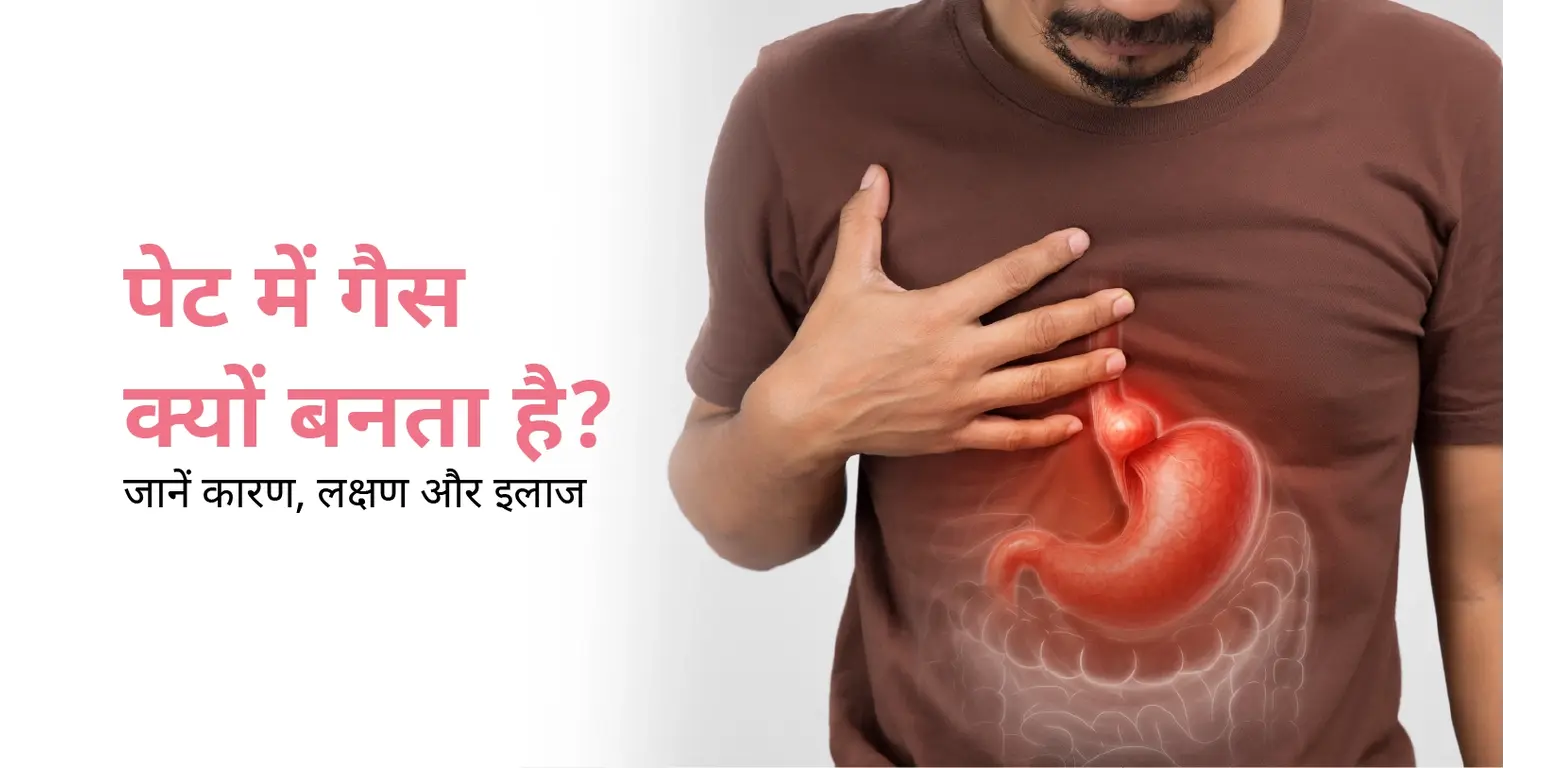
Table of Contents
हर किसी को समय-समय पर पेट में गैस की समस्या होती है। यह पाचन का एक स्वाभाविक हिस्सा है, लेकिन अत्यधिक गैस पेट फूलने, बेचैनी और यहाँ तक कि दर्द का कारण भी बन सकती है। हालाँकि यह आमतौर पर गंभीर नहीं होती, लेकिन बार-बार गैस की समस्या आपके खान-पान या पाचन स्वास्थ्य में असंतुलन का संकेत हो सकती है। गैस के कारणों और आहार व घरेलू उपचारों के माध्यम से इसे नियंत्रित करने के तरीकों को समझने से स्थायी राहत मिल सकती है।
पेट में गैस आपके पाचन तंत्र में हवा के जमाव को दर्शाती है। यह गैस पाचन के दौरान प्राकृतिक रूप से बन सकती है या खाने, पीने या बात करते समय निगली जा सकती है। इसमें मुख्य रूप से ऑक्सीजन, नाइट्रोजन (nitrogen), कार्बन डाइऑक्साइड (carbon dioxide), हाइड्रोजन (hydrogen) और कभी-कभी मीथेन (methane) होती है।
पाचन तंत्र (digestive system) से प्रतिदिन एक सामान्य मात्रा में गैस गुजरती है, लेकिन जब यह संतुलन बिगड़ जाता है—या तो अत्यधिक गैस बनने या इसे बाहर निकालने में कठिनाई के कारण—तो पेट फूलना, डकार आना या पेट दर्द जैसे लक्षण हो सकते हैं।
पेट में गैस बनने के कई कारण हो सकते हैं। कुछ आहार से संबंधित होते हैं, जबकि अन्य जीवनशैली या पाचन संबंधी समस्याओं से जुड़े होते हैं।
ज़्यादा हवा निगलना (एरोफेगिया) (Swallowing excess air (aerophagia):
गैस पैदा करने वाले खाद्य पदार्थ (Gas-producing foods):
खाद्य असहिष्णुता (Food intolerance):
पाचन विकार (Digestive disorders):
असंतुलित आंत बैक्टीरिया (Imbalanced gut bacteria):
ज़्यादा खाना या देर रात का खाना (Overeating or eating late at night):
पेट में गैस के लक्षणों को पहचानना आमतौर पर आसान होता है, हालाँकि ये हर व्यक्ति में अलग-अलग हो सकते हैं। सामान्य लक्षणों में शामिल हैं:
अगर आपको लगातार या गंभीर गैस के साथ-साथ उल्टी, बिना किसी स्पष्ट कारण के वजन कम होना या मल में खून आना जैसे अन्य लक्षण दिखाई देते हैं, तो डॉक्टर से सलाह लेना सबसे अच्छा है।
पेट में गैस का इलाज काफी हद तक इसके कारण पर निर्भर करता है। ज़्यादातर मामलों में, जीवनशैली में साधारण बदलाव और आहार संबंधी समायोजन से तुरंत राहत मिल सकती है।
धीरे-धीरे और सोच-समझकर खाएं (Eat slowly and thoughtfully):
ट्रिगर करने वाले खाद्य पदार्थों की पहचान करें (Identify trigger foods):
पर्याप्त पानी पिएं (Drink enough water):
नियमित व्यायाम (Regular exercise):
बिना डॉक्टर के पर्चे के मिलने वाले उपचार (Over-the-counter treatments):
ये भी पढ़े: जानिए काला चना की न्यूट्रिशनल वैल्यू पर 100 ग्राम: प्रोटीन, न्युट्रिशन और अन्य स्वास्थ्य लाभ
अगर आप पेट की गैस और दर्द के घरेलू उपाय खोज रहे हैं, तो ये प्राकृतिक उपाय बेहद कारगर हो सकते हैं:
अदरक की चाय (ginger tea):
जीरा पानी (cumin water):
सौंफ (Fennel):
पुदीने का तेल या चाय (Peppermint oil or tea):
नींबू पानी (Lemonade):
अजवाइन और काला नमक (Celery and black salt):
पेट की गैस के ये घरेलू उपाय बिना किसी दवा के तुरंत राहत पाने के सुरक्षित और प्राकृतिक तरीके हैं।
ये भी पढ़े: अखरोट : फायदे, नुकसान और न्यूट्रिशनल वैल्यू और सेवन का सही तरीका
गैस का इलाज करने से ज़्यादा आसान है उसे रोकना। यहाँ कुछ प्रभावी निवारक उपाय दिए गए हैं:
इन निवारक उपायों का पालन करने से पाचन तंत्र स्वस्थ बना रहता है और गैस की समस्या की पुनरावृत्ति कम होती है।
ये भी पढ़े: गैस की वजह से पेट फूलने के घरेलू उपचार क्या हैं
हालांकि गैस ज़्यादातर हानिरहित होती है, लेकिन कभी-कभी यह पाचन संबंधी किसी समस्या का संकेत भी हो सकती है। अगर आपको ये लक्षण दिखें तो आपको डॉक्टर से सलाह लेनी चाहिए:
डॉक्टर यह पता लगाने में मदद कर सकते हैं कि समस्या खाने की असहिष्णुता, संक्रमण या किसी अन्य गैस्ट्रोइंटेस्टाइनल विकार (Gastrointestinal Disorders) के कारण है या नहीं।
ये भी पढ़े: एसिडिटी से तुरंत राहत पाने के घरेलू नुस्खे
लंबे समय तक रोकथाम के लिए एक स्वस्थ जीवनशैली अपनाना और सोच-समझकर खाने का चुनाव करना शामिल है। आप ये कर सकते हैं:
इन आदतों का लगातार पालन करके, आप अपने पाचन तंत्र को स्वस्थ रख सकते हैं और प्राकृतिक रूप से गैस बनना कम कर सकते हैं।
ये भी पढ़े: पेट साफ करने के घरेलू उपाय ( Pet Saaf Karne Ke Upay)
पेट में गैस बनना एक आम लेकिन नियंत्रित करने योग्य समस्या है। यह अक्सर खान-पान, ज़्यादा खाने या खराब पाचन के कारण होता है। पेट में गैस के लक्षणों को जल्दी पहचानकर और जीवनशैली में कुछ आसान बदलाव करके आप जल्दी राहत पा सकते हैं। पेट में गैस के लिए घरेलू उपचार, संतुलित आहार और निवारक उपायों के सही मिश्रण से आप एक स्वस्थ और आरामदायक पाचन तंत्र बनाए रख सकते हैं। हालाँकि, अगर लक्षण बने रहें या बिगड़ जाएँ, तो किसी स्वास्थ्य सेवा प्रदाता से परामर्श करना हमेशा सबसे अच्छा तरीका होता है।
जीवन के हर चरण में हृदय स्वास्थ्य (cardiovascular health) के लिए स्वस्थ कोलेस्ट्रॉल का स्तर बनाए रखना ज़रूरी है। लेकिन 25 साल के व्यक्ति के लिए जो सामान्य कोलेस्ट्रॉल माना जाता है, वह 50 साल के व्यक्ति के लिए आदर्श कोलेस्ट्रॉल से थोड़ा अलग हो सकता है। अपने कोलेस्ट्रॉल के स्तर को समझना और आहार, व्यायाम और जीवनशैली के ज़रिए उसे कैसे नियंत्रित किया जाए, हृदय रोग और अन्य गंभीर स्वास्थ्य जटिलताओं को रोकने में मदद कर सकता है।
इस ब्लॉग में, हम जानेंगे कि कोलेस्ट्रॉल क्या है, इसके विभिन्न प्रकार क्या हैं, उम्र और लिंग के अनुसार सामान्य कोलेस्ट्रॉल का स्तर क्या होता है, और प्राकृतिक रूप से इष्टतम स्तर कैसे बनाए रखा जाए।
Table of Contents
कोलेस्ट्रॉल एक वसा जैसा (मोम जैसा) पदार्थ है जो आपके शरीर की प्रत्येक कोशिका में पाया जाता है। यह कई महत्वपूर्ण भूमिकाएँ निभाता है—यह कोशिका झिल्लियों के निर्माण, एस्ट्रोजन और टेस्टोस्टेरोन जैसे हार्मोन के उत्पादन और विटामिन डी के निर्माण में मदद करता है। हालाँकि, रक्त में बहुत अधिक कोलेस्ट्रॉल हृदय रोग और स्ट्रोक के जोखिम को बढ़ा सकता है।
कोलेस्ट्रॉल रक्तप्रवाह में प्रोटीन से जुड़कर लिपोप्रोटीन बनाता है। लिपोप्रोटीन के दो मुख्य प्रकार एलडीएल (LDL) और एचडीएल (HDL) हैं।
ये भी पढ़े: वीर्य बढ़ाने और गाढ़ा करने के प्रभावी घरेलु उपाय
कोलेस्ट्रॉल तीन मुख्य प्रकार का होता है:
सामान्य LDL स्तर और सामान्य HDL स्तर को संतुलित रखना समग्र हृदय स्वास्थ्य के लिए महत्वपूर्ण है।
ये भी पढ़े: चुकंदर के फायदे, पोषक तत्व और नुकसान
कोलेस्ट्रॉल का स्तर उम्र, लिंग और जीवनशैली के अनुसार अलग-अलग हो सकता है। निम्नलिखित चार्ट सामान्य कोलेस्ट्रॉल स्तर (मिलीग्राम प्रति डेसीलीटर में मापा जाता है—मिलीग्राम/डीएल) के लिए एक सामान्य दिशानिर्देश प्रदान करता है:
| आयु वर्ग | ट्राइग्लिसराइड्स | HDL (अच्छा कोलेस्ट्रॉल) | LDL (खराब कोलेस्ट्रॉल) | कुल कोलेस्ट्रॉल |
| वयस्क (60 वर्ष और उससे अधिक) | 150 mg/dL से कम | पुरुष: 40 mg/dL से अधिक महिला: 50 mg/dL से अधिक |
130 mg/dL से कम | 125–200 mg/dL |
| वयस्क (40–59 वर्ष) | 150 mg/dL से कम | पुरुष: 40 mg/dL से अधिक महिला: 50 mg/dL से अधिक |
130 mg/dL से कम | 125–200 mg/dL |
| वयस्क (20–39 वर्ष) | 90 mg/dL से कम | 45 mg/dL से अधिक | 100 mg/dL से कम | 170 mg/dL से कम |
| बच्चे (19 वर्ष से कम) | 150 mg/dL से कम | पुरुष: 40 mg/dL से अधिक महिला: 50 mg/dL से अधिक |
130 mg/dL से कम | 125–220 mg/dL |
सामान्य कारण
उच्च कोलेस्ट्रॉल के स्तर में कई कारक योगदान दे सकते हैं, जिनमें शामिल हैं:
अस्वास्थ्यकर आहार: संतृप्त (Saturated fat) और ट्रांस फैट से भरपूर खाद्य पदार्थ खाने से एलडीएल का स्तर बढ़ जाता है।
शारीरिक गतिविधि की कमी: गतिहीन जीवनशैली एचडीएल को कम करती है और एलडीएल को बढ़ाती है।
लक्षण
उच्च कोलेस्ट्रॉल आमतौर पर अपने आप में कोई लक्षण पैदा नहीं करता है। इसका पता अक्सर केवल रक्त परीक्षण से ही चलता है। हालाँकि, लंबे समय तक उच्च कोलेस्ट्रॉल निम्नलिखित जटिलताओं का कारण बन सकता है:
चूँकि उच्च कोलेस्ट्रॉल का कोई लक्षण नहीं होता, इसलिए नियमित जाँच ज़रूरी है—खासकर अगर आपके परिवार में हृदय रोग का इतिहास रहा हो।
जब कोलेस्ट्रॉल धमनियों में जमा हो जाता है, तो यह प्लाक (plaque) बनाता है जो रक्त प्रवाह (blood flow) को बाधित करते हैं। समय के साथ, इससे ये हो सकते हैं:
एलडीएल और एचडीएल के सामान्य स्तर को बनाए रखने से इन जोखिमों को काफी कम किया जा सकता है।
आपके आहार का कोलेस्ट्रॉल के स्तर पर गहरा प्रभाव पड़ता है। अगर आपका कोलेस्ट्रॉल ज़्यादा है, तो अस्वास्थ्यकर वसा और रिफाइंड चीनी से भरपूर खाद्य पदार्थों से बचना ज़रूरी है।
निम्न तालिका में चीज़ों को सीमित करें या उनसे बचें:
| बचने योग्य खाद्य पदार्थ | स्वस्थ विकल्प |
| मीठे पेय और मिठाइयाँ (जो ट्राइग्लिसराइड्स बढ़ाते हैं) | साबुत अनाज (Whole grains) |
| संतृप्त वसा से भरपूर लाल मांस | फल और सब्ज़ियाँ |
| ट्रांस वसा से बने बेक्ड उत्पाद (पेस्ट्री, कुकीज़, डोनट्स) | मेवे (Nuts) |
| पूर्ण वसा वाले डेयरी उत्पाद (मक्खन, पनीर, क्रीम) | वसायुक्त मछली (सैल्मन, मैकेरल) |
| प्रसंस्कृत मांस (सॉसेज, सलामी, बेकन) | — |
| तले हुए खाद्य पदार्थ (पकौड़े, समोसे, फ्रेंच फ्राइज़) | — |
नियमित शारीरिक गतिविधि एचडीएल (अच्छा कोलेस्ट्रॉल) बढ़ाती है और एलडीएल (खराब कोलेस्ट्रॉल) और ट्राइग्लिसराइड्स को कम करती है। प्रति सप्ताह कम से कम 150 मिनट मध्यम व्यायाम करने का लक्ष्य रखें।
कोलेस्ट्रॉल कम करने के लिए कुछ प्रभावी व्यायाम इस प्रकार हैं:
| व्यायाम का प्रकार | लाभ |
| सीढ़ियाँ चढ़ना / घर के काम | कोलेस्ट्रॉल के बेहतर प्रबंधन में योगदान देता है |
| शक्ति प्रशिक्षण | मांसपेशियों का निर्माण करता है, वसा के कुशल उपयोग में मदद करता है |
| योग | तनाव को कम करता है, जो उच्च कोलेस्ट्रॉल का एक कारण हो सकता है |
| तैराकी | सहनशक्ति बढ़ाती है, हृदय की कार्यक्षमता को बढ़ावा देती है |
| साइकिल चलाना | रक्त संचार में सुधार करता है, कम प्रभाव वाला व्यायाम है |
| तेज़ चलना / जॉगिंग | हृदय स्वास्थ्य में सुधार करता है, वसा जलाता है |
| नियमित शारीरिक गतिविधि | HDL (अच्छा कोलेस्ट्रॉल) बढ़ाती है, LDL और ट्राइग्लिसराइड्स को कम करती है |
ये भी पढ़े: क्या रोज़ अंजीर खाना सेहत के लिए अच्छा है? जानिए इसके फायदे, नुकसान और खाने का सही समय
चिकित्सा उपचार और व्यायाम के अलावा, कई प्राकृतिक उपचार स्वस्थ कोलेस्ट्रॉल के स्तर को बनाए रखने में मदद कर सकते हैं। प्रभावी घरेलू नुस्खों में शामिल हैं:
ये घरेलू उपचार संतुलित आहार और नियमित शारीरिक गतिविधि के साथ सबसे प्रभावी होते हैं।
किसी भी उम्र में स्वस्थ कोलेस्ट्रॉल के स्तर को बनाए रखने के लिए, जीवनशैली में निम्नलिखित बदलाव करें:
कोलेस्ट्रॉल आवश्यक है, लेकिन संतुलन महत्वपूर्ण है। उम्र के अनुसार अपने सामान्य एलडीएल और एचडीएल स्तरों को जानने से आपको समस्याएँ आने से पहले ही अपने हृदय स्वास्थ्य की देखभाल करने में मदद मिलती है। अस्वास्थ्यकर खाद्य पदार्थों से परहेज करके, पौष्टिक आहार का पालन करके, नियमित रूप से व्यायाम करके और प्राकृतिक घरेलू उपचारों का बुद्धिमानी से उपयोग करके, आप अपने कोलेस्ट्रॉल के स्तर को नियंत्रित रख सकते हैं।
याद रखें, रोकथाम हमेशा इलाज से बेहतर होती है—इसलिए नियमित रूप से अपने कोलेस्ट्रॉल की जाँच करवाएँ और हर दिन अपने हृदय के लिए समझदारी भरे फैसले लें।
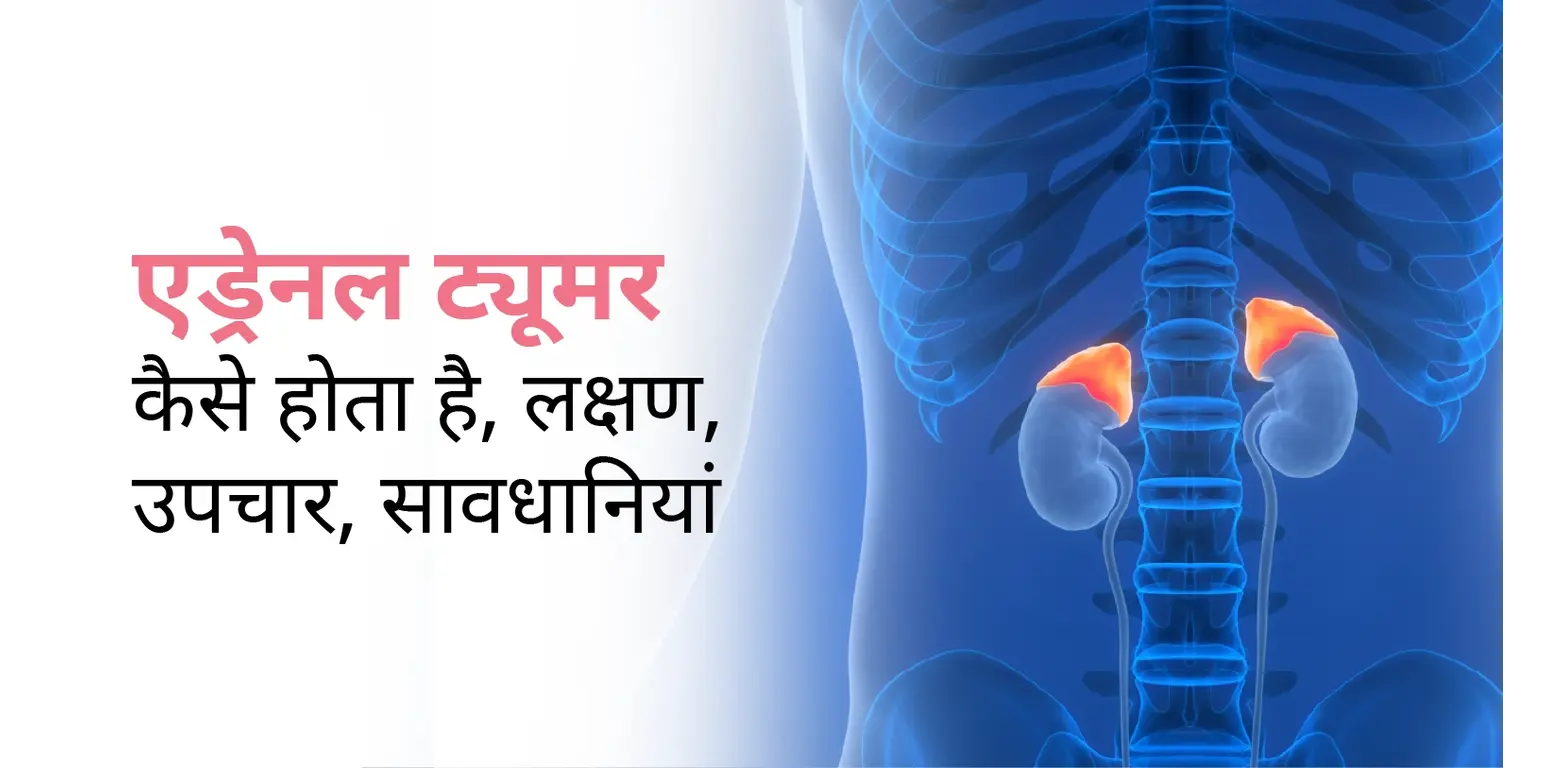
Table of Contents
एड्रेनल ग्लैंड दो छोटी लेकिन पावरफुल ग्लैंड होती हैं जो हर किडनी के ऊपर होती हैं। ये शरीर के हार्मोनल बैलेंस में अहम भूमिका निभाती हैं, स्ट्रेस रिस्पॉन्स, ब्लड प्रेशर, मेटाबॉलिज्म, इम्यून फंक्शन और ज़रूरी शारीरिक प्रक्रियाओं को रेगुलेट करने में मदद करती हैं। जब एड्रेनल ग्लैंड के अंदर या उसके आसपास कोई ग्रोथ होती है, तो उसे एड्रेनल ट्यूमर कहा जाता है। कुछ एड्रेनल ट्यूमर हानिरहित होते हैं, जबकि कुछ हार्मोन प्रोडक्शन को डिस्टर्ब कर सकते हैं या, दुर्लभ मामलों में, कैंसर बन सकते हैं।
इस ब्लॉग में एड्रेनल ग्लैंड के काम, ट्यूमर के प्रकार, कारण, लक्षण, निदान और इलाज के विकल्पों के के बारे में जानेंगे।
एड्रेनल ट्यूमर एक या दोनों एड्रेनल ग्लैंड (Adrenal gland) में होने वाली असामान्य ग्रोथ है। इन ट्यूमर को मोटे तौर पर दो कैटेगरी में बांटा गया है:
आम एड्रेनल ट्यूमर में शामिल हैं:
सही इलाज चुनने के लिए ट्यूमर के प्रकार को समझना ज़रूरी है।
ये भी पढ़े: अखरोट : फायदे, नुकसान और न्यूट्रिशनल वैल्यू और सेवन का सही तरीका
लक्षण इस बात पर निर्भर करते हैं कि ट्यूमर काम कर रहा है या नहीं।
फंक्शनिंग एड्रेनल ट्यूमर के लक्षण
ये ट्यूमर ज़्यादा हार्मोन बनाते हैं, जिससे ये होता है:
ये भी पढ़े: क्या रोज़ अंजीर खाना सेहत के लिए अच्छा है? जानिए इसके फायदे, नुकसान और खाने का सही समय
नॉन-फंक्शनिंग ट्यूमर के लक्षण
काम न करने वाले एड्रेनल ट्यूमर में ये दिख सकते हैं:
अगर ट्यूमर बड़ा हो जाता है, तो यह आस-पास के अंगों पर दबाव डाल सकता है, जिससे परेशानी हो सकती है।
ये भी पढ़े: हल्दी वाले दूध पीने के स्वास्थ्य लाभ (benefits of turmeric milk)
ज़्यादातर एड्रेनल ट्यूमर बिनाइन होते हैं। हालांकि, एक छोटा प्रतिशत एड्रेनोकॉर्टिकल कार्सिनोमा में बदल सकता है, जो कैंसर का एक दुर्लभ लेकिन खतरनाक रूप है।
कैंसर वाले ट्यूमर में ये दिख सकते हैं:
कैंसर के जोखिम को मैनेज करने के लिए शुरुआती पहचान ज़रूरी है।
ये भी पढ़े: चुकंदर के फायदे, पोषक तत्व और नुकसान
भले ही एड्रेनल ट्यूमर एड्रेनल ग्लैंड में शुरू होते हैं, लेकिन उनके हार्मोन असंतुलन से कई अंग और शरीर के सिस्टम प्रभावित हो सकते हैं:
यह व्यापक प्रभाव इसलिए होता है क्योंकि एड्रेनल हार्मोन पूरे शरीर में ज़रूरी कामों को प्रभावित करते हैं।
ये भी पढ़े: कैल्शियम की कमी के कारण, लक्षण और उपचार | Calcium Deficiency In Hindi
लोग अक्सर एड्रेनल ट्यूमर और एड्रेनल एडेनोमा को लेकर कंफ्यूज हो जाते हैं, लेकिन ये दोनों एक जैसे नहीं हैं। चलिए तालिका के माध्यम से समझें:
| बिंदु | एड्रेनल ट्यूमर | एड्रेनल एडेनोमा |
| मतलब | एड्रेनल ग्रंथि में किसी भी तरह की गाँठ या बढ़ोतरी | एड्रेनल ग्रंथि में बनने वाली एक खास, सामान्यतः सुरक्षित गाँठ |
| प्रकृति | यह साधारण (गैर-कैंसर) भी हो सकती है और कैंसर वाली भी | यह हमेशा साधारण (गैर-कैंसर) होती है |
| हार्मोन बनना | हार्मोन बना भी सकती है और बिल्कुल नहीं भी | ज़्यादातर हार्मोन नहीं बनाती, पर कभी-कभी कॉर्टिसोल या एल्डोस्टेरोन बना सकती है |
| जोखिम | कुछ मामलों में कैंसर होने की संभावना | कैंसर बनने का जोखिम लगभग नहीं के बराबर |
| आकार | छोटा या बड़ा – दोनों हो सकता है | आम तौर पर आकार छोटा (1–3 से.मी.) होता है |
| उदाहरण | साधारण गाँठ, कैंसर वाले ट्यूमर, फियोक्रोमोसाइटोमा आदि | कॉर्टिसोल बनाने वाला एडेनोमा, एल्डोस्टेरोन बनाने वाला एडेनोमा |
निदान में इन चीज़ों का कॉम्बिनेशन शामिल होता है:
ये भी पढ़े: शिलाजीत: फायदे, नुकसान, न्यूट्रिशनल वैल्यू और सेवन करने का सही तरीका
इलाज ट्यूमर के प्रकार, हार्मोन गतिविधि और साइज़ पर निर्भर करता है।
1. ऑब्ज़र्वेशन / मॉनिटरिंग
2. दवाएं
लक्षणों या हार्मोन लेवल को कंट्रोल करने के लिए इस्तेमाल की जाती हैं:
दवाएं लक्षणों को मैनेज करने में मदद कर सकती हैं लेकिन ट्यूमर को हटाती नहीं हैं।
3. सर्जरी
एड्रेनेलेक्टॉमी (Adrenalectomy) यानि एड्रेनल ग्रंथि या ट्यूमर को हटाने की प्रक्रिया तब की जाती है जब:
मिनिमली इनवेसिव लेप्रोस्कोपिक सर्जरी (Minimally invasive laparoscopic surgery) सबसे आम तरीका है, जब तक कि यह कैंसर वाला ट्यूमर न हो।
4. एड्रेनल कैंसर का इलाज
इसमें शामिल हो सकता है:
ये भी पढ़े: जानें बार बार खुजली होने के कारण और उपाय
एड्रेनल ट्यूमर को रोकने का कोई पक्का तरीका नहीं है। हालांकि, कुछ कदम कुल जोखिम को कम कर सकते हैं:
जल्दी पता चलना सबसे असरदार बचाव का तरीका है।
एड्रेनल ट्यूमर अपने व्यवहार में बहुत अलग-अलग होते हैं – हानिरहित और शांत से लेकर एक्टिव रूप से हार्मोन बनाने वाले या कैंसर वाले बनने तक। एड्रेनल ग्लैंड के काम को समझना, शुरुआती लक्षणों को पहचानना और सही इलाज के लिए समय पर निदान करवाना बहुत ज़रूरी है। चाहे ट्यूमर काम कर रहा हो या नहीं, लंबे समय तक होने वाली दिक्कतों से बचने के लिए मेडिकल जांच ज़रूरी है। इमेजिंग और मिनिमली इनवेसिव सर्जरी में तरक्की के साथ, ज़्यादातर एड्रेनल ट्यूमर को असरदार तरीके से मैनेज किया जा सकता है।
Table of Contents
मासिक धर्म स्वास्थ्य एक महिला के समग्र स्वास्थ्य के सबसे आवश्यक पहलुओं में से एक है। एक नियमित मासिक धर्म चक्र (regular menstrual cycles) इस बात का संकेत है कि प्रजनन प्रणाली (reproductive system) ठीक से काम कर रही है। हालाँकि, कुछ महिलाओं को अनियमित या कम मासिक धर्म का अनुभव होता है, जो चिंताजनक और कभी-कभी असहज हो सकता है। रुक-रुक कर मासिक धर्म आने के कारणों, उनके लक्षणों और नियमितता को कैसे बहाल किया जाए, यह समझना अच्छे हार्मोनल संतुलन और प्रजनन स्वास्थ्य को बनाए रखने के लिए महत्वपूर्ण है।
अनियमित पीरियड्स सामान्य पीरियड्स साइकिल पैटर्न (normal menstrual cycle patterns) से किसी भी बदलाव को संदर्भित करता है, जो आमतौर पर 21 से 35 दिनों के बीच होता है। जब यह चक्र अप्रत्याशित, बहुत छोटा या बहुत लंबा हो जाता है, तो इसे अनियमित माना जा सकता है। कुछ महिलाओं को कम या हल्का रक्तस्राव भी हो सकता है, जहाँ मासिक धर्म कम दिनों तक रहता है या रक्त की मात्रा सामान्य से बहुत कम होती है।
अनियमित या कम मासिक धर्म के सामान्य लक्षणों में शामिल हैं:
यदि ये लक्षण दो से तीन महीने से ज़्यादा समय तक बने रहते हैं, तो मूल कारण की पहचान करना और सुधारात्मक उपाय करना ज़रूरी है।
ये भी पढ़े: पीरियड मिस होने के कारण और घरेलू उपाय
अगर आप सोच रही हैं कि रुक-रुक कर मासिक धर्म आने का क्या कारण है, तो इसके कई कारण हो सकते हैं। ये हार्मोनल, जीवनशैली से संबंधित या कुछ चिकित्सीय स्थितियों के कारण हो सकते हैं।
हार्मोनल असंतुलन (hormonal imbalance)
तनाव और चिंता (stress and anxiety)
खराब आहार और कुपोषण (poor diet and malnutrition)
अत्यधिक व्यायाम (insanity workout)
पॉलीसिस्टिक ओवरी सिंड्रोम (PCOS)
थायरॉइड विकार (thyroid disorders)
गर्भनिरोधक गोलियाँ या दवाएँ (birth control pills or medications)
वज़न में बदलाव (weight changes)
ये भी पढ़े: महिलाओं में थायराइड के कारण, लक्षण और इलाज
अनियमित मासिक धर्म के मुख्य कारण क्या हैं? What are the main causes of irregular menstruation?
अनियमित या विलंबित मासिक धर्म (जिसे चिकित्सकीय रूप से ओलिगोमेनोरिया (Oligomenorrhea) कहा जाता है) तब होता है जब दो चक्रों के बीच का समय 35 दिनों से अधिक हो जाता है। कुछ प्रमुख कारण इस प्रकार हैं:
रजोनिवृत्ति के बाद या रजोनिवृत्ति संक्रमण काल (post-menopausal or menopausal transition period)
क्रोनिक बीमारियाँ (chronic diseases)
खान-पान संबंधी विकार (eating disorders)
स्तनपान (breastfeeding)
अवसाद या रक्तचाप की दवाएँ (depression or blood pressure medications)
पर्यावरण या जीवनशैली में बदलाव (environmental or lifestyle changes)
ये भी पढ़े: पीरियड कम आने के नुकसान: कारण, प्रभाव और इलाज
हालांकि कभी-कभार अनियमितताएँ आम हैं, लेकिन अगर लंबे समय तक अनियमित या कम पीरियड्स का इलाज न किया जाए, तो इसके दीर्घकालिक स्वास्थ्य परिणाम हो सकते हैं। यहाँ कुछ संभावित दुष्प्रभाव दिए गए हैं:
ये भी पढ़े: अखरोट : फायदे, नुकसान और न्यूट्रिशनल वैल्यू और सेवन का सही तरीका
अगर आप नियमित पीरियड्स के लिए घरेलू उपचार या अपने मासिक धर्म चक्र को प्राकृतिक रूप से संतुलित करने के आसान तरीकों की तलाश में हैं, तो अच्छी खबर यह है कि जीवनशैली में छोटे-छोटे बदलाव बड़ा बदलाव ला सकते हैं।
(यदि आपको कोई मौजूदा समस्या है, तो हर्बल उपचार का उपयोग करने से पहले हमेशा डॉक्टर से सलाह लें।)
ये भी पढ़े: क्या रोज़ अंजीर खाना सेहत के लिए अच्छा है? जानिए इसके फायदे, नुकसान और खाने का सही समय
कम या अनियमित मासिक धर्म केवल मासिक धर्म की समस्या नहीं है—ये अक्सर अंतर्निहित हार्मोनल या जीवनशैली असंतुलन का संकेत देते हैं। रुक-रुक कर होने वाले मासिक धर्म के कारणों को समझना और आहार, तनाव प्रबंधन और समय पर चिकित्सा देखभाल के माध्यम से उनका शीघ्र समाधान करना दीर्घकालिक स्वास्थ्य समस्याओं को रोक सकता है। एक स्वस्थ जीवनशैली अपनाना और अपने मासिक धर्म चक्र की नियमित निगरानी करना संतुलन और समग्र स्वास्थ्य प्राप्त करने की दिशा में सबसे अच्छे कदम हैं।
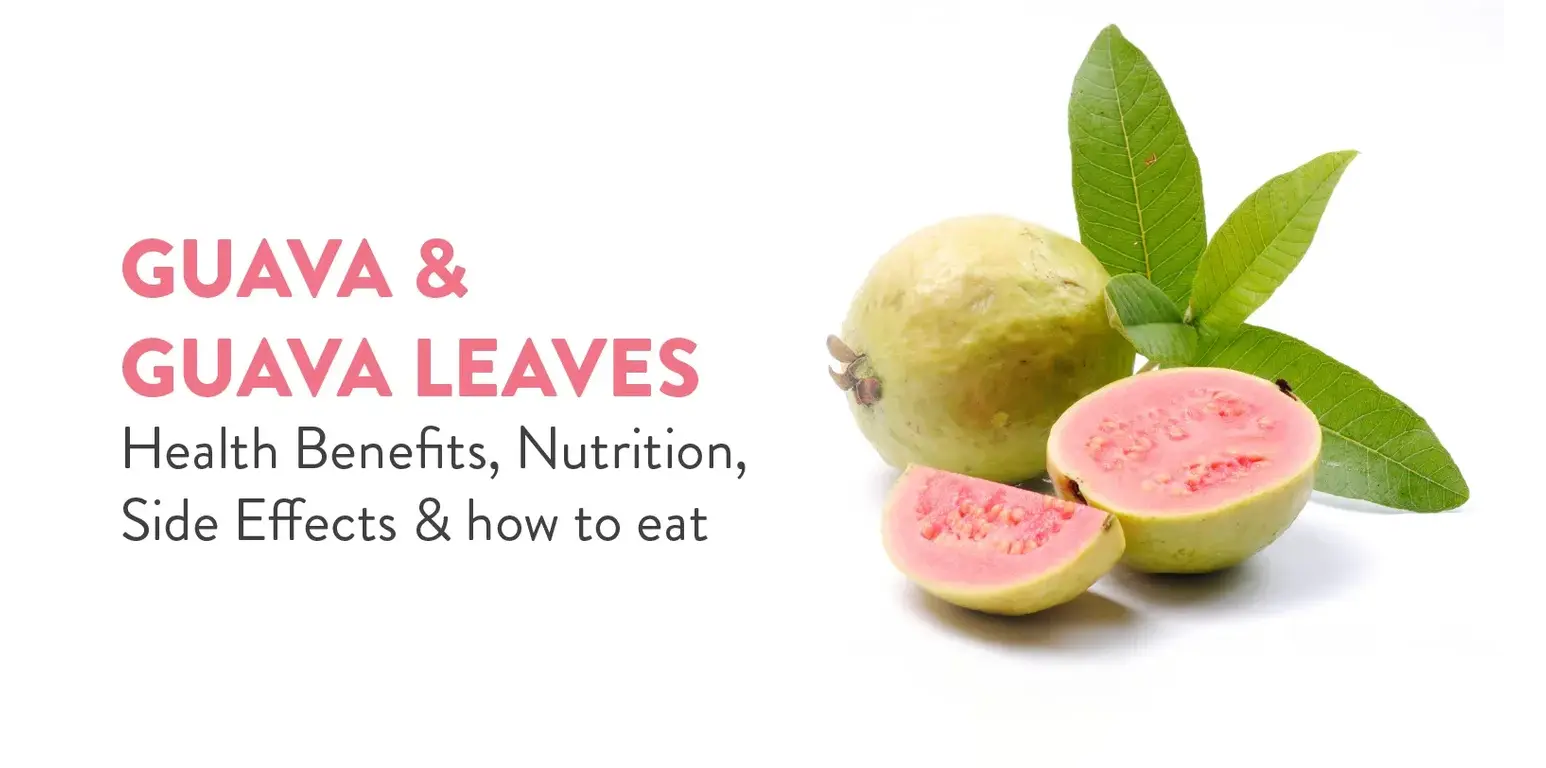
Table of Contents
Do you know, apart from being a delicious fruit, guava is a powerful nutritional package that has been used in traditional medicine for centuries? From boosting immunity to supporting digestion, guava offers a long list of benefits. Also, many people do not know that guava leaves are equally valuable as the fruit. They are packed with antioxidants and natural plant compounds that support everything from blood sugar control to gut health.
Whether you like biting into a fresh guava or sipping guava leaf tea, this fruit offers something for almost everyone. Let’s break down guava leaves benefits, nutrition, how to eat it, and any precautions to keep in mind.
| Guava Fruit | Guava Leaves |
It contains:
|
It contains:
|
1 medium guava (100 g) contains approx.:
These compounds make guava leaves powerful for digestive health, skin health, and metabolic support.
Also Read: Benefits of Taking Fish Oil
Also Read: Pineapple: Benefits, Nutrition, Right Way to eat and who should avoid
Not only guava, but guava leaves also have tremendous health benefits:
Also Read: Flax Seeds: Uses, Nutrition, Health Benefits & Side Effects
Note: Although beneficial, guava leaves cannot replace the medical treatment that may be required to fix your stomach problems.
Also Read: Iron Rich Foods
Here are some ways to consume guava and guava leaves:
| Ways to Eat Guava | Ways to Consume Guava Leaves |
Note: The best time to eat guava is morning or as a mid-meal snack for better digestion. |
Note: Avoid chewing raw leaves directly, as they may be too hard on digestion. |
Also Read: Custard Apple: Benefits & Nutritional Value
Guava is generally safe, but a few people may experience:
Note: The following people should avoid eating guavas
Also, Pregnant or breastfeeding women should not consume guava leaves without a doctor’s advice.
Also Read: Pregnancy and Nutrition
Guava is not only a delicious fruit, but it also offers a number of health benefits. Whether you enjoy it plain, sprinkle a little black salt over it, or sip warm guava leaf tea, both the fruit and the leaves offer nutritional advantages, from better digestion to immunity support.
However, you should know that moderation is the key. Though most people can enjoy guava without any issues, if you have a sensitive stomach or specific health conditions, it is always good to listen to your body or consult your doctor.
Also Read: The Anti-Wrinkle Diet: 5 Collagen-Rich Foods for Youthful Skin
1. Can guava help manage sugar levels?
Guava is loaded with fibre and antioxidants that help slow down glucose absorption and improve insulin response, thus helping manage sugar levels. It is also a good fruit for people with diabetes when eaten in moderation.
2. Can I take guava leaf tea daily?
When taken in moderation (1 cup a day), it is good, but excess consumption may cause constipation.
3. Can guava naturally improve my immunity?
Yes. Guava is one of the richest natural sources of vitamin C, even more than oranges, and we know that vitamin C is important for our immune system.
4. Does eating guava help in weight loss?
Guava helps indirectly by keeping you full, reducing cravings, and supporting digestion. It is a great fruit for weight-friendly diets.
5. Is guava good for skin and hair health?
Yes. Vitamin C supports collagen production, while antioxidants protect skin from ageing. Guava leaf tea or extract (diluted) when applied to the skin may help reduce acne.
6. Can I eat guava in pregnancy?
Yes. It contains folate, fibre, and vitamin C that support healthy development and digestion. Avoid unripe guava to reduce constipation risk.
7. Can guava cause allergies or digestive issues?
Guavas are usually safe to eat, but moderation is important. Overeating should be avoided as it can cause gas, bloating, or mouth irritation in some people. Allergies are rare but possible.
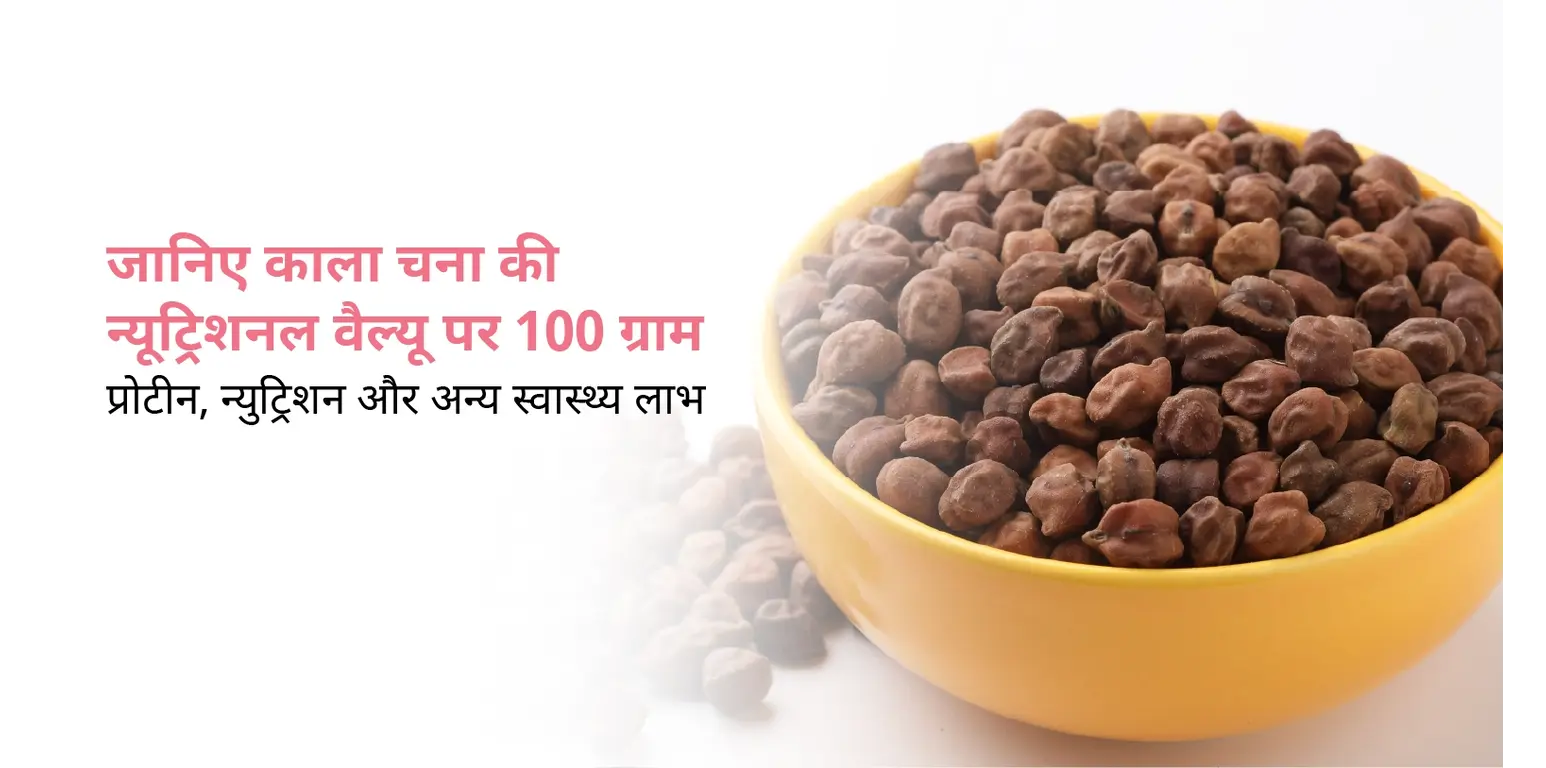
काला चना, जिसे काले चने या बंगाल ग्राम के नाम से भी जाना जाता है, भारतीय रसोई में आमतौर पर पाई जाने वाली सबसे अधिक पोषक तत्वों से भरपूर फलियों में से एक है। पारंपरिक आहार में एक प्रमुख घटक, यह साधारण सामग्री प्रोटीन, आहारीय फाइबर (dietary fiber) और आयरन (iron), मैग्नीशियम (magnesium) और पोटेशियम (potassium) जैसे आवश्यक खनिजों के मामले में बहुत प्रभावशाली है। चाहे उबला हुआ हो, अंकुरित हो या भुना हुआ हो, काला चना ऊर्जा के स्तर को बनाए रखने और समग्र स्वास्थ्य को बेहतर बनाने के लिए एक उत्तम भोजन है।
इस लेख में, आप प्रति 100 ग्राम काले चने के पोषण मूल्य, इसमें मौजूद प्रोटीन की मात्रा, स्वास्थ्य लाभ और इसे अपने दैनिक आहार में प्रभावी ढंग से कैसे शामिल किया जाए, इसके बारे में जानेंगे।
Table of Contents
काला चना या काला चना फलीदार परिवार से संबंधित है और अपनी सघन पोषण संरचना के लिए जाना जाता है। यह सामान्य छोले की तुलना में छोटा और गहरे रंग का होता है, लेकिन फाइबर, प्रोटीन और एंटीऑक्सीडेंट से भरपूर होता है।
काला चना को खास बनाने वाला तत्व इसका कम ग्लाइसेमिक इंडेक्स (जीआई) (Glycaemic Index (GI) है, जो रक्त शर्करा के स्तर को स्थिर बनाए रखने में मदद करता है। जिससे यह मधुमेह रोगियों और वजन के प्रति जागरूक लोगों के लिए एक बेहतरीन विकल्प बन जाता है। यह ग्लूटेन-मुक्त भी है और धीरे-धीरे ऊर्जा प्रदान करता है, जिससे आपका पेट लंबे समय तक भरा रहता है।
आइए प्रति 100 ग्राम (बिना पके) काले चने के पोषण मूल्य पर एक नज़र डालें:
| पोषक तत्व | मात्रा (प्रति 100 ग्राम) |
| ग्लाइसेमिक इंडेक्स | 28–32 (कम GI) |
| फोलेट | 180 µg |
| पोटैशियम | 875 mg |
| मैग्नीशियम | 160 mg |
| आयरन (लोहा) | 4.5 mg |
| कैल्शियम | 50 mg |
| वसा | 5 ग्राम |
| आहार फाइबर | 17 ग्राम |
| कार्बोहाइड्रेट | 60 ग्राम |
| प्रोटीन | 19 ग्राम |
| ऊर्जा | 360 किलो कैलोरी |
ये पोषक तत्व इस बात पर ज़ोर देते हैं कि काला चना अक्सर उच्च प्रोटीन वाले शाकाहारी आहार में क्यों शामिल किया जाता है। जटिल कार्बोहाइड्रेट (complex carbohydrates) और पादप-आधारित प्रोटीन (plant-Based Protein) का संयोजन इसे एक संतुलित और पौष्टिक आहार बनाता है।
काला चना खाने का सबसे अच्छा समय आपके स्वास्थ्य लक्ष्यों पर निर्भर करता है:
दिन में जल्दी इसे खाने से यह सुनिश्चित होता है कि आपका शरीर इसके पोषक तत्वों का कुशलतापूर्वक उपयोग करता है, जिससे आपको पूरे दिन ऊर्जा मिलती है।
ये भी पढ़े: विटामिन बी: मुख्य स्रोत, इसके फायदे और नुकसान
एक आम सवाल है –क्या काला चना वज़न घटाने के लिए अच्छा है? इसका जवाब है हाँ, अगर सही तरीके से खाया जाए।
अपने उच्च फाइबर और प्रोटीन सामग्री के कारण, काला चना तृप्ति को बढ़ावा देता है और कुल कैलोरी सेवन को कम करता है। इसका कम ग्लाइसेमिक इंडेक्स यह सुनिश्चित करता है कि रक्तप्रवाह में चीनी धीरे-धीरे प्रवाहित हो, जिससे वसा का संचय नहीं होता।
हालांकि, ज़्यादा सेवन या इसे तला हुआ खाने से अतिरिक्त कैलोरी के कारण वज़न बढ़ सकता है। स्वस्थ परिणामों के लिए भुने या उबले हुए काले चने का ही सेवन करें।
ये भी पढ़े: अखरोट : फायदे, नुकसान और न्यूट्रिशनल वैल्यू और सेवन का सही तरीका
काला चना कई तरह के स्वास्थ्य लाभ प्रदान करता है – आइए सबसे महत्वपूर्ण लाभों पर गौर करें:
ये भी पढ़े: चुकंदर के फायदे, पोषक तत्व और नुकसान
काले चने का आनंद कई स्वास्थ्यवर्धक और स्वादिष्ट तरीकों से लिया जा सकता है:
इसका पूरा लाभ उठाने के लिए, आयरन के अवशोषण को बढ़ाने के लिए काले चने को विटामिन सी से भरपूर खाद्य पदार्थों (जैसे नींबू या टमाटर) के साथ मिलाएँ।
ये भी पढ़े: क्या रोज़ अंजीर खाना सेहत के लिए अच्छा है? जानिए इसके फायदे, नुकसान और खाने का सही समय
पोषण और वज़न प्रबंधन के अलावा, काले चने के कई अतिरिक्त लाभ हैं:
ये लाभ काले चने को रोज़ाना के पोषण के लिए एक संपूर्ण सुपरफ़ूड बनाते हैं।
ये भी पढ़े: कोलेस्ट्रॉल कम करने का रामबाण इलाज
हाँ, रोज़ाना मध्यम मात्रा में काले चने का सेवन करना सुरक्षित है। आदर्श रूप से, वयस्कों के लिए प्रतिदिन 50-70 ग्राम पर्याप्त है। हालाँकि, पाचन संबंधी समस्याओं या पेट फूलने की समस्या वाले लोगों को कम मात्रा से शुरुआत करनी चाहिए और रात में इसे खाने से बचना चाहिए।
पाचन क्षमता बढ़ाने और एंटीन्यूट्रिएंट्स को कम करने के लिए हमेशा सुनिश्चित करें कि खाने से पहले काले चने को अच्छी तरह से भिगोया या पकाया गया हो।
ये भी पढ़े: हाई कोलेस्ट्रॉल के लक्षण (High Cholesterol Symptoms in Hindi)
काला चना एक बहुमुखी, पोषक तत्वों से भरपूर फली है जिसे आपके आहार में नियमित रूप से शामिल किया जाना चाहिए। चाहे आपका लक्ष्य मांसपेशियों का निर्माण करना हो, वज़न नियंत्रित करना हो, रक्त शर्करा को नियंत्रित करना हो, या पाचन में सुधार करना हो, प्रति 100 ग्राम काले चने में मौजूद प्रोटीन और पोषण मूल्य इसे सबसे स्वास्थ्यप्रद प्राकृतिक खाद्य पदार्थों में से एक बनाते हैं।
भुने या भीगे हुए काले चने को अपनी दिनचर्या में शामिल करके, आप स्थिर ऊर्जा स्तर, मज़बूत प्रतिरक्षा प्रणाली और बेहतर समग्र स्वास्थ्य का आनंद ले सकते हैं – प्राकृतिक और किफ़ायती तरीके से।
तो, अगली बार जब आप अपने भोजन या नाश्ते की योजना बनाएँ, तो मुट्ठी भर काले चने के लिए जगह बना लें ––एक छोटा सा अनाज जिसके स्वास्थ्य लाभ बहुत ज़्यादा हैं।

