Filter :
Table of Contents
दुनिया भर में स्वास्थ्य के प्रति जागरूक लोगों के बीच ग्रीन टी सबसे लोकप्रिय पेय पदार्थों में से एक बन गई है। अपनी सुखदायक सुगंध और ताज़ा स्वाद के लिए जानी जाने वाली यह चाय सिर्फ़ एक हॉट ड्रिंक से कहीं बढ़कर है – यह एंटीऑक्सीडेंट और स्वास्थ्यवर्धक गुणों से भरपूर एक कप है। लोग वज़न कम करने, रोग प्रतिरोधक क्षमता बढ़ाने और पाचन क्रिया सुधारने के लिए ग्रीन टी पीते हैं। हालाँकि, हर अच्छी चीज़ की तरह, इसका ज़्यादा या गलत समय पर सेवन करने से इसके दुष्प्रभाव भी हो सकते हैं।
इस लेख में, हम ग्रीन टी के फ़ायदों, इसके नुकसानों और इसे अपनी दिनचर्या में शामिल करने के सही तरीके के बारे में जानेंगे ताकि आपको ज़्यादा से ज़्यादा स्वास्थ्य लाभ मिल सकें।
ग्रीन टी कैमेलिया साइनेंसिस पौधे (Camellia sinensis plants) की पत्तियों से बनती है – वही पौधा जिससे ब्लैक टी (black tea) और ऊलोंग टी (oolong tea) बनाई जाती है। मुख्य अंतर इसकी प्रोसेसिंग में है। ऑक्सीकरण को रोकने के लिए ग्रीन टी की पत्तियों को भाप में या तवे पर गर्म किया जाता है, जिससे उनका प्राकृतिक हरा रंग और एंटीऑक्सीडेंट बरकरार रहते हैं।
यह न्यूनतम प्रसंस्करण ग्रीन टी को पॉलीफेनॉल्स (polyphenols), कैटेचिन (catechin) और फ्लेवोनोइड्स (flavonoids) से भरपूर बनाता है, जो सभी अपने सूजन-रोधी (anti-inflammatory) और विषहरण गुणों (detoxifying properties) के लिए जाने जाते हैं।
ग्रीन टी की कई किस्में हैं, और प्रत्येक का अपना अनूठा स्वाद और लाभ हैं:
इनमें से, तुलसी ग्रीन टी और पुदीने वाली ग्रीन टी रोग प्रतिरोधक क्षमता बढ़ाने और मन को शांत करने के लिए विशेष रूप से फायदेमंद हैं।
ये भी पढ़े: ओमेगा 3 क्या होता है और इसके फायदे, पोषक तत्त्व और नुकसान?
ग्रीन टी पीने का सही समय बहुत ज़रूरी है। इसे सही समय पर पीने से आपके शरीर को इसके पोषक तत्वों को प्रभावी ढंग से अवशोषित करने में मदद मिलती है।
अगर आप दिन में कई कप पीना चाहते हैं, तो 2-3 कप तक ही सीमित रखें, क्योंकि ज़्यादा पीने से साइड इफेक्ट हो सकते हैं।
ग्रीन टी के फ़ायदे सिर्फ़ वज़न कम करने से कहीं ज़्यादा हैं। आइए इसके कुछ प्रमुख स्वास्थ्य लाभों पर नज़र डालें:
एंटीऑक्सीडेंट से भरपूर (Rich in antioxidants):
वज़न प्रबंधन में सहायक (Helpful in weight management):
मस्तिष्क की कार्यक्षमता में सुधार (Improve brain function):
हृदय स्वास्थ्य के लिए अच्छा (Good for heart health):
प्रतिरक्षा बढ़ाता है (Boosts immunity):
स्वस्थ त्वचा को बढ़ावा देता है (Promotes healthy skin):
रक्त शर्करा के स्तर को नियंत्रित करता है (Regulates blood sugar levels):
मौखिक स्वास्थ्य को बढ़ावा देता है (Promotes oral health):
ये भी पढ़े: अखरोट : फायदे, नुकसान और न्यूट्रिशनल वैल्यू और सेवन का सही तरीका
अगर सीमित मात्रा में सेवन किया जाए तो गर्भावस्था के दौरान ग्रीन टी फायदेमंद हो सकती है। इसमें एंटीऑक्सीडेंट भरपूर मात्रा में होते हैं जो रोग प्रतिरोधक क्षमता को बढ़ाते हैं और शरीर को प्राकृतिक रूप से डिटॉक्स करने में मदद करते हैं।
हालांकि, गर्भवती महिलाओं को सावधान रहना चाहिए:
ये भी पढ़े: डायबिटीज से बचाव के लिए जीवनशैली में अपनाएँ ये 8 बदलाव
हालांकि इसके फायदे प्रभावशाली हैं, लेकिन ज़्यादा सेवन या गलत समय पर सेवन करने से दुष्प्रभाव हो सकते हैं:
ये भी पढ़े: क्या रोज़ अंजीर खाना सेहत के लिए अच्छा है? जानिए इसके फायदे, नुकसान और खाने का सही समय
सर्वोत्तम परिणामों के लिए, ग्रीन टी कब और कैसे पिएँ, इस बारे में इन सुझावों का पालन करें:
आप मिठास के लिए शहद या ठंडक के लिए पुदीने के पत्ते भी मिला सकते हैं। ग्रीन टी और शहद का मिश्रण गले को आराम पहुँचा सकता है और इसके विषहरण प्रभाव को बढ़ा सकता है।
ये भी पढ़े: चुकंदर के फायदे, पोषक तत्व और नुकसान
एक बेहतरीन कप ग्रीन टी बनाने की आसान विधि इस प्रकार है:
ग्रीन टी एक प्राकृतिक अमृत है जो कई स्वास्थ्य लाभ प्रदान करती है — वज़न नियंत्रण और बेहतर हृदय स्वास्थ्य से लेकर बेहतर रोग प्रतिरोधक क्षमता और चमकदार त्वचा तक। हालाँकि, संयम और समय महत्वपूर्ण हैं। खाली पेट ग्रीन टी पीने से बचें, दिन में 2-3 कप तक ही सेवन करें, और अतिरिक्त लाभों के लिए तुलसी या पुदीने वाली ग्रीन टी जैसे विकल्प चुनें।
अगर सोच-समझकर सेवन किया जाए, तो ग्रीन टी एक स्वस्थ जीवनशैली की ओर एक सरल लेकिन प्रभावशाली कदम हो सकती है।
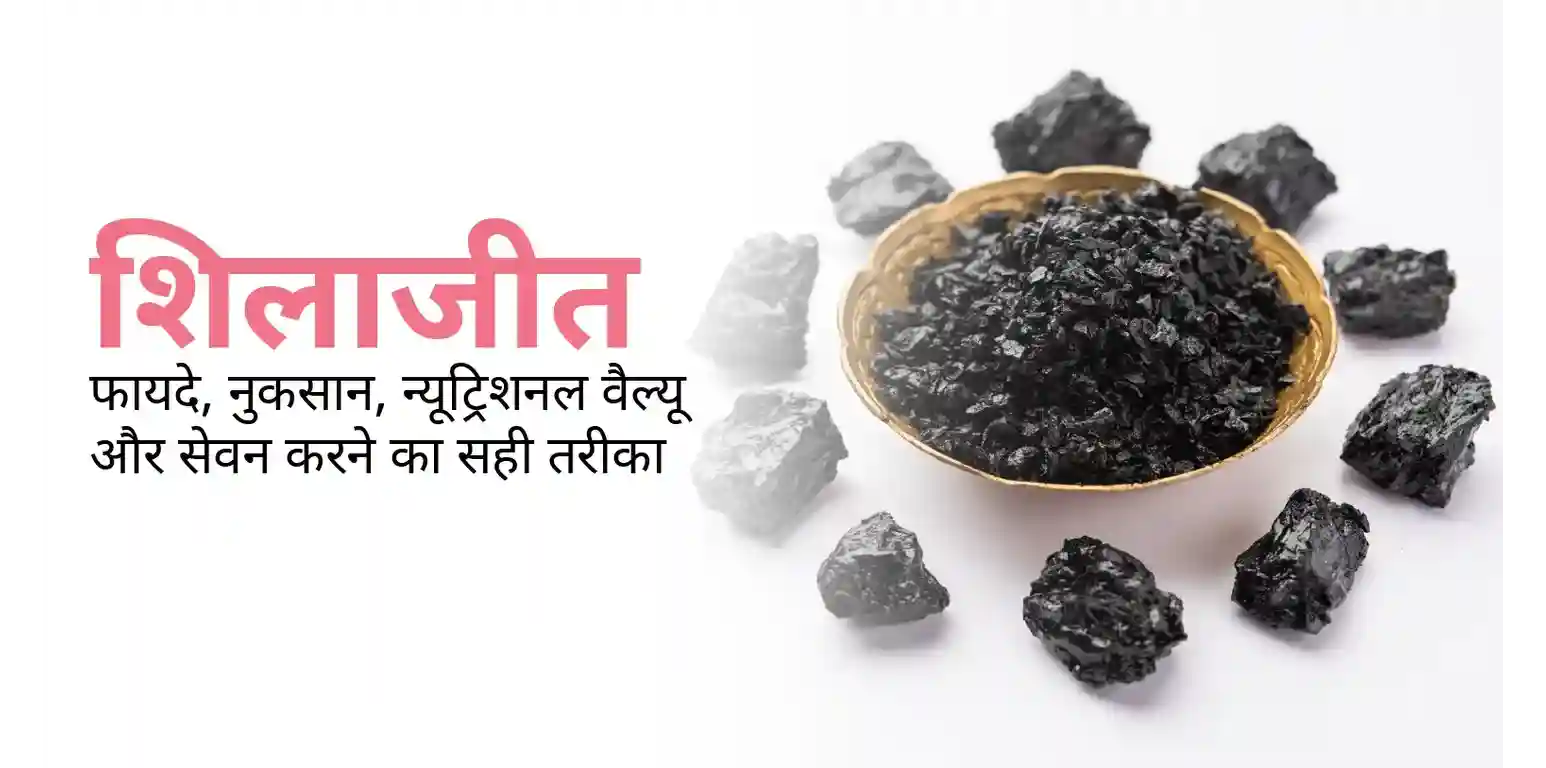
शिलाजीत, जिसे अक्सर “कमजोरी का नाश करने वाला” कहा जाता है, प्रकृति के सबसे शक्तिशाली कायाकल्प करने वाले पदार्थों में से एक है। मुख्य रूप से हिमालयी क्षेत्रों में पाया जाने वाला, यह गहरे रंग का, टार जैसा राल सदियों से पारंपरिक आयुर्वेदिक चिकित्सा (traditional ayurvedic medicine) में उपयोग किया जाता रहा है। शिलाजीत को जीवन शक्ति, ऊर्जा और सहनशक्ति बढ़ाने की अपनी उल्लेखनीय क्षमता के लिए जाना जाता है। आधुनिक शोध भी प्रतिरक्षा में सुधार, शारीरिक प्रदर्शन को बढ़ाने और हार्मोनल संतुलन बनाए रखने में इसकी भूमिका का समर्थन करते हैं।
आइए जानें कि शिलाजीत क्या है, इसकी पोषक संरचना, पुरुषों और महिलाओं दोनों के लिए इसके लाभ, संभावित दुष्प्रभाव और इसे सुरक्षित रूप से सेवन करने के सर्वोत्तम तरीके।
ये भी पढ़े: फास्ट फूड (जंक फूड) खाने के नुकसान
Table of Contents
शिलाजीत एक चिपचिपा, काले-भूरे रंग का कार्बनिक पदार्थ है जो पहाड़ी क्षेत्रों में चट्टानों से, खासकर गर्मी के मौसम में, रिसता है। यह सैकड़ों वर्षों से चट्टानों के बीच फंसे कुछ पौधों और खनिजों के क्रमिक अपघटन से प्राकृतिक रूप से बनता है।
आयुर्वेद में, शिलाजीत को रसायन कहा जाता है, एक कायाकल्प करने वाला यौगिक जो शरीर में संतुलन और जीवन शक्ति बहाल करने में मदद करता है। इसमें मौजूद उच्च खनिज और फुल्विक एसिड इसे प्राकृतिक ऊर्जा का एक शक्तिशाली स्रोत और कोशिका क्षति से लड़ने वाला एक शक्तिशाली एंटीऑक्सीडेंट बनाते हैं।
शिलाजीत में 80 से ज़्यादा ज़रूरी खनिज आयनिक रूप में मौजूद होते हैं, जिससे ये शरीर द्वारा आसानी से अवशोषित हो जाते हैं। इसका सबसे शक्तिशाली बायोएक्टिव यौगिक फुल्विक एसिड (Bioactive compound fulvic acid) है, जो पोषक तत्वों के अवशोषण को बढ़ाने, सूजन से लड़ने और ऊर्जा उत्पादन में सुधार करने की अपनी क्षमता के लिए जाना जाता है।
| घटक | मात्रा / विवरण |
| एंटीऑक्सीडेंट | ऑक्सीडेटिव तनाव से लड़ने में मदद करते हैं |
| अमीनो एसिड और फैटी एसिड | उपस्थित |
| खनिज | आयरन, ज़िंक, मैग्नीशियम, कॉपर, सेलेनियम |
| ह्यूमिक एसिड | 60–80% |
| फुल्विक एसिड | 15–20% |
यह अनूठी संरचना शिलाजीत को शारीरिक और मानसिक स्वास्थ्य दोनों को बढ़ावा देने वाला एक संपूर्ण प्राकृतिक टॉनिक बनाती है।
ये भी पढ़े: प्रोटीन युक्त आहार लिस्ट: 15 हाई प्रोटीन फूड्स
पुरुषों के लिए शिलाजीत के लाभों को आयुर्वेद और आधुनिक विज्ञान दोनों में व्यापक रूप से मान्यता प्राप्त है।
हालांकि शिलाजीत को अक्सर पुरुषों के स्वास्थ्य से जोड़ा जाता है, लेकिन महिलाओं के लिए भी इसके लाभ उतने ही महत्वपूर्ण हैं।
ये भी पढ़े: हाई कोलेस्ट्रॉल के लक्षण (High Cholesterol Symptoms in Hindi)
शिलाजीत कई पोषक तत्वों की कमी और दीर्घकालिक स्थितियों के लिए एक उत्कृष्ट प्राकृतिक उपचार है, जैसे:
सूक्ष्म खनिजों की आपूर्ति और पोषक तत्वों के अवशोषण में सुधार करके, शिलाजीत समग्र स्वास्थ्य के लिए एक व्यापक प्राकृतिक पूरक के रूप में कार्य करता है।
ये भी पढ़े: गोंद कतीरा: फायदे, नुकसान और सेवन का सही तरीका
हालाँकि शिलाजीत प्राकृतिक है, लेकिन इसके अत्यधिक या अनुचित उपयोग से दुष्प्रभाव हो सकते हैं। इन्हें समझना सुरक्षित सेवन सुनिश्चित करता है।
शिलाजीत के सामान्य दुष्प्रभावों में शामिल हैं:
सावधानियाँ:
अनुशंसित खुराक और प्रकार व्यक्ति के स्वास्थ्य और ज़रूरतों पर निर्भर करता है।
देर रात शिलाजीत लेने से बचें क्योंकि इससे सतर्कता बढ़ सकती है और नींद में खलल पड़ सकता है।
ये भी पढ़े: कौन-कौन से सुपरफूड्स आपकी रोग प्रतिरोधक क्षमता बढ़ा सकते हैं?
शिलाजीत वास्तव में प्रकृति के सर्वोत्तम उपहारों में से एक है—एक खनिज-समृद्ध यौगिक जो जीवन शक्ति, ऊर्जा और समग्र स्वास्थ्य को बढ़ाता है। पुरुषों में सहनशक्ति और प्रजनन स्वास्थ्य में सुधार से लेकर महिलाओं में हार्मोन संतुलन और ताकत बढ़ाने तक, शिलाजीत सभी के लिए समग्र लाभ प्रदान करता है।
हालाँकि, गुणवत्ता और संयम महत्वपूर्ण हैं। हमेशा सुनिश्चित करें कि आप शुद्ध शिलाजीत का उपयोग कर रहे हैं और अनुशंसित खुराक का पालन करें। जब इसे जिम्मेदारी से लिया जाए तो यह संतुलन बहाल करने, थकान से लड़ने और दीर्घकालिक स्वास्थ्य को बढ़ावा देने के लिए एक शक्तिशाली प्राकृतिक पूरक हो सकता है।

गर्भावस्था एक खूबसूरत सफ़र है जहाँ आपका शरीर एक बढ़ते जीवन को पोषण और सहारा देता है। एक स्वस्थ गर्भावस्था और एक स्वस्थ शिशु सुनिश्चित करने के लिए, सही आहार लेना ज़रूरी है। एक संतुलित गर्भावस्था आहार शिशु के विकास के लिए आवश्यक पोषक तत्व प्रदान करता है और आपको ऊर्जावान और स्वस्थ रहने में मदद करता है। यह ब्लॉग आपको तिमाही-वार गर्भावस्था आहार योजना के बारे में बताएगा, आपको बताएगा कि क्या खाना चाहिए और क्या नहीं, और गर्भावस्था के दौरान पोषण के बारे में कुछ रोचक तथ्य साझा करेगा।
Table of Contents
गर्भावस्था के दौरान, आपके शरीर की पोषण संबंधी ज़रूरतें बढ़ जाती हैं। आयरन, फोलिक एसिड, कैल्शियम, विटामिन डी, प्रोटीन और ओमेगा-3 फैटी एसिड (Omega-3 fatty acids) जैसे पोषक तत्व आपके शिशु के विकास और आपको स्वस्थ रखने में महत्वपूर्ण भूमिका निभाते हैं।
ये भी पढ़े: प्रोटीन युक्त आहार लिस्ट: 15 हाई प्रोटीन फूड्स
आपका आहार आपके शिशु के स्वास्थ्य और विकास को सीधे प्रभावित करता है। शुरुआती चरणों में, फोलेट और आयरन जैसे पोषक तत्व मस्तिष्क और रीढ़ की हड्डी के विकास के लिए ज़रूरी होते हैं। जैसे-जैसे गर्भावस्था आगे बढ़ती है, आपको अपने शिशु की बढ़ती ज़रूरतों को पूरा करने के लिए अतिरिक्त कैलोरी और प्रोटीन की आवश्यकता होगी।
याद रखें, गर्भावस्था के दौरान आप जिन चीज़ों से परहेज़ करती हैं, वह उतना ही महत्वपूर्ण है जितना कि आप जिन चीज़ों को शामिल करती हैं।
ये भी पढ़े: प्रेगनेंसी के शुरूआती लक्षण क्या होते हैं (Pregnancy ke lakshan)?
ध्यान: नींव तैयार करना।
पहली तिमाही के दौरान, जिसमें पहले महीने का गर्भावस्था आहार भी शामिल है – आपके शिशु का मस्तिष्क और तंत्रिका तंत्र विकसित होना शुरू हो जाता है। हो सकता है कि आपको अभी अतिरिक्त कैलोरी की ज़रूरत न हो, लेकिन आपको पोषक तत्वों से भरपूर खाद्य पदार्थ खाने चाहिए।
इन्हें शामिल करें:
सुझाव:
ध्यान: विकास और शक्ति।
इस चरण में आपके 5 महीने के गर्भावस्था आहार चार्ट और 6 महीने के गर्भावस्था आहार शामिल हैं। आपका शिशु तेज़ी से बढ़ने लगता है, और आपको प्रतिदिन लगभग 300 अतिरिक्त कैलोरी की आवश्यकता होगी।
इन्हें शामिल करें:
भोजन योजना:
अगर आप अपने चीनी के सेवन पर ध्यान दे रही हैं, तो गर्भावस्था के दौरान संतुलित शुगर डाइट चार्ट का पालन करें जिसमें मिठाइयों और रिफाइंड कार्बोहाइड्रेट्स की मात्रा सीमित हो। मीठे स्नैक्स की बजाय फल और कॉम्प्लेक्स कार्बोहाइड्रेट्स का सेवन करें।
ध्यान: प्रसव की तैयारी और शिशु के अंतिम विकास पर।
इस चरण के दौरान – जिसमें 8 महीने की गर्भावस्था का आहार चार्ट और 9वें महीने का गर्भावस्था आहार शामिल है – आपके शिशु का अधिकांश वजन बढ़ता है, और आपकी ऊर्जा की ज़रूरतें और बढ़ जाती हैं।
शामिल करें:
भोजन योजना:
सुझाव:
ये भी पढ़े: गर्भावस्था में सोने का सही तरीका | Sleeping position during pregnancy in Hindi
गर्भावस्था के दौरान आपकी प्रतिरक्षा प्रणाली थोड़ी कमज़ोर होती है, जिससे आपको खाद्य जनित बीमारियों का खतरा ज़्यादा होता है। ऐसे खाद्य पदार्थों से बचें जो आपको या आपके बच्चे को स्वास्थ्य संबंधी जोखिम पैदा कर सकते हैं।
इनसे बचें:
इनसे गर्भावधि मधुमेह, अत्यधिक वज़न बढ़ना या संक्रमण हो सकता है। खाने से पहले हमेशा उत्पादों को अच्छी तरह धोएँ और अच्छी तरह पकाएँ।
ये भी पढ़े: जानिए ओरल रिहाइड्रेशन सॉल्यूशन (ओआरएस) क्या है और इसके क्या फायदे हैं ?
एक सुनियोजित गर्भावस्था आहार नौ महीनों के दौरान माँ और शिशु दोनों को स्वस्थ रखता है। लक्ष्य ज़्यादा खाना नहीं, बल्कि समझदारी से खाना है — पर्याप्त प्रोटीन, आयरन, कैल्शियम और विटामिन युक्त संतुलित पोषण पर ध्यान केंद्रित करना। अपने शरीर की बदलती ज़रूरतों के अनुसार तिमाही-वार गर्भावस्था आहार योजना का पालन करें।
ज़्यादा जोखिम वाले या जंक फ़ूड से बचें, हल्के व्यायाम के साथ सक्रिय रहें और खूब सारे तरल पदार्थ पिएँ। चाहे आप अपने पहले महीने, पांचवें महीने, छठे महीने, आठवें महीने या नौवें महीने में हों, अच्छे स्वास्थ्य की नींव एक संतुलित, सचेत आहार में निहित है।
इस ब्लॉग में दी गई जानकारी केवल शैक्षिक उद्देश्यों के लिए है। हर गर्भावस्था अलग होती है। गर्भावस्था के दौरान किसी भी आहार योजना का पालन करने या आहार में बदलाव करने से पहले कृपया अपने डॉक्टर, स्त्री रोग विशेषज्ञ या प्रमाणित आहार विशेषज्ञ से परामर्श लें।

खुजली सबसे आम और असहज एहसास में से एक है जो लगभग हर किसी को कभी न कभी होता है। यह शरीर पर कहीं भी हो सकती है — स्किन, स्कैल्प, कान, या प्राइवेट पार्ट्स (private parts) पर भी। कभी-कभी होने वाली खुजली नुकसानदायक नहीं हो सकती, लेकिन बार-बार या लगातार होने वाली खुजली किसी अंदरूनी हेल्थ प्रॉब्लम का संकेत हो सकती है जिस पर ध्यान देने की ज़रूरत है। खुजली के कारणों को समझने और खुजली के लिए सही इलाज ढूंढने से आपको लंबे समय तक आराम पाने और हेल्दी स्किन बनाए रखने में मदद मिल सकती है।
Table of Contents
खुजली तब होती है जब स्किन में नर्व एंडिंग में सूखापन, एलर्जी (allergies), इन्फेक्शन (infection), या अंदरूनी हेल्थ प्रॉब्लम (internal health problems) जैसे अलग-अलग ट्रिगर से जलन होती है। आम कारणों में शामिल हैं:
कई मामलों में, खुजली शरीर का जलन, इन्फेक्शन, या असंतुलन का सिग्नल देने का तरीका है जिसे ठीक करने की ज़रूरत है।
ये भी पढ़े : लिकोरिया (Likoria) का कारण, लक्षण और उपचार
बार-बार खुजली होना कई बीमारियों का लक्षण हो सकता है। जैसे:
अगर खुजली हफ़्तों तक बनी रहती है, तो यह पहचानना ज़रूरी है कि यह ऊपरी समस्या है या कोई गहरी हेल्थ प्रॉब्लम।
ये भी पढ़े : रूखी त्वचा का कारण और घरेलू उपचार | Dry Skin in Hindi
खुजली को उसकी जगह और कारण के आधार पर बांटा जा सकता है:
खुजली के प्रकार को समझने से शरीर की खुजली के लिए सही इलाज या सेंसिटिव हिस्सों की सही देखभाल तय करने में मदद मिलती है।
ये भी पढ़े : एलर्जिक राइनाइटिस (Allergic Rhinitis) का कारण, लक्षण, जांच और उपचार
हल्के मामलों में, ओवर-द-काउंटर खुजली की दवाएँ मदद कर सकती हैं। इनमें ये शामिल हो सकते हैं:
अगर खुजली बहुत ज़्यादा है या किसी अंदरूनी समस्या के कारण है, तो कोई भी दवा इस्तेमाल करने से पहले डर्मेटोलॉजिस्ट से सलाह लेना सबसे अच्छा है।
ये भी पढ़े : दाद का कारण और इलाज | Ringworm in Hindi
स्किन के सूखेपन और जलन को रोकने के लिए सही साबुन चुनना ज़रूरी है। सबसे अच्छे एंटी-इच साबुन हल्के, बिना खुशबू वाले होते हैं, और उनमें एलोवेरा, ओटमील या नीम जैसे नेचुरल मॉइस्चराइज़र (Natural Moisturizer) होते हैं। ऐसे साबुन स्किन के नैचुरल ऑयल को बनाए रखते हैं और सूजन कम करते हैं।
हार्ड केमिकल, आर्टिफिशियल परफ्यूम (Artificial Perfume) या अल्कोहल वाले साबुन (soaps containing alcohol) से बचें, क्योंकि इनसे खुजली बढ़ सकती है या एलर्जी हो सकती है। पूरे शरीर पर इस्तेमाल करने से पहले हमेशा एक नए साबुन को थोड़ी सी जगह पर पैच-टेस्ट करें।
ये भी पढ़े : चेहरे पर पिंपल्स हटाने के नुस्खे
बार-बार होने वाली खुजली को मैनेज करने के लिए नैचुरल नुस्खे हल्के और असरदार होते हैं। खुजली के लिए कुछ आजमाए हुए घरेलू नुस्खे ये हैं:
ये नैचुरल नुस्खे बिना किसी साइड इफ़ेक्ट के स्किन का बैलेंस ठीक करने में मदद करते हैं।
ये भी पढ़े : हर्पीस बीमारी क्या है? इसके कारण, लक्षण और उपाय
आप घर पर आसान चीज़ों का इस्तेमाल करके एक असरदार एंटी-इच पाउडर बना सकते हैं:
सामग्री:
तरीका:
सभी पाउडर को मिलाकर एक सूखे कंटेनर में रख दें। नहाने के बाद खुजली वाली जगहों पर हल्के हाथों से लगाएं। यह पाउडर पसीना सोखने, बैक्टीरियल ग्रोथ को कम करने और स्किन को नैचुरली आराम देने में मदद करता है।
यह DIY उपाय रोज़ाना इस्तेमाल के लिए सुरक्षित है और गर्म, नमी वाले मौसम में जब खुजली ज़्यादा होती है, तो यह बहुत अच्छा है।
स्किन की हेल्थ बनाए रखने में डाइट का बहुत बड़ा रोल होता है। सही खाना अंदरूनी सूजन को रोक सकता है जिससे खुजली होती है।
खाने की चीज़ें:
इन चीज़ों से बचें:
एक बैलेंस्ड डाइट स्किन को अंदर से ठीक होने में मदद करती है और खुजली को दोबारा होने से रोकती है।
बार-बार होने वाली खुजली सिर्फ़ ऊपरी समस्या नहीं हो सकती। यह एलर्जी, इन्फेक्शन या अंदरूनी असंतुलन का संकेत हो सकती है। सही साफ़-सफ़ाई, हल्के प्रोडक्ट और नेचुरल इलाज से, ज़्यादातर खुजली को घर पर ही असरदार तरीके से मैनेज किया जा सकता है। लेकिन, अगर खुजली बनी रहती है या फैलती है, तो गंभीर कारणों का पता लगाने के लिए हेल्थकेयर प्रोफेशनल से सलाह लेना ज़रूरी है।
खुजली क्यों होती है, यह समझकर, सही एंटी-इच साबुन और दवाइयों का इस्तेमाल करके, और खुजली के लिए नेचुरल इलाज अपनाकर, आप लंबे समय तक आराम पा सकते हैं और हेल्दी, जलन-मुक्त स्किन बनाए रख सकते हैं।
Have you ever noticed your blood test report mentioning “TLC” and wondered what it means? TLC stands for Total Leukocyte Count. It checks for the number of white blood cells, which are a part of our body’s defence system against infections. Although a simple test, it uncovers a lot about our immune health. Whether you are recovering from an illness, feeling unusually tired, or just going for a routine check-up, your TLC level can help doctors understand how your body is coping.
Table of Contents
The Total Leukocyte Count measures the number of white blood cells (WBCs) in your blood. Leukocytes are essential for your immune system as they fight bacteria, viruses, fungi, and other harmful organisms that invade your body.
A high TLC may indicate that your body is fighting an infection or inflammation, while a low TLC could suggest a weakened immune system. The test is part of a routine Complete Blood Count (CBC) and is often used to assess overall health and immune function.
Also Read: Tips to boost your immune system
White blood cells are produced in the bone marrow and circulate in the bloodstream and lymphatic system. They are broadly classified into five types, each playing a specific role in immune defence:
| Type of WBC | Function |
| Neutrophils | These are the first responders who fight bacterial infections |
| Lymphocytes | They produce antibodies and help in viral defence |
| Monocytes | They clean up dead cells and fight chronic infections |
| Eosinophils | They combat allergies and parasitic infections |
| Basophils | They release histamine during allergic reactions |
A TLC test helps serve the following purposes:
Your doctor may prescribe a TLC test if you experience symptoms that point toward infection or immune dysfunction. Common signs include:
TLC is also a part of a complete blood count (CBC) in annual health check-ups that many people opt for.
The TLC test is simple, quick, and safe. Here is how it is normally done:
The normal range can slightly vary depending on the laboratory, but on average, it has the following range:
An elevated TLC is also called leukocytosis. It usually suggests that your body is fighting an infection or inflammation. However, other possible causes include:
Note: A temporary rise in leukocytes can be normal, as it is your body’s way of protecting itself. But persistent high counts need medical evaluation to rule out underlying conditions.
A low TLC is also known as leukopenia. It indicates a reduced ability to fight infections and can be caused by:
Low TLC should be taken seriously, particularly if you frequently fall ill or develop persistent fevers.
If your TLC is low, your doctor will first determine the underlying cause. However, there are natural ways to support white blood cell production and immune health:
While not always preventable, maintaining overall health can reduce your risk of high white blood cell counts due to infection or inflammation.
Your Total Leukocyte Count (TLC) test offers valuable insights into your immune system’s strength. Both high and low values can signal different health concerns, but with a balanced lifestyle, timely medical advice, and preventive care, you can maintain a healthy white blood cell count and strong immunity.
1. What happens when the total leukocyte count is high?
It may indicate infection, inflammation, allergy, or bone marrow disorders. Your doctor may recommend additional tests to identify the cause.
2. What is a normal range of TLC?
3. What is low TLC in a blood test?
Low TLC or leukopenia means your immune system may be weak and you are more prone to infections
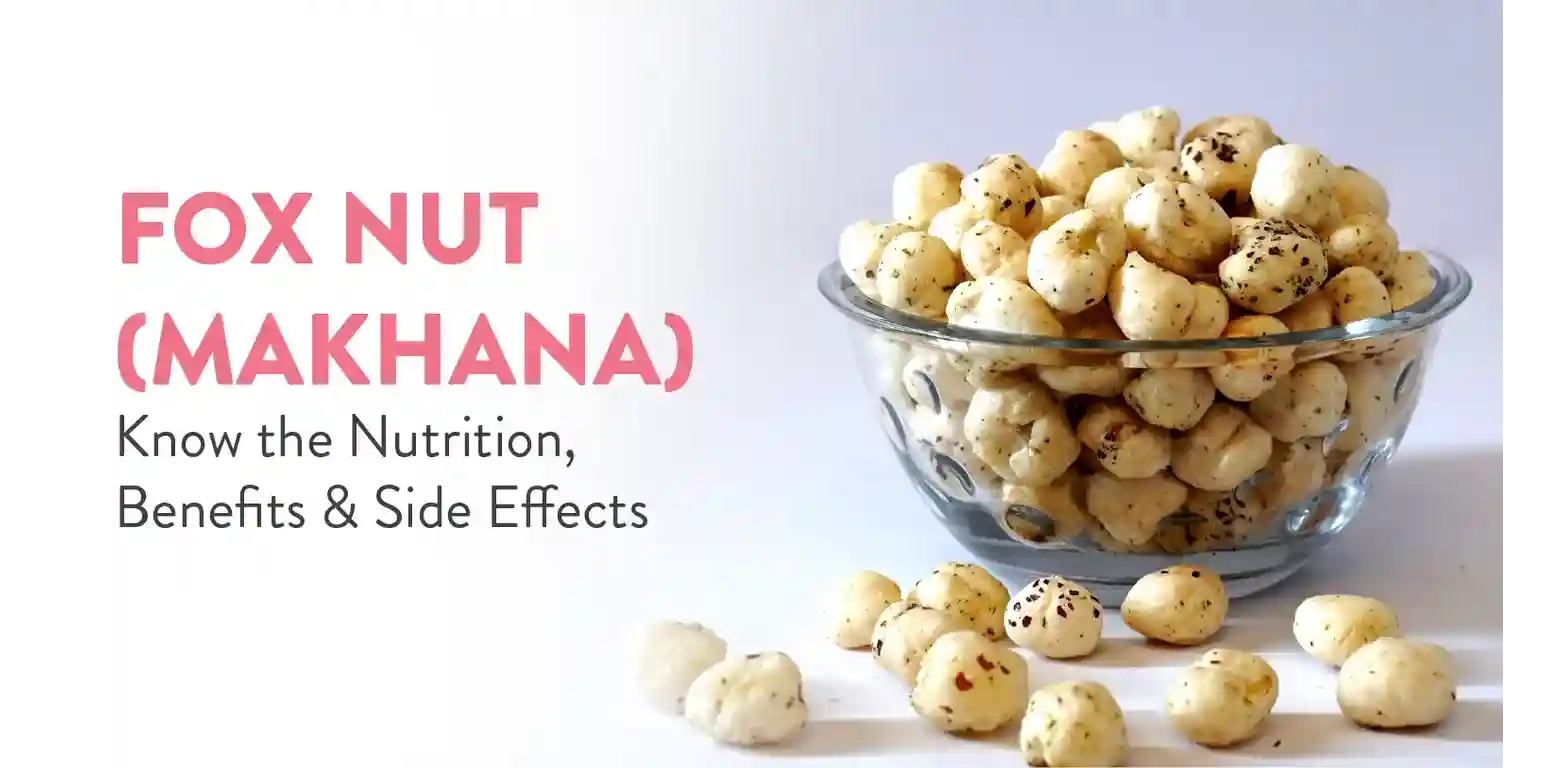
Table of Contents
Makhana, also known as fox nut, is a popular Indian snack that is loved by all – from our grandparents to fitness enthusiasts to little kids. These puffed white balls are not just tasty but also loaded with nutrients that do wonders for your health.
Also Read: Benefits of Turmeric Milk (Golden Milk-Haldi Doodh)
The table below shows an approximate breakdown of fox nut nutrition value per 100 grams (roasted):
| Nutrient | Approximate Value |
| Calories | 347 kcal |
| Protein | 9.7 g |
| Carbohydrates | 76.9 g |
| Fat | 0.1 g |
| Fibre | 7.6 g |
| Calcium | 60 mg |
| Phosphorus | 350 mg |
| Iron | 1.4 mg |
| Magnesium | 96 mg |
| Potassium | 500 mg |
Here are some key benefits of fox nuts:
Rich in Nutrients
Fox nuts are packed with:
Weight Management
May Help Stabilise Blood Sugar Levels
Promotes Heart Health
Due to their rich magnesium and potassium content, fox nuts may support cardiovascular health.
Aids Digestion
Skin and Hair Health
Also Read: 10 Health Benefits of Moringa Oleifera
First, understand that antioxidants play a crucial role in safeguarding our body cells from oxidative stress. This oxidative stress is a culprit for many chronic health conditions like heart disease, diabetes, and premature ageing.
Makhana extract exhibits strong antioxidant properties, including gallic acid, chlorogenic acid, and epicatechin. These compounds help neutralise free radicals, reduce inflammation, and may even support liver and kidney health, making them a healthy snack option.
Also Read: Balanced Diet Chart
While Makhanas are mostly safe and healthy, their overconsumption can lead to a few minor side effects.
| Fun Fact! Fox nuts are obtained from a water plant known as Euryale ferox, belonging to the lotus family. This plant grows naturally in ponds, wetlands, and shallow lakes, especially in regions of India, China, and Japan. The edible part, makhana, is actually the popped seed of this aquatic plant. |
To enjoy the health benefits of eating fox nut without overdoing it, you can safely eat a handful, which is about 1 cup or 30 grams of roasted makhana per day.
✅ Have them as a mid-morning or evening snack for weight management
✅ Mix them with milk and consume before bedtime for better sleep
✅ Pair them with nuts or seeds during breakfast for energy
Also Read: Health Benefits & Side Effects of Apricot (Khubani)
Here are some tasty ways to include fox nuts in your meals.
By now, you must have got an idea – why makhanas are so popular in India. From boosting metabolism to promoting heart and skin health, these are a versatile, nutrient-dense snack that deserves to be a part of your daily diet. Whether roasted, sweetened, or added to milk, makhana can be enjoyed in countless ways.
But do not forget that moderation is the key. A handful a day can deliver all the benefits without the side effects, helping you stay healthy, active, and nourished naturally.
1. What is the right way to eat makhanas to get the best results?
The healthiest way is to dry roast them without too much oil or salt. You can also add them to milk, curries, or salads to boost nutritional intake.
2. What are some key health benefits of makhana?
Makhanas are rich in protein, fibre, magnesium, and antioxidants. They support:
3. Is it okay to eat makhana daily?
Yes, you can safely enjoy makhana every day, but in moderation. Around 30–40 grams of roasted makhana make for a nutritious daily snack.
4. Are there any side effects of Fox Nuts?
When consumed in excess, fox nuts may cause constipation or gas. Also, packaged versions with added salt and oil are less healthy and should be taken less often.
5. Can we mix makhana with milk?
Yes. Mixing makhana with milk is a traditional remedy for improving sleep and boosting energy. It also enhances the absorption of calcium and protein.
6. Does makhana help in hair growth?
The antioxidants, protein, and essential minerals in makhana may help strengthen hair roots, reduce oxidative stress, and promote healthier hair growth over time.

Feeling unusually tired or noticing your skin looking a bit pale? Have you checked for your haemoglobin levels? Haemoglobin is not just a pigment that gives red colour to your blood, but it is also the oxygen carrier in your blood that keeps every cell in your body alive and energised. When the levels of haemoglobin drop, everything from your energy to your focus takes a hit. But the good part is you can boost your haemoglobin naturally through mindful eating and a few lifestyle modifications. Let’s understand in detail.
Also Read: Balanced Diet Chart
Table of Contents
The following are the key functions of haemoglobin:
Also Read: Diet Chart for Diabetic Patient
Haemoglobin levels differ based on age and gender. The standard ranges are:
Low haemoglobin level may indicate anaemia, which is a health condition that requires dietary changes and sometimes medical intervention.
Low haemoglobin levels can be a result of multiple factors, including:
Common symptoms of low haemoglobin are:
Ignoring low haemoglobin levels can lead to several complications over time:
It is better to seek medical help to avoid such complications.
Also Read: Normal Blood Oxygen Levels
The formation of haemoglobin depends on your body’s ability to produce healthy red blood cells. This process can be supported naturally through:
Diet plays an important role in maintaining healthy haemoglobin levels. Here are some recommendations:
| Type of Food | Sources |
Iron-rich foods |
Iron is essential for producing haemoglobin. You can add these foods to your diet:
Non-vegertarians:
Vegetarians:
|
Vitamin C-rich foods |
Vitamin C enhances the absorption of iron, especially from plant-based foods. You can include:
|
Folate and Vitamin B12 |
These vitamins are vital for forming healthy red blood cells. Sources include:
|
Fruits |
Certain fruits are known to naturally improve haemoglobin levels, such as:
|
We have now understood the importance of haemoglobin in keeping our body healthy and energised. Though supplements can help, there are plenty of things that nature offers to help normalise and maintain healthy haemoglobin levels. From iron-packed leafy greens to vitamin-rich fruits, a nutritious diet with an active lifestyle and regular monitoring will keep your haemoglobin levels in check.
Also Read: Best Food for strong bones and joints
1. How Long Does It Take to Increase Haemoglobin Naturally?
It depends on the individual case and the level of deficiency. However, with the right dietary adjustments and supplementation (if prescribed by your doctor), haemoglobin levels can start to improve within 2 to 4 weeks, but it may take 2 to 3 months to fully restore normal levels.
2. How Can We Quickly Increase Haemoglobin?
There is no shortcut, but combining iron-rich foods with vitamin C sources accelerates improvement. In severe cases, doctors may recommend iron supplements or injections for faster results.
3. Will Milk Consumption Reduce Haemoglobin?
Excessive milk consumption may interfere with iron absorption due to its calcium content, which competes with iron in the body. It does not need to be avoided completely, just avoid drinking milk immediately after iron-rich meals.
4. Which Fruit is Best to Increase Haemoglobin?
Pomegranate tops the list as it is rich in iron, vitamin C, and antioxidants that improve blood quality. Other great options include apples, dates, raisins, and watermelon.
5. Does Exercise Increase Haemoglobin?
Yes, moderate exercise like brisk walking, swimming, or cycling can stimulate the body to produce more red blood cells, thereby increasing haemoglobin levels. However, excessive exercise without adequate nutrition may lead to the opposite effect, so balance is key.
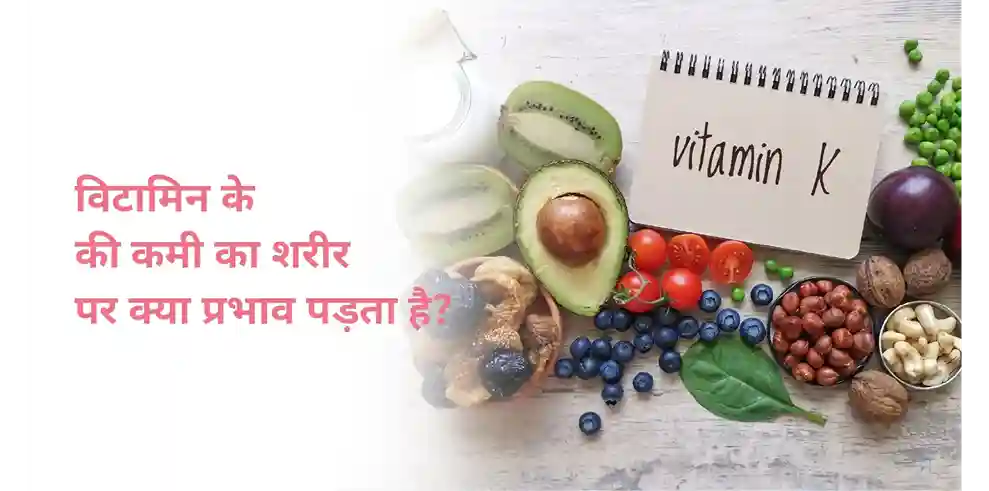
विटामिन शरीर को स्वस्थ रखने में बहुत ज़रूरी भूमिका निभाते हैं, और उनमें से विटामिन K को अक्सर नज़रअंदाज़ कर दिया जाता है। बहुत से लोग विटामिन C या D जैसे विटामिन के बारे में जानते हैं, लेकिन कम ही लोग समझते हैं कि खून के थक्के जमने, हड्डियों की मज़बूती और पूरी सेहत के लिए विटामिन K कितना ज़रूरी है। इस ज़रूरी पोषक तत्व की कमी चुपचाप शरीर को प्रभावित कर सकती है और समय के साथ गंभीर स्वास्थ्य समस्याओं का कारण बन सकती है। इस ब्लॉग में, हम विटामिन K, इसके प्रकार, कार्य, कमी के लक्षण, कारण, निदान, उपचार और आहार स्रोतों के बारे में स्पष्ट और आसानी से समझ में आने वाले तरीके से जानेंगे।
Table of Contents
विटामिन K एक वसा में घुलनशील विटामिन है जो खून के थक्के जमने और हड्डियों को स्वस्थ रखने में मुख्य भूमिका निभाता है। यह शरीर को खून जमने के लिए ज़रूरी प्रोटीन बनाने में मदद करता है, जिससे चोट लगने के बाद ज़्यादा खून बहने से रोका जा सके।
विटामिन K के दो मुख्य प्रकार हैं:
दोनों प्रकार ज़रूरी शारीरिक कार्यों को सपोर्ट करने के लिए एक साथ काम करते हैं, इसलिए सभी उम्र के लोगों के लिए इसका पर्याप्त सेवन ज़रूरी है।
ये भी पढ़े: बवासीर (पाइल्स) में क्या खाना चाहिए
विटामिन K के कार्यों को समझने से यह समझने में मदद मिलती है कि इसकी कमी क्यों हानिकारक हो सकती है। कुछ मुख्य भूमिकाएँ इस प्रकार हैं:
पर्याप्त विटामिन K के बिना, ये प्रक्रियाएँ कम प्रभावी हो जाती हैं, जिससे स्वास्थ्य जोखिम बढ़ जाते हैं।
ये भी पढ़े: कमर दर्द क्यों होता है — कारण और घरेलू इलाज
विटामिन K की कमी के लक्षण उम्र, स्वास्थ्य स्थिति और कमी की गंभीरता के आधार पर अलग-अलग हो सकते हैं। सामान्य लक्षणों में शामिल हैं:
शिशुओं में, कमी से गंभीर रक्तस्राव की स्थिति हो सकती है, जबकि वयस्कों में, लक्षण धीरे-धीरे विकसित हो सकते हैं और उन पर ध्यान नहीं जाता।
ये भी पढ़े: ऑस्टियोआर्थराइटिस: कारण, लक्षण और उपचार
लंबे समय तक कमी से विटामिन K की कमी से होने वाली कई बीमारियाँ हो सकती हैं, जिनमें शामिल हैं:
ये स्थितियाँ बताती हैं कि स्वस्थ विटामिन K का स्तर बनाए रखना क्यों ज़रूरी है।
ये भी पढ़े: व्यस्त दिनचर्या में अपने हृदय को स्वस्थ रखने के 10 आसान घरेलू उपाय: विश्व हृदय दिवस
विटामिन K की कमी कई कारणों से हो सकती है, जैसे:
सही इलाज के लिए कारण की पहचान करना महत्वपूर्ण है।
ये भी पढ़े: विटामिन बी: मुख्य स्रोत, इसके फायदे और नुकसान
कुछ लोगों में कमी होने की संभावना अधिक होती है। विटामिन K की कमी के मुख्य जोखिम कारकों में शामिल हैं:
इन जोखिम कारकों के बारे में जागरूकता शुरुआती रोकथाम में मदद कर सकती है।
ये भी पढ़े: विटामिन डी की कमी से होने वाले नुक्सान एवं बढ़ाने के उपचार
निदान में आमतौर पर मेडिकल हिस्ट्री, शारीरिक जांच और लैब टेस्ट शामिल होते हैं। सामान्य डायग्नोस्टिक तरीकों में शामिल हैं:
जल्दी निदान से ज़्यादा खून बहने से जुड़ी जटिलताओं को रोकने में मदद मिलती है।
ये भी पढ़े: सहजन (मोरिंगा) खाने के क्या फायदे हैं?
इलाज कमी की गंभीरता और इसके मूल कारण पर निर्भर करता है। इलाज के सामान्य तरीकों में शामिल हैं:
समय पर इलाज से, ज़्यादातर लोग ठीक हो जाते हैं और लंबे समय तक चलने वाली जटिलताओं से बचते हैं।
इन दिशानिर्देशों का पालन करने से विटामिन K का स्वस्थ स्तर बनाए रखने में मदद मिल सकती है।
विटामिन K के स्रोतों को जानने से इसकी कमी को स्वाभाविक रूप से रोकने में मदद मिल सकती है। अच्छे आहार स्रोतों में शामिल हैं:
इनमें से कई तरह के खाद्य पदार्थों को शामिल करने से विटामिन K1 और K2 दोनों का पर्याप्त सेवन सुनिश्चित होता है।
विटामिन K खून के थक्के जमने, हड्डियों की मजबूती और समग्र स्वास्थ्य में महत्वपूर्ण भूमिका निभाता है। इसकी कमी शुरू में मामूली लग सकती है, लेकिन अगर इसका इलाज न किया जाए तो यह गंभीर स्वास्थ्य समस्याओं का कारण बन सकती है। विटामिन K के प्रकारों को समझना, विटामिन K की कमी के लक्षणों को पहचानना और विटामिन K के पर्याप्त स्रोतों का सेवन करने से सही स्तर बनाए रखने में मदद मिल सकती है। शुरुआती निदान, संतुलित पोषण और समय पर इलाज विटामिन K की कमी से होने वाली बीमारियों को रोकने और लंबे समय तक स्वास्थ्य को बनाए रखने की कुंजी हैं।
विटामिन K के अच्छे आहार स्रोत कौन से हैं?
पालक, केल और ब्रोकली जैसी हरी पत्तेदार सब्जियां विटामिन K के बेहतरीन स्रोत हैं। किण्वित खाद्य पदार्थ, वनस्पति तेल, अंडे की जर्दी और डेयरी उत्पाद भी स्वस्थ विटामिन K सेवन में योगदान करते हैं।
विटामिन K की कमी का खतरा किसे है?
नवजात शिशुओं, बुजुर्गों, पाचन या लिवर संबंधी विकारों वाले लोगों, लंबे समय तक एंटीबायोटिक्स लेने वालों और खराब आहार लेने वाले व्यक्तियों को विटामिन K की कमी का अधिक खतरा होता है।

Table of Contents
सर्दियों की सुबह, गुनगुनी धूप और एक कप गर्म चाय – यह सब सुनने में कितना सुकून भरा लगता है। लेकिन जैसे ही आप अपने डार्क शेड के स्वेटर या कोट को देखते हैं, तो कंधों पर गिरी हुई सफेद पपड़ी सारा मजा किरकिरा कर देती है। यह सिर्फ सफेद ‘धूल’ नहीं है, बल्कि यह आपके स्कैल्प की पुकार है जो मदद मांग रही है। ठंड के मौसम में रूसी (Dandruff) की समस्या इतनी आम हो जाती है कि हम इसे नजरअंदाज करने लगते हैं, लेकिन क्या आप जानते हैं कि यही छोटी सी दिखने वाली रूसी आपके आत्मविश्वास को कम करने और बालों के गंभीर झड़ने का कारण बन सकती है?
अगर आप भी बालों में रूसी से परेशान हैं और गूगल पर “रूसी कैसे ठीक करें” सर्च कर-करके थक चुके हैं, तो विश्वास मानिए आप अकेले नहीं हैं। सीके बिरला अस्पताल में हमारे विशेषज्ञ हर साल सर्दियों में सैकड़ों ऐसे मरीजों की मदद करते हैं, जो अपनी खुजली वाली स्कैल्प से राहत पाना चाहते हैं। यदि आप भी उन्हीं में से एक हैं, तो इस ब्लॉग में आपको अपनी समस्या का इलाज मिल जाएगा।
वैज्ञानिक भाषा में कहा जाए तो हमारी त्वचा लगातार अपनी कोशिकाओं को रिन्यू करती रहती है। पुरानी कोशिकाएं मर जाती हैं और उनकी जगह नई कोशिकाएं ले लेती है। सामान्य तौर पर यह प्रक्रिया अदृश्य होती है। लेकिन जब यह प्रक्रिया सामान्य से तेज हो जाए, तो मृत कोशिकाएं गुच्छों के रूप में जमा होने लगती हैं और सफेद पपड़ी की तरह दिखने लगती हैं, जिसे हम रूसी या डैंड्रफ कहते हैं। यह मुख्य रूप से ‘मलासेज़िया’ (Malassezia) नामक फंगस की अतिवृद्धि के कारण होता है, जो स्कैल्प के प्राकृतिक तेल (सीबम) को खाता है।
सर्दियों में डैंड्रफ बढ़ने के पीछे कई वैज्ञानिक और जीवनशैली से जुड़े कारण हैं –
कई मेडिकल संथानों के रिसर्च के अनुसार 50% वयस्क जीवन के किसी न किसी पड़ाव पर डैंड्रफ से प्रभावित होते हैं, और सर्दियों में यह दर 15-20% तक बढ़ जाती है।
हमारे स्कैल्प का प्राकृतिक pH level आमतौर पर 5.5 के आसपास होता है, जो थोड़ा अम्लीय या एसिडिक होता है। यह एसिड बैक्टीरिया और फंगस को पनपने से रोकती है। जब हम अधिक केमिकल वाले या उच्च pH वाले शैम्पू का उपयोग करते हैं, तो स्कैल्प का संतुलन बिगड़ जाता है। इससे स्कैल्प की सुरक्षा परत कमजोर हो जाती है और डैंड्रफ पैदा करने वाले फंगस के लिए रास्ता खुल जाता है। इसलिए हमेशा ऐसे उत्पादों का चुनाव करें जो ‘pH Balanced’ हो।
ये भी पढ़े: बालों के झड़ने का कारण, लक्षण और इलाज
कई बार लोग ड्राई स्कैल्प और डैंड्रफ के बीच भ्रमित हो जाते हैं। रूसी के मुख्य लक्षण निम्नलिखित हैं –
बहुत से लोग सफेद पपड़ी देखते ही उसे डैंड्रफ मान लेते हैं, लेकिन हो सकता है कि वह केवल आपकी त्वचा का सूखापन (Dry Scalp) हो। चलिए इन दोनों के बीच के अंतर को इस टेबल की मदद से समझने का प्रयास करते हैं –
| लक्षण | ड्राई स्कैल्प (Dry Scalp) | रूसी (Dandruff/Oily Scalp) |
| पपड़ी का रंग | छोटी और सफेद सूखी पपड़ी। | बड़ी, पीली और तैलीय (Oily) पपड़ी। |
| कारण | नमी की कमी, ठंडा मौसम या गर्म पानी। | मलासेज़िया’ फंगस और अत्यधिक तेल (सीबम)। |
| स्कैल्प की स्थिति | स्कैल्प बहुत रूखी महसूस होती है। | स्कैल्प अक्सर चिपचिपी या ऑयली होती है। |
| खुजली | हल्की खुजली होती है। | तेज और जलन वाली खुजली हो सकती है। |
ये भी पढ़े: दाद का कारण और इलाज
यह एक बड़ा मिथक है कि रुसी एक व्यक्ति से दूसरे व्यक्ति में हाथ मिलाने या पास बैठने से फैलती है। रुसी संक्रामक नहीं है। यह आपकी अपनी त्वचा की प्रतिक्रिया और फंगल संतुलन पर निर्भर करती है। हालांकि, यदि आप किसी संक्रमित व्यक्ति की कंघी, तौलिया या टोपी का उपयोग करते हैं, तो फंगल स्पोर्स आपके स्कैल्प तक पहुंच सकते हैं, जिससे समस्या बढ़ सकती है। इसलिए व्यक्तिगत स्वच्छता बनाए रखना बहुत जरूरी है।
ये भी पढ़े: चुकंदर के फायदे, पोषक तत्व और नुकसान
यदि आप रूसी हटाने के घरेलू उपाय खोज रहे हैं, तो आपकी रसोई में ही कई प्रभावी समाधान मौजूद हैं –
ये भी पढ़े: झड़ते, गिरते, कमजोर बालों के लिये वरदान हैं ये घरेलु उपाय
सिर्फ ऊपरी इलाज काफी नहीं है, इसके लिए अंदरूनी बदलाव भी जरूरी है। निम्न बदलावों को अपनी जीवनशैली का अभिन्न अंग बनाएं –
सर्दियों में रुसी होना एक सामान्य समस्या है, लेकिन इसे अनदेखा करना आपके बालों के भविष्य के लिए हानिकारक हो सकता है। उचित स्वच्छता, घरेलू नुस्खे और सही खानपान से आप बालों में रूसी की समस्या को काफी हद तक नियंत्रित कर सकते हैं।
यदि इन उपायों के बाद भी आपकी रूसी कम नहीं हो रही है या स्कैल्प से खून/पानी आ रहा है, तो यह साधारण डैंड्रफ नहीं बल्कि ‘सेबोरहाइक डर्मेटाइटिस’ हो सकता है। ऐसी स्थिति में देरी न करें। हमारे त्वचा रोग विशेषज्ञ आपकी सहायता के लिए तैयार हैं। आज ही अपनी अपॉइंटमेंट बुक करें और अपने बालों को वो देखभाल दें जिसके वे हकदार हैं।
क्या डैंड्रफ से बाल झड़ सकते हैं?
हां, डैंड्रफ सीधे तौर पर बाल नहीं झाड़ता, लेकिन इसके कारण होने वाली तेज खुजली जब स्कैल्प को नुकसान पहुंचाती है, तो बालों की जड़ें कमजोर हो जाती हैं, जिससे हेयर फॉल शुरू हो सकता है।
क्या डैंड्रफ संक्रामक है?
नहीं, डैंड्रफ संक्रामक नहीं है। यह एक व्यक्ति से दूसरे व्यक्ति में नहीं फैलता। हालांकि, स्वच्छता के लिए कंघी और तौलिया साझा न करने की सलाह दी जाती है।
डैंड्रफ हमेशा के लिए कैसे हटेगा?
डैंड्रफ को पूरी तरह खत्म करने के लिए नियमित सफाई, सही एंटी-फंगल शैम्पू और स्वस्थ जीवन शैली जरूरी है। सर्दियों में विशेष देखभाल और हाइड्रेशन इसे वापस आने से रोक सकता है।
क्या खान-पान से डैंड्रफ बढ़ता है?
जी हां, अत्यधिक चीनी, प्रोसेस्ड फूड और डेयरी उत्पाद शरीर में सूजन बढ़ाते हैं, जो सीबम उत्पादन को प्रभावित कर डैंड्रफ की समस्या को गंभीर बना सकते हैं।
डैंड्रफ का असर कितने दिन में दिखता है?
सही उपचार और रूसी हटाने के तरीके अपनाने के बाद आमतौर पर 2 से 4 सप्ताह में सुधार दिखने लगता है। निरंतरता ही सफलता की कुंजी है।

