Filter :
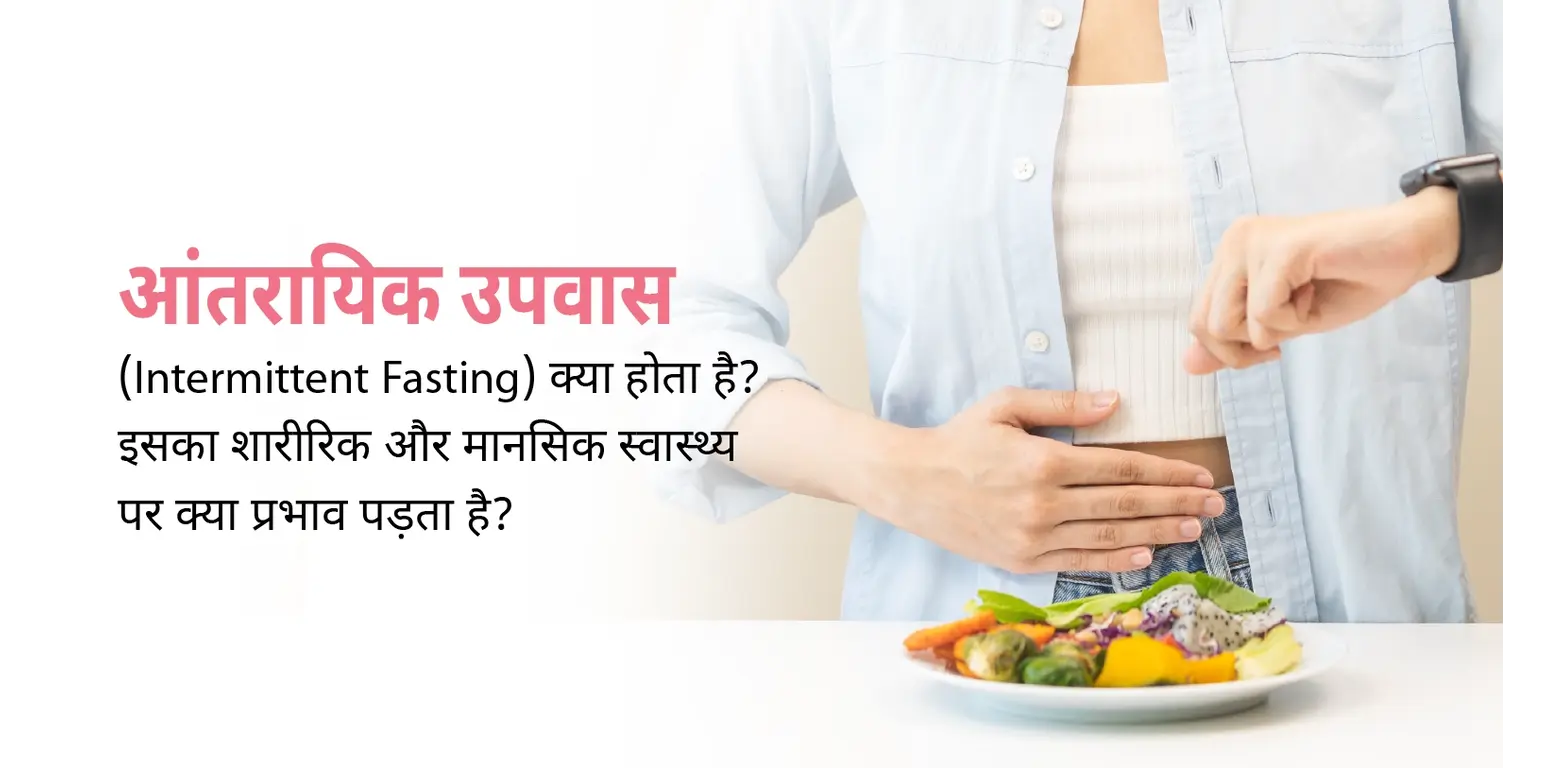
Table of Contents
हो सकता है कि हम समय थकान और शरीर भारी-भारी लगना आपको चिंतित करे। हम अक्सर अपनी व्यस्त जीवनशैली में यह भूल जाते हैं कि हमारे शरीर को भी ‘आराम’ की आवश्यकता होती है। हमारे शरीर को सिर्फ बाहर से ही नहीं, बल्कि अंदर से भी आराम देने की आवश्यकता होती है। हम ऐसे ही एक प्रोसेस के बारे में आपको बताने वाले हैं, जो आपके शरीर को अंदर से आराम देने में मदद कर सकता है। इस प्रोसेस में आपको अपने वजन को कम करने के लिए अपने पसंद के भोजन को छोड़ना नहीं होता है, बस उसका समय बदलना होता है।
इंटरमिटेंट फास्टिंग (Intermittent Fasting) या आंतरायिक उपवास कोई शॉर्ट-टर्म डाइट नहीं है, बल्कि यह आपके शरीर को फिर से जीवंत करने का एक प्रमाणिक तरीका है। सीके बिरला अस्पताल के विशेषज्ञों का मानना है कि सही जानकारी और विशेषज्ञ मार्गदर्शन के साथ, आप अपने स्वास्थ्य को फिर से अपने नियंत्रण में ले सकते हैं। आइए जानते हैं कि यह सरल दिखने वाला बदलाव आपके जीवन में कैसे क्रांतिकारी परिवर्तन ला सकता है।
आसान शब्दों में कहें तो इंटरमिटेंट फास्टिंग (Intermittent Fasting Meaning in Hindi) एक ऐसा भोजन का पैटर्न है, जो खाने और उपवास की अवधि के बीच एक बैलेंस बनाता है। पारंपरिक डाइट में हम इस बात पर ध्यान देते हैं कि क्या खाना चाहिए, लेकिन इंटरमिटेंट फास्टिंग हमें सिखाती है कि खाना का सही समय क्या है।
जब हम खाना खाते हैं, तो हमारा शरीर इंसुलिन रिलीज करता है और ग्लूकोज का उपयोग ऊर्जा के रूप में करता है। लेकिन जब हम फैस्टिंग की स्थिति में होते हैं, तो इंसुलिन का स्तर गिर जाता है, जिससे शरीर जमा हुई चर्बी (Fat) को ऊर्जा के रूप में जलाना शुरू कर देता है। जॉन्स हॉपकिन्स मेडिसिन की रिसर्च के अनुसार, यह प्रक्रिया ‘मेटाबॉलिक स्विचिंग’ कहलाती है, जो शरीर को ग्लूकोज आधारित ऊर्जा से फैट आधारित ऊर्जा की ओर ले जाती है, जिससे शरीर में मौजूद अतिरिक्त चर्बी का उपयोग शरीर की ऊर्जा को मेंटेन करने के लिए किया जाता है।
ये भी पढ़े: क्या पेट की चर्बी बढ़ना ख़तरनाक है ? इसको कम करने के घरेलु उपाय
हर व्यक्ति का शरीर अलग होता है, इसलिए इस प्रक्रिया का तरीका या प्रकार (Intermittent fasting schedule) भी व्यक्तिगत होना चाहिए। यहां कुछ सबसे लोकप्रिय तरीके दिए गए हैं –
ये भी पढ़े: चुकंदर के फायदे, पोषक तत्व और नुकसान
वैज्ञानिक रिसर्च और चिकित्सा विशेषज्ञों के अनुसार, इसके लाभ वजन घटाने से कहीं आगे तक जाते हैं –
ये भी पढ़े: वीर्य बढ़ाने और गाढ़ा करने के प्रभावी घरेलु उपाय
शुरुआत में इस प्रकार के फास्टिंग को करना कठिन लग सकता है, क्योंकि शरीर को इस बदलाव की आदत नहीं होती।
ये भी पढ़े: क्या रोज़ अंजीर खाना सेहत के लिए अच्छा है? जानिए इसके फायदे, नुकसान और खाने का सही समय
यदि आप वेट लॉस के लिए बेस्ट इंटरमिटेंट फास्टिंग (best intermittent fasting for weight loss) की तलाश में हैं, तो 16/8 का पालन करना सबसे सरल है। हमारे कहने के पीछे निम्न कारण हैं –
ये भी पढ़े: ओमेगा 3 क्या होता है और इसके फायदे, पोषक तत्त्व और नुकसान?
इस बात में कोई शक नहीं है कि इंटरमिटेंट फास्टिंग प्रभावी है, लेकिन यह सबके लिए नहीं है। नीचे उन लोगों के बारे में बताया गया है, जिसके लिए यह फास्टिंग नहीं है –
ये भी पढ़े: डायबिटीज का आँखों पर प्रभाव और इसके बचाव
इंटरमिटेंट फास्टिंग वजन घटाने का एक शक्तिशाली उपकरण है, लेकिन इसे सजा की तरह नहीं बल्कि एक जीवन शैली की तरह अपनाना चाहिए। यह आपके शरीर को खुद को ठीक करने का समय देता है। याद रखें, किसी भी नई डाइट योजना को शुरू करने से पहले विशेषज्ञ की सलाह लेना अनिवार्य है। सीके बिरला अस्पताल में हमारी न्यूट्रिशन टीम आपकी व्यक्तिगत स्वास्थ्य स्थिति के आधार पर सही मार्गदर्शन प्रदान करने के लिए यहां है। क्या आप अपने स्वास्थ्य की नई पारी शुरू करने के लिए तैयार हैं?
ये भी पढ़े: तिल के बीज (Sesame Seed) का स्वास्थ्य लाभ और साइड इफेक्ट
क्या इंटरमिटेंट फास्टिंग मांसपेशियों की हानि में मदद कर सकता है?
आमतौर पर, यह अन्य डाइट की तुलना में मांसपेशियों को अधिक सुरक्षित रखता है। यदि आप पर्याप्त प्रोटीन लेते हैं और स्ट्रेंथ ट्रेनिंग करते हैं, तो यह मुख्य रूप से वसा घटाने में मदद करता है।
क्या इंटरमिटेंट फास्टिंग किशोरों या बच्चों के लिए उपयुक्त है?
नहीं, किशोरों और बच्चों को विकास के लिए निरंतर पोषक तत्वों की आवश्यकता होती है। उनके लिए कैलोरी प्रतिबंधित करना उनके शारीरिक और मानसिक विकास को प्रभावित कर सकता है।
क्या मैं उपवास के दौरान पानी पी सकता हूं?
जी हां, उपवास के दौरान हाइड्रेटेड रहना अनिवार्य है। आप पानी, बिना चीनी की काली कॉफी, और हर्बल टी पी सकते हैं। ये पेय इंसुलिन के स्तर को नहीं बढ़ाते।
इंटरमिटेंट फास्टिंग नींद के पैटर्न को कैसे प्रभावित करता है?
शुरुआत में शरीर के अनुकूल होने तक नींद में थोड़ा बदलाव आ सकता है, लेकिन लंबे समय में यह सर्केडियन रिदम को संतुलित कर बेहतर नींद में मदद करता है।
क्या इंटरमिटेंट फास्टिंग को लम्बे समय तक अपनाया जा सकता है?
हां, 16/8 जैसी विधियां एक स्थायी जीवन शैली बन सकती हैं। कई लोग इसे वर्षों से कर रहे हैं। हालांकि, बीच-बीच में विशेषज्ञ से परामर्श लेना जरूरी है।
क्या इंटरमिटेंट फास्टिंग मासिक धर्म चक्र को प्रभावित करता है?
कुछ महिलाओं में अत्यधिक उपवास से हार्मोनल असंतुलन हो सकता है। यदि पीरियड्स में अनियमितता महसूस हो, तो फास्टिंग का समय कम करें और डॉक्टर से सलाह लें।
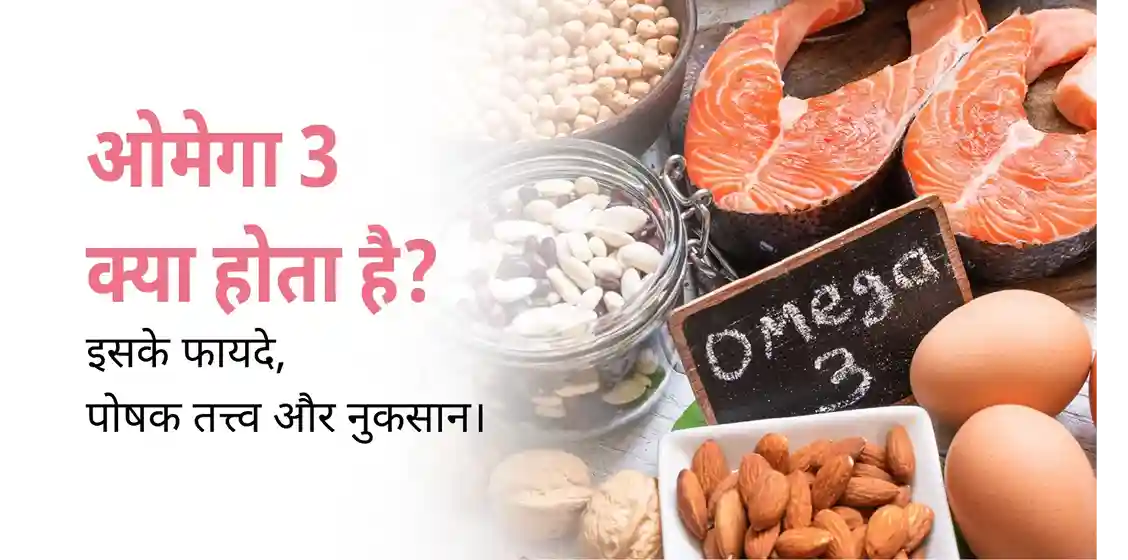
Table of Contents
हम समझते हैं कि हर सुबह थका हुआ, जोड़ों के दर्द और रूखी त्वचा के साथ उठना कितना मुश्किल होता है। यदि आप भी उन्हीं में से एक हैं, तो आपको सावधान हो जाना चाहिए, क्योंकि यह आपके शरीर की तरफ से एक संकेत हो सकता है। यह न ही बढ़ती उम्र का कोई संकेत है और न ही तनाव। इसका मुख्य कारण ओमेगा-3 (Omega-3) जैसे ‘सुपर-फूड’ की भारी कमी है।
हमारा शरीर एक ऐसी मशीन है जिसे चलाने के लिए इस ‘मैजिक न्यूट्रिएंट’ की सख्त जरूरत है, लेकिन अफसोस! आधुनिक खान-पान में हम पेट तो भर लेते हैं, पर दिल, दिमाग और लिवर को पोषण देना भूल जाते हैं। यदि आप भी सीने में भारीपन या याददाश्त में कमी महसूस कर रहे हैं, तो अब और इंतजार न करें।
हमारे अनुभवी विशेषज्ञ आपकी इस समस्या को जड़ से मिटाने के लिए तैयार हैं। सही समय पर लिया गया परामर्श आपको भविष्य की गंभीर बीमारियों से बचा सकता है।
सरल शब्दों में कहें तो हमारा शरीर एक मशीन है, जिसे सुचारू रूप से चलने के लिए अच्छे ‘ईंधन’ (Fats) की जरूरत होती है। हम अक्सर फैट या वसा का नाम सुनते ही डर जाते हैं कि इससे वजन बढ़ेगा या बीमारियां होंगी। लेकिन सभी फैट बुरे नहीं होते। ओमेगा-3 फैटी एसिड (omega-3 fatty acid) एक प्रकार का पॉलीअनसैचुरेटेड फैट (Polyunsaturated fat) है, जिसे ‘गुड फैट’ (Good Fat) कहा जाता है।
इसे ‘आवश्यक’ (Essential) फैटी एसिड इसलिए कहा जाता है, क्योंकि हमारा शरीर इसे स्वयं नहीं बना सकता। इसे हमें अपने दैनिक भोजन या सप्लीमेंट्स के जरिए ही लेना पड़ता है।
ये भी पढ़े: उच्च रक्तचाप का कारण, लक्षण और इलाज
मुख्य रूप से ओमेगा-3 के तीन प्रकार होते हैं –
ये भी पढ़े: क्या रोज़ अंजीर खाना सेहत के लिए अच्छा है? जानिए इसके फायदे, नुकसान और खाने का सही समय
शायद आपने गौर किया हो कि आजकल डॉक्टर हर दूसरे व्यक्ति को ओमेगा-3 लेने की सलाह देते हैं। आखिर क्यों? अगर हम इस एसिड के उपयोग (uses of omega 3 fatty acids) की बात करें, तो इसके लाभ सिर के बालों से लेकर पैरों के नाखूनों तक फैले हुए हैं। आइए इसे विस्तार से समझते हैं –
ये भी पढ़े: लो बीपी (लो ब्लड प्रेशर) : लक्षण, कारण और उपचार
बीमारी तब तक समझ नहीं आती जब तक उसके लक्षण सामने न आए। कई बार हम समझ नहीं पाते कि शरीर में किस चीज की कमी हो रही है। यदि आपके शरीर में इस स्वस्थ फैट की कमी है, तो आपको निम्न लक्षणों का सामना करना पड़ सकता है –
यदि आप इनमें से एक या अधिक लक्षणों का सामना कर रहे हैं, तो तुरंत सीके बिरला अस्पताल के जनरल मेडिसिन विशेषज्ञों से सलाह लें, ताकि आपकी सटीक जांच हो सके।
ये भी पढ़े: वीर्य बढ़ाने और गाढ़ा करने के प्रभावी घरेलु उपाय
अब सवाल यह उठता है कि हम इस जरूरी पोषक तत्व को प्राप्त कहां से करें? अपनी सुविधा और खानपान की आदतों के अनुसार आप इन्हें चुन सकते हैं –
जो लोग सी-फूड खाते हैं, उनके लिए ओमेगा-3 प्राप्त करना सबसे आसान है।
ये भी पढ़े: हल्दी वाले दूध पीने के स्वास्थ्य लाभ (benefits of turmeric milk)
शाकाहारी लोगों को अक्सर चिंता होती है कि वे इसे कहाँ से प्राप्त करें। आप अपने आहार में निम्न खाद्य पदार्थों को शामिल करें –
ये भी पढ़े: तिल के बीज (Sesame Seed) का स्वास्थ्य लाभ और साइड इफेक्ट
यदि आप आहार से पर्याप्त मात्रा नहीं ले पा रहे हैं, तो ओमेगा-3 कैप्सूल के फायदे लेना एक अच्छा विकल्प है। बाजार में फिश ऑयल कैप्सूल, क्रिल ऑयल और शाकाहारियों के लिए ‘एल्गी ऑयल’ आसानी से उपलब्ध हैं। हालांकि, कोई भी सप्लीमेंट शुरू करने से पहले एक बार डॉक्टर से परामर्श जरूर लें।
यदि आप ओमेगा-3 का सेवन लंबे समय से कर रहे हैं, या फिर अभी इस सप्लीमेंट को लेने का विचार कर रहे हैं, तो आपको नीचे बताए गए सावधानियों का खास ध्यान रखना चाहिए –
ये भी पढ़े: किशमिश खाने के फायदे – न्यूट्रिशनल वैल्यू और उपयोग
समुद्र में बढ़ते प्रदूषण के कारण कुछ मछलियों में पारा (Mercury) और अन्य भारी धातुओं की मात्रा अधिक हो सकती है, जो शरीर के लिए हानिकारक है। इसलिए, फिश ऑयल सप्लीमेंट खरीदते समय हमेशा यह चेक करें कि वह ‘Molecularly Distilled’ हो यानी उनमें किसी भी प्रकार का धातु न हो। इससे बचने के लिए आप अपने डॉक्टर से सलाह लेकर ही किसी भी दवा का सेवन करें।
इस बात में कोई दो राय नहीं है कि ओमेगा-3 एक सुपर-फूड है, और वर्तमान में कई लोग इसे नजरअंदाज भी कर रहे हैं, जो उनकी जान के साथ खिलवाड़ होगा। दिल की धड़कन को स्वस्थ रखना, लिवर को स्वस्थ रखना और त्वचा को चमकदार बनाने के लिए आप इसे अपने आहार में शामिल करें। हालांकि, खुद से अपना इलाज करना कभी भी सही अप्रोच नहीं है। अपनी शारीरिक स्थिति, उम्र और पुरानी मेडिकल हिस्ट्री के आधार पर ही सप्लीमेंट का चुनाव करें।
क्या आप अपने स्वास्थ्य को लेकर सजग हैं? किसी भी बीमारी का इंतजार न करें। आज ही सीके बिरला अस्पताल की वेबसाइट पर जाएं या अस्पताल आकर हमारे विशेषज्ञ डायटीशियन और चिकित्सकों से मिलें। आपका स्वास्थ्य, हमारी प्राथमिकता है।
क्या आपको मछली का तेल और कॉड लिवर तेल एक ही समय पर लेना चाहिए?
नहीं, आपको दोनों को एक साथ लेने से बचना चाहिए। कॉड लिवर ऑयल में ओमेगा-3 के साथ-साथ विटामिन A और D उच्च मात्रा में होता है। दोनों सप्लीमेंट एक साथ लेने से शरीर में विटामिन A की मात्रा बहुत अधिक हो जाएगी।
ओमेगा-3 सुबह लेना बेहतर है या रात में?
आप इसे दिन के किसी भी समय ले सकते हैं, लेकिन इसे फैट युक्त भोजन (जैसे लंच या डिनर) के साथ लेना बेहतर है ताकि यह अच्छे से पच सके।
ओमेगा-3 को काम करना शुरू करने में कितना समय लगता है?
सप्लीमेंट शुरू करने के बाद शरीर में इसका स्तर बढ़ने में लगभग 3 से 6 सप्ताह का समय लगता है। हालांकि, जोड़ों के दर्द, हृदय स्वास्थ्य या मानसिक स्थिति में स्पष्ट बदलाव महसूस करने में 2 से 6 महीने तक का समय लग सकता है।
क्या शाकाहारी लोग भी ओमेगा-3 की पर्याप्त मात्रा प्राप्त कर सकते हैं?
बिल्कुल! शाकाहारी लोग चिया सीड्स, अलसी के बीज, अखरोट और सोयाबीन से इसे प्राप्त कर सकते हैं। इसके अलावा एल्गी ऑयल (Algae Oil) सप्लीमेंट शाकाहारियों के लिए EPA और DHA का सबसे बेहतरीन और सीधा विकल्प है।
क्या ओमेगा-3 का रोज सेवन करना सुरक्षित है?
हां, सीमित और निर्धारित मात्रा में प्रतिदिन इसका सेवन करना अधिकांश स्वस्थ वयस्कों के लिए पूरी तरह सुरक्षित है। यदि आप किसी गंभीर बीमारी से पीड़ित हैं, तो सीके बीरला अस्पताल के विशेषज्ञों से परामर्श अवश्य लें।
Table of Contents
पिता बनने का सपना हर पुरुष के लिए बेहद खास होता है, लेकिन लो स्पर्म काउंट और वीर्य का पतला होना इस सपने के बीच एक दीवार बन सकता है। हम समझते हैं कि यह स्थिति न केवल आपके आत्मविश्वास को प्रभावित करती है, बल्कि आपके वैवाहिक जीवन में भी तनाव पैदा कर सकती है।
लेकिन घबराएं नहीं, आप अकेले नहीं हैं। WHO के आंकड़े बताते हैं कि लगभग 30% से 50% इनफर्टिलिटी के मामलों में पुरुष स्वास्थ्य ही मुख्य कारण होता है। अच्छी खबर यह है कि सही लाइफस्टाइल और स्पर्म काउंट बढ़ाने के उपाय अपनाकर वीर्य की गुणवत्ता को फिर से बेहतर बनाया जा सकता है। इस ब्लॉग में हम आपको वीर्य गाढ़ा करने के असरदार घरेलू उपायों और सही डाइट की पूरी जानकारी देंगे।
आज ही कदम उठाएं और अपनी समस्या को मन में न दबाएं। हमारे अनुभवी विशेषज्ञों से परामर्श लें और अपने पिता बनने के सपने को हकीकत में बदलें। सही इलाज से ही सही समाधान संभव है।
स्पर्म का हिंदी में मतलब है ‘शुक्राणु’। ये वीर्य के अंदर मौजूद सूक्ष्म कोशिकाएं (microscopic cells) होती हैं, जो महिला के अंडे (Egg) को फर्टिलाइज करने का काम करती हैं।
सबसे पहले हमें यह समझना होगा कि स्पर्म क्या होता है और वीर्य क्या है। अक्सर लोग इन दोनों को एक ही मान लेते हैं, लेकिन मेडिकल भाषा में इनमें अंतर है। चलिए दोनों को समझते हैं –
अब अक्सर यह प्रश्न उठता है कि शुक्राणु क्या होता है (Shukranu kya hota hai) और कहां बनता है? (Shukranu kahan banta hai?) शुक्राणु पुरुष के अंडकोष (Testicles) में बनते हैं। इस पूरी प्रक्रिया को मेडिकल भाषा में शुक्राणु जनन (Spermatogenesis) कहा जाता है। एक स्वस्थ शुक्राणु को बनने और पूरी तरह से परिपक्व होने में लगभग 64 से 72 दिन का समय लगता है।
ये भी पढ़े: ओमेगा 3 क्या होता है और इसके फायदे, पोषक तत्त्व और नुकसान?
वीर्य को अंग्रेजी में ‘Semen’ कहा जाता है। यह वह सफेद या हल्के भूरे रंग का तरल पदार्थ है, जो स्खलन (Ejaculation) के दौरान पुरुष के शरीर से बाहर आता है। इसमें कई तरह के प्रोटीन, एंजाइम, फ्रूटोज और शुक्राणु होते हैं।
शुक्राणु पुरुष के अंडकोष (Testicles) में बनते हैं। इस पूरी प्रक्रिया को मेडिकल भाषा में शुक्राणु जनन (Spermatogenesis) कहा जाता है। एक स्वस्थ शुक्राणु को बनने और पूरी तरह से परिपक्व होने में लगभग 64 से 72 दिन का समय लगता है । यही वजह है कि किसी भी घरेलू उपाय या डाइट बदलाव का असर दिखने में कम से कम 2-3 महीने लगते हैं।
अचानक से वीर्य का पानी जैसा हो जाना या स्पर्म की संख्या घट जाना किसी एक दिन की समस्या नहीं है। इसके पीछे कई शारीरिक और मानसिक कारण छिपे होते हैं। जिन्हें नीचे समझाया गया है –
ये भी पढ़े: प्रेगनेंसी में कितने समय के बाद सम्बन्ध बनाना बंद कर देना चाहिए
वीर्य पतला होने या स्पर्म काउंट कम होने के कुछ सामान्य लक्षण इस प्रकार हैं:
अगर ये लक्षण लगातार कई हफ्तों तक बने रहें, तो यह जरूरी नहीं कि कोई गंभीर बीमारी हो – लेकिन सटीक कारण जानने के लिए सीमन एनालिसिस टेस्ट करवाना सबसे सही कदम है।
कई युवाओं के मन में यह सवाल होता है कि आखिर स्पर्म पतला होने के नुकसान क्या हैं? जिन नुकसानों के बारे में हम बताने वाले हैं, वह सभी वह समस्याएं हैं, जो लेकर पेशेंट हमारे पास आते हैं –
ये भी पढ़े: हस्तमैथुन के फायदे और नुकसान क्या हैं ?
यदि आप सोच रहे हैं कि वीर्य कैसे बढ़ाएं या वीर्य की भरपाई कैसे करें, तो नीचे दिए गए घरेलू और आयुर्वेदिक उपाय आपके लिए रामबाण एवं प्रभावी साबित हो सकते है –
ये भी पढ़े: सहजन (मोरिंगा) खाने के क्या फायदे हैं?
पहले महीने में सबसे ज्यादा असर दिखाने वाले 4 कदम:
असली, मापने लायक बदलाव (स्पर्म काउंट और क्वालिटी में) दिखने में आमतौर पर 2-3 महीने लगते हैं। धैर्य रखें और लगातार डाइट व लाइफस्टाइल में बदलाव बनाए रखें।
गलत खान-पान शुक्राणु की कमी के लक्षण (shukranu ki kami ke lakshan) को और बढ़ा सकते हैं। अपनी डाइट में इन चीज़ों को शामिल करना आपके लिए कारगर एवं प्रभावी साबित हो सकता है –
डाइट और घरेलू उपायों के साथ-साथ समय-समय पर स्पर्म टेस्ट या सीमन एनालिसिसकरवाना जरूरी है ताकि आप अपनी प्रगति को ट्रैक कर सकें। यदि सुधार न दिखे, तोबिना किसी हिचक के हमारे एक्सपर्ट से मिलें।
ये भी पढ़े: किशमिश खाने के फायदे – न्यूट्रिशनल वैल्यू और उपयोग
स्पर्म बढ़ाने के घरेलू उपाय में विटामिन का रोल सबसे अहम होता है। यदि आप अपने आहार योजना के बारे में विचार कर रहे हैं, तो आपको निम्न विटामिन को अपने आहार में शामिल करना चाहिए –
ये भी पढ़े: चिया सीड्स के फायदे, नुकसान, और पोषक तत्त्व
ज्यादातर मामलों में सही डाइट, लाइफस्टाइल बदलाव और आयुर्वेदिक उपायों से ही स्पर्म काउंट में सुधार आ जाता है। दवा की जरूरत आमतौर पर तभी पड़ती है जब सीमन एनालिसिस में कोई स्पष्ट मेडिकल कारण – जैसे हार्मोनल असंतुलन, इन्फेक्शन, या वैरीकोसेल — सामने आता है।
डॉक्टर जांच के आधार पर इनमें से कोई इलाज सुझा सकते हैं:
जरूरी सलाह: इंटरनेट पर मिलने वाली किसी भी दवा या सप्लीमेंट को बिना डॉक्टर की सलाह के शुरू न करें — गलत दवा से हार्मोनल संतुलन और बिगड़ सकता है। सही इलाज के लिए सीके बिरला अस्पताल में सीमन एनालिसिस टेस्ट करवाकर हमारे विशेषज्ञों से सलाह लें।
अगर आपको लगता है कि घरेलू उपाय काम नहीं कर रहे हैं, तो आपको बिना किसी झिझक के ‘सीमन एनालिसिस’ (Semen Analysis) या स्पर्म टेस्ट करवाना चाहिए।
स्पर्म काउंट चार्ट के अनुसार कुछ मानक है, जिन्हें हमने नीचे बताया है –
स्पर्म काउंट की सटीक जानकारी के लिए आप सीके बिरला अस्पताल के एडवांस पैथोलॉजी लैब में अपना स्पर्म काउंट टेस्ट करवा सकते हैं, जहां आपकी प्राइवेसी का पूरा ध्यान रखा जाता है। ज्यादातर लोग लो स्पर्म काउंट का सामना करते हैं, लेकिन कुछ मामले ऐसे भी होते हैं जो एज़ूस्पर्मिया का सामना करते हैं। ऐसे में सही इलाज और काउंसलिंग की आवश्यकता होती है।
ये भी पढ़े: तिल के बीज (Sesame Seed) का स्वास्थ्य लाभ और साइड इफेक्ट
स्पर्म और प्रजनन क्षमता बढ़ाने का एक सरल और प्रभावी तरीका योग है। योग से पेल्विक क्षेत्र (Pelvic area) में ब्लड सर्कुलेशन बढ़ता है। निम्न योग के आसन करने से आपको लो स्पर्म काउंट की स्थिति में लाभ दिख सकता है –
ये भी पढ़े: चुकंदर के फायदे, पोषक तत्व और नुकसान
वीर्य का पतला होना या स्पर्म काउंट कम होना कोई ऐसी लाइलाज बीमारी नहीं है, जिसे ठीक न किया जा सके। अपनी जीवनशैली में सकारात्मक बदलाव लाकर, सही डाइट (जैसे कि अखरोट, कद्दू के बीज, विटामिन सी) अपनाकर और नियमित योग के जरिए आप अपने शरीर में शुक्राणु और उनकी गुणवत्ता को बढ़ा सकते हैं।
सबसे जरूरी बात यह है कि इस विषय पर शर्मिंदगी महसूस न करें। मानसिक तनाव इस समस्या को और बढ़ाता है। अगर आपने स्पर्म बढ़ाने के घरेलू उपाय आजमा लिए हैं और फिर भी कोई खास फायदा नजर नहीं आ रहा है, तो बिना देरी किए किसी अच्छे विशेषज्ञ से संपर्क करें।
हमारे विशेषज्ञ डॉक्टर्स आपकी मेडिकल हिस्ट्री को ध्यान में रखकर आपको सबसे बेहतरीन और सुरक्षित इलाज प्रदान कर सकते हैं। आज ही अपनी अपॉइंटमेंट बुक करें और एक स्वस्थ और खुशहाल जीवन की ओर कदम बढ़ाएं।
ये भी पढ़े: क्या रोज़ अंजीर खाना सेहत के लिए अच्छा है? जानिए इसके फायदे, नुकसान और खाने का सही समय

Since our childhood days, we have been listening to our elders about the benefits of walking for good health. But have you wondered about the benefits of something known as spot jogging? Confused? Jogging in place without moving forward is called spot jogging. Walking and spot jogging – both are simple and low-cost activities that almost anyone can do. Walking is gentle and easy to fit into your routine, while spot jogging gets your heart rate up and strengthens muscles in a short time.
But which one truly benefits your body more and in what ways? Let’s get deeper into this topic, and this will help you decide on the suitable one for you.
Also Read: Back Pain Exercises: Effective Movements to Relieve and Prevent Back Discomfort
Table of Contents
Both walking and jogging support your fitness in their own way.
| Walking | Spot Jogging |
| It has a low impact and is gentle on joints and knees | It has a moderate to high impact. It strengthens joints but may strain knees if overdone |
| It burns calories gradually which may be around 150–200 kcal in 30 mins at a brisk pace | It burns more calories in less time; 250–350 kcal in 30 mins |
| It improves heart function and blood circulation | It strengthens the heart and lungs more effectively due to higher intensity |
| It tones the lower body muscles | It builds and strengthens leg and core muscles |
| It helps maintain bone density | It stimulates bone growth and increases bone strength |
| It is ideal for those with arthritis or knee issues | It requires caution due to higher stress on joints |
| It supports gradual weight loss | It is more effective for faster fat loss |
| It reduces stress, boosts mood and focus | It releases endorphins, enhances energy, and improves sleep quality |
| It is suitable for beginners, older adults, or those seeking a low-impact routine | It is suitable for individuals looking to lose weight, build stamina, or improve cardiovascular strength |
Also Read: What causes joint pain in winters?
It completely depends on your fitness goals, physical condition, and lifestyle. You can also combine both for a balanced fitness routine.
Also Read: Yoga: Origin, Poses & Health Benefits
Yes, spot jogging is an effective form of exercise as it helps manage weight by burning calories. It also elevates your heart rate, and engages multiple muscle groups. While the calorie burn may be slightly lower than running outdoors due to the lack of forward motion, it still contributes to fat loss when done consistently.
You can start by alternating 30 seconds to 2 minutes of spot jogging with 30–60 seconds of rest or slow walking. As your stamina improves, gradually increase the jogging duration and reduce the rest time. You can also combine spot jogging with strength exercises such as squats, lunges, or push-ups to boost calorie burn. Do not forget to take a healthy diet because exercise alone will not maximise weight loss without balanced nutrition.
Also Read: What is cholesterol? Type, normal range, Diagnosis and Treatment
Spot jogging is highly effective, especially if you have limited space or time.
| Tip for beginners: If you are just starting your fitness schedule, spot jogging is a safe way to start high-intensity exercises without putting much strain on your knees. You can gradually increase the speed and duration over time. |
When choosing between walking and jogging, your knee health plays an important role.
Since walking is low-impact and easier on knees, it makes it suitable for people with osteoarthritis, past knee injuries, or joint pain. It keeps the joints moving without putting excessive strain on them.
Spot jogging is a moderate alternative, though with less impact than outdoor running, but higher than walking. To protect your knees:
Exercise does not support your physical health alone, but takes care of your mental well-being. Both walking and jogging help:
So, what do you think which one is best for you? Do not get confused– whether it is walking or spot jogging, both are valuable exercises with unique benefits. It depends on your personal goals and health condition if you should go for walking or spot jogging, or you can even combine both.
Walk to stay active throughout the day and include spot jogging or short runs for a higher-intensity workout. Being consistent is important!
1. How long should I walk or spot jog each day?
Aim for at least 30 minutes of moderate activity daily. Spot jogging can be done in shorter intervals (10–20 minutes) multiple times a day.
2. Can I replace outdoor jogging with spot jogging?
Spot jogging is effective when space is limited, but it may burn slightly fewer calories than outdoor jogging. Combining both provides variety and better results.
3. Is walking sufficient to stay fit?
Brisk walking can improve cardiovascular health, strengthen muscles, and support weight management, especially if done consistently.
4. Can I spot jog if I have knee problems?
It is advised that you start slowly, maintain proper form, and consult a doctor if you have chronic joint issues.
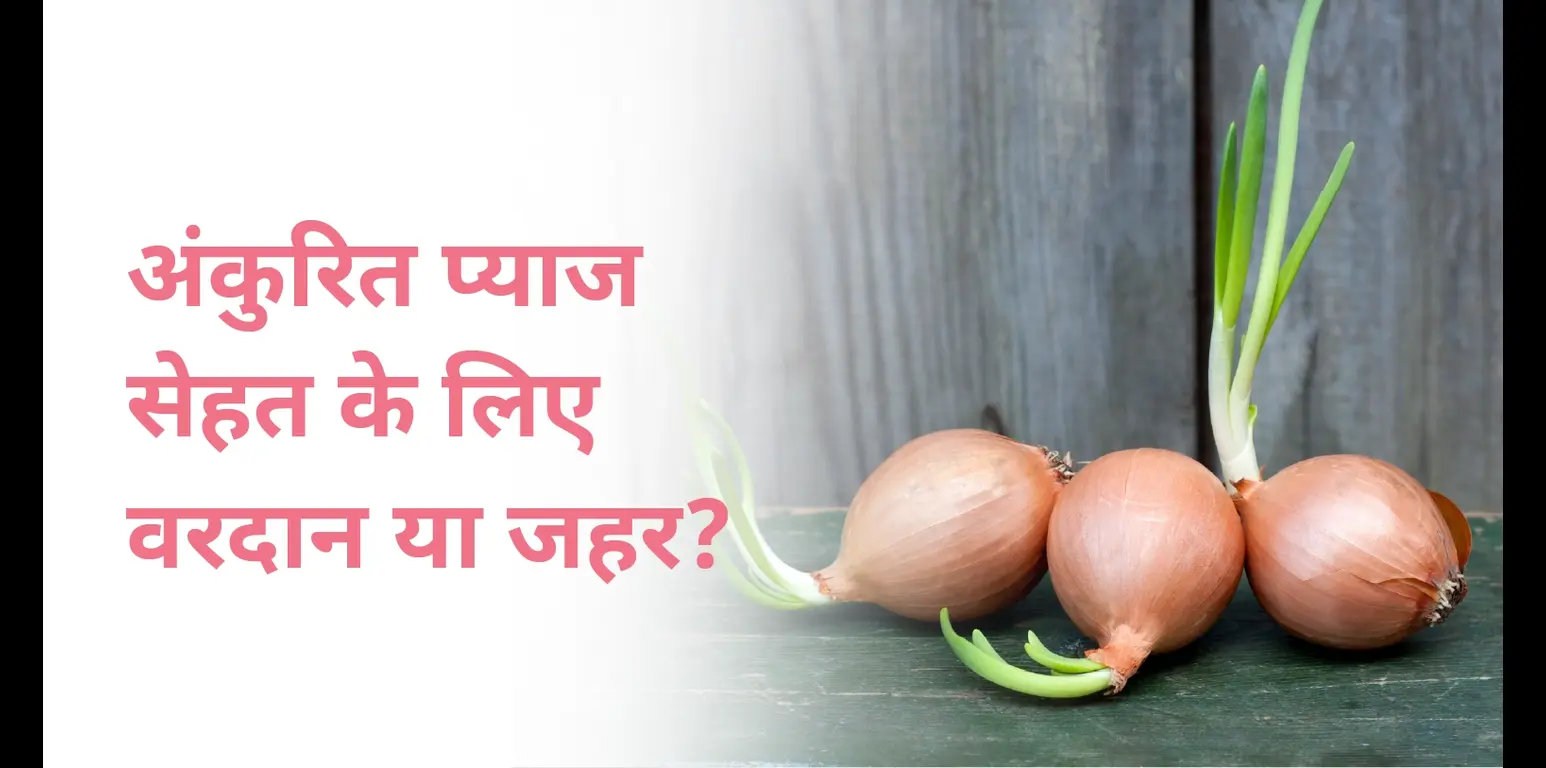
Table of Contents
प्याज लगभग हर भारतीय किचन का एक ज़रूरी हिस्सा है। करी और दाल से लेकर सलाद और चटनी तक, यह साधारण प्याज हमारे रोज़ के खाने में स्वाद, खुशबू और पोषण देता है। बहुत से लोग प्याज खाने के फायदों का आनंद लेते हैं, खासकर नींबू और नमक के साथ कच्चा खाने में। लेकिन जब प्याज में अंकुर निकलने लगते हैं तो क्या होता है?
आपने देखा होगा कि लंबे समय तक रखे प्याज से हरे अंकुर निकलने लगते हैं। इससे अक्सर एक ज़रूरी सवाल उठता है: क्या अंकुरित प्याज खाना सुरक्षित है, या वे नुकसानदायक हो सकते हैं? कुछ लोग उन्हें तुरंत फेंक देते हैं, जबकि कुछ लोग बिना किसी चिंता के उनका इस्तेमाल करते रहते हैं।
इस ब्लॉग में, हम साफ तौर पर बताएंगे कि अंकुरित प्याज क्या होते हैं, वे सामान्य प्याज से कैसे अलग होते हैं, उनके संभावित फायदे और नुकसान क्या हैं, और क्या उन्हें खाना सुरक्षित है। इसका मकसद आपको अपनी सेहत के लिए एक सोच-समझकर, सही फैसला लेने में मदद करना है।
अंकुरित प्याज वे प्याज होते हैं जिनसे ऊपर या किनारों से हरे अंकुर निकलने लगते हैं। यह अंकुरण तब होता है जब प्याज को लंबे समय तक गर्मी, नमी और रोशनी जैसी सही स्थितियों में रखा जाता है।
बायोलॉजिकली (biologically), अंकुरण एक प्राकृतिक प्रक्रिया है। प्याज का बल्ब नए पौधे के विकास के लिए पोषक तत्व जमा करता है। जब स्थितियां सही होती हैं, तो प्याज अपनी जमा की हुई एनर्जी का इस्तेमाल करके अंकुर निकालता है। ये हरे अंकुर खाने लायक होते हैं और दिखने में स्प्रिंग अनियन (Spring Onion) जैसे होते हैं, हालांकि इनका स्वाद आमतौर पर ज़्यादा तेज़ होता है।
अंकुरित खाना, जिसमें अंकुरित प्याज भी शामिल हैं, ज़रूरी नहीं कि खराब हो। हालांकि, अंकुरण की प्रक्रिया के दौरान उनकी पोषण संबंधी बनावट और स्वाद बदल सकता है।
ये भी पढ़े: पुरुषों में हार्ट अटैक का कारण, लक्षण और बचाव
अंकुरित प्याज और सामान्य प्याज के बीच का अंतर समझने से आम कन्फ्यूजन दूर होता है।
ये भी पढ़े: कोलेस्ट्रॉल कम करने का रामबाण इलाज
आम गलतफहमियों के बावजूद, अंकुरित प्याज का सीमित मात्रा में सेवन करने पर भी स्वास्थ्य लाभ मिल सकते हैं।
प्याज अपने एंटीऑक्सीडेंट कंटेंट के लिए जाने जाते हैं, जिसमें क्वेरसेटिन जैसे फ्लेवोनोइड शामिल हैं। अंकुरित होने के बाद भी, प्याज में इनमें से कई कंपाउंड बने रहते हैं, जो ऑक्सीडेटिव स्ट्रेस से लड़ने और पूरे स्वास्थ्य को बेहतर बनाने में मदद करते हैं।
कच्चा प्याज खाने से डाइजेस्टिव एंजाइम उत्तेजित होते हैं, जिससे पाचन में फायदा होता है। अंकुरित प्याज में भी फाइबर होता है, जो कब्ज को रोकने और आंतों के स्वास्थ्य को बेहतर बनाने में मदद करता है।
प्याज में प्राकृतिक रूप से सल्फर कंपाउंड और विटामिन C भरपूर मात्रा में होते हैं। ये पोषक तत्व इम्यूनिटी को मजबूत करने में मदद करते हैं और शरीर को आम इन्फेक्शन से बचा सकते हैं।
प्याज खाने के फायदों में इंसुलिन सेंसिटिविटी में सुधार शामिल है। कुछ स्टडीज़ बताती हैं कि प्याज के कंपाउंड ब्लड शुगर लेवल (blood sugar level) को कंट्रोल करने में मदद कर सकते हैं, जो डायबिटीज वाले लोगों के लिए सीमित मात्रा में खाने पर फायदेमंद हो सकता है।
हरे अंकुरों में क्लोरोफिल और कुछ विटामिन होते हैं। जब इन्हें स्प्रिंग अनियन की तरह इस्तेमाल किया जाता है, तो ये डिश में पोषण और स्वाद बढ़ा सकते हैं।
ये भी पढ़े: अखरोट : फायदे, नुकसान और न्यूट्रिशनल वैल्यू और सेवन का सही तरीका
अंकुरित प्याज, जब कच्चे खाए जाते हैं, तो अपने तेज स्वाद के कारण इन प्रभावों को और बढ़ा सकते हैं।
अंकुरित प्याज आमतौर पर खाने के लिए सुरक्षित होते हैं, लेकिन कुछ ऐसी स्थितियाँ होती हैं जहाँ वे नुकसानदायक हो सकते हैं।
ऐसे मामलों में, आप अंकुर को हटा सकते हैं या उसे अलग से इस्तेमाल कर सकते हैं और प्याज को अच्छी तरह से पका सकते हैं।
इन मामलों में, प्याज अब सुरक्षित नहीं है और उसे फेंक देना चाहिए। खराब अंकुरित खाना खाने से पेट खराब या फूड पॉइज़निंग (food poisoning) हो सकती है।
ये भी पढ़े: चिया सीड्स के फायदे, नुकसान, और पोषक तत्त्व
अगर आपको अपनी रसोई में अंकुरित प्याज मिलते हैं, तो आपके पास कई विकल्प हैं:
तो, क्या अंकुरित प्याज सेहत के लिए वरदान हैं या ज़हर? इसका जवाब उनकी हालत और आप उनका इस्तेमाल कैसे करते हैं, इस पर निर्भर करता है। अंकुरित प्याज अपने आप ज़हरीले नहीं होते। जब वे ताज़े और सही तरीके से इस्तेमाल किए जाते हैं, तो वे प्याज खाने के कई फायदे दे सकते हैं, जिसमें पाचन में मदद और एंटीऑक्सीडेंट सुरक्षा शामिल है।
हालांकि, अगर अंकुरित प्याज खराब होने के संकेत दिखा रहे हैं, तो उनसे बचना ही बेहतर है। सही मात्रा में खाना, सही तरीके से स्टोर करना और सोच-समझकर खाना ज़रूरी है। हरी कोंपलें देखकर घबराने के बजाय, प्याज को ध्यान से देखें और समझदारी से फैसला करें।
संक्षेप में, अंकुरित प्याज सेहत के लिए वरदान हो सकते हैं—लेकिन तभी जब वे ताज़े, साफ और सही तरीके से इस्तेमाल किए जाएं।
प्याज में अंकुर क्यों निकलते हैं?
नमी, गर्मी और लंबे समय तक स्टोर करने के कारण प्याज में अंकुर निकलते हैं। अंकुर निकलना एक प्राकृतिक सर्वाइवल मैकेनिज्म है जो प्याज को एक नए पौधे के रूप में बढ़ने देता है।
क्या अंकुरित प्याज सामान्य प्याज से ज़्यादा पौष्टिक होते हैं?
अंकुरित प्याज की हरी पत्तियों में कुछ एंटीऑक्सीडेंट थोड़ी ज़्यादा मात्रा में हो सकते हैं, लेकिन अंकुरण के दौरान प्याज का बल्ब अपने कुछ स्टोर किए हुए पोषक तत्व खो सकता है।
क्या अंकुरित प्याज को कच्चा खाना सुरक्षित है?
हाँ, अगर अंकुरित प्याज ताज़े, सख्त और फफूंदी रहित हैं, तो उन्हें कच्चा खाया जा सकता है, लेकिन जिन लोगों का पाचन तंत्र संवेदनशील है, उन्हें इन्हें पकाकर खाना चाहिए।
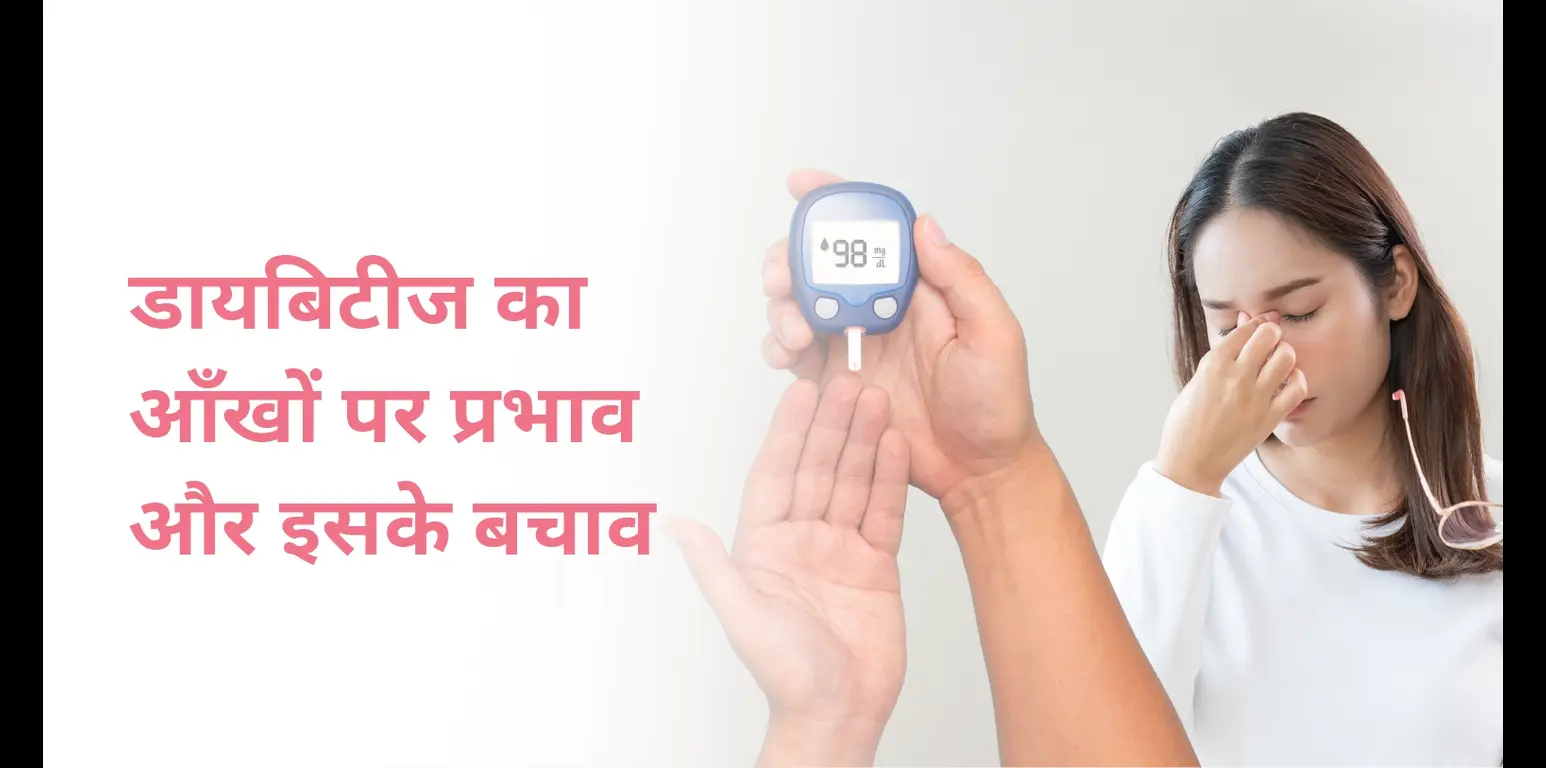
Table of Contents
डायबिटीज एक लंबे समय तक रहने वाली बीमारी है जो इस बात पर असर डालती है कि शरीर ब्लड शुगर का इस्तेमाल कैसे करता है। समय के साथ, हाई ब्लड शुगर लेवल (high blood sugar level) शरीर के अलग-अलग हिस्सों को नुकसान पहुंचा सकता है, जिसमें आंखें भी शामिल हैं। डायबिटीज वाले बहुत से लोगों को यह एहसास नहीं होता कि उनकी नज़र पर असर पड़ सकता है, जब तक कि समस्याएँ गंभीर न हो जाएँ। डायबिटीज से होने वाली सबसे आम आँखों की समस्याओं में से एक है डायबिटिक रेटिनोपैथी, एक ऐसी स्थिति जो अगर इलाज न किया जाए तो धीरे-धीरे आँखों की रोशनी को नुकसान पहुंचा सकती है।
यह समझना जरूरी है कि डायबिटीज आँखों को कैसे प्रभावित करती है, शुरुआती चेतावनी के संकेतों को कैसे पहचाने, और बचाव के कदम उठाना आँखों की रोशनी की रक्षा करने और लंबे समय तक आँखों की समस्याओं के जोखिम को कम करने में मदद कर सकता है।
डायबिटिक रेटिनोपैथी आंखों की एक ऐसी स्थिति है जो तब होती है जब लंबे समय तक हाई ब्लड शुगर रेटिना (retina) की छोटी ब्लड वेसल्स को नुकसान पहुंचाता है। रेटिना आंख के पिछले हिस्से में रोशनी के प्रति संवेदनशील टिशू होता है जो दिमाग को विज़ुअल सिग्नल भेजता है। जब ये ब्लड वेसल्स (blood vessels) कमजोर हो जाती हैं, लीक करने लगती हैं, या ब्लॉक हो जाती हैं, तो देखने की क्षमता धीरे-धीरे खराब हो सकती है।
टाइप 1 डायबिटीज (type 1 diabetes) और टाइप 2 डायबिटीज (type 2 diabetes) दोनों से डायबिटिक रेटिनोपैथी हो सकती है। डायबिटीज की अवधि और खराब ब्लड शुगर कंट्रोल के साथ इसका खतरा बढ़ जाता है। शुरुआती चरणों में, डायबिटिक रेटिनोपैथी में कोई खास लक्षण दिखाई नहीं देते हैं, यही वजह है कि रेगुलर आंखों की जांच ज़रूरी है।
ये भी पढ़े: डायबिटीज से बचाव के लिए जीवनशैली में अपनाएँ ये 8 बदलाव
शुरुआती स्टेज में, डायबिटिक रेटिनोपैथी अक्सर बिना किसी लक्षण के डेवलप होती है। जब तक यह बीमारी बढ़ नहीं जाती, तब तक कई लोगों को कोई लक्षण महसूस नहीं होते। जैसे-जैसे बीमारी बढ़ती है, रेटिनोपैथी के आम लक्षणों में शामिल हो सकते हैं:
क्योंकि लक्षण देर से दिखाई दे सकते हैं, इसलिए रेगुलर आंखों के चेकअप से रेटिनोपैथी का जल्दी पता चलने पर परमानेंट नुकसान को रोकने का सबसे अच्छा मौका मिलता है।
ये भी पढ़े: क्या रोज़ अंजीर खाना सेहत के लिए अच्छा है? जानिए इसके फायदे, नुकसान और खाने का सही समय
डायबिटिक रेटिनोपैथी का मुख्य कारण लंबे समय तक ब्लड शुगर लेवल का ज़्यादा रहना है। खून में ज़्यादा ग्लूकोज (high glucose in blood) रेटिना की ब्लड वेसेल्स को नुकसान पहुंचाता है, जिससे वे सूज जाती हैं, लीक होने लगती हैं, या पूरी तरह से बंद हो जाती हैं। इसके जवाब में, आंख में नई असामान्य ब्लड वेसेल्स बन सकती हैं, जो नाजुक होती हैं और उनमें से खून बहने का खतरा होता है।
अन्य योगदान देने वाले कारणों में शामिल हैं:
समय के साथ, ये सभी कारण मिलकर रेटिना को होने वाले नुकसान को और खराब करते हैं और देखने की क्षमता खोने का खतरा बढ़ाते हैं।
ये भी पढ़े: डायबिटिक के मरीज के लिए कम्पलीट डाइट चार्ट
कुछ फैक्टर डायबिटिक रेटिनोपैथी होने की संभावना को बढ़ाते हैं। इनमें शामिल हैं:
टाइप 2 डायबिटीज वाले लोगों में अक्सर बाद की उम्र में इसका पता चलता है, कभी-कभी आंखों को नुकसान शुरू होने के बाद, इसलिए शुरुआती स्क्रीनिंग बहुत ज़रूरी है।
डायबिटिक रेटिनोपैथी का निदान आंखों के डॉक्टर द्वारा की गई पूरी तरह से आंखों की जांच से होता है। इस जांच के दौरान, पुतलियों को चौड़ा करने के लिए आई ड्रॉप का इस्तेमाल किया जाता है, जिससे रेटिना को साफ देखा जा सके।
आम डायग्नोस्टिक तरीकों में शामिल हैं:
जब रेटिनोपैथी का जल्दी पता चल जाता है, तो इलाज से गंभीर दृष्टि हानि (visual impairment) का खतरा काफी कम हो सकता है।
इलाज का तरीका बीमारी के स्टेज और गंभीरता पर निर्भर करता है। हल्के मामलों में, सावधानीपूर्वक निगरानी और बेहतर डायबिटीज मैनेजमेंट काफी हो सकता है। जैसे-जैसे बीमारी बढ़ती है, मेडिकल इलाज ज़रूरी हो जाता है।
डायबिटिक रेटिनोपैथी के इलाज के आम तरीके हैं:
समय पर देखभाल से, डायबिटिक रेटिनोपैथी का सही इलाज बीमारी को बढ़ने से रोक सकता है और नज़र को बचा सकता है।
डायबिटीज से पीड़ित किसी भी व्यक्ति को इसका खतरा होता है, चाहे उसकी उम्र या डायबिटीज का प्रकार कुछ भी हो। हालांकि, यह खतरा उन लोगों के लिए ज़्यादा होता है जो:
जल्दी जागरूकता और नियमित स्क्रीनिंग बहुत ज़रूरी है, खासकर उन लोगों के लिए जिन्हें हाल ही में डायबिटीज का पता चला है।
हालांकि डायबिटिक रेटिनोपैथी को हमेशा पूरी तरह से रोका नहीं जा सकता, लेकिन लगातार देखभाल से इसके शुरू होने और बढ़ने में अक्सर देरी की जा सकती है या इसे रोका जा सकता है।
मुख्य बचाव के उपायों में शामिल हैं:
डायबिटीज का आंखों की सेहत पर गहरा असर पड़ सकता है, खासकर डायबिटिक रेटिनोपैथी के ज़रिए। क्योंकि शुरुआती स्टेज में कोई चेतावनी के संकेत नहीं दिखते, इसलिए कई लोगों को देखने में दिक्कत होने तक नुकसान के बारे में पता नहीं चलता। रेटिनोपैथी के लक्षणों को समझना, यह जानना कि रेटिनोपैथी का निदान कैसे किया जाता है, और समय पर इलाज करवाना बहुत बड़ा फर्क ला सकता है।
चाहे किसी को टाइप 1 डायबिटीज हो या टाइप 2 डायबिटीज, आंखों की रेगुलर जांच और डायबिटीज का सही मैनेजमेंट देखने की क्षमता खोने से बचने के लिए सबसे मज़बूत बचाव हैं। जागरूकता, जल्दी पता चलने और लगातार देखभाल से, डायबिटीज से जुड़ी ज़्यादातर आंखों की समस्याओं को प्रभावी ढंग से मैनेज किया जा सकता है।
डायबिटीज से आंखों की क्या-क्या समस्याएं हो सकती हैं?
डायबिटीज से आंखों की कई समस्याएं हो सकती हैं, जिनमें डायबिटिक रेटिनोपैथी, मोतियाबिंद, ग्लूकोमा, धुंधला दिखना और आंखों में सूखापन शामिल हैं।
क्या डायबिटिक रेटिनोपैथी को रोका जा सकता है?
हालांकि इसे हमेशा पूरी तरह से रोकना संभव नहीं हो सकता है, लेकिन ब्लड शुगर को कंट्रोल में रखने, नियमित रूप से आंखों की जांच करवाने और हेल्दी लाइफस्टाइल अपनाने से इसका खतरा काफी कम हो सकता है।
क्या डायबिटीज से होने वाली नज़र की कमी स्थायी हो सकती है?
हां, अगर डायबिटिक रेटिनोपैथी का इलाज न किया जाए, तो नज़र की कमी स्थायी हो सकती है। आंखों की रोशनी बचाने के लिए शुरुआती जांच और इलाज बहुत ज़रूरी है।
क्या डायबिटीज में आंखों में जलन और सूखापन होना आम बात है?
हां, डायबिटीज वाले लोगों को नसों को नुकसान और आंसू कम बनने के कारण अक्सर आंखों में सूखापन और जलन महसूस होती है।
क्या आंखों की समस्याओं को रोकने के लिए ब्लड शुगर कंट्रोल करना काफी है?
ब्लड शुगर कंट्रोल करना बहुत ज़रूरी है, लेकिन आंखों की पूरी सुरक्षा के लिए यह ब्लड प्रेशर कंट्रोल, कोलेस्ट्रॉल मैनेजमेंट और नियमित आंखों की जांच के साथ मिलकर सबसे अच्छा काम करता है।
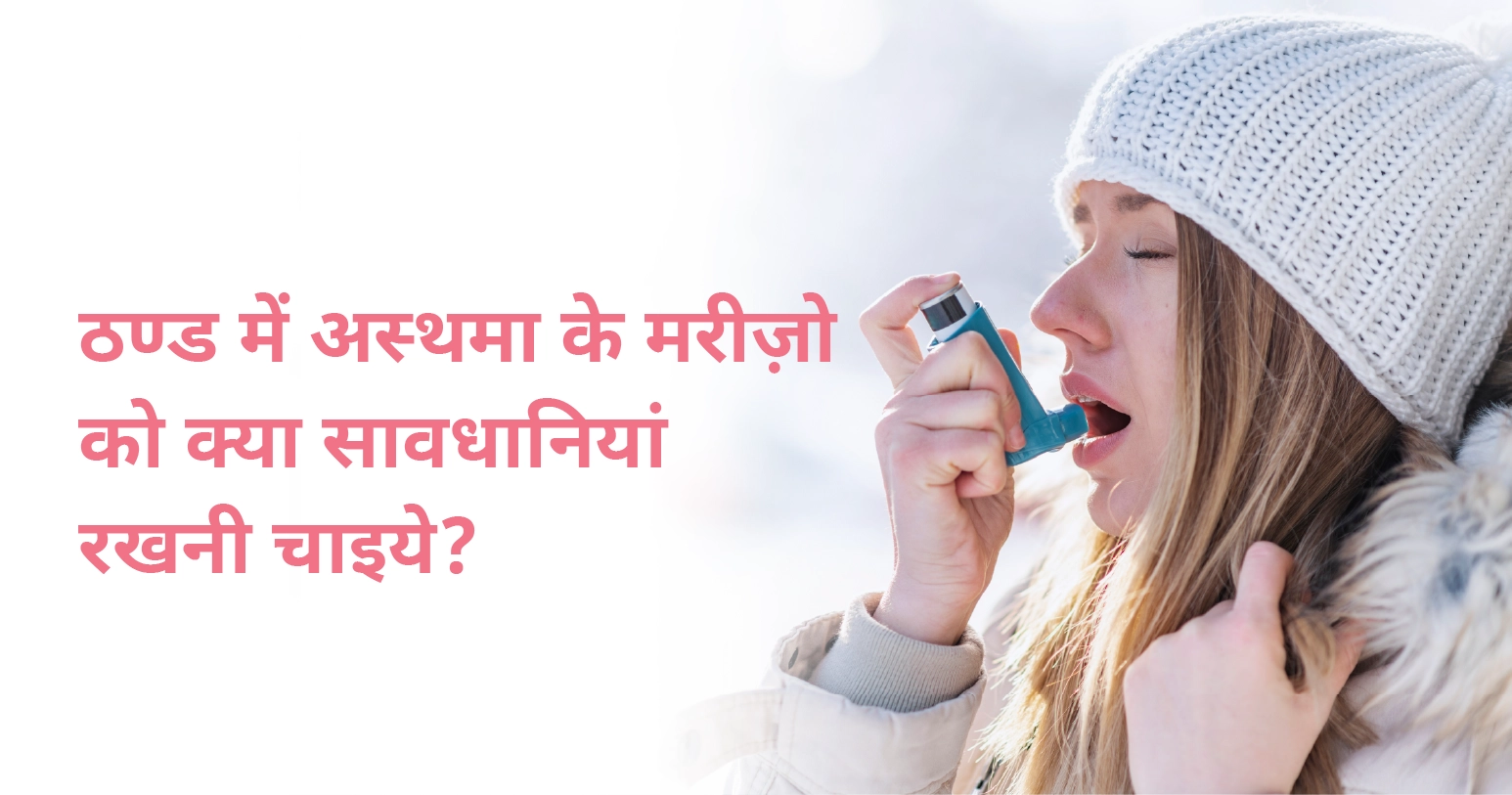
सर्दियां अस्थमा के मरीज़ों के लिए एक मुश्किल मौसम हो सकता है। ठंडी हवा, बढ़ा हुआ एयर पॉल्यूशन, वायरल इन्फेक्शन और घर के अंदर के एलर्जन अक्सर सांस लेने में दिक्कत पैदा करते हैं और अस्थमा का दौरा पड़ सकता है। कई मरीज़ देखते हैं कि ठंडे महीनों में उनके लक्षण और खराब हो जाते हैं, भले ही साल के बाकी समय उनका अस्थमा कंट्रोल में रहता हो।
इस ब्लॉग में, हम विस्तार से बात करेंगे कि अस्थमा क्या है, यह कैसे और क्यों होता है, अस्थमा के अलग-अलग प्रकार, आम लक्षण और संभावित जटिलताएं। सबसे ज़रूरी बात, हम उन प्रैक्टिकल सर्दियों की सावधानियों पर ध्यान देंगे जिनका अस्थमा के मरीज़ों को पालन करना चाहिए ताकि दौरे कम पड़ें और सांस की सेहत अच्छी बनी रहे।
Table of Contents
अस्थमा सांस की एक पुरानी बीमारी (chronic disease) है जिसमें फेफड़ों की हवा की नलियां सूज जाती हैं, सिकुड़ जाती हैं और संवेदनशील हो जाती हैं। इससे हवा को अंदर और बाहर जाने में दिक्कत होती है, जिससे सांस लेने में परेशानी होती है। अस्थमा किसी भी उम्र के लोगों को प्रभावित कर सकता है और यह हल्का से लेकर गंभीर तक हो सकता है।
हालांकि अस्थमा एक लंबे समय तक चलने वाली बीमारी है, लेकिन अस्थमा का सही इलाज और लाइफस्टाइल मैनेजमेंट ज़्यादातर मरीज़ों को अपने लक्षणों को कंट्रोल में रखने और एक सामान्य, एक्टिव ज़िंदगी जीने में मदद कर सकता है।
ये भी पढ़े: सांस लेने में दिक्कत हो तो क्या करें?
अस्थमा तब होता है जब एयरवेज़ कुछ ट्रिगर्स पर ज़्यादा रिएक्ट करते हैं। जब कोई ट्रिगर साँस के साथ अंदर जाता है या सामने आता है, तो फेफड़ों में तीन मुख्य बदलाव होते हैं:
ये सभी बदलाव मिलकर साँस लेना मुश्किल बना देते हैं और इससे घरघराहट, खाँसी, सीने में जकड़न और साँस फूलने जैसी समस्याएँ हो सकती हैं।
ये भी पढ़े: इओसिनोफिलिया क्या है – कारण, लक्षण और घरेलू उपचार
अस्थमा के सही कारण हमेशा साफ़ नहीं होते, लेकिन यह आमतौर पर जेनेटिक और पर्यावरणीय कारणों के कॉम्बिनेशन से होता है। अस्थमा के आम कारणों में शामिल हैं:
सर्दियों में, ठंडी हवा और वायरल इन्फेक्शन अस्थमा के आम ट्रिगर बन जाते हैं, जिससे लक्षणों और अस्थमा के अटैक का खतरा बढ़ जाता है।
ये भी पढ़े: क्या सामान्य ज़ुकाम, खांसी या ठंड निमोनिया में बदल सकती है
अस्थमा कई प्रकार का होता है, और उन्हें समझने से बेहतर मैनेजमेंट में मदद मिलती है। अस्थमा के आम प्रकारों में शामिल हैं:
कुछ मरीज़ों को एक से ज़्यादा तरह के अस्थमा का कॉम्बिनेशन हो सकता है।
ये भी पढ़े: बदलते मौसम में बीमारियों से बचने के आसान टिप्स
अस्थमा के लक्षण हर व्यक्ति में अलग-अलग हो सकते हैं और समय के साथ बदल भी सकते हैं। अस्थमा के आम लक्षणों में शामिल हैं:
सर्दियों में, ठंडी हवा के संपर्क में आने से खांसी और सांस फूलने की समस्या अक्सर बढ़ जाती है।
ये भी पढ़े: सूखी खांसी: कारण, लक्षण, घरेलू उपाय और निदान
अस्थमा अटैक लक्षणों का अचानक बिगड़ना है जिसके लिए तुरंत ध्यान देने की ज़रूरत होती है। अस्थमा अटैक के लक्षणों में शामिल हैं:
सर्दियों में अस्थमा अटैक अक्सर ठंडी हवा, सांस की इन्फेक्शन, या घर के अंदर के एलर्जी पैदा करने वाली चीज़ों के संपर्क में आने से होते हैं।
ये भी पढ़े: निमोनिया क्या होता है – कारण, लक्षण, जांच और उपचार
अस्थमा के दौरे से बचने और हॉस्पिटल जाने से बचने के लिए सर्दियों में देखभाल बहुत ज़रूरी है। सर्दियों में अस्थमा के मरीज़ों को ये ज़रूरी सावधानियां बरतनी चाहिए:
ये भी पढ़े: प्रदूषित हवा से खुद को बचाने के 5 उपाय
फिलहाल, अस्थमा को पूरी तरह से ठीक नहीं किया जा सकता। हालांकि, सही मेडिकल देखभाल, ट्रिगर से बचने और लाइफस्टाइल में बदलाव से अस्थमा को अच्छी तरह से कंट्रोल किया जा सकता है। जब मरीज़ अपने इलाज के प्लान को सही तरीके से फॉलो करते हैं, तो वे लंबे समय तक लक्षणों से मुक्त रहते हैं।
ये भी पढ़े: जानिए फेफड़ों में पानी भरने के मुख्य कारण और इलाज
अस्थमा को हमेशा रोका नहीं जा सकता, खासकर अगर यह जेनेटिक हो। हालांकि, अस्थमा के अटैक और लक्षणों को बिगड़ने से रोका जा सकता है:
जल्दी पता चलने और सही मैनेजमेंट रोकथाम में अहम भूमिका निभाते हैं।
ये भी पढ़े: ट्यूबरक्लोसिस क्या है – कारण, लक्षण और बचाव
अगर अस्थमा को अच्छी तरह से कंट्रोल नहीं किया जाता है, तो इससे कई जटिलताएं हो सकती हैं, जैसे:
बार-बार अस्थमा के अटैक
गंभीर, बिना इलाज वाले अस्थमा के अटैक कभी-कभी जानलेवा हो सकते हैं, इसलिए नियमित देखभाल ज़रूरी है।
अस्थमा एक पुरानी बीमारी है, लेकिन इसे आपकी ज़िंदगी को कंट्रोल करने की ज़रूरत नहीं है। ठंडी हवा, इन्फेक्शन और घर के अंदर के एलर्जन की वजह से सर्दियों में लक्षणों और अस्थमा के अटैक का खतरा बढ़ सकता है। अस्थमा के कारणों को समझकर, लक्षणों को जल्दी पहचानकर और सर्दियों में सही सावधानियां बरतकर, मरीज़ फ्लेयर-अप को काफी कम कर सकते हैं। अस्थमा का रेगुलर इलाज, ट्रिगर से बचना और हेल्दी लाइफस्टाइल बनाए रखना अस्थमा के मरीज़ों को ठंडे महीनों में भी आसानी से सांस लेने और एक्टिव रहने में मदद कर सकता है।
क्या अस्थमा का मरीज़ नॉर्मल ज़िंदगी जी सकता है?
हां, सही इलाज, ट्रिगर मैनेजमेंट और रेगुलर फॉलो-अप से अस्थमा का मरीज़ एक नॉर्मल, हेल्दी और एक्टिव ज़िंदगी जी सकता है। अस्थमा वाले बहुत से लोग अपनी बीमारी को सफलतापूर्वक मैनेज करते हैं और बिना किसी बड़ी रुकावट के रोज़ाना की एक्टिविटीज़ में हिस्सा लेते हैं।
अस्थमा आमतौर पर किस उम्र में होता है?
अस्थमा किसी भी उम्र में हो सकता है। इसका आमतौर पर बचपन में पता चलता है, लेकिन बहुत से लोगों को बड़े होने पर भी अस्थमा हो जाता है। उम्र चाहे जो भी हो, जल्दी पता चलना और सही देखभाल ज़रूरी है।
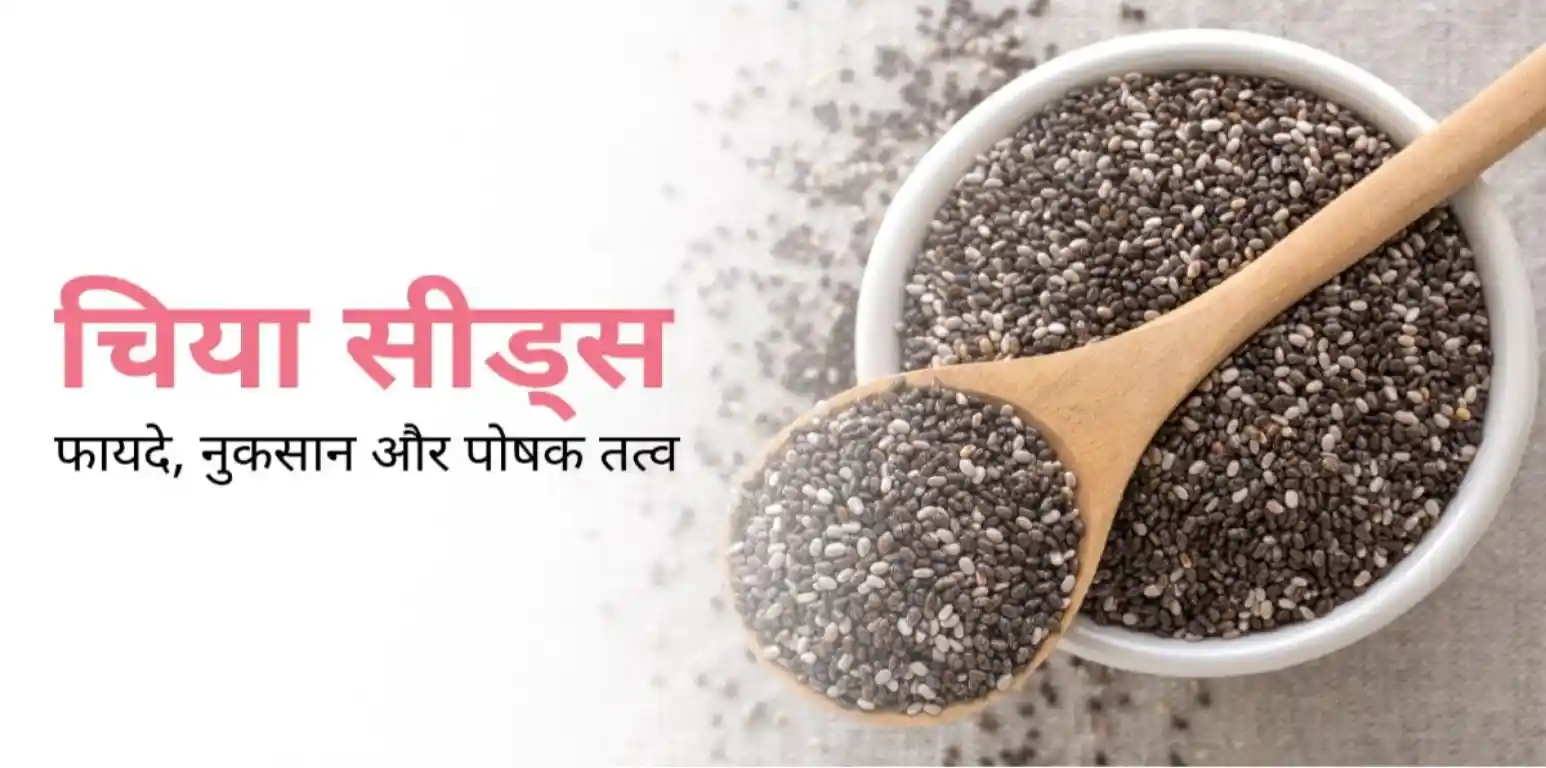
विटामिन डी की कमी से होने वाले नुक्सान एवं बढ़ाने के उपचारइस ब्लॉग में, हम जानेंगे कि चिया सीड्स क्या हैं, चिया सीड्स की न्यूट्रिशनल वैल्यू, उनके मुख्य स्वास्थ्य फायदे, संभावित साइड इफेक्ट्स और उन्हें अपनी डाइट में शामिल करने के आसान तरीके।
Table of Contents
चिया सीड्स छोटे, अंडाकार बीज होते हैं जो साल्विया हिस्पैनिका पौधे (Salvia hispanica plant) से आते हैं, जो पुदीने के परिवार (Mint family) से सबंध रखता है। ये प्राचीन सभ्यताओं में मुख्य भोजन थे और लंबे समय तक एनर्जी देने के लिए इनकी कद्र की जाती थी। चिया सीड्स आमतौर पर काले या सफेद होते हैं और इनका स्वाद हल्का और न्यूट्रल होता है, जिससे इन्हें मीठे और नमकीन दोनों तरह के पकवानों में आसानी से मिलाया जा सकता है।
चिया सीड्स की सबसे दिलचस्प खासियतों में से एक है पानी सोखने की उनकी क्षमता। भिगोने पर, वे फूल जाते हैं और जेल जैसा टेक्सचर बनाते हैं, जो पाचन और पेट भरने में महत्वपूर्ण भूमिका निभाता है।
ये भी पढ़े: किशमिश खाने के फायदे – न्यूट्रिशनल वैल्यू और उपयोग
| पोषक तत्व | मात्रा / विशेषता | स्वास्थ्य लाभ |
| फाइबर (Dietary Fiber) | बहुत अधिक | पाचन को बेहतर बनाता है, कब्ज से राहत और पेट को लंबे समय तक भरा रखता है |
| प्रोटीन (Plant-based Protein) | अच्छा स्रोत | मांसपेशियों की मजबूती, शाकाहारी और वीगन डाइट के लिए उपयुक्त |
| स्वस्थ फैट (Omega-3 फैटी एसिड) | प्रचुर मात्रा में | दिल और दिमाग के स्वास्थ्य के लिए फायदेमंद |
| कैल्शियम | उच्च मात्रा | हड्डियों और दाँतों को मज़बूत बनाता है |
| मैग्नीशियम (Magnesium) | पर्याप्त मात्रा | मांसपेशियों और नर्व फंक्शन में मदद |
| फॉस्फोरस (Phosphorus) | मौजूद | हड्डियों और एनर्जी प्रोडक्शन के लिए ज़रूरी |
| आयरन | अच्छी मात्रा | खून की कमी से बचाव में सहायक |
| जिंक | मौजूद | इम्यूनिटी और घाव भरने में मदद |
| एंटीऑक्सीडेंट | प्राकृतिक रूप से पाए जाते हैं | ऑक्सीडेटिव स्ट्रेस और सेल डैमेज से सुरक्षा |
ये भी पढ़े: अखरोट : फायदे, नुकसान और न्यूट्रिशनल वैल्यू और सेवन का सही तरीका
चिया सीड्स के मुख्य लाभों में से एक है उनमें फाइबर की उच्च मात्रा। फाइबर मल त्याग को नियंत्रित करने में मदद करता है, स्वस्थ आंत बैक्टीरिया को सपोर्ट करता है, और सही तरीके से लेने पर सूजन जैसी समस्याओं को कम कर सकता है।
चिया सीड्स तरल पदार्थ सोखने के बाद फूल जाते हैं, जिससे आपको लंबे समय तक पेट भरा हुआ महसूस हो सकता है। पेट भरे होने का यह एहसास अनावश्यक स्नैकिंग को कम कर सकता है और संतुलित आहार के हिस्से के रूप में वजन नियंत्रण में मदद कर सकता है।
चिया सीड्स में पाए जाने वाले ओमेगा-3 फैटी एसिड और घुलनशील फाइबर स्वस्थ कोलेस्ट्रॉल के स्तर को बनाए रखने में मदद कर सकते हैं, जिससे संपूर्ण हृदय स्वास्थ्य (Complete heart health) को बढ़ावा मिलता है।
चिया सीड्स कार्बोहाइड्रेट के पाचन को धीमा कर देते हैं, जो रक्त शर्करा के स्तर (blood sugar levels) में अचानक वृद्धि को रोकने में मदद कर सकता है, जिससे वे उन लोगों के लिए फायदेमंद होते हैं जो पूरे दिन स्थिर ऊर्जा चाहते हैं।
कैल्शियम, फास्फोरस और मैग्नीशियम जैसे खनिजों के कारण, चिया सीड्स मजबूत हड्डियों और दांतों को बनाए रखने में योगदान करते हैं।
अगर धीरे-धीरे शामिल किया जाए, तो चिया सीड्स बच्चों के खाने में एक पौष्टिक चीज़ हो सकते हैं। कुछ आसान और बच्चों के लिए सही तरीके हैं:
बच्चों को देने से पहले हमेशा यह पक्का करें कि बीज ठीक से भीगे हुए हों ताकि गले में अटकने या पेट की परेशानी से बचा जा सके।
ये भी पढ़े: विटामिन डी की कमी से होने वाले नुक्सान एवं बढ़ाने के उपचार
अपनी रोज़ाना की दिनचर्या में चिया सीड्स को शामिल करना आसान और फ्लेक्सिबल है। यहाँ कुछ प्रैक्टिकल आइडिया दिए गए हैं:
कम मात्रा (लगभग एक बड़ा चम्मच प्रति दिन) से शुरू करें और जैसे-जैसे आपका शरीर एडजस्ट हो, धीरे-धीरे मात्रा बढ़ाएँ।
ये भी पढ़े: तिल के बीज (Sesame Seed) का स्वास्थ्य लाभ और साइड इफेक्ट
चिया सीड्स एक पोषक तत्वों से भरपूर खाना है जो पाचन, दिल की सेहत, वज़न कंट्रोल और पूरी सेहत को बेहतर बनाने में मदद कर सकता है। चिया सीड्स की शानदार न्यूट्रिशनल वैल्यू उन्हें बड़ों और बच्चों दोनों के लिए बैलेंस्ड डाइट में शामिल करने के लिए एक स्मार्ट ऑप्शन बनाती है। हालांकि, बिना किसी परेशानी के उनके पूरे फायदे पाने के लिए सही मात्रा में और सही तरीके से तैयार करना ज़रूरी है। जब ध्यान से खाया जाए, तो चिया सीड्स हेल्दी खाने की आदतों की तरफ एक आसान लेकिन असरदार कदम हो सकते हैं।
ये भी पढ़े: अंकुरित प्याज सेहत के लिए वरदान या जहर?
आपको चिया सीड्स कब नहीं खाने चाहिए?
अगर आपको निगलने में दिक्कत होती है, कुछ खास पाचन संबंधी बीमारियां हैं, या बीजों से एलर्जी है, तो आपको चिया सीड्स खाने से बचना चाहिए। जो लोग खास दवाएं ले रहे हैं, उन्हें रेगुलर इस्तेमाल से पहले हेल्थकेयर प्रोफेशनल से सलाह लेनी चाहिए।
चिया सीड्स के साइड इफेक्ट्स क्या हैं?
चिया सीड्स के संभावित साइड इफेक्ट्स में पेट फूलना, गैस, पेट में बेचैनी या कब्ज शामिल हैं, अगर इन्हें ज़्यादा मात्रा में या बिना पर्याप्त पानी के खाया जाए।
क्या आप खाली पेट चिया सीड्स खा सकते हैं?
हां, भीगे हुए चिया सीड्स खाली पेट खाए जा सकते हैं। हालांकि, सूखे बीज सीधे नहीं खाने चाहिए, क्योंकि वे फूल सकते हैं और परेशानी पैदा कर सकते हैं।
क्या चिया सीड्स खाने से कब्ज हो सकता है?
चिया सीड्स आमतौर पर अपने फाइबर की वजह से कब्ज को रोकने में मदद करते हैं, लेकिन पर्याप्त पानी के बिना बहुत ज़्यादा खाने से इसका उल्टा असर हो सकता है।
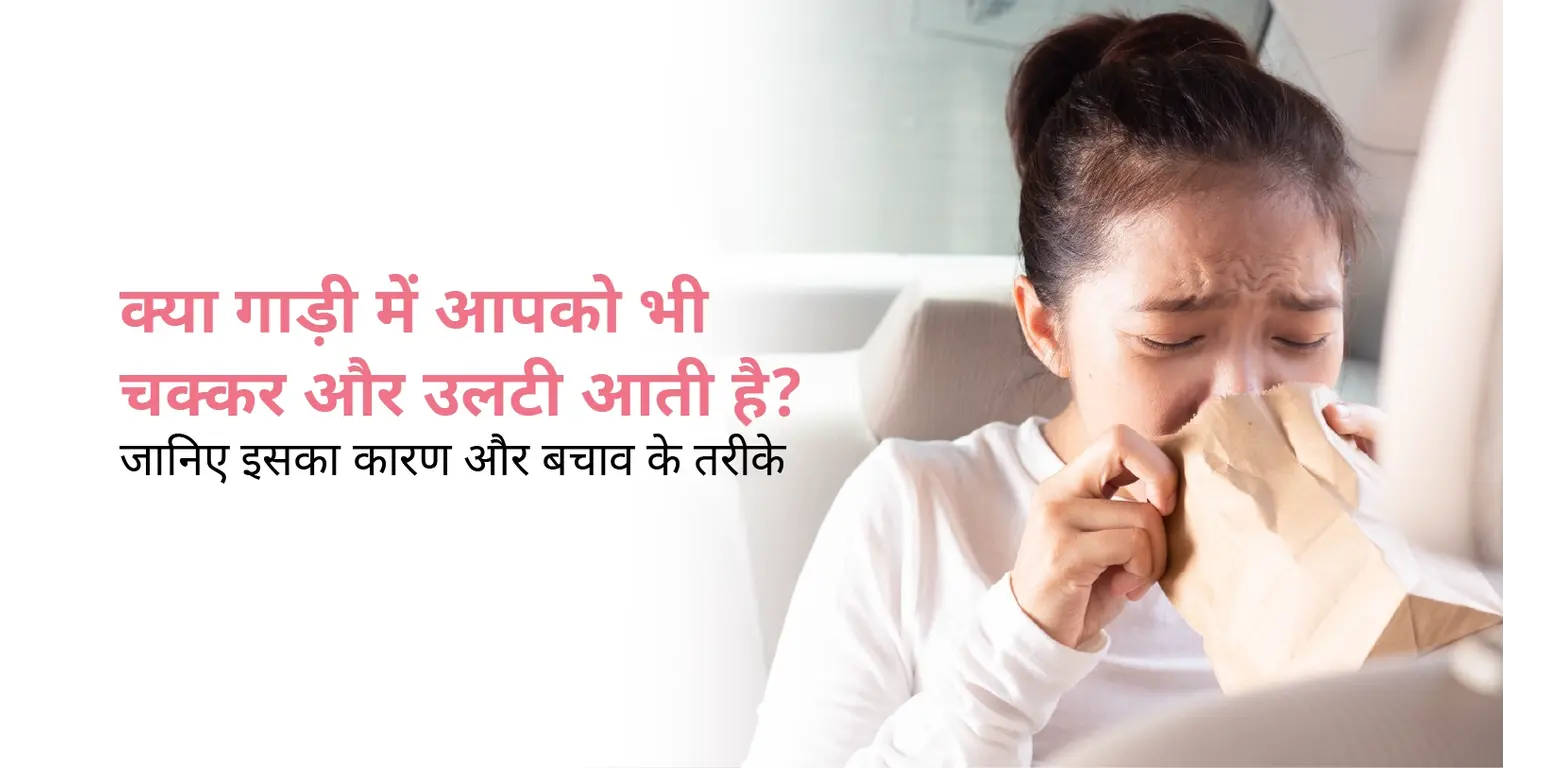
Table of Contents
क्या आपको कभी कार यात्रा शुरू करने के कुछ ही मिनटों में चक्कर, मतली या बेचैनी महसूस हुई है? कई लोगों के लिए, इन अप्रिय लक्षणों के कारण यात्रा हमेशा सुखद नहीं होती। चाहे वह छोटी ड्राइव हो या लंबी रोड ट्रिप, यात्रा के दौरान चक्कर आना और उल्टी होना अनुभव को तनावपूर्ण बना सकता है। इस स्थिति को आमतौर पर मोशन सिकनेस के नाम से जाना जाता है, और यह सभी उम्र के लोगों को प्रभावित करती है, जिसमें वयस्क और बच्चे दोनों शामिल हैं।
इस ब्लॉग में हम मोशन सिकनेस के बारे में बात करेंगे—यह क्या है, यह क्यों होता है, यात्रा के दौरान चक्कर और उल्टी के कारण क्या हैं, इससे बचाव के आसान उपाय क्या हैं, क्या करें-क्या न करें, क्या यह महिलाओं में ज़्यादा होता है, और इसके इलाज से जुड़े आम सवालों के संक्षिप्त जवाब।
मोशन सिकनेस एक ऐसी स्थिति है जो तब होती है जब आपके दिमाग को आपकी आँखों, अंदरूनी कान और शरीर से विरोधाभासी संकेत मिलते हैं। कार में यात्रा करते समय, आपका अंदरूनी कान गति को महसूस करता है, लेकिन अगर आपकी आँखें किसी स्थिर चीज़ (जैसे फ़ोन या किताब) पर केंद्रित हैं, तो दिमाग भ्रमित हो जाता है। इस बेमेल के कारण चक्कर आना, मतली, ठंडा पसीना, सिरदर्द और उल्टी जैसे लक्षण होते हैं।
हालांकि मोशन सिकनेस कोई गंभीर मेडिकल स्थिति (Serious medical condition) नहीं है, लेकिन यह आराम को काफी प्रभावित कर सकती है, खासकर बार-बार यात्रा के दौरान। चक्कर और उल्टी के कारणों को समझना प्रभावी रोकथाम और इलाज की दिशा में पहला कदम है।
मोशन सिकनेस का मुख्य कारण सेंसरी कॉन्फ्लिक्ट है। हालांकि, कई कारक लक्षणों के जोखिम या गंभीरता को बढ़ा सकते हैं:
ये यात्रा के दौरान चक्कर और उल्टी के कुछ सबसे आम कारण हैं।
ये भी पढ़े: गर्भावस्था में उल्टी की समस्या के लिए कारगर घरेलू उपाय
यात्रा के दौरान उल्टी तंत्रिका तंत्र में भ्रम (Confusion in the nervous system) के प्रति शरीर की प्रतिक्रिया है। जब मस्तिष्क आँखों और अंदरूनी कान से मिले-जुले संकेतों को समझने में संघर्ष करता है, तो यह मतली केंद्र को सक्रिय कर देता है। विकास के नज़रिए से, यह माना जाता था कि यह प्रतिक्रिया शरीर को ज़हर से बचाती है, क्योंकि मस्तिष्क इस भ्रम को एक ज़हरीली प्रतिक्रिया के रूप में समझता था।
जैसे-जैसे मतली बढ़ती है, लक्षण उल्टी या मतली तक पहुँच सकते हैं। यह समझना कि लोगों को कारों में मोशन सिकनेस क्यों होती है, सही मोशन सिकनेस उपचार और निवारक रणनीतियों को चुनने में मदद करता है।
ये भी पढ़े: पीरियड कम आने के नुकसान: कारण, प्रभाव और इलाज
अगर आपको उल्टी और चक्कर आते हैं, तो यह जानना कि क्या करना चाहिए, बहुत फ़र्क ला सकता है।
ये आसान मोशन सिकनेस के उपाय यात्रा के दौरान होने वाली परेशानी को काफी कम कर सकते हैं।
ये भी पढ़े: इन्फ्लूएंजा और मौसमी फ्लू से बचाव के उपाय
हाँ, मोशन सिकनेस पुरुषों की तुलना में महिलाओं में ज़्यादा आम होती है। पीरियड्स, प्रेग्नेंसी या मेनोपॉज़ के दौरान हार्मोनल बदलाव मोशन के प्रति संवेदनशीलता बढ़ा सकते हैं। पुरुषों की तुलना में महिलाओं को मतली के ज़्यादा तेज़ लक्षण भी महसूस हो सकते हैं।
2 से 12 साल की उम्र के बच्चे भी मोशन सिकनेस के ज़्यादा शिकार होते हैं, जबकि बड़े-बुज़ुर्गों को यह कम होता है। जेनेटिक्स भी एक भूमिका निभा सकते हैं, क्योंकि मोशन सिकनेस परिवारों में हो सकती है।
मोशन सिकनेस के असरदार इलाज में रोकथाम और लक्षणों को कंट्रोल करने पर ध्यान दिया जाता है। आम उपायों में शामिल हैं:
सबसे अच्छा तरीका है सिर्फ़ दवाओं पर निर्भर रहने के बजाय लाइफस्टाइल में बदलाव और बचाव के तरीकों का कॉम्बिनेशन अपनाना।
ये भी पढ़े: एसिडिटी से तुरंत राहत पाने के घरेलू नुस्खे
कार में चक्कर आना और मतली होना आम समस्याएं हैं जो बहुत से लोग अपनी ज़िंदगी में कभी न कभी महसूस करते हैं। मोशन सिकनेस दिमाग में देखने और बैलेंस के सिग्नलों के बीच तालमेल न होने के कारण होती है। हालांकि यह असहज होता है, लेकिन आमतौर पर इसे आसान सावधानियों, ट्रिगर्स के बारे में जागरूकता और मोशन सिकनेस के असरदार उपायों से मैनेज किया जा सकता है।
यह समझकर कि लोगों को कार में मोशन सिकनेस क्यों होती है और क्या करना चाहिए और क्या नहीं करना चाहिए, आप अपने यात्रा के अनुभव को बहुत ज़्यादा आरामदायक बना सकते हैं। अगर लक्षण गंभीर या लगातार बने रहते हैं, तो मोशन सिकनेस के सही इलाज के लिए मेडिकल सलाह लेना हमेशा एक अच्छा विचार है।
क्या बच्चों को कार में ज़्यादा उल्टी होती है?
हाँ, बच्चों को मोशन सिकनेस होने की संभावना ज़्यादा होती है, खासकर 2 से 12 साल की उम्र के बीच, क्योंकि उनका बैलेंस सिस्टम अभी भी विकसित हो रहा होता है।
क्या खाली पेट यात्रा करने से उल्टी जैसा महसूस होने की संभावना बढ़ जाती है?
हाँ, खाली पेट यात्रा करने से उल्टी बढ़ सकती है। यात्रा से पहले हल्का नाश्ता करने की सलाह दी जाती है।
मोशन सिकनेस से बचने के लिए कौन सी सीट सबसे अच्छी है?
मोशन सिकनेस को कम करने के लिए सामने वाली पैसेंजर सीट या बीच वाली सीट जहाँ से आप सड़क को साफ़ देख सकें, सबसे अच्छी होती है।
क्या मोबाइल फ़ोन देखने से मोशन सिकनेस और बढ़ जाती है?
हाँ, यात्रा के दौरान मोबाइल फ़ोन का इस्तेमाल करने या पढ़ने से मोशन सिकनेस के लक्षण काफ़ी बिगड़ जाते हैं।
क्या मोशन सिकनेस के लिए दवा लेना सुरक्षित है?
दवाएँ डॉक्टर के बताए अनुसार लेने पर सुरक्षित हो सकती हैं, लेकिन उन्हें केवल हेल्थकेयर प्रोफेशनल से सलाह लेने के बाद ही लेना चाहिए, खासकर बच्चों और गर्भवती महिलाओं के लिए।

