Filter :

Do you still feel dehydrated even after drinking plenty of water? Has summer messed with your digestion too? Chances are, your body is overheating from within.
And while most of us turn to cold drinks or quick fixes, traditional remedies have long focused on cooling the body from the inside. One such remedy often mentioned is Gond Katira. But what exactly is it, and what are the major Gond Katira benefits for dealing with common summer problems? Let’s find out!
Table of Contents
Gond Katira (tragacanth gum) is a natural resin obtained from sap, the liquid released by certain plants. In its raw form, it looks like small, translucent crystals, but once soaked in water, it transforms into a soft, jelly-like substance.
What makes it a popular recommendation in traditional medicine is its natural ability to provide a cooling effect to your body. This gelled substance might feel unusual to eat at first glance, but in reality, it is tasteless, odorless, and easy to consume on a regular basis.
Because of its cooling properties, it becomes especially popular during the summer season. As it absorbs water and forms a gel, it is often added to chilled drinks, milk, falooda, and homemade coolers.
Also Read: Guava & Guava Leaves: Health Benefits, Nutrition, Side Effects and how to eat
Although there is no direct clinical evidence that it instantly lowers your core body temperature, the natural cooling effect remains one of the most talked-about gond katira benefits. It is believed to support your body’s natural cooling mechanisms.
When soaked properly, it absorbs water and forms a gel that helps improve hydration and retain the fluids for longer, rather than losing them through the sweat. Its light and soft texture may also help calm your digestive system, reducing the feeling of internal heat.
Also Read: Why should we drink Green Tea? Benefits, Nutritional Value and Possible Side Effects
If you often deal with digestive issues, gond katira may help you feel better. It contains soluble fibre that helps maintain healthy gut bacteria, which play an important role in digestion. This fibre also improves bowel regularity and softens stool by retaining water.
It may be helpful for:
Also Read: 12 common gastrointestinal disorders & prevention tips
Many people look up gond katira benefits for skin, especially during dry or hot months. While no food gives instant glowing skin, proper hydration and nutrition really matter.
Since gond katira is often consumed in hydrating drinks, it may indirectly help improve your skin by maintaining fluid balance in the body. Certainly, better hydration can make your skin look fresher and less dull.
Some people also use soaked gond katira in homemade face masks. However, it should not be considered a medical treatment. It is best to consult a dermatologist before making it part of your skincare routine, especially if you have sensitive skin.
Also Read: Kiwi Fruit: Nutrition, Health Benefits & How to Eat It
Also Read: Sweet Potato: Health Benefits, Nutritional Value and Possible Side Effects
Benefits of Gond Katira with Milk
Some home remedies suggest consuming gond katira with milk to make it more nourishing. Milk adds protein and calcium, while gond katira adds fibre.
There is no magic weight-loss food, but soaked gond katira may help you feel fuller because of its fibre contents. This may help reduce overeating when paired with balanced meals.
Also Read: Shilajit: Uses, Nutrition Value and who should avoid it.
There is limited direct evidence for hair growth. However, proper hydration, nutrition, and digestive wellness may help improve overall hair health indirectly.
Traditionally, some people use it to manage summer fatigue or weakness. However, scientific evidence for menstrual pain relief is limited. If your periods are painful or heavy, you should speak with your gynaecologists instead of trying multiple remedies.
All the above-mentioned benefits of gond katira are generally based on traditional use due to its natural properties. It should not be considered a replacement for medical treatment. It is always better to consult a doctor before adding it to your routine.
Also Read: How to consume Pomegranate, it’s health benefits and nutrition value?
Always soak Gond Katira before consuming it.
Also Read: Ashwagandha: Uses, Nutrition Value and who should avoid it
Also Read: What is cumin water? Benefits, Nutritional Value and possible side effects?
Gond katira can be a useful addition for those looking for a simple, natural way to stay internally cool during summer, improve digestion, and maintain hydration levels. But use it mindfully and moderately.
If you are unsure whether it suits your needs, it is always a good idea to consult a qualified healthcare professional. You can also reach out to the CK Birla Hospital for guidance from experienced dieticians and nutritionists.
Also Read: Fox Nut (Makhana): Know the Nutrition, Benefits & Side Effects
Can gond katira improve digestion?
Yes, gond katira may improve your digestion. Its soluble fibre can add gentle bulk to stool, and may help soothe the digestive tract when properly soaked and consumed with enough fluids.
Is gond katira good for skin health?
It may help maintain your hydration levels, which can help skin look fresher. But remember that it is not a replacement for skincare or treatment.
Can gond katira be taken daily?
Small amounts may be fine for many people, but moderation matters. Its daily use depends on your digestion, diet, and health needs. If you are dealing with certain medical conditions, it is better to consult your doctor before adding gond katira to your routine.
Who should avoid consuming gond katira?
People with digestive sensitivity, allergies, swallowing issues, or chronic illness should consult a doctor first.
Is gond katira helpful for dehydration?
It can help with maintaining hydration levels when used in fluids, but it does not replace oral rehydration solutions or medical care for severe dehydration.
You may call yourself a coffee lover or a tea lover, but your body has always been loyal to just one thing, and that is water.
It is made up of nearly 60% water, yet it can still run low when you don’t give it enough. The dryness, fogginess, and tiredness you feel throughout the day are usually signs that your body is dealing with dehydration.
But these are not the only indicators. In fact, dehydration can affect you in ways that are easy to miss. Recognising these early signals can help you avoid more serious health issues later.
So, what dehydration symptoms should you never ignore? Keep reading to find out!
Table of Contents
In dehydration, your body loses more fluids than it takes in. This loss of fluid can be due to not drinking enough water, sweating, vomiting, or diarrhea. This imbalance starts to interfere with your normal functions of the body.
You may get surprised to know that but by the time you feel thirsty, you are already mildly dehydrated. The thirst itself is your body’s alert system signaling that fluid levels have dipped.
Your body does not only ask for water to quench thirst, but proper intake also keeps your joints lubricated, regulates your body temperature, helps your brain produce hormones, delivers oxygen through your bloodstream, and cushions your organs.
When your body is not properly hydrated, nearly every system feels the strain.
Also Read: Staying Hydrated: It’s Not Just a Summer Thing
A dehydrated body gives you enough signals to understand what is wrong and take action in time. Here are some early symptoms of dehydration you should not overlook.
If you do not take the early signs of dehydration seriously, they can affect your health severely. At this stage, the warning signs become harder to ignore.
Signs of severe dehydration can be:
Also Read: Kiwi Fruit: Nutrition, Health Benefits & How to Eat It
The National Library of Medicine clinical review notes that at its most severe, dehydration can lead to hypovolemic shock (a dangerous drop in blood pressure due to fluid loss) and neurological complications. This is rare, but it is a reminder that dehydration should never be taken lightly when symptoms are increasing.
When you understand what is causing the problem, you can prevent it before more serious symptoms begin. So what actually triggers dehydration in your body? Let’s see!
If you feel mildly dehydrated, simply drink plenty of fluids. However, how you drink them also matters for maintaining proper hydration levels.
Check out these simple tips to stay hydrated.
Tip: Carry your own water bottle wherever possible. It makes it easier to stay hydrated throughout the day. Having it within reach serves as a simple reminder to drink water regularly, even when you are busy.
Also Read: What is cholesterol? Type, normal range, Diagnosis and Treatment
If your dehydration condition is not severe, it can be managed at home, by simply increasing your water intake, more consumption of water-rich food, ORS and more. But there are times when you may feel extremely dehydrated. Then, you should seek medical care without delay. Consult a doctor, when:
Severe dehydration may require IV fluids that are delivered directly into the bloodstream through a needle at a hospital. It works much faster than drinking. This is a medical procedure and should only be administered by healthcare professionals.
Also Read: Sweet Potato: Health Benefits, Nutritional Value and Possible Side Effects
Dehydration is one of those conditions that gets severe gradually. Its early signs like a dry mouth, a dull headache, darker urine are easy to overlook in the rush of daily life. But your body is usually sending clear signals well before things get serious.
The best thing you can do is stay ahead of it. Drink water consistently and be extra mindful during hot summers or illness. When in doubt, always reach out to your healthcare provider. You can also reach out to us at the CK Birla Hospital for guidance personalised to your specific health needs.
Also Read: Why should we drink Green Tea? Benefits, Nutritional Value and Possible Side Effects
Can dehydration become life-threatening?
Yes, in severe cases. Untreated severe dehydration can lead to dangerous drops in blood pressure, and kidney failure. This is why recognising warning signs early is so important.
How much water should I drink daily?
Most adults should drink at least 2.5 to 3.5 litre water per day. But individual needs vary based on your body size, activity level, climate, and health conditions. Your doctor can give you personalised guidance.
Are children and elderly more prone to dehydration?
Yes. According to the National Library of Medicine, older adults are 20 to 30% more prone to dehydration due to a reduced sense of thirst, medications, and chronic conditions. Infants and children are also highly vulnerable because of their smaller body size and inability to communicate thirst.
Can dehydration cause dizziness and weakness?
Yes. When fluid levels are low, blood volume decreases, reducing the flow of oxygen to your brain and muscles. This can cause dizziness, weakness, and even fainting.
Can drinking too much water at once fix dehydration quickly?
Not quite. Drinking large amounts of water rapidly can dilute sodium levels in your blood, a condition called hyponatremia, which has its own set of risks. It is better to rehydrate steadily, and in cases of serious dehydration, use an oral rehydration solution or seek medical care.
Does caffeine or alcohol worsen dehydration?
Yes. Both act as diuretics, meaning they encourage your kidneys to produce more urine, which can lead to greater fluid loss. During hot weather, illness, or physical exertion, it is especially wise to limit both.
क्या आपको भी बार-बार पेशाब जाने की आवश्यकता लगती है? क्या कभी ऐसा हुआ है कि आप कोई बहुत ही महत्वपूर्ण कार्यों के दौरान भी आपको बार-बार उठना पड़ता है। यकीन मानिए, आप अकेले नहीं हैं। भारत में लाखों लोग हर दिन इस चुप्पी भरी तकलीफ का सामना करते हैं। यह सिर्फ एक शारीरिक परेशानी नहीं है, बल्कि यह आपके आत्मविश्वास, आपकी नींद और आपके सामाजिक जीवन को अंदर से खोखला कर देती है।
अक्सर लोग इसे ‘बढ़ती उम्र का तकाजा’ मानकर टाल देते हैं, लेकिन शरीर का यह इशारा कुछ और भी हो सकता है। ये समस्या सिर्फ बड़ी उम्र के साथ कम उम्र के लोगों को भी परेशान करती है। सही समय पर जानकारी ही आपको एक सामान्य और खुशहाल जीवन वापस दिला सकती है। सीके बिरला अस्पताल में हमारा उद्देश्य आपको केवल इलाज देना नहीं है, बल्कि आपके उस आत्मविश्वास को फिर से वापस लाना है, जो आपको कहीं भी कभी भी घूमने की आजादी देता है। यदि आप भी ऐसी किसी समस्या से परेशान है, तो बिना देर किए हमारे अनुभवी विशेषज्ञों से मिलें और इलाज लें।
Table of Contents
साधारण शब्दों में कहें तो एक स्वस्थ व्यक्ति दिन भर में 6 से 8 बार पेशाब जाता है। लेकिन अगर यह संख्या इससे ज्यादा हो जाए या आपको अचानक से इतनी तेज महसूस हो कि आप टॉयलेट तक न पहुँच सकें, तो इसे पेशाब रोक न पाना या ‘Urinary Incontinence’ कहा जाता है।
यह स्थिति दो तरह की हो सकती है: पहली, जिसमें ब्लैडर (पेशाब की थैली) पूरी तरह भर जाने से पहले ही संकुचित हो जाती है। दूसरी, जिसमें ब्लैडर की मांसपेशियां इतनी कमजोर हो जाती हैं कि वे मूत्र के दबाव को झेल नहीं पाती। यह समस्या केवल बुजुर्गों तक सीमित नहीं है; आजकल युवाओं और महिलाओं में भी बार-बार पेशाब की समस्या तेजी से देखी जा रही है।
ये भी पढ़े: पेशाब में जलन क्या है – कारण, निदान और उपचार
जब हम बार-बार पेशाब आने के पीछे के कारणों को तलाशते हैं, तो इसके पीछे कई छोटी और बड़ी वजहें छिपी हो सकती हैं। मेडिकल साइंस के अनुसार, इसके मुख्य कारणों को हम दो भाग में बाँट सकते हैं –
ये भी पढ़े: डायबिटिक के मरीज के लिए कम्पलीट डाइट चार्ट
सिर्फ पेशाब का बार-बार आना ही समस्या नहीं है, बल्कि उसके साथ होने वाले अन्य बदलावों पर ध्यान देना जरूरी है –
ये भी पढ़े: किडनी स्टोन का निदान कैसे किया जाता है?
हम अक्सर सोचते हैं कि “कल तक ठीक हो जाएगा,” लेकिन पेशाब की समस्या के कारण जब आपके जीवन की गुणवत्ता को प्रभावित करने लगें, तो विशेषज्ञ की सलाह लेना अनिवार्य है। आपको डॉक्टर से संपर्क करना चाहिए यदि –
सीके बिरला अस्पताल के विशेषज्ञों का मानना है कि शुरुआती निदान से 90% मामलों में सर्जरी की जरूरत नहीं पड़ती और दवाओं व थेरेपी से ही मरीज ठीक हो जाते हैं।
ये भी पढ़े: यूरिक एसिड बढ़ने का कारण, लक्षण, निदान, घरेलू उपचार और बचाव
आज के दौर में मेडिकल साइंस ने इतनी उन्नति कर ली है कि मूत्र संबंधी समस्या का इलाज बहुत सरल हो गया है। डॉक्टर आपकी स्थिति के अनुसार निम्नलिखित सुझाव दे सकते हैं –
ये भी पढ़े: गर्मी में हाइड्रेटेड रहने के लिए क्या करें और क्या खाये
मेडिकल ट्रीटमेंट के साथ-साथ आप कुछ घरेलू बदलावों से भी अपनी स्थिति सुधार सकते हैं –
ये भी पढ़े: आंत में सूजन क्यों होता है: लक्षण, कारण, शरीर पर इसका प्रभाव और इसका इलाज?
कहते हैं “बचाव इलाज से बेहतर है।” अपनी किडनी और ब्लैडर को स्वस्थ रखने के लिए ये नियम अपनाएं:
ये भी पढ़े: लिवर में सूजन क्यों होता है: लक्षण, कारण, शरीर पर इसका प्रभाव और इसका इलाज?
बार-बार पेशाब आना या पेशाब रोक न पाना कोई ऐसी बात नहीं है, जिसे छिपाया जाए या जिससे शर्मिंदा हुआ जाए। यह आपके शरीर की एक पुकार है, जिसे सुनने और समझने की जरूरत है। सही समय पर बार-बार पेशाब की दवा और विशेषज्ञ का परामर्श आपको न केवल इस शारीरिक कष्ट से मुक्ति दिला सकता है, बल्कि आपके सामाजिक और मानसिक स्वास्थ्य को भी बेहतर बना सकता है।
यदि आप या आपके परिवार में कोई इस समस्या का सामना कर रहा है, तो आज ही सीके बिरला अस्पताल के यूरोलॉजी विभाग से संपर्क करें। याद रखें, आपका स्वास्थ्य आपकी सबसे बड़ी पूंजी है।
क्या ज्यादा पानी पीने से बार-बार पेशाब आ सकता है?
हाँ, यह स्वाभाविक है। यदि आप अपने शरीर की जरूरत से ज्यादा पानी पीते हैं, तो किडनी अतिरिक्त तरल को बाहर निकालती है। लेकिन अगर पानी कम पीने के बावजूद आप बार-बार पेशाब की समस्या से जूझ रहे हैं, तो यह मेडिकल चेकअप का समय है।
क्या नींद में पेशाब आना (Night-time urination) खतरे की निशानी है?
रात में एक बार उठना सामान्य है, लेकिन अगर आप 2-3 बार से ज्यादा उठ रहे हैं (जिसे नोक्टुरिया कहते हैं), तो यह डायबिटीज, प्रोस्टेट की समस्या या हृदय संबंधी विकार का शुरुआती संकेत हो सकता है।
क्या ब्लैडर एक्सरसाइज (Kegel) से मदद मिल सकती है?
बिल्कुल, कीगल एक्सरसाइज पेल्विक फ्लोर की मांसपेशियों को मजबूती देती है। यह पेशाब रोक न पाना और छींकते या खांसते समय यूरिन लीक होने की समस्या में रामबाण सिद्ध होती है। इसे नियमित रूप से करना चाहिए।
क्या तनाव या एंग्जायटी से पेशाब बार-बार आता है?
हाँ, तनाव के समय शरीर में ‘फाइट या फ्लाइट’ हार्मोन रिलीज होते हैं, जो नर्वस सिस्टम को प्रभावित करते हैं। इससे ब्लैडर की संवेदनशीलता बढ़ जाती है और व्यक्ति को बार-बार टॉयलेट जाने की इच्छा महसूस होती है।
क्या बार-बार पेशाब आना किडनी खराब होने का लक्षण है?
जरूरी नहीं, लेकिन यह एक संभावना हो सकती है। किडनी की कार्यक्षमता कम होने पर वह यूरिन को ठीक से कॉन्संट्रेट नहीं कर पाती, जिससे पेशाब की मात्रा बढ़ सकती है। इसके साथ पैर में सूजन या कमर दर्द हो तो डॉक्टर से मिलें।
क्या खान-पान से पेशाब की जलन कम की जा सकती है?
जी हां, खट्टे फल, नारियल पानी और क्रैनबेरी जूस यूरिनरी मार्ग को साफ रखने और बार-बार पेशाब और जलन को कम करने में मदद करते हैं। अधिक मिर्च-मसाले से परहेज करना फायदेमंद होता है।
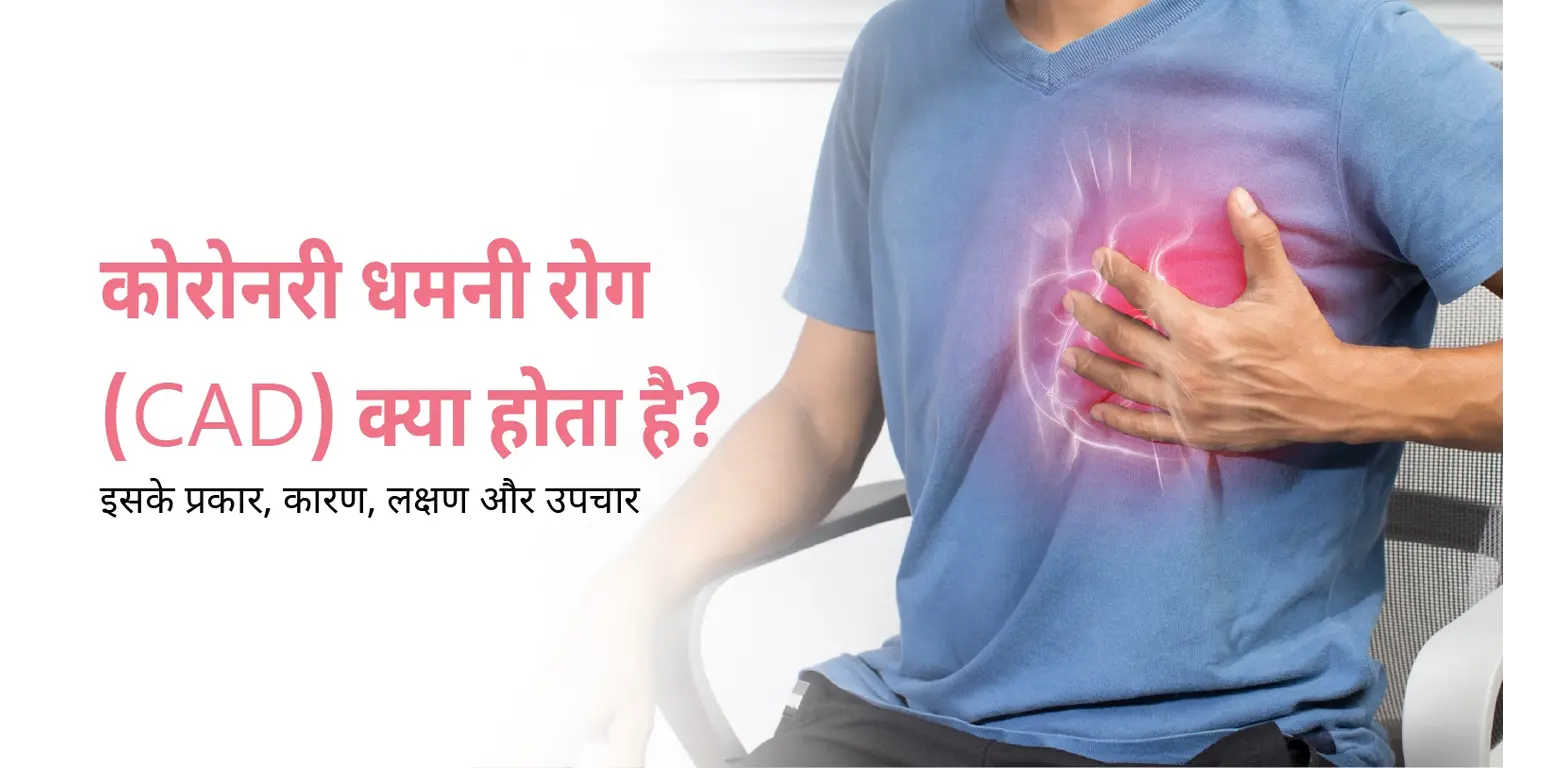
कल्पना कीजिए, आपका हृदय एक पंप की तरह 24 घंटे बिना थके काम करता है, लेकिन जब उसे खुद ऊर्जा देने वाली पाइपलाइन (धमनियों) में कचरा जमा हो जाए, तो क्या होगा? कोरोनरी आर्टरी डिजीज ठीक यही स्थिति है। यह एक ऐसी “साइलेंट किलर” बीमारी है, जो धीरे-धीरे आपके दिल की धड़कन को कमजोर कर सकती है। विश्व स्वास्थ्य संगठन (WHO) के अनुसार, वैश्विक स्तर पर होने वाली मौतों में से 32% हृदय रोगों के कारण होती है। आप इस तथ्य से समझ गए होंगे कि हमें इस रोग के बारे में क्यों बात करने की आवश्यकता है।
आज की भागदौड़ भरी जिंदगी में, जहाँ तनाव और खराब खान-पान आम है, अपने दिल की रक्षा करना अब विकल्प नहीं, बल्कि जरूरत बन गया है। सीके बिरला अस्पताल में हम न केवल बीमारियों का इलाज करते हैं, बल्कि आपको एक स्वस्थ और लंबा जीवन जीने के लिए सशक्त बनाते हैं।
Table of Contents
विषय को गहराई से समझने से पहले यह जानना जरूरी है कि धमनी क्या है (dhamni kya hai)। हमारे शरीर में धमनियां वे रक्त वाहिकाएं होती हैं, जो ऑक्सीजन युक्त शुद्ध रक्त को हृदय से शरीर के बाकी हिस्सों तक ले जाती है। हृदय की अपनी मांसपेशियों को रक्त पहुँचाने वाली खास धमनियों को कोरोनरी आर्टरी कहा जाता है।
जब इन धमनियों की दीवारों के अंदर कोलेस्ट्रॉल, वसा और अन्य पदार्थों का जमाव होने लगता है (जिसे प्लाक कहते हैं), तो रक्त का प्रवाह बाधित हो जाता है। इसी स्थिति को साधारण भाषा में धमनी रोग कहा जाता है।
ये भी पढ़े: कोलेस्ट्रॉल कम करने का रामबाण इलाज
कोरोनरी धमनी रोग (Coronary artery disease) तब होता है, जब हृदय की मुख्य रक्त वाहिकाएं क्षतिग्रस्त या बीमार हो जाती हैं। मेडिकल साइंस में इसे ‘एथेरोस्क्लेरोसिस’ भी कहते हैं। जब आपकी कोरोनरी आर्टरी संकरी हो जाती है, तो दिल को पर्याप्त मात्रा में ऑक्सीजन और पोषक तत्व नहीं मिल पाते। शुरुआत में, आपको इसका पता भी नहीं चलता, लेकिन समय के साथ यह सीने में दर्द (एंजाइना) या हार्ट अटैक का कारण बन सकता है।
CAD या कोरोनरी धमनी रोग हर मरीज में एक जैसा नहीं होता। इसके मुख्य रूप से दो प्रकार होते हैं –
ये भी पढ़े: सांस लेने में दिक्कत हो तो क्या करें?
अक्सर लोग हार्ट की बीमारी के लक्षण हिंदी में खोजते हैं ताकि वे समय रहते लक्षणों को पहचानें और सही समय पर सही कदम उठा पाएं। CAD के लक्षण व्यक्ति हर व्यक्ति भिन्न हो सकते हैं –
ये भी पढ़े: पुरुषों में हार्ट अटैक का कारण, लक्षण और बचाव
कोरोनरी धमनी रोग के पीछे कई कारण हो सकते हैं, जिनमें से कुछ हमारी जीवनशैली से जुड़े हैं जैसे कि –
ये भी पढ़े: पुरुषों में हार्ट अटैक का कारण, लक्षण और बचाव
अगर आपको संदेह है, तो डॉक्टर सबसे पहले आपकी शारीरिक जांच करेंगे और आपके द्वारा महसूस किए जा रहे लक्षणों के बारे में आपसे पूछेंगे। आधुनिक चिकित्सा में इस रोग की पुष्टि के लिए निम्न टेस्ट के सुझाव दिए जाते हैं –
ये भी पढ़े: डायबिटीज का आँखों पर प्रभाव और इसके बचाव
सीके बिरला अस्पताल में हम नवीनतम तकनीक और विशेषज्ञ कार्डियोलॉजिस्ट की टीम के साथ बेहतरीन इलाज प्रदान करते हैं –
ये भी पढ़े: फैटी लिवर का कारण, लक्षण और इलाज
कहा जाता है कि ‘बचाव इलाज से बेहतर है’। आप इन उपायों से अपने दिल को सुरक्षित रख सकते हैं:
ये भी पढ़े: दिल के स्वास्थ्य के लिए हानिकारक खाद्य पदार्थ
कोरोनरी धमनी रोग (CAD) एक गंभीर स्थिति है, लेकिन सही जानकारी और समय पर इलाज से इसे पूरी तरह प्रबंधित किया जा सकता है। याद रखें, आपका दिल आपके परिवार की खुशियों का आधार है। यदि आप या आपके परिवार में कोई भी ऊपर बताए गए लक्षणों का अनुभव कर रहा है, तो देरी न करें। एंजियोग्राफी टेस्ट और विशेषज्ञों की सलाह आपके जीवन को नई दिशा दे सकती है।
क्या कोरोनरी धमनी रोग पूरी तरह ठीक हो सकता है?
CAD को पूरी तरह “रिवर्स” करना मुश्किल है, लेकिन स्वस्थ जीवनशैली, दवाओं और आधुनिक प्रक्रियाओं (जैसे कि स्टेंटिंग) के माध्यम से इसे प्रभावी ढंग से नियंत्रित किया जा सकता है और मरीज एक सामान्य, सक्रिय जीवन जी सकता है।
क्या युवा लोगों को भी CAD हो सकता है?
हां, आजकल तनाव, जंक फूड और शारीरिक निष्क्रियता के कारण 25 से 40 वर्ष की आयु के युवाओं में भी कोरोनरी आर्टरी से जुड़ी बीमारियां तेजी से बढ़ रही हैं। जेनेटिक कारण भी इसमें अहम भूमिका निभाते हैं।
क्या महिलाओं में CAD के लक्षण अलग हो सकते हैं?
बिल्कुल, महिलाओं में सीने में तेज दर्द के बजाय अत्यधिक थकान, गर्दन या जबड़े में दर्द, सांस की कमी और मतली जैसे लक्षण अधिक देखे जाते हैं, जिन्हें अक्सर नजरअंदाज कर दिया जाता है।
क्या व्यायाम से CAD का खतरा कम हो सकता है?
हां, नियमित एरोबिक व्यायाम (जैसे तेज चलना या तैरना) हृदय की मांसपेशियों को मजबूत बनाता है, बीपी कम करता है और गुड कोलेस्ट्रॉल (HDL) को बढ़ाता है, जिससे धमनियों में रुकावट का जोखिम कम होता है।
CAD और हार्ट अटैक में क्या अंतर है?
CAD धमनियों के संकरा होने की लंबी प्रक्रिया है। जब यह रुकावट अचानक 100% हो जाती है और हृदय की मांसपेशियों को रक्त मिलना बंद हो जाता है, तो उसे हार्ट अटैक कहते हैं। CAD, हार्ट अटैक का मुख्य कारण है।
क्या तनाव से CAD हो सकता है?
अत्यधिक मानसिक तनाव शरीर में कोर्टिसोल और एड्रेनालाईन जैसे हार्मोन बढ़ाता है, जो धमनियों में सूजन और उच्च रक्तचाप पैदा करते हैं। लंबे समय तक तनाव रहने से हृदय रोग का खतरा कई गुना बढ़ जाता है।
CAD की जांच कितनी बार करानी चाहिए?
यदि आपको कोई जोखिम कारक (जैसे शुगर या बीपी) नहीं है, तो 35 की उम्र के बाद हर साल एक बेसिक हार्ट चेकअप कराएं। यदि पहले से ही हृदय रोग है, तो हर 3-6 महीने में डॉक्टर से परामर्श लें।
क्या सीने में जलन हमेशा गैस ही होती है?
नहीं, कई बार दिल की धमनियों में रुकावट (Angina) सीने में जलन या भारीपन जैसा महसूस होती है। यदि यह चलने पर बढ़ती है, तो तुरंत डॉक्टर से संपर्क करें।
क्या आप भी उन लोगों में से हैं जिन्हें कभी-कभी ऐसा महसूस होता है कि उनके पैरों में हजारों सुइयां एक साथ चुभोई जा रही हैंं? क्या इसके साथ-साथ कोई काम करते-करते हाथों की उंगलियां सुन्न पड़ जाती हैं? हम में से अधिकांश लोग इसे “पैर सो जाना” या “खून का दौरा रुकना” कहकर नज़रअंदाज कर देते हैं। लेकिन क्या आपने कभी सोचा है कि आपका शरीर इन झनझनाहटों के जरिए आपको कुछ बताने की कोशिश कर रहा है?
जब हाथों और पैरों में झुनझुनी आना एक दैनिक समस्या बन जाए, तो यह केवल बैठने के गलत तरीके का परिणाम नहीं होता। यह आपकी नसों (Nerves) की पुकार हो सकती है जो आपसे मदद मांग रही है। हाथ-पैरों में झनझनाहट और चक्कर आना जैसी स्थितियां आपके मानसिक और शारीरिक स्वास्थ्य के तालमेल बिगड़ने का संकेत है। सीके बिरला हॉस्पिटल में हम हर दिन ऐसे मरीजों से मिलते हैं, जिन्होंने इन छोटे संकेतों को नजरअंदाज किया और बाद में उन्हें गंभीर तंत्रिका संबंधी (Neurological) समस्याओं का सामना करना पड़ा। चलिए आपको इस स्थिति के बारे में समझाते हैं और बताते हैं कि कब आपको अपने डॉक्टर से परामर्श लेना चाहिए और कब आपको उपायों को अपनाना चाहिए।
Table of Contents
चिकित्सीय भाषा में झुनझुनी या सुन्नता को ‘पेरेस्टेसिया’ (Paresthesia) कहा जाता है। यह तब महसूस होता है जब किसी नस पर दबाव पड़ता है या उसे पर्याप्त रक्त नहीं मिल पाता। आमतौर पर यह अस्थायी होती है, जैसे हाथ पर सिर रखकर सो जाने के बाद होने वाली झनझनाहट। लेकिन जब यह समस्या बिना किसी स्पष्ट बाहरी कारण के बार-बार होने लगे, तो यह नसों की क्षति (Nerve Damage) का प्रारंभिक संकेत हो सकती है।
ये भी पढ़े: डिहाइड्रेशन के लक्षण क्या हैं? शरीर में पानी की कमी कैसे पहचानें
अक्सर हम अपनी दिनचर्या में कुछ ऐसी गलतियां करते हैं, जो नसों पर दबाव डालती हैं –
ये भी पढ़े: जब आप रोज़ ओट्स खाते हैं तो आपके शरीर पर क्या असर होता है?
अगर आपको बार-बार हाथों पैरों में झनझनाहट के कारण समझ नहीं आ रहे, तो नीचे दी गई बीमारियों पर गौर करें –
ये भी पढ़े: किडनी में सूजन का कारण और इलाज
झुनझुनी कभी अकेले नहीं आती। इसके साथ कुछ ऐसे लक्षण भी हो सकते हैं जो स्थिति की गंभीरता को दर्शाते हैं –
ये भी पढ़े: ओमेगा 3 क्या होता है और इसके फायदे, पोषक तत्त्व और नुकसान?
यदि आपकी समस्या प्रारंभिक स्तर पर है, तो जीवनशैली में ये छोटे बदलाव चमत्कार कर सकते हैं –
ये भी पढ़े: संतुलित आहार (7-दिन का संतुलित आहार चार्ट)
सीके बिरला हॉस्पिटल में हम समस्या की जड़ तक पहुंचने के लिए एडवांस तकनीक से जांच करते हैं। झुनझुनी के उपचार में निम्नलिखित शामिल हो सकते हैं –
ये भी पढ़े: ऑफिस में बैठे-बैठे फिट रहने के 10 टिप्स
इलाज में देरी नसों को स्थायी रूप से क्षतिग्रस्त कर सकती है। यदि आप या आपके परिवार में कोई भी निम्नलिखित स्थिति का अनुभव कर रहा है, तो तुरंत बिना देर किए हमारे अनुभवी डॉक्टरों से संपर्क करें –
इस स्थिति में यदि आप तुरंत कोई बचाव का कदम उठाते हैं, तो आप अपने शरीर को रिकवर होने का एक बेहतर मौका देते हैं। इस दौरान कुछ बचाव के उपाय आप कर सकते हैं जैसे कि –
ये भी पढ़े: लो बीपी (लो ब्लड प्रेशर) : लक्षण, कारण और उपचार
हाथों और पैरों में झुनझुनी आना कोई ऐसी समस्या नहीं है, जिसे आप भाग्य के भरोसे छोड़ दें। यह आपके शरीर का एक अलार्म सिस्टम है। सही समय पर लिया गया फैसला आपको व्हीलचेयर या स्थायी विकलांगता से बचा सकता है। सीके बिरला हॉस्पिटल में हमारी विशेषज्ञ टीम आपकी नसों के स्वास्थ्य को बहाल करने के लिए प्रतिबद्ध है। याद रखें, एक दर्द रहित और सक्रिय जीवन की शुरुआत आपकी सतर्कता से होती है।
हाथों और पैरों में झुनझुनी होना सामान्य है या चिंता की बात?
यदि यह कुछ सेकंड के लिए है और स्थिति बदलने पर ठीक हो जाती है, तो यह सामान्य है। लेकिन अगर यह बार-बार हो रही है या लंबे समय तक बनी रहती है, तो यह नसों की कमजोरी या किसी बीमारी का संकेत हो सकता है। इसे अनदेखा करना चिंताजनक हो सकता है।
झुनझुनी सिर्फ नसों की समस्या से होती है क्या?
नहीं, हालांकि नसों का दबना मुख्य कारण है, लेकिन यह विटामिन की भारी कमी, खराब रक्त संचार, डायबिटीज, थायराइड की समस्या या किडनी की बीमारी के कारण भी हो सकती है। शरीर में इलेक्ट्रोलाइट्स का असंतुलन भी इसका कारण बनता है।
झुनझुनी के दौरान कौन-कौन से लक्षण खतरे की घंटी हैं?
अगर झुनझुनी के साथ चेहरे का टेढ़ापन, बोलने में दिक्कत, अचानक कमजोरी, तेज सिरदर्द या भ्रम (Confusion) महसूस हो, तो यह स्ट्रोक का संकेत हो सकता है। ऐसे में बिना एक पल गंवाए इमरजेंसी हेल्प लेनी चाहिए।
क्या डायबिटीज में झुनझुनी होना आम है?
जी हां, डायबिटीज के मरीजों में ‘डायबिटिक न्यूरोपैथी’ बहुत आम है। खून में शुगर की मात्रा अधिक होने से नसें क्षतिग्रस्त हो जाती हैं, जिससे पैरों और हाथों में लगातार जलन और झनझनाहट महसूस होती है।
क्या झुनझुनी अचानक होने पर स्ट्रोक का संकेत हो सकता है?
हां, विशेषकर यदि यह शरीर के एक तरफ (बाएं या दाएं हिस्से) अचानक होती है और इसके साथ सुन्नता महसूस होती है, तो यह ब्रेन स्ट्रोक का लक्षण हो सकता है। इसमें समय पर इलाज मिलना जान बचा सकता है।
क्या एक्सरसाइज या स्ट्रेचिंग से झुनझुनी कम होती है?
नियमित स्ट्रेचिंग और योग रक्त संचार (Blood Circulation) में सुधार करते हैं और दबी हुई नसों को राहत देते हैं। हालांकि, गंभीर नसों की क्षति होने पर डॉक्टर की सलाह के बिना भारी एक्सरसाइज नहीं करनी चाहिए।
क्या मोबाइल का ज्यादा इस्तेमाल हाथों में झुनझुनी पैदा कर सकता है?
बिल्कुल, घंटों तक एक ही स्थिति में फोन पकड़ने से कलाई की नसों पर दबाव पड़ता है (कार्पल टनल सिंड्रोम), जिससे हाथों की उंगलियों में झुनझुनी और दर्द होने लगता है।

“Survival is not the same as living,” writes Suleika Jaouad, a writer and cancer survivor.
What this means is that getting through treatment is only one part of the journey. If you have survived breast cancer, an illness many people are afraid to even name, you have already come through something really difficult.
But there is also a truth we cannot ignore — the journey after treatment is not a straight path. Things don’t return to normal overnight. Recovery takes time, patience, and a steady mindset.
This blog is for every breast cancer survivor looking for guidance on how to move through this next phase and what steps can support both physical and emotional recovery.
Table of Contents
Recovering from breast cancer is not an overnight process. Instead, the journey takes time, requiring small changes that you need to adapt gradually.
The breast cancer recovery may involve:
According to the American Cancer Society, recovery continues long after treatment ends because the body and mind both need time to adjust after intensive therapy.
So when we talk about life after breast cancer, we are actually talking about finding balance physically, emotionally, and socially.
Also Read: Challenges of Young Women with Breast Cancer (Breast Cancer in women under 40)
Physical recovery after breast cancer can take months, as your body adjusts to unfamiliar changes. This is especially true in the period right after surgery, when you may notice swelling, bruising, and soreness.
Over time, these effects begin to ease. You may notice reduced swelling, less discomfort, and faded scars, but they may not disappear completely.
Depending on the type of surgery, your body may also experience different changes. Some women adjust to a new breast shape, while others may use a prosthesis or have reconstruction. It can take time to recognise and accept these changes, and that adjustment is a normal part of recovery.
Beyond appearance, your body may feel tighter, more sensitive, or less mobile, especially around the chest, arm, or shoulder. Simple movements can feel difficult at first. That is why gentle exercises are recommended to help improve flexibility and prevent stiffness.
Energy levels also shift as well. It is common to feel tired for weeks, even after returning home. Your body is using energy to repair itself, so recovery may feel slower. But strength gradually returns with time.
Common physical experiences after breast cancer:
Also Read: Prioritising Early Detection of Breast Cancer: Breast Cancer Awareness
The breast cancer journey involves complex emotional ups and downs of different emotions. Ever after physically recovering from the surgery, the mental aspect very rarely stops. Some may feel relief, while others experience anxiety about the future or fear of recurrence.
The emotional shift is a part of adjusting to a new phase as a cancer survivor, where life no longer revolves around active treatment but instead focuses on long-term wellness.
You may experience:
Feeling many of these emotions at the same time is normal. To support yourself, you can talk openly with your loved ones or connect with support groups or counselors who listen and understand.
Also Read: Myths About Breast Cancer
Even after successful breast cancer treatment, you need to continue consulting your breast care specialist to maintain your health. These follow-up visits not only help monitor your health but also assist in managing long-term side effects and provide mental reassurance.
Your breast care specialist may ask for:
Note – The timeline and structure of follow ups may vary based on individual cases, which is why personalised care is so important.
Also Read: Empowering Breast Cancer Patients: Modern Treatments with Breast Conservation
Breast cancer has already affected your body. Now, as you recover, it is important to make healthy lifestyle changes for long-term wellbeing. You don’t have to be too strict with yourself, but maintaining a consistent healthy lifestyle will help you live a better and peaceful life.
Helpful lifestyle approaches you can include in your routine:
Also Read: Evolution of Technology for Breast Cancer Treatment
Returning to daily life can feel both exciting and overwhelming. However, there is no fixed timeline for when life should feel normal again.
Some people return to work within weeks, while others take months. This depends on the intensity of your treatment, job type, and emotional readiness.
The shift that happens after breast cancer is a natural part of recovery, and you should approach it with patience and self-compassion.
Also Read: How Can One Detect Breast Cancer At The Early Stages?
A strong long-term plan helps ensure that both your physical and emotional needs are supported over time.
A comprehensive plan may involve:
This ongoing structure is sometimes called breast cancer aftercare and it ensures continuity of care even years after treatment ends.
Also Read: Breast Cancer: diagnosis and screening
Surviving breast cancer is nothing less than conquering a battle. It changes many aspects of your daily life. But it also opens space for resilience, awareness, and appreciation for everyday life.
With consistent breast cancer follow up care, supportive system, and healthy lifestyle adjustments, many people go on to build fulfilling lives after treatment. Recovery teaches you to move forward with care, strength, and patience.
How long does it take to feel “normal” after breast cancer treatment?
There is no fixed timeline for cancer recovery. Some people feel better within months, while others take a year or more. Recovery depends on treatment type, age, and overall health.
Can breast cancer survivors donate blood?
In many countries, cancer survivors may need to wait a certain period before donating blood, and eligibility depends on local guidelines and treatment history. Always check with a medical provider or blood donation center.
Is it safe to travel after breast cancer treatment?
Yes. In most cases travel is safe after recovery, but timing depends on energy levels and medical advice. During early recovery or chemo recovery, shorter and less strenuous trips may be better.
Can breast cancer come back after many years?
Yes. Recurrence can happen even years later, which is why regular cancer follow up is important. However, many people live long, healthy lives without recurrence.
Is pregnancy safe after breast cancer?
For some individuals, pregnancy after treatment is possible and safe, but it depends on the type of cancer and treatment received. This should always be discussed with an oncologist before planning.

If a small pimple on the face can catch your attention, a change in your breast skin can feel far more concerning.
Whether it is redness, dimpling, or a change in texture, it can feel disturbing not knowing why it is happening. It is natural for your mind to jump to serious possibilities. But assuming the worst without understanding the cause can lead to unnecessary stress.
But the reality is, many breast skin changes are linked to common, harmless reasons. At the same time, some changes should not be ignored.
So, knowing the difference is very important. In this blog, we will help you understand what these changes could mean, what is considered normal, and when it is worth consulting a doctor.
Table of Contents
Breast skin changes are any visible or noticeable difference in the appearance, colour, or texture of the skin on or around the breast. These changes can be:
Some of these changes may come and go, while others may persist.
If you face any unusual changes in the appearance of your breast, try self-examining your breasts in front of a mirror. If the change persists, it is best to consult a breast care specialist for expert advice.
Also Read: When To Worry About Breast Lumps
It is not necessary that every change in your breasts point to any cancerous condition. In fact, most cases are benign.
Here are some common non-cancerous causes of breast skin changes:
All of the above-mentioned factors may affect your breast skin, leading to temporary redness, or itchiness, but they are not the root cause of breast cancer.
This raises an important question. If not these factors, then what skin changes are warning signs of a serious condition? Let’s find it out in the next section!
Many breast skin changes are temporary and not harmful. But some signs should not be ignored, especially if they persist or worsen over time.
Keep an eye out for these persistent conditions:
These symptoms do not necessarily mean you have a serious or cancerous condition. However, if you are experiencing any of these changes, you should speak with a breast care specialist for proper evaluation.
Also Read: Nipple Discharge: When Is It a Warning Sign of Breast Cancer?
In some cases, yes. Certain breast skin changes can be linked to breast cancer. One specific type, called inflammatory breast cancer, which may present with visible skin changes rather than a distinct lump.
This is why it is important not to ignore persistent or unusual changes. Early evaluation can help identify the cause and ensure timely care if needed.
What Other Conditions Can Mimic Serious Breast Skin Issues?
At times, common breast conditions can look similar to more serious concerns, even though they are usually not harmful.
These conditions can be:
Since these conditions can resemble more serious symptoms, it is best to seek a proper diagnosis rather than assuming unnecessarily.
If you visit a doctor for breast skin changes, they will begin with a physical examination and ask about your symptoms.
Depending on what they observe, they may recommend:
These tests help identify whether the change is temporary or needs further treatment.
It is always okay to seek medical advice if you are unsure of your symptoms. You don’t have to wait for signs to become severe.
You should speak with a specialist if:
Any changes in your breast skin can make you overthink, but most of the time, they are caused due to everyday factors like irritation, hormonal shifts, or minor infections. To determine the seriousness of these changes, you need to monitor your body and should be aware of what is normal for your body. While many symptoms are benign, persistent or unusual changes like dimpling or ongoing redness should be checked by a healthcare professional.
If you are experiencing any breast skin changes or are unsure about their cause, it is best to seek expert medical advice. At the CK Birla Hospital, our breast care specialists and a dedicated ‘breast care centre’ are here to support you with accurate diagnosis and comprehensive care.
Can breast skin changes appear suddenly?
Yes. Some changes like redness or irritation can appear quickly, especially due to allergies, infections, or heat. If these changes persist, you should consult a breast care specialist.
Is breast redness always painful?
Not always. Redness may or may not cause pain. For example, infections often cause pain, while allergic reactions may only cause itching.
What are common breast skin dimpling causes?
Dimpling can occur due to underlying breast tissue changes, including benign conditions or, in rare cases, cancer. It is best to have it evaluated.
Can heat or sweating cause temporary breast redness?
Yes. Constant exposure to heat can affect the skin and cause redness. Sweating can also lead to redness between the breast or under the breast. This is usually temporary and improves with hygiene and breathable clothing.
Can deodorants or perfumes cause breast skin irritation?
Yes. Certain products like deodorants, perfumes, soaps, or detergents can trigger allergic reactions or sensitivity, leading to redness, itching, or peeling.
Are breast skin changes common during pregnancy?
Yes. Hormonal changes during pregnancy can lead to increased sensitivity, pigmentation changes, and shifts in breast size and texture. These are usually normal.
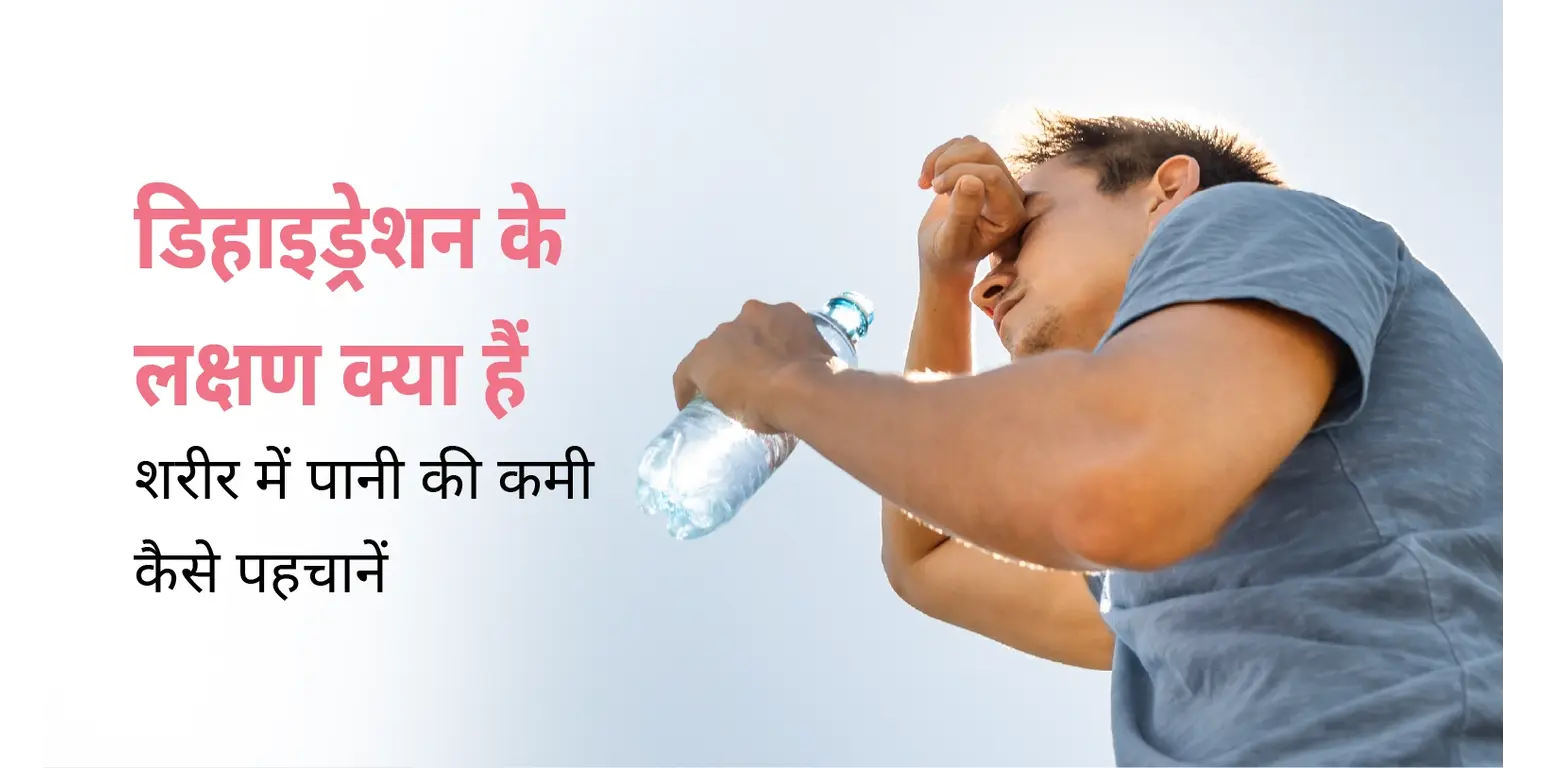
कल्पना कीजिए, आप एक तपती दोपहर में बाहर हैं या अपने ऑफिस के काम में इतने मशगूल हैं कि पानी पीना ही भूल गए। अचानक आपको हल्का सिरदर्द महसूस होता है और आप उसे काम का तनाव समझकर टाल देते हैं। लेकिन क्या आपने कभी सोचा है कि यह तनाव नहीं, बल्कि आपके शरीर का एक “साइलेंट साइन” है? आपका शरीर आपसे कह रहा है कि उसके भीतर का ‘ईंधन’ यानी पानी खत्म हो रहा है।
डिहाइड्रेशन महज एक प्यास का अहसास नहीं है; यह एक ऐसी स्थिति है, जो आपकी किडनी, दिमाग और दिल पर सीधा असर डालती है। जब शरीर को अपनी सामान्य प्रक्रियाओं को चलाने के लिए पर्याप्त तरल पदार्थ नहीं मिलता, तो वह अंदरूनी रूप से ‘सूखने’ लगता है। सीके बिरला अस्पताल के विशेषज्ञों का मानना है कि अस्पताल आने वाले कई मरीजों में थकान और कमजोरी का प्राथमिक कारण पानी की भारी कमी ही पाया जाता है। यदि आप भी अपनी सेहत को लेकर गंभीर हैं, तो डिहाइड्रेशन से बचने के उपाय जानना आपके लिए केवल एक विकल्प नहीं, बल्कि जरूरत है। यदि इस ब्लॉग में मौजूद लक्षण आपको अपने शरीर में दिखते हैं, तो बिना देर किए हमारे अनुभवी विशेषज्ञों से मिलें और अपनी वर्तमान स्थिति के बारे में जानें।
Table of Contents
आसान भाषा में समझें तो डिहाइड्रेशन का मतलब शरीर से बाहर निकलने वाले तरल पदार्थ (पसीना, पेशाब) की तुलना में पानी का सेवन कम होना है। हमारा शरीर लगभग 60-70% पानी से बना है। जब यह संतुलन बिगड़ता है, तो रक्त गाढ़ा होने लगता है और अंगों तक ऑक्सीजन पहुंचाने के लिए हृदय को दोगुनी मेहनत करनी पड़ती है। मेयो क्लीनिक के अनुसार, पुरुषों को रोजाना लगभग 3.7 लीटर और महिलाओं को 2.7 लीटर तरल पदार्थ की आवश्यकता होती है। यही कारण है कि अक्सर लोगों के शरीर में पानी की कमी होने लगती है, क्योंकि इतना पानी भारत की लगभग 70% से अधिक आबादी पीती ही नहीं है।
ये भी पढ़े: जीभ पर छाले क्यों होते है और इससे कैसे ठीक करें?
एक रिसर्च के अनुसार, दुनिया भर में लगभग 70% लोग ‘क्रोनिक डिहाइड्रेशन’ के शिकार हैं, जिसका अर्थ है कि वे पर्याप्त पानी नहीं पी रहे हैं और इसे सामान्य मान चुके हैं। शरीर में पानी की कमी को पहचानना मुश्किल नहीं है, बस आपको अपने शरीर के संकेतों के प्रति थोड़ा संवेदनशील होना होगा। आपको अपने शरीर में निम्न लक्षणों को समझना होगा और आवश्यकता के अनुसार परामर्श लेना होगा –
ये भी पढ़े: क्या रोज़ाना पपीता खा सकते है। इसके फायदे, नुकसान और पोषक तत्त्व।
ये भी पढ़े: अनानास के फायदे, नुकसान, पोषक तत्त्व और खाने का सही तरीका
सिर्फ पानी न पीना ही एकमात्र कारण नहीं है। कई बार आपकी जीवनशैली और बीमारियां भी इसके पीछे होती हैं –
यदि आप डिहाइड्रेशन के लक्षण और उपाय को नजरअंदाज करते हैं, तो यह निम्नलिखित समस्याओं को जन्म दे सकता है –
ये भी पढ़े: जब आप रोज़ ओट्स खाते हैं तो आपके शरीर पर क्या असर होता है?
डिहाइड्रेशन का इलाज उसकी गंभीरता पर निर्भर करता है।
ये भी पढ़े: एल्कलाइन वाटर: क्या होता है, फायदे, नुकसान, और सेवन का सही तरीका
सीके बिरला अस्पताल में हमारे विशेषज्ञ सलाह देते हैं कि डिहाइड्रेशन के उपाय के रूप में केवल सादा पानी ही काफी नहीं है, शरीर को सोडियम और पोटेशियम जैसे इलेक्ट्रोलाइट्स की भी जरूरत होती है। अपने फोन में ‘वॉटर रिमाइंडर’ ऐप इंस्टॉल करें या अपने वर्किंग डेस्क पर एक पारदर्शी बोतल रखें। जब आप पानी को अपनी आंखों के सामने देखते हैं, तो आपके मस्तिष्क को इसे पीने का संकेत मिलता रहता है। स्वस्थ रहें, हाइड्रेटेड रहें!
ये भी पढ़े: जाने पेशाब में जलन का कारण, लक्षण और इलाज
अगर आपको निम्नलिखित में से कुछ भी महसूस हो, तो तुरंत विशेषज्ञ से परामर्श लें:
ये भी पढ़े: गर्मी में हाइड्रेटेड रहने के लिए क्या करें और क्या खाये
पानी जीवन का आधार है। यह बात हम बचपन से सुनते आ रहे हैं। लेकिन इसे अमल में लाना हमारी जिम्मेदारी है। डिहाइड्रेशन के लक्षण दिखने का इंतजार न करें। अपनी बोतल हमेशा साथ रखें और अपने शरीर को वह सम्मान दें जिसका वह हकदार है। याद रखें, आज का एक गिलास पानी कल की बड़ी बीमारी से आपको बचा सकता है।
ये भी पढ़े: फूड पॉइजनिंग: लक्षण, कारण और इलाज
क्या सिर्फ प्यास लगना ही डिहाइड्रेशन का संकेत है?
नहीं, प्यास लगना एक देर से आने वाला संकेत है। जब तक आपको प्यास महसूस होती है, आपका शरीर पहले ही 1-2% पानी खो चुका होता है। थकान, सूखापन, सिरदर्द और प्यास से पहले आने वाले संकेत हो सकते हैं।
क्या ठंड के मौसम में भी डिहाइड्रेशन होता है?
हां, सर्दियों में हमें प्यास कम लगती है और शुष्क हवा शरीर की नमी को सोख लेती है। इसके अलावा, सर्दियों के कपड़ों में पसीना आने पर भी हमें पता नहीं चलता, जिससे डिहाइड्रेशन का खतरा बना रहता है।
क्या बच्चों में डिहाइड्रेशन जल्दी होता है?
जी हां, बच्चों का वजन कम होता है और उनका चयापचय (मेटाबॉलिज्म) तेज होता है, जिससे उनके शरीर से तरल पदार्थ जल्दी खत्म होते हैं। दस्त या बुखार के दौरान बच्चों में यह स्थिति बहुत जल्दी गंभीर हो सकती है।
क्या डिहाइड्रेशन से स्किन खराब होती है?
निश्चित रूप से, पानी की कमी से त्वचा रूखी, बेजान और झुर्रियों वाली दिखने लगती है। पानी त्वचा को हाइड्रेटेड रखकर प्राकृतिक चमक (Glow) बनाए रखने में मदद करता है।
क्या सिर्फ पानी पीना ही पर्याप्त है?
ज्यादातर मामलों में हां, लेकिन अगर डिहाइड्रेशन ज्यादा पसीने या दस्त के कारण है, तो शरीर को नमक और खनिजों (इलेक्ट्रोलाइट्स) की भी जरूरत होती है। ऐसे में ओआरएस या नारियल पानी बेहतर विकल्प हैं।
क्या चाय या कॉफी से पानी की कमी पूरी हो सकती है?
नहीं, कैफीन युक्त पेय ‘मूत्रवर्धक’ (Diuretic) होते हैं, जिसका अर्थ है कि वे आपको अधिक पेशाब कराते हैं, जिससे शरीर में पानी की कमी और बढ़ सकती है।
रोज़ कितना पानी पीना चाहिए?
एक सामान्य वयस्क को दिन में कम से कम 8-10 गिलास (लगभग 2.5 से 3 लीटर) पानी पीना चाहिए। हालांकि, यह आपकी उम्र, वजन और गतिविधि के स्तर पर निर्भर करता है। एक अच्छा नियम यह है कि आप अपनी प्यास का इंतजार न करें, बल्कि हर एक-दो घंटे में थोड़ा-थोड़ा पानी पीते रहें।
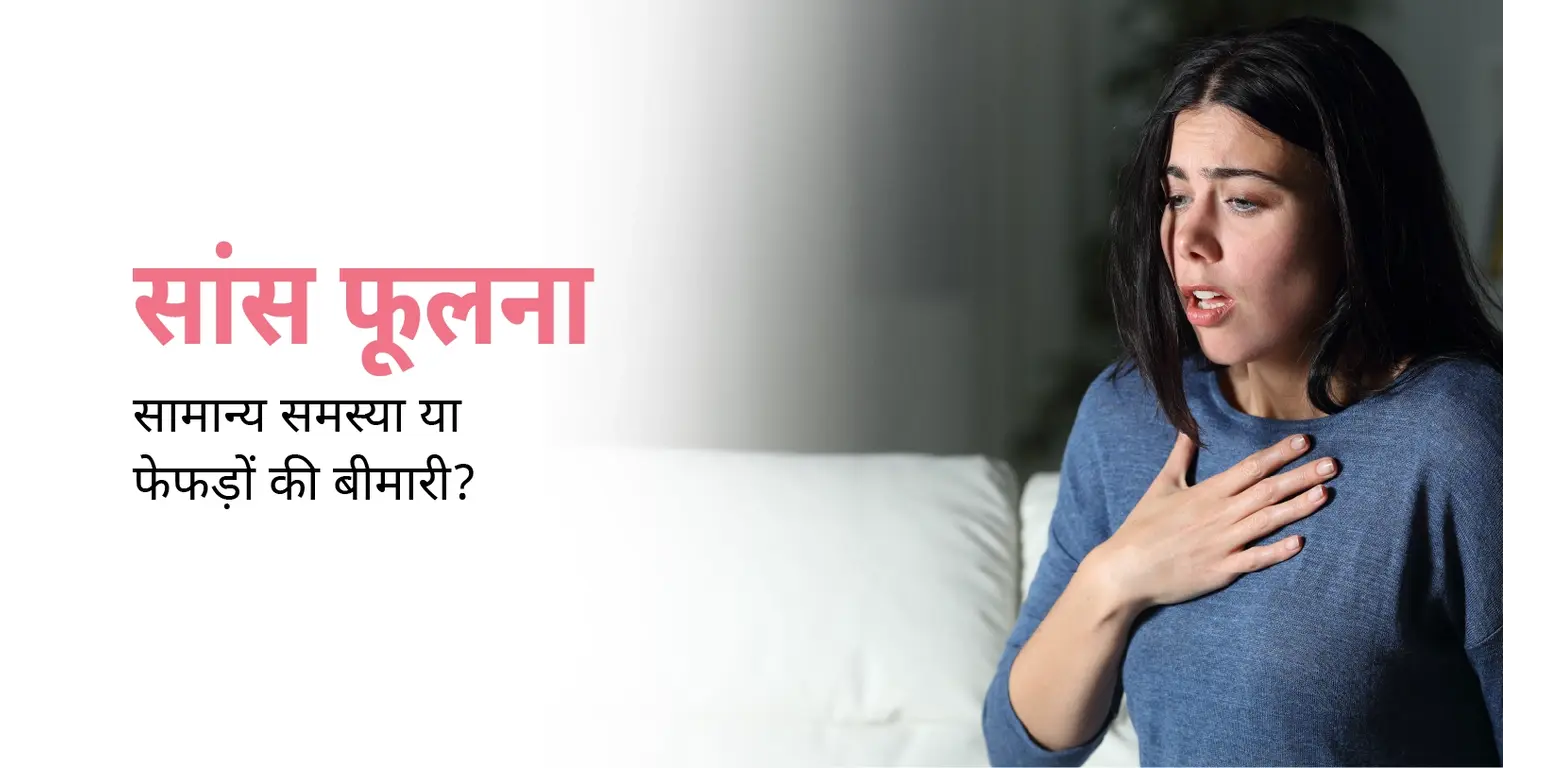
अपना पसंदीदा खेल खेलते हुए यदि अचानक आपको महसूस होता है कि आपके फेफड़े पर्याप्त हवा नहीं खींच पा रहे हैं, तो आपको कैसे लगेगा। सीने में भारीपन, सांस फूलना और घबराहट होना आपको डरा देता है।
क्या यह सिर्फ बढ़ती उम्र या कमजोरी है? या फिर आपका शरीर आपको किसी बड़े खतरे, जैसे फेफड़ों की बीमारी, के प्रति आगाह कर रहा है? सांस लेना जीवन की सबसे स्वाभाविक प्रक्रिया है, लेकिन जब यही प्रक्रिया बोझ बन जाए, तो इसे नजरअंदाज करना जानलेवा हो सकता है। सीके बिरला अस्पताल में हम समझते हैं कि हर उखड़ी हुई सांस के पीछे एक कहानी और एक चिंता होती है। आइए, इस ब्लॉग के माध्यम से विस्तार से समझते हैं कि आखिर सांस का फूलना कब सामान्य है और कब यह ‘मेडिकल इमरजेंसी’ है। और यदि ये मेडिकल इमरजेंसी बनती है, तो बिना देर किए हमारे अनुभवी विशेषज्ञों से परामर्श लें और इलाज लें।
Table of Contents
WHO के अनुसार, वायु प्रदूषण के कारण हर साल दुनिया भर में लाखों लोग श्वसन रोगों का शिकार होते हैं, जिसका सबसे सामान्य लक्षण होता है सांस फूलना। मेडिकल भाषा में सांस फूलने को ‘डिस्पनिया’ (Dyspnea) कहा जाता है। यह वह स्थिति है जब व्यक्ति को पर्याप्त ऑक्सीजन नहीं मिल पाती और उसे सांस लेने के लिए अतिरिक्त प्रयास करना पड़ता है। कई बार जल्दी सांस फूलने के कारण शारीरिक सक्रियता की कमी हो सकती है, लेकिन यदि यह समस्या बिना किसी मेहनत के हो रही है, तो यह चिंता का विषय है।
हर बार सांस फूलना किसी गंभीर बीमारी का संकेत नहीं होता। इसके कुछ सामान्य कारण निम्नलिखित हो सकते हैं –
ये भी पढ़े: सांस लेने में दिक्कत हो तो क्या करें?
ये सभी कारण सामान्य कारण हैं, लेकिन सांस फूलने के कुछ गंभीर कारण भी होते हैं, जिन्हे हम नीचे समझने वाले हैं।
ये भी पढ़े: इओसिनोफिलिया क्या है – कारण, लक्षण और घरेलू उपचार (Eosinophils in Hindi)
अगर आपको बार-बार सांस फूलना जैसी समस्या हो रही है, तो इसके पीछे आपके श्वसन तंत्र (Respiratory System) की कोई गड़बड़ी हो सकती है। चलिए समझते हैं कि कौन से गंभीर कारण हैं –
ये भी पढ़े: ट्यूबरक्लोसिस क्या है – कारण, लक्षण और बचाव
ये सारे कारण गंभीर कारण हैं और यदि आप इनमें से किसी भी कारण के चपेट में आ रहे हैं, तो हमारी सलाह यही होगी कि आप सबसे पहले हमारे अनुभवी विशेषज्ञों से मिलें और इलाज लें।
ये भी पढ़े: बंद नाक का कारण, लक्षण और इलाज
सांस फूलने के साथ कुछ अन्य लक्षण इस स्थिति को और गंभीर बना देते हैं जैसे कि –
ये भी पढ़े: खांसी का कारण और इलाज
इस टेबल में बताए गए लक्षणों को बिल्कुल भी नजरअंदाज न करें और तुरंत परामर्श लें। आपकी समझ के लिए हमने इसमें लक्षण के संभावित कारण और उसकी गंभीरता भी बताई है –
| लक्षण | संभावित कारण | गंभीरता |
| चलते समय सांस फूलना | मोटापा या एनीमिया | मध्यम |
| लेटने पर सांस फूलना | हृदय की समस्या (Heart Failure) | उच्च (तुरंत जांच कराएं) |
| सांस के साथ घरघराहट | अस्थमा या ब्रोंकाइटिस | मध्यम से उच्च |
ये भी पढ़े: गले में सूजन का कारण और उपचार
चलिए इसे एक आंकड़े की मदद से समझने का प्रयास करते हैं। भारत में लगभग 15-20% वयस्क किसी न किसी स्तर की श्वसन संबंधी समस्या से जूझ रहे हैं। इसलिए यदि आपको निम्नलिखित लक्षण महसूस होते हैं तो बिना देर किए हमारे अनुभवी विशेषज्ञों से मिलें और जानें कि इलाज का पूरा शेड्यूल क्या होगा –
ये भी पढ़े: सूखी खांसी: कारण, लक्षण, घरेलू उपाय और निदान
सीके बिरला अस्पताल में हम आधुनिक तकनीक के माध्यम से आपकी समस्या की जड़ तक पहुंचते हैं। फेफड़ों की स्थिति जानने के लिए निम्नलिखित टेस्ट किए जा सकते हैं:
फेफड़ों में इन्फेक्शन का इलाज इन्फेक्शन के प्रकार पर निर्भर करता है। इसके कुछ प्रमुख तरीके हैं, जिन्हें हमने एक-एक करके समझाया है –
अगर इन्फेक्शन की वजह से सांस की नली में सूजन आ गई है या मरीज को अस्थमा और COPD जैसी स्थिति है, तो इनहेलर सबसे कारगर साबित होते हैं।
बिना डॉक्टरी सलाह के कोई भी दवा या एंटीबायोटिक न लें, क्योंकि इससे शरीर में ‘ड्रग रेजिस्टेंस’ बढ़ सकता है।
ये भी पढ़े: जानिए फेफड़ों में पानी भरने के मुख्य कारण और इलाज
यह फेफड़ों के लिए एक तरह की “जिम” की तरह है। जब इन्फेक्शन की वजह से फेफड़े कमजोर हो जाते हैं या सांस फूलने लगती है, तब यह प्रोग्राम बहुत मददगार होता है।
जब इन्फेक्शन इतना गंभीर हो जाए कि फेफड़े खून में पर्याप्त ऑक्सीजन नहीं पहुंचा पा रहे हों, तब ऑक्सीजन थेरेपी की जरूरत पड़ती है।
दवाओं के साथ-साथ आपकी दिनचर्या ही आपकी असली रिकवरी तय करती है:
ये भी पढ़े: गले में अत्यधिक बलगम क्यों बनता है और इसका स्वास्थ्य पर क्या प्रभाव पड़ता है?
यदि समस्या गंभीर नहीं है, तो आप कुछ सांस फूलना घरेलू उपाय अपना सकते हैं –
सांस का फूलना कोई सामान्य घटना नहीं है, जिसे आप “कल देखेंगे” कहकर टाल सके। यह आपके शरीर का एक महत्वपूर्ण संदेश है। चाहे वह रनिंग करते समय सांस फूलना हो या थकान, सही समय पर पहचान और विशेषज्ञ की सलाह आपको भविष्य की बड़ी मुश्किलों से बचा सकती है। याद रखें, स्वस्थ फेफड़े ही एक स्वस्थ जीवन की नींव हैं।
क्या सांस फूलना सिर्फ फेफड़ों की बीमारी का संकेत है?
नहीं, सांस फूलना हृदय रोग, एनीमिया, तनाव, मोटापा या थायराइड जैसी समस्याओं का संकेत भी हो सकता है। यह हमेशा फेफड़ों की बीमारी नहीं होती, लेकिन इसकी जांच जरूरी है।
क्या गैस या एसिडिटी से भी सांस फूल सकती है?
हां, पेट में अत्यधिक गैस या एसिड रिफ्लक्स (GERD) डायफ्राम पर दबाव डाल सकता है, जिससे सांस लेने में कठिनाई या भारीपन महसूस हो सकता है।
क्या सोते समय सांस फूलना खतरनाक है?
हाँ, इसे ‘स्लीप एपनिया’ या हृदय की समस्या का संकेत माना जा सकता है। अगर सोते समय अचानक सांस उखड़ने से नींद खुलती है, तो तुरंत डॉक्टर को दिखाएं।
क्या ठंड के मौसम में सांस फूलना बढ़ जाता है?
ठंडी हवा फेफड़ों की नली को सिकोड़ सकती है, जिससे अस्थमा और सीओपीडी के मरीजों को सांस लेने में अधिक दिक्कत होती है।
क्या सांस फूलने पर तुरंत इनहेलर लेना सही है?
इनहेलर केवल तभी लें जब वह डॉक्टर द्वारा सुझाया गया हो। बिना डॉक्टरी सलाह के इनहेलर का उपयोग समस्या को और जटिल बना सकता है।
क्या एनीमिया के कारण भी जल्दी सांस फूल सकती है?
जी हां, शरीर में आयरन या हीमोग्लोबिन की कमी होने पर खून फेफड़ों से अंगों तक पर्याप्त ऑक्सीजन नहीं ले जा पाता, जिससे व्यक्ति जल्दी थक जाता है।
फेफड़ों को प्राकृतिक रूप से मजबूत कैसे बनाएं?
नियमित व्यायाम, अनुलोम विलोम, प्रदूषण मुक्त वातावरण और धूम्रपान से दूरी बनाकर आप फेफड़ों को स्वस्थ रख सकते हैं।

