Filter :

क्या आपके साथ भी ऐसा होता है कि सीधे रास्ते पर चलते समय पैर ठीक रहते हैं, लेकिन सीढ़ियां चढ़ते ही घुटनों में तेज दर्द होने लगता है? रोजमर्रा का यह आसान सा काम जब भारी पड़ने लगे, तो इंसान परेशान हो जाता है। लोग अक्सर इसे मामूली थकान समझकर छोड़ देते हैं, लेकिन डॉक्टरों के अनुसार, यह घुटनों की किसी अंदरूनी समस्या का शुरुआती संकेत हो सकता है। आंकड़ों की मानें तो भारत में 40 साल से ऊपर के करीब 34% लोग घुटनों के दर्द (ऑस्टियोआर्थराइटिस) से परेशान हैं। गलत खान-पान और निष्क्रिय जीवनशैली के कारण अब युवा भी इस दर्द का शिकार हो रहे हैं।
अगर आप भी इस समस्या से परेशान हैं, तो डरें नहीं, सही समय पर इलाज करवाएं। सी के बिरला हॉस्पिटल (CK Birla Hospital) के डॉक्टर आपकी मदद के लिए हमेशा तैयार हैं; आप आज ही अपना अपॉइंटमेंट बुक करें और अपनी समस्या का इलाज पाएं।
Table of Contents
जब हम जमीन पर चलते हैं, तो हमारे घुटनों पर हमारे शरीर के वजन का लगभग 1 से 2 गुना दबाव पड़ता है। लेकिन, जैसे ही हम सीढ़ियां चढ़ना शुरू करते हैं, बायोमैकेनिकल मैकेनिक्स (Biomechanical Mechanics) के कारण यह दबाव बढ़कर हमारे शरीर के कुल वजन का 3 से 4 गुना हो जाता है। उदाहरण के लिए, यदि आपका वजन 70 किलोग्राम है, तो सीढ़ियां चढ़ते समय आपके प्रत्येक घुटने को लगभग 210 से 280 किलोग्राम तक का भार संभालना पड़ता है।
जब हम सीढ़ियां चढ़ते हैं, तो हमारा घुटना गहराई से मुड़ता है (Deep Flexion) और जांघ की मांसपेशियां (Quadriceps) शरीर को ऊपर उठाने के लिए अतिरिक्त बल लगाती हैं। इस प्रक्रिया में घुटने की कटोरी (Patella) और जांघ की हड्डी (Femur) के बीच का घर्षण बढ़ जाता है। यदि घुटने के जोड़ के बीच मौजूद सुरक्षात्मक परत, जिसे कार्टिलेज (Cartilage) कहा जाता है, थोड़ी भी घिस गई हो या उसमें सूजन हो, तो यह बढ़ा हुआ दबाव हड्डियों को आपस में रगड़ने पर मजबूर कर देता है, जिससे तेज दर्द, जकड़न और बेचैनी महसूस होने लगती है।
ये भी पढ़े: हाथों और पैरों में झुनझुनी : कारण, इलाज और कब डॉक्टर को दिखाएं
घुटनों का दर्द अचानक उत्पन्न नहीं होता, इसके पीछे कोई न कोई छिपी हुई चिकित्सकीय स्थिति या शरीर की कोई खराबी होती है। यहां घुटनों में दर्द के कारण विस्तार से दिए गए हैं –
यह घुटने के दर्द का सबसे आम और प्रमुख कारण है। ऑस्टियोआर्थराइटिस एक ऐसी स्थिति है, जिसमें घुटनों के जोड़ों के बीच का प्राकृतिक कुशन यानी कार्टिलेज धीरे-धीरे घिसने और पतला होने लगता है। मेडिकल रिपोर्ट्स बताती हैं कि 40 की उम्र पार कर चुके लोगों में सीढ़ियां चढ़ते वक्त होने वाला शुरुआती दर्द अक्सर ऑस्टियोआर्थराइटिस का ही पहला संकेत होता है।
यह समस्या युवाओं और खिलाड़ियों में बहुत अधिक देखी जाती है। इसमें घुटने की कटोरी (Kneecap) अपनी सही जगह से थोड़ी असंतुलित हो जाती है। जब पैर मुड़ता है, तो यह कटोरी नीचे की हड्डी पर सुचारू रूप से फिसलने के बजाय रगड़ खाती है, जिसके कारण घुटनों में दर्द होता है।
हमारे घुटने में शॉक एब्जॉर्बर (Shock Absorber) के रूप में दो सी-शेप के कार्टिलेज होते हैं, जिन्हें मेनिस्कस कहा जाता है। खेलकूद के दौरान, अचानक मुड़ने या सीढ़ियों पर गलत पैर पड़ने से इनमें हल्का या गहरा टियर (दरार) आ सकता है। मेनिस्कस टियर होने पर सीढ़ियां उतरते या चढ़ते समय घुटने लॉक हो सकते हैं या ऐसा महसूस हो सकता है कि घुटना आपका वजन नहीं संभाल पाएगा।
घुटने के जोड़ों को जोड़ने वाले टिश्यूज (टेंडन्स) में अत्यधिक इस्तेमाल या बार-बार एक ही तरह के तनाव के कारण सूजन आ जाती है, जिसे पटेलर टेंडिनाइटिस कहा जाता है। इसी तरह, जोड़ों के बीच घर्षण कम करने वाली छोटी तरल थैलियों (Bursae) में सूजन आने को बर्साइटिस कहते हैं।
सीढ़ियां चढ़ते समय वजन कई गुना बढ़ जाता है। ऐसे में यदि किसी व्यक्ति का वजन सामान्य से 10 किलो भी ज्यादा है, तो उसके घुटनों पर पड़ने वाला अतिरिक्त मैकेनिकल लोड 40 किलो तक बढ़ जाता है। यह अतिरिक्त भार जोड़ों को समय से पहले बूढ़ा और क्षतिग्रस्त कर देता है।
अतीत में लगी कोई ऐसी चोट, जिसे आपने सामान्य मोच समझकर छोड़ दिया था, समय के साथ गंभीर रूप ले सकती है। एसीएल (ACL) या एमसीएल (MCL) लिगामेंट में पुरानी आंशिक क्षति के कारण घुटने का स्टेबिलिटी मैकेनिज्म बिगड़ जाता है, जिससे सीढ़ियों पर पैर रखते ही जोड़ हिलने जैसा महसूस होता है।
ये भी पढ़े: हेयरलाइन फ्रैक्चर क्या होता है और इससे बचाव कैसे करें?
चिकित्सा विज्ञान में प्रगति के कारण आज घुटनों में दर्द का इलाज बेहद सुलभ और प्रभावी हो चुका है। सीके बिरला हॉस्पिटल में हम प्रत्येक मरीज की स्थिति के अनुसार कस्टमाइज्ड ट्रीटमेंट प्लान तैयार करते हैं –
ये भी पढ़े: लकवा क्या है? कारण, लक्षण, इलाज और रोकथाम
यदि आपका दर्द शुरुआती स्तर पर है, तो घुटनों में दर्द के घरेलू उपाय और जीवनशैली में छोटे बदलाव करके आप बड़ी राहत पा सकते हैं –
ये भी पढ़े: गठिया: कारण, लक्षण और उपचार
हर प्रकार का घुटने का दर्द घरेलू उपायों से ठीक नहीं होता। यदि आपको निम्नलिखित लक्षणों में से कोई भी महसूस हो, तो बिना देर किए आर्थोपेडिक विशेषज्ञ (Orthopedic Specialist) से परामर्श करना चाहिए –
ये भी पढ़े: सिर दर्द की समस्या से निजात पाने का रामबाड़ उपाय
सीढ़ियां चढ़ते समय घुटने में दर्द होना कोई ऐसी समस्या नहीं है जिसके साथ आपको जीवनभर समझौता करना पड़े। इसे केवल ‘बढ़ती उम्र का तकाजा’ मानकर टालना आपके जोड़ों को स्थायी रूप से असक्षम बना सकता है। यदि दर्द पुराना हो चुका है और आपकी रोजमर्रा की जिंदगी को प्रभावित कर रहा है, तो विशेषज्ञ डॉक्टर की सलाह ही सबसे सुरक्षित रास्ता है।
सी के बिरला हॉस्पिटल (CK Birla Hospital) में हमारे पास अत्याधुनिक रोबोटिक तकनीक, विश्व स्तरीय आर्थोपेडिक सर्जन और एडवांस रिहैबिलिटेशन (Physiotherapy) की सुविधाएं उपलब्ध हैं, जो आपको बिना दर्द के एक सक्रिय जीवन जीने में मदद कर सकती हैं। अपने घुटनों की सेहत को कल पर न टालें, आज ही हमारे विशेषज्ञों से संपर्क करें और स्वस्थ कदमों की ओर अपना पहला कदम बढ़ाएं।
ये भी पढ़े: डिहाइड्रेशन के लक्षण क्या हैं? शरीर में पानी की कमी कैसे पहचानें
आजकल की भागदौड़ में हम चेहरे पर क्रीम तो लगा लेते हैं, लेकिन अंदरूनी कमजोरी को भूल जाते हैं। क्या आप जानते हैं कि आपका शरीर खुद विटामिन C नहीं बना सकता? यानी, अगर आपने आज संतरा या नींबू नहीं खाया, तो आपका शरीर खाली हाथ रह जाएगा।
लेकिन प्रकृति ने हमें एक ऐसा सुरक्षा कवच दिया है, जो न केवल बीमारियों से लड़ता है, बल्कि आपको लंबे समय तक जवान और ऊर्जावान बनाए रखता है और उस कवच का नाम है विटामिन C। डॉक्टर के तौर पर हमारे पास अक्सर ऐसे मरीज आते हैं जो थकान की शिकायत करते हैं, और जांच में पता चलता है कि बस विटामिन C की कमी थी। इसलिए हर कुछ समय में कोई न कोई टेस्ट करा लेना चाहिए और एक अनुभवी विशेषज्ञ से परामर्श ले लेना चाहिए।
Table of Contents
विटामिन C को विज्ञान में एस्कॉर्बिक एसिड कहते हैं, पर असल में यह आपकी इम्यूनिटी का वो ‘बॉडीगार्ड’ है जो वायरस को अंदर घुसने से रोकता है। क्या आप जानते हैं, जितना आवश्यक विटामिन सी हमारे लिए है, हमारा शरीर विटामिन सी का निर्माण खुद करता ही नहीं है। सरल भाषा में समझें तो, हमें अपनी दैनिक जरूरतों के लिए पूरी तरह से बाहरी आहार या सप्लीमेंट पर निर्भर रहना पड़ता है।
चूंकि यह पानी में घुल जाता है, इसलिए शरीर इसे स्टोर करके नहीं रखता। सीधा सा मतलब है कि जो आज खाया वह आज काम आया, कल के लिए आपको फिर से इसकी जरूरत होगी। यही कारण है कि विटामिन C के स्वास्थ्य लाभ प्राप्त करने के लिए इसे हर दिन पर्याप्त मात्रा में लेना अनिवार्य है। लेकिन ध्यान रहें, डॉक्टर से एक बार पूछ ज़रूर लें कि आपको कितना विटामिन सी चाहिए, अन्यथा ये आपके लिए दो धारी तलवार का काम करेगी।
ये भी पढ़े: एल्कलाइन वाटर: क्या होता है, फायदे, नुकसान, और सेवन का सही तरीका
अक्सर लोग विटामिन C का जिक्र तभी करते हैं, जब उन्हें छींक आने लगती हैं या जुकाम होता है। लेकिन इसकी भूमिका इससे कहीं अधिक गहरी है। चलिए समझते हैं विटामिन सी हमारे जीवन में क्या रोल निभाता है –
ये भी पढ़े: विटामिन K की कमी का शरीर पर क्या असर होता है?
अगर आप त्वचा की झुर्रियों, काले घेरों या डलनेस से परेशान हैं, तो विटामिन C आपका सबसे अच्छा दोस्त बन सकता है। सुंदरता के नजरिए से त्वचा के लिए विटामिन C के फायदे बेमिसाल हैं, चलिए आपको बताते हैं –
ये भी पढ़े: जानें ग्रीन टी के फायदे, नुकसान और सही मात्रा में सेवन
हम अक्सर आंखों की रोशनी के लिए विटामिन A की बात करते हैं, लेकिन आंखों के लिए विटामिन C एक सपोर्ट सिस्टम के रूप में कार्य करता है। विटामिन C का आपकी आंखों और दिल पर निम्नलिखित प्रभाव देखने को मिलते हैं –
ये भी पढ़े: जानिए काला चना की न्यूट्रिशनल वैल्यू पर 100 ग्राम: प्रोटीन, न्युट्रिशन और अन्य स्वास्थ्य लाभ
महंगे सप्लीमेंट की जगह प्रकृति ने हमें विटामिन C के स्रोत भरपूर मात्रा में दिए हैं। यहाँ कुछ बेहतरीन विकल्प दिए गए हैं जैसे कि –
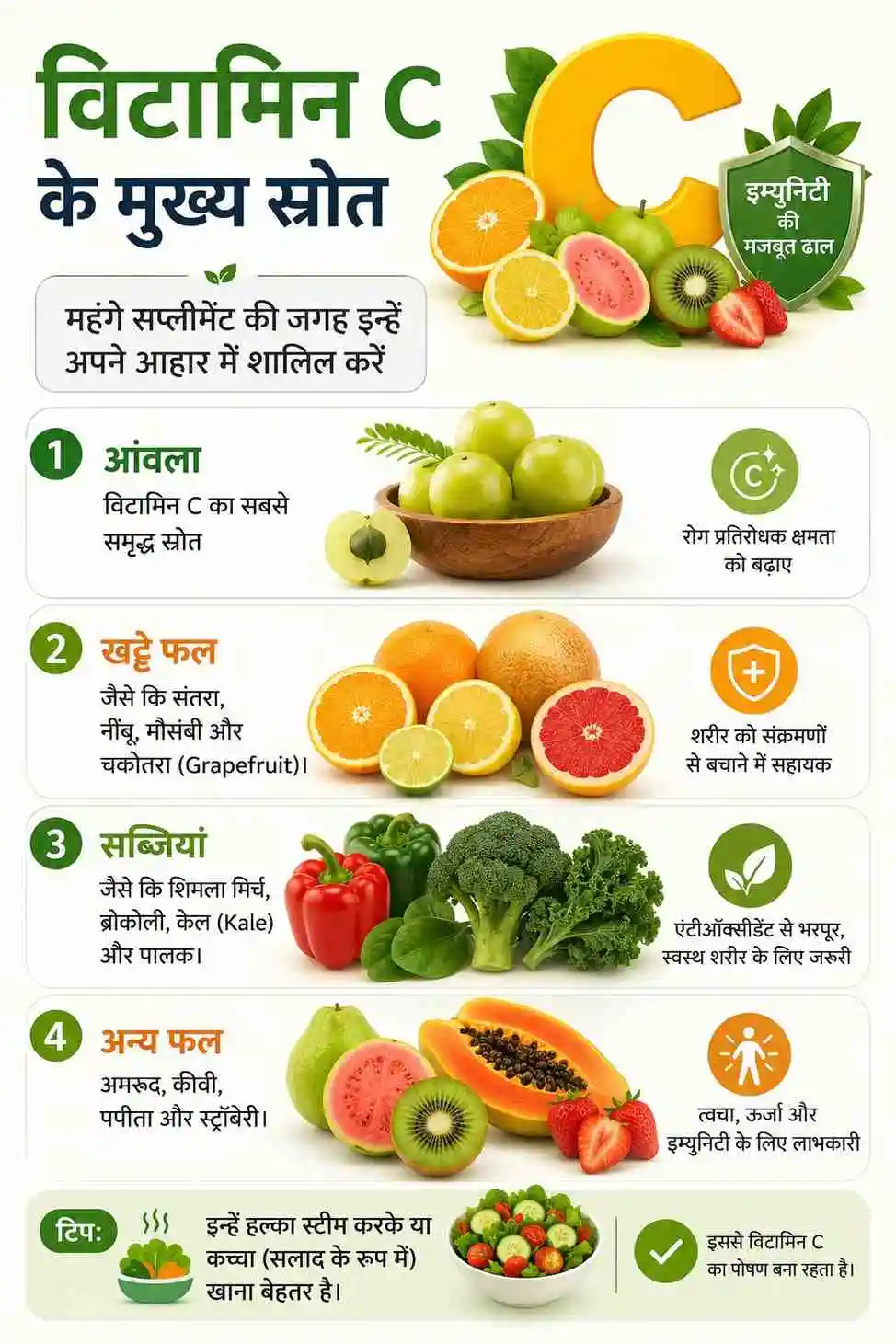
नोट: विटामिन C गर्मी के प्रति बहुत संवेदनशील होता है। सब्जियों को बहुत ज्यादा उबालने या पकाने से इसमें मौजूद विटामिन C नष्ट हो सकता है, इसलिए इन्हें हल्का स्टीम करके या कच्चा (सलाद के रूप में) खाना बेहतर है।
ये भी पढ़े: प्रतिरोधक क्षमता(इम्यूनिटी) बढ़ाने के लिए क्या खाएं?
यदि आप पर्याप्त विटामिन C नहीं ले रहे हैं, तो आपका शरीर ये चेतावनी संकेत दे सकता है:
ये भी पढ़े: अनानास के फायदे, नुकसान, पोषक तत्त्व और खाने का सही तरीका
विटामिन C कैसे लें और कब लें, यह जानना बहुत जरूरी है, ताकि इसका अधिकतम लाभ मिल सके।
ये भी पढ़े: गर्मी में हाइड्रेटेड रहने के लिए क्या करें और क्या खाये
विटामिन C केवल एक पोषक तत्व नहीं, बल्कि आपकी जीवनशैली का अनिवार्य हिस्सा होना चाहिए। चाहे वह आपकी त्वचा को चमकदार बनाना हो या घातक बीमारियों से आपके शरीर की रक्षा करना, इसकी भूमिका अद्वितीय है। प्राकृतिक स्रोतों को अपनी डाइट में शामिल करना सबसे सुरक्षित और प्रभावी माना जाता है।
अगर आप अक्सर बीमार रहते हैं या विटामिन की कमी से संबंधित लक्षणों को महसूस कर रहे हैं, तो इसे नजरअंदाज न करें। सीके बिरला अस्पताल में हम न केवल बीमारियों का इलाज करते हैं, बल्कि आपको एक स्वस्थ जीवनशैली अपनाने के लिए प्रेरित भी करते हैं। सही आहार और सही मार्गदर्शन ही आपके स्वस्थ भविष्य की कुंजी है। यदि आप अपने स्वास्थ्य को लेकर परेशान है और एक सही और स्वस्थ जीवन शैली की तरफ अपना पहला कदम बढ़ाना चाहते हैं, तो बिना देर किए हमारे अनुभवी विशेषज्ञों से परामर्श लें।
ये भी पढ़े: जब आप रोज़ ओट्स खाते हैं तो आपके शरीर पर क्या असर होता है?

Every 4 minutes, an Indian woman is diagnosed with breast cancer. Every 8 minutes, one loses her life to it. According to the Indian Council of Medical Research (ICMR), breast cancer is now the most common cancer among Indian women, accounting for nearly one in four cancer cases in women in the country. Globally, the World Health Organization (WHO) reports that approximately 2.3 million women are diagnosed with breast cancer each year, making it the most prevalent cancer worldwide.
However, these statistics must not overshadow that when detected early, breast cancer may increase the survival rate. Therefore, it is very important to be aware of it.
Table of Contents
Breast cancer is a condition where breast cells grow uncontrollably and abnormally, forming a lump or mass (called a tumour). Normally, our body’s cells grow, divide, and die in an organised process. When something causes disruption in this process, cells can multiply faster than they should and that overgrowth is what we call cancer.
Breast cancer most commonly begins in the milk ducts (the tubes that carry milk to the nipple) or in the lobules (the glands that produce milk). However, not all breast lumps are cancerous. Many are benign meaning non-harmful. But any new lump or change in the breast should never be ignored.
Also Read: Anteverted Uterus: Positions & Is it Good or Bad
Most people think a lump is the only warning sign of breast cancer. But your body sends other signals too and knowing them could help you a lot in detecting any problem.
Here are some common signs you should never ignore:
Also remember that symptoms of breast cancer in women are not the same for everyone. Some women notice multiple changes at once, while others may have no symptoms at all in the early stages. That is exactly why regular breast cancer screening is very important, even when you feel completely fine.
Also Read: Anterior Placenta: What is it? Diagnosis & Complications
There are different types of breast cancer types that can help explain why treatment approaches vary so much between patients.
Also Read: What is Mastitis? It’s Causes, Symptoms, Diagnosis, Prevention and Treatment
The breast cancer stages describe how far the disease has spread in the body, and they directly influence the treatment plan. Stages run from 0 to IV:
When diagnosed early, survival can vastly improve. That’s why awareness and regular screening are very important.
Also Read: What is cholesterol? Type, normal range, Diagnosis and Treatment
This is a question that can make many people feel scared. Breast cancer can be life threatening, especially when it is diagnosed at an advanced stage. However, survival rates have improved over the past few decades. According to the National Cancer Institute (NCI), the overall 5 year relative survival rate for breast cancer in the U.S. is approximately 91%. It is possibly due to better screening, earlier detection, and more effective treatments.
The message here is that a breast cancer diagnosis does not mean losing your life. When detected early, many people go on to live healthy lives after treatment.
Also Read: What is Endometrial Thickness and Why Does it Matter?
It can be caused by varied factors such as:
While you cannot eliminate all risk, you can reduce its chances by performing proactive habits:
Also Read: Can Long-Term Junk Food Habits Raise Your Breast Cancer Risk?
The treatment of breast cancer depends on its severity and stage. An oncologist may suggest:
It is true that we cannot always control whether a disease develops, but what we can do is stay aware and informed. Paying attention to your body, noticing small changes, and going for regular screening, these simple steps can really help in the long run.
At the CK Birla Hospital, we focus on building that awareness and supporting women through every stage of their breast health journey. We also have a dedicated ‘breast centre’ that aims to ensure every patient receives the attention, care, and support they need. If you ever feel unsure or simply want to get things checked, you can book a consultation and speak with experienced oncologists, gynaecologists, and other specialist doctors.
Also Read: Myths About Breast Cancer
Why does breast cancer happen in females?
Women naturally have more breast tissue, and their bodies are strongly influenced by hormones like estrogen and progesterone. These hormones fluctuate throughout life, during periods, pregnancy, and menopause and over time, that hormonal activity can trigger abnormal cell growth in the breast.
Does breast cancer cause hair loss?
Not directly. Hair loss is actually a side effect of chemotherapy, not the cancer itself. For most people, hair grows back once treatment is complete.
Does breast cancer hurt?
Breast cancer is usually painless in its early stage, which is exactly why you should never wait for pain before getting checked. Discomfort may develop as the disease progresses, but pain-free does not mean problem-free.
Is breast cancer genetic?
Around 5 to 10% of cases are linked to inherited gene mutations like BRCA1 and BRCA2. If someone has breast cancer in your family, speak to your doctor about genetic counseling.
Will breast cancer come back?
Recurrence is possible, which is why regular follow ups after treatment matter so much. The risk depends on the original stage and type, but many people go on to live full, cancer-free lives for decades after treatment.
Can men get breast cancer?
It is very rare. Men have breast tissue and can develop breast cancer. Any unexplained lump or breast change in men should be evaluated by a doctor.
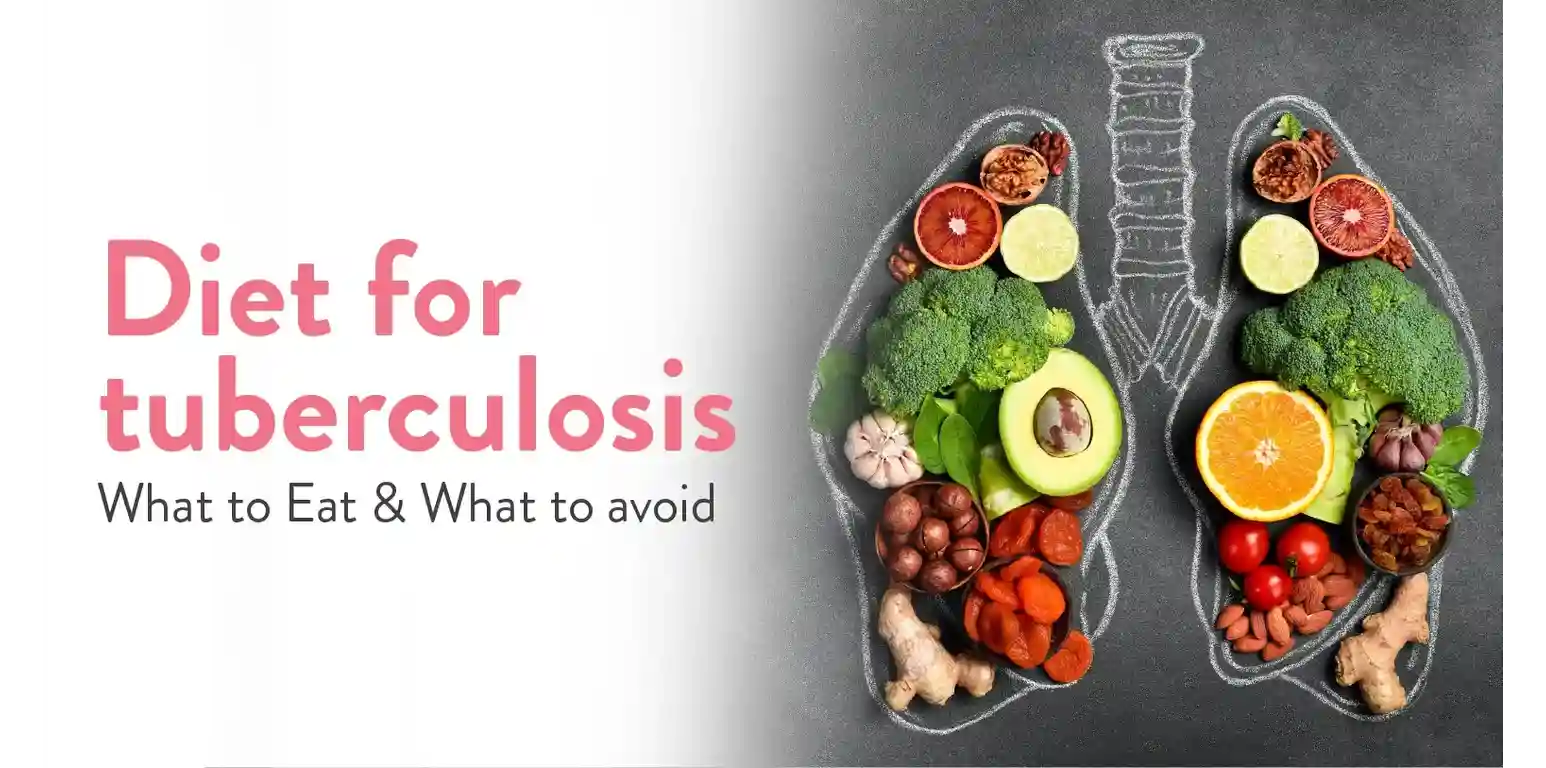
When any illness is diagnosed, medication becomes the immediate focus.Tuberculosis is no different. But medication is only one part of recovery. The other part is your diet. What you eat directly affects how well your body responds to treatment.
The right foods build strength, improve your immune system, and help you handle medication better. The wrong ones slow recovery down and make an already difficult process harder.
In this way, your daily meals become an important part of your treatment. If you are searching for the right diet during tuberculosis, keep reading to understand what to eat and what to avoid.
Table of Contents
Tuberculosis (commonly known as TB) is a bacterial infection, caused by a bacterium known as Mycobacterium tuberculosis. It mostly affects your lungs. But, it can also impact the kidneys, spine, and brain in some cases.
TB spreads through the air. When someone who has TB coughs, sneezes, or even talks, they release tiny droplets in the air that another person can breathe in. This is why TB is one of the most widespread infectious diseases in the world despite being entirely treatable.
According to the WHO, around 10.7 million people were impacted by TB in 2024, making it the deadliest single infectious disease globally that year, ahead of even HIV/AIDS. India carries one of the heaviest shares of this burden.
Also Read: Top 10 Summer Foods That Protect You from Heat
What is less talked about is the link between TB and nutrition. WHO data shows that close to 0.93 million new TB cases in 2024 were linked to undernutrition. Certainly, a body that is not getting enough of the right nutrients is a body that cannot fight back effectively.
TB is commonly understood as a lung disease, but it can exhaust your whole body. It demands enormous energy to maintain your immune system. The body begins consuming its own protein and energy reserves to keep up, which is why so many TB patients experience weight loss, a gradual loss of muscle, and fatigue that does not improve with rest.
By the time treatment starts, the nutritional deficit is often significant. Addressing it through diet is not a secondary concern or something to get to eventually. It is a necessary part of recovery from the very first day.
Also Read: Kiwi Fruit: Nutrition, Health Benefits & How to Eat It
Three things a good diet does during TB treatment:
A healthy diet replaces what the disease and the medication take away. First-line TB medications are generally hard on the body. They may deplete vitamins, particularly B6 and D. Eating the right foods, or supplementing under medical guidance, helps fill those gaps.
It keeps the immune system functional. Nutrients like zinc, vitamin C, and vitamin A are really important for the immune system to work. Without them, the body feels like it is trying to fight with one hand tied behind its back.
It helps patients tolerate treatment better. Some anti-TB drugs cause nausea, nerve discomfort, and liver strain. A nourishing diet does not eliminate these side effects, but it can reduce how severe they get.
Also Read: Is Horsegram Beneficial for Weight Loss?
1. Protein-rich food
TB can lead to muscle loss and weight loss. Getting enough protein is one of the most important things a TB patient can do. While individual needs may vary, the general recommendation suggests around 1.2 to 1.5 grams per kg of body weight each day. In some cases, doctors or dietitians may recommend higher protein intake based on a patient’s condition. Good protein food options include eggs, chicken, fish, paneer, dal, rajma, chana, tofu, curd, and milk.
2. Carbohydrates for energy
The body is working harder than usual during tuberculosis. It needs fuel in the form of carbohydrates. Eat whole wheat roti, brown rice, oats, millets, and sweet potatoes that release energy slowly and keep the body going through the day.
3. Eat fats, but moderately
There is a tendency to cut fat when someone is unwell. With TB, that can be a wrong call. Fat-soluble vitamins including A, D, E, and K need dietary fat to be absorbed properly. Including ghee in modest amounts, a handful of almonds or walnuts, flaxseeds, and fatty fish is genuinely useful as part of a TB diet plan.
Also Read: Benefits of Taking Fish Oil
4. Vitamins and minerals that TB depletes
5. Fluids
TB medications put strain on the kidneys and liver. Staying hydrated helps your body. 2 to 4 litres of water a day is a reasonable target. Coconut water, buttermilk, and freshly made juices are gentler options on days when solid food feels like too much.
You can start with adding these food options to make a healthy diet for tuberculosis. A registered dietitian can adjust it based on your weight, your appetite, and which medications you are on.
Also Read: Gond Katira Benefits: A Natural Secret for Body Cooling, Better Digestion, and Glowing Skin
Knowing what not to eat matters just as much as knowing what to eat. Some foods directly interfere with treatment. Let’s see what you should avoid.
Also Read: Loose Motion: Causes, Symptoms, and When to Seek Help
Tuberculosis is a serious condition, but it is also treatable with the right medical care and support. While diet does not replace medical treatment, it plays an important role in how well your body copes and recovers during the process. A healthy diet for tuberculosis patients is about getting the basics right, enough protein to maintain muscle, enough vitamins to support the immune system, and enough calories to meet the body’s increased needs during recovery.
If you need a personalised diet plan, it is always best to consult an experienced nutritionist or dietitian. You can also book a consultation at the CK Birla Hospital to receive expert guidance.
Also Read: Why should we drink Green Tea? Benefits, Nutritional Value and Possible Side Effects
What is the daily nutritional requirement of a TB patient?
TB patients generally need between 2500–3000 kcal per day. Protein intake should be around 1.2 to 1.5 grams per kilogram body weight. Vitamins A, C, D, and B6, along with zinc and iron, are especially important during treatment. These should come from food where possible, with supplementation added under medical guidance when diet alone is not enough.
Are high-calorie foods essential in TB patients?
Yes. TB keeps the immune system running at high alert for months, which costs a lot of energy. On top of that, the infection itself causes weight and muscle loss. Eating enough calories from whole grains, legumes, dairy, nuts, and healthy fats helps the body recover that ground.
Can TB patients eat rice?
Yes. Rice provides steady energy, and is already a daily staple for most people in India. Brown or parboiled rice has a bit more nutritional value, but white rice is also fine when it is paired with a protein source like dal, curd, eggs, or fish.
How long does it take to fully recover from TB?
The standard course of TB medication runs for six to nine months. Stopping medication early, even when you feel fine, is one of the most common reasons TB becomes drug-resistant, so completing the full course is important.
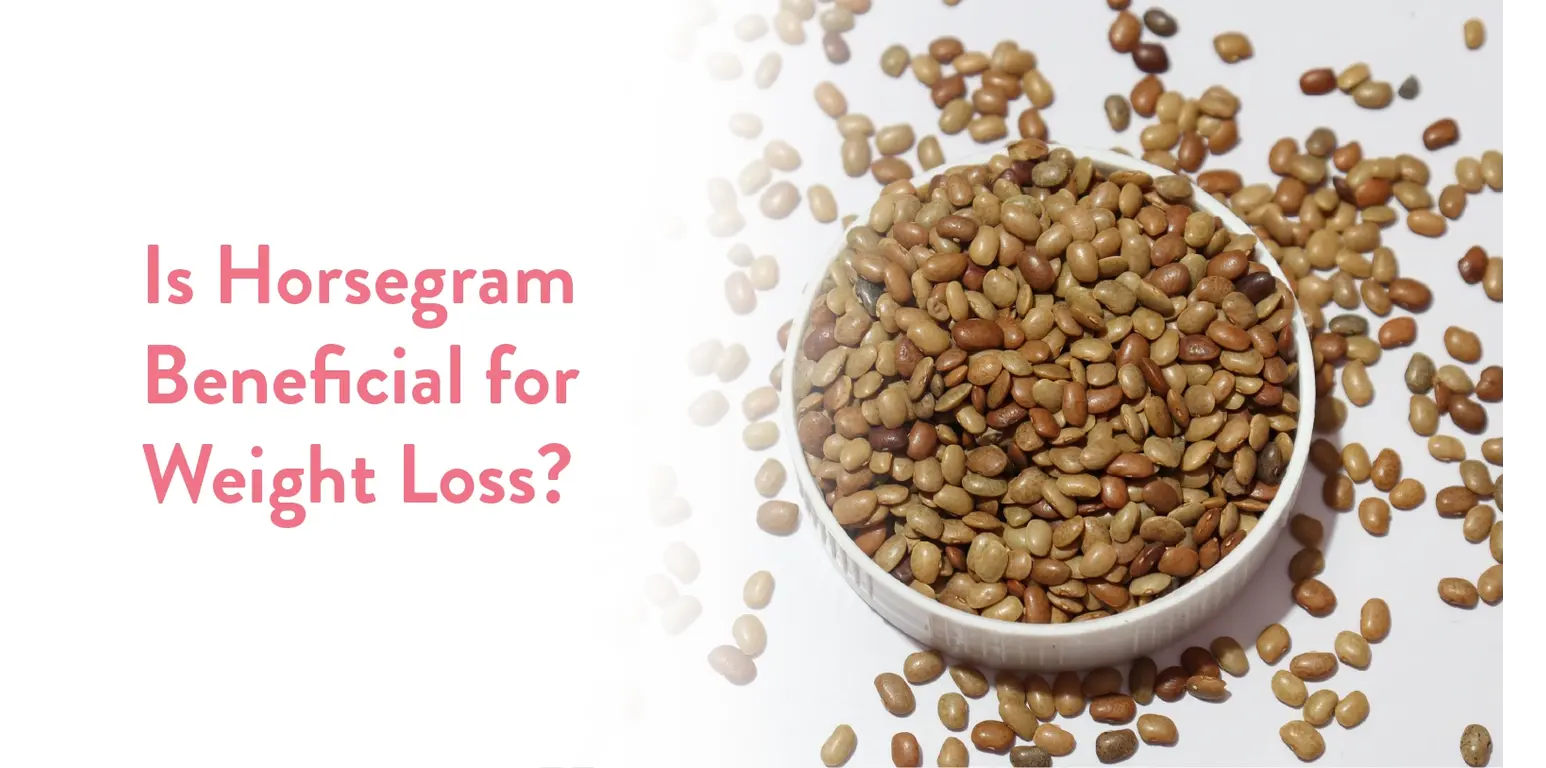
Weight loss advice on the internet can be exhausting. Every few months there is a new superfood, a new miracle ingredient, a new thing you absolutely must add to your diet. If you are hunting for low calorie, protein rich whole foods, you have probably heard the internet buzzing about horsegram. Certainly, it does tick several boxes that health conscious eaters look for. But does it actually live up to the hype when it comes to weight loss? Let’s figure that out in this blog.
Table of Contents
Horsegram, also known as kulthi or kollu, is a small, brownish pulse that has been eaten across India, Sri Lanka, Malaysia, and parts of Africa for thousands of years. The name sounds odd until you learn it was historically fed to horses. Ayurvedic practitioners have long recommended it for everything from kidney stones to weight management.
Also Read: Dehydration Symptoms You Should Never Ignore
A quick look at what 100g of raw horsegram provides:
| Nutrient | Amount |
| Calories | 321 kcal |
| Protein | 22 g |
| Carbohydrates | 57 g |
| Dietary Fibre | 5 g |
| Fat | 0.5 g |
| Iron | 7 mg |
| Calcium | 287 mg |
| Phosphorus | 311 mg |
Also Read: Nutrition in cancer care
Also Read: Why should we drink Green Tea? Benefits, Nutritional Value and Possible Side Effects
Also Read: Normal Glucose Levels after Eating
Beyond weight loss, horsegram is known for a range of its healthy uses:
Horsegram is safe and nourishing for most healthy adults, but like any food, it is not right for everyone in every situation. Here are some important points to keep in mind before consuming it.
Also Read: Gond Katira Benefits: A Natural Secret for Body Cooling, Better Digestion, and Glowing Skin
Horsegram has high nutritional merit, and it is easy to see why it has found a place in so many weight loss conversations. Its protein content, fibre, low fat profile, and ability to support stable blood sugar levels all make it worth considering as part of a balanced diet. That said, no single food is a magic solution. Horsegram works best alongside a varied whole food diet, regular physical activity, and adequate sleep.
If you have a health condition or are simply unsure whether horsegram suits your needs, speaking to a qualified professional is always the smartest step. You can book a consultation at the CK Birla Hospital to get personalised guidance from experienced nutritionists and dietitians.
Also Read: Kiwi Fruit: Nutrition, Health Benefits & How to Eat It
How to eat horsegram?
Soak it overnight first. Then boil it into a soup or dal, sprout it for salads, or dry roast and grind it into powder for chutneys or drinks. Soaking makes it far easier to digest and improves the texture considerably.
Is horsegram good for uric acid?
Not ideal. It contains purines, which raise uric acid levels. If gout or high uric acid is already a concern for you, speak to your doctor before eating it regularly.
Is horsegram good for the kidney?
For healthy individuals, horsegram is generally safe. However, those with existing kidney disease should be careful due to its higher protein, phosphorus, and potassium content. A nephrologist or dietitian should be consulted in this case.
Can I sprout horsegram at home?
Yes. Soak for 8 to 10 hours, drain, wrap in a damp cloth or put in a sprouting jar, and leave for 24 to 48 hours. The sprouts are crunchier and gentler on digestion than cooked horsegram.
Can we give horsegram to babies?
No. Babies cannot handle legumes well. Their digestive systems are still developing. Talk to your paediatrician before introducing any new food.
Is horsegram good in pregnancy?
Some communities have used it traditionally during pregnancy, but the research on safety in larger amounts is not enough. Check with your gynaecologist or a registered dietitian before eating it regularly while pregnant.
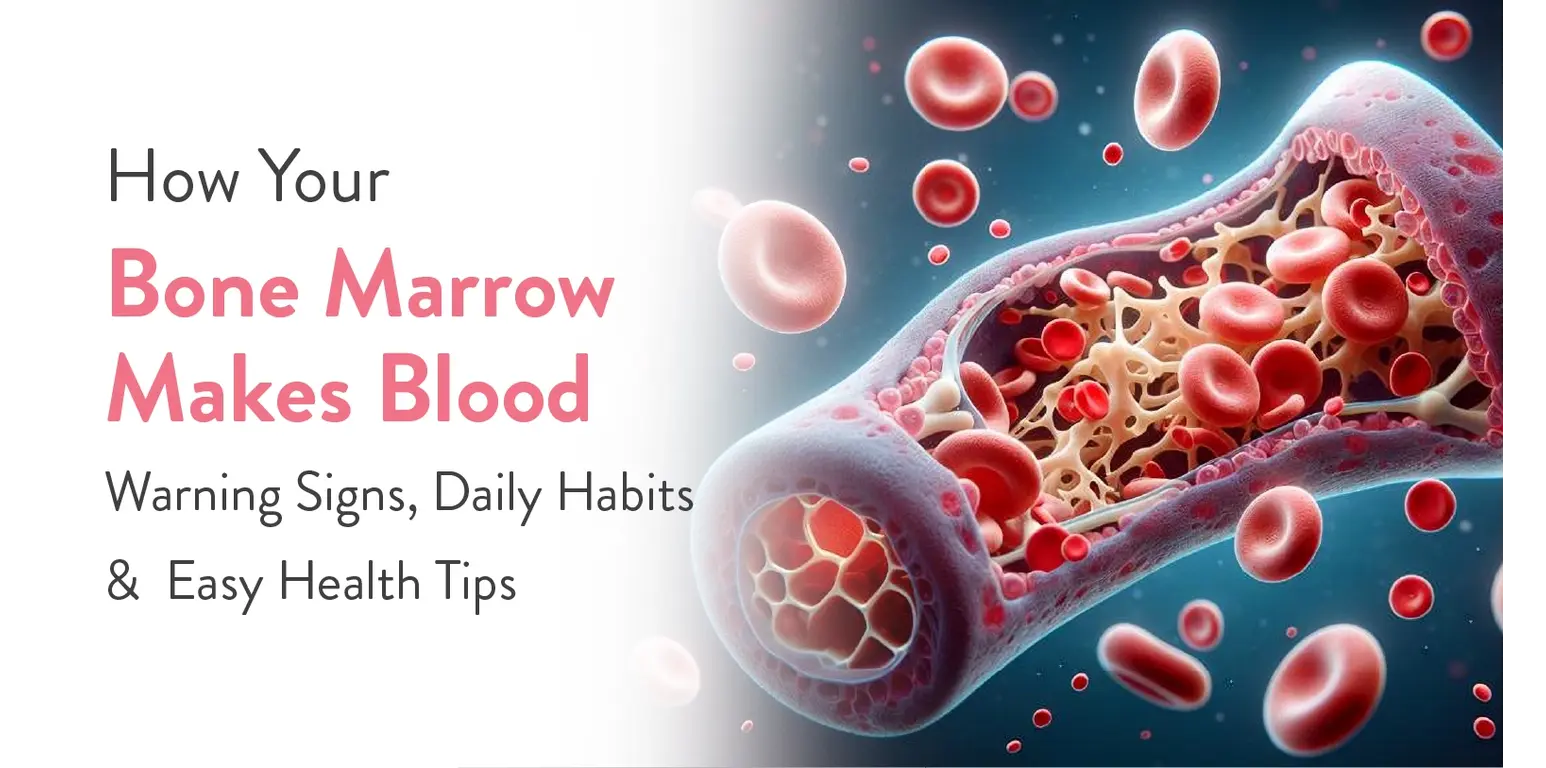
Ask someone to name the vital organs of the human body, and they will likely mention the heart, lungs, or kidneys. But there is another essential organ that rarely makes the list: bone marrow. Working constantly behind the scenes, it produces the blood that keeps you alive, energised, and protected from disease.
But what exactly is bone marrow? How does it work? And what happens if it stops? Read on to find out more!
Table of Contents
Your bones are more than just a rigid structure holding your body upright. Inside many of your bones lies a soft, spongy, jelly-like tissue called bone marrow. It fills the cavities of your bones and is responsible for producing the cells that make up your blood.
There are two types of bone marrow:
Red bone marrow
Yellow bone marrow
Also Read: Gond Katira Benefits: A Natural Secret for Body Cooling, Better Digestion, and Glowing Skin
The process by which bone marrow produces blood cells is called haematopoiesis, which simply means ‘blood cell formation.’ It begins with special cells called hematopoietic stem cells. You can refer to them as the master cells which are capable of becoming any type of blood cell the body needs.
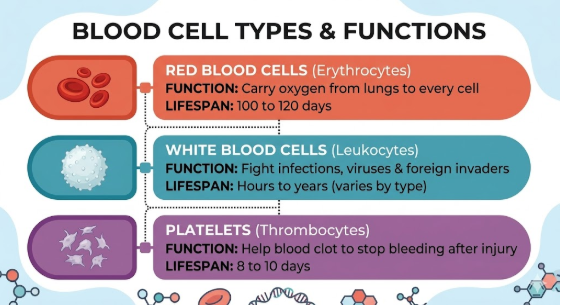
The importance of bone marrow really becomes apparent when you understand what healthy blood does for you. Oxygen delivery, immune defence, wound healing are the foundations of life itself which requires blood.
According to the World Health Organization (WHO), anaemia, a condition in which the blood lacks enough healthy red blood cells, affects roughly a quarter of the global population, estimated at around 1.6 to 1.8 billion people. Many cases are linked, directly or indirectly, to disruptions in bone marrow blood formation.
When bone marrow and blood production is working properly, you feel energised, your immune system is resilient, and your body heals efficiently. When it is not, even simple daily tasks can feel exhausting.
Also Read: Top 10 Summer Foods That Protect You from Heat
None of these symptoms on their own confirms a bone marrow problem, but if you are experiencing several together, especially over a prolonged period, it is worth discussing with your doctor.
Also Read: Know How Jaundice can be Fatal for a Newborn?
There are different conditions and everyday factors that can impact how your bone marrow makes blood. They are:
Also Read: 8 Signs Your Liver Is Healing
You should not delay getting checked by a doctor if you are noticing any of these signs:
After evaluating your situation, your doctor may recommend a complete blood count (CBC) test or a bone marrow test, also called a bone marrow biopsy test, to examine the health and activity of your marrow directly.
In a bone marrow biopsy, a small sample is taken, usually from the hip bone and examined under a microscope to assess how well the marrow is working.
If the situation is very serious, where the marrow is severely damaged or diseased, a bone marrow transplant (formally called a haematopoietic stem cell transplant) may be discussed.
Also Read: What is cholesterol? Type, normal range, Diagnosis and Treatment
Many everyday habits can actively support healthy bone marrow blood cell production.
Feed your body with the right nutrients
Drink enough water. Blood is mostly water, so even mild dehydration shrinks blood volume and forces your marrow to work harder to compensate.
Exercise regularly. Brisk walking, cycling, swimming helps with consistent movement that keeps circulation strong.
Avoid smoking and heavy drinking if either applies to you. Both negatively impact marrow function over time in ways that are hard to reverse.
Manage stress as it can interfere with your body’s balance and immune function. Prioritise sleep, and try simple habits like mindfulness or relaxation to keep things steady.
Also Read: Total Leukocyte Count (TLC) Test: Complete detail, procedure, normal levels, and testing methods
Your bone marrow is one of the most vital organs your body needs. By eating a nutrient-rich diet, staying active and hydrated, managing stress, and being attentive to your body’s signals, you give your bone marrow the best possible environment to thrive. And if something feels off, speak to your doctor as early as possible. You can simply reach out to the CK Birla Hospital for the comprehensive health check up. Early attention is always better than delayed action.
Also Read: How to increase Haemoglobin naturally
Can bone marrow repair itself naturally?
Yes, to a degree. In younger people, after mild damage from a temporary disease or short-term nutritional deficiency, it usually recovers with proper nutrition, rest, and removal of the underlying cause. However, severe damage may require medical intervention.
Does age affect bone marrow function?
Yes. As we age, some of the active blood producing red marrow gets replaced by fatty yellow marrow, so there is simply less of it working at full capacity. This is one reason why anaemia becomes more common as we get older. However, the remaining red marrow continues to work, and healthy lifestyle habits can help preserve its efficiency.
Are there specific tests to check bone marrow health?
A standard complete blood count (CBC) is usually the first step to measure the number and type of blood cells in circulation. If any abnormalities are found, a doctor may ask you for a bone marrow biopsy test, in which a small tissue sample is taken and examined.
Can dehydration affect blood production?
Yes. When you are dehydrated, blood volume drops and the blood itself thickens, making it harder for your heart and marrow to work properly. Dehydration will not damage your marrow directly, but it does make other parts of your body work harder than they should.

Table of Contents
Most people come across this term for the first time during pregnancy, usually in a routine ultrasound report. Breaking it down is simpler than it sounds.
‘Anteverted’ refers to the direction your uterus tilts. In this case, it means your uterus leans slightly forward, toward your bladder. This is actually the most common uterine position.
Doctors consider this the standard positioning for most women. It does not interfere with your body’s natural functions, whether that is your periods, fertility, or pregnancy.
Also Read: What is Male Infertility: Causes, Symptoms, Diagnosis and Treatment
Just like people are built differently on the outside, the same goes for what is inside. Uterine position varies naturally from person to person, and none of these variations indicate anything wrong.
There are four common types of uterus positions.
Also Read: Myomectomy vs hysterectomy: Which one should I choose for uterine fibroids?
The topic of retroverted vs anteverted uterus often comes up, especially when discussing fertility. Both positions are usually normal and rarely cause issues.
Also Read: Why is it important to maintain menstrual hygiene
Most of the time, nothing specific causes an anteverted uterus. It is just the way your body developed and there is nothing special about it.
However, uterine position can shift slightly because of:
But for most people, the anteverted uterus’ normal size and position are present from early adulthood and remain stable over time.
Also Read: Effective Tips to Get Periods Early
An anteverted uterus is actually the most common uterine position, and most people go through life without ever noticing it. No special care or concern is needed.
Occasionally, there may be mild differences in how pelvic sensations or menstrual cramps feel, but this varies from person to person.
If you are dealing with pain, heavy bleeding, or unusual discomfort, the position of your uterus is rarely the reason. These symptoms usually have another cause, and that is worth discussing with your doctor.
Also Read: PCOD – Causes, Symptoms & Treatment
It is neither a problem nor a concern. An anteverted uterus is completely normal and healthy. In fact, since it is the most common uterine position, doctors view it as the standard anatomical orientation.
It does not:
So if your report mentions an anteverted uterus, you can think of it less as a diagnosis and more as a description, like noting whether someone is right-handed or left-handed.
Also Read: What is Endometrial Thickness and Why Does it Matter?
Many people worry about whether an anteverted uterus affects pregnancy, but in most cases, it does not cause any problems at all. This is actually the most common uterine position, and pregnancy usually progresses normally with it. In fact, because the uterus tilts forward, it can sometimes make early pregnancy easier to notice during a physical exam.
Because the uterus already leans forward, some people wonder if their baby bump shows up earlier. It might look that way sometimes, but, bump timing has much more to do with your body shape, muscle tone, and individual anatomy.
Also Read: Ectopic Pregnancy: Causes, Symptoms, and Treatment
| Myths | Reality |
| It is abnormal. | It is actually the most common uterine position. The term sounds clinical, but it is describing something completely standard. |
| It affects fertility. | The position of your uterus has very little to do with your ability to conceive. Fertility is more about how well you are ovulating, your hormone levels, and your overall reproductive health. The position of your uterus tilts is really not a deciding factor. |
| You will show a baby bump earlier. | No real medical evidence backs this up. Everyone’s body shows pregnancy differently, and that is driven by anatomy and muscle tone, not uterine angle. |
| It causes pain or health issues. | An anteverted uterus is not a condition. It is a position. It does not cause pain or illness on its own. If you are having symptoms, something else is affecting it and deserves a proper evaluation. |
Also Read: White Discharge and Pregnancy Health: Connecting the Dots
If your ultrasound report says ‘anteverted uterus,’ don’t let it stress you out. At first, it may look like a complicated term, but all it means is that your uterus tilts slightly forward, which is completely normal and does not require any treatment or followup on its own. However, if you have questions about your report or anything feels unclear, speaking with a doctor is always a good idea. You can book an appointment at the CK Birla Hospital to get guidance from experienced gynaecologists and obstetricians.
Also Read: Hysterectomy or uterus removal surgery
What does it mean to have an anteverted uterus?
It means your uterus tilts slightly forward, towards your bladder. This is a normal anatomical variation, not a medical issue.
Is having an anteverted uterus normal?
Yes. It is actually the most common uterine position. There is nothing unusual about it.
Is an anteverted uterus good or bad?
Neither. It is just a natural variation with no adverse effect on health.
Does anteverted uterus mean I am pregnant?
No. Uterine position and pregnancy are two separate things. An anteverted uterus is present whether someone is pregnant or not.
Is an anteverted uterus good for pregnancy?
Yes. It does not cause any complications with conception or pregnancy, and most people with this position can have completely normal pregnancies.
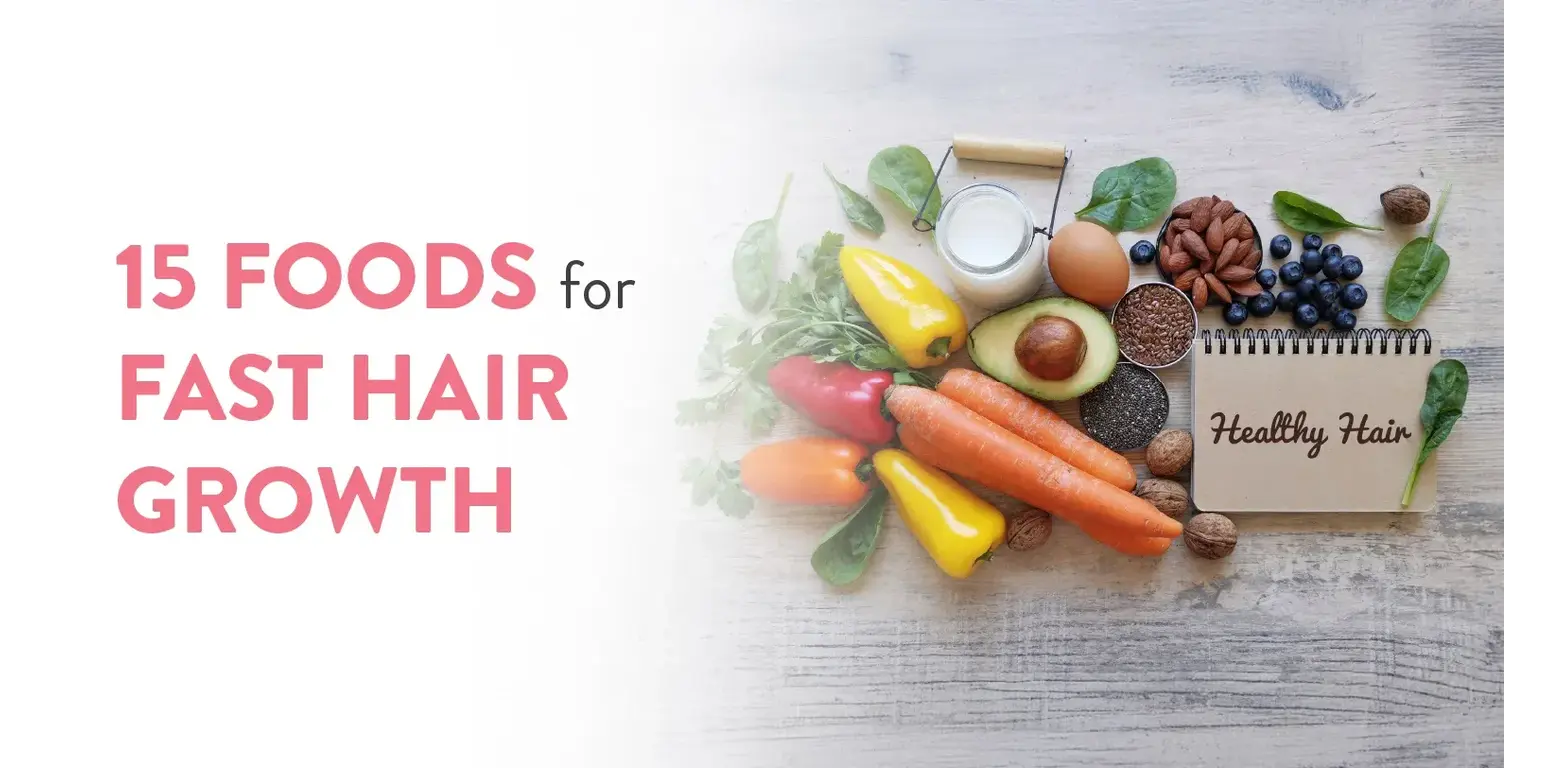
Table of Contents
Hair fall, thinning and slow growth are no longer occasional concerns, they’ve become part of everyday conversations. Whether it’s stress, pollution, hormonal imbalance or lifestyle habits, hair health today is under constant pressure. Most people respond by switching products, new shampoos, oils or serums, hoping for visible results.
But here’s the truth: Healthy hair doesn’t begin in your bathroom. It begins in your kitchen.
If you’re looking for the best food for hair growth, you need to focus on what your body receives consistently, not what you apply occasionally.
What Should I Eat for Hair Growth?
To support hair growth, include protein-rich foods like eggs and lentils, iron-rich foods like spinach, and zinc-rich foods like nuts and seeds. A balanced intake of vitamins, minerals and healthy fats helps strengthen hair roots and improve growth over time.
Hair is made up of keratin, a structural protein that depends on adequate nutrition for its formation. When your diet lacks essential nutrients, your body prioritises critical functions — often compromising hair growth in the process.
This is why nutritional deficiencies often show up as:
The hair growth cycle itself is sensitive to internal health. When nutrients like iron, zinc, protein and vitamins are low, more hair follicles shift into the “resting phase,” leading to noticeable shedding.
Many people search endlessly for hair growth tips, but overlook the most impactful one — improving diet. Your nutrition directly influences:
A combination of hair growth, natural foods, proper hydration and consistent eating habits supports stronger hair over time. For both genders, especially in urban settings, poor nutrition is one of the most common yet ignored causes of hair fall.
Including a variety of hair growth vitamin foods and zinc rich foods for hair growth ensures your body gets the nutrients required for consistent hair regeneration.
1. Eggs: Low protein intake is a major reason for hair thinning. Eggs are rich in protein and essential nutrients like biotin, which can boost keratin production. So no need for expensive keratin treatments when you can get the same sheen naturally. People often apply raw eggs to their hair to make their hair glossy.
2. Spinach: Like all leafy greens, iron and folate in spinach improves oxygen supply to hair follicles and keeps the scalp also healthy.
3. Fatty Fish (Salmon, Mackerel): Rich in omega-3 fatty acids, consuming fish oils help nourish hair follicles and vastly improve hair density.
4. Nuts and Seeds: Almonds, walnuts and flaxseeds are powerful zinc rich foods. They not only help hair growth, but also repair hair tissue. This is especially beneficial if you suffer from hormonal issues.
5. Sweet Potatoes: The reddish orange colour of sweet potatoes come from their high beta-carotene content. When digested it gets absorbed as vitamin A which helps keep the scalp healthy.
6. Lentils and Beans: Excellent plant-based protein sources, these are especially useful for vegetarians who have limited access to animal fats.
7. Berries: Rich in vitamin C and antioxidants, berries trigger collagen production which keeps the scalp and hair healthy.
8. Greek Yogurt: It naturally contains protein and vitamin B5, which improves blood flow to the scalp. Its probiotic properties keep the gut healthy which is also a trigger for hair loss. People often suggest using a yoghurt hair pack, but the body absorbs the benefits better when consumed.
9. Avocado: Loaded with vitamin E, avocados vastly improve scalp circulation, prevent dryness of scalp and reduce oxidative stress which triggers hair fall.
10. Carrots: Just like sweet potato, carrots are rich in beta carotene too. High levels of Vitamin A supports natural oil production for scalp hydration.
11. Whole Grains: Substantial levels of zinc, iron and vitamin B complex in whole grains definitely help hair growth.
12. Chicken: Just like fish, chicken also provides a lean protein source that strengthens hair structure. Protein is the cellular building block of our body. The more the body has, the more it stays healthy.
13. Citrus Fruits: Vitamin C improves iron absorption in our body. This is why our diet should have a good mix of Vitamin C and Iron to effectively restore hair growth.
14. Pumpkin Seeds: Hair follicles get a boost from consuming zinc. Pumpkin seeds are among the best zinc rich foods known to support and boost follicle health.
15. Bananas: Potassium helps in improving hair elasticity and reducing breakage. Bananas are loaded with potassium. Some also suggest reusing an over ripe banana as a hair pack to keep their scalp hydrated.
Also Read: Kiwi Fruit: Nutrition, Health Benefits & How to Eat It
Hair loss is often misunderstood as a cosmetic concern, but medically it is strongly linked to internal health.
“Hair is one of the earliest indicators of nutritional imbalance. We frequently see hair fall linked to deficiencies in iron, protein and essential vitamins. Crash dieting and irregular eating habits are major contributors to hair thinning. The body prioritises survival over hair growth when under nutritional stress. Improving diet is often the first step in treatment. External solutions work better when the body is properly nourished.”- Dr Ruben Passi, Dermatologist, CKBH Gurgaon.
These insights reinforce one key message: Hair growth is not just about what you apply
— it’s about what your body receives consistently.
Also Read: PCOD Diet Chart
If you’re wondering what we should eat for hair growth, here’s a simple, practical plan to help you get started. This plan ensures:
Also Read: Diet Chart for Kidney Patients
It is simple, sustainable, and aligns with everyday Indian eating habits. Therefore, making it far more effective than restrictive or short-term diets. Hair growth is not about one change, it’s about consistent habits.
Also Read: What are the Health Benefits of Pumpkin Seed Oil
If you’re asking how to grow hair faster, the answer lies in long-term habits, not quick fixes. A consistent intake of the right hair growth foods strengthens hair from within, improves thickness and supports sustainable growth. Healthy hair is not built overnight — but it is built daily.
Also Read: Top High Protein Foods
Can food alone stop hair fall?
If we want to see changes in our body we need to first decide what goes into our body. Similarly, for hairfall problems, we need to be mindful of what we are eating to ensure a strong and healthy mane. But changes need to be holistic. Eating right and doing constant heat treatments simultaneously will show up with zero results.
How long does it take to see results?
2–3 months with consistent nutrition. Diet helps, but underlying conditions may require more specific treatment.
Are supplements better than natural food?
Natural food and fruits are packed with nutrients in the right amounts to fulfil our body’s needs. It is when the body stops absorbing these naturally that they are prescribed supplements.
Which vitamin deficiency causes hair fall?
Iron, zinc, vitamin D, biotin – if any of these are compromised then hair fall is triggered. Vitamin C helps absorption of Iron so this is also.
Can these foods help with genetic hair loss?
They improve hair quality, not genetics. For example if you have a history of alopecia in your family then it is bound to cause you hairfall.
How can hair grow faster?
The best formula for this is simply Nutrition + consistency + scalp care. It is not a short cut solution but when you have healthy hair everything seems worth it.
Do hair growth serums work?
They do sometimes, but it all depends on the composition and why it has been prescribed. Medical advice is necessary.
Why is hair growth slow or stops?
Diet, stress, hormones. All three are equally responsible for this. Stress triggers hormonal imbalance and poor diet accelerates it. Getting all three balanced is essential.
What should I eat for hair growth?
To support faster hair growth, include protein-rich foods like eggs and lentils, iron-rich foods like spinach, and zinc-rich foods like nuts and seeds. A balanced diet with vitamins, minerals and healthy fats helps strengthen hair roots and improve growth.
Which food is best for hair growth and thickness?
There is no single best food, but a combination of eggs, leafy greens, nuts, seeds, fatty fish and fruits provides essential nutrients that improve hair thickness, reduce breakage and support long-term growth.
How to increase hair growth naturally?
Hair growth can be improved naturally by maintaining a protein-rich diet, staying hydrated, managing stress, and ensuring adequate intake of iron, zinc and vitamins. Consistency in nutrition plays a key role.
How to grow hair faster?
Hair growth cannot be instantly accelerated, but it can be optimised by improving diet, avoiding nutrient deficiencies, reducing stress, and maintaining scalp health. A healthy lifestyle supports faster and stronger hair growth over time.
Why is my hair growth slow?
Slow hair growth is often caused by poor nutrition, stress, hormonal imbalance, vitamin deficiencies or underlying medical conditions. Addressing these factors helps restore the normal hair growth cycle.
You know it is peak summer when even doing nothing feels exhausting. You feel tired for no real reason, and nothing quite feels light enough to eat. So, you reach for whatever is cold and easy.
But not everything that is chilled (especially those cold drinks) actually helps you deal with the heat. Because the impact is not just external; your body feels it internally too.
That is where a few smart food choices can change how you feel throughout the day. Let’s get into the ones that actually help you stay cool and feel better in the heat.
Table of Contents
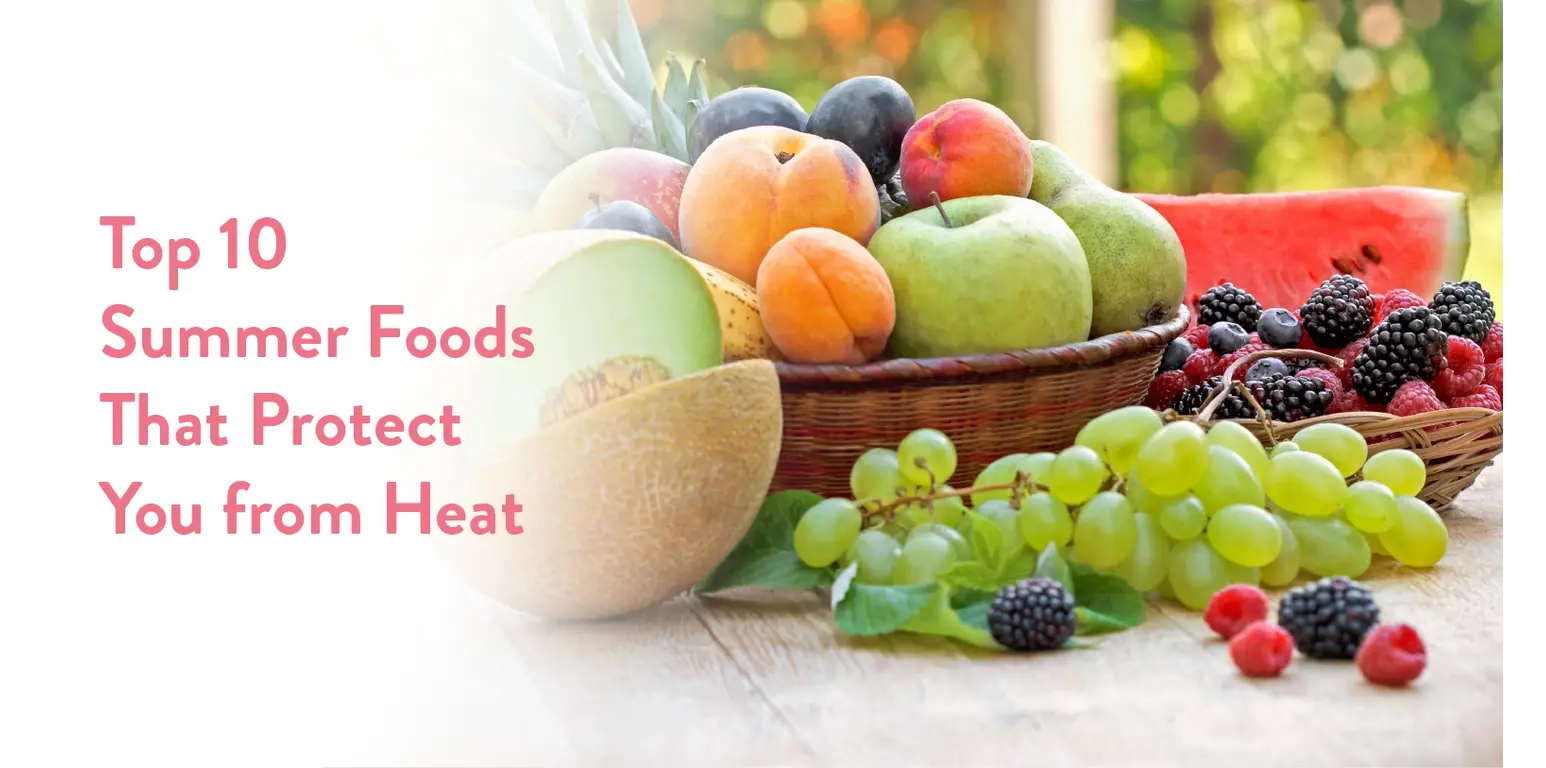
Now, here is the list of some of the best summer foods that may help you deal with the heat.
When the summer heat sits heavy on your shoulders, this big, juicy fruit, made up of 90% water, comes to your rescue. Its high fluid content helps keep your body hydrated. According to the U.S. Department of Agriculture, watermelon also helps reduce oxidative stress caused by heat exposure. This is due to its richness in lycopene, an antioxidant.
To stay cool as a cucumber in summer, you might actually want to eat one. This water-dense fruit provides minerals like potassium, which help regulate fluid balance in your body and keep you hydrated. But cucumber does more than just quench your thirst. It helps your body cope with heat during hot weather.
As per researchers, it may protect against the invisible damage caused by heat, what scientists call oxidative stress. Plus, its fiber and natural compounds may also help with digestive issues.
Curd is a go-to summer food in most Indian homes. In summer, when heat can disturb your digestion, curd acts as a natural probiotic, helping improve your gut health and nutrient absorption. It is one of the easiest options to include in your meals, as it can be paired with almost anything.
Also Read: Pineapple: Benefits, Nutrition, Right Way to eat and who should avoid
You might be surprised to know that coconut water can leave you feeling more hydrated than a carbonated cold drink. On a hot day, when sugary beverages only provide a temporary refreshment, coconut water naturally keeps your body hydrated.
It is rich in electrolytes like potassium, sodium, and magnesium that helps restore what your body loses through sweat. In fact, some studies have shown its effectiveness in rehydration, making it a refreshing and healthier alternative to sugary drinks, especially in hot and humid conditions.
Also Read: Why should we drink Green Tea? Benefits, Nutritional Value and Possible Side Effects
Try tasting a mint leaf, and you will immediately feel its cooling effect. That is because of menthol, which triggers cold-sensitive receptors in your mouth and skin. Along with that, this herb helps with digestion and makes summer meals feel more refreshing. You can add it to your chutneys, drinks or smoothies for an easy burst of freshness.
This is another popular drink that can make hot Indian summers a little more bearable. It is light, hydrating, and easy to digest. Like other summer foods, buttermilk helps replace the electrolytes your body loses through sweat. Since it is usually made by diluting curd with water, it also contains natural probiotics that help maintain gut health and reduce the chances of digestive issues during summer.
Also Read: How to consume Pomegranate, it’s health benefits and nutrition value?
Berries like strawberries, blackberries or blueberries are nutritious summer options, though they are not as commonly eaten as fruits like watermelon or mango in India. They are rich in antioxidants such as vitamin C and flavonoids. As mentioned earlier, these compounds help combat oxidative stress, which tends to increase with prolonged heat exposure.
Since they are naturally sweet, you can enjoy them as a healthier alternative to your sugary snacks. But make sure to wash them properly and store them in a cool place to prevent them from spoiling quickly in the heat.
When the heat starts to drain your energy, a simple glass of lemon water can feel like an instant refreshment. Its tangy taste not only wakes up your senses but also helps your body cope better with the heat. It is rich in vitamin C and keeps you hydrated. When you add a pinch of salt or a little sugar, it becomes a quick, homemade electrolyte drink, perfect for replenishing what you lose through sweat.
And it is not just lemons, other citrus fruits like oranges, sweet lime, and grapefruit bring the same burst of freshness. Juicy, hydrating, and packed with nutrients, they make it easier to stay cool, energised, and refreshed even on the hottest days.
Also Read: Fox Nut (Makhana): Know the Nutrition, Benefits & Side Effects
It might not be the first thing you think of when talking about summer foods, but onions are actually a good option due to their natural cooling properties. Apart from their cooling effect, they also contain water and natural compounds that help the body deal with heat.
Along with these cool summer foods, some traditional Indian options like bael juice, aam panna, kokum juice and sattu drink have long been used to combat heat.
Also Read: How to increase Haemoglobin naturally
Note – Packaged forms of these traditional drinks can have high added sugar content and preservatives. So homemade or low-sugar versions are better.
While these foods are widely known for their cooling and hydrating properties, you should remember that what works well for one person may not suit another, depending on factors like body type, health conditions, and lifestyle.
If you have specific health concerns or dietary needs, it is always a good idea to consult a qualified nutritionist or dietitian for personalised guidance.
Also Read: Kiwi Fruit: Nutrition, Health Benefits & How to Eat It
While adding the right food in your summer diet is a great idea, avoiding certain foods is equally important.
Also Read: Walnuts: Benefits, Side Effects, Nutritional Value and How to Consume Them
From hydrating foods like watermelon and cucumber to traditional Indian summer drinks like buttermilk and aam panna, your diet can play an important role in keeping you cool and energised. We hope the recommendations mentioned in this blog help you. However, they are not a substitute for medical advice. Everyone’s body is different, so it is always wise to consult a nutritionist before making major dietary changes. At The CK Birla Hospital, we have an expert team of dietitians and nutritionists who can provide guidance. You can reach out to us for personalised support.
Do cooling foods really help prevent heatstroke?
They do help a bit by keeping you hydrated and supporting your body temperature control, but they cannot fully prevent heatstroke on their own. Drinking enough water and avoiding extreme heat are still really important.
Are spicy and fried foods harmful in hot weather?
In hot weather they can make you feel heavier and increase body heat, which may cause discomfort or sluggish digestion.
Can summer foods improve digestion and energy levels?
Yes. Lighter foods and water-rich fruits and vegetables are usually easier to digest and can help you feel more energetic throughout the day.
What drinks are best to stay hydrated in summer?
Simple, natural drinks like coconut water, buttermilk, and lemon water work best. They hydrate well and also help keep you feeling refreshed.
Can eating watery fruits replace drinking water in summer?
Not completely. Watery fruits like watermelon and cucumber help with hydration, but they can’t replace drinking water. You still need both to stay properly hydrated.

