Filter :
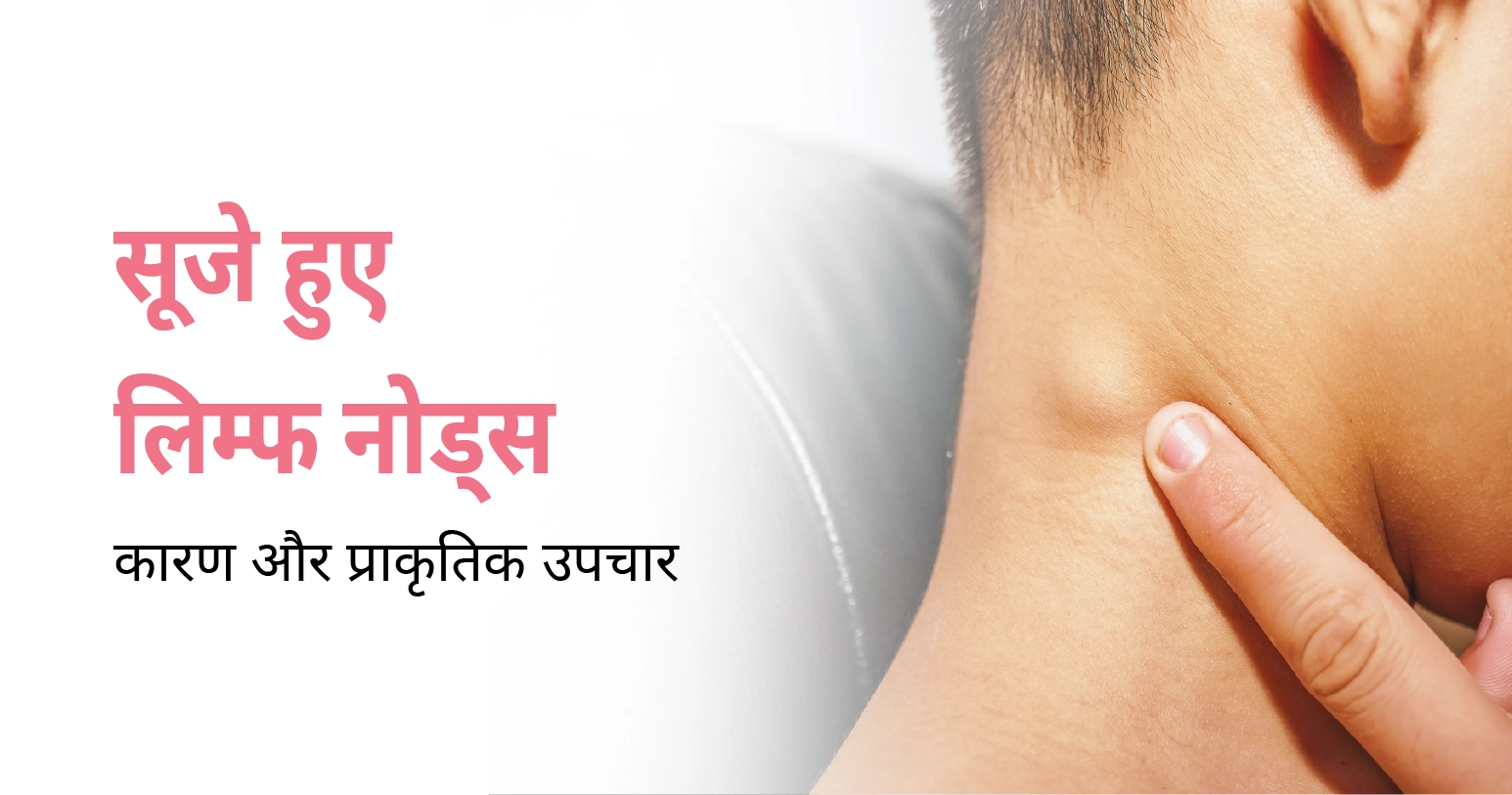
नहाते वक्त या शीशे के सामने तैयार होते हुए अचानक गर्दन पर हाथ गया और वहां एक छोटी सी गांठ महसूस हुई, यह अनुभव किसी को भी चिंता में डाल सकता है। दिमाग में तुरंत सबसे बुरा ख्याल आता है, “कहीं यह कुछ गंभीर तो नहीं?” सच यह है कि ऐसी सूजन ज्यादातर मामलों में आपके शरीर की सुरक्षा प्रणाली का ही एक हिस्सा है, कोई खतरे की घंटी नहीं। फिर भी, सही जानकारी न होने की वजह से लोग या तो बेवजह घबरा जाते हैं या फिर जरूरी लक्षणों को नजरअंदाज कर देते हैं, और दोनों ही स्थितियां सेहत के लिए ठीक नहीं।
इस लेख में हम विस्तार से समझेंगे कि लिम्फ नोड्स असल में क्या होते हैं, इनमें सूजन क्यों आती है, कब यह सामान्य है और कब डॉक्टर से मिलना जरूरी हो जाता है। अगर आपको या आपके परिवार में किसी को गर्दन, बगल या शरीर के किसी हिस्से में लगातार गांठ महसूस हो रही है, तो इसे हल्के में न लें, दिल्ली और गुरुग्राम में हमारे अनुभवी विशेषज्ञों से आज ही अपॉइंटमेंट बुक करें और सही जांच के साथ अपने मन की उलझन दूर करें।
Table of Contents
लिम्फ नोड्स छोटी, सेम के दाने जैसी संरचनाएं होती हैं, जो शरीर के लसीका तंत्र (lymphatic system) का हिस्सा है। शरीर में इनकी संख्या सैकड़ों में होती है और ये मुख्य रूप से गर्दन, बगल, कमर, ठुड्डी के नीचे और छाती के आसपास समूहों में पाए जाते हैं। इन्हें शरीर की “सुरक्षा चौकी” कहा जा सकता है, ये लसीका द्रव (lymph fluid) को फिल्टर करते हैं और बैक्टीरिया, वायरस व असामान्य कोशिकाओं को शरीर के बाकी हिस्सों तक पहुंचने से पहले ही रोकने का काम करते हैं।
जब भी शरीर में कहीं संक्रमण या सूजन होती है, आसपास के लिम्फ नोड्स सक्रिय हो जाते हैं, इम्यून कोशिकाएं वहां जमा होने लगती हैं, और यही वजह है कि नोड का आकार बढ़ जाता है। दूसरे शब्दों में कहें तो लिम्फ नोड्स में सूजन इस बात का सबूत है कि आपका इम्यून सिस्टम अपना काम बखूबी कर रहा है।
लिम्फ नोड्स में सूजन की सबसे बड़ी वजह इंफेक्शन है, चाहे वह वायरल हो या बैक्टीरियल। कुछ सबसे सामान्य कारण इस प्रकार हैं –
सूजन कहां है, यह जानकारी अक्सर वजह समझने में मदद करती है:
यह वह हिस्सा है, जो सबसे ज्यादा लोगों को उलझन में डालता है। ओपीडी में आने वाले ज्यादातर मरीजों की गांठ सामान्य इंफेक्शन से जुड़ी होती है। ऐसी सूजन आमतौर पर 2 से 4 हफ्तों के भीतर अपने आप कम हो जाती है।
लेकिन कुछ संकेत ऐसे हैं जिन पर तुरंत ध्यान देना चाहिए:
अगर इनमें से कोई भी लक्षण नजर आए, तो बिना देरी किए किसी विशेषज्ञ से मिलना ही सही फैसला है।
बच्चों में गर्दन की गांठ माता-पिता को खासतौर पर परेशान करती हैं, लेकिन असल में यह उनमें काफी सामान्य है। बच्चों का इम्यून सिस्टम अभी नई-नई बीमारियों से लड़ना सीख रहा होता है, इसलिए सामान्य सर्दी-जुकाम, गले का इंफेक्शन या स्किन इंफेक्शन में भी उनकी गर्दन की गांठ आसानी से उभर आती हैं और इंफेक्शन ठीक होने के बाद भी कुछ समय तक हल्की सूजी हुई रह सकती हैं।
फिर भी, अगर बच्चे में गांठ लगातार बढ़ रही हो, बुखार के साथ हो, बच्चा सुस्त या कमजोर महसूस कर रहा हो, या वजन ठीक से न बढ़ रहा हो, तो बाल रोग विशेषज्ञ या ईएनटी विशेषज्ञ से जांच करवाना जरूरी है।
यह सवाल शायद सबसे ज्यादा पूछा जाता है, और जवाब साफ है: नहीं। ज्यादातर स्वास्थ्य विशेषज्ञों के अनुसार लिम्फ नोड्स में सूजन के अधिकतर मामले इंफेक्शन से जुड़े होते हैं, कैंसर एक दुर्लभ कारण है। हालांकि यह भी सच है कि लिम्फोमा जैसे ब्लड कैंसर में शुरुआती लक्षण अक्सर दर्द रहित, सख्त और धीरे-धीरे बढ़ने वाली गांठ के रूप में सामने आता है, खासकर जब इसके साथ लगातार थकान, बुखार, रात में पसीना और वजन घटना जैसे लक्षण महसूस हो रहे हों।
भारत में TB के मामलों की संख्या दुनिया में सबसे अधिक है, और फेफड़ों के बाहर होने वाले TB (extrapulmonary TB) में गर्दन के लिम्फ नोड्स का प्रभावित होना सबसे आम रूप है। TB से जुड़े गांठ आमतौर पर दर्द रहित होती है, धीरे-धीरे हफ्तों या महीनों में बढ़ती है, और अक्सर एक तरफ गर्दन में कई गांठ आपस में जुड़कर एक बड़ी गांठ का रूप ले लेती हैं। इसके साथ हल्का बुखार, वजन कम होना और भूख न लगना जैसे लक्षण भी हो सकते हैं। राहत की बात यह है कि TB से जुड़ी यह सूजन पूरी तरह ठीक हो सकती है, बशर्ते सही समय पर एंटी-ट्यूबरकुलर थेरेपी (ATT) शुरू की जाए।
अगर लिम्फ नोड्स में सूजन किसी सामान्य इंफेक्शन (जैसे सर्दी-जुकाम या गले की खराश) की वजह से है, तो कुछ आसान घरेलू उपाय आपको तुरंत राहत दे सकते हैं:
मेडिकल इलाज (Medical Treatment): यदि घरेलू उपायों से आराम नहीं मिलता और सूजन का कारण कोई बैक्टीरियल इंफेक्शन है, तो डॉक्टर एंटीबायोटिक दवाएं प्रिसक्राइब करते हैं। वहीं, यदि जांच में टीबी (TB) जैसी स्थिति सामने आती है, तो लंबी अवधि का एंटी-ट्यूबरकुलर इलाज (ATT) जरूरी होता है। इसके अलावा, यदि सूजन के पीछे कोई अन्य गंभीर कारण है, तो डॉक्टर स्थिति के अनुसार दवाओं या विशेष थेरेपी से उसका इलाज तय करते हैं।
जांच के दौरान डॉक्टर पहले पेशेंट की मेडिकल हिस्ट्री को जानते हैं, साथ ही मरीज का पूरी मेडिकल हिस्ट्री लेते हैं। जरूरत के अनुसार आगे ये टेस्ट किए जा सकते हैं –
ज्यादातर मामलों में शुरुआती जांच से ही सही कारण सामने आ जाता है, और बायोप्सी की जरूरत बहुत कम मामलों में पड़ती है।
गर्दन, बगल या शरीर के किसी हिस्से में महसूस होने वाली गांठ घबराने की नहीं बल्कि ध्यान देने की बात है। ज्यादातर मामलों में यह सूजन आपके शरीर की सुरक्षा प्रणाली के सक्रिय होने का संकेत है और अपने आप ठीक हो जाती है। लेकिन जब सूजन लंबे समय तक बनी रहे, आकार में बढ़े, दर्द रहित हो या साथ में बुखार, वजन घटना जैसे लक्षण हों, तो सही समय पर जांच करवाना ही समझदारी है। अगर आपको या आपके परिवार में किसी को ऐसी कोई गांठ महसूस हो रही है, तो देर न करें, हमारे अनुभवी विशेषज्ञों से आज ही अपॉइंटमेंट बुक करें और सही डायग्नोसिस के साथ मन की उलझन खत्म करें।

पेट में जलन, खाना खाने के बाद तेज दर्द और रात भर करवटें बदलते रहना, यह किसी की भी दिनचर्या को उलट-पुलट कर सकता है। हमारे पास आने वाले कई मरीज पहले इसे सामान्य गैस या एसिडिटी समझकर टालते रहते हैं, जब तक जांच में पेट के अल्सर की पुष्टि नहीं हो जाती। अगर आपको भी बार-बार पेट में जलन, खट्टी डकार या खाने के तुरंत बाद दर्द महसूस होता है, तो यह जानना बेहद जरूरी है कि आपकी थाली में क्या होना चाहिए और क्या नहीं।
इस ब्लॉग में हम पूरी तरह मेडिकल आधार पर समझेंगे कि पेट के अल्सर में सही आहार कैसा हो, ताकि आप जल्दी राहत पा सकें। अगर आपको ये लक्षण परेशान कर रहे हैं, तो देर न करें, हमारे अनुभवी गैस्ट्रोएंटेरोलॉजिस्ट से आज ही अपॉइंटमेंट बुक करें और सही जांच के साथ सही इलाज शुरू करें।
Table of Contents
पेट का अल्सर क्या होता है, यह समझना सही डाइट चुनना शुरू करने की पहली सीढ़ी है। सीधे शब्दों में कहें तो यह पेट या छोटी आंत की ऊपरी परत में बना एक घाव है, जो तब बनता है जब पेट का एसिड इस सुरक्षा परत को नुकसान पहुंचाने लगता है। इसे मेडिकल भाषा में पेप्टिक अल्सर (peptic ulcer) कहा जाता है, और यह दो तरह का हो सकता है, गैस्ट्रिक अल्सर (पेट में) और डुओडेनल अल्सर (आंत की शुरुआत में)।
ज्यादातर मामलों में इसका मुख्य कारण एक बैक्टीरिया होता है, जिसे हेलिकोबैक्टर पाइलोरी (H. pylori) कहते हैं। दुनियाभर में लगभग 30 से 40 प्रतिशत लोगों के पेट में यह बैक्टीरिया मौजूद होता है, हालांकि सबमें लक्षण नहीं दिखते। दूसरा बड़ा कारण है दर्द निवारक दवाओं जैसे एस्पिरिन या इबुप्रोफेन का लंबे समय तक और बिना सलाह के इस्तेमाल। इसके अलावा धूम्रपान, अत्यधिक तनाव और अनियमित खानपान भी अल्सर को बढ़ावा दे सकते हैं, हालांकि यह सीधे तौर पर अल्सर की वजह नहीं बनते।
पेट में अल्सर के लक्षण आमतौर पर इस तरह दिखते हैं –
गंभीर मामलों में काले रंग का मल या मल में खून आना जैसे लक्षण दिख सकते हैं। अगर आपको ये पेट के अल्सर के लक्षण लगातार महसूस हो रहे हैं, तो जांच करवाना जरूरी है, क्योंकि समय पर पहचान न होने पर यह ब्लीडिंग या पेट में छेद जैसी गंभीर स्थिति बन सकती है।
यहाँ एक बात साफ समझ लेनी चाहिए कि सिर्फ खान-पान अकेले अल्सर को न तो पैदा करता है और न ही इसे पूरी तरह ठीक कर सकता है। अल्सर का असली इलाज डॉक्टर की दी हुई दवाओं, जैसे एंटीबायोटिक्स (अगर H. pylori इन्फेक्शन है) और एसिड कम करने वाली दवाओं से ही होता है। हालांकि, एक सही डाइट दर्द को काफी हद तक कम कर सकती है, पेट की अंदरूनी परत को आराम दे सकती है और रिकवरी की प्रक्रिया को तेज कर सकती है। यही वजह है कि अल्सर के मरीजों के मन में अक्सर यह सवाल रहता है कि पेट के अल्सर में क्या खाना चाहिए और क्या नहीं।
हमारे CKBH दिल्ली और गुरुग्राम की गैस्ट्रो OPD में ऐसे कई मरीज आते हैं, जो लगातार पेट दर्द और वजन घटने की शिकायत करते हैं। जांच में अक्सर इनमें से कई लोगों में H. pylori बैक्टीरिया पॉजिटिव पाया जाता है। ऐसे में यदि आपकी जीवनशैली में ज्यादा चाय, कॉफी या मसालेदार खाना शामिल है, तो यह समस्या और भी गंभीर हो सकती है। दवाओं के साथ-साथ हम अपने मरीजों को डाइट में बदलाव का सुझाव देते हैं, जैसे कि – फाइबरयुक्त भोजन, उबली हुई सब्जियां और कम मसालेदार खाना। इनके सेवन से मात्र तीन हफ्तों के भीतर लक्षणों में काफी सुधार देखा जा सकता है।
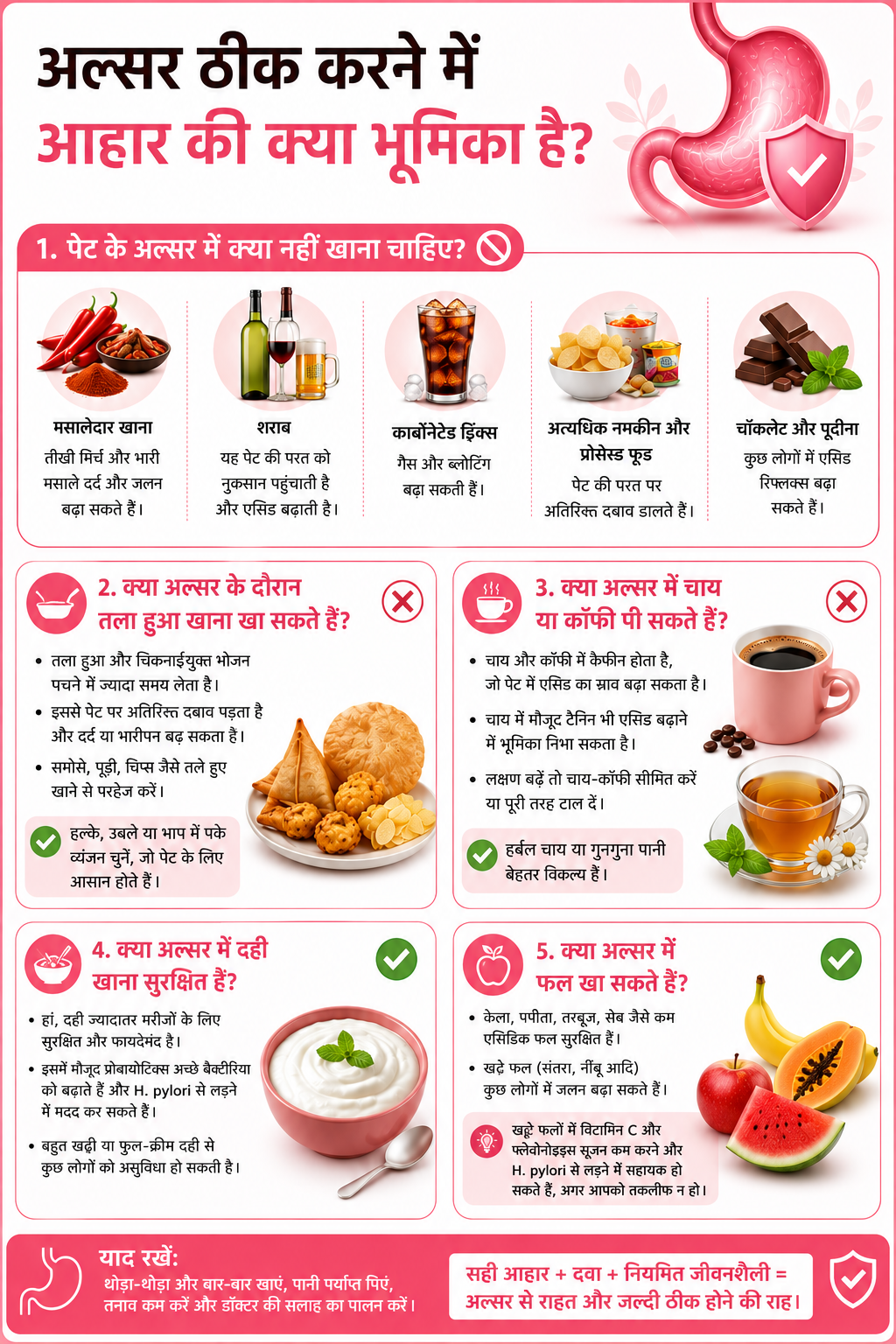
सही खानपान अल्सर के दर्द को कम करने और पेट की परत को सहारा देने में मदद करता है। कुछ बेहतरीन विकल्प हैं:
एक संतुलित थाली, जिसमें फाइबर, हल्का प्रोटीन और कम मसाला हो, अल्सर के मरीजों के लिए सबसे सुरक्षित विकल्प मानी जाती है।
कुछ खाद्य पदार्थ पेट में जलन बढ़ा सकते हैं या एसिड का स्राव ज्यादा कर सकते हैं, इसलिए इनसे परहेज बेहतर रहता है –
तला हुआ और चिकनाई युक्त भोजन पचने में ज्यादा समय लेता है, जिससे पेट को अतिरिक्त मेहनत करनी पड़ती है और यह दर्द या भारीपन बढ़ा सकता है। समोसे, पूड़ी, चिप्स जैसे तले हुए फूड आइटम अल्सर के दौरान जितना हो सके उतना कम करें या इनसे पूरी तरह परहेज करना बेहतर है। इसकी जगह हल्के, उबले या भाप में पके व्यंजन चुनें, जो पेट के लिए ज्यादा आसान होते हैं।
यह सबसे ज्यादा पूछे जाने वाला सवाल है। चाय और कॉफी, दोनों में कैफीन होता है, जो पेट में एसिड का स्राव बढ़ा सकता है, चाहे वह डिकैफ वर्जन ही क्यों न हो। कुछ रिसर्च में यह भी देखा गया कि चाय में मौजूद टैनिन भी एसिड बढ़ाने में भूमिका निभा सकता है। हालांकि रिसर्च पूरी तरह एकमत नहीं है, ज्यादातर डॉक्टर सलाह देते हैं कि अल्सर के दौरान चाय-कॉफी की मात्रा सीमित रखें और अगर लक्षण बढ़ें, तो पूरी तरह टाल दें। इसकी जगह आप हल्की हर्बल चाय या गुनगुना पानी आजमा सकते हैं।
हां, दही ज्यादातर अल्सर के मरीजों के लिए सुरक्षित और फायदेमंद मानी जाती है। इसमें मौजूद प्रोबायोटिक्स पेट के अच्छे बैक्टीरिया को बढ़ावा देते हैं, जो H. pylori जैसे हानिकारक बैक्टीरिया से लड़ने में मददगार हो सकते हैं। बस ध्यान रखें कि बहुत ज्यादा खट्टी या फुल-क्रीम दही कुछ लोगों में असुविधा पैदा कर सकती है, इसलिए ताजा और हल्की दही चुनना बेहतर रहता है।
बिल्कुल, लेकिन फल चुनते समय थोड़ी समझदारी जरूरी है। केला, पपीता, तरबूज और सेब जैसे कम एसिडिक फल ज्यादातर मरीजों के लिए सुरक्षित माने जाते हैं। वहीं संतरा, नींबू और अन्य खट्टे फल कुछ लोगों में जलन बढ़ा सकते हैं, हालांकि हर किसी पर इनका असर एक जैसा नहीं होता। दिलचस्प बात यह है कि खट्टे फलों में मौजूद विटामिन C और फ्लेवोनॉयड्स कुछ अध्ययनों में सूजन कम करने और H. pylori से लड़ने में सहायक भी पाए गए हैं। इसलिए अगर खट्टे फल खाने से आपको तकलीफ नहीं होती, तो इन्हें पूरी तरह छोड़ने की जरूरत नहीं है।
हां, लंबे समय तक खाली पेट रहना अल्सर के मरीजों के लिए नुकसानदेह हो सकता है। जब पेट खाली होता है, तब भी एसिड का स्राव जारी रहता है, और बिना भोजन के यह सीधे पेट की परत पर असर डालता है, जिससे दर्द और जलन बढ़ सकती है। इसलिए डॉक्टर अक्सर सलाह देते हैं कि तीन बड़े भोजन की जगह दिनभर में थोड़ा-थोड़ा करके पांच से छह बार खाएं। इससे एसिड का स्तर संतुलित रहता है और पेट पर अचानक दबाव भी नहीं पड़ता।
यह सवाल लगभग हर मरीज पूछता है, और जवाब कारण और इलाज पर निर्भर करता है। अगर अल्सर H. pylori की वजह से है, तो एंटीबायोटिक्स और एसिड कम करने वाली दवाओं का पूरा कोर्स लेने पर ज्यादातर मामलों में 2 से 8 हफ्तों के भीतर अल्सर ठीक होने लगता है। वहीं अगर कारण दर्द निवारक दवाओं का लंबे समय तक इस्तेमाल है, तो उन दवाओं को बंद करने या बदलने के बाद रिकवरी में समान समय लग सकता है। सही डाइट, तनाव प्रबंधन और डॉक्टर की सलाह का पूरा पालन इस प्रक्रिया को तेज बना सकता है। ध्यान रखें, बीच में दवा छोड़ देना या इलाज अधूरा छोड़ना अल्सर के दोबारा होने का सबसे बड़ा कारण बनता है।
पेट का अल्सर तकलीफदेह जरूर है, लेकिन सही जांच, सही इलाज और सही खानपान के साथ इसे पूरी तरह नियंत्रित किया जा सकता है। याद रखें, अकेली डाइट अल्सर को ठीक नहीं करती, लेकिन यह दर्द कम करने और तेजी से रिकवरी में डॉक्टर की सलाह के साथ मिलकर बड़ी भूमिका निभाती है। अगर आपको बार-बार पेट में जलन, दर्द या ऊपर बताए गए कोई भी लक्षण महसूस हो रहे हैं, तो इसे नजरअंदाज न करें। सीके बिरला अस्पताल के हमारे अनुभवी गैस्ट्रोएंटरोलॉजी टीम सटीक जांच और व्यक्तिगत इलाज योजना के साथ आपकी मदद के लिए तैयार है। आज ही अपॉइंटमेंट बुक करें और अपने पेट की सेहत को सही राह पर लाएं।
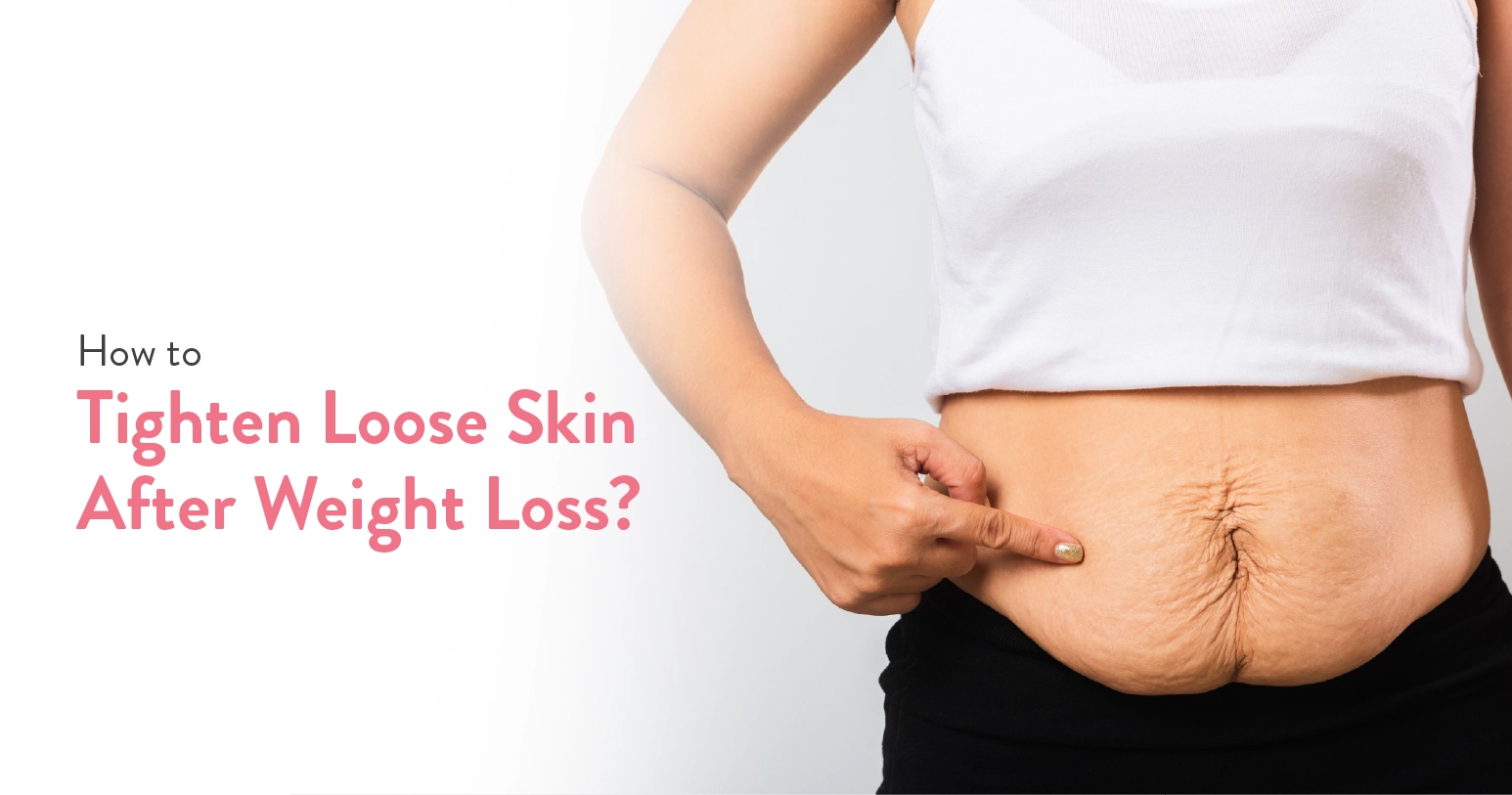
After months of hard work, skipped cheat meals and sore muscles, losing weight certainly feels like a victory. But the loose, saggy skin that comes after significant weight loss can make that win feel a little disappointing. It is a common aftermath of rapid or major weight changes. However, in many cases, there are ways to improve it. From simple lifestyle changes to advanced skin tightening treatments, the right approach depends on your skin, your health and your goals.
Read on to learn why loose skin after weight loss happens and what you can do to tighten it.
Table of Contents
Skin is the largest organ of your body, made with collagen and elastin fibers. These proteins provide the skin with its structural support, helping it stay firm and elastic. When weight gain stretches the skin over time, these fibers can weaken.
In case of rapid or significant weight loss, the skin may not fully retract. This leads to loose or saggy skin. It is commonly seen in areas where fat accumulation was highest, such as, abdomen, upper arms, inner thighs, breast, face and neck.
Collagen degradation and reduced elastin regeneration are the major biological reasons behind skin laxity after major weight changes.
Other factors responsible for saggy or loose skin due to weight weight loss changes are:
In the months following weight loss, the body continues remodeling and rebuilding collagen. For some individuals, especially younger people or those with moderate weight loss, skin gradually improves and tightens on its own with time.
But if the skin has been stretched for years, natural tightening can only go so far. That is usually the point where people start searching for how to tighten skin effectively beyond home care.
Home remedies cannot completely reverse the excess skin, but they can improve firmness, texture and overall skin health. Let’s check out some natural ideas that can help improve skin laxity.
The muscle underneath your skin acts like a natural filler. When you strength train, your muscles support the skin. Exercises such as squats, pushups and weight training improve body contour and reduce the appearance of sagging.
Skin elasticity depends heavily on hydration and nutrients. Some major nutrients that need your skin to look firm and elastic are:
As mentioned earlier, sudden and great weight loss results in skin laxity in most cases. So, if you are planning for further weight loss, keeping the pace slow can help skin adjust more effectively.
Retinoids (vitamin A derivatives) and peptides are the two ingredients that boost collagen production. However, they will not help you get rid of excess skin. These just help with firmness at the margins.
Regular gentle massage may improve blood flow. Some people find it helps with skin texture over time. However, the results can vary from person to person.
If loose skin is starting to affect your confidence and day-to-day comfort, you should explore medical options. An aesthetic surgery specialist will examine your skin elasticity, fat distribution and overall health before suggesting any treatment.
The best treatment depends on how much loose skin is present, the areas affected and the quality of your skin. Non-surgical options handle mild to moderate laxity well, while more severe cases usually call for surgery.
Non-surgical treatments
Surgical treatments
If you are dealing with moderate to severe loose skin after major weight loss, surgery provides the most significant improvement:
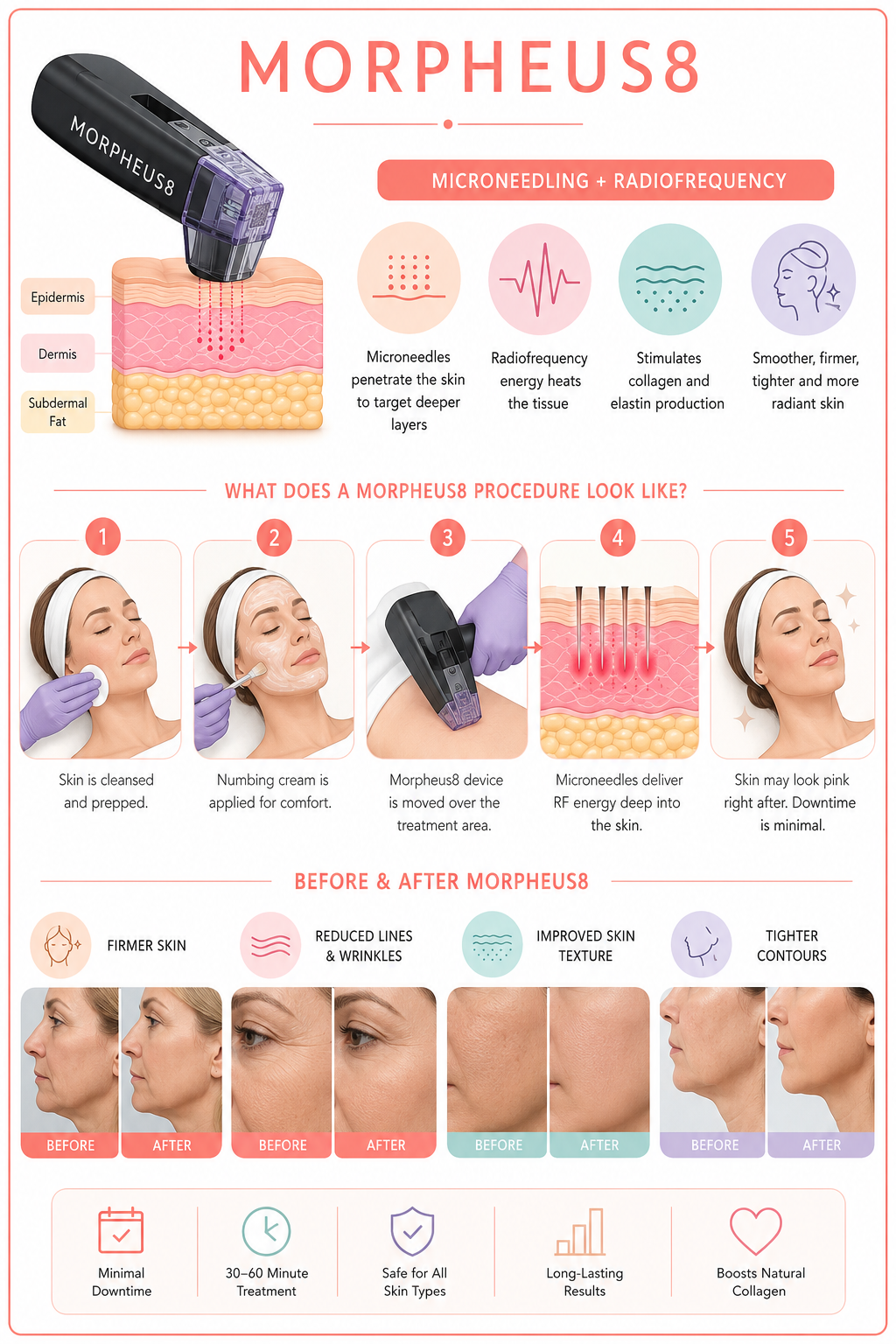
Out of all the medical treatments for loose and sagging skin after weight loss, Morpheus8 is currently one of the most in-demand treatments worldwide for mild to moderate skin tightening. It is popular because it strikes a balance between noticeable improvement, no surgery and relatively quick recovery.
Morpheus8, a minimally invasive procedure that combines microneedling with radiofrequency energy. It works by delivering controlled heat into deeper layers of the skin. This procedure stimulates collagen production and remodeling, which can help improve the firmness and elasticity of your skin over time.
Unlike surgical procedures, Morpheus8 involves a short recovery period and is generally chosen by patients seeking non-surgical improvement for saggy skin after weight loss treatment.
If you need expert advice on this procedure or want to know whether it is the right option for you, consult an experienced aesthetic surgery specialist at the CK Birla Hospital.
Loose skin after weight loss is a natural response of the body adjusting to rapid physical change. It can feel like an unwanted change, but it is not permanent in all cases and it is certainly manageable.
With patience, right lifestyle habits and modern skin tightening technologies, many people see great improvement in firmness and contour over time.
If you are concerned about loose skin after weight loss and want personalised guidance, book a consultation at the CK Birla Hospital with the Plastic & Aesthetic Surgery team. They can help you understand the most suitable options for your skin type and goals.
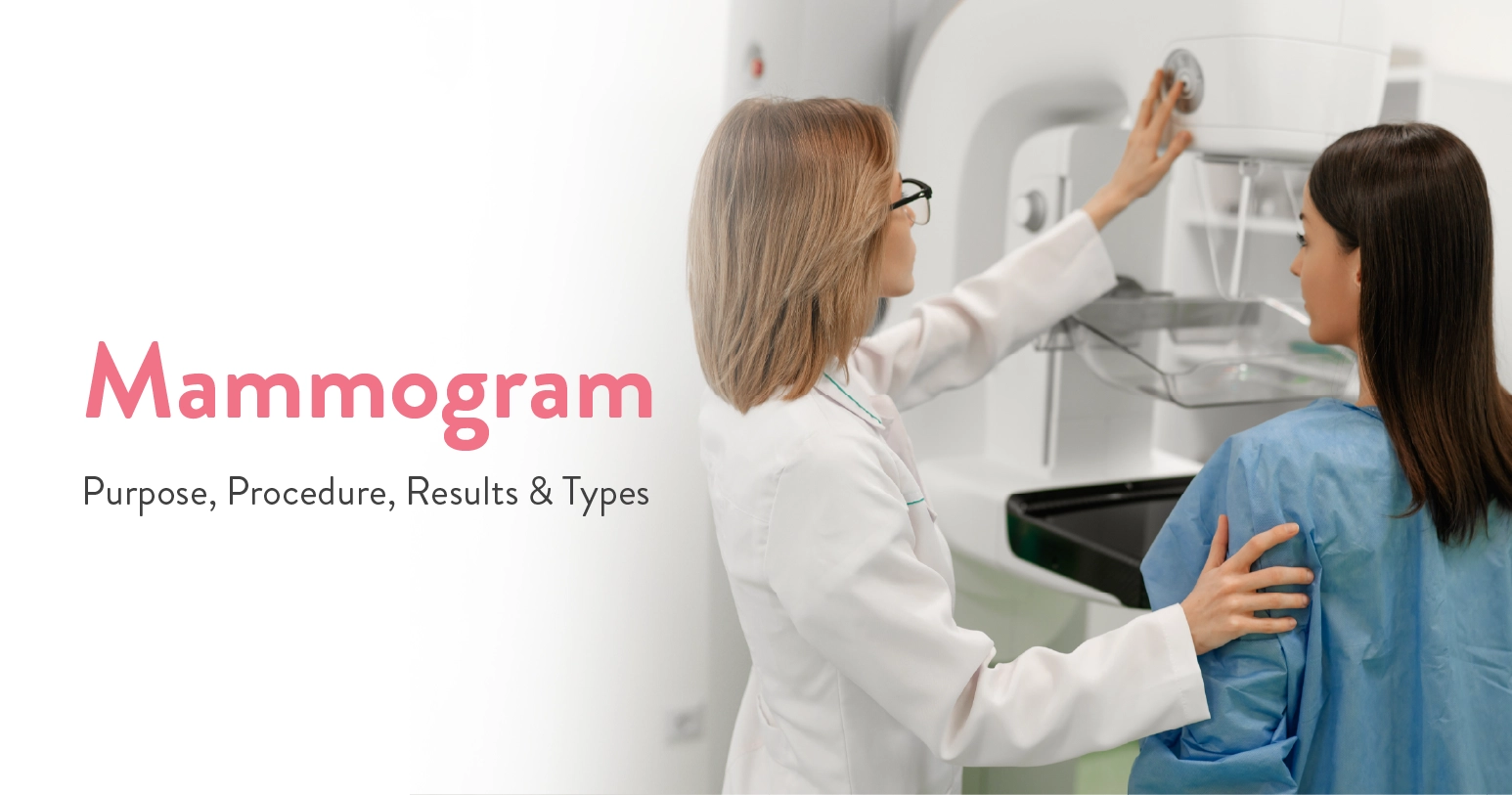
The World Health Organization (WHO) reports that breast cancer is now the most commonly diagnosed cancer among women globally. In India, it accounts for nearly 1 in 4 cancers diagnosed in women, making it a growing public health concern.
Every year, around 2.3 million new cases of breast cancer are diagnosed worldwide each year.
But there is still hope when caught early. Breast cancer is treatable, and survival rates rise significantly when the disease is found before it has a chance to spread. The most effective tool for early detection is the mammogram.
Read more to learn what a mammogram is, how it works, what the different types mean, and what you can expect when you walk into the screening room.
Table of Contents
A mammogram is a low-dose X-ray image of the breast, used to detect changes in breast tissue that may point to cancer or other abnormalities. It allows the breast specialists to examine abnormalities like tiny calcium deposits, small lumps, or unusual changes in tissue density that cannot be felt during a physical exam.
The test is performed using a machine called a mammography unit, which compresses the breast briefly between two plates to spread the tissue for a clearer and more detailed image. It is not a treatment or a diagnosis on its own; however, it is a screening and diagnostic tool that helps doctors decide what, if anything, needs further investigation.
The importance of mammography goes beyond just spotting cancer. Regular mammogram screening can identify changes years before symptoms appear, which makes it more relevant because breast cancer often has no early warning signs at all. By the time something is physically felt, the disease may already be more advanced.
The Centers for Disease Control and Prevention recommends regular mammograms for women aged 40 and older, as an important screening tool, because research shows that early detection can improve survival rates.
Also, mammograms don’t just find cancer but they also pick up benign conditions like cysts or fibroadenomas, which can save patients from unnecessary worry once properly identified.
The main types of mammograms can be grouped by purpose and technology. Here are the types of mammograms you are likely to come across:
Most major health bodies, including the American Cancer Society, recommend that women should begin regular screening mammograms somewhere between ages 40 and 50, depending on personal and family risk factors, continuing every one to two years.
Women with a family history of breast or ovarian cancer, known genetic mutations like BRCA1 or BRCA2 or previous chest radiation may be advised to start earlier or get screened more frequently.
A common concern many patients raise during consultations is, “I have no family history. Do I still need breast cancer screening?”
Yes. Most women diagnosed with breast cancer have no family history of the disease at all, which is exactly why population-wide screening matters so much.
Understanding Your Mammogram Results
Mammogram results are reported using the BI-RADS (Breast Imaging Reporting and Data System). It is a standardised classification system used by radiologists to describe breast imaging findings and guide the next steps in management. BI-RADS categories range from 0 (incomplete, requiring additional imaging) to 6 (known biopsy-proven malignancy).
Some women feel a little pressure or mild discomfort, but severe pain is uncommon. Whatever uneasiness you do feel usually lasts only a few seconds per image, since the compression is brief. It does not involve prolonged squeezing or continuous pressure.
If you are still feeling a bit nervous about it, a few simple tips can make the experience easier:
None of these are mandatory, but they are just small things that can make the experience a bit more comfortable for women who are feeling anxious about the screening.
Annual or biennial (every two years) screening from age 40 onward is considered standard; however, consult your breast specialist as they will guide better based on your personal risk profile, breast density and family history.
A mammogram is one of the most powerful tools we have for catching breast cancer early, when treatment options are broadest and results are best. If you are due for a screening or have noticed something that concerns you, our specialists at the Breast Centre at the CK Birla Hospital are here to guide you through every step. Our Breast Surgical Oncology team can help you understand your personal risk and decide on the right screening schedule for you. Simply reach out to us whenever you are ready.
What is in a name?
Medically, everything.
The name of a disease tells doctors where to look, what to treat, and what to ignore. For approximately 170 million women with Polycystic Ovary Syndrome, that name pointed the treatment toward reproductive health, mainly the ovaries and the cysts. But the disorder was always rooted in something broader like metabolic dysfunction, insulin resistance, and hormonal dysregulation that extended far beyond the reproductive system.
After years of research, the focus is finally shifting in the right direction. PCOS is now being renamed PMOS. Read further to understand why this renaming is needed and what it means for diagnosis, symptoms, risk factors, and treatment.
Table of Contents
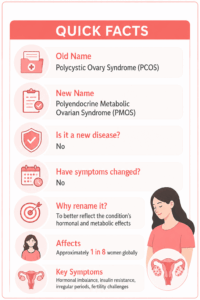
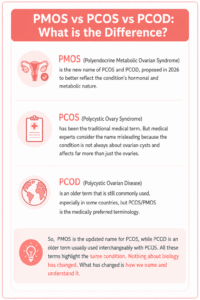
Women diagnosed with PCOS have long been told they have ‘polycystic ovaries’. This name does not point to complete symptoms and overlooks the bigger hormonal and metabolic picture of what this condition actually does to the body.
In reality, many women diagnosed with PCOS do not have polycystic ovaries on ultrasound. And some women with ovarian cysts do not have PCOS. This mismatch led to years of confusion and misguided treatment.
That’s exactly why a major international panel decided it was time for a change.
A 2026 international consensus published in The Lancet (one of the world’s oldest and most prestigious medical journals) brought together experts, healthcare organisations, researchers, and patient advocacy groups from around the world. Their conclusion suggested that the name PCOS no longer accurately reflects the condition.
PMOS (Polyendocrine Metabolic Ovarian Syndrome) is the newly proposed name for Polycystic Ovary Syndrome (PCOS).
The word ‘polycystic’ puts all the attention on ovarian cysts. It leads many people to assume that women with this disorder will not be able to conceive and it will severely affect their fertility. However, PCOS, now PMOS, affects much more than reproductive health.
The renaming of this condition was the result of a coordinated global effort. The process of giving a more accurate name to this disorder involved many medical organisations and patient representatives worldwide who came together with a goal to improve understanding and eradicate stigma.
After renaming PCOS to PMOS, it is now understood to be a complex endocrine disorder. An endocrine disorder affects the glands that produce necessary hormones. It is also closely connected to your metabolic health, meaning how the body processes glucose and insulin. This name change encourages earlier diagnosis and focuses on overall care rather than focusing solely on fertility concerns.
One of the strongest reasons behind the PMOS name is the recognition that metabolic health is central to the condition. A significant proportion of people with PMOS experience insulin resistance regardless of their body size or weight. When the body’s cells do not respond effectively to insulin, it is called insulin resistance. As a result, the pancreas produces more insulin, which can worsen hormonal imbalances and increase androgen production. Androgens, also called male hormones that can cause symptoms such as acne, unwanted hair growth, and irregular periods.
Preventive Health Checkups Your Doctor May Recommend
Long-Term Risks Involved
Without appropriate management, insulin resistance may increase the risk of:
Irregular ovulation is one of the most common concerns that come up after a PMOS diagnosis. When ovaries do not release eggs regularly, conception becomes more difficult.
Women diagnosed with PMO may face increased risks of:
Do not interpret these risks as meaning you cannot conceive successfully. If you have been diagnosed with PMOS and are planning a pregnancy, consult a gynaecologist early. You can book a consultation with our expert gynecologists at the CK Birla Hospital. They will provide timely medical guidance and can help identify and manage potential risks. Many women with PCOS/PMOS conceive successfully with the right care.
PMOS / PCOS |
|||
| Symptoms | Causes | Diagnosis | Treatment |
|
|
|
|
The rename from PCOS to PMOS has understandably raised questions. If you have been living with this diagnosis, here is what you need to know.
Medical experts agree that a new name alone would not cure everything. But the way we name a condition shapes how we think around it, how we research it, and how we treat it. This is particularly relevant for patients whose symptoms were not reflected in imaging results, leading to delayed or missed diagnoses. We can say that renaming PCOS to PMOS is not a treatment in itself, but it is a step toward more accurate diagnosis and better long-term care.
If you have been experiencing irregular periods, unexpected hair growth, acne, weight changes, or fertility concerns or if you have already been diagnosed with PCOS or PMOS and want to understand what it means for your overall health, talking to a specialist is the right next step.
The experienced Obstetrics & Gynaecology and Endocrinology teams at the CK Birla Hospital can provide personalised guidance, required screening, and treatment that suit your overall health. Book a consultation now!
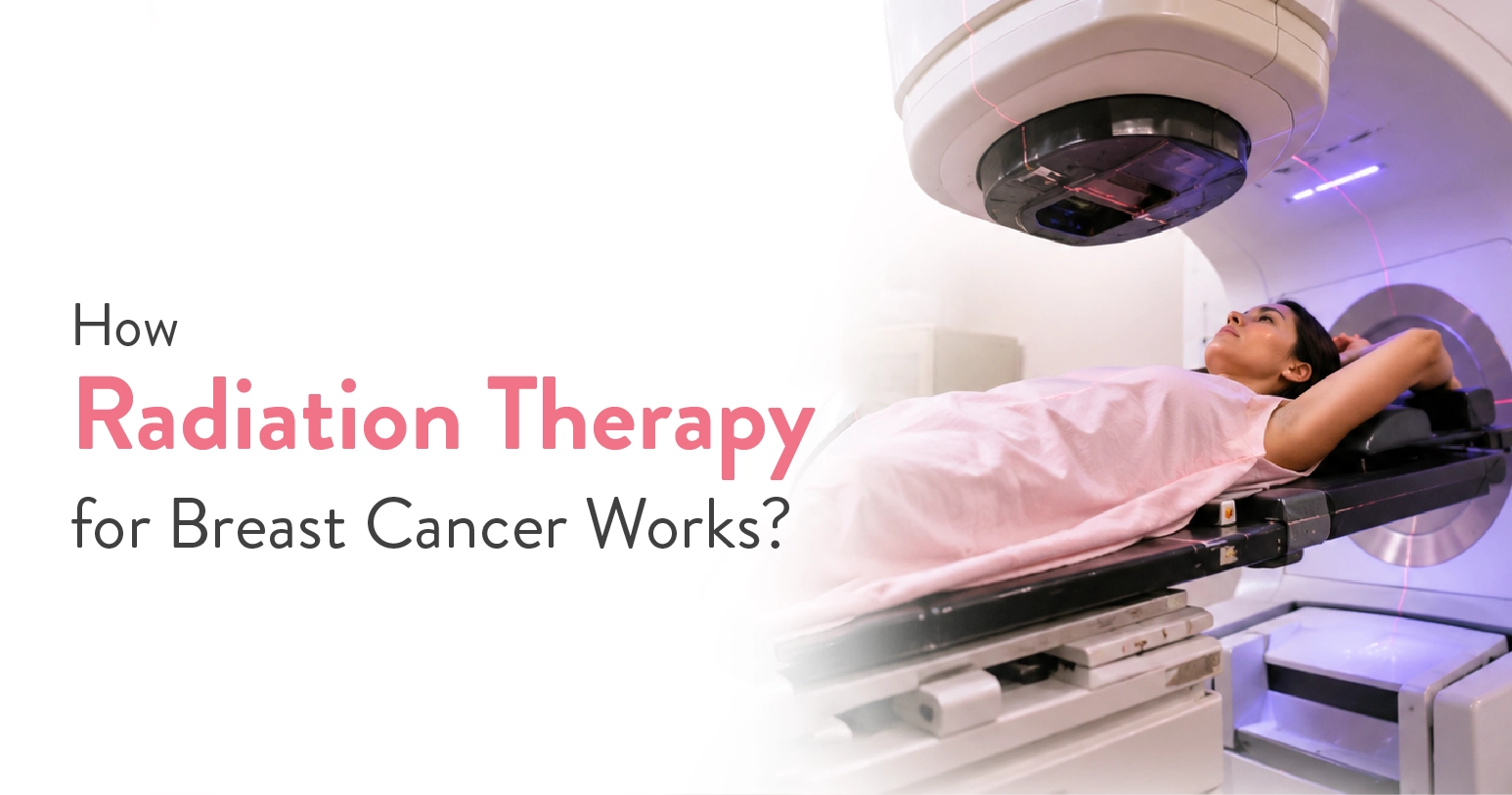
“Does radiation therapy hurt?” “Will I lose my hair?” “Will I be able to live a normal life after treatment?”
These are just a few of the many questions people have when they first hear the term radiation therapy. While it is a widely used and effective cancer treatment, it is also surrounded by myths and misconceptions that can make it seem far more intimidating than it really is.
Learning more about radiation therapy can help clear up common confusions and ease unnecessary worries. So, let’s separate fact from fiction and understand how radiation therapy works, its possible side effects and some practical tips to help you feel more prepared and informed.
Keep reading to learn more!
Table of Contents
Breast surgery removes the visible tumor, but tiny, microscopic cancer cells can sometimes remain behind. These cells are too small to be seen on scans or during surgery. Radiation therapy is designed to eliminate these remaining cells before they have a chance to grow.
Radiation therapy for breast cancer uses carefully targeted high energy rays, such as , gamma rays, or proton beams to destroy cancer cells that may remain after surgery.
It lowers the risk of the cancer coming back while preserving as much healthy tissue as possible.
Unlike chemotherapy, which travels throughout the body, radiation therapy is a local treatment. That means it focuses only on the breast, chest wall, or nearby lymph nodes where cancer cells may still be present.
Radiation therapy works by damaging the DNA inside cancer cells.
Inside every cell is DNA, which contains the genetic instructions needed for the cell to grow, divide and repair itself. Radiation therapy damages this DNA in cancer cells, preventing them from continuing to multiply.
During the therapy, healthy cells can also be exposed to small amounts of radiation, but unlike cancer cells, they are generally much better at repairing themselves.
This is why radiation treatment is carefully planned before your first session. Advanced imaging and computer-guided technology help your radiation oncology team deliver treatment as accurately as possible.
An overlooked fact: Many people assume radiation works immediately. In reality, cancer cells continue to die gradually over days and weeks after each treatment. That is one reason radiation is given over multiple sessions instead of all at once.
There are two main types of radiation therapy used to treat breast cancer: External Beam Radiation Therapy (EBRT) and Internal Radiation Therapy. Your radiation oncologist will recommend the approach that best suits your diagnosis.
This is the most common form of radiotherapy for breast cancer.
In EBRT, a specialised machine called a linear accelerator delivers high-energy radiation to the treatment area from outside the body.
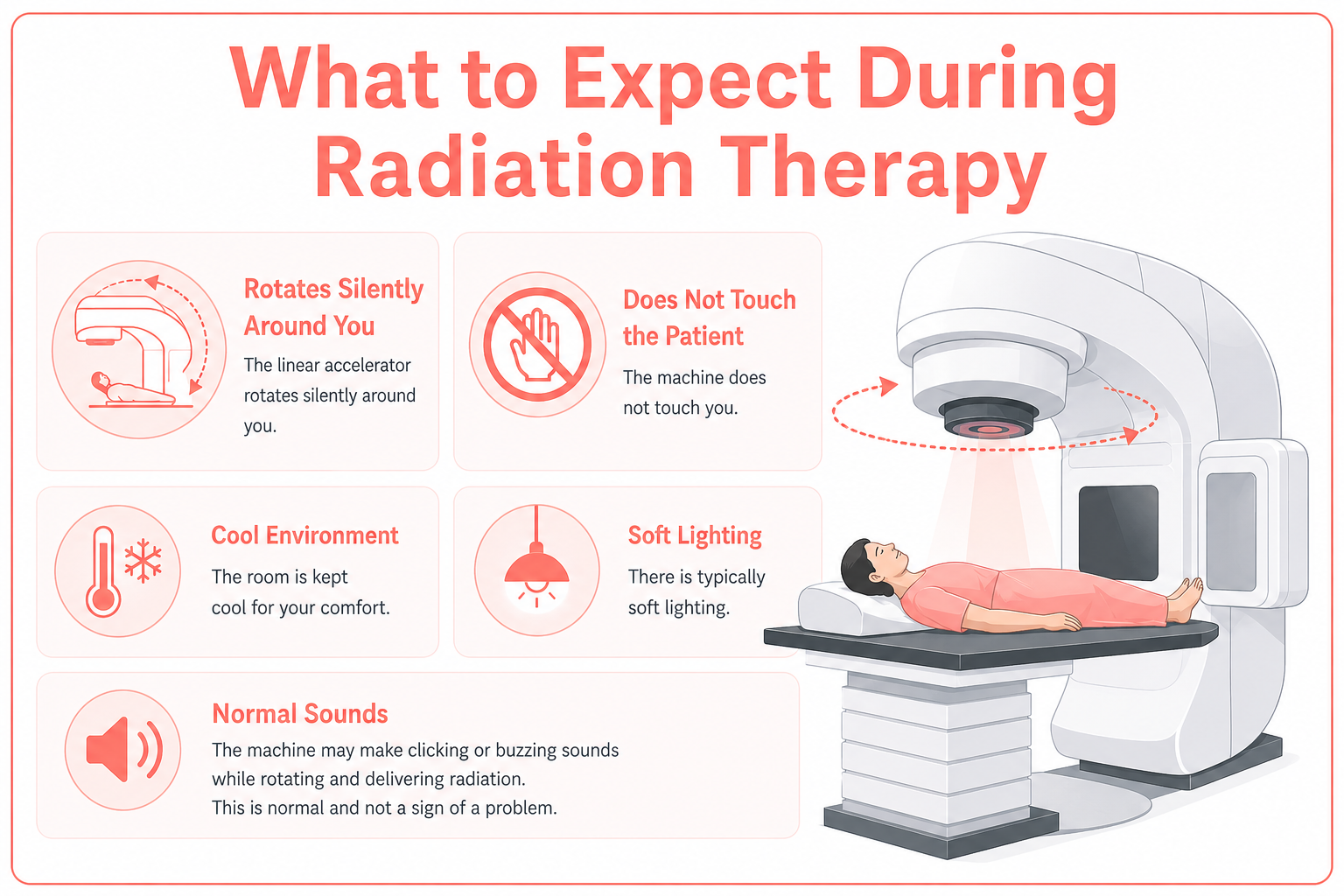
The machine does not touch you and you won’t feel the radiation during the treatment. Modern radiation techniques allow doctors to precisely shape and target the radiation beam, helping minimise exposure to nearby healthy tissues and organs.
Brachytherapy places a small radioactive source inside or very close to where the tumor was removed.
By targeting the treatment area directly, some people with early-stage breast cancer may be able to complete treatment in a shorter time.
Your doctor may advise radiation if you:
Treatment decisions are usually made by a multidisciplinary team, which may involve a breast surgeon, medical oncologist, radiation oncologist, radiologist, pathologist and other specialists.
Before treatment begins, you will need to attend a planning appointment called a simulation. During this visit, a CT scan is used to map the exact area that needs treatment. Small skin markings may be placed to help position you accurately each day. Actual treatment begins 5 to 10 days later, after the dedicated healthcare team finalises the treatment plan.
Each treatment session follows a routine:
The patient changes into a gown and removes jewelry or clothing from the treatment area.
Technicians carefully position the patient, usually lying on their back with one or both arms raised overhead, to match the exact position from simulation. The markings are aligned with laser lights in the room.
X-rays or scans are done to confirm the breast tissue is in the correct position before radiation begins. For some patients with left-sided breast cancer, Deep Inspiration Breath Hold (DIBH) may be used. Holding a deep breath during treatment helps move the heart away from the radiation field, reducing radiation exposure to the heart.
The machine, called linear accelerator (LINAC), rotates around the patient and delivers beams from multiple angles. The patient lies still and breathes normally (or holds breath, if required). The radiation itself is completely painless and invisible. There is no sensation during delivery.
When the session ends, the machine stops. No recovery time is needed.
Certainly, everyone’s experience is a little different. Some people have very mild symptoms, while others notice more changes as treatment progresses. Most side effects develop gradually, usually after the first week or two, rather than immediately after the first session.
Fortunately, many of these effects are temporary and improve within a few weeks after treatment ends.
The treated skin may become:
These changes are usually mild and usually feel similar to a mild sunburn.
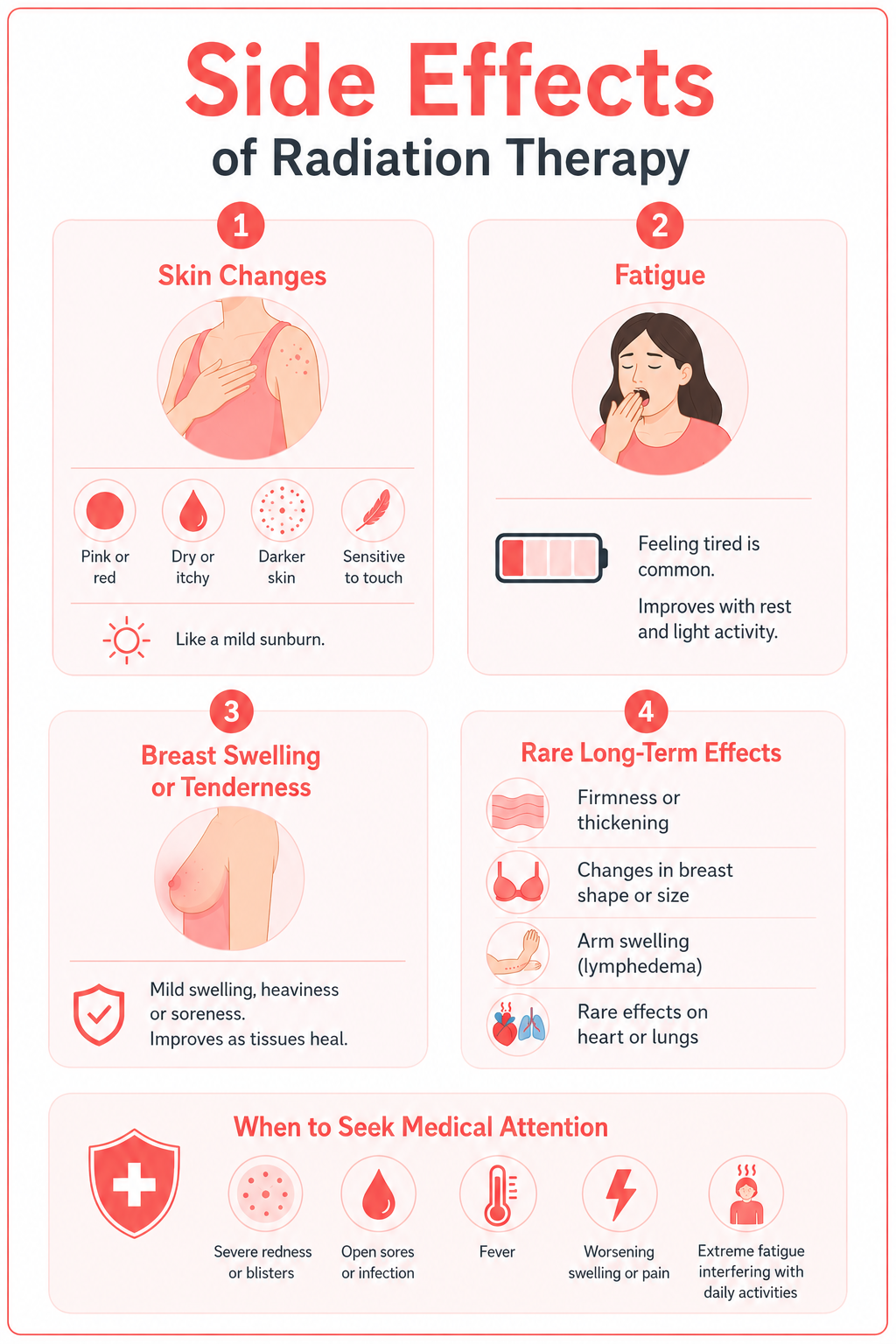
Feeling tired is one of the most common side effects of radiation therapy. This fatigue improves with rest and light physical activity.
Some people experience mild swelling, heaviness or soreness in the treated breast. These symptoms generally improve as the tissues heal.
Long-term side effects are uncommon but may include:
Many patients expect the worst side effects to happen during the first few days. In reality, skin changes and fatigue buildup gradually and peak towards the end of treatment or even one to two weeks after it finishes. Knowing this can help you plan your work, travel, or family commitments more comfortably.
Small changes to your daily routine can make treatment much more comfortable. Here are a few simple tips that many patients find helpful:
Both treatments are used to treat cancer, but they work in different ways.
| Radiation Therapy | Chemotherapy |
| Treats a specific area of the body | Travels throughout the body |
| Uses high-energy radiation | Uses anti-cancer medicines |
| Often follows surgery | May be given before or after surgery |
| Treatment is painless | Medicines may have different side effects |
| Common side effects include skin irritation and fatigue | Common side effects include nausea, hair loss, and a lower immunity |
The treatment that is right for you depends on your individual diagnosis. Your healthcare team will recommend a personalised plan based on the type of breast cancer, its stage and other important factors.
The more you understand about your treatment, the easier it becomes to approach each appointment. Don’t hesitate to ask questions, share your concerns or let your care team know how you are feeling throughout the treatment process.
If you want to learn more about your treatment options or discuss your concerns with an expert, the Department of Oncology at the CK Birla Hospital, along with our multidisciplinary team of specialists, is here to provide personalised and comprehensive care. We will take the time to answer your questions, guide you through your treatment options, and support you at every stage of your journey.
To speak with one of our specialists, book a consultation.
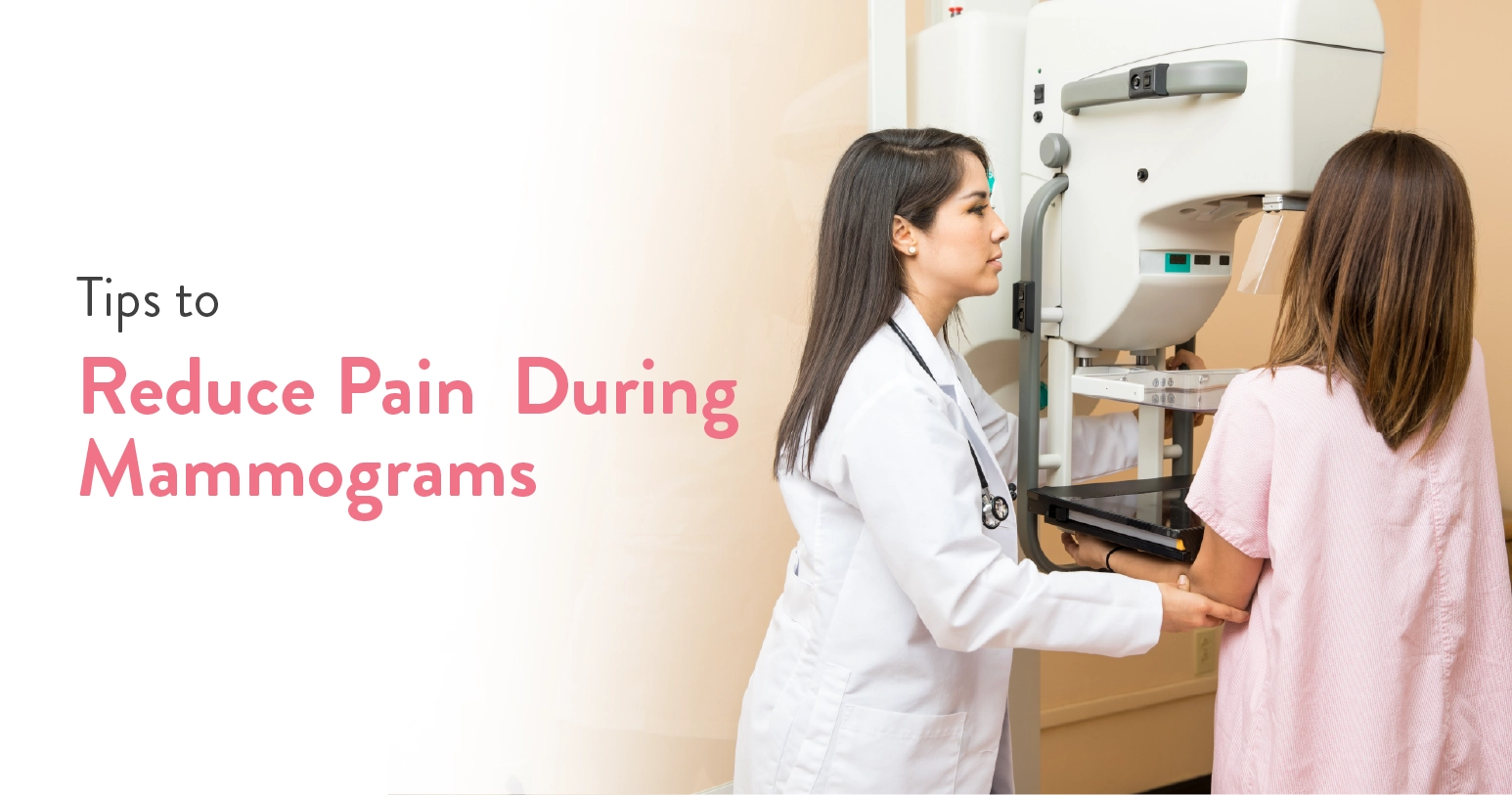
Mammography screening is one of the most effective tools for detecting breast cancer early. However, the fear of pain is one of the most cited reasons women delay or avoid mammograms.
But do mammograms really hurt?
For most women, it can be uncomfortable rather than painful.
The mammography machine uses two plates to gently compress the breast tissue, which helps spread it out so radiologists can get a clearer image. That compression is where the sensation comes from. Most women feel a squeezing pressure, some feel mild tenderness and some find it quite uncomfortable. Rarely, it causes significant pain.
A mammogram takes about 20 to 30 minutes in total and the actual compression per image lasts only 10 to 15 seconds. So, any uneasiness felt in this duration is very brief.
Table of Contents
Pain experience varies from woman to woman. Research published in a PMC journal has shown that factors such as breast density, hormonal fluctuations and psychological factors like anxiety and previous experiences with medical procedures can all influence how painful the procedure feels.
Stress and anxiety, in particular, can make pain feel more intense. When you are tense, your muscles tighten and your pain threshold may decrease, making the breast compression feel more uncomfortable. This is one reason why relaxation techniques, covered later in this article, can help you.
In general, mammograms are not exactly pleasant, but most women find them tolerable, and any discomfort usually lasts only a few seconds during each image.
During a mammogram, you stand in front of the mammography machine while a radiographer (the imaging specialist who performs the scan) guides you into position and places your breast on a flat support plate.
A second plate then lowers to compress the breast firmly. It reduces motion blur, decreases radiation exposure and separates overlapping tissue so that even small abnormalities show up clearly on the image.
The breast contains glandular tissue, fatty tissue and a network of ligaments and ducts. Compression can place temporary pressure on these structures, which is why some women feel tenderness.
For women with denser breast tissue, where glandular tissue makes up a larger proportion of the breast, this sensation can be more pronounced.
You may feel a bit uncomfortable because the compression is firm, but it lasts only a few seconds before the pressure is released. There is no prolonged squeezing or continuous pressure.
If you are feeling nervous or wondering whether you will be one of the few women who experience more pain during a mammogram, the following tips can help make the procedure more comfortable.
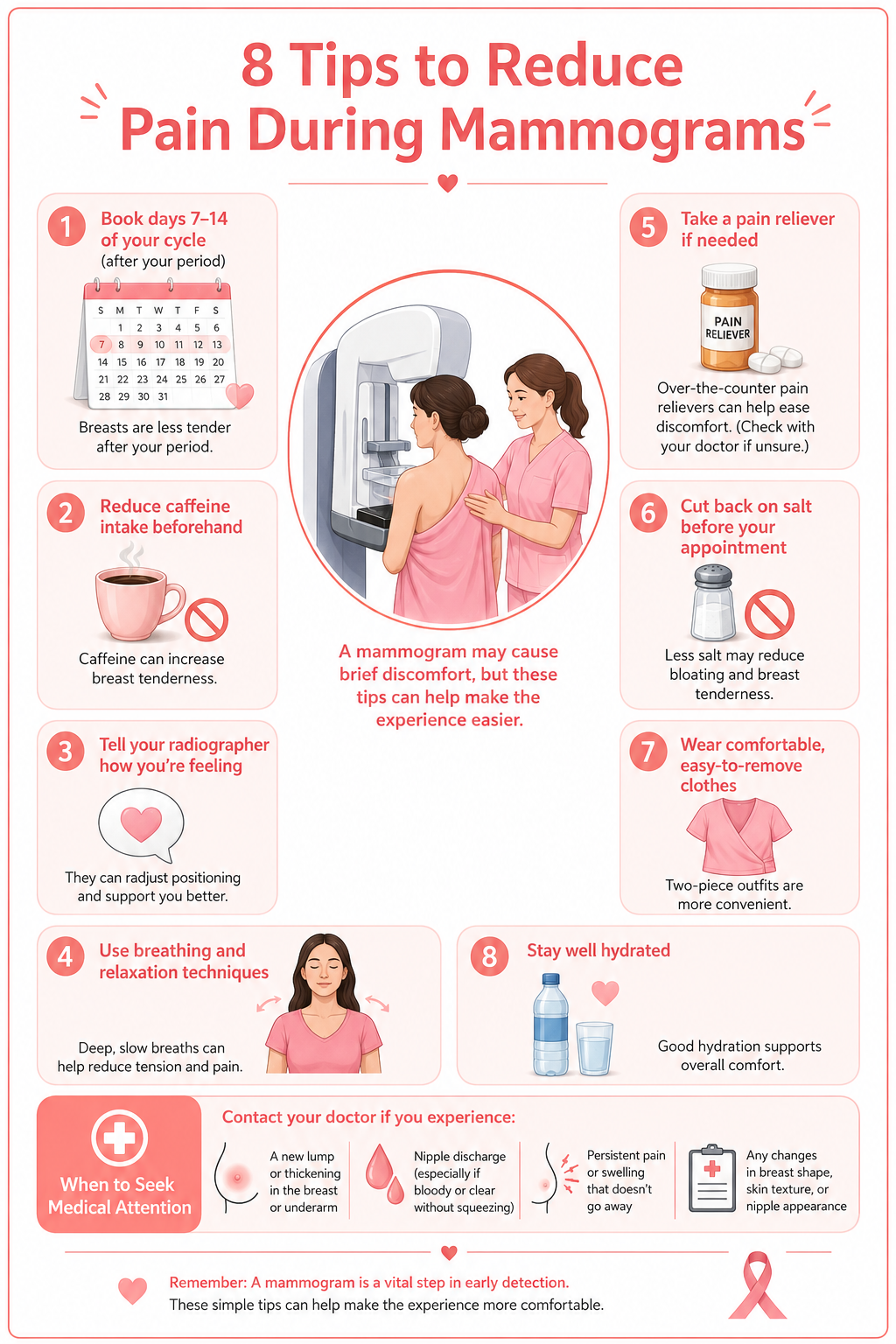
Breast tissue is most sensitive in the week before your period, when estrogen and progesterone levels peak and cause fluid retention and mild swelling in breast tissue. This is when a mammogram is most likely to feel uncomfortable.
If you have regular periods, try to schedule your mammogram in the week after your period ends, generally days 7 to 14 of your cycle. Breast tissue is at its least tender during this window. Postmenopausal women don’t need to factor in cycle timing, but it is still worth choosing an appointment time when you tend to feel more rested and relaxed.
Caffeine can increase breast sensitivity in some people. Cutting back on caffeine for five to seven days before your appointment is a simple, low effort change that can help you feel relaxed during the examination.
If you honestly tell the specialist you are anxious, have had painful experiences before, or have particularly tender breasts that day, they can adjust the angle of positioning, apply compression more gradually and give you a moment to breathe between images.
When the compression plate comes down, exhale slowly and let your shoulders drop. Muscle tension makes everything feel more intense. A few slow, deliberate breaths before each image helps your body relax, which lowers pain sensitivity and also reduces motion blur in the image itself.
Taking an over-the-counter pain reliever can also help in making you feel comfortable. A standard dose of a common pain reliever helps reduce sensitivity in breast tissue during compression. But make sure to check with your doctor about which option suits you best, especially if you have any existing health conditions or are taking other medications.\
Eating a high sodium diet causes your body to retain water, which leads to temporary bloating and swelling throughout the body, including in breast tissue. When breast tissue is slightly swollen and fluid-filled, it tends to be more sensitive to pressure. Reducing your salt intake for three to five days before your appointment may decrease breast tenderness on the day. It won’t eliminate discomfort entirely, but it removes an unnecessary layer of sensitivity that works against you.
Since you will need to undress from the waist up for the scan, choose clothing that comes off and goes back on easily. When you arrive flustered, rushed or self-conscious about getting changed, your body is already tense before the compression even begins. Muscle tension can amplify the mammogram discomfort.
On the same note, do not apply any deodorant, body lotions, creams, talcum powder and perfume. These products can contain tiny metallic or chemical particles that occasionally show up as specks on mammogram images.
Going into a medical appointment dehydrated can increase overall physical tension and sensitivity. So, drink plenty of water in the day or two leading up to your mammogram. Well-hydrated tissue is more supple and resilient, which can subtly reduce the intensity of the compression sensation.
A mammogram involves only a few minutes of temporary discomfort, but it can play a very important role in detecting breast cancer early. With a little preparation, the experience is far more manageable than the anxiety around it suggests.
At the CK Birla Hospital, our experienced healthcare team understands that having your first mammogram can feel overwhelming. Our radiographers work at your pace, ensuring every scan is performed with care, compassion and precision. If you have any questions about the procedure or would like to discuss your concerns, book a consultation with one of our breast specialists for personalised guidance and support.
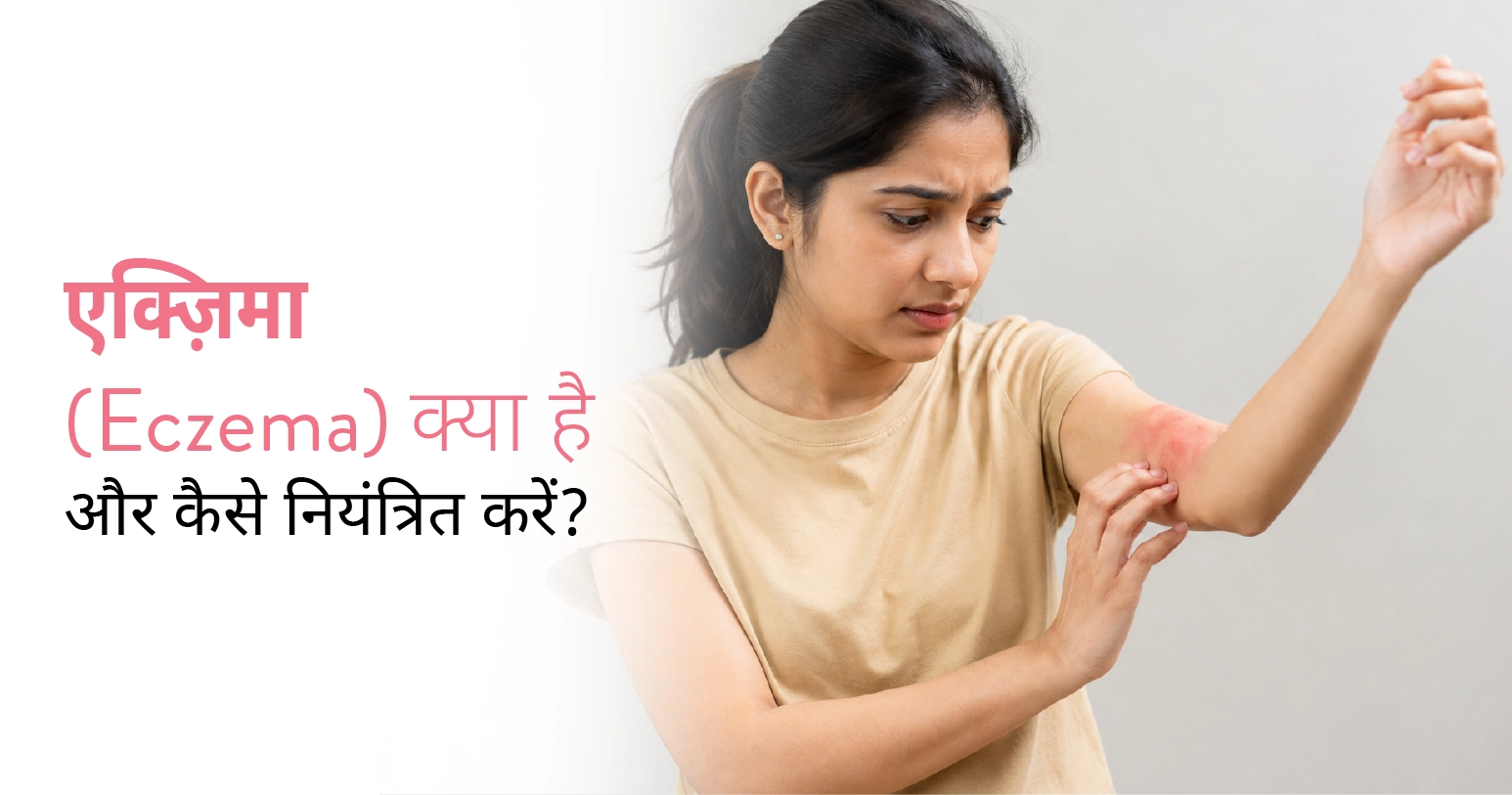
एक्जिमा (Eczema) एक पुरानी, बार-बार लौटने वाली त्वचा की बीमारी है। इसमें त्वचा में सूजन, लालिमा और असहनीय खुजली होती है। भारत में पिछले कुछ दशकों में इसकी दर 2 से 3 गुना बढ़ी है, और शहरी इलाकों जैसे दिल्ली और गुरुग्राम में प्रदूषण और बदलते lifestyle की वजह से यह और भी आम हो गई है।
यह बीमारी दिखने में भले ही “छोटी” लगे, लेकिन इसका असर मरीज़ की नींद, काम और मानसिक स्वास्थ्य तक पर पड़ता है। और सबसे ज़रूरी बात – यह संक्रामक नहीं है। सीके बिरला अस्पताल में हमारे त्वचा विशेषज्ञ (dermatologist) एक्जिमा की जड़ तक जाकर इलाज करते हैं। आज ही अपॉइंटमेंट बुक करें।
Table of Contents
एक्जिमा सिर्फ एक किस्म की बीमारी नहीं है। इसके कई रूप होते हैं और हर रूप के कारण और इलाज अलग होते हैं। चलिए एक-एक करके सभी को समझते हैं –
एक्जिमा का कोई एक कारण नहीं है। यह कई चीजों के मिलने से होता है –
इसके अतिरिक्त कुछ बाहरी ट्रिगर भी होते हैं, जो आपकी त्वचा को प्रभावित करके एक्जिमा का कारण बन सकते हैं –
दिल्ली-NCR और गुरुग्राम जैसे शहरों में वायु प्रदूषण, कठोर पानी (hard water), और AC वातावरण त्वचा को रूखा बना देते हैं जो एक्जिमा को और बिगाड़ सकते हैं।
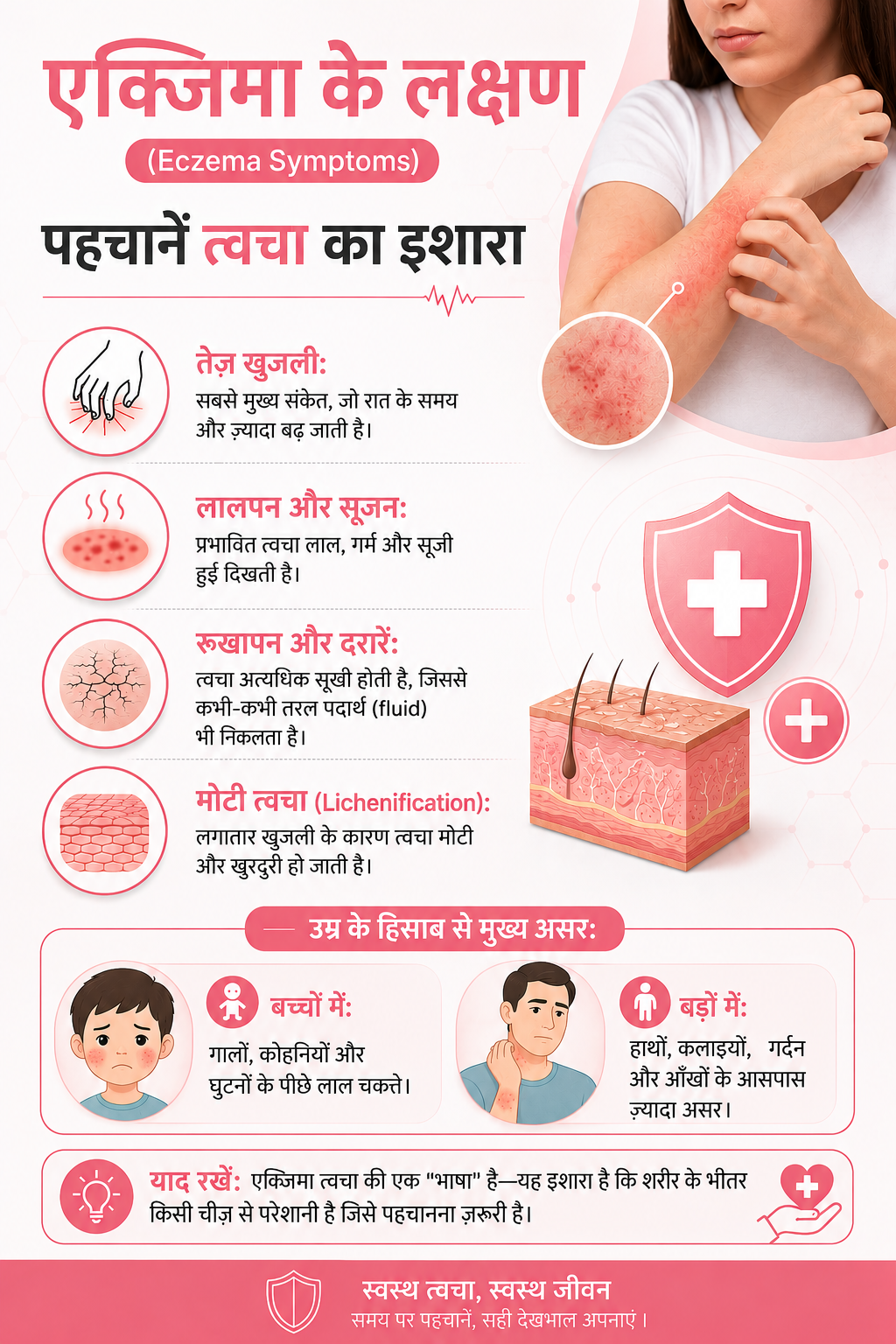
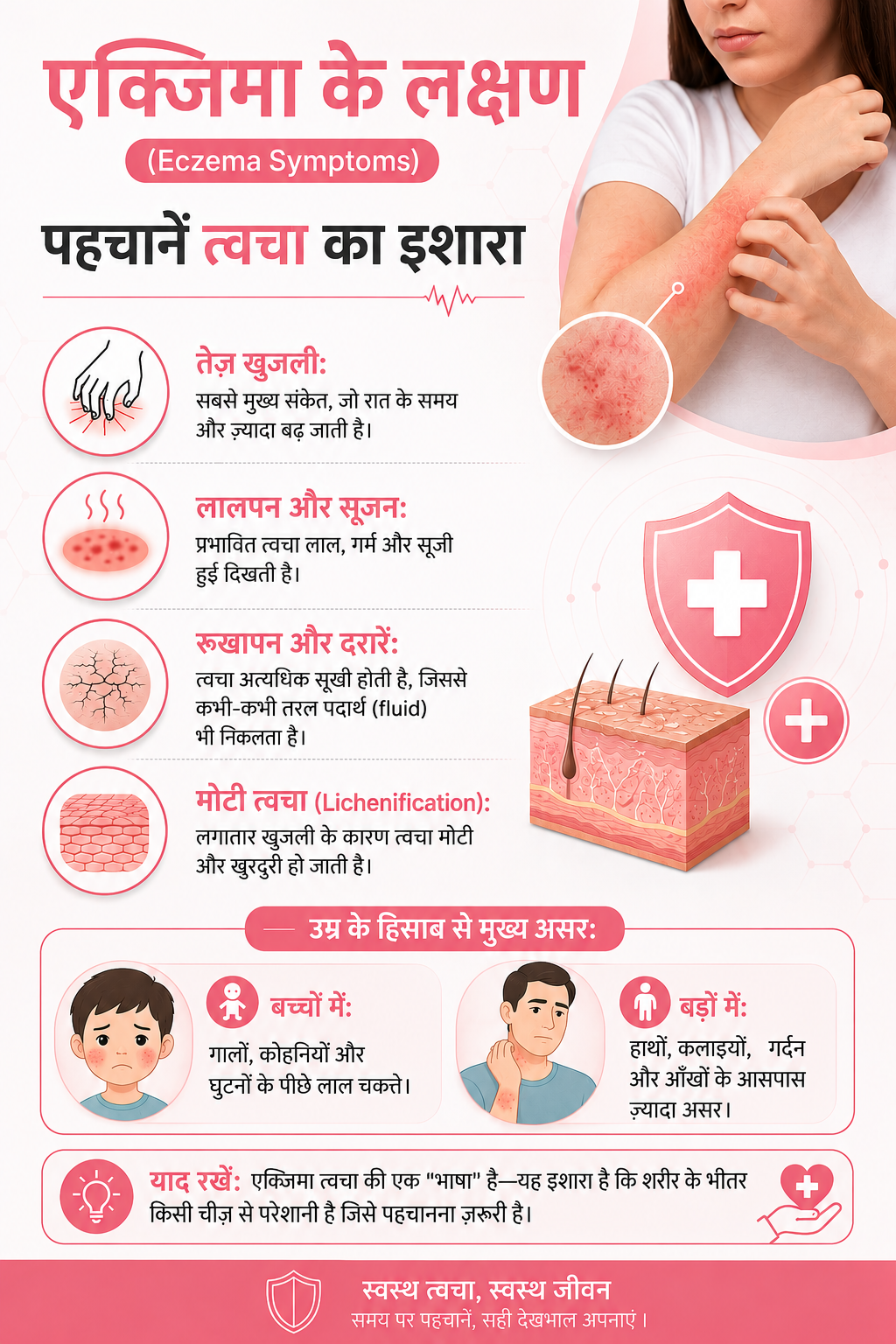
एक्जिमा के लक्षण हर व्यक्ति में थोड़े अलग होते हैं और यह भी बदलता रहता है कि त्वचा के किस हिस्से पर है, लेकिन कुछ आम लक्षण हैं, जिन पर आप नजर रख सकते हैं –
एक नजरिए से देखें तो एक्जिमा त्वचा की एक “भाषा” है। यह बता रहा है कि शरीर कुछ ऐसी चीज़ से परेशान है, जिसे पहचानना और दूर करना जरूरी है।
बहुत से लोग घर पर ही एक्जिमा का उपाय ढूंढते रहते हैं। लेकिन कुछ स्थितियां ऐसी हैं, जब तुरंत त्वचा विशेषज्ञ से मिलना जरूरी हो जाता है –
एक्जिमा का इलाज उसके प्रकार और गंभीरता पर निर्भर करता है।
ये उपाय डॉक्टरी इलाज के साथ-साथ उपयोगी हैं। कोई भी उपाय इलाज की जगह नहीं ले सकता है, इसलिए अपने डॉक्टर की सलाह के बिना ट्रीटमेंट शुरू या बंद न करें। नीचे बताए गए उपाय आपकी मदद कर सकते हैं –
क्या बदलें:
एक्जिमा एक ऐसी बीमारी है, जो जीवन शैली और ध्यान से पूरी तरह नियंत्रण में लाई जा सकती है। यह जरूरी नहीं कि आप हमेशा खुजली, रूखेपन और शर्मिंदगी के साथ जिएं। सही डॉक्टर, सही दवा, सही खान-पान और थोड़ी सी सतर्कता – बस इतना काफी है।
याद रखें कि एक्जिमा आपकी कमजोरी नहीं है। यह एक मेडिकल स्थिति है, जिसका बेहतरीन इलाज उपलब्ध है। सीके बिरला अस्पताल में हमारी त्वचा विशेषज्ञ टीम आपको न सिर्फ सही निदान बल्कि एक पूरा केयर प्लान देती है जो आपकी जीवनशैली और जरूरतों के हिसाब से बना हो। आज ही अपॉइंटमेंट बुक करें।
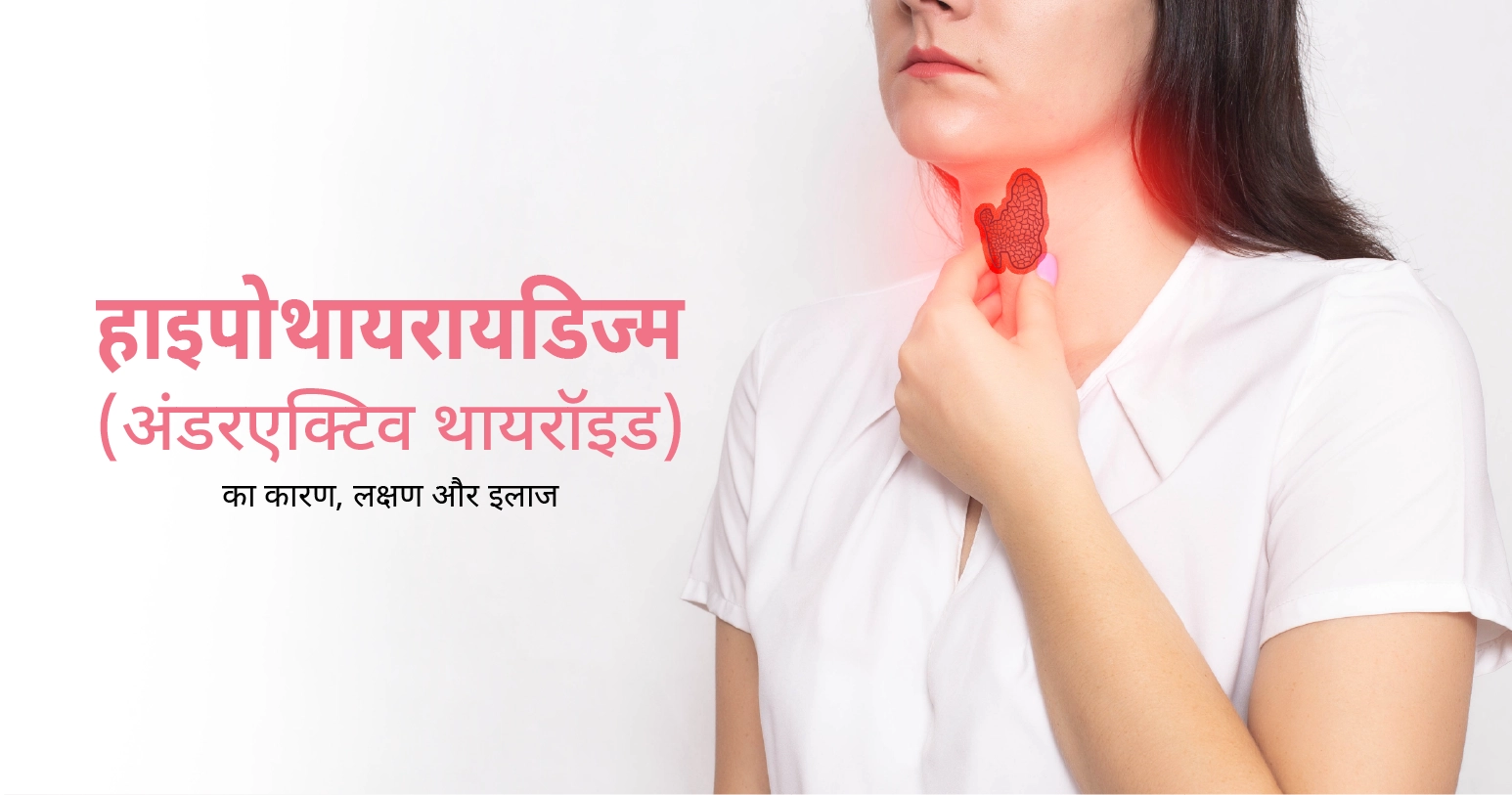
क्या आपका वजन अचानक से बढ़ रहा है? खाना ज्यादा न खाने से भी वजन बढ़ता जा रहा है? बाल झड़ रहे हैं, त्वचा रूखी हो गई है, और मन में अजीब सी उदासी है। परिवार वाले कहते हैं “बस ज्यादा सोचते हो” – लेकिन अंदर से आप जानते हैं कि कुछ तो गड़बड़ है।
अगर यह सब आपकी कहानी है, तो शायद आपका शरीर एक जरूरी संकेत दे रहा है। यह हाइपोथायरायडिज्म (Hypothyroidism) यानी थायरॉइड हो सकता है। यह एक ऐसी स्थिति है, जिसमें गले में मौजूद थायरॉइड ग्लैंड उतने हार्मोन नहीं बना पाती जितनी शरीर को जरूरत होती है।
भारत में यह समस्या बेहद आम है। एक अध्ययन के अनुसार देश में करीब 4.2 करोड़ लोग थायरॉइड से जुड़ी किसी न किसी बीमारी से पीड़ित हैं – और इनमें से बड़ी संख्या महिलाओं की है। खास बात यह है कि बहुत से लोग बरसों तक इस बीमारी से अनजान रहते हैं। सीके बिरला अस्पताल में हमारे अनुभवी थायरॉइड विशेषज्ञ आपकी पूरी जांच और उपचार के लिए तैयार हैं। आज ही अपॉइंटमेंट बुक करें।
Table of Contents
गले के सामने की तरफ तितली के आकार की एक छोटी-सी ग्लैंड होती है और यही थायरॉइड ग्लैंड है। यह T3 (Triiodothyronine) और T4 (Thyroxine) नाम के दो अहम हार्मोन बनाती है। ये हार्मोन शरीर की लगभग हर बड़ी प्रक्रिया को नियंत्रित करते हैं, जैसे मेटाबॉलिज्म (metabolism), हृदय की गति, शरीर का तापमान, ऊर्जा स्तर, और यहाँ तक कि मूड भी।
जब यह ग्लैंड ठीक से काम नहीं करती और हार्मोन कम बनाती है, तो शरीर की पूरी मशीनरी धीमी पड़ जाती है। इसी स्थिति को हाइपोथायरायडिज्म कहते हैं। इस बीमारी की जड़ में कई कारण हो सकते हैं – आयोडीन की कमी, ऑटोइम्यून (autoimmune) बीमारी, हार्मोनल बदलाव, या पिट्यूटरी ग्लैंड (pituitary gland) की समस्या। जब इनमें से कोई भी बात थायरॉइड और दिमाग के बीच की संचार प्रक्रिया को बिगाड़ती है, तो हाइपोथायरायडिज्म शुरू हो जाता है।
हाइपोथायरायडिज्म एक ही किस्म का नहीं होता। इसके कारण और असर के हिसाब से इसे कई श्रेणियों में बांटा जाता है –
इस बीमारी की कोई एक वजह नहीं होती। कई कारण मिलकर थायरॉइड को प्रभावित करते हैं जैसे कि –
यह बीमारी “चुपचाप” आती है। लक्षण इतने धीरे-धीरे बढ़ते हैं कि अक्सर लोग उन्हें थकान, उम्र बढ़ना, या तनाव समझ लेते हैं। यही सबसे बड़ी समस्या है। भूल कर भी इन लक्षणों को नजरअंदाज न करें –
महिलाओं में कुछ अलग लक्षण भी होते हैं जिन पर ध्यान देना बेहद ज़रूरी है –
TSH (Thyroid Stimulating Hormone) ब्लड टेस्ट सबसे पहला और सबसे जरूरी टेस्ट है। अगर TSH का स्तर 4.0 mIU/L से ऊपर है, तो डॉक्टर T3 और T4 टेस्ट भी करते हैं। कुछ मामलों में एंटी-TPO एंटीबॉडी टेस्ट से हाशिमोटो थायरॉयडिटिस की पुष्टि की जाती है।
यह टेस्ट करवाना बेहद आसान और सस्ता है। साल में एक बार थायरॉइड जांच करवाना, खासकर 35 साल की उम्र के बाद, सभी के लिए फायदेमंद है।
अच्छी खबर यह है कि हाइपोथायरायडिज्म का इलाज न सिर्फ संभव है, बल्कि बेहद असरदार भी है।
क्या हाइपोथायरायडिज्म खतरनाक है? अगर इलाज न हो तो हां – यह दिल की बीमारी, बांझपन (infertility), और एक गंभीर स्थिति जिसे मिक्सेडेमा कोमा (myxedema coma) कहते हैं, उसका कारण बन सकता है। लेकिन समय पर इलाज से यह पूरी तरह नियंत्रण में रहता है।
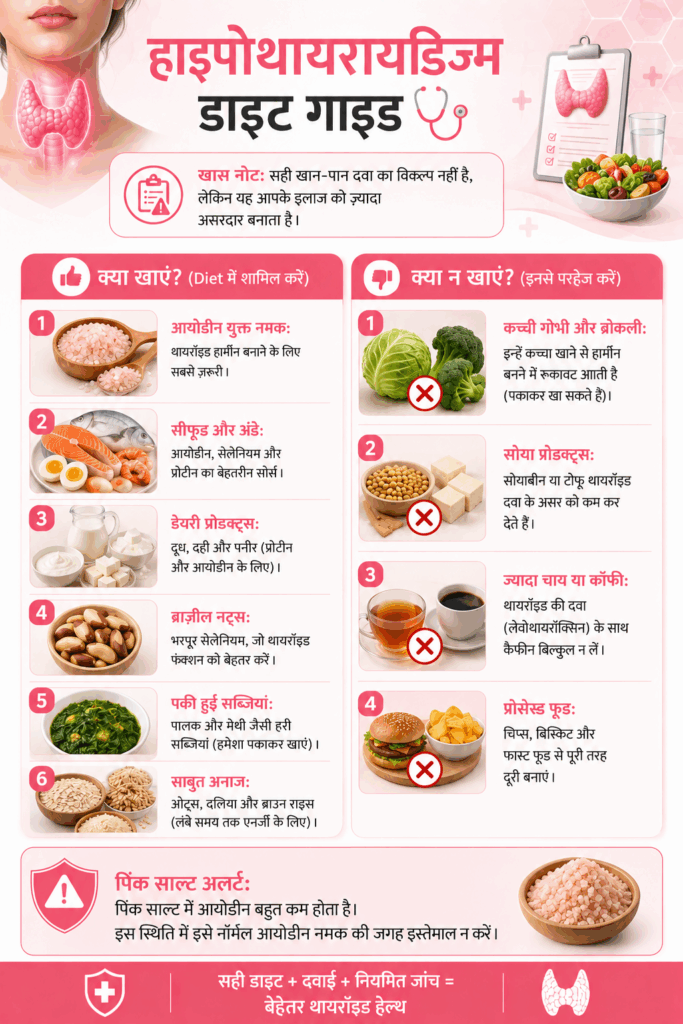
खानपान दवा की जगह नहीं ले सकता, लेकिन यह इलाज को ज़्यादा असरदार बनाता है।
ये उपाय दवा की जगह नहीं लेते, लेकिन थायरॉइड की सेहत को बेहतर बनाने में मदद करते हैं –
हाइपोथायरायडिज्म एक आम बीमारी है, लेकिन इसे अनदेखा करना सही नहीं है। अगर आप महीनों से थका हुआ महसूस कर रहे हैं, वजन बेवजह बढ़ रहा है, या महिलाओं में माहवारी की समस्याएं हैं – तो एक बार थायरॉइड जांच जरूर करवाएं।
सही समय पर TSH टेस्ट, सही दवा और थोड़ा ध्यान खान-पान का – बस इतने से ही इस बीमारी को पूरी तरह कंट्रोल में लाया जा सकता है। लाखों लोग इस बीमारी के साथ पूरी तरह सामान्य और स्वस्थ जीवन जी रहे हैं।
सीके बिरला अस्पताल में हमारी विशेषज्ञ टीम आपकी पूरी थायरॉइड जांच से लेकर दीर्घकालिक इलाज तक हर कदम पर आपके साथ हैं। आज ही अपॉइंटमेंट बुक करें और अपनी सेहत को पहली प्राथमिकता दें।

