Filter :
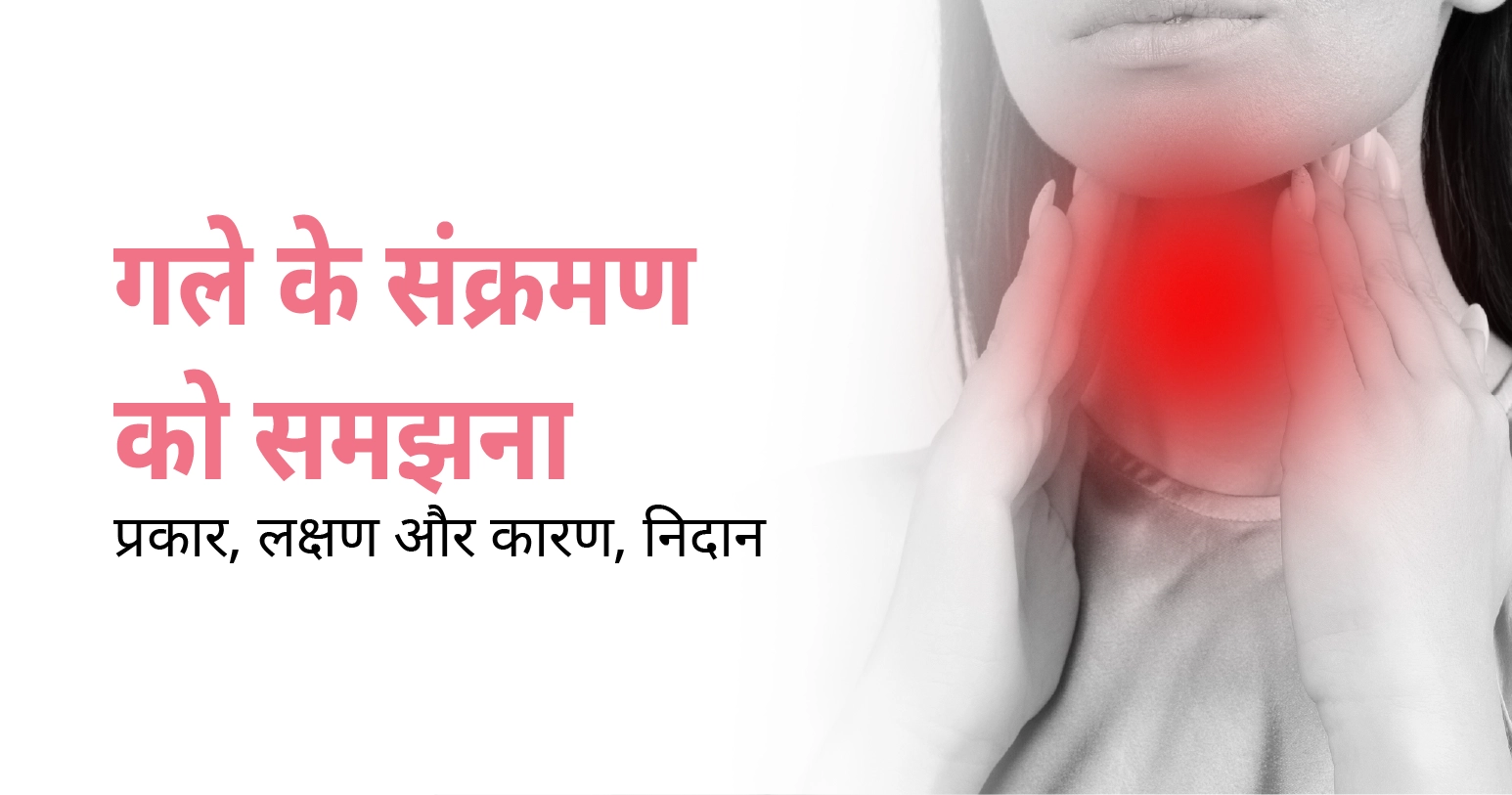
रात को सोते वक्त गला हल्का खराब लगा था, आपने सोचा सुबह तक ठीक हो जाएगा। लेकिन सुबह उठते ही कुछ भी निगलना मुश्किल हो गया, आवाज़ भारी हो गई, और चाय का पहला घूंट भी गले में चुभने लगा। ऐसा लगभग हर किसी के साथ साल में एक-दो बार तो होता ही है, फिर भी जब यह तकलीफ बार-बार लौट आए, या हफ्ते भर से ज़्यादा टिकी रहे, तो सवाल उठना लाज़मी है कि आखिर यह गले में इन्फेक्शन है या कुछ और, और अब करना क्या चाहिए?
इस ब्लॉग में हम गले में इन्फेक्शन को पूरी तरह समझेंगे, इसके प्रकार, इसके पीछे छुपे कारण, कारगर घरेलू उपाय, और वह चेतावनी संकेत जिन्हें देखते ही ENT डॉक्टर से मिलना चाहिए। अगर आपका गला बार-बार खराब हो रहा है या आवाज़ लंबे समय से बैठी हुई है, तो देर न करें, हमारे अनुभवी ENT विशेषज्ञों से अभी अपॉइंटमेंट बुक करें और सही डायग्नोसिस पाएं।
Table of Contents
गले में इन्फेक्शन तब होता है जब वायरस, बैक्टीरिया या कभी-कभी फंगस गले के अंदरूनी हिस्से यानी ग्रसनी (Pharynx) पर हमला करते हैं और वहां सूजन पैदा करते हैं। इसे मेडिकल भाषा में फैरिंजाइटिस (Pharyngitis) भी कहा जाता है। ज़्यादातर मामलों में यह हल्का होता है और एक से दो हफ्तों में अपने आप ठीक हो जाता है, लेकिन कुछ बार यह टॉन्सिलाइटिस, साइनसाइटिस या यहां तक कि रूमेटिक बुखार जैसी गंभीर स्थितियों तक भी पहुंच सकता है, इसलिए इसे हल्के में लेना सही नहीं।
सामान्य भाषा में लोग “गले में इन्फेक्शन” और “गले में खराश” को एक ही मान लेते हैं, जबकि खराश सिर्फ एक लक्षण है, इन्फेक्शन उसके पीछे की वजह।
गले के इन्फेक्शन को उसके कारण के आधार पर मुख्यतः पांच श्रेणियों में बांटा जा सकता है।
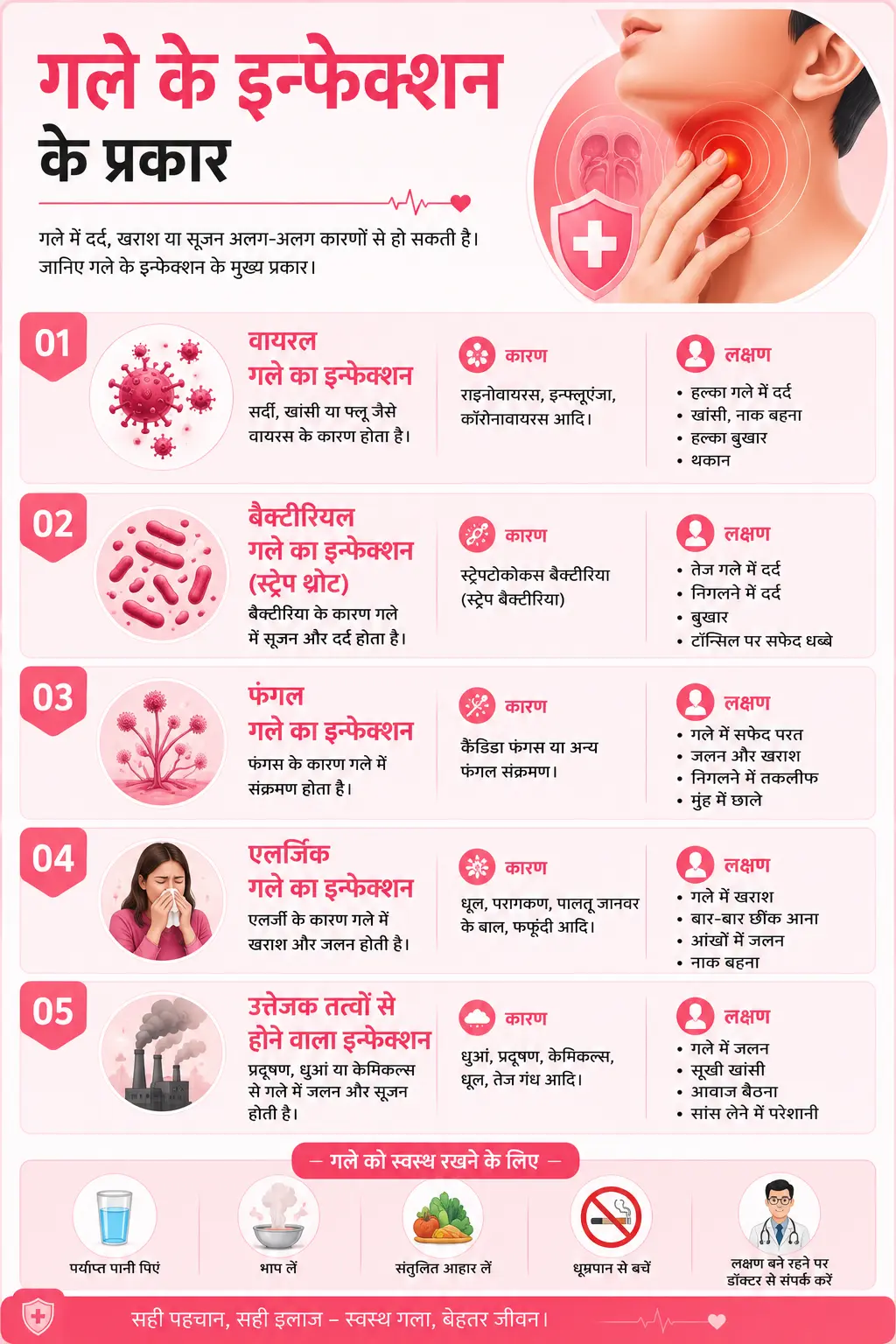
वायरल गले का इन्फेक्शन: यह सबसे आम प्रकार है और आमतौर पर सर्दी-जुकाम, फ्लू या मोनोन्यूक्लियोसिस जैसे वायरस के कारण होता है। इसमें एंटीबायोटिक की ज़रूरत नहीं पड़ती, क्योंकि यह अपने आप ठीक हो जाता है।
बैक्टीरियल गले का इन्फेक्शन (स्ट्रेप थ्रोट): ग्रुप A स्ट्रेप्टोकोकस बैक्टीरिया की वजह से होने वाला यह इन्फेक्शन “स्ट्रेप थ्रोट” कहलाता है। यह वायरल इन्फेक्शन से ज़्यादा तेज़ी से और गंभीर रूप से शुरू होता है, और इसमें एंटीबायोटिक दवाइयों की ज़रूरत पड़ती है। समय पर इलाज न होने पर यह रूमेटिक हार्ट डिज़ीज़ जैसी जटिलता तक पहुंच सकता है, भारत में जिसका प्रचलन बच्चों में प्रति 1000 पर लगभग 1 से 11 मामलों के बीच बताया गया है।
फंगल गले का इन्फेक्शन: यह कम आम है और ज़्यादातर कमज़ोर इम्युनिटी वाले लोगों में देखा जाता है, जैसे कि इनहेल्ड स्टेरॉयड इस्तेमाल करने वाले मरीजों की संख्या अधिक है। कैंडिडा फंगस के कारण होने वाला ओरल थ्रश इसका एक उदाहरण है।
एलर्जिक गले का इन्फेक्शन: धूल, पराग या किसी खास खाने से होने वाली एलर्जी भी गले में जलन और सूजन जैसे लक्षण पैदा कर सकती है, जो देखने में इन्फेक्शन जैसे ही लगते हैं।
उत्तेजक तत्वों से होने वाला इन्फेक्शन: सिगरेट का धुआं, वायु प्रदूषण या रासायनिक धुएं के संपर्क में लगातार रहने से भी गले में जलन और सूजन हो सकती है, जो असली इन्फेक्शन जैसी तकलीफ देती है।
गले में इन्फेक्शन के आम कारण जैसे कि सर्दी-जुकाम या मौसम बदलना तो सभी जानते हैं, लेकिन कुछ ऐसे कारण भी हैं जो अक्सर नज़र से छूट जाते हैं जैसे कि –
हमारे OPD में अक्सर ऐसे मरीज़ आते हैं, खासकर टीचर और कॉल सेंटर में काम करने वाले युवा, जिन्हें महीने में दो-तीन बार गला बैठने या खराश की शिकायत रहती है। जांच में अक्सर पता चलता है कि असली वजह इन्फेक्शन नहीं, बल्कि लगातार आवाज़ का दबाव और सूखी हवा में लंबा समय बिताना होता है। ऐसे मामलों में सिर्फ दवा नहीं, बल्कि आदतों में बदलाव भी उतना ही ज़रूरी होता है।
गले में इन्फेक्शन के लक्षण उसकी वजह पर निर्भर करते हैं, पर कुछ सामान्य संकेत लगभग हर मामले में दिखते हैं –
अगर बुखार तेज़ है, निगलने में बेहद तकलीफ हो रही है, या टॉन्सिल पर सफेद परत दिख रही है, तो यह वायरल से ज़्यादा बैक्टीरियल इन्फेक्शन की तरफ इशारा करता है, और ऐसे में डॉक्टरी सलाह लेना बेहतर रहता है।
हल्के गले के इन्फेक्शन में कुछ घरेलू उपाय राहत देने में काफी असरदार साबित होते हैं। हालांकि, यह ध्यान रखना ज़रूरी है की यह उपाय सहायक देखभाल के लिए हैं, डॉक्टरी इलाज का विकल्प नहीं, खासकर अगर लक्षण गंभीर हों। इन उपायों से आपको काफी हद तक राहत मिल सकती है, लेकिन राहत मिलने पर भी एक बार परामर्श ज़रूर लें।
आवाज का बैठना ज़्यादातर मामलों में हल्के वायरल इन्फेक्शन के कारण होता है और कुछ दिनों में ठीक हो जाता है। लेकिन कुछ स्थितियों में यह गंभीर समस्या का संकेत भी हो सकता है, और इन्हें अनदेखा नहीं करना चाहिए जैसे कि –
गले में इन्फेक्शन आमतौर पर एक हल्की और अस्थायी तकलीफ है, लेकिन इसके पीछे के कारण और लक्षणों को समझना ज़रूरी है, ताकि सही समय पर सही कदम उठाया जा सके। घरेलू उपाय ज़्यादातर मामलों में राहत देते हैं, लेकिन जब लक्षण बार-बार लौटें, लंबे समय तक बने रहें, या आवाज़ में बदलाव कई हफ्तों तक टिका रहे, तो विशेषज्ञ से मिलना सबसे समझदारी भरा फैसला है।
अगर आपको या आपके परिवार में किसी को गले से जुड़ी कोई भी लगातार परेशानी हो रही है, तो सीके बिरला अस्पताल के अनुभवी ENT विशेषज्ञों से अभी अपॉइंटमेंट बुक करें और सही जांच के साथ अपने गले की सेहत को प्राथमिकता दें।
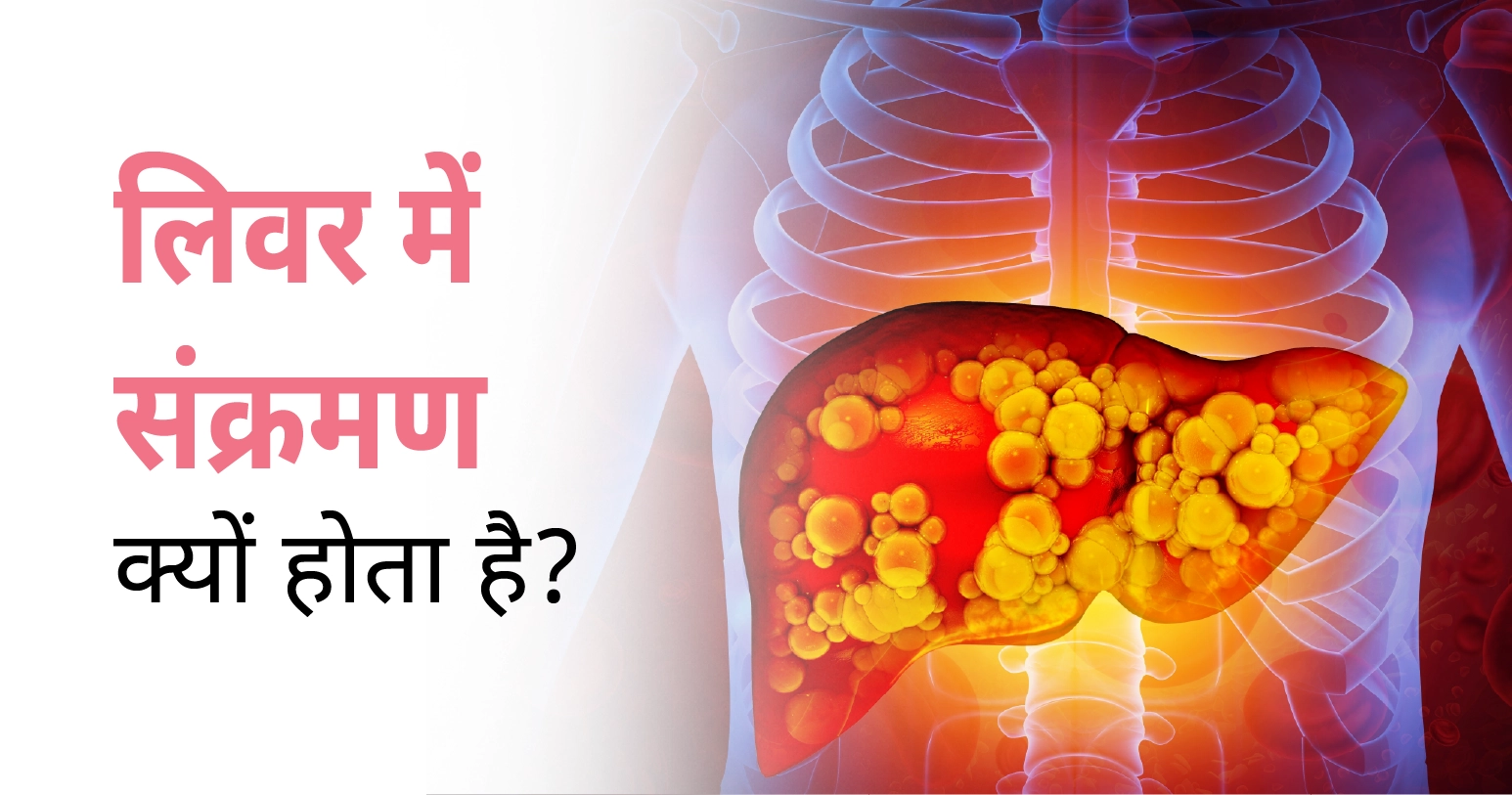
लिवर हमारे शरीर का वह अंग है, जो ओवरटाइम काम करने के बाद भी कभी शिकायत नहीं करता। यह चुपचाप अपना काम करता रहता है, और तभी बोलता है जब नुकसान काफी हद तक हो चुका होता है। यही वजह है कि लिवर संक्रमण को अक्सर “साइलेंट डिज़ीज़” के नाम से भी जाना जाता है। भारत में यह समस्या जितनी आम है, उतनी ही अनदेखी भी की जाती है। WHO की 2024 की गलोबल हेपेटाइटिस रिपोर्ट के अनुसार, साल 2022 में दुनिया भर में हुए कुल हेपेटाइटिस बोझ का करीब 11.6 प्रतिशत हिस्सा अकेले भारत में था, और वायरल हेपेटाइटिस के मामलों में भारत चीन के बाद दूसरे नंबर पर रहा है। यह आंकड़ा बताता है कि यह समस्या कितनी गंभीर है, फिर भी इस पर कितनी कम बात होती है।
इस ब्लॉग में हम विस्तार से समझेंगे कि लिवर संक्रमण आखिर होता क्यों है, इसके कितने प्रकार हैं, कौन-से लक्षण नज़रअंदाज़ नहीं करने चाहिए, और इससे बचाव कैसे किया जा सकता है। अगर आपको या आपके परिवार में किसी को इस ब्लॉग में बताए गए लक्षणों में से कोई भी महसूस हो रहा है, तो देर न करें, हमारे लिवर रोग विशेषज्ञों से अभी अपॉइंटमेंट बुक करें और सही समय पर सही सलाह पाएं।
Table of Contents
लिवर में संक्रमण को समझने से पहले समझना होगा कि आखिरकार लिवर काम क्या करता है। यह खून में मौजूद विषैले पदार्थों को छानकर बाहर निकालता है, पाचन में मदद करने वाला पित्त (Bile) बनाता है, प्रोटीन का निर्माण करता है जो खून के थक्के जमाने (Blood Clotting) में मदद करता है, और शरीर के लिए ज़रूरी ऊर्जा को ग्लाइकोजन के रूप में स्टोर करके रखता है।
मतलब यह कि अगर लिवर पर संक्रमण का हमला होता है, तो इसका असर सिर्फ एक अंग तक सीमित नहीं रहता, बल्कि पाचन, इम्युनिटी और खून की सफाई तक हर चीज़ प्रभावित होने लगती है।
लिवर संक्रमण (Liver Infection) उस स्थिति को कहते हैं जब वायरस, बैक्टीरिया, परजीवी (Parasite) या फंगस लिवर की कोशिकाओं पर हमला करते हैं और उनमें सूजन (Inflammation) पैदा करते हैं, जो उनके काम करने की क्षमता को प्रभावित करते हैं।
यहां एक बात साफ समझ लेनी ज़रूरी है कि लिवर संक्रमण सिर्फ शराब पीने वालों को नहीं होता। यह एक बड़ी गलतफहमी है जो कई मरीज़ों को समय पर जांच कराने से रोकती है। दूषित पानी, असुरक्षित इंजेक्शन, संक्रमित खून, या यहां तक कि परिवार में चलने वाली कोई पुरानी बीमारी भी इसकी वजह बन सकती है।
लिवर संक्रमण को उसके कारण के आधार पर मुख्यतः चार श्रेणियों में बांटा जाता है।
वायरल संक्रमण (हेपेटाइटिस A, B, C, D, E): यह सबसे आम प्रकार है। हेपेटाइटिस A और E आमतौर पर दूषित खाने या पानी से फैलते हैं और ज़्यादातर मामलों में अपने आप ठीक हो जाते हैं। वहीं हेपेटाइटिस B और C संक्रमित खून, असुरक्षित यौन संबंध या असुरक्षित इंजेक्शन से फैलते हैं, और अगर समय पर इलाज न हो तो यह क्रॉनिक (दीर्घकालिक) रूप ले सकते हैं। हेपेटाइटिस D सिर्फ उन लोगों को होता है, जो पहले से हेपेटाइटिस B से संक्रमित हों।
बैक्टीरियल संक्रमण: बैक्टीरिया से होने वाला संक्रमण अक्सर लिवर में फोड़ा (Liver Abscess) बना देता है। यह तब होता है, जब शरीर के किसी और हिस्से का संक्रमण, जैसे कि पेट या आंत का इन्फेक्शन, खून के ज़रिए लिवर तक पहुंच जाता है।
परजीवी संक्रमण – Parasite infection: अमीबा जैसे परजीवी दूषित भोजन-पानी के ज़रिए शरीर में पहुंचकर लिवर में फोड़ा बना सकते हैं। इसे अमीबिक लिवर एब्सेस कहा जाता है, और यह भारत जैसे देशों में स्वच्छता की कमी की वजह से अब भी देखने को मिलता है।
फंगल संक्रमण: यह सबसे कम आम प्रकार है और मुख्यतः उन मरीज़ों में देखा जाता है, जिनकी इम्युनिटी कमज़ोर होती है, जैसे कि कीमोथेरेपी करा रहे मरीज़ या ऑर्गन ट्रांसप्लांट के बाद वाले मरीज़।
लिवर संक्रमण के पीछे अक्सर एक नहीं, बल्कि कई कारण एक साथ मिलकर काम करते हैं।
हमारे OPD में अक्सर ऐसे मरीज़ आते हैं, जिन्हें सिर्फ लगातार थकान और हल्का बुखार रहता है, और जांच में पता चलता है कि यह हेपेटाइटिस B का क्रॉनिक इन्फेक्शन है, जो सालों से शरीर में चुपचाप मौजूद था। ऐसे मामलों में मरीज़ को खुद पता ही नहीं होता कि संक्रमण कब और कैसे हुआ, क्योंकि शुरुआती लक्षण इतने मामूली होते हैं कि उन्हें सामान्य कमजोरी समझकर टाल दिया जाता है।
लिवर संक्रमण की सबसे खतरनाक बात यही है कि इसके शुरुआती लक्षण बहुत हल्के होते हैं। नीचे दिए गए 5 संकेत हैं, जिन्हें ज़्यादातर लोग सामान्य समझकर छोड़ देते हैं, जबकि यह लिवर से जुड़ी परेशानी का पहला इशारा हो सकते हैं।
अगर इनमें से दो या ज़्यादा लक्षण एक साथ दिख रहे हैं और यह कई दिनों तक बने हुए हैं, तो इसे नज़रअंदाज़ करने के बजाय लिवर फंक्शन टेस्ट कराना समझदारी होगी।
यह तीनों शब्द अक्सर एक-दूसरे के साथ उलझा दिए जाते हैं, जबकि इनके बीच का फर्क समझना बेहद ज़रूरी है।
लिवर संक्रमण की पुष्टि के लिए डॉक्टर आमतौर पर एक साथ कई जांचों की सलाह देते हैं, ताकि सिर्फ अनुमान की जगह सटीक निदान हो सके।
लिवर संक्रमण से बचाव पूरी तरह मुमकिन है, बशर्ते कुछ आदतों का लगातार पालन किया जाना चाहिए –
लिवर संक्रमण कोई ऐसी बीमारी नहीं है, जो अचानक और बिना किसी संकेत के आ जाती है। यह अक्सर छोटे-छोटे इशारों के साथ शुरू होता है, जिन्हें हम अक्सर थकान या मौसम बदलने का असर समझकर नज़रअंदाज़ कर देते हैं। सही जानकारी, समय पर जांच और थोड़ी सी सतर्कता से इस बीमारी को शुरुआती स्टेज में ही रोका जा सकता है। इसलिए संकेतों को समझें और सही समय पर सीके बिरला अस्पताल के विशेषज्ञों से परामर्श लेकर इलाज लें और स्थिति को नियंत्रित करें।
If your body is showing yellow pigment, high bilirubin levels may be the reason. But is a high bilirubin level dangerous? Does it mean liver damage? Will it go away on its own? Ending up with a stack of questions after getting recommended a bilirubin test is completely normal. If you are looking for the right answers, keep reading. This blog covers what the test is, why it is done, the normal ranges, and more.
Table of Contents
Bilirubin is a yellow substance your body produces when it breaks down old red blood cells. Normally, your liver processes it and removes it through bile. If bilirubin levels become too high, it may indicate a problem with your liver, bile ducts, gallbladder or red blood cells. High bilirubin can also cause yellowing of the skin and eyes, a condition called jaundice.
A bilirubin test is a simple blood test that measures the amount of bilirubin in your bloodstream. It helps doctors check how well your liver is working and identify conditions affecting your liver, gallbladder, bile ducts or red blood cells. A bilirubin test is considered a safe and routine blood test with very few risks. Most people experience no side effects.
Your doctor may recommend this test if you have symptoms such as:
This test may also be included in routine health checkups or used to monitor existing liver conditions.
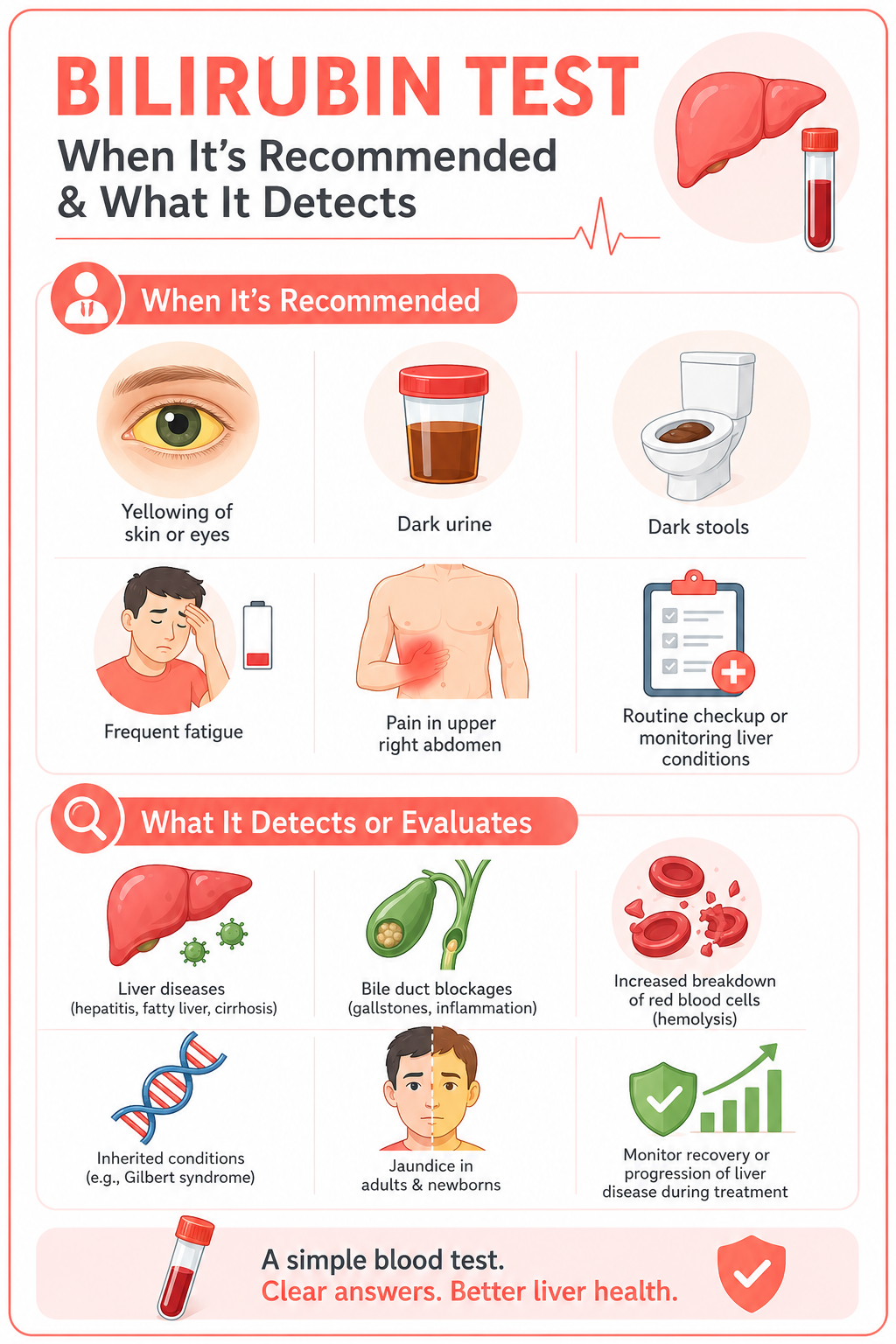
Doctors order a bilirubin blood test to help identify the cause of symptoms or monitor known health conditions. Rather than diagnosing a specific disease on its own, the test acts as an important indicator of how your liver and bile drainage system are functioning.
A bilirubin test may help detect or evaluate:
In some cases, your bilirubin level may be only mildly high without causing symptoms. This is one reason doctors rarely rely on a bilirubin test alone. Instead, they use it alongside other investigations to determine whether the finding is temporary, benign or a sign that further evaluation is needed.
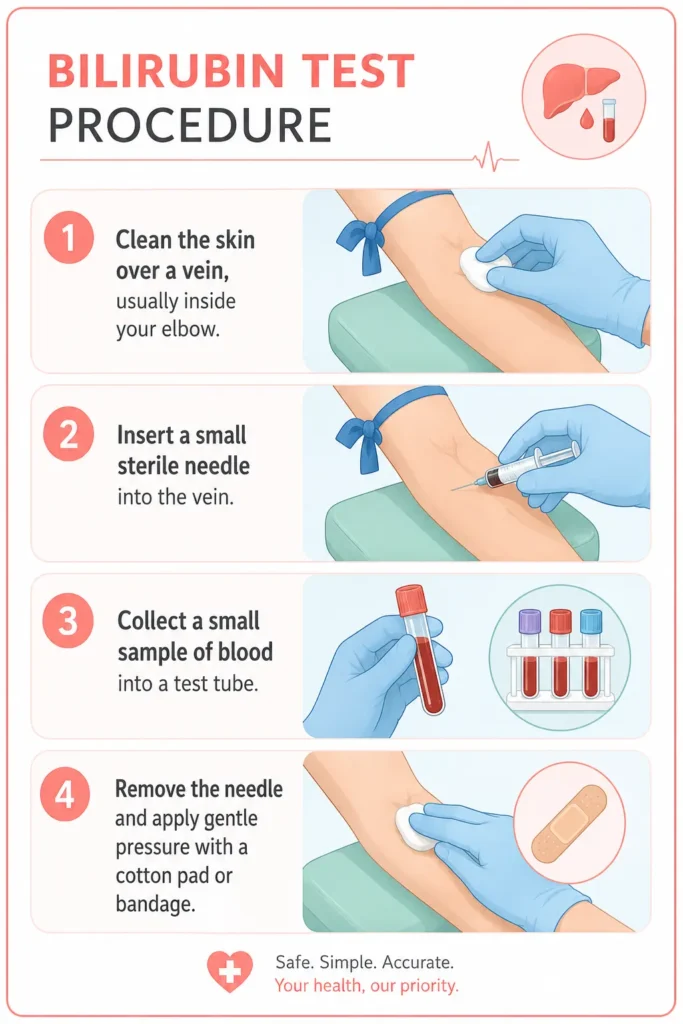
The procedure itself is quick and usually takes only a few minutes.
To collect a blood sample, the healthcare professional first cleans the skin over a vein. Next, a sterile needle is inserted to draw a small amount of blood into a test tube. Afterward, the needle is removed and the site is covered with a cotton pad or bandage.
Most people experience only a brief pinch when the needle is inserted. You can normally return to your daily activities immediately after the blood sample is collected.
The blood sample is then sent to a laboratory, where specialists measure different forms of bilirubin. Results are generally available within the same day or within 24 hours, depending on the laboratory.
Your laboratory report may list more than one bilirubin value. They can be:
A mild increase in indirect bilirubin can also occur in Gilbert syndrome. It is a common inherited condition that is generally harmless and usually discovered during routine blood testing.
“Is my bilirubin level normal?”
This is one of the most common questions people have after receiving their blood test report. While reference values may vary slightly between laboratories due to differences in testing methods and equipment, most healthy adults fall within a similar range.
Doctors interpret your total bilirubin, direct bilirubin and indirect bilirubin together rather than focusing on a single value. This approach helps understand whether your liver is processing bilirubin normally or if additional evaluation may be needed.
| Bilirubin Test | Normal Range |
| Total Bilirubin | 0.2 to 1.2 mg/dL (3.4 to 20.5 µmol/L) |
| Direct (Conjugated) Bilirubin | 0 to 0.3 mg/dL (0 to 5.1 µmol/L) |
| Indirect (Unconjugated) Bilirubin | 0.2 to 0.9 mg/dL (3.4 to 15.4 µmol/L) |
Note: Reference ranges may differ slightly between laboratories. Always use the range printed on your laboratory report and discuss the results with your healthcare provider.
Your healthcare provider will consider various factors to interpret the result. These factors are:
High bilirubin levels, also known as hyperbilirubinemia, can develop when the body produces too much bilirubin. The liver cannot process the high levels of bilirubin efficiently, or bile cannot flow properly into the intestines.
Some of the most common causes are of this condition are:
It is not necessary that everyone with high bilirubin will develop symptoms. When they do occur, they may include:
If these symptoms appear suddenly or are accompanied by fever, severe abdominal pain, confusion, or persistent vomiting, seek medical care promptly.
A bilirubin test is a valuable option for examining liver function and understanding how your body processes the breakdown products of red blood cells. Certainly, abnormal results can understandably cause concern, but they do not directly indicate serious liver disease. Doctors interpret bilirubin levels together with your symptoms, medical history, physical examination and other findings to determine the next steps. If your report shows a high bilirubin level, discussing the results with your healthcare provider is the best way to understand what they mean for your individual health. To get expert advice, you can simply book a consultation at the CK Birla Hospital.

Do you feel tired all the time, notice your hair thinning, or get out of breath easily climbing a flight of stairs? These can be signs of low hemoglobin. This can seep into your daily life and make even simple tasks harder to manage.
However, it is manageable with the right nutrition, healthy lifestyle habits and timely medical care. Read along to understand why your hemoglobin drops, what the normal range looks like and simple ways to raise it naturally.
Table of Contents
Hemoglobin is a protein found inside your red blood cells. It carries oxygen from your lungs to every part of your body and transports carbon dioxide back to your lungs so it can be exhaled.
Nearly everything you do depends on this. Your every organ, muscle and tissue needs a steady oxygen supply to function properly. When you breathe in, oxygen enters your lungs and attaches to hemoglobin inside red blood cells. These cells travel through your bloodstream, delivering oxygen to tissues throughout the body. After releasing oxygen, hemoglobin carries carbon dioxide back to the lungs, where it is removed when you breathe out. Your body repeats this cycle thousands of times a day without you ever thinking about it.
Hemoglobin is made up of several nutrients, especially iron, vitamin B12 and folate. If your body does not get enough of these nutrients or loses blood faster than it can replace it, hemoglobin levels may fall.
Problems show up when hemoglobin levels drop. Less hemoglobin means less oxygen reaching your tissues and that is when fatigue and weakness tend to interfere.
In a nutshell, healthy hemoglobin levels help your body:
When hemoglobin is low, your heart has to work harder to deliver oxygen, which is why some people notice a fast heartbeat or become breathless during routine activities.
Normal ranges vary depending on your age, sex and pregnancy. Labs may use slightly different reference ranges, but the following values are commonly accepted.
If your numbers fall outside these ranges, your doctor may recommend additional tests, such as complete blood count (CBC), serum ferritin or a vitamin B12 test that can help pin down what is actually causing it.
Low hemoglobin is not a disease itself. It is a sign that your body may not be producing enough healthy red blood cells, may be losing blood or may be breaking down red blood cells faster than it can replace them.
It is important to understand the causes because treatment depends on the underlying problem.
Iron Deficiency
It is the most common cause of low hemoglobin worldwide. Iron is needed to make hemoglobin, so without enough iron, your body cannot produce healthy red blood cells. The low iron levels can be due to:
These vitamins are very important for making healthy red blood cells. A deficiency can lead to larger, abnormal red blood cells that do not function properly. Older adults or those with digestive disorders may have difficulty absorbing vitamin B12. Folate deficiency may result from poor diet, increased needs during pregnancy or certain medications.
Blood loss can gradually reduce hemoglobin levels. Some possible causes can be:
Long-term medical conditions like kidney problems, inflammatory conditions, certain infections and some cancers can interrupt the production of red blood cells. In these situations, treating the underlying condition is just as important as improving nutrition.
Some inherited conditions like thalassemia and sickle cell disease also affect your body’s ability to produce normal hemoglobin.
Usually, symptoms develop gradually, especially when hemoglobin falls slowly.
As hemoglobin continues to fall, symptoms may become more noticeable. They can include:
If the above-mentioned symptoms show up suddenly or worsen quickly, seek a medical evaluation promptly. Your doctor may recommend blood tests to determine whether the cause is iron deficiency, a vitamin deficiency, chronic illness or another medical condition.
If your low hemoglobin is linked to a nutritional deficiency, making a few dietary and lifestyle changes can help improve your levels over time. However, there is no overnight solution, but consistently following healthy habits can improve the overall health.
Iron is the primary nutrient your body uses to produce hemoglobin. Including a variety of iron-rich foods in your daily meals can help replenish iron stores and improve production of healthy red blood cells.
There are two types of dietary iron:
Good sources of iron include lean red meat, chicken, fish, eggs, lentils, chickpeas, beans, spinach, soy products, pumpkin seeds and fortified cereals. Rather than relying on a single superfood, you should aim for a balanced diet with a mix of iron-rich foods throughout the week.
Vitamin C helps your body absorb non-heme iron more effectively. Pairing foods rich in iron with vitamin C-rich fruits and vegetables can significantly improve iron absorption.
Simple combinations can look like:
This is especially helpful for vegetarians and vegans, whose diets mainly provide non-heme iron.
Many people focus only on eating more iron but overlook how well their body absorbs it. To improve iron absorption you follow these simple tips:
Low hemoglobin may persist even with a healthy diet if your body cannot absorb nutrients properly. Conditions such as celiac disease, inflammatory bowel disease or certain stomach surgeries can reduce iron absorption and require medical evaluation.
Some foods and beverages can reduce iron absorption if consumed at the same time as iron-rich meals. They are:
You don’t need to avoid these foods completely. Instead, try consuming them at least one to two hours before or after your iron-packed meal or iron supplement.
If you want to stay healthy, feel energetic, concentrate well and improve your overall wellbeing, it is important to maintain healthy hemoglobin levels. A balanced diet that includes iron, vitamin B12, folate and vitamin C, combined with healthy lifestyle habits, can help improve your hemoglobin naturally.
If your hemoglobin remains low, your symptoms worsen or blood tests reveal a more complex cause, your healthcare provider can recommend additional investigations and appropriate treatment. If you have any concerns about your health or would like to better understand your hemoglobin levels, book a consultation with the experienced haematologists and other specialists at the CK Birla Hospital.
हमारे पास हाल के समय में 40 से अधिक उम्र के लोग कई बार आए हैं, जो रोज़ जिम भी जाते थे, खाने-पीने का भी काफी ध्यान रखते थे, फिर भी रूटीन चेकअप में उनकी इकोकार्डियोग्राफी (Echocardiography) रिपोर्ट में दिल की मांसपेशियों के आसपास फैट जमा होने का संकेत मिला। ऐसे में उनका पहला सवाल होता है, “डॉक्टर साहब, ये तो लिवर की बीमारी है ना, दिल में फैट कैसे जम सकता है?” चलिए समझते हैं कैसे?
दिल से जुड़ी बीमारियों की बात करते ही हम ब्लॉकेज, हार्ट अटैक या हाई कोलेस्ट्रॉल के बारे में सोचते हैं, लेकिन फैटी हार्ट (Fatty Heart) एक ऐसी स्थिति है, जो चुपचाप शरीर में पनपती है और ज़्यादातर लोगों को इसकी भनक तक नहीं लगती। बदलती लाइफस्टाइल, बढ़ता वज़न और तनाव भरी दिनचर्या ने इस समस्या को अब शहरी भारत के युवाओं तक पहुंचा दिया है। इस ब्लॉग में हम आसान भाषा में समझेंगे कि फैटी हार्ट असल में है क्या, यह क्यों होता है और समय रहते इससे कैसे बचा जा सकता है। अगर आपको भी सांस फूलने, थकान या सीने में भारीपन जैसी दिक्कत महसूस हो रही है, तो देर न करें, हमारे अनुभवी कार्डियोलॉजिस्ट (Cardiologist) से अपॉइंटमेंट बुक करें और अपने दिल की सही जांच करवाएं।
Table of Contents
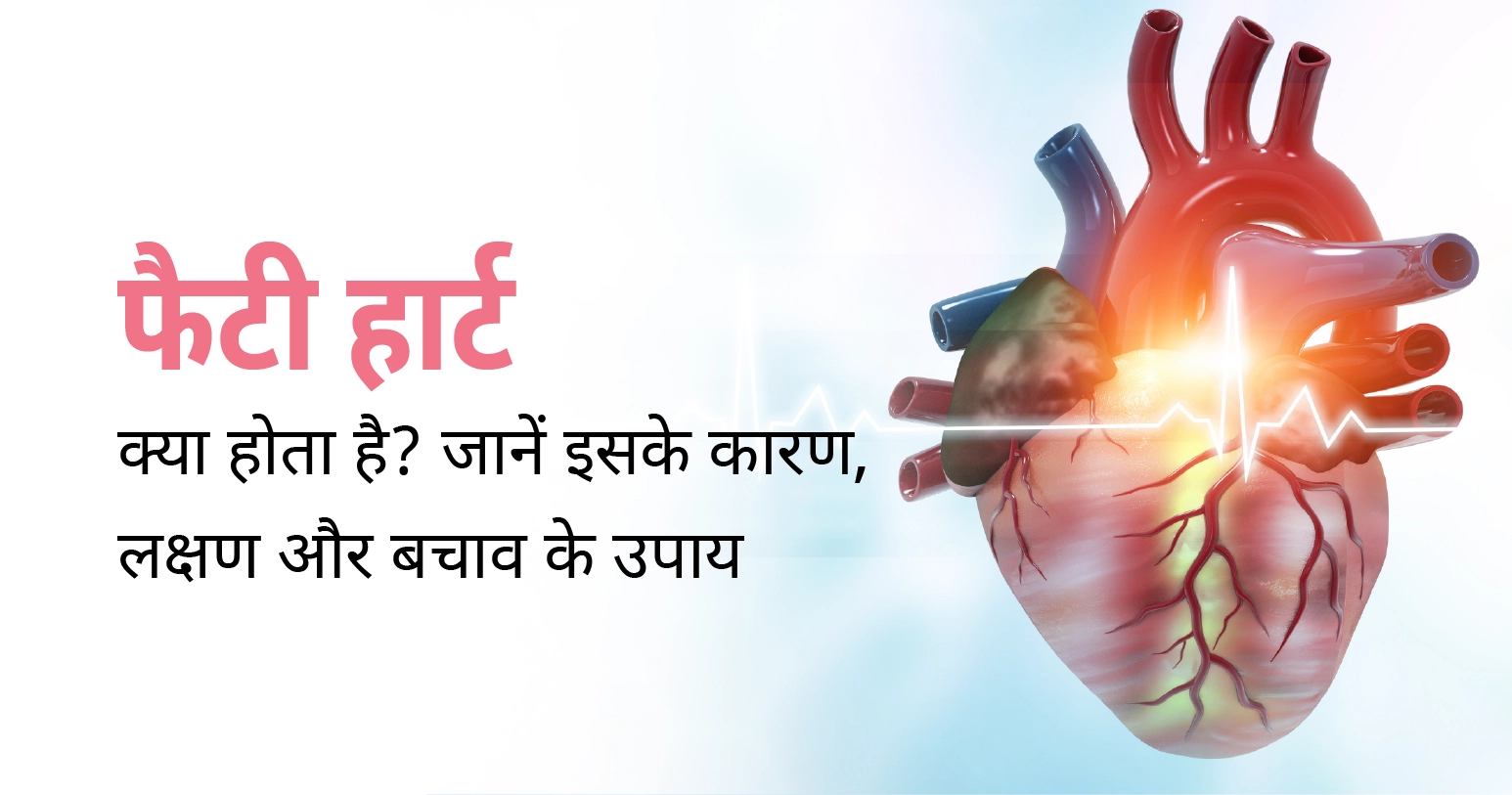
फैटी हार्ट, जिसे मेडिकल भाषा में कार्डियक स्टियेटोसिस (Cardiac Steatosis) कहा जाता है, वो स्थिति है, जिसमें दिल की मांसपेशियों की कोशिकाओं (कार्डियोमायोसाइट्स) के अंदर या उसके आसपास ज़रूरत से ज़्यादा फैट यानी ट्राइग्लिसराइड जमा होने लगता है। सामान्य तौर पर दिल को ऊर्जा के लिए थोड़ी मात्रा में फैटी एसिड की ज़रूरत होती है, लेकिन जब शरीर में मेटाबॉलिज़्म गड़बड़ाता है, तो यही फैट ज़रूरत से ज़्यादा जमा होकर दिल की कार्यक्षमता को धीरे-धीरे कमज़ोर करने लगता है। इसके कारण कई सारी समस्याएं उत्पन्न हो सकती हैं, और फैटी लिवर उनमें से एक है।
फैटी हार्ट अचानक नहीं होता, यह सालों की गलत आदतों का नतीजा होता है। मोटापा और शरीर में ज़्यादा विसरल फैट (पेट के आसपास जमा चर्बी) इसका सबसे बड़ा कारण माना जाता है। इसके अतिरिक्त टाइप 2 डायबिटीज़ और इंसुलिन रेजिस्टेंस भी दिल में फैट जमा होने की रफ्तार बढ़ा देते हैं, क्योंकि शरीर शुगर की जगह फैट को ऊर्जा के लिए इस्तेमाल करने लगता है।
मेटाबॉलिक सिंड्रोम, यानी हाई ब्लड प्रेशर, खराब कोलेस्ट्रॉल और पेट के मोटापे का एक साथ होना, भी इस समस्या को बढ़ावा देता है। जो लोग लंबे समय तक हाई-फैट और हाई-शुगर डाइट लेते हैं, शराब का ज़्यादा सेवन करते हैं, बिल्कुल भी शारीरिक गतिविधि नहीं करते या थायरॉइड की गड़बड़ी का सामना कर रहे हैं, उनमें भी यह खतरा बढ़ जाता है। दिलचस्प बात यह है कि उम्र बढ़ने के साथ भी दिल की फैट जमा करने की क्षमता प्राकृतिक रूप से बढ़ती है, इसलिए 40 की उम्र के बाद नियमित हार्ट चेकअप बेहद ज़रूरी हो जाता है।
सबसे मुश्किल बात यही है कि फैटी हार्ट के लक्षण शुरुआत में लगभग नहीं दिखते, इसलिए इसे “साइलेंट कंडीशन” भी कहा जाता है। जैसे-जैसे दिल पर फैट का असर बढ़ता है, मरीज़ को हल्की मेहनत करने पर भी सांस फूलना, बिना किसी वजह के लगातार थकान रहना, सीने में हल्का भारीपन या बेचैनी, दिल की धड़कन का अनियमित होना और टखनों या पैरों में सूजन जैसी दिक्कतें महसूस हो सकती हैं। कई बार मरीज़ इन लक्षणों को उम्र या काम के तनाव से जोड़कर टाल देते हैं, जो सबसे बड़ी गलती साबित होती है। अगर आपको बार-बार थकान महसूस हो रही है और साथ में वज़न भी ज़्यादा है, तो यह सिर्फ आलस नहीं बल्कि आपके दिल की चेतावनी हो सकती है।
भारत में लगभग हर तीसरे वयस्क को नॉन-अल्कोहलिक फैटी लिवर डिजीज़ (NAFLD) है। मेडिकल स्टडीज़ बताती हैं कि फैटी लिवर से पीड़ित मरीज़ों में फैटी हार्ट और हाई ब्लड प्रेशर होने की आशंका बाकी लोगों की तुलना में काफी ज़्यादा होती है।
असल में लिवर और दिल का फैट मेटाबॉलिज्म आपस में गहरा संबंध रखता है। जब लिवर में फैट जमा होता है, तो शरीर में इंसुलिन रेजिस्टेंस बढ़ता है, जिसका सीधा असर दिल की मांसपेशियों पर भी पड़ता है। यही वजह है कि फैटी लिवर के मरीज़ों को कार्डियोलॉजिस्ट द्वारा हार्ट स्क्रीनिंग की सलाह भी दी जाती है।
अगर आप मोटापे का सामना कर रहे हैं, डायबिटीज़ या प्री-डायबिटीज़ की स्थिति में हैं, आपके परिवार में हार्ट डिजीज़ की हिस्ट्री रही है, आप दिनभर डेस्क जॉब में बैठे रहते हैं या फिर पीसीओएस, थायरॉइड जैसी हार्मोनल समस्या से गुज़र रहे हैं, तो आपका जोखिम बाकियों से ज़्यादा है।
दिल्ली और गुरुग्राम जैसे महानगरों में काम का दबाव, लंबा ट्रैफिक टाइम, बाहर का खाना और नींद की कमी, ये सभी मिलकर युवाओं में भी फैटी हार्ट के मामले तेज़ी से बढ़ा रहे हैं। हमारे क्लिनिक में पिछले कुछ समय में 35 से 45 साल के मरीज़ों की संख्या में साफ बढ़ोतरी देखी गई है, जो कि एक चिंता का विषय है।
अगर आपको लगातार थकान, सांस फूलना या सीने में हल्की तकलीफ महसूस हो रही है, तो इसे नज़रअंदाज़ करने के बजाय तुरंत एक अनुभवी कार्डियोलॉजिस्ट से मिलें। फैटी हार्ट की पहचान के लिए आमतौर पर इकोकार्डियोग्राफी, कार्डियक एमआरआई (MRI) और ज़रूरत पड़ने पर ब्लड टेस्ट के ज़रिए शुगर, कोलेस्ट्रॉल और लिवर फंक्शन की जांच की जाती है। शुरुआती स्टेज में पकड़े जाने पर यह स्थिति सिर्फ लाइफस्टाइल में बदलाव से पूरी तरह मैनेज की जा सकती है, इसलिए जांच में देरी बिल्कुल न करें।
निम्नलिखित बचाव के उपायों को अपना कर आप एक स्वस्थ जीवनशैली की ओर अग्रसर हो सकते हैं –
फैटी हार्ट भले ही सुनने में नई और डरावनी बीमारी लगे, लेकिन सही जानकारी और समय पर सावधानी बरतकर इसे आसानी से रोका जा सकता है। अपनी सेहत को लेकर जागरूक रहना ही इस समस्या से बचने का सबसे कारगर तरीका है। अगर आपको या आपके किसी अपने को ऊपर बताए गए लक्षण महसूस हो रहे हैं, तो देर किए बिना सीके बिरला अस्पताल में मौजूद हमारे अनुभवी हार्ट स्पेशलिस्ट से मिलें और अपने दिल की पूरी जांच करवाएं।
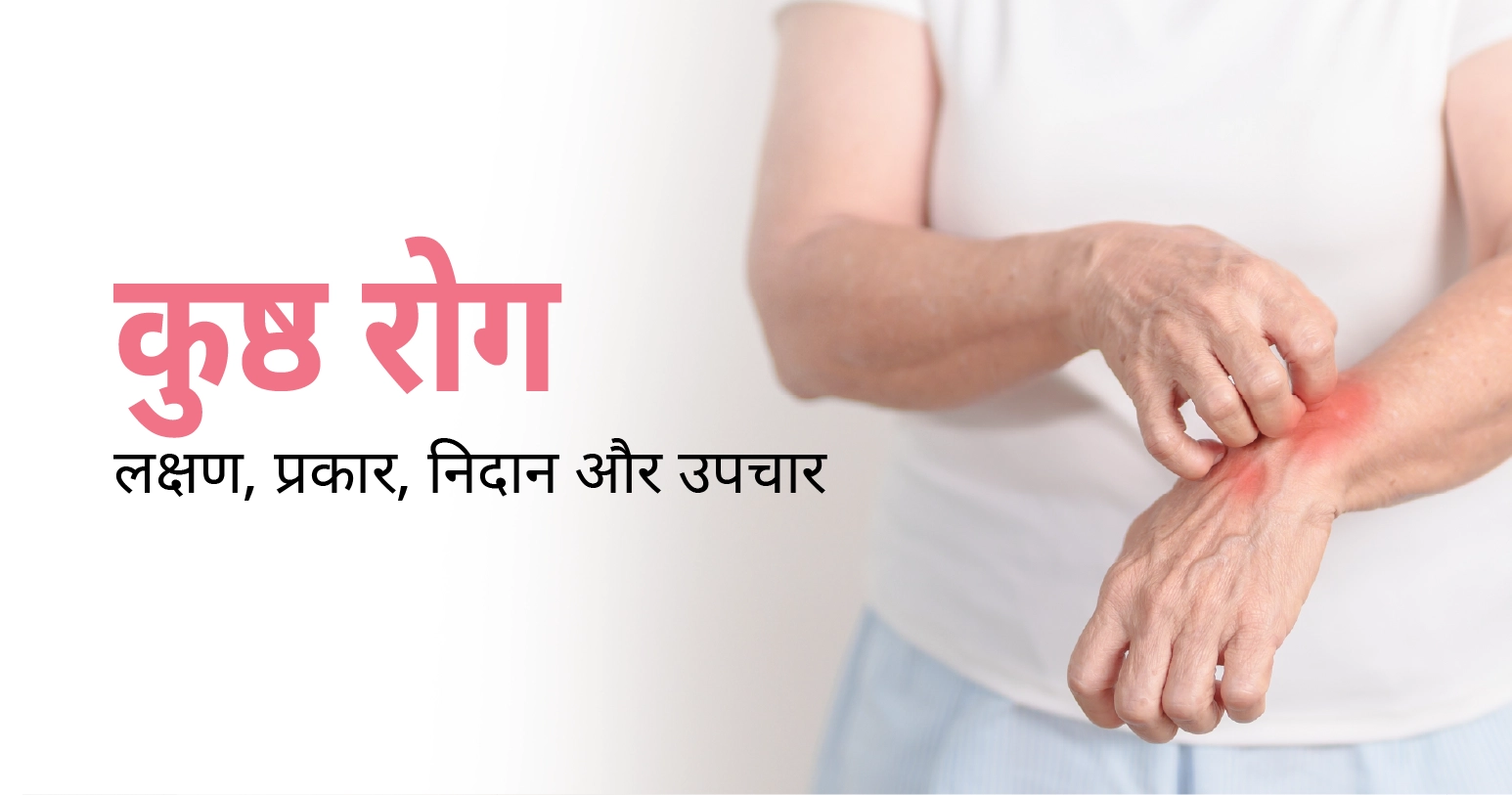
अगर आपकी त्वचा पर कोई ऐसा दाग या धब्बा है, जो हफ्तों से जा नहीं रहा, और उस जगह पर छूने पर कुछ महसूस नहीं होता, तो यह बात मन में कहीं न कहीं खटकती ज़रूर है। ज्यादातर लोग इसे मामूली एलर्जी या फंगल इंफेक्शन समझ कर टाल देते हैं, और यहीं से देरी शुरू होती है। सच यह है कि कुष्ठ रोग आज भी भारत में एक बड़ी सच्चाई है, ना कि इतिहास की किताबों में दबा कोई पुराना अध्याय। दुनिया भर में हर साल सामने आने वाले नए मामलों में से आधे से ज़्यादा अकेले भारत से होते हैं।
लेकिन एक बात राहत की भी है, यह बीमारी पूरी तरह ठीक हो सकती है, और जितनी जल्दी पहचान होगी, उतना ही कम नुकसान शरीर को होगा। इस ब्लॉग में हम आपको कुष्ठ रोग के कारण, लक्षण, प्रकार, जांच और इलाज के बारे में विस्तार से बताएंगे, ताकि आप या आपका कोई अपना समय रहते सही कदम उठा सकें। किसी भी संदेह की स्थिति में देरी न करें, हमारे अनुभवी त्वचा रोग विशेषज्ञों से अपॉइंटमेंट बुक करें और सही निदान पाएं।
Table of Contents
कुष्ठ रोग, जिसे मेडिकल भाषा में हैनसेन रोग (Hansen’s Disease) भी कहा जाता है, एक क्रोनिक संक्रामक बीमारी है, जो माइकोबैक्टीरियम लेप्री नाम के एक धीमी गति से बढ़ने वाले बैक्टीरिया की वजह से होती है। भारत के कई हिस्सों में इस रोग को कोढ़ रोग भी कहा जाता है, लेकिन मेडिकल भाषा में बताए गए नाम आपको ऊपर बता दिए गए हैं। यह मुख्य रूप से त्वचा और नसों को प्रभावित करता है, लेकिन कई बार आंखों और नाक के अंदरूनी हिस्से पर भी इसका असर देखने को मिलता है। बहुत से लोग आज भी कुष्ठ रोग क्या होता है, यह सवाल पूछते हैं क्योंकि इसके बारे में सही जानकारी की भारी कमी है और जो लोग इसके बारे में जानते हैं, वह भी अधूरी जानकारी रखते हैं। यही अज्ञानता समाज में इस बीमारी को लेकर डर और कलंक बढ़ाती है, जबकि हकीकत में यह एक इलाज योग्य स्थिति है, ठीक वैसे ही जैसे टीबी या किसी और बैक्टीरियल इन्फेक्शन का इलाज होता है।
कुष्ठ रोग कैसे होता है, यह समझने के लिए सबसे पहले इसके पीछे के कारणों को जानना ज़रूरी है।
यह ध्यान रखना जरूरी है कि सिर्फ बैक्टीरिया के संपर्क में आना ही बीमारी की गारंटी नहीं है। ज्यादातर स्वस्थ लोगों का शरीर स्वाभाविक रूप से इस बैक्टीरिया से लड़ लेता है और फैलने नहीं देता है।
यह सबसे ज्यादा पूछा जाने वाला सवाल है, और सबसे ज़्यादा गलतफहमी भी इसी को लेकर है। कुष्ठ रोग हाथ मिलाने, साथ बैठने या खाना साझा करने से नहीं फैलता। यह मुख्य रूप से किसी अनुपचारित संक्रमित व्यक्ति की खांसी या छींक से निकलने वाली सांस की बूंदों के ज़रिए लंबे और बार-बार होने वाले संपर्क में फैलता है। हमारे OPD में अक्सर परिवार यह पूछते हुए आते हैं कि क्या घर में मरीज के साथ रहना खतरनाक है? ऐसे में हम उन्हें समझाते हैं कि एक बार जब मरीज इलाज शुरू कर देता है, तो कुछ ही खुराक के भीतर संक्रामकता लगभग खत्म हो जाती है। यही वजह है कि जल्दी निदान और इलाज न सिर्फ मरीज़ बल्कि उसके पूरे परिवार के लिए राहत की बात होती है। बस सावधानी से इलाज लें और इस ब्लॉग में बताई गई बातों का पालन करते रहें।
कुष्ठ रोग के शुरुआती लक्षण अक्सर इतने हल्के होते हैं कि लोग उन्हें नजरअंदाज कर देते हैं। इसलिए कुष्ठ रोग के लक्षण और उपचार दोनों को समय पर पहचानना बेहद ज़रूरी है। चलिए दोनों को समझते हैं –
त्वचा से जुड़े संकेत
नसों से जुड़े संकेत
अगर आपको इनमें से कोई भी संकेत लगातार दिखाई दे रहा है, तो इसे सामान्य त्वचा एलर्जी समझकर टालें नहीं। समय पर जांच ही आगे की जटिलताओं से बचाव का सबसे भरोसेमंद तरीका है।
मरीज़ की रोग प्रतिरोधक क्षमता और लक्षणों की गंभीरता के आधार पर कुष्ठ रोग को मुख्यतः दो प्रकारों में बांटा गया है –
इसके अतिरिक्त मेडिकल साइंस के संबंध में बांटा जाए तो ट्यूबरकुलॉयड (हल्का, कम संक्रामक) से लेकर लेप्रोमेटस (गंभीर, अधिक संक्रामक) तक कई मध्यवर्ती अवस्थाएं भी आती हैं। सही प्रकार की पहचान ही यह तय करती है कि मरीज को कितने महीनों तक कौन सी दवाएं दी जाएगी।
अच्छी खबर यह है कि कुष्ठ रोग पूरी तरह से इलाज योग्य बीमारी है। इसका मानक इलाज मल्टीड्रग थेरेपी (MDT) कहलाता है, जिसमें रिफाम्पिसिन, डैप्सोन और जरूरत पड़ने पर क्लोफाजिमिन जैसी एंटीबायोटिक दवाओं का कॉम्बिनेशन इस्तेमाल होता है।
नोट: जिन मामलों में नस को नुकसान या शारीरिक विकृति पहले ही हो चुकी होती है, वहां फिजियोथेरेपी और कुछ मामलों में रिकंस्ट्रक्टिव सर्जरी की भी सलाह दी जाती है। दिल्ली और गुरुग्राम में इलाज करा रहे मरीजों के लिए यह जानना जरूरी है कि नियमित फॉलो-अप और दवा का पूरा कोर्स पूरा करना, दोबारा संक्रमण को रोकने के लिए उतना ही जरूरी है जितना इलाज शुरू करना।
बचाव से पहले एक बात का खास ध्यान रखें कि लक्षण दिखते ही देरी किए बिना डॉक्टर से जांच करवाएं। इसके अतिरिक्त आप निम्न उपायों को अपनाएं –
समाज में फैली गलत धारणाओं को दूर करना भी बचाव का उतना ही अहम हिस्सा है, जितना मेडिकल इलाज। जागरूकता ही मरीजों को समय पर इलाज तक पहुंचने में मदद करती है।
कुष्ठ रोग डरने की नहीं, समझने और समय पर कदम उठाने की बीमारी है। सही जानकारी, समय पर निदान और पूरा इलाज लेने से यह पूरी तरह ठीक हो सकती है, और स्थायी नुकसान से भी बचा जा सकता है। अगर आपको या आपके किसी परिचित को त्वचा पर लगातार बने रहने वाले धब्बे, सुन्नपन या नसों में कमजोरी जैसे लक्षण दिख रहे हैं, तो इसे नजरअंदाज न करें। हमारे अनुभवी त्वचा रोग और संक्रामक रोग विशेषज्ञों से आज ही अपॉइंटमेंट बुक करें, और सही निदान के साथ इलाज की दिशा में पहला कदम उठाएं। सीके बिरला अस्पताल में हम मानते हैं कि समस्या की जड़ को समझकर इसका इलाज किया जाए।
नौ महीने के इंतजार के बाद जब बच्चा आपकी गोद में आता है, वह पल जिंदगी का सबसे खूबसूरत अनुभव होता है। लेकिन इसी के साथ शरीर के अंदर एक नई यात्रा भी शुरू होती है, जिसके बारे में अक्सर कम बात होती है, वह है पोस्टपार्टम रिकवरी। डिलीवरी के बाद होने वाली ब्लीडिंग को लेकर नई मांओं के मन में अक्सर ढेरों सवाल होते हैं, “यह कब तक चलेगी,” “कितनी ब्लीडिंग सामान्य है,” और “कहीं यह कोई खतरे का संकेत तो नहीं?” ये सवाल बिल्कुल वाजिब है, क्योंकि सही जानकारी न होने पर एक नई मां के लिए यह समय भ्रम और चिंता से भरा हो सकता है।
इस ब्लॉग में हम आपको पोस्टपार्टम ब्लीडिंग यानी लोचिया से जुड़ी हर जरूरी जानकारी बेहद स्पष्ट और मेडिकली सटीक तरीके से देंगे, ताकि आप जान सकें कि क्या सामान्य है और कब तुरंत डॉक्टर से संपर्क करना जरूरी है। अगर आपको या आपके किसी परिचित को डिलीवरी के बाद ब्लीडिंग को लेकर कोई भी असमंजस या चिंता महसूस हो रही है, तो देर न करें, हमारी अनुभवी गायनेकोलॉजी टीम से आज ही अपॉइंटमेंट बुक करें और पूरी तरह निश्चिंत होकर अपनी रिकवरी पर ध्यान दें।
Table of Contents
लोचिया वह प्राकृतिक डिस्चार्ज है, जो डिलीवरी के बाद होता है, जिसमें खून, गर्भाशय के भीतरी ऊतक और म्यूकस शामिल होते हैं। गर्भावस्था के दौरान गर्भाशय की भीतरी परत बच्चे को पोषण देने के लिए मोटी हो जाती है, और डिलीवरी के बाद शरीर इसी अतिरिक्त परत को धीरे-धीरे बाहर निकालता है। यह प्रक्रिया चाहे नॉर्मल डिलीवरी हो या सी-सेक्शन, दोनों ही स्थितियों में होती है, क्योंकि प्लेसेंटा जुड़ा होने की जगह को ठीक होने में समय लगता है।
यह समझना जरूरी है कि लोचिया कोई बीमारी नहीं, बल्कि शरीर के प्राकृतिक रूप से ठीक होने और गर्भाशय के अपने सामान्य आकार में वापस आने (यूटेराइन इनवोल्यूशन) की एक स्वाभाविक प्रक्रिया है।
लोचिया आमतौर पर तीन चरणों में गुजरता है, और हर चरण की अपनी खासियत होती है –
कुल मिलाकर यह प्रक्रिया औसतन 4 से 6 हफ्तों तक चलती है, हालांकि कुछ महिलाओं में यह 8 हफ्तों तक भी जा सकती है, और यह पूरी तरह सामान्य है। स्तनपान कराने से शरीर में ऑक्सीटोसिन हार्मोन बढ़ता है, जो गर्भाशय को सिकोड़ने में मदद करता है, इसलिए स्तनपान के दौरान अस्थायी रूप से हल्की ऐंठन या ब्लीडिंग में मामूली बढ़ोतरी महसूस हो सकती है।
सामान्य लोचिया के अलावा, कुछ स्थितियां रक्तस्राव या रक्त हानी को बढ़ा सकती हैं या इसकी अवधि लंबी कर सकती हैं जैसे कि –
सही स्वच्छता न सिर्फ आराम देती है, बल्कि संक्रमण से भी बचाती है। आप निम्नलिखित बातों का ख्याल रखें और अभी जन्मे बच्चे के साथ मां का भी ध्यान रखें –
डिलीवरी के बाद शरीर को ठीक होने के लिए सही पोषण की सख्त जरूरत होती है, इसलिए अपने आहार में निम्न बदलाव करें –
विश्व स्वास्थ्य संगठन के अनुसार, पोस्टपार्टम हेमरेज यानी अत्यधिक प्रसवोत्तर रक्तस्राव दुनिया भर में मातृ मृत्यु के प्रमुख कारणों में से एक है, इसलिए चेतावनी भरे लक्षणों को पहचानना बेहद जरूरी है। नीचे दिए गए किसी भी संकेत पर तुरंत मेडिकल मदद लें, इसमें देरी न करें –
इनमें से कोई भी लक्षण दिखने पर घर पर इंतजार न करें, सीधे अस्पताल की इमरजेंसी में संपर्क करें, क्योंकि पोस्टपार्टम हेमरेज की स्थिति में हर मिनट कीमती होता है।
आपातकालीन लक्षणों के अलावा, नियमित फॉलोअप भी रिकवरी का एक जरूरी हिस्सा है। ज्यादातर डॉक्टर डिलीवरी के 1 से 2 हफ्तों के भीतर पहली फॉलो-अप विजिट और फिर 6 हफ्तों के आसपास एक विस्तृत जांच की सलाह देते हैं, जिसमें गर्भाशय के ठीक होने, टांकों की स्थिति और समग्र रिकवरी का आकलन किया जाता है। अगर इस बीच ब्लीडिंग सामान्य से अलग महसूस हो, रुकने के बाद दोबारा शुरू हो जाए, या कोई भी असहजता महसूस हो, तो तय समय का इंतजार किए बिना डॉक्टर से संपर्क करना सही रहेगा।
पोस्टपार्टम ब्लीडिंग मां बनने के सफर का एक स्वाभाविक हिस्सा है, और सही जानकारी होने पर यह डरावना नहीं बल्कि समझने और संभालने लायक अनुभव बन जाता है। ज्यादातर मामलों में यह अपने आप ठीक हो जाती है, लेकिन चेतावनी भरे लक्षणों को पहचानना और समय पर मदद लेना मां की सुरक्षा के लिए सबसे जरूरी कदम है। खुद की देखभाल को उतनी ही प्राथमिकता दें जितनी नवजात शिशु की देखभाल को, क्योंकि एक स्वस्थ मां ही परिवार की सबसे मजबूत नींव होती है। अगर आपको डिलीवरी के बाद ब्लीडिंग से जुड़ी कोई भी चिंता है, तो सीके बिरला अस्पताल में हमारी अनुभवी गायनेकोलॉजी टीम से आज ही अपॉइंटमेंट बुक करें और भरोसे के साथ अपनी रिकवरी को आगे बढ़ाएं।
रात के दो बजे हों या दोपहर की मीटिंग के बीच, सिर का दर्द कभी बताकर नहीं आता। कभी यह माथे पर एक भारी पट्टी बांधने जैसा लगता है, तो कभी आधे सिर में धमक की तरह उठता है और पूरी दुनिया को धुंधला कर देता है। ज्यादातर लोग इसे “आम बात” मानकर एक गोली खाकर टाल देते हैं। सच कहें तो अधिकतर मामलों में यह सही भी है।
लेकिन दिक्कत तब शुरू होती है जब यही दर्द बार-बार लौटने लगे, या इसका तरीका बदल जाए। तब सवाल उठता है: यह सिरदर्द किस तरह का है, और इसके पीछे की वजह क्या है? चलिए इसे विस्तार से समझते हैं। अगर आपका सिरदर्द लगातार बना रहता है, तो देर न करें, आज ही हमारे अनुभवी न्यूरोलॉजिस्ट से मिलें और इलाज लें।
Table of Contents
सिरदर्द दरअसल सिर, गर्दन या खोपड़ी के आसपास की मांसपेशियों, नसों और रक्त वाहिकाओं (blood vessels) में बनने वाले दर्द के संकेत का नतीजा है। दुनिया भर में यह समस्या कितनी बड़ी है, इसका अंदाजा इसी से लगाया जा सकता है कि विश्व स्वास्थ्य संगठन (WHO) के अनुसार दुनिया की लगभग 40 प्रतिशत आबादी यानी करीब 3.1 अरब लोग किसी न किसी तरह के सिरदर्द का सामना कर रहे हैं। हाल के ग्लोबल बर्डन ऑफ डिजीज अध्ययन में यह आंकड़ा और आगे बढ़कर लगभग 2.9 अरब लोगों तक पहुंच गया है, और यह तकलीफ महिलाओं में यह तकलीफ पुरुषों की तुलना में दोगुनी से भी ज्यादा असर डालती है। यानी अगर आपको बार-बार सिरदर्द होता है, तो आप अकेले नहीं हैं, लेकिन इसे नजरअंदाज करना भी सही तरीका नहीं है।
सिरदर्द को समझने का सबसे आसान तरीका है यह देखना कि दर्द सिर के किस हिस्से में महसूस हो रहा है।
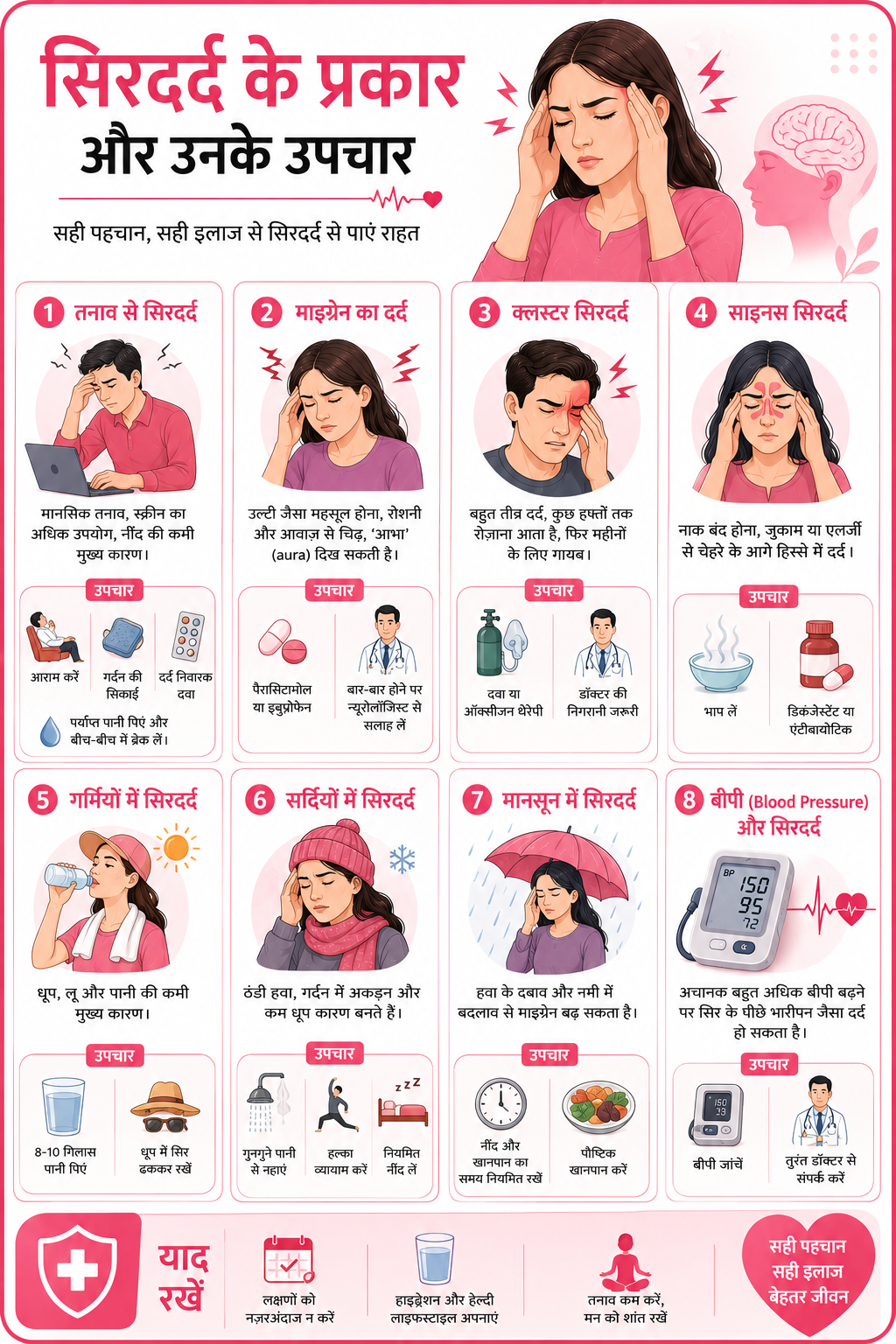
यह सबसे सामान्य प्रकार है। लंबे समय तक स्क्रीन पर काम करना, नींद पूरी न होना या मानसिक तनाव इसे बढ़ा देता है। ज्यादातर मामलों में आराम, गर्दन की सिकाई और सामान्य दर्द निवारक दवा से राहत मिल जाती है। रोजाना पानी की कमी न होने देना और बीच-बीच में स्क्रीन से ब्रेक लेना इसे रोकने में काफी मदद करता है।
माइग्रेन सिर्फ तेज़ सिरदर्द नहीं है, यह एक पूरा न्यूरोलॉजिकल अनुभव है, जिसमें उल्टी जैसा महसूस होना, रोशनी और आवाज़ से चिढ़ होना आम है। कुछ मरीजों को दर्द शुरू होने से पहले आंखों के सामने चमकती लकीरें या ज़िगज़ैग आकृतियां दिखती हैं, जिसे ‘आभा’ (aura) कहा जाता है। हल्के मामलों में पेरासिटामोल या इबुप्रोफेन काम कर जाते हैं, लेकिन बार-बार होने वाले माइग्रेन के लिए न्यूरोलॉजिस्ट से परामर्श बहुत ज्यादा आवश्यक होती है।
यह असामान्य लेकिन बेहद गंभीर होता है, इतना कि कई बार इसे ‘सुसाइड हेडेक’ तक कहा जाता है। यह कुछ हफ्तों तक रोजाना लौटता है, फिर महीनों के लिए गायब हो जाता है। इसका इलाज घर पर संभव नहीं है; डॉक्टर की निगरानी में दवा या ऑक्सीजन थेरेपी की जरूरत पड़ती है।
नाक बंद होने, जुकाम या एलर्जी के साथ आने वाला यह दर्द चेहरे के अगले हिस्से में महसूस होता है। डिकंजेस्टेन्ट, भाप लेना और जरूरत पड़ने पर डॉक्टर की सलाह से एंटीबायोटिक इस स्थिति में राहत देते हैं।
तेज धूप, लू और शरीर में पानी की कमी गर्मियों में सिरदर्द का सबसे बड़ा कारण बनते हैं। डिहाइड्रेशन से खून की नलियां सिकुड़ती हैं, जिससे सिर भारी होने लगता है। दिन में कम से कम 8 से 10 गिलास पानी पीना और धूप में निकलते समय सिर ढक कर रखना इसे काफी हद तक रोक सकता है।
ठंड के मौसम में गर्म कमरे से ठंडी हवा में अचानक जाना, कम धूप और सुबह देर तक बिस्तर में पड़े रहने से गर्दन में अकड़न, यह सब सिरदर्द को न्योता देते हैं। गुनगुने पानी से नहाना, हल्का व्यायाम और नियमित नींद इसमें मददगार साबित होती है।
बारिश के मौसम में हवा के दबाव और नमी में तेजी से बदलाव माइग्रेन के मरीजों के लिए खासतौर पर मुश्किल पैदा करता है। कई रिसर्च में देखा गया है कि बैरोमेट्रिक दबाव गिरने पर सिरदर्द की घटनाएं बढ़ जाती हैं, और भारत जैसे इलाकों में मानसून के दौरान नमी का स्तर बहुत अधिक होने से यह असर और साफ दिखता है। ऐसे मौसम में नींद और खानपान का समय नियमित रखना सबसे कारगर उपाय है।
यह एक आम गलतफहमी है कि हल्का बीपी बढ़ना सिरदर्द का कारण बनता है, जबकि ज्यादातर मामलों में हाई बीपी बिना किसी लक्षण के रहता है। लेकिन जब बीपी अचानक बहुत ज्यादा बढ़ जाए, तो सिर के पिछले हिस्से में भारीपन जैसा दर्द महसूस हो सकता है। ऐसे में घर पर बीपी मॉनिटर से जांच करना और तुरंत डॉक्टर से संपर्क करना ज़रूरी है, क्योंकि इसे नज़रअंदाज़ करना खतरनाक हो सकता है।
साधारण तनाव सिरदर्द में दर्द हल्के से मध्यम होता है, यह पूरे सिर या माथे पर एक जैसा महसूस होता है, और रोजमर्रा के काम में ज्यादा रुकावट नहीं डालता। माइग्रेन इसके उलट अक्सर एक तरफ होता है, धड़कता हुआ महसूस होता है, और इतना गंभीर हो सकता है कि व्यक्ति को लेटना ही पड़े। जी मिचलाना, रोशनी या आवाज़ से चिढ़ और घंटों से लेकर तीन दिन तक चलने वाला दर्द, यह सब माइग्रेन को साधारण सिरदर्द से अलग करता है।
महिलाओं में सिरदर्द का एक बड़ा हिस्सा हार्मोन के उतार-चढ़ाव से जुड़ा होता है। पीरियड से ठीक पहले एस्ट्रोजन का स्तर गिरता है, और यही कई महिलाओं में माइग्रेन का ट्रिगर बन जाता है। गर्भावस्था के शुरुआती महीनों में हार्मोनल बदलाव और नींद की कमी सिरदर्द बढ़ा सकते हैं, हालांकि दूसरी तिमाही में अक्सर राहत मिलती है। मेनोपॉज के आसपास एस्ट्रोजन में लगातार उतार-चढ़ाव सिरदर्द को अनियमित और कई बार ज्यादा तीव्र बना देता है। हमारे OPD में अक्सर ऐसी महिलाएं आती हैं, जो सालों से इसे “बस हार्मोन का असर है” समझ कर नजरअंदाज करती आ रही हैं, जबकि सही जांच और थोड़े से जीवन शैली बदलाव से इसमें काफी सुधार लाया जा सकता है।
क्या करें: पर्याप्त पानी पिएं, अंधेरे और शांत कमरे में थोड़ी देर आराम करें, गर्दन और कंधों को हल्के हाथों से दबाएं, नींद का समय तय रखें।
क्या न करें: दर्द निवारक दवा हफ्ते में दो-तीन बार से ज़्यादा न लें, क्योंकि इससे ‘रिबाउंड सिरदर्द’ हो सकता है। भूखे पेट लंबे समय तक न रहें, और सिरदर्द को बार-बार नजरअंदाज करके सामान्य न मान लें।
सही जीवनशैली अपनाकर सिरदर्द की आवृत्ति (frequency) को काफी हद तक कम किया जा सकता है। निम्नलिखित बदलावों को करने से आपको लाभ मिल सकता है –
नोट: यदि सिरदर्द महीने में एक से अधिक बार हो, अचानक बहुत तेज हो, या इसके साथ बुखार, धुंधला दिखना या बेहोशी जैसे लक्षण हों, तो इसे नजरअंदाज न करें।
सिरदर्द के ज्यादातर मामले जीवनशैली और आदतों से जुड़े होते हैं, और सही देखभाल से इन्हें काफी हद तक नियंत्रित किया जा सकता है। लेकिन दर्द के पैटर्न को पहचानना, समय पर सही डॉक्टर से मिलना और शरीर के संकेतों को अनदेखा न करना, यही असली फर्क डालता है। अपने सिरदर्द को सिर्फ एक गोली से टालने की बजाय उसकी वजह समझें, और अगर वह बार-बार लौटे तो विशेषज्ञ की सलाह लें।
कई बार ऐसा होता है कि कोई व्यक्ति खाना खा रहा है और अचानक से पानी पीने के दौरान पानी मुंह के एक तरफ से निकलने लग जाए। ये थोड़ा फिल्मी लग सकता है, क्योंकि ये लक्षण लकवा यानी पैरालिसिस के हैं। लकवे का सामना करने वाला हर परिवार इस डर और उलझन भरे पल को अच्छी तरह जानता है। यह सिर्फ एक मेडिकल स्थिति नहीं, बल्कि पूरे परिवार की जिंदगी को बदल देने वाला अनुभव बन जाता है, जहां डर के साथ-साथ यह सवाल भी उठता है, “अब आगे क्या?”
अच्छी खबर यह है कि आज की मेडिकल साइंस में लकवे का इलाज, खासकर समय पर पहचान और सही देखभाल के साथ, पहले से कहीं ज्यादा उम्मीद भरा है। इस लेख में हम विस्तार से समझेंगे कि लकवा क्यों होता है, इसके लक्षण क्या हैं, इलाज के आधुनिक तरीके क्या हैं, और घर पर मरीज की देखभाल कैसे करनी चाहिए। अगर आपके परिवार में किसी को लकवे के लक्षण महसूस हो रहे हैं या हाल ही में यह स्थिति सामने आई है, तो एक पल भी बर्बाद किए बिना दिल्ली के सीके बिरला अस्पताल के अनुभवी न्यूरोलॉजी टीम से तुरंत संपर्क करें, समय पर लिया गया फैसला रिकवरी की दिशा तय कर सकता है।
Table of Contents
पैरालिसिस, जिसे हिंदी में लकवा कहा जाता है, वह स्थिति है, जिसमें मस्तिष्क और मांसपेशियों के बीच संदेश पहुंचाने वाला नर्व सिस्टम बाधित हो जाता है, जिससे शरीर के किसी हिस्से में हिलने-डुलने की क्षमता आंशिक या पूरी तरह खत्म हो जाती है। यह शरीर के एक छोटे हिस्से, जैसे चेहरे के एक तरफ तक सीमित हो सकता है, या फिर पूरे शरीर के आधे हिस्से या दोनों पैरों तक फैल सकता है। कुछ मामलों में यह अस्थायी होता है और समय के साथ ठीक हो जाता है, जबकि कुछ मामलों में यह स्थायी क्षति भी छोड़ सकता है, यह पूरी तरह इसके कारण, गंभीरता और इलाज मिलने की गति पर निर्भर करता है।
लकवे को उसके फैलाव और प्रभावित हिस्से के आधार पर मुख्यतः इन श्रेणियों में बांटा जाता है –
लकवे के लक्षण उसके कारण के अनुसार अलग-अलग हो सकते हैं। स्ट्रोक की स्थिति में लक्षण अचानक और तेजी से सामने आते हैं, जबकि रीढ़ की चोट या नर्व डैमेज में लक्षण धीरे-धीरे भी विकसित हो सकते हैं।
स्ट्रोक के लक्षण पहचानने के लिए BE FAST याद रखें –
रीढ़ की चोट से जुड़े लक्षण: शरीर के निचले हिस्से में सुन्नपन, पैरों में गति का अचानक खत्म होना, ब्लैडर या बाउल कंट्रोल में दिक्कत।
नर्व डैमेज या अन्य कारणों से जुड़े लक्षण: धीरे-धीरे बढ़ती कमजोरी, झनझनाहट, मांसपेशियों में अकड़न या हल्का दर्द।
न्यूरोलॉजी OPD में आने वाले मरीजों में यह पैटर्न आम है कि परिवार अक्सर शुरुआती लक्षणों को थकान या हल्की कमजोरी समझकर घंटों इंतजार कर लेते हैं, और जब तक अस्पताल पहुंचते हैं, गोल्डन ऑवर निकल चुका होता है। स्ट्रोक के मामलों में रिसर्च बताते हैं कि हर एक मिनट की देरी से लाखों ब्रेन सेल्स को नुकसान पहुंचता है, इसलिए लक्षण दिखते ही तुरंत कार्रवाई करना ही मरीज के भविष्य की दिशा तय करता है।
लकवे का इलाज पूरी तरह उसके कारण पर निर्भर करता है –
अगर इलाज की शुरुआत रिकवरी की नींव है, तो फिजियोथेरेपी और न्यूरोरिहैबिलिटेशन उस नींव पर खड़ी होने वाली असली इमारत है। मस्तिष्क में एक खास क्षमता होती है जिसे “न्यूरोप्लास्टिसिटी” कहा जाता है, यानी बार-बार अभ्यास से मस्तिष्क नए रास्ते बनाकर खोई हुई क्षमताओं को फिर से सीख सकता है। यही वजह है कि नियमित और सही तरीके से की गई फिजियोथेरेपी, चाहे वह मांसपेशियों की ताकत बढ़ाना हो, संतुलन सुधारना हो या बोलने की क्षमता वापस लाना हो, रिकवरी में सबसे बड़ा फर्क डालती है।
रिहैबिलिटेशन जितनी जल्दी शुरू होती है, नतीजे उतने ही बेहतर होते हैं। इसमें फिजियोथेरेपिस्ट के साथ-साथ स्पीच थेरेपिस्ट और ऑक्यूपेशनल थेरेपिस्ट की टीम भी शामिल होती है, जो मरीज को रोजमर्रा के काम दोबारा खुद करने लायक बनाने पर काम करती है।
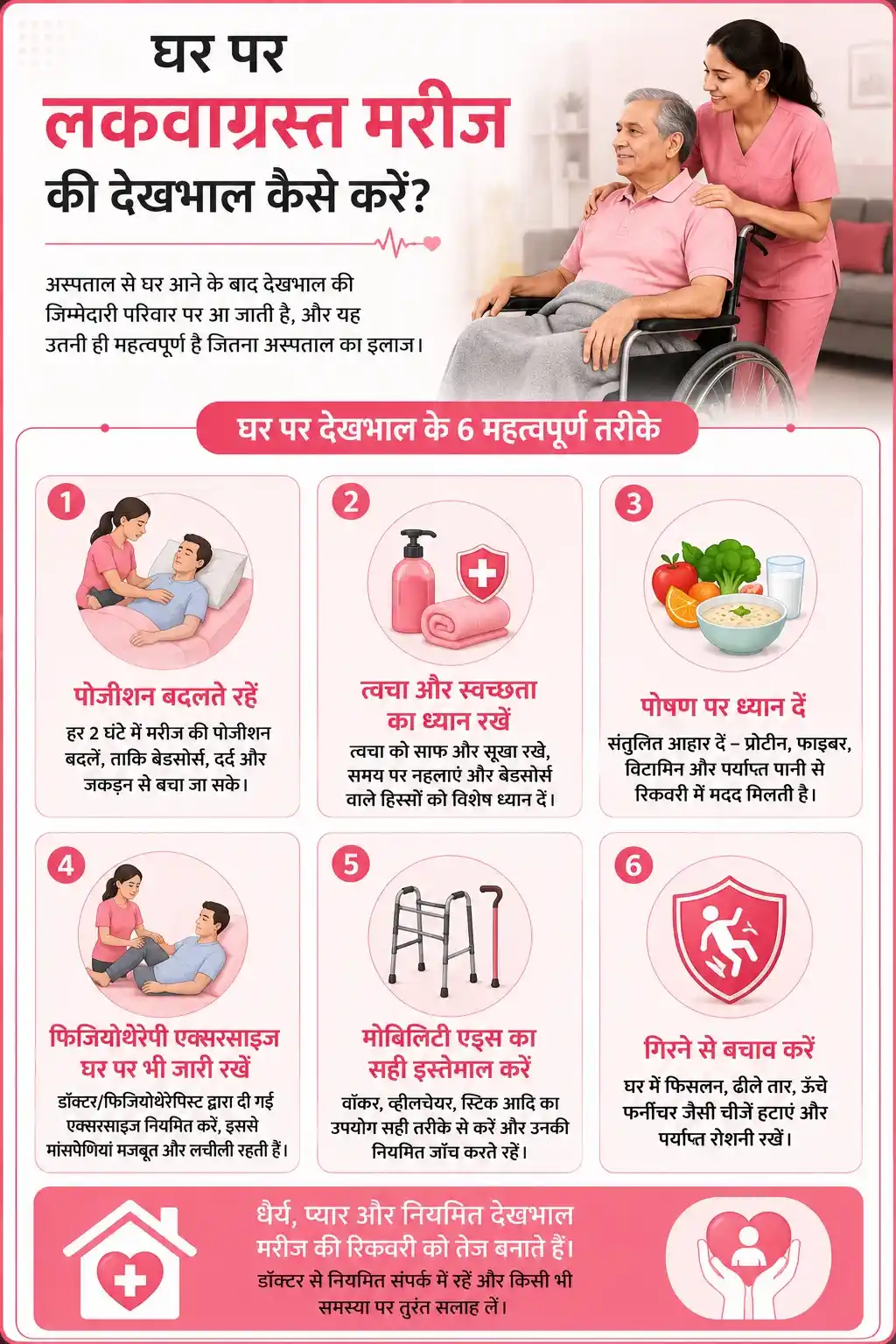
अस्पताल से घर आने के बाद देखभाल की जिम्मेदारी परिवार पर आ जाती है, और यह उतनी ही महत्वपूर्ण है जितना अस्पताल का इलाज:
लकवे का असर सिर्फ शरीर पर नहीं, बल्कि मन पर भी गहरा पड़ता है। अचानक अपनी रोजमर्रा की स्वतंत्रता खो देना, दूसरों पर निर्भर हो जाना और शरीर में आए बदलाव को स्वीकार करना आसान नहीं होता। कई मरीजों में इस दौरान उदासी, चिड़चिड़ापन या खुद को अलग-थलग महसूस करने जैसी भावनाएं आम हैं, और यह पूरी तरह स्वाभाविक प्रतिक्रिया है।
परिवार का सहयोग यहां सबसे बड़ी भूमिका निभाता है। मरीज की छोटी-छोटी उपलब्धियों को सराहना, धैर्य के साथ उनकी बात सुनना और उन्हें ठीक होने की प्रक्रिया में शामिल रखना आत्मविश्वास वापस लाने में मदद करता है। अगर उदासी या निराशा लंबे समय तक बनी रहे और रोजमर्रा की रिकवरी में बाधा डालने लगे, तो इसे नजरअंदाज करने की बजाय काउंसलर या मानसिक स्वास्थ्य विशेषज्ञ की मदद लेना बेहतर है। मरीज के साथ-साथ देखभाल करने वाले परिवारजनों को भी अपनी थकान और तनाव को पहचानकर समय-समय पर सहयोग लेना चाहिए।
लकवा एक चुनौतीपूर्ण स्थिति जरूर है, लेकिन सही समय पर मिला इलाज, नियमित फिजियोथेरेपी और परिवार का भावनात्मक सहयोग मरीज की जिंदगी में बड़ा बदलाव ला सकते हैं। स्ट्रोक जैसी स्थितियों में हर मिनट कीमती है, इसलिए लक्षणों को पहचानना और तुरंत कार्रवाई करना सबसे जरूरी कदम है। घर पर सही देखभाल और मानसिक सहयोग के साथ कई मरीज धीरे-धीरे अपनी स्वतंत्रता और आत्मविश्वास दोनों वापस पा लेते हैं। अगर आपके परिवार में किसी को लकवे के लक्षण महसूस हो रहे हैं या इलाज के बाद देखभाल को लेकर मार्गदर्शन चाहिए, तो हमारे अनुभवी न्यूरोलॉजी और रिहैबिलिटेशन टीम से आज ही संपर्क करें। हम आपकी मदद करने के लिए हमेशा तैयार हैं।

