Filter :
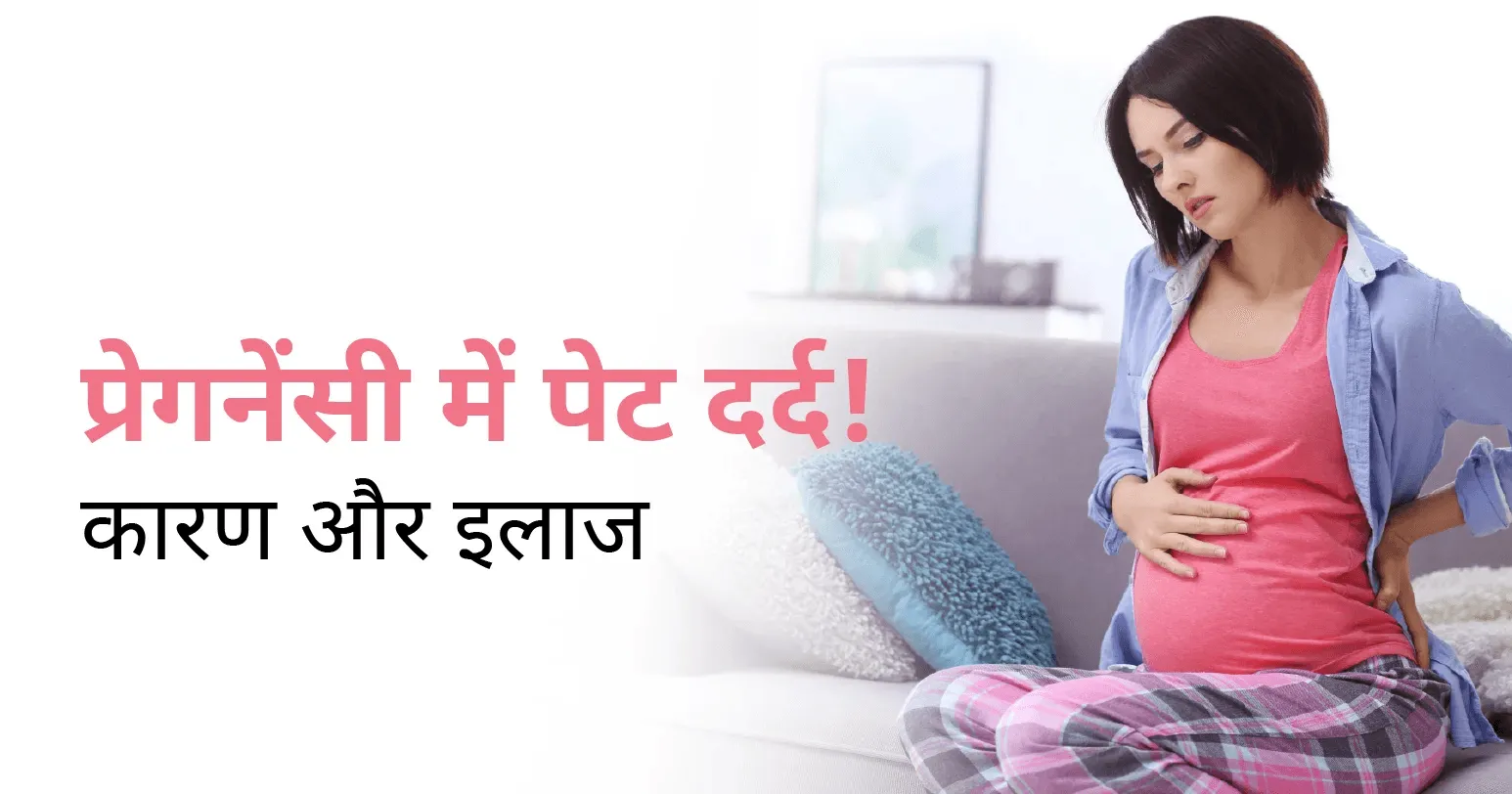
एक महिला के लिए मां बनना एक बेहद खूबसूरत एहसास होता है। प्रेगनेंसी सिर्फ शरीर में ही नहीं, बल्कि मन और सोच में भी बदलाव लाती है। इस दौरान खुशी, डर, चिंता और मातृत्व सब एक साथ महसूस होते हैं। 9 महीनों के दौरान प्रेगनेंट महिला के शरीर में कई बदलाव आते हैं, जो उसे मानसिक रूप से एक नया अनुभव देते हैं। इसी यात्रा के दौरान कई शारीरिक बदलाव होते हैं और उन्हीं में से एक है प्रेगनेंसी में पेट दर्द।
ज्यादातर महिलाओं को प्रेगनेंसी के दौरान पेट में दर्द होना सामान्य है और इसे लेकर ज्यादा चिंता करने की जरूरत नहीं होती। लेकिन कुछ खास स्थितियों में यह दर्द किसी गंभीर समस्या का संकेत भी हो सकता है। इसलिए यह जानना जरूरी है कि पेट में दर्द कब नॉर्मल होता है, इसके कारण क्या हैं, इसे कैसे कम किया जा सकता है और किन परिस्थितियों में आपको डॉक्टर से मिलना चाहिए।
Table of Contents
हां, प्रेगनेंसी के दौरान पेट में हल्का दर्द या ऐंठन होना सामान्य बात है। यह दर्द शरीर में हो रहे हार्मोनल बदलावों के कारण होता है, क्योंकि उस समय महिला का शरीर नई जिंदगी को बनाने और संभालने के लिए खुद को तैयार कर रहा होता है। लेकिन कई बार पेट दर्द कुछ दूसरे कारणों की वजह से भी हो सकता है। ऐसे में आपको स्त्री रोग विशेषज्ञ से मिलना जरूरी हो जाता है।
इसे भी पढ़ें: प्रेगनेंसी में कितने समय के बाद सम्बन्ध बनाना बंद कर देना चाहिए
प्रेगनेंसी का समय बहुत सेंसिटिव होता है और इस दौरान आपको अपनी सेहत का ध्यान रखना जरूरी होता है। 9 महीने के सफर में आपको पेट दर्द की समस्या भी हो सकती है, जिसके कुछ कारण नीचे दिए गए हैं-
जब बच्चा धीरे-धीरे बड़ा होता है, तो यूट्रस भी फैलने लगता है। यूट्रस को सहारा देने के लिए एक पतली और मजबूत पट्टी होती है, जिसे राउंड लिगामेंट कहते हैं। जब बच्चा बढ़ता है, तो ये लिगामेंट खिंचती हैं, जिसकी वजह से पेट के निचले हिस्से में तेज दर्द महसूस हो सकता है। आमतौर पर प्रेगनेंसी के दूसरे ट्राइमेस्टर में पेट दर्द होना (things to expect in 2nd trimester of pregnancy) आम होता है।
प्रेगनेंसी के दौरान एक समय ऐसा आता है जब पेट के निचले हिस्से में हल्की ऐंठन या खिंचाव जैसा महसूस होता है, जिसे प्रैक्टिस कॉन्ट्रैक्शन (practise contraction) कहते हैं। यह दर्द लेबर पेन की तरह ही होता है लेकिन यह असली नहीं होता, बल्कि यह महिला के शरीर को डिलीवरी के लिए तैयार करता है। आमतौर पर दूसरे ट्राइमेस्टर में यह दर्द शुरू होता है। हालांकि, यह पेट दर्द लगातार नहीं होता, बल्कि कभी-कभी होता है।
प्रेगनेंसी के दौरान गैस (गैस की वजह से पेट फूलने के घरेलू उपचार क्या हैं), एसिडिटी (एसिडिटी से तुरंत राहत पाने के घरेलू नुस्खे) और पेट में भारीपन महसूस होना आम बात है। यह कोई गंभीर समस्या नहीं है, लेकिन इस पर ध्यान देना जरूरी है। आमतौर पर प्रेगनेंसी के समय शरीर में हार्मोन बहुत ज्यादा बढ़ जाते हैं, जिसकी वजह से डाइजेशन (digestion) धीमा पड़ जाता है और खाना जल्दी डायजेस्ट नहीं होता। इसी वजह से पेट में गैस, कब्ज जैसी समस्या पैदा हो जाती है और दर्द महसूस होने लगता है।
आमतौर पर सामान्य प्रेगनेंसी में बच्चा यूट्रस के अंदर होता है। लेकिन एक्टोपिक प्रेगनेंसी में बच्चा यूट्रस के बाहर होता है। यह एक गंभीर मेडिकल स्थिति होती है, जहां बच्चे का विकास नहीं होता और यह स्थिति गर्भवती महिला की जान के लिए भी खतरा बन सकती है।
प्रेगनेंसी के दौरान यूरिनरी ट्रैक्ट इंफेक्शन (UTI – Symptoms & Prevention), समय से पहले लेबर पेन (Labour Pain Management), मिसकैरेज (गर्भपात के बाद गर्भधारण: समय, स्वास्थ्य और सलाह) का खतरा, गॉल ब्लैडर में पथरी, अपेंडिक्स में सूजन, प्लेसेंटा का खिसकना या फटना और यूट्रस में सूजन भी पेट दर्द का कारण हो सकते हैं।
प्रेगनेंसी के दौरान हल्का पेट दर्द होना आम बात है और इस दर्द को कुछ आसान घरेलू तरीकों से अपनाकर आराम पाया जा सकता है:
प्रेगनेंसी के दौरान मसल्स और लिगामेंट्स पर खिंचाव आने लगता है, जिससे पेट के नीचे हल्का दर्द महसूस हो सकता है। इस दर्द को कम करने के लिए प्रेगनेंट महिलाएं हल्की स्ट्रेचिंग (stretching) कर सकती हैं। पेट दर्द को कम करने के लिए आप धीरे-धीरे चल सकती हैं।
प्रेगनेंट वुमेन के लिए खास योगासन बनाए गए हैं, जिनकी मदद से फ्लेक्सिबिलिटी और मांसपेशियों को आराम मिल सकता है। आपको किसी योगा ट्रेनर की देखरेख में योग करना सही रहेगा। प्रेगनेंसी के दौरान आप स्विमिंग करके मांसपेशियों में खिंचाव को भी कम कर सकती हैं।
यह एक आसान एक्सरसाइज है, जो पेट और पीठ दर्द को कम कर सकती है। इसे दीवार या मीन पर बैठकर किया जा सकता है। आप किसी योगा ट्रेनर से सीख सकती हैं।
आप पेट के निचले हिस्से या कमर पर हॉट वाटर बैग की मदद से सिकाई कर सकती हैं। प्रेगनेंसी के दौरान दिन में एक बार गुनगुने पानी से नहाना आपके लिए फायदेमंद हो सकता है और इससे शरीर को आराम मिलता है।
आजकल बाजार में पेट और पीठ को सपोर्ट करने वाली बेल्ट मिलती हैं, जिन्हें गर्भवती महिलाएं आराम से पहन सकती हैं।
प्रेगनेंसी के दौरान गैस, कब्ज या पाचन में गड़बड़ी से पेट दर्द होना आम समस्या है। ऐसे में आपको दिन में 3 बार खाना खाने की जगह 5-6 बार थोड़ा-थोड़ा खाना सही रहेगा। इससे पेट पर ज्यादा दबाव नहीं पड़ता और खाना आराम से हजम हो जाता है। आपको रोजाना 8 से 10 गिलास पानी पीना चाहिए।
प्रेगनेंसी के दौरान आपको थोड़ा आराम करना जरूरी होता है। ज्यादा देर तक खड़े होकर या बैठकर काम न करें। सोते समय अपनी पीठ के नीचे और घुटनों के बीच तकिया रखें। इससे शरीर को सहारा मिलता है और दर्द कम हो सकता है। अगर आपको खांसी या छींक आती हैं, तो थोड़ा झुक जाएं। इससे पेट के निचले हिस्से में खिंचाव कम पड़ता है।
इसे भी पढ़ें: जानिए प्रेगनेंसी में संबंध बनाना चाहिए या नहीं ?
प्रेगनेंसी के दौरान हल्का दर्द या परेशानी होना सामान्य बात हो सकती है, लेकिन कुछ खास स्थितियों में आपको तुरंत डॉक्टर को दिखाना जरूरी हो जाता है। अगर आपको नीचे दिए गए लक्षणों में से कोई भी महसूस हो रहा है, तो तुरंत अपने डॉक्टर से संपर्क करें।
इसे भी पढ़ें: पीरियड्स मिस होने से पहले प्रेग्नेंसी के क्या लक्षण दिखाई देते हैं?
प्रेगनेंसी एक बहुत ही खास और बदलावों से भरा समय होता है। इस समय आपके शरीर में बहुत तरह के बदलाव हो रहे होते हैं, जिसकी वजह से पेट में होने वाली परेशानियां आम हो जाती हैं, जिन्हें आप घरेलू तरीकों से ठीक कर सकती हैं। लेकिन अगर परेशानी बढ़ती जा रही है, तो आपको किसी अनुभवी गायनोलॉजिस्ट (Gynaecologist) से संपर्क करना चाहिए और अपनी प्रेगनेंसी की यात्रा को खूबसूरत बनाना चाहिए।
हां, प्रेगनेंसी के दौरान पेट में दर्द होना सामान्य है, खासकर पहली और दूसरी तिमाही में क्योंकि उस समय बच्चा बढ़ रहा होता है और गर्भाशय में खिंचाव हो रहा होता है।
प्रेगनेंसी के दौरान पेट में हल्का दर्द होना सामान्य है, लेकिन ज्यादा दर्द होना खतरे का संकेत हो सकता है। इसे नजरअंदाज न करें और तुरंत डॉक्टर को जाकर जांच कराएं।
प्रेगनेंसी के दौरान पेट में दर्द और सूजन होने के कई कारण हो सकते हैं, जिसमें शारीरिक, हार्मोनल बदलाव और पाचन से जुड़ी समस्याएं शामिल हैं।
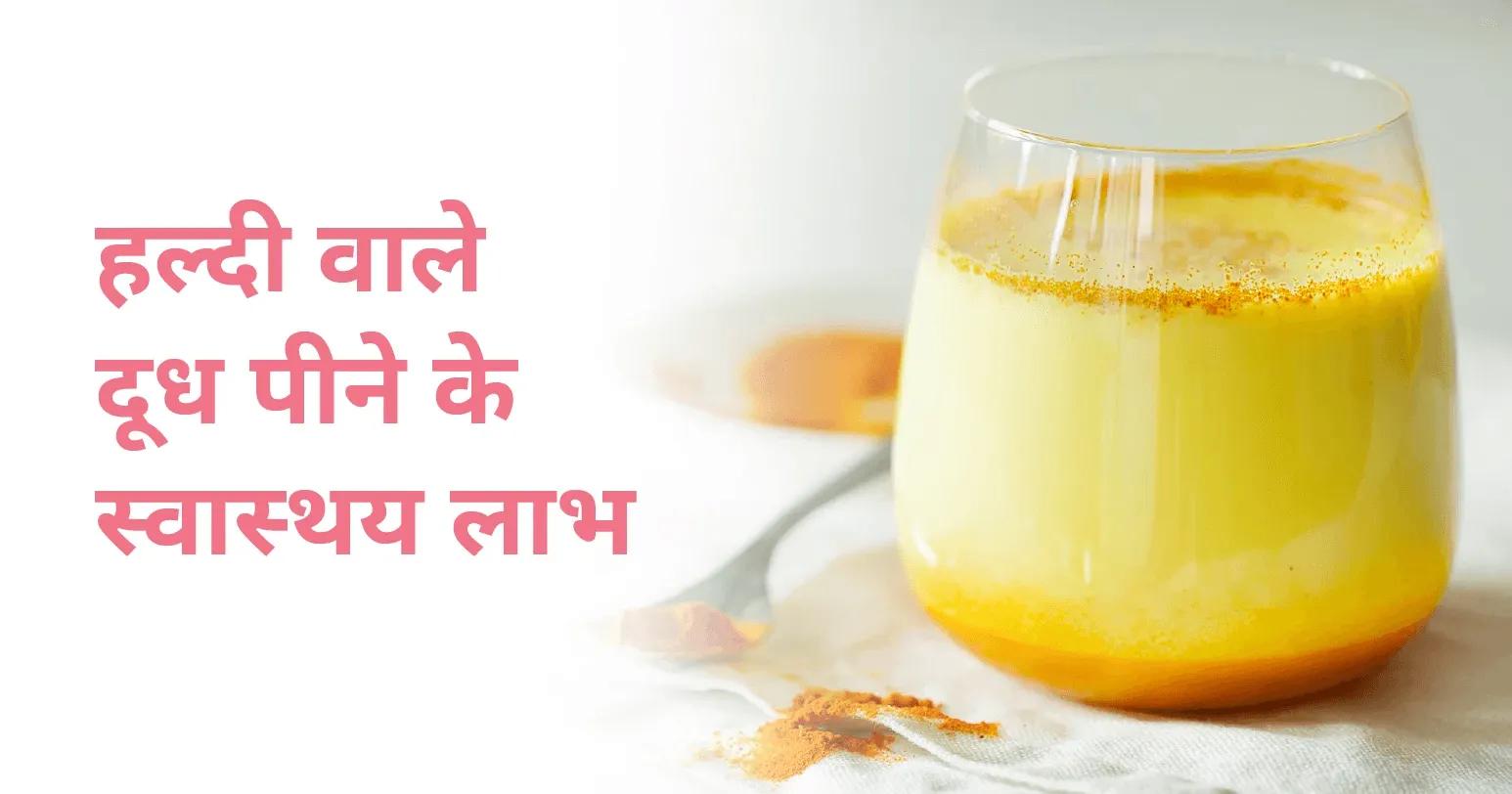
आयुर्वेद में सदियों से हल्दी वाला दूध एक असरदार औषधि के तौर पर इस्तेमाल होता आ रहा है। इसे गोल्डन मिल्क भी कहा जाता है जिसको पीने से इम्यूनिटी बढ़ती है, शरीर की सूजन कम होती है और नींद अच्छी आती है। हालांकि, हल्दी वाले दूध को सीमित मात्रा में पीना फायदेमंद रहता है क्योंकि अधिक सेवन से पेट, किडनी में पथरी जैसी समस्याएं पैदा हो सकती हैं। खासतौर पर प्रेगनेंट महिलाओं को डॉक्टर की सलाह लेकर ही हल्दी वाला दूध पीना चाहिए।
हल्दी वाले दूध को गोल्डन मिल्क कहा जाता है। आयुर्वेद में सैकड़ों सालों से हल्दी का इस्तेमाल पुरानी और असरदार औषधि के रूप में होता आ रहा है। भारत ही नहीं, बल्कि दुनियाभर के लोगों को हल्दी वाले दूध के फायदे अच्छी तरह से पता हैं। आमतौर पर लोग शरीर में सूजन को कम करने, बीमारियों से लड़ने और इम्यूनिटी सिस्टम को मजबूत करने में हल्दी वाला दूध पीना पसंद करते हैं। भारत में हमेशा से नेचुरल हेल्थ ड्रिंक के रूप में इसे पिया जाता रहा है, जो शरीर के साथ-साथ तनाव और डिप्रेशन जैसी समस्याओं से भी राहत पाने में मदद करता है।
हल्दी को करक्यूमा लोंगा पौधे की जड़ यानी राइजोम से तैयार किया जाता है। कर्क्यूमिन हल्दी को उसका पीला रंग और औषधीय गुण देता है। कर्क्यूमिन में सूजनरोधी और एंटीऑक्सीडेंट गुण पाए जाते हैं। जब इसे दूध के साथ मिलाया जाता है, तो यह एक पावरफुल ड्रिंक बन जाती है।
Table of Contents
हल्दी वाले दूध पीने के फायदे हम सभी जानते हैं, क्योंकि इसमें मौजूद कर्क्यूमिन हमारे शरीर के लिए फायदेमंद होता है।
अगर आप रोजाना हल्दी वाला दूध पीते हैं, तो आपका इम्यून सिस्टम मजबूत होता है और आपका शरीर बैक्टीरिया, वायरस और फंगल इंफेक्शन से लड़ने की क्षमता रखता है। (immunity boosting foods in hindi)
अगर किसी को घुटनों या जोड़ों में दर्द, सूजन या शरीर में सूजन की समस्या बनी रहती है, तो उनके लिए हल्दी वाला दूध पीना फायदेमंद हो सकता है। हल्दी में पाए जाने वाले कर्क्यूमिन तत्व से सूजन को कम किया जा सकता है। साल 2016 में जर्नल ऑफ मेडिकल फूड द्वारा प्रकाशित रिसर्च में पाया गया कि हल्दी लेने से ऑस्टियोआर्थराइटिस (osteoarthritis) के मरीजों में जोड़ों का दर्द काफी कम हुआ और उनकी लाइफस्टाइल भी काफी बेहतर हो गई।
अगर आपको एसिडिटी (acidity home remedies in hindi), अपच (food for upset stomach) और पेट फूलने (bloating) जैसी समस्याएं बनी रहती हैं, तो हल्दी वाला दूध आपके लिए रामबाण उपाय हो सकता है। हल्दी पाचन तंत्र को बेहतर बनाने में मदद करती है और हमारे शरीर से वसा (fat) यानी फैट को पचाने में मदद करती है।
अगर आपको नींद कम आती है और बार-बार नींद टूटती है, तो आपके लिए रात में सोने से पहले हल्दी वाला गर्म दूध पीना फायदेमंद हो सकता है। दरअसल गर्म दूध में ट्रिप्टोफैन (tryptophan) नामक तत्व पाया जाता है, जो दिमाग में सेरोटोनिन (serotonin) और मेलाटोनिन (melatonin) नामक केमिकल्स बनाने में मदद करता है। रात को हल्दी वाला दूध पीने से आपको अच्छी नींद आ सकती है।
हल्दी में मौजूद कर्क्यूमिन (curcumin) केमिकल से ब्लड फ्लो बेहतर होता है और कोलेस्ट्रॉल (cholesterol- home remedies to lower cholesterol level) लेवल कम होता है। हल्दी वाला दूध खराब कोलेस्ट्रॉल (बैड कोलेस्ट्रॉल) को शरीर में जमा होने से और धमनियों को बंद या संकुचित होने से रोकने में मदद करता है।
अगर आप हल्दी वाले दूध को रोजाना एक्सरसाइज करने के बाद लेते हैं, तो यह वजन कम करने में मदद कर सकता है (तेजी से वजन कम करने के घरेलू उपाय और उपचार)। आमतौर पर हल्दी शरीर के मेटाबोलिज्म (metabolism) को संतुलित रखने में मदद करती है और शरीर में एक्स्ट्रा फैट को जमा नहीं होने देती है।
अगर आपको मुंहासे यानी एक्ने (home remedies for acne in hindi), एक्जिमा (eczema) और त्वचा संबंधी रोग (skin disease) हैं, तो आपके लिए हल्दी वाला दूध पीना लाभकारी हो सकता है। यह हेल्थ ड्रिंक शरीर को अंदर से डिटॉक्स (विषैले पदार्थों को निकालना) करने में मदद करती है।
हल्दी में पाए जाने वाले कर्क्यूमिन तत्व में एंटीऑक्सीडेंट (antioxidant) गुण पाए जाते हैं, जो शरीर में मौजूद हानिकारक कणों को खत्म करते हैं। दरअसल ये हानिकारक कण शरीर से झुर्रियां (wrinkles), थकान और पुरानी बीमारियों को लाने का काम करते हैं। अगर आप रोजाना हल्दी वाला दूध पीते हैं, तो हानिकारक कण खत्म होने लगते हैं और आप यंग और एनर्जेटिक दिखाई देने लगते हैं।
यह भी पढ़े: मुंह में छाला होने के कारण, लक्षण और उपचार | Mouth Ulcers in Hindi
आमतौर पर हल्दी वाला दूध अधिकतर लोगों के लिए फायदेमंद ही साबित होता है, लेकिन इसे एक सीमित मात्रा में पीना चाहिए। अगर आप इसे ज्यादा पी लेते हैं, तो आपको कुछ खास स्वास्थ्य समस्याएं हो सकती है, जैसे कि –
अगर आप पहली बार हल्दी वाला दूध पी रहे हैं, तो आपको शुरुआत एक कप से करनी चाहिए और देखना चाहिए कि आपके शरीर पर इसका क्या असर होता है। अगर आप दूध में बहुत ज्यादा हल्दी डालकर पीते हैं, तो आपको गैस्ट्रिक, मतली और दस्त जैसी समस्याएं हो सकती हैं।
हल्दी में कर्क्यूमिन के अलावा ऑक्सालेट नामक तत्व पाया जाता है और जब आप दूध में हल्दी मिलाकर पीते हैं, तो यह शरीर में कैल्शियम के साथ मिल जाता है। कई बार यह किडनी में पथरी (kidney stone ke kaaran, lakshan aur upchar) बनाने का कारण भी बन सकता है। अगर आपको किडनी स्टोन की समस्या है या पहले रह चुकी है, तो आपको हल्दी वाला दूध पीने से पहले आप हमारे न्यूट्रिशनिस्ट से सलाह ले सकते हैं।
अगर आप खून को पतला करने वाली दवाएं ले रहे हैं, तो हल्दी वाला दूध लेने से परहेज करें। ऐसा नहीं करने से शरीर में अचानक ब्लीडिंग का खतरा बढ़ सकता है। इसलिए आपको सलाह दी जाती है कि अगर आप कोई भी दवा ले रहे हैं, तो उसके साथ हल्दी वाला दूध पीने से पहले आप हमारे न्यूट्रिशनिस्ट से सलाह ले सकते हैं।
हल्दी वाला दूध प्रेगनेंसी (pregnancy) या ब्रेस्ट फीडिंग (breastfeeding tips) कराने वाली महिलाओं के लिए सुरक्षित नहीं माना जाता है, क्योंकि हल्दी वाले दूध में कर्क्यूमिन सप्लीमेंट की मात्रा अधिक रहती है, जो गर्भाशय में ऐंठन या हार्मोनल बदलाव (hormonal imbalance) का खतरा पैदा कर सकता है। इसलिए प्रेगनेंट महिलाओं को हल्दी वाला दूध पीने से पहले आप हमारे न्यूट्रिशनिस्ट से सलाह ले सकते हैं।
अगर आपको हल्दी या दूध से एलर्जी है, तो हल्दी वाला दूध पीने के बाद कुछ लक्षण दिखाई दे सकते हैं।
अगर आपको ऐसी समस्याएं होने लगती हैं, तो आपको तुरंत इसका सेवन बंद कर देना चाहिए।
और पढ़े: बदलते मौसम में बीमारियों से बचने के आसान टिप्स
वैसे तो हल्दी वाला दूध बनाना बहुत आसान होता है और आप इसे अपनी जरूरत और स्वाद के हिसाब से बना सकते हैं।
और पढ़े: यूरिक एसिड बढ़ने का कारण, लक्षण, इलाज और आसान घरेलू नुस्खे
आजकल लोग नैचुरल और बिना साइड इफेक्ट वाले उपाय अपना रहे हैं और ऐसे में हल्दी वाला दूध प्राकृतिक दवा की तरह काम करता है। यह उपाय आयुर्वेद और विज्ञान के बीच सामंजस्य बिठाने का काम करता है। यह पेय पदार्थ केवल स्वादिष्ट ही नहीं बल्कि स्वास्थ्य लाभ से भरपूर भी है।
हां, हल्दी दूध को रात में पीने से नींद अच्छी आती है और शरीर को आराम मिलता है।
जी हां, हल्दी दूध पीने से वजन कम हो सकता है। इस हेल्थ ड्रिंक में एंटी-इंफ्लेमेटरी, एंटीऑक्सीडेंट और जरूरी फैटी एसिड होते हैं, जो शरीर में गर्मी पैदा करते हैं, जिससे शरीर में जमा फैट बर्न होता है और वजन कम करने में मदद मिलती है।
जी हां, हल्दी दूध स्किन के लिए बहुत फायदेमंद होता है। दरअसल हल्दी में कर्क्यूमिन तत्व पाया जाता है, जिसमें एंटी-बैक्टीरियल और एंटी-इंफ्लेमेटरी गुण पाए जाते हैं, जो मुंहासों को कम करने और त्वचा की रंगत को सुधारने में मदद करता है। इसके अलावा, दूध में लैक्टिक एसिड पाया जाता है, जो प्राकृतिक एक्सफोलिएंट के रूप में काम करता है, जो डेड स्किन्स को हटाने में मदद करता है।
जी हां, रोजाना हल्दी वाला दूध पीना फायदेमंद होता है और इससे इम्यूनिटी सिस्टम मजबूत होता है। हालांकि, अगर आपको कोई बीमारी है या किसी बीमारी का इलाज चल रहा है, तो डॉक्टर की सलाह लेकर ही हल्दी वाला दूध पीना सही रहता है।
हल्दी वाला दूध गैस्ट्रोइंटेस्टाइनल वाले, गर्भवती महिलाओं, पित्ताशय की समस्या वाले, लीवर की बीमारी वाले, लैक्टोज इनटॉलेरेंस वाले लोगों को नहीं पीना चाहिए।
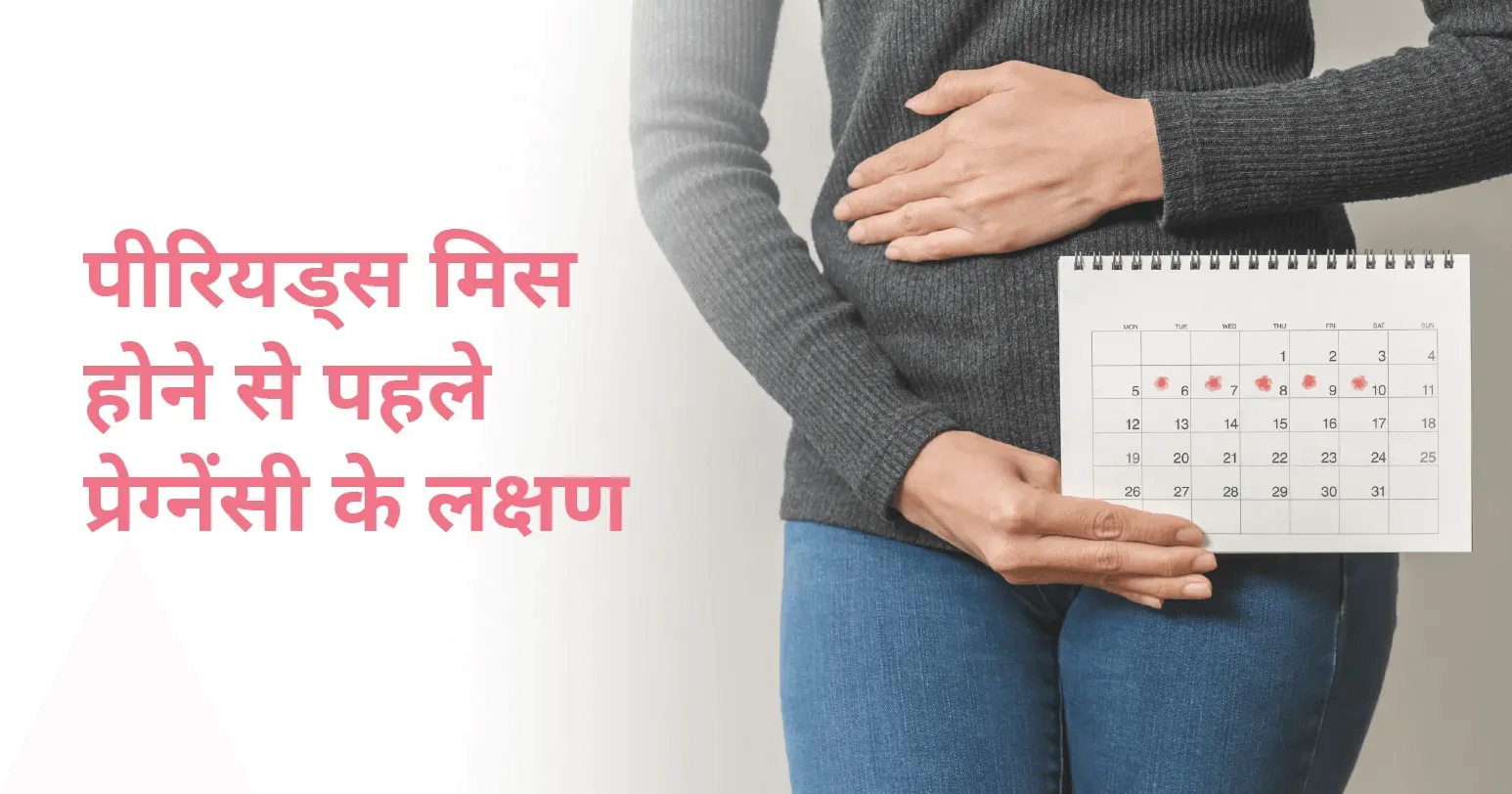
प्रेगनेंसी एक महिला की जिंदगी की सबसे खूबसूरत यात्रा होती है। आमतौर पर जब फर्टिलाइज एग यूट्रस की दीवार पर चिपक जाता है, तो उसे इम्प्लांटेशन कहते हैं। वहीं इम्प्लांटेशन के 6 से 12 दिन बाद महिलाओं को प्रेगनेंसी के लक्षण पीरियड से पहले महसूस होने लगते हैं।
हर महिला के जीवन में प्रेगनेंसी एक बेहद खास और भावनात्मक यात्रा होती है। मां बनना केवल एक बायोलॉजिकल प्रोसेस नहीं है, बल्कि यह एक सुंदर और अनुभवी एहसास है। जब एक महिला के भीतर एक नई जिंदगी पनपती है, तो वह केवल शारीरिक रूप से नहीं बल्कि भावनात्मक रूप से भी बदलने लगती है। उसके सपनों और सोच में एक नन्ही-सी मुस्कान बसने लगती है।
मां बनने में बेचैनी भी है और उम्मीद भी। प्रेगनेंसी के सफर को शब्दों में बयां नहीं किया जा सकता है, इसे केवल दिल से समझा जा सकता है। कई बार महिलाएं पीरियड मिस होने से पहले ही अपने शरीर में होने वाले छोटे-छोटे बदलावों को महसूस करने लगती हैं और उन्हें एहसास होने लगता है कि शायद वह प्रेगनेंट है?
पीरियड्स मिस होना प्रेगनेंसी का एक मुख्य लक्षण भी है, और यदि आपके भी पीरियड्स मिस हुए हैं, तो हम आपको सलाह देंगे कि आप हमारे अनुभवी स्त्री रोग विशेषज्ञ से मिलें और परामर्श लें।
Table of Contents
आमतौर पर प्रेगनेंसी के लिए ओव्यूलेशन का टाइम जरूरी होता है। जब महिला के शरीर में ओव्यूलेशन होता है, तब ओवरी से एक एग निकलता है और फैलोपियन ट्यूब में पहुंचता है। वहां वह स्पर्म का इंतजार करता है। अगर 12 से 24 घंटे के अंदर आप शारीरिक संबंध बनाते हैं और स्पर्म उस एग तक पहुंच जाता है, तो वह एग फर्टिलाइज (egg fertilization) हो जाता है। इसके बाद यह भ्रूण बनता है और महिला के गर्भाशय (uterus) की दीवार पर चिपक जाता है, इसे इम्प्लांटेशन (Embryo Implantation) कहा जाता है। कुछ महिलाओं को इस समय हल्की ब्लीडिंग (light bleeding) होने लगती है, जिसे इम्प्लांटेशन ब्लीडिंग (implantation bleeding) कहते हैं।
जब फर्टिलाइज एग यूट्रस में चिपकता है, तब महिला के शरीर में कुछ हार्मोन जैसे कि एचसीजी (hCG), प्रोजेस्टेरोन (Progesterone) और एस्ट्रोजेन (Estrogen) तेजी से बढ़ने लगते हैं। इन हार्मोन्स की वजह से शरीर में बदलाव महसूस होने लगते हैं। यह बदलाव आपको पीरियड्स (periods) से पहले भी महसूस हो सकते हैं।
इसे भी पढ़ें: प्रेगनेंसी के पहले महीने में क्या क्या होता है?
कई बार पीरियड शुरू होने से पहले ही महिलाएं प्रेगनेंट होने के हल्के संकेत महसूस करने लगती हैं। प्रेगनेंसी के शुरुआती लक्षण कुछ इस प्रकार हैं-
1. हल्का स्पॉटिंग या इम्प्लांटेशन ब्लीडिंग
जब एग निकलकर स्पर्म से मिलकर फर्टिलाइल हो जाता है और फिर एग यूट्रस की दीवार में जाकर चिपक जाता है, तब उस समय कुछ महिलाओं को हल्की ब्लीडिंग होती है।
कुछ महिलाओं को प्रेगनेंसी की शुरुआत में हल्की मरोड़, पेट और पैर में ऐंठन भी महसूस हो सकती है।
3. बॉडी टेम्परेचर बढ़ जाना
अगर ओव्यूलेशन के 15-20 दिन बाद भी टेम्परेचर ज्यादा बना रहता है, तो यह प्रेगनेंसी के शुरुआती लक्षण हो सकते हैं।
4. थकान और नींद ज्यादा आना
प्रेगनेंसी के शुरुआती दिनों में महिलाओं के शरीर में हार्मोनल बदलाव होते हैं, जिसकी वजह से ज्यादा थकान और नींद महसूस हो सकती है। इसके अलावा, उन्हें पेट के नीचे भारीपन लग सकता है और चलने-फिरने के तरीके में थोड़ा बदलाव भी आ सकता है।
5. ब्रेस्ट में बदलाव
प्रेगनेंसी के शुरुआती दिनों में ब्रेस्ट नरम और भारी महसूस हो सकते हैं। कुछ महिलाओं के निप्पल के आसपास की स्किन गहरे रंग के भी हो सकती है।
6. हल्की मतली या उलटी जैसा एहसास
आमतौर पर प्रेगनेंसी की शुरुआत में महिलाओं को मतली और उलटी महसूस होना आमबात है। आपको पीरियड से पहले मॉर्निग सिकनेस लग सकती है।
7. मूड जल्दी-जल्दी बदलना
प्रेगनेंसी के दौरान महिलाओं के शरीर में हार्मोनल बदलाव होते हैं, जिसकी वजह से उनका मूड स्विंग (mood swings during pregnancy) होना सामान्य है। पीरियड से पहले महिलाएं ऐसा महसूस कर सकती हैं।
8. सिरदर्द बना रहना
प्रेगनेंसी की शुरुआत में महिलाओं का ब्लड प्रेशर और शुगर कम हो सकता है, जो सिरदर्द और चक्कर का कारण बन सकता है।
प्रेगनेंसी के दौरान पाचन क्रिया पर भी असर पड़ता है और महिलाओं को कब्ज की शिकायत हो सकती है। इसकी वजह पानी कम पीना, खानपान और हार्मोनल बदलाव हो सकते हैं।
10. खाने का टेस्ट और स्मेल नहीं आना
कई बार प्रेगनेंट महिलाओं को अपने फेवरेट फूड से चिढ़ होने लगती है। उन्हें हर चीज की स्मेल बहुत तेज लगती है। उनके मुंह का स्वाद कसैला हो जाता है, जिसकी वजह से उन्हें खट्टा खाने का मन करता है।
11. बार-बार टॉयलेट लगना
प्रेगनेंसी की शुरुआत में बार-बार पेशाब लगना आम बात है, क्योंकि उस समय खून की मात्रा बढ़ने लगती है और किडनी पर ज्यादा प्रेशर पड़ता है।
आमतौर पर प्रेगनेंसी के लक्षण पीरियड से एक हफ्ते पहले और ओव्यूलेशन के 6 से 12 दिन के बाद आपको महसूस होने लग सकते हैं। आपको बता दें कि हर महिला में लक्षण अलग हो सकते हैं। किसी में एक या दो, तो किसी में कोई भी लक्षण नहीं दिखाई दे सकता है। हालांकि लक्षण नहीं भी दिखाई देते हैं, तो भी प्रेगनेंसी मुमकिन है।
इसे भी पढ़ें: जानिए प्रेगनेंसी में संबंध बनाना चाहिए या नहीं ?
आमतौर पर पीरियड्स आने से पहले महिलाओं को पेट दर्द, मूड स्विंग या ब्रेस्ट में दर्द जैसे लक्षण महसूस होते हैं जिसे PMS (प्री-मेंस्ट्रुअल सिंड्रोम) कहते हैं। लेकिन यही लक्षण प्रेगनेंसी के शुरुआती लक्षण भी हो सकते हैं। ऐसे में PMS और प्रेगनेंसी के लक्षणों को समझ पाना मुश्किल हो सकता है।
| लक्षण | पीएमएस (PMS-Pre Menstrual Syndrome) | प्रेगनेंसी |
| क्रैम्प्स (cramps) | आमतौर पर पीरियड के दौरान तेज और दर्दभरी ऐंठन होती है। | प्रेगनेंसी की शुरुआत में हल्की और रुक-रुक कर होने वाली ऐंठन हो सकती है। |
| मूड स्विंग | पीरियड से पहले चिड़चिड़ापन या उदासी महसूस हो सकती है। | प्रेगनेंसी की शुरुआत में हार्मोनल बदलाव होते हैं, जिसकी वजह से मूड स्विंग होते हैं। |
| मतली (उल्टी जैसा लगना) | पीरियड में कुछ महिलाओं को कभी-कभी उल्टी महसूस होती है। | प्रेगनेंसी में मतली या उल्टी आना आमबात है। |
| ब्रेस्ट में दर्द | पीरियड शुरू होने से पहले ब्रेस्ट में हल्का दर्द और कोमलता आ जाती है। | प्रेगनेंसी की शुरुआत में दर्द ज्यादा हो सकता है और ब्रेस्ट में भारीपन लगता है। |
इसे भी पढ़ें: पीरियड कम आने के नुकसान: कारण, प्रभाव और इलाज
यदि आपको पीरियड से पहले प्रेगनेंट होने के लक्षण महसूस हो रहे हैं, तो आप इसकी पुष्टि कर सकते हैं।
1. घर पर प्रेग्नेंसी टेस्ट (HPT)
आमतौर पर पीरियड मिस होने पर यह टेस्ट किया जाता है। इस टेस्ट की मदद से आपके यूरिन में HCG हार्मोन को पहचानने में मदद मिलती है। आमतौर पर सबसे अच्छा रिजल्ट पीरियड मिस होने के 1 हफ्ते बाद मिलता है। यह टेस्ट सुबह की पहली यूरिन से किया जाता है।
2. ब्लड टेस्ट (blood test)
आप ब्लड के जरिए क्वालिटेटिव और क्वांटिटेटिव टेस्ट कराकर प्रेगनेंसी का पता कर सकते हैं। आप हमारे हॉस्पिटल (CK Birla Hospital) में जाकर इसकी जांच करा सकते हैं।
अल्ट्रासाउंड (ultrasound)
आमतौर पर अल्ट्रासाउंड पीरियड मिस होने के 5 से 6 हफ्ते बाद किया जाता है। डॉक्टर इस टेस्ट के जरिए देखते हैं कि फीटस (fetus) सही जगह पर और स्वस्थ है या नहीं।
आमतौर पर प्रेगनेंसी की शुरुआत हैप्पी और हेल्दी होती है। लेकिन अगर आपको ज्यादा दर्द और ब्लीडिंग हो रही है, लगातार चक्कर और उल्टी आ रही है या फीवर, वायरल जैसी समस्या हो रही है, तो आपको हमारे अनुभवी गायनोलॉजिस्ट (gynaecologist) से सलाह जरूर लेनी चाहिए।
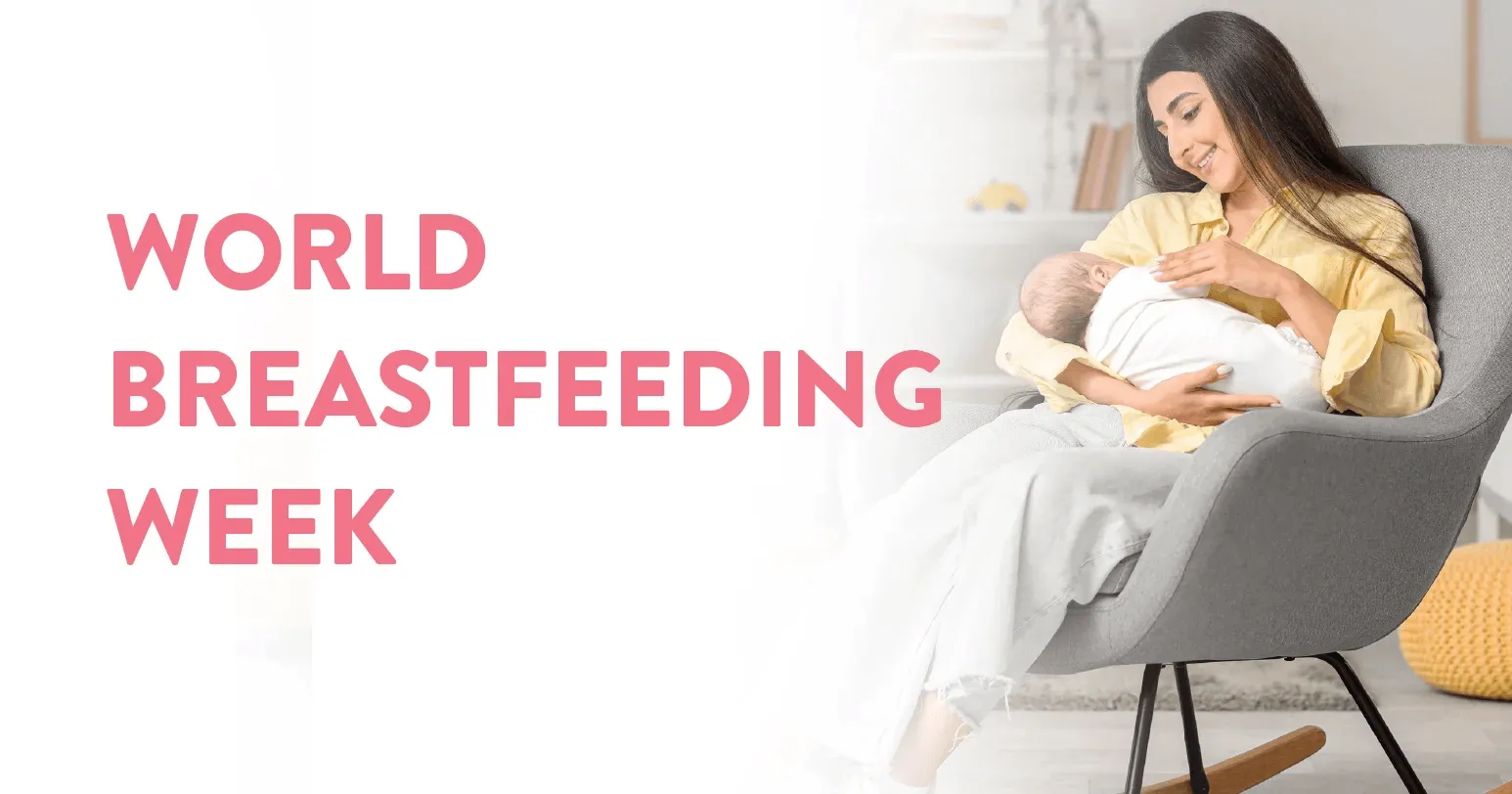
When you are a new mother there are so many people running to give you their time tested advice. Some are welcome and some unnecessary. Concerns around breast feeding are often not discussed or not properly addressed. Or worse, women are often judged for their problems which leaves them confused, anxious, or even discouraged from breastfeeding altogether.
On World Breastfeeding Week we shall attempt to debunk the most common breastfeeding myths, present evidence-based facts, and provide solutions to the typical challenges that mothers face. So whether you’re a first-time mother or supporting a loved one on their breastfeeding journey, understanding the truth behind breastfeeding can make a world of difference.
Table of Contents
Myth 1: Breastfeeding always comes naturally.
Fact: Not really. It needs practice.
It is a long standing belief that breastfeeding is instinctive and every mother can effortlessly start breastfeeding their infant. The truth is, while it is a natural process, it often requires practice, support, and patience for both the mother and the baby to establish a good latch and rhythm. Breastfeeding is also a moment when the child bonds with the mother. Sometimes it takes some adjusting to be in perfect sync. But once the connection and comfort is established everything follows naturally.
Myth 2: You can’t breastfeed if you have small breasts.
Fact: You can.
Breastfeeding does not depend on the size of breasts. The ability to produce breast milk depends on the hormones in our body and has nothing to do with the shape of breast. Milk supply is based on the baby’s demand and effective removal of milk from the breast by the baby. Women with small breasts can produce just as much milk as those with larger breasts.
Myth 3: Formula is just as good as breast milk.
Fact: No. Breast milk is better.
It is said that mother’s breast milk is all the nutrition a new born baby requires. That is because it is naturally formulated to build the baby’s immunity post birth. Formula is a helpful alternative when breast milk is not an option to satiate the baby’s hunger. But it cannot replicate the unique antibodies, hormones, and enzymes which are naturally present in breast milk. Formula cannot boost a baby’s immunity and development like breast milk can.
Myth 4: Breastfeeding leads to sagging breasts.
Fact: Feeding has no role in the shape and structure of the breasts.
Breast changes are a normal part of pregnancy. There is a lot of weight that the body gains during pregnancy and which often reflects on the breasts. It is normally observed that during pregnancy women feel a definite change in breast size. Key factors like genetics, age, and smoking have more impact on breast shape than breastfeeding itself.
Myth 5: Mothers with illnesses should stop breastfeeding.
Fact: It does not apply to normal cold or mild fevers.
Most common illnesses do not require a mother to stop breastfeeding. As a matter of fact, studies suggest that the antibodies passed through breast milk in this time may actually help protect the baby from illness. For highly communicable and life threatening diseases it is advisable to proceed with caution and under doctor’s supervision.
Myth 6: Breastfeeding is only for the first few months.
Fact: Breast feeding can continue beyond 6 months.
WHO recommends exclusive breastfeeding for the first six months of the baby’s life and continued breastfeeding alongside complementary foods for up to two years for proper development of the child. Some studies suggest that breast feeding can help mothers recover better post pregnancy.
Also Read: Why is there a change in urine colour during pregnancy?
| Benefits for the Child | Benefits for the Mother |
| Nutritional Superfood: Breast milk is perfectly balanced with the right proportion of fats, proteins, carbohydrates, vitamins, and minerals. It is all a child needs when it comes into the world. | Promotes Postpartum Recovery: Lactation is not just limited to the breasts, it is known to stimulate uterine contractions during feed. This helps the uterus to return to its pre-pregnancy size and reduces postpartum bleeding. The mother needs it as much as her child. |
| Boosts Immunity: Breast milk is rich in antibodies that help protect babies from infections and diseases. Right after birth it serves as the best source of immunity for their growing body. | Protective for Mothers: The hormones that are released during breast feeding lower the risk of breast and ovarian cancers significantly. It also helps reverse type 2 diabetes, and postpartum depression. |
| Supports Bonding: Skin-to-skin contact during breastfeeding enhances emotional bonding between the mother and baby. | Convenient: You don’t have to go anywhere else to get the milk. It is always available at the right temperature, sterile, and does not involve sterilising bottles or buying formula. |
While breastfeeding has many advantages, it’s normal to face hurdles in the beginning. Here are some common concerns and guidance on how to manage them:
Guidance: Frequent nursing and proper hydration (importance of hydration for pregnant women) help increase milk production. In case the mother is facing latching issues or hormonal factors it is advisable to consult a lactation expert who can help rule out this concern. This is a very common concern and may be reversed over time.
Guidance: A poor latch often leads to soreness. Lactation experts advise repositioning the baby and using nipple creams to help with soreness and dryness. If you experience pain from the latching over time a cold compress can help with healing.
Guidance: Blocked ducts are also a regular problem, it is nothing to be worried about. With regular feeding and gentle breast massage, one can relieve discomfort easily. In severe cases, a warm compress helps. If discomfort remains, medical attention may be required.
Apart from the physical problems, some psychological hurdles also need to be addressed.
Leaving the baby itself is a huge task for the mother who is now used to being around her baby. So maintaining the feeding schedule calls for breast pumps. Most women keep expressed breast milk stored which can be fed by caregivers to the baby in their absence. This is an added task every morning but at least one can be relieved that their baby is getting the nutritional needs in the formative years.
This is a major concern, especially when finding breastfeeding-friendly spaces can pose a challenge. In such cases wearing nursing-friendly clothes and using a cover can ease discomfort to a great extent. It helps to have a support system in the form of family and caregivers to help avoid uncomfortable situations.
Also Read: Technologies Available for Breast Cancer Treatment
Let us collectively encourage, support, and empower breastfeeding mothers by dispelling misinformation. Understanding the facts about breastfeeding, recognising the advantages of breast milk, and getting the right support can make a significant difference in a mother’s confidence and success.
Yes. Milk supply is often a matter of supply and demand. Breastfeeding more frequently and ensuring proper latch can boost production. In some cases, herbal supplements or medications may be advised by your doctor.
Latching difficulties are common, especially for first-time mothers. Seeking help from a lactation consultant can guide you in finding the best position and technique. Sometimes, tongue-tie or other physical issues in the baby may require medical attention.
No. Exclusive breastfeeding is recommended for the first six months. After that, it should continue alongside complementary foods for at least 12 months, and as long as mother and baby desire.
It depends on the type of surgery. Many women with a history of breast augmentation or reduction can successfully breastfeed. It’s best to consult your doctor or a lactation expert to evaluate milk duct function and supply.
Screening tests are vital tools for catching cancer before symptoms appear, enabling early intervention. Rising awareness globally has led to healthcare professionals focusing more on preventive medicine. Therefore it is necessary that people actually know what a screening test is and how to choose the right cancer detection test, to support your health in the long run.
Table of Contents
Cancer, like we know, can multiply uncontrollably across different organs—breast, lung, colon, cervix, prostate, and so on. In almost all cases early-stages are eerily asymptomatic, which is why relying on symptoms alone can be quite risky. However, there are subtle red flags one needs to be mindful about.
Pay Attention to Silent Symptoms:
These red flags alone don’t confirm cancer, because these are not symptoms. However, it is your body’s way of communicating that it needs more attention. Appropriate cancer screening tests will be able to make more sense.
| Breast Cancer (Women) (how to detect breast cancer at early stage) | |
| Mammography
|
Recommended from age 40–45 onwards. Frequency: every 1–2 years |
| Clinical breast exam | Physical examination by a doctor. Frequency: every 1–3 years from age 20, annually from age 40 |
| Cervical Cancer | |
| Pap smear or HPV DNA test (definitive test for early detection) |
Recommended from age 21 or after first sexual activity. Frequency: every 3 years. |
| Cervical cancer screening test | Proven to reduce incidence and mortality significantly. Usually done after an unsatisfactory pap smear result. |
| Prostate Cancer (Men) | |
| Fecal occult blood test (FOBT) | Recommended annually from age 45 onwards for most males. |
| Colonoscopy | Recommended every 10 years, or depending on patient profile with higher risk potential. |
| Colorectal Cancer | |
| PSA blood test | Recommended from the age of 50 for average-risk men; age 40–45 if family history. |
| Digital Rectal Exam | Done when the above test results need further assistance. Tests should be done under physician guidance, considering risks and benefits. |
| Oral & Lung Cancer (know about the early signs of lung cancer) | |
| Low-dose CT scan | Recommended for heavy smokers (≥30 pack-years) between ages 55–80 who quit fewer than 15 years ago. It is not routine, only for high-risk lung cancer groups. |
| Oral Examination | Done for tobacco/alcohol users; can be done yearly by dentist or doctor. |
| Skin & Other Cancers | |
| Annual skin check | Annual skin check for new moles or changing lesions by dermatologist; self-examinations monthly. |
| Full Body Cancer Test | Includes blood tests (CBC, liver/kidney panels, tumour markers), imaging (ultrasound, chest X-ray). Can be customised based on personal and family history. |
| Age Group | Recommended Screening Tests | Special Risk Factors |
| 20–30 years | Pap smear; clinical breast exam | STI history, early sexual activity |
| 31–40 years | Add HPV test; consider baseline PSA | Family history: breast, colon, prostate cancer |
| 41–50 years | Mammogram (40+), Pap + HPV, PSA (if family history) | Obesity, diabetes, sedentary lifestyle |
| 51–60 years | FOBT or colonoscopy; low-dose CT (if heavy smoker) | Smoking, alcohol use |
| 61+ years | Continue prior tests; more frequency if comorbidities exist | Hypertension, dyslipidaemia |
For individuals with a family history, earlier and more frequent testing may be needed—for example, BRCA mutation carriers for breast cancer or Lynch syndrome for colorectal cancer.
Also Read: Technologies for Breast Cancer Treatment
Screening tests are powerful—but prevention starts with lifestyle:
Obesity raises cancer risk. Obesity isn’t just a cosmetic issue, but it significantly raises the risk of several cancers. The reason lies in visceral fat accumulation which helps create triggers for tumour development in the body. Fat accumulation in the breast (post-menopause), endometrial region, kidney, pancreas, and colon triggers chronic inflammation and alters insulin and estrogen levels.
#Tip: Aim for gradual weight loss. Even a 5–10% reduction can make a measurable dent in your cancer risk.
Most of our problems can be solved with a good diet. Pulses, vegetables (spinach, broccoli), fruits (guava, papaya), millets reduce inflammation. The natural anti-oxidants and phytonutrients help ease oxidative stress.
#Tip: Fibre or roughage, binds to potential carcinogens in the GI tract. It also keeps your system clean with regular bowel movements.
These are linked to colorectal and prostate cancers, especially red meat, including packaged frozen meat. Similarly, saturated fats are known to promote inflammation and hormone-related cancers like prostate cancer.
#Tip: Make healthier swaps with fish or tofu. Rich in protein, leaner and healthier.
Both are major risk factors across multiple cancer types. Tobacco is linked to at least 15 different types of cancers, including oral, lung, oesophageal, and bladder cancers. In India, however, tobacco in the form of gutkha & paan, plus contraptions like vape and hookah are fueling more and more oral cancer cases, especially among young adults.
Alcohol on the other hand, spikes the risk of breast, liver, and oesophageal cancers. When alcohol is metabolised, it damages the DNA using a carcinogenic effect.
#Tip: Replace alcohol. Instead spend quality time with your family.
Regular exercise not only helps maintain weight (food for healthy weight journey), but it also regulates hormones (like insulin and estrogen), boosts immunity (tips to boost your immunity), and reduces inflammation. All of these benefits work together to lower cancer risk.
#Tip: Aim for 30 minutes of moderate activity most days. This may include household chores as well.
People with outdoor occupations (construction workers, farmers) are particularly vulnerable. Use a broad-spectrum sunscreen with SPF 30+ if you are outdoors for more than 15 minutes. Cover exposed skin with full-sleeved clothing, sunglasses, and hats.
#Tip: Avoid exposure to afternoon sun when the UV rays are strongest. This is especially helpful if you have a family history of skin cancer.
Chronic stress and poor sleep spikes up cortisol levels, creating a breeding ground for cancer cells. Establish a consistent sleep schedule of 7 to 8 hours per night. Reduce screen time before bed.
While regular screening tests and medical evaluations are crucial for early cancer detection, your everyday lifestyle choices play an equally powerful role in reducing your risk of cancer and supporting your body’s natural defences.
Also Read: Myths About Breast Cancer
Early detection is your greatest defence in the fight against cancer. A well-structured preventive screening checklist, tailored to your age, medical history, and risk factors, empowers you with timely action and peace of mind.
Consult a trusted healthcare partner and set up a proactive health check up inclusive of cancer tests. Combine this with a healthy lifestyle: adequate hydration, nutrient and fibre rich food, active living, no tobacco, and mindfulness. Screening isn’t expensive—it’s invaluable. Share this checklist with family and friends; it might just save a life.
India is predominantly known for its summer. The intense heat and rising dehydration, also brings a rather common problem: an uptick in kidney stone cases. As a urologist, one often observes a marked increase in young and elderly patients complaining of severe kidney stone pain, nausea, frequent urination, or blood in urine during peak summer months. The reason? Simply put – excessive water loss, low fluid intake, and dietary imbalances that trigger the formation of renal calculi (medical term for kidney stones).
To find a way around the causes of kidney stones, we must understand how it is formed and how to deal with it medically.
Table of Contents
Kidney stones are hard, crystal-like mineral deposits that form inside the kidneys when urine becomes concentrated. These stones can vary in size, from a grain of sand to a golf ball , and may pass unnoticed or cause severe pain depending on their size and location in the urinary tract.
Medically, kidney stones are referred to as renal calculi or nephrolithiasis.
Several Indian studies have found that kidney stone cases spike by 20-30% during summer. Here’s why:
Also Read: Types of Kidney or Renal Stones
Also Read: Home Remedies to dissolve kidney stones
Wondering what causes kidney stones? Here are the primary culprits:
Therefore, dehydration is the biggest trigger when it comes to kidney stones. This also means that when your urine is too concentrated, it allows minerals to crystallise and clump together, forming stones. Hydrating will make all the difference.
Therefore, if you’re over 40, male, overweight, diabetic, a tea-aficionado, or have a family history, it’s wise to monitor your kidney health proactively.
There are 4 main types of kidney stones, each with different causes and preventive approaches:
| Type of Kidney Stone | Prevalence in India | Common Triggers |
| Calcium Oxalate Stones | The most common type in India. |
|
| Uric Acid Stones | More common in people with high purine diets (red meat, organ meat, fish) |
|
| Struvite Stones | This condition is more commonly observed in females |
|
| Cystine Stones | Rare and usually hereditary.
|
|
Knowing the types of renal stones helps doctors customise the best kidney stones treatment plan for each patient.
Also Read: Tips to improve gut health
Based on stone size and location, most significant kidney stone symptoms are:
Kidney Stone Pain is often sudden and severe. The pain may shift location as the stone moves through the urinary tract.
Drink 10–12 glasses of water daily, or in the form of coconut water, nimbu-pani (lemonade), and barley water. The goal is to keep urine pale yellow or clear. Replace sugary drinks with chaach (buttermilk), ORS, or lemon water.
Avoid namkeens, pickles, chips, and instant noodles. Binge eating these high salt content packaged foods exposes higher risk of developing stones.
Reduce intake of spinach, beetroot, tea, chocolate, and brinjal , especially if you or your family members have ever been diagnosed with calcium oxalate stones. Instead have fibre rich foods like oats, papaya, watermelon and cucumber.
You must go easy on animal protein which means no red meat or high calorie sea food, as it causes uric acid stones.
Citric acid found naturally in lime juice, oranges, and tomatoes increase citrate in urine, which helps prevent stones from forming. However, keep it moderate as Vitamin C in excess of 1,000mg/day converts to oxalate and results in stone formation.
Also Read: Diet After Weight Loss Surgery
Kidney stones treatment depends on size, location, and type. Your doctor may recommend:
For kidney stone pain relief, consult a urologist before taking any OTC painkillers, especially if you have other health conditions.
✅ Drink water regularly, even if you’re not thirsty
✅ Exercise regularly to prevent obesity and improve urine flow
✅ Don’t hold in urine for too long, it can lead to infections
✅ Follow-up with a urologist if you’ve had stones before
Also Read: Reason for change in urine colour during pregnancy
Kidney stones are preventable with smart hydration, conscious eating, and regular urological check-ups, especially during the scorching Indian summers. If you’ve ever experienced kidney stone symptoms or are at risk due to lifestyle or genetics, now’s the time to take preventive steps. Untreated stones can lead to recurrent UTIs, kidney damage, or blockage. Stones larger than 5 mm may not pass naturally and require lithotripsy or surgery The Times of IndiaNature. Decoding stone composition, calcium oxalate, uric acid, struvite, is vital for tailored kidney stones treatment and prevention.
Don’t wait for the pain to hit. Make water your best friend this summer, your kidneys will thank you.
Early signs include lower back pain, burning urination, or red-tinged urine. If you feel nauseated or the pain radiates to the groin, get medical help urgently.
Yes. Salty snacks, fried food, tea, spinach, and red meat. People also drink less water and eat dehydrating foods , worsening the risk.
Small stones (less than 5mm) may pass on their own in 1–2 weeks. Larger ones may need medical procedures.
If you’re prone to kidney stones, you can’t guarantee 100% prevention. But proper hydration, diet, and medical monitoring reduce your chances significantly.
If ignored, yes. They can lead to infections, kidney damage, or blockage in the urinary tract. Timely treatment is essential.
Avoid oxalate-heavy foods (spinach, beetroot), red meat, salty snacks, colas, and vitamin C supplements. Eat a balanced diet rich in fibre and fluids.
Ever had a “gut feeling”? That’s not just a metaphor, it might be your body’s way of telling you something deeper. Your gut does much more than just digest food. It’s home to trillions of microbes that impact your digestion, immunity, mental health, and even your skin. That’s why understanding what is gut health and how to improve it is essential.
Gut health isn’t just about avoiding stomach aches. As a gastroenterologist, I often tell my patients that your gut is the command centre of your overall health, it does a lot more than you think. Whether you’re a 30-year-old juggling work calls with meals or a 65-year-old who thinks frequent gas is “just age,” it’s time we understand what gut health truly means and how to nurture it naturally.
Table of Contents
Gut health refers to the balance and function of bacteria in the gastrointestinal (GI) tract. Your gut is home to trillions of microorganisms, called the gut microbiome, that aid digestion, synthesize vitamins, regulate hormones, and protect against harmful pathogens.
Our lifestyle is evolving to match pace with late nights, low-fibre diets, excessive chai or junk food, erratic meal timings, and growing reliance on painkillers and antibiotics, our digestive systems are under constant strain. So what is impacting the gut?
| Gut Health Factors | Expectation | Reality |
| Our Dietary Habits | Eating food that add roughage, fermented foods, and plant diversity support good bacteria. | Consumption of excessive sugar, red meat, and fried foods, that don’t support the gut bug. |
| Hydration Cycles | 8 glasses of water daily to help move things through your intestines and keep the gut lining healthy. | Over consumption of caffeinated or aerated drinks that dehydrate the body instead. |
| Immunity | Staying healthy and eating clean to keep immunity up. | Resorting to antibiotics, painkillers, and antacids more frequently, therefore disrupting microbial balance. |
| Sleep and Stress | Sleeping 8 hours a day & avoiding late night cortisol build up. Proper circadian rhythm. | Chronic stress alters gut-brain signalling. Poor sleep quality also worsens inflammation. |
| Age & comorbidities | With age, gut bacteria diversity often reduces, and seniors may have more digestive complaints due to slower metabolism and comorbidities | |
Also Read: Top Vitamin B12 Rich Foods.
From persistent acidity and acid reflux triggered by spicy meals and irregular eating habits, to constipation caused by low fibre intake and poor hydration, gut problems are increasingly common among Indians of all ages. Here’s a brief overview of what India suffers from:
| Acid Peptic Disorders (APDs) | Irritable Bowel Syndrome (IBS) | Chronic Constipation | Malnutrition & Vitamin Deficiency |
| Prevalence: Affects 10–15% Urban Indian population.
Medical Symptoms: Triggers: – Spicy/oily food
|
Prevalence: Higher incidence in younger adults.
Medical Symptoms: Triggers: – Hard to digest carbs in onions, garlic, cauliflower, rajma, chole, and apples. |
Prevalence: 1 in 5 people, especially in senior citizens.
Medical Symptoms: Bloating, flatulence and lower abdominal pain. Triggers: – Low fibre intake, Source: Indian Society of Gastroenterology (ISG), 2020.. |
Prevalence: Vegetarians have Iron & Vitamin B12 deficiency.
Medical Symptoms: Chronic acidity, gut infections, or inflammation. Triggers:
|
While these problems are more common among us across various age groups, these are only the starting signs of deteriorating gut health. Over time if this is not put under a check the condition will keep deteriorating and what could be easily overcome by over the counter medication will now need specialist interventions and in some cases it may lead to fatality. Here are some of the more difficult gut issues that specialists have to deal with:
Also Read: Best Foods for Healthy Weight Journey
| Diarrhoea and Gastroenteritis | Non Alcoholic Fatty Liver and Hepatitis | Gastrointestinal Cancers |
| Prevalence: One of the top 5 causes of outpatient visits in India. Adults show more resilience.
– Poor sanitation
|
Prevalence: Estimated to affect 25–30% of Indians, even among non-obese individuals.
Fatality:
Triggers: – Poor gut health contributes to liver inflammation and metabolic disorders. |
Prevalence: Rising trend of colorectal & stomach cancer in both elderly and younger populations.
Fatality: Cancer unless detected early can turn fatal due to spread of cancer cells along the vital organs. Triggers: – Chronic constipation Source: National Cancer Registry Programme (ICMR), 2021. |
It is evident from this that the more attentive we are to our gut health the better it is for our health in the long run. But just awareness is not the end of the road. We need to ensure our food and lifestyle habits support our health as well. It is discipline that will keep these problems at bay.
Also Read: Health Benefits & Side Effects of Eating Raw Garlic
If you have come this far and are wondering how to improve gut health naturally, without overly relying on supplements or medications, then read along. Whether you’re experiencing bloating, poor digestion, or simply want to enhance your well-being, start here:
Plant-Based, Fibre-Rich Foods
Probiotic & Fermented Foods
Prebiotics For Good Bacteria
|
Also Read: Health Benefits & Side Effects of Eating Apricot (Khubani)
There are some finer things we tend to overlook, which if corrected can support our gut health too.
While supplements help, in the long run you would want your body to naturally be able to perform all the bodily functions it was made for. By adding supplement support you are only making your gut dependent and robbing it’s powers to heal itself.
Which brings us to the next logical question: what are the symptoms of an unhealthy gut? There are 7 signs you should be concerned about.
If these persist, consult a GI specialist. For older adults, chronic gas or constipation could signal a deeper issue like colon inflammation or even early cancer.
Gut health isn’t a trend. It’s a medical reality. Your gut talks to your brain, affects your mood, manages inflammation, and guards your immunity. If you’ve been ignoring symptoms like acidity (symptoms, causes & treatment), fatigue, constipation (causes & treatment), or bloating, it’s time to take a closer look, starting with your plate.
A gut-friendly lifestyle isn’t complicated. It just requires attention, awareness, and consistency. Begin with simple Indian meals, drink water mindfully, manage stress, and consult your GI doctor when needed. Your body will thank you, from the inside out.
Consistency is key. While you may notice some minor changes in how your body reacts in about 3-5 days of dietary changes. For lasting impact, stay consistent for 3-6 months.
Which Foods Should I Avoid for Better Gut Health?
How Does the Gut Microbiome Affect Your Health?
A healthy microbiome is a happy gut. It improves digestion, mood, immunity, and nutrient absorption. Unhealthy bacteria increases risk of obesity, diabetes, and inflammatory conditions.
What Are Probiotics?
Live microorganisms that add to your gut flora. Found in curd, chaas, fermented foods, etc.
What Are Prebiotics?
Non-digestible fibres that feed good gut bacteria. Found in onions, bananas, garlic, oats, and more.
When Should I Take Probiotics?
Preferably after meals. Consult a doctor if you’re taking antibiotics or have a GI issue.
How to Improve Digestion Naturally at Home?
Table of Contents
Bariatric surgery, also commonly referred to as weight loss surgery, is a surgical procedure performed to help individuals with obesity lose weight and improve health-related conditions. It is a powerful tool known to help with reversing obesity related health issues, including heart disease & stroke, type 2 diabetes, high blood pressure, sleep apnea, non-alcoholic fatty liver disease, and more.
Bariatric surgery is often recommended when other weight loss methods are not effective or have failed. The procedure involves modifying the digestive system, the stomach, small intestine, etc, to regulate the amount of calories that the body can consume and absorb. Bariatric surgery is often recommended to people with class III obesity or a BMI of 40 or higher, or a BMI of 35 with one health-related problem.
Now, when it comes to weight loss surgery, people consider it as an easy way out, however, the surgery is a complex procedure that requires careful consideration of various factors including, surgical technique, patients overall health, psychological adjustments, and more. The procedure involves progress through a series of steps or stages involving diet, pain management, physical activity, and more. There are several types of bariatric surgery, some of them are mentioned below:
After bariatric surgery the body goes through major changes and requires careful post-operative support to avoid complications, weight regain, nutritional issues, and more. Plus, the recovery after the surgery happens in stages and each stage is important for healing, adapting to lifestyle changes, and ensuring long-term success.
Weight loss through bariatric surgery or weight loss surgery is not just limited to the surgery, many people have this misconception that once the surgery is done, the problem is solved. Though, in reality, surgery is a powerful tool but lasting results depend on ongoing care.
Immediate post operative phase is the initial hospital recovery phase (Day 1 – 5). The diet intake during this phase is limited to clear liquids only to allow the stomach & digestive system (tips for better digestive health) to heal. During this phase gentle exercise & walking is recommended to prevent blood clots and promote recovery.
The phase can last 1-2 months after surgery. The phase involves adjusting to new dietary habits and gradually increasing the physical activity levels. The phase may involve significant changes in the body image.
The third phase of recovery after bariatric surgery involves a gradual transition from clear liquids to liquids like protein shakes, unsweetened juices, pureed food, etc. The stage involves making necessary lifestyle changes for successful healing. Plus, the short-term recovery phase involves regular check-ups with the doctor .
The stage involves the introduction to regular solid foods in small portions. The stage also involves beginning with exercising & building long-term eating habits.
The long-term recovery phase takes anywhere from some months to years. It involves continuing with a balanced and healthy diet and incorporating regular physical activity into daily life. Follow-ups are recommended to monitor weight (foods for healthy weight journey), nutrition, and overall health.
Also Read: How to Manage Loose Skin after Weight Loss Surgery
Post-bariatric surgery diet transitions through stages, starting with clear liquids, puree foods, soft foods, and then returning to the regular healthy diet. Plus, there are certain factors to keep note of, including,
| Key Considerations | Description |
| Protein (top high protein foods) | Prioritise protein intake to promote healing. |
| Small, Frequent Meals | Eat around 3 meals a day & 1-2 snacks. |
| Chew Throughly | Chew & bite properly until it reaches a pureed consistency. |
| Hydration | Drink adequate water & avoid sugary & caffeinated drinks. |
| Food Choices | Focus on nutrient dense food like lean protein, fruits, etc. |
| Avoid | Avoid fried, greasy, high-sugar, processed foods. |
Only Smooth Liquids for 2 Weeks: The diet for the first 2 weeks should only be limited to smooth liquids without any lumps. Start with sips and gradually increase the amount; also, avoid big gulps, as it may lead to nausea, sickness, etc. Take liquids that are high in protein, as they promote recovery. Some of the foods to incorporate into the diet include:
Only Puree Food for 2 Weeks: Only Puree Food for 2 Weeks: During this stage, the diet should be completely pureed with no bits or lumps. The consistency of the puree food should be similar to yoghurt. Some of the food that are suitable includes:
Note: All the below-mentioned foods must be pureed.
Only Soft Foods for 2 Weeks: After the puree phase, the diet can be slowly shifted towards soft foods. These are the foods that can be easily mashed using a fork.
Note: to stop eating after the first sign of discomfort. Some of the soft foods to eat during this phase include:
Regular Food from Week 7 Onwards: After completion of 6 weeks, the stomach must have healed enough to introduce regular-textured foods. Prioritise high-protein meals, focus on small portions, chew well, and avoid fried & sugary foods (10 places where hidden sugar sneaks into your diet). During this stage, avoid starchy foods, red meats, high-fat foods, caffeinated drinks, alcohol, etc.
Also Read: Quinoa – Benefits & Nutrition
Bariatric surgery is quite an effective measure for weight loss, though it may present severe challenges both in the immediate period and long term. Some of the challenges after bariatric surgery include:
Is bariatric surgery safe?
Bariatric surgery is considered safe, though there’s always a risk of infections, bleeding, etc.
How do you qualify for bariatric surgery?
Bariatric surgery is recommended for individuals with a BMI over 40 or higher, and who have not found success with other weight loss methods.
How does bariatric surgery reverse diabetes?
It can significantly improve or resolve type 2 diabetes by improving insulin sensitivity, restricting calorie intake, and hormonal changes.
Can you have bariatric surgery after a heart attack?
Yes, one can have bariatric surgery after a heart attack, but it is recommended to wait for 6 to 12 months.
Table of Contents
A pain that’s being felt around the lower back of the thigh and into the legs? It might be sciatica. Sciatica, as the name implies, is a condition related to the sciatic nerve. The sciatic nerve is the longest in the body, starting from the lower back and extending to the back of the legs and the foot.
Sciatica, also commonly referred to as a “pinched nerve” is a condition characterised by pain that might be mild, sharp, burning, or shooting, which runs along the sciatic nerve from the lower back down each leg. The primary cause is the compression or irritation of the sciatic nerve. Did you know? Sciatica is becoming increasingly prevalent in Indians, affecting around 40-50% of the population at some point in their lives.
In addition to pain, sciatica can also cause tingling and numbness in the back and legs. There are 2 sciatic nerves in the body that run through the hip and buttock on one side, and any irritation, injury or compression of these nerves can affect the lower back, hips, buttocks, or legs, depending on the specific nerve affected. Now, when it comes to management, sciatica can be managed through various treatment options, including pain relievers, surgery, and physical therapy. Did you know? Stretching is considered an effective method for managing sciatica pain. The article below talks about exercises and stretches that can help manage sciatica.
Also Read: Top Vitamin B12 Rich Foods – Boost Your Energy Naturally
Individuals diagnosed with sciatica experience various symptoms, some of which include:
Also Read: Best Foods for Healthy Weight Journey
According to several studies, sciatica is more common in people aged between 30 and 50 years. Though it can occur at any age, it is uncommon before 20 unless it is caused by trauma. Sciatica pain can be caused by any condition affecting the sciatic nerve. Some of the conditions that can cause sciatica include:
Also Read: Dengue IgM Positive Test: Diagnosis, Symptoms & Importance
Stretching is an effective method for managing sciatica pain, it can help relieve the pressure on the sciatic nerve by loosing the tight muscles in the lower back, hips, thighs, and legs that contribute to pain. Here’s how stretching can help ease up pain:
| How Stretching Helps | Description |
| Reduces Muscle Tension | Sciatic usually results from compression of tight muscles which may compress the nerve, stretching helps relax these muscles & reduce pressure on the nerve |
| Improves Flexibility & Range of Motion | Regular stretching can help improve flexibility in the back, hip, and legs and allow for a greater range of motion reducing stiffness associated with sciatica. |
| Increases Blood Flow | Stretching is known to improve blood circulation in the body, which can help deliver oxygen and nutrients to the affected area, aiding in the healing process. |
| Relieves Pain | Stretching can help reduce inflammation and muscle tension which directly alleviates pain & discomfort associated with sciatica. |
There are several exercises that can help ease sciatica pain; some of them are mentioned below:
Read More: Dangers of Excessive Heat You Should Know
How to sleep with sciatica?
One can sleep with sciatica on the side while keeping a pillow between the knees to align the spine and reduce pressure on the sciatic nerve.
Why does sciatica occur?
Sciatica results from compression, irritation, or pinching of the sciatic nerve.
How to heal piriformis syndrome quickly?
Recovering from piriformis syndrome quickly involves reducing inflammation, relieving muscle spasms, improving flexibility, and strengthening the affected area.
What is sciatica pain in the leg
Sciatica pain in the leg refers to the pain that radiates along the sciatic nerve from the lower back to the legs.

