Filter :
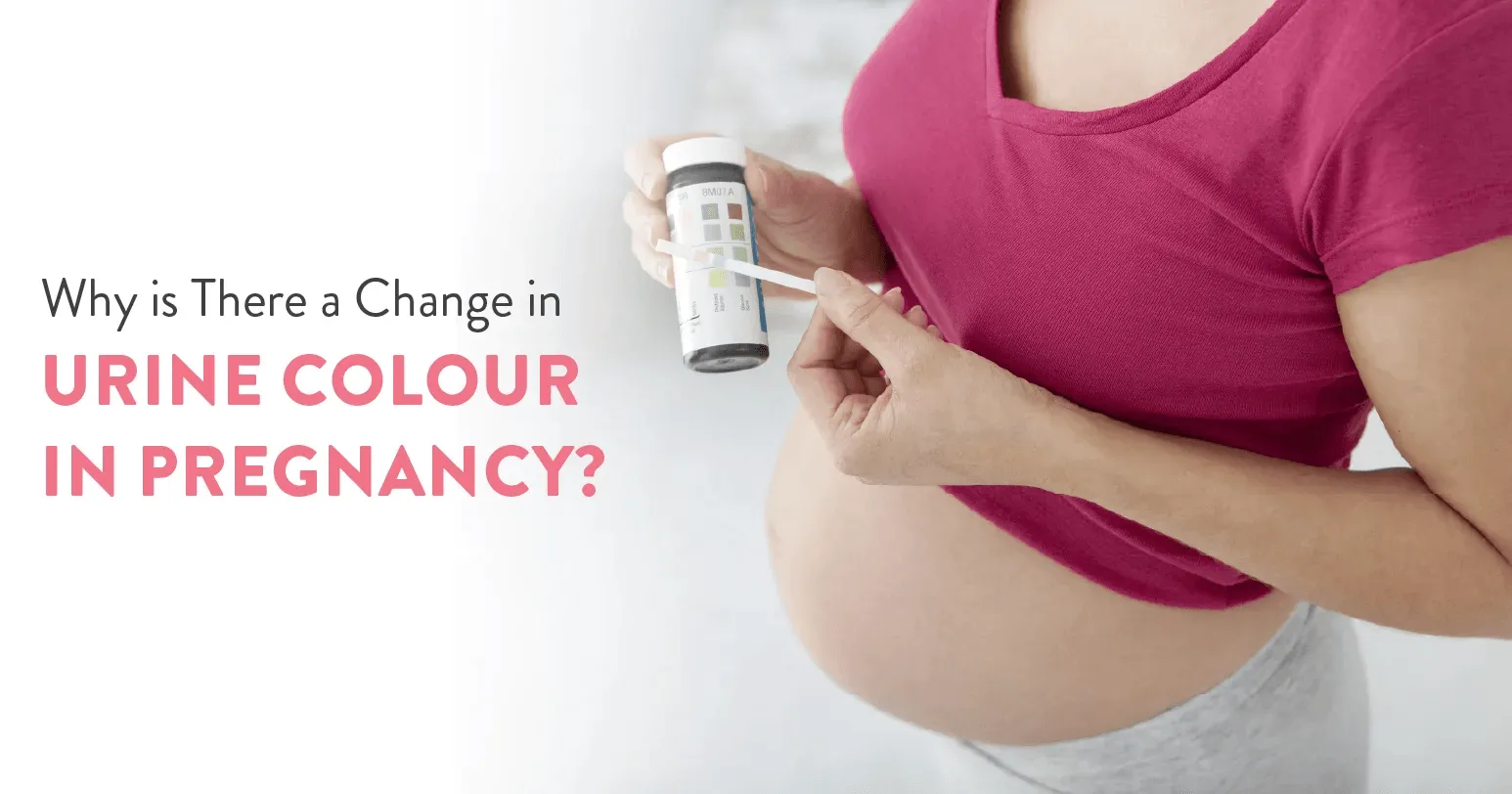
Table of Contents
Pregnancy is a beautiful journey filled with joy and transformation. During pregnancy, the body goes through a whirlwind of changes, physically and emotionally, as it prepares for childbirth. These changes are all part of the incredible experience and are all normal parts of pregnancy. Some of the most common pregnancy symptoms include hormonal changes, increased heart rate, weight gain (diet chart for weight gain), fluid retention, breast changes, and more. Plus, pregnant women also experience changes in urine colour. The change in urine is associated with various factors, including diet (balanced diet), hydration levels, supplements, and more. Also, a change in urine colour during pregnancy may indicate an underlying issue. The colour change can range from dark yellow to light yellow and also brighter shades of yellow.
In the normal course of life, a change in urine colour may indicate dehydration or be a sign of an underlying medical issue. However, during pregnancy, a change in urine colour is often considered normal, given that the body goes through hormonal changes, changes in diet and medication, which may lead to a change in colour. But, in case of sudden urine colour change or any other significant changes in colour, it may also signal a medical issue and may require consulting a specialist.
Dehydration: The most common factor that results in changes in urine colour is dehydration (dehydration despite enough water, can adding salt help?). During pregnancy, especially during the first trimester, the body requires more fluid and a lack of fluid during this phase may lead to dehydration. This may cause the urine to look darker. The key here is to maintain adequate hydration.
Hormonal Changes: Once pregnancy begins, the body starts to produce the hormone hCG (the hormone that pregnancy tests detect). Hormone hCG, along with other hormonal shifts, can affect how kidney filters waste, leading to changes in colour, smell, and appearance of urine.
Vitamins and Medications: Prenatal vitamins and medications, especially vitamin B, iron, and more, can also turn the urine bright yellow or slightly orange. Also, medications like antibiotics can influence the urine colour.
UTI: Urinary tract infections are common during pregnancy. If the urine is cloudy, smells strong, and there’s a burning sensation while passing urine, it might be a UTI. The urine may appear pink or slightly red. It is recommended to consult a healthcare provider to treat a UTI during pregnancy with safe antibiotics.
Dietary Changes: Changes in the diet are common during pregnancy, especially when there are beets, carrots, or asparagus in the diet; the urine colour may temporarily change. However, this change is completely normal and harmless.
Other potential causes of changes in urine colour during pregnancy may include liver or kidney conditions, kidney stones, preeclampsia, and more.
During pregnancy, it is normal to experience changes in the colour and appearance. The development of progesterone and hCG hormones in the body during pregnancy influences the functioning of the kidneys, resulting in a changed colour. A normal urine colour during pregnancy is pale yellow or clear urine.
| Urine Colour | What it Means |
| Clear Urine | Overhydrates; drink less water. |
| Pale Yellow Urine | Well-hydrated – normal & healthy. |
| Bright/Neon Yellow | Mild dehydration. |
| Dark Yellow | Dehydration due to concentrated urine. |
| Light Orange/Amber | Severe dehydration. |
| Cloudy or Milky | Possible UTI or presence of protein. |
| Pink or Reddish | Possible presence of blood in urine. |
| Brown or Cola Colored | Possible liver issue or dehydration. |
| Foamy or Bubbly Urine | Protein or a sign of proteinuria. |
Pregnancy test during pregnancy is a routine part of prenatal care and can be recommended by the doctor to monitor health and early signs of potential complications like UTI, kidney infections, and more. Some of the urine tests advised during pregnancy include:
Pregnancy Test: This is the first test that helps detect the presence of human chorionic gonadotropin, the hormone produced during pregnancy.
Urinalysis: A general urine test performed to check for colour, clarity, smell, pH, etc. in the urine. This helps detect early signs of infections, dehydration, and kidney issues (kidney dialysis).
Urine Culture: Urine culture is a test that checks for bacterial growth in the urine. Urine culture is done to diagnose UTI, even if symptoms do not persist.
Protein Test: As the name implies, a protein test helps detect protein in the urine. The test is helpful in screening for preeclampsia.
Glucose Test: A Glucose test is done to detect sugar in the urine. Small traces are normal in pregnancy.
Ketone Test: Ketone test during pregnancy is done to detect dehydration or uncontrolled diabetes.
Also Read: Glucose Tolerance Test – Why & When Your Doctor Recommends It
During pregnancy, the body goes through immense changes – while some are normal, others may be warning signs. When it comes to urinary changes, it is important to know when a visit to the doctor is necessary.
| Signs or Symptoms | What it Might Indicate |
| Red, Pink, or Brown Urine | May indicate blood in the urine caused by UTI, kidney stones, etc, and may require immediate medical attention. |
| Cloudy or Foul Smelling Urine | This may signal urinary tract infection (UTI). Treatment is necessary to avoid kidney infection or preterm labour. |
| Pain or Burning During Urination | Classic sign of abladder infection or UTI. The pain and burning sensation can worsen if not treated early. |
| Persistent Dark Yellow Urine | Might indicate severe dehydration, liver issues, or pregnancy complications. |
| Foamy or Cloudy Urine | Indicates excess protein in the urine; requires medical assistance & blood pressure check. |
Pregnancy changes in urine occur frequently and are usually harmless, a consequence of normal changes in hormones, fluid intake, and diet. Some changes – such as abnormal colour, odour, or pain upon urination – may be the first sign of infection or other illness. Monitoring urine and informing the physician about anything unusual leads to early treatment, safeguards health, and aids in a healthy pregnancy process for the mother and baby alike. If unsure, always double-check – better safe and having one’s mind put at ease.
Why does urine change colour after taking prenatal vitamins?
Prenatal vitamins, especially B vitamins, can cause the urine to appear bright yellow or neon yellow. The body flushes out excess vitamins it doesn’t need.
How can I tell if my urine colour is a sign of a more serious issue?
Abnormal colours like red, pink, brown, and more can signal serious infection or other issues.https://www.ckbhospital.com/blogs/hcg-levels-in-pregnancy

Table of Contents
Breast cancer is a type of cancer that affects millions worldwide. Did you know? According to the WHO, breast cancer is the most common cancer affecting women in 157 countries. Though the number of people getting affected is significantly high, the survival rates have improved in recent years. This better cervical rate can be associated with advancements in breast cancer research and treatment. Numerous technologies are being developed for the early detection and treatment of breast cancer (how to detect breast cancer at early stages) through personalised treatment options.
The landscape of breast cancer care is changing dramatically. From early detection to personalised treatment, technology is helping doctors and specialists offer more accurate diagnosis, less invasive procedures, and better outcomes for breast cancer patients.
| Area of Impact | Outcome |
| Improved survival rate | Survival rates have improved by 40%, 5-year survival rate now > 90% in early-stage cases. |
| 3D mammography | Detects 20 – 65% more invasive cancers than 2D mammograms |
| Personalized treatment approaches | Targeted therapies (e.g., HER2 inhibitors) improve survival by 33 – 50% |
| Robotic & image-guided surgery | Robotic surgery reduces hospital stay by 1 – 2 days, with faster recovery. |
Also Read: Myths about Breast Cancer
3D mammography captures multiple images from different angles to create a 3D view of the breast. The test helps detect up to 65% more invasive cancers than standard mammograms. 3D mammography is especially useful for women with dense breast tissue
Digital mammography is widely preferred and uses digital sensors instead of film to capture breast images. It offers better image clarity and allows for easier comparison with past scans. Digital mammography enables faster, more accurate readings.
Breast ultrasound uses high-frequency sound waves to detect breast abnormalities. It helps differentiate between solid breast tumours and fluid-filled cysts. The imaging test is often used as a follow-up test after a mammogram.
Breast MRI is also commonly employed for the diagnosis of breast cancer. Magnetic fields and contrast dye are used to detect abnormalities. Breast MRI is highly sensitive and is very useful for high-risk women or women with dense breast tissue. It is often used alongside mammograms for more accurate screening.
Several AI-powered tools are now being used to analyse mammograms and scans. These tools enhance accuracy by highlighting subtle abnormalities.
Also Read: Breast Cancer Screening Tests
Treatment of breast cancer through targeted therapy involves focusing on specific gen es or proteins that fuel cancer growth. It involves using medicines that block these targets and stop cancer from spreading. Targeted therapy is often combined with other treatment options.
Immunotherapy as a treatment option boosts the body’s immune system to fight cancer cells. Immunotherapy is widely recommended for the treatment of triple-negative breast cancer. Various drugs and medicines help the immune system (tips to boost your immunity) recognize and attack cancer.
Radiation therapy employs high-energy rays (like X-rays or protons) to destroy cancer cells in a targeted area. The treatment option is often recommended after surgery to reduce the risk of recurrence.
Chemotherapy (how chemotherapy works against cancer) is the most widely recommended treatment option. The treatment involves using drugs to kill rapidly dividing cancer cells throughout the body. Chemotherapy is also used to shrink tumours to enable breast-conserving surgery.
Minimally invasive surgery for breast cancer aims to remove cancerous tissue while preserving as much healthy breast tissue as possible, or minimizing scarring and recovery time. The surgeries utilize smaller incisions, which leads to improved cosmetic outcomes and reduced postoperative pain. Some of the minimally invasive surgery for breast cancer involves:
Lumpectomy (the best chance to beat breast cancer) involves removing only the tumour and a small margin of surrounding healthy tissue. It helps preserve most of the breast’s appearance and structure. Lumpectomy is suitable for early-stage cancer or when the tumour is small or localized.
Robotic-assisted surgery is a minimally invasive technique involving the use of robotic arms controlled by a surgeon. The surgery offers high precision, smaller incisions, less pain, and faster recovery. Robotic-assisted breast surgery can be used for both tumour removal and reconstruction procedures.
Cryoablation is a non-surgical method for the treatment of breast cancer. It is preferred for early-stage or small tumours. It involves destroying cancer cells by freezing them. Freezing creates ice crystals that kill the cancer cells.
Also Read: When to Worry About Breast Lumps
Post-treatment technologies help with monitoring the treatment outcomes, supporting recovery, monitoring recurrence, and improving long-term outcomes. Some of the post-treatment technologies include:
Also Read: Breast Lump – Causes, Symptoms, Treatment & How to identify it
Can technology completely replace traditional methods in breast cancer treatment?
No technology can completely replace traditional methods, though it can transform and enhance traditional methods, making them more accurate, less invasive, and more personalised.
How accurate is AI in diagnosing breast cancer?
AI in diagnosing breast cancer is widely being adopted, given its accuracy, particularly in reducing false positives and improving specificity.
Table of Contents
Turmeric milk is something we have all grown up with – whether it was a cough or cold or to boost immunity, it’s been our go-to remedy from childhood to adulthood. It is also called golden milk due to its golden-yellow colour and its golden health benefits.
Did you know? Golden milk is an ancient drink known for its roots in Ayurveda. Also called ‘haldi doodh’, it was used for centuries for healing and immunity.
Turmeric milk is widely preferred for its anti-inflammatory and antioxidant properties. Turmeric is a flowering plant from the ginger family and is scientifically called Curcuma Longa.
According to an expert nutritionist at the CK Birla Hospital, Ms. Deepali Sharma, turmeric milk is the immunity hero to the body. Varying research reveals that curcumin in turmeric naturally possesses antiviral, antifungal, and antibacterial properties, which may help prevent infections and illnesses.
Also Read: Balanced Diet Chart
| Fiber | 2.1 g |
| Protein | 0.91 g |
| Carbohydrates | 6.31 g |
| Calcium | 15.8 mg |
| Iron | 5.17 mg |
| Magnesium | 19.6 mg |
| Phosphorus | 28.1 mg |
| Potassium | 196 mg |
| Sugar | 0.3 g |
| Fat | 0.31 g |
Also Read: 10 Places where hidden sugar can sneak into your diet
Turmeric milk is known to have various health benefits, incorporating it in the diet can help with improved digestive health, healthy metabolism, support bone health, and enhance overall well-being.
Turmeric milk is rich in curcumin, an active compound in turmeric, a potent antioxidant and anti-inflammatory agent. Adding turmeric milk to the diet can help enhance the body’s ability to fight off infections. Additionally, milk is a good source of calcium (hypocalcemia-calcium deficiency disease), vitamins (vitamin D foods & it’s benefits), and minerals, which also play a role in supporting the immune system (tips to boost your immune system).
Turmeric milk is widely consumed given its role in reducing inflammation. Turmeric is packed with components high in anti-inflammatory properties. Consuming turmeric milk can help reduce inflammation in the body and help alleviate symptoms of conditions like arthritis (types, symptoms, causes, risk factor & treatment), muscle soreness, joint pain (why joint pain occurs, symptoms, treatment & prevention), and more.
Golden milk is also associated with promoting brain health (6 ways to improve brain function). Studies reveal that curcumin in turmeric increases levels of brain-derived neurotrophic factor, which helps the brain form new connections and brain cells.
Consuming turmeric milk is also linked to better heart health (step-by-step first aid for heart attack). Several studies reveal that curcumin in turmeric improves endothelial function, which reduces pressure on the heart walls.
Turmeric milk is a go-to solution for digestive issues (tips for better digestive health). Consuming turmeric milk stimulates bile production, which helps speed up digestion and helps reduce symptoms of indigestion (food for indigestion – what to eat & what not).
Some research suggests that turmeric helps improve mood, given that it is high in brain-derived neurotrophic factor, which boosts mood and reduces symptoms of depression.
Turmeric is high in antioxidant and anti-inflammatory properties, which help bring out a natural glow. Plus, consuming turmeric can help reduce skin redness and inflammation.
Adding turmeric milk to the diet is also associated with reduced risk of cancer (symptoms that can signal the presence of cancer much before diagnosis). Curcumin in turmeric contains anti-cancer properties that inhibit the expansion of certain cancer cells.
Turmeric milk is quite beneficial for bone health (best food for strong bones & joints). Given its high calcium content, it can help strengthen the bones, improve bone density, and prevent diseases affecting the bones.
Consuming warm turmeric milk is known to be associated with better sleep quality. Milk contains tryptophan, an amino acid that the body converts into serotonin and melatonin, both crucial for regulating sleep. Plus, curcumin’s anti-inflammatory and antioxidant properties help reduce stress & anxiety, resulting in better sleep quality (know about sleep disorders – it’s types, causes & treatment).
Also Read: Health Benefits & Side Effects of Eating Raw Garlic
So far, we’re already aware of the benefits of drinking turmeric milk, but given the number of benefits mentioned and so much more, it might be obvious that it might take a lot of effort to make it. However, making turmeric milk is quite easy and requires minimal effort. Here’s how:
Ingredients for making turmeric milk (haldi doodh):
Instructions for making turmeric milk (haldi doodh):
Turmeric milk can be consumed in the morning to start off the day, in the afternoon, or before going to bed. Though some studies recommend consuming turmeric milk before bedtime, given it improves sleep quality, promotes relaxation, etc.
Also Read: Top Vitamin B12 Rich Foods
Consuming one cup of turmeric milk is considered safe, preferably at night, and can help with,
However, people with any pre-existing medical conditions should ideally consult a healthcare provider before daily consumption of golden milk. Also, moderation is the key, too much turmeric milk can lead to conditions like stomach upset (food for upset stomach), or it can interfere with certain medications.
Also Read: Mango – Health Benefits & Nutritional Value
Although turmeric milk in moderation is not known to cause any issues, though excess consumption can lead to several side effects, including:
| Side Effects | Description |
| Stomach Upset & Bloating | Too much turmeric can irritate the digestive tract & lead to acidity, gas, etc. |
| Blood Thinning | Turmeric has natural blood thinning properties, excess consumption can increase the risk of bleeding, especially if already on blood-thinning medication. |
| Allergic Reaction (skin allergy) | Though rare, some individuals may experience allergic reactions like rashes (common skin rashes in children), hives, etc. |
| Kidney Stones (causes, signs, prevention & treatment) | Turmeric contains oxalates, which may increase the risk of kidney stones in susceptible individuals. |
Also Read: Best Food for Healthy Weight Journey
Turmeric milk has numerous health benefits, though it might not be suitable for everyone. Certain groups of people should avoid consuming turmeric milk or only consume it after consulting a healthcare provider.
Is haldi milk good for a cough?
Yes, haldi milk is often recommended given its antioxidant and antiviral properties.
Can we drink turmeric milk daily?
Yes, turmeric milk can be consumed daily in moderation. People with pre-existing medical conditions should consult their healthcare provider beforehand.
Is turmeric milk good for colds?
Yes, warm turmeric milk is considered good for colds.
Can we drink turmeric milk during periods?
Yes, drinking turmeric milk during periods can be beneficial.
Does turmeric milk increase testosterone?
Turmeric milk has an active compound called curcumin, which is linked to promoting health benefits for males, though there is no direct relation between turmeric milk and testosterone production.

Table of Contents
क्या आप रात में अचानक कान में उठने वाला दर्द से परेशान हैं? क्या कभी आपके साथ ऐसा हुआ है कि आपका बच्चा रात को रोते हुए उठे और रोने के दौरान वह अपना कान पकड़े। इस समय पेरेंट की हालत ऐसी होती है कि वह न ही कुछ कर पाते हैं और न ही समझ पाते हैं कि उनके बच्चे के साथ ऐसा क्यों हो रहा है। चलिए कान दर्द के बारे में बात करते हैं, जो हर साल न जाने कितने लोगों का दैनिक जीवन प्रभावित कर रहे हैं।
डब्ल्यूएचओ (WHO) की रिपोर्ट के अनुसार, भारत में करीब 7% आबादी किसी न किसी तरह की सुनाई देने की समस्या से परेशान है, और इनमें सबसे बड़ा कारण कान का संक्रमण (Infection) और दर्द है। दुर्भाग्य से ज्यादातर लोग इसे मामूली समझकर नजरअंदाज कर देते हैं, जो कभी नहीं करना चाहिए। यदि आप या आपका बच्चा अभी तकलीफ में है, तो बिना देर किए हमारे अनुभवी ईएनटी विशेषज्ञ से मिलें और इलाज लें।
कान हमारे शरीर का वह भाग है, जो हमें हमारे आस-पास की चीजों को सुनने में बहुत मदद करता है। हमारा कान मुख्य रूप से तीन भाग में बंटा हुआ है – अंदरूनी नली, पर्दा (Eardrum) और बाहरी कान। अंदरूनी नली और पर्दा (Eardrum) हमारे कान के सबसे संवेदनशील भाग है, जो किसी भी संक्रमण, चोट या ब्लॉकेज से प्रभावित हो सकते हैं। इसके कारण हमारे कान में दर्द शुरू हो जाता है, जिसे मेडिकल भाषा में ओटेलगिया (Otalgia) कहा जाता है।
भारत में हर 10 में से 3 बच्चे ओटिस मीडिया- Otitis media (मध्य कान का संक्रमण) से पीड़ित हैं। यह समस्या बच्चों में अधिक देखी जाती है, क्योंकि बच्चों की यूस्टेचियन ट्यूब – eustachian tube (कान के मध्य भाग को गले तक जोड़ने वाली ट्यूब) पतली होती है और सर्दी-जुकाम के कारण वह जल्दी बंद भी हो जाती है। यही ब्लॉकेज कान में दर्द, भारीपन और संक्रमण को जन्म दे सकता है।
अक्सर जब कान की समस्या के साथ हमारे पास कोई पेशेंट आता है, तो वह हमसे सिर्फ एक ही प्रश्न पूछता है कि कान दर्द क्यों होता है? इसके पीछे कई कारण हो सकते हैं। चलिए कुछ प्रमुख कारणों के बारे में जानते हैं –
और पढ़े: यूरिक एसिड बढ़ने का कारण, लक्षण, इलाज और आसान घरेलू नुस्खे
कान दर्द स्वयं एक मुख्य लक्षण है, लेकिन इसके साथ-साथ कुछ और भी लक्षण होते हैं, जिन्हें हम अक्सर नजरअंदाज कर देते हैं। ध्यान रखें, यदि आपको भी इन लक्षणों का अनुभव हो, तो सावधान रहें –
कई बार हम कान के दर्द को सामान्य दर्द की दवा जैसे कि पेरासिटामोल खा कर कम करने का प्रयास करते हैं। वह उस दिन के लिए आपको राहत देगा, लेकिन अगले दिन फिर से आपको दर्द होने लगेगा। कुछ समय के बाद वह एक गंभीर संक्रमण का भी रूप ले सकता है। इस स्थिति में एक अनुभवी ईएनटी विशेषज्ञ (ENT Doctors at CK Birla Hospital) स्थिति के अनुसार आपको एंटीबायोटिक दवाएं दे सकते हैं। यदि स्थिति अधिक गंभीर होगी, तो सर्जरी की आवश्यकता पड़ सकती है।
कान दर्द कोई ऐसी बीमारी नहीं है, जिसके लिए आप तत्काल स्थिति में आराम के लिए कुछ नहीं कर सकते हैं। हालांकि कुछ आसान और प्रभावी घरेलू उपाय हैं, जिनसे आपको कुछ समय के लिए आराम मिल सकता है, जैसे कि –
यदि दर्द लगातार हो रहा है और इसकी तीव्रता भी बढ़ती जा रही है, या फिर इसमें मवाद आ रहा है, तो डॉक्टर से मिलें और तुरंत इलाज लें। वह कान दर्द के इलाज के तौर पर आपको इयर ड्रॉप (ear drops) का सुझाव दे सकते हैं।
और पढ़े: इन्फ्लूएंजा और मौसमी फ्लू से बचाव के उपाय
बच्चों में कान दर्द एक खतरनाक स्थिति है, क्योंकि वह यह नहीं बता सकते हैं कि दर्द क्यों और कहां हो रहा है। यदि इस स्थिति का इलाज नहीं होता है, तो यह एक गंभीर बीमारी का कारण भी बन सकता है। यदि वह अपना कान पकड़ कर रोते हैं या फिर उनके कान से मवाद निकल रहा है, तो आप निम्न उपायों को अपना सकते हैं –
और पढ़े: गोंद कतीरा: फायदे, नुकसान और सेवन का सही तरीका
हम हमेशा कहते हैं कि बचाव इलाज से बेहतर है। आप निम्न उपायों का पालन कर कान दर्द की स्थिति को ही उत्पन्न होने से रोक सकते हैं –
यह 5 संकेत मिले, तो तुरंत ईएनटी विशेषज्ञ से संपर्क करें –
और पढ़े: धूप में अपनी त्वचा को बचाने के लिए अपनायें ये घरेलू उपाय
कान दर्द कोई छोटी समस्या नहीं है। इसे नजरअंदाज करना खतरे से खाली नहीं है। सही वक्त पर डॉक्टर की सही सलाह, घरेलू उपाय और उपयुक्त इलाज आपको आसानी से राहत दिला सकता है। याद रखें — कान स्वस्थ तो सुनाई साफ!
अगर आप या आपका बच्चा कान दर्द से परेशान है, तो बिना देर किए अपना परामर्श सत्र बुक करें (book an appointment) और इलाज लें।
और पढ़े: जानिए ओरल रिहाइड्रेशन सॉल्यूशन (ओआरएस) क्या है और इसके क्या फायदे हैं ?
क्या कान में संक्रमण से पर्दा फट सकता है?
हाँ, यदि कान के संक्रमण का इलाज नहीं होता है, तो इसके कारण कान का पर्दा फट सकता है। इसके कारण सुनने की शक्ति पर स्थायी असर पड़ सकता है।
क्या कान दर्द से बहरापन हो सकता है?
यदि बार-बार संक्रमण होता है और सही इलाज नहीं मिलता है तो व्यक्ति की हमेशा के लिए सुनने की शक्ति जा सकती है। कई बड़ी-बड़ी स्वास्थ्य एजेंसी मानते हैं कि सभी मामलों में से 60% मामले जल्दी इलाज से आसानी से ठीक हो सकते हैं।
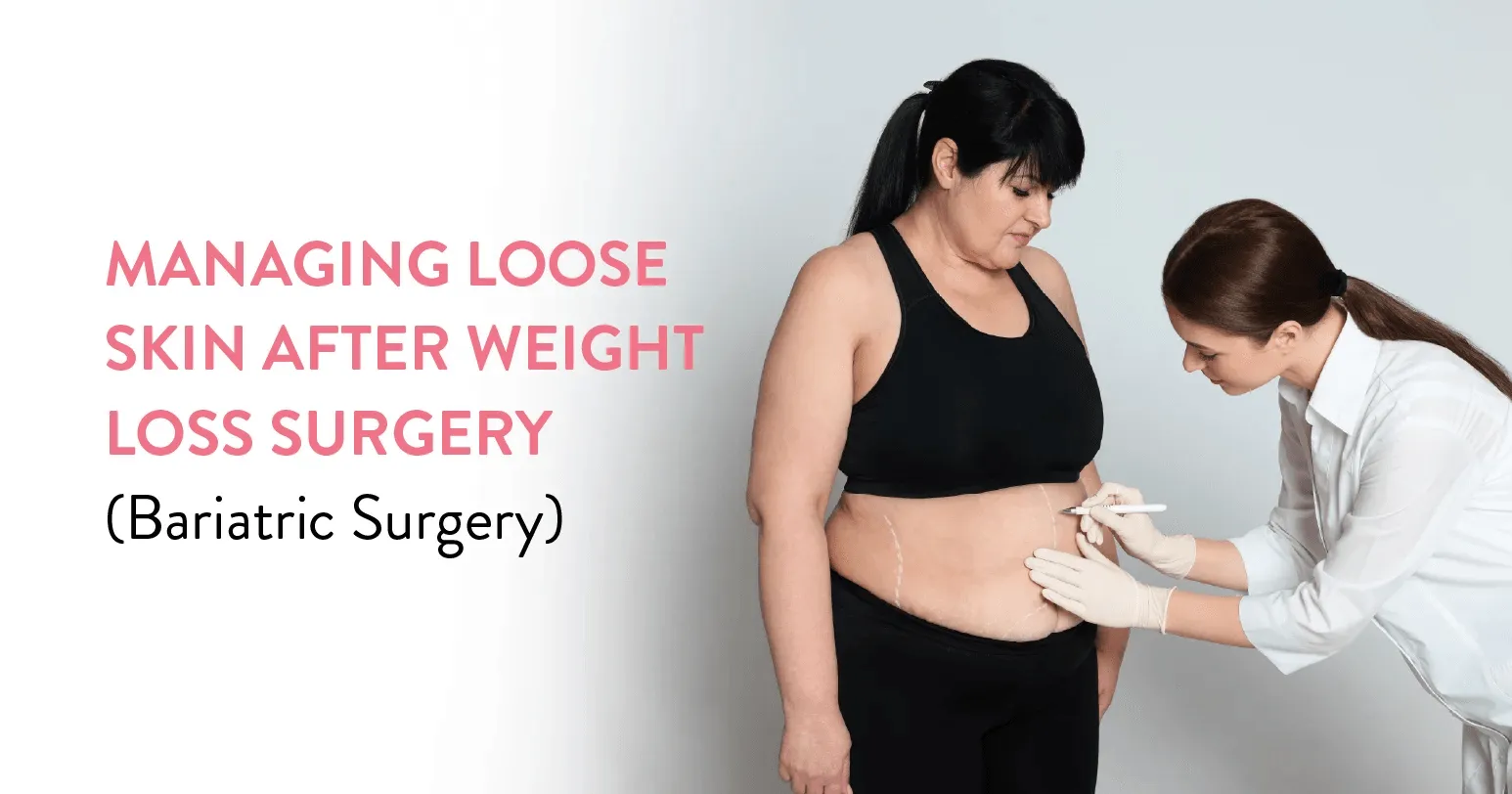
Table of Contents
Weight loss is a process to reduce the overall body mass. Weight loss can be done intentionally through diet and physical exercise, and unintentionally by illness and other factors. Losing weight or maintaining a healthy weight helps prevent any complications and aids in maintaining overall well-being. Weight loss can be done through dietary changes, physical activities, lifestyle adjustments, and more. However, there are conditions where weight loss is not possible through physical exercises, diet changes, and more, plus they are unlikely to work effectively. In such situations, bariatric surgery or weight loss surgery is recommended. People with severe obesity, type 2 diabetes (if uncontrollable), high BP, non-alcoholic fatty liver disease, and other conditions where weight loss is not possible through diet, exercise, etc, are advised to undergo bariatric surgery to improve serious medical conditions, reduce complications, and enhance quality of life.
Post bariatric surgery, people who went with significant weight loss can leave them with excess sagging skin which may affect self confidence, make the skin lose elasticity, may make it harder to find clothes that fits, etc. Rapid weight loss can lead to sagging skin around the abdomen, arms, thighs, breasts, and face.
Loose skin after bariatric surgery is a very common and natural outcome of significant weight loss. Some of the common causes of loose skin after bariatric surgery include:
Also Read: Bariatric Surgery – The Ultimate Weight Loss Solution
After weight loss surgery, some areas of the body are more likely to develop loose skin or sagging skin including,
Also Read: Best Foods for Healthy Weight Loss Journey
Loose skin after bariatric surgery is a totally natural outcome and can be managed with surgical and non-surgical options. A combination of these two can also be effective and is used widely to get rid of loose skin. Some of the surgical options to manage loose skin after weight loss surgery include:
Also Read: Diet Chart for Weight Loss
Also Read: How does weight loss affect daily life?
| Preventive Measures | Benefits |
| Nutrient Rich Diet | Eat a healthy diet since it makes the skin ready for elasticity & healing. |
| Strength Training Exercises | Engage in training as it helps improve body composition and fill loose skin. |
| Avoid Smoking | Quit smoking as it breaks down collagen & weakens skin. |
| Creams | Use topical creams to support skin health before weight loss begins. |
Also Read: Is exercise alone enough for weight loss
| Preventive Measures | Benefits |
| Maintain Hydration | Drink plenty of fluids as it helps keep the skin firm and resilient. |
| Regular Physical Exercise | Exercise regularly to build muscle under skin as it helps improve the overall tone. |
| Topical Care | Use firming location with collagen, retinol, etc, can improve mild skin sagging |
| Nutrient Rich Diet | Stick to a high protein diet as it helps support collagen production and healing. |
Read More: Soaked Almonds VS Raw Almonds for Weight Loss
Is bariatric surgery safe?
Yes, bariatric surgery is considered safe. Though there are certain risk factors involved, which must be clarified with a healthcare provider.
How do you qualify for bariatric surgery?
Individuals with a BMI of 40+ or BMI of 35+ with one obesity related health condition, or individuals who are unable to lose weight through other measures, are often recommended for bariatric surgery.
How successful is bariatric surgery?
Bariatric surgery is considered successful, particularly in achieving substantial and sustained weight loss for individuals with severe obesity.
What is the minimum weight for bariatric surgery?
The eligibility for bariatric surgery is determined by BMI (body mass index). Individuals with a BMI of 40+ are qualified for bariatric surgery.
Eating healthy is something we all aspire to, but there always seems to be something that holds us back. Sometimes it’s the effort it takes to whip up nutritious meals, other times it’s just the flavor. The good news is that these days, there are plenty of tasty and easy-to-make healthy options available. Think about all the choices out there, from oats and protein-packed cereals to muesli and beyond. And let’s not forget quinoa, a fantastic gluten-free option that’s both healthy and versatile!
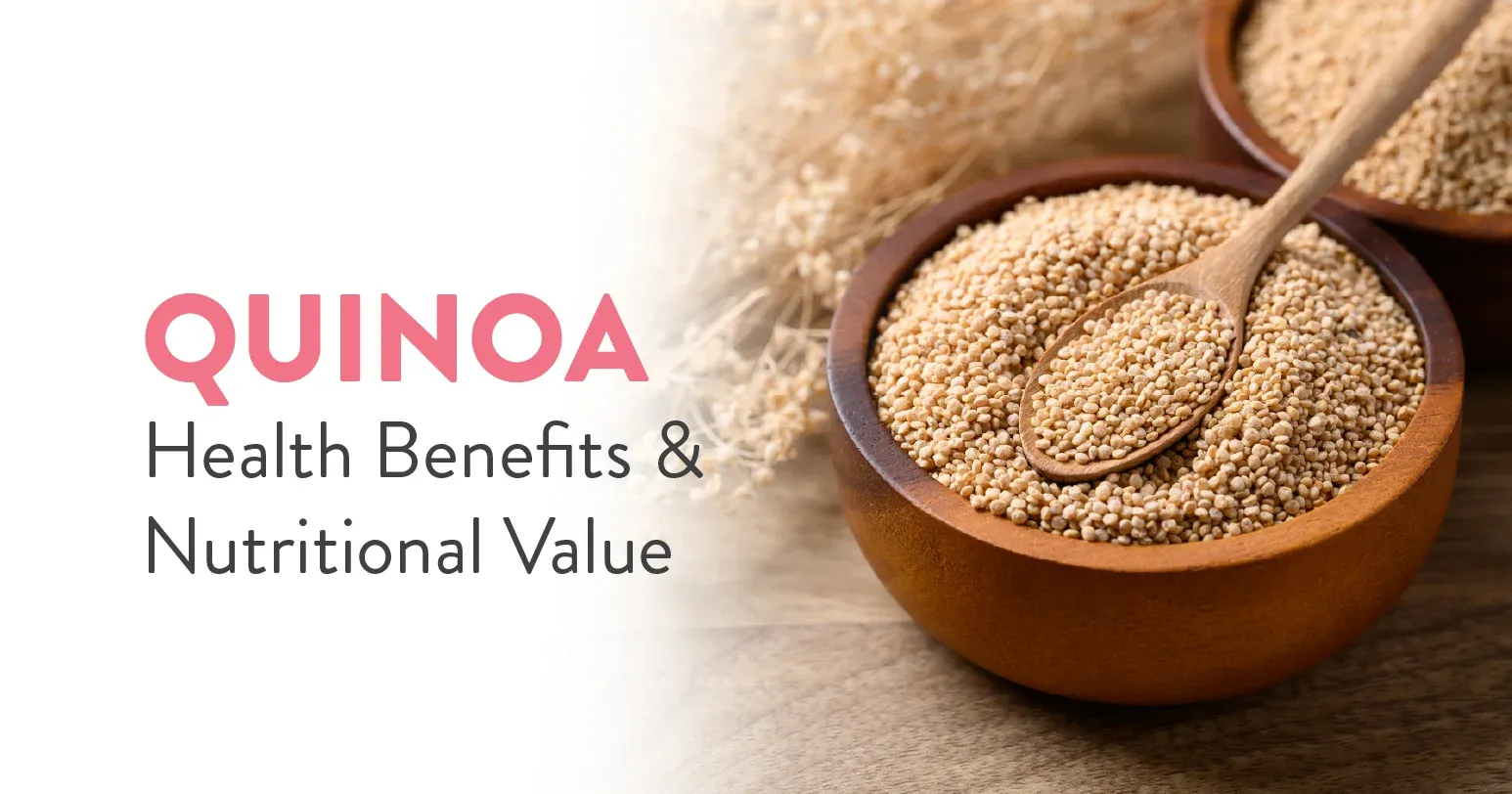
Quinoa has become a popular healthy food in the last few years. It is a flowering plant cultivated for its seeds. Quinoa is also sometimes referred to as a pseudo-cereal as it is prepared and eaten like a grain. Quinoa is widely preferred as it’s packed with nutrients like protein, zinc, fiber, antioxidants, folate, etc. Plus, quinoa doesn’t take long to prepare!
Did you know? Quinoa is a complete protein source, i.e. it contains all 9 essential amino acids that the human body cannot produce on its own. Quinoa is also making it to the list of diets for bodybuilders due to its high protein content and other nutritional benefits.
Table of Contents
Quinoa is technically a seed which is cooked and eaten like a grain. It is a nutritious grain-like seed from the Chenopodium quinoa plant. Quinoa is a preferred choice for people who are gluten-intolerant, as quinoa is naturally gluten-free. Quinoa is now being used as a substitute for rice and makes a great addition to salad, soups, breakfast bowls, and more.
Quinoa is native to the Andean reg ion of South America, but given its nutritional benefits, it is now widely grown in various countries in the world. Several reports indicate that quinoa has been cultivated for approximately 5000 years.
Quinoa is a good source of fiber, which aids indigestion (tips for better digestive health), prevents constipation (causes, treatment & prevention), and helps manage blood sugar. Also, it is rich in antioxidants and healthy fats (good fats vs bad fats) that support cardiovascular health. Quinoa is now also being widely preferred for weight loss (diet chart for weight loss), given it is high in protein (top high protein foods)and fiber, which is good for satiety.
The table below showcases the nutritional composition of 100 g of cooked quinoa:
| Nutrients | Amount |
| Calories | 120 calories |
| Protein | 4.4 g |
| Carbs | 21.3 g |
| Sugar | 0.9 g |
| Fiber | 2.8 g |
| Fat | 1.9 g |
| Magnesium | 64 mg |
| Iron | 1.5 mg |
| Potassium | 172 mg |
| Calcium | 17 mg |
Quinoa is also a good source of B vitamins including B2, B6, and B9. Several studies also note that quinoa is good for individuals with type 2 diabetes (tips to manage type 2 diabetes) as it can help regulate blood sugar levels.
Also Read: Summer Acne – Tips for preventing summer acne breakouts
Given the list of nutrients quinoa is filled with, it is no surprise that it has advantages for overall well-being. Quinoa has been cultivated in South America since ancient times. The Inca people of South America also considered it a sacred food. In recent years, quinoa has seen quite a lot of popularity, not just because of its being nutrient-rich but also because it is easy to grow. Some of the health benefits of quinoa include:
There are several ways quinoa can be incorporated into the Indian diet. Here’s how:
Read More: Top Vitamin B12 Rich Foods
How to cook quinoa?
Rinse the quinoa, then combine it with water and bring it to a boil. Further, simmer it for 15 minutes to allow the liquid to get absorbed and the quinoa to become tender.
Is quinoa a millet?
Quinoa is not a millet; it is a seed.
Is quinoa gluten-free?
Yes, quinoa is naturally gluten-free.
Is quinoa good for diabetics?
Yes, quinoa has a low glycemic index, making it a good choice for diabetic patients.
Is quinoa good for weight loss?
Yes, quinoa is good for weight loss. Given its high protein and fiber content, it can make people feel full and satisfied, leading to reduced calorie intake.
Can quinoa help you lose weight?
Yes, quinoa can help you lose weight.
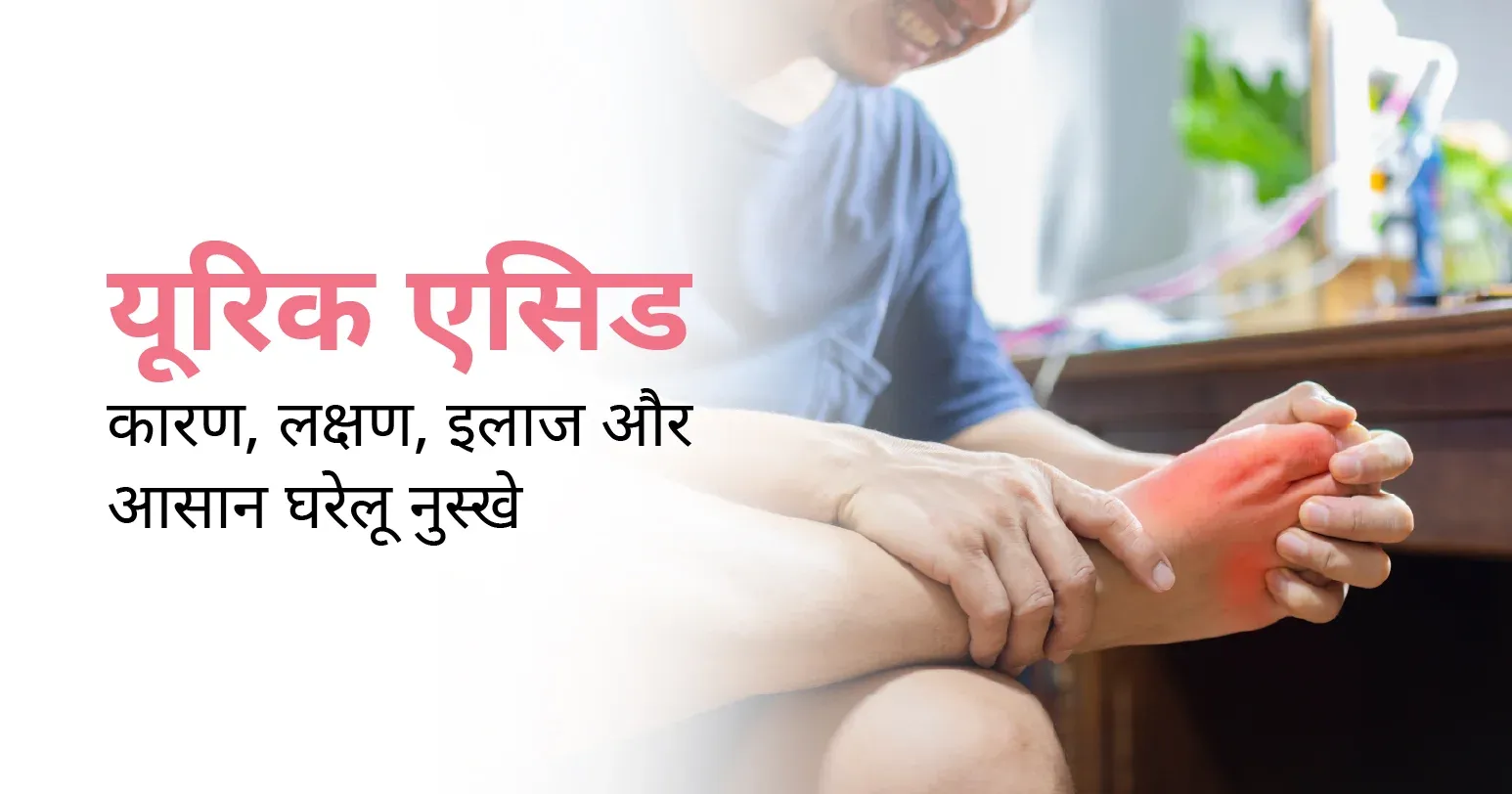
कहीं आपकी हड्डियों का दर्द कोई छुपा हुआ खतरा तो नहीं है? क्या आप भी जब सुबह उठते हैं, तो घुटनों में खिंचाव, उंगलियों में सूजन या पैरों के अंगूठे में असहनीय दर्द महसूस होता है? यदि हां, तो आप इसमें अकेले नहीं हैं। हर साल लाखों लोग भारत में हाई यूरिक एसिड की समस्या का सामना करते हैं। नेशनल हेल्थ पोर्टल के अनुसार, भारत में 10 में से 3 लोग किसी न किसी स्टेज पर गठिया या यूरिक एसिड की तकलीफ का शिकार होते हैं।
यदि समय रहते इस स्थिति का निदान एवं इलाज हो जाता है, तो यह आपके जोड़ों को अधिक नुकसान नहीं पहुंचा पाता है। कई बार लोग इसे मामूली दर्द समझकर अक्सर नजरअंदाज कर देते हैं, लेकिन सही जानकारी और सही इलाज से आप न सिर्फ दर्द से राहत पा सकते हैं, बल्कि अपनी लाइफ क्वालिटी को भी बेहतर बना सकते हैं। चलिए समझते हैं कि आप इस हाई यूरिक एसिड की समस्या को कैसे हरा सकते हैं। आज ही अपने यूरिक एसिड की जांच कराएं और जरूरत हो तो हमारे विशेषज्ञ डॉक्टर से सलाह लें। याद रखें — सही समय पर किया गया इलाज ही सबसे बड़ा बचाव है।
ये भी पढ़े: नसों में दर्द का कारण और उपचार | Nerve Pain in Hindi
Table of Contents
यूरिक एसिड या यूरिक अम्ल शरीर में प्यूरिन नामक तत्व के टूटने से बनने वाला पदार्थ है। प्यूरीन प्राकृतिक रूप से हमारे शरीर और कुछ भोजन में होता है। कई मेडिकल रिपोर्ट के अनुसार रेड मीट, मछली, बीयर, राजमा जैसे खाद्य पदार्थ प्यूरीन से भरपूर होते हैं, जिनके सेवन से यूरिक एसिड की मात्रा बढ़ जाती है। यह समस्या तब अधिक हो जाती है, जब यूरिक एसिड का बनना ज्यादा हो जाता है या किडनी इस पदार्थ को शरीर से बाहर निकालने में असमर्थ हो जाती है। इसके कारण यूरिक एसिड खून में जमने लगता है और क्रिस्टल्स बनाकर जोड़ों में जमा होने लगता है, जिससे गठिया (Gout) की समस्या उत्पन्न हो सकती है।
भारत के प्रसिद्ध अस्पताल, AIIMS के रूमेटोलॉजी (Rheumatology) विभाग के अनुसार शहरी इलाकों में लगभग 25% गठिया के मरीज हाई यूरिक एसिड जैसी गंभीर समस्या का सामना करते हैं। विशेषज्ञों का मानना है कि इसके पीछे का कारण गलत खानपान और लाइफस्टाइल है, जिसके कारण व्यक्ति की जीवन शैली गंभीर रूप से प्रभावित होती है। किसी भी अस्पताल में हर रोज न जाने कितनी ही मरीज जोड़ों में दर्द की शिकायत के साथ आते हैं, लेकिन आपको यह समझना होगा कि सही टेस्ट की मदद से ही इस स्थिति का निदान और इलाज संभव हो सकता है।
यूरिक एसिड बढ़ने के कई कारण हो सकते हैं। चलिए उन सभी कारणों को समझते हैं, जिससे शरीर में यूरिक एसिड की मात्रा बढ़ती है –
यूरिक एसिड बढ़ने के लक्षण बहुत धीरे-धीरे उत्पन्न होते हैं। यह लक्षण शुरुआत में बहुत कम होते हैं, लेकिन समय के साथ यह बहुत बढ़ सकते हैं। हाई यूरिक एसिड की स्थिति में निम्न लक्षण उत्पन्न हो सकते हैं –
कई बार पेशेंट को लग सकता है कि यह सामान्य गठिया या उम्र का असर है। लेकिन आपको यह समझना होगा कि सही टेस्ट से ही सही डायग्नोसिस संभव है।
यूरिक एसिड के इलाज के लिए कई चीजें मदद करती हैं जैसे कि दवाएं, लाइफस्टाइल में बदलाव, घरेलू उपाय और अन्य तरीके। चलिए एक-एक करके उनके बारे में बात करते हैं –
यहां आपको ध्यान रखना होगा कि बिना डॉक्टर के सलाह के कोई भी दवा न लें और यदि किसी भी दवा का सुझाव डॉक्टर दे रहे हैं, तो बिना उनसे पूछे उन्हें न छोड़ें।
कुछ घरेलू उपायों की मदद से आप अपने शरीर में बढ़ते यूरिक एसिड को आसानी से कम कर सकते हैं। इलाज के साथ कुछ आसान हेल्दी आदतें आपके यूरिक एसिड को कंट्रोल करने में बहुत मदद कर सकते हैं –
चलिए एक टेबल से समझते हैं कि आपको क्या खाना चाहिए और क्या नहीं, जिससे आपको मदद भी मिलेगी।
| ✅ क्या खाएं | ❌ क्या नहीं खाएं |
| दालें (सीमित मात्रा में) | रेड मीट, ऑर्गन मीट (कलेजी और किडनी) |
| हरी सब्जियां (पालक, मेथी) | सी फूड — मछली, झींगा |
| खट्टे फल — नींबू, संतरा | बीयर और शराब |
| नट्स — बादाम, अखरोट (मॉडरेट अमाउंट) | प्रोसेस्ड फूड — नमकीन, पैक स्नैक्स |
| दूध, दही — कम फैट वाला | शुगर ड्रिंक्स — सोडा, कोल्ड ड्रिंक |
अगर आपके यूरिक एसिड के लक्षण बार-बार उभर रहे हैं, तो डॉक्टर से मिलना बिल्कुल न टालें, क्योंकि धीरे-धीरे यह आपके और हमारे जीवन को गंभीर रूप से प्रभावित करने वाली बीमारी बनती जा रही है। जोड़ों को स्वस्थ रखना आपकी आने वाली जिंदगी के लिए बेहद जरूरी है। यह हमारे शरीर का एक अभिन्न भाग है और छोटा-सा टेस्ट, सही खानपान और कुछ आदतों में बदलाव आपको दर्द से छुटकारा दिला सकता है। यदि आप या आपके परिवार में कोई इस समस्या से परेशान है, तो आज ही हमारे विशेषज्ञों से मिलें और इलाज के विकल्पों पर बात करें।
और पढ़े: बदलते मौसम में बीमारियों से बचने के आसान टिप्स
अचानक यूरिक एसिड क्यों बढ़ता है?
ज्यादा प्यूरीन डाइट, शराब, कम पानी पीना, अचानक वजन कम होना या कुछ दवाइयों के कारण यूरिक एसिड अचानक बढ़ सकता है।
क्या यूरिक एसिड 7.4 हाई है (uric acid normal range)?
हां, सामान्य तौर पर पुरुषों में 7 mg/dL और महिलाओं में 6 mg/dL से ज्यादा यूरिक एसिड हाई माना जाता है।
नॉर्मल यूरिक एसिड कितना होता है?
नॉर्मल यूरिक एसिड पुरुष में लगभग 3.4–7.0 mg/dL और महिला में यह स्तर लगभग 2.4–6.0 mg/dL होता है।
यूरिक एसिड टेस्ट कैसे होता है?
यूरिक एसिड टेस्ट के लिए लैब में खून का सैंपल लेकर या 24 घंटे का यूरिन टेस्ट किया जाता है। यह दोनों टेस्ट आपके शरीर में हाई यूरिक एसिड के बारे में आपको बता सकता है।
यूरिक एसिड नार्मल कितना रहना चाहिए?
सामान्य तौर पर पुरुषों में 7 से कम और महिलाओं में 6 से कम होना चाहिए। टेस्ट में यदि स्तर अधिक है, तो बिना देर किए डॉक्टर से मिलें और इलाज लें।

Table of Contents
World Hepatitis Day is observed on the 28th of July every year to raise awareness about hepatitis, a leading cause of severe liver disease (know about various liver diseases) and liver cancer (8 signs your liver is healing).
The theme for this year’s Hepatitis Day is ‘Let’s break it down’, which aims to break down barriers that hold us back from a hepatitis-free world. Hepatitis is a global health concern. Did you know? More than a million people lose their lives to hepatitis, and this rising number is associated with low awareness, misinformation, myths, stigma, and more.
This world hepatitis day, let’s debunk the myths around hepatitis and its treatment and end this entirely preventable disease.
Hepatitis is defined as a condition related to inflammation of the liver. The condition is often associated with viral infections, alcohol abuse, toxins, autoimmune disorders (autoimmune hepatitis- causes, types & treatment), etc. People affected with hepatitis usually experience symptoms like fatigue, feeling of weakness, fever (causes, symptoms & treatment), nausea, loss of appetite, pain in the upper abdomen, diarrhoea (8 home remedies for loose motion), and more. Hepatitis has 5 main types: A, B, C, D & E. The types are further characterised as viral, toxic, and autoimmune hepatitis.
Did you know? In India, viral hepatitis is recognized as a public health concern. Talking about global numbers, according to several studies, more than 300 million people are living with hepatitis.
Viral hepatitis, the inflammation of the liver caused by viral infection, is most common. It can lead to serious liver damage, cirrhosis, or liver cancer.
Also Read: Important Vaccines for Newborns
There are numerous myths and misinformation about hepatitis, which often leads to delayed treatment or severe complications. Some of the common ones are included below:
Hepatitis is also believed by many to be an untreatable disease. Though treatment exists for various types of hepatitis, some cases can even resolve on their own.
Hepatitis spreads from touching & coughing is also a common myth. However, hepatitis B primarily gets transmitted through direct contact with infected blood or other bodily fluids.
Excess alcohol consumption can cause hepatitis; however, it is not the only cause leading to hepatitis. Various other factors like autoimmune diseases, exposure to certain medications, toxins, etc. can also cause hepatitis.
Did you know? Approximately 80% of patients diagnosed with hepatitis C may develop a chronic liver infection. And only a small number of individuals get better without the need for treatment. Hepatitis C requires treatment as an untreated condition can lead to conditions like cirrhosis, liver failure and cancer.
Liver diseases, at times, may lead to jaundice (causes, symptoms, treatment & prevention), but patients diagnosed with hepatitis are not jaundiced. It can be a symptom of hepatitis, but not a cause of it.
Hepatitis being genetic is also one of the most common myths. However, hepatitis is a virus and not a condition that is inherited from parents. In rare cases, it gets transmitted from the mother to the child during childbirth.
No, there are only vaccines available for hepatitis A and hepatitis B.
A large population still believes the common myth that all hepatitis types are the same. However, it is not true that all the hepatitis viruses are very different; some can clear on their own, while some can lead to permanent liver damage.
It is also a popular belief that the hepatitis virus can not survive outside the body, though the hepatitis virus has the potential to survive outside the human body. The virus can survive for months on the surface under certain conditions.
Also Read: Lower & Upper Stomach Pain: Know the Cause, Symptom & Treatment
Hepatitis is still impacting millions of people around the world, and unfortunately, a lot of myths and misunderstandings continue to obscure the reality of this serious yet often preventable illness. On this World Hepatitis Day, it’s more important than ever to raise awareness, challenge the stigma, and share accurate information. By learning how various types of hepatitis are transmitted and recognizing the significance of vaccination and early diagnosis, we can take informed steps that save lives. Let’s pledge to swap out myths for facts and strive for a future free of hepatitis.
Also Read: Facing Frequent Abdominal Pain: Know the Causes & Treatments
Can I live a healthy life with hepatitis?
Yes, it’s possible to live a healthy and full life with hepatitis.
How do I protect myself from hepatitis?
To keep safe from hepatitis, it’s important to focus on prevention through vaccination, practicing safe hygiene, and avoiding risky behaviors.
What Are the Early Signs of Hepatitis?
Early signs can include fatigue, fever, nausea, abdominal pain, dark urine, etc.
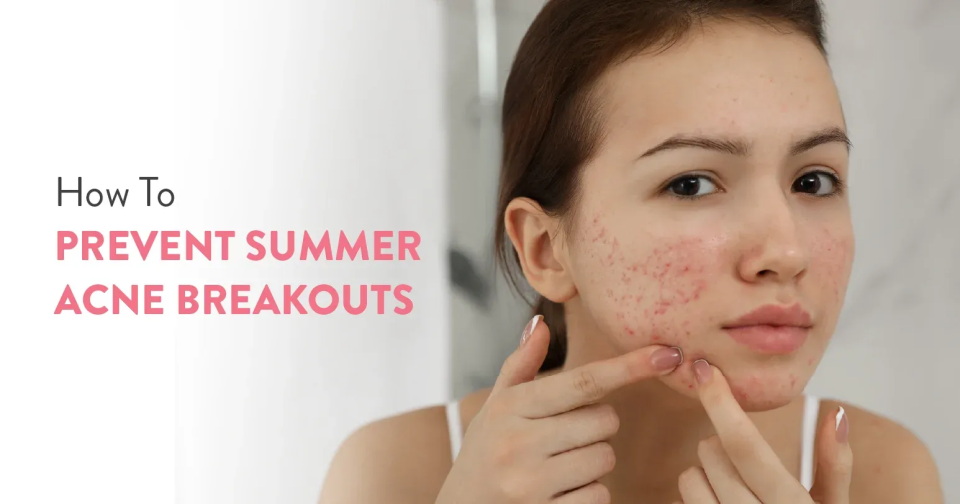
Table of Contents
Taking care of your skin means adapting to the changing seasons. In the winter, when the air is dry, your skin craves deep hydration. On the other hand, summer brings sweat and oiliness, so it’s important to clean the skin regularly and opt for oil-free products. Speaking of summer, skincare becomes more focused and preventive. Additionally, one thing that often accompanies the summer season is acne (acne treatment), and as the temperature rises, pimples on the face tend to appear more frequently.
It is irritating at times, though, are you aware why summer months bring more breakouts? Did you know? A research study focused on Google searches reported that acne-related searches increase in the summer compared to other times of the year. The primary reason behind acne breakouts in summer is related to increased sebum production and sweat.
Also Read: Dark Circles – Discover the secrets to bright eyes
A combination of factors can lead to acne breakouts in the summer. The increased sweating can lead to clogging of pores and create an environment where acne-causing bacteria thrive. Interestingly, even those who usually don’t struggle with breakouts might find themselves dealing with acne on their faces during the summer, while those who typically do may notice an increase in their usual flare-ups.
Increased sebum production is the primary cause of acne breakouts during the summer. In warmer temperatures, the body produces more sweat and more oil; these, along with dead cells and dirt, can clog pores. This blockade results in pimples on the face, blackheads, whiteheads, and more.
Warmer days bring humidity along as a bundled package. The warm and moist environment encourages acne-causing bacteria to thrive, particularly in sweaty areas that aren’t cleaned properly.
Sun exposure can initially dry out pimples on the face, but prolonged exposure can lead to increased oil production, leading to clogging of pores, ultimately exacerbating acne breakouts. Plus, sunscreen meant for sun exposure can also sometimes worsen acne breakouts due to its ingredients.
Using skin care products in the summers, like heavy sunscreens, greasy moisturizer, waterproof makeup, etc. can block pores. During the summers, choose products suited for humid weather, and focus on light, non-clogging, and soothing ingredients.
Did you know? Exposure to high temperatures can affect the body’s hormonal balance. While hormones fluctuate throughout the year, summer can subtly influence the hormonal balance. This fluctuation in hormonal levels during summers, particularly during puberty, menstruation (all about periods – for teens), pregnancy (discomforts during pregnancy – symptoms & relief tips), etc. can increase sebum production leading to acne.
Another common factor leading to acne breakouts in the summer is due to poor hygiene. In the summers, we tend to sweat more and inadequate cleansing of the skin can lead to the accumulation of sweat, bacteria, and dead skin cells, clogging pores, resulting in acne.
Tight clothing during the summer can trap sweat and heat against the skin, particularly in areas where clothing rubs against the skin, resulting in acne.
We don’t often realise it, but we tend to touch our face or body too much to wipe away sweat in summer. Though using bare hands or used napkins can irritate the skin barrier, leading to clogged pores and acne.
Also Read: Best foods for healthy weight loss journey
While during summers it is almost impossible to avoid sweating, below are some dermatologically recommended tips that can help prevent summer acne breakouts.
Also Read: Dermatitis – Types, Causes, Symptoms & Home Remedies for Treatment
Occasional breakouts are common; however, some signs may require professional help. Here’s when you should consult a dermatologist,
| When to See a Dermatologist | Why? |
| Persistent or Severe Acne | If breakouts don’t respond to regular skincare or last for months, medical-grade treatment is needed. |
| Painful, Large, or Cystic Pimples | Deep lesions can scar and require prescription medication or in-clinic procedures. |
| Signs of Hormonal Acne | Breakouts linked to periods, jawline acne, or adult acne may need hormonal assessment and targeted care. |
| When there’s Acne Scars or Dark Spots (home remedies for dark spot) | Early treatment can prevent permanent marks and help fade existing scars effectively. |
Acne isn’t limited to the skin and the face. From heat, sweat, and inappropriate products to hormonal changes and lifestyle routines, it seems like there are a million causes of breakouts all over the body. Stopping summer acne is about taking a conscious, whole-body plan: using light, non-comedogenic skincare, resisting constant face-touching or pimple-squeezing, eating cleanly, and drinking plenty of water. And once acne is painful, persistent, or psychologically stressful, consulting a dermatologist can be the key. With proper treatment, clear skin and a healthy complexion are achievable, no matter what the weather.
Also Read: Uses & Benefits of Castor Oil
Does niacinamide help with acne?
Niacinamide, known for its anti-inflammatory properties, can help with acne.
Does shampoo irritate acne?
Certain types of shampoos can irritate acne, especially the ones containing pore-clogging ingredients or irritants.
Is acne worse in summer or winter?
Acne can be worse in both summer and winter. In the summers, the increased sweating & oil can lead to breakouts, while in winters, given the dry air & humidity, the body overcompensates by producing more oil, which can also lead to acne.

