Filter :

बवासीर, सभी उम्र के लोगों को प्रभावित करने वाली सबसे आम स्वास्थ्य समस्याओं में से एक है। जब इनमें खून आना शुरू होता है, तो यह स्थिति दर्दनाक, असुविधाजनक और चिंताजनक हो सकती है। जहाँ आधुनिक चिकित्सा विभिन्न उपचार प्रदान करती है, वहीं आयुर्वेद—प्राकृतिक उपचार की एक प्राचीन प्रणाली—पूर्ण और दीर्घकालिक समाधान प्रदान करता है। खूनी बवासीर का आयुर्वेदिक उपचार न केवल तत्काल राहत पर केंद्रित है, बल्कि पुनरावृत्ति को रोकने के लिए मूल कारणों का भी समाधान करता है।
इस लेख में, हम खूनी बवासीर क्या है, इसके कारण, लक्षण और सर्वोत्तम आयुर्वेदिक और प्राकृतिक उपचारों के साथ-साथ बवासीर के प्रभावी उपचार के लिए जीवनशैली और आहार संबंधी सुझावों पर भी चर्चा करेंगे।
Table of Contents
खूनी बवासीर मलाशय या गुदा क्षेत्र (anal area) में सूजी हुई और सूजी हुई नसें होती हैं जिनसे मल त्याग के दौरान या बाद में खून आता है। रक्तस्राव (bleeding) आमतौर पर चमकदार लाल होता है और टॉयलेट पेपर, मल या शौचालय में दिखाई दे सकता है। आयुर्वेद में, बवासीर को अर्श कहा जाता है, जिसका अर्थ है शरीर के दोषों—मुख्यतः पित्त और वात—के असंतुलन के कारण होने वाली बीमारी।
लक्षणों को जल्दी पहचान लेने से बवासीर का समय पर इलाज संभव हो सकता है:
बवासीर के कई कारण हो सकते हैं। प्रभावी प्रबंधन के लिए बवासीर के कारणों को समझना आवश्यक है।
आप और अधिक पढ़ सकते हैं: प्रतिरोधक क्षमता(इम्यूनिटी) बढ़ाने के लिए क्या खाएं?
आयुर्वेद जड़ी-बूटियों, उपचारों, आहार और जीवनशैली में बदलाव के माध्यम से दोषों को संतुलित करने पर ज़ोर देता है। इसका उद्देश्य न केवल रक्तस्राव को रोकना है, बल्कि पाचन को मजबूत करना और पुनरावृत्ति को रोकना भी है।
1. हर्बल उपचार (Herbal Upchaar)
2. क्षार सूत्र चिकित्सा
यह एक न्यूनतम आक्रामक आयुर्वेदिक प्रक्रिया है जिसमें बवासीर के चारों ओर एक औषधीय धागा बाँधा जाता है। यह बवासीर को प्राकृतिक रूप से सिकोड़ने और ठीक करने में मदद करता है, इसे बवासीर के सबसे प्रभावी आयुर्वेदिक उपचारों में से एक माना जाता है।
3. आयुर्वेदिक जड़ी-बूटियों से सिट्ज़ बाथ
त्रिफला या नीम के पत्तों से भरा गर्म पानी दर्द, खुजली और सूजन से राहत देता है।
4. पंचकर्म चिकित्सा (Panchakarma treatment)
आयुर्वेद में बढ़े हुए दोषों को संतुलित करने और पाचन में सुधार के लिए विरेचन (चिकित्सीय विरेचन) जैसी विषहरण चिकित्सा की सलाह दी जाती है।
आयुर्वेदिक दवाओं के साथ-साथ, घरेलू उपचार भी बवासीर के इलाज में महत्वपूर्ण भूमिका निभाते हैं:
आप और अधिक पढ़ सकते हैं: बवासीर (पाइल्स) में क्या खाना चाहिए
स्वस्थ आदतें अपनाने से दीर्घकालिक राहत सुनिश्चित होती है:
आप और अधिक पढ़ सकते हैं: प्रेगनेंसी में बवासीर: कारण, लक्षण और इलाज के उपाय
1. रक्तस्रावी बवासीर में क्या खाएं?
ओट्स, जौ, अंजीर, हरी पत्तेदार सब्ज़ियाँ और मौसमी फल जैसे उच्च फाइबर वाले खाद्य पदार्थ खाएँ। सुचारू पाचन के लिए छाछ, पपीता और नींबू के साथ गर्म पानी पिएँ।
2. खूनी बवासीर में क्या नहीं खाना चाहिए?
मसालेदार, तले हुए और प्रोसेस्ड खाद्य पदार्थों से बचें। रेड मीट, शराब और कैफीन युक्त पेय पदार्थों का सेवन कम करें, क्योंकि ये कब्ज को बढ़ाते हैं और बवासीर को बढ़ावा देते हैं।
3. खूनी बवासीर और फिशर में क्या अंतर है?
4. क्या खूनी बवासीर दोबारा हो सकती है?
हाँ, अगर खान-पान और जीवनशैली की आदतों में सुधार नहीं किया गया, तो इलाज के बाद भी खूनी बवासीर दोबारा हो सकती है।
5. क्या गर्भावस्था के दौरान खूनी बवासीर का इलाज संभव है?
हाँ, आयुर्वेद फाइबर युक्त आहार, त्रिफला जैसे हल्के रेचक, सिट्ज़ बाथ और सुखदायक तेलों के बाहरी प्रयोग जैसे सुरक्षित उपाय सुझाता है। हालाँकि, गर्भवती महिलाओं को कोई भी दवा लेने से पहले किसी आयुर्वेदिक चिकित्सक से सलाह लेनी चाहिए।
6. खूनी बवासीर और साधारण बवासीर में क्या अंतर है?
अंतिम विचारअगर ठीक से इलाज न किया जाए, तो खूनी बवासीर दैनिक जीवन को बुरी तरह प्रभावित कर सकती है। जहाँ आधुनिक चिकित्सा अक्सर लक्षणों से राहत प्रदान करती है, वहीं आयुर्वेद बवासीर का एक समग्र और प्राकृतिक उपचार प्रदान करता है। जड़ी-बूटियों, आहार और उपचारों के माध्यम से शरीर के दोषों को संतुलित करके, खूनी बवासीर का आयुर्वेदिक उपचार बिना किसी हानिकारक दुष्प्रभाव के दीर्घकालिक उपचार सुनिश्चित करता है।
फाइबर युक्त खाद्य पदार्थों का सेवन, भरपूर पानी पीना, शारीरिक रूप से सक्रिय रहना और आयुर्वेदिक उपचार अपनाना बवासीर का सबसे अच्छा इलाज हो सकता है। जीवनशैली में लगातार बदलाव और प्राकृतिक देखभाल से, खूनी बवासीर का न केवल इलाज किया जा सकता है, बल्कि इसे दोबारा होने से भी रोका जा सकता है।
ध्यान रखें, किसी भी उपचार या आहार योजना को अपनाने से पहले डॉक्टर या डाइटिशियन से परामर्श अवश्य लें।
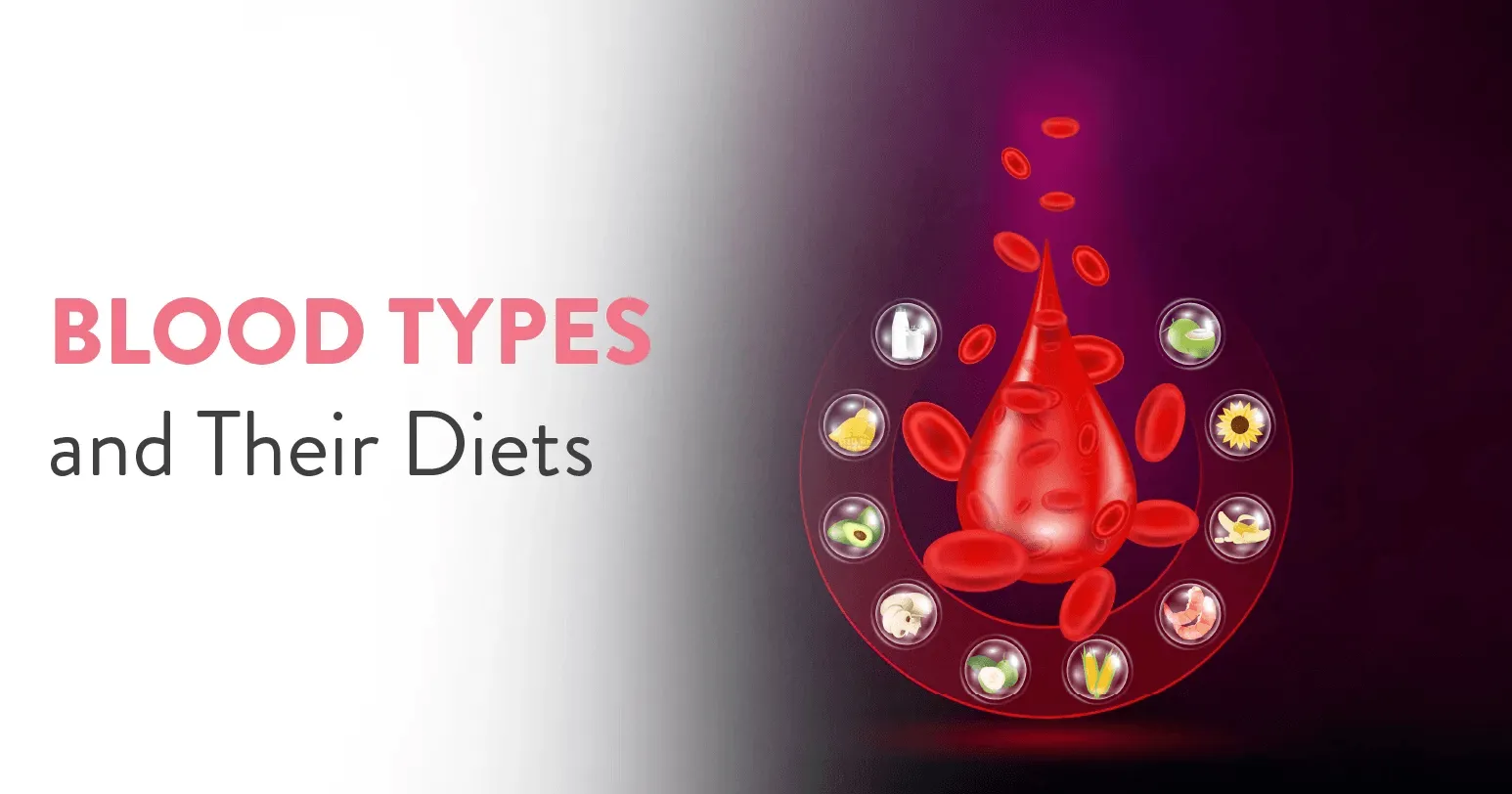
There is a popular saying that blood runs thicker than water. Because it has answers to so many questions about our body’s composition which might not be explained by any other component of our body. Blood is responsible for carrying oxygen, nutrients, hormones, and antibodies to all parts of the system. The red colour of blood is derived from the iron levels in our body. All these indicate the reason why we undergo various types of blood tests to find different outcomes.
But did you know that your blood group could identify what kind of diet suits your body. With the rise of the widely popular blood group diet or blood type diet, it is time we explored whether this holds any real truth or is just a diet fad. Let’s find out.
Table of Contents
The blood type diet was popularised by Dr. Peter D’Adamo, who suggested that each blood group processes food differently due to ancestral traits. According to this theory, eating foods that align with your blood group types can improve digestion, boost energy, and prevent disease. To simplify, these were the main highlights:
Also Read: Weight Gain Diet Chart
| Blood Type | Compatible Food Groups | Foods To Avoid |
| Blood Group O Best suited to high-protein diets. |
|
|
| Blood Group A Tends to do better on a vegetarian or plant-based diet. |
|
|
Blood Group BCapable of digesting both plants and meats. |
|
|
| Blood Group AB A mixed profile of A and B groups |
|
|
Does Research Support Blood Type Diets?Despite its popularity, the scientific community remains sceptical about the blood type diet. Several studies have examined the link between blood group and diet effectiveness. However no conclusive scientific evidence has surfaced from them. |
Whether you have the most common blood type or a rare blood group, understanding your blood group types can offer unique insights into your health. While the blood group diet may not be backed by strong scientific consensus, its focus on clean eating, whole foods, and self-awareness can still lead to better health outcomes. Just make sure to consult a healthcare provider before making major dietary changes.
And remember, your blood is not just your lifeline – it may also be the key to your personalised nutrition.
There is limited scientific backing. While many people claim positive outcomes, controlled research doesn’t definitively support the blood type diet theory.
Is the blood type diet effective for everyone?
Effectiveness varies by individual. Some may find improvements due to increased dietary mindfulness rather than actual blood group effects.
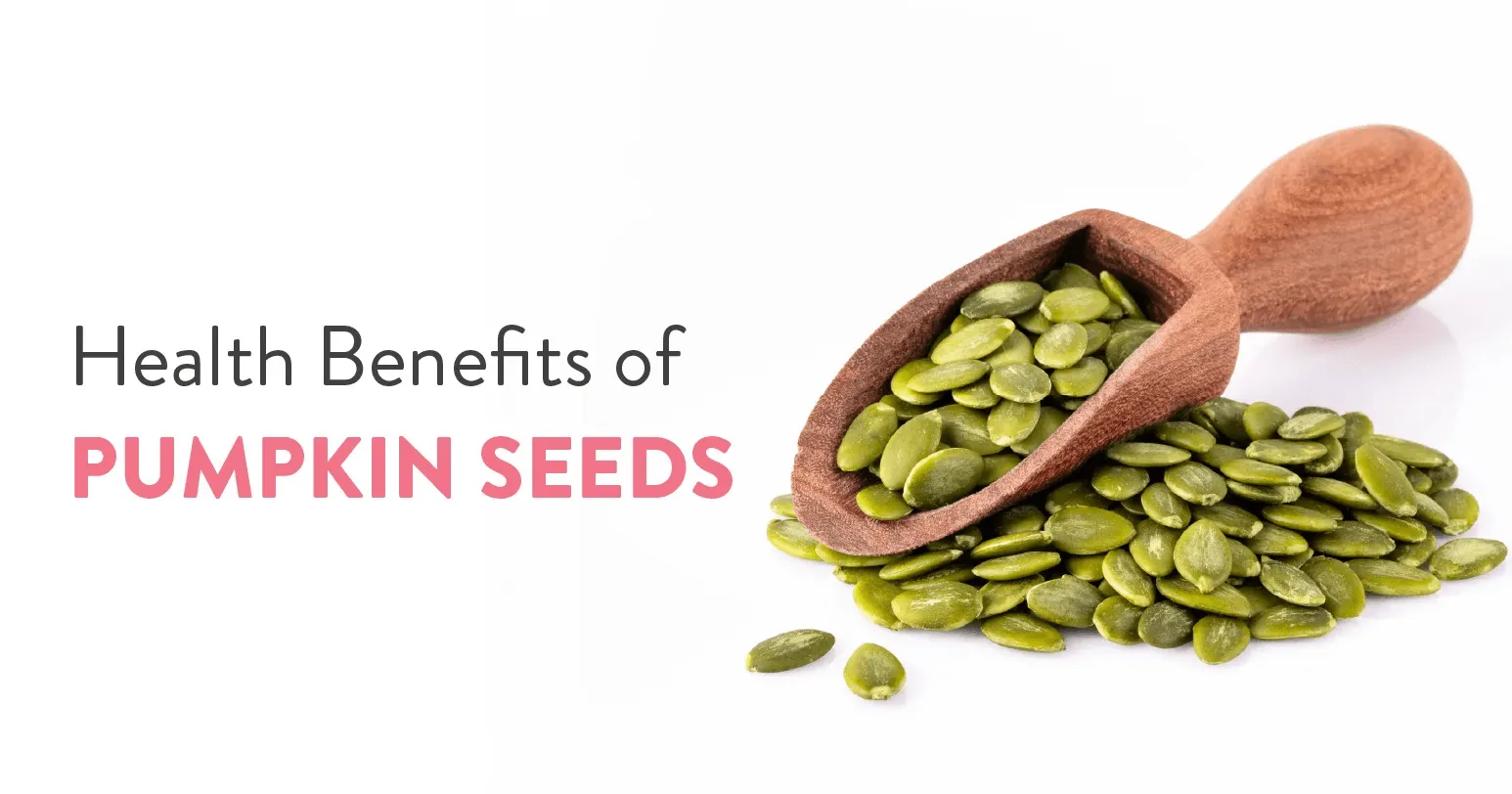
Pumpkin seeds, also called pepitas, are one of the most nutrient-dense snacks you can add to your plate. A single ounce (about a small handful) delivers roughly 150 calories along with meaningful amounts of magnesium, zinc, iron, protein and healthy unsaturated fats — all from a plant-based, allergy-friendly food.
Research links regular pumpkin seed intake to better heart health, steadier blood sugar, improved sleep quality, stronger immunity and, in men, better prostate and reproductive health. For women, pumpkin seeds are especially valued for their role in hormonal balance, bone strength and skin health across different life stages.
This guide covers what makes pumpkin seeds so nutritious, their evidence-based benefits, how soaking or roasting changes their effect, how many to eat a day, and the side effects to watch for if you overdo it.
Pumpkin seeds are the edible seeds found inside a pumpkin (Cucurbita species). Sold shelled and unshelled, they are naturally gluten-free and a complete source of plant protein meaning they contain all nine essential amino acids in usable amounts.
| Nutrient (per 1 oz / 28 g, shelled, no salt) | Approximate amount |
|---|---|
| Calories | ~151 kcal |
| Protein | ~7 g |
| Fat (mostly unsaturated) | ~13 g |
| Carbohydrates | ~5 g |
| Fibre | ~1.7 g |
| Magnesium | ~150 mg (~37% DV) |
| Zinc | ~2.2 mg (~20% DV) |
| Iron | ~2.7 mg |
| Potassium | ~588 mg |
| Vitamin E, folate, phosphorus, manganese, copper | Present in meaningful amounts |
Because the fat in pumpkin seeds is largely unsaturated (a mix of omega-6 and some omega-3 fatty acids), they are considered a heart-friendly source of dietary fat rather than one to avoid.
Also Read: Health Benefits of Apricot (Khubani)
The following are some of the amazing benefits of pumpkin seeds.
Thanks to magnesium, antioxidants, and healthy fats, pumpkin seeds help regulate blood pressure, lower bad cholesterol, and reduce the risk of heart disease.
One of the key pumpkin seed benefits for men is their positive effect on prostate health. Studies show pumpkin seed oil may ease urinary symptoms associated with benign prostatic hyperplasia (BPH).
Pumpkin seeds are a natural source of tryptophan which is an amino acid that the body converts into serotonin and then melatonin, promoting better sleep. Pairing them with carbs can further improve absorption.
Rich in zinc, vitamin E, and antioxidants, pumpkin seeds can improve scalp circulation, strengthen hair follicles, and reduce hair thinning. Their anti-inflammatory properties also support clearer, healthier skin.
If you are watching your weight, pumpkin seeds are a smart snack. The combination of protein, fibre, and healthy fats keeps you fuller for longer, curbing unnecessary snacking.
Zinc and antioxidants in pumpkin seeds boost immune function, helping the body fight infections and heal faster.
With high magnesium and phosphorus content, pumpkin seeds support bone strength and may reduce the risk of osteoporosis.
Some studies suggest pumpkin seeds can lower blood sugar levels, making them beneficial for people with diabetes or those at risk.
While the core nutrition applies to everyone, several benefits are especially relevant across a woman’s different life stages.
It’s worth being clear-eyed here: no single food can “balance hormones” on its own. Pumpkin seeds work best as part of an overall diet that also includes adequate sleep, exercise and stress management.
Raw seeds naturally contain small amounts of phytic acid, an anti-nutrient that can bind to minerals like zinc, iron and magnesium and reduce how much the body absorbs. Soaking is a traditional preparation step that can help offset this.
To soak pumpkin seeds: cover raw, unshelled or shelled seeds with water and a pinch of salt, leave for 6–8 hours or overnight, then drain, rinse and either eat them soft or dry-roast at a low temperature until crisp.
Both raw and roasted pumpkin seeds are nutritious; the right choice depends on taste and how you plan to use them.
Pumpkin seeds are normally safe and healthy, but like any food, eating them in excess can have downsides. Here are a few things to keep in mind:
Pumpkin seeds are versatile and can easily fit into your daily meals. If you are wondering how to consume pumpkin seeds or make it a part of your meals, here are some simple ideas.
Also Read: Soaked Almonds vs Raw Almonds for Weight Loss
Pumpkin seeds are a food, not a treatment. They can support health but shouldn’t replace medical care for diagnosed conditions such as PCOS, thyroid disorders, anemia or high blood pressure. Speak to a doctor or dietitian if you experience persistent digestive discomfort after eating seeds, suspect a food allergy, or want a personalized nutrition plan built around your health goals.
At CK Birla Hospital’s Department of Nutrition & Dietetics, our dietitians can help you build an evidence-based eating plan that fits your specific health needs.
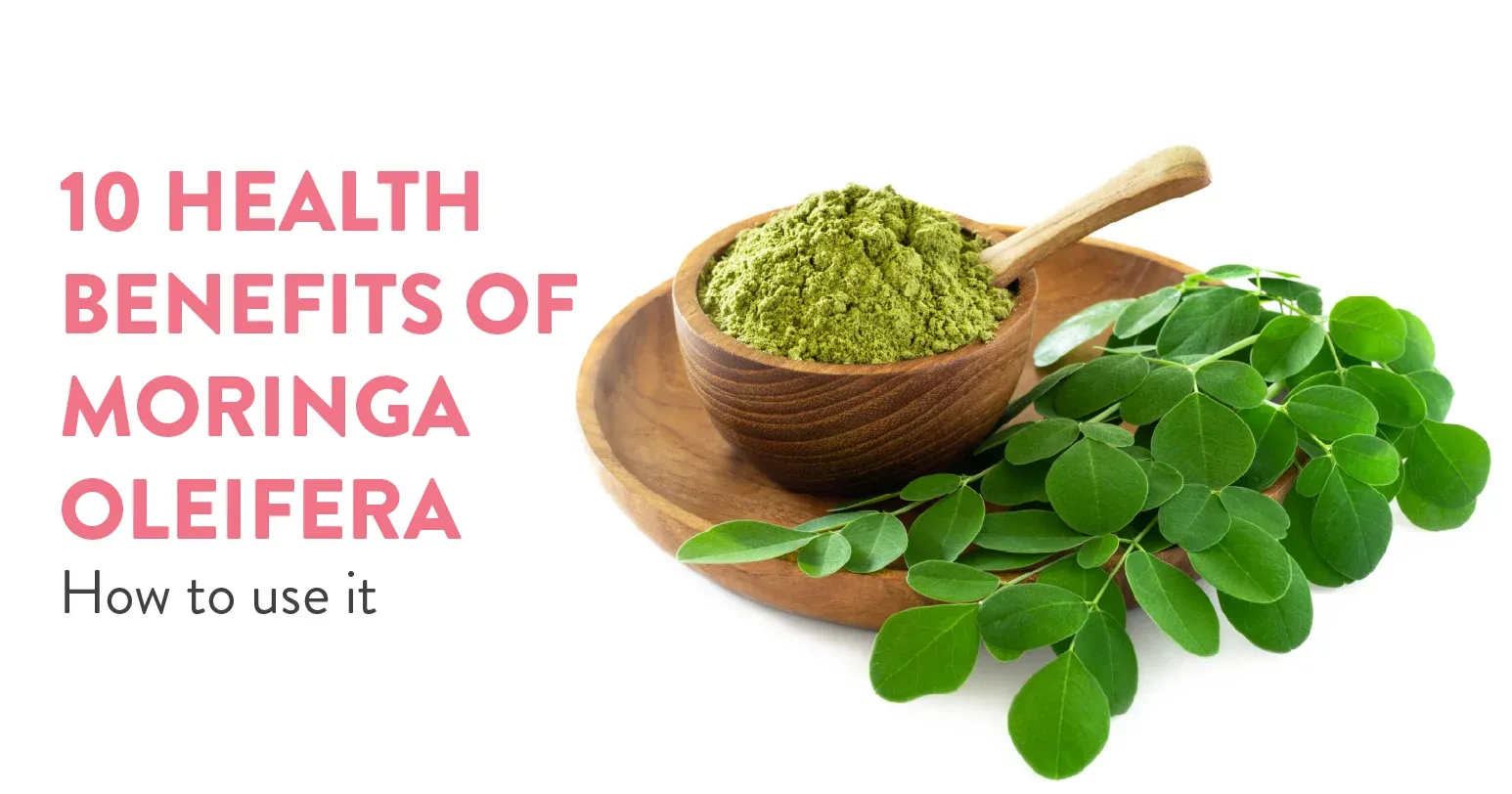
सहजन, जिसे अंग्रेजी में मोरिंगा (Moringa) और ड्रमस्टिक (Drumstick) के नाम से जाना जाता है, एक ऐसा पेड़ है जिसका हर हिस्सा – पत्तियां, फूल, फलियां और जड़ – हमारे स्वास्थ्य के लिए बहुत फायदेमंद होता है। भारत में यह सदियों से पारंपरिक चिकित्सा और रसोई का हिस्सा रहा है। इसकी फलियां (ड्रमस्टिक) और पत्तियां सबसे ज़्यादा इस्तेमाल की जाती हैं। इसके अद्भुत मोरिंगा बेनिफिट्स (Moringa benefits) और ड्रमस्टिक बेनिफिट्स (Drumstick benefits) इसे दुनिया भर में लोकप्रिय बनाते हैं।
Table of Contents
सहजन में पोषक तत्वों का भंडार होता है। इसकी पत्तियां विशेष रूप से विटामिन, मिनरल्स और एंटीऑक्सीडेंट से भरपूर होती हैं। यह कई बीमारियों से लड़ने में मदद करता है। आइए देखते हैं कि 100 ग्राम सहजन की पत्तियों में क्या-क्या होता है:
इसके अलावा, इसमें विटामिन E, विटामिन K, मैंगनीज (manganese), और मैग्नीशियम (magnesium) जैसे कई अन्य महत्वपूर्ण पोषक तत्व भी होते हैं। यह एक कम कैलोरी वाला और फाइबर से भरपूर भोजन है।
और अधिक पढ़े: तुलसी के फायदे और नुकसान
सहजन खाने के फायदे (benefits of eating moringa) अनगिनत होते हैं। यह न सिर्फ बीमारियों से बचाता है, बल्कि शरीर को अंदर से मजबूत भी बनाता है। तो चलिए निचे इसके फायदे जानते हैं:-
1. रोग प्रतिरोधक क्षमता बढ़ाए (increases immunity)
सहजन में मौजूद विटामिन C और एंटीऑक्सीडेंट (Antioxidant) शरीर की रोग प्रतिरोधक क्षमता को मजबूत करते हैं। यह सर्दी, खांसी और अन्य संक्रमणों से लड़ने में मदद करता है।
2. ब्लड शुगर को नियंत्रित करे (control blood sugar)
मधुमेह (डायबिटीज) के मरीजों के लिए सहजन बहुत फायदेमंद है। इसके सेवन से ब्लड शुगर लेवल को नियंत्रित करने में मदद मिलती है, जिससे इंसुलिन सेंसिटिविटी बेहतर होती है।
3. दिल को रखे स्वस्थ (keep heart healthy)
सहजन में मौजूद एंटीऑक्सीडेंट(Antioxidants) और एंटी-इंफ्लेमेटरी गुण (Anti-inflammatory properties) दिल की बीमारियों के जोखिम को कम करते हैं। यह कोलेस्ट्रॉल को कम करने और ब्लड प्रेशर को नियंत्रित रखने में भी सहायक है।
4. पाचन में सुधार करे (improve digestion)
सहजन में फाइबर की अच्छी मात्रा होती है, जो पाचन तंत्र को स्वस्थ रखती है। यह कब्ज (Constipation) और गैस जैसी समस्याओं से राहत दिलाने में मदद करता है।
5. हड्डियों को मजबूत बनाए (strengthen bones)
कैल्शियम और फास्फोरस से भरपूर होने के कारण, सहजन (Sahjan) हड्डियों और दांतों को मजबूत बनाता है। यह ऑस्टियोपोरोसिस जैसी बीमारियों को रोकने में भी सहायक है।
6. बालों और त्वचा के लिए फायदेमंद (beneficial for hair and skin)
सहजन में मौजूद विटामिन A, विटामिन E और एंटीऑक्सीडेंट त्वचा को चमकदार और स्वस्थ बनाते हैं। यह बालों को मजबूत और घना बनाने में भी मदद करता है।
7. शरीर को विषमुक्त करे (detoxifies the body)
सहजन में मौजूद क्लोरोफिल शरीर से हानिकारक टॉक्सिन्स को बाहर निकालने में मदद करता है, जिससे लिवर और किडनी स्वस्थ रहते हैं।
और अधिक पढ़े: फैटी लिवर का कारण, लक्षण और इलाज
यह एक आम धारणा है कि सहजन सिर्फ महिलाओं और बच्चों के लिए फायदेमंद है, लेकिन ऐसा नहीं है। पुरुषों के लिए सहजन लाभ (Moringa benefits for men) भी बहुत महत्वपूर्ण हैं जो निम्न वर्णित हैं:-
1. सहनशक्ति और ऊर्जा बढ़ाए (increase stamina and energy)
सहजन में मौजूद आयरन और प्रोटीन पुरुषों में थकान को दूर कर ऊर्जा के स्तर को बढ़ाते हैं। यह शारीरिक प्रदर्शन और सहनशक्ति को बेहतर बनाने में मदद करता है।
2. प्रोस्टेट स्वास्थ्य का ख्याल रखे (take care of prostate health)
रिसर्च के अनुसार, सहजन प्रोस्टेट ग्रंथि (prostate gland) के स्वास्थ्य को बनाए रखने में मदद कर सकता है। इसमें मौजूद एंटीऑक्सीडेंट प्रोस्टेट कैंसर (prostate cancer) के जोखिम को कम करने में भी सहायक हो सकते हैं।
3. प्रजनन क्षमता बढ़ाए (increase fertility)
सहजन में जिंक और अन्य पोषक तत्व होते हैं जो शुक्राणुओं (sperms) की गुणवत्ता और संख्या में सुधार करने में मदद कर सकते हैं, जिससे प्रजनन क्षमता बेहतर होती है।
4. मांसपेशियों का निर्माण करे (build muscles)
प्रोटीन से भरपूर होने के कारण, सहजन मांसपेशियों के निर्माण और रिकवरी में मदद करता है, जो जिम जाने वाले पुरुषों के लिए बहुत फायदेमंद है।
5. टेस्टोस्टेरोन लेवल को नियंत्रित करे (control testosterone levels)
कुछ अध्ययनों से पता चलता है कि सहजन तनाव को कम करके और एंटीऑक्सीडेंट प्रदान करके टेस्टोस्टेरोन के स्तर को संतुलित रखने में मदद कर सकता है।
और अधिक पढ़े: बच्चो के लिए हेल्दी डाइट चार्ट
सहजन को अपनी डाइट में शामिल करना बहुत आसान है। इसके कई तरीके हैं:
हालांकि सहजन बहुत फायदेमंद है, लेकिन कुछ बातों का ध्यान रखना ज़रूरी है:
सहजन के फायदे (benefits of moringa) बहुत हैं, लेकिन इसका सेवन करते समय सावधानी बरतना भी ज़रूरी है।
सहजन (मोरिंगा) एक ऐसा सुपरफूड है जो अपने अद्भुत गुणों के कारण हमारे स्वास्थ्य के लिए एक वरदान है। चाहे वह रोग प्रतिरोधक क्षमता बढ़ाना हो, दिल को स्वस्थ रखना हो, या पुरुषों के लिए विशेष लाभ प्रदान करना हो, सहजन (Sahjan) हर तरह से फायदेमंद है। इसे अपनी डाइट में शामिल करके आप एक स्वस्थ और लंबा जीवन जी सकते हैं। तो अब जब आपको मोरिंगा के फायदे (drumstick benefits) पता चल गए हैं, तो इसे अपनी रसोई का हिस्सा बनाएं और इसके चमत्कारी लाभों का अनुभव करें।
क्या सहजन का सेवन वजन घटाने में मदद करता है?
हां, सहजन का सेवन वजन घटाने में मदद कर सकता है। इसमें मौजूद कुछ यौगिक, जैसे क्लोरोजेनिक एसिड, फैट को कम करने में सहायक होते हैं। सहजन में फाइबर की मात्रा अधिक होती है, जो पेट को भरा हुआ महसूस कराता है और अधिक खाने से रोकता है। यह शरीर के मेटाबॉलिज्म को भी बढ़ा सकता है, जिससे कैलोरी ज्यादा बर्न होती है।
क्या सहजन के बीज खाने से कोई नुकसान हो सकता है?
सहजन के बीजों का सेवन आमतौर पर सुरक्षित होता है, लेकिन कुछ सावधानियां बरतनी चाहिए। यदि अधिक मात्रा में इसका सेवन किया जाए, तो यह पेट में ऐंठन, गैस और दस्त जैसी समस्याएं पैदा कर सकता है। सहजन के बीजों में रेचक (laxative) गुण होते हैं, इसलिए इनका संयमित सेवन ही उचित है।
क्या सहजन का सेवन गर्भवती महिलाओं के लिए सुरक्षित है?
सहजन का सेवन गर्भवती महिलाओं के लिए आमतौर पर सुरक्षित माना जाता है, लेकिन इसके कुछ हिस्सों के सेवन से बचना चाहिए। सहजन की फलियों और पत्तियों का सेवन सुरक्षित है और यह आयरन, कैल्शियम और विटामिन जैसे महत्वपूर्ण पोषक तत्व प्रदान करता है, जो गर्भावस्था में जरूरी होते हैं। हालांकि, सहजन की जड़ और छाल का सेवन नहीं करना चाहिए क्योंकि इनमें गर्भाशय को संकुचित करने वाले यौगिक होते हैं, जो गर्भपात का कारण बन सकते हैं। इसलिए, गर्भावस्था के दौरान सहजन के सेवन से पहले डॉक्टर से परामर्श जरूर करें।
क्या सहजन के पत्ते खाने से एनीमिया की समस्या दूर हो सकती है?
हां, सहजन के पत्ते खाने से एनीमिया की समस्या दूर करने में मदद मिल सकती है। सहजन के पत्तों में आयरन की मात्रा बहुत अधिक होती है, जो लाल रक्त कोशिकाओं के उत्पादन के लिए आवश्यक है। यह विटामिन सी का भी एक अच्छा स्रोत है, जो शरीर में आयरन के अवशोषण को बेहतर बनाता है। इसलिए, सहजन के पत्ते एनीमिया से पीड़ित लोगों के लिए एक प्रभावी प्राकृतिक उपाय हो सकते हैं।
सहजन के सेवन से त्वचा पर क्या प्रभाव पड़ता है?
सहजन का सेवन त्वचा के लिए बहुत फायदेमंद होता है। इसमें विटामिन ए, सी और ई जैसे एंटीऑक्सीडेंट होते हैं, जो फ्री रेडिकल्स से लड़ते हैं और त्वचा को क्षति से बचाते हैं। यह कोलेजन के उत्पादन को बढ़ावा देता है, जिससे त्वचा में कसाव आता है और झुर्रियां कम होती हैं। सहजन का तेल त्वचा को नमी प्रदान करता है और मुँहासे, दाग-धब्बे और त्वचा की अन्य समस्याओं को दूर करने में भी मदद कर सकता है।
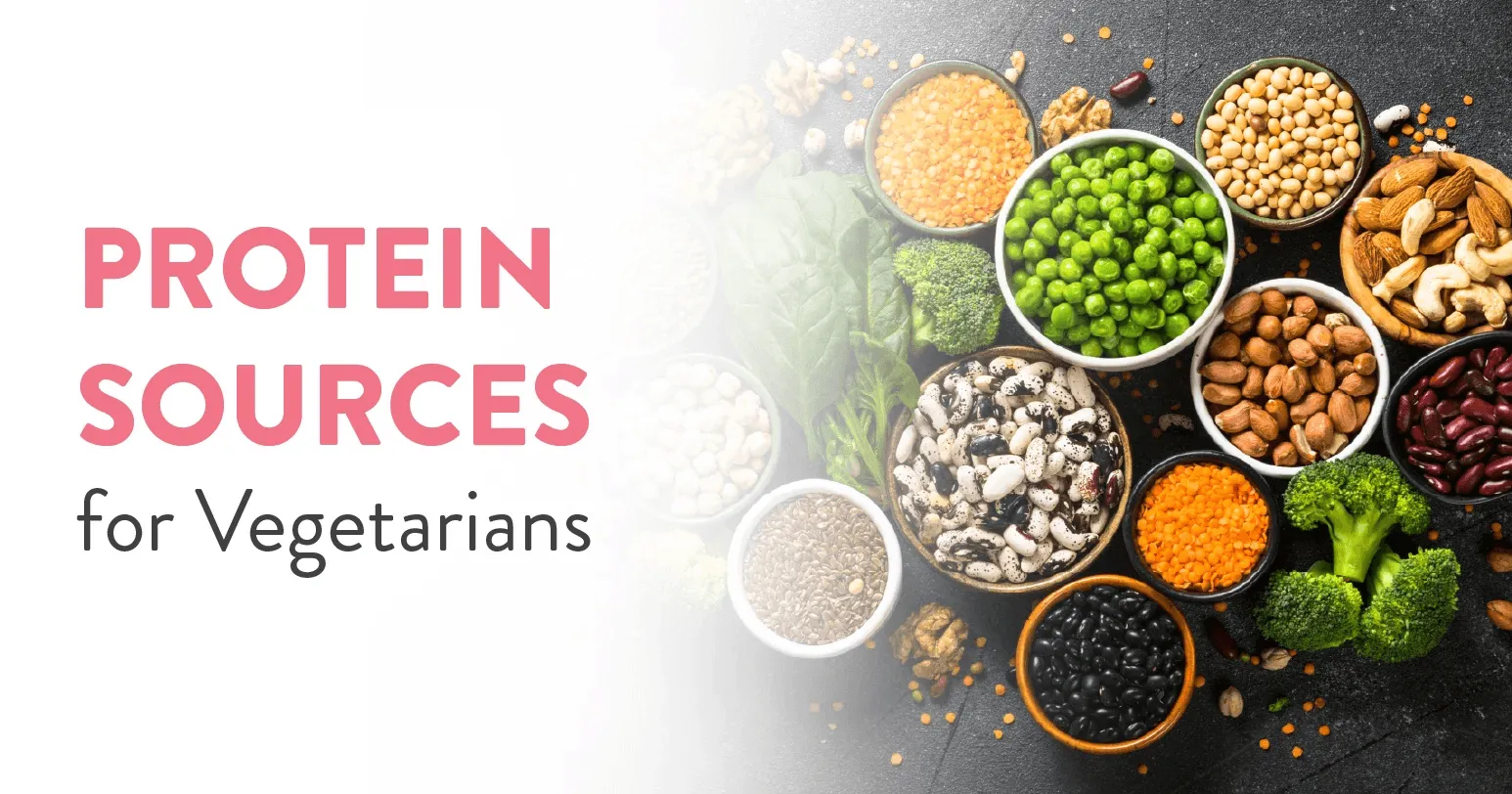
Unsure if you can get enough protein from a vegetarian diet, or if you still think that only non-vegetarian meals are a good source of protein?
It’s time to change this misconception that you can’t get enough protein from vegetarian sources. There are a lot of plant-based foods that can fill your plate with protein, flavour and plenty of nutrients. Ready to explore the world of protein-rich vegetarian foods?
Table of Contents
Here are 15 rich sources of protein that you can incorporate into your daily diet.
1. Lentils (Dal)
A cup of cooked lentils is power-packed with around 18 grams of protein along with fibre, iron, and folate. They are perfect for soups, salads, and dals, keeping you full for hours.
2. Chickpeas (Chana)
Also called garbanzo beans, chickpeas offer about 15 grams of protein per cup. They are versatile, great in curries or roasted as a crunchy snack.
3. Quinoa
Unlike many plant foods, quinoa is a complete protein with all nine essential amino acids. One cup of cooked quinoa provides around 8 grams of protein and plenty of magnesium.
4. Tofu (Soy Paneer)
Tofu is made from soya and gives about 8-17 grams of protein per 100 grams. It is also known to have all 9 essential amino acids, which makes it a complete protein.
5. Greek Yoghurt (Thick Dahi)
It is thicker and creamier than regular yoghurt and has nearly double the protein, which is around 10 grams per 100 grams. It also contains a good amount of probiotics, which are good for your gut health.
6. Edamame (Tender Soybeans)
These young soybeans deliver 17 grams of protein per cup along with fibre and antioxidants. They are delicious steamed with a pinch of salt.
7. Paneer
An Indian staple, paneer offers around 14-18 grams of protein per 100 grams. It serves great in curries, grilled, or even crumbled into salads.
8. Black Beans (Kale Rajma)
A cup of black beans provides 15 grams of protein and is rich in fibre, helping regulate blood sugar and improve digestion.
9. Almonds (Badam)
With 6 grams of protein per 28 grams, almonds also bring vitamin E and healthy fats to the table. Perfect as a snack or in smoothies.
10. Chia Seeds
Two tablespoons contain 5 grams of protein, omega-3s, and fibre. They work well in puddings, overnight oats, or sprinkled on salads.
11. Peanuts & Peanut Butter
Peanuts have ~26 grams of protein per 100 grams, and natural peanut butter is a convenient spread for toasts, fruits, or smoothies.
12. Pumpkin Seeds
These tiny seeds hold around 9 grams of protein per 28 grams, along with zinc and magnesium, which are vital for immunity and muscle function.
13. Green Peas
One cup of cooked green peas offers 9 grams of protein plus vitamin C and fibre. Add them to soups, pulao, or vegetable mixes.
14. Seitan (Wheat Gluten)
A wheat gluten product, seitan boasts a whopping 25 grams of protein per 100 grams. Its chewy texture makes it a great meat substitute.
15. Amaranth (Rajgira)
This ancient grain delivers 9 grams of protein per cup cooked and is high in iron and manganese. Ideal for porridge, salads, or khichdi.
A variety in your protein picks is not just to avoid a monotonous diet, but to offer you several health benefits. Each source of protein diet brings a unique blend of amino acids, nutrients and taste. This keeps your meals delightful while fulfilling your daily protein requirement. It is better for absorption and also keeps your palate and muscles happy.
| Myth ❌ | Fact ✔ | |
| 1 | Vegetarian diets cannot provide enough protein. | A well-planned vegetarian diet with diverse protein sources (pulses, dairy, soy, nuts, seeds) can easily meet your daily protein needs. |
| 2 | Plant proteins are incomplete. | While some plant proteins may be low in one or two amino acids, combining different sources (like rice and lentils) ensures a complete amino acid profile. Also, sources like soy, quinoa fall in the category of complete protein. |
| 3 | Only meat can help build muscle. | Many vegetarian athletes and fitness enthusiasts build strong muscles with plant-based proteins and proper resistance training. |
| 4 | Plant proteins are harder to digest. | Cooking, soaking, sprouting, and fermenting plant-based foods improve their digestibility and nutrient absorption. |
| 5 | Plant-based protein is only for vegetarians. | Plant-based protein diet is beneficial for everyone as it is power-packed with fibre, antioxidants and healthy fats alongside protein. |
7-Day Vegetarian Protein-Rich Menu Plan
| Day | Breakfast | Lunch | Snack | Dinner |
| Mon | Moong dal chilla + green chutney | Palak Paneer with brown rice or millet-based roti (gluten-free) | Greek yoghurt with fruit | Roti with mixed vegetables & salad |
| Tues | Quinoa porridge | Rajma with brown rice | Roasted chana mix | Paneer with whole wheat roti |
| Wed | Poha with curd | Masoor dal + roti + sautéed greens | Peanut butter on whole-wheat toast | Mixed dal with millet/wheat roti |
| Thu | Veg uthappam + sambhar | Tofu curry + roti + salad | Mixed nuts & a bowl of vegetable soup | Moong dal khichdi with sautéed spinach |
| Fri | Oats with chia and fruit | Split peas curry with brown rice | Fruit + Greek yoghurt | Besan chila with vegetables |
| Sat | Idli + Sambhar | Chickpea curry + roti with salad & curd | Sprouts salad | Paneer bhurji wrap with salad |
| Sun | Quinoa vegetable upma | Rajma rice + cucumber raita | Roasted green peas | Tofu/chickpea curry + millet or roti |
Note: This meal plan is a general guide on how you can incorporate plant-based protein into your diet. Every individual has unique nutritional needs, which differ according to their age, health, activity levels and fitness goals. Please consult a certified dietitian or healthcare professional before making significant dietary changes.
Can I get enough protein from a vegetarian diet?
Yes! With a smart mix of legumes, soy, dairy, seeds, and grains, vegetarian diets easily meet and can even exceed daily protein needs.
Which vegetarian food has the highest protein?
Soy chunks stand out (around 50 g per 100 g)! Alongside that, tempeh, paneer, lentils, rajma, and seitan are also loaded with a good amount of protein.
Are plant-based proteins as effective as animal proteins?
Absolutely. There are many options, like soy, quinoa, which are complete proteins. Even the other sources we discussed, when consumed across meals, cover all essential amino acids.
Now you must be feeling confident that, being a vegetarian, you can also have plenty of options for a protein-rich diet. You can easily power up your body with delicious meals without relying on meat. However, you must note that every individual’s requirement is unique when it comes to nutrition. Listen to your body, explore different protein sources and do not hesitate to get professional advice if you have any doubts.
Table of Contents
| Apple cider vinegar has become something of a wellness celebrity. You can find people using it from detox drinks to salad dressings. But is it really a miracle liquid or just another passing health trend? Let’s understand and break down its benefits, risks and the proper way to use it |
Apple cider vinegar is made through the fermentation of crushed apples with yeast which converts their natural sugars into alcohol. After that, the alcohol is converted into acetic acid by adding bacteria. This acetic acid is the main ingredient responsible for the tangy taste and potential health benefits of ACV.
The unfiltered form of ACV contains the “mother” strands of proteins, enzymes, and friendly bacteria that give it a cloudy appearance. Many believe this is where most of the goodness lies, although research is still ongoing.
ACV is backed by science for some of its health benefits, particularly when combined with a balanced diet and healthy lifestyle.
ACV may help reduce blood sugar spikes by slowing the digestion of carbohydrates. Research shows that taking vinegar before meals can improve insulin sensitivity in people with insulin resistance which in turn helps control post-meal blood sugar levels.
ACV though, might not melt your body fat instantly but it can make you feel full which helps in lowering overall calorie intake. Some studies have shown that if consumed with a calorie-controlled diet, ACV can result in modest weight loss.
The acetic acid present in ACV boosts the growth of healthy gut bacteria. Raw and unfiltered ACV with the “mother” contains probiotics that help support digestion.
Historically, vinegar has been used for cleaning and food preservation because it can kill harmful bacteria. While you shouldn’t swap it for antibiotics, ACV may help prevent the growth of certain bacteria in foods.
Some studies have suggested that ACV can help lower cholesterol and triglyceride levels but there is still a scope for more research though early findings are promising.
ACV consists of polyphenols which are plant based antioxidants and possess anti-inflammatory properties. This may help in fighting oxidative stress and support cell protection.
Also Read: Diet chart for weight loss
Excess of anything is bad. Though filled with numerous health benefits, being acidic in nature, it may not be suitable for all especially when taken in high amount. The following are some of its side effects.
While small amounts are generally safe for most individuals, ACV is not made for everyone.
Also Read: Best Foods for Healthy Weight Journey
If you are ready to try ACV, here is how to use it in a healthy way.
Dilute 1–2 teaspoons in at least 200 ml of water. You can drink it before meals or mix it into salad dressings.
It may help with overall weight loss because it makes you feel full and reduces the urge for more calorie intake, but it does not specifically target belly fat.
Most experts recommend 1–2 tablespoons (15–30 ml) daily, always diluted.
Yes, if you stick to the safe daily limit and dilute it. However, overuse can lead to tooth erosion or digestive discomfort.
Many prefer taking it before meals to support digestion and control appetite, but timing depends on personal preference and tolerance.
Apple cider vinegar comes with many benefits and can be used as a healthy addition to your diet. Its properties are backed by some research although there is more to explore. From helping with blood sugar control to aiding digestion, ACV has gained significant popularity.
Do remember: moderation is key and dilution is non-negotiable. If you are considering adding ACV to your routine, especially if you have a medical condition or take medication, it is best to confirm with your doctor first.
Many of you probably have seen hyaluronic acid mentioned in every other skincare ad but have you ever wondered why this skincare ingredient is so popular? Is it just a marketing hype or does it really work wonders for your skin? Whether you want that fresh facial glow or are struggling with too much dryness, hyaluronic acid might be your skin’s new best friend. Let’s uncover the facts about hyaluronic acid, why it is in the spotlight and how it can be beneficial for your skin.
Table of Contents
Hyaluronic acid is a natural substance produced by our body. It is found in the skin, eyes, and joints to keep them hydrated and cushioned. It makes the skin pump and supple as it can hold up to 1,000 times its weight in water. It comes in two forms: hyaluronic acid which hydrates the surface and sodium hyaluronate which penetrates deeper in the skin. You must be thinking that if it is naturally present in the skin, then what’s the need for it?
With increasing age, the natural levels start dropping. Adding it to your routine helps restore moisture, smoothness, and firmness of your skin.
✔ Keeps skin bouncy and youthful by maintaining water levels in the deeper layers.
✔ Prevents that tight, uncomfortable feeling you get after washing your face.
✔ Works instantly. You can often feel the difference after the first few uses.
✔ Supports healing. Useful after sun exposure or treatments like chemical peels.
✔ Pairs well with almost any skincare ingredient, which makes it easy to slot into your existing routine.
Also Read: Skin Allergies- Types, Causes, Symptoms & Treatments
Naturally present: Hyaluronic acid is found in skin, eyes, and joints, where it helps with lubrication, cushioning, and moisture balance.
In the skin: It functions like a moisture reservoir, binding water and maintaining skin softness, elasticity, and flexibility.
Topical application
Here’s how it helps with different issues.
Also Read: Dark Circles: Discover The Secrets to Brighter Eyes
Hyaluronic acid is normally considered safe for all skin types, but here are a few exceptions.
Key Takeaways:
रेगुलर पीरियड्स वाली महिलाओं में ओवेरियन सिस्ट होना एक आम बात है। स्त्री रोग विशेषज्ञों के अनुसार, महिलाओं को अपने जीवनकाल में कम से कम एक बार इस समस्या का सामना करना पड़ता है। यह सिस्ट एक तरह की तरल पदार्थ से भरी थैली होती है, जो ओवरी के अंदर या उसकी सतह पर बनती है। ओवरी यूट्रस के दोनों ओर स्थित होती है और आकार में छोटी और अंडाकार होती है। ये महिला हार्मोन जैसे एस्ट्रोजन और प्रोजेस्टेरोन का निर्माण करते हैं और हर महीने एक एग रिलीज करते हैं, जो पीरियड साइकिल का हिस्सा होता है।
अधिकांश ओवेरियन सिस्ट नॉर्मल पीरियड साइकिल के कारण बनती हैं और आमतौर पर नुकसानदायक नहीं होती हैं। कई महिलाओं को पता भी नहीं चलता है, क्योंकि ये बिना किसी लक्षण के कुछ हफ्तों में अपने आप ठीक भी हो जाती हैं। हालांकि यह जरूरी नहीं है कि हर सिस्ट एक जैसा ही हो। कुछ सिस्ट पूरी तरह से नॉर्मल और पेनलेस होते हैं, लेकिन कुछ मामलों में ये सिस्ट तेज दर्द, ब्लीडिंग या कैंसर जैसी गंभीर स्थिति का कारण भी बन सकते हैं। इसलिए महिलाओं को यह समझना जरूरी होता है कि ओवेरियन सिस्ट क्या है, ये क्यों बनती हैं और इनके लक्षण क्या हो सकते हैं और कब आपको स्त्री रोग विशेषज्ञ से सलाह लेना जरूरी है।
ये भी पढ़े: जाने पेशाब में जलन का कारण, लक्षण और इलाज | Peshab me Jalan
Table of Contents
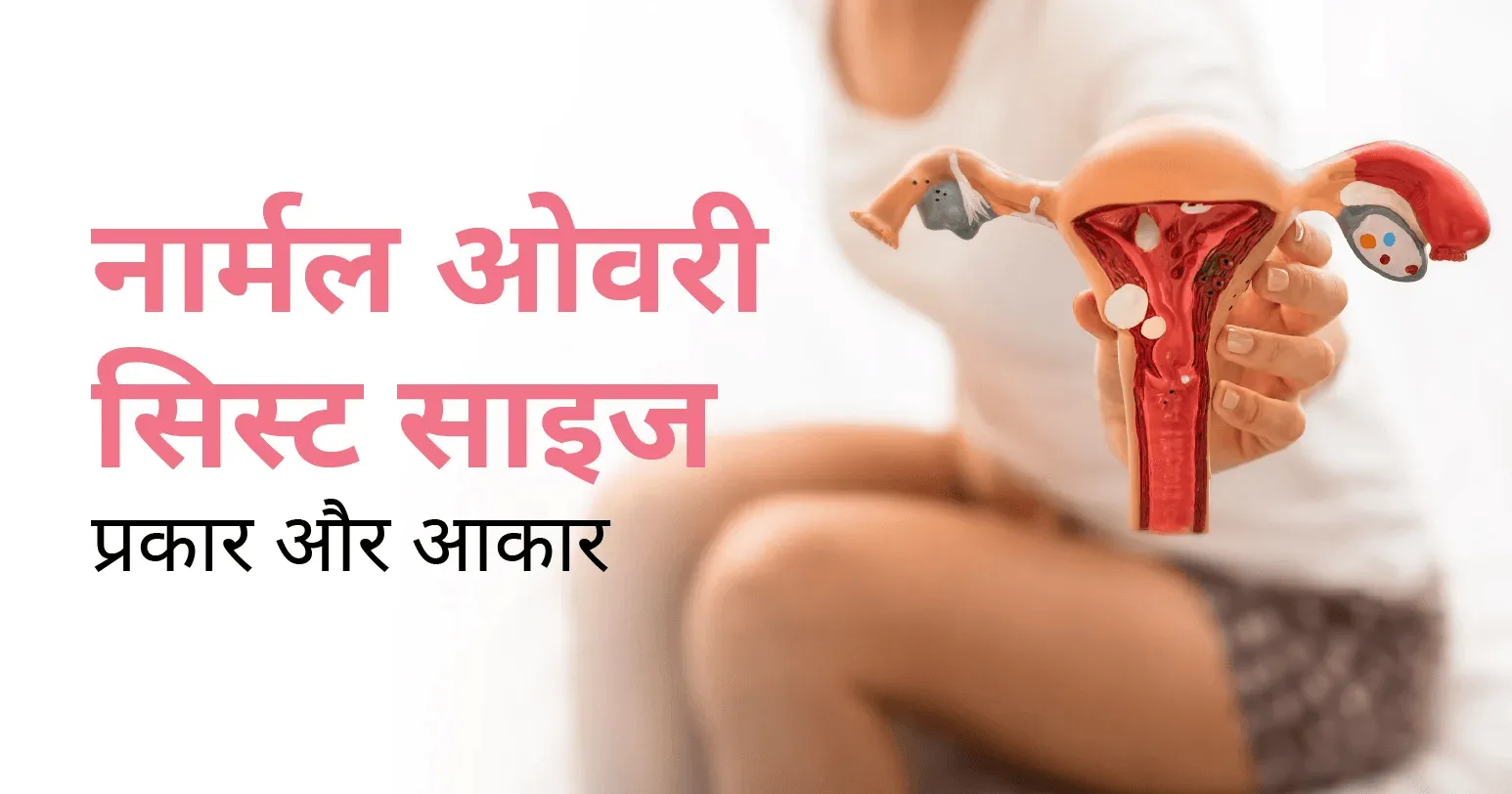
ओवेरियन सिस्ट, आमतौर पर ओवरी के अंदर या उसकी सतह पर बनने वाली तरल पदार्थ से भरी थैली होती है। महिलाओं के शरीर में दो ओवरी होती हैं, जो यूट्रस के दोनों ओर होती हैं। हर ओवरी का आकार लगभग बादाम जितना होता है। इन्हीं ओवरी में एग्स बनते हैं और हर महीने पीरियड्स के दौरान बाहर निकलते हैं। ओवेरियन सिस्ट होना आम बात है, कई मामलों में यह पेनलेस होते हैं और कुछ हफ्तों या महीनों में अपने आप ठीक भी हो जाते हैं। लेकिन, कुछ मामलों में सिस्ट मुड़ सकती है या फट सकती है, जिससे तेज दर्द या गंभीर समस्या हो सकती है। इसलिए जरूरी है कि महिलाओं को समय-समय पर पेल्विक जांच करवाते रहना चाहिए। आप चाहें तो हमारी स्त्री रोग विशेषज्ञ (Gynaecologist) से सलाह लेकर जांच करवा सकती हैं।
आमतौर पर महिलाओं की ओवरी में बनने वाली ओवेरियन सिस्ट अलग-अलग आकार की होती हैं। इनका आकार इस बात पर निर्भर करता है कि सिस्ट किस प्रकार की है और शरीर में कितने टाइम से मौजूद है। अधिकतर ओवेरियन सिस्ट छोटी होती हैं और इनका आकार लगभग 3 सेंटीमीटर यानी 1 इंच से कम होता है। ऐसे छोटे सिस्ट हानिरहित होते हैं और बिना इलाज के अपने आप ठीक हो सकते हैं।
फंक्शनल सिस्ट जो पीरियड साइकिल के दौरान बनती हैं, अक्सर 2 से 3 सेंटीमीटर की होती हैं, ये नॉर्मल होती हैं और बिना इलाज के अपने आप ठीक हो सकती हैं। लेकिन अगर सिस्ट का आकार 5 सेंटीमीटर यानी लगभग 2 इंच या उससे ज्यादा हो, तो आप हमारी स्त्री रोग विशेषज्ञ से संपर्क कर सकती हैं। वहीं, कुछ सिस्ट का आकार 10 सेंटीमीटर या उससे ज्यादा का होता है, तो यह दर्दभरी और समस्याएं पैदा करने वाली होती हैं। कई बार सर्जरी की भी जरूरत पड़ती है।
इसे भी पढ़ें: जानिए प्रेगनेंसी में संबंध बनाना चाहिए या नहीं ?
ओवेरियन सिस्ट कई प्रकार के होते हैं और उनका कारण अलग-अलग हो सकता है।
हर महीने ओवरी में एक फॉलिकल नाम की छोटी थैली बनती है जो एक एग रिलीज करती है। अगर फॉलिकल एग छोड़ने में असफल रहती है, तो वह तरल पदार्थ से भरकर सिस्ट बन जाती है। इसे फॉलिक्युलर सिस्ट कहा जाता है।
जब फॉलिकल एग रिलीज कर देता है, तो वह एक हार्मोन बनाने वाली संरचना बनाता है, जिसे कॉर्पस ल्यूटियम कहते हैं। अगर प्रेगनेंसी नहीं होती है, तो यह आमतौर पर घुल जाता है, लेकिन कभी-कभी यह लिक्विड से भरकर सिस्ट बन सकता है।
इसे भी पढ़ें: पीरियड्स के कितने समय बाद सम्बन्ध बनाना चाहिए
आपको बता दें कि सभी सिस्ट पीरियड्स के कारण नहीं बनती हैं। कुछ सिस्ट शरीर में अन्य वजहों से बनती हैं और कुछ खतरनाक भी हो सकती हैं, इसलिए आपको स्त्री रोग विशेषज्ञ से नियमित जांच करानी चाहिए।
सिस्टैडेनोमा सिस्ट ओवरी के बाहरी सतह पर बनती है और इसमें तरल पदार्थ या गाढ़ा चिपचिपा पदार्थ भरा होता है।
ये सिस्ट अलग तरह की होती हैं, जिसमें स्किन, बाल भी शामिल हो सकते हैं। हालांकि ये अजीब होती हैं लेकिन ये कैंसररहित होती हैं।
ये सिस्ट पीरियड ब्लड से भरी होती हैं और अक्सर एंडोमेट्रियोसिस नामक बीमारी से जुड़ी होती है। इसमें यूट्रस की तरह की कोशिकाएं ओवरी के बाहर विकसित होने लगती हैं।
इसे भी पढ़ें: पीरियड जल्दी लाने के घरेलु उपाय
कैंसरयुक्त सिस्ट अक्सर ठोस होती हैं और इनका साइज धीरे-धीरे बढ़ता जाता है। इस तरह की सिस्ट मेनोपॉज के बाद ज्यादा देखी जाती हैं और इनकी जांच और इलाज बेहद जरूरी होती है।
कई बार छोटी साइज की ओवेरियन सिस्ट में किसी भी तरह के लक्षण नहीं दिखाई देते हैं और महिलाओं को पता भी नहीं चल पाता है। लेकिन अगर सिस्ट थोड़ी बड़ी हो जाए, तो कुछ लक्षण आपको दिखाई दे सकते हैं। जैसे कि-
अक्सर ओवरी सिस्ट का असर इस बात पर निर्भर करता है कि उसका साइज कितना है।
आमतौर पर यह फंक्शनल सिस्ट होती हैं और यह पीरियड्स के दौरान बनती हैं। कुछ हफ्तों में अपने आप ठीक भी हो जाती हैं। इसमें दर्द नहीं होता है और इलाज की जरूरत नहीं पड़ती है। आमतौर पर ये फंक्शनल सिस्ट होती हैं।
मीडियम साइज की सिस्ट में हल्का दर्द, पेट भारी लगने जैसी समस्याएं महसूस हो सकती हैं। इसकी पुष्टि के लिए आप हमारी स्त्री रोग विशेषज्ञ से संपर्क कर सकती हैं और अल्ट्रासाउंड जांच के बाद उचित इलाज करवा सकती हैं।
इस साइज की सिस्ट में दर्द, सूजन, यूरिन पास करने में तकलीफ और पेट में हमेशा भारीपन बना रहना महसूस हो सकता है। इस तरह की सिस्ट मुड़ और फट सकती है, जिससे तेज दर्द पैदा हो सकता है। वहीं, अगर सिस्ट का साइज 10 सेमी से अधिक का है, तो सर्जरी की जरूरत पड़ सकती है।
आमतौर पर अधिकतर ओवेरियन सिस्ट कैंसररहित (non-cancerous) होती हैं। लेकिन मेनोपॉज (menopause) के बाद अगर बड़ी और ठोस सिस्ट बनती हैं, तो डॉक्टर बायोप्सी करके चेक करते हैं कि सिस्ट में कैंसर है या नहीं।
इसे भी पढ़ें: प्रेगनेंसी टेस्ट के घरेलू उपाय
ओवरी में सिस्ट है या नहीं इसके लिए सबसे पहले डॉक्टर कुछ जांचें करवाते हैं और जांच के बाद डायग्नोसिस करते हैं।
ओवरी में सिस्ट है या नहीं इसके लिए सबसे पहले पेल्विक जांच कराई जाती है, जिसकी मदद से डॉक्टर यह समझने की कोशिश करते हैं कि आपके पेट की निचले हिस्से में कोई सिस्ट है या नहीं।
यह एक खास तरह का अल्ट्रासाउंड होता है, जिसमें एक छोटी सी डिवाइस को वजाइना के जरिए अंदर डाला जाता है जिससे ओवरी की साफ इमेज मिलती है। इसकी मदद से डॉक्टर चेक करते हैं कि सिस्ट तरल पदार्थ से भरी है या ठोस है, सिस्ट का साइज, जगह और स्ट्रक्चर कैसा है।
अगर डॉक्टर को किसी सिस्ट में कैंसर का शक होता है, तो वह CA-125 टेस्ट करवाते हैं। इस टेस्ट से पता चलता है कि शरीर में CA-125 नामक प्रोटीन कितना है, जो कुछ कैंसर को बढ़ावा दे सकता है। आमतौर पर स्त्री रोग विशेषज्ञ मेनोपॉज के बाद की महिलाओं के लिए यह जांच जरूर लिखती हैं।
अगर ओवरी में सिस्ट बड़ी है, तो डॉक्टर MRI (Magnetic Resonance Imaging) या CT (Computed Tomography) स्कैन करवाने की सलाह देते हैं। इससे बॉडी के अंदर की बारीक जांच हो जाती है और तस्वीर साफ हो जाती है कि सिस्ट की सर्जरी करनी है या दवाओं से ठीक किया जा सकता है।
अगर सिस्ट की वजह से हल्का दर्द हो रहा होता है, तो डॉक्टर आइबुप्रोफेन या अन्य दर्द निवारक दवाएं लेने की सलाह देते हैं। इसके अलावा, गर्म पानी से पेट की सिंकाई करने से भी राहत मिल सकती है।
जब सिस्ट का साइज छोटा और मीडियम होता है और उसमें कैंसर का कोई संकेत नहीं होता है, तो यह सर्जरी की जाती है। इसमें पेट में छोटे-छोटे चीरे लगाकर सिस्ट को बाहर किया जाता है।
जब सिस्ट का साइज 10 सेमी से ज्यादा का होता है और उसमें कैंसर की संभावना होती है, तो यह ट्रेडिशनल सर्जरी की जाती है। इसमें पेट में बड़ा चीरा लगाया जाता है और सिस्ट को निकाला जाता है।
जब सिस्ट में पीरियड का खून भर जाता है, तो लैप्रोस्कोपी सर्जरी की जाती है।
इसे भी पढ़ें: महिलाओं में हार्मोनल असंतुलन के कारण, प्रभाव और इलाज
| मिथक (myths about ovarian cyst) | सच्चाई (facts about ovarian cyst) |
| सभी तरह के ओवेरियन सिस्ट इनफर्टिलिटी का कारण बनते हैं। | अधिकांश फंक्शनल सिस्ट फर्टिलिटी को प्रभावित नहीं करते हैं। |
| सिस्ट का मतलब हमेशा कैंसर होता है। | उम्र और कुछ लक्षणों के साथ कैंसर का खतरा बढ़ जाता है। |
| सिस्ट को हटाने के लिए सर्जरी की जरूरत होती है। | कई मामलों में सिस्ट 1 से 3 महीनों में ठीक हो जाता है। |
| सर्जरी हमेशा लैपरोटॉमी (Laparotomy)ही होती है।
सिस्ट हमेशा दर्द देते हैं। |
अधिकांश सर्जरी लैप्रोस्कोपी होती हैं, जिसमें पेट में छोटे चीरे लगाकर सिस्ट को बाहर निकाला जाता है। |
| सिस्ट हमेशा दर्द देते हैं। | केवल बड़े आकार के, फटे या मुड़े हुए सिस्ट ही दर्द का कारण बनते हैं। |
इसे भी पढ़ें: गर्भपात के बाद गर्भधारण: समय, स्वास्थ्य और सलाह
महिलाओं के पीरियड्स साइकिल के दौरान ओवेरियन सिस्ट होना आम बात है। ये सिस्ट ओवरी में पानी या तरल पदार्थ से भरी छोटी-छोटी थैली होती हैं। सिस्ट अलग-अलग प्रकार और आकार की होती हैं। कुछ सिस्ट बड़ी और दर्दभरी होती हैं। ऐसे में महिलाओं को बिना देर किए स्त्री रोग विशेषज्ञ से संपर्क करना चाहिए। समय रहते जांच और सही इलाज से ओवेरियन सिस्ट के बढ़ने से रोका जा सकता है।
क्या ओवेरियन सिस्ट से भविष्य में गर्भवती होने में परेशानी होगी?
कई बार ओवेरयिन सिस्ट होने पर भी अधिकांश महिलाएं प्रेगनेंट हो सकती हैं। दरअसल कई सिस्ट इतने छोटे होते हैं कि वह प्रेगनेंसी को प्रभावित नहीं करते हैं।
क्या ओवेरियन सिस्ट कैंसर का कारण बन सकता है?
नहीं, हर तरह के ओवेरियन सिस्ट कैंसर का कारण नहीं होते हैं। कुछ सिस्ट कैंसर रहित होते हैं।
क्या ओवेरियन सिस्ट को रोकने का कोई तरीका है?
ओवेरेयिन सिस्ट को रोकने का कोई विशिष्ट तरीका नहीं है। लेकिन, आप हमारे स्त्री रोग विशेषज्ञ से नियमित पेल्विक जांच करवाकर अपनी ओवरी में होने वाले बदलाव को पता कर सकती हैं।
Key takeaways
हम यह समझते हैं कि प्रेगनेंसी एक खूबसूरत सफर है और इस सफर में आपके मन में कई अनगिनत सवाल भी उठते होंगे। जब भी प्रेगनेंसी के दौरान अल्ट्रासाउंड होता है, तो एक डर या खतरा महिलाओं के मन में मंडराता रहता है कि उनका बच्चा स्वस्थ होगा या नहीं। सभी परिवार, खासतौर पर महिलाएं यह नहीं सुनना चाहती कि प्रेगनेंसी में कोई समस्या है। उन सभी समस्याओं में से ‘पोस्टीरियर प्लेसेंटा’ एक ऐसी स्थिति है, जिसके बारे में अक्सर महिलाओं को गलत जानकारी होती है।
यदि आप अपने और अपने बच्चे की सुरक्षा, विकास और भविष्य को लेकर विचार कर रहे हैं, तो आपके मन के सभी सवालों के जवाब इस ब्लॉग से आपको मिल जाएंगे। हर गर्भवती मां के अच्छे स्वास्थ्य, बच्चे की सुरक्षित ग्रोथ, और परिवार के सुकून की चाह यही है कि वह सही जानकारी लें और आवश्यकता के अनुसार सही इलाज या कदम उठाएं। प्रेगनेंसी में कोई भी समस्या दिखने पर तुरंत हमारे अनुभवी विशेषज्ञों से मिलें और इलाज के विकल्पों पर बात करें।
ये भी पढ़े: प्रेगनेंसी में कितने समय के बाद सम्बन्ध बनाना बंद कर देना चाहिए
Table of Contents
भारत में प्रेगनेंसी को लेकर पहले से बहुत सारी बातें चलते आई हैं। वहीं इसी बीच कुछ मेडिकल शब्द है, जिससे वह खुद ही अनजान होती हैं। ऐसे में जब वह अपने अल्ट्रासाउंड के रिपोर्ट में ‘पोस्टीरियर प्लेसेंटा’ लिखा देखती हैं, तो वह घबरा जाती हैं कि यह क्या चीज है।
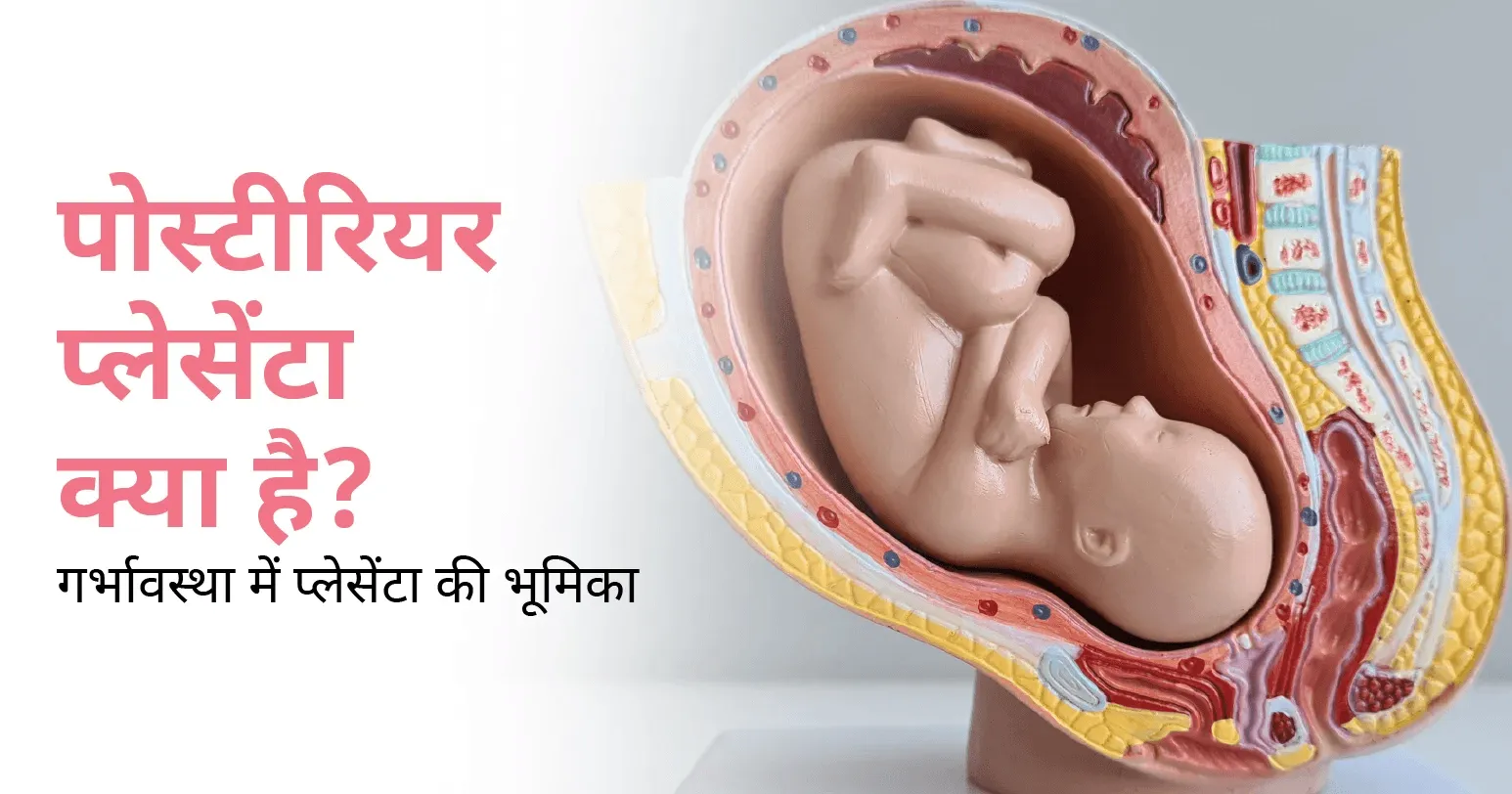
पोस्टीरियर प्लेसेंटा वह स्थिति है, जब आपकी नाल या प्लेसेंटा (placenta) गर्भाशय की पिछली दीवार यानी पीठ (रीढ़) की ओर जुड़ी होती है। अक्सर इस स्थिति को सामान्य स्थिति में ही गिना जाता है और खतरे का संकेत नहीं माना जाता है। करीब 70-75% महिलाओं में प्रेगनेंसी के दौरान यह स्थिति देखी जाती है, और यह डिलीवरी, बच्चे के विकास या मां की सेहत के लिए आमतौर पर कोई परेशानी नहीं होती है। यदि आपके रिपोर्ट में पोस्टीरियर प्लेसेंटा लिखा है, तो घबराइए नहीं। यह एक सामान्य अवस्था है, जो स्वस्थ गर्भावस्था के साथ जुड़ी रहती है और यदि आपके मन में संदेह है, तो तुरंत एक अनुभवी स्त्री रोग विशेषज्ञ से मिलें और उनसे अपने प्रश्नों के उत्तर को जानें।
हमें यह समझना पड़ेगा कि प्लेसेंटा मां और अजन्मे बच्चे के बीच के बीच एक जीवन बचाने वाला पुल है, जो बच्चे को वह सारे आवश्यक एवं पोषक तत्व प्रदान करता है, जिससे वह सारा समय मां के गर्भ में जीवित और स्वस्थ रहे। यह मुख्यतः इन कार्यों के लिए जिम्मेदार होता है –
विश्व स्वास्थ्य संगठन के अनुसार, हर साल लगभग 13 करोड़ गर्भवती महिलाओं में, 95% में प्लेसेंटा का विकास बिलकुल सामान्य ढंग से होता है, जिससे मां और बच्चे दोनों सुरक्षित रहते हैं।
इसे भी पढ़ें: जानिए प्रेगनेंसी में संबंध बनाना चाहिए या नहीं ?
अक्सर डॉक्टर दूसरी तिमाही में अल्ट्रासाउंड में प्लेसेंटा की स्थिति की जांच कर लेते हैं। चलिए उन सभी प्लेसेंटा की स्थितिओं के बारे में जानते हैं और समझते हैं कि उसका क्या प्रभाव होता है।
| स्थिति | स्थान | प्रभाव/महत्व |
| पोस्टीरियर (posterior placenta) | पीठ की ओर | हलचल जल्दी महसूस होती है, सामान्य डिलीवरी की संभावना अधिक होती है। |
| एंटीरियर (anterior placenta) | पेट की ओर | शिशु की हलचल देर से महसूस हो सकती है और कोई विशेष खतरा नहीं होता है। |
| फंडल (fundal placenta) | गर्भाशय का ऊपरी भाग | सबसे सुरक्षित, सभी ओर से स्पेस उपलब्ध है। |
| लो-लाइंग/प्रीविया (low-lying/previa placenta) | गर्भाशय-मुख के पास | जटिलता/ब्लीडिंग की संभावना होती है। इसमें विशेष निगरानी की जरूरत होती है। |
| लैटरल (lateral placenta) | दाएँ या बाएँ दीवार | सामान्य, और अक्सर इसमें कोई समस्या नहीं होती है। |
गर्भावस्था के दौरान प्लेसेंटा कभी-कभी ऊपर, साइड या पीछे-नीचे भी खिसक सकता है (placental migration), जो ज्यादातर मामलों में डिलीवरी के समय तक सही स्थान पर आ जाता है। इसलिए समय-समय पर डॉक्टर से जांच और परामर्श आवश्यक होता है।
इसे भी पढ़ें: प्रेगनेंसी के दौरान पेट में दर्द होने के कारण और इलाज
पोस्टीरियर प्लेसेंटा एक सामान्य स्थिति है, जिसके कुछ फायदे भी होते हैं जैसे कि –
इसे भी पढ़ें: पीरियड कम आने के नुकसान: कारण, प्रभाव और इलाज
पोस्टीरियर प्लेसेंटा सामान्य है, पर कुछ महिलाओं को अपनी प्रेगनेंसी के दौरान निम्न समस्याएं हो सकती हैं –
किसी भी असामान्य दर्द, अचानक ब्लीडिंग, या हलचल में बदलाव महसूस हो तो तुरंत डॉक्टर से परामर्श लें।
प्लेसेंटा मां और बच्चे के बीच जीवन का सबसे अहम सेतु है। इसके बिना प्रेगनेंसी की कल्पना ही मुश्किल है। यदि ऐसा नहीं होता है या फिर प्लेसेंटा अपना सामान्य काम नहीं कर पा रहा है, तो शिशु का विकास सही से नहीं हो पाता है, जिसके कारण प्री-टर्म डिलीवरी (preterm delivery/labour) या गंभीर स्वास्थ्य समस्याएं उत्पन्न हो सकती हैं।
हमेशा याद रखें, हर माँ और परिवार के लिए प्लेसेंटा की स्थिति और सेहत पर ध्यान देना, डॉक्टर के संपर्क में रहना, और नियमित चेकअप कराना सबसे असरदार रास्ता है। स्वस्थ माँ और बच्चे के भविष्य के लिए प्लेसेंटा की स्वस्थ बहुत ज्यादा आवश्यक है।
यदि आप भी अपने गर्भावस्था की रिपोर्ट या पोस्टीरियर प्लेसेंटा को लेकर संशय में हैं, तो आज ही विशेषज्ञ डॉक्टर से संपर्क करें या ऑनलाइन अपनी रिपोर्ट साझा करें। इसके लिए आप हमारे अनुभवी डॉक्टर से भी परामर्श ले सकते हैं।
इसे भी पढ़ें: गर्भपात के बाद गर्भधारण: समय, स्वास्थ्य और सलाह
क्या पोस्टीरियर प्लेसेंटा में खतरा है?
नहीं! 95% से ज्यादा मामलों में यह एकदम सामान्य व सुरक्षित स्थिति है। बस किसी भी असामान्य दर्द, ब्लीडिंग या हलचल कम होने पर डॉक्टर को बताएं।
क्या प्लेसेंटा की स्थिति बदल सकती है?
हां, विशेषकर शुरुआती महीनों में, जैसे-जैसे आपका गर्भाशय बढ़ता है, प्लेसेंटा ऊपर या साइड में खुद-ब-खुद सरक सकता है, जिसे मेडिकल भाषा में ‘प्लेसेंटल माइग्रेशन’ कहते हैं।
सबसे अच्छी प्लेसेंटा पोजीशन कौन सी है?
प्लेसेंटा अगर ‘फंडल’ (ऊपर) या ‘पोस्टीरियर’ है और बच्चेदानी, मुख को नहीं ढंके, तो वह सबसे उपयुक्त स्थिति मानी जाती है।

