Filter :

HCG (Human Chorionic Gonadotropin) is a pregnancy hormone produced by the placenta, and its levels help doctors track how your pregnancy is progressing. Monitoring HCG can also indicate concerns like miscarriage risk, multiple pregnancy, or ectopic pregnancy if levels rise too slowly or abnormally.
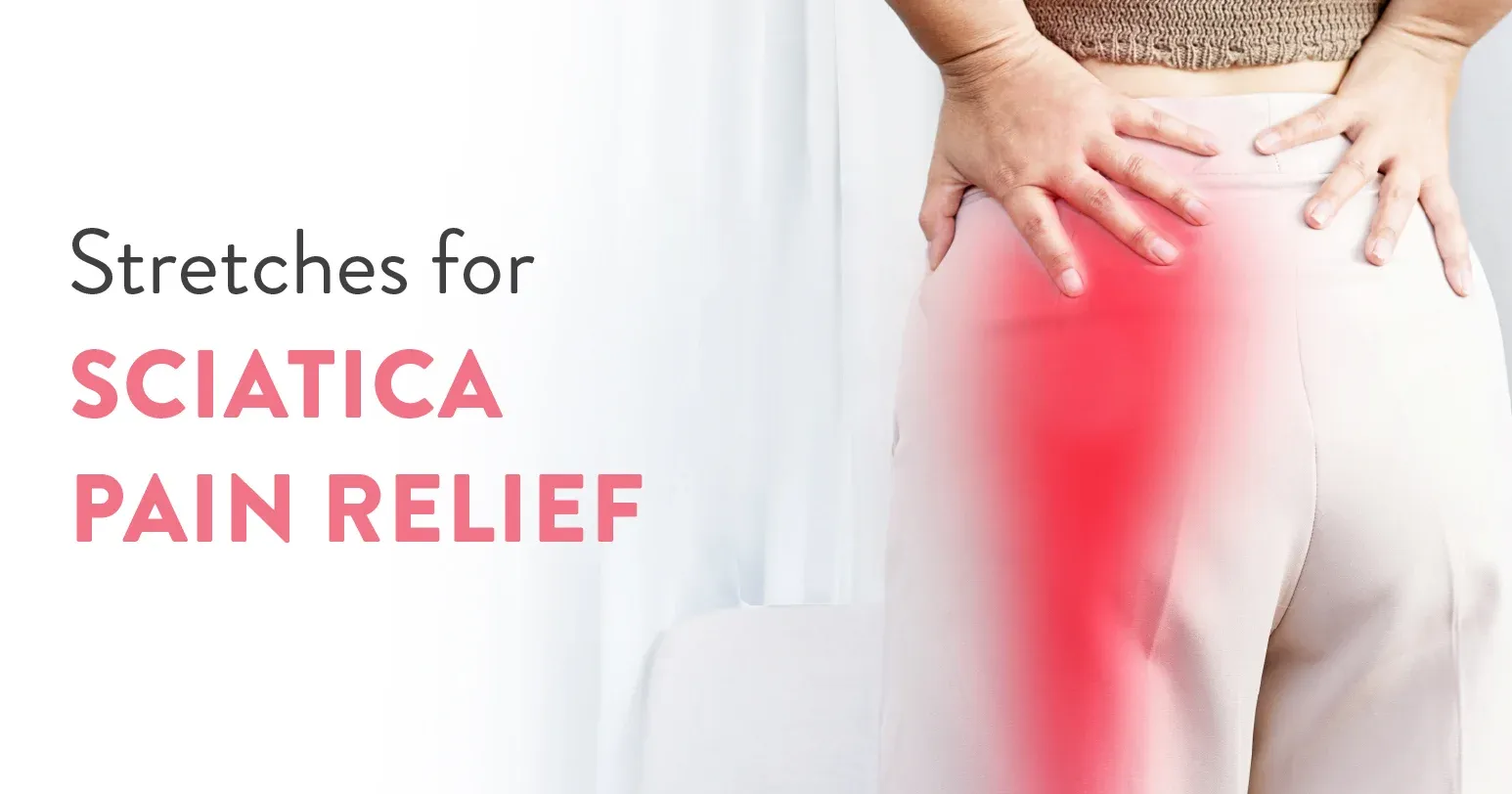
Sciatica occurs when the sciatic nerve is compressed, causing radiating pain from the lower back to the legs with possible numbness or weakness. Regular stretching exercises can help reduce discomfort and improve mobility.
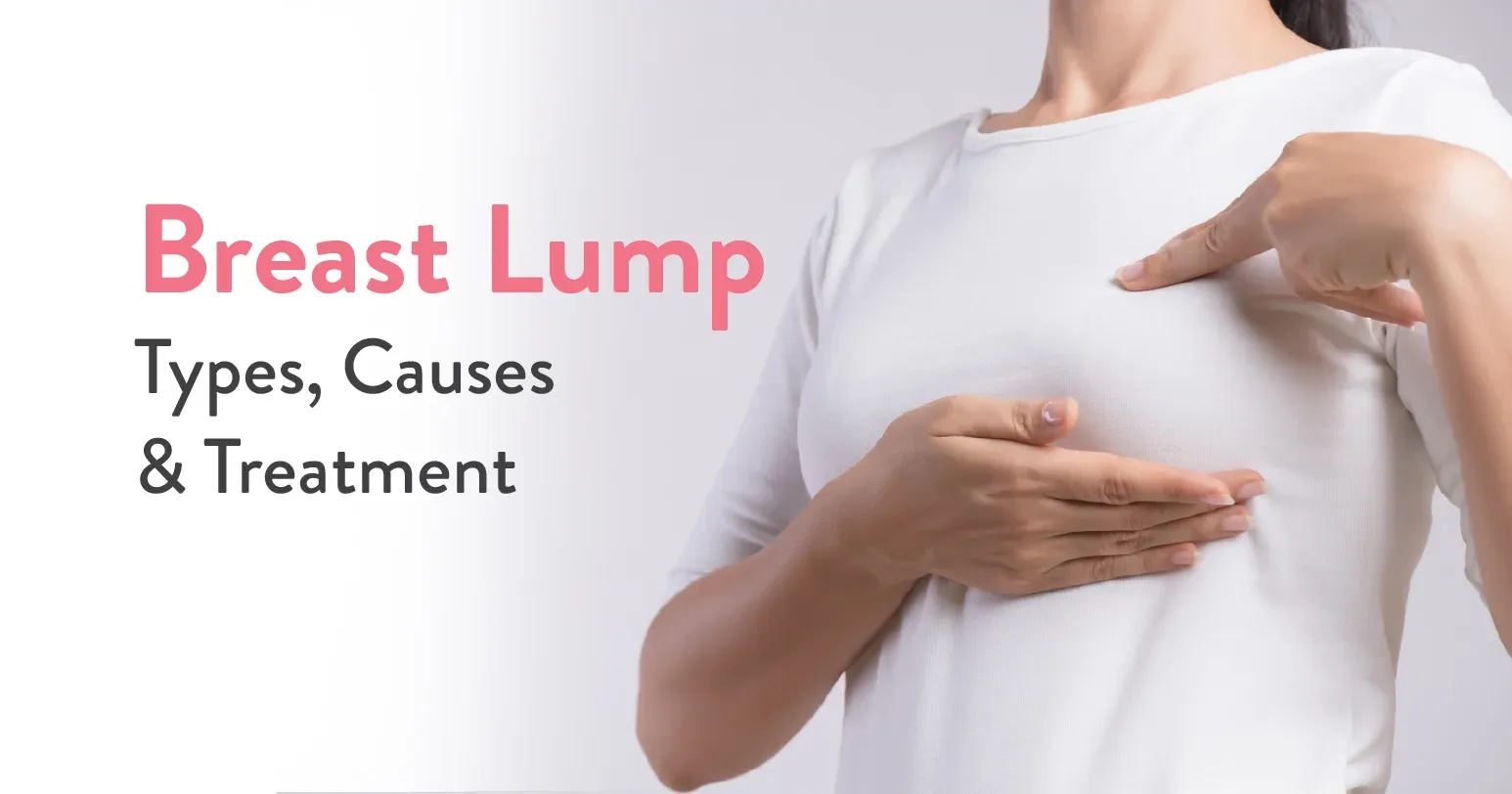
A breast lump is a swelling or growth in the breast tissue that may feel hard, soft, smooth, or movable, and can occur due to cysts, infections, or other conditions. Although breast lumps can be a sign of cancer, most (around 80%) are non-cancerous and still require timely medical evaluation if persistent or unusual.
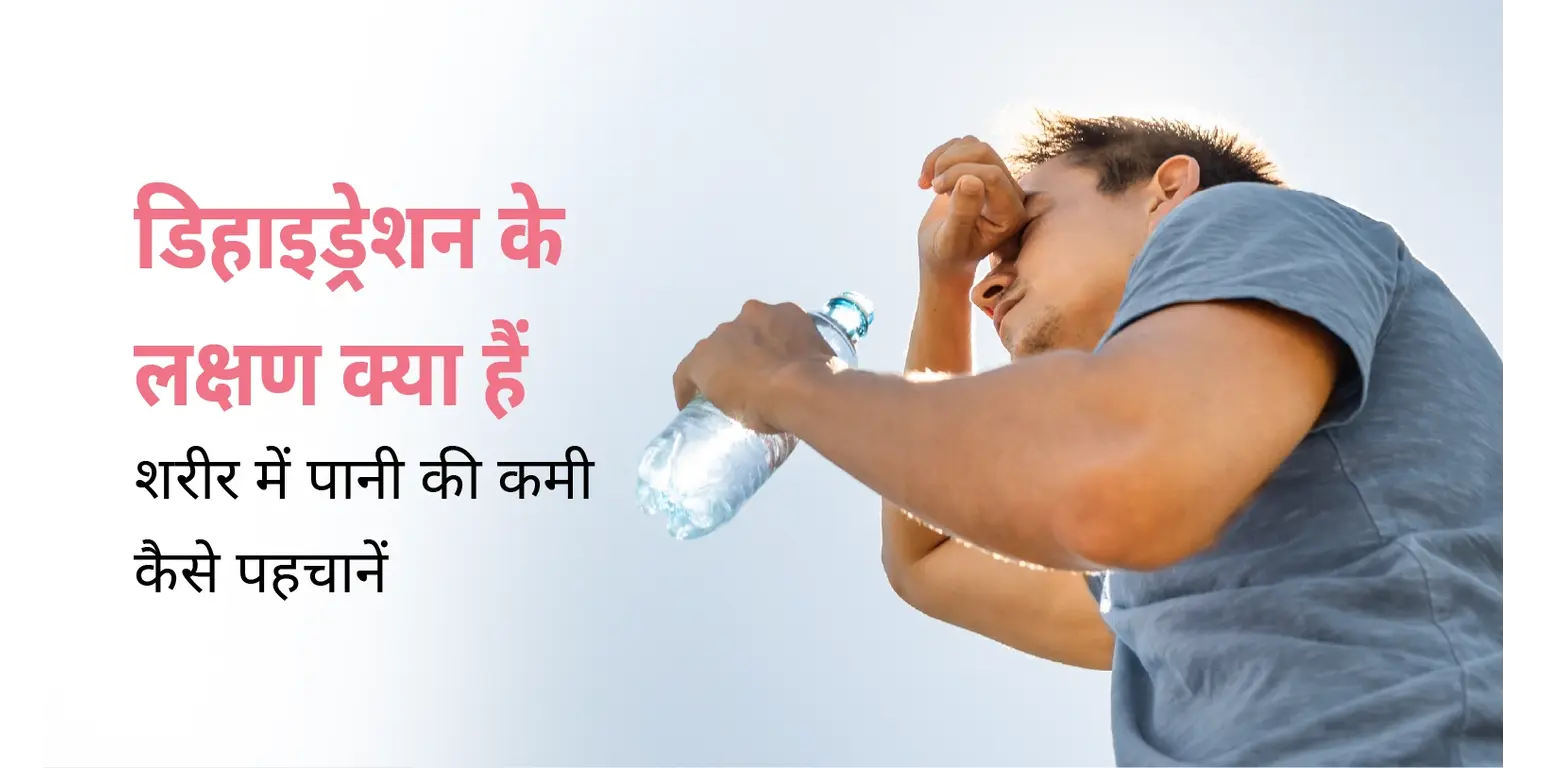
कल्पना कीजिए, आप एक तपती दोपहर में बाहर हैं या अपने ऑफिस के काम में इतने मशगूल हैं कि पानी पीना ही भूल गए। अचानक आपको हल्का सिरदर्द महसूस होता है और आप उसे काम का तनाव समझकर टाल देते हैं। लेकिन क्या आपने कभी सोचा है कि यह तनाव नहीं, बल्कि आपके शरीर का एक “साइलेंट साइन” है? आपका शरीर आपसे कह रहा है कि उसके भीतर का ‘ईंधन’ यानी पानी खत्म हो रहा है।
डिहाइड्रेशन महज एक प्यास का अहसास नहीं है; यह एक ऐसी स्थिति है, जो आपकी किडनी, दिमाग और दिल पर सीधा असर डालती है। जब शरीर को अपनी सामान्य प्रक्रियाओं को चलाने के लिए पर्याप्त तरल पदार्थ नहीं मिलता, तो वह अंदरूनी रूप से ‘सूखने’ लगता है। सीके बिरला अस्पताल के विशेषज्ञों का मानना है कि अस्पताल आने वाले कई मरीजों में थकान और कमजोरी का प्राथमिक कारण पानी की भारी कमी ही पाया जाता है। यदि आप भी अपनी सेहत को लेकर गंभीर हैं, तो डिहाइड्रेशन से बचने के उपाय जानना आपके लिए केवल एक विकल्प नहीं, बल्कि जरूरत है। यदि इस ब्लॉग में मौजूद लक्षण आपको अपने शरीर में दिखते हैं, तो बिना देर किए हमारे अनुभवी विशेषज्ञों से मिलें और अपनी वर्तमान स्थिति के बारे में जानें।
Table of Contents
आसान भाषा में समझें तो डिहाइड्रेशन का मतलब शरीर से बाहर निकलने वाले तरल पदार्थ (पसीना, पेशाब) की तुलना में पानी का सेवन कम होना है। हमारा शरीर लगभग 60-70% पानी से बना है। जब यह संतुलन बिगड़ता है, तो रक्त गाढ़ा होने लगता है और अंगों तक ऑक्सीजन पहुंचाने के लिए हृदय को दोगुनी मेहनत करनी पड़ती है। मेयो क्लीनिक के अनुसार, पुरुषों को रोजाना लगभग 3.7 लीटर और महिलाओं को 2.7 लीटर तरल पदार्थ की आवश्यकता होती है। यही कारण है कि अक्सर लोगों के शरीर में पानी की कमी होने लगती है, क्योंकि इतना पानी भारत की लगभग 70% से अधिक आबादी पीती ही नहीं है।
ये भी पढ़े: जीभ पर छाले क्यों होते है और इससे कैसे ठीक करें?
एक रिसर्च के अनुसार, दुनिया भर में लगभग 70% लोग ‘क्रोनिक डिहाइड्रेशन’ के शिकार हैं, जिसका अर्थ है कि वे पर्याप्त पानी नहीं पी रहे हैं और इसे सामान्य मान चुके हैं। शरीर में पानी की कमी को पहचानना मुश्किल नहीं है, बस आपको अपने शरीर के संकेतों के प्रति थोड़ा संवेदनशील होना होगा। आपको अपने शरीर में निम्न लक्षणों को समझना होगा और आवश्यकता के अनुसार परामर्श लेना होगा –
ये भी पढ़े: क्या रोज़ाना पपीता खा सकते है। इसके फायदे, नुकसान और पोषक तत्त्व।
ये भी पढ़े: अनानास के फायदे, नुकसान, पोषक तत्त्व और खाने का सही तरीका
सिर्फ पानी न पीना ही एकमात्र कारण नहीं है। कई बार आपकी जीवनशैली और बीमारियां भी इसके पीछे होती हैं –
यदि आप डिहाइड्रेशन के लक्षण और उपाय को नजरअंदाज करते हैं, तो यह निम्नलिखित समस्याओं को जन्म दे सकता है –
ये भी पढ़े: जब आप रोज़ ओट्स खाते हैं तो आपके शरीर पर क्या असर होता है?
डिहाइड्रेशन का इलाज उसकी गंभीरता पर निर्भर करता है।
ये भी पढ़े: एल्कलाइन वाटर: क्या होता है, फायदे, नुकसान, और सेवन का सही तरीका
सीके बिरला अस्पताल में हमारे विशेषज्ञ सलाह देते हैं कि डिहाइड्रेशन के उपाय के रूप में केवल सादा पानी ही काफी नहीं है, शरीर को सोडियम और पोटेशियम जैसे इलेक्ट्रोलाइट्स की भी जरूरत होती है। अपने फोन में ‘वॉटर रिमाइंडर’ ऐप इंस्टॉल करें या अपने वर्किंग डेस्क पर एक पारदर्शी बोतल रखें। जब आप पानी को अपनी आंखों के सामने देखते हैं, तो आपके मस्तिष्क को इसे पीने का संकेत मिलता रहता है। स्वस्थ रहें, हाइड्रेटेड रहें!
ये भी पढ़े: जाने पेशाब में जलन का कारण, लक्षण और इलाज
अगर आपको निम्नलिखित में से कुछ भी महसूस हो, तो तुरंत विशेषज्ञ से परामर्श लें:
ये भी पढ़े: गर्मी में हाइड्रेटेड रहने के लिए क्या करें और क्या खाये
पानी जीवन का आधार है। यह बात हम बचपन से सुनते आ रहे हैं। लेकिन इसे अमल में लाना हमारी जिम्मेदारी है। डिहाइड्रेशन के लक्षण दिखने का इंतजार न करें। अपनी बोतल हमेशा साथ रखें और अपने शरीर को वह सम्मान दें जिसका वह हकदार है। याद रखें, आज का एक गिलास पानी कल की बड़ी बीमारी से आपको बचा सकता है।
ये भी पढ़े: फूड पॉइजनिंग: लक्षण, कारण और इलाज
क्या सिर्फ प्यास लगना ही डिहाइड्रेशन का संकेत है?
नहीं, प्यास लगना एक देर से आने वाला संकेत है। जब तक आपको प्यास महसूस होती है, आपका शरीर पहले ही 1-2% पानी खो चुका होता है। थकान, सूखापन, सिरदर्द और प्यास से पहले आने वाले संकेत हो सकते हैं।
क्या ठंड के मौसम में भी डिहाइड्रेशन होता है?
हां, सर्दियों में हमें प्यास कम लगती है और शुष्क हवा शरीर की नमी को सोख लेती है। इसके अलावा, सर्दियों के कपड़ों में पसीना आने पर भी हमें पता नहीं चलता, जिससे डिहाइड्रेशन का खतरा बना रहता है।
क्या बच्चों में डिहाइड्रेशन जल्दी होता है?
जी हां, बच्चों का वजन कम होता है और उनका चयापचय (मेटाबॉलिज्म) तेज होता है, जिससे उनके शरीर से तरल पदार्थ जल्दी खत्म होते हैं। दस्त या बुखार के दौरान बच्चों में यह स्थिति बहुत जल्दी गंभीर हो सकती है।
क्या डिहाइड्रेशन से स्किन खराब होती है?
निश्चित रूप से, पानी की कमी से त्वचा रूखी, बेजान और झुर्रियों वाली दिखने लगती है। पानी त्वचा को हाइड्रेटेड रखकर प्राकृतिक चमक (Glow) बनाए रखने में मदद करता है।
क्या सिर्फ पानी पीना ही पर्याप्त है?
ज्यादातर मामलों में हां, लेकिन अगर डिहाइड्रेशन ज्यादा पसीने या दस्त के कारण है, तो शरीर को नमक और खनिजों (इलेक्ट्रोलाइट्स) की भी जरूरत होती है। ऐसे में ओआरएस या नारियल पानी बेहतर विकल्प हैं।
क्या चाय या कॉफी से पानी की कमी पूरी हो सकती है?
नहीं, कैफीन युक्त पेय ‘मूत्रवर्धक’ (Diuretic) होते हैं, जिसका अर्थ है कि वे आपको अधिक पेशाब कराते हैं, जिससे शरीर में पानी की कमी और बढ़ सकती है।
रोज़ कितना पानी पीना चाहिए?
एक सामान्य वयस्क को दिन में कम से कम 8-10 गिलास (लगभग 2.5 से 3 लीटर) पानी पीना चाहिए। हालांकि, यह आपकी उम्र, वजन और गतिविधि के स्तर पर निर्भर करता है। एक अच्छा नियम यह है कि आप अपनी प्यास का इंतजार न करें, बल्कि हर एक-दो घंटे में थोड़ा-थोड़ा पानी पीते रहें।
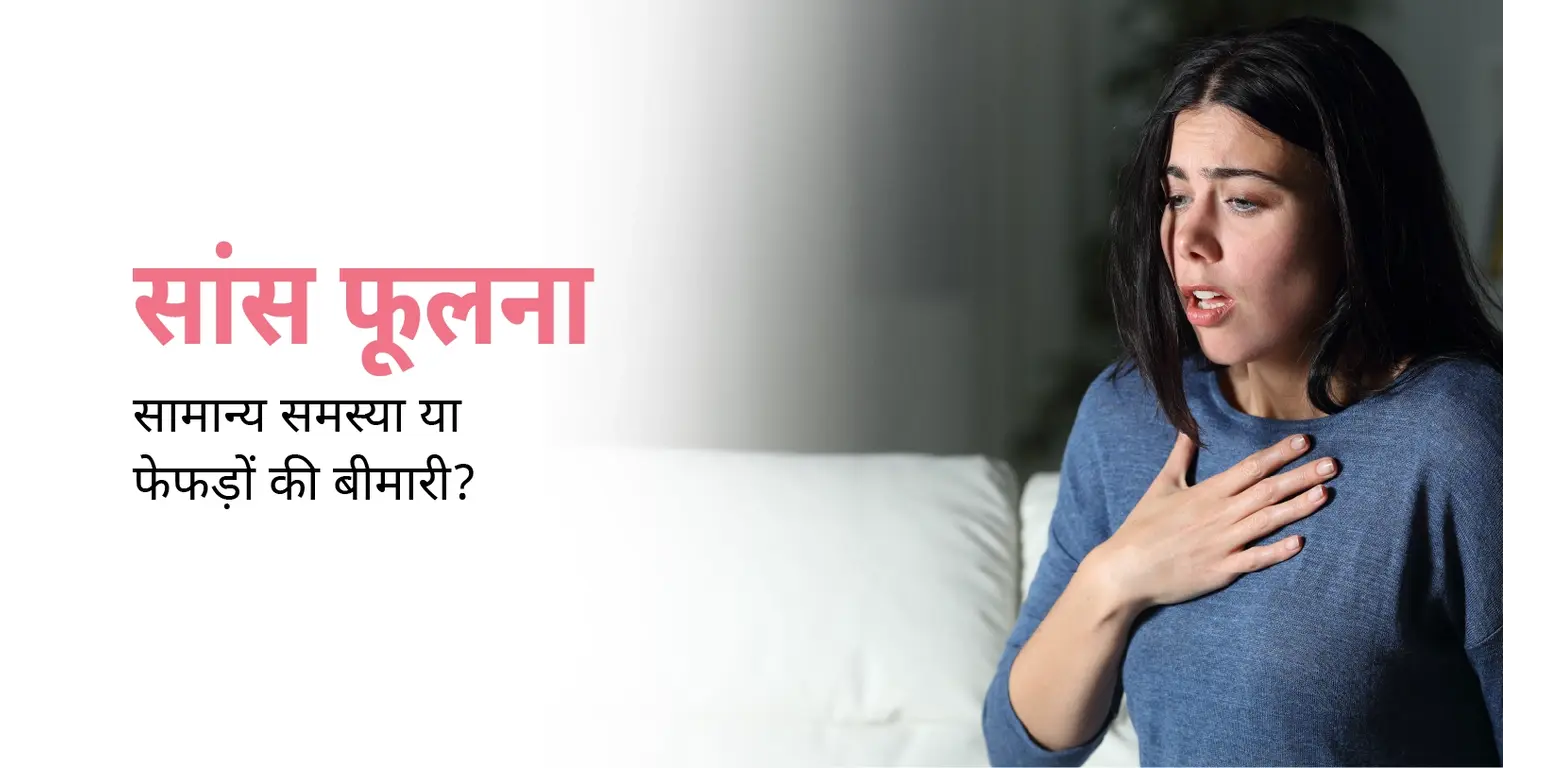
अपना पसंदीदा खेल खेलते हुए यदि अचानक आपको महसूस होता है कि आपके फेफड़े पर्याप्त हवा नहीं खींच पा रहे हैं, तो आपको कैसे लगेगा। सीने में भारीपन, सांस फूलना और घबराहट होना आपको डरा देता है।
क्या यह सिर्फ बढ़ती उम्र या कमजोरी है? या फिर आपका शरीर आपको किसी बड़े खतरे, जैसे फेफड़ों की बीमारी, के प्रति आगाह कर रहा है? सांस लेना जीवन की सबसे स्वाभाविक प्रक्रिया है, लेकिन जब यही प्रक्रिया बोझ बन जाए, तो इसे नजरअंदाज करना जानलेवा हो सकता है। सीके बिरला अस्पताल में हम समझते हैं कि हर उखड़ी हुई सांस के पीछे एक कहानी और एक चिंता होती है। आइए, इस ब्लॉग के माध्यम से विस्तार से समझते हैं कि आखिर सांस का फूलना कब सामान्य है और कब यह ‘मेडिकल इमरजेंसी’ है। और यदि ये मेडिकल इमरजेंसी बनती है, तो बिना देर किए हमारे अनुभवी विशेषज्ञों से परामर्श लें और इलाज लें।
Table of Contents
WHO के अनुसार, वायु प्रदूषण के कारण हर साल दुनिया भर में लाखों लोग श्वसन रोगों का शिकार होते हैं, जिसका सबसे सामान्य लक्षण होता है सांस फूलना। मेडिकल भाषा में सांस फूलने को ‘डिस्पनिया’ (Dyspnea) कहा जाता है। यह वह स्थिति है जब व्यक्ति को पर्याप्त ऑक्सीजन नहीं मिल पाती और उसे सांस लेने के लिए अतिरिक्त प्रयास करना पड़ता है। कई बार जल्दी सांस फूलने के कारण शारीरिक सक्रियता की कमी हो सकती है, लेकिन यदि यह समस्या बिना किसी मेहनत के हो रही है, तो यह चिंता का विषय है।
हर बार सांस फूलना किसी गंभीर बीमारी का संकेत नहीं होता। इसके कुछ सामान्य कारण निम्नलिखित हो सकते हैं –
ये भी पढ़े: सांस लेने में दिक्कत हो तो क्या करें?
ये सभी कारण सामान्य कारण हैं, लेकिन सांस फूलने के कुछ गंभीर कारण भी होते हैं, जिन्हे हम नीचे समझने वाले हैं।
ये भी पढ़े: इओसिनोफिलिया क्या है – कारण, लक्षण और घरेलू उपचार (Eosinophils in Hindi)
अगर आपको बार-बार सांस फूलना जैसी समस्या हो रही है, तो इसके पीछे आपके श्वसन तंत्र (Respiratory System) की कोई गड़बड़ी हो सकती है। चलिए समझते हैं कि कौन से गंभीर कारण हैं –
ये भी पढ़े: ट्यूबरक्लोसिस क्या है – कारण, लक्षण और बचाव
ये सारे कारण गंभीर कारण हैं और यदि आप इनमें से किसी भी कारण के चपेट में आ रहे हैं, तो हमारी सलाह यही होगी कि आप सबसे पहले हमारे अनुभवी विशेषज्ञों से मिलें और इलाज लें।
ये भी पढ़े: बंद नाक का कारण, लक्षण और इलाज
सांस फूलने के साथ कुछ अन्य लक्षण इस स्थिति को और गंभीर बना देते हैं जैसे कि –
ये भी पढ़े: खांसी का कारण और इलाज
इस टेबल में बताए गए लक्षणों को बिल्कुल भी नजरअंदाज न करें और तुरंत परामर्श लें। आपकी समझ के लिए हमने इसमें लक्षण के संभावित कारण और उसकी गंभीरता भी बताई है –
| लक्षण | संभावित कारण | गंभीरता |
| चलते समय सांस फूलना | मोटापा या एनीमिया | मध्यम |
| लेटने पर सांस फूलना | हृदय की समस्या (Heart Failure) | उच्च (तुरंत जांच कराएं) |
| सांस के साथ घरघराहट | अस्थमा या ब्रोंकाइटिस | मध्यम से उच्च |
ये भी पढ़े: गले में सूजन का कारण और उपचार
चलिए इसे एक आंकड़े की मदद से समझने का प्रयास करते हैं। भारत में लगभग 15-20% वयस्क किसी न किसी स्तर की श्वसन संबंधी समस्या से जूझ रहे हैं। इसलिए यदि आपको निम्नलिखित लक्षण महसूस होते हैं तो बिना देर किए हमारे अनुभवी विशेषज्ञों से मिलें और जानें कि इलाज का पूरा शेड्यूल क्या होगा –
ये भी पढ़े: सूखी खांसी: कारण, लक्षण, घरेलू उपाय और निदान
सीके बिरला अस्पताल में हम आधुनिक तकनीक के माध्यम से आपकी समस्या की जड़ तक पहुंचते हैं। फेफड़ों की स्थिति जानने के लिए निम्नलिखित टेस्ट किए जा सकते हैं:
फेफड़ों में इन्फेक्शन का इलाज इन्फेक्शन के प्रकार पर निर्भर करता है। इसके कुछ प्रमुख तरीके हैं, जिन्हें हमने एक-एक करके समझाया है –
अगर इन्फेक्शन की वजह से सांस की नली में सूजन आ गई है या मरीज को अस्थमा और COPD जैसी स्थिति है, तो इनहेलर सबसे कारगर साबित होते हैं।
बिना डॉक्टरी सलाह के कोई भी दवा या एंटीबायोटिक न लें, क्योंकि इससे शरीर में ‘ड्रग रेजिस्टेंस’ बढ़ सकता है।
ये भी पढ़े: जानिए फेफड़ों में पानी भरने के मुख्य कारण और इलाज
यह फेफड़ों के लिए एक तरह की “जिम” की तरह है। जब इन्फेक्शन की वजह से फेफड़े कमजोर हो जाते हैं या सांस फूलने लगती है, तब यह प्रोग्राम बहुत मददगार होता है।
जब इन्फेक्शन इतना गंभीर हो जाए कि फेफड़े खून में पर्याप्त ऑक्सीजन नहीं पहुंचा पा रहे हों, तब ऑक्सीजन थेरेपी की जरूरत पड़ती है।
दवाओं के साथ-साथ आपकी दिनचर्या ही आपकी असली रिकवरी तय करती है:
ये भी पढ़े: गले में अत्यधिक बलगम क्यों बनता है और इसका स्वास्थ्य पर क्या प्रभाव पड़ता है?
यदि समस्या गंभीर नहीं है, तो आप कुछ सांस फूलना घरेलू उपाय अपना सकते हैं –
सांस का फूलना कोई सामान्य घटना नहीं है, जिसे आप “कल देखेंगे” कहकर टाल सके। यह आपके शरीर का एक महत्वपूर्ण संदेश है। चाहे वह रनिंग करते समय सांस फूलना हो या थकान, सही समय पर पहचान और विशेषज्ञ की सलाह आपको भविष्य की बड़ी मुश्किलों से बचा सकती है। याद रखें, स्वस्थ फेफड़े ही एक स्वस्थ जीवन की नींव हैं।
क्या सांस फूलना सिर्फ फेफड़ों की बीमारी का संकेत है?
नहीं, सांस फूलना हृदय रोग, एनीमिया, तनाव, मोटापा या थायराइड जैसी समस्याओं का संकेत भी हो सकता है। यह हमेशा फेफड़ों की बीमारी नहीं होती, लेकिन इसकी जांच जरूरी है।
क्या गैस या एसिडिटी से भी सांस फूल सकती है?
हां, पेट में अत्यधिक गैस या एसिड रिफ्लक्स (GERD) डायफ्राम पर दबाव डाल सकता है, जिससे सांस लेने में कठिनाई या भारीपन महसूस हो सकता है।
क्या सोते समय सांस फूलना खतरनाक है?
हाँ, इसे ‘स्लीप एपनिया’ या हृदय की समस्या का संकेत माना जा सकता है। अगर सोते समय अचानक सांस उखड़ने से नींद खुलती है, तो तुरंत डॉक्टर को दिखाएं।
क्या ठंड के मौसम में सांस फूलना बढ़ जाता है?
ठंडी हवा फेफड़ों की नली को सिकोड़ सकती है, जिससे अस्थमा और सीओपीडी के मरीजों को सांस लेने में अधिक दिक्कत होती है।
क्या सांस फूलने पर तुरंत इनहेलर लेना सही है?
इनहेलर केवल तभी लें जब वह डॉक्टर द्वारा सुझाया गया हो। बिना डॉक्टरी सलाह के इनहेलर का उपयोग समस्या को और जटिल बना सकता है।
क्या एनीमिया के कारण भी जल्दी सांस फूल सकती है?
जी हां, शरीर में आयरन या हीमोग्लोबिन की कमी होने पर खून फेफड़ों से अंगों तक पर्याप्त ऑक्सीजन नहीं ले जा पाता, जिससे व्यक्ति जल्दी थक जाता है।
फेफड़ों को प्राकृतिक रूप से मजबूत कैसे बनाएं?
नियमित व्यायाम, अनुलोम विलोम, प्रदूषण मुक्त वातावरण और धूम्रपान से दूरी बनाकर आप फेफड़ों को स्वस्थ रख सकते हैं।
भारत में एक नया चलन है – बेड टी। सुबह उठते ही लोगों को बेड टी की आदत हो गई है। हमारे लिए चाय सिर्फ एक पेय पदार्थ नहीं, बल्कि एक अहसास है जो सुस्ती भगाकर ताजगी भर देता है। अब तो जो लोग चाय के बहुत ज्यादा शौकीन होते हैं, लोग उन्हें चाय का नशा करने वाला कहते हैं। लेकिन क्या आपने कभी गौर किया है कि उसी ‘अमृत’ जैसी चाय को पीने के कुछ ही देर बाद आपका पेट भारी होने लगता है? ऐसा महसूस होता है कि जैसे पेट में हवा भर गई हो और बेचैनी बढ़ रही हो?
अगर हां, तो आप अकेले नहीं हैं। सीके बिरला अस्पताल में हमारे पास अक्सर ऐसे मरीज आते हैं, जो सीने में जलन और पेट की मरोड़ से परेशान होते हैं, और जांच में पता चलता है कि इसका असली विलेन उनकी ‘पसंदीदा दूध वाली चाय’ है। चलिए, आज समझते हैं कि आपकी चाय की प्याली आपके पाचन तंत्र के साथ ऐसा खिलवाड़ क्यों कर रही है, लेकिन पेट की किसी भी समस्या को नजरअंदाज करना आपके लिए हानिकारक साबित हो सकता है। इसलिए बिना देर किए हमारे इंटरनल मेडिसिन के डॉक्टरों से परामर्श लें और समझें कि आपका पाचन तंत्र कैसे कार्य करता है।
Table of Contents
पेट फूलना या ब्लोटिंग वह समस्या है, जिसमें आपके पाचन तंत्र (GI tract) में हवा या गैस भर जाती है। चाय प्रेमियों में यह समस्या अक्सर लैक्टोज इनटोलरेंस (दूध न पचा पाना) या खाली पेट चाय के सेवन से होती है। चलिए चाय और पेट फूलने के बीच के संबंध को स्थापित करते हैं।
जब आप चाय की चुस्की लेते हैं, तो शरीर में दो मुख्य तत्व प्रवेश करते हैं –
प्राचीन काल से लोग चाय पीते आ रहे हैं। सबसे पहले चाय चीन में शुरू हुई, लेकिन तब दूध वाली चाय नहीं पी जाती थी। सामान्यतः चाय एक औषधी के रूप में कार्य करता है, लेकिन जब चाय में दूध और चीनी मिलते हैं, तो यह मिश्रण और भी भारी हो जाता है और गैस का मुख्य कारण है।
ये भी पढ़े: क्या रोज़ाना पपीता खा सकते है। इसके फायदे, नुकसान और पोषक तत्त्व।
चाय पीने के बाद शरीर में कई बदलाव आते हैं। चाय प्रेमियों के लिए दिन की शुरुआत होती है और दिमाग के सारे रास्ते खुल जाते हैं, लेकिन इसके साथ-साथ पेट भी फूलता है, जिसके कारण निम्नलिखित हैं –
ये भी पढ़े: पेट दर्द (Stomach Pain)के कारण, लक्षण और घरेलू इलाज
अगर आप चाय नहीं छोड़ सकते, तो कम से कम उसे पीने का तरीका बदल दें। आप अपने चाय की आदतों में निम्नलिखित बचाव करें, आपको लाभ अवश्य मिलेगा –
ये भी पढ़े: आंत में सूजन क्यों होता है: लक्षण, कारण, शरीर पर इसका प्रभाव और इसका इलाज?
ये भी पढ़े: पेट साफ करने के घरेलू उपाय ( Pet Saaf Karne Ke Upay)
इस टेबल की मदद से आप समझें कि कितनी प्रकार की चाय है, जिनका आप सेवन कर सकते हैं और उनका आपके पेट पर क्या असर पड़ता है –
| चाय का प्रकार | गैस की संभावना | पाचन पर प्रभाव | मुख्य फायदा |
| दूध वाली चाय | बहुत अधिक | भारी और एसिडिक | स्वाद और ताजगी |
| अदरक की चाय | बहुत कम | पाचन में सहायक | एंटी-इंफ्लेमेटरी |
| नींबू की चाय | हल्की संभावना | डिटॉक्सिफाइंग | विटामिन C और हल्कापन |
| पुदीना/सौंफ चाय | बिल्कुल नहीं | पेट को शांत करती है | ब्लोटिंग से तुरंत राहत |
ये भी पढ़े: स्तन कैंसर: कारण, लक्षण और उपचार
अक्सर हम गैस को मामूली समझते हैं, लेकिन यदि आपको चाय पीने के बाद नीचे बताए गए लक्षण दिखते हैं, तो इसे नजरअंदाज न करें –
भारत में लगभग 30% वयस्क गैस्ट्रिक समस्याओं का सामना कर रहे हैं। यदि चाय का तरीका बदलने के बाद भी ब्लोटिंग कम नहीं हो रही, तो यह IBS या इरिटेबल बॉवेल सिंड्रोम का संकेत हो सकता है। हमारे गैस्ट्रोएंटरोलॉजी डिपार्टमेंट में हम आधुनिक जांच के जरिए आपकी समस्या का सटीक समाधान करते हैं।
ये भी पढ़े: अनानास के फायदे, नुकसान, पोषक तत्त्व और खाने का सही तरीका
चाय हमारे जीवन का आनंद है, इसे अपनी सेहत के लिए सजा न बनने दें। सही समय, सही मात्रा और सही सामग्री का चुनाव ही आपकी ‘चाय की चुस्की’ को सुरक्षित बना सकता है। याद रखें, एक स्वस्थ पेट ही एक खुशहाल दिन की शुरुआत है!
ये भी पढ़े: लिवर में सूजन क्यों होता है: लक्षण, कारण, शरीर पर इसका प्रभाव और इसका इलाज?
क्या ठंडी चाय या आइस टी पीने से भी पेट फूलता है?
जी हां, चाय चाहे गर्म हो या ठंडी, उसमें मौजूद टैनिन और कैफीन के गुण नहीं बदलती। ठंडी चाय (Iced Tea) में अक्सर चीनी की मात्रा अधिक होती है, जो गैस की समस्या को और बढ़ा सकती है।
क्या बिना चीनी की चाय से भी गैस हो सकती है?
हां, चीनी गैस का एक कारण है, लेकिन दूध वाली चाय में मुख्य अपराधी ‘लैक्टोज’ और ‘टैनिन’ का मिश्रण है। बिना चीनी की चाय दांतों के लिए बेहतर है, लेकिन यह गैस से पूरी सुरक्षा नहीं देती।
क्या सुबह की पहली चाय सबसे ज्यादा नुकसान करती है?
जी बिलकुल, रात भर खाली पेट रहने के बाद शरीर में एसिड का स्तर बढ़ा होता है। ऐसे में सुबह चाय पीने के नुकसान सबसे अधिक होते हैं, क्योंकि यह सीधे पेट की परत को उत्तेजित करती है।
क्या सिर्फ दूध बदलने से फर्क पड़ सकता है?
काफी हद तक फर्क पड़ता है। यदि आपको लैक्टोज से समस्या है, तो आप ‘लैक्टोज-फ्री मिल्क’, सोया मिल्क या बादाम के दूध का उपयोग कर सकते हैं। इससे पाचन काफी आसान हो जाता है।
क्या चाय में अदरक डालने से पेट नहीं फूलता?
अदरक पाचन में मदद करता है और गैस को कम करता है। लेकिन यदि आप चाय में बहुत ज्यादा दूध और चीनी डाल रहे हैं, तो सिर्फ अदरक उसे पूरी तरह ‘गैस-फ्री’ नहीं बना सकता।
क्या रोज चाय पीने से पाचन (Digestion) खराब हो सकता है?
यदि आप दिन में 2 कप से अधिक और खाली पेट चाय पीते हैं, तो लंबे समय में यह पाचन को धीमा कर सकता है और कब्ज जैसी समस्याएं पैदा कर सकता है।
क्या हर्बल चाय (Herbal Tea) पूरी तरह सुरक्षित है?
ज्यादातर हर्बल चाय जैसे पुदीना या सौंफ की चाय सुरक्षित और पाचन के लिए अच्छी होती हैं। हालांकि, किसी भी चीज की अति खराब है। दिन में 2-3 कप हर्बल चाय पर्याप्त है।
क्या काली चाय (Black Tea) दूध वाली चाय से बेहतर है?
पाचन के नजरिए से, हां। ब्लैक टी पीने के फायदे अधिक है क्योंकि इसमें दूध का फैट और प्रोटीन नहीं होता, जिससे यह हल्की होती है।
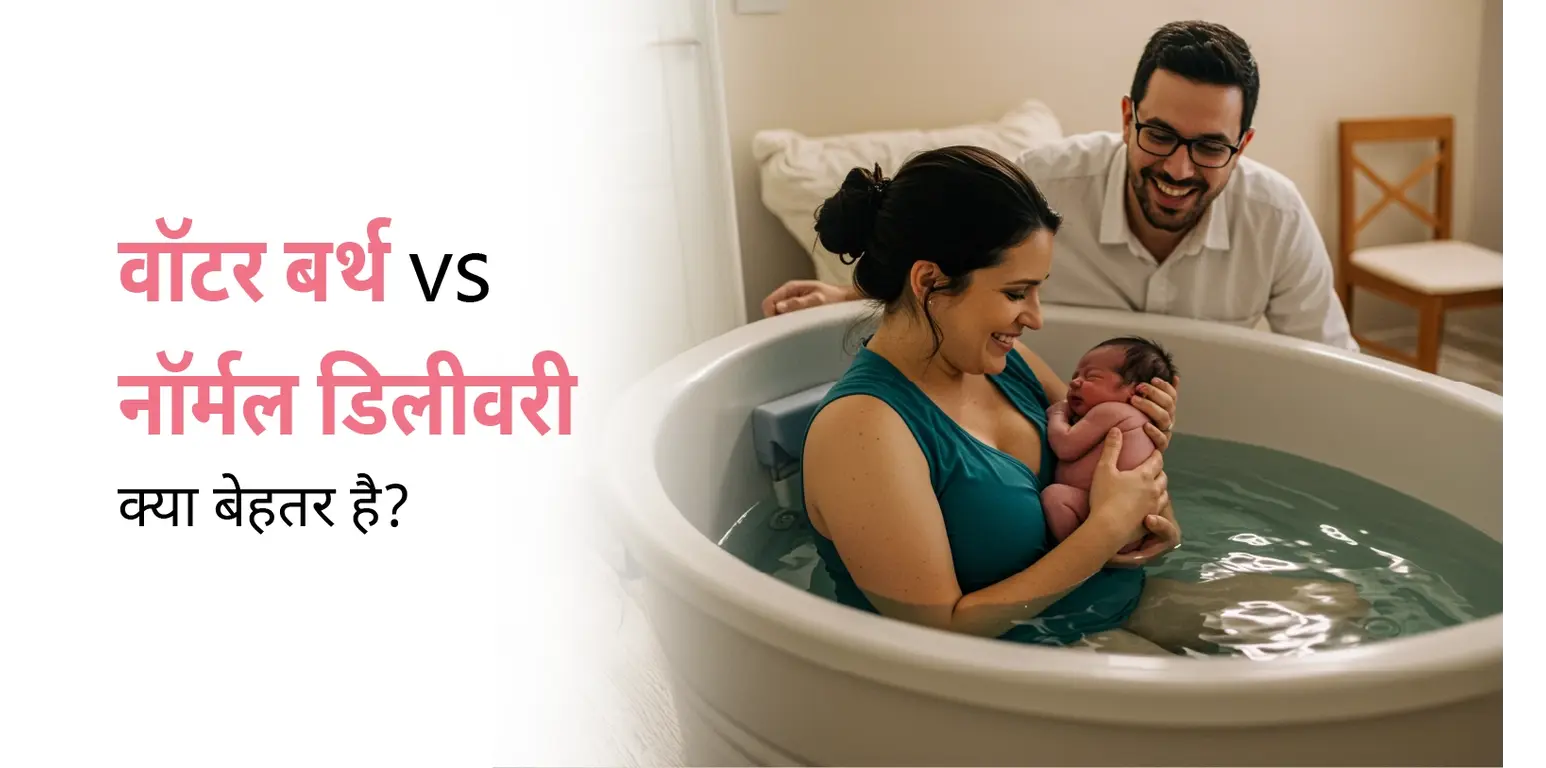
जैसे ही एक नन्हा मेहमान मां की कोख में आता है, वह पूरे परिवार में खुशियों की लहर भी साथ लाता है। लेकिन बच्चे की डिलीवरी को लेकर मन में उठने वाले सवाल और डर स्वाभाविक हैं। आज के आधुनिक युग में, जब हम नॉर्मल डिलीवरी की बात करते हैं, तो हमारे पास केवल पारंपरिक तरीका ही नहीं, बल्कि वाटर बर्थ डिलीवरी जैसे आधुनिक और आरामदायक विकल्प भी मौजूद हैं।
यदि आप अपनी गर्भावस्था के अंतिम चरणों में हैं और नॉर्मल डिलीवरी के लक्षण महसूस कर रही हैं, तो यह सही समय है यह समझने का कि आपके शरीर और आपके आने वाले नन्हे मेहमान के लिए क्या बेहतर है। क्या आप पानी की कोमलता के बीच अपने बच्चे का स्वागत करना चाहती हैं, या अस्पताल के सुरक्षित वातावरण में बच्चे को जन्म देना चाहती हैं? सीके बिरला अस्पताल जैसे विशेषज्ञ संस्थानों में अब ये दोनों ही सुविधाएं अंतरराष्ट्रीय मानकों के साथ उपलब्ध हैं। चलिए दोनों के बारे में समझते हैं। अगर आप अपने आने वाले नन्हे मेहमान का स्वागत करने वाली हैं और जैसे ही आपको नॉर्मल डिलीवरी के लक्षण महसूस हों, आपको तुरंत विशेषज्ञ से सलाह लेनी चाहिए।
Table of Contents
वाटर बर्थ प्रसव की वह प्रक्रिया है, जिसमें एक गर्भवती महिला प्रसव पीड़ा या लेबर पेन और डिलीवरी का कुछ हिस्सा या पूरी प्रक्रिया गुनगुने पानी से भरे एक ‘बर्थिंग पूल’ में पूरी करती है। इसका मुख्य उद्देश्य प्रसव के तनाव को कम करना है। इस प्रक्रिया में पानी एक विशेष तत्व के रूप में कार्य करता है, जो मां के शरीर को प्रसव के दौरान भार महसूस नहीं होने देता है, जिससे वह आसानी से अपनी पोजीशन बदल पाती है। विशेषज्ञों के अनुसार, पानी का तापमान शरीर के सामान्य तापमान (लगभग 35°C से 37°C) के बराबर रखा जाता है, जिससे शिशु को गर्भ के एमनियोटिक फ्लुइड जैसा ही एहसास होता है।
ये ही पढ़े: क्या तनाव से गर्भपात हो सकता है? जानिए तनाव और गर्भपात के बीच गहरा संबंध
नॉर्मल डिलीवरी यानी योनि मार्ग से होने वाला प्राकृतिक प्रसव (Vaginal Birth)। यह सदियों से चली आ रही सबसे विश्वसनीय प्रक्रिया है, जिसमें दवाइयों या मेडिकल प्रोसीजर की आवश्यकता सबसे कम होती है। जब नॉर्मल डिलीवरी के संकेत मिलने शुरू होते हैं, तो गर्भाशय ग्रीवा (cervix) धीरे-धीरे फैलती है और शिशु जन्म लेता है। आज के समय में दर्द रहित नॉर्मल डिलीवरी के लिए एपिड्यूरल जैसे विकल्प भी उपलब्ध हैं, जो प्रसव को काफी आसान बना देते हैं।
ये ही पढ़े: पीरियड कम आना या खुलकर ना आने का कारण, लक्षण और उपाय
एक हालिया रिसर्च के अनुसार, भारत के मेट्रो शहरों में वाटर बर्थ की मांग में 15% की वृद्धि देखी गई है। वहीं, जो महिलाएं नॉर्मल डिलीवरी के लिए एक्सरसाइज और सही जीवन शैली अपनाती हैं, उनमें सिजेरियन की संभावना 30-40% तक कम हो जाती है। इसलिए एक्टिव रहें।
भारत में भी अब महिलाएं वाटर बर्थ डिलीवरी को प्राथमिकता दे रही हैं। इसके कुछ प्रमुख कारण निम्नलिखित हैं –
ये ही पढ़े: प्रेगनेंसी में क्या खाएं और क्या ना खाएं ? जानें डाइट चार्ट और पोषण टिप्स
हालांकि यह सुनने में बहुत आरामदायक लगता है, लेकिन इसके कुछ जोखिम भी हो सकते हैं, जैसे कि –
ये ही पढ़े: प्रेगनेंसी में चिकेनपॉक्स : खतरा, बचाव और इलाज़
जब बात नॉर्मल डिलीवरी के फायदे की आती है, तो डॉक्टर इसे ही प्राथमिकता देते हैं –
ये ही पढ़े: रजोनिवृत्ति (Menopause): संकेत, लक्षण और शरीर पर होने वाले बदलाव
ये ही पढ़े: बच्चा गिराने के बाद कितने दिन बाद पीरियड आता है?
| विशेषता | वॉटर बर्थ (Water Birth) | नॉर्मल डिलीवरी (Vaginal Birth) |
| दर्द का स्तर | पानी की गर्माहट से दर्द कम महसूस होता है। | दर्द तीव्र हो सकता है (बिना एपिड्यूरल के)। |
| गतिशीलता | पानी में मूवमेंट बहुत आसान है। | बिस्तर पर मूवमेंट थोड़ा सीमित हो सकता है। |
| संक्रमण का जोखिम | थोड़ा अधिक (यदि स्वच्छता न हो)। | बहुत कम। |
| चिकित्सा हस्तक्षेप | दवाइयों की जरूरत कम पड़ती है। | जरूरत पड़ने पर मॉनिटरिंग आसान होती है। |
| उपलब्धता | केवल कुछ विशिष्ट अस्पतालों (जैसे कि सीके बिरला अस्पताल) में। | हर अस्पताल में उपलब्ध है। |
ये ही पढ़े: पोस्टीरियर प्लेसेंटा क्या है? गर्भावस्था में प्लेसेंटा की भूमिका
डॉक्टरों के अनुसार, वॉटर बर्थ के लिए आपका ‘Low Risk Pregnancy’ की श्रेणी में होना जरूरी है –
ये ही पढ़े: पीरियड्स मिस होने से पहले प्रेग्नेंसी के क्या लक्षण दिखाई देते हैं?
निम्न स्थिति में डॉक्टर वॉटर बर्थ की तकनीक से बचने की सलाह देते हैं –
यदि आप एक स्वस्थ बच्चे चाहती हैं, तो गर्भावस्था के दौरान इन नॉर्मल डिलीवरी टिप्स का पालन करें:
ये ही पढ़े: प्रेगनेंसी में बवासीर: कारण, लक्षण और इलाज के उपाय
चाहे आप वाटर बर्थ चुनें या पारंपरिक प्रसव, अपनी स्त्री रोग विशेषज्ञ (Gynecologist) से परामर्श करना सबसे महत्वपूर्ण है। सीके बिरला अस्पताल जैसे आधुनिक अस्पतालों में विशेषज्ञों की एक टीम हर पल आपकी और आपके शिशु की हार्ट रेट मॉनिटर करती है। कई बार लेबर के दौरान स्थिति बदल सकती है और ऐसी स्थिति में डॉक्टर का त्वरित निर्णय ही सुरक्षा सुनिश्चित करता है।
वॉटर बर्थ और नॉर्मल डिलीवरी दोनों के अपने-अपने फायदे हैं। जहाँ वाटर बर्थ एक सुकून भरा अनुभव प्रदान करता है, वहीं नॉर्मल डिलीवरी चिकित्सा सुरक्षा का एक मजबूत आधार देती है। अंततः, चुनाव आपकी स्वास्थ्य स्थिति और आपकी व्यक्तिगत पसंद पर निर्भर करता है। अपने शरीर के संकेतों को समझें, नॉर्मल डिलीवरी के संकेत पर नजर रखें और एक विशेषज्ञ डॉक्टर की देखरेख में ही अपने जीवन के इस सबसे बड़े फैसले को लें।
क्या वॉटर बर्थ में बच्चा पानी में सांस लेता है?
नहीं, जन्म के तुरंत बाद शिशु को ऑक्सीजन की जरूरत नहीं होती क्योंकि उसे मां से गर्भनाल के जरिए ऑक्सीजन मिल रही होती है। जब शिशु को पानी से बाहर निकाला जाता है और वह हवा के संपर्क में आता है, तभी वह अपनी पहली सांस लेता है।
क्या वॉटर बर्थ घर पर किया जा सकता है?
भारत में विशेषज्ञों की सलाह है कि वॉटर बर्थ हमेशा अस्पताल में ही करना चाहिए। घर पर आपातकालीन चिकित्सा उपकरणों और प्रशिक्षित स्टाफ की कमी के कारण संक्रमण या अन्य जोखिम बढ़ सकते हैं।
क्या वॉटर बर्थ में दर्द बिल्कुल नहीं होता?
यह कहना गलत होगा कि दर्द बिल्कुल नहीं होता, लेकिन गुनगुना पानी मांसपेशियों को रिलैक्स करता है, जिससे दर्द सहने की क्षमता बढ़ जाती है और प्रसव प्रक्रिया आसान महसूस होती है।
क्या पहली बार मां बनने वाली महिलाओं के लिए वॉटर बर्थ सही है?
हाँ, यदि आपकी गर्भावस्था सामान्य (Low Risk) है और कोई कॉम्प्लिकेशन नहीं है, तो पहली बार मां बनने वाली महिलाएं भी सुरक्षित रूप से वॉटर बर्थ चुन सकती हैं।
क्या वॉटर बर्थ में एपिड्यूरल लिया जा सकता है?
आमतौर पर नहीं। एपिड्यूरल लेने के बाद शरीर का निचला हिस्सा सुन्न हो जाता है, जिससे पानी में मूवमेंट करना और खुद को संभालना मुश्किल हो सकता है। वॉटर बर्थ का उद्देश्य ही प्राकृतिक रूप से दर्द कम करना है।
नॉर्मल डिलीवरी के बाद मोटापा कैसे कम करें?
प्रसव के 6 सप्ताह बाद डॉक्टर की सलाह पर हल्की सैर, योग और स्तनपान के जरिए आप धीरे-धीरे वजन कम कर सकती हैं। सही आहार और सक्रियता इसमें मुख्य भूमिका निभाते हैं।
नॉर्मल डिलीवरी के लक्षण क्या हैं?
मुख्य लक्षणों में तेज संकुचन (contractions) होना, पीठ के निचले हिस्से में दर्द, हल्का रक्तस्राव (show) और पानी की थैली का फटना शामिल है।
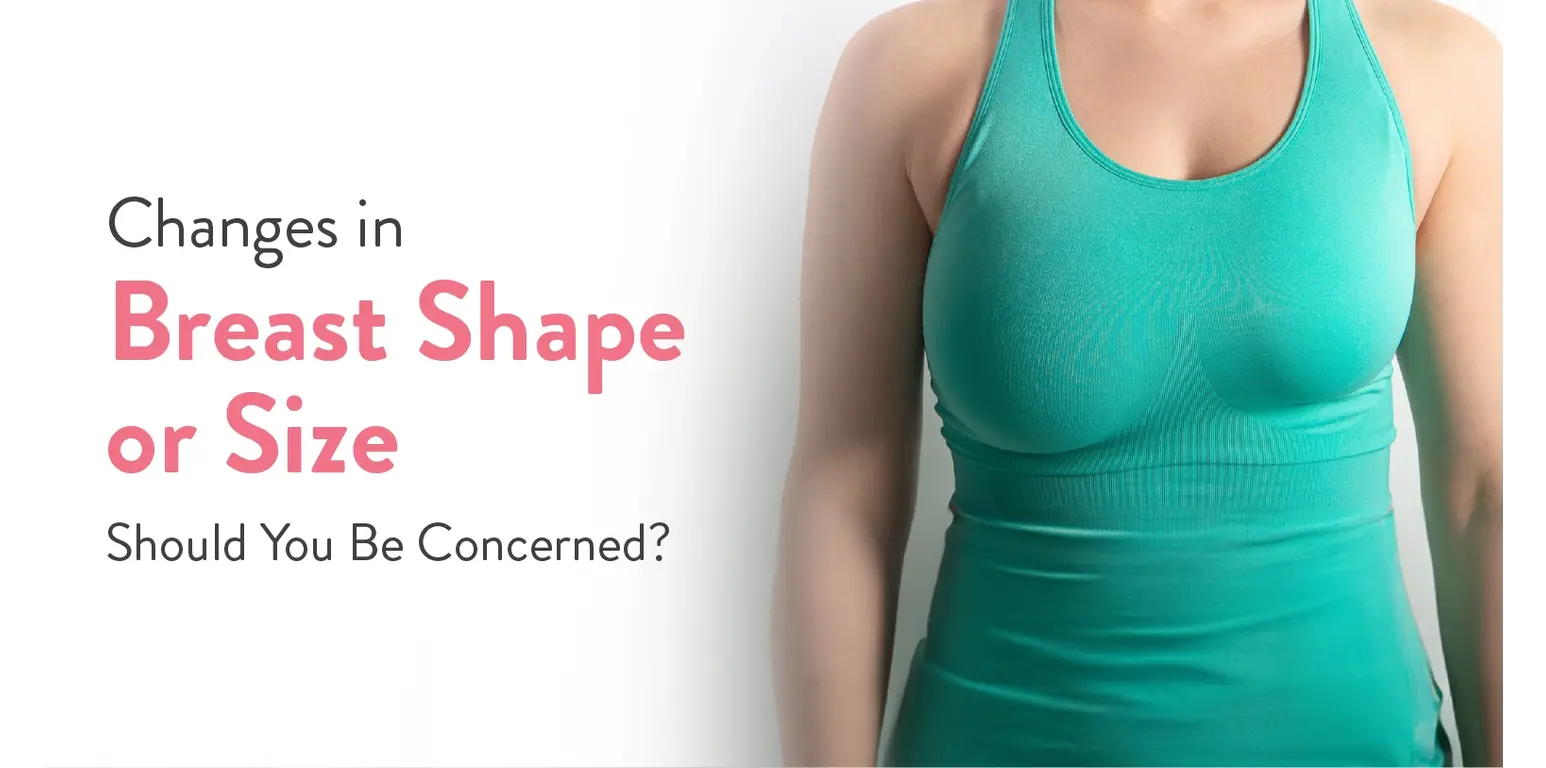
From puberty to pregnancy and beyond, a woman’s body goes through many changes and the breasts are no exception.
Along the way, you may notice something different — perhaps a slight change in size, one breast feeling fuller than the other, or the shape looking a little unfamiliar. When this happens, it is natural to feel concerned, especially if the change seems sudden.
In many cases, these variations in breast shape and size are completely normal and linked to factors such as hormones, age, or different life stages. However, not all changes should be overlooked, and some may need special attention.
So how can you tell what is expected and what might require medical advice? Read on to find out!
Table of Contents
You may be surprised to know that there is no single ‘perfect’ or ‘normal’ breast shape or size. Breast appearance can vary widely from person to person. Some people have round breasts, while others have teardrop, asymmetrical, or naturally fuller breasts.
In fact, in most cases, one breast naturally feels larger than the other. If you have uneven breast size, that does not automatically mean something is wrong with your body. Many people notice a slight difference between their breasts from puberty onward.
Common normal changes in breast shape and size may happen during:
Hormonal changes play an important role in how your breasts look and feel at different stages of life.
During your menstrual cycle, you may notice that your breast feels swollen, fuller, or tender. This usually happens due to natural hormone fluctuations. It is one of the most frequent reasons for temporary size changes. Once your period ends, this swelling goes away.
During puberty, your breasts develop but they do not always develop evenly. One breast may grow faster than the other, leading to temporary unevenness. You may feel concerned thinking about this, but the difference generally becomes less evident over time.
During pregnancy, changes can be recognised more easily. Your breasts may become larger, heavier, and more sensitive as your body prepares for breastfeeding.
Also Read: What is Mastitis? It’s Causes, Symptoms, Diagnosis, Prevention and Treatment
Hormonal changes, body weight, pregnancy, breastfeeding, ageing, menopause, and benign breast conditions are some of the common causes of changes in the breast shape or size. Let’s discuss each.
Your breast appearance is highly affected by hormonal changes. The levels of estrogen and progesterone rise and fall during the menstrual cycle, pregnancy, menopause and Hormone Replacement Therapy (HRT) that impact your breast tissue.
This fluctuation in hormones can lead to:
Stress may also affect hormone levels. Some people may experience mild swelling or tenderness during stressful periods.
Also Read: Can Long-Term Junk Food Habits Raise Your Breast Cancer Risk?
Breasts contain fatty tissue. If you gain weight, your breasts may become larger. If you lose weight, they may become smaller. This is one of the most common reasons for breast size changes over time.
A pregnant woman may feel lumpy or heavy breasts as blood flow increases, milk ducts grow, and the breasts prepare for feeding a baby. After breastfeeding ends, the breasts may look smaller, softer, or slightly different in shape than before.
As you age and approach menopause, your hormone level and breast tissue gradually changes. The firm tissue in the breast is slowly replaced with softer fatty tissue. Skin also loses elasticity, which means the breasts may look less firm or lower than before.
Also Read: Are Blood Clots normal during Periods and when to worry about it?
Some non-cancerous conditions can also affect breast shape and size. These conditions can be:
These conditions are common and are usually not dangerous, but they should still be checked by a breast specialist.
As mentioned earlier, most changes in breast appearance are not very serious and are usually caused by natural factors such as hormone fluctuations, reproductive changes, pregnancy, breastfeeding, and weight changes.
However, we cannot ignore the fact that sometimes there may be an underlying condition behind the changes.
You should see a breast care specialist if you experience:
If a change is new, happens frequently or only affects one breast, it is worth getting checked.
Also Read: Prioritising Early Detection of Breast Cancer: Breast Cancer Awareness
Sometimes, yes. Breast cancer can cause changes in breast shape and size, especially if a tumour is affecting the breast tissue.
You should consult a breast oncologist if you are dealing with the following signs:
Try not to panic while struggling with these changes in your breast. Instead speak openly with an expert to find out the right way to diagnose and cure if anything is serious.
Also Read: Evolution of Technology for Breast Cancer Treatment
If you visit a doctor because of breast shape and size changes, they will usually begin by asking questions.
You may be asked:
After that, the doctor may examine the breasts and recommend tests like:
Also Read: Breast Cancer: diagnosis and screening
If you notice a sudden breast size increase, a different breast shape, or any unusual change, try not to jump to the worst conclusion. Many changes are not dangerous at all.
Relax and reflect:
You may even find it helpful to write the changes down or take a photo to track them.
Then, make an appointment with your doctor if the change lasts, gets worse, or feels unusual for you. Regular breast screening, as advised by your doctor, is an important part of early detection.
You can reach out to us at the CK Birla Hospital for complete breast care. We have a dedicated ‘breast centre’ where an expert team of breast health specialists offers world-class care.
Also Read: Myths About Breast Cancer
Is the difference in breast size normal?
Yes. A small difference in breast size is very common. It is also known as breast asymmetry. Many people naturally have one breast that is slightly larger than the other.
Can sleeping position affect breast shape over time?
Sleeping on one side may temporarily leave the breast looking slightly compressed, but it does not permanently change breast shape.
Do bras influence breast size or prevent sagging?
Bras can change how the breasts look while you are wearing them, but they do not permanently alter breast size or completely prevent sagging.
Is sudden breast enlargement always hormonal?
No. Hormones are a common reason, but sudden enlargement in one breast can sometimes be linked to infection, a cyst, or another breast condition.
Can tight clothing alter breast shape permanently?
No. Tight clothing may leave temporary marks or make the breasts appear different for a short time, but it does not permanently change breast shape.
Even a small, unusual change in your body can raise concerns, especially when it involves your breasts. If you have noticed nipple discharge, it is natural for your mind to jump to worst-case scenarios, particularly after looking up symptoms online and coming across possibilities like breast cancer.
But is every case of nipple discharge really a sign of something serious, or is this a situation where worry outweighs reality?
If you have found yourself asking these questions, understanding what is normal, what is not, and when to seek medical advice can help you find the right guidance.
Table of Contents
Nipple discharge refers to any fluid that comes out of the nipple. It may happen when pressure is applied to the breast or, in some cases, without any pressure at all. What your nipple discharge indicates mainly depends on its colour, texture and frequency.
As stated by the National Library of Medicine, nipple discharge is the third most common breast complaint after breast pain and breast mass. Around 50% to 80% of women in their reproductive years experience nipple discharge.
But is nipple discharge normal? In certain situations, yes! For example, nipple discharge during pregnancy or breastfeeding is completely expected. Even outside of these phases, occasional discharge can occur due to hormonal changes. But if you are dealing with frequent nipple discharge without pregnancy or breastfeeding, it should be discussed with a gynaecologist, or breast specialist.
Also Read: Anterior Placenta: What is it? Diagnosis & Complications
Nipple discharge does not look or feel the same for everyone. Its colour and texture may vary from person to person. These differences provide important clues about what your body is trying to communicate.
It is common during pregnancy or breastfeeding. If it occurs otherwise, it may be due to hormonal changes, such as high prolactin levels.
A watery or transparent fluid leaks from one breast without squeezing. It is usually not dangerous, but persistent or spontaneous discharge should be evaluated and discussed with a medical professional, as it can occasionally be related to duct carcinoma, which is an early stage of breast cancer.
If the discharge is yellowish, greenish or pus-like, it may indicate mild infections or signs of duct ectasia, which is a non-concerous condition where milk ducts widen and thicken.
It generally happens due to old blood or debris in the milk ducts. It may be linked to conditions like intraductal papilloma (lumps in the milk ducts), duct ectasia (widening of ducts), or fibrocystic breast changes (thickening of breast tissues).
This can feel alarming and should always be checked. While it is often due to non-cancerous growths, it always deserves medical evaluation to rule out more serious causes.
Also Read: What is Mastitis? It’s Causes, Symptoms, Diagnosis, Prevention and Treatment
There are many nipple discharge causes, and most are not related to breast cancer. Here are some of the more common ones:
In many cases, more than one factor may be involved. While most causes do not cause any serious harm, it is still important to stay aware of any unusual changes.
So, when should you actually be concerned? Let’s figure it out in the next section.
Also Read: Can Long-Term Junk Food Habits Raise Your Breast Cancer Risk?
If you notice any of the following, it is important to get checked by a breast specialist or a gynaecologist.
Also Read: Prioritising Early Detection of Breast Cancer: Breast Cancer Awareness
Certainly, any unusual change in the breast, like nipple discharge, can make you feel stressed and it is natural for your mind to link it to breast cancer. However, not all discharges are related to breast cancer.
According to the National Library of Medicine, 97% of nipple discharges cases are benign (non-cancerous). Only a small percentage are linked to breast cancer, and even then, it is usually accompanied by other signs such as a lump or abnormal imaging findings.
Breast cancer-related discharge is more likely to occur on its own, without any pressure, and from one breast. The discharge can be bloody or clear. Still, even these signs can be caused by non-cancerous conditions. Therefore, it is better to consult a healthcare professional if you experience any abnormality in the breast.
The diagnosis of the causes behind your nipple discharge may involve the following:
These steps help identify whether the discharge is due to a harmless condition or something that needs treatment.
Although nipple discharge is generally harmless, it is important not to self-diagnose or self-medicate. Consulting a breast specialist or a gynaecologist can help you find out the cause and choose the right course of care.
Also Read: Postpartum Hemorrhage: Causes, Stages, Duration & When to seek medical help
You should definitely consult a doctor if:
If you are dealing with any of the given situations, you should definitely speak with a gynaecologist or breast specialist doctor. They will identify the cause behind your condition and plan a dedicated treatment for you.
Also Read: When To Worry About Breast Lumps
Noticing unusual discharge from the nipple may feel concerning at first. However, by paying attention to your body without jumping to conclusions and seeking the right medical guidance can help you feel at ease and get the care you need.
If you have any concerns, you can consult the expert gynaecologists and breast care specialists at the CK Birla Hospital, Gurgaon. Our dedicated ‘Breast Centre’ provides world-class comprehensive care for all breast health needs.
Can nipple discharge happen without squeezing the breast?
Yes. Spontaneous discharge (without squeezing) can occur and should be evaluated, especially if it is persistent or one-sided. In such cases, you should seek medical advice without any delay.
Is nipple discharge normal during menopause?
Usually, it is less common, but it can still happen due to hormonal changes. However, new discharge after menopause should always be checked.
Can men experience nipple discharge?
Yes, although it is very rare. In men, nipple discharge should always be evaluated promptly.
Does the smell of nipple discharge indicate a problem?
A foul smell may point to an infection and should be assessed by a breast specialist doctor.
Can stress cause nipple discharge?
Yes, it can affect but not directly. Stress can affect hormone levels in your body, which may indirectly lead to discharge in some cases.
Is it safe to ignore occasional nipple discharge?
If it is mild, occurs only when squeezed, and affects both breasts, it is often harmless. Still, if you are unsure, it is always wise to consult a doctor.
कैंसर होना किसी बुरे सपने की तरह होता है, लेकिन यदि आपकी सर्जरी हो गई है, तो आपने इस जंग को जीतने की तरफ अपना पहला कदम बढ़ा दिया है। लेकिन इस जंग का दूसरा भाग सर्जरी के बाद भी देखभाल है। इस दौरान कई सारे सवाल मन में उमड़ते रहते हैं कि क्या मैं फिर से पहले जैसी जिंदगी जी पाऊंगी? क्या मेरी डाइट मेरे शरीर को फिर से मजबूत बना पाएगी?
ब्रेस्ट कैंसर से जूझने के बाद, आपका शरीर केवल घावों को नहीं भर रहा होता, बल्कि वह एक नई पहचान के साथ तालमेल बिठा रहा होता है। यह समझना बेहद जरूरी है कि ब्रेस्ट कैंसर का उपचार सिर्फ दवाओं तक सीमित नहीं है, बल्कि उसके बाद की देखभाल ही आपके भविष्य को सुरक्षित करती है। भारत में, जहाँ हर 28 में से एक महिला को अपने जीवनकाल में इस बीमारी का सामना करना पड़ता है, वहां सही जानकारी ही आपकी सबसे बड़ी सुरक्षा है। यदि आप या आपके परिवार में कोई इस दौर से गुजर रहा है, तो याद रखें कि आप अकेले नहीं हैं। यह गाइड आपको आपके ‘न्यू नॉर्मल’ की ओर ले जाने वाला एक मार्गदर्शक है। इसके साथ-साथ सर्जरी के बाद की रिकवरी के लिए भी डॉक्टर के साथ नियमित परामर्श भी आपके सेहत की एक चाबी की तरह कार्य करती है।
Table of Contents
उपचार के बाद के पहले कुछ हफ्ते शरीर के लिए चुनौतीपूर्ण हो सकते हैं। चाहे आपने लुम्पेक्टोमी (Lumpectomy) करवाई हो या मास्टेक्टोमी (Mastectomy), आपका शरीर एक बड़े बदलाव से गुजरा होता है। इस दौरान कुछ बातों का खास ध्यान रखने की आवश्यकता होती है।
सर्जरी के बाद संक्रमण से बचना सबसे महत्वपूर्ण है। सीके बिरला अस्पताल के आंकड़ों के अनुसार, करीब 5-10% मामलों में सर्जरी के बाद मामूली संक्रमण का खतरा रहता है, जिसे सही देखभाल से टाला जा सकता है।
कीमोथेरेपी और रेडिएशन के बाद शरीर में ऊर्जा का स्तर बहुत कम हो जाता है। इसे ‘कैंसर फटीग’ कहा जाता है। इसे दूर करने का सबसे अच्छा तरीका ‘स्मार्ट रेस्ट’ है। दिन भर में छोटे-छोटे ब्रेक लें और भारी शारीरिक मेहनत से बचें।
ये भी पढ़े: स्तन कैंसर: कारण, लक्षण और उपचार
कैंसर सर्वाइवर्स के लिए भोजन केवल भूख मिटाने का साधन नहीं, बल्कि एक औषधि है। रिसर्च यह सिद्ध कर चुके हैं कि सही पोषण कैंसर के दोबारा होने के जोखिम को 30% तक कम किया जा सकता है। ब्रेस्ट कैंसर के कारण और उपाय की चर्चा में डाइट सबसे ऊपर आती है। चलिए समझते हैं कि आपको अपने आहार में क्या शामिल करना चाहिए और किससे बचना चाहिए।
ये भी पढ़े: पीरियड कम आना या खुलकर ना आने का कारण, लक्षण और उपाय
इलाज के बाद कई लोग डर के कारण एक्सरसाइज छोड़ देते हैं, जबकि सच यह है कि हल्की शारीरिक गतिविधि आपकी रिकवरी की गति को बढ़ा देती है।
व्यायाम से शरीर में कोर्टिसोल (स्ट्रेस हार्मोन) का स्तर कम होता है। सीके बिरला अस्पताल में हम मरीजों को योग करने की सलाह देते हैं, क्योंकि यह न केवल शरीर को लचीला बनाता है, बल्कि मानसिक शांति भी देता है।
ये भी पढ़े: एड्रेनल ट्यूमर: कैसे होता है, लक्षण, उपचार, सावधानियां
मेनोपॉज के बाद वजन बढ़ना ब्रेस्ट कैंसर के खतरे को बढ़ा सकता है, क्योंकि फैट सेल्स एस्ट्रोजन का उत्पादन करती हैं, जो कुछ प्रकार के कैंसर को बढ़ावा दे सकते हैं। अपना बीएमआई (BMI) सामान्य सीमा में रखना आपके लिए अनिवार्य है।
ये भी पढ़े: क्या तनाव से गर्भपात हो सकता है? जानिए तनाव और गर्भपात के बीच गहरा संबंध
यह सच है कि ब्रेस्ट कैंसर का उपचार सफल होने के बाद भी इसके वापस आने का एक छोटा सा जोखिम बना रहता है। लेकिन सतर्कता से इसे टाला जा सकता है। इसके लिए आपको इलाज के बाद पहले दो सालों में हर 3 से 6 महीने में डॉक्टर से मिलना जरूरी है।
ये भी पढ़े: रजोनिवृत्ति (Menopause): संकेत, लक्षण और शरीर पर होने वाले बदलाव
अक्सर समाज में यह धारणा है कि यह केवल महिलाओं की बीमारी है। लेकिन वैश्विक स्तर पर 1% मरीज पुरुष भी होते हैं। पुरुषों को भी ब्रैस्ट कैंसर सिम्पटम्स जैसे कि छाती में गांठ, निप्पल का अंदर धसना या त्वचा पर पपड़ी जमने को नजरअंदाज नहीं करना चाहिए। पुरुषों में चेस्ट कैंसर के लक्षण अक्सर देरी से पहचाने जाते हैं, क्योंकि जागरूकता की कमी है। लेकिन सीके बिरला अस्पताल में हम पुरुषों के लिए भी विशेष स्क्रीनिंग की सुविधा प्रदान करते हैं।
ये भी पढ़े: सर्वाइकल (गर्भाशय ग्रीवा) कैंसर क्या है – कारण, लक्षण, जांच और इलाज (Cervical Cancer in Hindi)
कैंसर के बाद का जीवन केवल शारीरिक स्वस्थता तक सीमित नहीं है। आपकी मानसिक स्थिति आपकी रिकवरी की नींव है। इन्हें मैनेज करने के लिए आप दो मुख्य बातों पर ध्यान देना चाहिए –
उपचार के कारण शरीर में हार्मोनल बदलाव आते हैं, जिससे योनि में सूखापन या कामेच्छा में कमी हो सकती है। इसके अलावा, सर्जरी के कारण शरीर की बनावट में आए बदलाव आत्म-सम्मान को भी प्रभावित कर सकते हैं।
ये भी पढ़े: ओवेरियन कैंसर क्या है: प्रकार, लक्षण और उपचार (Ovarian Cancer in Hindi)
काम पर वापस लौटना आपको ‘नॉर्मल’ महसूस कराने का एक बड़ा जरिया है। हालांकि, इसे धीरे-धीरे शुरू करें। अपने सहकर्मियों को अपनी स्थिति के बारे में संक्षेप में बताएं ताकि वे जरूरत पड़ने पर आपकी मदद कर सकें।
ये भी पढ़े: गायनेकोलॉजिकल कैंसर के प्रकार और लक्षण – Types of Gynecological Cancer in Hindi
रिकवरी के दौरान कुछ ‘रेड फ्लैग्स’ होते हैं जिन्हें नजरअंदाज करना भारी पड़ सकता है:
इनमें से कोई भी लक्षण दिखने पर तुरंत अपने ऑन्कोलॉजिस्ट से संपर्क करें। ब्रेस्ट कैंसर लक्षण दोबारा दिखना हमेशा कैंसर नहीं होता, लेकिन जांच अनिवार्य है।
ये भी पढ़े: वल्वा का कैंसर क्या है: कारण, लक्षण और इलाज (Vulvar Cancer in Hindi)
ब्रेस्ट कैंसर से लड़ना आपकी हिम्मत का प्रतीक है, और उसके बाद एक स्वस्थ जीवन जीना आपकी जीत का उत्सव। ब्रेस्ट कैंसर होने के कारण चाहे कुछ भी रहे हों, आपका भविष्य आपकी वर्तमान देखभाल पर निर्भर करता है। सही डाइट, सकारात्मक दृष्टिकोण और सीके बिरला अस्पताल के विशेषज्ञों के साथ नियमित परामर्श आपको एक लंबी और खुशहाल जिंदगी दे सकता है।
ये भी पढ़े: योनि कैंसर क्या है: कारण, लक्षण और उपचार (Vaginal Cancer in Hindi)
क्या ब्रेस्ट कैंसर के बाद सामान्य जीवन जी सकते हैं?
हां, अधिकांश महिलाएं इलाज के बाद पूरी तरह स्वस्थ और सक्रिय जीवन जीती हैं। सही देखभाल के साथ आप अपनी पुरानी दिनचर्या में वापस लौट सकती हैं।
क्या सर्जरी के बाद हमेशा दर्द रहता है?
नहीं, सर्जरी के बाद कुछ हफ्तों तक असहजता हो सकती है। सही फिजियोथेरेपी और दवाओं से यह दर्द पूरी तरह समाप्त हो जाता है।
क्या एक्सरसाइज से कैंसर वापस आ सकता है?
बिल्कुल नहीं, रिसर्च बताते हैं कि मध्यम व्यायाम वास्तव में कैंसर के दोबारा होने के जोखिम को 40% तक कम कर सकते हैं।
क्या बाल झड़ना (Hair loss) स्थाई होता है?
नहीं, कीमोथेरेपी के कारण झड़े बाल उपचार खत्म होने के 3 से 6 महीने बाद फिर से उगने लगते हैं।
क्या ब्रेस्ट कैंसर के बाद प्रेगनेंसी संभव है?
हाँ, संभव है। हालांकि, यह आपकी उम्र और इलाज के प्रकार पर निर्भर करता है। गर्भधारण की योजना बनाने से पहले डॉक्टर से परामर्श जरूर लें।
क्या हार्मोन थेरेपी के साइड इफेक्ट्स जीवन भर रहते हैं?
नहीं, हॉट फ्लैशेस या जोड़ों के दर्द जैसे साइड इफेक्ट्स आमतौर पर तब तक रहते हैं जब तक दवा चल रही है। इसके बाद शरीर सामान्य हो जाता है।
मान लीजिए कि आपने अपने घर के पास वाली दुकान से छोले भटूरे खाए और कुछ घंटे के बाद अचानक पेट में तेज मरोड़, उल्टी या जी मिचलाने जैसी समस्या महसूस हो, तो आप क्या करेंगे। अगर ऐसा हो रहा है, तो मुमकिन है कि आप फूड पॉइजनिंग का शिकार हुए हैं। यह स्थिति न केवल शारीरिक रूप से थका देने वाली होती है, बल्कि यदि सही समय पर ध्यान न दिया जाए, तो यह गंभीर डिहाइड्रेशन और कमजोरी का कारण भी बन सकती है।
वहीं दूसरी तरफ अक्सर हम बाहर के खाने को दोष देते हैं, लेकिन क्या आप जानते हैं कि घर के रखे बासी खाने या किचन की छोटी सी लापरवाही से भी यह समस्या हो सकती है? सीके बिरला अस्पताल में हम हर साल ऐसे हजारों मामले देखते हैं जहां समय पर दी गई एक छोटी सी सलाह मरीज को गंभीर स्थिति में जाने से बचा लेती है। चलिए समझते हैं कि कैसे छोले भटूरे और घर के बासी खाना खाने की वजह से होने वाले फूड पॉइजनिंग से कैसे बच सकते हैं। यदि आप भी उन्हीं कुछ लोगों में से एक हैं, तो बिना देर किए हमारे अनुभवी डॉक्टरों से मिलें और इलाज लें।
Table of Contents
सरल शब्दों में कहा जाए फूड पॉइजनिंग क्या है तो जब हम ऐसा भोजन या पानी का सेवन करते हैं, जिसमें हानिकारक बैक्टीरिया, वायरस, परजीवी (Parasites) या टॉक्सिन्स मौजूद होते हैं, तब हमारा पाचन तंत्र उनके प्रति प्रतिक्रिया करता है। इसी स्थिति को फूड पॉइजनिंग कहा जाता है। इसे मेडिकल भाषा में ‘फूडबोर्न इलनेस’ (Foodborne Illness) भी कहा जाता है।
भारत जैसे देश में, जहां तापमान और नमी अक्सर अधिक रहती है, भोजन में बैक्टीरिया पनपने का खतरा बढ़ जाता है। फूड पॉइजनिंग कैसे होता है और इससे बचने की प्रक्रियो को समझना इसलिए जरूरी है, क्योंकि दूषित उत्पादन से लेकर परोसने तक किसी भी स्तर पर लापरवाही के कारण यह स्थिति किसी के साथ भी उत्पन्न हो सकती है।
ये भी पढ़े: पेट साफ करने के घरेलू उपाय ( Pet Saaf Karne Ke Upay)
इसके लक्षण इस बात पर निर्भर करते हैं कि संक्रमण का स्रोत क्या है। आमतौर पर खाना खाने के 2 से 6 घंटे के भीतर लक्षण दिखने शुरू हो जाते हैं, लेकिन कभी-कभी इसमें कुछ दिन भी लग सकते हैं। फूड पॉइजनिंग की स्थिति में आपको निम्न लक्षण महसूस हो सकते हैं –
हालिया आंकड़ों के अनुसार, भारत में हर साल लाखों लोग दूषित भोजन के कारण बीमार पड़ते हैं। वहीं जो देश अभी प्रगति की राह पर हैं, वहां साफ भोजन और पानी हर व्यक्ति तक पहुंचाना एक बहुत बड़ी चुनौती है।
ये भी पढ़े: एसिडिटी से तुरंत राहत पाने के घरेलू नुस्खे
संक्रमण फैलाने वाले ये सूक्ष्म जीव हर जगह मौजूद होते हैं, लेकिन उच्च तापमान इन्हें तेजी से बढ़ाता है। फूड पॉइजनिंग का कारण बनने वाले तीन मुख्य कारक हैं –
ये भी पढ़े: पेट दर्द (Stomach Pain)के कारण, लक्षण और घरेलू इलाज
फूड पॉइजनिंग कई अलग अलग स्त्रोत से फैल सकता है। चलिए कुछ प्रमुख स्त्रोतों के बारे में जानते हैं –
वैसे तो फूड पॉइजनिंग हर व्यक्ति को सकता है, लेकिन कुछ लोग इस समस्या के खतरे के दायरे में आते हैं जैसे कि –
ये भी पढ़े: जानिए काला चना की न्यूट्रिशनल वैल्यू पर 100 ग्राम: प्रोटीन, न्युट्रिशन और अन्य स्वास्थ्य लाभ
अधिकतर मामलों में, फूड पॉइजनिंग 2-3 दिनों में खुद ही ठीक हो जाती है। लेकिन फूड पॉइज़निंग ट्रीटमेंट का मुख्य उद्देश्य शरीर को हाइड्रेटेड रखना है। चलिए समझते हैं कि इस स्थिति में इलाज के किन विकल्पों की आवश्यकता पड़ती है।
अगर स्थिति गंभीर है, तो डॉक्टर आपको निम्नलिखित सलाह दे सकते हैं –
यदि स्थिति ज्यादा गंभीर नहीं है, तो फूड पॉइजनिंग का घरेलू उपचार बहुत प्रभावी होता है। यदि आप घर पर हैं, तो इन बातों का पालन करें –
ये भी पढ़े: जानें ग्रीन टी के फायदे, नुकसान और सही मात्रा में सेवन
जब आपका पेट एक नाजुक स्थिति में होता है, तो आप क्या खाते हैं, वह भी बहुत ज़रूरी हो जाता है। चलिए समझते हैं कि फूड पॉइजनिंग की स्थिति में आपको क्या खाना चाहिए औऱ क्या नहीं –
| क्या खाएं (Do’s) | क्या न खाएं (Don’ts) |
| BRAT डाइट: केला (Banana), चावल (Rice), सेब की प्यूरी (Applesauce), टोस्ट (Toast) | मसालेदार और तला-भुना खाना। |
| नारियल पानी, दही और इलेक्ट्रोलाइट्स। | दूध और डेयरी उत्पाद (दही को छोड़कर)। |
| मूंग की पतली खिचड़ी। | कैफीन (चाय/कॉफी) और अल्कोहल। |
| उबला हुआ आलू। | कच्ची सब्जियां और फाइबरयुक्त फल। |
ये भी पढ़े: शिलाजीत: फायदे, नुकसान, न्यूट्रिशनल वैल्यू और सेवन करने का सही तरीका
सावधानी ही सबसे बड़ा उपचार है। फूड पॉइजनिंग से बचने के लिए इन नियमों को अपनी दिनचर्या का हिस्सा बनाएं –
यदि आपको निम्नलिखित “रेड फ्लैग” लक्षण दिखाई दें, तो तुरंत सीके बिरला अस्पताल या अपने नजदीकी आपातकालीन केंद्र से संपर्क करें –
फूड पॉइजनिंग एक ऐसी स्थिति है जिससे हर कोई कभी न कभी गुजरता है। हालांकि यह डरावना लग सकता है, लेकिन सही जानकारी और सावधानी से इसे आसानी से प्रबंधित किया जा सकता है। याद रखें, स्वच्छता और ताजा भोजन आपके स्वास्थ्य की सबसे बड़ी ढाल हैं। यदि आपके लक्षण गंभीर होते जा रहे हैं, तो घर पर प्रयोग करने के बजाय हमारे अनुभवी विशेषज्ञ की सलाह लेना ही सबसे बुद्धिमानी भरा निर्णय है।
ये भी पढ़े: ओमेगा 3 क्या होता है और इसके फायदे, पोषक तत्त्व और नुकसान?
ज्यादातर मामलों में, फूड पॉइजनिंग के लक्षण 12 से 48 घंटों के भीतर कम होने लगते हैं। हालांकि, पूरी तरह से रिकवर होने और पाचन तंत्र को सामान्य होने में 3 से 5 दिन लग सकते हैं। यह संक्रमण की गंभीरता पर निर्भर करता है।
फूड पॉइजनिंग खुद संक्रामक नहीं है, लेकिन इसे पैदा करने वाले बैक्टीरिया या वायरस (जैसे नोरोवायरस) संक्रामक हो सकते हैं। यदि संक्रमित व्यक्ति स्वच्छता का ध्यान नहीं रखता, तो वह दूसरों तक कीटाणु फैला सकता है।
नहीं, हर मामले में एंटीबायोटिक की जरूरत नहीं होती। यह केवल तभी दी जाती है जब संक्रमण का कारण कोई विशेष बैक्टीरिया हो। वायरस से होने वाली फूड पॉइजनिंग पर एंटीबायोटिक्स काम नहीं करती हैं।
जी हां, यदि आपको बार-बार यह समस्या हो रही है, तो यह ‘इरिटेबल बॉवेल सिंड्रोम’ (IBS), कमजोर इम्यूनिटी या किसी गंभीर फूड एलर्जी का संकेत हो सकता है। ऐसी स्थिति में गैस्ट्रोएंटेरोलॉजिस्ट से जांच करानी चाहिए।
सीमित मात्रा में सादा दही खाना फायदेमंद हो सकता है क्योंकि इसमें प्रोबायोटिक्स होते हैं जो अच्छे बैक्टीरिया को बढ़ाने में मदद करते हैं। हालांकि, यदि आपको डेयरी से समस्या हो रही हो, तो इसे टालना बेहतर है।
हां, शरीर से इलेक्ट्रोलाइट्स और पानी के नुकसान के कारण कमजोरी होना सामान्य है। इसे दूर करने के लिए पर्याप्त आराम करें और तरल पदार्थों का सेवन जारी रखें।
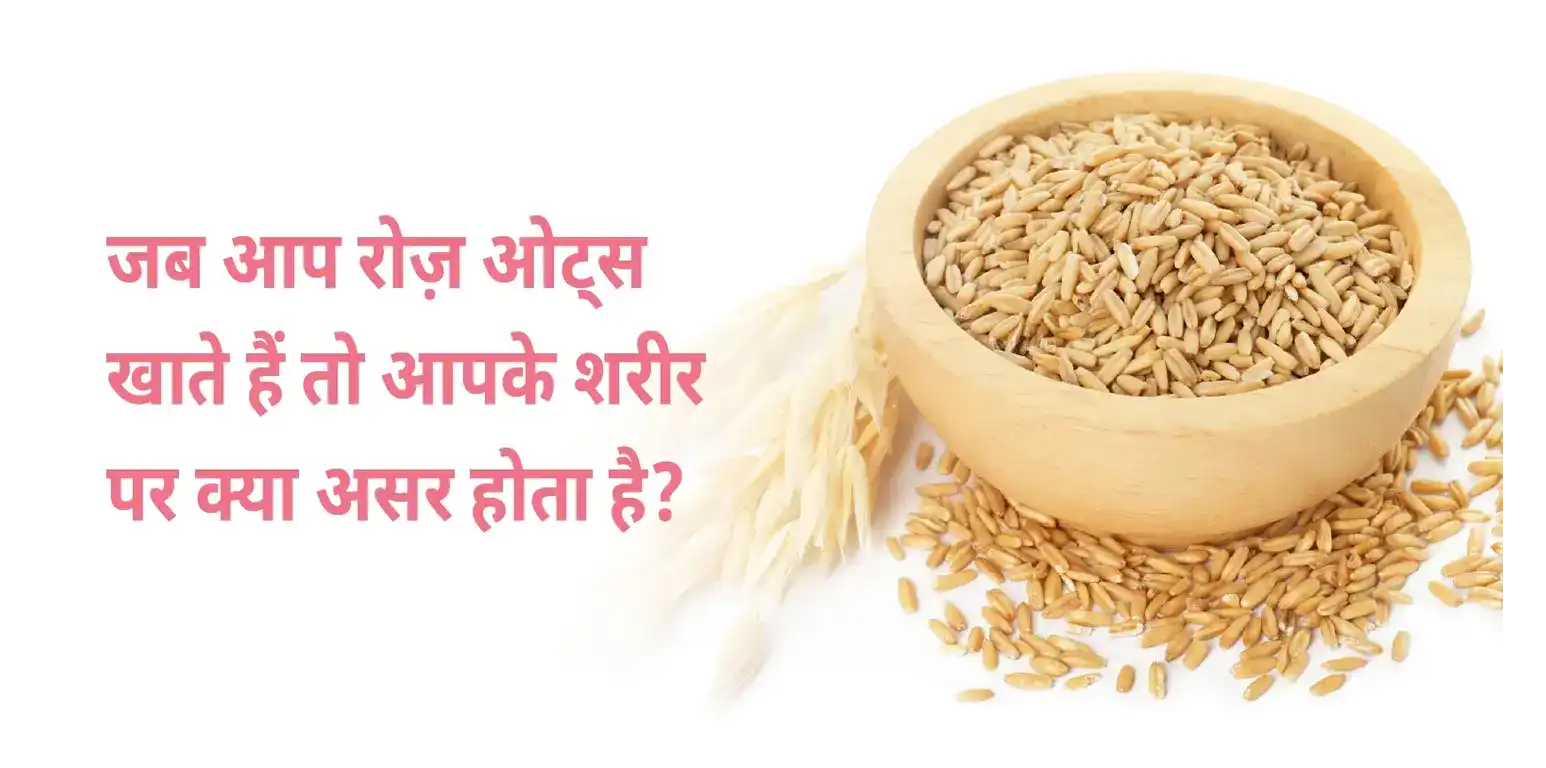
अक्सर लोग ओट्स को इसलिए अपने नाश्ते में जोड़ते हैं क्योंकि ये झटपट बन जाता है और खाने में भी ज्यादा समय नहीं लगता है। लेकिन क्या आप जानते हैं कि इसके सेवन से आपके शरीर पर क्या असर पड़ता है?
हम अक्सर महंगे सप्लीमेंट्स और दवाओं के पीछे भागते हैं, जबकि सेहत का खजाना हमारी रसोई के एक छोटे से डिब्बे में छिपा होता है। ओट्स सिर्फ एक नाश्ता नहीं है, बल्कि यह आपके शरीर को अंदर से रिसेट करने का एक जरिया है। जब आप अपनी दिनचर्या में ओट्स को शामिल करते हैं, तो आप केवल अपना पेट नहीं भर रहे होते, बल्कि अपने दिल को मजबूती और अपनी आंतों को नई ऊर्जा दे रहे होते हैं। सीके बिरला अस्पताल के विशेषज्ञों का मानना है कि सही खान-पान ही आधी बीमारियों का इलाज है, और ओट्स इस सफर की पहली सीढ़ी हो सकता है।
Table of Contents
ओट्स, जिसे हिंदी में ‘जई’ कहा जाता है, एक प्रकार का साबुत अनाज या होल ग्रेन्स है। इसका वैज्ञानिक नाम एवेना सैटिवा (Avena sativa) है। ओट्स दलिया के रूप में सबसे अधिक लोकप्रिय है, क्योंकि इन्हें पकाना बहुत आसान होता है। अन्य अनाजों की तुलना में ओट्स में ‘बीटा-ग्लूकन’ नामक एक विशेष घुलनशील फाइबर होता है, जो इसे स्वास्थ्य के नजरिए से सबसे अलग और खास बनाता है। आजकल बाजार में ओट्स का आटा और ओट्स बिस्कुट भी खूब मिलते हैं, लेकिन सबसे ज्यादा पोषण इसके प्राकृतिक दानेदार रूप में ही होता है।
ओट्स का इतना इंट्रोडक्शन काफी है। चलिए अब इसकी खूबियों और खामियों और खाने के सही तरीके के बारे में बात करते हैं।
जब आप लगातार 30 दिनों तक ओट्स का सेवन करते हैं, तो आपके शरीर में ये बदलाव दिखने लगते हैं –
ये भी पढ़े: अनानास के फायदे, नुकसान, पोषक तत्त्व और खाने का सही तरीका
अति हर चीज की बुरी होती है। यदि आप बिना सोचे-समझे बहुत अधिक मात्रा में ओट्स खाते हैं, तो ओट्स खाने के नुकसान भी हो सकते हैं –
पेट में गैस और सूजन: अचानक बहुत ज्यादा फाइबर खाने से शुरू में पेट फूलने या गैस की समस्या हो सकती है। इसे अपने आहार में धीरे-धीरे शामिल करें।
पोषक तत्वों की कमी: यदि आप दिन के हर मील में सिर्फ ओट्स खाएंगे, तो शरीर को अन्य जरूरी विटामिन नहीं मिल पाएंगे। इसलिए बैलेंस्ड डाइट के तौर पर ही इसे अपने आहार में शामिल करें।
प्रोसेस्ड ओट्स का खतरा: बाजार में मिलने वाले मसाला ओट्स खाने के फायदे कम और नुकसान ज्यादा हो सकते हैं, क्योंकि उनमें सोडियम और प्रिजर्वेटिव्स अधिक होते हैं।
ये भी पढ़े: क्या रोज़ाना पपीता खा सकते है। इसके फायदे, नुकसान और पोषक तत्त्व।
अक्सर लोग ओट्स और दलिया में अंतर को लेकर उलझन में रहते हैं। कुछ लोग दोनों को एक दूसरे के समान पर उपयोग में ले आते हैं। दलिया आमतौर पर टूटे हुए गेहूं से बनता है, जबकि ओट्स जई से। दलिया में फाइबर अच्छा होता है, लेकिन ओट्स में ‘प्रोटीन’ और ‘हेल्दी फैट्स’ की मात्रा थोड़ी ज्यादा होती है। स्वाद के मामले में दलिया देसी तड़के के साथ बेहतर लगता है, जबकि ओट्स दूध और फलों के साथ ज्यादा पसंद किया जाता है। चलिए दोनों में अंतर को इस टेबल की मदद से समझते हैं –
| विशेषता (Feature) | ओट्स (Oats) | दलिया (Dalia) |
| मुख्य स्रोत | यह जई (Oats grain) से तैयार किया जाता है। | यह आमतौर पर टूटे हुए गेहूं (Broken Wheat) से बनता है। |
| पोषक तत्व | इसमें प्रोटीन और हेल्दी फैट्स की मात्रा थोड़ी अधिक होती है। | इसमें फाइबर बहुत अच्छा होता है, जो पेट के लिए बेहतरीन है। |
| स्वाद | इसका स्वाद हल्का होता है, जो दूध और फलों के साथ मीठा ज्यादा अच्छा लगता है। | यह देसी तड़के, मसालों और सब्जियों के साथ नमकीन रूप में ज्यादा पसंद किया जाता है। |
| बनावट | यह पकने के बाद काफी क्रीमी और मुलायम हो जाता है। | यह दानेदार रहता है और इसे खाने के लिए चबाना पड़ता है। |
| उपयोग | स्मूदी, ओट्स पैनकेक या दूध के साथ नाश्ते के लिए बेस्ट है। | खिचड़ी, उपमा या नमकीन दलिया के रूप में लंच या डिनर के लिए बेस्ट है। |
ये भी पढ़े: ओट्स और दलिया में अंतर, फायदे और नुक्सान
ओट्स खाने का सही समय सुबह का नाश्ता माना जाता है। सुबह इसे खाने से आपको पूरे दिन के लिए ऊर्जा मिलती है।
आप ओट्स पाउडर के फायदे लेने के लिए इसे स्मूदी में मिला सकते हैं। इसके सेवन से आपको बहुत लाभ मिलेगा और ये स्वादिष्ट भी बनता है। इसे रात भर दूध में भिगोकर (Overnight Oats) खाने से इसका पोषण और बढ़ जाता है। अगर आप नमकीन के शौकीन हैं, तो सब्जियों के साथ इसका उपमा बना सकते हैं।
ये भी पढ़े: विटामिन K की कमी का शरीर पर क्या असर होता है?
एक स्वस्थ वयस्क को दिन भर में 30 से 50 ग्राम (लगभग आधा कप कच्चे ओट्स) का सेवन करना चाहिए। इससे ज्यादा सेवन करने से पाचन तंत्र पर दबाव पड़ सकता है।
ये भी पढ़े: शिलाजीत: फायदे, नुकसान, न्यूट्रिशनल वैल्यू और सेवन करने का सही तरीका
पराठे या ब्रेड-बटर की तुलना में ओट्स कहीं अधिक बेहतर हैं। पराठे में सैचुरेटेड फैट ज्यादा होता है, जो सुस्ती लाता है, जबकि ओट्स ‘कॉम्प्लेक्स कार्ब्स’ प्रदान करते हैं, जो आपको एक्टिव रखते हैं। सीके बिरला अस्पताल की डाइटिशियन सलाह देते हैं कि नाश्ते में विविधता जरूरी है, लेकिन सप्ताह में 4 दिन ओट्स लेना एक बेहतरीन विकल्प है। सटीक परामर्श के लिए आप हमारे डाइटिशियन से भी मिल सकते हैं।
ये भी पढ़े: जानें ग्रीन टी के फायदे, नुकसान और सही मात्रा में सेवन
ओट्स खाने के फायदे और नुकसान को समझने के बाद यह स्पष्ट है कि यह आधुनिक जीवनशैली के लिए एक अनिवार्य भोजन है। चाहे आप वजन घटाना चाहते हो या सिर्फ स्वस्थ रहना चाहते हो, ओट्स आपकी प्लेट में होने ही चाहिए। याद रखें, सेहत रातों-रात नहीं बनती, यह आपके द्वारा चुने गए हर निवाले का परिणाम है।
यदि आपको दिल की सेहत या डाइट प्लान से जुड़ी कोई गंभीर समस्या है, तो सीके बिरला अस्पताल के विशेषज्ञों से परामर्श लेने में संकोच न करें। आपकी सेहत ही हमारी प्राथमिकता है।
ये भी पढ़े: जानिए काला चना की न्यूट्रिशनल वैल्यू पर 100 ग्राम: प्रोटीन, न्युट्रिशन और अन्य स्वास्थ्य लाभ
क्या रोज़ ओट्स खाने से शरीर “आदत” डाल लेता है?
नहीं, ओट्स कोई दवा नहीं बल्कि एक प्राकृतिक अनाज है। शरीर को इसकी ‘आदत’ नहीं पड़ती, बल्कि इसे नियमित खाने से मेटाबॉलिज्म बेहतर होता है और शरीर स्वस्थ आदतों की ओर बढ़ता है।
क्या ओट्स खाली पेट खाना बेहतर है?
हां, सुबह खाली पेट ओट्स खाना बहुत फायदेमंद है। यह पेट को साफ करने में मदद करता है और शरीर को तुरंत ऊर्जा प्रदान करता है, जिससे आप दिन भर सक्रिय रहते हैं।
क्या ओट्स खाने से स्किन पर असर पड़ता है?
बिल्कुल, ओट्स में जिंक और एंटीऑक्सीडेंट्स होते हैं जो मुहांसों को कम करने और त्वचा को हाइड्रेटेड रखने में मदद करते हैं। इसका फेस पैक के रूप में इस्तेमाल भी रंगत निखारता है।
क्या रात में ओट्स खाना सही है?
रात में ओट्स खाना सुरक्षित है। इसमें मौजूद मेलाटोनिन और कॉम्प्लेक्स कार्ब्स अच्छी नींद लाने में मदद करते हैं। बस ध्यान रखें कि रात में मात्रा कम रखें और इसे सोने से 2 घंटे पहले खाएं।
वजन बढ़ाने के लिए ओट्स कैसे खाएं?
वजन बढ़ाने के लिए ओट्स को फुल क्रीम दूध, केला, शहद, पीनट बटर और ड्राई फ्रूट्स के साथ मिलाकर खाएं। यह एक हाई-कैलोरी लेकिन हेल्दी मील बन जाता है।
मसाला ओट्स सेहतमंद है या सादे ओट्स?
सादे या रोल्ड ओट्स सबसे बेहतर हैं। बाजार वाले मसाला ओट्स में नमक और कृत्रिम स्वाद (Flavours) ज्यादा होते हैं, इसलिए बेहतर है कि आप सादे ओट्स लाकर घर पर ताजी सब्जियां डालकर मसाला ओट्स बनाएं।

