Filter :
In the past ten years, the range of surgical procedures performed robotically has grown as a result of advancements in both hardware and software. Manufacturers are also building smaller, more specialised equipment that promises to reduce integration costs and increase access.
Today, gallbladders are routinely removed by a surgeon on one continent from a patient on another, using robotic telesurgery. Voice-activated robotic arms and haptic feedback provide surgeons with the control they need to perform surgery. It will be interesting to see how this technology continues to evolve and what we can expect in the next ten years.
Table of Contents
In four critical areas—adjustable stiffness, detectability, bendability, and controllability—newer colonoscopic surgical robots showed advances. It has been reported how a tiny robotic device called Endotics, which moves like a vacuum-based inchworm, can improve the precision of colonoscopic diagnostics and surgery.
Similarly, to get around these issues and improve control over the bending portion, a unique constrained tendon-driven serpentine mechanism (CTSM) has been developed.
An innovative soft robot, the NeoGuide colonoscopy system combines compliance, safe body interface, actuation and sensing, enhanced dexterity, and a larger workspace. This makes use of an entirely articulating computer-assisted insertion tube that resembles a snake. The tip of the scope determines the orientation of each subsequent segment, enabling the tube to assume various forms at various insertion depths. Additionally, it features variable stiffness control to avoid uncomfortable or insufficient endoscopy.
Based on a CTSM with SMA actuators, the Minimally Invasive Neurosurgical Intracranial Robot (MINIR) is another more recent robot utilised for brain tumour excision. The Flex system can perform several procedures with a smaller footprint than some other systems because it employs cables with varying tension to adjust the flexibility of the endoscope.
Like the Invendoscope, the Meshworm design mimics the movement of earthworms and is intended for colonoscopy. Based on the octopus arm, the STIFF-FLOP soft robot uses fluidic chambers with a modular stiffening and bending strategy.
The Israeli self-propelling colonoscope Aer-O-Scope pushes itself into the colon and up to the cecum using carbon dioxide without the assistance of an outside force.
With the removal of electromagnetic fields, remote endoscopic operation with MRI-based guiding permits high-scope detectability.
Noninvasive robots are useful in image-guided therapy, including the CyberKnife or image-guided radiosurgery. The use of non-invasive thermotherapy using high-intensity focused ultrasound (HIFU) coupled with robotic manipulators has been described.
Natural orifice transluminal endoscopic surgery (NOTES), where surgery can be truly non-invasive, is becoming closer thanks to these advancements, which also help to achieve greater stability of the instruments despite their flexibility, permit proper positioning of the instruments, greater dexterity, and higher-quality imaging.
An innovative strategy is to implant the whole MIS surgical platform into the peritoneal cavity using miniature in vivo robots. These robots have two multifunctional arms with various joints for infinite flexibility.
These provide scarless surgery with a small entry incision, tiny motors operating the arms, and great flexibility. Additionally, novice surgeons may utilise them under the guidance of more seasoned ones, greatly increasing patient access.
With the aid of these robots, surgeons may do procedures remotely or on-site while getting several views of the operative site. These are affordable and portable, making MIS accessible to nearly everyone at any time or location—from space exploration to distant medical emergencies or combat zones.
These are little endoscopes that are used for several medical procedures, medication administration, and diagnostic testing. They are incredibly tiny, resulting in less tissue damage and quick accessibility, and they can be moved by magnetic interactions, providing an untethered design with great flexibility of movement.
Even if they are still distant in the future, microbots are a possible innovation that might be put into circulation and transferred to a specific location without the need for any incisions.
In contrast to the previous master-slave systems, microrobots will have far more access, no physical link to the operator, and the ability to perform confined propulsion, consistent imaging, precise telemanipulation, and miniaturised functionality. Surgery might be revolutionised by microrobots once these problems are resolved.
Telemedicine first originated and developed in the US as a way to provide healthcare to those who lived in remote rural areas.
Both robotics and telemedicine have developed and improved over time, and they will do so in the future. How come? The numerous advantages that these two technological advancements may offer to patients, as well as to doctors, nurses, and other healthcare professionals in general, are evident to experts and researchers. They sincerely think that this may be the direction that modern medicine takes. As a result, there are various advantages that telemedicine and robotics-enabled healthcare practices are now providing.
AI has already been shown to be a huge help with patient monitoring and diagnoses in the medical field. The next natural step in integrating AI-based technologies and machine learning into medical treatment is to integrate AI into the operating room. This will greatly benefit patients and surgeons alike.
Surgical robotics is one of the next frontiers for optimising AI. Following are four ways robotic surgery can utilise AI to elevate the level of care, improve patient outcomes and reshape the healthcare industry:
Artificial intelligence-driven systems can process vast amounts of data in a matter of seconds. Developing “superhuman” advantages at the foundation of surgical robotics can maximise the possible use of information by optimising artificial intelligence. Artificial intelligence (AI) systems are not limited by time or memory. They can be given records of thousands of operations in a matter of seconds, and they can recall the first procedure they see with the same accuracy as the last.
Robotic surgery can thus rely on AI absorbing significantly higher volumes of data which can be utilised as a learning tool for surgeons at all stages of their careers. From educating physicians on different methodologies to centralising access for surgeons in developing regions, AI can reshape the way physicians learn, practice and perfect their surgical skills.
Artificial Intelligence (AI) offers doctors a fresh viewpoint and a new pair of eyes, which can bring innovative approaches to current surgical techniques and ultimately standardise methods. Through the collection of global data analytics, artificial intelligence (AI) can create complex visuals, identify minute variations, and establish novel patterns.
AI-based solutions can provide fresh, previously untested indications for the best surgical approaches by learning from thousands of surgical procedures. Understanding patterns and trends can help surgeons conduct some operations in new ways that improve patient and surgeon experiences. Standardised practices may result from this, as doctors all over the world execute AI-guided surgeries, using the same techniques to get optimal results.
AI can improve robotic surgery by reducing doctors’ stress levels, in addition to gathering a vast amount of data from which to learn and create new patterns. AI-based technologies may assist in guiding surgical processes and guaranteeing a more efficient process by identifying instruments, keeping an eye on operations, and sending alerts. Creating a plan of action based on the needs of each patient can help surgeons save valuable operating time and reduce cognitive strain, enabling them to do more surgeries at a higher level and with better results.
AI can also offer a fresh perspective on operating room ergonomics. The vast amount of “experience” that AI has amassed allows it to recognize and recommend ergonomically sound solutions, hence reducing the physical strain that many surgeons face while performing their procedures. Surgeons may prolong their careers and avoid compromising their physical health by utilising AI in conjunction with intelligent robotic surgical systems.
With the use of artificial intelligence (AI), more doctors will be able to learn from the top models in their area, which will enable more medical professionals to undertake surgery. Surgeons may benefit from and employ AI-based surgical robotics to reach a larger patient population, regardless of their location or the resources at their disposal. By diversifying into more sub-specialities, surgeons who now only handle a single kind of surgery may be able to impact a larger range of sub-specialities with their newfound ability to handle them.
Robotic surgery and artificial intelligence go hand in hand. It is essential to incorporate AI-based technologies into medical technology to enhance the experience of patients and doctors alike. Artificial intelligence (AI) has the potential to revolutionise surgical robots, propel the healthcare sector to unprecedented heights, and pave the path for automated care by empowering doctors at every stage of their careers and improving the quality of treatment.
Since its start, robotic surgery has advanced significantly. Thanks to technical developments, it is now a practical choice for many surgical operations. With several firms investing in research and development to advance the technology, the future of robotic surgery appears bright. This includes improvements in haptic feedback, artificial intelligence, and robotic arm motion. It follows that in the upcoming years, robotic surgery should become more widely available, reasonably priced, and effective.
At the CK Birla Hospital, we guarantee that patients receive complete medical treatment, including compassionate care. In addition to encouraging quicker recovery, this patient-centred approach ensures that patients are aware of the necessary precautions. Our staff of highly skilled surgeons has completed over 6,000 procedures, and they are skilled in carrying out life-saving procedures.
Modern surgical robots have tiny cameras built into them, giving the operator a visual aid to help increase precision. Cutting-edge technologies may even combine images from CT, MRI, and ultrasound scans, enabling a surgeon to see concealed surgical sites.
Medical practitioners may perform a wide range of difficult procedures with more control, accuracy, and flexibility thanks to robotic or automated surgery than is possible with traditional techniques. A lot of the time, minimally invasive surgeries involving tiny incisions are associated with mechanical surgery.
Many patients postpone their treatments as they are too busy to stay in bed for many days at home after spending a week in the hospital. Robotic surgery offers a surgical option with a recuperation period that is usually much shorter than with traditional surgery. Speak with your surgeon as soon as possible so they may assess the progress of your recuperation and address any concerns you may have. Let’s take an example of a hysterectomy in this article to show you what recovery or post-robotic surgery care looks like.
Table of Contents
While recovery times vary, most patients spend no more than one night in the hospital.
You’ll be taking painkillers. As soon as you feel like it, your healthcare staff will urge you to exercise.
After your robotic hysterectomy, some vaginal bleeding is normal for a few days to a few weeks.
Compared to an abdominal hysterectomy, the recovery period following a robotic hysterectomy is quicker and less painful. It might take three to four weeks for a full recovery.
Even if you feel better, wait six weeks following surgery to engage in vaginal sex or lift anything heavy (more than 20 pounds, or 9.1 kilograms).
Should you have nausea, vomiting, or bleeding that is more intense than usual during your menstrual cycle, get in touch with your doctor.
You may experience relief following a hysterectomy if you are no longer experiencing severe pelvic pain or bleeding.
After a hysterectomy, most women have no change in their ability to conceive. However, some women report greater sexual satisfaction following a hysterectomy, possibly as a result of the discomfort they no longer experience during sexual activity.
It’s common to have feelings of loss and sadness following a hysterectomy. If you’re young and expecting to get pregnant in the future, you may also be depressed about losing your fertility. See your doctor if being depressed or experiencing other unpleasant emotions prevents you from enjoying daily life.
You will be monitored in the recovery room following surgery while you come out of the anaesthesia. Most hospital stays last several days. Following your hospital stay, the following might occur:
Upon returning home, you must adhere to your surgeon’s recommendations and schedule your follow-up visits. As prescribed, take any medicine. Early recovery is common, with some discomfort. Find out from your surgeon which painkillers are recommended.
You can anticipate the following when recovering at home:
During the healing process, inform your surgeon of any of the following:
You could have emotional symptoms following this operation in addition to the physical ones associated with healing. Following a hysterectomy, your menstrual cycle will end and you will no longer be able to become pregnant. A certain amount of women feel depressed because of these losses.
Menopause symptoms, such as hot flashes and dry vagina, may be apparent if you have surgery to remove your ovaries. Hormone treatment may be beneficial for certain women following a hysterectomy. Talk about this with your doctor.
Compared to conventional, open hysterectomies, most patients will recover from robotic hysterectomy faster and with less discomfort.
You may get relief from bothersome symptoms like pain or irregular bleeding, depending on the reason for your hysterectomy. On the other hand, some individuals have minor menopausal symptoms following a hysterectomy.
Feelings differing from one another on the surgery are common. After having a hysterectomy, some people experience loss or despair since they are unable to conceive and no longer have their menstrual period.
Following your robotic hysterectomy, you will get a list of activities to avoid from your surgeon. Here are a few examples:
Following a robotic hysterectomy, a complete recovery typically takes four to six weeks. After surgery, you can resume mild, routine activities in 24 to 28 hours. Having someone help you at home during this period is beneficial since you might not be able to do much and you could be exhausted and hurting. Typically, you can resume driving after 72 hours, however, this can vary according to the type of painkiller you’re using. After around two weeks, most people can resume their jobs, however, this varies according to the nature of the employment.
You Can Also Read: Hysterectomy or uterus removal surgery
Compared to traditional surgery and even laparoscopic surgery, recovery with robotic surgery is far shorter. It is also far more accurate and minimally invasive, requiring less anaesthesia, which facilitates patient recovery. You may need to modify your diet, refrain from doing strenuous exercise, or take longer time off than usual following the procedure, depending on the type of surgery. Additionally, your surgeon will probably schedule a follow-up session to assess your progress and address any concerns you may have.
At the CK Birla Hospital, we guarantee that patients receive complete medical treatment, including compassionate care. In addition to encouraging quicker recovery, this patient-centred approach ensures that patients are aware of the necessary precautions. Our staff of highly skilled surgeons has completed over 6,000 procedures, and they are skilled in carrying out life-saving procedures.
There is no requirement for bed rest at home following robotic surgery. Although patients may experience some discomfort and increased weariness, they should make an effort to remain active by walking often and carefully, as well as for as long as they can. To hasten recovery, patients should consume enough water and maintain a balanced diet.
Traditional open surgery can require several days of hospitalisation and recovery time can last several months. While every case is unique, the return to normal activities (except for lifting heavy objects and strenuous exercise) following robotic-assisted surgery can occur in as little as two to three weeks.
Any surgical treatment carried out with the aid of robotic devices is referred to as robotic surgery or robot-assisted surgery. Compared to current minimally invasive surgical procedures, it gives the surgeon improved control over the surgical instruments and a clearer view of the operational site. Physicians are also relieved from the physical strain of having to stand the entire time during long procedures.
In addition to having superior control over the laparoscopic camera placement—which in this instance is also notably steadier with fewer inadvertent movements than human assistance—the robot’s computer program also filters out natural vibrations. The finest element is that the robot won’t burn out when employed for several rotating surgical teams.
Table of Contents
Through the use of specialised technology, robotic surgery improves the hands of your surgeon. Small incisions allow surgeons to do procedures in hard-to-reach areas. Additionally, the specialised technology allows for accurate motions and improved magnification.
The Technology Includes:
During the past ten years, surgical robots have radically changed how doctors practise medicine and how rapidly patients heal. Even for major surgery, robotic surgery only necessitates tiny incisions and allows doctors to perform complicated treatments with unparalleled accuracy.
During a robotic surgery, the patient has three or four robotic arms introduced through tiny incisions. A camera is attached to one arm, two arms serve as the surgeon’s hands, and a fourth arm can be utilised to clear a blockage. There is a surgical team on hand next to the patient, and the surgeon uses a nearby console to control all four arms.
Certain treatments that would ordinarily need open surgery can now be completed with minimally invasive robotic-assisted surgery. This is significant because patients who have minimally invasive surgery typically experience fewer side effects.
Although robotic-assisted surgery might not be something you’ve thought about before, there are many good reasons to talk to your doctor about robotic surgery options if you need a medical procedure.
Let’s examine the benefits of robotic surgery:
The incisions are smaller than in traditional surgery since the doctors do not have to use their hands to directly reach the body. To lessen the possibility of unintentional cuts or punctures that might result in bleeding and infections, the robotic arms also filter out hand tremors.
When an operation is required in a part of the body that is difficult to access, robotic surgery is a fantastic alternative. Major blood arteries or other important organs may be close by in these places, which increases the danger of the procedure. To have more room for the surgeon to see exactly what they’re doing to operate, surgery on these locations typically requires a wider incision.
Rapid healing is one of the main benefits of robot surgery. Compared to traditional surgery, robotic surgery is minimally invasive, thus your body will probably heal faster.
Since each person is unique, the length of time it takes to recover varies depending on the situation. Nonetheless, following robotically assisted surgery, the majority of patients are back to their regular activities, including work, in a few weeks.
You’ll be able to return to your regular life sooner and avoid the often expensive expenditures associated with an inpatient hospital stay thanks to a possible quicker healing period. You’ll recuperate with less scarring and blood flow since there is less damage to the body.
You can Also Read: Future Of Robotics Surgery – Revolutionizing Treatments
You’ll feel less pain during and after surgery if there are fewer incisions and more accuracy. Additionally, you won’t need as many painkillers while in recovery, which lowers the possibility of addiction.
Due to their ability to manoeuvre in constricted areas, robotic arms also make far smaller incisions and cuts than traditional surgical methods, which helps to minimise blood loss. In addition, the robot keeps the active blood vessels cauterised to prevent unnecessary bleeding and triggers instantaneous blood coagulation in the operating area of the body. Due to this, patients do not need blood transfusions, which otherwise carry the hazards of infection. Blood loss following other procedures may result in problems and even longer recovery periods.
Any surgical operation has the danger of infection, which can impede your recovery and lengthen your stay in the hospital. Certain body sections are more susceptible to infection than others, especially when lengthy incisions expose a considerable portion of the body. However, because robotic surgery is minimally invasive, there is a lower chance of infection, which spares you from any potential consequences that may arise from an infection.
Enhanced accuracy is one of the main benefits of robotic surgery. A robot’s arms need less room and can even operate an instrument in a small place, but a human hand needs a specific amount of room to grasp the instrument and control the affected region. It makes surgery more accurate and necessitates smaller, less incisions.
The robot can readily access confined locations because of the more substantial mobility of its robotic arms. It also aids with the patient’s ability to undergo surgery, maintain composure, and prevent panic attacks.
Occasionally, surgical sites are small, cramped areas, which makes it challenging for medical professionals to complete the procedure. The surgical site is seen in three dimensions on the associated computer console thanks to the robot arms that are connected to the camera. It makes the procedure considerably more precise for the doctor to undertake. For a better surgical experience, the camera provides a clearer view of the operative region.
Procedures using robot assistance take less time to operate and recuperate from. Patients stay in the hospital for shorter periods as a result. On the other hand, conventional operations often need more time since the surgeon must first mark, prepare, and open the patient’s chest and cardiovascular regions. Nonetheless, because of the robot’s accuracy and precision, these procedures are finished far more quickly in robotic surgery.
Moreover, fewer problems arise after surgery using robotic surgery. In addition, it lessens the chance of wound discomfort, heart attacks and strokes, which can happen if a patient is not up to the demands of traditional surgery. Robotic surgery reduces the danger of problems while enabling surgeons to achieve accurate and consistent results by doing away with the need for manual intervention.
An improved prognosis for the patient as a whole is another benefit of robotic surgery. A better patient outcome is a result of less blood, shorter operating times, fewer problems following surgery, etc. Robotic surgery is particularly helpful in high-risk situations when maximum precision, less operating risk, and a quicker recovery period are necessary.
You can Also Read: Robotic Surgery vs. Traditional Surgery: Which Is Right for You?
In India, robotic or robot-assisted surgery is improving minimum access surgery with several advantages for the patient and the doctor. It has increased the safety and precision of both simple and complex surgeries and is now a standard component of the majority of surgical procedures. The outcome has proven beneficial to both the patient and the surgeon.
At the CK Birla Hospital, we guarantee that patients receive complete medical treatment, including compassionate care. In addition to encouraging quicker recovery, this patient-centred approach ensures that patients are aware of the necessary precautions. Our staff of highly skilled surgeons has completed over 6,000 procedures, and they are skilled in carrying out life-saving procedures.
There are intrinsic advantages to robotic surgery; compared to traditional surgical techniques, this technology is often safe and successful.
There is less pain and physical scarring than with open procedures. Robotic-assisted surgery is more advantageous than traditional surgery and provides cancer patients with a better, less painful, less hazardous, and faster recovery period.
Robotic surgery technology lacks self-moving capabilities. Surgeons are always in command. Safety measures are in place to guarantee that the surgeon maintains control over the robot at all times.
The benefits of robot-assisted technology for surgeons include improved vision, increased clinical accuracy, and less tiredness. Patients also benefit from shorter recovery times and minimal to no scarring.
As each patient is different, you should discuss your recuperation with your doctor. Patients often spend one or two nights in the hospital before going home. After surgery, most patients discover that they have healed in six weeks.
The phrase “robotic surgery” is familiar to many, but what does it mean? This topic comes up when people have to choose between seeing a surgeon who suggests traditional open surgery or one who chooses this new and more complex style of surgery. Thankfully, robotic surgery is not as scary as it seems and generally has many benefits.
If you need surgery, think about asking your surgeon if robotic surgery is the best option for you. Here is more information about this novel surgical technique.
Table of Contents
Robotic surgery — or robotic-assisted surgery — is a minimally invasive type of surgery in which surgeons use a console equipped with controllers that manoeuvre robotic arms. This console also has a 3-D high-definition camera that provides a clear and magnified view of the target area. Using the console’s tiny and precise instruments, the surgeon can create small incisions, cauterise, staple, grasp and perform other actions — just as they would with their hands.
Despite the word “robotic surgery” suggesting that a robot is carrying out the operation, the surgeon has complete control over how all of the devices move.
One type of surgery that is becoming more and more common is robotic surgery. It doesn’t mean that robots are doing your operation, unlike what the general public believes. Rather, a surgeon uses extremely precise robotic arms.
Because robotic surgery only requires a little incision, it is regarded as minimally invasive surgery. Comparing a smaller incision to typical open surgery can frequently result in significant reductions in risk factors and recovery durations.
During robotic surgery, the surgeon uses a computer to control the robotic arms that perform the procedure. Robotic surgery gives him/her unparalleled flexibility and precision during surgery.
Robotic surgery can frequently be used for the following common procedures:
With less blood loss, discomfort, and recovery time than more conventional surgical techniques, robotic surgery provides consistent, dependable results.
Robotic surgery is not a suitable solution for many procedures and medical problems. The surgeon provides the finest conventional surgical methods, such as laparoscopic surgery, in these situations.
Because laparoscopic surgery involves a significantly smaller incision than standard open surgical approaches, it is a very popular surgical alternative. Laparoscopic procedure incisions are typically half an inch long.
The doctor makes an incision, inserts a plastic tube, and performs the procedure using a camera and tiny surgical equipment. Upon completion of the surgery, she uses a few stitches to seal the wound.
Laparoscopic surgery is similar to robotic surgery in that both minimise the incision size and can reduce risks associated with surgery. Patients may experience less discomfort, along with faster recovery times when they undergo laparoscopic or robotic surgery.
The surgeon could suggest open surgery in specific circumstances. Typically, open surgery necessitates a wider incision, and the surgical team uses their hands rather than tiny instruments to move muscle and tissue.
The best kind of surgery for you will depend on your particular medical situation. When providing a personalised surgical strategy, we examine your injuries, health, and medical history.
All surgeries come with a set of risks, but your healthcare provider can help you navigate surgery and recover as quickly as possible.
Each kind of surgery has advantages. Research shows that patients can recover from robotic surgical operations more quickly and with less discomfort. For instance, robust urologic operations benefit greatly from the accuracy of robotic technology. One of them is a prostatectomy, in which the target location is surrounded by nerves that govern erectile function and urine control and are firmly contained. By employing a robotic device, surgeons can precisely minimise harm to neighbouring nerves, speed up recuperation, and facilitate a return to regular activities.
Although statistics have demonstrated the statistical benefits of robotic surgery, you are not a number. You are an individual with a distinct anatomy, suffering, and medical issues. In certain cases, conventional surgery is the superior option.
When you feel uneasy, having robotic surgery is one of those situations. It’s normal for some people to find the concept of robot-assisted surgery repulsive. We allow our patients to select the orthopaedic surgery that best suits their needs, even if it is painful. This way, you may still receive the necessary treatment to end your chronic pain and restore function to your leg and hip.
If you have a lot of scar tissue around your hip or have certain health conditions, you and your surgeon may decide that traditional surgery is a better option for you.
With its accuracy, less blood loss, decreased discomfort, and lower infection rates, robotic-assisted surgery outperforms conventional surgery. It’s an appealing option because of the indisputable benefits in surgical results and patient recovery, even with possible greater expenses. In the end, medical practitioners assess the patient’s state, the state of technology at their disposal, and surgical proficiency to ascertain the best course of action. Promising better results and a more streamlined surgical experience, robotic-assisted surgery represents a breakthrough.
At the CK Birla Hospital, we guarantee that patients receive complete medical treatment, including compassionate care. In addition to encouraging quicker recovery, this patient-centred approach ensures that patients are aware of the necessary precautions. Our staff of highly skilled surgeons has completed over 6,000 procedures, and they are skilled in carrying out life-saving procedures.
Robotic surgery has a recovery period of as little as two to three weeks, whereas conventional surgery necessitates a lengthy hospital stay and several months of recuperation. This results from decreased blood loss, discomfort, and infection as well as from minimal invasion.
Because robotic-assisted surgery uses smaller surgical equipment and smaller incisions than traditional surgery, it is less intrusive than traditional surgery. This lowers the chance of infection and minimises blood loss.
For patients, the main advantage of robotic surgery is a quicker recovery. Patients can resume their regular activities sooner than they could after open or laparoscopic surgery. Robotic surgery also leaves smaller, less obvious scars and has fewer surgical problems.
| Robotic Surgery vs. | Traditional Surgery | Conclusion |

A virus is a small, contagious organism that can only replicate inside living cells. They are the most prevalent class of biological organisms, present in practically every habitat on Earth.
NiV (Nipah virus) is a zoonotic virus (it is transmitted from animals to humans) and can also be transmitted directly between people or through contaminated food. In infected people, it causes a range of illnesses from subclinical (asymptomatic) infection to fatal encephalitis and acute respiratory illness.
Although the Nipah virus has caused only a few known outbreaks in India, it infects a wide range of animals and causes severe disease and death in people, making it a public health concern. Supportive care is the only current treatment for this viral infection, so meeting your healthcare provider for further guidance is of prime importance.
Table of Contents
Nipah virus infection is a zoonosis transferred by contact with a NiV-infected person or animal or their secretions that has a high fatality rate in infected humans.
The Nipah virus (NiV) is the origin of a Nipah virus infection. The virus can cause a variety of symptoms in people, and cases can range from mild to deadly. NiV is a zoonotic virus (a disease that animals can transmit to humans, known as a zoonosis); the virus often infects animals like fruit bats and pigs, but they might not show any symptoms (asymptomatic).
Infection with NiV (Nipah virus) can cause mild to severe disease, including swelling of the brain (encephalitis) and potentially death.
Symptoms often occur 4 to 14 days after viral contact. The illness initially presents as 3-14 days of headache and fever and often includes signs of respiratory illness, like difficulty breathing, sore throat and cough. A phase of brain swelling (encephalitis) might follow, where symptoms can include mental confusion, disorientation and drowsiness which can rapidly progress to coma within 24-48 hours.
Death might occur in 40-75% of cases. Long-term side effects in survivors of Nipah virus infection have been noted, including personality changes and persistent convulsions.
Infections that lead to symptoms and sometimes death much later after exposure (known as latent or dormant infections) have also been reported months and even years after exposure.
Also Read: All you need to know about Erectile Dysfunction
NiV (Nipah virus) can Spread to People from:
People likely contracted the virus during the first recorded NiV epidemic through close contact with sick pigs. The NiV strain found in that epidemic appears to have been propagated first among bats before moving on to pigs and then pig populations. Then, those who had regular contact with the diseased pigs started becoming sick. In the epidemic, there was no information on person-to-person transmission.
However, the person-to-person spread of NiV is regularly reported in India. This is most commonly seen in the caregivers and families of NiV-infected patients and healthcare settings. Transmission may also occur as a result of exposure to food products contaminated by ill animals. Examples include eating fruit tainted with bat urine or saliva or raw date palm sap. Additionally, there have been some incidences of NiV infection among those who climb trees where bats frequently roost.
Currently, there are no licensed treatments available for NiV (Nipah virus) infection. Treatment is limited to supportive care, including hydration, rest and treatment of symptoms as they occur.
There are, however, immunotherapeutic treatments (monoclonal antibody therapies) that are currently under evaluation and development for the treatment of NiV infections. A phase 1 clinical trial for one of these monoclonal antibodies, m102.4, has been completed and it has been applied on a compassionate use basis.
In addition, the antiviral medicine remdesivir has been effective in nonhuman primates when given as post-exposure prophylaxis and might be complementary to immunotherapeutic treatments.
In areas where NiV (Nipah virus) Outbreaks have Occurred, People should:
Standard infection control procedures and effective barrier nursing methods are crucial in avoiding hospital-acquired infections (nosocomial transmission) in circumstances where a patient has a suspected or confirmed NiV infection since NiV can transmit from person to person.
In addition to steps that individuals can take to lower their risk for NiV infection, it will be critical for communities, researchers and scientists at risk to continue learning about NiV to prevent future outbreaks. Broader prevention efforts include:
Conclusion
NiV (Nipah virus) can be transmitted through various means, such as animals to humans, human to human and through contaminated food. It can cause a variety of illnesses which can either be asymptomatic or even severe, like acute respiratory illness and fatal encephalitis. It is always advisable to seek medical help from an experienced general physician. Timely care and help can ensure an appropriate diagnosis and treatment of your condition.
At the CK Birla Hospital, we ensure patients get holistic medical support which includes treatment in a compassionate environment. This patient-centric approach not only helps patients heal better but also ensures they are aware of the preventive measures as well. In case you need to consult a general physician, reach out to us, or book a direct appointment with Dr. Rajeev Gupta at the CK Birla Hospital.
Nipah virus is a type of zoonotic disease, meaning it is mainly found in animals and can initially spread between animals and people. It was first discovered in 1999 after a disease affected both people and pigs in Singapore and Malaysia.
The virus can lead to severe symptoms, including seizures, drowsiness, disorientation or encephalitis, which is inflammation of the brain. Within 24 to 48 hours, these can turn into comas. Deaths range anywhere between 40% and 75% among all cases.

In newborn babies, jaundice is usually common and harmless. It causes the skin and the white of the eyes to turn yellow. Neonatal jaundice is the medical term for jaundice in babies. In black or brown skin, the yellowing of the skin can be more difficult to see. It might be easier to see on the soles of the feet or the palms of the hands. Newborn jaundice has some other symptoms like pale-coloured poo and yellow, dark urine.
Two days after the baby’s birth, the symptoms of newborn jaundice appear and by the time the baby is about two weeks old, they start getting better without treatment. While jaundice is not normally a cause for concern, it’s important to ascertain whether your baby needs treatment.
As part of the newborn physical examination, your baby will be examined for signs of jaundice within 72 hours of the birth. Reach out to your paediatrician for advice if your baby develops signs of jaundice after this time. If the baby becomes very reluctant to feed or the symptoms quickly get worse, then it is crucial to seek immediate medical attention.
Table of Contents
When a baby has a high level of bilirubin in the blood, it leads to newborn jaundice. Bilirubin is a yellow substance that the body creates when the old red blood cells are replaced by it. A baby’s skin and the whites of the eyes look yellow with a high level of bilirubin. This is called jaundice.
The liver of a newborn baby does not remove bilirubin as well as an adult’s does. When the bilirubin builds up faster than the liver can break it down and pass it from the body, then it results in jaundice. Only some babies need treatment to lower bilirubin levels as for most, the jaundice goes away on its own.
Too much bilirubin in the blood (also known as hyperbilirubinaemia) causes jaundice. When red blood cells, which carry oxygen around the body, are broken down, then a yellow substance is produced called bilirubin.
Bilirubin travels in the bloodstream to the liver. The liver changes bilirubin’s form so that it can be passed out of the body in poo. The excess bilirubin causes jaundice if there is too much bilirubin in the blood or the liver cannot get rid of it. A newborn baby’s liver is less effective at processing bilirubin and removing it from the blood as it is not fully developed.
The chances of developing jaundice can also increase during breastfeeding. The symptoms normally pass in a few weeks, so there is no need to stop breastfeeding if your baby develops conditions of jaundice.
However, the potential risks associated with breastfeeding are outweighed by its benefits. The baby may need more frequent feeds and extra fluids during treatment if they need to be treated for jaundice. Few breastfed babies can have jaundice for as long as twelve weeks, however, this must be checked by a GP or a health visitor so that other more serious causes of jaundice can be ruled out.
Sometimes jaundice may be caused by another health problem, known as pathological jaundice. Some causes of pathological jaundice are:
Also Read: Born too soon: Premature births are not a Taboo
As mentioned before, some degree of jaundice is normal and probably not preventable in newborns. Feeding babies at least eight to twelve times a day for the first several days and carefully monitoring infants at a higher risk, can considerably reduce the risk for serious jaundice.
Testing for unusual antibodies and blood type should be done for all pregnant women. Follow-up testing on the infant’s cord is recommended if the mother is Rh-negative. This can also be done if the mother’s blood type is O positive.
Most complications of jaundice can be prevented by carefully monitoring all babies during the first 5 days of life. This includes:
The level of bilirubin in the blood of most babies with jaundice is found to be low, so they do not need treatment. The condition normally gets better within ten to fourteen days and will not cause any harm to your baby in these cases.
Subsequently, if your baby’s jaundice does not improve over time, then they need to be treated with an exchange transfusion or phototherapy to reduce the risk of a serious complication like kernicterus, which can severely damage brain development.
It is a treatment with a special type of light (not sunlight). The baby’s skin is exposed to as much light as possible in an incubator or cot with their eyes covered. It makes it easier for the baby’s liver to break down and remove the bilirubin from the baby’s blood. In a day or two usually, the bilirubin levels fall to a safe level and then the phototherapy is stopped.
If the phototherapy has not been effective, then they may need a complete blood transfusion called an exchange transfusion. During this process, the baby’s blood will be removed through a thin plastic tube placed in the blood vessels of the legs, arms or umbilical cord. The blood is then replaced with blood from a donor with the same blood group.
IVIG (intravenous immunoglobulin) may be used if the jaundice is caused by rhesus disease (when the baby has rhesus-positive blood and the mother has rhesus-negative blood)
Jaundice is quite common in most newborns, causing their eyes and skin to turn yellow. Normally the jaundice goes away on its own in some time but if it doesn’t or the bilirubin levels are still high, then it is always advisable to seek medical help from an experienced pediatrician. Timely care and help can ensure the gradual stabilisation of the bilirubin levels in your baby.
At the CK Birla Hospital, we ensure patients get holistic medical support which includes treatment in a compassionate environment. This patient-centric approach not only helps patients heal better but also ensures they are aware of the preventive measures as well. In case you need to consult a paediatrician doctor, do reach out to us, or book a direct appointment with Dr. Virendra Sekhon the CK Birla Hospital. (Booking Link)
Jaundice is usually harmless in most cases and the baby gets better on their own in about two weeks. Treatment is only required in cases when the baby still has jaundice after two weeks or the bilirubin levels are still high and in rare cases like kernicterus.
The baby’s condition usually gets better within ten to fourteen days. Recovery can take longer than two weeks if the baby is solely breastfed or was born prematurely.
Babies with jaundice may be sleepier than usual because their body is fatigued from resisting the condition.
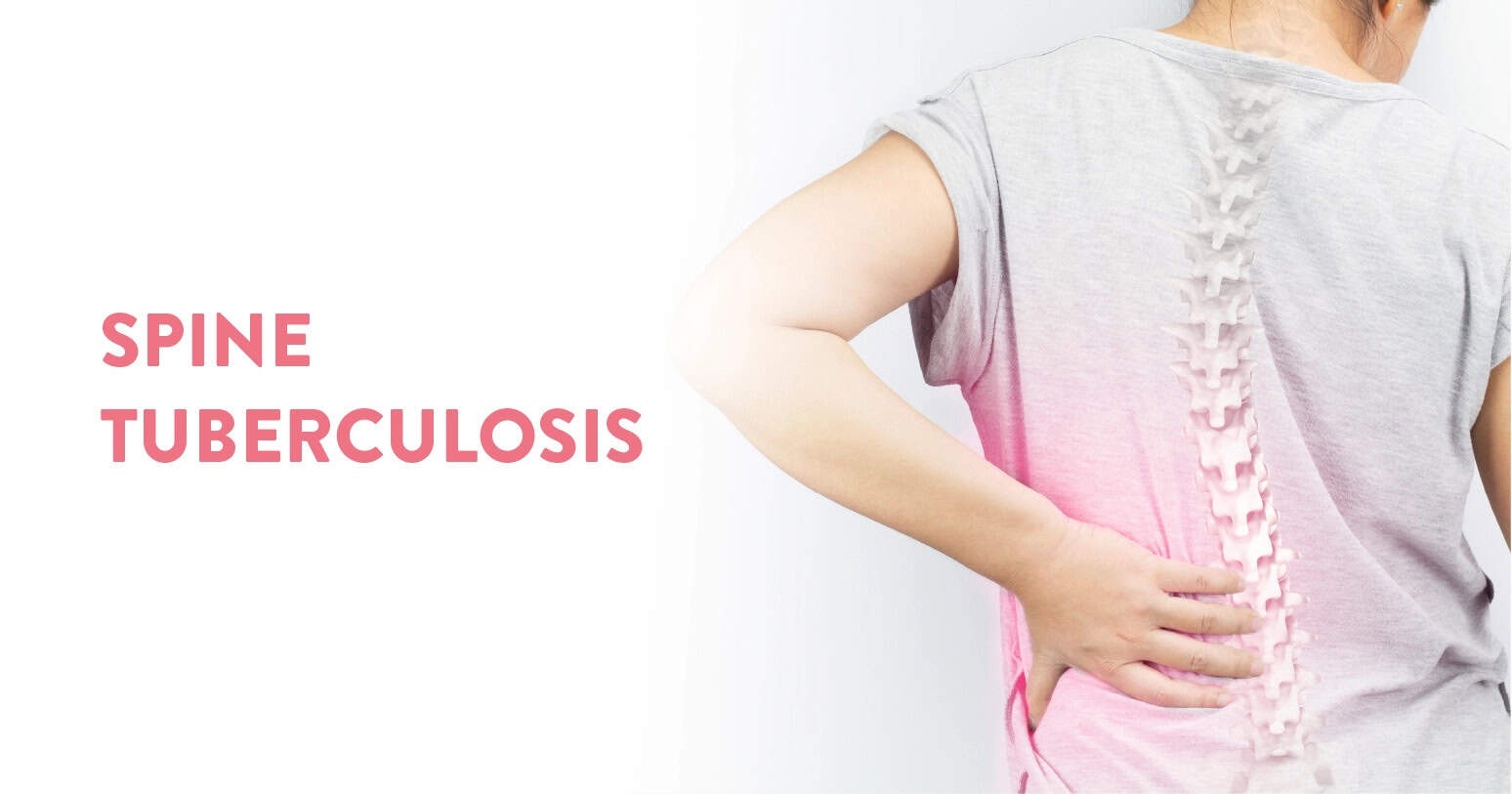
TB (Tuberculosis) is a highly infectious disease that mainly affects the lungs. It is the 13th leading cause of death worldwide; 1.5 million people died from this disease in 2020 as per WHO (World Health Organization). However, TB is normally curable and preventable under the right conditions.
When a tuberculous infection spreads to the spine, it is called tuberculous spondylitis. It is a rare but serious infection that is fatal without medical treatment. Bacterial damage to the spine can cause paralysis, abnormal back curvature and severe pain.
Although this condition is serious, it is treatable. The treatment first addresses the infection. Additional treatments can include surgery to correct any damage to the backbone and spine, and attending to any underlying conditions that could be weakening your immune system.
Table of Contents
TB (tuberculous) spondylitis is also called Pott’s disease, spinal TB and TB of the spine. The same microorganisms that cause TB are responsible for this disorder.
It happens when the bacteria travel to the spine and then invade the backbone. Over time, the disease can cause the bones to collapse, leading to a curve in the back and spinal abnormalities.
Initially, tuberculous spondylitis causes the symptoms usually associated with TB, including:
It can cause many additional symptoms once the infection progresses to the spine. The full extent of symptoms can depend on – if the bacteria affect the nerves that run through the spinal cord and how far the bacteria spread.
The bacteria that causes TB (Mycobacterium tuberculosis) is the same one which causes tuberculous spondylitis as well. This bacterium spreads among people who’ve been exposed and is contagious.
If your immune system is weakened from any medications or health conditions, such as tuberculous spondylitis, then you are more likely to experience severe complications of the bacteria. People with weakened immune systems are at higher risk in certain locations, such as:
A medical appointment is the first step in diagnosing tuberculous spondylitis. During your appointment, your doctor and you will discuss your medical history and symptoms.
Your doctor will order a TB test if they suspect you have tuberculous spondylitis. This examination searches for TB bacterial infection.
TB Diagnostic Test has Two Versions, which are:
Blood tests can look for TB. This test is more often done for people who are suspected of having active TB infections, but it is more expensive to do than a PPD test.
A PPD test is a two-step TB test. This test is done by injecting a protein under your skin that reacts to the TB bacteria and causes a visible bump at the injection site if TB is present.
Your doctor will likely perform further tests to search for indications of tuberculous spondylitis if TB is shown to be present. This usually includes imaging tests, like MRI and X-rays.
These tests are done to look at your spine and check for abnormalities or degeneration. MRIs can also detect epidural abscesses (collections of bacteria in the spine) that can happen with tuberculous spondylitis.
You may also have a biopsy in some cases. Your doctor may order a biopsy if there is a mass in your spine that could be caused by some conditions like spinal cancer or by tuberculous spondylitis.
A biopsy will be used to determine whether there are TB bacteria in your spine as imaging can’t always detect the difference. A small sample of the mass will be removed during the biopsy. After that, it will undergo TB testing in a lab.
A treatment plan for tuberculous spondylitis usually has multiple parts. Treating the TB infection is always the first part. TB is treated for most people with a combination of medications taken over several months.
Additional steps will depend on the extent of spinal damage and any co-occurring conditions. This can include treatment for conditions that may be weakening your immune system, such as HIV. You can lessen your chance of developing further serious infections by starting treatment for these illnesses.
Surgery might be needed to treat spinal damage. Surgical options can help correct decompression of the spinal cord and severe curvature. This can help reduce symptoms such as limb paralysis and pain and help relieve pressure on the nerves.
Tuberculosis of the spine is a serious condition which can lead to death if not treated, so it is advisable to seek medical help from an experienced spine surgeon. Timely care and help can ensure you receive appropriate treatment for a successful cure.
At the CK Birla Hospital, we ensure patients get holistic medical support which includes treatment in a compassionate environment. This patient-centric approach not only helps patients heal better but also ensures they are aware of the preventive measures as well. In case you need to consult a spine surgeon, reach out to us, or book a direct appointment with Dr. Ashwani Maichand at the CK Birla Hospital.
If detected early and provided with proper medicinal compliance, spinal TB is curable. It might take up to 20 to 24 months of different antibiotics treatment along with therapy to get rid of spinal TB.
It is a very dangerous type of skeletal TB as it can be associated with neurologic deficits due to significant spinal deformity and compression of adjacent neural structures.
An untreated spinal TB can be fatal. Early detection is key for improved prognosis.
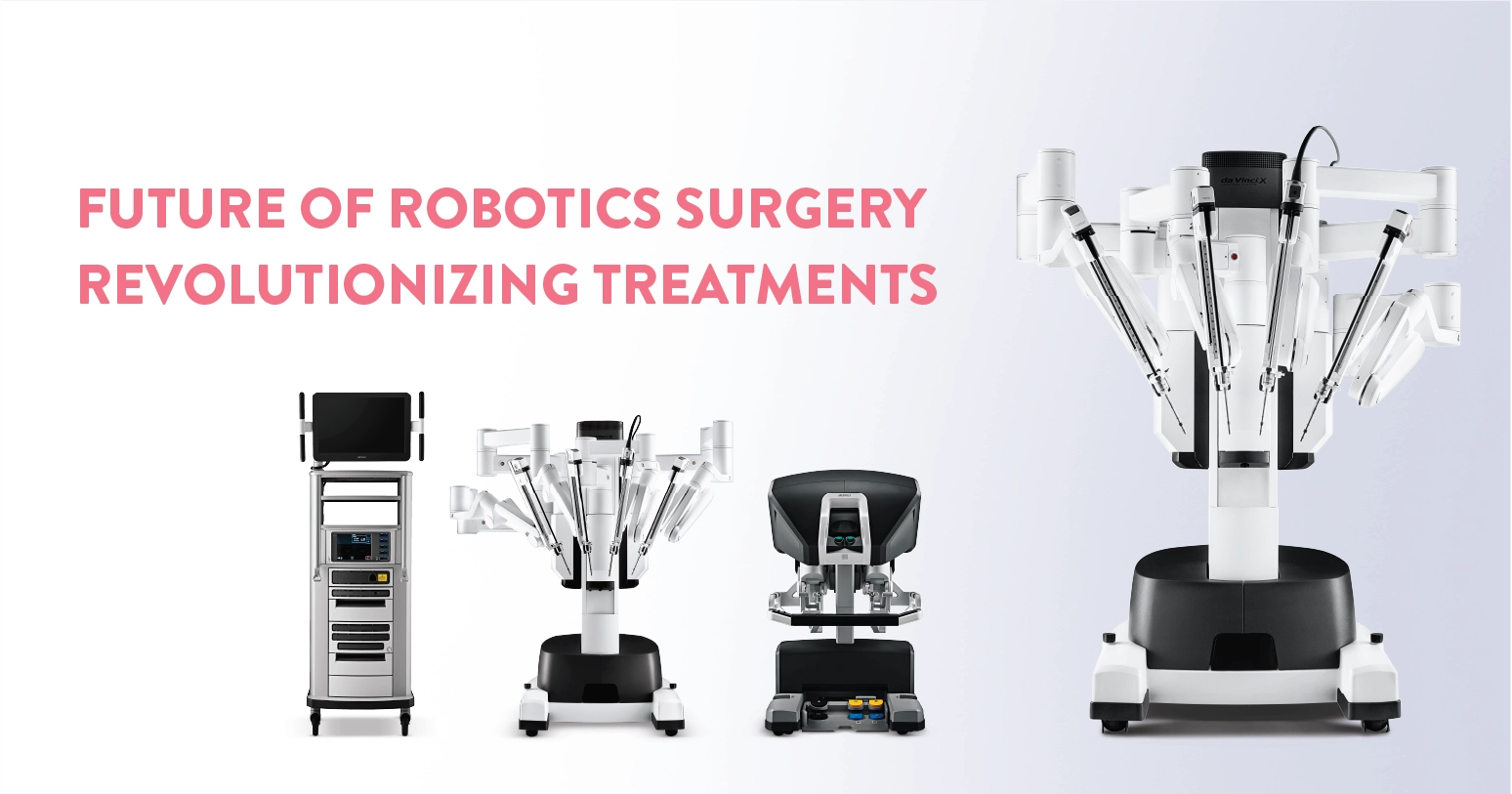
Robotic surgery or robot-assisted surgery is any type of surgical procedure that is performed using robotic systems. It allows the surgeon superior control over the surgical tools and a better view of the operative site than existing minimally invasive surgery techniques. Additionally, since they are not required to stand during the whole procedure, surgeons are spared the physical fatigue of long surgeries.
The robot’s computer program filters out vibrations that occur naturally and has better control over the laparoscopic camera placement, which in this case is also noticeably steadier with fewer unintentional movements than human help. The best part is that the same robot can be used for different rotational surgical teams without burning out.
Table of Contents
Robotic surgery uses specialised technology that enhances the capabilities of your surgeon’s hands. Tiny incisions enable surgeons to execute surgeries in difficult-to-reach places. The specialised technology also enables enhanced magnification and precise movements.
The technology consists of:
Robotic surgery is fantastic for intricate treatments that need a lot of accuracy (like knee replacement or urological surgery). There are situations where conventional methods often add to the complexity of the surgery and reduce the chances of good clinical outcomes. In such cases, robotic surgery becomes the preferred option, since it provides the flexibility that is required for the surgery to be completed.
With the aid of robotic technology, doctors may carefully inspect the region they are operating in. Since some things are not visible to the naked eye, this technology offers surgeons a clearer perspective, which is quite helpful for them to carry out the procedure accurately, while ensuring they have more control over their actions.
The advantages of robotic surgery are present for patients and surgeons. For the surgeon, it increases the feasibility of carrying out the procedure precisely. This would be the primary reason why this approach is gaining popularity for carrying out delicate surgeries. Among its various advantages, one significant advantage is that the surgeon need not stand throughout the operation for hours. They may sit comfortably and use their hands to direct the robot to replicate their motion throughout the procedure. Therefore the physical fatigue of the surgery is almost eliminated with robotic surgery.
Robotic surgery is superior in terms of dexterity. The robotic arms provide the surgeon access to spaces that are tough to access using hands in traditional methods. Therefore, it eliminates any untoward complication that might have occurred in a traditional approach in an attempt to reach the narrow and delicate but hard-to-reach areas.
For patients, robotic surgery also has several benefits. When compared to traditional surgery, robotic surgery has a quicker recovery period, allowing patients to return to work much sooner. Robotic surgery is also regarded as far less painful than open surgery and has a substantially lower risk of infection. The scars are less and there is less harm because the operation is minimally intrusive.
Robotic surgery is appropriate for a wide range of surgeries. It is frequently used by colorectal surgeons, cardiothoracic surgeons, general surgeons, gynecologic surgeons and urologists.
There are Numerous Advantages of Robotic Surgery:
While the surgical approach has amazing clinical outcomes, the success of the approach will depend upon the patient’s condition. This approach is making it easier to approach complex high-risk surgeries to help the patient recover faster and better.
Typically, most people are ideal candidates for robotic surgeries. The particular person and their suitable treatment will need to be thoroughly assessed by the surgeon who will operate. Patient profiling is vital in the case of all complex surgical procedures. You and your doctor need to discuss in detail whether robotic surgery is the right approach for your current condition or not. Since the surgeon will also be aware of your medical history, it will help them profile you better to ascertain your eligibility for robotic surgery. This is common practice for all surgical procedures as some health problems need a set of conditions to be met by the patient to be eligible for robotic surgery.
Robotic surgery and its safety depend on the surgeon who is performing it. People misunderstand the robotic surgical system because they believe a robot makes all the decisions. However, that is untrue. Every single time, it’s the surgeon. Robotic surgery is safe when the surgeon has received comprehensive training on how to use the robotic surgical system.
With a host of benefits for both the surgeon and the patient, robotic or robot-assisted surgery is advancing minimum access surgery in India. It is now a staple of most surgical procedures and has improved the safety and accuracy of both routine and intricate operations. Both the patient and the surgeon have found the results to be advantageous.
We make sure patients receive comprehensive medical care at the CK Birla Hospital, including compassionate care. This patient-centred approach not only promotes faster healing but also makes sure that patients are informed of the precautions to take. More than 6,000 operations have been performed by our team of highly competent surgeons, and they are adept at performing life-saving operations.
Robotic surgeries come with inherent benefits; this technology is usually safe and effective compared with traditional surgical approaches, although it involves some risks which might be similar to risks of conventional open surgery.
Compared to open operations, the discomfort and physical scars are minimal. Robotic-assisted surgery brings more benefits to the table than traditional surgeries and offers cancer patients an experience which is quicker to recover from, less risky, less painful and better.
Robotic surgical technology can not move on its own. Surgeons are in control at all times. There are safety mechanisms in place to ensure the robot does not move without the surgeon controlling it.
With robot-assisted technology, surgeons get benefits like an enhanced view, clinical precision and reduced fatigue. Patients also gain through lesser recovery time and few or no scars.
Since every patient is unique, you should talk to your doctor about your recovery. In general, patients might stay in the hospital for 1 to 2 nights and then return home. Most patients find they have recovered fully within 6 weeks of surgery.

Hair is essentially protein filaments that grow from follicles in the dermis. It is one of the primary characteristics of all mammals. Hair removal and hairstyles vary widely across different historical periods and cultures, but it is often used to indicate a person’s social position or personal beliefs, like their religion, sex or age.
Promoting faster and healthier hair growth can be achieved by doing certain things such as reducing your stress, avoiding chemical dyes, using products made with caffeine and eating more protein. Dialling back on heat treatments can help too.
Although genetics play a role in hair growth, there are various other factors which also come into play. There is no magic formula for instant hair growth, however, there are steps you can take to boost the growth and health of your hair. If you are having trouble getting your hair to grow or are concerned about hair loss, you might want to talk with a doctor about why this may be happening.
Table of Contents
Genetics plays a role in maintaining healthy hair growth, however, various other factors also come into play.
There is no remedy or magical potion which will result in instant growth, but you can take some steps to help prevent breakage and make your hair grow, such as:
1. Avoid Restrictive Dieting
Also Read: Common Causes of Itchy Skin & its Treatment
Specific fatty acids, minerals and vitamins are particularly important for your overall health and also play a key role in providing your body with the energy needed for hair growth. These nutrients are:
Some studies have found lower levels of zinc, folate and vitamin D in people with the autoimmune hair-loss condition alopecia areata; it is advisable to consult an Alopecia Areata Doctor for proper evaluation and treatment.
One study found that taking omega-6 and omega-3 supplements for six months may help prevent hair loss in people with female pattern baldness.
Also Read: Types of Skin Problems & Their Solutions
Applying antioxidants to your scalp might improve the condition of your scalp and significantly reduce hair loss as per some clinical studies.
Researchers accept that these ingredients guard and enhance the scalp barrier, resulting in much less hair loss.
Frizz, dryness and hair breakage can happen when the scales that hold the strands together in your inner hair cuticles fall apart.
Chronic stress can lead to hair loss as per research. It causes the follicles to go into a resting phase during which they shed hair instead of growing new strands.
Hair is one of the most easily visible parts of the body. If you are facing problems with the health and growth of your hair, then it is advisable to seek medical help from an experienced dermatologist. Timely care and help can ensure an accurate diagnosis and treatment of your hair issues.
At the CK Birla Hospital, we ensure patients get holistic medical support which includes treatment in a compassionate environment. This patient-centric approach not only helps patients heal better but also ensures they are aware of the preventive measures as well. In case you need to consult a dermatologist, reach out to us, or book a direct appointment with Dr. Seema Oberoi Lall at the CK Birla Hospital.
There can be numerous reasons for hair not growing or slow growth, including stress, hormones, genetics and age.
Some ways to thicken your hair include eating a balanced diet, maintaining hydration levels, taking care of your scalp and brushing techniques, avoiding overwashing and choosing the right hair-thickening products.
There are certain protective hairstyles such as box braids, cornrows and flat twists which prevent breakage and promote hair growth.

