Filter :
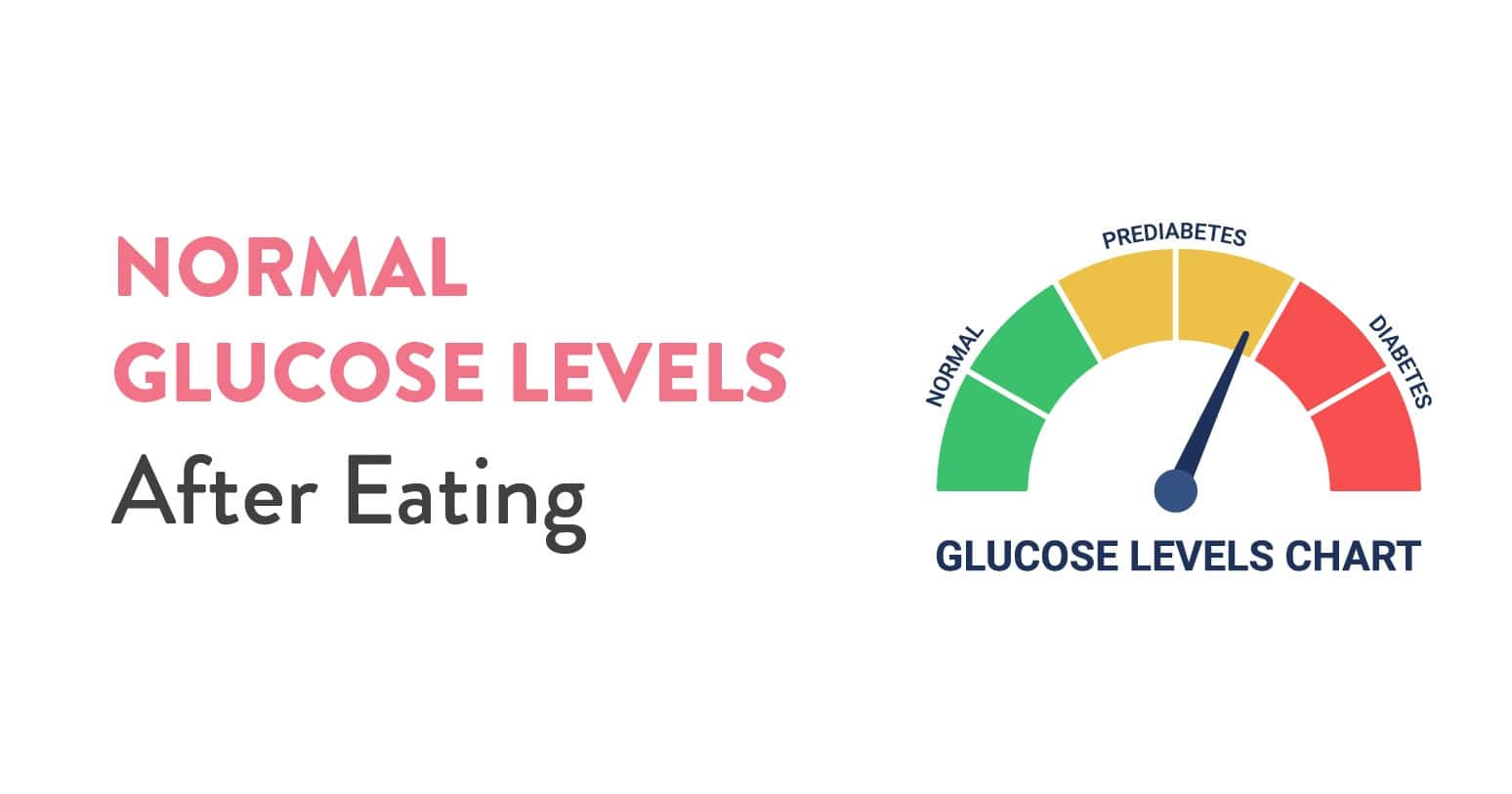
Glucose is a type of sugar and the most abundant monosaccharide, a subcategory of carbohydrates. It is the main source of energy for all living organisms and circulates in the blood of animals as blood sugar. Glucose occurs naturally and is found in its free state in fruits and other parts of plants.
The drinks and food you consume can make your glucose levels rise quickly or more gradually at times. People with diabetes need to check how much insulin they may need for beverages and food and they must juggle the fluctuations of glucose.
It can be tricky knowing what exactly is considered a normal glucose level, as differing clinical guidance and how so much diabetes management is individualised. This means that the target range or recommended glucose goal for one person might not be the same for someone else. It is best to talk to your healthcare provider for clinical guidance when it comes to glucose levels after eating, whether you have diabetes or not and whether you experience hypoglycemia (low blood sugar).
Table of Contents
Your blood sugars after you start drinking and eating are an important measure of your overall health (also known as post-prandial), especially if you live with any type of diabetes.
As food raises blood sugar, so rather than the full range often seen before anything’s eaten, most guidelines focus on the higher end of a glucose level.
Your blood sugars should return to normal typically 2 hours after you finish eating. Depending on what you drink and eat and how much insulin’s dosed, that postprandial effect can vary dramatically.
The post-prandial glucose or more commonly referred as PP-sugar range may differ for teens and children, as well as for diabetic older adults who may live with higher glucose levels because of safety concerns such as falling.
In recent years, medical and diabetes organisations have encouraged individualised, personalised goals that might change based on many factors beyond just the food you eat. Those other factors include:
There is no textbook definition for what your blood sugars should be at any given time. It is best to discuss with your diabetes care team and doctors any target ranges or specific goals you may have, after eating or at other times. This is just one part of overall health and diabetes management, including the mental aspect of monitoring your blood sugar.
Also Read: Complications in Diabetes and How to Avoid Them
If you are diabetic, your doctor may ask you to track your blood sugar by testing it at home with a special device called a home blood sugar meter or a blood glucose monitor. It takes a small sample of blood normally from your fingertip and measures the amount of glucose in it. The best way to use your device is by following your doctor’s instructions.
Your doctor will tell you how and when to test your blood sugar. Each time you do it, log it in an app, online tool or notebook. Whether a reading will be of concern to your doctor or not can be affected by your last meal, recent activity and the time of day. Try to log relevant information such as:
That will help your doctor and you see how your treatment is working.
Also Read: Ivy Gourd: Benefits & Side Effects
Your body breaks down everything you drink and eat, absorbing that into your body and converting parts of that into energy and sugar for your body to use.
High glycemic index foods (starchy and sugary foods, white bread) are rapidly digested and can cause a quick rise in your blood sugar levels. Foods with a lower glycemic index and those with protein and fats are slowly digested and lead to a gradual rise in your blood sugar levels.
Diabetic people, their bodies don’t use or produce insulin properly to naturally regulate their blood sugar levels. As a result, their glucose levels might be much higher in comparison with someone without diabetes (whose body naturally makes insulin for the drinks and food they consume to keep glucose levels regulated).
Also Read- Diabetes: Morning to Night Routine of Diabetic Patient
You should consult your doctor whenever you are worried about your glucose levels.
You may want to discuss possible changes to your care plan if you are experiencing low or high blood sugar after eating or at any other time. This might include changing insulin correction amounts for the food you’re consuming as it may not be accurate. You may also be required to adjust your background insulin amounts if they are leading to out-of-range glucose levels after eating.
Do not make any immediate changes to your diabetes care plan or medication dosages without first talking with your doctor.
Glucose is a vital energy source present in our blood. The optimum glucose level may differ from person to person, so it is advisable to seek medical help from an experienced endocrinologist. Timely care and help can ensure your blood sugar levels are maintained through a care plan or dosage as prescribed by your doctor.
At the CK Birla Hospital, we ensure patients get holistic medical support which includes treatment in a compassionate environment. This patient-centric approach not only helps patients heal better but also ensures they are aware of the preventive measures as well. In case you need to consult an endocrinologist, reach out to us, or book a direct appointment with Our doctors at the CK Birla Hospital.
Generally, your glucose levels should be between 140 to 180 mg/dL after eating, however, they can rise higher depending on multiple factors, including what drink or food you have consumed and your age.
Yes, because after eating the normal blood sugar value is 120 – 140 mg/dl. You are pre-diabetic if your value is 160 mg/dl.
You can check your blood sugar level by doing a finger-prick test or by using a flash glucose monitor or CGM (an electronic blood sugar monitor). This can be done several times a day so that you can keep an eye on your levels during your daily routine and helps you work out how much medication to take and what to eat.
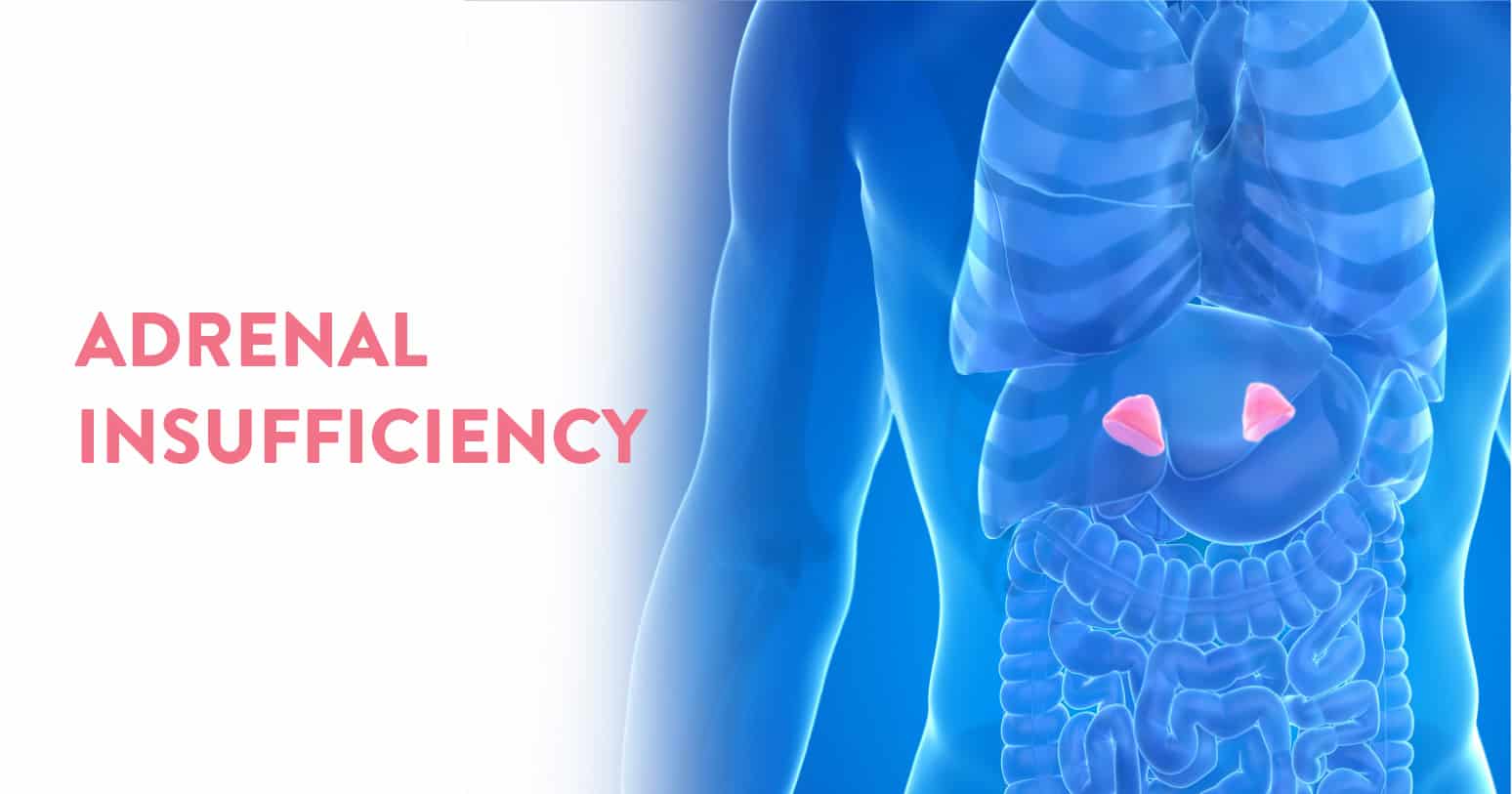
Cortisol is an important hormone for the human body as it helps break down carbohydrates, proteins and fats. It affects how your immune system works and also controls blood pressure. High levels of cortisol lead to some common issues like fatigue, acne, high blood pressure, headache and weight gain.
But, did you know that a fall in cortisol and aldosterone levels can also trigger fatal conditions. One of these is an uncommon illness known as Adrenal insufficiency or Addison’s disease.
Addison’s disease can be life-threatening and can affect anyone. This disease is categorised as primary, secondary, or tertiary. It can also affect your body’s ability to maintain essential life functions and respond to stress. It is treated by taking hormones to replace those that are missing.
Most people with adrenal insufficiency can have an active, normal life with treatment. If you are losing weight or feel weak and tired, ask your healthcare professional if you might have adrenal insufficiency as an early treatment can help avoid an acute adrenal crisis.
Table of Contents
It is a condition in which some of our body’s significant hormones are not produced in adequate amounts by the adrenal glands. The adrenal glands normally secrete androgens, mineralocorticoids and glucocorticoids. These hormones are important for metabolism and in regulating electrolytes and blood pressure.
A life-threatening medical condition resulting from severe deficiency of cortisol in the body can arise if the body is subjected to stress, like severe infection, surgery, injury and accident and is referred to as an adrenal crisis.
The symptoms of Addison’s disease normally happen slowly, over a few months. People who have it may ignore the symptoms at first as the disease can move slowly. The symptoms become worse by stress such as injury or illness.
Your physician will assess your symptoms and past medical history. Based on which further investigative procedures will be prescribed, such as:
The adrenal glands are told to make cortisol by ACTH. A shot of human-made ACTH is administered and the cortisol levels in the blood are measured in this test before and after the shot
It is performed to check whether the pituitary gland is leading to secondary adrenal insufficiency or not. After a shot of insulin, the cortisol and blood sugar levels are checked in this test.
Also Read: How do You Manage Type 2 Diabetes?
The blood levels of ACTH (adrenocorticotropic hormone), cortisol, potassium and sodium are measured in this test. It can also measure antibodies related to autoimmune Addison’s disease.
CT scan of the stomach area is done to check the size of the adrenal glands and look for other issues. An MRI of the pituitary gland is done to check for secondary adrenal insufficiency.
Addison’s disease is treated by using medicines. Hormone replacement therapy helps in the correction of the levels of steroid hormones which the body is not making in sufficient amounts. Oral corticosteroids are included in some treatments like:
Plenty of salt should be included in your diet, especially if you have digestive upsets like diarrhoea when the weather is hot or during heavy exercise. If your body is stressed, then your healthcare provider may increase your medicine for a short time. A minor illness, infection or surgery can trigger such stress. You may need shots of corticosteroids if you are vomiting and can’t keep down your medicine.
This kit contains injectable corticosteroids, a syringe and a needle for emergencies.
It’s vital to keep a small supply with you when you travel and at work because it can be dangerous to miss even one day of medicine.
Your hormone levels can be monitored by your care provider. Your provider might need to change the doses or when you take them if you face problems with your medicine.
You should see your doctor or care provider who treats hormone problems at least once a year. Yearly screening for autoimmune diseases may also be recommended by your provider.
A person suffering from adrenal insufficiency is unable to make some specific hormones sufficiently, which can hamper basic life functions and the stress response. This disease can also be life-threatening, hence it is always advisable to seek medical help from an experienced endocrinologist. Timely care and help can ensure the gradual stabilisation of a person’s hormone levels.
At the CK Birla Hospital, we ensure patients get holistic medical support which includes treatment in a compassionate environment. This patient-centric approach not only helps patients heal better but also ensures they are aware of the preventive measures as well. In case you need to consult an endocrinologist, do reach out to us, or book a direct appointment with Dr. Rajeev Gupta at the CK Birla Hospital. (Booking Link)
Unintentional weight loss is one of the symptoms of Addison’s disease, which is normally accompanied by loss of appetite due to insufficient adrenal levels in the body.
Adrenal insufficiency can be reversed by the use of medicines, hormone replacement therapy and oral corticosteroids.
Once patients with opioid-induced adrenal insufficiency are weaned off the drugs, then they can recover rapidly.

With the change in work patterns and increased time spent indoors a big lifestyle related vitamin deficiency prevalent in our society is the deficiency of Vitamin D. Which is why now more than ever it is vital to understand why this is important for us.
Vitamin D is a group of fat-soluble secosteroids responsible for increasing intestinal absorption of phosphate, magnesium and calcium and many other biological effects. The most important compounds in this group are vitamin D2 and vitamin D3 for humans.
Vitamin D impacts many functions related to the body, which includes bone health. When exposed to sunlight, our bodies produce vitamin D but getting it this way is hard. Vitamin D from supplements or food is best. Foods, including mushrooms, egg yolks and certain fish contain vitamin D.
Most people don’t get enough vitamin D and it is estimated that 80% of adults in India have vitamin D deficiency. Research suggests that low vitamin D levels might be a risk factor for autoimmune diseases. Changing your diet may help prevent or reduce vitamin D deficiency. Whether you need a vitamin D supplement in addition to sun exposure and food is a question to ask your doctor and they can also check if you are deficient or not.
Table of Contents
Vitamin D is both a hormone our bodies make and a nutrient we eat. It is a fat-soluble vitamin that has long been known to help the body retain and absorb phosphorus and calcium; both are critical for building bones.
Laboratory studies also show that vitamin D can reduce inflammation, help control infections and reduce cancer cell growth.
Few foods contain vitamin D naturally, but some foods are fortified with vitamin D. Because it’s difficult to get enough vitamin D from foods like vegetables, supplements are the best way to get enough vitamin D for most people.
Vitamin D2 and vitamin D3 are the 2 types of vitamin supplements. Both of these are natural forms that are produced in the presence of UVB (ultraviolet B) rays, hence the nickname “sun vitamins.” However, D2 is produced by plants and fungi, and D3 is produced by animals, including humans.
The predominant natural supply of vitamin D is its production inside the skin. However, many people are deficient in vitamin D, either because they live in areas where the sun doesn’t shine in the winter, or because they spend limited time in the sun because they’re indoors. Darker-skinned people also tend to have lower levels of vitamin D in their blood because the pigment (melanin) acts like a shadow and reduces vitamin D production (and reduces harmful effects on skin by sunlight, including skin cancer).
The daily amount needed to maintain normal calcium metabolism and healthy bones in healthy people is provided by the Recommended Dietary Allowance for vitamin D.
For adults who are 19 years of age and older, it is 15 mcg daily; for women and men who are older than 70 years of age, it is 20 mcg daily.
The maximum daily intake unlikely to cause harmful effects on health is known as Tolerable Upper Intake Level. It is 100 mcg of vitamin D for children and adults who are 9 years of age and above.
Also Read: What is cholesterol? Type, normal range, Diagnosis and Treatment
Vitamin D comes from two primary sources:
Certain foods are naturally rich in vitamin D3. The best sources are fish liver oils and the flesh of fatty fish. Smaller amounts are found in cheese and egg yolks. Certain mushrooms contain vitamin D2. Additionally, some commercially available mushrooms contain higher levels of D2 due to intentional exposure to high levels of UV light. Many supplements and foods are fortified with vitamin D like cereals and dairy products. Some other food sources are:
When the sun’s UVB radiation (tanning rays) breaks down the steroid 7-dehydrocholesterol, a chemical process occurs in human skin that produces vitamin D3. Vitamin intake varies greatly. The following conditions reduce exposure to UVB light and reduce vitamin D absorption:
Also Read: Benefits of Taking Fish Oil
Here are some healthy foods which are high in vitamin D:
Vitamin D has numerous functions and roles, which include the following:
Vitamin D is an essential element required for bone health. To include it in sufficient quantities in your daily diet list, it is advisable to seek medical help from an experienced dietitian. Timely care and help can ensure a vitamin D-rich diet which is appropriate to your body’s requirements.
At the CK Birla Hospital, we ensure patients get holistic medical support which includes treatment in a compassionate environment. This patient-centric approach not only helps patients heal better but also ensures they are aware of the preventive measures as well. In case you need to consult a dietitian, reach out to us, or book a direct appointment with Ms. Prachi Jain at the CK Birla Hospital.
The recommended daily amount of vitamin D is 800 IU (international units) for people over 70 years, 600 IU for people aged 1 to 70 years and 400 IU for children up to age 12 months.
Low vitamin D levels result in an increased risk of muscle weakness, muscle pain, bone fractures and bone pain. Severe vitamin D deficiency in older adults might also contribute to an increased risk of falls.
There can be numerous causes of vitamin D levels being low, including insufficient exposure to sunlight, darker skin pigment, malnutrition, certain medications and genetics.
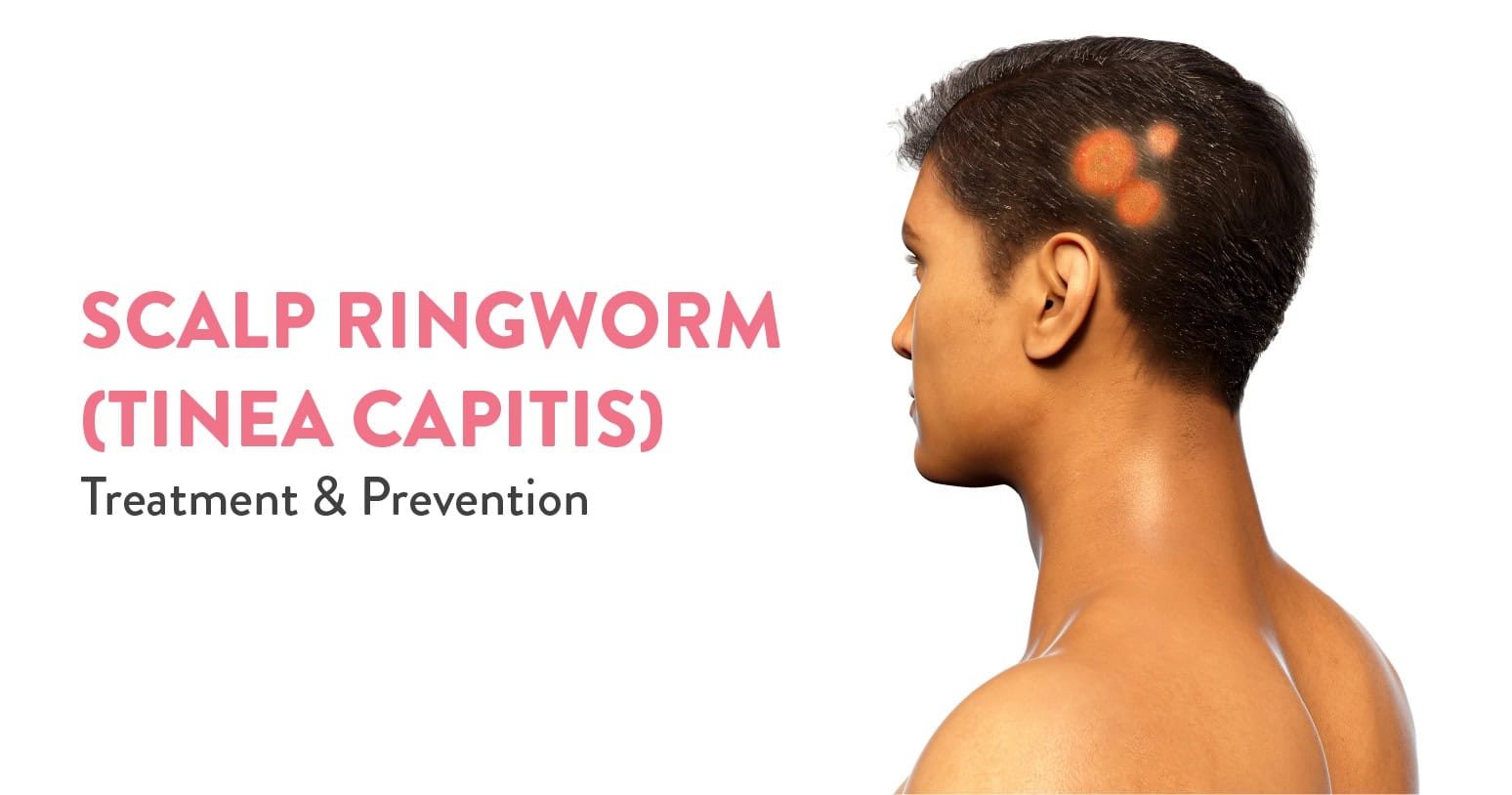
Scalp ringworm is a fungal infection on the scalp which can cause itchy bald spots. It is also called Tinea capitis and this infection affects the hair shafts and scalp, causing small patches of scaly, itchy skin. Some common symptoms include focal areas of scaling and itching, loss of hair, red papules and localised pustules.
It is a highly contagious infection which usually spreads through sharing pillows, hats, towels and combs or by person-to-person contact. Although it can infect a person of any age, it is most common in children than adults.
When the scalp ringworm appears on the face, extremities or trunk of a person, it causes a bright red ring-shaped rash. The other areas of the body that ringworm typically affects are the groin, feet, hands and toenails. Doctors can identify tinea capitis by running a fungal culture on a sample of the affected hair in the beginning, reviewing a person’s symptoms and performing a physical examination. Medicated shampoos may prevent a person-to-person spread of infection and the fungus that causes ringworm on the scalp can be killed by taking oral medication.
Table of Contents
Scalp ringworm is an infection which is the result of a fungus which develops on a person’s scalp. It isn’t caused by a worm, contrary to what the name might suggest and is contagious. It usually spreads from person to person, person to animal and person to object and occurs mostly during the summer months. The scalp ringworm leads to the formation of scaly, red and round rashes that may itch.
Clinical features vary according to the extent of the inflammatory host response, the type of hair invasion and the species of dermatophyte. Partial hair loss with some inflammation is a common characteristic of all types.
Tinea capitis clinical features are categorised into inflammatory and non-inflammatory variants, such as:
It is caused by a zoophilic species and may result in permanent alopecia. A delayed immune response to the fungus results in a severe inflammatory reaction.
T. schoenleinii causes this rare chronic inflammatory infection. It is characterised by yellow-crusted cup-shaped lesions (scutula) around the base of the hairs and matted hair.
It is a patchy alopecia with associated folliculitis or pustules.
Patches of alopecia with fine scaling which appear speckled with black dots. The dots are hair shafts which are broken, secondary to endothrix infection.
It resembles generalised dandruff; alopecia is absent or subtle.
Patches of alopecia and fine scaling of the scalp, which has spores coating the affected hairs making it appear grey.
Also Read- Suffering From Tinea Cruris Or Jock Itch: Treatment & Prevention
Dermatophytes are the fungi which cause ringworm on the scalp. Fungi are organisms that thrive on dead tissue, such as the outer layers of the skin, hair, and fingernails. Dermatophytes thrive on sweaty skin as they prefer moisture and warmth. Poor hygiene and overcrowding increase the spread of ringworm.
Scalp ringworm spreads easily among children especially. The other ways of transmission are:
Itchy patches on the scalp are the most common symptom of ringworm. The scalp will develop bald spots, red areas and a scaly texture as a result of sections of hair breaking off and black dots appearing where the hair breaks off. These areas can gradually spread and grow if left untreated.
Other symptoms include:
Medicated shampoo and fungi-killing oral medication are what a doctor will probably prescribe.
Terbinafine hydrochloride and griseofulvin are the leading antifungal medications for ringworm. Both oral medications are to be taken for approximately six weeks. Your doctor may recommend taking these medications with high-fat food such as ice cream or peanut butter.
To prevent the spread of infection and to remove fungus, your doctor may prescribe a medicated shampoo. The shampoo contains selenium sulfide or the active antifungal ingredient ketoconazole.
Medicated shampoo doesn’t kill ringworm but it helps prevent the fungus from spreading. This type of treatment must be combined with an oral medication. This shampoo may be prescribed by your doctor a couple of times per week for a month. Leave the shampoo on for five minutes, then rinse your hair.
Scalp ringworm is an infection which causes issues in the scalp which usually don’t disappear on their own. It is highly contagious and may easily spread to your friends, family, colleagues etc. So it is always advisable to seek medical help from an experienced dermatologist. This is a disease that can leave a permanent emotional scar that can substantially reduce confidence levels.
At the CK Birla Hospital, we ensure patients get holistic medical support which includes treatment in a compassionate environment. This patient-centric approach not only helps patients heal better but also ensures they are aware of the preventive measures as well. In case you need to consult a dermatologist, do reach out to us, or book a direct appointment with Dr. Seema Oberoi Lall at the CK Birla Hospital.
Scalp ringworm is an infection which is not fatal, however, if left untreated can grow and spread across the scalp of a person, resulting in loss of hair in some cases.
Tinea capitis or ringworm of the scalp doesn’t normally go away on its own and needs to be treated to remove the fungus and to stop the further spread of the infection.
Oral medications which contain griseofulvin and terbinafine hydrochloride are generally prescribed by doctors for about 6 weeks to get rid of the scalp ringworm.
Can coconut oil cure scalp ringworm?
Coconut oil is effective in treating mild cases of scalp ringworm due to its moisturising and antifungal qualities. It’s even better than prescription medications or OTC treatments as it normally has less risk of side effects.
नाभि को बेली बटन के नाम से भी जाना जाता है, वास्तव में यह अपने आप अपनी जगह से खसकती या फिसलती नहीं है। यह एक निश्चित शारीरिक विशेषता है जो भ्रूण के विकास के दौरान बनती है और व्यक्ति के जीवन भर स्थिर स्थिति में रहती है। हालाँकि, कुछ परिस्थितियों में लोगों को ऐसा महसूस हो सकता है जैसे कि उनकी नाभि हिल गई है या अपनी जगह से खिसक गई है।
इस धारणा का एक संभावित कारण शरीर के आकार या वजन में बदलाव है। जब कोई व्यक्ति महत्वपूर्ण मात्रा में वजन बढ़ाता या घटाता है, तो पेट क्षेत्र में वसा और ऊतकों का वितरण बदल सकता है, जिससे नाभि की उपस्थिति और स्थिति बदल जाती है। उदाहरण के लिए, वजन बढ़ने से पेट बाहर निकल सकता है, जिससे नाभि नीचे या “हिली हुई” दिखाई दे सकती है। इसके विपरीत, वजन घटाने से पेट सपाट हो सकता है, जिससे नाभि ऊंची या अलग स्थिति में दिखाई देती है।
एक अन्य कारक जो खिसकी हुई नाभि की धारणा में योगदान कर सकता है वह है कुछ चिकित्सीय स्थितियों या सर्जिकल हस्तक्षेप की उपस्थिति। पेट की सर्जरी, जैसे एब्डोमिनोप्लास्टी (टमी टक), नाभि की स्थिति को बदल सकती है। इसके अतिरिक्त, नाभि हर्निया जैसी स्थितियां, जहां नाभि के पास एक कमजोर स्थान के माध्यम से पेट की सामग्री बाहर निकलती है, नाभि विकृत या विस्थापित दिखाई दे सकती है।
खुद में नाभि ऊपर खिसकने के लक्षण अनुभव करने पर या बार बार नाभि खिसकने का कारण जानने के लिए आपको जल्द से जल्द डॉक्टर से मिलना चाहिए। इस ब्लॉग में हम नाभि खिसकने के कारण, नाभि खिसकने के नुकसान, नाभि खिसकने से होने वाले रोग और नाभि खिसकने के घरेलू उपाय के बारे में विस्तार से जानने की कोशिश करेंगे।
Table of Contents
यदि आपको लगता है कि आपकी नाभि खिसक गई है या अपनी जगह से हट गई है, तो यह ध्यान रखना महत्वपूर्ण है कि आप शारीरिक रूप से इसे अपनी मूल स्थिति में “वापस” नहीं ला सकते हैं। नाभि की स्थिति आपकी शारीरिक रचना द्वारा निर्धारित होती है और इसे चिकित्सकीय हस्तक्षेप के बिना आसानी से नहीं बदला जा सकता है।
हालाँकि, ऐसी कुछ स्थितियाँ हैं जिन्हें संबोधित करने के लिए चिकित्सा उपचार आवश्यक हो सकता है जो नाभि की उपस्थिति या स्थिति को प्रभावित कर सकते हैं जैसे कि:
यदि आपको अम्बिलिकल हर्निया है, जहां पेट की मांसपेशी नाभि के पास एक कमजोर स्थान से बाहर निकलती है, तो आपको हर्निया को ठीक करने के लिए सर्जरी की आवश्यकता हो सकती है। सर्जरी में पेट की दीवार को मजबूत करना और अंगों या ऊतकों को उनकी उचित स्थिति में वापस लाना शामिल है।
एब्डोमिनोप्लास्टी, जिसे आमतौर पर टमी टक के रूप में जाना जाता है, एक शल्य चिकित्सा प्रक्रिया है जिसमें पेट से अतिरिक्त त्वचा और वसा को निकालना शामिल है। इस प्रक्रिया में, अधिक सौंदर्यपूर्ण रूप से सुखदायक परिणाम प्राप्त करने के लिए नाभि को दोबारा स्थापित करने की आवश्यकता हो सकती है। यह प्रक्रिया किसी योग्य प्लास्टिक सर्जन द्वारा की जानी चाहिए।
यदि आप अपनी नाभि की उपस्थिति या स्थिति के बारे में चिंतित हैं, तो सामान्य सर्जन या प्लास्टिक सर्जन जैसे विशेषज्ञ से परामर्श करना सबसे अच्छा है। वे आपकी विशिष्ट स्थिति का मूल्यांकन कर सकते हैं, सटीक निदान प्रदान कर सकते हैं और यदि आवश्यक हो तो उचित उपचार विकल्पों पर चर्चा कर सकते हैं।
Also Read: पेट साफ करने के घरेलू उपाय ( Pet Saaf Karne Ke Upay)
यह ध्यान रखना महत्वपूर्ण है कि नाभि का वास्तविक रूप से खिसकना या हिलना एक दुर्लभ घटना है और आमतौर पर अंतर्निहित चिकित्सा स्थितियों या सर्जिकल जटिलताओं से जुड़ी होती है।
अम्बिलिकल हर्निया के कारण नाभि खिसकी हुई प्रतीत हो सकती है। यह तब होता है जब आंत या पेट के ऊतकों का एक हिस्सा नाभि के पास कमजोर क्षेत्र से बाहर निकलता है। इससे नाभि उभर सकती है या विकृत दिखाई दे सकती है।
कुछ मामलों में, सर्जिकल प्रक्रियाएं जिनमें पेट का क्षेत्र शामिल होता है, जैसे एब्डोमिनोप्लास्टी या हर्निया की मरम्मत, के परिणामस्वरूप नाभि की स्थिति या उपस्थिति में परिवर्तन हो सकता है। इन प्रक्रियाओं में कॉस्मेटिक या चिकित्सीय कारणों से नाभि का स्थान बदलना या संशोधित करना शामिल हो सकता है।
यदि आपको लगता है कि आपकी नाभि खिसक गई है या अपनी जगह से हट गई है, तो यह ध्यान रखना महत्वपूर्ण है कि आप शारीरिक रूप से इसे अपनी मूल स्थिति में वापस नहीं ला सकते हैं। नाभि की स्थिति आपकी शारीरिक रचना द्वारा निर्धारित होती है और इसे चिकित्सकीय हस्तक्षेप के बिना आसानी से नहीं बदला जा सकता है।
नाभि ठीक करने का तरीका अपना कर आप नाभि खिसकने से होने वाले रोग की संभावना को दूर करना है। नाभि खिसकने के लक्षण और उपाय की मदद से डॉक्टर आपकी परेशानी को दूर कर सकते हैं। हालाँकि, ऐसी कुछ स्थितियाँ हैं जिनको संबोधित करने के लिए चिकित्सा उपचार आवश्यक हो सकता है जो नाभि की उपस्थिति या स्थिति को प्रभावित कर सकते हैं जैसे कि:
अगर ऊपर दिए गए नाभि खिसकने के घरेलू उपाय के बाद भी कोई फायदा न हो तो नाभि खिसकने के नुकसान से बचने के लिए आपको विशेषज्ञ से परामर्श करना चाहिए। आपकी विशिष्ट स्थिति के अनुरूप सटीक निदान और उचित उपचार विकल्पों के लिए विशेषज्ञ से परामर्श करना आवश्यक है।
Also Read: पेट दर्द के कारण, लक्षण और घरेलू इलाज
कुछ संकेत और लक्षण हैं जिन पर आप गौर कर सकते हैं जो आपकी नाभि के साथ संभावित समस्या का संकेत दे सकते हैं:
यह याद रखना महत्वपूर्ण है कि ये लक्षण विभिन्न स्थितियों के कारण हो सकते हैं, और एक सटीक निदान के लिए एक विशेषज्ञ द्वारा उचित चिकित्सा मूल्यांकन आवश्यक है।
अगर आप नाभि में कथित बदलाव अनुभव कर रहे हैं, तो यह ध्यान रखना महत्वपूर्ण है कि केवल आहार परिवर्तन से सीधे तौर पर स्थिति का समाधान या इलाज नहीं किया जा सकता है। हालाँकि, स्वस्थ आहार बनाए रखने से समग्र कल्याण में सहायता मिल सकती है। यहां कुछ सामान्य आहार दिशानिर्देश दिए गए हैं जिनका पालन किया जा सकता है:
यह याद रखना महत्वपूर्ण है कि अकेले आहार परिवर्तन से खिसकी हुई नाभि या अंतर्निहित स्थिति का इलाज नहीं किया जा सकता है। यदि आप अपनी नाभि के बारे में चिंतित हैं या लगातार लक्षणों का अनुभव कर रहे हैं, तो उचित मूल्यांकन, निदान और उचित उपचार के लिए विशेषज्ञ से परामर्श करना आवश्यक है।
सांस लेने में दिक्कत एक आम स्वास्थ्य समस्या है जो कई लोगों को प्रभावित करती है। यह समस्या व्यक्ति को न केवल शारीरिक बल्कि मानसिक रूप से भी परेशान करती है। इसलिए, सांस लेने में दिक्कत के लक्षण को ठीक से समझना और उचित उपचार करना महत्वपूर्ण है।
इस ब्लॉग में हम सांस लेने में तकलीफ होना यानी सांस लेने में दिक्कत के कारणों पर चर्चा करेंगे। साथ ही, सांस लेने में दिक्कत हो तो क्या करें घरेलू उपाय का इस्तेमाल करें आदि के बारे में जानने की कोशिश करेंगे। अगर आपको अचानक सांस लेने में दिक्कत होना, गैस के कारण सांस लेने में दिक्कत होना या सोते समय सांस लेने में दिक्कत होना आदि से परेशान हैं तो यह ब्लॉग आपके लिए महत्वपूर्ण है।
ये भी पढ़े: सूखी खांसी: कारण, लक्षण, घरेलू उपाय और निदान
सांस लेने में कठिनाई विभिन्न कारकों के कारण हो सकती है, हल्के से लेकर गंभीर स्थितियों तक। सांस लेने में कठिनाई के कुछ सामान्य कारण यहां दिए गए हैं:
सामान्य सर्दी, फ्लू, ब्रोंकाइटिस या निमोनिया जैसे संक्रमणों से वायुमार्ग में सूजन और संकुचन हो सकता है, जिससे सांस लेना अधिक चुनौतीपूर्ण हो जाता है।
यह पुरानी स्थिति वायुमार्ग की सूजन और संकुचन का कारण बनती है, जिसके परिणामस्वरूप सांस लेने में तकलीफ, घरघराहट और खांसी होती है।
इस शब्द में क्रोनिक ब्रोंकाइटिस और वातस्फीति जैसी स्थितियां शामिल हैं, जो फेफड़ों को लगातार नुकसान पहुंचाती हैं और लगातार सांस लेने में (difficulty in breathing) कठिनाई होती हैं।
ये भी पढ़े: ठण्ड में अस्थमा के मरीज़ो को क्या सावधानियां रखनी चाइये?
पराग, धूल के कण, पालतू जानवरों की रूसी या कुछ खाद्य पदार्थों से एलर्जी की प्रतिक्रिया श्वसन संबंधी लक्षण पैदा कर सकती है, जिसमें सांस लेने में कठिनाई भी शामिल है।
तीव्र चिंता या घबराहट के दौरे से तेजी से सांस लेना, सीने में जकड़न और सांस लेने के लिए संघर्ष करने की अनुभूति हो सकती है।
हृदय की विफलता (cardiac arrest), कोरोनरी धमनी रोग, या अतालता सहित विभिन्न हृदय समस्याएं, हृदय की रक्त को प्रभावी ढंग से पंप करने की क्षमता को ख़राब कर सकती हैं, जिससे सांस फूलने लगती है।
अत्यधिक वजन श्वसन प्रणाली पर दबाव डाल सकता है, जिससे सांस लेना कठिन हो जाता है, खासकर शारीरिक परिश्रम के दौरान।
फुफ्फुसीय धमनी में रक्त का थक्का, जो फेफड़ों को रक्त की आपूर्ति करता है, रक्त प्रवाह में बाधा डाल सकता है और अचानक सांस लेने में तकलीफ हो सकती है।
फुफ्फुसीय फाइब्रोसिस, फेफड़े का कैंसर, या फुफ्फुसीय उच्च रक्तचाप जैसी स्थितियां फेफड़ों की कार्यप्रणाली को ख़राब कर सकती हैं और परिणामस्वरूप सांस लेने में कठिनाई हो सकती है।
अधिक ऊंचाई, प्रदूषकों के संपर्क में आना, धूम्रपान, कुछ दवाएं और एनीमिया या न्यूरोमस्कुलर विकार जैसी अंतर्निहित स्वास्थ्य समस्याएं भी सांस लेने में कठिनाई में योगदान कर सकती हैं।
यह ध्यान रखना महत्वपूर्ण है कि सांस लेने में कठिनाई एक गंभीर चिकित्सा स्थिति का लक्षण हो सकती है, इसलिए यदि आप लगातार या गंभीर सांस लेने की समस्याओं ( severe breathing problem) का अनुभव कर रहे हैं तो चिकित्सा सहायता लेने की सलाह दी जाती है।
अगर आपको सांस लेने में दिक्कत होती है तो इसके आलावा आप अन्य एलक्शन भी अनुभव कर सकते हैं जैसे कि सांस लेने में तकलीफ या घाबराहट का अनुभव करना, घुटने की आवाज़ सुनाई देना या श्वास कष्ट का अनुभव करना, सांस लेने में अच्छी तरह से खींचने में कठिनाई या दर्द महसूस करना और सांस लेते समय फूलने का अनुभव करना आदि।
Also Read: जानिए क्या होते हैं प्रेगनेंसी के शुरूआती लक्षण
यदि आपको या किसी अन्य को सांस लेने में कठिनाई हो रही है, तो तुरंत कार्रवाई करना आवश्यक है। अनुसरण करने के लिए यहां कुछ चरण दिए गए हैं:
घबराने से सांस लेने में कठिनाई बढ़ सकती है। शांत और केंद्रित रहने का प्रयास करें।
यदि सांस लेने में कठिनाई गंभीर है, लगातार है, या अन्य संबंधित लक्षणों के साथ है, तो आपातकालीन सेवाओं को कॉल करें या बिना देरी किए निकटतम आपातकालीन कक्ष में जाएं।
सीधे या थोड़ा आगे की ओर बैठें, क्योंकि इससे वायुमार्ग को खोलने और सांस लेने में सुविधा हो सकती है। सीधे लेटने से बचें, क्योंकि इससे सांस लेने में और रुकावट आ सकती है।
यदि आपके पास अस्थमा या सीओपीडी जैसी स्थितियों के लिए निर्धारित इनहेलर है, तो इसे अपने स्वास्थ्य सेवा प्रदाता के निर्देशानुसार उपयोग करें। इन्हेलर वायुमार्ग को खोलने और सांस लेने में होने वाली कठिनाइयों से राहत दिलाने में मदद कर सकते हैं।
अपनी सांस को नियंत्रित करने और चिंता को कम करने में मदद के लिए धीमी, गहरी सांसें लें। अपनी नाक से धीरे-धीरे सांस लें, कुछ सेकंड के लिए अपनी सांस रोकें और फिर अपने मुंह से धीरे-धीरे सांस छोड़ें।
यदि आप अपनी सांस लेने में कठिनाई का कारण जानते हैं, जैसे कि एलर्जी या जलन पैदा करने वाले पदार्थों के संपर्क में आना, तो अपने आप को उस वातावरण से दूर करने का प्रयास करें या जोखिम को कम करने के लिए कदम उठाएं।
छाती या कमर के आसपास तंग कपड़े सांस लेने में बाधा उत्पन्न कर सकते हैं। बेहतर वायु प्रवाह के लिए किसी भी तंग कपड़े को ढीला कर दें।
अपने आप को हाइड्रेटेड रखने के लिए पानी पीते रहें। शुष्क वायुमार्ग से सांस लेने में कठिनाई बढ़ सकती है।
भले ही आपकी सांस लेने में कठिनाई कम हो जाए या सुधार हो जाए, फिर भी अंतर्निहित कारण निर्धारित करने और उचित उपचार प्राप्त करने के लिए चिकित्सा मूल्यांकन कराना महत्वपूर्ण है।
याद रखें, ये चरण सामान्य अनुशंसाएँ हैं, और आपकी विशिष्ट स्थिति के आधार पर उचित निदान और मार्गदर्शन के लिए स्वास्थ्य देखभाल विशेषज्ञ से परामर्श करना महत्वपूर्ण है।
यदि आप सांस लेने में कठिनाई का अनुभव कर रहे हैं, तो स्वस्थ और संतुलित आहार बनाए रखना महत्वपूर्ण है। उन खाद्य पदार्थों के सेवन पर ध्यान दें जो श्वसन स्वास्थ्य को बढ़ावा देते हैं, जैसे कि विटामिन सी से भरपूर फल (जैसे खट्टे फल), पत्तेदार साग, तैलीय मछली, नट और बीज, और सूजन-रोधी गुणों वाले खाद्य पदार्थ (जैसे हल्दी और अदरक)। हाइड्रेटेड रहें और ऐसे खाद्य पदार्थों से बचें जो एलर्जी पैदा कर सकते हैं या श्वसन संबंधी लक्षण खराब कर सकते हैं।
सांस की तकलीफ का अनुभव होने पर, कुछ ऐसे खाद्य पदार्थों से बचने की सलाह दी जाती है जो श्वसन संबंधी लक्षणों को बढ़ा सकते हैं। इनमें प्रसंस्कृत और तले हुए खाद्य पदार्थ, मीठे स्नैक्स और पेय पदार्थ, उच्च वसा वाले डेयरी उत्पाद और ऐसे खाद्य पदार्थ शामिल हैं जो एलर्जी या संवेदनशीलता पैदा करने के लिए जाने जाते हैं।
इसके अतिरिक्त, उन खाद्य पदार्थों को सीमित करना या उनसे बचना महत्वपूर्ण है जो सूजन या गैस का कारण बन सकते हैं, जैसे कार्बोनेटेड पेय, बीन्स, गोभी और प्याज। अपनी विशिष्ट स्थिति के आधार पर व्यक्तिगत आहार संबंधी सलाह के लिए विशेषज्ञ से परामर्श लें।
Also Read: खून की कमी के कारण, लक्षण और इलाज | Blood Deficiency In Hindi
मनुष्य को सांस लेने में कई कारणों से दिक्कतें हो सकती हैं। इसमें मुख्य रूप से गैस, अल्सर, अस्थमा या दिल से संबंधित बीमारी से पीड़ित होना शामिल हैं।
आमतौर पर दिल की बीमारी होने पर व्यक्ति को सांस लेने में घबराहट होती है। इसके अलावा, किसी बात की चिंता होना, तनाव होना या किसी चीज से डर जाना भी अचानक सांस लेने में दिक्कत होना आदि में शामिल है।
सांस लेने में दिक्कत होने पर डॉक्टर हल्का गर्म पानी पिने, ग्रीन टी पिने और लाइट खाना खाने का सुझाव देते हैं। इससे सांस लेने में आसानी होती है।
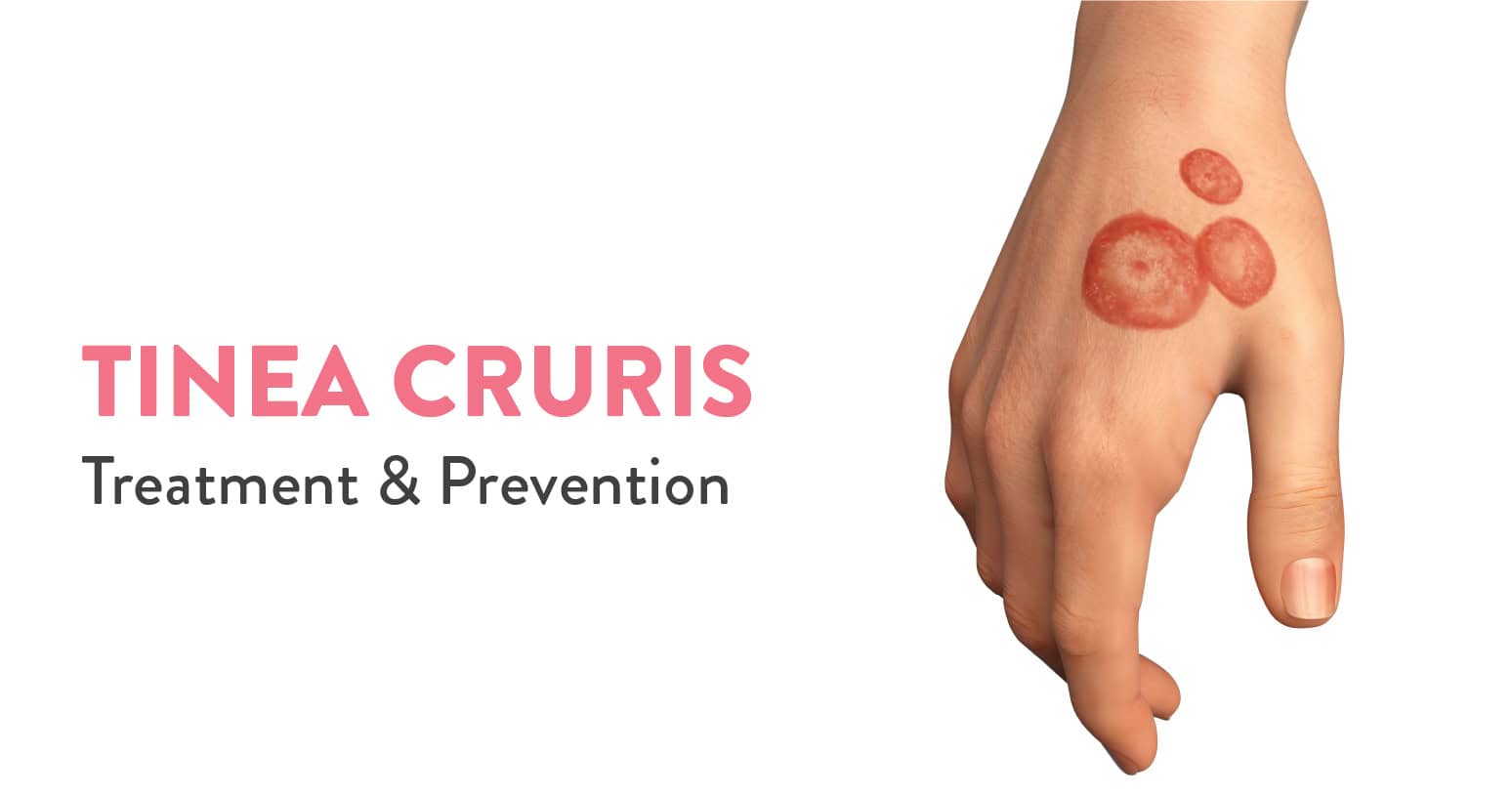
One of the most common fungal infections in India is jock itch (groin ringworm), which is also called ‘tinea cruris’ by medical professionals. It causes one or multiple red and itchy rashes on your skin. Jock itch mostly appears on the inner thighs and the groin area.
In most cases, it is caused by moisture and sweat. People who sweat a lot, those who are overweight and athletes are the ones who are the most susceptible to developing the condition.
As per an estimate, approximately 20 to 25% of the total world population has the problem of jock itch. More than 10 lakh cases are reported in India alone every year. The red and itchy rashes can make some people uncomfortable but usually, it is not a cause for concern. To cure and treat jock itch, the groin area should be kept dry and clean at all times.
You should shower regularly and tight-fitting clothes should be avoided as they don’t allow the skin to breathe. In addition to this, topical antifungal medications might need to be used on the affected skin for the prevention of the infection, provide relief and kill the fungus. If you are witnessing severe symptoms or if the jock itch doesn’t improve even after some weeks, it’s advisable to see a doctor or receive medical help as soon as possible.
Table of Contents
Groin ringworm or jock itch is a common infection that’s caused by a fungus. It causes a burning, stinging, itchy rash on the skin around the butt crack, groin and inner thigh. It is also called Tinea cruris. Cruris means groin and Tinea is another name for ringworm. People who are overweight and sweat a lot are very likely to get it.
With jock itch, bumps or blisters may develop on the skin and it can become cracked or scaly. Most often, young adult men and adolescents get jock itch. It’s uncommon in females. Women are 3 times less likely to get jock itch than men.
Also Read: Types of Skin Problems & their Solutions
Jock itch or groin ringworm is caused by a fungus. It is a type of ringworm. The fungi can easily survive for months on skin, soil and household objects and are quite contagious. It usually spreads from contact of a human with another infected person, animal, soil or object.
Moist and warm temperatures are ideal conditions for the growth of the fungus and wearing tight clothing near the groin area creates such a condition.
With groin ringworm, the affected skin itches and burns. The skin may change colours and appear irritated, flaky or scaly. The skin rash may also develop rings and develop blisters or bumps.
If groin ringworm is left untreated, then it can last for months and might spread to other parts of the body. It can be cleared in a few weeks by using over-the-counter medicines called antifungals. These are available in the form of sprays, creams, powders, ointments and gels.
These products have terbinafine, tolnaftate, clotrimazole or miconazole in them. A few prescription antifungal medications are also available in the form of pills. These contain terbinafine, fluconazole or itraconazole. It is very important to finish the full course of your medicines because if it is stopped in between, your jock itch may appear again and be harder to treat.
In the case of a mild jock itch, rubbing alcohol may cure it and stop or prevent fungal growth on the skin’s surface. There are certain home remedies which can be tried to treat or prevent jock itch by stopping or preventing the growth of bacteria, which include using peppermint, eucalyptus oils, bitter orange and tea tree.
Garlic can also be used as it contains a compound called ajoene. The growth of bacteria can be stopped or prevented by Ajoene. Garlic and essential oils may not be able to completely get rid of the fungal infection.
At the CK Birla Hospital, we ensure patients get a prompt diagnosis and treatment by a reputed Dermatologist doctor. This patient-centric approach not only helps the patients heal better but also ensures they are aware of the preventive measures as well. In case you face any symptoms, do reach out to us, or book a direct appointment with Dr. Seema Oberoi Lall at the CK Birla Hospital.
Groin ringworm is contagious as it has a fungus which grows on or in the skin. Moist and warm temperatures create an ideal condition for this fungus to grow, especially when you are wearing tight pants or underwear. Jock itch spreads from skin-to-skin contact or contact with an infected surface. You can also get a jock itch by sharing clothing or towels and sexual contact with an infected person.
Groin ringworm normally doesn’t disappear on its own. If it is not treated, it can spread to other parts of the body. If you follow your healthcare provider’s instructions properly for treatment, then your jock itch should go away in one to eight weeks. Even if the symptoms go away, it is important to complete the full course of medicines as the jock itch can come back and be harder to treat.
One of the most common ailments that female patients complain about during summer is a yeast infection. One-third of all vaginal infections are yeast infections. Summers are especially the time when reported cases of yeast infections in women surge up. This is because the hot weather makes it easier for yeast to grow in the body. However, a lot of it also depends upon hygiene and so yeast infections can also occur at any time of the year.
This fungal infection happens due to the moisture and heat trapped in the vagina. Intense itchiness, painful sexual intercourse and pain during urination, burning sensation, discharge and vaginal irritation are some of the common symptoms of this condition.
In the journal, Open Forum Infectious Diseases, a review published indicates that yeast infection of the vagina or vaginal thrush affected approximately 2.4 crore women of reproductive age, with repeated attacks. Some women tend to suffer in silence until their condition worsens to the point that it hampers their daily lives as they feel ashamed of sharing problems about their sexual health. Let’s take a look at how to prevent future infections and what you can do for treatment if you have a yeast infection.
Summer is that time of the year when there are a lot of patients visiting a doctor for yeast infections as yeast is an organism that thrives in a damp and warm environment. Hot weather is conducive for the growth of the yeast in the body and the humidity in the weather causes moisture and sweating in the intimate parts, although the infection can happen during any time of the year. Females usually wear Spanx and swimsuits in summer, which increases the risk of getting a yeast infection.
Yes, heat and sweat are the primary factors in causing vaginal yeast infection. Yeast thrives in a moist and warm environment. Wearing tight-fitting clothes like swimsuits raises the chances of developing the infection as they trap moisture and heat inside.
Apart from sweating, there are other things which cause yeast infections, like medical conditions ranging from HIV and diabetes, to obesity, pregnancy and unhealthy lifestyle habits.
Finishing a course of antibiotics can also be the reason for the infection as it wipes out the normal bacteria in the vagina that would usually prevent the infection from occurring in the first place.
One can also be prone to yeast infection due to postmenopausal hormone replacement therapy, increased estrogen levels and immunosuppression – patients who are on immunosuppressive medications, have HIV or are taking long courses of steroids.
If you’re sweating in your workout leggings or wearing a wet swimsuit, then change them as you can. Use an unscented hypoallergenic soap to cleanse the vulvar area when you bathe. Don’t wash inside the vagina as this will wash away the protective bacteria and allow infective bacteria and yeast to grow. Stay away from harsh laundry detergents and sleep without underwear.
Also Read: Stomach Pain During Early Pregnancy
Proper ventilation is the most important thing to reduce moisture and sweating in your intimate area. Wearing cotton underwear and avoiding polyester material underwear and Spanx is recommended, especially if you sweat or exercise a lot. Keep your intimate area clean by taking a shower.
If you wear tight clothes or exercise for an extended period, it is advisable to avoid wearing underwear while sleeping and taking a shower before bed to increase ventilation. Change your wet bathing suit and get into dry cotton underwear if you go to the beach.
Soaps with chemicals and toxic ingredients, creams, perfumes and body sprays are not recommended. During baths and showers, fragrance-free soap and warm water is the best way to clean your vagina. Also, ensure that soap should only be applied to the external parts of the vagina.
The risk of vaginal infections increases if women douche (washing out the vagina with a liquid solution or spraying a stream of water).
Eating habits should be improved if you feel pain or itching down there. A great way to fight the yeast both externally and internally is by consuming yoghurt without sugar. Sugar intake should be reduced as it helps in the growth of yeast. Drinking lots of water is also good for your body as it is helpful if you are suffering from yeast infections.
Certain sexually transmitted infections and yeast infections have similar symptoms, like itchiness and burning sensation when urinating. You must use protection to prevent STDs if you are sexually active or have multiple partners. Consult a health care provider and get tested if you experience other symptoms of STDs or experience discomfort. This will help identify the treatment required and the cause of the symptoms.
Your healthcare provider will prescribe an antifungal cream for yeast infection which contains fluconazole or an oral medication after diagnosis. Getting over-the-counter medicines are not advised by doctors for yeast infections as taking them without the disease can cause a resistant infection which is difficult to treat.
At the CK Birla Hospital, we ensure patients get a prompt diagnosis and treatment by a reputed Gynecologist. This patient-centric approach not only helps the patients heal better but also ensures they are aware of the preventive measures as well. In case you face any symptoms, do reach out to us, or book a direct appointment with Dr. Renu Mathur at the CK Birla Hospital. (Booking Link)
Sweating raises the chance of yeast infection growth, especially in tight-fitting clothing as yeast thrives in a warm and moist environment.
Heat, just like sweat, increases the risk of yeast infection growth as it is part of an ideal environment in which yeast grows and multiplies.
You should not try self-treatment of the yeast infection such as washing the inside of the vagina as it gets rid of the protective bacteria and promotes the growth of yeast instead. Using over-the-counter medicines is not advised too as it causes a resistant infection which is difficult to treat.

Chemotherapy is a common cancer treatment which involves taking one or multiple drugs to fight cancer cells in a person’s body. Its symptoms include fatigue, nausea, dry mouth and taste changes and can make eating seem like a task and unappealing. It is important to eat a balanced and healthy diet during your cancer treatment for the optimal functioning of your body.
People who have been diagnosed with cancer usually need to follow a different diet, which ensures they can deal with the side effects of the treatment with adequate strength. They often require extra calories and protein. Some of the best options include foods which are nutrient-dense, easy on your stomach and mild in flavour.
During the cancer treatment, knowing the type of foods to consume, like bland foods for mouth sores and wet or creamy textured food for a dry mouth may help provide the necessary nourishment for your body. Additionally, incorporating food safety practices is also important to reduce the risk of food poisoning. A proper diet helps a person maintain a healthy weight, manage the side effects of the treatment, preserve the body’s immune system, reduce inflammation and increase energy levels and muscle tone.
Before chemotherapy starts, you should try to maintain a moderate weight and eat a healthy diet. A healthy diet should include legumes, whole grains, lean proteins, healthy fats, fruits and vegetables. Ultra-processed foods, added sugars and refined carbohydrates should be reduced in a healthy diet.
This healthy diet will help lower the risk of infection, increase the chance of receiving treatment without unplanned breaks and cope with side effects better. During this period, you can prepare by stocking up healthy and comfort foods which a person enjoys. Frozen dinners can also be useful as they require little or no cooking and preparation time.
Also Read: How Chemotherapy Works Against Cancer
Once the cancer treatment starts, a person’s body will require healthy and nutritious foods to function at its best. It is vital to get enough proteins and calories during this time.
A person’s eating habits may be affected by the side effects experienced during chemotherapy. For example, a person with diarrhoea may want to avoid very high-fibre foods and a person with a sore mouth may find it distressing to eat acidic fruits.
Also Read: Nutrition in cancer care
The food items which should be avoided are raw or lightly cooked fish like sushi, foods which contain raw eggs like homemade mayonnaise or soft-cooked eggs, dairy products and unpasteurized cheeses, unwashed vegetables and fruits, undercooked or raw mutton or other undercooked or raw poultry and meat. Fried foods should also be avoided as they have a lot of hydrogenated oils, which can result in inflammation.
A healthy diet followed during chemotherapy contains certain food items which are:
Polyunsaturated and monounsaturated fats have health benefits. Walnuts, grapeseed oil, olive oil and avocados are high in omega-3 fatty acids, which improve cardiovascular health and help in combating inflammation.
Plant-based proteins are some of the best foods to eat during chemotherapy as they offer the highest levels of vitamins and minerals. It includes food items like seeds, nuts, legumes, beans and vegetables. Choose lean options like chicken or fish if you do eat animal proteins.
Minimally processed foods like oats, bran and whole wheat should be chosen in the case of carbohydrates. They help in maintaining good gut bacteria as they have soluble fibre, which helps in everything from cellular repair to metabolism.
Vitamins and minerals play a big role in reducing inflammation and boosting immune function by helping our bodies’ enzymatic processes.
After chemotherapy, a person needs to find out about food restrictions by checking with the cancer care team. You can also ask a dietician to prepare a nutritious and balanced eating plan, which includes citrus fruits, dark green and yellow vegetables, fruits and a variety of colourful vegetables. High-fibre foods like whole grains, beans, vegetables and fruits should be consumed and protein-rich foods should be incorporated at every snack and meal. You also need to limit the intake of alcohol, added sugar and carbohydrates.
Cancer is a disease that tends to turn a patient’s life upside down. Apart from the physical stress, the patient also undergoes a lot of emotional stress due to the uncertainty of the outcomes. Chemotherapy might be accompanied with the various reactions and complications due to the reduced immunity in the body.
At the CK Birla Hospital, we ensure patients gets holistic medical support which includes treatment and counselling in a compassionate environment. This patient-centric approach not only helps patients heal better but also ensures they are aware of the preventive measures as well. In case you need a second opinion for cancer care, do reach out to us, or book a direct appointment with Dr. Jyoti Bhatt at the CK Birla Hospital.
During chemotherapy, you can eat ripe papaya as it’s safe for consumption and has anti-cancer properties. A chemical found in papaya seeds called Isothiocyanate has anticancer properties and prevents the formation of tumours in the prostate, breast, leukaemia, lung and colon.
Carbohydrates like rice can be eaten during chemotherapy, especially brown rice as it has more fibre than the white version. The risk of developing specific types of cancers can be reduced by high-fibre diets, particularly colorectal cancer.
Natural fruit drinks like coconut water help cancer patients with electrolytes and rehydration. It replenishes body water and regulates internal fluids as it is rich in potassium and other minerals.
It is best to limit the intake of salt during chemotherapy as it may cause problems if you have the issue of fluid retention. The sodium in salt can also increase the risk of stomach cancer, stroke and heart attack.

