Filter :

The reaction in the digestive system to lactose, the sugar compound found in milk, is known as lactose intolerance. It causes symptoms which cause discomfort after you eat dairy products. Not everyone experiences noticeable symptoms from intolerance, although many people have difficulty digesting lactose. It occurs in people who lack the enzyme which breaks down lactose in their body.
The symptoms of lactose intolerance usually surface in the form of gas, diarrhoea and bloating after consumption of drinks or foods that contain lactose. Milk and its products, like cheese or ice cream, contain a natural sugar called lactose. About 68% of the world’s population has lactose malabsorption as per a recent estimate by experts and is more common in some parts of the world than in others. Most people suffer from lactose malabsorption in Asia and Africa.
Table of Contents
It is a condition in which you have digestive symptoms, like bloating, diarrhoea and gas after the consumption of drinks or foods which have lactose. Products such as ice cream, cheese, milk and milk products contain lactose, and are not suitable for people who are susceptible to lactose intolerance.
Gut sensitivity and lactose malabsorption are the two factors which contribute to lactose intolerance. The most important factor is lactose malabsorption. It is the inability to break down and absorb lactose in the small intestine which leads to the lactose entering your large intestine and triggering symptoms that cause discomfort later. Here are some of the causes that maybe the root cause for developing this intolerance.
Also Read: Gas problem – Symptoms, Causes and Treatment
You won’t be seriously harmed if you ignore lactose intolerance. The symptoms will eventually end if you can cope with them while the lactose passes through your digestive system. Lactose-free dairy products and lactase supplements can also help you easily avoid the symptoms of lactose intolerance.
In certain cases, like developmental lactose intolerance in babies who are born prematurely, they usually grow out of the intolerance. The damage to the small intestine which causes secondary lactose intolerance may be reversed after the small intestine recovers, depending on how permanent the damage is.
In the case of congenital or primary lactose intolerance, lactase production won’t ever start naturally, however, if your microbiome or intestinal health changes then your symptoms might change as well.
You need lactase in your gut if you want to be able to digest lactose. Natural lactase production is absent in most people with lactose intolerance. Lactase supplements can help provide the body with the required lactase it needs to break down lactose. You can take them as drops or tablets before consuming lactose.
Ingesting the lactic acid bacteria as probiotics may help as they convert lactose into lactic acid instead of gas. Consuming these bacteria with prebiotics that feed them might improve lactose tolerance.
You can also find lactose-free and lactose-reduced versions of most dairy products at the supermarket. Certain dairy foods when consumed in certain amounts or when combined with other foods help some people, so you can experiment with your diet to find out what your lactose threshold is.
Lactose intolerance can cause recurrent discomfort to those who like to consume dairy products but face difficulty in digesting lactose. It is always advisable to seek medical help from an experienced gastroenterologist doctor if the symptoms are hard to manage. Timely care and help can ensure the reduction or elimination of lactose intolerance symptoms.
At the CK Birla Hospital, we ensure patients get holistic medical support which includes treatment in a compassionate environment. This patient-centric approach not only helps patients heal better but also ensures they are aware of the preventive measures as well. In case you need to consult a gastroenterologist doctor, do reach out to us, or book a direct appointment at the CK Birla Hospital.
Damage to the small intestine can result in the sudden development of secondary lactose intolerance. Chronic diseases, infections, surgery or injury may damage the cells that produce lactase. This can cause sudden intolerance and lactose malabsorption, even if you could previously digest lactose.
There are several ways of testing for lactose intolerance by healthcare providers which have their respective indicators or signs for the intolerance, which include hydrogen breath test (high methane and hydrogen gas in breath is an indicator), blood sugar test (no rise in blood sugar after the test is an indicator) and stool acidity test (an acidic stool is an indicator).
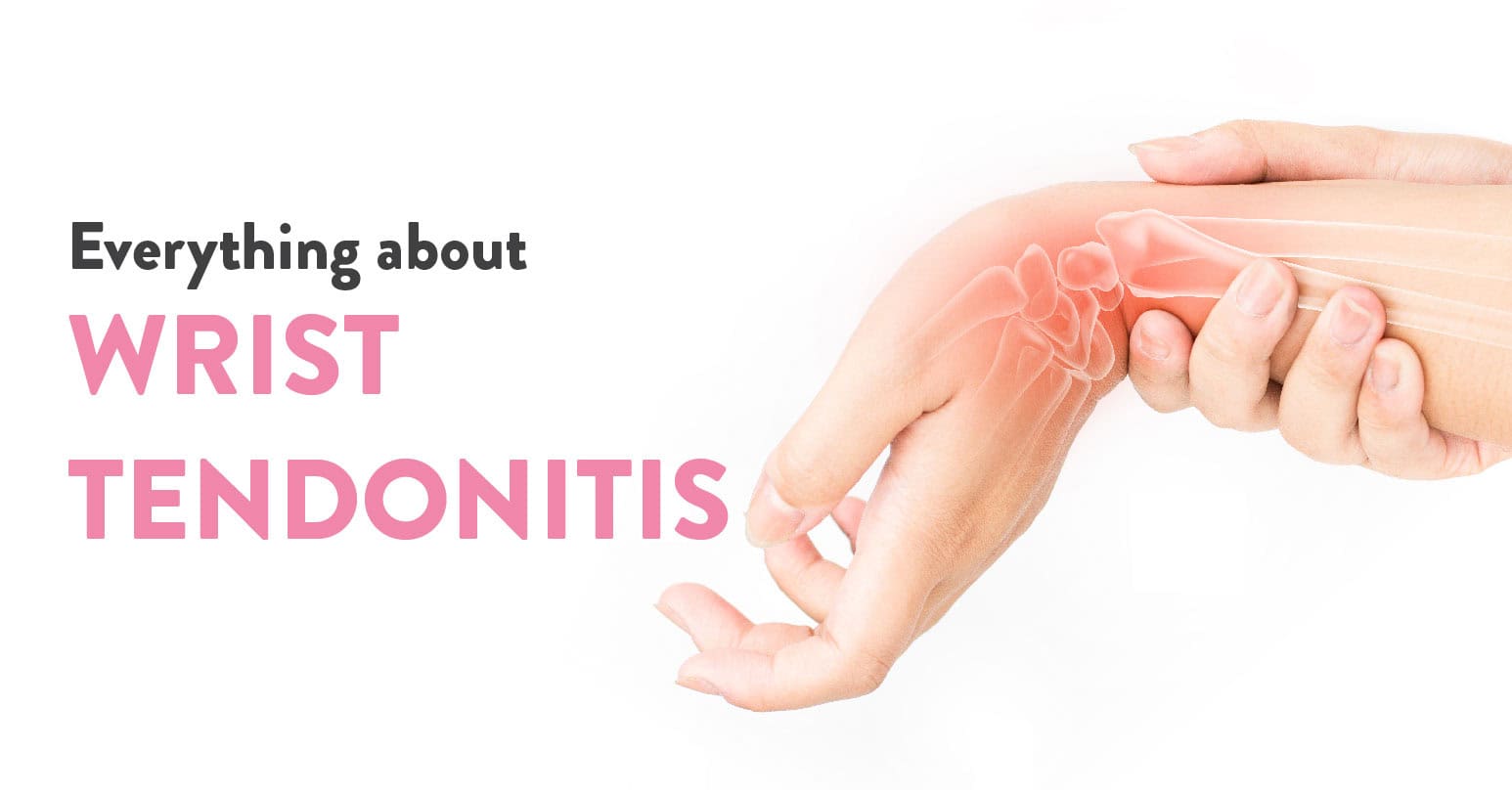
Table of Contents
Like any joint, the wrist depends on tendons (thick and fibrous cord that attaches bones and muscles) and tendonitis is a type of inflammation that occurs in the wrist. Tendonitis wrist can appear as an outcome of a wound or a continuous motion of the wrist that forces the tendon to rub against other bodily tissues, such as bone.
A person’s wrist has numerous tendons. Jointly, they allow the activity of the wrist, hand, and fingers. Any of the tendons can have tendonitis because of the impact of injuries and overuse.
You experience discomfort or difficulty in carrying out specific movements, which involve using more of your hands and wrists. Common activities would include opening jars, rotating door knobs, or holding up pets, babies or small children.
Apart from this the immobility of the wrist or “catching” or a popping feeling when dragging your wrist or fingers can also indicate towards wrist tendonitis.
Another symptom can be swelling around your wrist or the base of your fingers.
Specifically any form of discomfort along the side of the wrist, close to the thumb or small finger can definitely indicate the onset of wrist tendonitis.
Maximum patients find relief from pain through a mixture of conservative (nonsurgical) remedies. Your healthcare professionals may recommend:
Any tendon can grow pain and cause discomfort, but tendonitis is more ordinary in a few specific tendons. That’s due to their anatomy plus common actions.
Tendonitis can be caused by:
Trauma
Overuse
Repetitive movement
It’s tough to pinpoint the exact cause of wrist tendonitis, but mostly it is associated with wrist strain, overuse, repetitive action, or infection. It may also appear as a result of diabetes or rheumatoid arthritis. Tendonitis can also be provoked by a sudden concussion to the wrist, for example, as the outcome of an accident or fall.
After surgery, the wrist will be immobilized to benefit the healing procedure. Roughly for three to four weeks, the wrist is put in splint for about a week or a brace. The progress of the wrist tendonitis treatment process is monitored, usually through the help of an imaging machine. The healing process takes about six to seven weeks and is completely healed after that. Tendonitis infrequently recurs after surgery. Nonetheless, it is extremely significant to follow all of the post-operative instructions to minimise complications.
The most beneficial method to prevent the occurrence of wrist tendonitis is to re-do your activities that aggravate it. This may include:
Wrist tendon in hand and wrist normally fades away with some rest, proper medication, injections or splinting. Some people require surgery, though. If you have a job or play a sport that requires repetitive movements of your wrist, be sure to take frequent halts to rest and stretch your wrists. When in pain speak or consult with a doctor for a proper diagnosis and treatment.
Can you get tendonitis in your wrist
Yes, wrist tendonitis is common and can happen to you because of trauma, accidents, repetitive actions of the wrist.
What does tendonitis feel like in the wrist?
Generally a tendonitis wrist feels like an ache or pain in the affected area, also sometimes comes with immobility and swelling in the wrist.
Should I massage wrist tendonitis?
No, one should stop massaging the particular area in tendonitis as it can additionally irritate the swelling tendon. To reduce the inflammation you can use some ice.

Pain which occurs in the area of your hip between your abdomen and thigh, located where your abdomen ends and your legs begin is known as groin pain. Playing a sport is one such physical activity which can cause an injury resulting in pain in the groin.
A strained or pulled muscle in the groin is one of the most common injuries among athletes. Hernia is another common cause of groin pain, especially in males; less common reasons include testicular issues, kidney stones, hip arthritis, hip fracture, inguinal hernia, tumours or nerve injury. Reviewing some symptoms of this pain, including their frequency, onset, severity and location can help pinpoint the underlying cause.
Depending on the severity and the cause of the symptoms, the treatment may involve surgery, physical therapy, medications and lifestyle changes. Healthy lifestyle choices and moderate exercise can also prevent some causes of pain in the groin.
Table of Contents
Discomfort that occurs where your lower abdomen and upper thigh joins is called groin pain. Injury is the cause in most reported cases, this may involve a pulled or strained muscle in the groin area, hernia, etc. Mild groin pain is often dealt with by self-treatment through pain relievers or rest and a doctor’s consultation is required in severe cases.
Groin pain can happen to anyone and is a common symptom, with some causes being more common than others. Ligament, tendon or muscle strain are amongst the most common causes, especially in athletes who play sports like football, soccer and hockey. The pain may linger for months or weeks or immediately after an injury. The pain may be worsened by continued use of the injured area on both the left and right side.
Less commonly, kidney stones, fractures or hernias might cause groin pain. The pain in the groin area can also be sometimes caused by a testicle condition.
Therefore the Most Common Causes are:
Strain of the tendons, ligaments or muscles in the groin area are one of the most common causes of groin pain and found predominantly amongst athletes.
Also Read: Neck Pain Explained
When intestinal tissues push through a weak spot in the abdominal wall near the groin region, it may result in inguinal hernia- where a bulging painful lump appears around the groin.
Kidney stones are hard and small mineral deposits in the bladder and kidneys.
Another term for a broken bone is a bone fracture.
The least common causes are:
Treatment for groin pain will depend on the underlying cause. Minor strains can often be treated at home and medical treatment may be required for more severe pain.
Groin pain can often be treated at home by taking rest, using ice packs or taking over-the-counter pain relievers, however, if you have symptoms like fever, chills, vomiting, nausea, blood in the urine or sudden swelling or pain in the testicles then you should seek immediate medical attention. Your healthcare provider may diagnose your condition with a diagnostic injection, imaging or a physical exam.
Taking a break from physical activity for four to eight weeks and resting will allow the strain to heal naturally. Your doctor will let you know when you can start doing normal activities.
To manage discomfort and pain, you can take pain medications like ibuprofen and acetaminophen.
Using ice packs and applying them for 20 to 30 minutes at a time, a few times a day can help as well.
A doctor might prescribe medications which reduce inflammation to relieve your symptoms if the home care methods don’t work for your strain. A doctor might advise you to go to physical therapy if you have recurring strains and those medications don’t work.
Surgery may be required if a bone fracture or an inguinal hernia is the cause of your groin pain.
If you have moderate to severe pain in your testicles or groin for more than a few days, then you should talk with a doctor about your symptoms.
Reach out to a doctor if you:
Seek emergency medical care if you experience any of these symptoms along with your groin pain. They could indicate a more serious condition, like testicular cancer, twisted testicle (torsion) or testicular infection.
Pain in the groin area can be caused by an injury or hernia, affecting the mobility and day-to-day life of a person. In mild cases, one can opt for self-treatment however if that doesn’t work, it is always advisable to seek medical help from an experienced orthopaedic doctor. Timely care and help can ensure unrestricted physical movement for a person.
At the CK Birla Hospital, we ensure patients get holistic medical support which includes treatment in a compassionate environment. This patient-centric approach not only helps patients heal better but also ensures they are aware of the preventive measures as well. In case you need to consult an orthopedic doctor, do reach out to us, or book a direct appointment with Dr. Ashwani Maichand at the CK Birla Hospital. (Booking Link)
Yes, one of the most common causes of groin pain is a hernia, especially inguinal hernia. It happens when the contents of the abdomen bulge through a weak area in the lower abdominal wall.
Resting when required, being active, wearing supportive shoes, and putting equal weight on each leg while standing and sitting down while getting dressed or undressed are some ways to ease groin pain for females. Your physiotherapist may also recommend crutches to help you get around or a pelvic support belt to relieve pain.

Water (H2O) is an odourless, tasteless and transparent substance which is one of the main constituents of our planet Earth. It is vital for all known forms of life even though it does not provide any organic micronutrients and food energy. Water is widely used for multiple purposes, both in homes and in industries.
A good alternative to sugary soft drinks is carbonated water. It is a refreshing beverage and may even enhance digestion by reducing constipation and improving swallowing ability. It causes a pleasurable bubbly sensation and is a calorie-free beverage. Many people prefer carbonated water over still water.
It is often considered to be a healthy way to stay hydrated, however many people question if it may harm your bone, digestive and dental health. Let’s look at what studies or research have to say about carbonated water’s impact on your overall health as we answer some commonly asked questions.
Table of Contents
When water is infused with carbon dioxide gas under pressure, it is known as carbonated water. Some examples are fizzy water, soda water, club soda, seltzer and sparkling water.
To improve the taste of carbonated water, it normally has salt added to it. Small amounts of other minerals are also included sometimes. Tonic water is another form of carbonated water which contains quinine and sugar.
The pH of carbonated water is between 3 to 4, which means it is slightly acidic. This type of water triggers a prickly, burning sensation that can be both irritating and enjoyable. The acid levels of your body don’t increase by drinking an acidic beverage like carbonated water. The excess carbon dioxide is removed by your lungs and kidneys.
Most people have a major concern about sparkling water regarding its effect on teeth, as your enamel faces exposure to the acid. One study found that the damage to the enamel by sparkling mineral water was only slightly more than still water.
Additionally, mineral water was one hundred times less damaging than a sugary soft drink. Furthermore, the damage to the enamel by carbonated beverages is only if they contain sugar. Simply put, there is little risk to dental health from plain sparkling water and only the sugary types are harmful. If you are still concerned about your dental health, rinse your mouth with plain water after drinking carbonated water or consume it with a meal.
Also Read: Best Weight Loss Drinks
Your digestive health may benefit in several ways by taking carbonated water. Some of these benefits are:
Plain carbonated water is as hydrating as regular water and is a great alternative to sugary sodas.
An important thing to note is that carbonated water should not contain any added ingredients like sodium, artificial sweeteners and sugar, all of which can potentially have harmful effects on the body.
Sparkling or carbonated water is a fantastic alternative to sugary drinks. If you are unable to decide whether you should replace still water with carbonated water in your diet, then it is advisable to seek medical help from an experienced dietitian. Timely care and help can ensure any myths are dispelled and the beverage prescribed by your healthcare provider becomes a part of your diet.
At the CK Birla Hospital, we ensure patients get holistic medical support which includes treatment in a compassionate environment. This patient-centric approach not only helps patients heal better but also ensures they are aware of the preventive measures as well. In case you need to consult a dietitian, reach out to us, or book a direct appointment with Ms. Prachi Jain at the CK Birla Hospital.
You can drink carbonated water daily, considering there are no added ingredients like sodium, artificial sweeteners and sugar in it as they can be harmful.
Carbonated water is slightly acidic, having a pH between 3 to 4. The acid levels of your body don’t increase by drinking an acidic beverage like carbonated water. The excess carbon dioxide is removed by your lungs and kidneys.
People suffering from acidity are advised to avoid carbonated drinks to reduce gastroesophageal reflux disease and acid reflux.
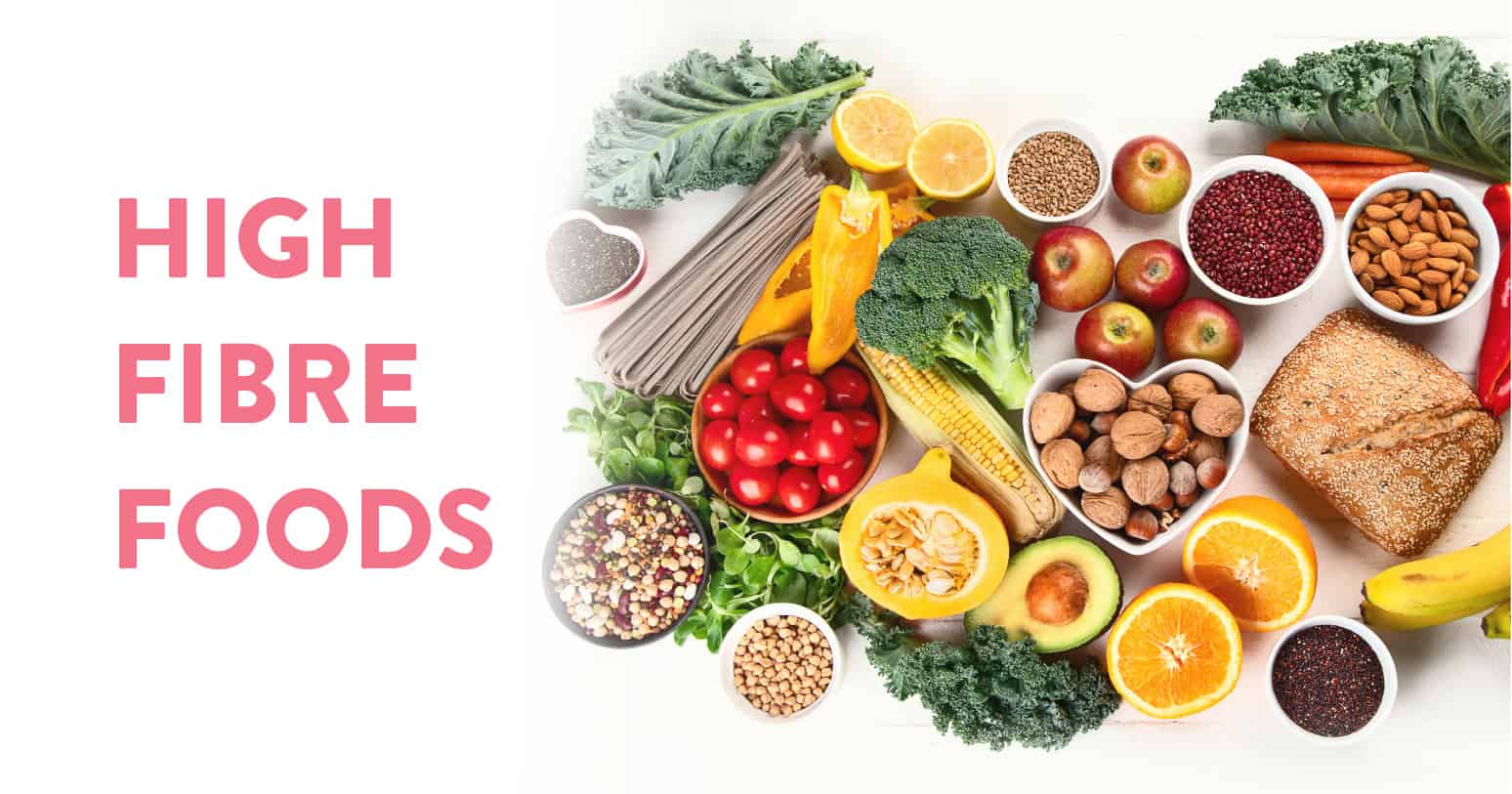
Fibre is a portion of plant-derived food which can not be broken down completely by human digestive enzymes. The two types of dietary fibres are soluble fibre and insoluble fibre. These are components of plant-based foods, like seeds, nuts, fruits, vegetables, cereals, whole grains and legumes.
A regular fibre consumption diet is normally associated with lowering the risk of several diseases and supporting health. The type of fibre which is consumed and the benefits which may result in the gastrointestinal system determine the advantages of having fibre.
Fibre is an important nutrient that has many benefits, like fighting constipation, lowering blood sugar levels and promoting weight loss. The daily intake which is recommended usually is 38 g for men and 25 g for women. Visit your healthcare provider, who can plan a diet rich in essential fibres for you as per your bodily requirements.
Table of Contents
Significant amounts of soluble and insoluble fibre are present in some plants. For example, plums have thick skin which covers a juicy pulp. The soluble fibre is in the pulp and insoluble fibre is in the skin. A fair amount of fibre is also there in grapes. Both types of fibres are present in a variety of foods such as:
Some fibres are sold as food additives or supplements. These may be marketed to consumers for losing weight, reducing the risk of colon cancer, lowering cholesterol levels, treatment of various gastrointestinal disorders and for nutritional purposes.
Also Read: Potassium Rich Foods
Dietary fibre has a lot of benefits, such as:
Your body’s cholesterol absorption can be reduced by fibre in the digestive tract, especially if you use fibre supplements and take statins.
High-fibre foods like vegetables and fruits tend to have lower calories. Fibre also helps you feel fuller for longer by slowing digestion.
Fibre can prevent constipation and speed up digestion. As your body doesn’t digest insoluble fibre, it adds bulk to the digestive tract and this stimulates the intestines.
The glucose does not enter the bloodstream so quickly as the body takes longer to break down high-fibre foods. This helps you maintain blood sugar levels consistently.
Certain cancers like colon cancer may be prevented by eating enough fibre. The probable reason can be due to the antioxidant properties, such as pectin in apples.
An important thing to note is that if you are adding high-fibre foods to your diet, then it should be done gradually over a few days and drink plenty of water too. This helps in preventing adverse effects like gas and bloating.
There are plenty of high-fibre foods which you can include in your diet, such as:
It is a type of cruciferous vegetable and nutrient-dense food. It provides fibre and also contains manganese, iron, potassium, B vitamins, folate, vitamin K and vitamin C. Fibre content – 2.6 gm per 100 gm.
Fibre is an important part of the human diet which is often ignored by most people, so it is advisable to seek medical help from an experienced dietitian. Timely care and help can ensure the inclusion of fibre in your regular diet for better health.
At the CK Birla Hospital, we ensure patients get holistic medical support which includes treatment in a compassionate environment. This patient-centric approach not only helps patients heal better but also ensures they are aware of the preventive measures as well. In case you need to consult a dietitian, reach out to us, or book a direct appointment with Ms. Prachi Jain at the CK Birla Hospital. (Booking Link)
There is no dietary reference intake for soluble or insoluble fibre, however, many experts recommend a total dietary fibre intake of 25 to 30 gm per day, with about 6-8 gm per day coming from soluble fibre.
Five to six dates are best for your health. Don’t consume more than this as it has some added sugar and can lead to diabetes and high sugar levels.
Animal oils are lipids which are derived from animals. These oils are liquid at room temperature and are composed of triglycerides. Animal oils are extracted mainly from the rendered tissue fats from animals and consumed directly or indirectly as ingredients in food.
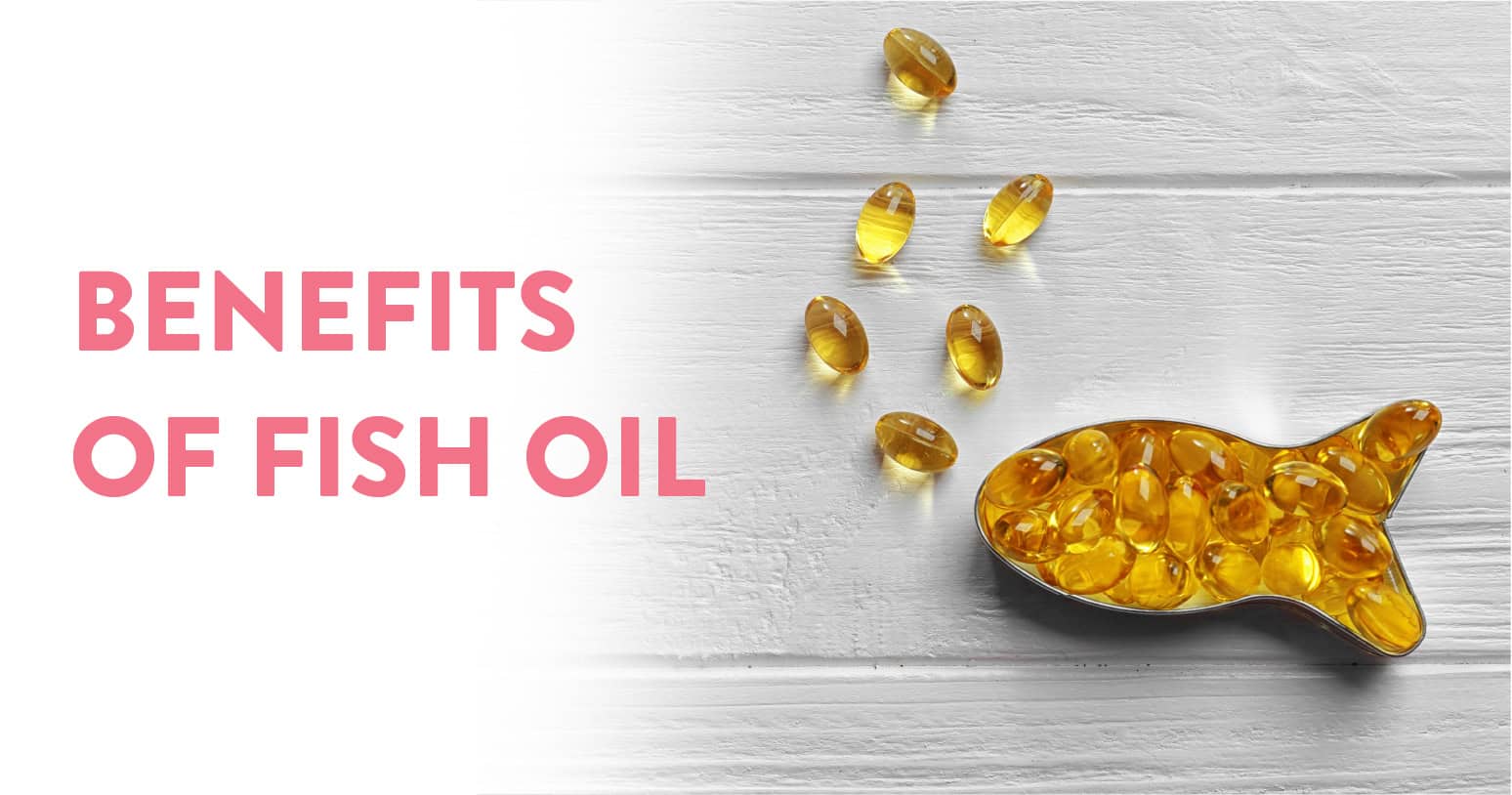
Fish oil is one of the most healthy types of animal oil. It is an excellent source of omega-3 fatty acids, which are good for the brain and the heart. If you don’t eat fish, then fish oil supplements can be a good alternative and is a commonly consumed dietary supplement.
Omega 3 fatty acids contribute to eye and brain development. They help prevent heart disease and a decline in brain function and also help fight inflammation. People who are at risk of these health conditions can benefit from taking fish oil as it contains a lot of omega-3 fatty acids.
The oil or fat that is extracted from fish tissue is called fish oil. It normally comes from oily fish like mackerel, anchovies, tuna and herring and sometimes from the livers of other fish, such as cod liver oil.
Eating 1 to 2 portions of fish per week is recommended by WHO (World Health Organization) as it contains omega-3 fatty acids which provides numerous health benefits, including protection against a variety of diseases.
If you are unable to eat fish as per WHO’s recommendations, then fish oil supplements can help you get enough omega-3 fatty acids. In fish oil, omega-3 fatty acids are around 30% and the remaining 70% comprises other fats. Additionally, fish oil also contains some vitamins D and A.
The omega-3 fatty acids found in fish oil have greater benefits in comparison to the ones found in some plant sources.
There are plenty of benefits when you take fish oil, which is mentioned here:
One of the leading causes of death worldwide is heart disease. People who eat a lot of fish have much lower rates of heart disease as per some studies. The consumption of fish or fish oil capsules reduces the multiple risk factors for heart disease. The various benefits for the heart are:
It can lower the levels of bad (LDL) cholesterol and increase the levels of good (HDL) cholesterol.
It can result in a reduction of triglycerides by 15-30%
It helps reduce blood pressure in people with elevated levels even in small doses.
It makes arterial plaques more safer and stable in those who already have them as well as prevents the plaques that can cause arteries to harden.
A human brain is made up of around 60% fat, with much of it being omega-3 fatty acids. This means that omega-3 fatty acids are essential for typical brain function. Some studies have suggested that people with certain mental health conditions have lower omega-3 blood levels.
They also show that omega-3 fatty acids can improve the symptoms of some mental health conditions and also prevent their onset. For example, those who are at risk of psychotic disorders can expect a reduced chance of having it.
Eyes also rely on omega-3 fatty acids just like your brain. Evidence shows that people who don’t get enough omega-3 fatty acids have an increased risk of eye diseases.
Eye health starts to decline in old age, which can result in AMD (age-related macular degeneration). Eating fish is linked to a reduction in the risk of AMD,The consumption of fish oil in high doses for nineteen weeks improves vision in people with AMD as per a study.
Inflammation is your immune system’s way of treating injuries and fighting infections. Chronic inflammation is associated with health conditions such as heart disease, depression, diabetes and obesity. Stress or increased weight can also sometimes contribute to higher levels of inflammation. Symptoms of these diseases can be treated by reducing inflammation.
There are anti-inflammatory properties in fish oil which can help treat conditions involving chronic inflammation. People with rheumatoid arthritis and joint pain may require fewer medications after taking fish oil supplements.
Skin contains a lot of omega-3 fatty acids and is the largest organ in the body. There can be a decline in skin health throughout your life, especially after too much sun exposure or during old age. Fish oil supplements can be used for several skin disorders, including dermatitis and psoriasis.
Omega-3 fatty acids are essential for early development and growth, so it is important to get sufficient omega-3 fatty acids while breastfeeding and during pregnancy. Taking fish oil supplements during such times may improve the brain development of the foetus. It can also reduce the risk of allergies and improve the visual development of the infant.
Most of the fat in your body is processed by your liver and it can play a role in weight gain. Liver disease is increasingly common nowadays, specifically NAFLD (nonalcoholic fatty liver disease), in which fat accumulates in your liver. Fish oil supplements can improve inflammation and liver function, which can reduce the amount of fat in your liver and the symptoms of NAFLD.
The second-largest cause of illness by 2030 is expected to be depression. Some older studies indicate that people suffering from major depression appear to have lower blood levels of omega-3 fatty acids.
Many neurodevelopmental conditions in children, like ADHD (attention deficit hyperactivity disorder), involve inattention and hyperactivity. Considering omega-3 fatty acids make up a significant proportion of the brain, getting sufficient amounts of these acids are important for preventing these conditions in early life.
Fish oil supplements may improve aggression in children, impulsiveness, inattention and hyperactivity and this may benefit early life learning.
Your risk of Alzheimer’s disease increases and your brain function slows down as you age. People who eat more fish or take fish oil supplements usually tend to experience a slower decline in brain function and an improved memory in old age.
Asthma, which can cause shortness of breath and swelling in the lungs, is becoming very common in infants. Numerous studies have shown that fish oil may decrease asthma symptoms, especially in early life. These supplements in pregnant people may reduce the risk of allergies in infants.
Bones can become more likely to break and lose their essential minerals during old age, which can lead to conditions such as osteoarthritis and osteoporosis.
Although vitamin D and calcium are very important for bone health, omega-3 fatty acids can also be beneficial. People with higher omega-3 fatty acid blood levels and intakes have better BMD (bone mineral density).
Also Read- Pregnancy Diet: What to Eat & What to Avoid
Certain fish, like tilefish, king mackerel and swordfish should be avoided during pregnancy and while breast-feeding as they may contain high levels of mercury and other toxins. It is also unsafe to consume fatty fish in high amounts.
It is unsafe to consume fish oil in large amounts from dietary sources. Fatty fish should also be avoided as they contain toxins such as mercury.
Symptoms of this condition may increase by taking fish oil.
The risk of bleeding in people with liver scarring due to liver disease might increase with the intake of fish oil.
It may be more difficult to control blood sugar levels if you take high doses of fish oil.
Fish oil might increase the risk of getting cancer in people with this condition.
People who have a weakened immune system, especially those who have HIV/AIDS, are at risk of lowering the body’s immune system response if they take fish oil in high doses.
Conclusion
Fish oil is a good source of omega-3 fatty acids, which helps the body in treating a range of issues. If your body lacks enough omega-3 fatty acids, then it is advisable to seek medical help from an experienced dietitian. Timely care and help can ensure the inclusion of fish oil supplements in your diet for better health.
At the CK Birla Hospital, we ensure patients get holistic medical support which includes treatment in a compassionate environment. This patient-centric approach not only helps patients heal better but also ensures they are aware of the preventive measures as well. In case you need to consult a dietitian, reach out to us, or book a direct appointment with Ms. Prachi Jain at the CK Birla Hospital.
FAQ’s
Is it good to take fish oil every day?
Although there is no recommended daily dosage for fish oil, taking it every day may help you reach the daily recommended dosage of omega-3 fatty acids. It will help your body fight inflammation and is good for your heart, eyes and brain.
Does fish oil increase testosterone?
The intake of fish oil supplements raises the levels of free testosterone to LH (luteinizing hormone) ratio.

Skin is the largest organ of the integumentary system and is the outer covering of the body. It has up to 7 layers of ectodermal tissue guarding internal organs, ligaments, bones and muscles. Skin plays an important role in the immunity of the body and protecting it against excessive water loss and pathogens.
Its other functions are the protection of vitamin B folates, synthesis of vitamin D, sensation, temperature regulation and insulation. The conditions that affect your skin are called skin diseases. These diseases may cause some changes in the skin, itchiness, inflammation and rashes. Some skin conditions may be due to lifestyle factors or genetics.
Certain skin disorders, like eczema and acne, vary greatly in severity and symptoms. They can be permanent or temporary and may be painful or painless; some can even be life-threatening (like skin cancer).
The specific cause of the skin disorder determines the treatment for each condition. It is a good idea to have your skin condition evaluated by a doctor if you experience any unusual or new symptoms.
Table of Contents
The large organ which protects and covers your body is your skin. It has many functions, like:
The conditions which inflame, irritate or clog your skin are called skin diseases. Often, skin diseases cause changes in your skin’s appearance or rashes.
There are numerous types of skin disorders, which are listed here:
Also Read: Know the Common Causes of Itchy Skin & its Treatment
The development of skin disease is the result of certain lifestyle factors and underlying health conditions. Common causes of skin problems are:
Based on your condition, your doctor may recommend treatments such as:
Human skin plays an important role in protecting your body and its organs. Some skin diseases can be painful and even fatal, so it is advisable to seek medical help from an experienced dermatologist. Timely care and help can ensure appropriate treatment is prescribed to you as per the condition of your skin.
At the CK Birla Hospital, we ensure patients get holistic medical support which includes treatment in a compassionate environment. This patient-centric approach not only helps patients heal better but also ensures they are aware of the preventive measures as well. In case you need to consult a dermatologist, reach out to us, or book a direct appointment with Dr Seema Oberoi Lall at the CK Birla Hospital.
You can identify rashes usually by their appearance, as they can be dry, scaly, itchy or red; can appear as blisters, welts or blotches and develop all over the body or in one specific area of skin.
Rosacea can relapse after treatment and there can be various reasons for it, like spicy foods, alcoholic beverages, sunlight and stress.
The main characteristics of eczema which are visible are yellow or white scaly patches that flake off, affected areas being oily, greasy and itchy and the appearance of a red rash (on light-skinned people).
The patches in psoriasis are normally located on the lower back, knees, elbows and scalp.
One of the most visible symptoms of lupus is a red, brown or warm rash that spreads across the bridge of the nose and cheeks like butterfly wings.
Vitiligo is caused by the autoimmune destruction of the cells that give skin its colour, resulting in the loss of pigment in the skin.
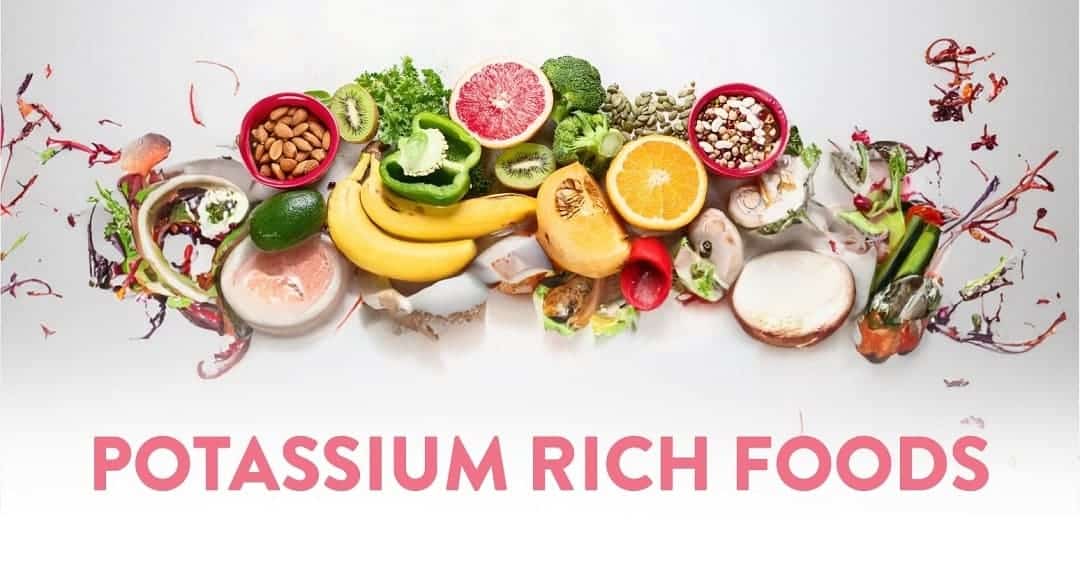
Table of Contents
Potassium is a vital electrolyte and mineral that your body needs to support healthy muscle and nerve function, transport nutrients into your cells and maintain normal blood pressure. It’s considered a vital nutrient because your body can’t produce it.
Your recommended daily needs of potassium can be met with foods, such as:
Sweet potatoes are usually used as an alternative to white potatoes and are a nutritious way to support your potassium intake. Mashed sweet potato boasts 16% of the daily value in a one-cup serving.
They are also a good source of fibre and complex carbs, offer a small amount of protein, are low in fat, and are an excellent source of vitamin A (which is critical for vision).
For a filling and balanced meal, you can pair these delicious root vegetables with a protein source such as a little fat, some colourful or dark green vegetables, meat or beans.
It is one of the most nutrient-dense vegetables. One cup of frozen spinach contains 12% of your daily requirement for potassium, and 3 cups of raw spinach contains about 11% of your daily requirement.
There are other nutrients as well, as the same serving of frozen spinach contains 127% of the daily value for vitamin A, 37% of magnesium, 58% for folate and 857% of vitamin K.
Also Read: Best Weight Loss Drinks
Watermelon is a delicious and large fruit with high water content. Just 2 wedges (about 1/8 of a melon) provide just under 14% of the daily value for potassium. The same serving also contains 2.2 grams of fibre, 0.8 grams of fat, 3.5 grams of protein and 44 grams of carbs. It is also a great source of vitamins A and C and magnesium.
Coconut water is a hydrating drink. It contains key electrolytes that help draw water into your cells, so it is an excellent natural alternative to sports drinks. Its natural sugars also help replenish lost glycogen stores afterwards and also provide energy during exercise.
Just 1 cup of coconut water contains 13% of the daily value for potassium. It’s also a good source of manganese, sodium and magnesium.
After a sweaty workout, coconut water is very refreshing when served chilled with ice. The varieties with added sugar should be avoided.
Click To Book an Appointment with Fitness & Wellness Expert
Beans are a nutritious source of plant-based protein and complex carbs. Just one cup of white kidney beans contains twice as much potassium as a banana or a whopping 21% of your daily requirement.
Phytates, an antinutrient that may reduce your body’s mineral absorption, are present in black beans, so you can soak dried beans overnight to help decrease their phytate content, as this compound will leach into the water. Both black and white beans are versatile and easy to add to stews.
Apart from beans, the legume family includes peanuts, soybeans, chickpeas and lentils, all of which are high in potassium. One cup of lentils contains 15% of your daily requirement for minerals, and the same amount of peanuts, soybeans and chickpeas contain 23%, 19% and 10% of your daily requirement respectively.
Certain legumes, such as chickpeas and lentils, contain phytates, so remember to soak them overnight to reduce their phytate content.
Tomato paste is made from cooked tomatoes that are seeded and peeled. 3 tablespoons contain more than 10% of the daily value. Tomato paste is also a good source of lycopene and vitamin C, a potent antioxidant with cancer-fighting properties.
This concentrated condiment adds flavour to all tomato-based dishes and sauces, but try to avoid products which have preservatives, additives or added sugars.
It is a starchy root vegetable that remains a staple food in numerous countries. One medium-boiled potato offers 12% of the daily value for potassium. There are many varieties of potatoes, and their potassium content might depend on the soil in which they are grown.
Dried apricots are normally pitted and have a long shelf life. Just half a cup provides 16% of the daily value of potassium. These fruits are also a good source of vitamins E and A and fibre. Dried apricots are used as a healthy snack for camping trips or hikes and are deliciously mixed into muesli.
1 cup of boiled beetroot gives you 11% of the daily value for potassium. This root vegetable contains nitrates, which your body converts to nitric oxide, which has been shown to support overall heart health and help blood vessels function.
Beetroot is also an excellent source of folate (a vitamin needed for DNA repair and synthesis) with 1 boiled cup providing 34% of the daily value. You can consume beetroot raw, pickled or boiled.
Also Read: Beetroot Benefits
Pomegranates are a many-seeded and extremely healthy fruit that vary in colour from purple to red. One whole fruit gives you 14% of the daily value of potassium. They are also packed with vitamins K and C, folate and have more proteins than most other fruits, at 4.7 grams per fruit.
Drinking vegetable and fruit juices is another easy way to increase your potassium intake. Citrus juices provide the most potassium. One cup of 100% orange juice provides about 10% of your daily recommended amount of potassium, and the same amount of grapefruit juice provides 9% of your daily recommended amount.
Potassium-rich fruit juices like pomegranates are also great alternatives. A 1-cup serving of pomegranate juice packs 11% of the daily value. Vegetable juices like one cup of carrot juice provide 15% of your daily requirement, and the same amount of tomato juice provides 10% of your daily requirement.
Excess salt consumption might lead to high blood pressure, so salt substitutes were designed to help reduce sodium intake. These substitutes replace sodium with another element or mix of elements, usually potassium, to reduce heart disease without diminishing the taste or reducing the perceived salt intake.
Regular salt is 100% sodium chloride, however, salt substitutes might be composed of 10% magnesium sulphate, 25% potassium chloride and 65% sodium chloride. Others might have 100% potassium chloride, which packs 11% of the daily value in just 1 gram. Salt substitutes that are high in potassium should be avoided by people with liver or kidney disease.
Also Read: Health Benefits of Pumpkin Seeds
Blood Pressure Control
Potassium helps balance the effects of sodium. High sodium intake raises blood pressure, but potassium relaxes blood vessel walls and helps the body excrete excess sodium through urine. This lowers the risk of hypertension.
Heart Health
Adequate potassium intake is linked with a reduced risk of stroke and other cardiovascular diseases. By stabilising heartbeat and supporting proper circulation, potassium directly contributes to heart protection.
Fluid Balance
Potassium helps regulate fluid levels inside and outside cells, ensuring proper hydration and nutrient transport. This balance is essential for energy production and cell function.
Bone Health
High-potassium diets may help reduce calcium loss from bones, improving bone mineral density and lowering the risk of osteoporosis.
Kidney Stone Prevention
Potassium reduces calcium excretion in urine, which helps prevent calcium-based kidney stones from forming.
Muscle Contraction & Nerve Signals
Potassium supports the transmission of electrical impulses in nerves and muscles, including the heartbeat. Deficiency or excess can disrupt these signals, leading to cramps, weakness, or irregular heartbeats.
Symptoms: Weakness, fatigue, muscle cramps, constipation, irregular heartbeats.
Causes: Prolonged vomiting, diarrhoea, excessive sweating, use of diuretics, or poor dietary intake.
When to seek help: If you experience heart palpitations, severe weakness, or paralysis, consult a doctor immediately.
Symptoms: Numbness, tingling, muscle weakness, irregular heartbeat, nausea, or vomiting.
Causes: Kidney disease, certain blood pressure medications, dehydration, or excessive potassium supplements.
Why it matters: Unlike low potassium, high potassium can be life-threatening if untreated. Healthy kidneys usually excrete excess potassium, but those with kidney problems need close monitoring.
Also Read: Apple Sider Vinegar
Here’s a quick reference list of potassium-rich and low-potassium options:
Like other minerals and vitamins, potassium is a micronutrient, which means you need to consume it only in small amounts (eg. milligrams).
According to health guidelines:
Potassium is a vital element necessary for the human body. To incorporate it in sufficient quantities in your daily diet chart, it is advisable to seek medical help from an experienced dietitian. Timely care and help can ensure a potassium-rich diet which fulfils your body’s requirements.
At the CK Birla Hospital, we ensure patients get holistic medical support which includes treatment in a compassionate environment. This patient-centric approach not only helps patients heal better but also ensures they are aware of the preventive measures as well. In case you need to consult a dietitian, reach out to us, or book a direct appointment at the CK Birla Hospital.
The recommended daily intake for potassium is 4,700 mg for most people.
Many fruit and vegetable drinks are high in potassium, especially carrot juice which offers 689 mg of potassium in 1 cup serving.
Yes, half papaya has 390 mg of potassium per serving, making it a fruit to consider for boosting your potassium levels.
Modern-day lifestyle and other reasons have led to a fast increase in people’s weight worldwide over the past 50 years. Normally you will try to reduce your excess weight by following some basics, like improving your diet and exercising regularly.
In an improved diet, certain beverages are more effective than others at promoting weight loss (when used alongside healthy lifestyle changes). There are beverages like green tea, coffee and high protein drinks which help in boosting your metabolism, promoting fullness and reducing hunger. All of these might encourage weight loss.
Some beverages have beneficial nutrients like antioxidants and other powerful compounds which can positively impact your health. To achieve weight loss goals and reduce calorie intake, it is wise to replace high-calorie drinks like fruit juice and soda with more beneficial alternatives. This simple adjustment can lead to effective results without compromising on taste or satisfaction.
When aiming to improve health and achieve weight loss, incorporating certain beverages into your diet can be beneficial. Some top choices include:
In the morning, this incredible drink provides not only powerful nutrients and beneficial antioxidants but also acts as a potent aid for weight loss.
Green tea’s benefits are primarily due to green tea preparations that contain high amounts of antioxidants and catechins which boost metabolism and increase fat burning.
Matcha, a type of green tea, contains higher levels of catechins compared to loose-leaf green tea. This characteristic makes matcha an ideal choice for individuals looking to achieve weight loss goals.
Green tea also has caffeine, which promotes weight loss by improving performance while exercising and by boosting energy levels.
People who incorporate green tea into their daily routine experience various health benefits. These include reduced blood pressure levels and a decreased likelihood of developing diseases such as diabetes, certain cancers
, and heart disease.
People worldwide drink coffee to increase their mood and enhance energy as caffeine is its substance, which acts in the body as a stimulant leading to quick increases in metabolism and consequently helping an individual lose weight by making digestion faster.
Boosting metabolism and reducing energy intake are some of the benefits of coffee, which help in weight loss.
Furthermore, it proves easier over time to maintain that state of loss shown
by many studies.
Black tea contains compounds which stimulate weight loss, just like green tea. This kind of tea has a dark colour and stronger taste as it undergoes more time (oxidation) under the effect of air transmission compared to other types of tea.
A polyphenolic antioxidant called flavonoid is present in black teas. Studies have shown that polyphenols found in black tea promote weight loss by boosting the growth of friendly gut bacteria, stimulating fat breakdown and reducing calorie intake.
One of the handiest approaches to improving your health is to increase your water intake. Water will also benefit your waistline by increasing the number of calories you burn in turn providing a fuller feeling during the day and after meals.
Having water before meals can help you a great deal when losing weight and cutting back on calories as per research. Having cold water increases resting energy expenditure (the number of calories you burn while resting)
In the realm of apple cider vinegar, one can find acetic acid—a mighty component that aids in shedding those extra pounds. How does it work? By igniting fat-burning, curbing your cravings, enhancing metabolism, and reducing insulin levels.
Unveiling its marvels further, this liquid concoction possesses the power to decelerate stomach emptying and offer a sense of satiety for extended periods, effectively preventing overindulgence.
Also Read: Causes of Heart Attack
Ginger is a popular spice which adds flavour to dishes and is a herbal remedy in resting conditions like arthritis, colds and nausea. Studies have shown this flavorful root to have a beneficial effect on weight loss.
A study has also shown that ginger tea increases calorie expenditure, reduces appetite and increases the thermic effect of food (the number of calories needed to absorb and digest food).
High-protein beverages can promote fullness, decrease appetite and curb hunger. This helps in shedding excess pounds. There are numerous protein powders available to consumers for quickly preparing a healthy meal or snack.
Protein will increase tiers of GLP-1 (a starvation-decreasing hormone) and reduces ghrelin (an urge for food-using hormone). Whey protein powders can add a protein boost to smoothies and shakes to help you drop some kilos.
Drinking vegetable juice has been linked to weight loss. The best choice for health is consuming whole vegetables due to the high amount of fibre that is lost in the juicing process. Consuming low-calorie vegetable juice can help you detox, lose weight and increase your vegetable intake.
Fennel water helps to lessen indigestion. It is anti-bacterial and will assist you to maintain a healthy gut and without difficulty manner meals, that could help in keeping a wholesome weight.
Cumin is a spice which has antioxidant properties. Having cumin tea will help you when you are feeling bloated and heavy. It can also regulate the LDL cholesterol levels, affecting your ability to exercise safely. Various studies have backed cumin tea as a decent weight loss supplement.
Excess weight can cause diffusion of fitness problems; making some simple lifestyle modifications and an improved food plan can assist in lengthy-time period weight loss, so it’s advisable to seek medical help from an experienced dietitian. Timely care and help can ensure you lose weight gradually with a sustainable lifestyle.
At the CK Birla Hospital, we ensure patients get holistic medical support which includes treatment in a compassionate environment. This patient-centric approach not only helps patients heal better but also ensures they are aware of the preventive measures as well. If a session with a dietitian is needed, reach out to us, or you could at once book an appointment at the CK Birla Hospital.
If combined with healthy lifestyle changes, particular beverages help in promoting weight loss, such as coffee and green tea. These drinks help in decreasing hunger, promoting fullness and boosting metabolism.
Yes, lemon water is as beneficial as water in losing fat as it increases metabolism, supports hydration and promotes fullness.
Unsweetened black iced tea brewed from real leaves doesn’t contain any fat and has lots of benefits for people who consume it.

