Filter :
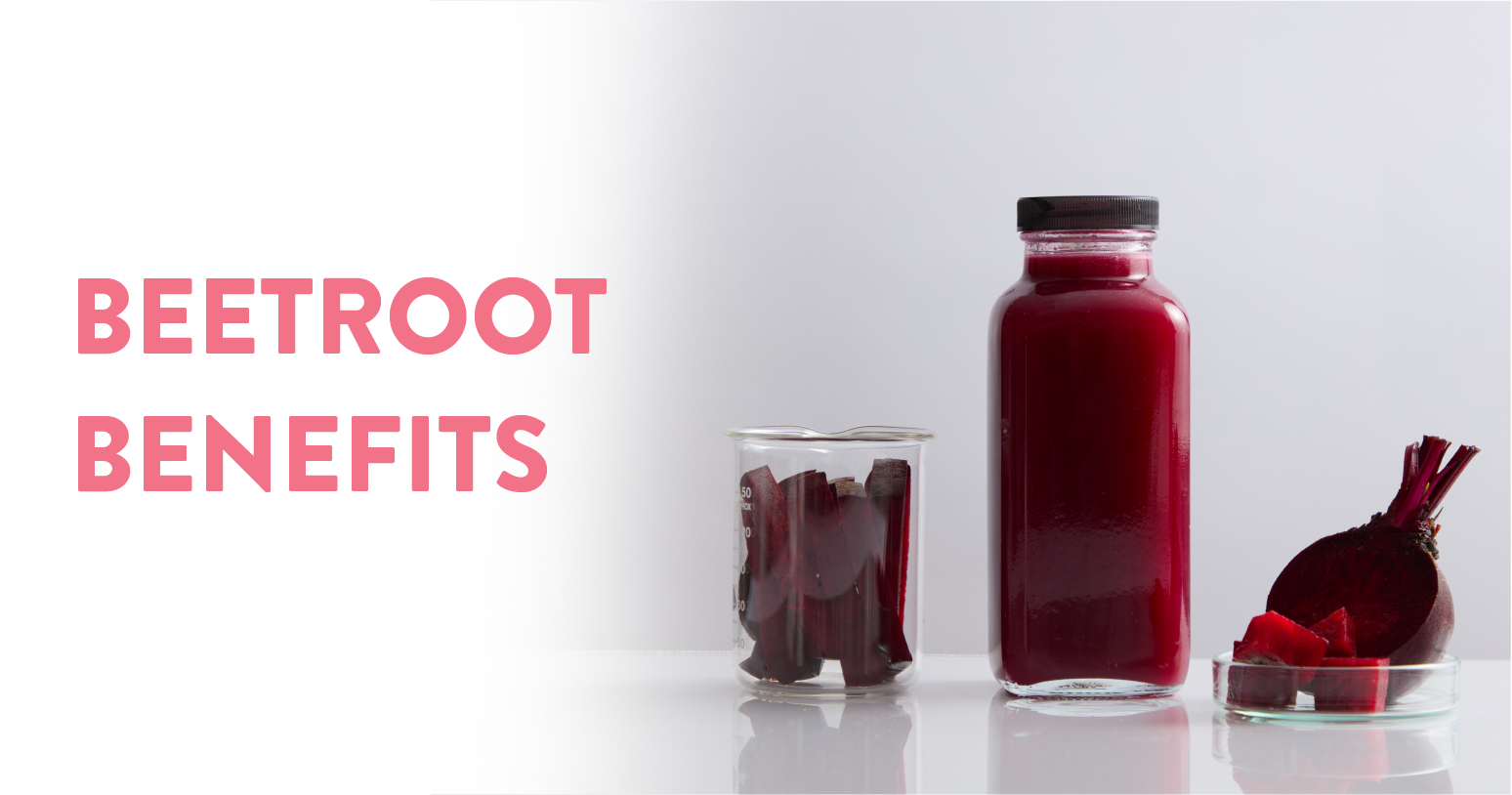
Beetroot (also called beets) is a versatile and vibrant type of root vegetable. It is known for its aroma and earthy flavour. Beetroot is a common part of the staple diet in many communities and is grown in many countries worldwide. It is often referred to as a functional food due to its various health benefits and many people call it a superfood too because of its rich nutritional profile.
Beetroot offers several health benefits as it is a chief source of many active compounds. It has been used for centuries because of various nutritional benefits. Some people eat it raw, others add it to vegetable curries, soups and salads. Beetroot is also used as an ingredient in traditional Ayurvedic and Chinese systems of medicine.
This vegetable supports the digestive system, heart and brain and is a great addition to a balanced diet, possibly slowing the growth of cancer cells, helping alleviate inflammation and boosting athletic performance. Beetroot is easy to include in your diet and is delicious.
Table of Contents
Beetroot contains fibre, fats, proteins and carbohydrates. This colourful vegetable is also packed with minerals and vitamins. The nutritional value of beetroot (per 100 grams) is mentioned in the table below:
Beetroot shows many helpful properties because of many phytochemicals such as betanidine, betanin, betacyanin, phenolics and flavonoids. Some potential properties of beetroot include:
Beetroot might act as an anti-inflammatory food and a potent antioxidant as it has natural nitric oxide. It may help prevent and manage several health conditions which are caused due to the low availability of nitric oxide, like brain and heart disorders.
Beetroot has potential uses for various parts of the human body and helps in certain conditions, such as:
A disease that affects blood vessels (endothelial dysfunction) is the reason for many heart problems and diseases, like atherosclerosis and hypertension. Beetroot may reduce heart disease risks by regulating endothelial function. It might also help lower blood cholesterol levels and blood pressure in the blood. Make sure you get a proper diagnosis and treatment by consulting your healthcare provider before using beetroot for these properties or any heart-related conditions.
The primary reason for the deterioration of cognitive functions (reasoning, remembering and thinking) is the reduced blood circulation to the brain. This can result in damage to the brain, dementia or Alzheimer’s disease. Beetroot may avoid damage to cognitive functions by improving blood circulation to the brain. Do not use beetroot to relieve or mitigate brain-related conditions. Consulting a psychiatrist or a doctor will help you make well-informed choices.
The body’s natural response to trauma, infection and other organisms that can harm the individual is known as inflammation. Inflammation is nothing but pain, swelling and redness at the affected site. Many potential anti-inflammatory compounds are in beetroot that may interfere with the inflammation pathways. It might help subside inflammation and reduce this inflammatory response. Consult with a doctor before using beetroot if you are suffering from inflammation or swelling anywhere in your body.
Components capable of causing oxidative stress are RONS (reactive oxygen and nitrogen species). These are generated in response to strenuous physical exercise, heat damage and infection. Oxidative stress is caused by excessive exposure of cells to RONS. Oxidative stress can damage important biomolecules like lipids, carbohydrates, proteins and DNA. The antioxidant benefits of beetroot may help protect the cells from damage and oxidative stress.
Owing to its many properties, beetroot might help avoid cancer development. Beetroot may show antioxidant, anti-inflammatory and anti-proliferative properties that might be helpful in cancer. Beetroot may also show anticancer effects against colon cancer, stomach cancer, lung cancer and breast cancer cells in laboratory studies. However, without proper consultation with a doctor, beetroot should not be used for any health condition like cancer.
There is a high amount of nitrates in beetroot juice. Intake of nitrates improves sports performance, so it may be beneficial for athletes. It might help increase the power and force output, delay the onset of muscle fatigue, reduce muscle stress and reduce the oxygen consumption of skeletal muscles.
Also Read: Diet During Summers
There are various ways to incorporate beetroot into your diet:
Before consuming beetroot for regular use, you should always consult your Ayurvedic physician. They will prescribe the correct dosage and form for your health condition. Without consulting a qualified doctor, do not replace or discontinue an ongoing modern treatment or medicine with a herbal/ayurvedic preparation.
Beetroot has Some Reported Side Effects Associated with it:
The Precautions to Take When Using Beetroot are:
During pregnancy, eating beetroot is considered acceptable, however like all foods it should be consumed in moderation.
If you are a nursing female, eating beetroot does not lead to nitrate poisoning in the infant. The nitrate content of beetroot does not leach out significantly in breast milk, so the baby is safe.
Beetroots may cause nitrate poisoning in infants if given directly as it has high nitrate content. It should be avoided in infants under 3 months of age.
Eating beetroot may reduce the absorption of many oral drugs as it can decrease digestion transit time. If you are taking oral medication, it is advisable to avoid eating beetroot.
Talk to your doctor or physician about any precautions you may need to take before using beetroot for any health effects. Consulting with your doctor will help you avoid adverse health effects and make better choices.
Beetroot has numerous health benefits when eaten, however, its unregulated consumption might cause issues in some people, so it is advisable to seek medical help from an experienced dietitian. Timely care and help can ensure you have a tailored diet prescribed for you to reap beetroot’s benefits and avoid any adverse health effects.
At the CK Birla Hospital, we ensure patients get holistic medical support which includes treatment in a compassionate environment. This patient-centric approach not only helps patients heal better but also ensures they are aware of the preventive measures as well. In case you need to consult a dietitian, reach out to us, or book a direct appointment with CK Birla Hospital.
Daily consumption of beetroot in small quantities is unlikely to do any harm, however, a large intake can lead to digestive problems, black or red urine or low blood pressure for a person who is sensitive to its nutrients.
Also Read: Lifestyle changes and Blood Pressure Control
For men, cardiovascular complications and heart disease are one of the biggest health risks. Beetroot not only helps with cardiovascular health but has other beneficial effects all around the body.
Drinking beetroot juice should be avoided by people who have low metabolism as it can cause beeturia and affect the process of urination.

Emotions are a state of mind brought on by neurophysiological changes, which are associated with a degree of displeasure or pleasure, behavioural responses, feelings and thoughts. They are complex and have multiple different components, like instrumental behaviour, psychophysiological changes, expressive behaviour, cognitive processes and subjective experience.
The emotion of grief is universal. Passing through five or seven stages is often described as grief by people. The five stages are acceptance, depression, bargaining, anger and denial. These are elaborated in the seven stages and complexities of grief are addressed more effectively. Grief includes feelings of guilt.
Everyone will have at least 1 encounter with grief at some point in their lives. It can be due to the end of a relationship, the loss of a job, the death of a loved one or any other change that alters your life. You may feel empty, withdraw, become angry or cry. None of these things are wrong or unusual. A mental health professional can help you cope with the changes and the feelings and find a sense of assurance in these heavy emotions.
Table of Contents
The response to a loss, especially the death of a living being to which an affection or a bond was formed is known as grief.
It is normally focused on the emotional response to loss, however, it has philosophical, spiritual, cultural, social, behavioural, cognitive and physical dimensions. People may also grieve in connection with a variety of losses, such as the end of a relationship, ill health or unemployment.
There are five main stages of grief (Kübler-Ross model) which were devised for people who were ill but have adapted to coping with grief. These 5 stages of grief are:
Grief is an overwhelming emotion. Pretending that a change or loss hasn’t happened as a response to sudden and strong feelings is not unusual.
By denial, you have more time to absorb the news gradually and process it. It helps you numb the intensity of the situation and is a common defence mechanism.
As you move out from the stage of denial, your hidden emotions begin to rise. You will be confronted with a lot of sorrow which you have denied.
Anger is a masking effect. Much of the pain and the emotions that you carry are hidden by anger. This anger may be redirected at other people or inanimate objects. Your feelings at that moment are too intense to act rationally, though your brain knows the object of your anger isn’t to blame.
Feelings like resentment or bitterness may mask anger. It may not be a clear-cut rage or fury. This stage is not experienced by everyone. You will feel the emotions you’ve been pushing aside and begin to think more rationally about what’s happening once the anger subsides.
You may feel helpless and vulnerable during grief. You may want to feel like you can affect an event’s outcome or try to regain control in intensely emotional moments.
Religious people try to make a promise or deal to almighty God in return for relief or healing from grief. Bargaining is a line of defence against grief. It helps you postpone the hurt, confusion and sadness.
Also Read: Mental health 101: Getting the Basics Right
Bargaining and anger can feel quite active, but depression may feel like a quiet stage of grief. You may be running away from your emotions, trying to stay a step ahead of them in the earlier stages of loss. You may be able to work and healthfully embrace them by this point. To fully cope with the loss, you may also choose to isolate yourself from others.
Depression can be messy and difficult, just like other stages of grief. It can be overwhelming and you may feel confused, heavy and foggy. This stage of grief can feel like the inevitable landing point of any loss. If you feel that you can’t move past this stage of grief or feel stuck here, you can discuss this with a mental health expert.
Acceptance does not always be an uplifting or happy stage of grief. It also doesn’t mean you have moved past the loss or grief, however, it means that you have come to understand what it means in your life now and accepted it.
You may feel very different at this stage and this is expected. A major change in your life upends the way you feel about many things. This stage will help you to see that there may be good days rather than bad.
When you are experiencing grief, taking care of yourself is part of the process which helps you feel better physically and mentally. The ways through which you can take care of yourself are:
You should refrain from alcohol or drugs as it is not a productive behaviour and can make you feel worse over time.
Your doctor may recommend you visit a mental health provider who specialises in grief. This therapist might suggest several treatment options, like medication, talk therapy or both. These treatments could help you manage your grief and process your loss.
Grief is a very common emotion. It may feel like your life has hit rock bottom, however, you do not need to worry as most people can easily overcome this with proper help and support. It is advisable to seek medical help from an experienced psychiatrist. Timely care and help can ensure you overcome your grief gradually both physically and mentally.
At the CK Birla Hospital, we ensure patients get holistic medical support which includes treatment in a compassionate environment. This patient-centric approach not only helps patients heal better but also ensures they are aware of the preventive measures as well. In case you need to consult a psychiatrist, reach out to us, or book a direct appointment.
Grief is a very individual experience, so the toughest stage varies from situation to situation and from person to person.
Grief is different for every person and there is no exact time frame for it. You may skip other stages entirely or remain in one of the stages for months.
Chronic grief can develop into a mental health disorder, such as prolonged sadness daily.
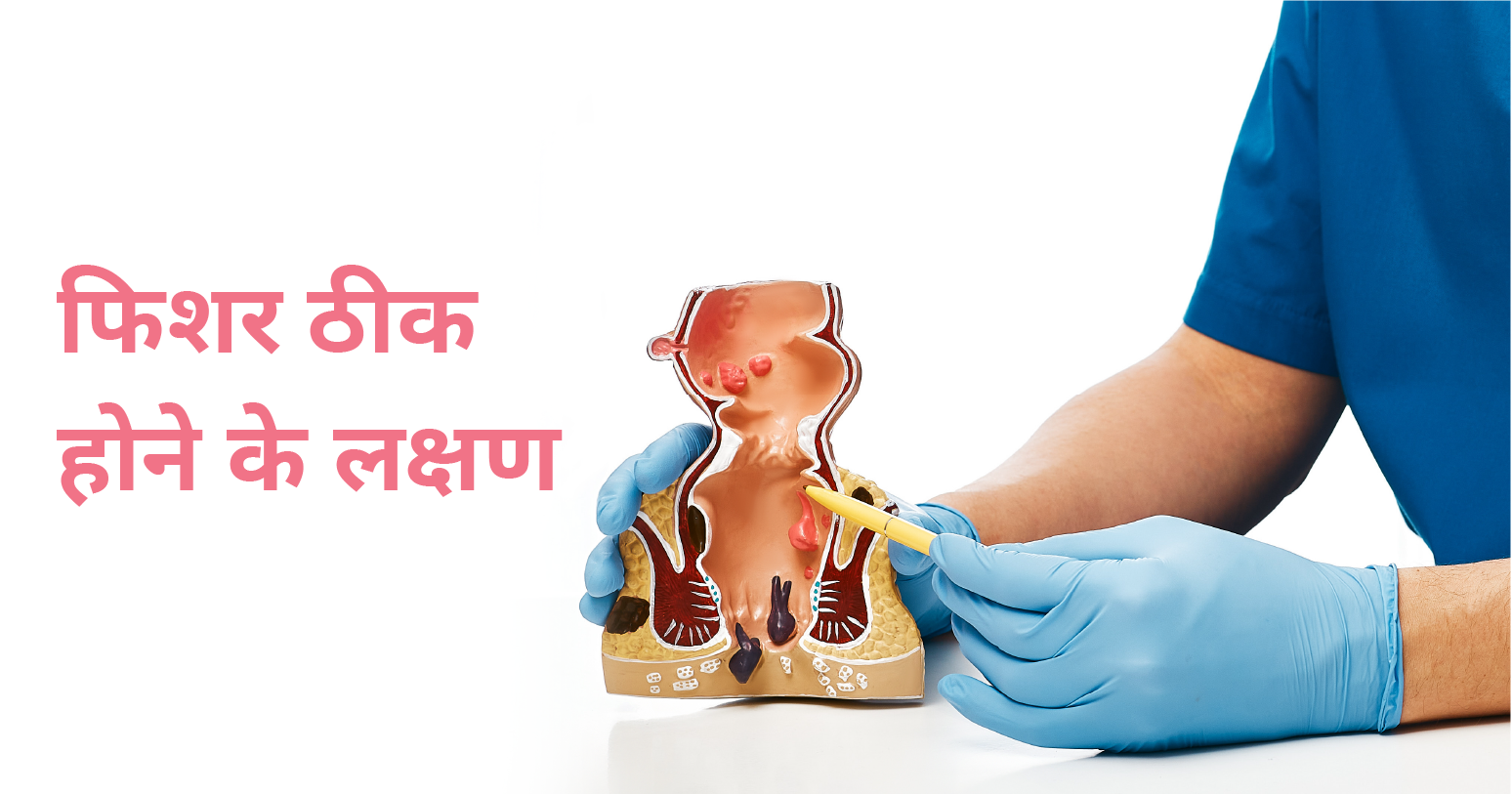
Table of Contents
एनल फिशर या फिशर का तात्पर्य गुदा की परत या उसके आस-पास की त्वचा में एक छोटे से घाव या कट से है। यह एक सामान्य स्थिति है जो असुविधा और दर्द का कारण बन सकती है, खासकर मल त्याग के दौरान। गुदा में दरारें अक्सर कठोर या बड़े मल त्यागने के कारण होती हैं, जिससे गुदा नलिका में खिंचाव होता है और नाजुक ऊतक फटने लगते हैं।
फिशर का प्राथमिक लक्षण तीव्र दर्द है, जो आमतौर पर मल त्याग के दौरान और बाद में अनुभव होता है। अन्य सामान्य लक्षणों में मल त्याग करते समय खून आना, खुजली, और गुदा क्षेत्र में चुभन या जलन होना आदि शामिल हैं। कई कारक फिशर के विकास में योगदान कर सकते हैं, जैसे पुरानी कब्ज, दस्त, सूजन आंत्र रोग, प्रसव, गुदा आघात और शौचालय पर लंबे समय तक बैठे रहना। इसके अतिरिक्त, कुछ स्थितियाँ जो गुदा को प्रभावित करती हैं, जैसे बवासीर या एनोरेक्टल संक्रमण आदि।
फिशर के उपचार में आमतौर पर जलन को रोकने के लिए कुछ उपाय मौजूद हैं। इसमें नरम और नियमित मल त्याग सुनिश्चित करने के लिए आहार में बदलाव, तरल पदार्थ का सेवन बढ़ाना, फाइबर की खुराक, सामयिक मलहम या क्रीम, सिट्ज़ स्नान (प्रभावित क्षेत्र को गर्म पानी में भिगोना), और ओवर-द-काउंटर दर्द निवारक दवाएं शामिल हो सकते हैं।
अगर आपको संदेह है कि आपको फिशर है तो सटीक निदान और उचित उपचार प्राप्त करने के लिए विशेषज्ञ से परामर्श करना महत्वपूर्ण है। वे आपकी स्थिति का आकलन कर सकते हैं और आपकी विशिष्ट आवश्यकताओं के अनुरूप मार्गदर्शन प्रदान कर सकते हैं।
ये भी पढ़े: कब्ज क्या है – कारण, लक्षण, जांच और इलाज (Constipation in Hindi)
फिशर के लक्षणों में गुदा या आसपास की त्वचा की परत का फटना या कट जाना शामिल है। इसके अलावा, इस समस्या के लक्षण अलग-अलग हो सकते हैं, लेकिन अक्सर इनमें निम्नलिखित शामिल होते हैं:
अगर आप खुद में इन लक्षणों को अनुभव करते हैं, तो निदान और उपचार के लिए एक अनुभवी विशेषज्ञ से परामर्श करना चाहिए।
फिशर में सुधार होने पर आप खुद में कुछ लक्षणों को अनुभव कर सकते हैं जिसमें निम्न शामिल हैं:
यह ध्यान रखना महत्वपूर्ण है कि फिशर की गंभीरता और व्यक्तिगत कारकों के आधार पर उपचार का समय अलग-अलग हो सकता है। उपचार प्रक्रिया में सहायता के लिए किसी भी निर्धारित उपचार को जारी रखने, फाइबर युक्त आहार का पालन करने, हाइड्रेटेड रहने और अच्छी गुदा स्वच्छता का अभ्यास करने की सलाह दी जाती है।
यदि आप फिशर के उपचार के बारे में चिंतित हैं या लगातार लक्षणों का अनुभव करते हैं, तो मूल्यांकन और उचित मार्गदर्शन के लिए विशेषज्ञ से परामर्श करने का सुझाव दिया जाता है। वे आपकी प्रगति का आकलन कर सकते हैं और आपकी विशिष्ट स्थिति के अनुरूप आगे की सलाह प्रदान कर सकते हैं।
फिशर के सटीक निदान और उचित उपचार के लिए विशेषज्ञ से परामर्श करना महत्वपूर्ण है, लेकिन कुछ घरेलू उपचार हैं जो राहत प्रदान कर सकते हैं और उपचार को बढ़ावा दे सकते हैं। हालाँकि, यह ध्यान रखना महत्वपूर्ण है कि घरेलू उपचार गंभीर या लगातार हो रहे फिशर के लिए पर्याप्त नहीं हो सकते हैं। यहाँ फिशर के लिए कुछ घरेलू नुस्खे दिए गए हैं:
ध्यान रहे, ये उपाय राहत प्रदान कर सकते हैं, लेकिन लक्षण बने रहने या बिगड़ने पर विशेषज्ञ से परामर्श करना महत्वपूर्ण है।
फिशर के ठीक होने का समय अलग-अलग हो सकता है, लेकिन अधिकांश फिशर उचित देखभाल और उपचार से कुछ हफ्तों से लेकर कुछ महीनों के भीतर ठीक हो जाते हैं। यदि लक्षण बने रहते हैं या फिशर उचित समय के भीतर ठीक नहीं होता है, तो आगे के मूल्यांकन और उपचार विकल्पों के लिए विशेषज्ञ से परामर्श लें।
फिशर के मामलों में, ऐसे आहार का सेवन करना महत्वपूर्ण है जो नरम और नियमित मल त्याग को बढ़ावा देता है, जिससे गुदा क्षेत्र पर तनाव कम होता है। इसके लिए फल, सब्जियां, साबुत अनाज और फलियां जैसे उच्च फाइबर वाले खाद्य पदार्थ शामिल करें। खूब पानी और तरल पदार्थ पीकर हाइड्रेटेड रहें।
इसके अतिरिक्त, ओमेगा-3 फैटी एसिड से भरपूर खाद्य पदार्थ, जैसे फैटी मछली, चिया बीज और अखरोट को शामिल करें, क्योंकि इनमें सूजन-रोधी गुण होते हैं। मसालेदार भोजन, कैफीन और शराब से बचें, क्योंकि ये लक्षण खराब कर सकते हैं। हालाँकि, व्यक्तिगत आवश्यकताओं के आधार पर व्यक्तिगत आहार मार्गदर्शन के लिए विशेषज्ञ से परामर्श करने की सलाह दी जाती है।
फिशर को प्रभावी ढंग से प्रबंधित करने के लिए, कुछ कारकों से बचने की सलाह दी जाती है जो लक्षणों को खराब कर सकते हैं और उपचार प्रक्रिया में बाधा डाल सकते हैं। सबसे पहले, मसालेदार भोजन से दूर रहें, क्योंकि उनमें पहले से ही संवेदनशील गुदा क्षेत्र में जलन पैदा करने की क्षमता होती है। इसके अतिरिक्त, कॉफी, चाय और कुछ सोडा में पाए जाने वाले कैफीन का सेवन सीमित करें, क्योंकि यह कब्ज को बढ़ा सकता है। शराब से भी बचना चाहिए, क्योंकि इससे निर्जलीकरण हो सकता है और लक्षण बढ़ सकते हैं।
फिशर को और अधिक नुकसान से बचाने के लिए मल त्याग के दौरान तनाव को कम करना चाहिए। नरम और नियमित मल त्याग सुनिश्चित करना महत्वपूर्ण है, इसलिए उच्च फाइबर आहार को शामिल करने से इस लक्ष्य को प्राप्त करने में मदद मिल सकती है। लंबे समय तक बैठने से असुविधा बढ़ सकती है, इसलिए सलाह दी जाती है कि ब्रेक लें और लंबे समय तक बैठने से बचें। भारी सामान उठाने से बचें, क्योंकि इससे गुदा क्षेत्र पर दबाव पड़ सकता है। तनाव कब्ज में योगदान कर सकता है, इसलिए तनाव प्रबंधन तकनीकों को लागू करना फायदेमंद है। अंत में, यह महत्वपूर्ण है कि लक्षणों को नज़रअंदाज न किया जाए; यदि वे बने रहते हैं या बिगड़ जाते हैं, तो विशेषज्ञ से सलाह लेना आवश्यक है।
हाँ, कई मामलों में, उचित उपचार और जीवनशैली में बदलाव के साथ फिशर को स्थायी रूप से ठीक किया जा सकता है। हालाँकि, पुनरावृत्ति को रोकने और दीर्घकालिक उपचार को बढ़ावा देने के लिए सटीक निदान, उपचार और मार्गदर्शन के लिए चिकित्सा सलाह लेना महत्वपूर्ण है।
Table of Contents
प्रेगनेंसी का तीसरा महीना बहुत महत्वपूर्ण होता है, जो लगभग 9 से 12 सप्ताह का होता है। इस दौरान, एक महिला को विभिन्न लक्षणों का अनुभव हो सकता है, क्योंकि उसका शरीर गर्भावस्था के परिवर्तनों के अनुकूल होना जारी रखता है। प्रेग्नेंसी के तीसरे महीने में शरीर में होने वाले बदलाव को ध्यान में रखना आवश्यक है। नीचे कुछ सामान्य लक्षण दिए गए हैं जो इस चरण के दौरान देखे जा सकते हैं:
हर महिला का गर्भावस्था का अनुभव अलग हो सकता है। कुछ महिलाओं को प्रेगनेंसी 3 महीने के लक्षण का अनुभव नहीं हो सकता है। यदि आप अपनी गर्भावस्था के बारे में चिंतित हैं या गंभीर या लगातार लक्षणों का अनुभव करते हैं, तो मार्गदर्शन और सहायता के लिए विशेषज्ञ से परामर्श करना सबसे अच्छा है।
इसे भी पढ़ें: जानिए प्रेगनेंसी में संबंध बनाना चाहिए या नहीं ?
प्रेगनेंसी के तीसरे महीने का आहार बहुत महत्वपूर्ण है। फलों, सब्जियों, साबुत अनाज, दुबले प्रोटीन, डेयरी या विकल्प और स्वस्थ वसा सहित पोषक तत्वों से भरपूर खाद्य पदार्थों पर ध्यान दें। फोलेट युक्त खाद्य पदार्थ जैसे पत्तेदार साग और खट्टे फल, और आयरन युक्त खाद्य पदार्थ जैसे दुबला मांस और गहरे पत्तेदार साग का सेवन करें।
डेयरी या पौधे-आधारित विकल्पों से कैल्शियम प्राप्त करें, और मछली, चिया बीज और अखरोट से ओमेगा -3 फैटी एसिड शामिल करें। फाइबर युक्त भोजन खाएं और हाइड्रेटेड रहें। कच्चे या अधपके मांस, समुद्री भोजन, अंडे, बिना पाश्चुरीकृत डेयरी, नरम चीज, कैफीन, शराब और तंबाकू से बचें। व्यक्तिगत सलाह के लिए किसी स्वास्थ्य देखभाल पेशेवर से परामर्श लें।
गर्भावस्था के तीसरे महीने के दौरान, माँ और विकासशील बच्चे दोनों की भलाई सुनिश्चित करने के लिए कुछ सावधानियाँ बरतनी महत्वपूर्ण हैं। यहां ध्यान रखने योग्य कुछ प्रमुख सावधानियां दी गई हैं:
ध्यान रखें, आपकी स्वास्थ्य स्थिति के आधार पर व्यक्तिगत सलाह और किसी विशिष्ट सावधानियों के लिए अपने डॉक्टर से परामर्श करना महत्वपूर्ण है।
इसे भी पढ़ें: प्रेगनेंसी में कितने समय के बाद सम्बन्ध बनाना बंद कर देना चाहिए
गर्भावस्था के तीसरे महीने के दौरान, शिशु का महत्वपूर्ण विकास होता है। इस अवधि के दौरान शिशु के विकास की कुछ मुख्य बातें इस प्रकार हैं:
यह ध्यान रखना महत्वपूर्ण है कि ये विकास अनुमानित हैं और प्रत्येक बच्चे में भिन्न हो सकते हैं। विकास की गति और क्रम भिन्न हो सकते हैं, लेकिन तीसरे महीने के अंत तक, अधिकांश प्रमुख संरचनाएँ और प्रणालियाँ अपनी जगह पर होती हैं। विशेषज्ञ के साथ नियमित प्रसव पूर्व जांच से बच्चे के विकास की निगरानी करने और स्वस्थ गर्भावस्था सुनिश्चित करने में मदद मिलती है।

Table of Contents
प्रेगनेंसी का दूसरा महीना काफी ख़ास होता है। इस दौरान, जैसे-जैसे गर्भावस्था आगे बढ़ती है, कई महिलाओं को ध्यान देने योग्य शारीरिक और भावनात्मक परिवर्तन का अनुभव होने लगता है। यहां कुछ सामान्य लक्षण दिए गए हैं जो इस चरण के दौरान हो सकते हैं:
यह याद रखना महत्वपूर्ण है कि गर्भावस्था के लक्षण हर महिला में अलग-अलग हो सकते हैं, और सभी महिलाओं को समान लक्षण या समान स्तर का अनुभव नहीं होगा। यदि आपको अपनी गर्भावस्था के बारे में कोई चिंता है या आप गंभीर लक्षणों का अनुभव करते हैं, तो व्यक्तिगत सलाह और मार्गदर्शन के लिए विशेषज्ञ से परामर्श करना महत्वपूर्ण है।
इसे भी पढ़ें: प्रेगनेंसी में कितने समय के बाद सम्बन्ध बनाना बंद कर देना चाहिए
गर्भावस्था के दूसरे महीने के दौरान, माँ और विकासशील बच्चे दोनों की बढ़ती ज़रूरतों को पूरा करने के लिए स्वस्थ और संतुलित आहार बनाए रखना महत्वपूर्ण है। यहां कुछ आहार संबंधी विचार दिए गए हैं:
अपनी विशिष्ट आवश्यकताओं और आपके किसी भी आहार प्रतिबंध के आधार पर वैयक्तिकृत सलाह के लिए किसी डॉक्टर या डायटीशियन से परामर्श करें।
गर्भावस्था के दूसरे महीने के दौरान, बढ़ते भ्रूण को सहारा देने के लिए महिला के शरीर में महत्वपूर्ण परिवर्तन होते हैं:
याद रखें कि प्रत्येक महिला का अनुभव अलग-अलग हो सकता है, और यदि आपको कोई चिंता है, तो मार्गदर्शन के लिए विशेषज्ञ से परामर्श लें। आपके मन में यह प्रश्न उठ सकता है कि प्रेगनेंसी के दूसरे महीने में ब्लीडिंग हो तो क्या करें तो इसका सीधा जवाब है कि आपको तुरंत अपने डॉक्टर से मिलना चाहिए।
इसे भी पढ़ें: जानिए प्रेगनेंसी में संबंध बनाना चाहिए या नहीं ?
गर्भावस्था के दूसरे महीने के दौरान, बच्चे का विकास तेजी से जारी रहता है क्योंकि महत्वपूर्ण संरचनाएँ और अंग बनने लगते हैं:
यह ध्यान रखना महत्वपूर्ण है कि ये विकास दूसरे महीने के दौरान तेजी से होते हैं, और बच्चे के विकास की निगरानी करने और स्वस्थ गर्भावस्था सुनिश्चित करने के लिए नियमित प्रसवपूर्व देखभाल महत्वपूर्ण है।
गर्भावस्था के दूसरे महीने के दौरान, स्वयं की देखभाल और स्वस्थ जीवनशैली बनाए रखने पर ध्यान देना महत्वपूर्ण है:
अपनी गर्भावस्था यात्रा के दौरान व्यक्तिगत सलाह और मार्गदर्शन के लिए अपने स्वास्थ्य सेवा प्रदाता से परामर्श करें।
गर्भावस्था के दूसरे महीने के दौरान, हल्के व्यायाम करना महत्वपूर्ण है जो आपके और आपके बच्चे दोनों के लिए सुरक्षित और फायदेमंद हों। यहां दूसरे महीने के लिए उपयुक्त कुछ व्यायाम दिए गए हैं:
कोई भी व्यायाम आहार शुरू करने से पहले अपने डॉक्टर से परामर्श करें। वे आपके स्वास्थ्य, फिटनेस स्तर और आपकी गर्भावस्था से संबंधित किसी भी विशिष्ट विचार के आधार पर वैयक्तिकृत सलाह प्रदान कर सकते हैं।
गर्भावस्था के दूसरे महीने के दौरान, शिशु के स्वास्थ्य और विकास की निगरानी के लिए कई स्कैन और परीक्षण की सिफारिश की जा सकती है। इसमे शामिल है:
आपकी गर्भावस्था के लिए अनुशंसित विशिष्ट स्कैन और परीक्षणों के बारे में अपने डॉक्टर से चर्चा करना महत्वपूर्ण है, क्योंकि वे व्यक्तिगत कारकों और चिकित्सा इतिहास के आधार पर भिन्न हो सकते हैं।
गर्भावस्था के दूसरे महीने में क्या करें?
गर्भावस्था के दूसरे महीने के दौरान अपने स्वास्थ्य और बढ़ते बच्चे की देखभाल पर ध्यान दें। प्रसवपूर्व जांच में भाग लें, पौष्टिक आहार लें, हाइड्रेटेड रहें, हल्का व्यायाम करें, पर्याप्त आराम करें, तनाव का प्रबंधन करें और हानिकारक पदार्थों से बचें। व्यक्तिगत मार्गदर्शन और सहायता के लिए अपने डॉक्टर से परामर्श करें।
गर्भावस्था के दूसरे महीने में क्या ना करें?
गर्भावस्था के दूसरे महीने में, शराब, धूम्रपान, नशीली दवाओं, कुछ दवाओं, अत्यधिक कैफीन से बचें और किसी भी चिंता के बारे में अपने डॉक्टर से चर्चा करें।
गर्भावस्था के दूसरे महीने के दौरान सावधानियां
गर्भावस्था के दूसरे महीने के दौरान कुछ सावधानियां बरतें, प्रसव पूर्व जांच में भाग लें, स्वस्थ आहार बनाए रखें, शराब, धूम्रपान और नशीली दवाओं से बचें, कैफीन का सेवन सीमित करें, सुरक्षित रूप से व्यायाम करें, पर्याप्त आराम करें, तनाव का प्रबंधन करें और अपने डॉक्टर से परामर्श लें।
गर्भावस्था के दूसरे महीने के दौरान होने वाली समस्याएं
गर्भावस्था के दूसरे महीने के दौरान, कुछ सामान्य समस्याएं जो महिलाओं को अनुभव हो सकती हैं उनमें सुबह की मतली, थकान, स्तन कोमलता, मूड में बदलाव, भोजन की लालसा या नापसंद, पेशाब में वृद्धि और कब्ज जैसी पाचन संबंधी समस्याएं शामिल हैं। यदि आप किसी भी संबंधित लक्षण का सामना करते हैं, तो मार्गदर्शन और सहायता के लिए डॉक्टर से परामर्श करना चाहिए।
गर्भावस्था के पहले महीने में महिला के शरीर में कई महत्वपूर्ण बदलाव होते हैं, क्योंकि इस समय निषेचित अंडाणु गर्भाशय की दीवार में जाकर स्थापित होता है। हालांकि, गर्भावस्था की गणना आमतौर पर अंतिम मासिक धर्म के पहले दिन से की जाती है, इसलिए वास्तविक गर्भधारण आम तौर पर दूसरे सप्ताह के अंत तक होता है।
Table of Contents
पहले महीने में, निषेचित अंडा, जिसे जाइगोट कहा जाता है, तेजी से कोशिका विभाजन से गुजरता है, क्योंकि यह फैलोपियन ट्यूब के माध्यम से गर्भाशय की ओर बढ़ता है। तीसरे सप्ताह के आसपास, यह गर्भाशय की परत में प्रत्यारोपित हो जाता है, जहां यह एक भ्रूण के रूप में विकसित होता है।
इस दौरान, हार्मोनल परिवर्तन होते हैं, और शरीर मानव कोरियोनिक गोनाडोट्रोपिन (एचसीजी) का उत्पादन शुरू कर देता है, जो गर्भावस्था परीक्षणों में पाया जाने वाला हार्मोन है। यह हार्मोन गर्भावस्था का समर्थन करता है और गर्भाशय की परत को बनाए रखने में मदद करता है।
पहले महीने के अंत तक भ्रूण की बुनियादी संरचनाएं बननी शुरू हो जाती हैं। तंत्रिका ट्यूब, जो मस्तिष्क और रीढ़ की हड्डी में विकसित होगी, आदिम हृदय और रक्त वाहिकाओं के साथ विकसित होने लगती है। प्लेसेंटा भी बनना शुरू हो जाता है, जिससे मां और विकासशील भ्रूण के बीच पोषक तत्वों और अपशिष्ट का आदान-प्रदान आसान हो जाता है।
जबकि पहला महीना भ्रूण के विकास के लिए महत्वपूर्ण होता है, कई महिलाओं को इस दौरान पता भी नहीं चलता कि वे गर्भवती हैं, क्योंकि गर्भावस्था के शुरुआती लक्षण अभी तक ध्यान देने योग्य नहीं हो सकते हैं। जिन महिलाओं को संदेह है कि वे गर्भवती हो सकती हैं, उनके लिए गर्भावस्था परीक्षण कराना या पुष्टि के लिए डॉक्टर से परामर्श करना और प्रसवपूर्व देखभाल शुरू करना महत्वपूर्ण है।
इसे भी पढ़ें: पीरियड्स मिस होने से पहले प्रेग्नेंसी के क्या लक्षण दिखाई देते हैं?
गर्भावस्था के पहले महीने के दौरान, कई महिलाओं को ध्यान देने योग्य लक्षणों का अनुभव नहीं हो सकता है। हालाँकि, गर्भावस्था के कुछ सामान्य प्रारंभिक लक्षण दिखाई देने लग सकते हैं:
यह ध्यान रखना महत्वपूर्ण है कि ये लक्षण हर महिला में बहुत भिन्न हो सकते हैं, और कुछ महिलाओं को पहले महीने में कोई भी ध्यान देने योग्य संकेत अनुभव नहीं हो सकता है। यदि आपको संदेह है कि आप गर्भवती हो सकती हैं, तो गर्भावस्था परीक्षण करना या स्वास्थ्य सेवा प्रदाता से परामर्श करना गर्भावस्था की पुष्टि करने का सबसे विश्वसनीय तरीका है।
इसे भी पढ़ें: जानिए प्रेगनेंसी में संबंध बनाना चाहिए या नहीं ?
गर्भावस्था के पहले महीने के दौरान, माँ और विकासशील भ्रूण दोनों के स्वास्थ्य को बनाए रखने के लिए संतुलित और पौष्टिक आहार बनाए रखना आवश्यक है। विभिन्न प्रकार के पोषक तत्वों से भरपूर खाद्य पदार्थों के सेवन पर ध्यान दें, इसमें शामिल हैं:
व्यक्तिगत आवश्यकताओं और किसी विशिष्ट आहार प्रतिबंध या विचार के आधार पर व्यक्तिगत आहार संबंधी सलाह के लिए विशेषज्ञ से परामर्श करना महत्वपूर्ण है।
इसे भी पढ़ें: प्रेगनेंसी के शुरूआती लक्षण क्या होते हैं (Pregnancy ke lakshan)?
गर्भावस्था के पहले महीने के दौरान, शिशु का विकास बुनियादी संरचनाओं के निर्माण और अंग विकास की शुरुआत पर केंद्रित होता है। यहां कुछ मुख्य अंश दिए गए हैं:
इस बात का ध्यान रखना महत्वपूर्ण है कि ये विकास तीव्र गति से हो रहे हैं, लेकिन पहले महीने के दौरान अल्ट्रासाउंड में ये दिखाई नहीं दे सकते हैं या पता लगाने योग्य नहीं हो सकते हैं।
इसे भी पढ़ें: प्रेगनेंसी टेस्ट के घरेलू उपाय | Home Remedies For Pregnancy Test
गर्भावस्था के पहले महीने के दौरान, स्वस्थ गर्भावस्था के लिए कुछ सावधानियां बरतना महत्वपूर्ण है:
अपने व्यक्तिगत स्वास्थ्य और गर्भावस्था की जरूरतों के आधार पर वैयक्तिकृत सलाह और दिशानिर्देशों के लिए स्वास्थ्य सेवा प्रदाता से परामर्श लें।
इसे भी पढ़ें: प्रेगनेंसी में कितने समय के बाद सम्बन्ध बनाना बंद कर देना चाहिए
1. 1 महीने से पहले प्रेगनेंसी का पता कैसे लगाएं?
एक महीने से पहले गर्भावस्था का पता लगाना चुनौतीपूर्ण हो सकता है, क्योंकि शुरुआती लक्षण ध्यान देने योग्य नहीं हो सकते हैं। हालाँकि, मासिक धर्म न होने के समय लिया गया एक संवेदनशील गर्भावस्था परीक्षण एक संकेत प्रदान कर सकता है। डॉक्टर के क्लिनिक में रक्त परीक्षण भी गर्भावस्था का पहले ही पता लगा सकता है, आमतौर पर गर्भधारण के एक सप्ताह के भीतर।
2. 1 महीने की प्रेगनेंसी में ब्लड क्यों आता है?
गर्भावस्था के पहले महीने में ब्लड कई कारणों से हो सकता है। यह आरोपण रक्तस्राव से संबंधित हो सकता है जब निषेचित अंडा गर्भाशय की परत से जुड़ जाता है। हार्मोनल परिवर्तन, गर्भाशय ग्रीवा की संवेदनशीलता या गर्भपात या अस्थानिक गर्भावस्था जैसी संभावित जटिलताएँ भी रक्तस्राव का कारण बन सकती हैं।

Table of Contents
गर्भावस्था में रक्तस्राव को सामान्य नहीं माना जाता है और इसका मूल्यांकन विशेषज्ञ द्वारा किया जाना चाहिए। यह हल्के धब्बे या रक्तस्राव आरोपण या हार्मोनल परिवर्तन जैसे कारकों के कारण हो सकता है। लगातार रक्तस्राव होने पर तुरंत मेडिकल सहायता लेने की आवश्यकता होती है। अगर आपके मन में यह प्रश्न उठता है कि प्रेगनेंसी में ब्लीडिंग कितनी होती है तो इसका सरल उत्तर है निम्न या अधिक मात्रा में जो हर महिला में भिन्न हो सकता है।
यह गर्भपात या अस्थानिक गर्भावस्था जैसी गंभीर स्थितियों का संकेत हो सकता है, जिसमें तत्काल चिकित्सा हस्तक्षेप की आवश्यकता होती है। संक्रमण, सूजन या गर्भाशय ग्रीवा में परिवर्तन के कारण भी रक्तस्राव हो सकता है। गर्भावस्था के दौरान किसी भी रक्तस्राव के कारण और उपचार के उचित तरीके को निर्धारित करने के लिए विशेषज्ञ से परामर्श करना महत्वपूर्ण है।
गर्भावस्था के दौरान रक्तस्राव चिंता का कारण हो सकता है और इसका मूल्यांकन एक विशेषज्ञ द्वारा किया जाना चाहिए। हालाँकि, चिंता महसूस करना सामान्य है, लेकिन यह ध्यान रखना ज़रूरी है कि इस चरण के दौरान रक्तस्राव के विभिन्न कारण हो सकते हैं।
अगर आपके मन में यह प्रश्न उठता है कि प्रेगनेंसी में ब्लीडिंग कितने दिन तक होती है तो हम आपको बता दें कि यह ब्लीडिंग कुछ दिनों से लेकर लंबे समय तक हो सकती है। अनियमित ब्लीडिंग होने पर आपको तुरंत विशेषज्ञ से परामर्श करना चाहिए।
प्रत्यारोपण रक्तस्राव एक संभावित कारण है। जब एक निषेचित अंडा गर्भाशय की परत से जुड़ जाता है, तो कुछ महिलाओं को हल्के धब्बे या रक्तस्राव का अनुभव हो सकता है। यह आमतौर पर अपेक्षित मासिक धर्म के समय के आसपास होता है और आमतौर पर नियमित अवधि की तुलना में हल्का और छोटा होता है।
गर्भावस्था के दौरान हार्मोनल परिवर्तन भी रक्तस्राव में योगदान कर सकते हैं। बढ़ते भ्रूण को सहारा देने के लिए शरीर महत्वपूर्ण हार्मोनल बदलावों से गुजरता है, और इन परिवर्तनों के परिणामस्वरूप कभी-कभी हल्का रक्तस्राव या स्पॉटिंग हो सकता है। हालाँकि, लगातार रक्तस्राव का मूल्यांकन डॉक्टर द्वारा किया जाना चाहिए।
दुर्भाग्य से, गर्भावस्था के दौरान रक्तस्राव भी गर्भपात का संकेत हो सकता है। गर्भपात का तात्पर्य 20वें सप्ताह से पहले गर्भावस्था के नष्ट होने से है, और यह भावनात्मक रूप से परेशान करने वाला हो सकता है। गर्भपात के लक्षण में योनि से रक्तस्राव, पेट में ऐंठन और योनि से ऊतक का बाहर निकलना शामिल हो सकते हैं। यदि आप इन लक्षणों का अनुभव करते हैं, तो तत्काल चिकित्सा सहायता लेना महत्वपूर्ण है।
एक और गंभीर स्थिति जो प्रारंभिक गर्भावस्था में रक्तस्राव का कारण बन सकती है वह है अस्थानिक गर्भावस्था। यह तब होता है जब निषेचित अंडा गर्भाशय के बाहर, आमतौर पर फैलोपियन ट्यूब में प्रत्यारोपित होता है। एक्टोपिक गर्भधारण व्यवहार्य नहीं है और अगर तुरंत पता न लगाया जाए और इलाज न किया जाए तो यह जीवन के लिए खतरा हो सकता है। रक्तस्राव के अलावा, लक्षणों में पेट दर्द, कंधे में दर्द और चक्कर आना शामिल हो सकते हैं।
गर्भाशय ग्रीवा, योनि या पेल्विक क्षेत्र में संक्रमण या सूजन के कारण भी गर्भावस्था के दौरान रक्तस्राव हो सकता है। इन स्थितियों में जटिलताओं को रोकने के लिए चिकित्सा उपचार की आवश्यकता हो सकती है। इस स्थिति में पीरियड मिस होने के बाद ब्लीडिंग होना या प्रेगनेंसी में लाल पानी आना गंभीर स्थिति को ओर इशारा भी ही सकता है, इसलिए बिना देरी किए आपको डॉक्टर से परामर्श करना चाहिए।
इसके अलावा, गर्भावस्था के दौरान गर्भाशय ग्रीवा में परिवर्तन इसे अधिक संवेदनशील बना सकता है और रक्तस्राव का खतरा हो सकता है। संभोग या पैल्विक परीक्षण कभी-कभी गर्भाशय ग्रीवा में जलन पैदा कर सकता है और कुछ मामलों में रक्तस्राव का कारण बन सकता है। प्रेगनेंसी के फर्स्ट मंथ में ब्लीडिंग होना भी संभव है।
यह याद रखना महत्वपूर्ण है कि हालांकि यह जानकारी गर्भावस्था के दौरान रक्तस्राव के कुछ संभावित कारण प्रदान करती है, लेकिन यह एक विस्तृत सूची नहीं है। यदि आपको या आपके किसी जानने वाले को गर्भावस्था के दौरान रक्तस्राव का अनुभव हो रहा है, तो उचित मूल्यांकन के लिए स्त्री रोग विशेषज्ञ से संपर्क करना महत्वपूर्ण है। वे विशिष्ट परिस्थितियों के आधार पर व्यक्तिगत सलाह और आवश्यक चिकित्सा देखभाल प्रदान करने में सक्षम होंगे।
यदि आप गर्भावस्था में ‘रक्तस्राव परीक्षण’ की बात कर रहे हैं, तो यह स्पष्ट करना महत्वपूर्ण है कि गर्भावस्था के दौरान रक्तस्राव परीक्षण नामक कोई विशिष्ट परीक्षण नहीं है। हालाँकि, यदि आपको गर्भावस्था के दौरान रक्तस्राव का अनुभव हो रहा है तो विशेषज्ञ विभिन्न परीक्षण कर सकते हैं।
इन परीक्षणों में हार्मोन के स्तर की जांच करने के लिए रक्त परीक्षण, बच्चे के विकास का आकलन करने और किसी भी संभावित समस्या का पता लगाने के लिए अल्ट्रासाउंड स्कैन, और संभवतः गर्भाशय ग्रीवा का मूल्यांकन करने और किसी भी असामान्यता की जांच करने के लिए एक पैल्विक परीक्षा शामिल हो सकती है।
इसे भी पढ़ें: जानिए प्रेगनेंसी में संबंध बनाना चाहिए या नहीं ?
घरेलू उपचार अंतर्निहित कारण का समाधान नहीं कर सकते हैं और संभावित रूप से हानिकारक या अप्रभावी हो सकते हैं। यदि आपको गर्भावस्था के दौरान रक्तस्राव का अनुभव हो रहा है, तो चिकित्सा सहायता लेते समय पालन करने के लिए यहां कुछ सामान्य दिशानिर्देश दिए गए हैं:
याद रखें, ये उपाय पेशेवर चिकित्सा सलाह के विकल्प नहीं हैं। रक्तस्राव का कारण निर्धारित करने और उचित मार्गदर्शन प्राप्त करने के लिए तुरंत स्त्री रोग विशेषज्ञ से परामर्श करना महत्वपूर्ण है। वे आपकी विशिष्ट स्थिति का आकलन करने और आपकी आवश्यकताओं के आधार पर व्यक्तिगत देखभाल प्रदान करने में सक्षम होंगे।
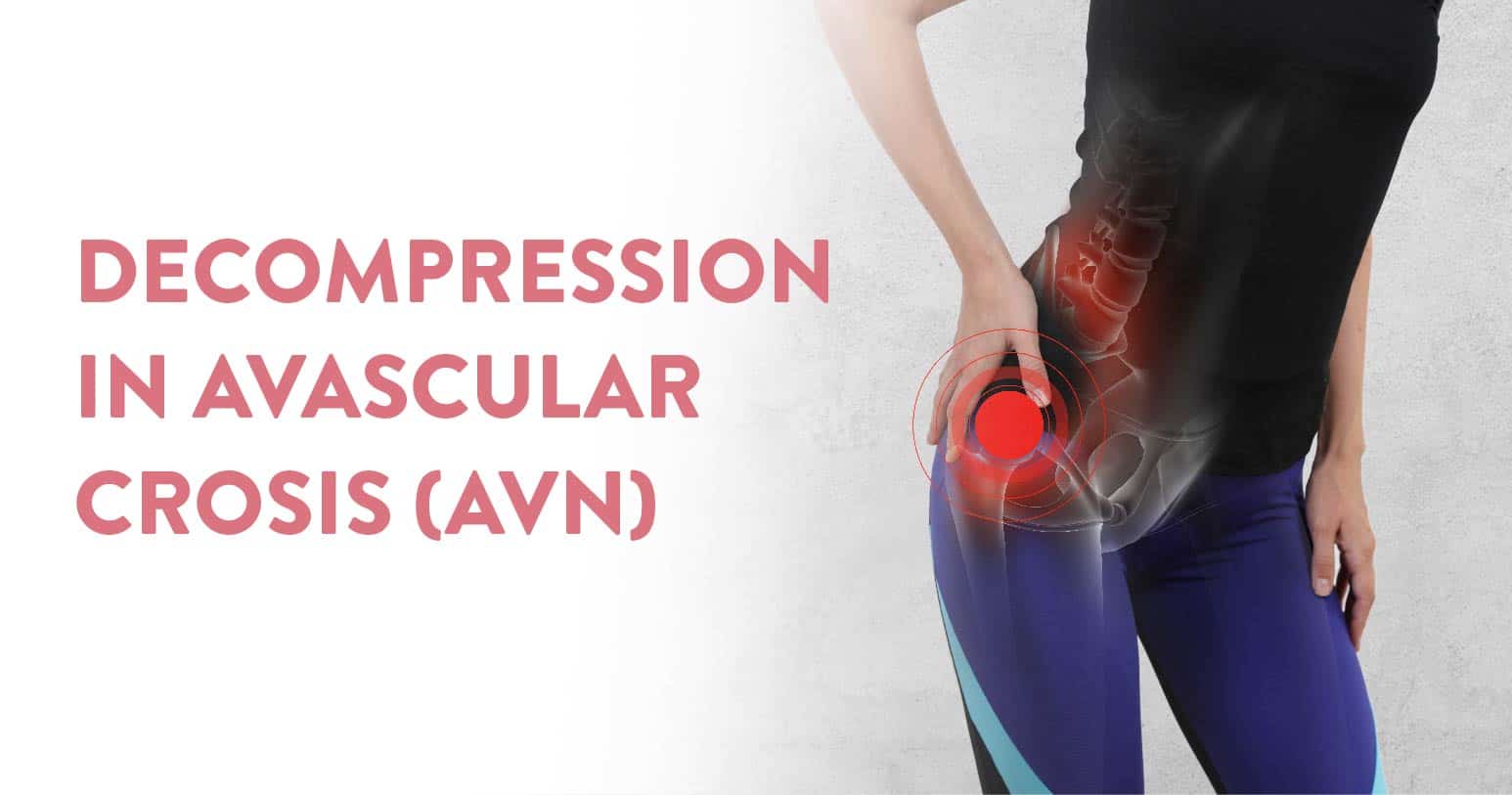
Avascular necrosis, also called osteonecrosis, is a medical condition that arises when there is inadequate blood supplied to the bone tissue. Due to lack of blood and oxygen the tissue starts decaying and eventually achieves the form of necrosis or decay. This fatal condition of avascular necrosis can affect any joint in the body, however, it has been observed that most reported cases are due to pain in the hip joint. Left untreated, the avascular necrosis of the hip can progress towards significant pain and disability. Surgery is the only option for restoring joint function.
Out of these surgical options, the most frequently chosen option is core decompression. In this process the goal is to relieve pressure within the bone tissue of the hip joint. In this blog post, we’ll explore what core decompression is, how it works, and what you can expect if you are considering this procedure.
Table of Contents
The surgical approach of core decompression aims to relieve pressure within the bone tissue of the hip joint. The major goals of this surgical approach are:
Here is a step by step flow of how a core decompression surgery for AVN is performed:
Core decompression is performed under general anesthesia, and usually takes about an hour to complete. Patients are likely to go home in under 24 hours. This procedure can be done successfully in the initial stages of AVN. However, stage 4 level necrosis often poses a much bigger risk, hence timeliness and precision is vital.
Post-operative care is essential as this has an impact on your overall body balance. Patients sometimes may experience some pain and discomfort, for which pain medication is prescribed. Further physiotherapy may be prescribed to help improve the range of motion and strength in the affected hip joint. Some restrictions may be imposed on physical activity or weight-bearing, to ensure a full and speedy recovery.
According to a study published in the Journal of Orthopaedic Surgery and Research, core decompression had a success rate of 76% in patients with early stage avascular necrosis of the hip. Factors affecting the outcome of a core decompression surgery are
The study also found that the success rate decreased to 60% in patients with more advanced stages of the condition. Other studies have reported similar success rates for core decompression in the treatment of avascular necrosis of the hip. However, it is important to note that these success rates can vary depending on the individual patient and the specific circumstances of their condition.
The success rate of core decompression can be significantly improved by choosing a reliable healthcare partner and orthopaedic surgeons for the procedure. When choosing a healthcare provider opt for state-of-the-art facilities supported by experienced medical teams that deliver on the global healthcare standards. A study published in the Journal of Orthopaedic Surgery and Research found that a successful core decompression significantly relies on the skill and judgement of the surgeon.
In conclusion, if you are considering core decompression for avascular necrosis of the hip, it is important to talk to your doctor about the risks and benefits of this procedure, as well as what you can expect during and after the procedure. By working closely with your healthcare team and following their instructions, you can help to ensure the best possible outcome from core decompression. If you are facing any of the symptoms of AVN or need a second opinion, reach out to our award winning orthopaedic department at the CK Birla Hospital, Gurugram. We offer trusted expertise and personalised care across multiple specialties under one roof.
This is an orthopaedic ailment that can be treated by an experienced orthopaedic surgeon. This is a fatal condition and needs prompt attention, diagnosis and treatment to prevent death due to blocked blood circulation in the body.
A cure for avascular necrosis does not exist. However, treatment can sometimes slow down the progress, but there is still no confirmed cure. Most people diagnosed with avascular necrosis eventually end up having surgery, which often includes joint replacement. However, in some cases, people with avascular necrosis can also develop a high risk of severe osteoarthritis.
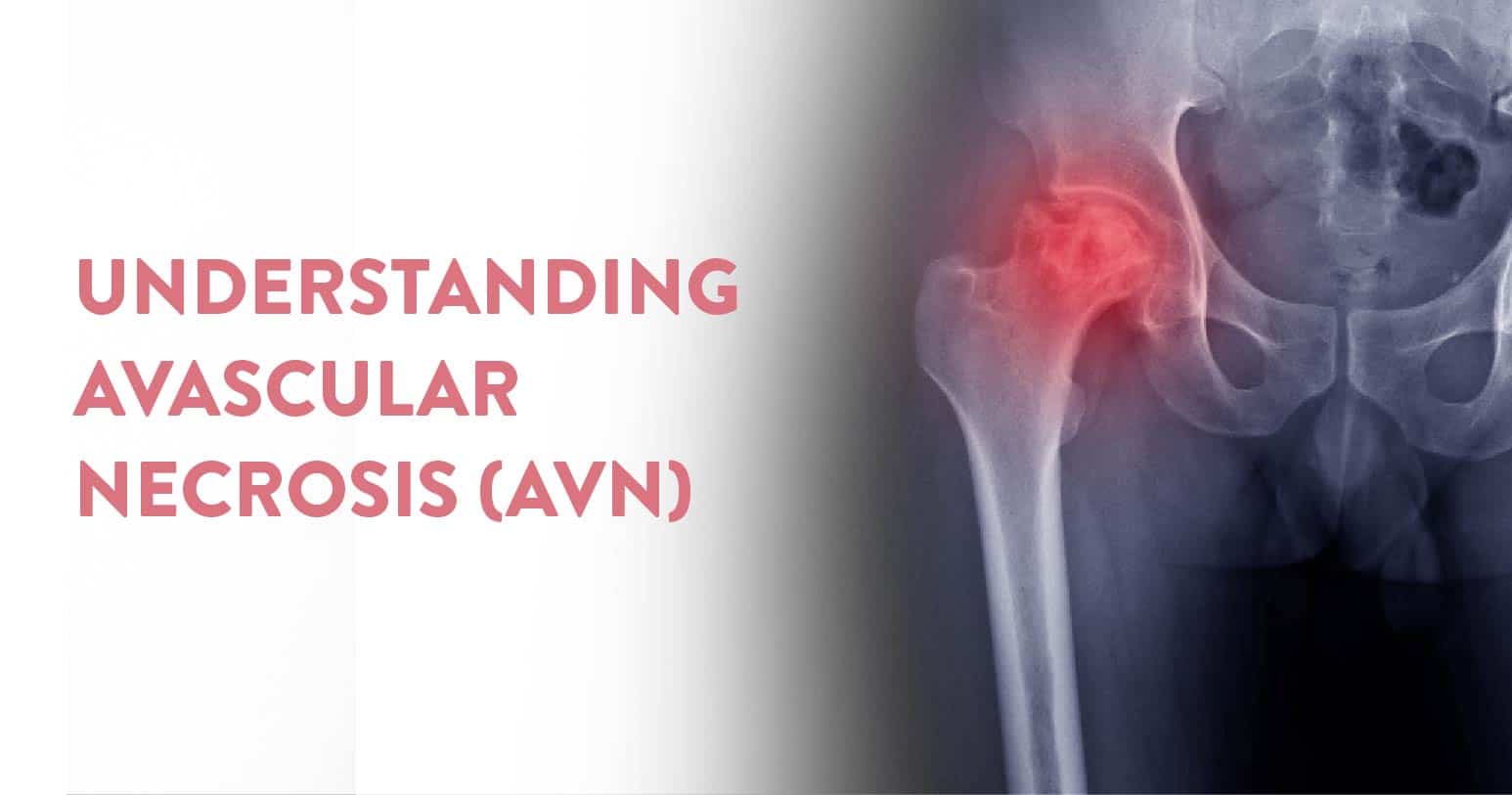
Table of Contents
AVN, also known as osteonecrosis, is a critical medical condition where a part of the bone tissue starts dying due to insufficient blood supply. Avascular Necrosis of the femoral head is when the rounded end of the thigh bone (femur) does not get any blood flow. Eventually it leads to the death and decay of the bone cells, causing the bone to collapse, and the patient ends up with either arthritis and chronic pain. Although avascular necrosis is commonly associated with the hip joint, it can affect other joints as well, including the knee, shoulder, ankle, and wrist
The root causes can be linked to several factors, such as trauma on impact, prolonged use of corticosteroids, heavy alcohol consumption, radiation therapy, and specific medical conditions like sickle cell anaemia and systemic lupus erythematosus. This will surface in the form of pain, specifically in the hip, groin, or thigh regions, limited range of motion, and in severe cases, collapse of the femoral head.
In this blog post, we’ll discuss avascular necrosis of joints, including its causes, symptoms, diagnosis, and treatment options.
The primary cause is the disruption of blood supply to the bone tissue. This can further be traced back to
In some cases, avascular necrosis cannot be explained. These AVNs occur for no apparent reason, which is why they are referred to as idiopathic avascular necrosis. While the exact cause is unknown, it might be due to a combination of genetic and environmental factors.
The symptoms of avascular necrosis vary depending upon the location of pain and severity of the condition. In the majority of reported cases, avascular necrosis is found where there is pain in the affected joint. This tends to worsen when the joint is overused or bears weight. Other symptoms may include stiffness, limited range of motion, and joint instability.
In some cases, the condition can further deteriorate to the point where the affected bone may collapse causing a sudden onset of severe pain and disability. Hence it is vividly clear that AVN needs prompt medical attention and a quick as well as safe diagnosis.
The diagnosis of avascular necrosis requires a certain level of urgency since this is primarily triggered by a compromised circulation of blood. Initially it starts with a physical exam and assessment of prior medical history. Further your doctor may also prescribe more investigation in the form of imaging tests, such as an X-ray, MRI, or CT scan, to help confirm the diagnosis and determine the extent of the damage.
In some cases, your doctor may also recommend a full body bone scan, which involves injecting a small amount of radioactive material into the body bloodstream, which will flow through the body and help identify areas of bone that are low on blood supply in the imaging report.
Impaired circulation will lead to a smaller window for treatment, hence prompt action is essential. Based on the stage of necrosis here are the various diagnostics performed:
The treatment of avascular necrosis also depends on the location and severity of the condition. But it differs based on the underlying cause. The ultimate goal of an AVN treatment, surgical or non-surgical are:
There are no guaranteed ways to prevent avascular necrosis, however, you can reduce your risk, by avoiding excessive alcohol consumption, and managing other medical conditions.
A person suffering from AVN will not be able to detect the problem easily. Circulation impairment is always a fatal condition which needs timely medical intervention. If and when you notice recurring excruciating pain in the joint areas, it is always recommended to speak to an expert. In this case the specialists would be an orthopaedic surgeon, since most AVN conditions quickly escalate towards surgery.
At the CK Birla Hospital, we ensure patients get holistic medical support which includes treatment in a compassionate environment. This patient-centric approach not only helps patients heal better but also ensures they are aware of the preventive measures as well. In case you need to consult an orthopaedic surgeon, do reach out to our award winning Department of Orthopaedics or book a direct appointment with Dr Ashwani Maichand at the CK Birla Hospital. (Booking Link)
This is an orthopaedic ailment that can be treated by an experienced orthopaedic surgeon. This is a fatal condition and needs prompt attention, diagnosis and treatment to prevent death due to blocked blood circulation in the body.
A cure for avascular necrosis does not exist. However, treatment can sometimes slow down the progress, but there is still no confirmed cure. Most people diagnosed with avascular necrosis eventually end up having surgery, which often includes joint replacement. However, in some cases, people with avascular necrosis can also develop a high risk of severe osteoarthritis.
Stage 1: Diagnosis from normal radiographs
Stage 2: Cystic changes and sclerosis visible on imaging
Stage 3: Subchondral collapse or femoral head flattening
Stage 4: Joint space narrowing

