Filter :
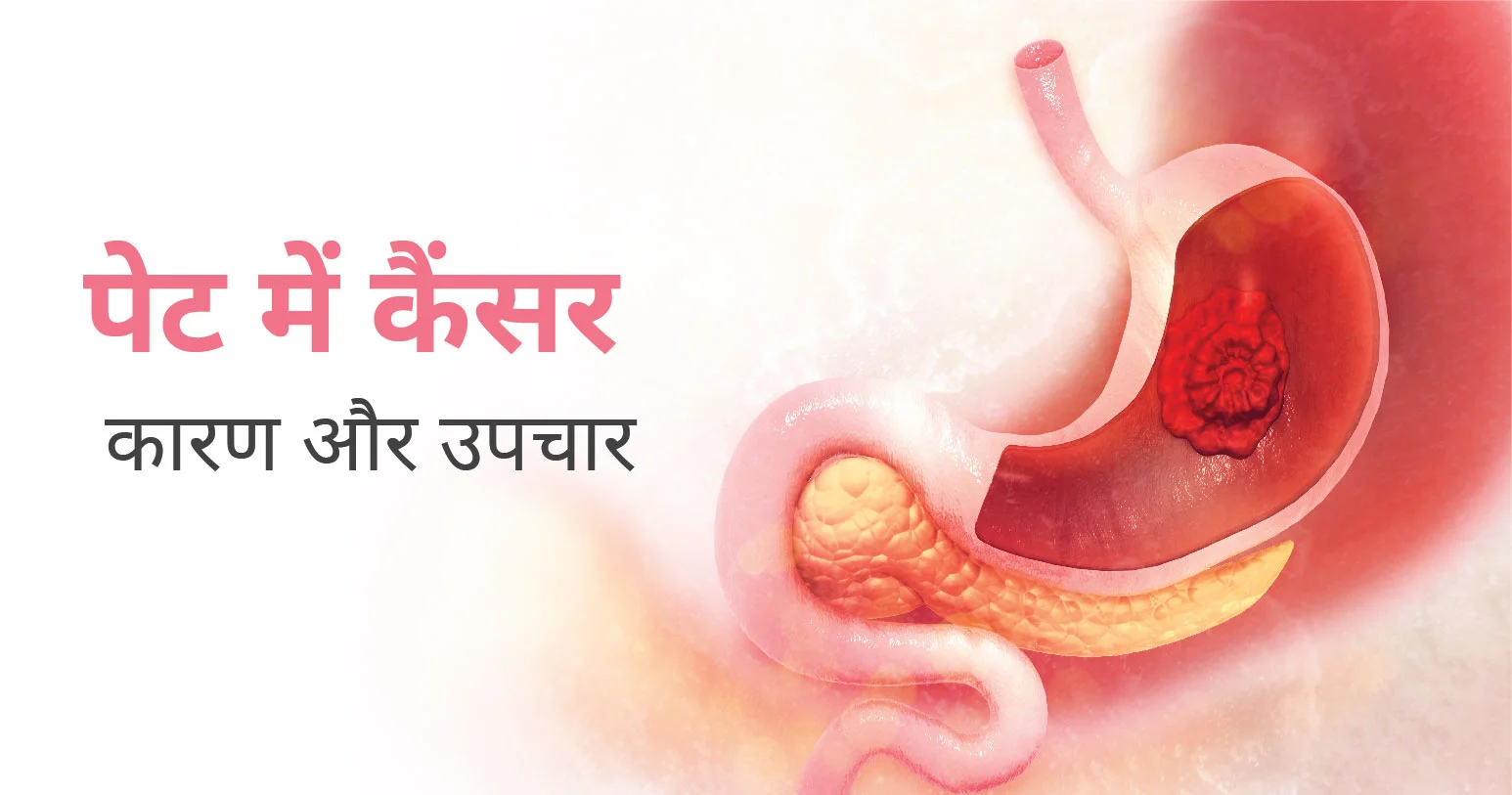
पेट के कैंसर को गैस्ट्रिक कैंसर के नाम से भी जाना जाता है। यह एक ऐसी बीमारी है जिसमें पेट की परत में घातक (कैंसर) कोशिकाएं बन जाती हैं। उम्र, आहार और पेट की बीमारी गैस्ट्रिक कैंसर के विकास के जोखिम को प्रभावित कर सकती है। गैस्ट्रिक कैंसर के लक्षणों में अपच और पेट में बेचैनी या दर्द शामिल है।
Table of Contents
पेट का कैंसर आमतौर पर शुरुआती चरणों में लक्षण पैदा नहीं करता है। यहां तक कि पेट के कैंसर के सबसे आम शुरुआती लक्षण – अक्सर अस्पष्टीकृत वजन घटना और पेट में दर्द – आमतौर पर तब तक दिखाई नहीं देते जब तक कि कैंसर अधिक उन्नत न हो जाए। पेट के कैंसर के लक्षणों में निम्न शामिल हो सकते हैं:
इनमें से कई लक्षण अन्य स्थितियों में भी सामान्य हैं। यह जांचने के लिए अपने डॉक्टर को देखें कि क्या आपके लक्षण पेट के कैंसर या किसी अन्य बीमारी के संकेत हैं।
पेट का कैंसर तब बनता है जब आपके पेट की कोशिकाओं के डीएनए में आनुवंशिक परिवर्तन (परिवर्तन) होता है। डीएनए वह कोड है जो कोशिकाओं को बताता है कि कब बढ़ना है और कब मरना है। उत्परिवर्तन के कारण, कोशिकाएं तेजी से बढ़ती हैं और अंततः मरने के बजाय एक ट्यूमर बन जाती हैं।
कैंसर कोशिकाएं स्वस्थ कोशिकाओं से आगे निकल जाती हैं और आपके शरीर के अन्य भागों में फैल सकती हैं (मेटास्टेसाइज़)। शोधकर्ताओं को पता नहीं है कि म्यूटेशन का क्या कारण है। फिर भी, कुछ कारक पेट के कैंसर के विकास की संभावना को बढ़ाते प्रतीत होते हैं। इसमें शामिल हैं:
पेट के कैंसर के बढ़ते जोखिम के साथ कई आनुवंशिक स्थितियां जुड़ी हुई हैं, जिनमें शामिल हैं:
पेट के कैंसर का आमतौर पर निम्न में से एक या अधिक के साथ इलाज किया जाता है:
पेट में कैंसर कोशिकाओं का इलाज करने के अलावा, उपचार का लक्ष्य कोशिकाओं को फैलने से रोकना है। पेट का कैंसर, जब अनुपचारित छोड़ दिया जाता है, तो यह फैल सकता है:
अकेले पेट के कैंसर को रोका नहीं जा सकता। हालाँकि, आप सभी कैंसर के विकास के अपने जोखिम को कम कर सकते हैं:
कुछ मामलों में, डॉक्टर ऐसी दवाएं लिख सकते हैं जो पेट के कैंसर के जोखिम को कम करने में मदद कर सकती हैं। यह आमतौर पर उन लोगों के लिए किया जाता है जिनके पास कैंसर पूर्व स्थिति है या अन्य बीमारियां हैं जिन्हें दवा सेफायदा होता है।
आप एक अर्ली स्क्रीनिंग टेस्ट कराने पर भी विचार कर सकते हैं। यह टेस्ट पेट के कैंसर की पहचान करने में मददगार हो सकता है। एक डॉक्टर निम्नलिखित पेट कैंसर स्क्रीनिंग परीक्षणों में से एक का उपयोग करके रोग के संकेतों की जाँच कर सकते हैं:
यदि कोई स्वास्थ्य स्थिति समय-समय पर आती और जाती रहती है, तो यह कैंसर होने की संभावना नहीं है। कैंसर लक्षणों का एक निरंतर सेट दिखाता है जो समय के साथ खराब हो जाता है, समय के साथ कुछ नए लक्षण जुड़ जाते हैं।
पेट के कैंसर के लक्षणों में शामिल हो सकते हैं: भूख कम लगना, वजन कम होना और पेट में दर्द होना आदि।
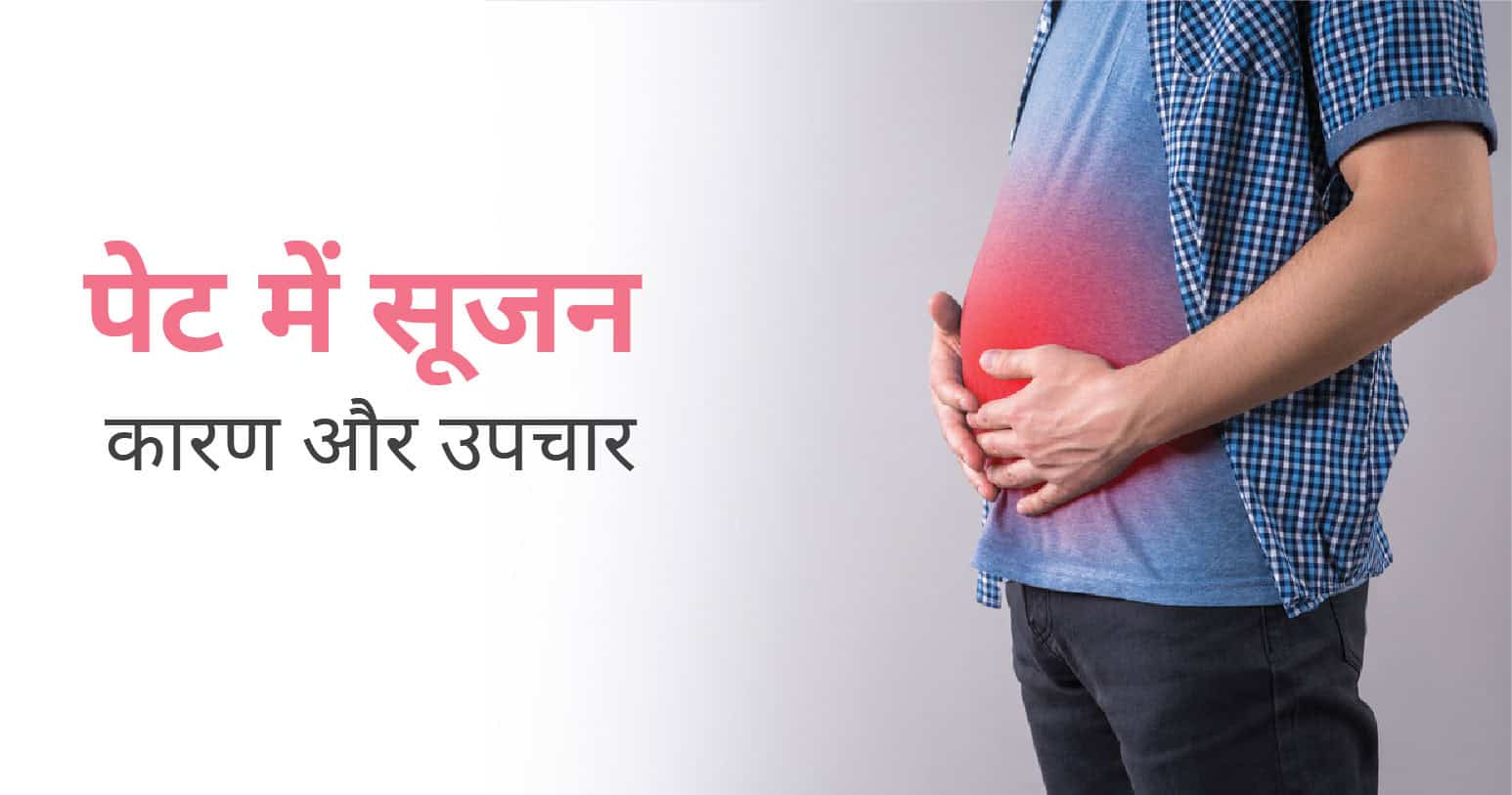
पेट में सूजन तब होती है जब आपका पेट क्षेत्र सामान्य से बड़ा होता है। इसे कभी-कभी एक विकृत पेट या सूजे हुए पेट के रूप में जाना जाता है। एक सूजा हुआ पेट अक्सर असहज या दर्दनाक भी होता है। सूजे हुए पेट के कई संभावित कारण होते हैं और यह एक सामान्य घटना है।
ये भी पढ़े: कब्ज क्या है – कारण, लक्षण, जांच और इलाज (Constipation in Hindi)
पेट में सूजन, या व्याकुलता, अक्सर एक गंभीर बीमारी की तुलना में अधिक खाने के कारण होती है। यह समस्या निम्न कारणों से भी हो सकती है:
आपके पेट में सूजन के कारण के आधार पर, आप अपने लक्षणों का इलाज घर पर आसानी से कर सकते हैं। यदि आपका पेट इसलिए सूज गया है क्योंकि आपने बहुत अधिक खा लिया है, तो बस अपने भोजन के पचने की प्रतीक्षा करना आपकी समस्या का समाधान कर सकता है। छोटे भोजन खाने से भविष्य में इस समस्या को रोकने में मदद मिल सकती है। इसके अलावा, अपने भोजन को संसाधित करने के लिए अपने पेट को समय देने के लिए अधिक धीरे-धीरे खाने पर विचार करें।
यदि आपका पेट गैस के कारण सूज गया है, तो उन खाद्य पदार्थों से बचने की कोशिश करें जो गैस पैदा करने के लिए जाने जाते हैं। इनमें से कुछ खाद्य पदार्थ बीन्स और क्रूसिफेरस सब्जियां हैं जैसे ब्रोकोली और गोभी। कार्बोनेटेड पेय पीने और स्ट्रॉ से पीने से बचें। धीरे-धीरे खाने से भी आपको हवा निगलने से रोका जा सकता है, जिससे गैस बनती है।
डेयरी उत्पादों से बचने से लैक्टोज असहिष्णुता के कारण होने वाली पेट की सूजन को दूर करने में मदद मिल सकती है। आईबीएस के मामले में, आपके तनाव के स्तर को कम करने और अपने फाइबर सेवन को बढ़ाने से लक्षणों से छुटकारा पाने में मदद मिली है। यदि आपको जलोदर है, तो बिस्तर पर आराम करें और अपने सोडियम सेवन को कम करने से आपके शरीर को अतिरिक्त तरल पदार्थ से छुटकारा मिल सकता है।
यदि आराम करना और अपने आहार में सोडियम की मात्रा कम करना लक्षणों से राहत पाने के लिए काम नहीं करता है, तो आपका डॉक्टर मूत्रवर्धक का उपयोग करने का सुझाव दे सकता है। मूत्रवर्धक आपके गुर्दे को सूजन पैदा करने वाले तरल पदार्थ को अधिक निकालने में मदद करेंगे। दुर्लभ मामलों में, आपके जलोदर द्रव में संक्रमण विकसित हो सकता है। यदि ऐसा होता है, तो आपको एंटीबायोटिक दवाओं के साथ कठोर उपचार से गुजरना होगा।
आईबीएस और लैक्टोज असहिष्णुता के कारण सूजन वाले पेट से छुटकारा पाने के लिए बहुत अधिक चिकित्सा उपचार उपलब्ध नहीं है। जलोदर आमतौर पर सिरोसिस जैसे शरीर में एक और गंभीर समस्या का दुष्प्रभाव होता है। आपको देखभाल की योजना के बारे में अपने डॉक्टर से बात करनी चाहिए।
कारण बीमारी का इलाज करने के अलावा, आपको द्रव को हटाने की आवश्यकता हो सकती है। द्रव हटाने की प्रक्रिया, या पैरासेन्टेसिस, अवधि में भिन्न होती है क्योंकि यह इस बात पर निर्भर करती है कि कितना तरल पदार्थ निकालने की आवश्यकता है।
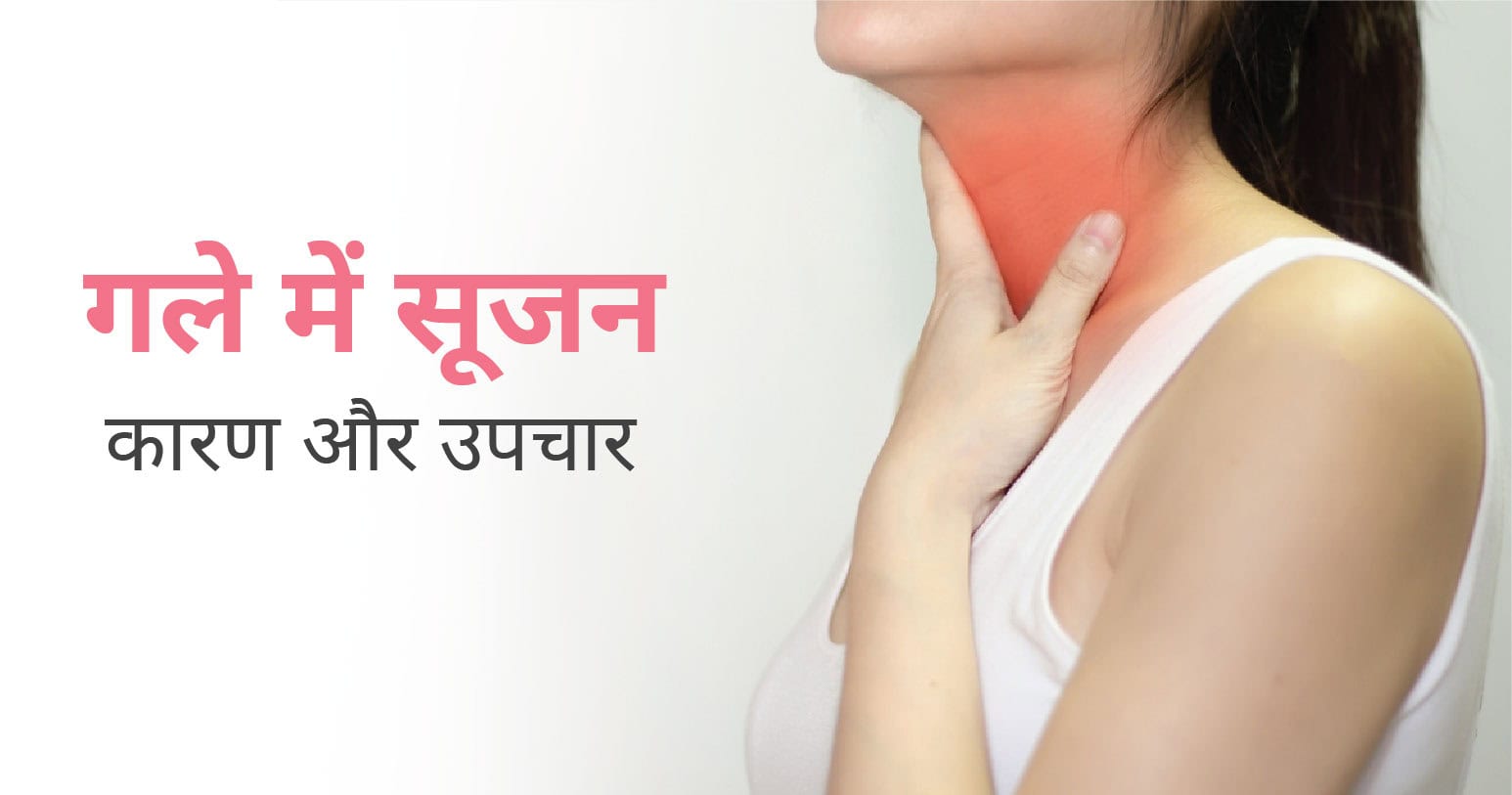
गले का सूजन ऑरोफरीनक्स के श्लेष्म झिल्ली की सूजन है। अधिकतर मामलों में, यह एक संक्रमण के कारण होता है, या तो बैक्टीरिया या वायरल। इसके अन्य कम सामान्य कारणों में एलर्जी, आघात, कैंसर, रिफ्लक्स और कुछ टॉक्सिन्स शामिल हैं।
ये भी पढ़े: गले में दर्द का कारण, लक्षण और उपचार (Gale Mein Dard)
कई वायरल और बैक्टीरियल एजेंट हैं जो गले का सूजन का कारण बन सकते हैं। वे सम्मिलित करते हैं:
गले में खराश का सबसे आम कारण वायरस हैं। गले का सूजन आमतौर पर वायरल संक्रमण जैसे कि सामान्य सर्दी, इन्फ्लूएंजा या मोनोन्यूक्लिओसिस के कारण होता है। वायरल संक्रमण एंटीबायोटिक दवाओं का जवाब नहीं देते हैं, और उपचार केवल लक्षणों से छुटकारा पाने में मदद के लिए आवश्यक है।
बहुत कम मामलों में गले का सूजन एक जीवाणु संक्रमण के कारण होता है। जीवाणु संक्रमण के लिए एंटीबायोटिक दवाओं की आवश्यकता होती है। गले का सबसे आम जीवाणु संक्रमण स्ट्रेप थ्रोट है, जो ग्रुप ए स्ट्रेप्टोकोकस के कारण होता है। बैक्टीरियल गले का सूजन के दुर्लभ कारणों में गोनोरिया, क्लैमाइडिया और कॉरीनेबैक्टीरियम शामिल हैं।
जुकाम और फ्लू के बार-बार संपर्क में आने से गले का सूजन का खतरा बढ़ सकता है। यह उन लोगों के लिए विशेष रूप से सच है जो स्वास्थ्य देखभाल, एलर्जी और अक्सर साइनस संक्रमण में नौकरी करते हैं। सेकेंड हैंड धुएं के संपर्क में आने से भी आपका जोखिम बढ़ सकता है।
ये भी पढ़े: निमोनिया क्या होता है – कारण, लक्षण, जांच और उपचार (Pneumonia Meaning in Hindi)
इन्क्यूबेशन पीरियड यानी ऊष्मायन अवधि आमतौर पर दो से पांच दिन की होती है। गले का सूजन के साथ आने वाले लक्षण अंतर्निहित स्थिति के आधार पर भिन्न होते हैं।
गले में खराश, सूखापन या खरोंच के अलावा, सर्दी या फ्लू के निम्न लक्षण हो सकते हैं:
गले में खराश के अलावा, मोनोन्यूक्लिओसिस के लक्षणों में शामिल हैं:
स्ट्रेप थ्रोट, एक अन्य प्रकार का गले का सूजन भी पैदा कर सकता है:
संक्रामक अवधि की लंबाई आपकी अंतर्निहित स्थिति पर भी निर्भर करेगी। यदि आपको वायरल संक्रमण है, तो आप तब तक संक्रामक रहेंगे जब तक कि आपका बुखार अपना कोर्स नहीं करता। यदि आपके पास स्ट्रेप थ्रोट है, तो आप एंटीबायोटिक दवाओं पर 24 घंटे बिताने तक शुरुआत से ही संक्रामक हो सकते हैं।
सामान्य सर्दी आमतौर पर 10 दिनों से कम समय तक रहती है। बुखार सहित लक्षण लगभग तीन से पांच दिनों में चरम पर हो सकते हैं। यदि गले का सूजन एक ठंडे वायरस से जुड़ा हुआ है, तो आप अपने लक्षणों के इस अवधि तक बने रहने की उम्मीद कर सकते हैं।
ये भी पढ़े: क्या सामान्य ज़ुकाम, खांसी या ठंड निमोनिया में बदल सकती है
यदि कोई वायरस आपके गले का सूजन का कारण बन रहा है, तो घरेलू देखभाल से लक्षणों को दूर करने में मदद मिल सकती है। घरेलू देखभाल में शामिल हैं:
दर्द और बुखार से राहत के लिए, एसिटामिनोफेन या इबुप्रोफेन जैसी ओवर-द-काउंटर दवा लेने पर विचार करें। थ्रोट लोजेंजेस भी एक दर्दनाक, खराश वाले गले को शांत करने में सहायक हो सकता है।
गले का सूजन के इलाज के लिए कभी-कभी वैकल्पिक उपचार का उपयोग किया जाता है। हालांकि, दवाओं के अंतःक्रियाओं या अन्य स्वास्थ्य जटिलताओं से बचने के लिए उनका उपयोग करने से पहले आपको अपने डॉक्टर से संपर्क करना चाहिए।
ये भी पढ़े: गले में इन्फेक्शन का कारण, लक्षण, बचाव और घरेलू उपचार
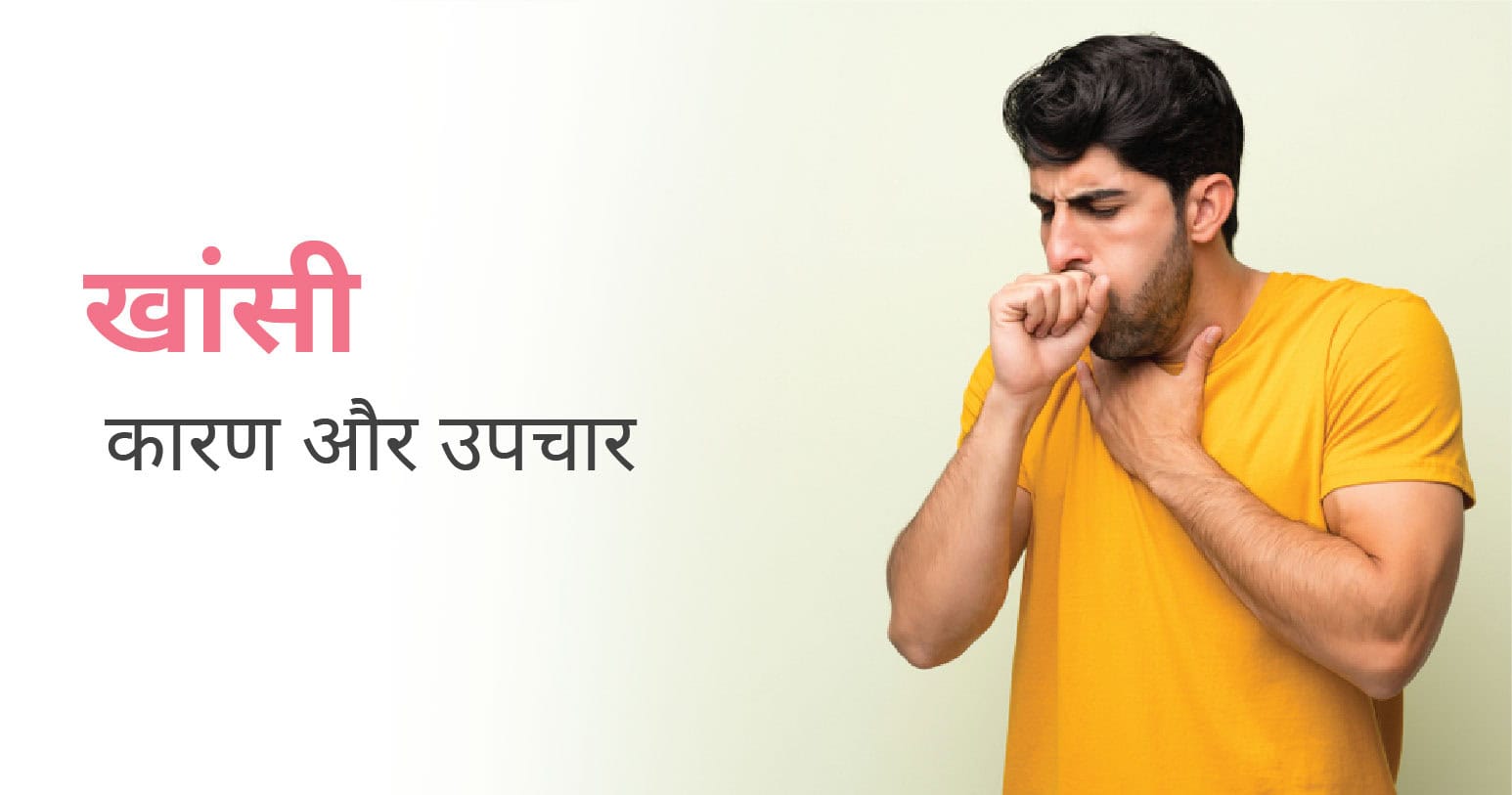
खांसी एक सामान्य प्रतिक्रिया है जो आपके गले के बलगम या बाहरी जलन को साफ करती है। जबकि हर कोई समय-समय पर अपना गला साफ करने के लिए खांसी करता है, कई स्थितियों में बार-बार खांसी हो सकती है।
खांसी के अधिकांश एपिसोड 2 सप्ताह के भीतर साफ हो जाएंगे या कम से कम काफी सुधार होंगे। अगर आपकी खांसी कुछ हफ्तों में ठीक नहीं होती है तो डॉक्टर या स्वास्थ्य देखभाल पेशेवर से संपर्क करें। यह अधिक गंभीर स्थिति का संकेत दे सकता है।
Table of Contents
तीव्र खांसी के ये सामान्य कारण हैं – दो महीने से कम समय तक रहना:
ये भी पढ़े: ट्यूबरक्लोसिस क्या है – कारण, लक्षण और बचाव (Tuberculosis in Hindi)
यदि आपको ऐसी खांसी है जो 2 सप्ताह में ठीक नहीं हुई है या इसमें सुधार नहीं हुआ है, तो डॉक्टर से संपर्क करें। यह अधिक गंभीर समस्या का लक्षण हो सकता है।
यदि आप अतिरिक्त लक्षण विकसित करते हैं तो तत्काल चिकित्सा प्राप्त करें। इन लक्षणों में शामिल हो सकते हैं:
साथ ही, खून खांसी या सांस लेने में कठिनाई होने पर भी तत्काल विशेषज्ञ से परमर्श करना चाहिए।
ये भी पढ़े: सूखी खांसी: कारण, लक्षण, घरेलू उपाय और निदान
यदि डॉक्टर आपकी खांसी का कारण निर्धारित नहीं कर सकते हैं, तो वे अतिरिक्त परीक्षणों का आदेश दे सकते हैं। इन परीक्षणों में शामिल हो सकते हैं:
खांसी के लिए दिल की समस्याओं का एकमात्र लक्षण होना बहुत दुर्लभ है, लेकिन डॉक्टर यह सुनिश्चित करने के लिए इकोकार्डियोग्राम का अनुरोध कर सकता है कि आपका दिल सही ढंग से काम कर रहा है और आपकी खांसी नहीं कर रहा है।
ये भी पढ़े: टॉन्सिल (टॉन्सिलाइटिस) के कारण, लक्षण और इलाज
कठिन मामलों में इन अतिरिक्त परीक्षणों की आवश्यकता हो सकती है:
ऐसे मामलों में जहां पिछले परीक्षण या तो संभव नहीं हैं या सफल होने की अत्यधिक संभावना नहीं है, या आपकी खांसी उपचार के बिना हल होने की उम्मीद है, डॉक्टर कफ सप्रेसेंट लिख सकते हैं।
ये भी पढ़े: गले में दर्द का कारण, लक्षण और उपचार (Gale Mein Dard)
कारण के आधार पर खांसी का विभिन्न तरीकों से इलाज किया जा सकता है। स्वस्थ वयस्क अधिकतर घरेलू उपचार और स्वयं की देखभाल के साथ अपनी खांसी का इलाज करने में सक्षम होंगे।
वायरस के कारण होने वाली खांसी का इलाज एंटीबायोटिक दवाओं से नहीं किया जा सकता है। इसके बजाय आप इसे निम्न तरीकों से ठीक कर सकते हैं:
आमतौर पर, चिकित्सा देखभाल में डॉक्टर को आपके गले को देखना, आपकी खांसी सुनना और किसी अन्य लक्षण के बारे में पूछना शामिल होता है। यदि आपकी खांसी जीवाणु संक्रमण के कारण होने की संभावना है, तो डॉक्टर मौखिक एंटीबायोटिक्स लिखेंगे। वे या तो कफ सप्रेसेंट लिख सकते हैं जिनमें कोडीन या एक्सपेक्टोरेंट कफ सिरप होते हैं।
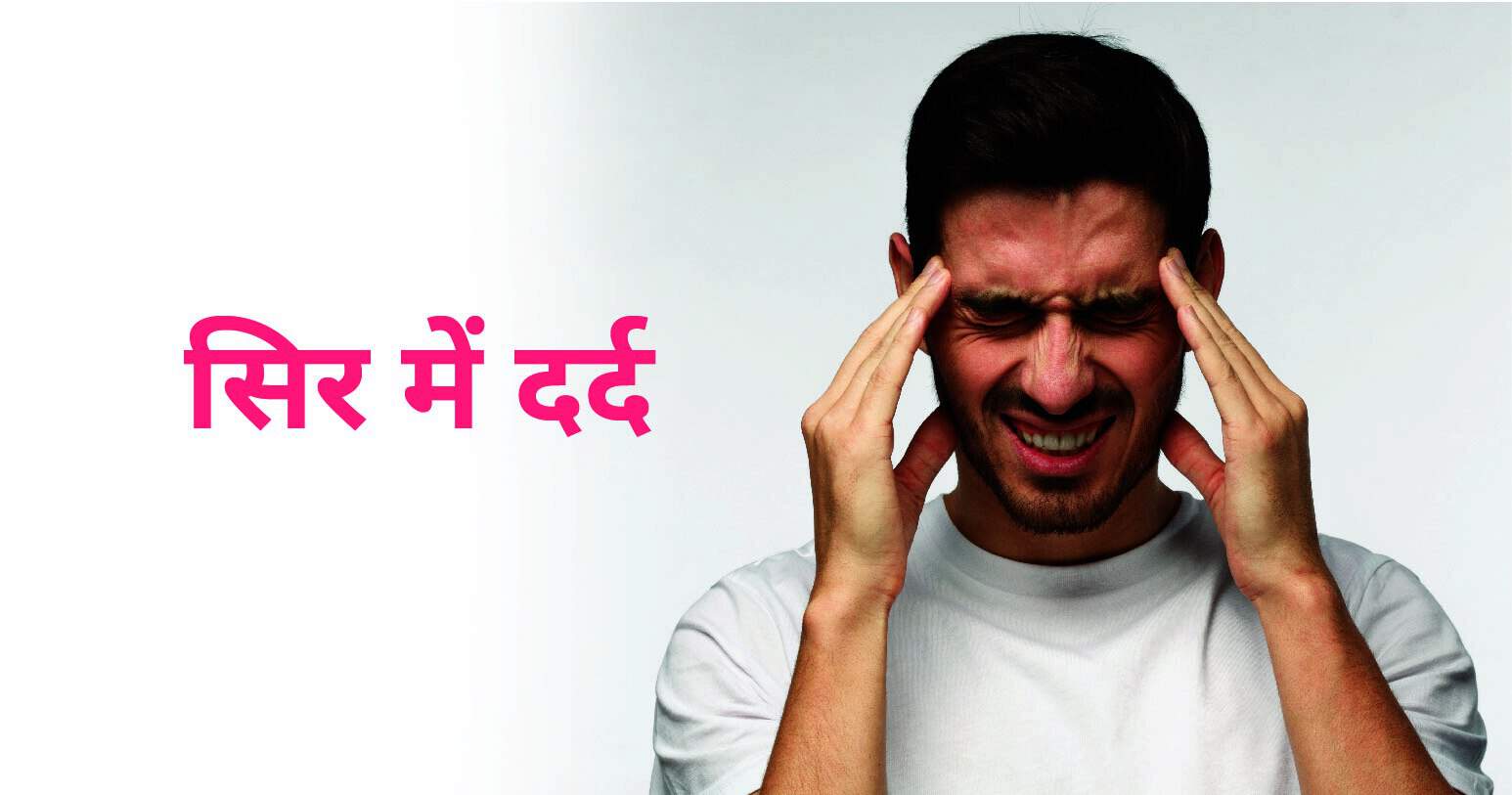
जब भी आपके सिर में तेज दर्द होता है और आपकी माँ बस यही कहती है, “यह सब इसलिए है क्योंकि आप अपने मोबाइल फोन का बहुत अधिक उपयोग करते हैं.. लेकिन यह सच नहीं है, कम से कम हर बार तो नहीं। ऐसे कई कारक हैं जो सिरदर्द का कारण बन सकते हैं, और कोई आश्चर्य नहीं कि केवल एक नहीं बल्कि विभिन्न प्रकार के सिरदर्द हैं।
ये भी पढ़े: जानिए काला पीलिया क्यों होता है ? इसके कारण, लक्षण, उपचार
Table of Contents
सरल शब्दों में, सिरदर्द सिर में एक धड़कता हुआ दर्द पैदा करने वाली असुविधाजनक बेचैनी है जो दैनिक और छोटे-मोटे कामों को भी मुश्किल बना देती है। सबसे प्रचलित शिकायतों में से एक और किसी भी स्थिति या बीमारी के सबसे विशिष्ट संकेतकों में से एक सिरदर्द है। इसलिए, यदि आप एक कष्टदायी और धड़कते सिरदर्द से पीड़ित हैं, तो आप अकेले नहीं हैं।
सिरदर्द सिर के किसी भी हिस्से में गंभीर परेशानी पैदा कर सकता है और इसके साथ अतिरिक्त लक्षण भी हो सकते हैं।
ये भी पढ़े: गले में सूजन का कारण और उपचार | Swelling in Throat in Hindi
यह लेख सबसे सामान्य प्रकार के सिरदर्दों पर चर्चा करेगा, उनके कारण क्या हैं, और उनका प्रबंधन या उपचार कैसे करें।
अपनी जीवनशैली में कुछ बदलाव करने से बार-बार होने वाले तनाव सिरदर्द का इलाज करने और उससे बचने में मदद मिल सकती है। इसमे शामिल हैं:
ये भी पढ़े: हर्पीस बीमारी क्या है? इसके कारण, लक्षण और उपाय
जाहिर है, मासिक धर्म का दर्द शरीर को बहुत पीड़ादायक और थका देने वाला बना देता है। लेकिन ऐसा नहीं है कि कई बार मासिक धर्म चक्र भी सिरदर्द का कारण बनता है, इसलिए इसे हार्मोन सिरदर्द या मासिक धर्म माइग्रेन कहा जाता है।
मासिक धर्म के दौरान एस्ट्रोजेन के स्तर में परिवर्तन के कारण माइग्रेन हो सकता है। पीरियड्स से संबंधित सिरदर्द अक्सर चक्र के 2-3 दिन बाद या ओव्यूलेशन चरण के दौरान होता है।
ये भी पढ़े: सर्वाइकल पेन के लक्षण, कारण और घरेलू इलाज
ये भी पढ़े: टॉन्सिल (टॉन्सिलाइटिस) के कारण, लक्षण और इलाज
ये भी पढ़े: सिर में भारीपन के कारण और घरेलु इलाज
सिर में चोट लगने के तुरंत बाद सिरदर्द होता है। सिर में चोट लगने के बाद सिर में दर्द होना और उल्टी जैसा महसूस होना सामान्य बात है। यह ध्यान केंद्रित करने या ध्यान केंद्रित करने या अपने आस-पास की बुनियादी चीजों को याद रखने की व्यक्तिगत क्षमता को भी प्रभावित करता है।
एक व्यक्ति को दृष्टि में समस्या, गर्दन में दर्द और कान में दर्द, चक्कर आना और भ्रमित होना जैसे अन्य लक्षण भी हो सकते हैं, जो सभी सिर की चोट वाले सिरदर्द का कारण बनते हैं।
ये भी पढ़े: लो बीपी (लो ब्लड प्रेशर) : लक्षण, कारण और उपचार
ये भी पढ़े: बीपी (ब्लड प्रेशर) कम करने के 5 उपाय
यदि सिर में अचानक तेज दर्द हो, जैसे बिजली की गड़गड़ाहट हो, तो यह वज्रपात सिरदर्द का संकेत है। थंडरक्लैप सिरदर्द, हालांकि, सिर में असामान्य दर्द है जो जानलेवा बीमारी भी बन सकता है। थंडरक्लैप सिरदर्द के लक्षण बहुत नाटकीय और अचानक होते हैं। सिर में अचानक दर्द हो सकता है जो 60 सेकंड के भीतर चरम पर पहुंच जाता है और इसके साथ मतली या लगातार उल्टी होती है, साथ ही दौरे भी पड़ सकते हैं।
ये भी पढ़े: ट्यूबरक्लोसिस क्या है – कारण, लक्षण और बचाव (Tuberculosis in Hindi)
आज के समय में सिर दर्द एक आम समस्या है, लेकिन ज्यादातर सिरदर्द को घरेलू उपचार या ओटीसी दवाओं से नियंत्रित किया जा सकता है। हालांकि, अगर किसी को अचानक असहनीय दर्द का अनुभव होता है जिससे खुद को संतुलित करना या बोलना भी मुश्किल हो जाता है, तो उन्हें चिकित्सा सहायता लेनी चाहिए।
प्रमुख ईएनटी विशेषज्ञ डॉ अनीश गुप्ता सिरदर्द के संकेतों और लक्षणों के आधार पर सही निदान और सही उपचार योजना प्रदान करने में सक्षम होंगे। सही नुस्खे से माइग्रेन, स्पाइन और क्लस्टर्स जैसे सिरदर्द का इलाज किया जा सकता है।
सिरदर्द से कुछ हद तक बचा जा सकता है। उदाहरण के लिए, एक स्वस्थ आहार खाना, नियमित रूप से व्यायाम करना, भोजन छोड़ने से बचना या भोजन में अनावश्यक अंतराल बनाना, कैफीन का सेवन कम करना, अपने तनाव के स्तर को प्रबंधित करना और पर्याप्त नींद लेना।
ये भी पढ़े: गले में इन्फेक्शन का कारण, लक्षण, बचाव और घरेलू उपचार
जब सिर में दर्द लगातार हो और 24 घंटे से अधिक समय तक रहे, तभी चिंता शुरू होनी चाहिए। दैनिक सिरदर्द के संभावित कारण तनाव, चिंता, ज्यादा सोचना, मस्तिष्क में और उसके आसपास सूजन, मेनिनजाइटिस जैसे संक्रमण और सिर में उतार-चढ़ाव हो सकते हैं।
सिरदर्द कोविड-19 के पहले संभावित लक्षणों में से एक है। अन्य लक्षणों में बुखार, थकान, गंध या स्वाद की कमी और बुखार शामिल हैं।
जैसा कि सभी व्यक्तियों के शरीर अलग-अलग होते हैं, यहां तक कि थोड़ी सी भी निर्जलीकरण सिरदर्द का कारण बन सकता है। और निर्जलीकरण के अन्य लक्षण चक्कर आना, थकान महसूस करना और मुंह सूखना है। डिहाइड्रेशन के कारण होने वाले सिरदर्द का इलाज पर्याप्त पानी पीने और जरूरत पड़ने पर ओटीसी दवा लेने जैसे घरेलू उपचारों से किया जा सकता है।
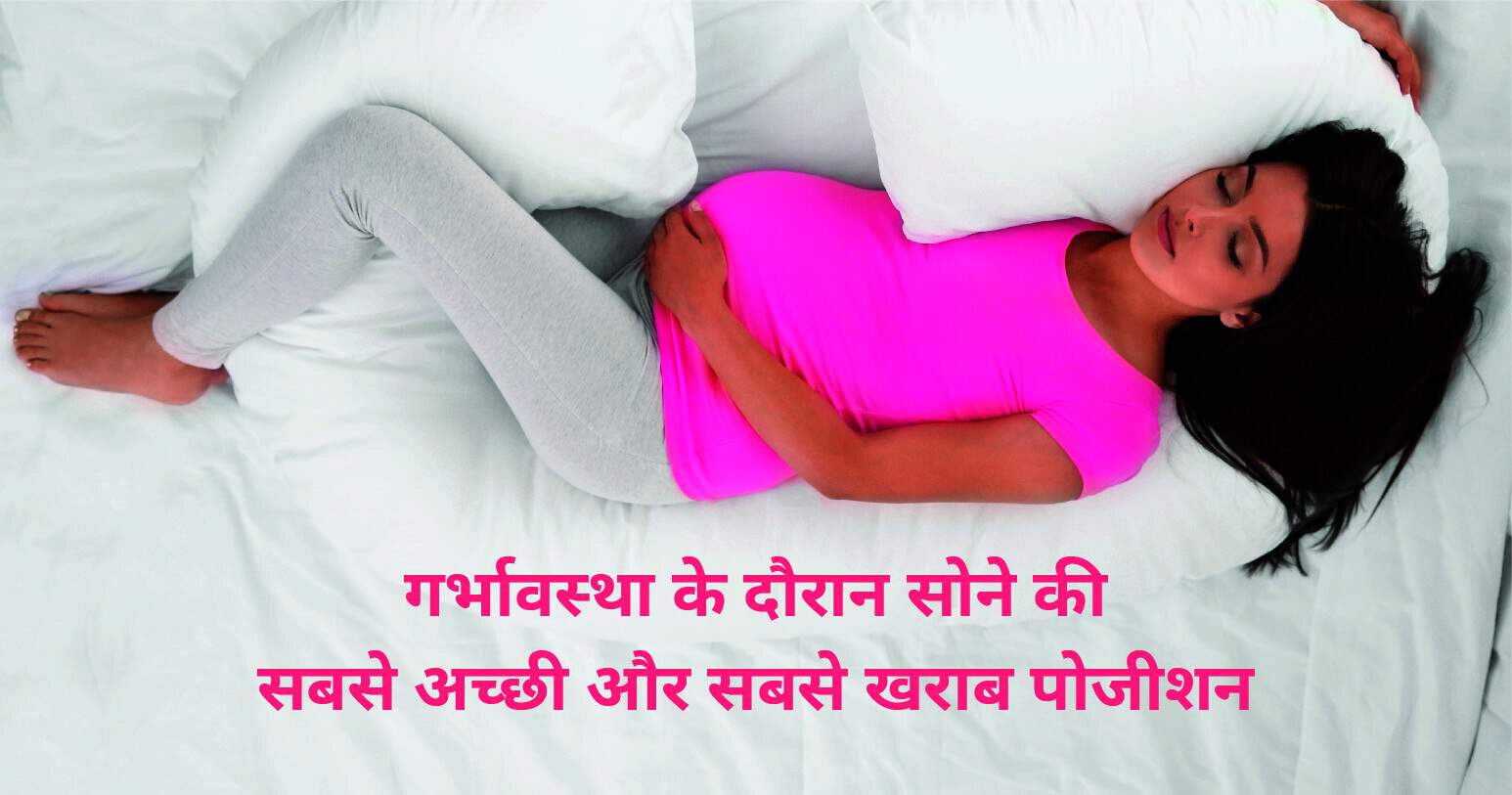
गर्भावस्था आपके शरीर पर भारी प्रभाव डाल सकती है। लेकिन गर्भावस्था के दौरान आपको जितनी नींद की जरूरत होती है, वह हमेशा आसानी से नहीं आती। समझें कि गर्भावस्था नींद को कैसे प्रभावित करती है और बिना किसी परेशानी के आराम करने के लिए आप क्या कर सकती हैं।
प्रारंभिक गर्भावस्था के दौरान, हार्मोन प्रोजेस्टेरोन का स्तर बढ़ जाता है और आपका चयापचय उच्च चल रहा होता है। इससे दिन में नींद और थकान हो सकती है। यदि आप गर्भवती हैं और आपको एक बच्चा है देखभाल करने के लिए तो आप और भी अधिक थका हुआ महसूस कर सकती हैं।
ये भी पढ़े: प्रेगनेंसी में कितने समय के बाद सम्बन्ध बनाना बंद कर देना चाहिए
गर्भावस्था के दौरान कई सामान्य लक्षण आपकी नींद को प्रभावित या बाधित कर सकते हैं, जिनमें शामिल हैं:
इन सबके आल्वा, नींद संबंधी विकार, जैसे कि नींद सोने में परेशानी होना आदि भी गर्भावस्था के दौरान गंभीर हो सकते हैं।
इन बातों पर विचार करें:
अपना पक्ष खुद तय करें: अपनी पीठ के बल सोने से बचें, जो आपके गर्भाशय का भार आपकी रीढ़ और पीठ की मांसपेशियों पर डाल सकता है। लेकिन अगर आप अपनी पीठ के बल उठती हैं तो चिंता न करें।
तकिए का प्रयोग करें: सावधानी से तकिए का इस्तेमाल करना आपको आराम देने में मदद कर सकता है। अपने मुड़े हुए घुटनों के बीच या अपने पेट के नीचे एक तकिया रखने की कोशिश करें।
आप गर्भावस्था के दौरान नींद की गड़बड़ी को प्रबंधित करने के लिए कुछ कदम उठा सकती हैं। उदाहरण के लिए:
अपने मूड मुताबिक माहौल तैयार बनाएं: एक अंधेरा, शांत और आरामदेह वातावरण और एक आरामदायक तापमान नींद को प्रोत्साहित करने में मदद कर सकता है। हर दिन एक ही समय पर सोने और उठने से आपकी नींद की सेहत में सुधार हो सकता है। अपने शयनकक्ष से इलेक्ट्रॉनिक उपकरणों को हटा दें।
सक्रिय यानी चुस्त रहें: गर्भावस्था के दौरान नियमित शारीरिक गतिविधि करने से आपको आसानी से नींद आने में मदद मिल सकती है। आज शाहम में हल्का-फुल्का व्यायाम, योग और मेडिटेशन कर सकती हैं।
डाइट पर खास ध्यान दें: छोटे-छोटे, बार-बार भोजन करें और सोने से तीन घंटे पहले खाने से बचें। अपने सिर को ऊंचा करके बाईं ओर सोने से भी सीने में जलन के लक्षणों को कम किया जा सकता है। विश्राम तकनीकों का अभ्यास करें। सोने से पहले उन्हें करना मददगार हो सकता है।
यदि आपको गर्भावस्था के दौरान सोने में परेशानी होती है, तो अपने डॉक्टर से बात करें। एक विकल्प अनिद्रा के लिए कॉग्निटिव बिहेवियरल थेरेपी नामक टॉक थेरेपी प्रोग्राम हो सकता है। यह प्रोग्राम आपको उन विचारों और व्यवहारों को पहचानने और बदलने में मदद करता है जो नींद की समस्याओं का कारण बनते हैं।
आप अपनी गर्भावस्था के दौरान बहुत सी बातों को लेकर चिंतित हो सकती हैं। आपकी नींद की स्थिति को सूची में सबसे ऊपर होने की आवश्यकता नहीं है। आपको और आपके बच्चे को इष्टतम रक्त प्रवाह देने के लिए डॉक्टर दाएं या बाएं की तरफ आराम करने की सलाह देते हैं।
इसके अलावा, आप अपने लिए सबसे आरामदायक स्थिति में आने के लिए कुछ तकिए के प्रॉप्स का उपयोग करने की कोशिश कर सकते हैं। अपने बच्चे के जन्म से पहले पूरी नींद लें। और अपने डॉक्टर से परामर्श करें यदि आपके पास अन्य प्रश्न हैं कि आपके लिए कौन सी स्थिति सबसे अच्छी है।
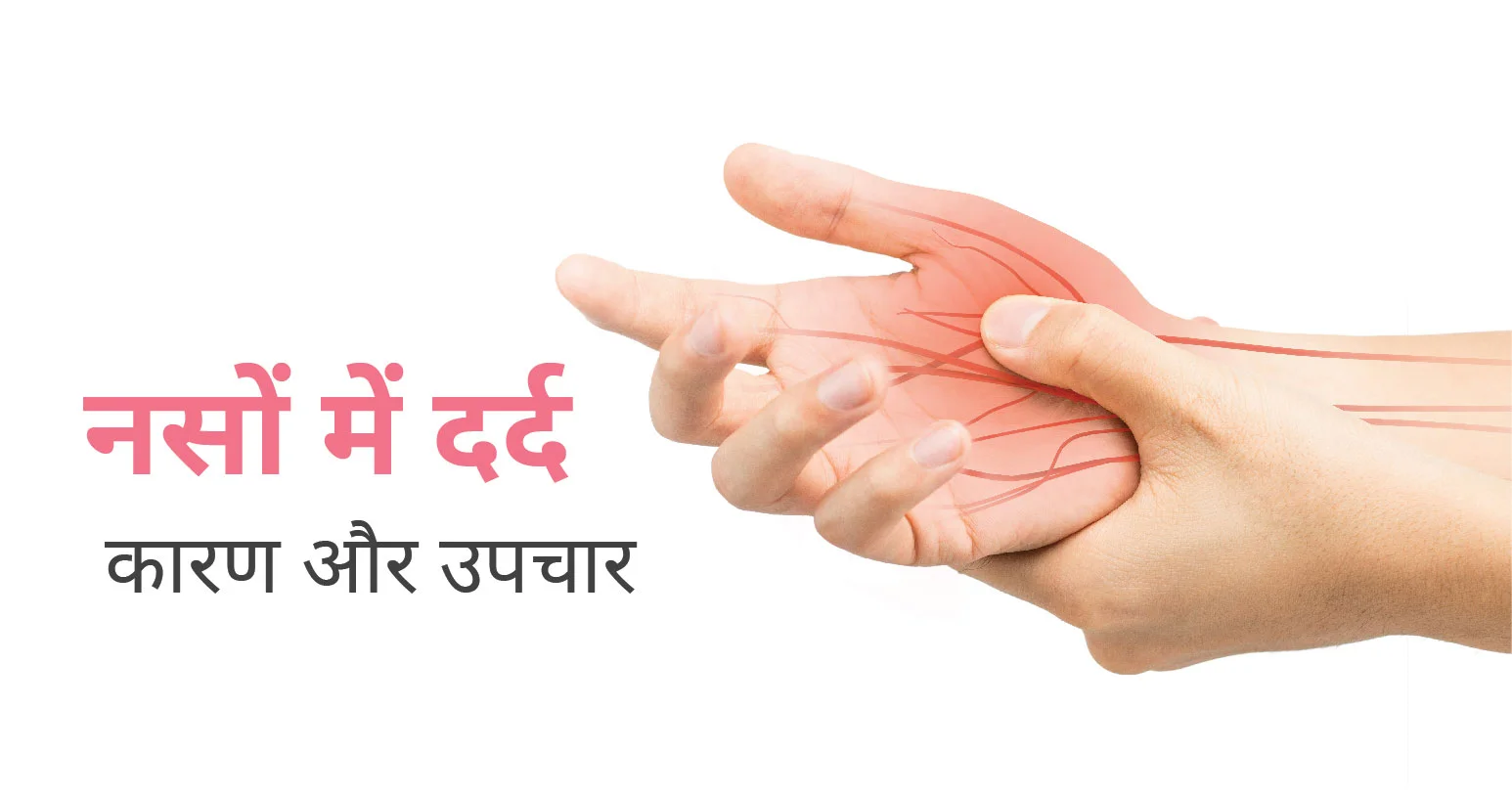
यदि आपकी तंत्रिका तंत्र क्षतिग्रस्त है या ठीक से काम नहीं कर रही है तो न्यूरोपैथिक दर्द यानी नसों में दर्द हो सकता है। आप तंत्रिका तंत्र के विभिन्न स्तरों-परिधीय तंत्रिकाओं, रीढ़ की हड्डी और मस्तिष्क में से किसी भी स्तर से दर्द महसूस कर सकते हैं। साथ में, रीढ़ की हड्डी और मस्तिष्क को केंद्रीय तंत्रिका तंत्र के रूप में जाना जाता है।
परिधीय नसें (Peripheral Nerves) वे हैं जो आपके शरीर के बाकी हिस्सों जैसे कि बाहों, पैरों, उंगलियों और पैर की उंगलियों जैसे स्थानों पर फैली हुई हैं। क्षतिग्रस्त तंत्रिका तंतु दर्द केंद्रों को गलत संकेत भेजते हैं। तंत्रिका क्षति के स्थल पर, साथ ही केंद्रीय तंत्रिका तंत्र (केंद्रीय संवेदीकरण) के क्षेत्रों में तंत्रिका कार्य बदल सकता है।
न्यूरोपैथी कार्य की गड़बड़ी या एक या कई नसों में परिवर्तन है। न्यूरोपैथी के लगभग 30% मामलों के लिए मधुमेह जिम्मेदार है। न्यूरोपैथिक दर्द का स्रोत बताना हमेशा आसान नहीं होता है। ऐसी सैकड़ों बीमारियाँ हैं जो इस तरह के दर्द से जुड़ी हैं।
ये भी पढ़े: यूरिक एसिड बढ़ने का कारण, लक्षण, इलाज और आसान घरेलू नुस्खे
Table of Contents
यानी नसों में दर्द अनेक रोगों के कारण हो सकता है, जिनमें निम्न शामिल हैं:
अन्य कारणों में शामिल हैं:
ये भी पढ़े: डायबिटिक के मरीज के लिए कम्पलीट डाइट चार्ट
नसों में दर्द के प्रत्येक व्यक्ति के लक्षण थोड़े भिन्न हो सकते हैं, लेकिन ये लक्षण सामान्य हैं:
इन सबके अलावा, पुराने दर्द, नींद की कमी, और आप कैसा महसूस कर रहे हैं इसे व्यक्त करने में कठिनाई के परिणामस्वरूप भावनात्मक समस्याएं
ये भी पढ़े: फैटी लिवर का कारण, लक्षण और इलाज
एंटीकॉन्वल्सेंट और एंटीडिप्रेसेंट दवाएं अक्सर शुरुआत उपचार होती हैं। कुछ न्यूरोपैथिक दर्द के अध्ययनों से पता चलता है कि गैर-स्टेरॉयड एंटी-इंफ्लैमेटरी ड्रग्स (एनएसएआईडी), जैसे कि एलेव या मोट्रिन, दर्द को कम कर सकते हैं। कुछ लोगों को एक मजबूत दर्द निवारक दवा की आवश्यकता हो सकती है।
यदि मधुमेह जैसी कोई अन्य स्थिति शामिल है, तो उस विकार का बेहतर प्रबंधन दर्द को कम कर सकता है। स्थिति का प्रभावी प्रबंधन आगे तंत्रिका क्षति को रोकने में भी मदद कर सकता है। ऐसे मामलों में जिनका इलाज करना मुश्किल है, एक दर्द विशेषज्ञ दर्द को प्रभावी ढंग से प्रबंधित करने के लिए एक इनवेसिव या इम्प्लांटेबल डिवाइस का उपयोग कर सकता है।
न्यूरोपैथिक दर्द में शामिल नसों की विद्युत उत्तेजना दर्द के लक्षणों को महत्वपूर्ण रूप से नियंत्रित कर सकती है। अन्य प्रकार के उपचार भी न्यूरोपैथिक दर्द में मदद कर सकते हैं। इनमें से कुछ में शामिल हैं:
दुर्भाग्य से, नसों का दर्द अक्सर मानक दर्द उपचार के लिए खराब प्रतिक्रिया करता है और समय के साथ बेहतर होने के बजाय कभी-कभी खराब हो सकता है। कुछ लोगों के लिए, यह गंभीर अक्षमता का कारण बन सकता है।
ये भी पढ़े: सर्वाइकल पेन के लक्षण, कारण और घरेलू इलाज
नसों के दर्द को अक्सर सूथिंग या जलन दर्द के रूप में वर्णित किया जाता है। यह अपने आप दूर जा सकता है, लेकिन अगर ऐसा नहीं होता है तो आपको डॉक्टर से मिलकर उपचार के बारे में बात करनी चाहिए।
न्यूरोट्रोपिक बी विटामिन कोएंजाइम के रूप में तंत्रिका तंत्र की सेहत में महत्वपूर्ण भूमिका निभाते हैं। विशेष रूप से विटामिन बी 1 (थियामिन), बी 6 (पाइरिडोक्सिन), और बी 12 (कोबालिन) एक स्वस्थ तंत्रिका तंत्र के रखरखाव में अनिवार्य रूप से योगदान करते हैं।

बालों का झड़ना (एलोपेसिया) को गंजापन के नाम से बी जानते हैं। यह सिर्फ आपकी खोपड़ी यानी सिर ही नहीं, बल्कि आपके पूरे शरीर को प्रभावित कर सकता है, और यह अस्थायी या स्थायी हो सकता है। यह आनुवंशिकता, हार्मोनल परिवर्तन, चिकित्सा स्थितियों या उम्र बढ़ने के सामान्य भाग का परिणाम हो सकता है।
हर किसी के सिर के बाल झड़ सकते हैं, लेकिन यह पुरुषों में अधिक आम है। गंजापन आमतौर पर आपके खोपड़ी से अत्यधिक बालों के झड़ने को संदर्भित करता है। उम्र के साथ वंशानुगत बालों का झड़ना गंजेपन का सबसे आम कारण है। कुछ लोग अपने बालों के झड़ने को अनुपचारित और अनछुए तरीके से चलने देना पसंद करते हैं। अन्य इसे केशविन्यास, मेकअप, टोपी या स्कार्फ के साथ कवर कर सकते हैं।
बालों के झड़ने का इलाज करने से पहले, अपने बालों के झड़ने के कारण और उपचार के विकल्पों के बारे में अपने डॉक्टर से बात करें।
Table of Contents
आमतौर पर लोगों के एक दिन में 50 से 100 बाल झड़ते हैं। यह आमतौर पर ध्यान देने योग्य नहीं होता है, क्योंकि एक ही समय में नए बाल बढ़ रहे होते हैं। बालों का झड़ना तब होता है जब नए बाल गिरे हुए बालों की जगह नहीं लेते हैं। बालों का झड़ना आमतौर पर निम्नलिखित कारकों में से एक या अधिक से संबंधित होता है:
एलोपेसिया का मुख्य लक्षण सामान्य से अधिक बाल झड़ना है, लेकिन इसे पहचानना आपके विचार से अधिक कठिन हो सकता है। इसके निम्नलिखित लक्षण हो सकते हैं:
चौड़ा करने वाला भाग: यदि आप अपने बालों को विभाजित करते हैं, तो आप देख सकते हैं कि आपका हिस्सा चौड़ा हो रहा है, जो बालों के पतले होने का संकेत हो सकता है।
सिर के मध्य में से बालों का घटना: इसी तरह, अगर आपको लगता है कि आपकी हेयरलाइन सामान्य से अधिक ऊंची दिख रही है, तो यह बालों के पतले होने का संकेत हो सकता है।
कंघी में बालों का जमा होना: अपने ब्रश या कंघी को इस्तेमाल करने के बाद चेक करें। क्या यह सामान्य से अधिक बाल जमा कर रहा है? अगर ऐसा है तो यह बालों के झड़ने का संकेत हो सकता है।
दर्द या खुजली: यदि आपके बालों के झड़ने के कारण आपकी अंतर्निहित त्वचा की स्थिति है, तो आपको दर्द भी महसूस हो सकता है या आपकी सिर में खुजली का अनुभव हो सकती है।
बालों के झड़ने के लिए उपचार के कई विकल्प हैं, लेकिन आपके लिए सबसे अच्छा विकल्प इस बात पर निर्भर करेगा कि आपके बालों के झड़ने का कारण क्या है। आमतौर पर, सबसे आम प्रकार के बालों के झड़ने का उपचार सामयिक या मौखिक दवाओं के साथ किया जाता है, जो संभवतः उपचार का पहला कोर्स होगा।
ओवर-द-काउंटर (ओटीसी) दवाओं में आमतौर पर सामयिक क्रीम, जैल, समाधान या फोम शामिल होते हैं जिन्हें आप सीधे खोपड़ी पर लगाते हैं। सबसे आम उत्पादों में मिनोक्सिडिल नामक एक घटक होता है। प्रिस्क्रिप्शन दवाएं, जैसे फायनास्टराइड (प्रोपेसिया), एंड्रोजेनिक बालों के झड़ने को रोकने में मदद कर सकती हैं, विशेष रूप से पुरुष पैटर्न गंजापन के लिए।
बालों के झड़ने को धीमा करने के लिए आप रोजाना इस दवा का सेवन करते हैं, हालांकि कुछ लोग फायनास्टराइड लेने पर नए बालों के विकास का अनुभव करते हैं। यदि बालों का झड़ना एक ऑटोइम्यून स्थिति से संबंधित लगता है, तो आपका चिकित्सक कॉर्टिकोस्टेरॉइड्स जैसी सूजन-रोधी दवाएं लिख सकता है।
जिन नए उपचारों की खोज की जा रही है, उनमें लेजर थेरेपी के कुछ रूप, पीआरपी के साथ माइक्रोनीडलिंग, साथ ही अन्य मौखिक दवाएं शामिल हैं। इनमें से कई उपचार अभी भी शुरुआती परीक्षण चरणों में हैं, और अधिक शोध आवश्यक होगा।
हेयर ट्रांसप्लांट सर्जरी में आपके सिर के गंजे हिस्सों में त्वचा के छोटे-छोटे प्लग, प्रत्येक में कुछ बाल होते हैं। यह वंशानुगत गंजापन वाले लोगों के लिए अच्छा काम करता है, क्योंकि वे आमतौर पर सिर के शीर्ष पर बाल खो देते हैं। क्योंकि कुछ बालों का झड़ना प्रगतिशील हो सकता है, आपको समय के साथ कई प्रक्रियाओं की आवश्यकता हो सकती है। यह ध्यान देने योग्य है कि इस विधि से एलोपेसिया के निशान वाले लोगों को लाभ या सहायता की संभावना नहीं है।
बालों के झड़ने के साथ केवल राइबोफ्लेविन, बायोटिन, फोलेट और विटामिन बी 12 की कमी को जोड़ा गया है।
जी हां, बालों को झड़ने से रोकने में नारियल का तेल कारगर और सुरक्षित साबित हुआ है। दरअसल पुराने समय में लोग अपने बालों को स्वस्थ, मजबूत और घना रखने के लिए इसका इस्तेमाल करते आ रहे हैं।
अगर आपके बाल झड़ रहे हैं तो डॉक्टर से परामर्श करने के बाद आप निम्न चीजों को सेवन कर सकते हैं:
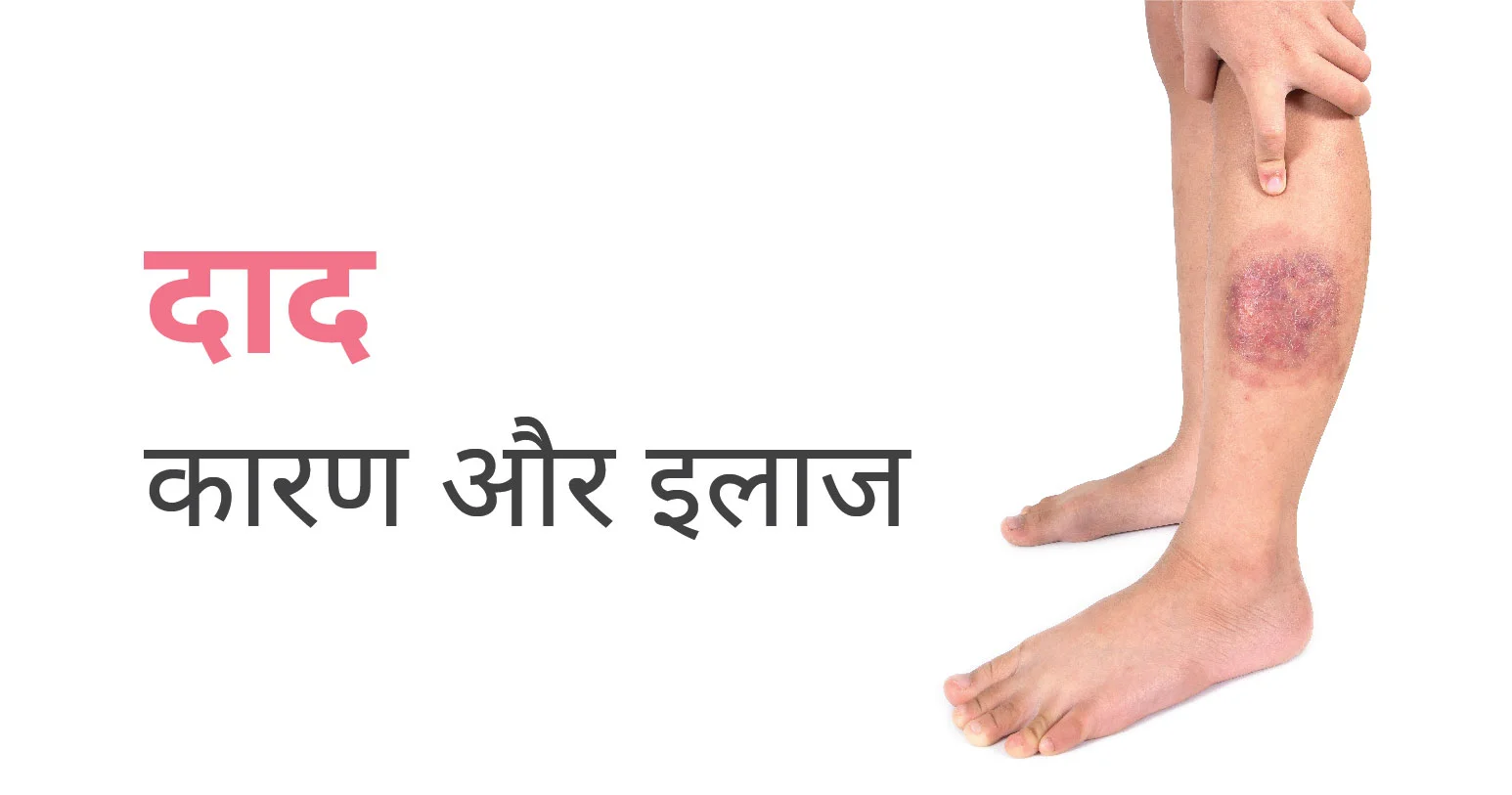
दाद एक फंगल संक्रमण है जो त्वचा पर अंगूठी के आकार का संक्रमण पैदा करता है। एक्जिमा और सोरायसिस जैसी स्थितियां कभी-कभी दाद के समान हो सकती हैं, लेकिन उपस्थिति और उपचार में महत्वपूर्ण अंतर होते हैं। दाद को डर्माटोफाइटिस, डर्माटोफाइट संक्रमण या टिनिया के रूप में भी जाना जाता है
फंगस की लगभग 40 अलग-अलग प्रजातियां दाद का कारण बन सकती हैं। वे आमतौर पर ट्राइकोफाइटन, माइक्रोस्पोरम और एपिडर्मोफाइटन प्रकार के होते हैं। ये कवक आपकी त्वचा और अन्य सतहों, विशेष रूप से नम क्षेत्रों पर रह सकते हैं। वे मिट्टी में बीजाणुओं के रूप में भी लंबे समय तक जीवित रह सकते हैं। कवक मनुष्यों में चार तरीकों से फैल सकता है:
इन सबके आल्वा, कवक ले जाने वाली मिट्टी के सीधे संपर्क के बाद मनुष्य और जानवरों को दाद हो सकता है।
ये भी पढ़े: हर्पीस बीमारी क्या है? इसके कारण, लक्षण और उपाय
डॉक्टर आपकी त्वचा की जांच करके और संभवतः प्रभावित क्षेत्र को देखने के लिए एक काली रोशनी का उपयोग करके दाद का निदान करेंगे। कवक के प्रकार के आधार पर, यह कभी-कभी काले प्रकाश के नीचे फ्लोरोसेंट (चमक) हो सकता है। डॉक्टर कुछ परीक्षणों का अनुरोध करके दाद के निदान की पुष्टि कर सकते हैं जैसे कि:
यदि आपको या तो त्वचा की बायोप्सी या फंगल कल्चर मिल रहा है, तो डॉक्टर आपकी त्वचा का एक नमूना लेकर या ब्लिस्टर से निकालेंगे और इसे फंगस की उपस्थिति के परीक्षण के लिए लैब में भेजेंगे।
यदि आप केओएच परीक्षा कर रहे हैं, तो डॉक्टर प्रभावित त्वचा के एक छोटे से क्षेत्र को एक स्लाइड पर खुरच कर हटा देंगे और उस पर पोटेशियम हाइड्रॉक्साइड (केओएच) नामक तरल की बूंदों को रख देगा।
केओएच विशिष्ट त्वचा कोशिकाओं को अलग कर देता है, जिससे सूक्ष्मदर्शी के नीचे कवक तत्वों को देखना आसान हो जाता है।
दाद के लिए आपके लिए आवश्यक उपचार इस बात पर निर्भर करता है कि आपके शरीर में संक्रमण कहाँ है और यह कितना गंभीर है। कई मामलों में, डॉक्टर ऐसी दवा की सिफारिश कर सकते हैं जिसे आप अपने स्थानीय दवा की दुकान पर काउंटर (ओटीसी) से खरीद सकते हैं। दूसरों को नुस्खे की जरूरत होती है।
यदि संक्रमण आपकी त्वचा पर है – जैसे एथलीट फुट या जॉक खुजली के मामले में, तो डॉक्टर एक ओटीसी ऐंटिफंगल क्रीम, लोशन या पाउडर का सुझाव दे सकते हैं।
ज्यादातर मामलों में, आपको यह सुनिश्चित करने के लिए 2 से 4 सप्ताह तक अपनी त्वचा पर दवाओं का उपयोग करना होगा कि आप दाद पैदा करने वाले फंगस को खत्म कर रहे हैं। ऐसा करने से इसके वापस आने की संभावना भी कम होगी।
यदि आपके सिर पर या आपके शरीर पर कई अलग-अलग जगहों पर दाद है, तो ओटीसी उपचार पर्याप्त नहीं हो सकते हैं। ऐसे में डॉक्टर एक एंटिफंगल दवा के लिए एक ओरल प्रिस्क्रिप्शन लिखेंगे जिसे आपको 1 से 3 महीने तक मुंह से लेना होता है।
चीजों को साफ रखने से संक्रमण आपके शरीर के अन्य भागों के साथ-साथ आपके घर के अन्य लोगों और जानवरों में भी फैलने से रोकता है। एक बार आपका ठीक हो जाने के बाद यह पुन: संक्रमण को भी रोकेगा। दाद का संक्रमण होने पर चीजों को साफ रखने के नीचे कुछ तरीके दिए गए हैं:
इन सबके अलावा, प्रभावित क्षेत्र को साबुन से साफ करें, और अपने शरीर के बाकी हिस्सों से अलग तौलिये से सुखाएं। हर दिन ताजे कपड़े पहनें, खासकर अंडरगारमेंट्स पहनें। अपने कपड़ों को नियमित रूप से धोएं और उपयोग में न होने पर उन्हें सुखा कर रखें।

