Filter :
Vaginal discharge is perfectly natural. It is the body’s way of protecting the vagina from infections and keeping it clean. Discharge from the vagina can also range in amount and colour, depending on things like where you are in your menstrual cycle.
While brown discharge might look alarming, it is not always a reason to worry. Brown discharge can also be related to hormonal changes, periods or certain conditions affecting the ovaries and uterus. You may see this colour throughout your cycle, typically around the time of menstruation.
Getting to know your body can help you notice when something might be a cause for concern. Try to take note of what your vaginal discharge is normally like and speak with a healthcare professional if you notice any significant changes or any worrying symptoms.
Table of Contents
Brown discharge gets its colour from oxidation. When blood leaves the uterus quickly, it looks bright red but when it leaves slowly, it has more time to react with oxygen, which darkens it from red to brown, similar to how a fresh cut looks red but a healing scab looks brown. This is why brown discharge is often just “old blood” rather than a sign of new or active bleeding.
Use of Hormonal Birth Control or Contraceptives can also cause brown vaginal discharge. Using hormonal birth control causes the uterine lining to thin. This condition might result in mild brown discharge even when there is no period. In this situation, brown discharge develops as the body tries to adjust to the altered hormone levels.
A female might experience brown discharge as a sign of ovulation in rare cases. When the mature egg breaks open the ovary, there might be slight bleeding. The colour of the vaginal discharge can be brown to reddish pink. Sometimes, it also looks like brown discharge mixed with clear discharge. The female can also experience cramps, lower back pain and abdominal pain in such situations.
The brown discharge might also be a result of breakthrough bleeding and there is mild light brown discharge in this case. A female might experience mild brown discharge between period cycles.
Some women might have mild brown discharge after sexual intercourse. This might be the effect of intense sexual activity. In such cases, brown discharge occurs due to slight bleeding of the vaginal canal (cervix). Certain medical conditions can also cause unusual or abnormal brown discharge.
| Light Brown Discharge | Dark Brown Discharge | |
| What it means | A small amount of old blood mixed with a larger amount of normal, clear discharge | A larger amount of old blood, or blood that has taken longer to leave the uterus and oxidized further |
| Common timing | Start or end of your period, or light spotting between periods | Just before or after a heavier period; leftover menstrual blood |
| Usually linked to | Very light flow, implantation bleeding, ovulation, early hormonal shifts | Older blood clearing out, hormonal imbalance, or occasionally a vaginal blockage (retained tampon) |
| When to check with a doctor | If it persists for more than a few cycles with no clear pattern | If it’s accompanied by pain, odour, lasts more than a week, or occurs after menopause |
Both shades are usually harmless on their own the darker the discharge, generally the older the blood. Colour alone isn’t a diagnosis; timing and accompanying symptoms matter more.
There are many possible causes of brown discharge. Brown discharge is nothing to be concerned about in most cases. However, brown discharge can indicate a possible health issue if it is accompanied by other symptoms, such as changes to your menstrual cycle, a strong odour, pain or vaginal itching. There are several reasons why brown discharge could occur suddenly, including the following:
If you are in the early stages of pregnancy, you may have brown spotting or light bleeding. As many as 30% of pregnant people have brown spotting or light bleeding during their first trimester. This is normal, but you should still call your healthcare provider or doctor to check that everything is alright.
Some contraceptive methods like implants or IUDs release the progestin hormone into your body to prevent you from getting pregnant. As your body adjusts to the new form of birth control, you may experience side effects like brown discharge, breakthrough bleeding, spotting and irregular menstruation.
PID is an infection of the uterus and cervix that can sometimes result in brown discharge. It’s usually caused by an untreated STI (sexually transmitted infection) like chlamydia or gonorrhoea. Other PID symptoms include heavy discharge with a bad smell, painful urination, fever, pain during sex and pain in the pelvis and lower abdomen. PID is a severe medical illness that requires immediate diagnosis and care.
Some STIs(Sexually Transmitted Infections), like gonorrhoea or chlamydia, can cause you to have spotting or brown discharge when you do not have your period. Other symptoms include vaginal discharge with an unpleasant odour, a burning sensation when urinating and pain during sex.
One in ten persons with a vagina of reproductive age (15–49) have PCOS, a very prevalent hormonal disorder. Its exact cause is unknown but likely has to do with excess insulin in the body and genetics. People with PCOS have an imbalance of reproductive hormones; their bodies produce higher levels of hormones called androgens, resulting in missed or irregular periods. Brown discharge in place of your menstruation is one indication of PCOS. Other symptoms include dark patches on the skin, ovarian cysts, infertility, obesity, excessive hair growth, acne and irregular menstrual cycles.
Endometriosis is a chronic condition that occurs when the tissue that is usually in your uterine lining starts growing in other areas, like your bowels, fallopian tubes or ovaries. Heavy periods and irregular bleeding are common in endometriosis patients, and they occasionally have internal bleeding that results in brown discharge.
It is normal to experience some spotting or light bleeding after a vaginal exam or a pap smear test. Gynaecologists take great care in these cases, but occasionally their instruments might produce a minor irritant inside the walls of your vagina or cervical lining. If you experience this without any other symptoms, you do not normally need to worry about it.
Vaginal irritation can cause light bleeding if you have recently had vigorous sex. It might take a few days for the blood to leave your body, and during this time the blood turns brown as a result of oxidation.
Occasionally after unprotected sex, a fertilised egg will attach itself outside your uterine cavity, causing an ectopic pregnancy. This is rare, but when it happens, it is serious and requires medical care as soon as possible to prevent life-threatening complications. Signs of ectopic pregnancy include spotting and light bleeding, lightheadedness, vomiting and nausea and severe abdominal cramps.
In extremely rare cases, brown discharge could be a sign of cervical cancer if it’s accompanied by symptoms including weakness, unusual weight loss, bleeding between periods, prolonged or heavy periods and painful intercourse. Gynecologic care and regular pap smears can help detect and prevent any early signs of cervical cancer. Between the ages of 21 and 65, everybody with a vagina should have these tests to be proactive.
Brown discharge with no period is usually old blood leaving the uterus slowly, or a sign your hormones are adjusting — not a red flag on its own. Common, harmless reasons include:
When it needs a closer look: if your period is more than a week late, take a home pregnancy test. If brown discharge instead of a period continues for more than 2-3 cycles, or comes with pelvic pain, fever, dizziness, or a foul odour, book a gynaecologist visit — these can point to PCOS, thyroid imbalance, fibroids, or an infection that needs treatment.
Brown discharge after a missed period can be an early sign of pregnancy, often implantation bleeding, which happens when a fertilised egg attaches to the uterine lining, roughly 6-12 days after conception. However, a missed period with brown discharge doesn’t confirm pregnancy on its own — it can also mean your period is simply arriving late and starting light.
Take a home pregnancy test if your period is over a week late. If it’s positive and you notice brown or red bleeding along with pelvic pain, dizziness, or shoulder-tip pain, contact your doctor promptly, these can be signs of a miscarriage or ectopic pregnancy and need urgent evaluation.
A female might experience abdominal cramps and light bleeding in her early pregnancy. Brown discharge might be a cause of implantation bleeding, as an early sign of pregnancy. Implantation bleeding happens when the fertilised egg implants in the inner lining of the uterus. There might be slight bleeding that may be brown at this point.
This kind of brown discharge typically appears when a woman is about to start menstruating. Brown discharge instead of a missed period in a female is typically an indication of pregnancy. Consult your gynaecologist as soon as possible in such a case.
The abnormal brown discharge accompanied by several other symptoms and complications might be something you need to consult with your gynaecologist
There might be certain infections that cause abnormal brown discharge. If you observe brown discharge for several days and it does not stop on its own, it is wise to visit a gynaecologist and get help. Certain diseases or infections that cause brown discharge are:
There are other symptoms associated with brown discharge that result from any of the aforementioned problems. In cases of severe illness, the following other symptoms may also appear along with brown discharge:
Because they may worsen over time, you shouldn’t treat these symptoms lightly. So, waste no time and consult a gynaecologist as soon as you observe pain or discomfort accompanied by brown discharge during pregnancy.
Brown vaginal discharge may not necessarily indicate cause for concern. If you are concerned about your condition and feel that it might be serious, then it is always advisable to seek medical help from an experienced gynaecologist. Timely care and help can ensure appropriate treatment as per the cause of your condition.
At the CK Birla Hospital, we ensure patients get holistic medical support which includes treatment in a compassionate environment. This patient-centric approach not only helps patients heal better but also ensures they are aware of the preventive measures as well. In case you need to consult a gynaecologist, reach out to us, or book a direct appointment with Dr. Seema Sehgal at the CK Birla Hospital.

You must obtain iron from food since it is a necessary nutrient. It aids in the body’s transportation of oxygen.
An adult human’s body has 4 grams (0.005% of body weight) of iron, largely in the form of myoglobin and haemoglobin. Oxygen transport by blood and oxygen storage in muscles are the essential roles played in vertebrate metabolism by these two proteins respectively. Human iron metabolism requires a minimum of iron in the diet to maintain the necessary levels.
Iron is both potentially toxic and necessary to the body. Controlling iron levels in the body is a critically important part of many aspects of human disease and health. A deficiency can occur if your iron intake is too low to replace the amount you lose daily as it can lead to symptoms like fatigue and cause anaemia. Fortunately, you may satisfy your daily needs for iron by eating a variety of healthy food items.
Iron is a mineral that serves various important functions, its main one being to carry oxygen throughout your body as a part of red blood cells.
For non-pregnant adults, the daily value for iron is 8-18 mg. If your intake is insufficient to make up for the quantity you lose each day, a deficiency may result.
It’s interesting to note that your body’s ability to absorb iron depends in part on how much you have stored. Some foods which are high in iron are listed below:
You Can Also Read: High-Fibre Foods You Should Eat
You Can Also Read: Potassium Rich Foods
Iron plays a crucial role in oxygen transportation in your body. If you are unable to decide or meet your body’s iron requirements, then it is always advisable to seek medical help from an experienced dietitian. Timely care and help can ensure the inclusion of sufficient iron in your regular diet chart.
At the CK Birla Hospital, we ensure patients get holistic medical support which includes treatment in a compassionate environment. This patient-centric approach not only helps patients heal better but also ensures they are aware of the preventive measures as well. In case you need to consult a dietitian, reach out to us, or book a direct appointment at the CK Birla Hospital.
Yes, almonds are a good source of iron, offering 5.3 mg per cup whole (66% of the recommended dietary allowance).
Iron content in milk and milk substitutes is low. Milk hinders the body’s capacity to absorb iron from meals and supplements.
Apples are known for their high iron content and vitamin C content, both of which are essential for reversing and preventing anaemia. Increasing your iron consumption will help you overcome anaemia, which is a haemoglobin deficit in the blood.
OA (Osteoarthritis) is one of the most common types of knee arthritis which can result in disability and pain. Daily activities which you like can become challenging and symptoms may worsen with weight-bearing.
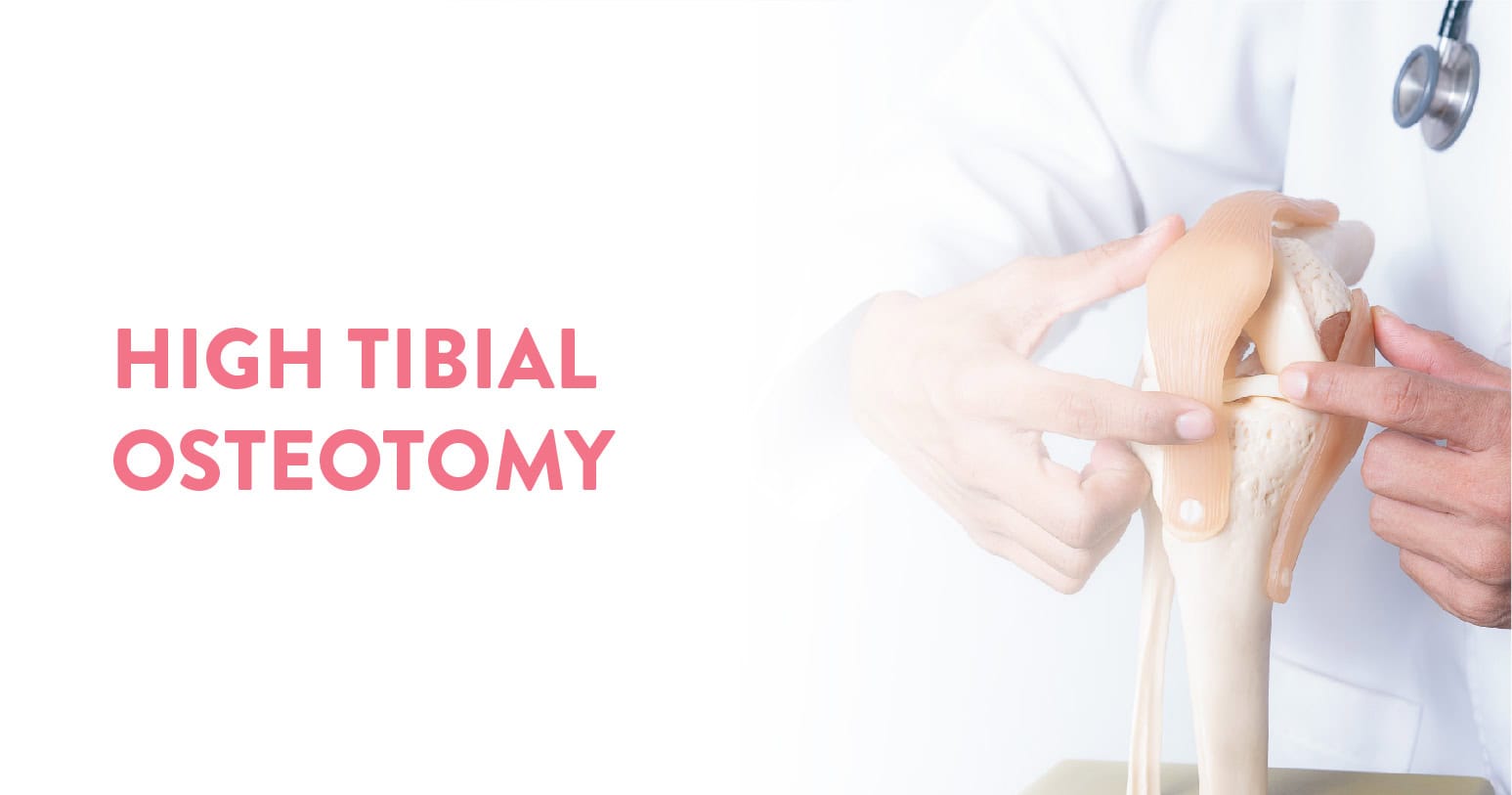
A high tibial osteotomy (HTO) is a surgical procedure that realigns your knee joint. For some patients who have knee arthritis, this surgery can prevent or delay the need for a total or partial knee replacement by preserving damaged joint tissue.
People with knee issues, particularly when combined with bowleggedness, should talk to their orthopaedic team about HTO as it is recommended to patients on a case-to-case basis after considering the pros and cons.
Table of Contents
An orthopaedic surgical treatment called a high tibial osteotomy treats compartmental osteoarthritis and a varus deformity. Since the procedure’s inception, improvements in technique, fixation technology, and patient selection have allowed HTO to gain popularity among younger, more active patients looking to treat arthritis. Realigning the weight-bearing line of the knee is the surgery’s objective. By realigning the knee, the arthritic medial compartment receives less force from weight-bearing and more comes from the lateral compartment, which is healthy. Delaying the onset or progression of osteoarthritis in the medial compartment of the knee due to this reduction in force or load in the diseased portion of the knee joint also reduces knee discomfort.
The International Society of Arthroscopy, Knee Surgery, and Orthopaedic Sports Medicine (ISAKOS) created the recognized methodology for patient selection in 2004. An ideal patient with this procedure is:
Contraindications specified by ISAKOS are:
You Can Also Read: Common Knee Injuries You Should Be Aware Of
The general surgical technique includes either performing HTO alone or performing HTO in combination with ligament reconstruction. When deciding which treatment avenue to take, one must consider patient demographics, their predominant symptoms, and which ligaments, if any are involved. When ligaments are involved, but the ACL deficiency is chronic and pain is due to arthritis and malalignment, HTO alone should be sufficient. However, if instability is the predominant symptom, for example, an acute ACL deficiency, HTO in combination with ACL reconstruction may be performed to protect the ACL graft that was constructed.
The two most common surgical techniques used in HTO are lateral close wedge osteotomy and medial open wedge osteotomy.
The initial cut is made between the posteromedial border of the tibia and the medial aspect of the tibial tubercle. The medial collateral ligament (MCL) is exposed by cutting the sartorius fascia and pulling it medially. MCL is then removed from its insertion medially. Two K-wires are placed towards the lateral cortex, about 4 cm below the joint line. The osteotomy is done below the K-wires and parallel to the joint line.
The advantages of the medial open wedge method include less risk of peroneal nerve injury compared to the lateral close wedge method, no limb shortening, no bone loss, and the use of a single cut with no need to detach muscles.
Starting at the anterolateral aspect about 1 cm below the knee joint line, an L-shaped cut is made to the lateral edge of the tibial tubercle and anterior tibial crest. To expose the bone, the fascia of the anterior compartment is cut near the anterior tibial crest and the anterior tibialis is elevated. Osteotomy starts 15 mm below the joint line, just above the tibial tubercle, and is directed parallel to the joint line, medially.
Some of the advantages of the lateral close wedge method are faster healing with less morbidity, greater potential for healing, and no need for bone grafting, unlike the medial open wedge method.
Two main types of fixation plates are used: spacer plates and plate fixators. Spacer plates are lower-profile implants that require a smaller incision. The disadvantage of using a spacer plate is the decreased rigidity associated with increased rates of delayed union or nonunion. Because of this, spacer plates require a longer period of staying off the leg that was operated on. Plate fixators give a stronger fixation, allowing for earlier weight-bearing and initiation of therapy. A couple of studies attempted to compare these two methods but found no differences in reliability.
After part of the bone is removed, there is a space that may need to be filled. Some prefer using a graft or bone substitute, which will hopefully increase stability and decrease healing time. Bone can also be taken from the hip of the patient to use as a graft. This has a lower complication rate so is considered in someone who is at risk of the bone not healing, like a smoker or obese patient.
The most common complications are the same as those occurring for any orthopaedic procedure performed on a lower limb. These are:
The complications specific to the HTO are rare and include the failure of the bone to heal, common peroneal nerve palsy, decreased range of motion, a low-lying knee cap, and a fracture inside the knee joint.
Knee replacement surgery can treat this problem when the joint deterioration is beyond repair or recovery. However, in certain cases, a high tibial osteotomy can realign the knee by wedge-opening the top part of the tibia to reposition the knee joint, relieving pressure from the injured side. Then, the burden of bearing shifts from the unhealthy tissue to the injured or worn tissue.
This sort of osteotomy is normally thought of as a technique to delay the need for a knee replacement because these advantages typically disappear after 8 to 10 years. Younger individuals who experience discomfort from instability and misalignment are often the only ones who benefit from this therapy. To allow cartilage repair tissue to develop without being put under too much strain, an osteotomy may also be carried out in combination with other joint preservation techniques.
An HTO (high tibial osteotomy) is a surgical technique that realigns the knee joint. For individuals with knee arthritis, it is a blessing since it can postpone or eliminate the need for a partial or full knee replacement. It is always advisable to seek medical help from an experienced orthopaedist. Timely care and help can ensure an appropriate diagnosis and treatment of your condition.
At the CK Birla Hospital, we ensure patients get holistic medical support which includes treatment in a compassionate environment. This patient-centric approach not only helps patients heal better but also ensures they are aware of the preventive measures as well. In case you need to consult an orthopaedist, reach out to us, or book a direct appointment at the CK Birla Hospital.
A high tibial osteotomy (HTO) is a major surgical procedure that improves the condition of the knee joint. It is also less of an intervention compared to a total knee replacement.
Following surgery, you must utilise crutches for 12 weeks while wearing your brace for 6 weeks. You progressively put more weight on your leg during the second six weeks while continuing to use crutches as protection. Before progressively increasing the weight you bear on your leg, an x-ray is done at six weeks to monitor bone repair.
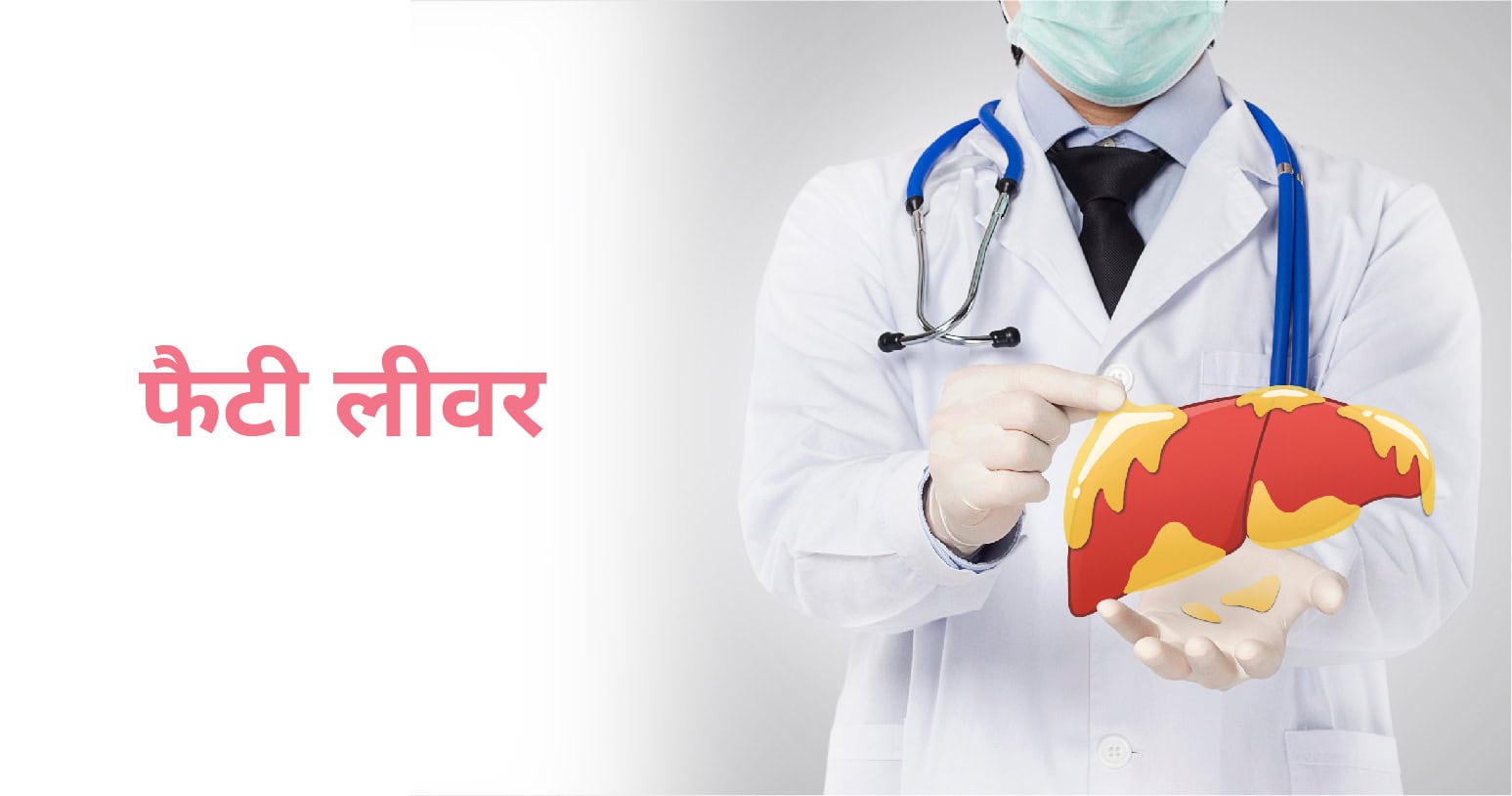
फैटी लीवर को हेपेटिक स्टीटोसिस के रूप में भी जाना जाता है। यह लीवर की एक सामान्य स्थिति है जब लीवर कोशिकाओं में अत्यधिक वसा जमा हो जाती है। इस स्थिति को मोटे तौर पर दो प्रकारों में बांटा जा सकता है: अल्कोहलिक फैटी लीवर रोग (एएफएलडी) और गैर-अल्कोहल फैटी लीवर रोग (एनएएफएलडी)। फैटी लीवर वसा के सौम्य संचय से लेकर अधिक गंभीर रूपों तक हो सकता है जिससे लीवर में सूजन, घाव और लीवर की बीमारी हो सकती है।
फैटी लिवर की समस्या कई कारणों से होती है जिसमें मुख्य रूप से निम्न शामिल हो सकते हैं:
अल्कोहलिक फैटी लीवर मुख्य रूप से लंबे समय तक अत्यधिक शराब के सेवन के कारण होता है। लीवर अल्कोहल को संसाधित करता है, और लंबे समय तक शराब के सेवन से लीवर कोशिकाओं के भीतर वसा का संचय हो सकता है।
गैर-अल्कोहल फैटी लीवर रोग अधिक आम है और इसके कई योगदान कारक हैं, जिनमें शामिल हैं:
मोटापा एनएएफएलडी के लिए एक प्रमुख जोखिम कारक है। शरीर में अतिरिक्त वसा लीवर में फैटी एसिड के प्रवाह को बढ़ा सकती है, जिससे वसा जमा हो जाती है।
इंसुलिन प्रतिरोध, जो अक्सर टाइप 2 मधुमेह से जुड़ा होता है, यकृत में वसा के भंडारण को बढ़ा सकता है।
ऊंचा रक्त शर्करा स्तर, जैसा कि अनियंत्रित मधुमेह में देखा जाता है, फैटी लीवर के विकास में योगदान कर सकता है।
ट्राइग्लिसराइड्स और अन्य रक्त लिपिड का ऊंचा स्तर एनएएफएलडी के खतरे को बढ़ा सकता है।
भारी वजन घटाने या कुपोषण के कारण लीवर रक्तप्रवाह में संग्रहित वसा को छोड़ सकता है, जो लीवर की कोशिकाओं में जमा हो सकता है।
कुछ दवाएँ, जैसे कॉर्टिकोस्टेरॉइड्स, टैमोक्सीफेन और एंटीरेट्रोवायरल दवाएं, फैटी लीवर में योगदान कर सकती हैं।
ये भी पढ़े: Neutrophils in Hindi (White Blood Cell Kaise Badhaye)
फैटी लीवर के लक्षण उनकी गंभीरता में व्यापक रूप से भिन्न हो सकते हैं, और कई मामलों में, व्यक्तियों को किसी भी ध्यान देने योग्य लक्षण का अनुभव नहीं हो सकता है। जब लक्षण प्रकट होते हैं, तो वे हल्के और गैर-विशिष्ट होते हैं। थकान एक आम शिकायत है, जिसमें व्यक्ति लगातार थकान और ऊर्जा की कमी महसूस करते हैं। कुछ लोग पेट के ऊपरी दाहिने हिस्से में हल्की असुविधा या दर्द की भी शिकायत कर सकते हैं, जो बढ़े हुए लीवर से जुड़ा हो सकता है। कुछ मामलों में बिना कारण वजन कम हो सकता है। इस बात पर ध्यान देना जरूरी है कि ये लक्षण फैटी लीवर के लिए विशिष्ट नहीं हैं और विभिन्न अन्य चिकित्सीय स्थितियों के कारण हो सकते हैं।
और अधिक पढ़ें: हाई कोलेस्ट्रॉल के लक्षण(High Cholesterol Symptoms in Hindi)
फैटी लीवर के प्रबंधन (Managing Fatty Liver) में मुख्य रूप से जीवनशैली में बदलाव और अंतर्निहित जोखिम कारकों को संबोधित करना शामिल है। विशिष्ट दृष्टिकोण स्थिति की गंभीरता, जटिलताओं की उपस्थिति और व्यक्तिगत रोगी कारकों के आधार पर भिन्न हो सकता है। फैटी लीवर के इलाज के कुछ प्रमुख पहलू नीचे दिए गए हैं:
मोटापे से ग्रस्त व्यक्तियों के लिए, संतुलित आहार और नियमित शारीरिक गतिविधि के संयोजन के माध्यम से वजन कम करना महत्वपूर्ण है। धीरे-धीरे, स्थायी वजन घटाने से लीवर में वसा कम हो सकती है और लीवर की कार्यप्रणाली में सुधार हो सकता है।
ऐसा आहार जिसमें संतृप्त वसा, शर्करा और परिष्कृत कार्बोहाइड्रेट कम हों, फैटी लीवर को प्रबंधित करने में मदद कर सकते हैं। अधिक फल, सब्जियाँ, साबुत अनाज और लीन प्रोटीन आदि का सेवन करें। प्रसंस्कृत खाद्य पदार्थों और शर्करा युक्त पेय पदार्थों के अत्यधिक सेवन से बचें।
इंसुलिन संवेदनशीलता में सुधार और लीवर में वसा कम करने के लिए नियमित शारीरिक गतिविधि आवश्यक है। रोजाना सुबह या शाम में हल्का-फुल्का व्यायाम करने की कोशिश करें।
यदि आपको मधुमेह या प्रीडायबिटीज है, तो दवा, आहार और व्यायाम के माध्यम से ब्लड शुगर के स्तर को प्रबंधित करना महत्वपूर्ण है। इससे लीवर की और अधिक क्षति को रोकने में मदद मिल सकती है।
कुछ मामलों में, डॉक्टर फैटी लीवर रोग के विशिष्ट पहलुओं को प्रबंधित करने के लिए दवाएं लिख सकते हैं, जैसे इंसुलिन-संवेदनशील दवाएं या लिपिड-कम करने वाली दवाएं।
यदि अल्कोहलिक फैटी लीवर रोग का निदान किया जाता है, तो शराब पीना पूरी तरह से बंद करना महत्वपूर्ण है। यह लीवर की क्षति की प्रगति को रोक सकता है और प्रारंभिक चरण में स्थिति को उलट भी सकता है।
इन सबके अलावा, अगर फैटी लीवर अधिक गंभीर रूप में बढ़ता है जिसे गैर-अल्कोहल स्टीटोहेपेटाइटिस (एनएएसएच) के रूप में जाना जाता है, जिससे लीवर फाइब्रोसिस और सिरोसिस हो सकता है, तो मेडिकल हस्तक्षेप आवश्यक हो सकता है।
Table of Contents
पित्ताशय की पथरी छोटे, कठोर जमाव होते हैं जो पित्ताशय में बनते हैं, जो यकृत के नीचे स्थित एक नाशपाती के आकार का अंग है। ये पत्थर आकार और संरचना में भिन्न हो सकते हैं, सबसे आम प्रकार कोलेस्ट्रॉल पत्थर और रंगद्रव्य पत्थर हैं। पित्त में पथरी उन पदार्थों में असंतुलन के कारण विकसित हो सकती है जो पित्त बनाते हैं, वसा के पाचन में सहायता के लिए यकृत द्वारा उत्पादित एक पाचन तरल पदार्थ।
ये भी पढ़े: पेट दर्द (Stomach Pain)के कारण, लक्षण और घरेलू इलाज
पित्त पथरी का निर्माण अक्सर पित्त के घटकों, अर्थात् कोलेस्ट्रॉल, पित्त लवण और बिलीरुबिन में असंतुलन के कारण होता है। कोलेस्ट्रॉल की पथरी तब बनती है जब पित्त में कोलेस्ट्रॉल की अधिकता हो जाती है, जो इसे तरल अवस्था में रहने से रोकती है।
दूसरी ओर, रंगद्रव्य की पथरी अतिरिक्त बिलीरुबिन के कारण बनती है, जो लाल रक्त कोशिकाओं के टूटने से उत्पन्न एक अपशिष्ट उत्पाद है। अन्य जोखिम कारकों में मोटापा, तेजी से वजन कम होना, गर्भावस्था, गतिहीन जीवन शैली और कुछ चिकित्सीय स्थितियाँ शामिल हैं।
पित्ताशय की पथरी से पीड़ित बहुत से व्यक्तियों में लक्षण नहीं होते हैं और उन्हें पता ही नहीं चलता कि उनमें यह पथरी है। हालाँकि, जब लक्षण प्रकट होते हैं, तो वे काफी असहज हो सकते हैं। पित्ताशय की पथरी से संबंधित लक्षणों में पेट के ऊपरी दाहिने हिस्से में या दाहिने कंधे के नीचे अचानक और तीव्र दर्द शामिल होता है, अक्सर वसायुक्त भोजन के बाद। यह दर्द, जिसे पित्त संबंधी शूल के रूप में जाना जाता है, मतली, उल्टी, सूजन और अपच के साथ हो सकता है। पीलिया, जो त्वचा और आंखों के पीलेपन के रूप में जाना जाता है, यह तब भी हो सकता है जब कोई पथरी पित्त नली को अवरुद्ध कर दे।
पित्ताशय की पथरी के लिए कुछ जोखिम कारक, जैसे आनुवंशिकी और कुछ चिकित्सीय स्थितियाँ, नियंत्रण से परे हैं, एक स्वस्थ जीवन शैली अपनाने से इसके गठन के जोखिम को कम करने में मदद मिल सकती है। संतृप्त वसा और कोलेस्ट्रॉल में कम संतुलित आहार बनाए रखने से पित्ताशय में अत्यधिक कोलेस्ट्रॉल के निर्माण को रोका जा सकता है।
धीरे-धीरे और टिकाऊ वजन घटाने, क्रैश डाइट से बचने से भी पित्त पथरी को रोकने में मदद मिल सकती है। नियमित शारीरिक गतिविधि फायदेमंद है, क्योंकि यह वजन प्रबंधन में सहायता कर सकती है और स्वस्थ पित्त कार्य को बढ़ावा दे सकती है।
यदि उपचार न किया जाए तो पित्ताशय की पथरी गंभीर जटिलताओं का कारण बन सकती है। एक सामान्य जटिलता कोलेसीस्टाइटिस है, जो तब होती है जब एक पत्थर सिस्टिक वाहिनी को अवरुद्ध कर देता है, जिससे पित्ताशय में सूजन और संक्रमण हो जाता है।
पित्ताशय की पथरी सामान्य पित्त नली में भी बाधा उत्पन्न कर सकती है, जिससे पीलिया हो सकता है और संभावित रूप से पित्तवाहिनीशोथ नामक अधिक गंभीर संक्रमण हो सकता है। अग्नाशयशोथ, अग्न्याशय की सूजन, विकसित हो सकती है यदि कोई पत्थर अग्न्याशय वाहिनी में बाधा डालता है। ये जटिलताएँ दर्दनाक हो सकती हैं और तत्काल चिकित्सा ध्यान देने की आवश्यकता होती है।
पित्ताशय की पथरी का उपचार दृष्टिकोण उनके आकार, संरचना और लक्षणों की उपस्थिति पर निर्भर करता है। स्पर्शोन्मुख पित्त पथरी को अक्सर उपचार की आवश्यकता नहीं होती है। हालाँकि, यदि लक्षण मौजूद हैं या जटिलताएँ उत्पन्न होती हैं, तो उपचार के विभिन्न विकल्प उपलब्ध हैं। लैप्रोस्कोपिक कोलेसिस्टेक्टोमी पित्ताशय और पथरी को हटाने के लिए एक सामान्य शल्य चिकित्सा प्रक्रिया है।
गैर-सर्जिकल तरीकों में कुछ प्रकार की पथरी को घोलने के लिए मौखिक दवाएं और लिथोट्रिप्सी शामिल हैं, जो पथरी को तोड़ने के लिए ध्वनि तरंगों का उपयोग करती हैं। जीवनशैली में बदलाव, जैसे कम वसा वाला आहार और वजन प्रबंधन, पुनरावृत्ति को रोकने के लिए उपचार के बाद महत्वपूर्ण हैं।
पित्त की पथरी हटाने के बाद, फाइबर, लीन प्रोटीन और स्वस्थ वसा से भरपूर संतुलित आहार पर धीरे-धीरे रिकवरी पर ध्यान केंद्रित करना चाहिए। हाइड्रेटेड रहें, नियमित रूप से व्यायाम करें और ऑपरेशन के बाद देखभाल के लिए अपने डॉक्टर के दिशानिर्देशों का पालन करें।
किसी भी संभावित जटिलताओं, जैसे दर्द, बुखार, या पाचन में परिवर्तन पर नज़र रखें। भविष्य में पित्त पथरी को रोकने के लिए अपने खाने की आदतों को समायोजित करें, उच्च वसा और तले हुए खाद्य पदार्थों से बचें। अपनी रिकवरी और समग्र स्वास्थ्य में सहायता के लिए नियमित चिकित्सा जांच को प्राथमिकता दें और एक स्वस्थ जीवन शैली बनाए रखें।
पित्त की पथरी कठोर जमाव है जो पित्त घटकों में असंतुलन के कारण पित्ताशय में बनती है। कुछ लोग लक्षण-मुक्त रह सकते हैं, पित्त की पथरी गंभीर दर्द, पाचन संबंधी समस्याएं और संभावित रूप से जीवन-घातक जटिलताओं का कारण बन सकती है। निवारक उपायों में स्वस्थ आहार अपनाना, स्वस्थ वजन बनाए रखना और शारीरिक रूप से सक्रिय रहना शामिल है।
अगर लक्षण या जटिलताएँ उत्पन्न होती हैं, तो उपचार के विकल्प में पित्ताशय की थैली को शल्य चिकित्सा से हटाने से लेकर गैर-आक्रामक तरीकों तक शामिल हैं, जिनका उद्देश्य पत्थरों को घोलना या तोड़ना है। पित्त पथरी से संबंधित मुद्दों को प्रभावी ढंग से प्रबंधित करने के लिए प्रारंभिक हस्तक्षेप और जीवनशैली में समायोजन महत्वपूर्ण हैं।
पित्त पथरी ठोस कण होते हैं जो पित्ताशय में बनते हैं, जो यकृत के नीचे एक छोटा अंग है। वे आकार और संरचना में भिन्न हो सकते हैं, जिनमें अक्सर कोलेस्ट्रॉल, बिलीरुबिन और अन्य पदार्थ शामिल होते हैं। पित्ताशय की पथरी पित्त नलिकाओं को अवरुद्ध कर सकती है, जिससे दर्द, सूजन और अन्य पाचन संबंधी जटिलताएँ हो सकती हैं।
पित्त का निर्माण करने वाले पदार्थों में असंतुलन के कारण पित्त पथरी विकसित हो सकती है। अतिरिक्त कोलेस्ट्रॉल, बिलीरुबिन, या कम पित्ताशय की गतिविधि उनके गठन का कारण बन सकती है। अन्य कारकों में मोटापा, तेजी से वजन कम होना, कुछ चिकित्सीय स्थितियाँ और आनुवंशिकी शामिल हैं।
उपचार के विकल्प लक्षणों की गंभीरता पर निर्भर करते हैं। हल्के मामलों में, वसा का सेवन कम करने के लिए आहार में बदलाव से मदद मिल सकती है। हालाँकि, अधिक गंभीर मामलों में दर्द को कम करने और अवरुद्ध पित्त नलिकाओं से जटिलताओं को रोकने के लिए लेप्रोस्कोपिक पित्ताशय की थैली को हटाने जैसे सर्जिकल हस्तक्षेप की आवश्यकता हो सकती है।
अत्यधिक दूध का सेवन पित्त की पथरी का प्रत्यक्ष कारण नहीं है। हालाँकि, संतृप्त वसा से भरपूर आहार योगदान दे सकता है। संतुलित आहार के हिस्से के रूप में दूध का मामूली सेवन आमतौर पर सुरक्षित होता है।
हाँ, 10 मिमी पित्त पथरी को बड़ा माना जाता है। पित्ताशय की पथरी आकार में भिन्न होती है; 8 मिमी से अधिक लंबाई वाले लोगों में रुकावट या जटिलताएं पैदा होने का खतरा अधिक हो सकता है।
छोटी पित्त की पथरी कभी-कभी दवा से घुल सकती है, लेकिन बड़ी पथरी को आमतौर पर सर्जरी की आवश्यकता होती है। गैर-सर्जिकल उपचार कुछ लोगों के लिए काम कर सकते हैं, लेकिन अवरुद्ध नलिकाओं या सूजन जैसी गंभीर जटिलताओं को रोकने के लिए अक्सर सर्जरी की सिफारिश की जाती है।
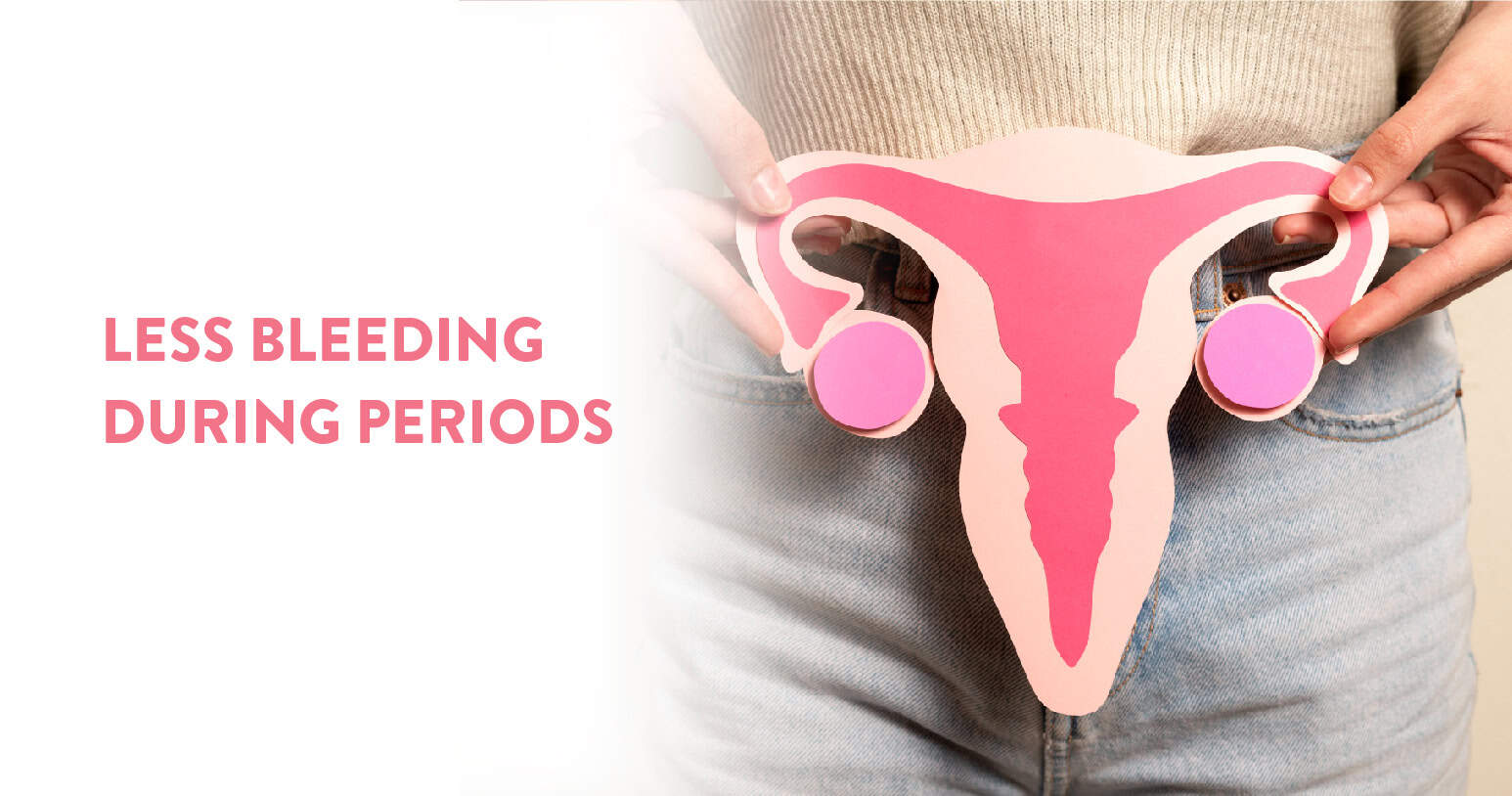
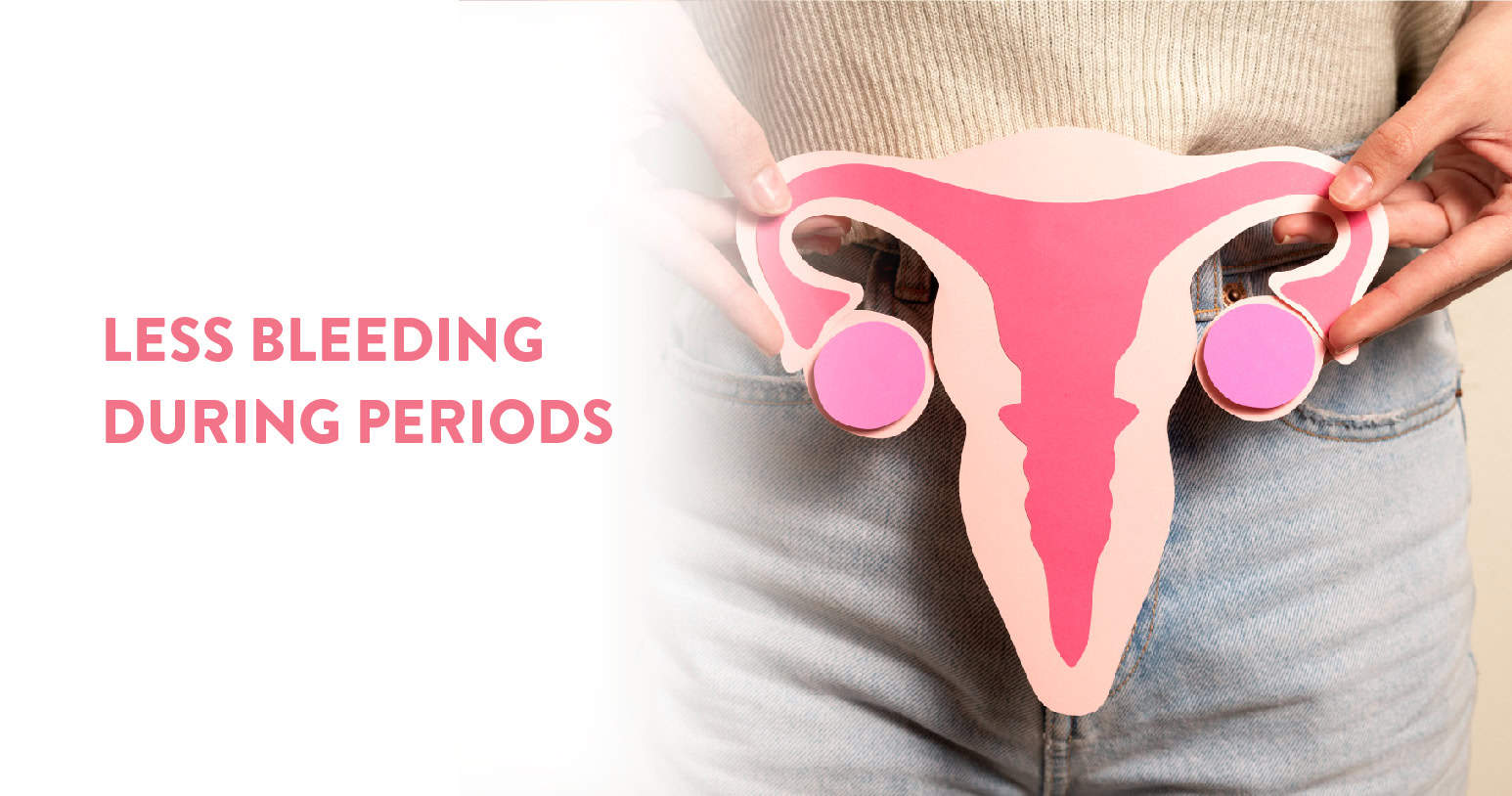
पीरियड एक प्राकृतिक जैविक प्रक्रिया है जो महिलाओं में उनके प्रजनन चक्र के एक भाग के रूप में होती है। हालाँकि, पीरियड के रक्तस्राव की तीव्रता और अवधि व्यक्ति से दूसरे व्यक्ति में व्यापक रूप से भिन्न हो सकती है। कुछ महिलाओं को पीरियड में रक्तस्राव कम हो सकता है, जिसे अक्सर हाइपोमेनोरिया कहा जाता है। हालाँकि यह एक सामान्य बदलाव हो सकता है, लेकिन यह अंतर्निहित स्वास्थ्य समस्याओं का भी संकेत दे सकता है।
ये भी पढ़े: पीरियड मिस होने के कारण और घरेलू उपाय
हार्मोन के स्तर में उतार-चढ़ाव, विशेष रूप से एस्ट्रोजन और प्रोजेस्टेरोन, पीरियड चक्र को विनियमित करने में महत्वपूर्ण भूमिका निभाते हैं। इन हार्मोनों में असंतुलन के परिणामस्वरूप गर्भाशय की परत में परिवर्तन हो सकता है और पीरियड के दौरान रक्तस्राव कम हो सकता है।
पीसीओएस एक सामान्य हार्मोनल विकार है जो अनियमित या अनुपस्थित पीरियड का कारण बन सकता है, जो कम रक्तस्राव के रूप में प्रकट हो सकता है। यह स्थिति अक्सर अन्य लक्षणों के साथ होती है जैसे वजन बढ़ना, मुंहासे और बालों का अधिक बढ़ना।
हाइपोथायरायडिज्म (अंडरएक्टिव थायरॉयड) और हाइपरथायरायडिज्म (अति सक्रिय थायरॉयड) दोनों सामान्य पीरियड पैटर्न को बाधित कर सकते हैं। थायराइड हार्मोन पीरियड चक्र को प्रभावित करते हैं, और उनके असंतुलन से हल्का या अनियमित रक्तस्राव हो सकता है।
तीव्र शारीरिक गतिविधि, विशेष रूप से जब अपर्याप्त कैलोरी सेवन के साथ संयुक्त होती है, तो हार्मोन उत्पादन बाधित हो सकता है और पीरियड में रक्तस्राव कम हो सकता है। यह आमतौर पर एथलीटों और खान-पान संबंधी विकार वाले लोगों में देखा जाता है।
दीर्घकालिक तनाव और मानसिक स्वास्थ्य स्थितियाँ हाइपोथैलेमस-पिट्यूटरी-अधिवृक्क अक्ष को प्रभावित कर सकती हैं, हार्मोनल संतुलन को बाधित कर सकती हैं और पीरियड के रक्तस्राव की नियमितता और तीव्रता को प्रभावित कर सकती हैं।
गर्भाशय के साथ संरचनात्मक समस्याएं, जैसे गर्भाशय फाइब्रॉएड, पॉलीप्स, या आसंजन, पीरियड प्रवाह को प्रभावित कर सकते हैं और परिणामस्वरूप रक्तस्राव कम हो सकता है।
कुछ दवाएं, जैसे हार्मोनल गर्भनिरोधक या अंतर्गर्भाशयी उपकरण (आईयूडी), दुष्प्रभाव के रूप में हल्के पीरियड का कारण बन सकती हैं।
जैसे-जैसे महिलाएं मेनोपॉज यानी रजोनिवृत्ति के करीब आती हैं, उनके हार्मोन के स्तर में स्वाभाविक रूप से उतार-चढ़ाव होता है, जिससे पीरियड के रक्तस्राव में बदलाव होता है। इसमें कम प्रवाह वाली अवधि शामिल हो सकती है।
ये भी पढ़े: पीरियड जल्दी लाने के घरेलु उपाय
यदि आप अपने पीरियड के रक्तस्राव पैटर्न में महत्वपूर्ण बदलाव देखती हैं, तो डॉक्टर से परामर्श करना महत्वपूर्ण है। वे अंतर्निहित कारण निर्धारित करने के लिए चिकित्सा इतिहास, शारीरिक परीक्षण और संभावित रूप से कुछ परीक्षणों सहित संपूर्ण मूल्यांकन कर सकते हैं।
हार्मोनल असंतुलन के मामलों में, पीरियड चक्र को विनियमित करने के लिए हार्मोन थेरेपी की सिफारिश की जा सकती है। इसमें जन्म नियंत्रण की गोलियाँ या अन्य हार्मोन-विनियमन करने वाली दवाओं का उपयोग शामिल हो सकता है।
अत्यधिक व्यायाम, खराब पोषण और तनाव जैसे कारकों को संबोधित करने से सामान्य हार्मोनल संतुलन को बहाल करने में मदद मिल सकती है। संतुलित आहार, तनाव प्रबंधन तकनीक और मध्यम व्यायाम स्वस्थ पीरियड पैटर्न में योगदान कर सकते हैं।
पीसीओएस, थायरॉइड डिसफंक्शन और गर्भाशय संबंधी असामान्यताएं जैसी स्थितियों के लिए व्यक्ति की आवश्यकताओं के अनुरूप विशिष्ट उपचार की आवश्यकता होती है। इन स्थितियों को प्रभावी ढंग से प्रबंधित करने से पीरियड के रक्तस्राव में सुधार हो सकता है।
गर्भाशय फाइब्रॉएड, पॉलीप्स या अन्य संरचनात्मक असामान्यताओं के मामलों में, समस्या को दूर करने या ठीक करने के लिए सर्जिकल प्रक्रियाओं पर विचार किया जा सकता है, जिससे संभावित रूप से पीरियड के रक्तस्राव में सुधार हो सकता है।
योग, ध्यान और माइंडफुलनेस जैसी तकनीकें तनाव को प्रबंधित करने और हार्मोनल संतुलन में सुधार करने में मदद कर सकती हैं, जो अप्रत्यक्ष रूप से पीरियड पैटर्न को प्रभावित करती हैं।
आपके पीरियड चक्र और रक्तस्राव के पैटर्न में किसी भी बदलाव पर नज़र रखने से आपको और आपके स्वास्थ्य सेवा प्रदाता को प्रगति की निगरानी करने और उपचार योजना में आवश्यक समायोजन करने में मदद मिल सकती है।
पीरियड में रक्तस्राव में कमी, या हाइपोमेनोरिया, हार्मोनल असंतुलन से लेकर चिकित्सीय स्थितियों तक, विभिन्न अंतर्निहित कारणों से हो सकता है। यह पहचानना महत्वपूर्ण है कि पीरियड प्रवाह में हल्के परिवर्तन सामान्य हो सकते हैं, लेकिन महत्वपूर्ण परिवर्तनों के लिए चिकित्सकीय ध्यान देने की आवश्यकता होती है।
एक डॉक्टर से परामर्श करना, अंतर्निहित कारण को समझना और एक अनुरूप प्रबंधन योजना का पालन करने से स्वस्थ पीरियड पैटर्न को बहाल करने और समग्र प्रजनन स्वास्थ्य सुनिश्चित करने में मदद मिल सकती है। प्रत्येक व्यक्ति का शरीर अद्वितीय है, इसलिए सर्वोत्तम परिणामों के लिए उपचार के तरीकों को वैयक्तिकृत किया जाना चाहिए।
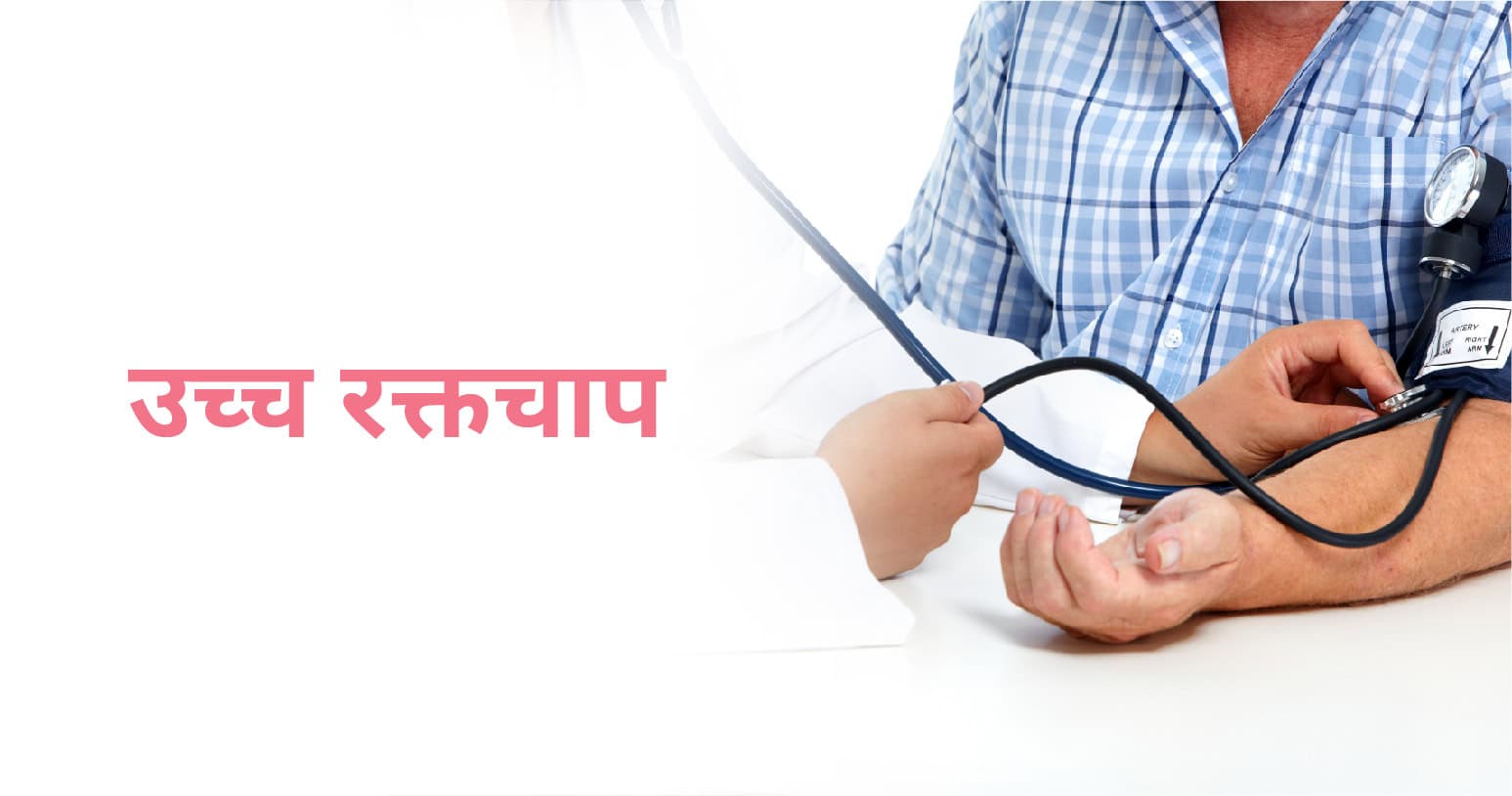
उच्च रक्तचाप, जिसे हाई ब्लड प्रेशर के रूप में भी जाना जाता है, एक सामान्य चिकित्सा स्थिति है जो धमनियों में ऊंचे दबाव के कारण होती है। यह दिल के दौरे, स्ट्रोक और किडनी की समस्याओं सहित विभिन्न हृदय रोगों के लिए एक महत्वपूर्ण जोखिम कारक है। उच्च रक्तचाप के कारणों, लक्षणों और उपचार के विकल्पों को समझना स्वास्थ्य जोखिमों को कम करने के लिए महत्वपूर्ण है।
आप और अधिक पढ़ सकते हैं: डायबिटीज का आँखों पर प्रभाव और इसके बचाव
Table of Contents
अस्वस्थ जीवनशैली विकल्प उच्च रक्तचाप के विकास में महत्वपूर्ण योगदान दे सकते हैं। गतिहीन जीवनशैली, खराब आहार संबंधी आदतें, अत्यधिक शराब का सेवन और तंबाकू का सेवन जैसे कारक उच्च रक्तचाप का कारण बन सकते हैं।
अधिक वजन या मोटापा होने से हृदय और रक्त वाहिकाओं पर काम का बोझ बढ़ जाता है, जिससे रक्तचाप बढ़ जाता है।
आनुवंशिकी उच्च रक्तचाप में भूमिका निभा सकती है, जिन लोगों के परिवार में उच्च रक्तचाप का इतिहास रहा है, उनमें इस स्थिति के विकसित होने का खतरा अधिक होता है।
जैसे-जैसे लोगों की उम्र बढ़ती है, उच्च रक्तचाप विकसित होने का खतरा बढ़ जाता है। यह आंशिक रूप से समय के साथ रक्त वाहिकाओं और धमनियों में परिवर्तन के कारण होता है।
रक्तचाप को नियंत्रित करने में गुर्दे महत्वपूर्ण भूमिका निभाते हैं। जब क्रोनिक किडनी रोग जैसी स्थितियों के कारण उनमें समझौता हो जाता है, तो उच्च रक्तचाप का परिणाम हो सकता है।
दीर्घकालिक तनाव और उच्च स्तर की चिंता रक्तचाप में अस्थायी वृद्धि का कारण बन सकती है, और लंबे समय तक तनाव दीर्घकालिक उच्च रक्तचाप में योगदान कर सकता है।
कुछ दवाएं, जैसे नॉनस्टेरॉइडल एंटी-इंफ्लेमेटरी ड्रग्स (एनएसएआईडी) और जन्म नियंत्रण गोलियाँ, कुछ व्यक्तियों में रक्तचाप बढ़ा सकती हैं।
आप और अधिक पढ़ सकते हैं: हीमोग्लोबिन क्या है – कम होने का कारण, लक्षण और उपचार (Hemoglobin in Hindi)
उच्च रक्तचाप को अक्सर “साइलेंट किलर” के रूप में जाना जाता है क्योंकि यह आमतौर पर तब तक ध्यान देने योग्य लक्षण पैदा नहीं करता है जब तक कि यह खतरनाक स्तर तक नहीं पहुंच जाता है या जटिलताओं का कारण नहीं बनता है। उच्च रक्तचाप वाले कुछ व्यक्तियों को सिरदर्द, चक्कर आना या नाक से खून आना जैसे लक्षणों का अनुभव हो सकता है, लेकिन ये उच्च रक्तचाप के लिए विशिष्ट नहीं हैं और उन्हें विभिन्न अन्य स्थितियों के लिए जिम्मेदार ठहराया जा सकता है। अधिकांश लोगों को नियमित चिकित्सा जांच के दौरान पता चलता है कि उन्हें उच्च रक्तचाप है, जिससे शीघ्र पता लगाने और प्रबंधन के लिए नियमित रक्तचाप की निगरानी महत्वपूर्ण हो जाती है।
आप और अधिक पढ़ सकते हैं: बीपी (ब्लड प्रेशर) कम करने के 5 उपाय
जीवनशैली में बदलाव उच्च रक्तचाप प्रबंधन की आधारशिला है। इनमें निम्न शामिल हो सकते हैं:
यदि केवल जीवनशैली में बदलाव ही रक्तचाप को नियंत्रित करने में अपर्याप्त है, तो विशेषज्ञ दवाएं लिख सकते हैं। उच्च रक्तचाप के इलाज के लिए कई प्रकार की दवाओं का उपयोग किया जाता है, जिनमें शामिल हैं:
रक्तचाप की प्रगति को ट्रैक करने और यह सुनिश्चित करने के लिए कि उपचार प्रभावी हैं, रक्तचाप की लगातार निगरानी आवश्यक है। यह घर पर घरेलू रक्तचाप मॉनिटर का उपयोग करके या डॉक्टर के साथ नियमित जांच के दौरान किया जा सकता है।
ध्यान, गहरी सांस लेने के व्यायाम और योग जैसी विश्राम तकनीकों का अभ्यास करने से तनाव के स्तर को प्रबंधित करने और रक्तचाप को कम करने में मदद मिल सकती है।
कुछ लोगों को उच्च रक्तचाप को प्रबंधित करने में मदद के लिए एक्यूपंक्चर या बायोफीडबैक जैसी पूरक चिकित्सा से लाभ मिलता है, हालांकि उनकी प्रभावशीलता के वैज्ञानिक प्रमाण भिन्न हो सकते हैं।
ये भी पढ़े: गाइनेकोमैस्टिया क्या है – कारण, लक्षण और उपचार (Gynecomastia in Hindi)
उच्च रक्तचाप एक प्रचलित स्थिति है जिसे अगर नियंत्रित न किया जाए तो स्वास्थ्य पर गंभीर प्रभाव पड़ सकता है। स्वस्थ आहार, नियमित व्यायाम, तनाव प्रबंधन और, यदि आवश्यक हो, दवा जैसे जीवनशैली में संशोधन का संयोजन, उच्च रक्तचाप को प्रभावी ढंग से नियंत्रित कर सकता है। उच्च रक्तचाप का शीघ्र पता लगाने और सक्रिय प्रबंधन से जटिलताओं के जोखिम को काफी कम किया जा सकता है और समग्र हृदय स्वास्थ्य में सुधार हो सकता है। व्यक्तिगत उपचार योजना विकसित करने और बेहतर रक्तचाप नियंत्रण के लिए हृदय-स्वस्थ जीवनशैली अपनाने के लिए विशेषज्ञ से परामर्श करना आवश्यक है।
ये भी पढ़े: जानिए ओरल रिहाइड्रेशन सॉल्यूशन (ओआरएस) क्या है और इसके क्या फायदे हैं ?
उच्च रक्तचाप, तब होता है जब सिस्टोलिक दबाव (शीर्ष संख्या) लगातार 130 mmHg या अधिक होता है और डायस्टोलिक दबाव (निचली संख्या) लगातार 80 mmHg या अधिक होता है।
कुछ मामलों में, स्वस्थ आहार, नियमित व्यायाम और तनाव प्रबंधन जैसे जीवनशैली में बदलाव से हल्के उच्च रक्तचाप को प्रभावी ढंग से नियंत्रित किया जा सकता है। हालाँकि, कई लोगों को जीवनशैली में संशोधन और दवा के संयोजन की आवश्यकता हो सकती है।
पुरुषों को नियमित रूप से अपने रक्तचाप की जांच करनी चाहिए, खासकर यदि उनमें जोखिम कारक हों या उच्च रक्तचाप का पारिवारिक इतिहास हो। अधिकांश वयस्कों के लिए, वर्ष में कम से कम एक बार या किसी विशेषज्ञ की सलाह के अनुसार जांच कराने की सलाह दी जाती है।
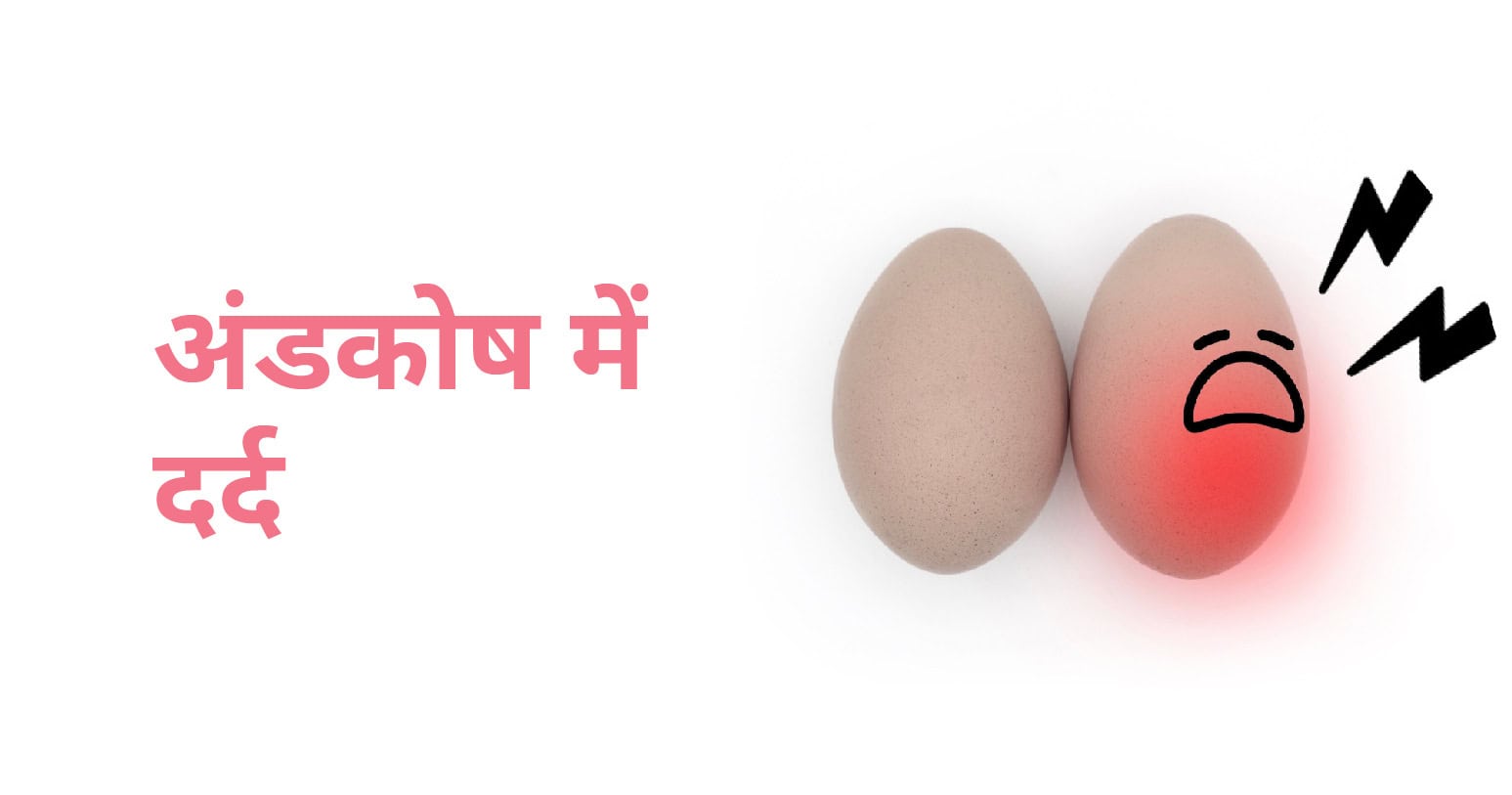
अंडकोष में दर्द, जिसे वृषण दर्द या ऑर्कियलजिया के रूप में भी जाना जाता है, एक ऐसी स्थिति है जो प्रभावित व्यक्तियों के लिए असुविधा और चिंता पैदा कर सकती है। अंडकोष, जो पुरुषों में महत्वपूर्ण प्रजनन अंग हैं, विभिन्न अंतर्निहित कारकों के कारण दर्द का अनुभव कर सकते हैं। इस ब्लॉग का उद्देश्य अंडकोष में दर्द के सामान्य कारणों, इससे जुड़े लक्षणों, इसके निदान और उपचार के विकल्पों, तथा परेशानी को कम करने के लिए कुछ प्रभावी घरेलू उपचारों के बारे में बताना है। हालाँकि, यह ध्यान रखना महत्वपूर्ण है कि किसी भी लगातार या गंभीर वृषण दर्द के लिए उचित निदान और उपचार के लिए विशेषज्ञ के पास जाना चाहिए।
Table of Contents
वृषण मरोड़ एक चिकित्सीय आपातकाल है जो तब होता है जब शुक्राणु कॉर्ड मुड़ जाता है, जिससे अंडकोष में रक्त की आपूर्ति बंद हो जाती है। इस अचानक और गंभीर स्थिति से असहनीय दर्द हो सकता है और वृषण क्षति को रोकने के लिए तत्काल चिकित्सा ध्यान देने की आवश्यकता होती है।
एपिडिडीमाइटिस एपिडर्मिस की सूजन है, जो अंडकोष के पीछे स्थित एक कुंडलित ट्यूब है जो शुक्राणु को संग्रहीत और परिवहन करती है। यह स्थिति यौन संचारित संक्रमण (एसटीआई) या मूत्र पथ संक्रमण यूरिनरी ट्रैक्ट इन्फेक्शन (UTI) जैसे संक्रमणों के कारण हो सकती है।
ऑर्काइटिस एक या दोनों अंडकोष की सूजन है और अक्सर कण्ठमाला (mumps) जैसे वायरल संक्रमण का परिणाम होता है। यह जीवाणु संक्रमण या ऑटोइम्यून विकारों जैसी अन्य स्थितियों के कारण भी हो सकता है।
वंक्षण हर्निया तब होता है जब आंत या पेट के ऊतकों का एक हिस्सा वंक्षण नलिका में फैल जाता है, जिससे अंडकोष पर दबाव पड़ता है और दर्द होता है।
जब गुर्दे की पथरी मूत्र पथ से नीचे चली जाती है, तो वे कमर और वृषण क्षेत्र में का कारण बन सकती हैं।
अंडकोष में चोट, जैसे कि सीधे प्रहार या दुर्घटना से, दर्द और सूजन हो सकती है।
वैरिकोसेल अंडकोष के भीतर नसों का विस्तार है, जो पैरों में वैरिकोज नसों के समान है। इससे असुविधा हो सकती है और अंडकोष में खिंचाव महसूस हो सकता है।
हाइड्रोसील (Hydrocele) एक तरल पदार्थ से भरी थैली होती है जो अंडकोष के चारों ओर बन जाती है, जिससे दर्द और सूजन होती है।
क्लैमाइडिया और गोनोरिया जैसे कुछ यौन संचारित संक्रमण भी एपिडिडीमाइटिस या ऑर्काइटिस के ज़रिये अंडकोष में दर्द पैदा कर सकते हैं। इसके साथ अक्सर पेशाब में जलन या डिस्चार्ज जैसे लक्षण भी दिखते हैं, और इसके लिए तुरंत जांच व उपचार ज़रूरी है।
अंडकोष में दर्द के लक्षण अंतर्निहित कारण के आधार पर भिन्न हो सकते हैं। कुछ सामान्य लक्षणों में शामिल हैं:
अंडकोष में दर्द का सही कारण जानने के लिए डॉक्टर आमतौर पर निम्नलिखित तरीकों का इस्तेमाल करते हैं:
डॉक्टर सबसे पहले अंडकोष और आसपास के हिस्से की जांच करते हैं, ताकि सूजन, गांठ या दर्द वाली जगह का पता चल सके। इसमें क्रेमास्टेरिक रिफ्लेक्स टेस्ट भी शामिल हो सकता है, जो यह जांचने में मदद करता है कि कहीं वृषण मरोड़ तो नहीं हुआ। यह जांच आमतौर पर 5–10 मिनट में पूरी हो जाती है।
डॉप्लर अल्ट्रासाउंड अंडकोष तक रक्त प्रवाह की जांच करने का सबसे सटीक तरीका है, खासकर वृषण मरोड़ जैसी आपात स्थितियों की पहचान के लिए। यह दर्द रहित और बहुत भरोसेमंद जांच है।
अगर संक्रमण का संदेह हो, तो व्हाइट ब्लड सेल (WBC) काउंट और अन्य सूजन-संबंधी मार्करों की जांच के लिए ब्लड टेस्ट किया जाता है।
यूरिन टेस्ट से यह पता चलता है कि दर्द का कारण कोई यूरिनरी इन्फेक्शन या एसटीआई तो नहीं है।
कुछ मामलों में, विशेष रूप से जब कारण स्पष्ट न हो या दर्द बार-बार लौटता हो, तो डॉक्टर MRI या CT स्कैन (जैसे गुर्दे की पथरी की पुष्टि के लिए) की सलाह दे सकते हैं।
ध्यान दें: अगर अचानक और तेज़ दर्द हो, तो निदान में देरी न करें — वृषण मरोड़ में हर घंटा अहम होता है और समय पर इलाज न मिलने से अंडकोष को स्थायी नुकसान हो सकता है।
इस बात पर ज़ोर देना आवश्यक है कि घरेलू उपचार का उद्देश्य अंडकोष दर्द के हल्के मामलों में अस्थायी राहत प्रदान करना है। यदि आपको गंभीर या लगातार दर्द का अनुभव होता है, तो तत्काल चिकित्सा सहायता लेना महत्वपूर्ण है। यहां कुछ घरेलू उपचार दिए गए हैं जो असुविधा को कम करने में मदद कर सकते हैं:
पर्याप्त आराम करने और सहायक तकिये के साथ अंडकोष को ऊपर उठाने से सूजन को कम करने और दर्द को कम करने में मदद मिल सकती है।
प्रभावित क्षेत्र पर ठंडे पैक को पतले कपड़े में लपेटकर लगाने से सूजन को कम करने और दर्द को सुन्न करने में मदद मिल सकती है।
सपोर्टिव और आरामदायक अंडरवियर, जैसे ब्रीफ या एथलेटिक सपोर्टर पहनने से हल्का दबाव मिल सकता है और असुविधा कम हो सकती है।
गर्म पानी से नहाने से मांसपेशियों को आराम मिलता है और तनाव कम होता है, जिससे अंडकोष दर्द से राहत मिलती है।
इबुप्रोफेन या एसिटामिनोफेन जैसी नॉनस्टेरॉइडल एंटी-इंफ्लेमेटरी दवाएं (एनएसएआईडी) दर्द को प्रबंधित करने और सूजन को कम करने में मदद कर सकती हैं। हालाँकि, किसी भी दवा का उपयोग करने से पहले विशेषज्ञ से परामर्श लें, खासकर यदि आपको पहले से कोई चिकित्सा समस्या है या आप अन्य दवाएँ ले रहे हैं।
हाइड्रेटेड रहने से किसी भी संक्रमण पैदा करने वाले बैक्टीरिया को बाहर निकालने में मदद मिल सकती है और समग्र वृषण स्वास्थ्य को बढ़ावा मिल सकता है।
यदि आपका दर्द किसी गतिविधि या आदत से संबंधित है, जैसे साइकिल चलाना या लंबे समय तक बैठे रहना, तो दर्द कम होने तक इन ट्रिगर से बचने का प्रयास करें।
घरेलू उपचार हल्के दर्द में राहत दे सकते हैं, लेकिन कारण के आधार पर कई बार चिकित्सकीय इलाज ज़रूरी हो जाता है। इलाज के विकल्प इस प्रकार हैं:
ऊपर बताए गए 7 घरेलू उपाय हल्के, गैर-गंभीर दर्द के लिए पहला कदम हैं।
इबुप्रोफेन और एसिटामिनोफेन जैसी दर्द निवारक दवाएं हल्के से मध्यम दर्द और सूजन को कम करने में मदद करती हैं। इन्हें हमेशा पैकेज पर दी गई सलाह के अनुसार या डॉक्टर की सलाह पर ही लें।
अगर दर्द का कारण संक्रमण है (जैसे एपिडिडीमाइटिस या ऑर्काइटिस), तो डॉक्टर एंटीबायोटिक्स लिख सकते हैं। ज़्यादा तेज़ सूजन में मज़बूत दर्द-निवारक या स्टेरॉयड दवाएं भी दी जा सकती हैं। यह पूरी तरह कारण पर निर्भर करता है, इसलिए बिना जांच के कोई भी दवा शुरू न करें।
कुछ स्थितियों में सर्जरी ज़रूरी होती है:
अगर दर्द 2–3 दिन से ज़्यादा बना रहे, घरेलू उपचार से राहत न मिले, सूजन बढ़े या बुखार आए — तो घरेलू उपाय बंद कर तुरंत डॉक्टर से मिलें। समय पर इलाज से जटिलताओं और लंबे समय के नुकसान से बचा जा सकता है।
अंडकोष में दर्द को नज़रअंदाज़ करना जोखिम भरा हो सकता है। नीचे दी गई अर्जेंसी गाइड के अनुसार तय करें कि आपको कब और कितनी जल्दी डॉक्टर से मिलना चाहिए:
ये लक्षण वृषण मरोड़ जैसी मेडिकल इमरजेंसी के संकेत हो सकते हैं, जिसमें देरी से अंडकोष को स्थायी नुकसान हो सकता है।
हालांकि सभी कारणों को रोका नहीं जा सकता (जैसे वृषण मरोड़), लेकिन कुछ आदतें अंडकोष में दर्द के जोखिम को काफी हद तक कम कर सकती हैं:
संपर्क वाले खेलों (जैसे क्रिकेट, फुटबॉल, कुश्ती) के दौरान हमेशा प्रोटेक्टिव कप या एथलेटिक सपोर्टर पहनें।
भारी सामान उठाते समय सही तकनीक अपनाएं और अत्यधिक तनाव से बचें, ताकि हर्निया का खतरा कम हो।
सुरक्षित यौन संबंध (कंडोम का उपयोग) अपनाएं और व्यक्तिगत स्वच्छता का ध्यान रखें, ताकि एसटीआई और यूटीआई जैसे संक्रमणों से बचा जा सके।
तनाव प्रबंधन, नियमित हल्का व्यायाम, संतुलित आहार और पर्याप्त पानी पीना — ये सभी समग्र वृषण स्वास्थ्य को बेहतर बनाए रखने में मदद करते हैं।
अंडकोष में दर्द कष्टकारी हो सकता है, और इसके कारण सौम्य समस्याओं से लेकर गंभीर चिकित्सा आपात स्थिति (जैसे वृषण मरोड़) तक हो सकते हैं। कारण, लक्षण और निदान की सही जानकारी होने से व्यक्ति यह पहचान सकते हैं कि उन्हें तत्काल चिकित्सा सहायता कब लेनी चाहिए। कुछ घरेलू उपचार हल्के मामलों में अस्थायी राहत दे सकते हैं, लेकिन इन्हें पेशेवर चिकित्सा सलाह का विकल्प नहीं समझना चाहिए।उचित निदान और उपचार के लिए विशेषज्ञ से परामर्श करना आवश्यक है। शीघ्र पहचान और समय पर इलाज से जटिलताओं को रोका जा सकता है और अंडकोष का दीर्घकालिक स्वास्थ्य सुनिश्चित किया जा सकता है।
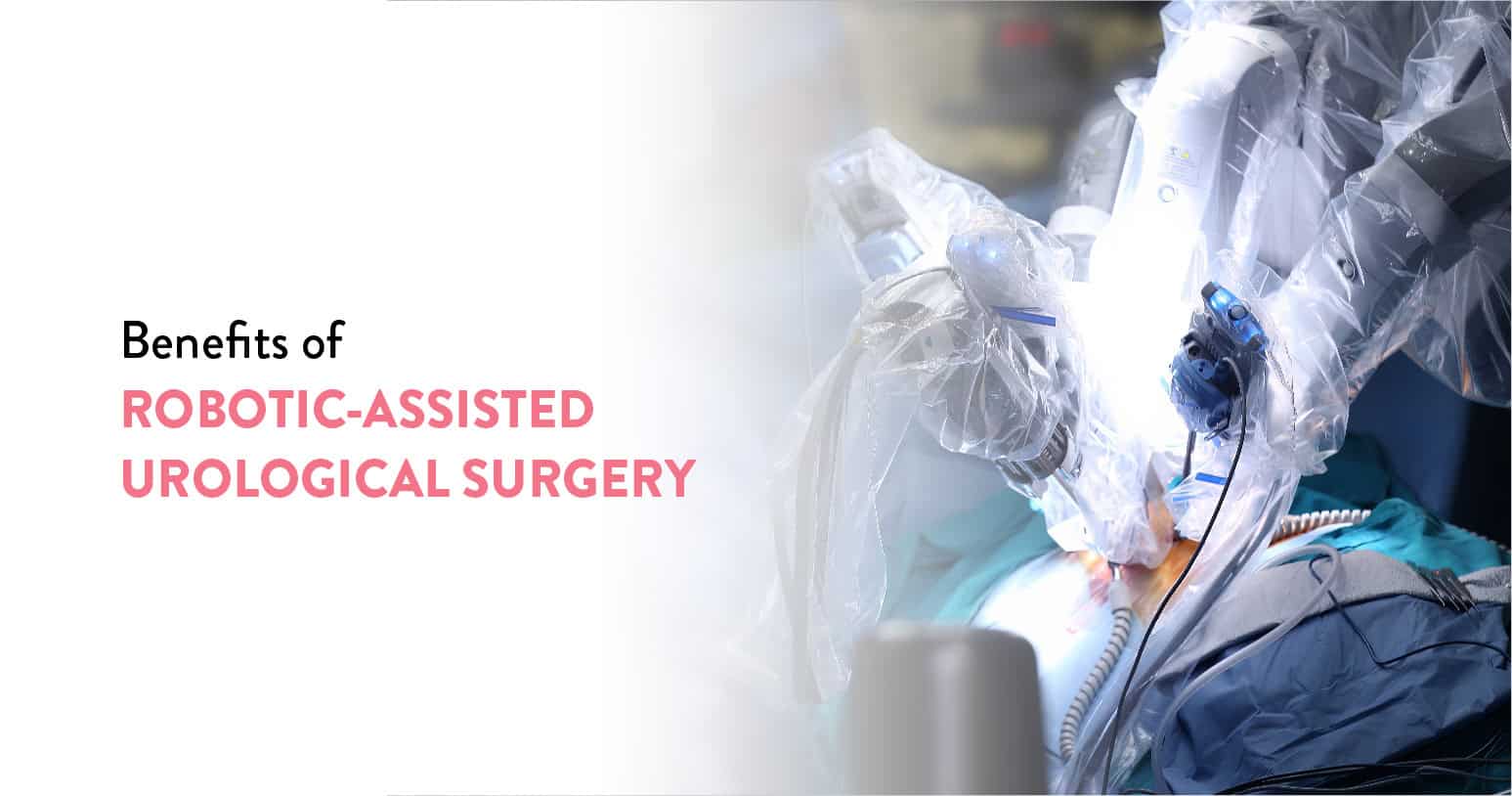
An urologist can improve the overall experience and result of important surgical operations by using robotic urologic surgery, also known as robot-assisted urologic surgery. It enables the operating surgeon to create a very tiny incision to access extremely remote and crucial areas. Moreover, precise movements and enhanced magnification are provided by the specialised technology.
Table of Contents
More control, flexibility, and accuracy may be achieved by doctors or surgeons performing a variety of complex operations with robotic-assisted urologic surgery than they could with traditional methods. Stated differently, robotic surgery is the only practical choice when more complex procedures requiring a higher level of accuracy are involved. Certain bodily sections, like the pelvic region, and diseases that affect those parts, such as prostate cancer, respond best to robotic surgery. Because robotic surgery is done laparoscopically, with tiny incisions made rather than larger skin incisions, it is a less invasive procedure. Doctors utilise surgical instruments and a camera for observation since it is a less invasive procedure that only requires minor skin incisions. Healing happens faster. Following surgery, patients can quickly resume their regular activities.
Among the typical urological surgical procedures that make use of robotic technology are:
Removing the entire prostate for men who have prostate cancer – results in improved recovery of erectile function and urine control after surgery.
For both men and women with bladder cancer, removal of the whole bladder, prostate, and lymph nodes reduces blood loss, reduces the need for blood transfusions, and speeds up recovery.
Removing just the cancer from the kidney and leaving the healthy kidney behind – allows our surgeons to treat more complex cancers with this minimally invasive technique.
For males with testicular cancer, eliminating the lymph nodes along the large blood veins in the belly lowers the likelihood that the disease may spread to this region.
For women who suffer from pelvic organ prolapse, which happens when any of the pelvic region’s organs—the bladder, uterus, vagina, or rectum—drop below their usual position, suturing the vagina’s end to the sacrum can assist support the vagina.
Recurrent persistent urine leaks in women, which may occur from the formation of a passageway between the vagina and the urinary system.
UPJ (ureteropelvic junction) obstruction repair refers to the treatment of an abnormal connection that results in a blockage of the kidney between the ureter and the kidney. It leads to fewer scars, less discomfort following surgery, and a shorter hospital stay.
Repair of a ureteric injury or scar tissue, which is the tube that joins the kidney and bladder. The bladder and ureter are rejoined. enables the minimum invasive completion of complicated rebuilding.
You Can Also Read: Prostate Cancer: Complete guide on symptoms, causes and treatments
Compared to traditional urological surgery, robotic urological surgery allows surgeons to execute more accurate surgeries. It has many benefits over conventional open surgery, including:
Because robotic technology is accurate and precise, surgeons prefer it over traditional techniques for delicate and complex urologic surgeries. They also favour robotic-assisted urological surgery because it is less invasive. With improved accuracy, dexterity, and control, it enables surgeons to perform even the most difficult treatments with ease. Patients and doctors are calling for robotic surgery at a much higher rate due to these advantages. Comparing robotic-assisted urological operations to open versions, favourable perioperative and postoperative results have been observed.
Depending on why you need surgery, your doctor could undertake any of the following:
Leading up to the procedure:
Urologists have efficiently presented the usage and benefits of robot-assisted surgery in urological operations in recent times. Below are some procedures which explain this further:
The most frequent robotic operation is robotic-assisted radical prostatectomy, often known as robotic prostatectomy. This has been successful in maintaining erectile function, resulting in nerve springs, and achieving complete continence. Within a day of their procedure, patients can also go from the hospital. Consequently, robotic prostatectomies have taken the role of previously employed open or laparoscopic procedures.
The process of robotic cystectomy using intracorporeal diversions is multifaceted and extended. Neobladders and ileal conduits are two intracorporal diversions that are implanted robotically to maintain urinary continence after the urinary bladder is removed. Compared to open surgery, this treatment results in less blood loss, a lower transfusion rate, a shorter hospital stay, and less pain for the patients.
Compared with open surgery, robotic partial or whole nephrectomy surgery involves a shorter hospital stay, less blood loss, and much less operating time. Since the kidneys are situated in the retroperitoneal area behind the abdominal cavity, highly qualified and specialised roboticists can also provide retroperitoneal robotic access. So, this method provides a more direct and safe path.
With its accuracy, less blood loss, decreased discomfort, and lower infection rates, urologic robotic surgery outperforms conventional surgery. It’s an appealing option because of the indisputable benefits in surgical results and patient recovery, even with possible greater expenses. In the end, medical practitioners assess the patient’s state, the state of technology at their disposal, and surgical proficiency to ascertain the best course of action. Promising better results and a more streamlined surgical experience, robotic-assisted surgery represents a breakthrough.
At the CK Birla Hospital, we guarantee that patients receive complete medical treatment, including compassionate care. In addition to encouraging quicker recovery, this patient-centred approach ensures that patients are aware of the necessary precautions. Our staff of highly skilled surgeons has completed over 6,000 procedures, and they are skilled in carrying out life-saving procedures.
Robot-assisted surgery is utilised in urology to treat a range of ailments, including non-cancerous disorders of the bladder, kidney, and prostate, as well as malignancies. Prostatectomies, or the removal of the prostate, are among the most common robotic urological treatments.
The recuperation period following robotically assisted prostate surgery is as short as two to three weeks. With or without the use of oral drugs, most patients may also anticipate a recovery of their potency, depending on their age and health.

