Filter :
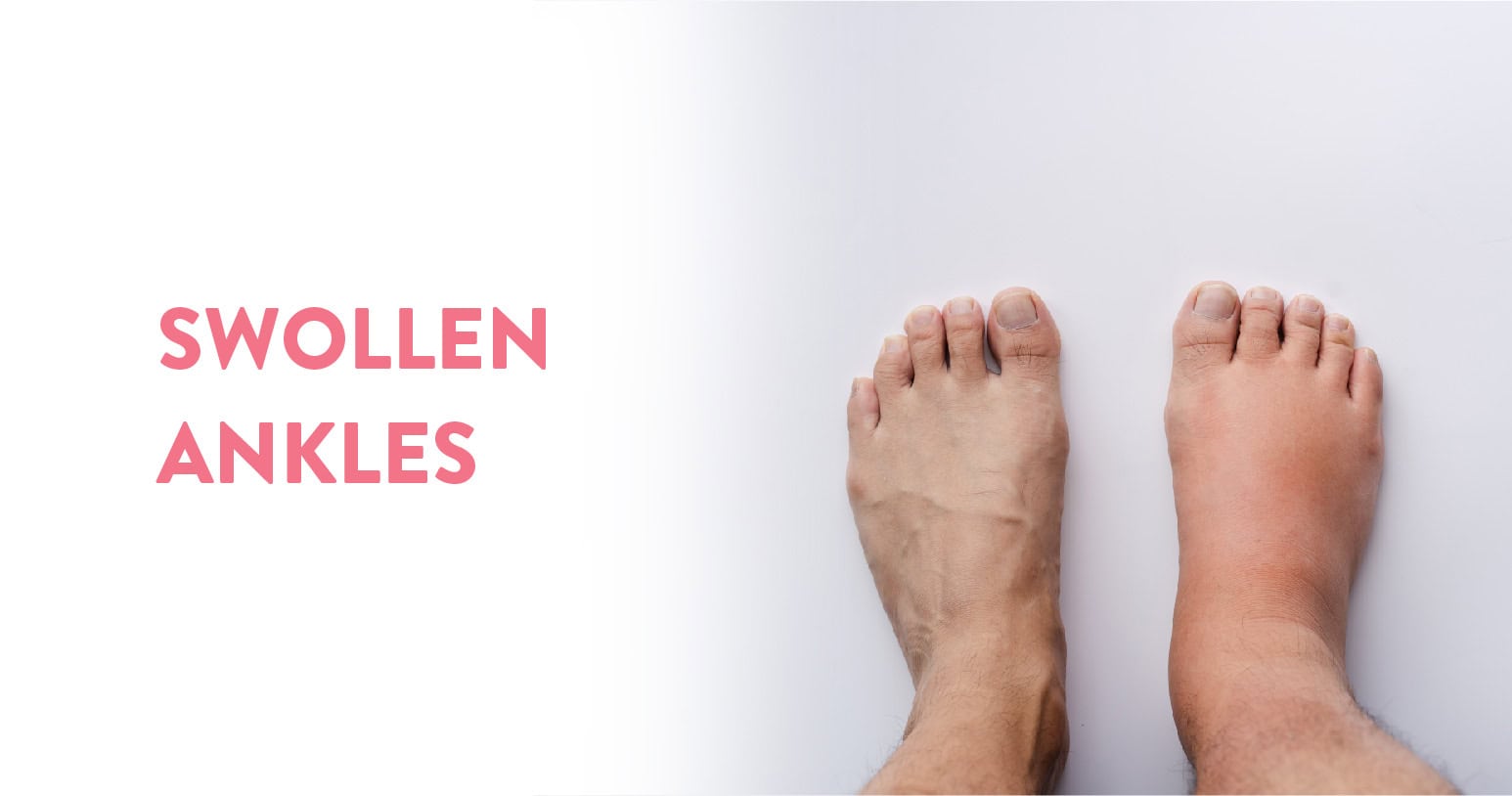
The ankle is the area where your leg and the foot meet. The main bones of the ankle region are the tibia and fibula (in the leg) and talus (in the foot).
Inflammation and injuries can cause swelling in your lower extremities. Swollen ankles are common and normally not a cause for concern, particularly if you have been walking a lot or standing. It often goes away on its own. There are many reasons for a swollen ankle, however, it is usually the result of your body’s response to an infection or injury or due to fluid buildup.
Swollen ankles that persist or come with additional symptoms may be an indication of a serious medical condition. Additionally, you can have fluid retention as a result of a medically important underlying health issue. See a doctor if it does not get better in a few days; they can run tests to determine a diagnosis and treatment plan.
Table of Contents
The legs, ankles and feet are common sites of swelling because of gravity’s effect on the fluids in the human body. A swollen ankle or leg might have other causes besides fluid retention from gravity. Injuries and subsequent inflammation can also cause swelling and fluid retention.
A swollen ankle can cause the lower part of the leg to appear larger than normal. It could be challenging to walk due to the swelling. It might be painful, with the skin over your leg feeling stretched out and tight.
This swelling is typically temporary and not cause for concern. But you will still want to take measures to reduce swelling. This way, you can reduce any pain you are experiencing and resume your daily activities.
If parts of your lower leg remain swollen or you have other symptoms, it could signal that you have an underlying health condition. It might be easier to rule out a more serious issue if you know what’s causing your swelling.
Some possible causes of a swollen ankle and what you can do to reduce swelling are:
During pregnancy, some ankle and foot swelling is typical. Excessive or sudden swelling, however, might be a sign of preeclampsia, a serious condition in which protein and high blood pressure in the urine develop after the 20th week of pregnancy. Call your doctor right away if you develop severe oedema or swelling coupled with other symptoms including headaches, nausea, vomiting, vision changes, or stomach discomfort.
An injury to the ankle or foot can lead to swelling. The most common is a sprained ankle, which occurs when a misstep or an injury causes the ligaments that hold the ankle in place to be stretched beyond their normal range. To reduce the swelling from an ankle or foot injury, elevate the foot on a stool or pillow, wrap the foot or ankle with a compression bandage, and use ice packs and rest to avoid walking on the injured ankle or foot. If pain and swelling are severe or do not improve with home treatment, see your doctor.
This is a buildup of lymphatic fluid in the tissues that can occur when lymph veins are absent, have difficulties or after the excision of lymph nodes. Lymph is a protein-rich fluid that usually travels along an extensive network of capillaries and vessels. The lymph nodes, which catch and eliminate undesirable elements like germs, filter it. However, the fluid might get obstructed when there is an issue with the lymph nodes or veins. Untreated, lymph buildup can impair wound healing and lead to deformity and infection. Lymphedema is common following radiation therapy or removal of the lymph nodes in patients with cancer. See your doctor right away if you’ve had cancer treatment and are experiencing swelling.
Swelling of the feet and ankles is often an early symptom of venous insufficiency, a condition in which blood inadequately moves up the veins from the feet and legs up to the heart. Usually, the veins keep blood flowing upward with one-way valves. When these valves become weakened or damaged, the blood leaks back down the vessels and fluid is retained in the soft tissue of the lower legs, especially the feet and ankles. Chronic venous insufficiency can lead to infection, skin ulcers and skin changes. Visit your doctor if you exhibit symptoms of venous insufficiency.
Swelling in the ankles and feet can be a sign of infection. People who have diabetic neuropathy or other foot nerve issues are more likely to get foot infections If you have diabetes, it is important to inspect your feet daily for sores and blisters because nerve damage can blunt the pain sensation and foot problems can progress quickly. If you notice a blister or swollen foot that appears to be infected, contact your doctor right away.
Leg vein blood clots can prevent blood from returning to the heart from the legs and result in swelling in the feet and ankles. Blood clots can be deep (deep vein thrombosis) or superficial (occurring in the veins just below the skin).
Large leg veins may become partially or completely blocked by deep clots. These blood clots can be life-threatening if they break loose and travel to the lungs and heart. If you have swelling in one leg, along with pain, low-grade fever, and possibly a change in colour of the affected leg, call your doctor immediately. Treatment with blood thinners might be necessary.
Sometimes swelling can indicate a problem such as kidney, liver or heart disease. Ankles that swell in the evening could be a sign of retaining water and salt because of right-sided heart failure. Kidney disease can also cause ankle and foot swelling. Fluid can accumulate in the body when the kidneys are not working correctly. Albumin is a protein that the liver makes that prevents blood from spilling out of blood vessels and into the surrounding tissues. Liver illness can change how much albumin the liver produces. A lack of albumin production may cause fluid leakage. Fluid can build up in the chest and belly as well as the ankles and feet, where it tends to collect more due to gravity. If your swelling is accompanied by other symptoms, including weight gain, loss of appetite and fatigue see your doctor right away.
In many cases, you can treat a swollen ankle at home. Depending on the cause, home management will vary.
If your swelling is the result of fluid buildup, the following home tips might help relieve swelling:
Keep R.I.C.E (rest, ice, compression, elevation) in mind if you have swelling from an injury but consult with a doctor regarding how much activity your leg should get.
Swollen ankles are quite common and usually not a cause for concern. It normally gets cured on its own, however, if the swelling stays or accompanies other problems, then it is always advisable to seek medical help from an experienced orthopaedist. Timely care and help can ensure an appropriate diagnosis and treatment of your condition.
At the CK Birla Hospital, we ensure patients get holistic medical support which includes treatment in a compassionate environment. This patient-centric approach not only helps patients heal better but also ensures they are aware of the preventive measures as well. In case you need to consult an orthopaedist, reach out to us, or book a direct appointment with Dr. Ashwani Maichand at the CK Birla Hospital.
If one or both of your ankles are swollen and the condition worsens or does not get better after a few days of home treatment, consult a doctor.
People with heart failure tend to retain fluid. Due to an accumulation of extra fluid, this manifests as swollen ankles and legs. You might notice that your shoes do not fit and socks appear tight or leave a prominent indent above the ankle.
Swollen ankles (also known as oedema) can be harmless, but might also signal a serious health condition or injury.
A testicle (or testis) is the reproductive gland or gonad in males. They are small, egg-shaped reproductive organs which rest inside the scrotum (a thin pouch of skin behind your penis). Its function is to produce both androgens (primarily testosterone) and sperm.
Pain in the testicles can affect anyone at any age. You may feel it in one or both testicles, however, the pain might come from another part of your body, like your groin or stomach (referred pain). Testicular pain can be chronic or acute. Acute refers to fast onset, a sharp ascent, and brief duration. Chronic refers to a long-lasting, gradually worsening form of pain.
There are a lot of delicate nerves in your testicles, which can make testicular discomfort quite painful. Reach out to a healthcare provider if you have testicular pain that lasts for more than an hour. Go to an emergency room if you have intense testicular pain as it could be a sign of testicular torsion, which is a serious medical emergency.
Table of Contents
The reproductive organs known as testicles are situated in the scrotum. Minor injuries to the region may result in testicular pain. However, if you are experiencing pain in the testicle, you need to have your symptoms evaluated.
Pain in the scrotum can be the result of serious conditions like an STI (Sexually Transmitted Infection) or testicular torsion. Ignoring the discomfort might harm the testicles and scrotum permanently. Ignoring the pain might cause irreversible damage to the scrotum and testicles.
Often, problems with the testicles cause groin or abdominal pain before pain in the testicle develops. Unexplained groin or abdominal pain should also be evaluated by your doctor.
There are various common causes of testicular pain. The cause might be obvious if you have had an accident or a recent injury while exercising or playing a sport. But in other cases, it might not be obvious why you have pain.
Some other common causes of testicular pain might include:
Other symptoms that might occur alongside testicular pain include:
The following techniques can be used to alleviate pain at home that does not require medical attention:
You must consult your doctor for treatment if the pain is more severe. Your doctor will complete a physical exam of your scrotum, groin and abdomen to determine what is causing your pain and will also ask you about your current health conditions and any other symptoms.
To accurately diagnose your condition, your doctor might need to order additional tests, including:
Your doctor will be able to treat you once they have determined the source of your discomfort. The treatment might include:
Pain in the testicles can affect anyone and can be acute or chronic. If the pain is
severe and persists for a longer duration, then it is always advisable to seek medical help from an experienced urologist. Timely care and help can ensure an appropriate diagnosis and treatment of your condition.
At the CK Birla Hospital, we ensure patients get holistic medical support which includes treatment in a compassionate environment. This patient-centric approach not only helps patients heal better but also ensures they are aware of the preventive measures as well. In case you need to consult a urologist, reach out to us, or book a direct appointment with Dr. Kumar Saurav at the CK Birla Hospital.
It is advisable to rest and protect your testicles and groin. Stop, change, or take a break from any activity that might be causing your soreness or pain. Put a cold pack or ice on the area for 10 to 20 minutes at a time. Put a thin piece of fabric between your skin and the ice.
Sometimes there is no need for treatment since testicular discomfort will go away on its own. Depending on the cause of your testicle pain, your condition might take up to four weeks to heal. Limit your activity until your pain decreases. Get more rest while you heal.
Yes. Blue balls can develop after a protracted time of arousal without ejaculation; this condition is referred to medically as epididymal hypertension. Sperm accumulation might give your testicles a faint blue tint.
The circulatory system’s blood arteries are used by the heart, a muscular organ, to pump blood. The pumped blood carries nutrients and oxygen to the body while carrying metabolic waste such as carbon dioxide to the lungs.
Cardiovascular diseases are the most common cause of death worldwide as of 2008, accounting for 30% of deaths (including cardiac arrest and heart attack). Circulation issues in the body that obstruct blood flow to the heart are what lead to a heart attack. A cardiac arrest is an electrical systemic failure of the heart.
It can be easy to forget the differences between a cardiac arrest and a heart attack, but the most important thing to remember is that both are serious, life-threatening conditions. If you believe you or someone you know is suffering from either illness, get medical attention right away. A healthcare team and doctor can quickly assess your symptoms and begin treatment. Your recovery and outlook will depend on how quickly you can get to a healthcare professional or doctor.
Table of Contents
A heart attack happens when a clogged artery stops oxygen-rich blood from getting to a particular area of the heart. The area of the heart ordinarily supplied by the blocked artery starts to perish if it is not rapidly unblocked. Damage increases with time and duration of non-treatment.
Sudden cardiac arrest is caused abruptly and frequently without notice. When the heart suffers from an electrical problem, it results in an Arrhythmia or irregular heartbeat. With its pumping action disrupted, the heart can not pump blood to the lungs, brain and other organs. When this occurs, a person has no pulse and loses consciousness. If the person doesn’t get help, they’ll die in a matter of minutes.
A heart attack, which is often referred to as a myocardial infarction, happens when blood that usually flows to the heart is cut off or blocked. Without enough oxygen-rich blood flowing to the heart, one of the body’s most vital organs may suffer injury, and the heart muscle may start to deteriorate.
On the other hand, abrupt cardiac death refers to a cardiac arrest. The word “arrest” means to bring to a halt or stop. The heart stops beating during cardiac arrest, which is a very dangerous medical condition. Cardiac arrest can cause disability or near-immediate death.
Although acute chest pain is a common sign of a heart attack, it can also start gradually with moderate discomfort that comes and goes over many hours. Symptoms of a heart attack can vary, and if you have had one heart attack, your symptoms might be different if you experience another one.
Symptoms can also vary between females and males, but for both sexes, the most common symptom of a heart attack is chest pain. However, women are somewhat more likely than men to experience other symptoms, particularly jaw or back pain, vomiting, nausea and shortness of breath.
Cardiac arrests can often happen to people who did not know they had a heart problem. A person experiencing cardiac arrest might lose consciousness and collapse. They might experience difficulty breathing or stop breathing.
Heart attacks are normally caused by coronary heart disease, which starves your heart of oxygen. Most of the time, people know they are at risk of a heart attack because they are being treated for heart disease.
The risk factors for a heart attack can include:
Certain health factors and heart conditions can increase your risk of cardiac arrest, including coronary heart disease. Other factors that are not always known could also put you at risk such as:
By doing a physical examination and prescribing an electrocardiogram to examine the electrical activity of your heart, doctors can determine whether you are having a heart attack.
A doctor might order a cardiac catheterization or an echocardiogram to determine the vitality and strength of your heart. It is also common to have a sample of your blood taken to check for signs of heart muscle damage.
A cardiac arrest means your heart has stopped. Without immediate resuscitation, it is fatal.
If a doctor is successful at restarting your heart and getting the blood flowing again, they will then perform diagnostic tests to determine the cause of your cardiac arrest. These tests might include a chest X-ray, blood tests and an echocardiogram to look for other signs of disease in your heart.
If you have had a heart attack, a doctor might recommend any number of procedures depending on the severity of the emergency to prevent another heart attack, help relieve pain, or both.
Some of these treatments or procedures can include:
It is also common for doctors to prescribe medications, such as beta-blockers and pain relievers, to help prevent another heart attack or to help with recovery.
Treatment for cardiac arrest nearly always starts with a defibrillator or CPR to get the heart started again. A doctor will probably begin one or more therapies after someone has survived a cardiac arrest to help reduce the likelihood of it happening again. These often include:
Cardiovascular diseases account for about one-third of all deaths globally. You can forget the differences between a heart attack and a cardiac arrest, however, both are life-threatening conditions. It is always advisable to seek medical help from an experienced cardiologist. Timely care and help can ensure an appropriate diagnosis and treatment of your condition.
At the CK Birla Hospital, we ensure patients get holistic medical support which includes treatment in a compassionate environment. This patient-centric approach not only helps patients heal better but also ensures they are aware of the preventive measures as well. In case you need to consult a cardiologist, reach out to us, or book a direct appointment with Dr. Sanjeeva Kumar Gupta at the CK Birla Hospital.
Both a heart attack and a sudden cardiac arrest are significant medical situations that can be fatal. Cardiac arrest is usually more severe, as it can result in death within minutes if proper medical care is not provided. Even when a heart attack doesn’t happen right away, it can still be quite hazardous if untreated.
Quick action increases a person’s chance of survival during a heart attack or sudden cardiac arrest. For a heart attack, seek medical attention immediately by calling an ambulance. In case of a cardiac arrest, give CPR (cardiopulmonary resuscitation) first immediately and seek professional emergency medical services.
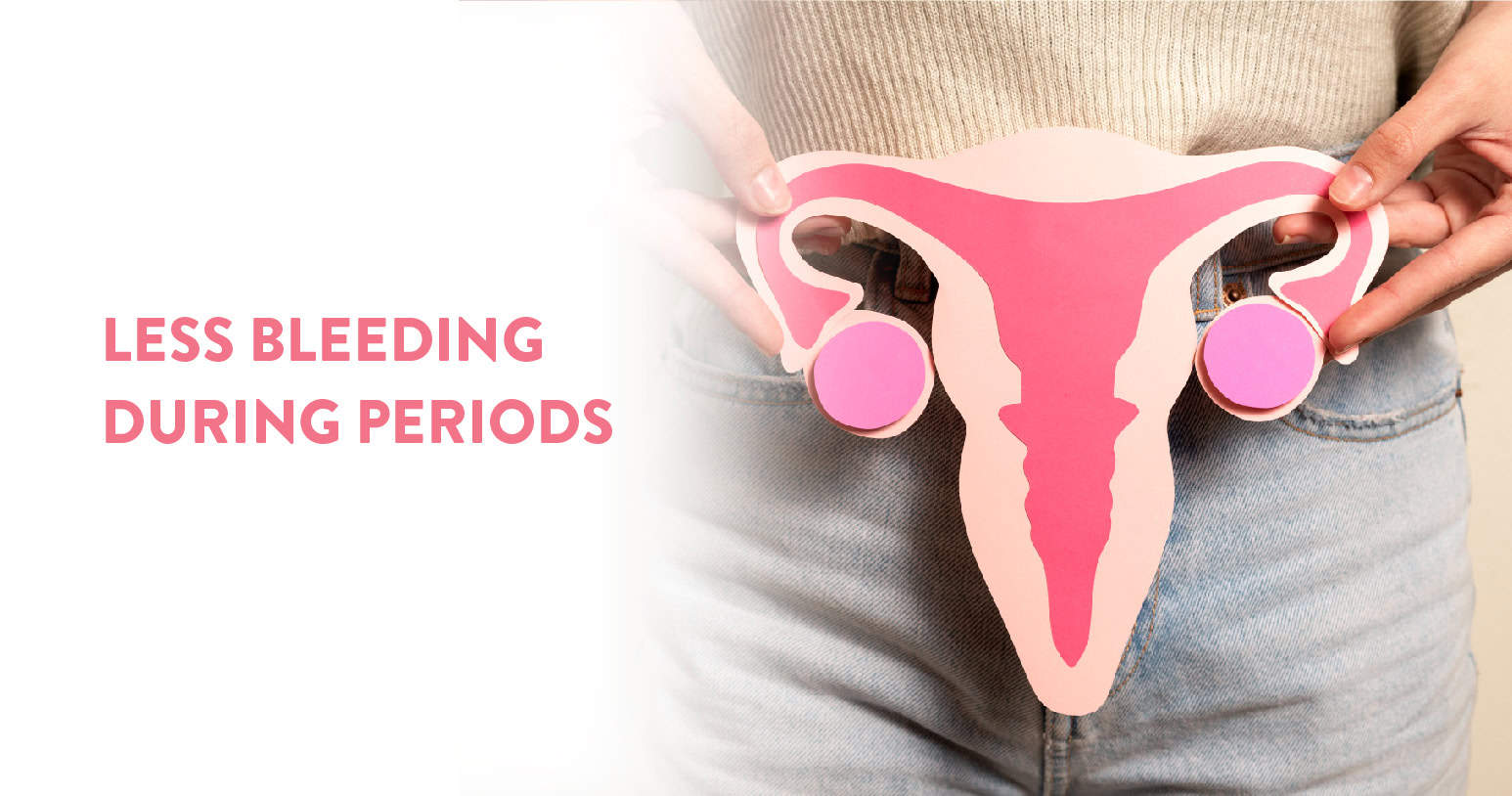
In females, the period is the regular discharge of mucosal tissue and blood from the inner lining of the uterus through the vagina. It is triggered by falling progesterone levels and is an indicator that pregnancy has not occurred.
A light period or a period that stops before you expect might happen for a variety of reasons. Light periods might not be a sign that you have something to worry about. Even a period as short as 2 to 3 days is considered normal. Changes in medication, age or weight can impact your period.
A missed period or spotting might indicate a pregnancy or an underlying medical condition. In such a case, you can take a pregnancy test. Keep track of your menstrual cycles and consult your doctor.
Table of Contents
About 2-3 teaspoons of blood make up the majority of menstrual cycles. It might be very challenging to estimate how much blood a person is losing because there is a large difference across individuals.
A person should make a note if their periods are lighter than they normally are. They can accomplish this by monitoring their pad or tampon usage or the amount of blood a menstrual cup gathers.
The following might indicate a light period:
Sometimes, a light period might also cause a reduction in symptoms of premenstrual syndrome, like mood shifts, uterine cramping or reduced back pain.
Several factors can lead to light periods. These include:
Your period can vary in flow and length if you are in your teenage years. On the other hand, if you are going through menopause, you can have irregular, light-flowing periods. Hormonal imbalances are the cause of these events.
Body fat percentage and body weight can affect your period. Because your hormones are not functioning regularly, being extremely underweight might cause your menstruation to become irregular. Additionally, gaining or losing an extreme amount of weight can cause irregularities with your period.
It is unlikely that you will have a period if you are pregnant. You might notice some spotting and think it is your period, but it might be implantation bleeding. This can occur when a fertilised egg attaches to the lining of the uterus. Implantation bleeding typically lasts for 2 days or less.
Your periods might not come back immediately after you give birth if you are breastfeeding. The milk hormone delays the onset of your menstruation and inhibits ovulation. You might get your period months after giving birth if you are breastfeeding.
Even if your period hasn’t yet come back, you can still become pregnant while breastfeeding. That is because you will ovulate 2 weeks before your first postnatal period. If you have had unprotected sex while breastfeeding and are experiencing spotting, it is a good idea to take a pregnancy test to confirm that the spotting was not caused by implantation bleeding.
Hormonal birth control might be the cause of a light period. Some methods of birth control stop an egg from releasing into your body. These techniques can take many different shapes, including:
Your uterus does not create a thick lining when your body does not release an egg. This may lead to missing periods or periods that are completely lighter.
You might also experience irregular periods if you have stopped or started taking birth control recently.
Your brain can alter the menstrual cycle hormones if you are stressed. You might experience lighter or skipped periods because of it. Your periods should return to normal once a stressful event passes.
Women who exercise frequently might experience changes in their period. Athletes use a lot of body energy, have low body weight and can be under stress. This can result in altered periods.
Bulimia and anorexia nervosa are types of eating disorders that might cause irregular periods. Eating disorders that result in low body weight may have an impact on the hormones that regulate your menstrual cycle.
If you have stopped menstruating or you are experiencing irregular periods, it could be the result of PCOS. Your body experiences a hormonal alteration as a result of which your eggs cease developing. This hormonal change might also:
An ultrasound can be used by your doctor to determine if you have PCOS. That is because PCOS causes cysts to form in your ovaries. If you have PCOS, your doctor will likely recommend that you take contraceptive pills and lose weight to help your period return to normal.
You Can Also Read: Living with PCOS
Irregular or unusual periods might be a sign of a more serious health condition. Your body is in good shape if you get regular periods. A light period could indicate a medical illness or issues with hormone levels. Issues with reproductive organs and polycystic ovary syndrome can lead to irregular periods.
Discussing symptoms with your doctor might help you determine the cause of lighter-than-normal periods.
Sometimes, people with no known risk factors can have light periods. Light periods are, nevertheless, more likely due to specific circumstances.
The following are some potential risk factors for a light period:
A person might wish to talk with a doctor about individual risk factors that might affect the severity of their periods.
Your light period might be caused by one of many factors. It might be a one-time occurrence. If you experience any troubling symptoms or your light periods persist, you might need further treatment.
Your doctor will discuss possible reasons for your light periods and test you for various conditions to determine an appropriate treatment plan.
Problematic and persistent light periods might be treated with changes to your medications and lifestyle. Hormonal birth control might occasionally make your periods more regular. Treatment options might include further therapies or other drugs if your light periods are an indication of anything more serious.
Less bleeding during your periods may have several reasons. It usually is not a sign of something worrying, however, if you suspect a missed period or spotting as a symptom of an underlying medical condition, then it is always advisable to seek medical help from an experienced gynaecologist. Timely care and help can ensure an appropriate diagnosis and treatment of your condition.
At the CK Birla Hospital, we ensure patients get holistic medical support which includes treatment in a compassionate and judgement-free environment. This patient-centric approach not only helps patients heal better but also ensures they are aware of the preventive measures as well. In case you need to consult a gynaecologist, reach out to us, or book a direct appointment with Dr. Astha Dayal at the CK Birla Hospital.
Light periods can be a sign of pregnancy. Spotting in early pregnancy is often caused by implantation bleeding, which might just seem like a light period. Lighter than normal period blood can be brownish, red or pink. It may or may not involve period pain and cramps.
Light periods may also result from a drop in oestrogen levels. Oestrogen plumps up the endometrium, so if oestrogen is low, that lining does not plump up and results in less bleeding.
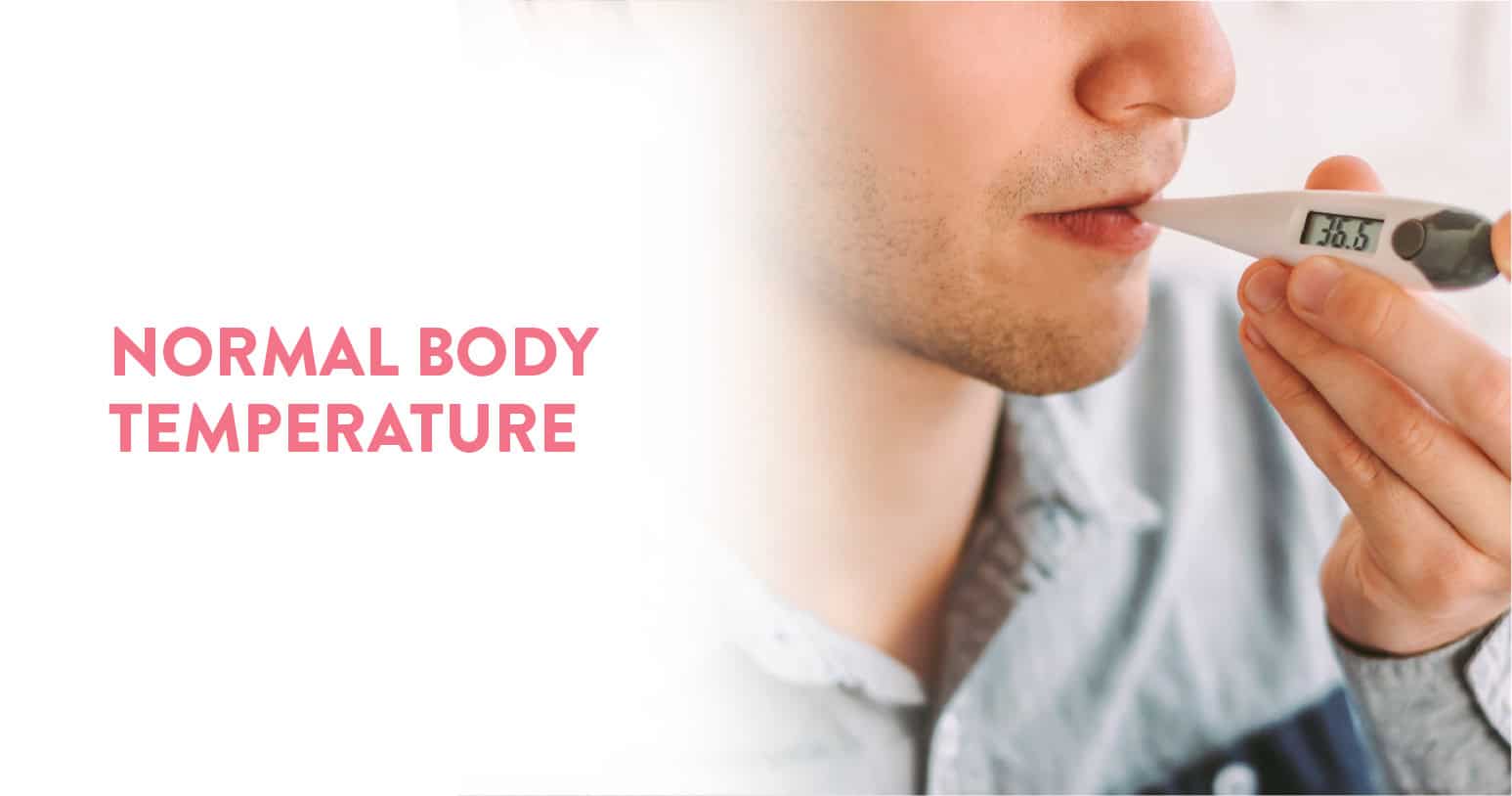
Your body’s like a little furnace. It puts out heat all the time. It results from your body working to keep you alive. When it puts out a lot less or a lot more heat than usual, it is trying to tell you there’s a problem.
A normal body temperature can vary depending on your age and other factors. Whether you take it in the armpit, rectally or orally also can impact your temperature reading. A healthy body is normally pretty good at keeping its temperature at a comfortable level, however, if the body goes into some sort of illness or trauma, the temperature can become high or low depending upon the trigger. In such cases, do not hesitate to reach out to a doctor. When and how do you know you need help? Read on to know more…
Table of Contents
The average person most likely learned as a child that the body’s normal temperature is 98.6 degrees Fahrenheit (or 37 degrees Celsius). A mid-1800s research is where that frequently used figure came from.
The average person nowadays probably runs a little bit cooler than that, between 97.5 F (36.4 C) and 97.9 F (36.6 C), according to a more recent study.
The reality is that although it often stays within a range, your body temperature can fluctuate up, down, and all about.
Your normal body temperature changes throughout your life. It frequently increases from youth through adulthood before declining in one’s senior years. It looks like this as per stages:
A temperature that is higher than 100.4 F (or 38 C) is considered a fever, and it is normally something you should bring to your doctor’s attention, especially if it lingers for more than two days.
Oftentimes, a fever is your body’s reaction to a virus or an infection (like influenza). A fever itself does not require any specific treatment, other than trying to bring the temperature down for your comfort.
Persistent high-grade or low-grade fevers could signal that something else is going on in your body. Some medical conditions, including hyperthyroidism and other endocrine disorders, can raise your body’s core temperature.
Young kids usually tend to push thermometer readings higher than adults. Their bodies have not yet mastered the art of regulating their body temperature, so they are also more likely to spike fevers and severe ones, at that.
If an infant younger than 3 months develops a fever or if your child’s fever does not come down with fever reducers, call your paediatrician.
According to studies, as people age, their core body temperature drops. An underactive thyroid (hypothyroidism) can also slow down metabolism, which can lead to a drop in body temperature.
If your core body temperature dips down to 95 F (35 C) or lower, that is considered hypothermia. It is often caused by exposure to cold weather, but other factors can put you at risk for hypothermia, such as certain medications and age.
Hypothermia is a medical emergency, so call an ambulance or take the patient to the emergency room if you suspect someone has hypothermia.
During the 19th century, German doctor Carl Wunderlich identified the average body temperature of 98.6°F (37°C). However, many studies have since determined that that is not always the case. The average body temperature was determined to be 97.86°F (36.59°C) in a 2019 research. That is a little lower than initially thought so many years ago.
However, it is best to take this information with a grain of salt since no single number defines your average body temperature. Instead, it is best to look at a temperature range that might be lower or higher than the average.
Here are some of the factors that affect body temperature:
If you take your temperature with 3 different kinds of thermometers, you may get 3 different results.
A thermometer that goes under the tongue will likely give you a slightly higher reading than the one that goes under your armpit or a forehead thermometer (But those kinds might be easier to use with young kids).
Which is the most accurate? A thermometer that you place beneath your tongue would be that. A rectal thermometer, usually used with young children, would be more accurate for the same reason. A thermometer used rectally should never be used orally to avoid spreading bacteria. Keep thermometers used orally and rectally separate and clearly marked.
Usually, you go to the medical cupboard to get your thermometer because someone at home is feeling under the weather.
As a result of the crucial information the reading gives, consider the optimum moment to measure your temperature. Temperature is one of your vital signs, and it is an important indicator of your health.
It is also important to note that body temperatures usually run slightly higher in the afternoon and a little lower in the morning. Additionally, it may vary with menstrual cycles.
A human body’s temperature is an important indicator of its overall health. Your body can normally maintain its temperature at a comfortable level, however, if you have any concerns or questions about your temperature, then it is always advisable to seek medical help from an experienced general physician. Timely care and help can ensure an optimum body temperature for the best possible health.
At the CK Birla Hospital, we ensure patients get timely medical support which includes treatment in a hands-on yet compassionate environment. This patient-first approach not only helps patients heal better but also ensures they are aware of the preventive measures at hand. In case you need to consult a general physician, reach out to us, or book a direct appointment at the CK Birla Hospital.
A fever of 103°F or higher typically requires a doctor’s consultation. If your fever reaches 105°F, go straight to an emergency room.
People might feel hot for many reasons other than a fever. Some causes might be easy to identify and temporary, like experiencing anxiety and stress, being in a humid environment or eating spicy foods. However, some people might feel hot frequently for no apparent reason.
Typically, the following thermometer readings signify a fever: temperature of at least 100.4 (38 C) in the temporal, ear, or rectal arteries, and at least 99 F (37.2 C) in the armpit and oral temperature of at least 100 F (37.8 C).
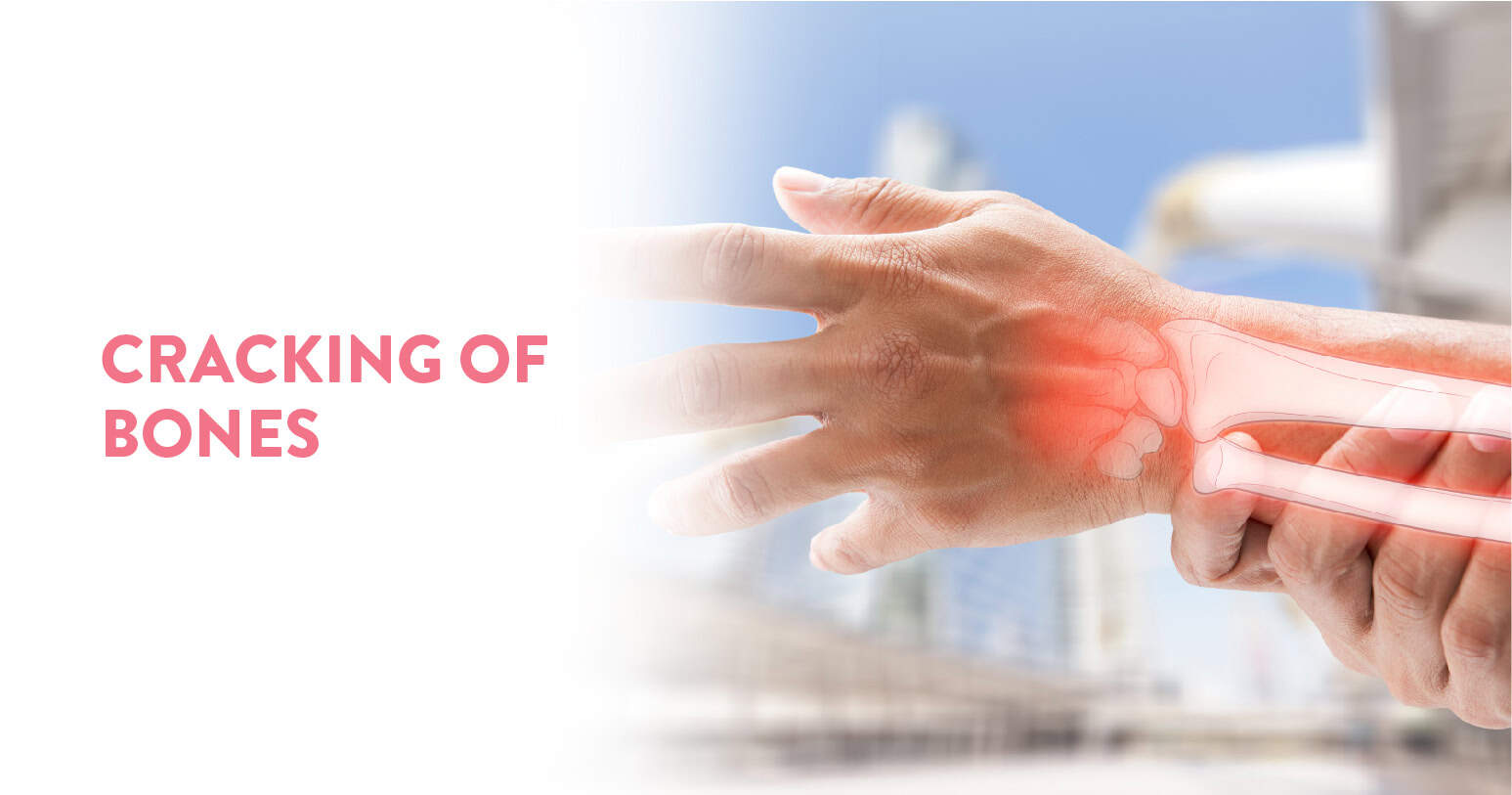
A bone is a rigid organ that constitutes part of your skeleton. Bones come in a variety of sizes and shapes and have complex external and internal structures. They have a variety of uses and are tough but lightweight.
Occasionally cracking or popping your knuckles or other joints is normally not harmful and very common. It does not cause arthritis contrary to the old wives’ tale. It can give you greater motion in a joint and provide a feeling of relief. Joint cracking might become more noticeable as you age, as some of your cartilage wears away. If it is accompanied by swelling or pain or follows an injury, it might be caused by an underlying condition. Then it is best to contact a health professional to determine the cause.
Table of Contents
In sports medicine and orthopaedic medicine, a clicking, popping or crackling sound in a joint (also called bone cracking by some) might mean that air is moving in the joint, which is normally harmless.
People often notice this in their knees in the form of knee cracking, but it can also happen in other joints such as the neck, elbow or shoulder.
Bone cracking with pain can be a sign of injury or wear and tear. If it is painful, you should consult a doctor.
Bone cracking and joint sounds/voices can be a normal part of the movement. Joint popping is a common problem, especially as individuals age. You might notice:
There are different causes for joint cracking. It is common and is normally not an indication of a bone health condition. Exactly what causes the popping or cracking noise is the subject of many studies, but it is still not completely understood.
Some natural causes of joint cracking are:
Why people experience popping or cracking noises in some parts of their body is something which is not fully known. A traditional explanation is that pressure on a joint creates tiny bubbles in the synovial fluid, which pop when they form quickly. Your bones are protected from rubbing against one another by synovial fluid, which is composed of carbon dioxide, nitrogen, and oxygen.
Cracking your knuckles or other joints is not bad, but it might be annoying to the people around you if you do it frequently. In rare instances, you may hurt yourself by squeezing a nerve or straining a muscle if you are cracking a joint too forcefully, such as in your back.
According to a small 2011 study, the cracking process can give you a physical feeling of relief from pressure, whether you are having a chiropractor manipulate a bone or doing it yourself.
The common myth that you will get arthritis in your hands if you crack your knuckles has proven to be just a myth by another 2011 study. Knuckle cracking does not decrease cartilage and is not likely to cause osteoarthritis, according to studies.
Many causes of joint cracking and popping (crepitus) improve with home remedies, such as using the RICE method (rest, ice, compression and elevation) or taking anti-inflammatory medications. Other causes or effects may require a doctor’s help.
Your doctor will discuss several treatment options with you, such as:
Sometimes, a splint or brace can help align the elbow, shoulder or knee so an injury can heal.
Our physical therapy teams tailor treatment plans to your goals, activities and condition.
Orthotics (special shoe inserts that stabilise the knee and foot), can relieve pain and help you stay active.
Handled correctly, pain relief methods can eliminate inflammation and discomfort and might let you get back to your favourite activities safely.
Some causes of bone cracking may require surgical treatment. You may consider:
Arthroscopy is a minimally invasive procedure that accesses the joint by inserting small tools through extremely small incisions. For Patellofemoral pain syndrome, your surgeon can remove bits of damaged tissue or reposition tendons to provide more knee movement.
Some types of arthritis and patellofemoral pain syndrome improve with debridement. The surgeon can smooth damaged cartilage via this minimally invasive procedure to lessen friction.
When joint damage or arthritis is advanced, you may consider joint replacement such as hip replacement, elbow replacement, knee replacement . The goal of joint replacement surgery is to replace a damaged joint with an artificial one.
Popping or cracking the joints is quite common and usually not harmful. If you notice
any pain, swelling or injury, then it is always advisable to seek medical help from an experienced orthopaedist. Timely care and help can ensure an appropriate diagnosis and treatment of your condition (if any).
At the CK Birla Hospital, we ensure patients get holistic medical support which includes treatment in a compassionate environment. This patient-centric approach not only helps patients heal better but also ensures they are aware of the preventive measures as well. In case you need to consult an orthopaedist, reach out to us, or book a direct appointment at the CK Birla Hospital.
There is no evidence that knuckle cracking is either advantageous or detrimental. Knuckle cracking particularly does not cause arthritis. Joint cracking can result from a negative pressure pulling nitrogen gas temporarily into the joint, like when knuckles are cracked. This is not harmful.
Vitamin D deficiency is a contributing factor to fatigue and joint pain. Additionally, vitamin D helps strengthen your bones if you are getting enough of it.
Some foods which are good for your joints are cherries, red peppers, turmeric and walnuts.

Do you know the secret to the gorgeous hair and lean physiques of most celebrities? It is simply a high-protein diet. Protein is a nutrient needed by the human body for maintenance & growth, as well as the most prevalent type of molecule in our body after water. They act as a fuel source and building block of our bodily tissue.
Proteins are a large category of molecules that impact our cell structures, hormone synthesis, immunity and much more. They are all made up of tiny building blocks called amino acids. Not only is protein essential for your health but consuming it can keep you feeling satisfied and full, which supports a healthy body weight.
Nine types of amino acids are essential, meaning your body needs them but can not make them on its own, so you need to get them in your diet. The recommended dietary allowance (RDA) for protein is 0.36 grams (g) per pound of body weight (0.8 g per kilogram). Keep in mind that this is the very minimum amount of protein your body requires. Fortunately, there are many high-protein foods to choose from, including plant-based and animal sources.
Table of Contents
An individual’s protein goals might vary depending on medical history and physical activity level. Some people follow a high-protein diet when trying to reduce weight because protein encourages a feeling of fullness. The following are some of the best high-protein foods that a person can consume and include in their chart/list:
Whole eggs are a good source of protein that is easy to absorb, and they are also an excellent source of antioxidants, healthy fats, minerals and vitamins.
Remember that egg whites are almost pure protein, but whole eggs that include the yolk provide many more nutrients, including healthy fats, antioxidants, minerals and vitamins. 50 g of big eggs provide 6.3 g of protein.
Almonds are a nutritious tree nut rich in essential nutrients such as magnesium, manganese, vitamin E and fibre. They are also high in plant-based protein.
Eating almonds might benefit your health in several ways, including lowering heart disease risk factors like high blood pressure and high LDL (bad) cholesterol.
Almonds have 6 g of protein per ounce (28.35 g). Other high-protein nuts include pistachios, which deliver 5.73 g per 1-ounce (28.35 g) serving and cashews, which contain 4.34 g of protein per 1-ounce (28.35 g) serving.
Chicken breast is an excellent choice if you are trying to increase your protein intake. Chicken offers a range of B vitamins, as well as minerals like selenium and zinc, in addition to protein. 26.7 g of protein is included in an 86 g portion of chicken breast.
You Can Also Read: Vitamin D Foods and its Benefits
Cottage cheese is a type of cheese that is high in protein and low in fat and calories. It is rich in riboflavin (vitamin B2), vitamin B12, selenium, phosphorus and calcium.
Cottage cheese has 28 g of protein per cup (226 g).
Milk has a small amount of almost every nutrient your body requires. It is a good source of high-quality protein, and it is high in minerals and vitamins, like riboflavin (vitamin B2), phosphorus and calcium.
Many people with lactose intolerance can not tolerate milk and other dairy products, and they avoid many dairy-containing foods. One cup (246 mL) of dairy milk provides 8.32 g of protein.
Lentils are among the richest sources of plant-based protein, making them an excellent choice if you follow a vegan or vegetarian diet.
Plus, they are loaded with other nutrients too, including manganese, copper, iron, potassium, magnesium, folate and fibre.
Studies show that people who regularly consume lentils and other legumes have a lower risk of developing health conditions like fatty liver disease and heart disease.
The amount of protein in 100 g (or half a cup) of cooked lentils is 9.02 g. Chickpeas, which have 7.05 g of protein per 100 g of cooked weight, and black beans, which have 8.86 g of protein per 100 g of cooked weight, are two more high-protein legumes.
Fish is an excellent source of protein and provides several important minerals and vitamins, like vitamin B12, selenium and iodine.
People who include a lot of fish in their diet tend to have a lower risk of health conditions like type 2 diabetes and heart disease. Some fatty fish are also high in omega-3 fats, which have powerful benefits for your overall health, including supporting heart health.
Protein powder can come in handy when you are pressed for time and unable to prepare a meal. You can easily add protein powders like pea protein and whey to yoghurt, energy balls, smoothies and shakes to increase the protein and fullness factor.
Whey protein powder provides about 16.6 g of protein per scoop (28.6 g), while pea protein provides 15 g of protein per scoop (20 g). Note that the protein content per scoop differs between products, even when the scoop size is the same.
Pumpkin seeds are a great source of minerals such as zinc, magnesium, phosphorus and iron. Plus, they are loaded with fibre and plant-based protein.
Try adding pumpkin seeds to yoghurt, oatmeal, baked goods, and salads or mix them with unsweetened dried fruit and almonds for a convenient snack.
8.8 g of protein is included in 1/4 cup (29.5 g) of pumpkin seeds. Other high-protein seeds include sunflower seeds, which provide 7.25 g per 1/4-cup (35-g) serving, and flax seeds, which provide 7.5 g of protein per 1/4-cup (42-g) serving.
Peanut butter and peanuts are packed with nutrients like vitamin E, magnesium, folate and protein.
Eating peanut butter and peanuts might help make you feel full due to their high protein content. Studies show that adding peanut butter to a high-carb meal might help reduce blood sugar spikes after the meal.
A 1-ounce (28.35-g) serving of peanuts provides 7.31 g of protein, while a 2-tablespoon (32-g) serving of smooth peanut butter provides 7.2 g of protein.
You Can Also Read: High-Fibre Foods You Should Eat
Protein deficit happens when you don’t consume enough of it in your diet. However, protein deficiency might occur in people with special requirements, such as people following strict vegan or vegetarian diets and older people.
Symptoms of protein deficiency include:
Protein is a vital nutrient required for your body’s growth and maintenance. If you are unable to decide or meet your body’s protein requirements with your daily meal routine, then it is always advisable to seek medical help from an experienced dietitian. Timely care and help can ensure the inclusion of sufficient protein in your regular diet.
At the CK Birla Hospital, we ensure patients get holistic medical support which includes looking after their pathological and dietary needs. We believe that any treatment yields the healthiest outcomes in a stress-free and compassionate environment. Our patient-first approach not only helps patients heal better but also ensures they are aware of the preventive measures to maintain their health in the long run. In case you need to consult a dietitian, reach out to us, or book a direct appointment with Dr. Prachi Jain at the CK Birla Hospital.
The healthiest protein sources that you may eat daily are those that come from plants, such as soy, lentils, beans, seeds, and nuts; lean meats, including skinless, white-meat chicken; a range of fish and shellfish; egg whites; or low-fat dairy.
High-protein foods include eggs, nuts, seeds, cheese, milk, low-fat yoghurt, lentils, beans, fish and lean chicken.
Guava is one of the fruits with the greatest protein content. Every cup contains a massive 4.2 grams of the substance. Additionally, this tropical fruit is rich in fibre and vitamin C.
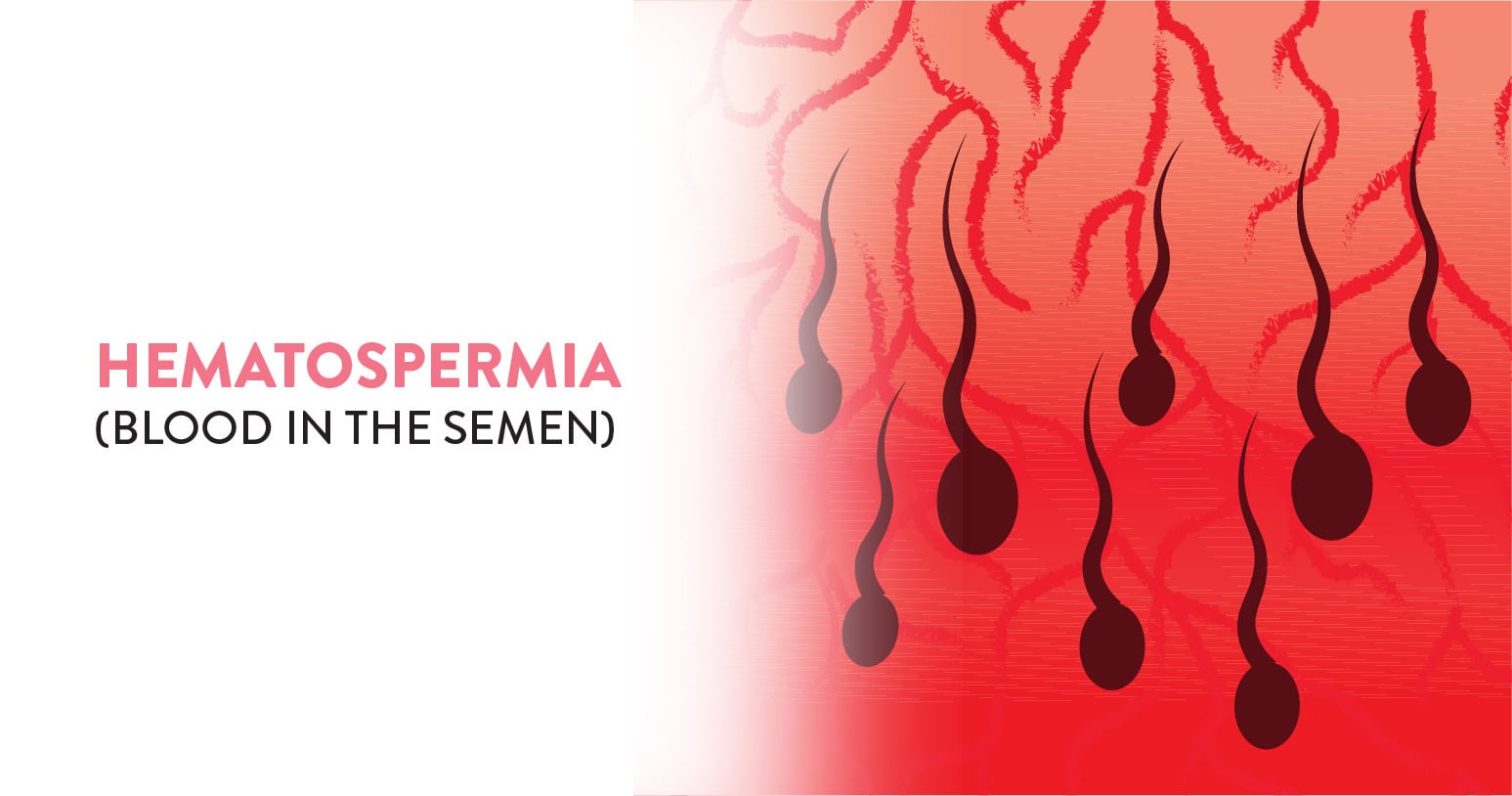
If you suddenly spot blood in your ejaculated semen, don’t be frightened. You might be experiencing a condition called Hematospermia. While initially it might seem relatively frightening or distressing, it so happens that this condition is commonly experienced by a majority of men, but not openly discussed.
This may be a one-time occurrence or a recurring episode. Whether the blood condition is old or fresh, Hematospermia is most often caused by infectious or inflammatory disorders and follows a self‐limiting, benign course.
Although major dysfunctions are not readily associated with this condition, in males over the age of 40, a more serious pathology may be present, necessitating further testing. Irrespective of the persistence of the condition, one must always seek medical advice to rule out any chances of prostate cancer. Before you visit your doctor for an examination or any necessary tests, let us understand the condition better, in order to voice your worries and receive reassurance.
Table of Contents
Semen is your organic bodily fluid which contains spermatozoa. It is secreted by a male’s sexual glands (gonads) and organs and can fertilise the female’s ovum.
Hematospermia (or Hemospermia) is the presence of blood in your semen. It may naturally worry men who encounter it, but it does not mean that it is a likely indication of a serious health issue.
It is not clear how common the symptom of blood in semen is because men typically do not examine their semen after ejaculation. Men of any age can have blood in their semen, although men in their 30s and 40s seem to have it more frequently.
Although it is frightening to see blood in your semen, it is rarely a symptom of a major health problem. A single episode of blood in your semen is normally not a sign of cancer. However, you might still want to see your healthcare provider to be reassured, to fully discuss this symptom and get an exam and perhaps other tests if your provider thinks they are needed.
Your semen may include as little as a single drop of blood or as much as is necessary to give it the appearance of blood. The reason for your bleeding will determine how much blood is in your semen. You may also experience:
You Can Also Read: Factors that affect male infertility
On its route to the urethra for ejaculation, the semen travels via many channels. Blood vessels along this tract might rupture for any variety of reasons, causing blood to spill into the semen.
In many instances, the precise reason for blood in the semen remains unknown. If you’re under 40, most incidences of blood in the semen are not dangerous. Some of the possible causes of bloody semen that your doctor may investigate are below:
Bloody semen frequently results from inflammation of the seminal vesicles. Inflammation of any organ, tube, duct or gland involved in the male genitals can cause blood in your semen. This includes:
Additionally, irritation from calculi (stones) in the prostate, urethra, bladder, or seminal vesicles can result in inflammation.
Just as with inflammation, infections in any organ, tube, duct or gland involved in the male genitals can cause blood in the semen.
Sexually transmitted infections (STIs), like herpes, gonorrhoea or chlamydia can also cause blood in semen. Infections caused by fungi, bacteria and viruses can also lead to this condition.
Blockages in ducts like the ejaculatory duct might cause the blood vessels in the area to enlarge and rupture. When your urethra is under strain from an enlarged prostate, bloody semen may result.
Malignant tumours or benign polyps in the seminal vesicles, epididymis, testicles or prostate could lead to blood in your semen.
The blood you’ve noticed in your semen may be due to vascular anomalies in the male genitals, such as vascular cysts.
Semen blood might result from illnesses that impact your entire body. These include haemophilia (a disorder that leads to easy and excessive bleeding) and hypertension (high blood pressure). Other possibilities include chronic liver disease and leukaemia.
Blood in your semen might result from physical damage, such as getting struck in the testicles while participating in sports. Trauma can cause blood vessels to leak, and that blood might leave your body in semen. A medical procedure such as a vasectomy, biopsy or prostate exam can cause blood in your semen.
You Can Also Read: Premature ejaculation-causes, symptoms and treatment
Your healthcare provider will:
Your healthcare provider might order one or more of these tests:
The results of your tests and exam might not show the cause of blood in your semen. Your provider might refer you to a urologist (a doctor who specialises in the male reproductive organs and urinary tract) if your urinalysis and initial evaluation are not normal or if the blood in your semen is present for longer than a month. Your urologist might order some or all of the following tests:
You may be able to treat yourself at home depending on the cause of the blood in your semen.
If you have blood in your semen as a result of a trauma, simply resting and allowing your body to heal might help. If your groin is also swollen, you should apply ice to it for no more than 10 to 20 minutes at a time.
Most cases of Hematospermia are cured on their own. Keep an eye on your symptoms and alert your doctor if they persist for longer than one month or get worse.
Your doctor will recommend antibiotics if an infection is the reason for the blood in your semen. If the only problem is swelling, anti-inflammatory drugs are readily available.
If the blood in your semen is caused by a blockage in your genitourinary tract, surgery might be necessary. Potential surgeries include the removal of a bladder stone that’s obstructing the urinary tract or the removal of tumours.
Your doctor will likely recommend an oncologist to you if cancer is the cause of the blood in your semen, who will then decide on the most effective course of action.
Blood in your semen might look scary, but it is a common symptom for many men. You can treat this issue at home, but if it continues for a long duration or gets worse, then it is always advisable to seek medical help from an experienced urologist. Timely care and help can ensure an appropriate diagnosis and treatment of your condition.
At the CK Birla Hospital, we ensure patients get holistic medical support which includes treatment in a compassionate and judgement-free environment. This patient-centric approach not only helps patients heal better but also ensures they are aware of the preventive measures in place to make an informed decision about their health. In case you need to consult a urologist, reach out to us, or Book a direct appointment with an experienced urologist at the CK Birla Hospital.
Although it is worrisome to see blood in your semen, it is typically not a symptom of a serious health problem. See your healthcare provider to get reassurance, discuss your concerns and get any needed tests or exams.
The majority of patients experience several episodes spread out over weeks or months. Blood in the ejaculate that lasts for more than 10 ejaculations necessitates additional assessment, although there is no universally agreed-upon definition of chronic Hematospermia.
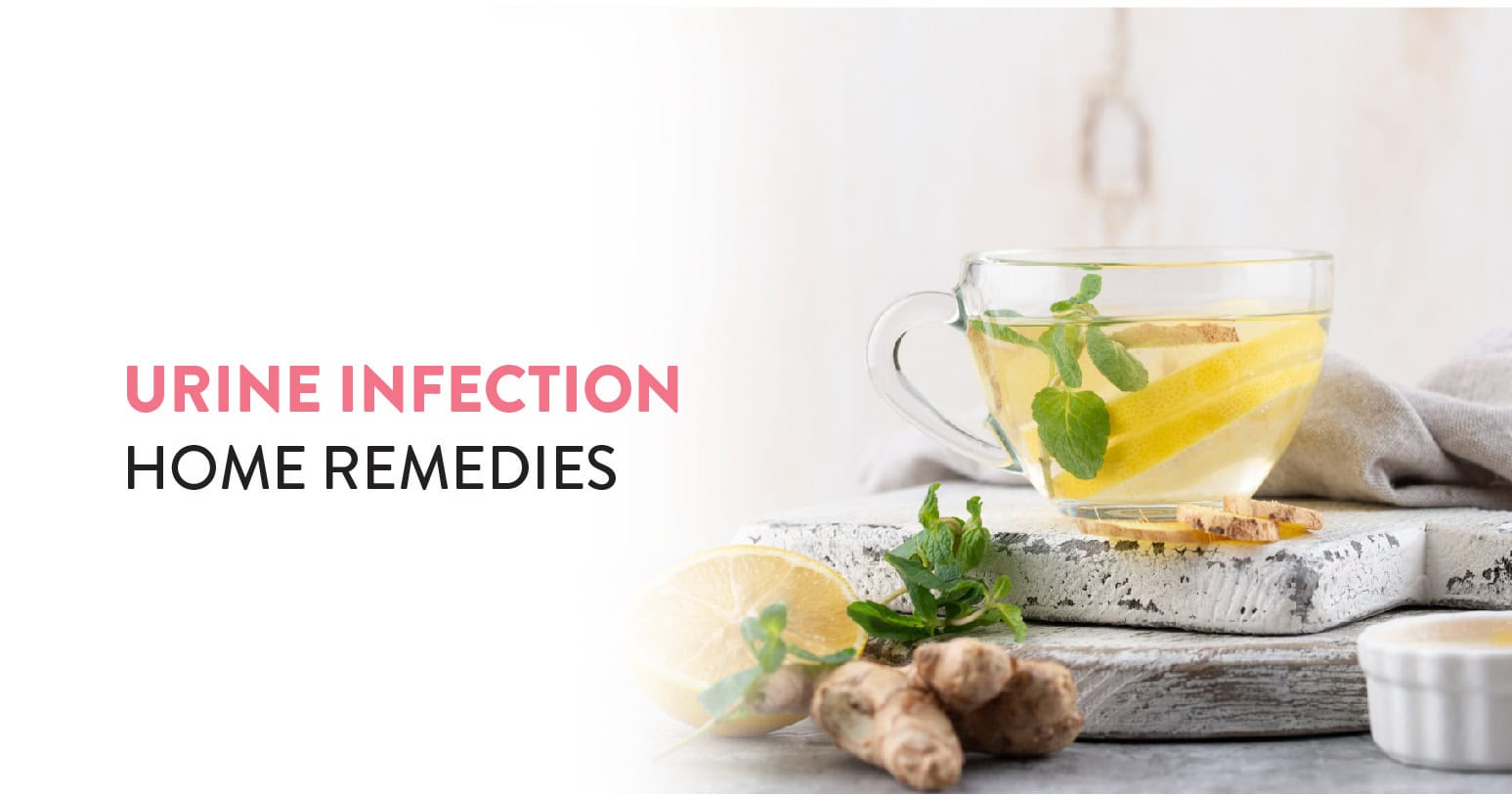
Urine is the liquid waste your body filters out through the kidneys and bladder. When bacteria enter this system, it can lead to a urinary tract infection (UTI) — one of the most common infections, especially among women.
While antibiotics remain the standard treatment, many people look for natural ways to ease symptoms or reduce the chance of recurrence. This guide covers the most effective, doctor-reviewed home remedies for urine infections, the symptoms to watch for, and when home care isn’t enough.
Table of Contents
A UTI happens when bacteria — usually from the rectum or skin – enter the urethra and travel into the bladder or, in more serious cases, the kidneys. Bladder infections are the most common type.
Around 95% of UTIs are bacterial; the rest are caused by fungi.
Recognizing symptoms early helps you decide whether home care is appropriate or whether you need to see a doctor right away.
Symptoms in Women
– A burning sensation while urinating
– Frequent, urgent need to urinate, even with little urine passed
– Cloudy, dark, or strong-smelling urine
– Pelvic or lower abdominal pressure
Symptoms in Men
– Burning during urination
– Difficulty starting urination or a weak stream
– Rectal or lower back pain (may indicate prostate involvement)
If symptoms include fever, chills, or back pain, the infection may have reached the kidneys — this requires prompt medical attention (see the section below).
Home remedies can ease mild symptoms and support recovery, but they don’t reliably clear a bacterial infection the way antibiotics do. Most doctors recommend giving home care no more than 24–48 hours before seeking treatment if symptoms don’t improve. Delaying treatment for a confirmed infection raises the risk of it spreading to the kidneys, which is a medical emergency. Home remedies are best used alongside — not instead of — medical guidance, particularly for recurrent or severe infections.
1. Drink Plenty of Fluids
Water is one of the simplest and most effective ways to flush bacteria out of the urinary tract and dilute urine, which can make urination less painful. Aim for 6–8 glasses (roughly 1.5–2 litres) a day.
2. Cranberry Juice
Cranberry juice contains bioactive compounds — organic acids, anthocyanins, and flavonoids — that may lead to the excretion of hippuric acid, a natural antibacterial agent. Unsweetened cranberry juice or capsule extracts are commonly used for both symptom relief and prevention.
3. D-Mannose
D-Mannose is a type of sugar found in cranberries and other fruits that may prevent E. coli bacteria from sticking to the walls of the urinary tract, making it easier for the body to flush them out. It’s available as a powder or supplement and is increasingly recommended alongside cranberry extract for recurrent UTIs.
4. Probiotics
Probiotics, particularly Lactobacillus strains, help maintain healthy bacteria in the urinary and vaginal tract, forming a natural barrier against infection-causing bacteria.
5. Vitamin C
Vitamin C may help by increasing the acidity of urine, which can inhibit bacterial growth. Citrus fruits, kiwi, and red peppers are rich natural sources.
6. Cinnamon
Cinnamon has shown activity against bacteria that cause UTIs, particularly in long-term catheter users, potentially by preventing bacteria from coating the urinary tract lining.
7. Coconut Water
Coconut water supports hydration and urine production, helping flush the kidneys and urinary tract, and may ease overall discomfort during an infection.
8. Garlic Extract
Garlic has natural antimicrobial properties and is sometimes used as a supportive supplement for UTI prevention, though it should not replace prescribed antibiotics for an active infection.
9. Uva Ursi (Bearberry)
Uva ursi is a traditional herbal remedy containing compounds with antimicrobial effects on the urinary tract. It should be used short-term and under medical guidance, as prolonged use has been linked to liver strain.
10. Apply Heat for Pain Relief
A warm compress or heating pad on the lower abdomen can help relieve bladder pressure and cramping while the infection clears.
Certain foods and drinks can irritate the bladder and worsen symptoms:
– Caffeine (coffee, tea, energy drinks)
– Alcohol
– Carbonated/fizzy drinks
– Spicy and inflammatory foods
– Citrus fruits (in large amounts, once infection is active)
– Refined carbohydrates and added sugar
UTIs are more common during pregnancy because hormonal changes relax the urinary tract, making it easier for bacteria to travel upward. Left untreated, a UTI in pregnancy carries a higher risk of progressing to a kidney infection and has been linked to preterm labour, so it should never be managed with home remedies alone.
If you’re pregnant and notice any UTI symptoms, contact your obstetrician promptly — safe antibiotics exist for pregnancy, and hydration and cranberry juice can be used as supportive measures alongside treatment, not instead of it.
Hygiene Habits
– Don’t hold urine for long periods
– Urinate after sexual intercourse
– Avoid spermicides if you’re prone to UTIs
– Wipe front to back after using the toilet
UTIs After Menopause
Hormonal changes after menopause can thin the vaginal and urinary tract lining, increasing UTI risk. Some women find relief with doctor-prescribed vaginal estrogen or by reviewing birth control methods (such as diaphragms or spermicide-based options) with their doctor.
Urinary tract infections are quite common and can be irritating. You can use home remedies in most cases for relief, however, if they don’t work then medications might be required. It is always advisable to seek medical help from an experienced urologist. Timely care and help can ensure an appropriate diagnosis and treatment of your condition.
At the CK Birla Hospital, we ensure patients get holistic medical support which includes treatment in a compassionate environment. This patient-centric approach not only helps patients heal better but also ensures they are aware of the preventive measures as well. In case you need to consult a urologist, reach out to us, or book a direct appointment with Dr. Shalabh Agarwal at the CK Birla Hospital.

