Filter :
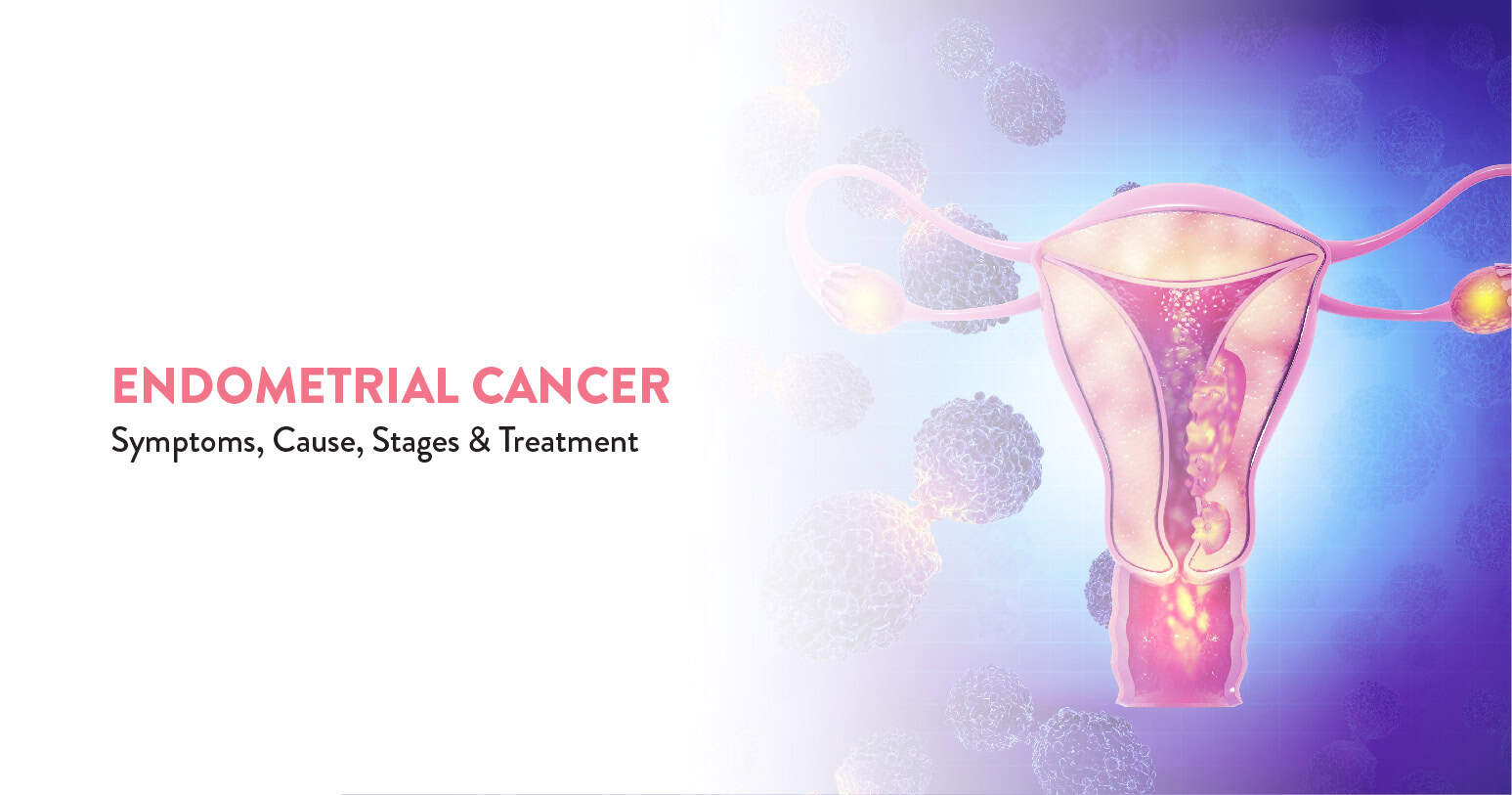
The uterus is the organ in the reproductive system in females that accommodates the embryonic and foetal development of one or more embryos until birth. It is a hormone-responsive sex organ that contains glands in its lining that secrete uterine milk for embryonic nourishment.
Endometrial cancer is a kind of uterine cancer that develops from the inner lining of the uterus. This lining is called the endometrium. Experiencing abnormal vaginal bleeding is normally the main symptom of endometrial cancer, but this could be a sign of more benign health conditions as well.
If you have symptoms that could be a sign of endometrial cancer or another gynaecological condition, make an appointment with your doctor. Your chances of remission rise with early diagnosis and therapy.
Table of Contents
A proliferation of cells in the uterus is the precursor of endometrial cancer, a particular form of cancer. The uterus is the pear-shaped, hollow pelvic organ where foetal development happens.
The layer of cells that make up the endometrium, or uterine lining, is where endometrial cancer first appears. Endometrial cancer is sometimes called uterine cancer. One of the many malignancies that may arise in the uterus is uterine sarcoma, albeit it is far less common than endometrial cancer.
Due to its symptoms, endometrial cancer is frequently discovered at an early stage. Often the first symptom is irregular vaginal bleeding. Early detection of endometrial cancer generally results in a cure through uterus removal surgery.
Abnormal vaginal bleeding is one of endometrial cancer’s most prevalent symptoms. This can include:
Other potential symptoms of endometrial cancer include:
Make an appointment with your doctor if you notice any of these signs. These symptoms are not necessarily a sign of a serious condition, but it is important to get them checked out.
Menopause or other noncancerous diseases can result in abnormal vaginal bleeding. But in some cases, it is a sign of endometrial cancer or other types of gynaecological cancer.
The cause of endometrial cancer is not known. What is known is that something happens to cells in the lining of the uterus that changes them into cancer cells.
When cells in the uterine lining (also known as the endometrium) experience DNA alterations, endometrial cancer develops. The DNA of a cell contains the instructions that inform the cell what to do. The adjustments instruct the cells to proliferate fast. When healthy cells would naturally expire as a part of their life cycle, the alterations instruct the cells to stay alive instead. There are a lot of additional cells as a result. Tumours, or masses made of cells, may result. The cells can penetrate and demolish healthy biological tissue. The cells may eventually separate and spread to other bodily regions.
Endometrial cancer is typically first treated with surgery to remove the cancer. This might include removing the ovaries, fallopian tubes and uterus. Other treatment options might include radiation therapy or treatments using medicines to kill the cancer cells. Options for treating your endometrial cancer will depend on the characteristics of your cancer, such as your preferences, your general health and the stage.
Treatment for endometrial cancer normally involves an operation to remove the uterus, called a hysterectomy. Treatment also typically includes the removal of the fallopian tubes and ovaries, called a salpingo-oophorectomy.
To check for evidence of cancer spread, your surgeon will also examine the regions around your uterus during surgery. Your surgeon also might remove lymph nodes for testing. This helps determine your cancer’s stage.
Radiation therapy uses powerful energy to kill cancer cells. The energy can come from protons, X-rays or other sources. In certain situations, radiation therapy might be recommended before surgery. Radiation therapy can shrink a tumour and make it easier to remove.
If you are not healthy enough to undergo surgery, you might opt for radiation therapy only.
Radiation therapy can involve:
Chemotherapy uses strong medicines to kill cancer cells. Some people receive 1 chemotherapy medicine. Others receive 2 or more medicines together. While some chemotherapy medications must be taken orally, the majority are administered intravenously. These medications destroy cancer cells by entering the bloodstream and then moving throughout the body.
Chemotherapy is sometimes used after surgery to lower the risk that the cancer may return. Chemotherapy also can be used before surgery to shrink the cancer. This increases the likelihood that the malignancy will be eliminated after surgery.
Chemotherapy might be recommended for treating advanced endometrial cancer that has spread beyond the uterus or to treat cancer that has come back.
Hormone treatment involves taking medications to reduce the body’s hormone levels. As a result, cancer cells that rely on hormones to drive their development may perish. Hormone therapy might be an option if you have advanced endometrial cancer that has spread beyond the uterus.
Drugs that target certain chemicals in cancer cells are used in targeted treatment. Targeted therapies can make cancer cells perish by obstructing these substances. Targeted therapy is typically combined with chemotherapy for treating advanced endometrial cancer.
Immunotherapy makes use of drugs that boost the body’s natural defences against cancer cells. The immune system fights off diseases by attacking germs and other cells that should not be in the body. Cancer cells evade the immune system to live. Immunotherapy helps the immune system cells discover and kill the cancer cells. If the disease is advanced and previous therapies have failed for endometrial cancer, immunotherapy may be tried.
Palliative care is a special type of health care that helps you feel better when you have a serious illness. If you have cancer, palliative care can help relieve pain and other symptoms. Palliative care is done by a team of healthcare professionals. This can include nurses, doctors and other experts with specialised training. They want to make life better for you and your loved ones.
You can have palliative care at the same time as strong cancer treatments, such as surgery, chemotherapy or radiation therapy, which might lead to cancer patients feeling better and living longer.
The inner lining of the uterus is where endometrial cancer first manifests itself. Abnormal vaginal bleeding is the primary symptom of endometrial cancer, however, it could be a sign of more serious health conditions as well, so it is always advisable to seek medical help from an experienced oncologist. Timely care and help can ensure an appropriate diagnosis and treatment of your condition.
At the CK Birla Hospital, we ensure patients get holistic medical support which includes treatment in a compassionate environment. This patient-centric approach not only helps patients heal better but also ensures they are aware of the preventive measures as well. In case you need to consult an oncologist, reach out to us, or book a direct appointment with Dr. Pooja Babbar at the CK Birla Hospital. (Booking Link).
The majority of endometrial cancer cases are caught early and treated surgically. If you have symptoms that could be a sign of endometrial cancer or another gynaecological condition, make an appointment with your doctor.
The most common symptom of endometrial cancer is abnormal vaginal bleeding, ranging from a blood-streaked and watery flow to a flow that contains more blood. Vaginal bleeding before, during, or after menopause is frequently a warning indication.
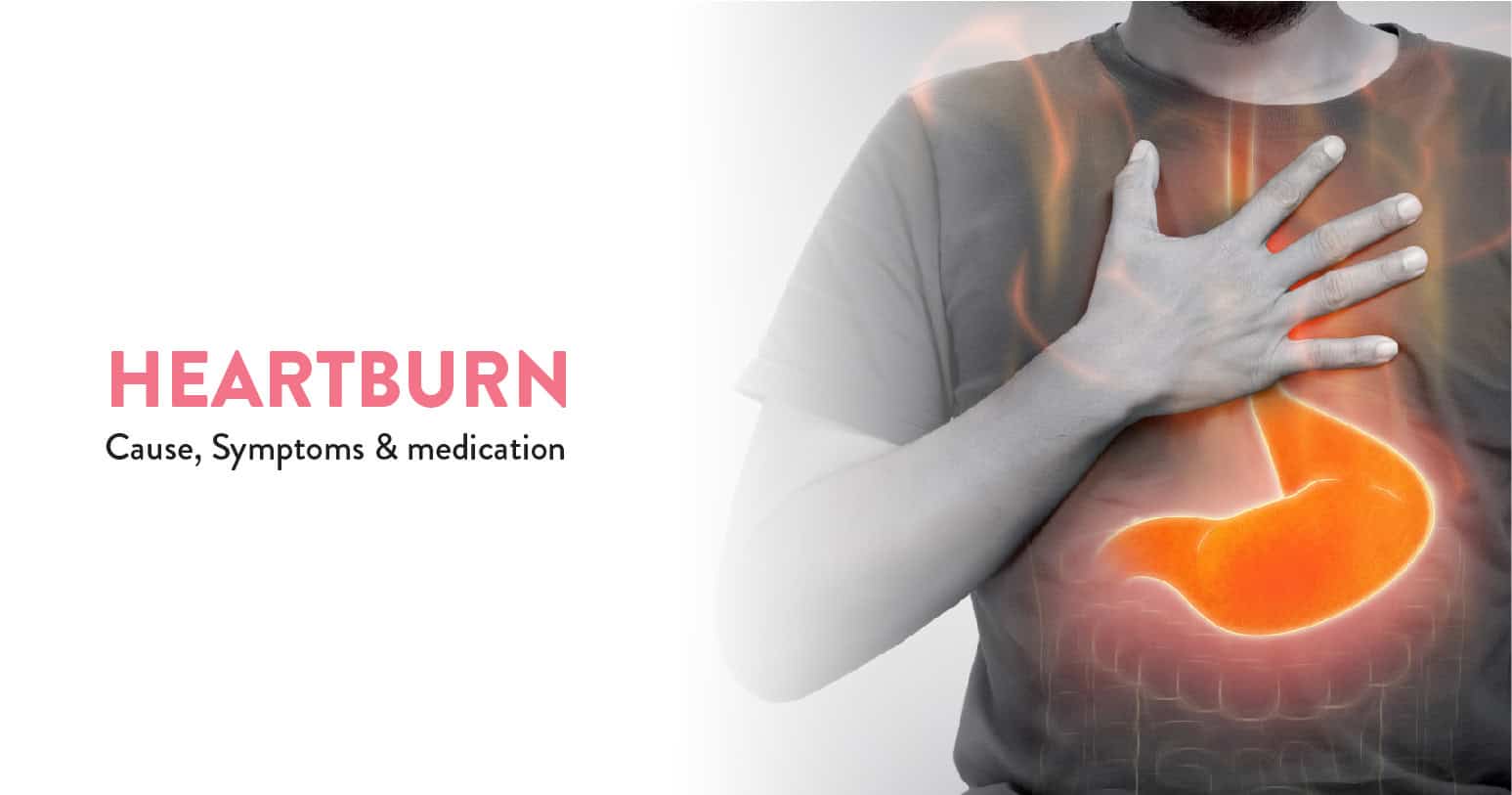
A lot of people love enjoying big meals, however, this and certain foods may cause them to experience a condition known as heartburn.
Just behind your breastbone, a burning pain in your chest is known as heartburn. The pain is often worse when lying down or bending over, in the evening or after eating. Heartburn occurs often and is not a cause for concern. Most people can manage the discomfort of heartburn on their own with nonprescription medications and lifestyle changes.
Heartburn that interferes with your daily routine or is more frequent might be a symptom of a more serious condition that requires medical care. If you are especially worried it could be a heart attack, seek emergency medical attention.
Table of Contents
Heartburn is a burning sensation behind your breastbone in your chest. It occurs when stomach acid travels back up your oesophagus (the tube that carries food from your mouth to your stomach). You might also experience a bitter taste in your mouth or throat. The symptoms of heartburn might get worse when you are lying down or after you eat.
In general, home remedies for treating heartburn problems are effective. If frequent heartburn makes it difficult to swallow or eat, however, your symptoms might be a sign of a more serious medical condition.
Heartburn symptoms can range from minor discomfort to excruciating anguish. The most common symptom of heartburn is a burning feeling in your throat and chest.
Heartburn feels like a burning or uncomfortable pain in the middle of your chest. You might also experience:
Heartburn can affect people differently. Heartburn symptoms typically start soon after eating and linger for a few minutes to many hours, or even longer.
The underlying reason will determine how long you will have symptoms. It also depends on what you do at the first sign of symptoms. For instance, heartburn symptoms may persist as your body digests the triggering food. Other times, discomfort goes away if you get up after eating rather than lying down.
If you take prescription medications or antacids as part of a treatment plan, you might experience fewer or shorter-duration heartburn symptoms.
You Can Also Read: Foods to avoid to prevent acid reflux (GERD)
Heartburn usually occurs when contents from the stomach back up into the oesophagus. The oesophagus is a tube that carries fluids and food from the mouth into the stomach.
Your oesophagus connects to your stomach at a juncture known as the lower oesophagal sphincter. If the lower oesophagal sphincter is functioning properly, it closes when food leaves the oesophagus and enters the stomach.
In some people, the lower oesophagal sphincter becomes weakened or does not function properly. This leads to contents from the stomach leaking back into the oesophagus. Stomach acids can irritate the oesophagus and cause symptoms of heartburn. This condition is known as reflux.
Certain conditions and other factors might make it more likely for you to experience heartburn. Risk factors include:
If you have heartburn, you might find that certain drinks and foods can trigger your symptoms. These might include:
Additional factors that may cause heartburn include:
Heartburn that occurs sometimes seldom requires medical attention. However, frequent heartburn might be a symptom of GERD. This condition might require a cure with prescription medication or surgery.
If left untreated, GERD might lead to additional health problems, like an inflammation of the oesophagus (called esophagitis), or Barrett’s oesophagus. Barrett’s oesophagus causes changes in the lining of the oesophagus that can increase your risk of oesophagal cancer.
Long-term heartburn could reduce your quality of life. See your doctor to determine a course of treatment if you find it difficult to carry on your daily life or are severely limited in your activities due to heartburn.
You Can Also Read: Gas Problem – Symptoms, Causes and Treatment
If your heartburn is not the symptom of an underlying condition, you should be able to successfully treat it with OTC (over-the-counter) medications.
You might also find relief from the following lifestyle changes:
If lifestyle changes or OTC medication do not help your heartburn or if you experience heartburn frequently, talk to your doctor. They can assist in determining the root reasons for your heartburn and the best course of action.
Heartburn causes a burning pain in your chest. Many people can manage the unease themselves at home, however, if it does not go away or is frequent, it can be an indicator of a more serious condition. It is always advisable to seek medical help from an experienced gastroenterologist. Timely care and help can ensure an appropriate diagnosis and treatment of your condition.
At the CK Birla Hospital, we ensure patients get holistic medical support which includes treatment in a compassionate environment. This patient-centric approach not only helps patients heal better but also ensures they are aware of the preventive measures as well. In case you need to consult a gastroenterologist, reach out to us, or book a direct appointment at the CK Birla Hospital.
Heartburn can mostly be treated with OTC (over-the-counter) medications. If you still get heartburn, consult your doctor to determine the underlying causes and the best course of action.
Seek help right away if you have severe chest pressure or pain, especially when combined with pain in the jaw or arm or difficulty breathing. Make an appointment with your healthcare provider if your heartburn occurs more than twice a week. Symptoms persist despite the use of nonprescription medications.
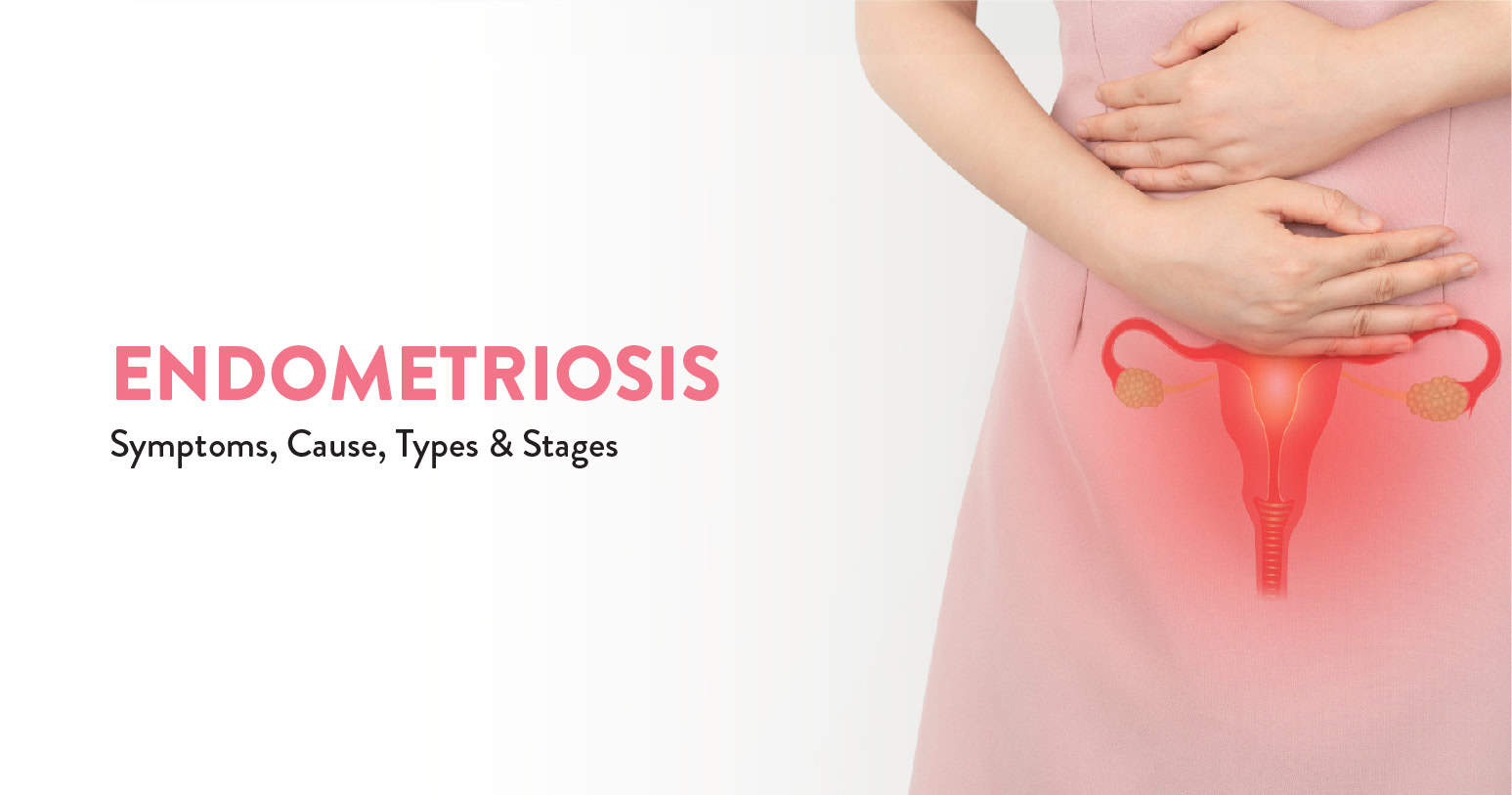
The uterus is the organ in the reproductive system in females that accommodates the embryonic and foetal development of one or more embryos until birth. It is a hormone-responsive sex organ that contains glands in its lining that secrete uterine milk for embryonic nourishment.
When a tissue similar to the lining of the uterus grows outside it, it results in a disease known as endometriosis. In the pelvic area, this causes inflammation and the formation of scar tissue.
Endometriosis can cause severe pain in the pelvis and make it harder to get pregnant. There is no cure for endometriosis, but its symptoms can be treated with medicines or, in some cases, surgery. It is important to immediately contact an Endometriosis doctor if you feel you may have endometriosis to begin the process of getting an accurate diagnosis and eventually creating a plan based on your specific situation.
Table of Contents
When endometriosis occurs, a tissue that mimics the lining of the uterus grows outside of the uterus. Your uterus’ lining is known as the endometrium.
Endometriosis occurs when endometrial-like tissue grows on the tissues lining your pelvis, bowel and ovaries. It is rare for endometrial-like tissue to spread beyond your pelvic region, but it is not impossible. An endometrial implant is a growth of tissue that resembles endometrium outside of the uterus.
The hormonal changes of your menstrual cycle affect the misplaced endometrial-like tissue, causing the area to become painful and inflamed. This implies that the tissue will swell, harden, and degrade. Over time, the tissue that has broken down has nowhere to go and becomes trapped in your pelvis.
In your pelvis, the tissue that is stuck may cause:
Pelvic discomfort, frequently related to menstrual cycles, is the main symptom of endometriosis. Although many experience cramping during their menstrual periods, those with endometriosis usually describe menstrual pain that is far worse than usual. Pain also might increase over time.
Common symptoms and signs of endometriosis include:
Sometimes those seeking therapy for infertility are the ones who are initially diagnosed with endometriosis.
You might experience occasional bleeding between periods (intermenstrual bleeding) or heavy menstrual periods.
You are most likely to experience these symptoms during a menstrual period.
Pain after or during sex is common with endometriosis.
Cramping and pelvic pain might begin before and extend several days into a menstrual period. You might also have abdominal and lower back pain.
You might experience bloating, constipation, diarrhoea, fatigue or nausea, especially during menstrual periods.
The degree of your discomfort may not be an accurate measure of the severity of your ailment. Endometriosis can range from moderate and excruciatingly painful to advanced and hardly perceptible.
Endometriosis is sometimes mistaken for other conditions that can cause pelvic pain, such as ovarian cysts or PID (Pelvic Inflammatory Disease). It might be confused with IBS (Irritable Bowel Syndrome), a condition that causes bouts of abdominal cramping, constipation and diarrhoea. Endometriosis and IBS can coexist, which makes a diagnosis more difficult.
Although the precise reason for endometriosis is unknown, the following factors may contribute:
A problem with the immune system might make the body unable to recognize and destroy endometrial-like tissue that is growing outside the uterus.
The tissue fluid (lymphatic) system or blood vessels might transport endometrial cells to other parts of the body.
After surgery, like a C-section or hysterectomy, endometrial cells might attach to a surgical incision.
Hormones like oestrogen might transform embryonic cells – cells in the earliest stages of development – into endometrial-like cell implants during puberty.
According to the so-called “induction theory,” hormones or immunological factors may encourage the transition of peritoneal cells, which line the inside of your belly, into endometrial-like cells.
Menstrual blood with endometrial cells travels back through the fallopian tubes and into the pelvic cavity during retrograde menstruation as opposed to leaving the body. These endometrial cells stick to the surfaces of pelvic organs and pelvic walls, where they grow and continue to thicken and bleed throughout each menstrual cycle.
Treatments to manage endometriosis can vary based on whether pregnancy is desired and the severity of symptoms. No treatments cure the disease.
Many different drugs are available to treat endometriosis and its symptoms.
NSAIDs (Non-steroidal anti-inflammatory drugs) and Analgesics (painkillers) are often used to treat pain.
Contraceptive (birth control) techniques and hormone-based medications like GnRH analogues can both reduce discomfort. These methods include:
These methods might not be suitable for those wanting to get pregnant.
Fertility procedures and medicines are sometimes used for those having difficulty getting pregnant because of endometriosis.
Surgery is sometimes used to remove endometriosis scar tissues, adhesions and lesions. Laparoscopic surgery (using a small camera to visualise inside the body) allows doctors to keep incisions small.
Discuss your treatment options with a healthcare provider. Treatments are based on individual preferences and effectiveness, availability, costs, long-term safety and side effects.
Increasing awareness can aid in early diagnosis. Early treatment can halt or slow the natural progression of the disease and reduce the long-term symptoms.
In addition to talking to their doctor, people might find emotional assistance and additional advice in local patient support groups.
Endometriosis-related symptoms can occasionally return after therapy is over, and some therapies come with adverse effects. The choice of treatment depends on effectiveness in the individual, availability, costs, long-term safety and adverse side effects. Because they interfere with ovulation, the majority of current hormone treatments are not suited for endometriosis patients who want to become pregnant.
Success in increasing pregnancy rates and reducing pain symptoms through surgery are often dependent on the extent of the disease. In addition, anomalies in the pelvic floor muscles can cause chronic pelvic discomfort, and lesions may return even after effective eradication. Secondary changes of the pelvis, including the pelvic floor, and central sensitization might benefit from complementary treatments and physiotherapy in some patients. Treatment options for infertility due to endometriosis include laparoscopic surgical removal of endometriosis, in vitro fertilisation (IVF) and ovarian stimulation with intrauterine insemination (IUI) but success rates vary.
Endometriosis is caused by tissue lining growing outside the uterus. It is usually painful and forms scar tissue in the pelvic region, making it difficult to get pregnant. It is always advisable to seek medical help from an experienced gynaecologist. Timely care and help can ensure an appropriate diagnosis and treatment of your condition.
At the CK Birla Hospital, we ensure patients get holistic medical support which includes treatment in a compassionate environment. This patient-centric approach not only helps patients heal better but also ensures they are aware of the preventive measures as well. In case you need to consult a gynaecologist, reach out to us, or book a direct appointment with Dr. Anjali Kumar at the CK Birla Hospital.
Endometriosis has significant economic, public health and social implications. It can decrease quality of life due to infertility, anxiety, depression, fatigue and severe pain.
There is no cure for endometriosis, but its symptoms can be treated with medicines or, in some cases, surgery. It causes a chronic inflammatory reaction that might result in the formation of scar tissue (fibrosis, adhesions) within the pelvis and other parts of the body.
Endometriosis is not a malignant condition, despite worries about how it affects cancer. The growth of abnormal tissues outside the uterine lining is not cancer. However, endometriosis can lead to several issues that can raise a person’s chance of developing cancer.
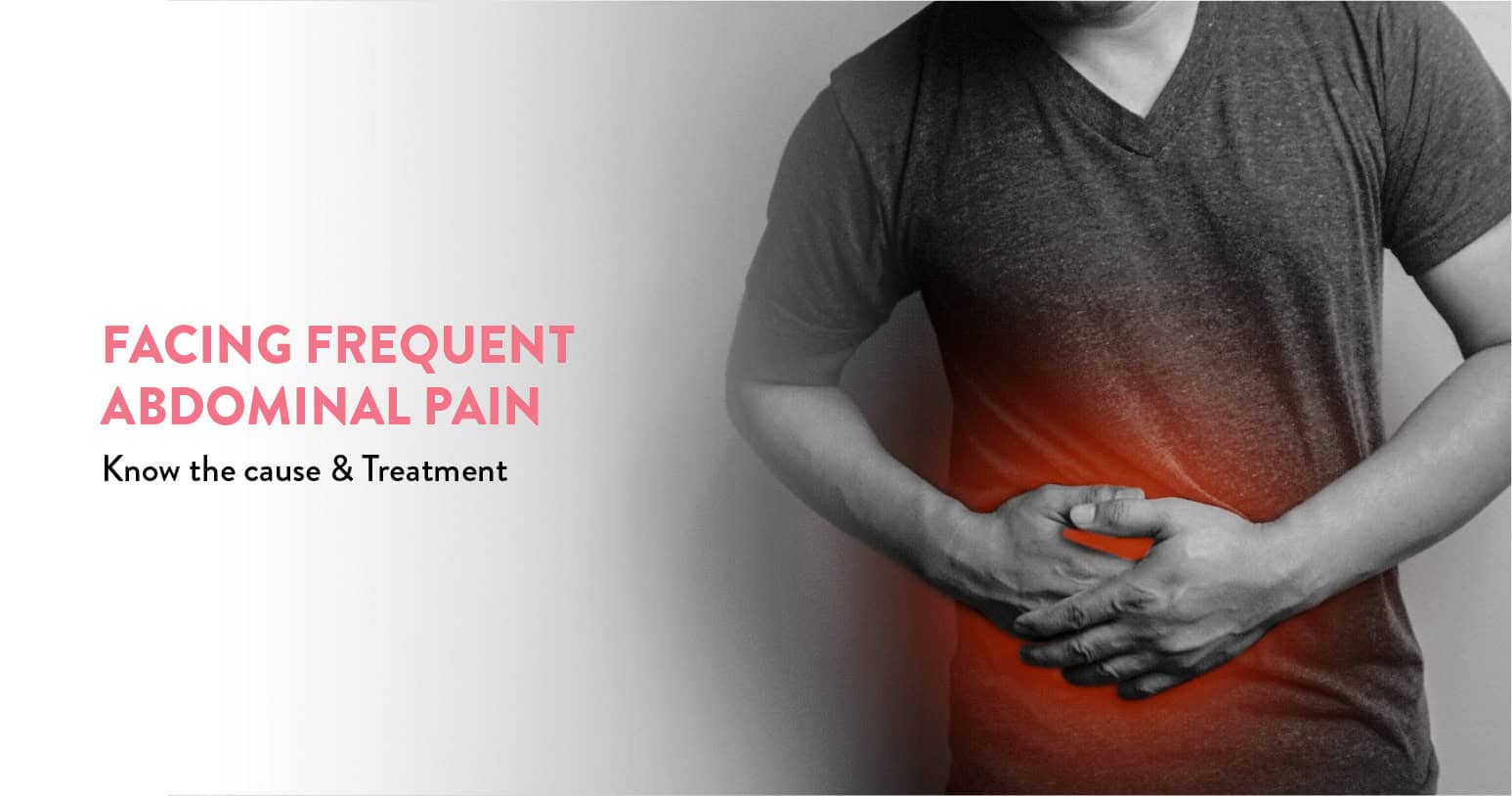
The stomach is a hollow, muscular organ in your gastrointestinal tract. It is situated between the small intestine and the oesophagus. The stomach secretes gastric acid and digestive enzymes to aid in food digestion.
Abdominal pain is pain that occurs between the pelvic regions and the chest. It can be sharp, intermittent, dull, achy or crampy. Parasitic, bacterial or viral infections that affect the intestines and stomach might also cause significant abdominal pain.
Consult your healthcare provider if the discomfort is persistent or getting worse. Make an appointment with your doctor if you experience significant acute stomach pain so that you can determine the cause and start the appropriate treatment.
Table of Contents
Any discomfort in the area of your abdomen between your ribs and pelvis is considered abdominal pain. Although stomach discomfort is commonly associated with the stomach, other organs might also be causing abdominal pain.
Your abdomen is home to your:
All of these are digestive system organs. However, the muscles and skin that make up your abdomen’s exterior might also hurt. This is known as your abdominal wall. Additionally, the discomfort you experience in your abdomen might occasionally originate from your back, pelvis, or chest.
There are several shapes and meanings that abdominal discomfort may have.
It may feel:
In the end, stomach discomfort is a personal experience that you are the only one who can explain. Since your healthcare provider cannot quantify it, it is what you say it is. Your doctor will always treat your stomach discomfort carefully.
There are several causes or reasons for discomfort in the abdomen. It might have anything to do with illness, injury, infection, or digestion. It might originate from an internal organ or the skin or muscles of your abdominal wall. Or it may have spread from a neighbouring location.
To find the source of your discomfort, your healthcare expert will probe you in-depth about your symptoms. The intensity of the feeling does not always translate into seriousness. Certain common, transitory diseases can feel overwhelming, while certain serious, life-threatening disorders might feel mild.
Abdominal discomfort often has transient, non-serious causes. These could be related to the menstrual cycle, digestion, or a transient illness. For example:
Following a meal, abdominal discomfort might result from:
Temporary inflammation can result from irritation or infection in your organs, including:
If you have a uterus, the following conditions may cause you occasional pain:
Abdominal discomfort can occasionally be a sign of a significant medical issue that needs to be treated. various locations of pain may suggest the involvement of various organs. For example:
Your liver, gallbladder, and bile ducts are located in your upper right abdomen. The right kidney is located at the rear. Your small and big intestines’ first segments also pass through.
Most likely, gallbladder or liver illness is the cause of upper right abdomen discomfort. Examples of such diseases include:
It could also be a localised problem in your duodenum, ascending colon or right kidney, such as a:
Your stomach, pancreas, and spleen are located in your upper left abdomen. Your heart and left lung lie directly above your left kidney, which is located at the rear of your abdominal cavity.
Upper left abdominal pain could mean:
If your chest is the source of the pain, it can originate from:
The majority of your small and large intestines are located in your lower belly. Gastrointestinal disorders are most often the cause of lower abdomen discomfort. It could also have anything to do with your uterus, ovaries, or ureters.
Abdominal causes include:
Pelvic organ pain may result from one of the following:
The most common causes of pain in the lower left abdomen are colon diverticulitis and diverticulosis. Although they can appear anywhere in your colon, diverticula—small outpouchings in the gut wall—usually start in the lower left section.
Your appendix might be the source of your lower right abdominal pain. Appendicitis, or inflammation, maybe the cause, or, less frequently, appendix cancer.
Other, general causes of stomach pain include:
Numerous factors can cause and cure abdominal discomfort. Surgery may be necessary for some illnesses, such as appendicitis or gallstones. Drugs may provide relief for other conditions including infections or ulcers. And occasionally, you might just need to endure a kidney stone or stomach flu episode until it reduces or goes away.
It’s critical to identify the cause of your stomach discomfort if you don’t already know it, particularly if it persists. Recall that situations can get dangerous even in mild cases. But if you believe with some certainty that your stomach discomfort is caused by digestion, you might start by taking:
Pain that is felt between the chest and pelvic areas is referred to as abdominal pain. It may feel crampy, achy, dull, acute, or sporadic. If the pain doesn’t go away or keeps getting worse, then it is always advisable to seek medical help from an experienced gastroenterologist. Timely care and help can ensure an appropriate diagnosis and treatment of your condition.
At the CK Birla Hospital, we ensure patients get holistic medical support which includes treatment in a compassionate environment. This patient-centric approach not only helps patients heal better but also ensures they are aware of the preventive measures as well. In case you need to consult a gastroenterologist, reach out to us, or book a direct appointment with Dr. Anukalp Prakash at the CK Birla Hospital. (Booking Link).
Acute stomach discomfort often appears and stops in a few hours to several days. Chronic abdominal discomfort may come and go. Pain of this kind might last for several weeks, months, or even years. Certain long-term illnesses result in progressive pain, which progressively worsens over time.
Contact your healthcare provider if you have abdominal discomfort that lasts 1 week or longer, which does not improve in 24 to 48 hours, becomes more severe and frequent, and occurs with nausea and vomiting or bloating that persists for more than 2 days.
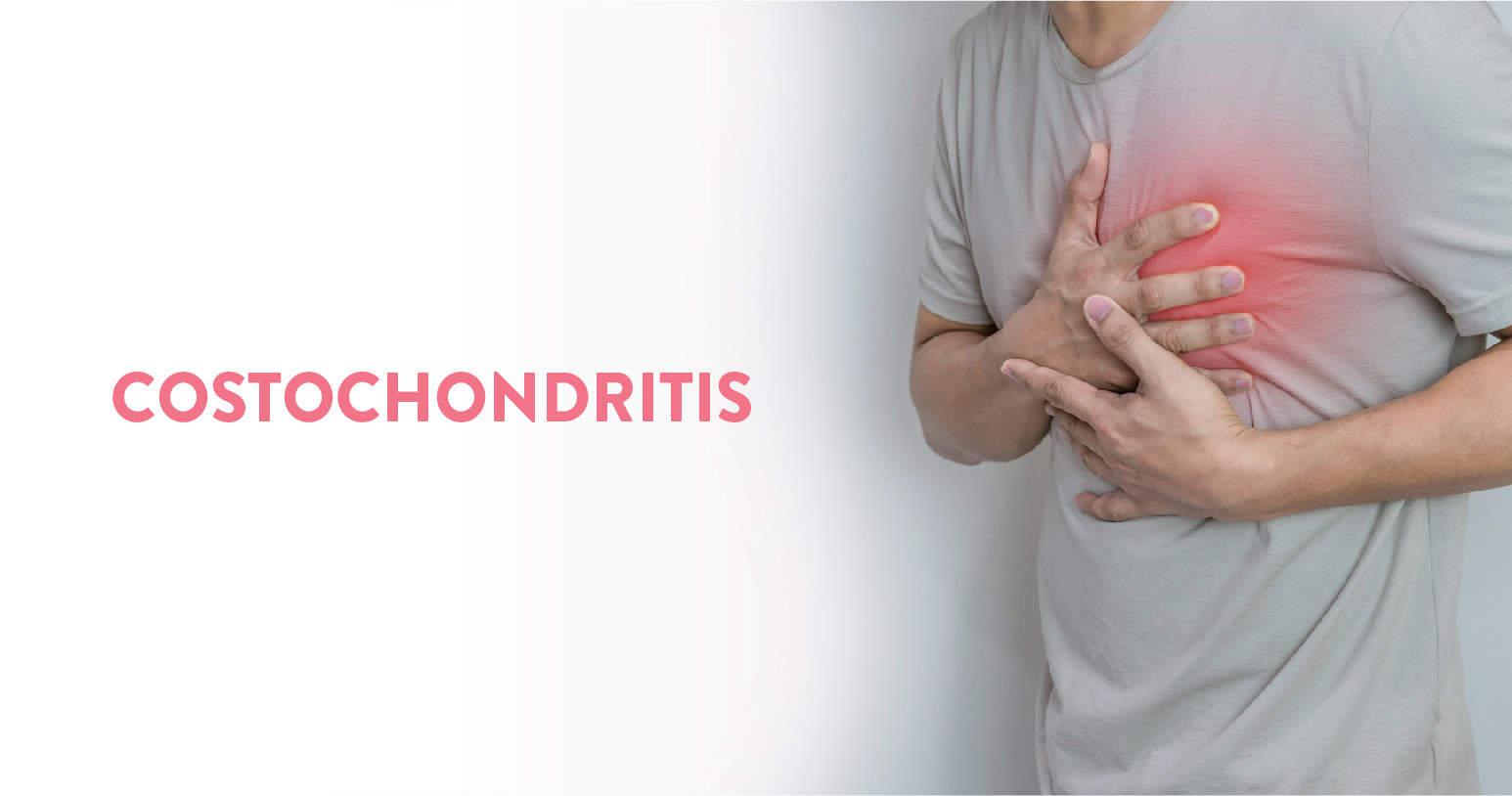
Your body has cartilage, which is a supple and durable kind of connective tissue. It protects and envelops the ends of long bones at the joints. Blood vessels and nerves are absent from cartilage.
The harmless inflammation (swelling) of cartilage in your chest is called costochondritis. Costochondritis feels like an aching or sharp pain, which can develop slowly or start suddenly and spread across your chest.
Costochondritis that is not severe may go away in a few days. The majority of instances don’t last more than a year, however chronic cases might linger for weeks or longer. If you suffer chest discomfort while engaging in activities such as manual labour or high-impact exercises, get medical help right away.
Table of Contents
Costochondritis is the medical term for cartilage inflammation in the rib cage. It might happen due to an illness, an accident, or other health problems. This ailment often affects the cartilage at the costosternal joint or costosternal junction, which is where the upper ribs join the breastbone, commonly known as the sternum.
Costochondritis can result in mild to severe chest discomfort. Mild instances may simply result in a mild tenderness or soreness when you press on the affected area in your chest.
Deep breathing and certain motions may make more severe instances worse. The problem often goes away within a few weeks or months, although in certain situations, treatment may be necessary.
Costochondritis frequently manifests as chest pain in the upper and middle rib area, on either side of the breastbone. This discomfort may worsen over time gradually or unexpectedly.
Additional symptoms can include:
It’s crucial to remember that signs like tightness in the chest and radiating pain might signify a variety of illnesses, including a heart attack. If your chest discomfort is severe and persistent, get medical help right away.
You Can Also Read: 10 tips to prevent back pain during work from home
In the majority of cases, the actual cause of costochondritis is unknown. However, the following circumstances might lead to it:
According to some studies, women, particularly athletes, are more likely than males to develop costochondritis. You may also be more susceptible to developing this illness if you:
While there is no specific test to identify costochondritis, your doctor will almost certainly do some tests and ask you several questions to identify the cause of your chest discomfort.
However, depending on your unique medical history, your doctor may order certain tests to rule out other possible causes of your chest discomfort, such as pneumonia or coronary heart disease. Typically, lab tests are not required to identify costochondritis.
To be sure your lungs aren’t emitting anything odd, your doctor could ask you to obtain an X-ray.
Your X-ray ought to be normal if you have costochondritis. To make sure your heart isn’t the source of your chest pain, they can also advise getting an electrocardiogram (ECG).
When diagnosing costochondritis, it is frequently necessary to rule out other potential, more serious causes.
Usually, costochondritis resolves on its own, however, it may persist for a few weeks or longer. The therapy aims to make people feel less uncomfortable.
Your health care provider might recommend:
Physical therapy treatments might include:
Injecting numbing medicine and a corticosteroid straight into the affected joint is another possibility if conservative procedures don’t relieve the pain.
You Can Also Read: Causes of stomach pain after eating
Normally, treatment of the inflammation and pain causes costochondritis to eventually go away on its own.
Even with therapy, the pain from chronic costochondritis may come back or linger when you exercise or do particular activities. In these circumstances, it may be necessary to seek long-term care to prevent costochondritis from impairing your quality of life and capacity for everyday tasks.
Costochondritis-related pains might be a sign of other problems. When you have chest pain, you should seek medical attention right away to rule out pneumonia or a heart attack. Chest discomfort is frequently a sign of heart or lung problems.
Costochondritis-related chest discomfort may be a sign of fibromyalgia. You could also have pain in your chest if you have fibromyalgia in addition to:
Inquire with your doctor about a fibromyalgia test if you also suffer chest pains in addition to these other symptoms. Understanding this disease will make it easier for you to deal with the symptoms and prevent it from interfering with your everyday activities.
Costochondritis is a benign inflammation (swelling) of the cartilage in your chest. The majority of cases last no more than a year, however, chronic cases might persist for weeks or longer. It is always advisable to seek medical help from an experienced rheumatologist. Timely care and help can ensure an appropriate diagnosis and treatment of your condition.
At the CK Birla Hospital, we ensure patients get holistic medical support which includes treatment in a compassionate environment. This patient-centric approach not only helps patients heal better but also ensures they are aware of the preventive measures as well. In case you need to consult a rheumatologist, reach out to us, or book a direct appointment with Dr. Chirag Arora at the CK Birla Hospital.
Typically, the front left side of your breastbone is where discomfort first manifests. It frequently affects more than one rib. It might impact your arms and shoulders in addition to the rest of your chest.
Any action that puts stress on your chest area, such as rigorous exercise or even basic movements like reaching up to a high cabinet, might cause costochondritis. You should refrain from engaging in any activities that aggravate your chest pain until the cartilage and rib inflammation have subsided.
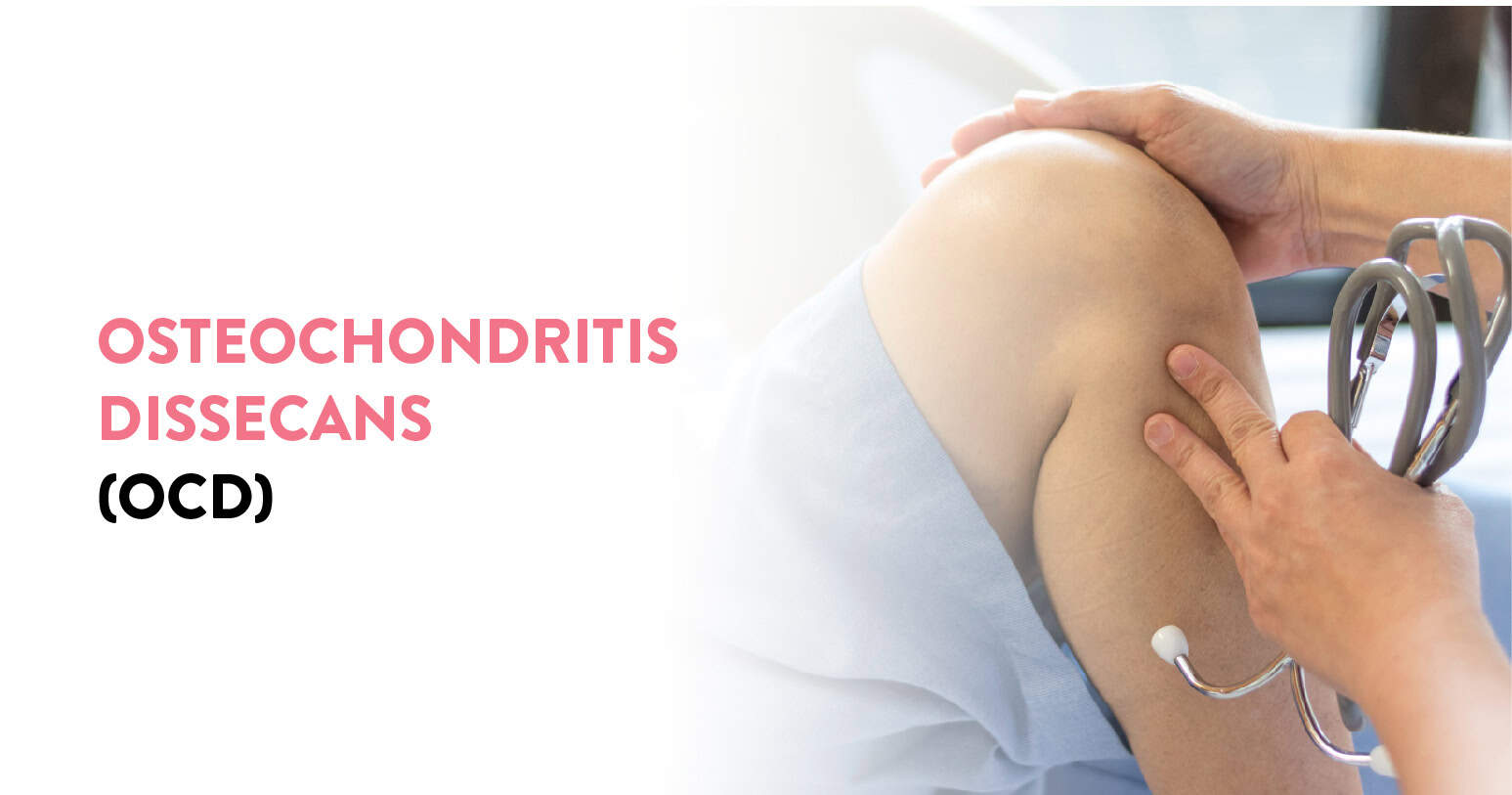
Your knee is the largest joint in your body and it joins your leg with the thigh. Each knee has 2 joints, one between the femur and patella (patellofemoral joint) and one between the femur and tibia (tibiofemoral joint).
The joint condition which occurs when your bone separates from cartilage and starts to die is known as osteochondritis dissecans (OCD). It is typically due to a lack of blood flow to the bone. When small pieces of the separated cartilage and bone start to break loose, it can reduce your range of motion in the affected area and cause pain.
Although the majority of patients recover completely, having OCD can raise your chance of subsequently getting osteoarthritis in the affected joint. OCD usually requires you to rest the affected area for several weeks or might even require surgery in some cases (if the symptoms do not improve after 4 to 6 months). Your doctor will also likely recommend surgery if you have loose cartilage or bone fragments in your joints.
Table of Contents
Osteochondritis dissecans is a disorder where the interior of the joints (where the ends of one bone meet the ends of another bone) become mushy due to a lack of blood flow. As a result, a tiny portion of the bone degenerates and splits away from the larger bone. The bone portion may then split and come free, along with the cartilage that covers and shields the bone.
The cartilage and loose bone may stay where they are or they may slide inside the joint, making the joint unstable. Where the bone and cartilage part ways, a lesion results from the disorder. The entire process may take many months or even years, and symptoms may not manifest for a long period.
Osteochondritis dissecans often affects the knee, elbow, ankle, and thigh bone (femur) area. Other joints, such as the hip and shoulder, are also susceptible to the illness.
Osteochondritis dissecans frequently affects just one joint. The condition, known medically as sporadic osteochondritis dissecans, presents as a single lesion in a single joint.
You May Also Read: Arthritis of Knee: Symptoms & treatment
Depending on the affected joint, the following osteochondritis dissecans signs and symptoms may be present:
Most of the time, there is no recognized aetiology for sporadic osteochondritis dissecans. One reason for the syndrome is that repetitive damage or stress to a joint over time, such as from participating in sports, can cause it.
The ACAN gene, which produces the aggrecan protein, is the source of the hereditary mutations (changes) that lead to familial osteochondritis dissecans. The protein cannot properly produce cartilage as a result of the mutation, leaving the cartilage weak and disorganized. It is unclear, nevertheless, how the brittle and disorderly cartilage contributes to lesions and bone separation.
Sporadic osteochondritis dissecans in children and young adolescents will often go away on their own as they age. Rest and a break from physically demanding activities like jogging and jumping might help them reduce discomfort and swelling. The doctor could suggest using an over-the-counter painkiller or anti-inflammatory drug.
The damaged joint will resume normal function within six to twelve weeks. The young athlete should ease back into sports activity with mild workouts (yoga, swimming, cycling, or stretching).
The doctor may advise using crutches or may apply a brace, splint, or cast to the joint if the recovery is taking too long. A recommendation for physical treatment from the doctor is also possible.
For patients with osteochondritis dissecans, the doctor could advise surgery if:
A camera and small equipment are frequently used during arthroscopic surgery, which is done through very small incisions. There are three types of surgery:
Following surgery, the patient will use crutches for approximately six weeks before beginning physical therapy for two to four months to strengthen the body and regain the range of motion in the joint. Four to five months following surgery, the patient might be ready to start engaging in strenuous physical activity again.
You May Also Read: Chondromalacia Patella: Causes, Symptoms and Treatment
Since its origins are unknown, osteochondritis dissecans can be challenging to prevent. By wearing pads and other protective gear, for example, young athletes can take precautions to safeguard their joints. They should also practise the required physical skills for their sport, stretch and warm up before engaging in strenuous exercise, and stretch and cool down afterwards.
Osteochondritis dissecans (OCD) is a disorder of the joints in which the bone begins to detach from the cartilage and die. It might make the afflicted region more painful and limit your range of motion. If you don’t feel better after resting, you could need surgery since OCD increases your risk of developing osteoarthritis later on. It is always advisable to seek medical help from an experienced orthopaedist. Timely care and help can ensure an appropriate diagnosis and treatment of your condition.
At the CK Birla Hospital, we ensure patients get holistic medical support which includes treatment in a compassionate environment. This patient-centric approach not only helps patients heal better but also ensures they are aware of the preventive measures as well. In case you need to consult an orthopaedist, reach out to us, or book a direct appointment with Dr. Praveen Tittal at the CK Birla Hospital.
Pain frequently becomes worse with exercise. If left untreated, the problem may result in arthritis and cause discomfort, swelling, catching or locking of the joint.
Once the patient heals, osteochondritis dissecans often don’t reoccur. But occasionally the illness just looks to get better when the symptoms disappear. In such circumstances, symptoms may eventually reappear.
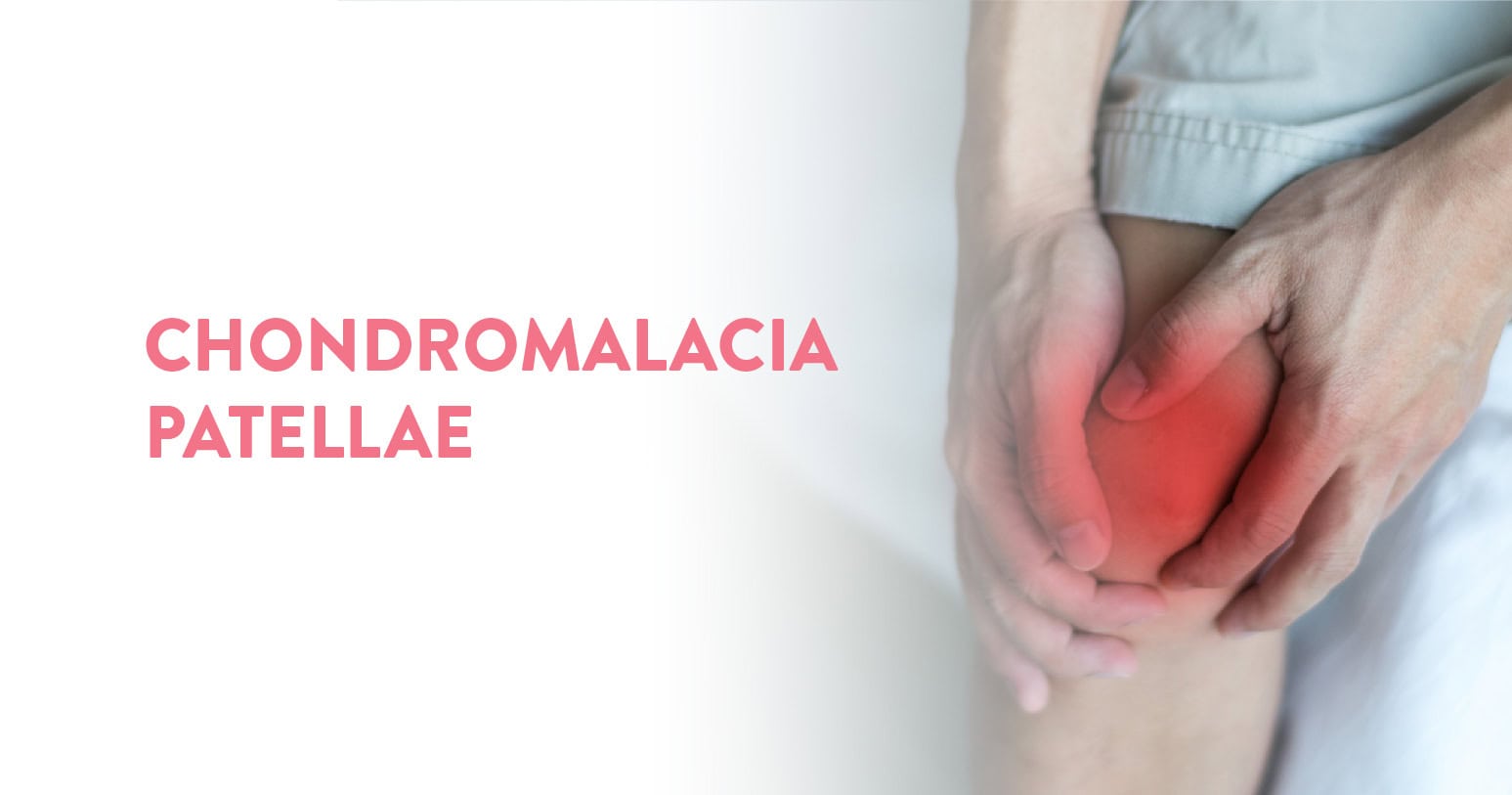
Your knee is the largest joint in your body and it joins your leg with the thigh. Each knee has 2 joints, one between the femur and patella (patellofemoral joint) and one between the femur and tibia (tibiofemoral joint).
Chondromalacia patellae (or “runner’s knee”) is caused by the softening of your kneecap cartilage. Common among young athletes, it might also affect older adults with knee arthritis.
Chondromalacia is mostly seen as an overuse injury in sports, and sometimes taking some days off from training can produce good results. In other cases, the cause is improper knee alignment, and simply resting does not provide relief. A conversation with your healthcare provider will help you get clarity for further courses of tests or treatments.
Table of Contents
The deterioration or softening of the cartilage on the bottom of the kneecap is known as chondromalacia patellae. It is comparable to patellofemoral pain syndrome (runner’s knee), in which the kneecap and surrounding area are painful.
This condition is common among young athletes but may also occur in older adults who have arthritis of the knee.
A smooth (articular) cartilage layer covers the top of the thigh bone and the bottom of the kneecap, allowing the two bones to easily glide over one another. When the knee is bent or stretched, the injured cartilage can cause the joint’s surface to become rough and easily inflamed. The pain might range from mild to severe depending on the severity of the injury.
A dull discomfort under or around the kneecap that worsens when going downstairs is the most typical sign of chondromalacia patellae. Additionally, there could be pain while getting out of a chair or ascending steps.
When moving the knee, a person with chondromalacia frequently complains of a grinding or cracking sensation. When doing activities that put a lot of strain on the knees, such as exercising, or after sitting or standing still for a long time, the discomfort is frequently severe. Additionally typical are kneecap swelling and irritation.
Normally, your kneecap sits on top of your knee joint. The back of your kneecap slides across the femur, or thigh bone, at the knee as you bend your knee. Your kneecap is joined to your shinbone and thigh muscle via ligaments and tendons. Your kneecap may bump against your thigh bone if one of these parts isn’t functioning properly. This unnatural rubbing can cause the patella to deteriorate, which causes chondromalacia patellae, often known as runner’s knee.
Improper kneecap movement may result from:
Several things might make you more likely to get chondromalacia patellae.
Inflammation of the joint and surrounding tissue is a sign of arthritis, which can also cause a runner’s knee. The kneecap may become dysfunctional due to inflammation.
A high level of activity or regular exercise that stresses your knee joints might raise your chance of developing knee issues.
Your chance of getting a runner’s knee might rise if you have previously suffered from a kneecap injury, such as a dislocation.
The knee joints may experience more stress from flat feet than from higher arches.
Since women normally have less muscle mass than men do, they are more susceptible to acquiring a runner’s knee. This may result in improper knee alignment and increased lateral (side) kneecap pressure.
Young adults and adolescents are particularly vulnerable to this illness. Rapid bone and muscle development during growth spurts may cause temporary muscular imbalances.
Your kneecap and joint are under pressure, thus the treatment aims to lessen it. The first course of therapy could involve resting, stabilising, and applying ice to the joint. Resting frequently helps to heal the cartilage damage that results in a runner’s knee.
To minimise inflammation around the joint, your doctor may recommend anti-inflammatory medicine for many weeks. The following treatments should be considered if swelling, soreness, and discomfort continue.
Quadriceps, hamstrings, adductors, and abductors-specific physical treatment can help you gain more muscular strength and balance. The balance of muscles will aid in preventing knee misalignment.
Non-weight-bearing workouts like swimming or using a stationary bike are frequently advised. Furthermore, isometric workouts that require you to contract and release your muscles can support the maintenance of muscular mass.
To inspect the joint and establish whether the knee is misaligned, arthroscopic surgery may be required. This procedure entails making a small incision to put a camera into your joint. A surgical surgery might resolve the issue. A lateral release is one typical method. To relieve stress and promote a greater range of motion, this procedure entails cutting a few of your ligaments.
Other surgical procedures can include repositioning the insertion of the thigh muscle, implanting a cartilage graft, or smoothing the rear of the kneecap.
By heeding the advice below, you can lessen your chance of acquiring runner’s knee:
Finally, carrying extra weight may put a strain on your knees. It might assist in relieving pressure on the knees and other joints by maintaining a healthy body weight. By consuming less sugar and fat, eating more fruits, vegetables, and whole grains, and engaging in at least 30 minutes of exercise five days a week, you may take measures to reduce weight.
The weakening of the cartilage in your kneecap is what causes chondromalacia patellae, also known as “runner’s knee”. Sometimes, resting is insufficient for recovery and in bringing comfort, so it is always advisable to seek medical help from an experienced orthopaedist. Timely care and help can ensure an appropriate diagnosis and treatment of your condition.
At the CK Birla Hospital, we ensure patients get holistic medical support which includes treatment in a compassionate environment. This patient-centric approach not only helps patients heal better but also ensures they are aware of the preventive measures as well. In case you need to Consult an Orthopaedist, reach out to us, or book a direct appointment with Dr. Ashwani Maichand at the CK Birla Hospital.
FAQs
You can remain active while you have chondromalacia patellae, as long as you stick to activities that don’t put any stress on your knee. Low-impact activities are best, such as walking on flat surfaces.
The problem can sometimes get better with rest and anti-inflammatory medications. In many situations, the issue becomes worse with activity and gets better with rest since the kneecap has been out of alignment for the whole person’s life. A lot of individuals decide to get surgery to fix this issue.
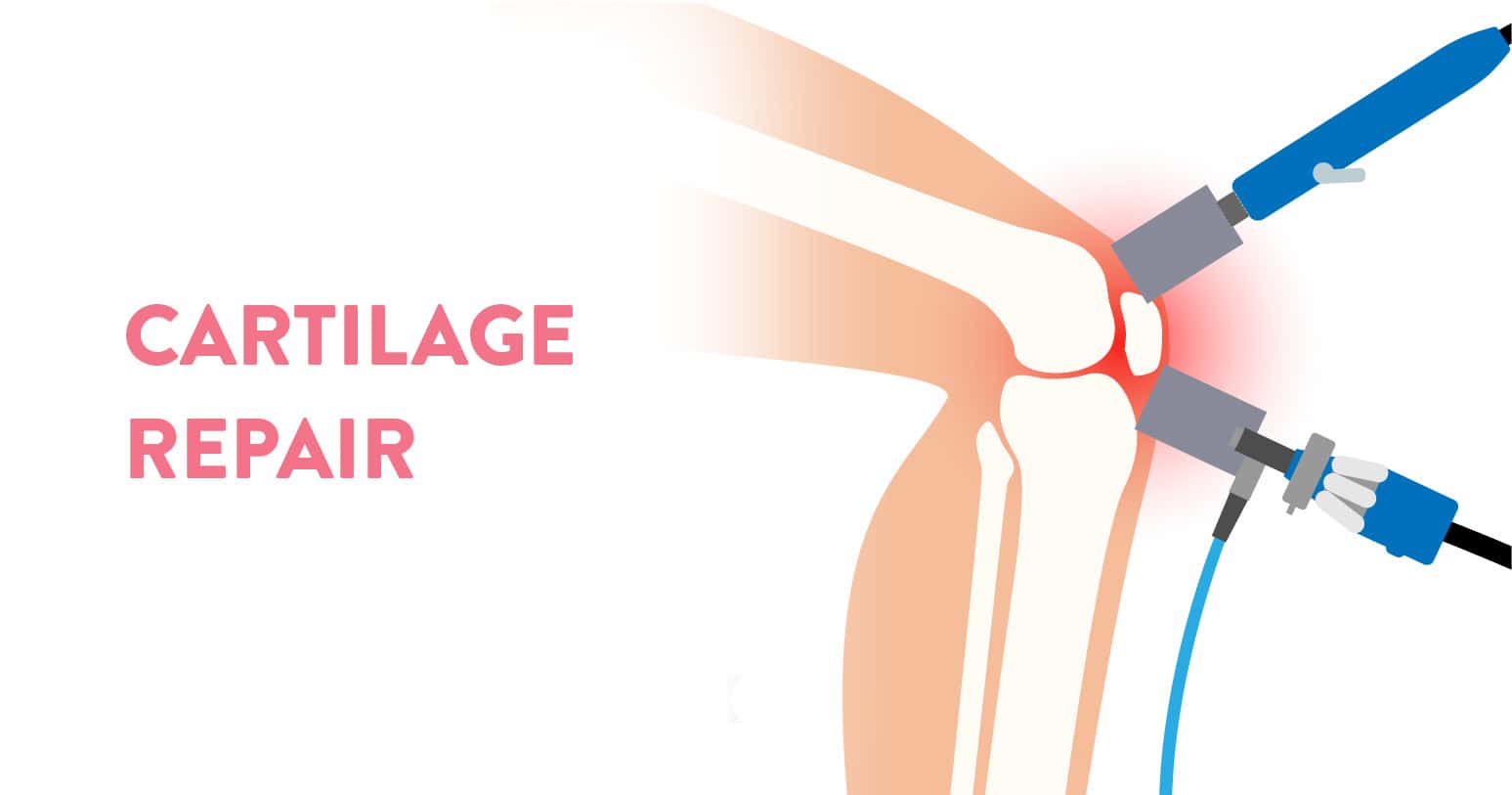
Cartilage is a smooth and resilient type of connective tissue in your body. At the joints, it shields and covers the ends of your lengthy bones. Cartilage does not contain nerves or blood vessels.
Knees contain 2 types of cartilage: Meniscus and Articular. Articular cartilage helps the knee move freely. Meniscus cartilage serves as a shock absorber or cushion between the bones. Years of normal wear and tear, accidents and sports injuries can damage both types of cartilage in the knee, making it necessary to replace or repair the lost cartilage. Osteoarthritis is a condition where the cartilage begins to wear down.
In this blog, we review newly emerging and traditional approaches to knee cartilage repair and replacement.
Table of Contents
Thanks to advancements in orthopaedic surgery, there are several alternatives for treating knee problems. Some traditional methods include knee joint replacement or surgery to restore broken cartilage. In addition to this, there are currently minimally invasive (keyhole) procedures that use cartilage harvested from other parts of the body or tissue grown from a patient’s cells.
The several options for the replacement and repair of knee cartilage are:
If the loss of knee cartilage and symptoms are minor, you might be able to put off surgery or other interventions through physical therapy.
Physical therapy’s primary objective is to increase the knee joint’s surrounding muscles’ range of motion and strength to lessen the strain on the joint itself. Physical therapy helped reduce pain, not just in cases of mild knee osteoarthritis, but in people dealing with moderate pain, too.
Physical therapy had less of an impact on persons with severe arthritis pain, suggesting that pain severity may be a key consideration when determining whether to seek physical therapy as a therapeutic option.
Weight loss achieved through diet and exercise can often help ease knee arthritis symptoms in people who are overweight or obese.
Microfracture is one method of stimulating the creation of new cartilage. To promote better blood flow and the release of cells that build new cartilage, small holes are drilled in one or more of the knee joint’s bones.
Microfracture is best suited for people who:
For elderly people with severe osteoarthritis or to treat extensive lesions, microfracture is not advised.
After the procedure, you will need to keep weight off your knee for about six weeks and use a CPM (continuous passive motion) machine several hours a day to straighten and bend the knee. Resuming sports or other strenuous activities might take up to nine months.
The comparatively low incidence of infections or other problems following microfracture surgery is an additional benefit. However, occasionally the operation does not produce enough new cartilage, necessitating the potential long-term need for a different kind of therapy.
This procedure to grow new cartilage, also known as MACI (matrix-induced autologous chondrocyte implantation), is a two-step process. An arthroscopic cartilage biopsy of the knee is the first step. The cartilage cells from the biopsy tissue are then stimulated to begin growing in a lab. When the fresh cartilage is ready for implantation, the surgeon cuts and moulds it to suit the missing piece of natural cartilage.
The following individuals are the best MACI candidates:
MACI is an effective and safe approach to cartilage transplant for most people.
MACI is typically an outpatient procedure, though you can expect to wear a knee brace for about six weeks while your knee regains stability and strength.
Aside from the need for 2 separate operations, the other main downside to MACI is that there is a risk of cartilage overgrowth, which can require a third surgery to treat.
The main justifications for MACI are that it works well for repairing tiny patches of cartilage and that it makes use of the patient’s cells, lowering the likelihood of rejection by the body.
This procedure, also known as a mosaicplasty, substitutes worn-out cartilage for good cartilage from another area of the knee. Osteochondral allograft, a similar surgery, uses donor tissue.
During the procedure, a surgeon removes the damaged cartilage and a portion of the underlying bone. The hole is then filled up with a replacement core consisting of bone and cartilage from another section of the body or a donor’s knee. Typically, no screws or other mechanical fasteners are required to hold the new tissue in place.
Like other knee procedures, an allograft or an osteochondral autograft requires about four to six weeks of recovery before the knee can start to bear weight. With the help of rehabilitation, a complete return to sports or other activities should be possible within six to nine months.
There are some downsides, which include the limited availability of donor tissue and the risk that the body may reject the implant.
The rehabilitation period is typically longer with an allograft than with an autograft, and an autograft is normally less expensive and carries a smaller risk of complications. Research suggests that autografts provide satisfactory outcomes for at least ten years among 72% of people who undergo the procedure.
Young people are the best candidates for this treatment since they have more regenerative cells available for transplant. In addition, an allograft is usually used to repair areas of worn cartilage that are no larger than a dime.
However, an autograft is a more invasive surgical treatment since it requires the removal of healthy tissue from another part of the body. Additionally, some people are reluctant to take the risk – even a small one – of issues arising from the removal of healthy bone and cartilage.
You Can Also Read: Cracking of Bones and Joints
When other less invasive approaches have not improved knee pain and movement, severe knee arthritis might require a knee replacement.
The procedure begins with an incision from above the knee down past the knee joint. All or part of the damaged knee joint is then removed and replaced with a prosthetic knee joint that duplicates the movement and function of a natural knee.
To create new gliding surfaces, worn-out knee surfaces that were once covered in cartilage are also resurfaced with ceramic, plastic, and metal materials.
By participating in physical therapy following the operation, most people can resume everyday activities within six weeks, though a full recovery can take several months. On the bright side, knee replacement can ultimately give your knee joint full functionality again and eliminate the discomfort that might make standing or even walking uncomfortable.
As with any surgery, knee replacement carries the potential risk of infection or other complications. Because the knee is a complicated joint, there is a chance that the prosthetic knee might not completely meet your expectations. As a result, you might need to consider a second operation or adjust to life with the new knee as it is.
Knee cartilage can get significantly worn down or damaged to the point that it no longer offers cushioning between the bones or smooth bone movement inside the joint, which can result in decreased mobility and ongoing discomfort. It is not a condition that will improve on its own.
Replacing or repairing damaged knee cartilage can:
Also Watch: Cauda Equina Syndrome treated by Endoscopic Spine Surgery
Damaged knee cartilage can either be repaired or replaced as per your existing condition. It is always advisable to seek medical help from an experienced orthopaedist. Timely care and help can ensure an appropriate diagnosis and treatment of your condition.
At the CK Birla Hospital, we ensure patients get holistic medical support which includes treatment in a compassionate environment. This patient-centric approach not only helps patients heal better but also ensures they are aware of the preventive measures as well. In case you need to consult an orthopaedist, reach out to us, or book a direct appointment with Dr.Reetadyuti Mukhopadhyay at the CK Birla Hospital.
With knee cartilage injuries, locking and pain of the knee can lead to difficulty with running, walking and other activities. The most visible indicator of knee cartilage degradation is pain, but repeated knee swelling is also a common warning sign.
Most meniscal tears improve with physiotherapy and time. Physiotherapy will include load modification e.g. reducing your walking and running and reduction or avoidance of the activities and movements that make your swelling or pain worse.
Meniscus Replacement Procedure (MRP) is a prosthetic, joint-preserving orthopedic implant surgery using a manufactured, non-biological medical device. It does not involve transplantation, human tissue, donor material, or biological grafts, and is not governed by transplant or tissue laws. MRP is clinically distinct from partial or total knee replacement, as it preserves native joint surfaces and bone and is intended for selected patients with early compartment-specific degeneration. Clinical outcomes may vary; no assurance, guarantee, or claim of superiority over other treatments is made, and future knee replacement may still be required. Final treatment decisions are made by patient through informed consent upon considering the available treatment modalities advised by the treating surgeon following individualized clinical assessment. This information is provided solely for patient education and professional clarification.
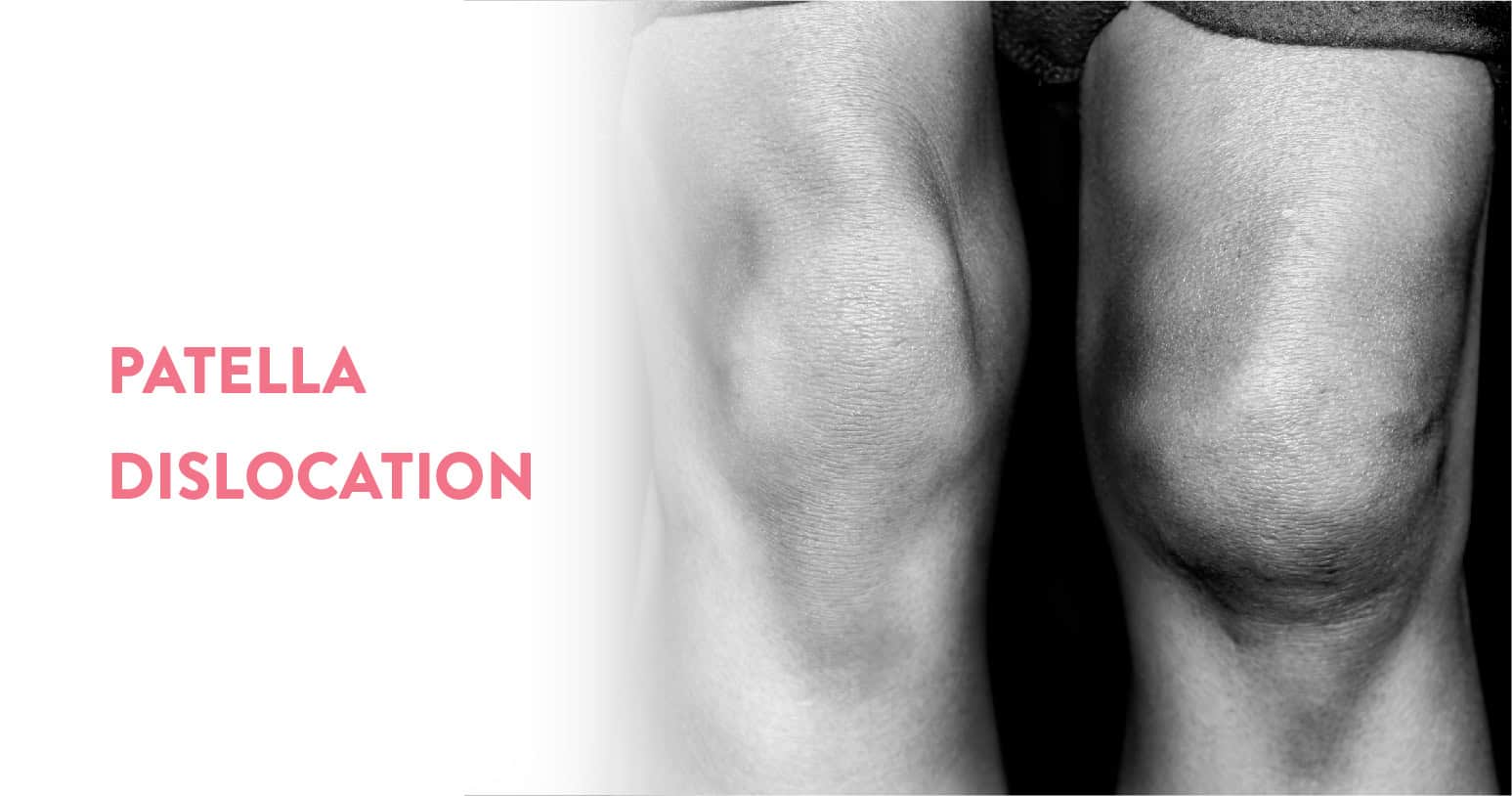
Your knee is the largest joint in your body and it joins your leg with the thigh. Each knee has 2 joints, one between the femur and patella (patellofemoral joint) and one between the femur and tibia (tibiofemoral joint).
One of the most common knee injuries in children and adolescents, as well as in some adults is patellar subluxation. Surgery is normally not required for the first occurrence, however, if it is needed, then several new techniques make it likely that you will regain all or most of your previous activity and strength. If you are unable to straighten or bend your knee and put weight on your leg or walk, then you should consult your healthcare provider for further advice.
Table of Contents
Another term for a bone’s partial dislocation is subluxation. Patellar subluxation is a partial dislocation of the patella (kneecap). It is also known as kneecap instability or patellar instability.
The kneecap is a small protective bone that attaches near the femur (bottom of your thigh bone). The trochlea, a groove at the bottom of the thigh, is where your kneecap glides up and down when you straighten and bend your knee.
Several groups of ligaments and muscles hold your kneecap in place. When these become injured, your kneecap might move out of the groove, causing difficulty and pain in flexing the knee.
The extent of the dislocation determines whether it is called a dislocation or a patellar subluxation.
The majority of injuries force the kneecap to move toward the outside of the knee. This can also damage the ligament on the inside of the knee, known as the MPFL (medial patellofemoral ligament). A second dislocation may occur if the MPFL does not heal adequately.
You might experience the following symptoms with patellar subluxation:
Although you may be able to self-diagnose, you will need to see a doctor for treatment.
You Can Also Read: Arthritis of Knee: Symptoms & treatment
Any contact sport or extreme activity can cause a patellar subluxation.
Dislocations and patellar subluxations mainly affect active and young people, especially between the ages of ten to twenty years. Most first-time injuries occur during sports.
The chances of a second dislocation are very high after an initial injury.
To diagnose a patellar subluxation, your doctor will straighten and bend the injured knee and feel the area around the kneecap.
X-rays might be used to see how the kneecap fits into the groove at the bottom of the patella and to identify any other possible bone injuries.
MRI (magnetic resonance imaging) might be used to visualise the ligaments and other soft tissue around the patella. Adolescents and children are sometimes not aware that they have had a patellar dislocation. The MRI can help confirm it.
There are 2 types of treatment for patellar subluxation – surgical and non-surgical.
Nonsurgical treatment is recommended for the majority of people with a first-time patellar dislocation or subluxation.
Nonsurgical treatment includes:
You have about a 33% chance of recurrence after a patellar subluxation.
The majority of first-time patellar subluxation instances don’t require surgery and are managed conservatively. Surgical treatment is recommended in special cases or if you have a repeat episode.
Some common types of surgery for repeat episodes of patellar dislocation or subluxation are:
The MPFL (Medial patellofemoral ligament) pulls the kneecap toward the inside of the leg. When the ligament is damaged or weak, the kneecap can dislocate toward the outside of the leg.
MPFL reconstruction is an arthroscopic surgery involving 2 small incisions. In this procedure, the ligament is rebuilt using a little piece of tendon taken from either your or a donor’s hamstring muscle. It takes about 1 hour. You normally return home the same day wearing a brace to stabilise your knee.
The brace keeps your leg straight while walking. It is worn for 6 weeks. After 6 weeks, you begin physical therapy. Most people can resume sports and play activities 4 to 7 months after MPFL reconstruction.
Your shin bone is also known as your tibia. The tibial tuberosity is a bulge or an oblong elevation, in the tibia just below your knee.
The tibial tuberosity receives an attachment from the tendon that controls the motion of your kneecap in the trochlear groove. An injury that has caused the kneecap to dislocate might have damaged the connection point for this tendon.
Tibial tubercle transfer operation requires an incision about 3 inches long above the shin bone. In this procedure, your doctor moves a small portion of the tibial tuberosity to enhance the tendon’s adhesion. This then facilitates correct kneecap movement inside its groove.
The surgeon will place 1 or 2 screws inside your leg to secure the piece of bone that is transferred. The operation takes about 1 hour.
You will be given crutches to use for 6 weeks following surgery. After that, physical therapy begins. Most people can return to school or work 2 weeks after surgery. It takes about 9 months before you can return to sports.
Until about ten years ago, lateral release was the standard surgical treatment for patellar subluxation, but it is rare nowadays because it increases the risk of recurrence of instability in the kneecap.
To stop them from dragging the kneecap to one side during this treatment, ligaments on the outside of the knee are partially severed.
Patellar subluxation is a common knee injury. Surgery is not required initially as you can try non-surgical treatment, however, if you still face difficulties in knee movement, then it is always advisable to seek medical help from an experienced orthopaedist. Timely care and help can ensure an appropriate diagnosis and treatment of your condition.
At the CK Birla Hospital, we ensure patients get holistic medical support which includes treatment in a compassionate environment. This patient-centric approach not only helps patients heal better but also ensures they are aware of the preventive measures as well. In case you need to consult an orthopaedist, reach out to us, or book a direct appointment with Dr. Praveen Chawla at the CK Birla Hospital.
With chronic patellar subluxations, the pain might be less severe than in a traumatic injury. Patients might complain of pain underneath the kneecap, especially with activities that involve deep knee bending.
A minor subluxation of the patella, especially if it is not a first-time subluxation, might recover fairly quickly with full recovery in a few days to a few weeks. Ongoing physical therapy and a kneecap stabilising brace might be required for a full recovery and to prevent a recurrence of the injury.

