Filter :

अनिद्रा एक व्यापक स्लीप डिसऑर्डर है जो दुनिया भर में लाखों लोगों को प्रभावित करता है। यह किसी के जीवन की गुणवत्ता को महत्वपूर्ण रूप से प्रभावित कर सकता है, जिससे दिन में थकान, चिड़चिड़ापन और कॉग्निटिव फंक्शनिंग कम हो सकती है।
अनिद्रा कई कारणों से उत्पन्न हो सकती है, जिन्हें मोटे तौर पर तीन मुख्य समूहों में वर्गीकृत किया जा सकता है: इसमें मनोवैज्ञानिक, चिकित्सा और जीवनशैली कारक शामिल हैं।
उच्च स्तर का तनाव या पुरानी चिंता आपके लिए आराम करना और नींद सोना मुश्किल बना सकती है। मन में आते-जाते रहने वाले विचार और चिंताएँ दिमाग को सक्रिय रख सकती हैं, जिससे नींद आने में दिक्कत हो सकती है।
और अधिक पढ़े: मिनिस्कस टियर का कारण, लक्षण और उपचार (Meniscus Tear in Hindi)
क्रोनिक दर्द जैसे कि गठिया, फाइब्रोमायल्गिया या पीठ दर्द जैसी स्थितियां असुविधा का कारण बन सकती हैं जिसके कारण नींद में खलल पैदा होती है।
इसके अलावा, तंत्रिका संबंधी विकार जैसे कि पार्किंसंस रोग या रेस्टलेस लेग सिंड्रोम जैसी स्थितियां नींद की गुणवत्ता में बाधा डाल सकती हैं।
अनियमित नींद कार्यक्रम, अत्यधिक कैफीन या शराब का सेवन, और सोने के समय की अनियमित दिनचर्या अनिद्रा में योगदान कर सकती है।
और अधिक पढ़े: झड़ते, गिरते, कमजोर बालों के लिये वरदान हैं ये घरेलु उपाय
शीघ्र हस्तक्षेप और उपचार के लिए अनिद्रा के लक्षणों को पहचानना महत्वपूर्ण है। अनिद्रा विभिन्न तरीकों से प्रकट हो सकती है, और इसकी गंभीरता हर व्यक्ति में अलग-अलग हो सकती है। सामान्य लक्षणों में निम्न शामिल हैं:
इसके अलावा, चिड़चिड़ापन, मूड में बदलाव और तनाव के प्रति बढ़ती संवेदनशीलता पुरानी अनिद्रा के सामान्य भावनात्मक लक्षण हैं।
और अधिक पढ़े: मिर्गी क्या है – कारण, लक्षण और इलाज (Epilepsy, Seizure in Hindi)
अनिद्रा का प्रभावी उपचार इसके अंतर्निहित कारणों की पहचान करने और उसके अनुसार मेडिकल हस्तक्षेप करने पर निर्भर करता है। उपचार के तरीकों को गैर-फार्माकोलॉजिकल (व्यवहारिक) और फार्माकोलॉजिकल तरीकों में वर्गीकृत किया जा सकता है।
अनिद्रा के लिए संज्ञानात्मक व्यवहार थेरेपी (सीबीटी-आई): सीबीटी-आई एक संरचित, साक्ष्य-आधारित प्रक्रिया है जो अनिद्रा से जुड़े विचार पैटर्न और व्यवहार को बदलने पर केंद्रित है। इसमें विश्राम प्रशिक्षण, नींद प्रतिबंध और उत्तेजना नियंत्रण जैसी तकनीकें शामिल हैं।
कुछ मामलों में, डॉक्टर अनिद्रा को प्रबंधित करने में मदद के लिए दवाएं लिख सकते हैं। सामान्य दवाओं में बेंजोडायजेपाइन या गैर-बेंजोडायजेपाइन जैसी शामक-कृत्रिम निद्रावस्था वाली दवाएं शामिल हैं। इनका उपयोग चिकित्सीय देखरेख में और निर्भरता के जोखिम के कारण केवल अल्पकालिक राहत के लिए किया जाना चाहिए।
कुछ लोगों को वेलेरियन रूट या कैमोमाइल जैसे हर्बल सप्लीमेंट का उपयोग करके अनिद्रा से राहत मिलती है। इन उपचारों का उपयोग करने से पहले एक विशेषज्ञ से परामर्श करना आवश्यक है। साथ ही, कुछ लोगों के लिए नींद की गुणवत्ता में सुधार और अनिद्रा के लक्षणों को कम करने में एक्यूपंक्चर फायदेमंद हो सकता है।
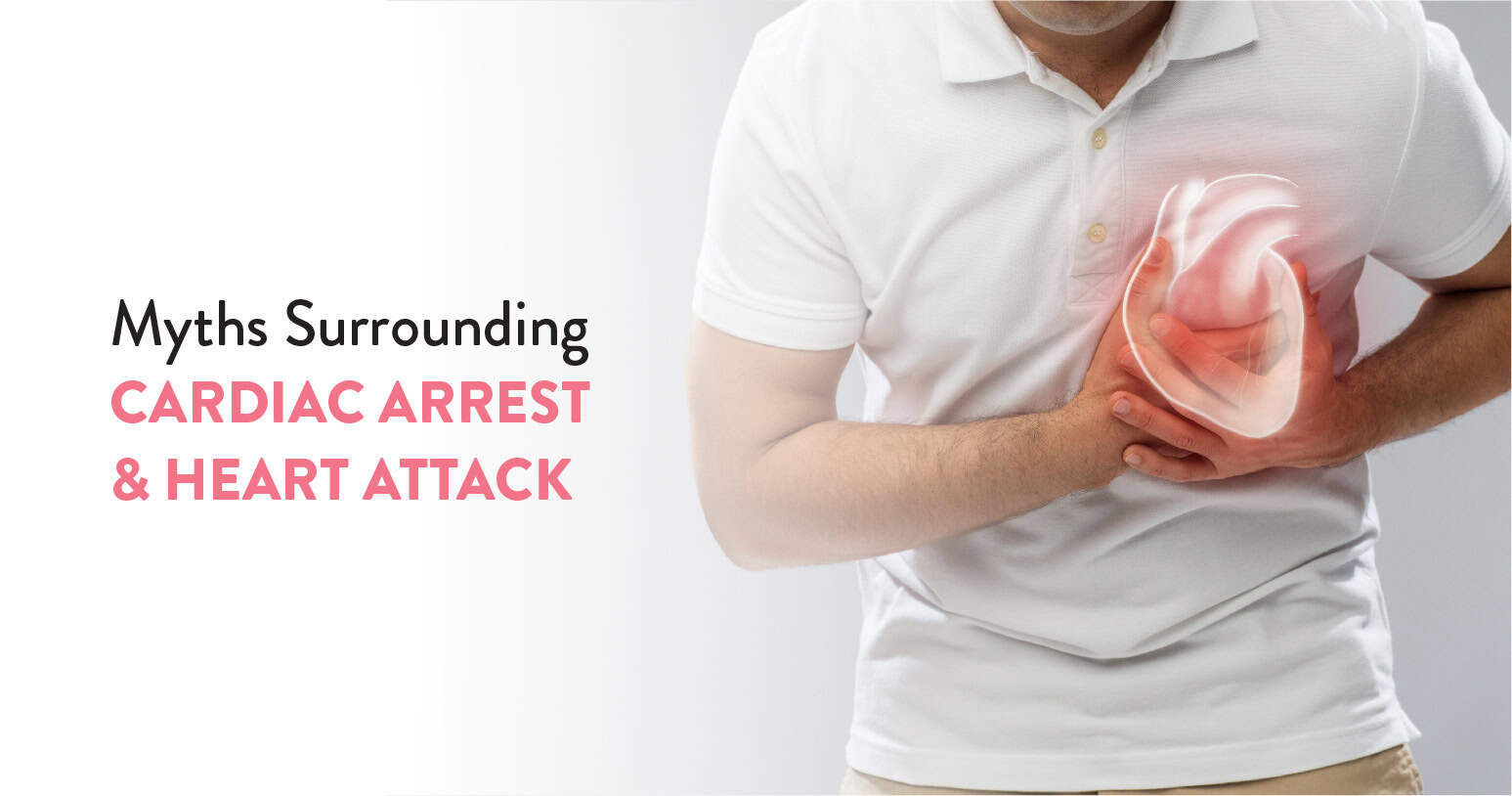
When it comes to matters of the heart, even the smallest problems can lead to bigger issues, which is why heart health is vital for our well-being. While people are mostly aware of the commonly used cardiovascular terms, sometimes few phrases are unknowingly misused in regular parlance. Two of the most misinterpreted phrases are “Heart Attack” & “Cardiac Arrest”.
The Myth: Heart Attack and Cardiac Arrest are the same.
Fact: NO
In reality, heart attack and cardiac arrest are as different as oranges and lemons. They both belong to the same citrus category, however are two different plants. Similarly, heart attack and cardiac arrest are both related to our cardiovascular health, but physiologically their mechanism is totally different.
| How to know if it is a heart attack? | When do you call it a cardiac arrest? |
| A strong stifling sensation somewhere in the middle of your chest cavity. | It starts with a sudden pain in the heart, followed by lack of pulse and consciousness. |
| A pain that does not relieve by itself and keeps building even when you rest. | Blood circulation stops, oxygen does not reach all parts of the body, and affects breathing. |
| The process can be slow, lasting a few hours or sudden. | This is more sudden and often more fatal than a heart attack. |
As we know heart is a muscle, so it will react like every other muscle and stay healthy as long as there is proper circulation of blood and oxygen. But what if you get a cramp in this muscle, the heart will stiffen up and abruptly stop pumping blood, the entire body’s circulation will stop, oxygen will not circulate and eventually, the body will stop breathing. This situation is what we call in medical parlance a V-Fib. In such an event, always rush to the nearest hospital for emergency medical attention.
Either way, it is a critical medical emergency that will need immediate attention. So, when in doubt, it is always advisable to check up with your doctor.
Also Read: Healthy Diet Chart for High Blood Pressure Patients
The Myth: Cardiac Arrest is a medical term for Heart Attack.
Fact: NO
Interestingly, both are valid medical terms that signify two different heart conditions. Technically heart attacks are called MI or myocardial infarction.
Over time when bad cholesterol builds up and clogs the arteries, it leads to obstructing the passage of blood and oxygen into our heart. Due to this obstruction despite having healthy muscle strength, the heart does not receive oxygen-filled blood. Lack of supply over a short period of time triggers a chain reaction where the heart muscle starts dying. This is indicated by the pain and stifling sensation suggesting you seek help.
If ignored, gradually this leads to breathlessness and vascular spasms triggering a sudden cardiac arrest, where the heart stops pumping blood completely. Technically, this event is called cardiopulmonary arrest or circulatory arrest. Therefore, heart attack if not dealt with properly will lead to cardiac arrest, but not vice versa. So, both the terms clearly cannot be used interchangeably.
You Can Also Read: Cardiac Arrest vs. Heart Attack: Know the Key Differences & Signs
The Myth: Surviving a heart attack is tougher than surviving a cardiac arrest.
Fact: NO
First of all, congratulations if you are a survivor. It does not matter which side you experienced, at the end of the day you live to tell the tale and that is a job well done for us at healthcare.
Secondly, patient survival patterns are unique to each case and rehabilitation plays a big role in recovery.
| Recovery from heart attack | Recovery from cardiac arrest |
| Mild heart attacks might not need surgery. Severe cases need open-heart or bypass surgery (CABG) | It starts with a sudden pain in the heart, followed by lack of pulse and consciousness. |
| In case of surgery attention must be given to restore nerve health and ensure the surgical changes are well accepted by the body. | Blood circulation stops, oxygen does not reach all parts of the body, and affects breathing. |
| The process can be slow, lasting a few hours or sudden. | This is more sudden and often more fatal than a heart attack. |
If other complications exist, the same needs to be explored under proper medical advice.
| Common causes of a heart attack | Common causes of cardiac arrest |
| Lack of proper diet, increased bad cholesterol levels. | Heart attack from coronary heart disease (CHD) |
| Excessive consumption of alcohol, drugs or cigarettes. | Cardiomyopathy and genetic heart conditions. |
| Hypertension, high pressure and blood clotting. | Congenital heart disease or heart valve disease. |
| Stress, depression and lifestyle problems. | Arrhythmia and acute myocarditis (inflammation in heart muscle). |
Cardiac Arrest needs prompt attention to revive the heart muscle in time to keep the body’s
circulation intact. Since the body often suddenly collapses, survivors sometimes show the same
symptoms that a brain stroke survivor might have, such as partial paralysis. Since the heart’s pumping rhythm needs to be perfect to avoid cardiac arrest, specialists recommend regular checkups to check on symptoms like arrhythmia. Identifying the cause helps identify the path to recovery.
Those patients who are prescribed pacemakers need to be extra cautious regarding their heart
health. A simple pacemaker malfunction can also lead to cardiac arrest. Hence a routine check-up is of utmost importance.
To conclude, when it comes to healthcare, never rely on hearsay. Always consult a proper medical practitioner and seek their advice. If you have doubts about your heart health or concerns for someone you know, feel free to book a consultation today.

मानसिक स्वास्थ्य हमारे समग्र स्वास्थ्य का एक महत्वपूर्ण अंग है, फिर भी हमारे समाज में इसे अक्सर नजरअंदाज और कलंकित किया जाता है। हाल के वर्षों में, मानसिक स्वास्थ्य के महत्व, इसके विकारों और मानसिक स्वास्थ्य को प्राथमिकता देने की आवश्यकता के बारे में जागरूकता और समझ बढ़ रही है।
यह भी पढ़े: मुंह में छाला होने के कारण, लक्षण और उपचार | Mouth Ulcers in Hindi
Table of Contents
मानसिक स्वास्थ्य के प्रति जागरूकता मानसिक स्वास्थ्य मुद्दों के बारे में सार्वजनिक ज्ञान और समझ बढ़ाने का एक अभियान है। इसमें विषयों की एक विस्तृत श्रृंखला शामिल है, जिसमें समझ को बढ़ावा देना, समाज में इसके प्रति मौजूद कलंक की भावना को कम करना और मानसिक स्वास्थ्य के बारे में खुली बातचीत को प्रोत्साहित करना शामिल है। इसका लक्ष्य एक ऐसा वातावरण तैयार करना है जहां जरूरत पड़ने पर कोई भी सहायता मांगने में सहज महसूस करे।
मानसिक स्वास्थ्य समग्र स्वास्थ्य का एक अभिन्न अंग है। जिस तरह एक पूर्ण जीवन के लिए शारीरिक स्वास्थ्य आवश्यक है, उसी तरह मानसिक स्वास्थ्य तनाव से निपटने, रिश्ते बनाने और जीवन का पूरा आनंद लेने के लिए आवश्यक है।
इन सबके अलावा, अच्छा मानसिक स्वास्थ्य दूसरों से जुड़ने की हमारी क्षमता को बढ़ाता है। यह सहानुभूति, समझ और स्वस्थ संबंधों को बढ़ावा देता है, जो हमारे लिए सामाजिक और भावनात्मक रूप से महत्वपूर्ण है।
और अधिक पढ़े : विटामिन डी की कमी से होने वाले नुक्सान एवं बढ़ाने के उपचार
मानसिक स्वास्थ्य से जुड़े विकार ऐसी स्थितियां हैं जो किसी व्यक्ति के विचारों, भावनाओं और व्यवहार को प्रभावित करती हैं। ये विकार किसी व्यक्ति के दैनिक जीवन, रिश्तों और समग्र स्वास्थ्य पर महत्वपूर्ण प्रभाव डाल सकते हैं। इसमें मुख्य रूप से निम्न शामिल हो सकते हैं:
इसके अलावा, सब्स्टेंस यूज डिसऑर्डर यानी मादक द्रव्य उपयोग विकारों में शराब या नशीली दवाओं का दुरुपयोग शामिल है, जिससे शारीरिक और मनोवैज्ञानिक निर्भरता होती है। वे अक्सर अन्य मानसिक स्वास्थ्य समस्याओं के साथ सह-घटित होते हैं।
मानसिक बीमारी के लक्षणों को पहचानना समय पर मेडिकल हस्तक्षेप और उपचार के लिए महत्वपूर्ण है। इसके सामान्य लक्षणों में निम्न शामिल हैं:
इस बात पर ध्यान देना महत्वपूर्ण है कि इनमें से एक या अधिक लक्षणों का अनुभव करने का मतलब यह नहीं है कि आपको मानसिक विकार है, क्योंकि ये लक्षण तनाव या अस्थायी जीवन चुनौतियों का भी परिणाम हो सकते हैं।
और अधिक पढ़े : सेरेब्रल पाल्सी: कारण, लक्षण और इलाज
अच्छा मानसिक स्वास्थ्य बनाए रखना एक सतत प्रक्रिया है जिसमें आत्म-देखभाल, परिवार वालों और दोस्तों से मांगना और स्वस्थ विकल्प चुनना शामिल है। मानसिक स्वास्थ्य को बढ़ावा देने के लिए आप निम्न उपायों को अपना सकते हैं:
साथ ही, मानसिक स्वास्थ्य के प्रति समाज में मौजूद कलंक की भावना को कम करने और समझ को बढ़ावा देने के लिए मानसिक स्वास्थ्य और विकारों के बारे में अधिक से अधिक जानकारी प्राप्त करें। अपने आसपास के लोगों के साथ मानसिक स्वास्थ्य के बारे में खुली बातचीत को प्रोत्साहित करें।
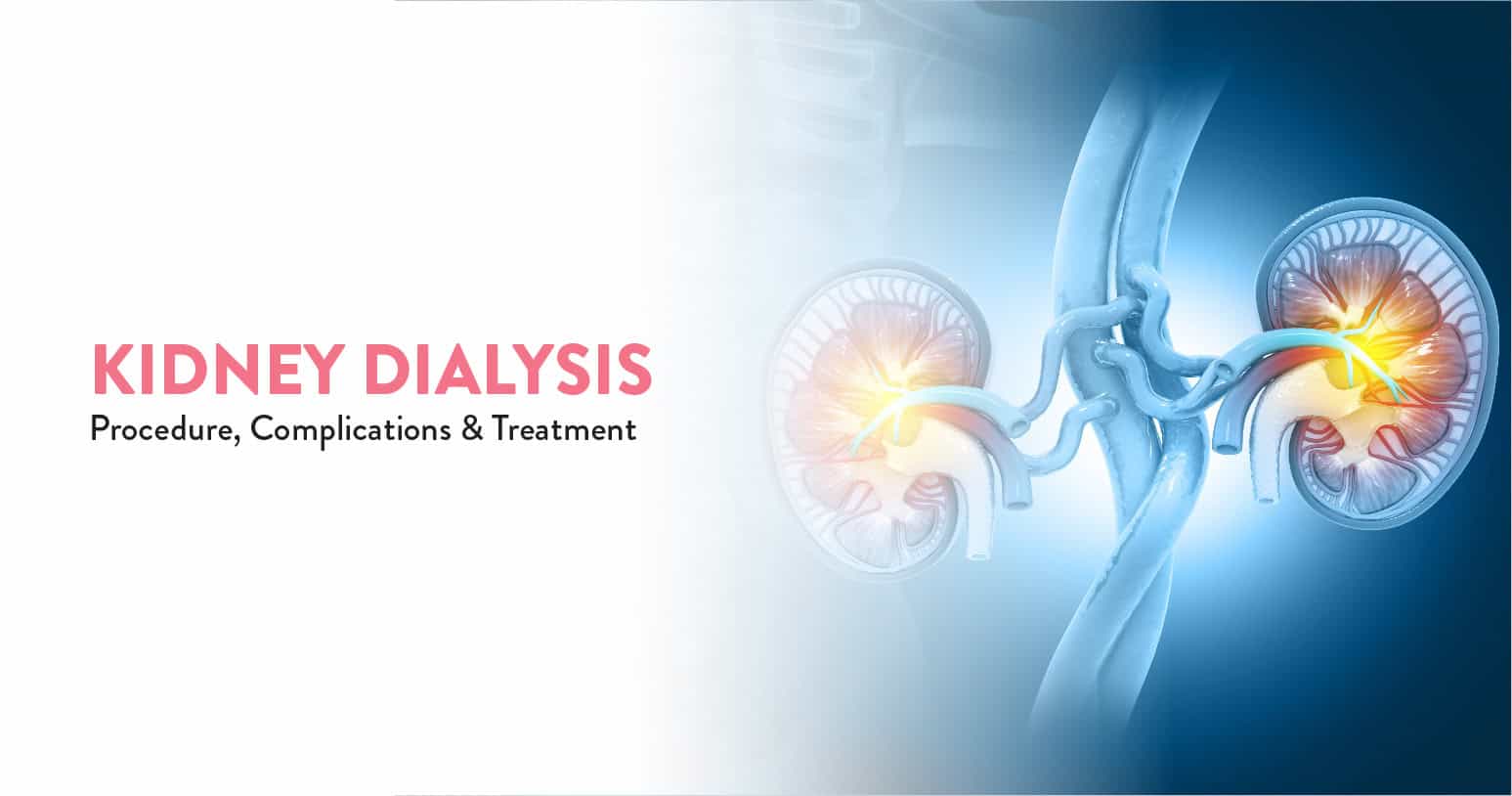
Kidneys are your two reddish-brown bean-shaped blood-filtering organs. Each kidney is attached to a ureter, a tube that carries your excreted urine to the bladder. The kidney participates in the removal of toxins, various electrolyte concentrations, acid-base balance, fluid osmolality and control of the volume of various body fluids.
Sometimes, the kidneys may not function due to chronic kidney disease, acute kidney failure or other kidney issues. Dialysis is a life-saving treatment that can take the place of the function of failing kidneys. It works by filtering your blood to help restore both electrolyte and fluid balances.
There are also complications and risks to consider, as well as problems with treatment access. Talk with a doctor about the pros and cons of dialysis, and ask them which type might be best for your situation.
Table of Contents
By eliminating extra fluid and waste from your body, the kidneys filter your blood. When you urinate, the bladder receives this waste and excretes it.
When your kidneys can not perform well due to injury or disease, dialysis can help keep the body running using a machine. Kidney failure occurs when the kidneys perform only 10% to 15% of their typical function. Salts and other waste items build up in the blood without dialysis, which can harm other organs.
Types of dialysis can include CRRT (continuous renal replacement therapy), peritoneal dialysis and hemodialysis.
Hemodialysis is a form of dialysis that uses a filter called a hemodialyzer to remove extra fluid and waste from the blood.
To get access to your blood vessels, a doctor conducts a little surgical procedure. This is done in advance, as it might take several months to heal.
The 3 types of entrance points include:
Both the AV graft and AV fistula are designed for long-term dialysis treatments. Catheters are designed for temporary or short-term use.
Your blood is drawn from your body during therapy and sent through the hemodialyzer to be purified. The body receives the filtered blood back after that with the aid of a dialysis machine.
Hemodialysis treatments last about four hours each, up to three times per week. You might also have hemodialysis treatment in shorter, more frequent sessions.
At first, most hemodialysis treatments are performed at a dialysis centre, doctor’s office or a hospital. The length of treatment depends on your current health, the amount of waste in your body and your body size.
After you have been on hemodialysis for an extended period, you might be ready to give yourself dialysis treatments at home. People who require long-term therapy frequently choose this alternative.
Peritoneal dialysis uses a PD (peritoneal dialysis) catheter in your abdomen to filter your blood. The catheter filters blood through the peritoneum, a membrane in your abdomen.
A doctor performs surgery to implant the catheter. This usually happens about 3 weeks in advance.
You normally receive training from a dialysis nurse for a couple of weeks before dialysis to learn to perform the exchanges and care for the catheter site.
Dialysate, a unique fluid used in therapy, enters the peritoneum. The dialysate absorbs waste. Once the dialysate draws waste out of the bloodstream, it is drained from your abdomen.
This process can take a few hours and needs to be repeated three to five times daily. But this fluid exchange can happen while you are awake or sleeping, and even during daily activities.
Types of peritoneal dialysis include:
After treatment, you will need to take care of your catheter, exit site, and other supplies to prevent infection.
CRRT is used mainly in the intensive care unit for people with acute kidney failure. It is also known as hemofiltration.
A machine passes the blood through the tubing. After that, a filter eliminates waste and water. A machine returns the blood to the body, along with replacement fluid. This process is carried out for at least 24 hours at a time.
You Can Also Read: 10 kidney disease symptoms to watch out for
All 3 forms of kidney dialysis can carry certain risks:-
Peritoneal dialysis might increase your risk of infections in or around the catheter site, like peritonitis. Other risks include:
Long-term dialysis patients run the danger of contracting other illnesses, such as amyloidosis.
After learning they have long-term renal failure, some patients experience anxiety or sadness. If you are having thoughts associated with depression, talk with a mental health professional or a member of your care team.
You Can Also Read: Diet Chart for Kidney Patients
Other treatment options might help manage your symptoms if you decide not to pursue dialysis.
One option is anaemia management. When the kidneys work correctly, the EPO (hormone erythropoietin) is produced naturally. You can receive an EPO injection once a week to help with a kidney that isn’t working properly.
You can decrease kidney degeneration by keeping your blood pressure in a healthy range. Drink fluids to avoid dehydration. Before using any anti-inflammatory medications, see a doctor.
A kidney transplant might be an option. Find out if a transplant is right for you by speaking with a doctor. A kidney transplant may not be an option for you if you:
Dialysis can temporarily serve the same function as kidneys until your kidneys repair themselves and begin to work on their own again.
But if you have chronic kidney disease, you usually go on dialysis permanently or until a kidney transplant becomes an option.
While on hemodialysis, you will need to limit your sodium, phosphorus and potassium intake. You might need to keep a record of how much liquid you consume. Problems might arise from having too much fluid in the body.
A kidney doctor (nephrologist) usually has a dietician on the team to help guide dietary choices.
Maintaining a regular dialysis schedule will help lessen your need for a kidney transplant.
If you are considering stopping dialysis, mention any concerns to a doctor.
While it is in your right to stop any treatment at any time, they might suggest you talk with a mental health professional before ending this life-saving treatment. If the condition causing kidney failure has not been corrected, stopping dialysis will eventually lead to death.
Your kidneys perform many vital roles, including the removal of toxins. Sometimes, they may not function properly due to a disease or kidney failure. Kidney dialysis is a life-saving therapy but it also has risks and complications to consider, so it is always advisable to seek medical help from an experienced nephrologist. Timely care and help can ensure an appropriate diagnosis and treatment of your condition.
At the CK Birla Hospital, we ensure patients get holistic medical support which includes treatment in a compassionate environment. This patient-centric approach not only helps patients heal better but also ensures they are aware of the preventive measures as well. In case you need to consult a nephrologist, reach out to us, or book a direct appointment with Dr. Umesh Gupta at the CK Birla Hospital.
The dialysis treatment itself is painless. However, some patients might have a drop in their blood pressure that could lead to cramps, headaches, vomiting or nausea. However, if you take care to follow your fluid restrictions and kidney diet, these types of side effects can be avoided.
Life expectancy on dialysis differs depending on how well you follow your treatment plan, your other medical conditions and various other factors. The usual life expectancy on dialysis is 5 to 10 years. Many patients, nevertheless, have successfully maintained a 20- or 30-year dialysis regimen.
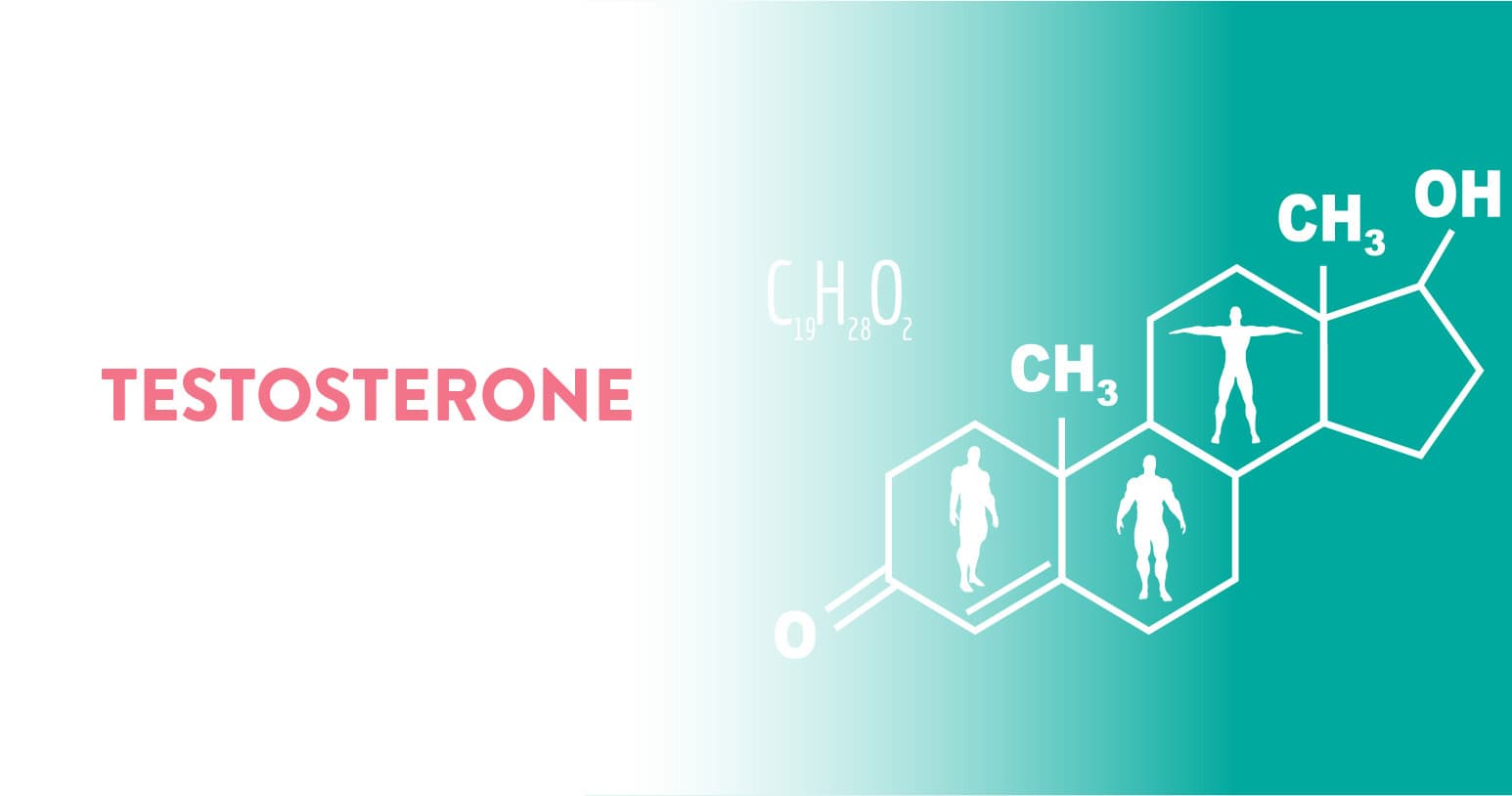
Your gonads (sex organs) primarily manufacture the hormone testosterone. Specifically, the ovaries in persons assigned female at birth (AFAB) and the testicles in those designated male at birth (AMAB) generate testosterone.
Dehydroepiandrosterone (DHEA), which your body converts into testosterone and oestrogen, is another hormone that your adrenal glands make.
The primary androgen, testosterone, is responsible for promoting the development of masculine traits. In comparison to AFAB individuals, testosterone levels in AMAB individuals are naturally substantially greater.
Table of Contents
Both humans and other animals contain the hormone testosterone. The primary source of testosterone in males is the testicles. While in far lesser quantities, the ovaries of women also produce testosterone.
During puberty, testosterone production starts to rise dramatically and then starts to decline around the age of thirty.
Testosterone is essential for the development of sperm and is most commonly linked to sex drive. It also has an impact on red blood cell formation, bone and muscle mass, and how men store fat in their bodies.
The amount of testosterone a man has might also impact his mood.
You Can Also Read: Importance of Vitamin D
Depending on the period of life, testosterone plays various functions. These responsibilities include:
Testosterone increases libido in adults allocated to the feminine gender at birth. But most of the testosterone generated by the ovaries is transformed into estradiol, the main hormone involved in female sex.
Testosterone is essential for the production of sperm. It also:
Many of the changes observed in children designated male at birth during puberty are caused by testosterone and include:
The Y chromosome’s sex-related gene starts the development of the testicles in male newborns at around week seven in gestation. Testicles generate testosterone.
Testosterone triggers the development of the male internal and external reproductive organs during foetal development.
Also Read: What is cholesterol? Type, normal range, Diagnosis and Treatment
Based on age and gender, the two charts below show the typical normal ranges of testosterone. Nanograms per deciliter (ng/dL) is the unit of measurement for this level.
It’s crucial to remember that the typical ranges for testosterone levels might change depending on the kind of blood test performed and the laboratory that does it. When interpreting your results, your provider will always refer to the typical ranges of your laboratory.
Normal testosterone levels for people assigned male at birth:
| Age range | Normal testosterone range |
| Under 1 year old | Less than 12 ng/dL. |
| 1 to 5 years old. | Less than 12 ng/dL. |
| 6 to 10 years old. | Less than 25 ng/dL. |
| 11 to 15 years old. | Less than 830 ng/dL. |
| 16 to 17 years old. | 102 to 1010 ng/dL. |
| 18 to 99 years old. | 193 to 824 ng/dL. |
For individuals designated female at birth, normal testosterone levels are:
| Age range | Normal testosterone range |
| Under 1 year old. | Less than 21 ng/dL. |
| 1 to 5 years old. | Less than 12 ng/dL. |
| 6 to 10 years old. | Less than 25 ng/dL. |
| 11 to 17 years old. | Less than 79 ng/dL. |
| 18 to 99 years old. | Less than 40 ng/dL. |
You Can Also Read: Top High Protein Foods
Your body may overproduce testosterone for many reasons, such as:
Sex-hormone-producing adrenal tumours are rare tumours that make too much androgen (testosterone), oestrogen or both.
Androgen-producing ovarian and testicular tumours can release excess testosterone.
The adrenal gland experiences an insufficiency of enzymes due to genetic abnormalities in CAH. Normally, the body uses these enzymes to aid in the production of cortisol, a hormone necessary for responding to stress. The adrenal glands overproduce other hormones, such as testosterone, in place of cortisol when the enzymes aren’t functioning properly.
Those with ovaries are susceptible to this hormonal imbalance. It takes place when the ovaries produce too much testosterone or androgens. Weight gain and excessive body hair are some of the physical signs brought on by this hormonal imbalance in reproduction.
Depending on your age and sex, too much testosterone has varied effects on your body.
It is improbable, and challenging to determine, that an adult designated male at birth has higher-than-normal testosterone levels.
An overabundance of testosterone in male-assigned newborns can cause (early) puberty or the onset of puberty before the age of nine.
Infants designated female at birth (AFAB) may have clitoris elongation, which might resemble a penis, due to high testosterone levels. Additionally, it may result in precocious puberty, or the onset of puberty before the age of eight.
In adults assigned to females at birth, high levels of testosterone may be a sign of polycystic ovary syndrome (PCOS). This condition is very common — up to 15% of people AFAB of reproductive age have it.
PCOS causes certain symptoms, including:
Your body controls the level of testosterone in your blood. Generally speaking, levels peak in the morning and fall during the day.
Your gonads, or testicles or ovaries, generate and release testosterone under the direction of your hypothalamus and pituitary gland.
The production of gonadotropin-releasing hormone (GnRH) by your hypothalamus sets off the release of luteinizing hormone (LH) by your pituitary gland. After arriving in your gonads, LH causes the release and synthesis of testosterone. (LH more often causes the ovaries to produce more progesterone and oestrogen.)
A rise in blood testosterone levels inhibits the synthesis of gonadotropin-releasing hormone, assisting in the maintenance of normal testosterone levels.
Anomalies in your hypothalamus, pituitary gland, or gonads might result in abnormally high amounts of testosterone.
For those who are designated male at birth, testosterone plays a crucial role in both reproductive health and general health. You could feel uncomfortable if they are always high or low. It is always advisable to seek medical help from an experienced endocrinologist. Timely care and help can ensure an appropriate diagnosis and treatment of your condition.
At the CK Birla Hospital, we ensure patients get holistic medical support which includes treatment in a compassionate environment. This patient-centric approach not only helps patients heal better but also ensures they are aware of the preventive measures as well. In case you need to consult an endocrinologist, reach out to us, or book a direct appointment with Dr. Kumar Saurav at the CK Birla Hospital.
The body uses the sex hormone testosterone for essential purposes. It’s believed to control men’s libido, or sex drive, as well as their bone mass, fat distribution, muscle mass, and sperm and red blood cell production. Converted from circulating testosterone to the oestrogen estradiol, very little testosterone remains in the body.
Testosterone replacement therapy (TRT) is the most often used treatment. Usually, a doctor will only recommend TRT in cases when the patient exhibits several low testosterone symptoms and has blood test results that support the diagnosis. There are other ways to administer TRT, such as using skin patches.
Certain foods help in treating low testosterone levels, such as pomegranate, green leafy vegetables, ginger, onions, egg yolk, fatty fish, bananas and red meat.

Palliative care is a type of specialised medicine that aims to relieve pain and other severe sickness symptoms. Additionally, it might help you deal with the unfavourable effects of medical procedures. Palliative treatment is accessible regardless of whether your ailment is curable.
Palliative care teams aim to improve the quality of life and provide comfort for people and their families. This form of care is offered alongside other treatments a person might be receiving. Palliative care is provided by a team of healthcare providers, including nurses, doctors, social workers and other trained specialists. The team collaborates with you, your loved ones, and your other healthcare professionals to give additional support and respite to go along with your continuing treatment.
If you or someone in your family has a serious illness, palliative care might be an option you want to consider. Talk with a doctor to find out more about palliative care and how to get this type of care.
Table of Contents
The goal of palliative care is to enhance the general health of patients with life-threatening diseases. It addresses both the stress of living and the symptoms of a chronic illness. It might also involve support for caregivers or loved ones.
Since it is based on individual needs, palliative care can be quite different from one person to the next. A care plan may involve one or more of the following goals:
You Can Also Read: Everything You Need to Know About Dysentery
Numerous disorders may be candidates for palliative care. The following are a few of the most typical illnesses where palliative care might be extremely beneficial:
As both symptoms and therapy can significantly affect your quality of life, cancer is one of the most prevalent diseases connected with palliative care.
Palliative cancer care varies depending on:
Someone with a recent cancer diagnosis may receive palliative care to manage the side effects of radiation or chemotherapy or to help them recover after surgery.
Palliative care for cancer often includes treatments for anxiety or depression and tools to help family members plan for the future.
Cardiovascular diseases can affect a person’s ability to care for themselves and their quality of life. Cardiovascular diseases include:
Palliative care might be underutilised globally for people with cardiovascular diseases.
Early palliative care might help increase the likelihood that people with these diseases will experience their desired end-of-life outcomes. Increasing early palliative care might also increase referrals to hospice care.
Palliative care for cardiovascular disease might help in decision-making for people with these diseases and their families, mental health support and symptom relief. It might also include help with end-of-life planning, should that be needed.
Dementia is associated with deteriorating brain function. It greatly impacts a person’s:
Treatment for dementia-related anxiety may be part of palliative care. As the illness progresses, it may involve helping family members make difficult decisions about caring or feeding for their loved one. Support for family caregivers might also be a part of it.
Palliative care can help people manage COPD, a respiratory illness that causes shortness of breath and coughing.
For this condition, palliative care may include treatments for anxiety, discomfort, or insomnia associated with difficulty breathing. You may receive education on lifestyle changes, like quitting smoking, that can slow the progress of your illness and improve your activity level.
Palliative care aims to enhance the quality of life for those dealing with serious or terminal illnesses while also providing support for their families. Some of the benefits can include:
If you have a life-threatening or serious illness, you can ask about palliative care at any time.
There is a widespread misperception that receiving palliative care requires you to wait until your disease is advanced or fatal. Several studies suggest that palliative care is most effective when started early, closer to diagnosis.
Early use of palliative care improves both overall survival and the quality of life. There is evidence that palliative care can help people with depression and other mental health issues.
Your loved ones are also likely to benefit if you receive palliative care, which can help them access support and resources to cope with your illness.
It depends on where you live. Palliative care has become more accessible in recent years, but it is still not available everywhere.
Depending on where you live, you may have more than 1 option as to where you can receive palliative care. Some options might include:
Find out more about the palliative care choices you have and where you may get treatment in your region by speaking with your doctor.
You Can Also Read: Everything You Must Know about Subdural Hematoma
The first step in receiving palliative care is to ask a healthcare professional or doctor about it. Your treating physician should suggest that you seek out a palliative care professional.
By establishing a list of your symptoms and how they affect your daily activities, you can be ready for your meeting with a palliative care provider. You will also want to bring a list of medications you take and any relevant medical history.
It is a good idea to ask a family member or friend to accompany you to your appointment. After the consultation, you will work with your palliative care team to develop a plan. The plan will be based on your symptoms and any treatments you are currently undergoing, as well as how your illness is affecting your family members, everyday activities and mental health.
The plan will be carried out in cooperation with any additional medical care you are getting. As your needs vary over time, they should alter as well. If it becomes needed, your plan can also involve advanced care and end-of-life planning.
Palliative care helps in providing relief from pain and other symptoms of a serious illness. It also gives comfort to people and their families and aims to improve their quality of life. Palliative care can be quite different from one person to the next, so it is always advisable to seek medical help from an experienced palliative care physician. Timely care and help can ensure an appropriate diagnosis and treatment of your condition.
At the CK Birla Hospital, we ensure patients get holistic medical support which includes treatment in a compassionate environment. This patient-centric approach not only helps patients heal better but also ensures they are aware of the preventive measures as well. In case you need to consult a palliative care physician, reach out to us, or book a direct appointment with Dr. Rajiva Gupta at the CK Birla Hospital.
The 3 main forms of palliative care are spiritual care, emotional support and symptom management. The primary purpose of palliative care is symptom management. It includes monitoring and treating symptoms that might include anxiety, depression, difficulty breathing, fatigue, nausea or pain.
While the length of palliative care can differ, it typically begins when a serious illness is diagnosed and could last until the end of life. It is important to note that palliative care can begin at any stage of an illness and can be provided alongside other treatments.
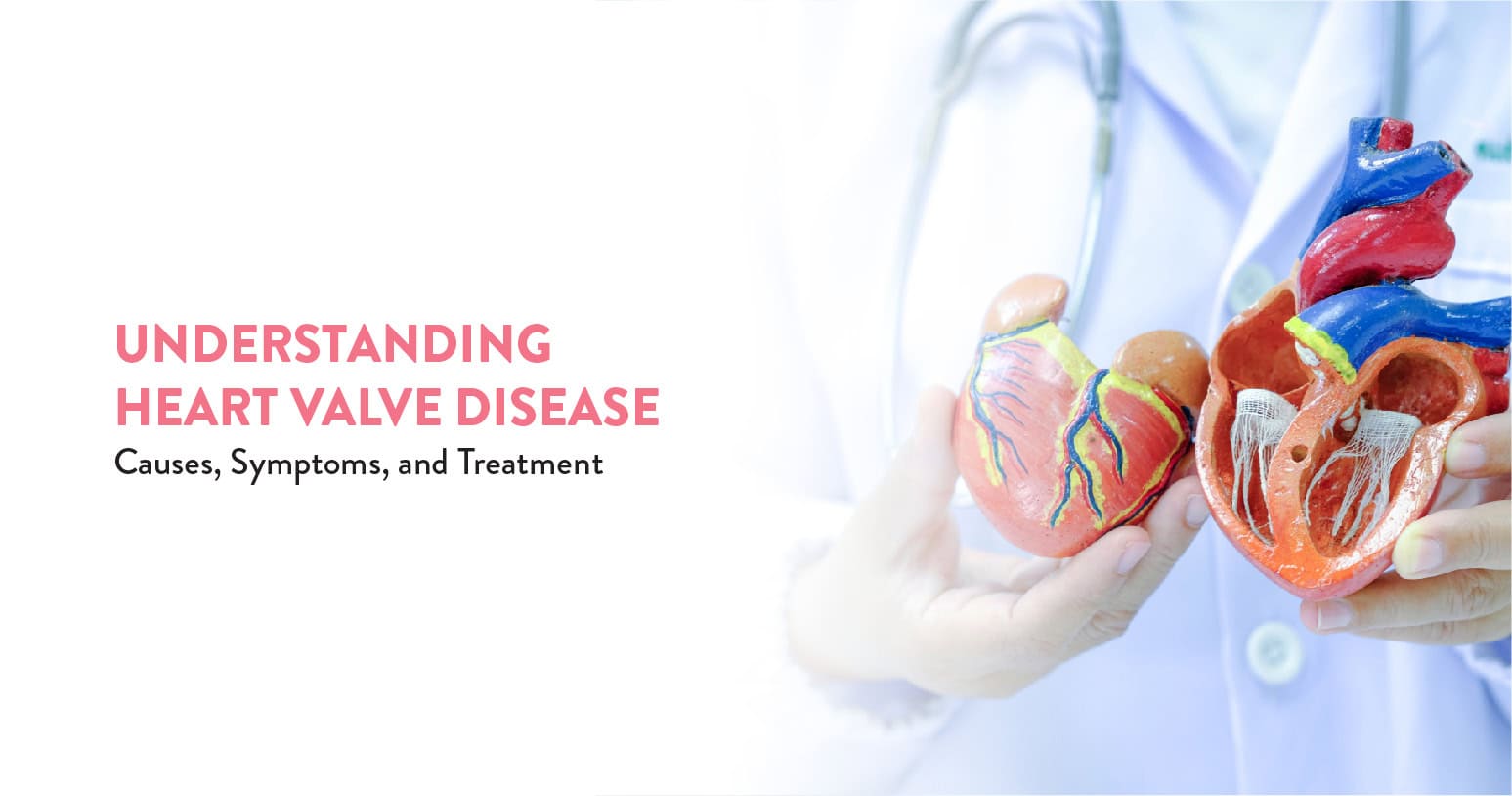
The circulatory system’s blood arteries are used by the heart, a muscular organ, to pump blood. The pumped blood carries nutrients and oxygen to the body while carrying metabolic waste such as carbon dioxide to the lungs.
Diseases in the heart valve can affect any of the valves in your heart. The cause can be a narrowing of the valve opening (stenosis), a leakage of blood (regurgitation), or a combination of the two.
Some people with a heart valve (valvular) disorder might not have any symptoms. However, it can lead to heart failure if left untreated, with symptoms that get worse over time. This may result in a fatal ventricular arrhythmia, depending on how poorly your heart is working. Talk with your doctor about any symptoms you have that you are concerned about, and make sure you schedule routine checkups with your doctor. This will increase the likelihood that your doctor will identify any potentially dangerous issues early on.
Table of Contents
One or more of your heart’s valves may not function correctly if you have heart valve disease.
Your heart has 4 valves that keep blood flowing in the correct direction. In some cases, one or more of the valves do not open or close properly. This may interrupt the blood flow from your heart to the rest of your body.
Your heart valve disease treatment depends on the severity and type of the disease and the heart valve affected. Sometimes heart valve disease requires surgery to replace or repair the heart valve.
It is common for people with heart valve disease to be without symptoms. But when the issue with your heart valve gets worse, your heart has to work harder to compensate for the decreased blood flow. Over time, heart valve disease might get bad enough that these symptoms begin to appear:
Also Read: Healthy Diet Chart for High Blood Pressure Patients
There are several causes of heart valve disease, including degenerative conditions (wearing out with age), infections, congenital conditions (being born with it) and conditions linked to other types of heart disease.
If you are experiencing symptoms of heart valve disease, your doctor will begin by listening to your heart with a stethoscope. They will listen for any heart rate abnormalities that may indicate a problem with your heart valves.
Your doctor might also listen to your lungs to determine if there is fluid buildup and check your body for signs of water retention. These are both signs of heart valve problems.
Other tests that might be used to diagnose heart valve disorders include the following:
You Can Also Read: Cardiac Arrest vs. Heart Attack: Know the Key Differences & Signs
Treatments for heart valve disease depend on the symptoms and severity of the disorder. Most doctors suggest beginning with conservative treatments, which include:
Medications that are typically prescribed are:
You might need surgery if your symptoms increase in severity. This might include a heart valve repair using one of the following:
Valvuloplasty might also be used to treat stenosis. During valvuloplasty, your Heart Valve Surgeon inserts a small balloon into your heart, where it is inflated slightly. The inflation increases the size of the opening in the valve, and then the balloon is removed.
Another less invasive option is TAVR (Transcatheter Aortic Valve Replacement), in which the surgeon replaces the blocked or narrowed heart valve through a catheter.
Heart valve disease affects the valves in your heart and may not display any symptoms. In case of no treatment, it can lead to heart failure with symptoms becoming worse over time. It is always advisable to seek medical help from an experienced cardiologist. Timely care and help can ensure an appropriate diagnosis and treatment of your condition.
At the CK Birla Hospital, we ensure patients get holistic medical support which includes treatment in a compassionate environment. This patient-centric approach not only helps patients heal better but also ensures they are aware of the preventive measures as well. In case you need to consult a cardiologist, reach out to us, or book a direct appointment with Dr. Sanjeeva Kumar Gupta at the CK Birla Hospital.
Most heart valve conditions are treatable. Medicine might treat symptoms or prevent the condition from getting worse. Your doctor might also suggest surgery or another procedure to replace or repair a faulty heart valve.
You will need to book regular follow-up appointments with your cardiologist to make sure your heart valves work as they should. Contact your provider sooner if your symptoms become more frequent or severe.
A family history of early coronary heart disease can raise your risk of developing a heart valve disease. Risk factors for other types of heart disease might put you at risk for heart valve diseases too, like obesity, smoking, unhealthy eating patterns and a lack of physical activity.

Cancer is one of the most widely known and common diseases worldwide. The diseases that cause the most deaths in the world include cancer; it disrupts your body’s regular function due to the rapidly growing cells which may cause tumours. It can also affect and spread to other organs and tissues in your body.
Cancer which forms in the cells of the breasts (the cells develop mutations and begin to divide and multiply) is known as breast cancer. People might first notice a lump in the breast, texture changes, discolouration or other symptoms. Breast cancer can occur in both women and men, but it is far more common in women.
The stage of your breast cancer, the extent of its invasion (if any), and the size of the tumour all have a significant impact on the type of treatment you will require. You may then talk with a doctor about your treatment choices after that.
Table of Contents
Mutations in the genes that control cell development are what lead to cancer. Cells can proliferate and divide in an uncontrolled manner because of the mutations.
Breast cancer is a kind of cancer that starts in breast tissue. Usually, the cancer forms in either the ducts or the lobules of the breast.
The milk-producing lobules and the ducts that carry it to the nipple are two different types of glands. Additionally, cancer can develop in your breast’s fatty tissue or fibrous connective tissue.
Unchecked cancer cells can travel to the lymph nodes under the arms and commonly invade nearby healthy breast tissue. The lymph nodes provide cancer with a pathway to other parts of the body.
Also Read: Treatment of fibroadenoma without surgery | Is it possible?
In its early stages, breast cancer might not cause any symptoms. In many cases, a tumour might be too small to be felt, but an abnormality can still be seen on a mammogram.
If a tumour can be felt, the first sign is typically a new lump in the breast that was not there before. However, not all lumps are cancer.
There are several symptoms that each form of breast cancer might produce. While many of these symptoms are comparable, others might differ. The most typical breast cancer symptoms are as follows:
If you have any of these symptoms, it does not necessarily mean you have breast cancer. For instance, a benign cyst may be the reason behind a breast soreness or a lump.
Still, if you find a lump in your breast or have other symptoms, contact your doctor for further testing and examination.
You Can Also Read: Breast Cancer – Myths vs Facts
Various risk factors increase your chances of getting breast cancer. However, having any of these does not mean you will develop the disease.
Some risk factors can not be avoided, like family history. You can change other risk factors, like smoking. Risk factors for breast cancer include:
If you have had breast cancer in 1 breast, you have an increased risk of developing breast cancer in your other breast or a different area of the previously affected breast.
People who have never carried a pregnancy to full term or become pregnant are more likely to develop breast cancer.
People who start menopause after they are 55 years old are more likely to develop breast cancer.
You run a higher chance of getting breast cancer if you have a close female relative who has. This includes your daughter, sister, grandmother or mother. If you do not have a family history of breast cancer, you can still develop breast cancer. The majority of those who contract it don’t have any relatives who have the condition.
People who are taking or took postmenopausal progesterone and oestrogen medications to help reduce their signs of menopause symptoms have a higher risk of breast cancer.
Breast cancer risk is higher in people who have their first child after age 35.
You have a higher chance of developing breast cancer if you start your periods before becoming 12 years old.
People who have the BRCA1 and BRCA2 gene mutations are more likely to develop breast cancer than people who do not. Other gene mutations might also affect your risk.
Mammograms are challenging to read when breast tissue is dense. It also raises your chance of developing breast cancer.
An alcohol use problem increases your risk.
As you become older, your chance of getting breast cancer rises. Women over the age of 55 are most commonly diagnosed with invasive breast cancer.
You Can Also Read: 5 Common Cancers Affecting Women
The stage of your breast cancer, the extent of its invasion (if any), and the size of the tumour all have a significant impact on the type of therapy you will require.
To start, your doctor will determine your cancer’s grade, stage and size. The grade of your cancer indicates how probable it is to advance and spread. You may then talk about your therapy choices after that.
Surgery is the most often used treatment for breast cancer. Many people have additional treatments, like hormone therapy, radiation, targeted therapy or chemotherapy.
Various types of surgery might be used to remove breast cancer, including:
High-powered beams of radiation are used to target and kill cancer cells in radiation therapy. Most radiation treatments use external beam radiation, in which a large machine is used on the outside of the body.
A treatment called brachytherapy enables doctors to irradiate cancer from inside the body. The surgeons place radioactive pellets or seeds inside the body near the tumour site. The seeds stay there for a while and start to get rid of cancer cells.
A medication therapy called chemotherapy is used to kill cancer cells. It is often used along with other treatments, especially surgery.
Some individuals will need further treatments like radiation or chemotherapy after their surgery. This is called adjuvant therapy. Others may get neoadjuvant treatment, or chemotherapy, to shrink the malignancy before surgery.
Before beginning chemotherapy, talk to your doctor about any concerns you may have as there are several undesirable side effects.
Your doctor might start you on hormone therapy if your type of breast cancer is sensitive to hormones. Progesterone and Oestrogen, 2 female hormones, can stimulate the growth of breast cancer tumours.
Hormone therapy works by blocking your body’s production of these hormones or by blocking the hormone receptors on the cancer cells. By taking this measure, you may be able to reduce or even halt the spread of your cancer.
Any specific therapy they suggest for you will be further explained by your doctor.
Breast cancer develops in the breast cells and is more common in women. People may see some symptoms like discolouration, texture changes and lump in the breast; the treatment is ascertained by the cancer’s size, stage and grade. It is always advisable to seek medical help from an experienced oncologist. Timely care and help can ensure an appropriate diagnosis and treatment of your condition.
At the CK Birla Hospital, we ensure patients get holistic medical support which includes treatment in a compassionate environment. This patient-centric approach not only helps patients heal better but also ensures they are aware of the preventive measures as well. In case you need to consult an oncologist, reach out to us, or book a direct appointment with Dr. Rohan Khandelwal at the CK Birla Hospital.
For most people, a lump in their breast or some thickening is the initial sign of breast cancer. There may also be a change in the shape, size or feel of your breast.
Breast cancer frequently begins as a tiny, unnoticeable lump. As it develops, it has the potential to spread outside of the breast or to other body regions. This causes serious health problems and can result in death.
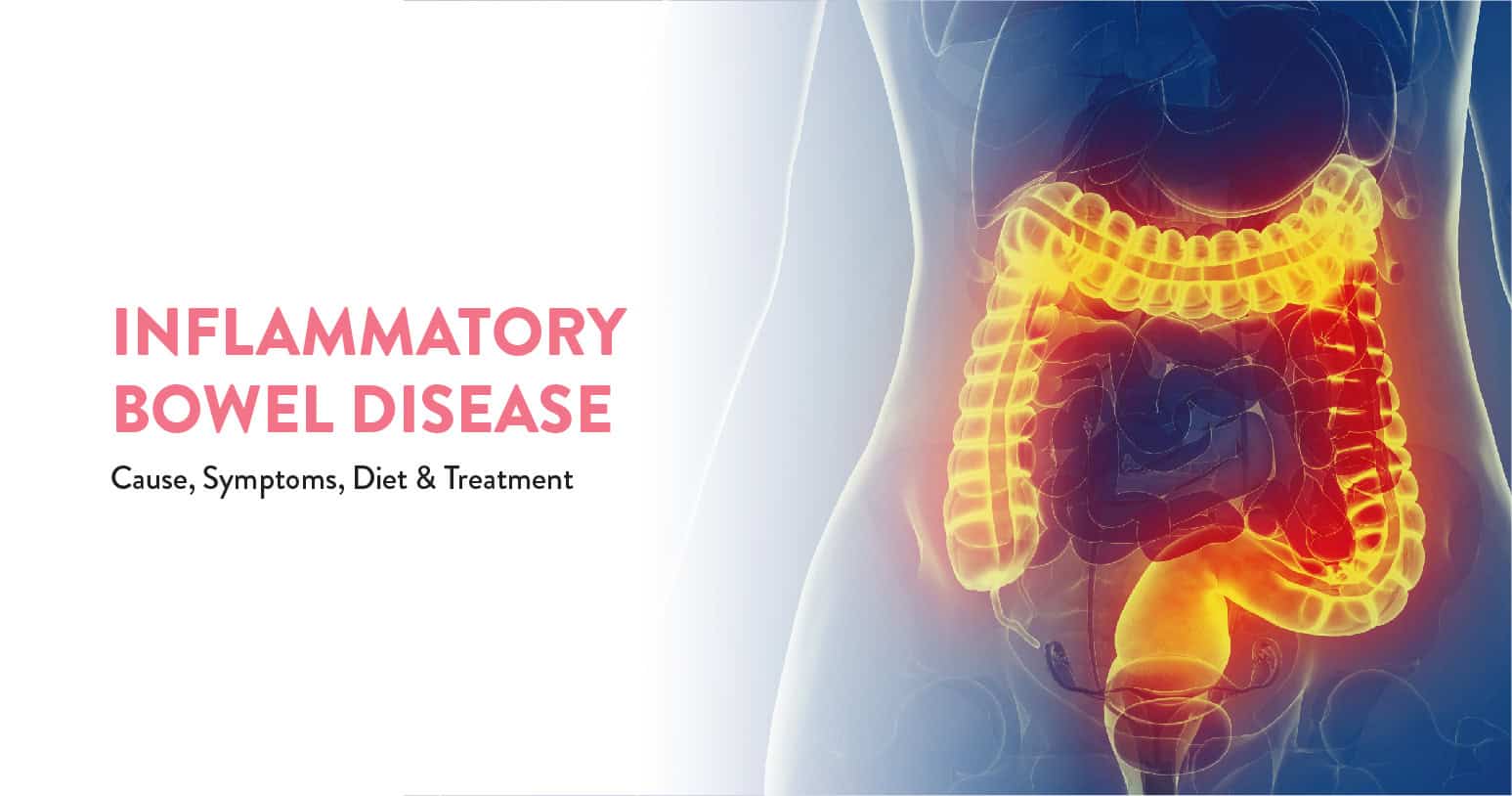
In your body, the intestine is the segment of the gastrointestinal tract extending from the pyloric sphincter of the stomach to the anus. There are 2 types of intestines – the small intestine and the large intestine.
A series of intestinal illnesses known together as inflammatory bowel disease (IBD) result in persistent inflammation of the digestive system. The digestive tract comprises the large intestine, small intestine, stomach, oesophagus and mouth.
IBD can be disruptive and very painful. In certain rare instances, it might even be fatal. You can manage the disease and live an active, healthy lifestyle by actively following your doctor-advised treatment plan.
Table of Contents
IBD (Inflammatory bowel disease) is a term that describes disorders involving chronic (long-standing) inflammation of tissues in your digestive tract.
Types of IBD include:
This type of IBD is characterised by inflammation of the lining of your digestive tract, which often can involve the deeper layers of the digestive tract. Small intestine damage from Crohn’s disease is rather prevalent. However, it can also harm the large intestine and, less frequently, the upper gastrointestinal tract.
This condition involves ulcers (sores) and inflammation along the lining of your rectum and colon (large intestine).
Both Crohn’s disease and ulcerative colitis typically are characterised by weight loss, fatigue, abdominal pain, rectal bleeding and diarrhoea.
For some people, IBD is only a mild illness. For others, it is a debilitating condition that can lead to life-threatening complications.
You Can Also Read: Heartburn: Causes, Symptoms & Medication
Symptoms of IBD vary depending on the severity and location of inflammation, but they might include:
People with Crohn’s disease might also get canker sores in their mouths. Sometimes fissures and ulcers also appear around the anus or genital area.
IBD can also be associated with problems outside of the digestive system, like:
The exact cause of IBD is unknown, however, several factors can increase your risk of developing Crohn’s disease and ulcerative colitis.
People who have a child, sibling or parent with IBD are at a much higher risk of developing it themselves. This is why scientists believe IBD might have a genetic component.
The immune system might also play a role in IBD. The immune system usually defends the body from pathogens, which are organisms that cause infections and diseases.
The immune system may react to a bacterial or viral illness of the digestive tract. The digestive tract swells with inflammation as the body attempts to create an immunological defence against the invaders. When an immune system is functioning properly, the inflammation subsides once the infection is treated.
However, individuals with IBD might have digestive tract inflammation even without an infection. The immune system attacks the body’s cells instead, which is known as an autoimmune response.
IBD can also occur when the inflammation does not go away after the infection is cured. The inflammation might continue for months or even years.
Smoking is one of the main risk factors for developing Crohn’s disease. Smoking exacerbates the discomfort and other symptoms of Crohn’s disease. It also raises the possibility of complications.
However, ulcerative colitis mainly affects former smokers and nonsmokers.
IBD is present in all populations. However, according to research, certain ethnic groups have a higher risk of developing the condition.
IBD can occur at any age, however, it often manifests before the age of 35.
People who live in industrialised countries and urban areas have a higher risk of developing IBD. Residents of industrialised countries also tend to eat more processed food and fat, which is connected to the development of IBD.
IBD is also more common among people living in northern climates, where it is often cold.
Having a sedentary job or lifestyle increases the risk of IBD. The likelihood of developing IBD was lowered by physical exercise before getting sick.
IBD tends to affect women and men equally.
Ulcerative colitis is generally more common among men over 45 years old than it is among women of the same age range. On the other hand, Crohn’s disease is more common among women and girls over the age of 14.
You Can Also Read: Irritable Bowel Syndrome
The different treatments for IBD include:
The initial stage of IBD treatment is anti-inflammatory medication. These medications aid in reducing digestive tract inflammation. However, they have many side effects.
Some biologics block TNF (tumour necrosis factor). The immune system generates TNF, a molecule that causes inflammation. Excess TNF in the blood is usually blocked, but in people with IBD, higher levels of TNF can lead to more inflammation
Biologics are not available as generic drugs. But for some of these medications, there exist biosimilars, which are less expensive and have been reverse-engineered to deliver the same outcomes as biologics.
With IBD, lifestyle decisions are crucial.
Supplemental vitamins and minerals can assist with dietary deficits. For example, iron supplements can help treat anaemia. Before including any new supplements in your diet, consult your doctor.
Also Read: Ivy Gourd: Benefits & Side Effects
Individuals with IBD may occasionally require surgery. Some IBD surgeries include:
Given that people with IBD have a higher chance of developing colorectal cancer, your doctor will likely advise doing a regular colonoscopy to check for the disease.
Inflammatory bowel disease comprises various intestinal disorders which cause prolonged inflammation of the digestive tract. This condition can be very painful and disruptive, even life-threatening in some cases. It is always advisable to seek medical help from an experienced gastroenterologist. Timely care and help can ensure an appropriate diagnosis and treatment of your condition.
At the CK Birla Hospital, we ensure patients get holistic medical support which includes treatment in a compassionate environment. This patient-centric approach not only helps patients heal better but also ensures they are aware of the preventive measures as well. In case you need to consult a gastroenterologist, reach out to us, or book a direct appointment at the CK Birla Hospital.
FAQs
Inflammatory bowel disease cannot be cured. There will be times when the illness is dormant, or in remission. Medicines can reduce inflammation and increase the length and number of periods of remission.
Although inflammatory bowel disease normally is not fatal, it is a serious disease that, in some cases, might cause life-threatening complications. See your doctor if you experience a persistent change in your bowel habits or if you have any of the signs and symptoms of this disease.

