Filter :

Winter poses health challenges for children, with common illnesses like flu, colds, and respiratory infections. Cold weather can impact their immunity, making them more susceptible. Children spend more time indoors, increasing the risk of contagion.
Proper hygiene, immunizations, and warm clothing help prevent illness. A balanced diet, adequate sleep, and staying active support overall health, fortifying children against winter-related health issues.
Table of Contents
Ensuring strong immunity in children involves a multifaceted approach, with a balanced diet playing a pivotal role. A nutrient-rich diet provides essential vitamins and minerals crucial for immune function. Key immunity-boosting foods include:
Citrus fruits like oranges, strawberries, and kiwi are packed with vitamin C, known for its immune-enhancing properties.
Carrots, bell peppers, spinach, and broccoli contain antioxidants that support immune health.
Foods like eggs, lean meats, and legumes provide protein necessary for immune system function.
Probiotics found in yoghurt and fermented foods promote a healthy gut, positively influencing the immune system.
Rich in antioxidants and healthy fats, nuts and seeds contribute to overall well-being.
Foods like brown rice, oats, and whole wheat offer essential nutrients, supporting a robust immune response.
A well-hydrated body is better equipped to fend off infections. Encourage water intake, herbal teas, and broths.
Sufficient sleep is crucial for immune function. Establish a consistent sleep routine for children.
Physical activity contributes to overall health and boosts the immune system.
Limiting processed and sugary foods helps prevent immune-suppressing effects.
Additionally, consider these measures to fortify children’s immunity:
Ensure timely vaccinations to protect against common illnesses.
Teach proper handwashing to prevent the spread of infections.
Create a supportive environment to manage stress, as chronic stress can impact immunity.
Adequate outdoor time exposes children to fresh air and sunlight, contributing to overall health.
You Can Also Read: Winter Superfoods: What to Eat for Seasonal Health
Maintaining proper hygiene practices is crucial for children during winter to prevent the spread of infections and promote overall well-being. Key hygiene measures include:
Encourage regular handwashing with soap and water, especially before meals and after using the restroom. Proper hand washing removes germs and reduces the risk of respiratory and gastrointestinal infections.
Teach children to cover their mouths and noses with a tissue or elbow when coughing or sneezing. This helps prevent the spread of respiratory droplets containing viruses.
Ensure good ventilation in living spaces. While it’s common to keep windows closed during winter, periodically opening windows allows fresh air to circulate, reducing the concentration of indoor pollutants.
Maintain regular bathing routines to keep the body clean and prevent skin infections. Pay attention to areas prone to dryness, applying moisturisers to prevent skin discomfort.
Dress children in clean and dry clothing to prevent skin irritation and minimise the risk of fungal infections. Layer clothing appropriately to regulate body temperature.
Keep children’s nails short and clean to reduce the likelihood of dirt and germs accumulating. Regular hair washing contributes to overall cleanliness.
Emphasise proper oral care by encouraging regular tooth brushing to prevent dental issues. A healthy mouth is integral to overall health.
Teach children not to share personal items like towels, brushes, or water bottles to minimise the spread of germs.
Ensure children wear clean socks and well-fitted shoes. Encourage proper drying of feet to prevent fungal infections, especially between the toes.
Remind children not to rub their eyes with unwashed hands to prevent the transmission of eye infections.
Dressing children appropriately during winter is crucial to keep them warm, comfortable, and protected from the cold weather. Here are some tips for dressing children in winter:
1. Base Layer – Start with a moisture-wicking base layer to keep sweat away from the skin. Materials like polyester or merino wool work well.
2. Insulating Layer – Add an insulating layer for warmth. This could be a fleece or down jacket, depending on the temperature.
3. Outer Layer – The outer layer should be windproof and waterproof to provide protection from rain, snow, and wind. A durable winter coat is essential.
1. Hat – A warm hat that covers the ears helps retain body heat. A significant amount of heat is lost through the head.
2. Gloves or Mittens – Keep little hands warm with insulated, waterproof gloves or mittens. Mittens often provide better warmth as fingers share heat.
3. Scarves – Use a scarf to protect the neck and face. Make sure it’s not too tight, allowing easy breathing.
Insulated and waterproof boots are essential to keep feet warm and dry. Opt for boots that are a size larger to accommodate thick socks.
Use moisture-wicking and insulating socks to keep your feet warm. Avoid cotton socks as they can retain moisture.
For toddlers and younger children, consider one-piece snowsuits or overalls. These provide full-body coverage and keep them warm during outdoor activities.
Adjust the layers based on the activity level and weather conditions. If a child becomes too warm, they can remove a layer to avoid sweating excessively.
Opt for breathable fabrics to prevent overheating. Layers should trap warmth while allowing moisture to escape.
Regularly check children’s clothing to ensure they stay dry. Wet clothing, even if insulated, can lead to loss of body heat.
Consider additional accessories like ear warmers or thermal socks for extremely cold days.
Ensure that winter clothing doesn’t restrict movement or impair visibility. This is especially important for activities like walking to school or playing in the snow.
You Can Also Read: Winter Woes: How to Deal with Common Skin Problems during the Cold season
Engaging in outdoor activities is crucial for kids’ health in winter. Safety measures for winter sports include wearing protective gear and ensuring proper supervision. Balancing indoor and outdoor play helps maintain physical activity levels and supports overall well-being. Parents should encourage a mix of activities to keep kids active and healthy during the winter season.
Keeping kids healthy in winter is vital to prevent illnesses and support their overall well-being. Ignoring this can lead to increased susceptibility to infections, compromised immunity, and overall health issues. It is always advisable to seek medical help from an experienced paediatrician for vital tips in keeping your kids healthy during the cold season.
At the CK Birla Hospital, we ensure patients get holistic medical support which includes treatment in a compassionate environment. This patient-centric approach not only helps patients heal better but also ensures they are aware of the preventive measures as well. In case you need to consult a general physician, reach out to us, or book a direct appointment at the CK Birla Hospital.
Consult a Fitness & Wellness Doctor
Parents can ensure their child stays warm in winter without overheating by dressing them in layers, using appropriate winter accessories, and adjusting clothing based on the activity and weather conditions.
Yes, indoor air quality is important in winter. Closed windows and doors can lead to poor ventilation, increasing the concentration of pollutants. Proper ventilation and air purifiers can help maintain air quality.
If your child has persistent symptoms like high fever, severe cough, difficulty breathing, or lethargy, consult a healthcare professional to rule out more serious illnesses and seek appropriate care.

As winter blankets the world, nourishing your body with the right foods becomes crucial for seasonal well-being. Explore the realm of winter superfoods, nutrient-packed delights that not only combat the cold but also support your health. From immune-boosting wonders to skin-nourishing treats, discover the array of foods that can elevate your winter experience and keep you thriving in the colder months.
Table of Contents
Winter vegetables not only withstand the chilly temperatures but also pack a nutritional punch, making them excellent additions to your winter diet. Here are some nutrient-rich winter vegetables:
Incorporating a variety of these winter vegetables into your meals can not only enhance the flavour and texture of your dishes but also provide essential nutrients to support your health during the colder months. Whether roasted, steamed, or included in soups and stews, these vegetables contribute to a well-rounded and nutritious winter diet.
You Can Also Read: Top High Protein Foods
Winter brings a delightful array of fruits that not only add sweetness to the season but also offer a range of essential nutrients. Here are some nutrient-rich winter fruits:
Incorporating a variety of these winter fruits into your diet not only satisfies your sweet cravings but also ensures a diverse intake of essential nutrients. Whether enjoyed fresh, added to salads, or blended into smoothies, these fruits contribute to a well-balanced and nourishing winter menu.
Winter is a time to focus on foods that not only keep you warm but also provide essential nutrients, including protein. Here are some protein-rich foods that are particularly beneficial during the winter months:
Including a combination of these protein-rich foods in your winter diet ensures that you meet your nutritional needs while keeping your body warm and energised during the colder months.
In the winter, incorporating healthy fats into your diet is essential for maintaining overall well-being and providing your body with sustained energy. Here are some healthy fats that you should consider including in your winter diet:
Including a variety of these healthy fats in your winter diet not only supports your body’s nutritional needs but also adds flavour and satisfaction to your meals. Remember to maintain a balanced diet that includes a mix of healthy fats, proteins, carbohydrates, vitamins, and minerals for overall well-being.
Incorporating spices and herbs into your winter diet not only adds flavour to your meals but also provides a range of health benefits. Here are some spices and herbs that you should consider including in your winter culinary repertoire:
Including a variety of these spices and herbs in your winter cooking not only enhances the taste of your meals but also contributes to your overall well-being. Experiment with different combinations to discover new and delicious flavour profiles while reaping the health benefits these ingredients offer.
In addition to being loaded with vital vitamins, minerals and antioxidants, a lot of foods also have health-promoting qualities. It is always advisable to seek medical help from an experienced dietitian to prepare your balanced diet.
At the CK Birla Hospital, we ensure patients get holistic medical support which includes treatment in a compassionate environment. This patient-centric approach not only helps patients heal better but also ensures they are aware of the preventive measures as well. In case you need to consult a dietitian, reach out to us, or book a direct appointment at the CK Birla Hospital.
Superfoods are nutrient-rich foods that offer health benefits. In winter, they are essential for bolstering immunity, providing energy, and combating the seasonal impact on overall well-being.
Yes, many superfoods are available year-round. However, some may be more seasonal or available in certain regions, so it’s advisable to choose a diverse range for year-round consumption.
Some superfoods may have seasonal availability, and sourcing them in winter might be challenging. Additionally, be cautious about the quality and source of superfoods to ensure freshness and safety.
Incorporate superfoods into your winter diet by adding them to soups, salads, and smoothies, as snacks. Experiment with recipes to enjoy their nutritional benefits and enhance overall well-being.
Yes, include immune-boosting superfoods like citrus fruits, ginger, garlic, and leafy greens in your winter diet to support overall health and strengthen your immune system against seasonal challenges.
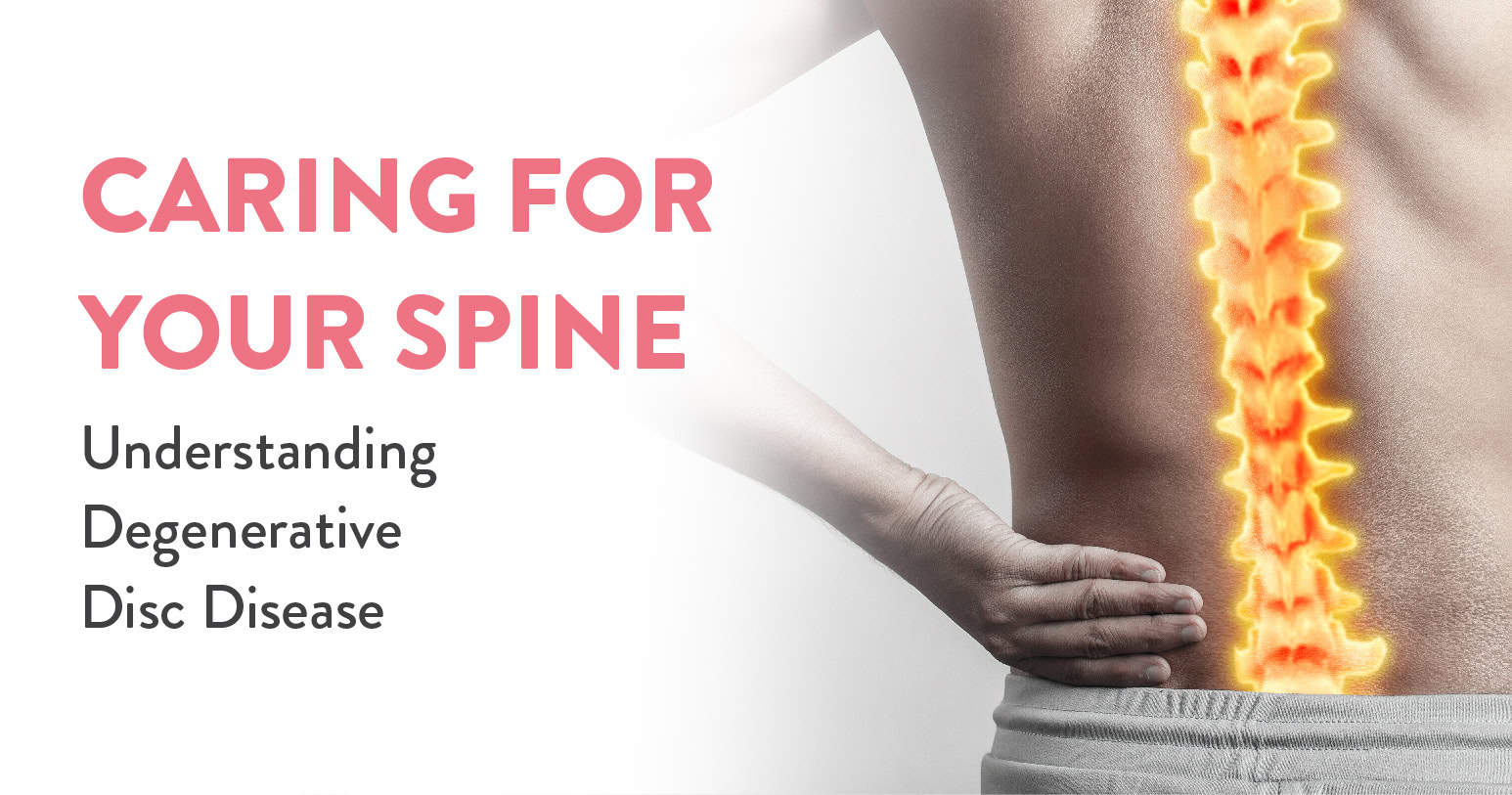
A disorder known as degenerative disc disease (DDD) causes one or more of the back discs to weaken. Technically speaking, degenerative disc disease is not a disease, despite its name. It is a gradual ailment brought on by damage or general wear and tear over time.
The spaces between your spine’s vertebrae are home to the discs. They perform the roles of shock absorbers and cushions. Discs assist you in standing upright. Additionally, they facilitate routine activities like bending over and twisting around.
With time, DDD may get worse. It may produce moderate to severe discomfort that gets in the way of your daily activities.
Table of Contents
Some of the most common symptoms of DDD include pain that:
People with DDD might experience less pain after walking and exercise. DDD can also cause weakened leg muscles, as well as numbness in your arms or legs.
You Can Also Read: Tuberculous Spondylitis: Symptoms, Cause & Treatment
Spinal discs wear down as a normal part of ageing. Especially after age 40, most people experience some disc degeneration. However, not everyone experiences pain.
You might have pain if your spinal discs:
To diagnose degenerative disc disease, your healthcare provider may start by asking you about your symptoms. Questions may include:
Your healthcare provider may use imaging scans such as X-ray, CT or MRI. These tests can show your healthcare provider the state and alignment of your discs. Your provider may also conduct a physical exam to check your:
Usually, your healthcare provider will recommend noninvasive treatment options first. Your treatment may include:
Using electric currents to burn sensory nerves and prevent pain signals from reaching your brain.
Injecting medicine near your spinal nerves, disc or joints to reduce inflammation and pain.
Taking nonsteroidal anti-inflammatory drugs (NSAIDs), muscle relaxers or steroids.
Participating in strengthening and stretching exercises with a trained healthcare provider.
Also Watch: Hip Replacement: Why it happens?
Some people find pain relief through at-home remedies. At-home treatments may decrease pain for a short time. However, they are not a long-term treatment for severely degenerated discs. You may try:
Surgical Options
Many patients do not need surgery for degenerative disc disease. But if you have tried multiple nonsurgical treatments and have persistent pain and/or weakness, surgery may be a good option.
Or your surgeon may use one of a few types of spinal decompression surgery:
Understanding degenerative disc disease is crucial for timely intervention. Ignoring it may lead to worsening pain, reduced mobility, nerve damage, and diminished quality of life. Early diagnosis enhances treatment options. It is always advisable to seek medical help from an experienced orthopaedist.. Timely care and help can ensure an appropriate diagnosis and treatment of your condition.
At the CK Birla Hospital, we ensure patients get holistic medical support which includes treatment in a compassionate environment. This patient-centric approach not only helps patients heal better but also ensures they are aware of the preventive measures as well. In case you need to consult an orthopaedist, reach out to us, or book a direct appointment at the CK Birla Hospital. (Booking Link).
Lifestyle factors contributing to degenerative disc disease include ageing, smoking, poor posture, a sedentary lifestyle, and improper lifting techniques. These factors accelerate disc degeneration, impacting spinal health over time.
Yes, degenerative disc disease can occur in young adults, especially if they have risk factors such as genetic predisposition, trauma, or engage in activities that stress the spine.
Surgery for degenerative disc disease is considered when conservative treatments fail to provide relief, and symptoms severely impact daily life. Surgical options include discectomy, spinal fusion, or disc replacement.
While degenerative disc disease is a natural part of ageing, maintaining a healthy lifestyle with regular exercise, proper nutrition, and avoiding smoking can help reduce the risk and delay its onset.
Winter weather can have a significant impact on human skin. The drop in humidity during colder months, combined with cold temperatures, can lead to dryness, flakiness, and irritation. Indoor heating further exacerbates the issue by reducing moisture in the air.
These factors contribute to skin dehydration, itchiness, and conditions like eczema. Proper skincare, including moisturising and hydrating routines, becomes essential to counteract the adverse effects of winter.
Table of Contents
Winter brings about several common skin problems due to the cold and dry conditions, such as:
Winter skin problems can vary among individuals, and understanding these issues is crucial for effective skincare during the colder months. Seeking professional advice for persistent or severe skin problems is recommended.
You Can Also Read: Types of Skin Problems and Their Solutions
It’s not inevitable to have dry skin in the winter. It’s possible to maintain radiant, silky, and soft skin throughout the winter by utilising the appropriate products and modifying your skincare routine and behaviours. Some of these tips are:
These winter skincare tips help maintain skin health and prevent common issues associated with cold weather. Customise your skincare routine based on your skin type and individual needs.
From coconut oil to honey masks, pamper your skin naturally at home. Discover relief for dry skin with these DIY remedies:
These natural remedies offer cost-effective solutions for dry skin, incorporating readily available ingredients with hydrating and soothing properties.
You Can Also Read: Know the common causes of Itchy Skin & its treatment
To alleviate dry skin, consider your clothing choices. Opt for breathable fabrics such as cotton, as they allow proper air circulation, preventing irritation. Harsh materials like wool can exacerbate dryness, so choose softer alternatives. Embrace layering to regulate body temperature, ensuring comfort without compromising moisture.
Additionally, prioritise loose-fitting garments to minimise friction and irritation on sensitive skin. These clothing tips complement a comprehensive approach to dry skin care, enhancing your comfort throughout the winter months.
Maintain healthy winter skin by incorporating these nourishing foods into your diet:
In the winter, dry, flaky skin affects not just your face but also your hands, feet, and other exposed skin parts. If you discover that using at-home treatments isn’t helping your dry skin, then it is always advisable to seek medical help from an experienced dermatologist. Timely care and help can ensure an appropriate diagnosis and treatment of your condition.
At the CK Birla Hospital, we ensure patients get holistic medical support which includes treatment in a compassionate environment. This patient-centric approach not only helps patients heal better but also ensures they are aware of the preventive measures as well. In case you need to consult a dermatologist, reach out to us, or book a direct appointment at the CK Birla Hospital.
Soothe chapped lips by regularly applying a moisturising lip balm, staying hydrated, and avoiding licking your lips. Exfoliate gently with a soft toothbrush and protect lips from harsh weather.
Yes, winter weather can contribute to acne breakouts due to factors like dry skin, increased use of heavy moisturisers, and indoor heating, leading to clogged pores and breakouts.
In winter, moisturise at least twice daily, especially after bathing. Use a rich, hydrating moisturiser to combat dryness caused by cold weather and indoor heating.

Testosterone is a male sex hormone produced in the testicles that plays a crucial role in the development of male reproductive tissues, as well as in promoting muscle mass and bone density.
Low testosterone levels, also known as hypogonadism, occur when the body doesn’t produce enough testosterone. This condition can lead to various symptoms, including fatigue, reduced libido, erectile dysfunction, decreased muscle mass, and mood changes.
As they age, men’s testosterone levels gradually decline. You are more likely to have low testosterone as you age. If you find your low testosterone symptoms bothersome, your doctor could suggest testosterone replacement medication.
Table of Contents
Low testosterone symptoms might differ greatly, especially depending on age.
Low testosterone, or hypogonadism, can stem from primary or secondary causes, each with congenital or acquired factors.
Affecting testicular function can be congenital, involving conditions like:
Testicle damage, orchitis, radiation therapy, chemotherapy, tumours, and the usage of anabolic steroids are examples of acquired causes.
Involves hypothalamus or pituitary dysfunction, often termed hypogonadotropic hypogonadism. Congenital contributors include isolated hypogonadotropic hypogonadism, Kallmann syndrome, and Prader-Willi syndrome.
The acquired causes encompass:
Late-onset hypogonadism (LOH) results from ageing, with deteriorating hypothalamic-pituitary and Leydig cell function. LOH and low testosterone are prevalent in individuals with Type 2 diabetes, obesity, or overweight. Studies indicate a higher occurrence of low testosterone in overweight individuals (30%) compared to those with normal weight (6%). In Type 2 diabetes, 25% of individuals have low testosterone, contrasting with 13% in those without diabetes.
Understanding these causes helps healthcare providers diagnose and manage low testosterone effectively, ensuring tailored interventions for each patient’s unique circumstances. Regular monitoring and personalised treatments can enhance the overall well-being of individuals facing hypogonadism.
Healthcare professionals use testosterone replacement treatment to treat male hypogonadism or low testosterone. There are several kinds of testosterone replacement treatment, which include:
A pill form of testosterone is available for people with low testosterone due to specific medical conditions, such as Klinefelter syndrome or tumours that have damaged their pituitary glands.
Three times a day, you administer a testosterone gel into each nostril.
You apply these adhesive tablets to your gums twice a day. Your gums allow the testosterone to enter your circulation swiftly.
Every three to six months, a doctor implants these pellets beneath your skin. The testosterone doses provided by the pellets are steady and long-lasting.
As instructed, you apply these patches to your skin each day. Typically, you have to move them around to prevent skin reactions.
Every one to two weeks, you or a healthcare professional can inject the medication into a muscle. Every ten weeks, providers can inject long-acting testosterone. Additionally, subcutaneous injections are available.
As instructed, you apply the gel to clean, dry skin each day. You must avoid skin-to-skin contact with anyone else to avoid spreading the gel.
Lifestyle changes can complement medical interventions in managing low testosterone levels. Here are some recommended lifestyle modifications:
Many people dismiss the symptoms of decreased testosterone as an uncomfortable aspect of ageing. However, you ought to treat any symptoms that lower your quality of life. Should you be experiencing uncomfortable symptoms of low testosterone, it is always advisable to seek medical help from an experienced endocrinologist. Timely care and help can ensure an appropriate diagnosis and treatment of your condition.
At the CK Birla Hospital, we ensure patients get holistic medical support which includes treatment in a compassionate environment. This patient-centric approach not only helps patients heal better but also ensures they are aware of the preventive measures as well. In case you need to consult an endocrinologist, reach out to us, or book a direct appointment with a doctor at the CK Birla Hospital.
Yes, low testosterone can impact fertility by reducing sperm count, motility, and quality. Medical intervention and lifestyle changes can improve fertility outcomes for individuals with low testosterone.
Yes, natural ways to boost testosterone include regular exercise, sufficient sleep, a balanced diet with essential nutrients, weight management, stress reduction, and avoiding excessive alcohol and processed foods.
Low testosterone is typically associated with males, but females can also experience it, albeit in smaller amounts. In women, it can affect reproductive health, mood, and bone density.
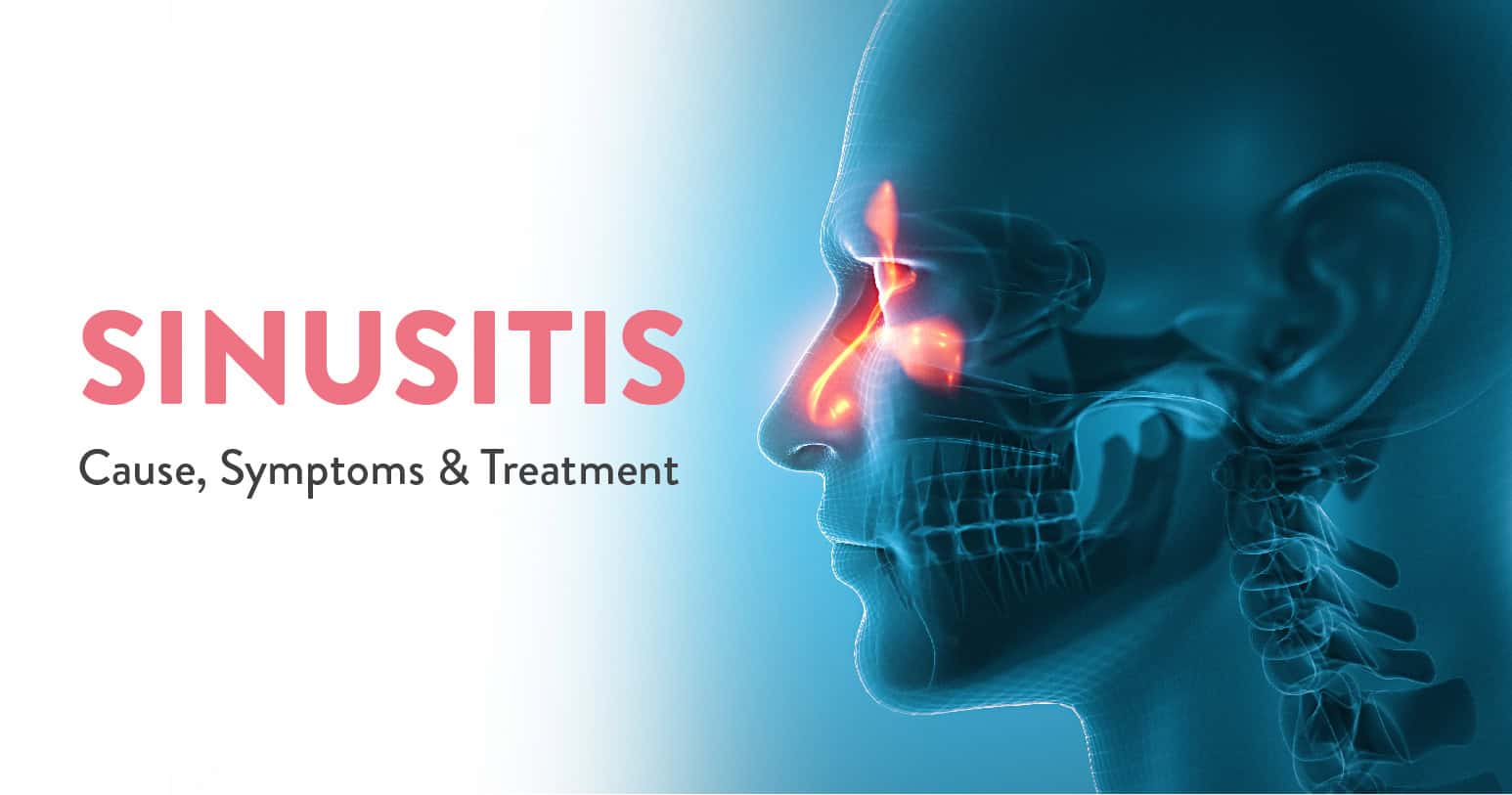
There’s a nip in the air and the sun has started shying away. With the onset of winter, conditions are rife to help trigger a host of respiratory problems, seasonal allergies and hyperactive sinuses. The cold air tightens our nasal passages, causing congestion. Dry indoor heating leads to irritation, leading to sinus headaches. Copious warm beverages and steamy hot food become our go-to solution for some hydration and warmth. During this time the most common form of nasal congestion comes in the form of sinusitis. As per studies and data by NIAID, India has reported up to 134 million cases of sinusitis in a year.
While initially it gives flu-like symptoms, we often tend to opt for home remedies like a warm compress, saline drops, steam etc. for quick relief from symptoms. However, it is always advisable to visit a doctor for a proper diagnosis and treatment plan.
Table of Contents
Sinus refers to air-filled cavities in the skull connected to our nasal passages through narrow vent-like passages. We are normally born with 4 pairs of sinuses, each lined by a thin watery fluid called mucus membrane. This helps the sinuses drain out any form of bacteria, allergies, and other pathogens from your nose and keeps it clean.
Allergies, bacterial infections, and viral infections can irritate and clog up the sinuses with fluid. It further leads to nasal congestion (stuffy nose) and ends up causing pain all over your face in severe congestion triggering inflammation or swelling. This swelling or inflammation of the tissue lining our sinuses is known as Sinusitis. In this case, the otherwise watery mucus turns sticky and refuses to flow out of the nasal passage.
Sinusitis can stem from different sources, including viruses, bacteria, nasal polyps, or allergies. In cases of persistent or recurring sinusitis, there may be underlying factors that necessitate specific treatment. Consulting with a healthcare professional is vital to comprehending your unique situation and devising an effective plan moving forward.
Watch out for the specific triggers for sinusitis, which are:
Sinusitis may affect anybody. But there are risk factors and medical disorders that might raise your odds. People more susceptible to sinusitis might contract it via to germs in certain scenarios, such as:
You Can Also Read: Deviated Nasal Septum
The common symptoms of a sinus infection include:
The symptoms of sinusitis vary, however, there are several varieties. The symptoms will differ in terms of intensity and length.
|
Acute Sinusitis:
|
Recurrent Acute Sinusitis:
|
Subacute Sinusitis:
|
Chronic Sinusitis:
|
Medical professionals identify sinusitis by looking at your medical history and symptoms. A medical professional will examine your throat, nose, and ears for swelling, drainage, or obstruction. An endoscope is a tiny, illuminated device that they could use to examine the inside of your nose.
You could also receive a referral from your doctor to a specialist, such as an otolaryngologist, or ENT (ear, nose, and throat specialist).
Your doctor may prescribe some tests to identify a sinus infection, such as:
You Can Also Read: Tinnitus Explained: Causes, Symptoms, Diagnosis, Treatment
The different treatments for sinusitis are:
To help ease nasal congestion, try these simple medical and home remedies for temporary relief:
If you’re in pain due to facial pressure from sinus congestion, several over-the-counter drugs may be able to temporarily ease the discomfort while the other medications prescribed by your ENT work their magic.
Depending on the severity and cause of your symptoms and tests performed your ENT might prescribe antibiotics, especially in case of fever, eye swelling, facial pain or headaches, cough, congestion and runny nose.
Doctors usually prescribe a full course of antibiotics which lasts up to 2 weeks. Ensure you don’t skip your medication else the problem will be recurring. If this does not help, it is time to revisit your ENT and get a further assessment done to arrive at a desired treatment.
If medicine and time do not relieve your chronic sinusitis, you may need surgery. This is especially true in the case of nasal polyps and deviated septum. To repair this and clear the sinuses, your ENT will suggest septoplasty surgery.
Sinus infections are common and treatable. Numerous factors, including viruses, germs, nasal polyps, or allergies, might cause them. If sinusitis happens often, and symptoms don’t improve or any of the above-mentioned symptoms mirror that of your own, then it is always advisable to seek medical help from an experienced ENT specialist. Timely care and help can ensure an appropriate diagnosis and treatment of your condition. Make sure you share everything with your physician and if the disease prolongs then seek expert help from an ENT surgeon.
At the CK Birla Hospital, we follow a patient-centric approach where not only do we provide solutions but also understand the comfort of each patient undergoing treatment. This not only helps patients make an informed decision about their health, heal better and manage any treatment-induced weakness. In case you need to consult an ENT specialist, reach out to us, or book a direct appointment at the CK Birla Hospital.
Acute sinusitis typically lasts for about two to four weeks. However, the duration can vary, and seeking medical advice is crucial for proper diagnosis and management of symptoms.
Yes, sinusitis can be caused by allergies. Allergic reactions to substances like pollen, dust, or pet dander can lead to inflammation in the nasal passages, contributing to sinusitis.
Yes, natural remedies for sinusitis symptoms include saline nasal irrigation, steam inhalation, staying hydrated, using a humidifier, and consuming warm fluids. Consult a healthcare professional for persistent or severe symptoms.
See a doctor for sinusitis if symptoms persist for more than 10 days, worsen after initial improvement, or are severe. Seek immediate medical attention for high fever, severe headache, or visual changes.
Yes, untreated sinusitis can lead to complications like chronic sinusitis, ear infections, and, in rare cases, meningitis or brain abscess. Seeking medical attention for persistent or severe symptoms is crucial.
This might take 4 days of fever and then a week of weakness but certainly not 4 hours. Instant relief over-the-counter medications only provide temporary relief.
मानसिक तनाव एक ग्लोबल चुनौती है जो जीवन के सभी क्षेत्रों के व्यक्तियों को प्रभावित कर रही है। इस ब्लॉग में हम मानसिक तनाव के मूल कारणों, लक्षणों, उपचार के विकल्पों और बचाव के उपायों के बारे में विस्तार से जानने की कोशिश करेंगे।
ये भी पढ़े: सिर में भारीपन के कारण और घरेलु इलाज
मानसिक तनाव के अनेक कारण हो सकते हैं। इन कारणों को समझने के बाद कुछ सावधानियां बरतने से इसेसे बचाव किया सकता है। इन कारणों में निम्न शामिल हैं:
ये भी पढ़े: सर्वाइकल पेन के लक्षण, कारण और घरेलू इलाज
और अधिक पढ़े: झड़ते, गिरते, कमजोर बालों के लिये वरदान हैं ये घरेलु उपाय
इन सबके अलावा, जीवन की प्रमुख घटनाएँ जैसे स्थानांतरण, तलाक, या किसी प्रियजन की मृत्यु आदि महत्वपूर्ण तनाव पैदा करते हैं। परिवर्तन को अपनाने के लिए भावनात्मक लचीलेपन और मुकाबला करने की रणनीतियों की आवश्यकता होती है। इस स्थिति में परिवार वाले, दोस्त और कुछ स्थितियों में विशेषज्ञ की सहायता आवश्यक होती है।
और अधिक पढ़े: मानसिक
मानसिक तनाव होने पर आप खुद में कुछ मुख्य लक्षणों को अनुभव कर सकते हैं जैसे कि:
और अधिक पढ़े: ठण्ड में अस्थमा के मरीज़ो को क्या सावधानियां रखनी चाइये?
और अधिक पढ़े: बीपी (ब्लड प्रेशर) कम करने के 5 उपाय
इन सबके अलावा, व्यवहार में परिवर्तन होना भी एक मुख्य लक्षण है। बढ़े हुए तनाव की प्रतिक्रिया के रूप में परिवार जनों, दोस्त और समाज से दुरी बनाना भी मानसिक तनाव के लक्षणों में से एक है। खाने की आदतों में बदलाव, जैसे ज़्यादा खाना या भूख न लगना, स्पष्ट हो जाते हैं।
और अधिक पढ़े: मोटापा और वजन घटाने के लिए कम्पलीट डाइट चार्ट
मानसिक तनाव का उपचार इसके कारणों पर निर्भर करता है। निदान की मदद से सटीक कारण की पुष्टि करने के बाद डॉक्टर उपचार के माध्यम का चयन करते हैं। इसके उपचार विकल्पों में निम्न शामिल हैं:
और अधिक पढ़े: सेरेब्रल पाल्सी: कारण, लक्षण और इलाज

Pain that is felt between the chest and pelvic areas is referred to as stomach pain. It may feel crampy, achy, dull, acute, or sporadic. Severe discomfort in the stomach can also be caused by parasitic, bacterial, or viral illnesses affecting the stomach and intestines.
Lower stomach pain is discomfort below the belly button, often caused by digestive issues, reproductive concerns, or other underlying conditions. Upper stomach pain is discomfort in the region above the belly button, potentially stemming from digestive problems, organ issues, or infections.
Should the discomfort linger or worsen, speak with your healthcare provider. If you are experiencing severe acute stomach discomfort, schedule a visit with your doctor so that you can identify the cause and begin the proper treatment.
Table of Contents
The symptoms of lower stomach pain may include:
Lower stomach pain can also be associated with frequent urination, severe pain, or bleeding, depending on the underlying cause. Conditions such as urinary tract infections, kidney stones, or gynaecological issues may be present with these symptoms.
The common symptoms associated with upper stomach pain include:
Swallowing excess air, eating high-fat foods that delay stomach emptying, and even stress can contribute to abdominal bloating and lower stomach pain.
The following digestive and stomach-related illnesses can produce these symptoms:
The following reproductive organ-related conditions may be the source of these symptoms:
Other possible causes of these symptoms include:
Upper stomach pain can stem from various conditions, each with distinct symptoms and causes. Understanding these issues can help you recognize potential concerns and seek appropriate medical attention.
These are solid deposits in the gallbladder causing pain on the right side, including upper stomach pain, right shoulder pain, nausea, vomiting and back pain. Treatment is done through medication or gallbladder removal surgery.
It is a liver infection which causes right-sided upper stomach pain. Its types are Hepatitis A (contaminated food/water), Hepatitis B (serious, may lead to liver issues) and Hepatitis C (chronic viral infection). The symptoms include weakness, fatigue, nausea, vomiting, fever and jaundice.
This is a pus-filled sac in the liver, causing right upper stomach pain. The symptoms are chest pain, clay-coloured stool, dark urine, appetite loss, fever and jaundice.
It’s an acid reflux which causes pain in the upper stomach. The symptoms include heartburn, chest pain, swallowing issues, sour taste and nighttime reflux-related symptoms.
A hiatal hernia occurs when your stomach protrudes through the diaphragm. The symptoms are heartburn, acid reflux, swallowing problems, shortness of breath, and chest pain.
It refers to the inflammation of the stomach lining. The symptoms include upper stomach pain, nausea, vomiting and feeling full after eating.
This is an open sore in the stomach or upper small intestine. The symptoms are burning stomach pain, fullness, bloating, heartburn and nausea.
This occurs when delayed stomach emptying interferes with digestion. The symptoms include upper stomach pain, vomiting, nausea, acid reflux and bloating.
It is an indigestion without an obvious cause. The symptoms are upper stomach pain, feeling full, bloating and nausea.
It is a lung infection that causes chest pain. The symptoms include shortness of breath, cough with phlegm, fever and fatigue.
This is an emergency condition, which causes intense left upper stomach pain. The symptoms are tenderness, shoulder pain, dizziness and confusion.
This occurs when your spleen swells due to infections or liver disease. The symptoms include feeling full, anaemia, frequent infections and fatigue.
It refers to the various conditions affecting the gallbladder. Some general symptoms are nausea, vomiting, fever, diarrhoea, light-coloured stools and dark urine.
This is an inflammation of the pancreas, which causes left upper stomach pain. The symptoms include stomach pain, fever, nausea and vomiting.
It is a viral infection which leads to a painful rash. The symptoms are sensitivity, fluid-filled blisters, itching, pain and fever.
A variety of cancers cause upper stomach pain. The symptoms include unexplained weight loss, poor appetite, fatigue, nausea and jaundice.
It refers to the formation of loops in the small intestine. The symptoms are appetite loss, nausea, bloating, weight loss and diarrhoea.
Pregnancy can cause upper stomach pain due to natural changes in the body, but persistent or severe pain warrants medical evaluation.
First, your doctor will ask questions in an attempt to find out why you are experiencing these symptoms. They may want to know when you noticed the pain, what makes it worse, and whether you have experienced it before. A complete list of treatment options for the conditions that may cause stomach bloating and pelvic pain are beyond the scope of this article, but some examples of treatments for certain conditions include the following:
Bloating and lower stomach pain due to digestion issues or menstruation will typically resolve with time. You can do some things at home that may help relieve bloating and lower stomach pain due to certain causes:
Not all causes of upper stomach pain can be effectively treated through home remedies. OTC antacids might help ease indigestion if it appears to be a straightforward case. For general pain and inflammation, NSAIDs (nonsteroidal anti-inflammatory drugs) might help. But these aren’t long-term solutions for persistent pain. See a healthcare practitioner if you have frequent pain or if your current pain management isn’t providing adequate relief.
A medical professional will evaluate you physically and inquire about your medical history. They may also run tests to narrow down the cause of your upper stomach pain. These might include imaging tests of your tissues and organs and blood tests that check for infections and inflammation. Based on their diagnosis, they will propose a course of therapy to you.
There are several potential reasons for stomach discomfort, both well-known and less-known. Medical professionals attempt to focus by gathering as much information as they can on your discomfort, so it is always advisable to seek medical help from an experienced gastroenterologist. Timely care and help can ensure an appropriate diagnosis and treatment of your condition.
At the CK Birla Hospital, we ensure patients get holistic medical support which includes treatment in a compassionate environment. This patient-centric approach not only helps patients heal better but also ensures they are aware of the preventive measures as well. In case you need to consult a gastroenterologist, reach out to us, or book a direct appointment at the CK Birla Hospital.
If you experience severe or persistent stomach pain, especially accompanied by other concerning symptoms like fever, vomiting blood, or difficulty breathing, seek immediate medical attention to rule out serious conditions.
Yes, stress and anxiety can contribute to stomach pain. The gut-brain connection influences digestive processes, and heightened stress levels may lead to symptoms like abdominal discomfort, cramping, or changes in bowel habits.
Dietary changes to prevent stomach pain include maintaining a balanced diet, staying hydrated, avoiding trigger foods (spicy or fatty), and incorporating fibre-rich foods.
Differentiating between indigestion and a more serious condition involves considering factors like the duration, severity, and associated symptoms. Persistent or severe symptoms warrant medical evaluation to rule out underlying issues.
The illness known as obsessive-compulsive disorder (OCD) is characterised by recurrent undesirable thoughts and feelings (obsessions) that drive the sufferer to engage in repetitive behaviours (compulsions). Repeated behaviours can seriously hinder everyday duties and social interactions.
Though symptoms of OCD might fluctuate over time, the disorder is often lifelong (chronic). At some point, everyone has compulsions and obsessions. OCD may consume a person’s day for hours at a time. It interferes with daily living and activities. OCD sufferers don’t like engaging in obsessive behaviours, and their obsessions are undesired.
It is crucial to acknowledge that obsessive-compulsive disorder, or OCD, is a mental health issue. Seeking assistance as soon as symptoms arise will help lessen the disturbances to your life, as is the case with any mental health issues. You may minimise or even completely eradicate the influence of your symptoms on your daily life with the support of a variety of coping mechanisms and professional therapy.
Table of Contents
OCD presents two main symptoms: obsessions and compulsions. While some experience both, others have only one.
These symptoms are persistent, requiring at least an hour daily and significantly impacting daily life. Obsessions or compulsions can hinder focus at school or work, even preventing attendance. Despite realising their irrationality, these thoughts and behaviours often feel uncontrollable, illustrating the challenging nature of living with OCD.
Though obsessive thoughts can include a wide range of topics, the following are some prevalent themes:
Unwanted, intrusive thoughts persist despite efforts to ignore or suppress them, fostering a stronger conviction they might come true.
Examples of compulsive behaviours in OCD include:
Compulsions are responses to obsessions. When obsessions arise, you may feel compelled to act to relieve anxiety or prevent the obsessive thought from coming true. Actions may need repeating until perfect.
You Can Also Read: Mental health 101: Getting the basics right
While there isn’t a single classification for the many varieties of OCD, experts usually separate the symptoms into several subtypes:
Your symptoms might align with one subtype or fall into multiple categories, given the complexity.
Nor are these the only hypothesised subtypes of OCD. Other unrecognised OCD “types” consist of:
While the exact cause of OCD remains unknown, a family history of the condition may play a major role in the disorder’s development. If you have a close family who has OCD, your chances of getting it are higher.
If you’re genetically more likely to develop OCD, other factors can also increase your chances of developing the condition, such as:
OCD often occurs with other mental health conditions, including eating disorders, social anxiety disorder, major depressive disorder, Tourette syndrome and attention deficit hyperactivity disorder (ADHD).
Even with a family history and risk factors, developing OCD isn’t guaranteed. Individuals with no known risks may still have OCD.
You Can Also Read: Basic Facts About Aphasia – What You Need to Know
An OCD test does not exist. A medical professional asks you about your symptoms and past medical and mental health issues before making the diagnosis. They employ a set of standards, which consist of:
A wise place to start when looking for beneficial treatment options is by getting in touch with a therapist who has expertise with OCD.
OCD patients typically receive both medication and psychotherapy as part of their treatment.
If you don’t feel better right away, don’t stop taking your SSRIs as prescribed; it may take 8 to 12 weeks for them to start working.
Typically, mental health providers advise therapy as a component of a multimodal treatment plan.
Medication can often help relieve symptoms, but by working with a therapist, you can also learn tools to manage unwanted thoughts and change unhelpful patterns of behaviour and strategies to improve relaxation and cope with emotional distress.
Therapy approaches recommended for OCD include:
Additionally, there is little evidence in favour of brain stimulation for OCD symptoms.
Obsessive-compulsive disorder (OCD) is a mental health condition which can wax and wane for a long time. When OCD sufferers obtain the right care, their quality of life frequently improves along with their ability to function in social, academic, and/or professional settings. It is always advisable to seek medical help from an experienced psychiatrist. Timely care and help can ensure an appropriate diagnosis and treatment of your condition.
At the CK Birla Hospital, we ensure patients get holistic medical support which includes treatment in a compassionate environment. This patient-centric approach not only helps patients heal better but also ensures they are aware of the preventive measures as well. In case you need to consult a psychiatrist, reach out to us, or book a direct appointment at the CK Birla Hospital.
Normal behaviour involves occasional, manageable thoughts. In obsessive-compulsive disorder (OCD), intrusive thoughts persist, leading to compulsive behaviours performed to reduce anxiety, affecting daily life significantly.
Therapy, particularly cognitive-behavioural therapy (CBT) and exposure and response prevention (ERP) are crucial for OCD treatment. It helps individuals manage obsessions and compulsions, fostering healthier thought patterns and behaviours.
Yes, support groups for individuals with OCD provide a valuable community where people can share experiences, coping strategies, and emotional support, fostering a sense of understanding and connection.
Yes, children can develop OCD. The onset often occurs between late childhood and early adulthood, and early intervention through therapy and support is crucial for effective management and improved outcomes.
OCD is typically a chronic condition, but it can be effectively managed with a combination of therapy, medication, and support. While there is no cure, many individuals experience significant improvement with treatment.

