Filter :
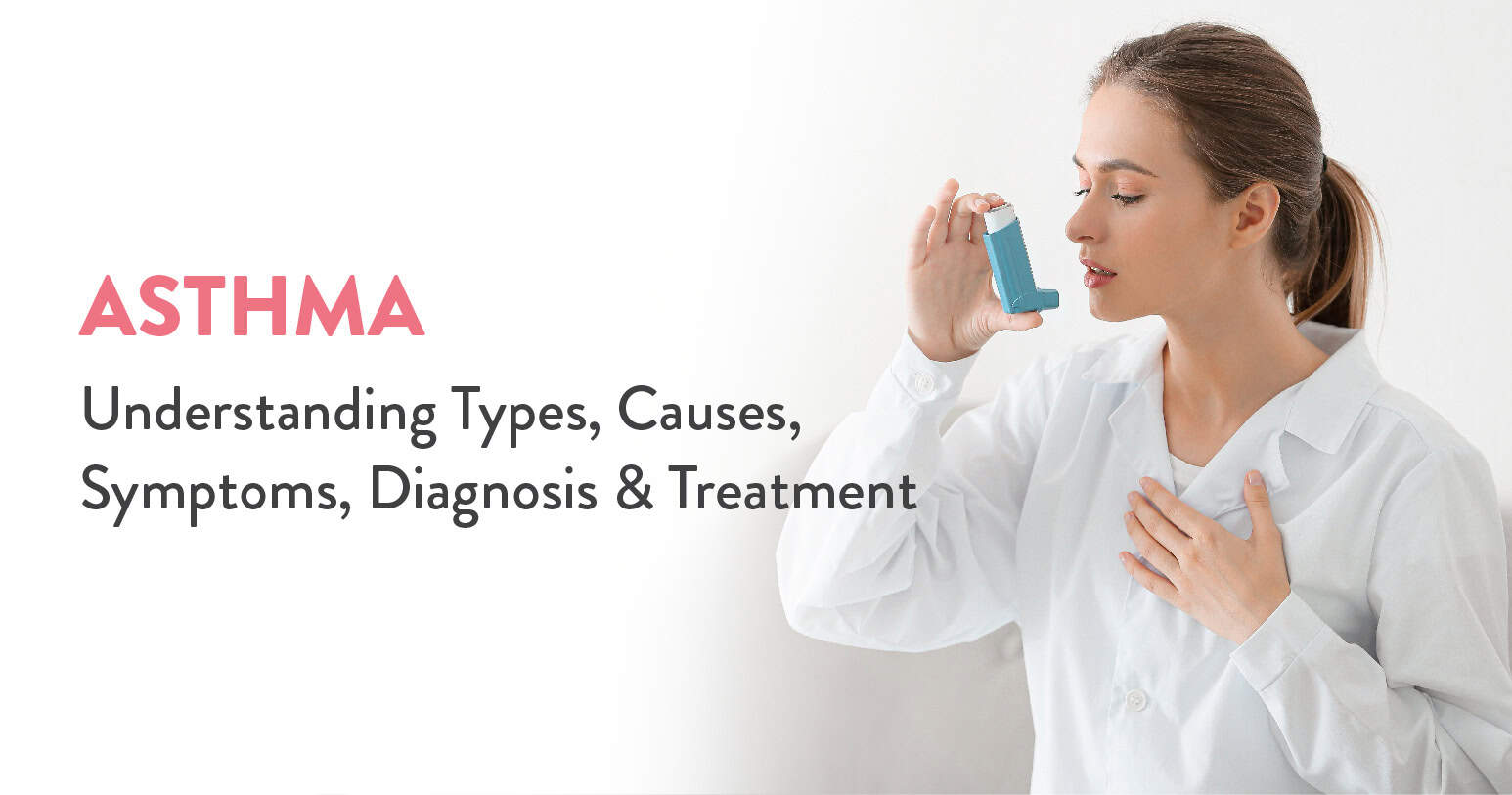
Millions of people worldwide suffer from the chronic respiratory disease known as asthma. Exploring its intricacies, from varied types and potential triggers to distinct symptoms and accurate diagnosis, is crucial for comprehensive management. Understanding the multifaceted aspects of asthma arms individuals with the knowledge needed to recognize, treat, and control this respiratory challenge for improved quality of life.
Table of Contents
Asthma is categorised based on causes and the severity of symptoms, broken down into various types:
The causes of asthma are diverse, including:
Asthma can also be distinguished by the age at which it starts:
In addition, specific types of asthma are identified based on their triggers:
You Can Also Read: Tips to Strengthen Lungs & Increase the Oxygen Levels at Home
Asthma, marked by wheezing and variable symptoms, requires medical consultation for diagnosis and management.
Key symptoms include:
Despite well-managed asthma, individuals may still experience flare-ups, which can include:
For severe asthma symptoms like difficulty breathing, blue lips, or confusion, seek immediate medical help and use quick-acting inhalers for safety.
The exact causes of asthma remain elusive, but several risk factors are recognized:
Asthma attacks are induced by various irritants or “triggers.” Identifying and avoiding these is key to managing asthma. Common triggers include:
Asthma triggers vary per individual and can cause immediate or delayed attacks. Recognizing and avoiding these reduces attacks and enhances life quality for those affected.
Asthma diagnosis involves a combination of methods, as there’s no single definitive test:
For children under 5:
For adults:
The National Asthma Education and Prevention Program classifies asthma based on severity pre-treatment, impacting daily life and symptom frequency. The classifications include:
Treatment approaches fall into several categories, each depending on the asthma type, patient age, and triggers. The primary goal is to manage and prevent symptoms and flare-ups. The four main treatment categories are:
Bronchodilators provide rapid relief for tightened muscles around the airways, primarily through inhalers or nebulizers. They are essential during sudden asthma symptoms or attacks and can be used preventatively.
Recommended in the latest guidelines for a comprehensive management approach.
Used for severe asthma cases resistant to other treatments, these target specific antibodies to disrupt the inflammation pathway.
Bronchial Thermoplasty, a minimally invasive procedure for severe asthma, uses heat to shrink airway muscles, offering up to five years of relief, though availability may vary.
Each treatment or combination is tailored to the individual’s needs, focusing on reducing the impact of asthma on daily life and managing the condition effectively over time.
You Can Also Read: How does COPD happen?
Long-term strategies for asthma management involve a combination of lifestyle adjustments, regular monitoring, and medical treatment:
Asthma action plan: Create a personalised plan with your healthcare provider detailing daily treatments, symptom monitoring, and emergency responses.
Medications: Use long-term control medications like inhaled corticosteroids to prevent symptoms and quick-relief medications for immediate symptom management.
Trigger avoidance: Identify and avoid triggers such as allergens, irritants, and extreme weather conditions. Implement environmental controls like using air filters and maintaining cleanliness.
Regular monitoring: Use tools like peak flow metres to monitor lung function and have regular medical check-ups to adjust treatment plans.
Vaccinations: Stay up-to-date with vaccinations, particularly against respiratory infections like influenza and pneumonia.
Lifestyle adjustments: Maintain a healthy weight, exercise regularly with proper precautions, and quit smoking.
Education: Understand your condition, proper medication usage, and early signs of an asthma attack.
By combining these elements, individuals with asthma can effectively manage their condition, reduce the frequency and severity of episodes, and maintain an active and healthy lifestyle. Regular consultation with healthcare providers is crucial to adapting the plan over time.
Breathing becomes difficult when one has asthma because of lung inflammation. It can take numerous forms and manifest in varying degrees of severity in adults and children. However, many people live fulfilling lives with asthma and some professional athletes with asthma have set records in their sports. It is always advisable to seek medical help from an experienced pulmonologist. Timely care and help can ensure an appropriate diagnosis and treatment of your condition.
At the CK Birla Hospital, we ensure patients get holistic medical support which includes treatment in a compassionate environment. This patient-centric approach not only helps patients heal better but also ensures they are aware of the preventive measures as well. In case you need to consult a pulmonologist, reach out to us, or book a direct appointment at the CK Birla Hospital.
Asthma can develop at any age, though it is more commonly diagnosed in childhood due to factors like genetics, early allergen exposure, and respiratory infections.
Common asthma triggers include pollen, dust mites, tobacco smoke, cold air, exercise, stress, and respiratory infections. Each individual may have unique triggers based on their sensitivities.
Asthma medications should be reviewed and potentially adjusted at least annually or sooner if symptoms change, during regular check-ups, or as recommended by a healthcare professional for optimal management.
Some children may outgrow asthma symptoms as they age, but it’s often a lifelong condition. Severity can fluctuate over time and with appropriate management, many live symptom-free.
Stress can exacerbate asthma by triggering inflammation and airway constriction. Management includes stress-reduction techniques like deep breathing, meditation, regular exercise, and maintaining a strong support network, alongside medical treatment.
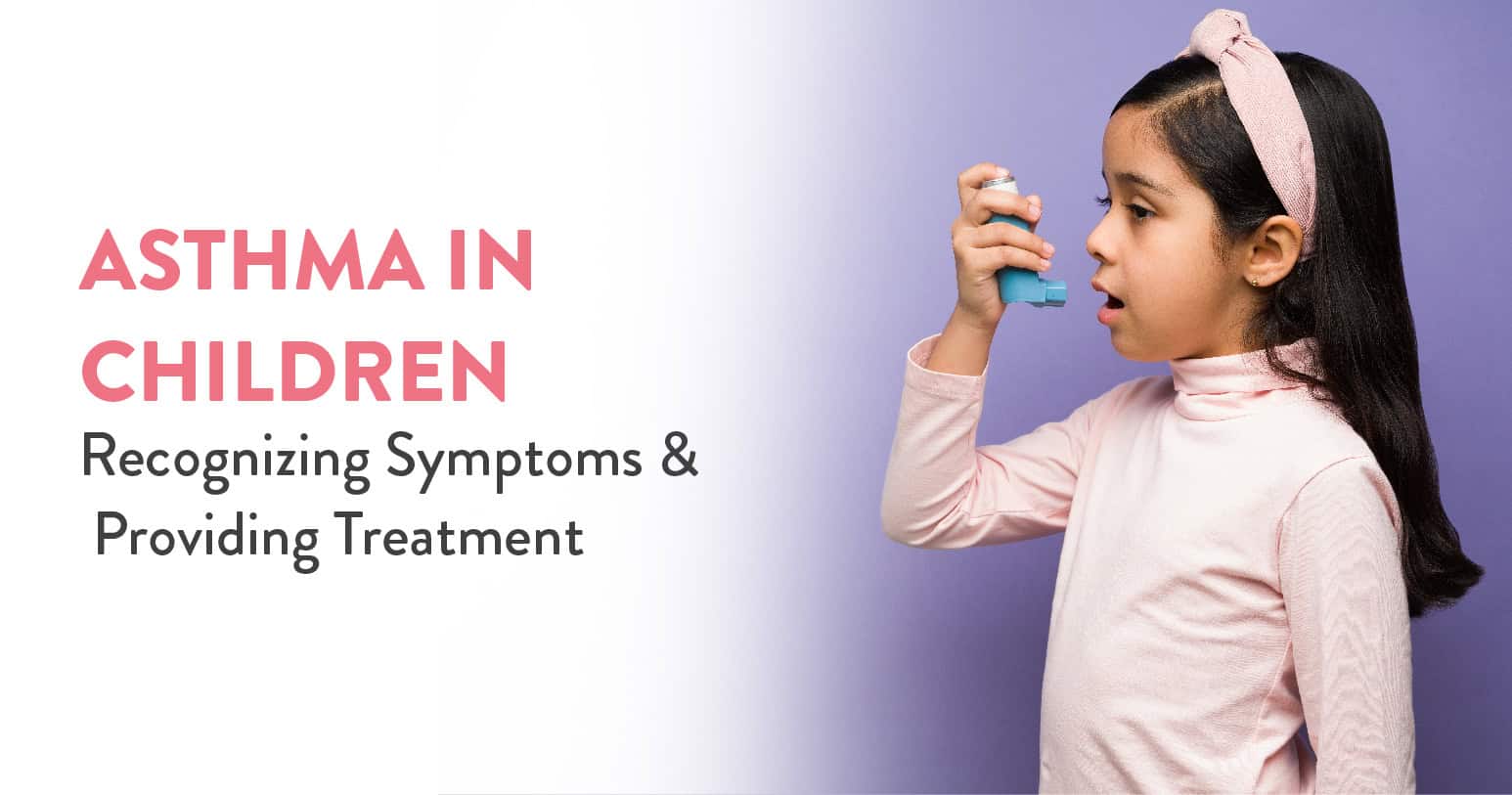
Asthma in children can be elusive, often masquerading as a common cold or fatigue. Recognizing its symptoms early is crucial for prompt and effective treatment.
This blog aims to guide parents through the subtle signs of childhood asthma, from persistent coughs to wheezing breaths and discusses the latest in medical management to ensure your child can breathe easier and live a vibrant, active life.
Table of Contents
Asthma is a chronic lung condition causing narrowed airways, leading to difficulty breathing, wheezing, and coughing. Triggers can provoke severe asthma attacks, posing significant risks. It commonly begins in childhood, impacting immune development and contributing to school absences.
Its prevalence is rising due to increased allergens, reduced exposure to childhood illnesses, and lower breastfeeding rates. Effective management plans are critical for controlling symptoms and preventing severe episodes. Understanding and addressing these factors is essential in reducing the growing asthma rates among children.
Childhood asthma symptoms fluctuate, often varying from one episode to another. Common signs include:
During an asthma attack, these symptoms can intensify, leading to status asthmaticus, a potentially life-threatening condition. Important signs of a severe attack include:
Immediate medical attention is critical during severe episodes to ensure children’s safety and health.
Childhood asthma may develop from various factors such as genetics, allergies, and respiratory infections. Particularly, a family history of asthma or frequent respiratory infections before age 5 increases risk.
Asthma triggers include:
To manage asthma, it’s crucial to understand and avoid these triggers. Strategies include:
Properly identifying and mitigating these triggers can significantly enhance the quality of life for children with asthma.
Diagnosing asthma in children under 6 is challenging due to symptom overlap with other illnesses and testing limitations.
Paediatricians base their diagnosis on:
Diagnostic tests may include:
For young children unable to perform certain tests, observing responses to asthma medications may be an alternative approach.
You Can Also Read: How do we get Pneumonia?
Childhood asthma management revolves around creating a personalised “asthma action plan” with healthcare providers. This plan is essential for:
Understanding and sharing this plan with schools and caregivers is crucial. Equally important is avoiding asthma triggers, with strategies provided by your child’s healthcare provider.
Medications are tailored based on age and asthma severity, including:
Adherence to the prescribed medication regimen, regular monitoring, and trigger avoidance are essential for effective childhood asthma management.
Parents can support their child with asthma by:
By understanding asthma, maintaining a supportive environment, and promoting healthy habits, parents can help manage their child’s asthma effectively and ensure they lead a happy, active life.
You Can Also Read: How to protect yourself from Air pollution?
Creating asthma-friendly environments in schools involves several key steps:
By focusing on these areas, schools can create a supportive and safe environment for students with asthma, reducing the risk of asthma attacks and promoting better health and educational outcomes.
Finding out about your child’s asthma is a crucial first step in helping them to manage their condition. With proper care, your child can live free of asthma symptoms and maintain a normal, healthy lifestyle. It is always advisable to seek medical help from an experienced pulmonologist. Timely care and help can ensure an appropriate diagnosis and treatment of your condition.
At the CK Birla Hospital, we ensure patients get holistic medical support which includes treatment in a compassionate environment. This patient-centric approach not only helps patients heal better but also ensures they are aware of the preventive measures as well. In case you need to consult a pulmonologist, reach out to us, or book a direct appointment at the CK Birla Hospital. (Booking Link).
Some children can outgrow asthma, particularly if it is mild, but others may have it as a lifelong condition. The outcome varies greatly from person to person.
Parents can help prevent asthma attacks by minimising exposure to triggers, ensuring adherence to treatment plans, maintaining a clean environment, and educating themselves and their children about asthma management.
Common asthma triggers in children include allergens (pollen, dust mites), irritants (smoke, pollution), cold air, exercise, infections, and stress. Identifying and avoiding these can help manage symptoms.
Physical activity is important in managing paediatric asthma as it strengthens respiratory muscles, improves lung function, and boosts overall health, but it must be balanced with careful monitoring and control.
Schools can accommodate children with asthma by creating asthma-friendly environments, reducing exposure to triggers, allowing access to medication, and ensuring staff are trained in emergency response and awareness.

Embarking on the journey of winter pregnancy brings unique considerations for moms-to-be. As the season ushers in chilly temperatures and festive vibes, ensuring a healthy and comfortable experience becomes paramount.
From wardrobe choices to nutrition and well-being, this blog offers essential tips to navigate the winter months with joy and well-being, ensuring a cosy and memorable pregnancy journey.
Table of Contents
Winter pregnancies come with unique challenges that require special attention to ensure the well-being of both the expectant mother and the baby. Some notable challenges include:
Harsh winter weather can expose pregnant women to cold temperatures, potentially leading to discomfort, increased fatigue, and a higher risk of catching respiratory infections.
Winter air tends to be dry, which can contribute to skin dryness and itchiness. Pregnant women may experience heightened skin sensitivity, making it crucial to stay hydrated and use moisturisers.
Reduced daylight hours in winter can impact mood and may contribute to vitamin D deficiency. Since vitamin D is essential for bone health, it’s important to discuss supplementation with a healthcare provider.
The holiday season may bring about added stress due to social obligations, travel, and planning. Managing stress is crucial for the well-being of both the mother and the developing baby.
Winter coincides with flu season, and pregnant women are at a higher risk of complications from the flu. Getting a flu shot is recommended and can protect both the mother and the baby.
Navigating these challenges requires a proactive approach, including proper self-care, nutrition, and regular communication with healthcare professionals to ensure a healthy and comfortable winter pregnancy.
You Can Also Read: Coping with mood swings during pregnancy: Emotional challenges of a Pregnant Woman
Dressing appropriately during winter while pregnant is crucial to ensure comfort and well-being. Here are some tips on what to wear:
Always pay attention to your body’s signals and modify as necessary to maintain your comfort level. Staying warm and comfortable during winter is essential for both you and your baby’s well-being.
You Can Also Read: Sleep During Pregnancy: Things You Must Know!
During winter, expectant mothers should focus on maintaining a nutritious diet to support both maternal and foetal health. Here are key nutritional considerations for a healthy winter pregnancy:
Always consult with your healthcare provider for personalised nutritional advice based on your individual needs and any specific considerations related to your pregnancy.
Staying active during winter is crucial for the well-being of expectant mothers, promoting both physical and mental health. Here are some safe and beneficial ways for pregnant women to stay active during the colder months:
Always consult with your healthcare provider before starting or modifying any exercise routine during pregnancy.
You Can Also Read: White discharge during pregnancy: Should I be worried?
Managing pregnancy ailments during winter requires special attention and care. Here are some tips to navigate common pregnancy discomforts in colder months:
Always consult with your healthcare provider for personalised advice and recommendations based on your individual health needs during pregnancy.
Embracing a healthy winter pregnancy involves nurturing your well-being amidst seasonal challenges. To ensure a comfortable journey into motherhood during the colder months, it is always advisable to seek help from an experienced obstetrician.
At the CK Birla Hospital, we ensure patients get holistic medical support which includes treatment in a compassionate environment. This patient-centric approach not only helps patients heal better but also ensures they are aware of the preventive measures as well. In case you need to consult an obstetrician, reach out to us, or book a direct appointment at the CK Birla Hospital.
Travelling during winter while pregnant is generally safe, but precautions are crucial. Consult your healthcare provider, dress warmly, stay hydrated, and plan breaks to ensure a comfortable and secure journey.
To avoid slipping on icy surfaces during winter, wear slip-resistant footwear, take short and deliberate steps, walk flat-footed, and use designated pathways. Be cautious and consider using traction aids if needed.
Extreme cold weather doesn’t directly impact the unborn baby’s development. However, pregnant individuals must stay warm and avoid exposure to extreme conditions to ensure their well-being and comfort.
During winter pregnancy, focus on self-care, maintain a support network, engage in activities that bring joy, and consider professional help if needed to ensure emotional well-being during darker days.

Welcome to our comprehensive exploration of blood cancer, a critical health concern impacting millions worldwide. In this blog, we’ll delve into the various types of blood cancer, identify common symptoms, understand potential causes, and discuss the latest in treatment options. We aim to provide insightful information to help patients, families, and caregivers navigate the complexities of these life-altering diseases.
Table of Contents
Leukemia is a blood cancer with acute or chronic onset, affecting myeloid or lymphocytic cells. Key types include:
Most common, varying survival rates.
Predominantly affects children and has better survival rates.
Mostly in adults, with moderate survival rates.
Common post 55, highest survival.
Leukaemia’s impact differs across ages and types, with specific subtypes like Hairy cell leukaemia being particularly rare. Each type has unique prevalence and survival statistics, reflecting the disease’s complexity and variability.
Blood cancer symptoms are varied and can resemble those of less severe illnesses. Notable symptoms include:
Extreme tiredness affects daily activities.
Indicative of infection or abnormal cell response.
Sudden, sleep-disrupting sweating.
Prolonged or excessive.
Unexpected and significant over a short period.
Suggesting immune system issues.
Potential signs of leukemia or lymphoma.
Especially in myeloma and leukemia.
Consult healthcare providers if symptoms persist or are concerning, as early detection is key.
Blood cancer results from DNA mutations in blood cells, the exact cause of which is unknown. These mutations disrupt normal cell functions, leading to the overproduction and longevity of abnormal cells. This overcrowds healthy cells in the bone marrow, leading to a deficiency in normal blood cells critical for various bodily functions.
Key points about the types of blood cancer include:
Ongoing research is crucial to fully understand the genetic and environmental triggers of these mutations.
Healthcare providers diagnose blood cancer through a combination of symptom discussion, medical history, and physical examinations. They utilise a variety of tests, including:
Measures and counts blood cells.
Assess chemicals and substances.
CT, MRI, and PET scans provide detailed internal images.
Analyse cell composition and DNA changes.
Detects abnormalities, such as through peripheral smear tests.
These methods collectively identify the type and extent of blood cancer, guiding subsequent treatment strategies.
Blood cancer treatment is customised based on the patient’s specific condition, age, overall health, and the cancer type. Key treatments include:
Uses drugs to kill or slow cancer cells, tailored to the type of blood cancer.
Targets and destroys cancer cells with high-energy rays, often used alongside other treatments.
Boosts or alters the immune system to better recognize and fight cancer cells.
Attacks specific genetic changes in cancer cells, minimising damage to normal cells.
Modifies a patient’s T-cells to better attack cancer, used for certain leukemias and lymphomas, especially when other treatments have failed.
Involves replacing diseased bone marrow with healthy marrow, either from the patient (autologous) or a donor (allogeneic), each with its risks and benefits.
Healthcare providers balance benefits and side effects to recommend effective disease management plans, aiming for optimal patient outcomes with the best therapeutic balance.
Navigating life after a blood cancer diagnosis involves understanding and managing various aspects of your health and well-being:
Each step is crucial in creating a supportive environment for treatment and recovery. Stay informed, seek support, and focus on what you can control to navigate the journey with resilience and hope.
Supporting a loved one with blood cancer involves a balance of emotional and practical assistance:
Open communication and respecting their wishes and boundaries are essential. Being present, providing practical help, and ensuring emotional support are all crucial in helping a loved one navigate the challenges of blood cancer.
Blood cancer is a serious illness, however thanks to new and more effective treatments, more people are living with blood cancer than ever before. The sooner it is diagnosed and the faster it’s treated, the better your chance of recovery is, so it is always advisable to seek medical help from an experienced oncologist. Timely care and help can ensure an appropriate diagnosis and treatment of your condition.
At the CK Birla Hospital, we ensure patients get holistic medical support which includes treatment in a compassionate environment. This patient-centric approach not only helps patients heal better but also ensures they are aware of the preventive measures as well. In case you need to Consult the best oncologist in Delhi at the CK Birla Hospital for advanced diagnosis and treatment, reach out to us, or book a direct appointment at the CK Birla Hospital.
While no strategy guarantees prevention, reducing risk factors through a healthy lifestyle, like not smoking, maintaining a healthy weight, and a balanced diet, may lower the risk of blood cancer.
Blood cancer is diagnosed through blood tests to identify abnormal cells, bone marrow biopsy to examine marrow health, imaging tests to identify tumours, and genetic tests for specific markers.
Recent advancements include targeted therapies, immunotherapies like CAR T-cell therapy, better stem cell transplantation techniques, and personalised medicine based on genetic profiling of the cancer.
Yes, there are many support groups for individuals and families affected by blood cancer, offering emotional support, information, and resources through hospitals, cancer organisations, and online communities.
Many people can lead normal lives after successful blood cancer treatment, though they may require ongoing monitoring, lifestyle adjustments, and coping with long-term side effects or emotional impacts.

Winter often brings the temptation to hibernate, leaving exercise on the back burner. However, maintaining physical activity during the colder months is crucial for overall health. Not only does it combat winter lethargy and weight gain, but it also boosts mood and supports the immune system.
Let’s delve into the importance of exercise in winter and discover how staying active can contribute to your well-being.
Table of Contents
The winter exercise conundrum revolves around the challenges people face in staying active during colder months. Factors like harsh weather, reduced daylight, and holiday festivities often disrupt regular exercise routines. Finding motivation and suitable activities becomes more challenging.
Overcoming this conundrum involves adapting workout strategies, incorporating indoor exercises, and recognizing the importance of staying active despite the seasonal obstacles.
Winter exercise benefits physical and mental health, impacting weight, heart health, and immunity. Regular activity is essential for well-being.
Some key benefits of winter exercise are:
The winter weather may present challenges, but outdoor exercise, even in colder temperatures, brings added advantages like:
In winter, diverse activities like sports, walking, and chores enhance fitness. Breaking sedentary time with outdoor movement in daylight maximises health benefits.
You Can Also Read: Winter Woes: How to Deal with Common Skin Problems during the Cold Season
Achieving an ideal winter workout involves a blend of indoor and outdoor activities:
It’s essential to customise workouts based on individual fitness levels. Seeking guidance from a fitness professional ensures a safe and effective routine, tailored to specific needs and goals during the winter months.
Overcoming excuses for winter exercise involves addressing common barriers with practical solutions, such as:
By addressing these factors, individuals can create a winter exercise routine that is convenient, enjoyable, and sustainable.
You Can Also Read: Winter Superfoods: What to Eat for Seasonal Health
Dressing appropriately for winter workouts is essential to stay comfortable and safe. Consider the following tips:
Adjusting clothing layers based on activity intensity and weather conditions ensures a comfortable and safe winter workout experience.
Nutrition plays a crucial role in supporting winter exercise by providing the energy and nutrients needed to perform optimally in colder conditions. Consider the following aspects:
Tailoring nutrition to individual needs and adjusting based on workout intensity and duration supports overall performance and recovery during winter exercise.
Embracing winter exercise unlocks physical and mental well-being. Whether indoors or outdoors, staying active boosts immunity, uplifts mood, and enhances overall health, making winter a season of vitality, so it is always advisable to seek help from an experienced orthopaedist.
At the CK Birla Hospital, we ensure patients get holistic medical support which includes treatment in a compassionate environment. This patient-centric approach not only helps patients heal better but also ensures they are aware of the preventive measures as well. In case you need to consult an orthopaedist, reach out to us, or book a direct appointment at the CK Birla Hospital.
Yes, exercising outdoors in winter is generally safe. Dress warmly, be mindful of slippery surfaces, and consider health conditions. Consult a healthcare professional if unsure about your fitness level.
Indoor workout options for winter include utilising online videos or apps for home workouts, using indoor fitness facilities for gym workouts, joining virtual or in-person exercise classes and using fitness equipment at home, like treadmills, stationary bikes or weights.
Cold weather during exercise can increase calorie burn, as the body works harder to stay warm. It constricts blood vessels, potentially raising blood pressure. Your lung function also gets affected as the cold air may irritate. Additionally, your flexibility might decrease as the muscles and joints may be stiffer.
Consider adjusting your workout routine for winter by emphasising indoor activities, dressing warmly for outdoor exercises, warming up thoroughly, staying hydrated, listening to your body and modifying intensity if needed.

Rabies is an avoidable, unpleasant and sometimes fatal illness which spreads via an interaction with an infected animal. It stems from a virus that targets the brain and other parts of the central nervous system (CNS).
Humans can contract the virus from domestic animals like dogs, cats, and rabbits as well as from wild animals like raccoons, bats, and skunks through bites and scratches. Rapid reaction is essential in the battle against the infection. Although it is avoidable, rabies is deadly.
Rabies is a dangerous disease that nearly never recovers. If you receive treatment as soon as possible, it is fortunately entirely avoidable. Get in touch with your healthcare provider straight away if you believe you may have contracted rabies or if you have been bitten by an animal.
Table of Contents
After rabies enters your body, it often takes many weeks before you experience any symptoms. Flu-like symptoms appear when rabies enters the prodromal phase and enters your central nervous system. You experience neurological, or brain, symptoms in the latter stages.
Rabies can cause either paralysis or fury as neurological symptoms. Symptoms of furious rabies may occur intermittently, interspersed with quiet intervals (furious episodes).
You Can Also Read: Black Fungus Symptoms
Rabies is transmitted by animals through bites or scratches, with saliva being a common carrier. Human-to-human transmission is rare, usually occurring through corneal transplants.
Rabies, primarily transmitted through unvaccinated dog bites, reaches the brain rapidly via nerves, causing severe inflammation and swift death. Early medical attention is crucial, especially for neck bites.
The rabies virus may spread among domesticated and wild animals alike. The primary animals from which people contract rabies are the following:
Should an animal have pricked or bitten you:
You Can Also Read: Mosquito-Borne Diseases and How to Prevent Them
When symptoms appear, there is no recognized cure for rabies. As soon as possible, get in touch with a healthcare professional if you believe you have been exposed to rabies due to animal bites or contact with an infected person.
Using soap and water, carefully yet completely clean the wound. For more information on cleansing the wound, ask your doctor.
To stop the virus from producing rabies, your healthcare professional will administer a series of doses, or vaccines. If you have never had a vaccination, they will also apply an antibody therapy directly to the wound.
Medications prevent an infection from travelling to your brain if you’ve been exposed to rabies (post-exposure prophylaxis/PEP). These medications are often combined:
It is possible to avoid rabies. Avoiding contact with wild animals and making sure your pets are secure will help shield you against rabies exposure. If exposed, vaccination can stop rabies before symptoms appear.
Rabies is a dangerous disease that nearly never recovers. If you receive treatment as soon as possible, it is fortunately entirely avoidable. If you believe you may have contracted rabies from an animal bite. then it is always advisable to seek medical help from an experienced general physician. Timely care and help can ensure an appropriate diagnosis and treatment of your condition.
At the CK Birla Hospital, we ensure patients get holistic medical support which includes treatment in a compassionate environment. This patient-centric approach not only helps patients heal better but also ensures they are aware of the preventive measures as well. In case you need to consult a general physician, reach out to us, or book a direct appointment with a leading doctor at the CK Birla Hospital.
Once rabies symptoms appear, survival is extremely rare. The disease is nearly always fatal, emphasising the importance of immediate medical attention and preventive measures like post-exposure prophylaxis before symptoms manifest.
Determining if an animal has rabies may be challenging. Look for behavioural changes, aggression, excessive drooling, and difficulty swallowing. However, rabies confirmation requires laboratory testing on the animal’s brain tissue.
Most mammals can transmit rabies, but certain species, like rodents, rabbits, and small mammals, are rarely found to be rabid. Common rabies carriers include foxes, skunks, raccoons, and bats.
Yes, rabies is preventable through vaccination. Pre-exposure vaccination is recommended for individuals at higher risk of exposure, and post-exposure vaccination is crucial after potential exposure to the virus.

स्वस्थ वजन प्राप्त करना एक सामान्य लक्ष्य है, लेकिन कुछ लोगों के लिए, ठोस प्रयासों के बावजूद वजन बढ़ाना एक कठिन चुनौती साबित होता है। इस ब्लॉग का उद्देश्य वजन बढ़ाने के संघर्ष के पीछे के कारणों का पता लगाना और शरीर के द्रव्यमान में स्वस्थ और स्थायी वृद्धि की सुविधा के लिए प्रभावी उपचारों के बारे में बात करना है।
वजन ना बढ़ने के अनेक कारण होते हैं जो हर व्यक्ति में अलग-अलग हो सकते हैं। इसके मुख्य कारणों में निम्न शामिल हैं:
वजन बढ़ाने की चुनौतियों के मूल में अक्सर स्वाभाविक रूप से उच्च चयापचय यानी हाई मेटाबोलिज्म होता है। चयापचय, भोजन को ऊर्जा में परिवर्तित करने की जटिल प्रक्रिया हैं जो प्रत्येक व्यक्ति में अलग-अलग होती है। तेज़ चयापचय वाले लोग त्वरित दर से कैलोरी जलाते हैं, जिससे वजन बढ़ाने के लिए आवश्यक अतिरिक्त कैलोरी के संचय में बाधा उत्पन्न होती है।
वजन बढ़ना मूल रूप से कैलोरी अधिशेष प्राप्त करने पर निर्भर करता है – शरीर द्वारा खर्च की जाने वाली कैलोरी से अधिक कैलोरी का उपभोग करना। हालाँकि, कुछ व्यक्ति अपर्याप्त कैलोरी सेवन के कारण संघर्ष करते हैं। व्यस्त कार्यक्रम, अनियमित खाने की आदतें, या कम भूख कैलोरी की कमी में योगदान कर सकती है, जिससे वजन बढ़ाने के प्रयासों में बाधा आ सकती है।
अंतर्निहित चिकित्सीय स्थितियाँ वजन बढ़ने में महत्वपूर्ण बाधा डाल सकती हैं। हाइपरथायरायडिज्म, मधुमेह या गैस्ट्रोइंटेस्टाइनल विकार जैसी स्थितियां शरीर की पोषक तत्वों को प्रभावी ढंग से अवशोषित करने और उपयोग करने की क्षमता को बाधित करती हैं, जिसके परिणामस्वरूप अनजाने में वजन कम होता है या वजन बढ़ने में कठिनाई होती है।
भावनात्मक स्वास्थ्य और वजन प्रबंधन के बीच जटिल अंतरसंबंध को नकारा नहीं जा सकता है। तनाव, चिंता और अवसाद खाने की आदतों को बदल सकते हैं, जिससे भूख, भोजन की प्राथमिकताएं और समग्र पोषण सेवन प्रभावित हो सकता है। ये मनोवैज्ञानिक कारक अनजाने में वजन घटाने या वजन बढ़ाने में कठिनाई में योगदान कर सकते हैं।
उच्च स्तर की शारीरिक गतिविधि करने वाले व्यक्तियों को, चाहे वह एथलेटिक गतिविधियों के कारण हो या शारीरिक रूप से कठिन व्यवसायों के कारण, कैलोरी की खपत में समान वृद्धि के साथ अपने बढ़े हुए कैलोरी व्यय को संतुलित करना चुनौतीपूर्ण हो सकता है, जिससे वजन बढ़ने में बाधा आती है।
ये भी पढ़े: एसिडिटी से तुरंत राहत पाने के घरेलू नुस्खे
वजन न बढ़ने पर डॉक्टर जाँच की मदद से सटीक कारण की पुष्टि करते हैं। उसके बाद, आवश्यकतानुसार निजीकृत उपचार करते हुए, डाइट और लाइफस्टाइल का सुझाव देते हैं। वजन न बढ़ने पर डॉक्टर निम्न उपचार विकल्पों का चयन कर सकते हैं:
स्वस्थ वजन बढ़ाने की आधार पोषक तत्वों से भरपूर आहार अपनाना है। यह केवल समग्र कैलोरी सेवन बढ़ाने से कहीं आगे जाता है; इसमें यह सुनिश्चित करना शामिल है कि वे कैलोरी विभिन्न प्रकार के आवश्यक पोषक तत्वों से आती हैं। मांसपेशियों के निर्माण के लिए महत्वपूर्ण प्रोटीन, कम वसा वाले मांस, डेयरी और पौधे-आधारित विकल्पों से प्राप्त किया जा सकता है। साबुत अनाज, फलों और सब्जियों से प्राप्त जटिल कार्बोहाइड्रेट निरंतर ऊर्जा प्रदान करते हैं, जबकि एवोकाडो और नट्स जैसे स्रोतों से प्राप्त स्वस्थ वसा कैलोरी घनत्व में योगदान करते हैं।
वजन बढ़ाने के केंद्र में कैलोरी अधिशेष की अवधारणा है। व्यक्तिगत कैलोरी आवश्यकताओं को समझना अनिवार्य है, जिसे ऑनलाइन कैलकुलेटर या पोषण विशेषज्ञ के मार्गदर्शन जैसे उपकरणों के माध्यम से निर्धारित किया जा सकता है। कैलोरी सेवन में धीरे-धीरे वृद्धि, वजन की नियमित निगरानी और कैलोरी सेवन में समायोजन के साथ मिलकर, एक क्रमिक और टिकाऊ प्रक्रिया सुनिश्चित करता है। यह दृष्टिकोण तेजी से वजन बढ़ने से बचाता है, जो मुख्य रूप से दुबली मांसपेशियों के बजाय वसा के रूप में हो सकता है।
शक्ति प्रशिक्षण अभ्यासों को शामिल करना केवल वजन बढ़ाने के बारे में नहीं है बल्कि इसे इस तरह से करना है जो समग्र स्वास्थ्य को बढ़ावा देता है। शक्ति प्रशिक्षण मांसपेशियों की वृद्धि को उत्तेजित करता है, दुबली मांसपेशियों को बढ़ाकर स्वस्थ वजन बढ़ाने में योगदान देता है। इसके अतिरिक्त, व्यायाम, सामान्य तौर पर, भूख हार्मोन को उत्तेजित करके भूख पर सकारात्मक प्रभाव डालता है, जिससे वजन बढ़ाने के लिए आवश्यक कैलोरी की खपत आसान हो जाती है।
लगातार कैलोरी सेवन बनाए रखने के लिए नियमित खान-पान की दिनचर्या स्थापित करना महत्वपूर्ण है। भोजन छोड़ने या अनियमित खाने के पैटर्न से पोषक तत्व और कैलोरी सेवन के अवसर चूक सकते हैं। संतुलित भोजन, पूरे दिन वितरित और प्रोटीन, कार्बोहाइड्रेट और वसा से युक्त, ऊर्जा और पोषक तत्वों का एक स्थिर प्रवाह सुनिश्चित करता है। यह दृष्टिकोण अत्यधिक भूख को भी कम करता है, अस्वास्थ्यकर, कैलोरी-घने खाद्य पदार्थों को अधिक खाने की संभावना को कम करता है।
ये भी पढ़े: प्रोटीन युक्त आहार लिस्ट: 15 हाई प्रोटीन फूड्स
साथ ही, ऐसे मामलों में जहां अंतर्निहित चिकित्सा स्थितियों के कारण वजन संबंधी कठिनाइयों का संदेह होता है, पेशेवर चिकित्सा हस्तक्षेप आवश्यक हो जाता है। वजन को प्रभावित करने वाली किसी भी स्वास्थ्य समस्या की पहचान करने के लिए विशेषज्ञ रक्त परीक्षण और इमेजिंग सहित संपूर्ण मूल्यांकन कर सकते हैं। इन अंतर्निहित स्थितियों को संबोधित करना दीर्घकालिक वजन प्रबंधन और समग्र स्वास्थ्य के लिए महत्वपूर्ण है।
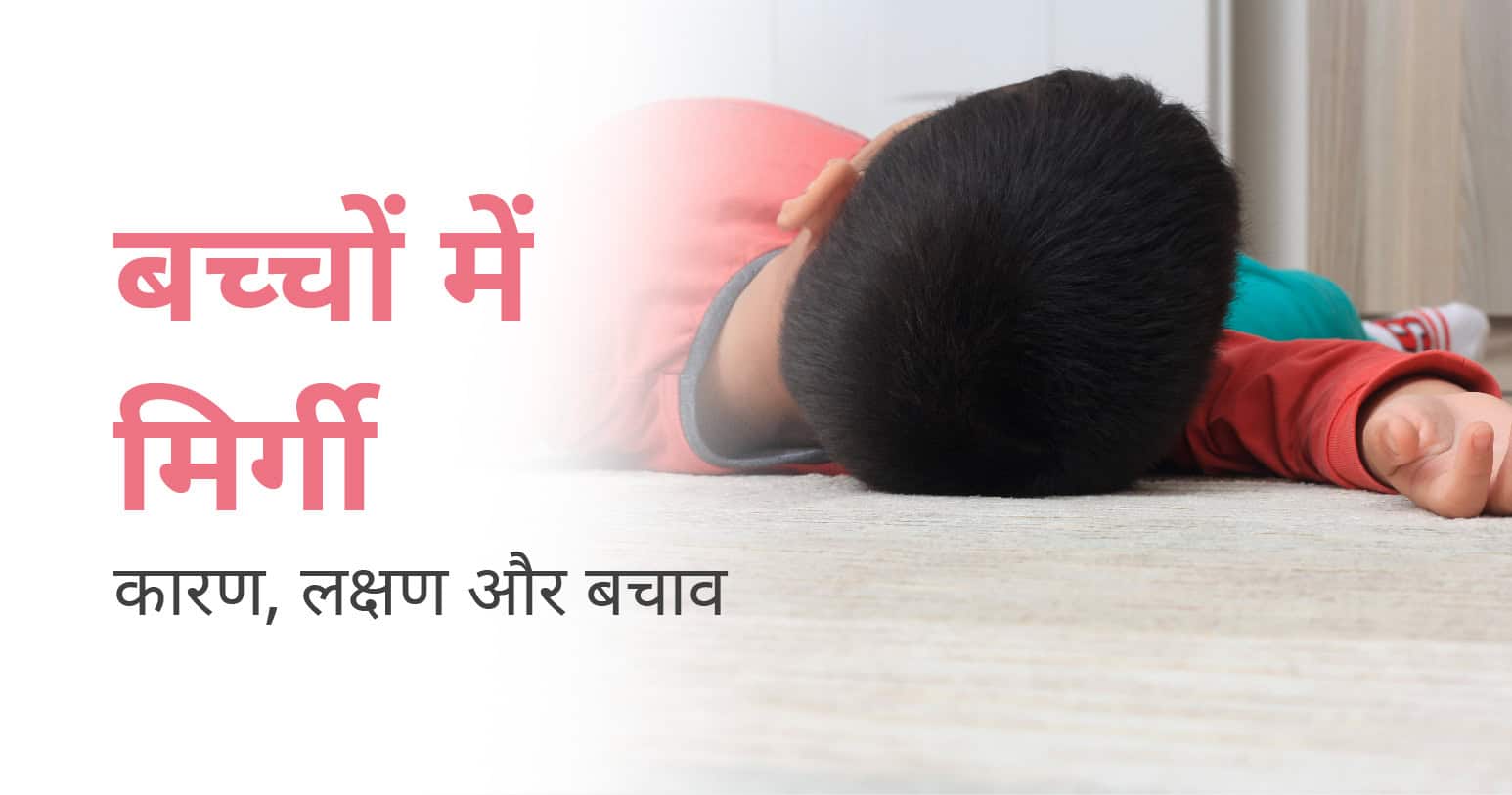
मिर्गी, एक तंत्रिका संबंधी विकार है जिसमें बार-बार दौरे पड़ते हैं। यह बचपन सहित किसी भी उम्र में हो सकता है। कारणों को समझना, लक्षणों को पहचानना और निवारक उपायों को लागू करना बच्चों में मिर्गी के प्रबंधन के आवश्यक पहलू हैं।
Table of Contents
बच्चों में मिर्गी अनेक कारणों से हो सकता है जिसमें मुख्य रूप से निम्न शामिल हैं:
बच्चों में मिर्गी के विकास में आनुवंशिकी महत्वपूर्ण भूमिका निभाती है। मिर्गी के कुछ रूपों में वंशानुगत घटक होते हैं, और दौरे के पारिवारिक इतिहास से बच्चे में भी इसी तरह की समस्याओं का अनुभव होने की संभावना बढ़ जाती है। आनुवंशिक आधार को समझने से शीघ्र पता लगाने और मेडिकल हस्तक्षेप में सहायता मिल सकती है।
मस्तिष्क में संरचनात्मक असामान्यताएं बच्चों में मिर्गी के दौरे का कारण बन सकती हैं। ये असामान्यताएं जन्मपूर्व विषाक्त पदार्थों के संपर्क, संक्रमण या बच्चे के जन्म के दौरान होने वाली समस्याओं जैसे कारकों के परिणामस्वरूप हो सकती हैं। इन संरचनात्मक चिंताओं की पहचान करना और उनका समाधान करना मिर्गी के प्रबंधन में महत्वपूर्ण कदम हैं।
कुछ चयापचय संबंधी विकार, हालांकि दुर्लभ हैं, बच्चों में मिर्गी के विकास में योगदान कर सकते हैं। माइटोकॉन्ड्रियल विकारों या चयापचय की जन्मजात त्रुटियों जैसी स्थितियों में, कोशिकाओं के भीतर ऊर्जा उत्पादन में व्यवधान से दौरे पड़ सकते हैं। दौरे को रोकने के लिए इन विकारों का शीघ्र निदान और प्रबंधन महत्वपूर्ण है।
केंद्रीय तंत्रिका तंत्र को प्रभावित करने वाले संक्रमण, जैसे मेनिनजाइटिस या एन्सेफलाइटिस, बच्चों में मिर्गी के खतरे को बढ़ा सकते हैं। मिर्गी सहित दीर्घकालिक न्यूरोलॉजिकल जटिलताओं को रोकने के लिए इन संक्रमणों का समय पर उपचार महत्वपूर्ण है।
इसके अलावा, ट्रॉमेटिक ब्रेन इंजरी भी इसके कारणों में से एक है। सिर की चोटें, विशेष रूप से टीबीआई के परिणामस्वरूप होने वाली चोटें, बच्चों में मिर्गी का कारण बन सकती हैं। गिरने, दुर्घटनाएं, या खेल-संबंधी चोटें जो सिर पर असर डालती हैं, उन्हें तुरंत संबोधित किया जाना चाहिए ताकि अभिघातज के बाद दौरे के जोखिम को कम किया जा सके।
इसे भी पढ़े – सेरेब्रल पाल्सी: कारण, लक्षण और इलाज
मिर्गी का प्रमुख लक्षण दौरे आना है। ये विभिन्न रूपों में प्रकट हो सकते हैं, जिनमें ऐंठन, घूरना, दोहराव वाली हरकतें, या जागरूकता का क्षणिक नुकसान शामिल है। सटीक निदान और उचित प्रबंधन के लिए विभिन्न प्रकार के दौरे को पहचानना महत्वपूर्ण है। इसके अलावा, अन्य लक्षणों में निम्न शामिल हो सकते हैं:
साथ ही, मिर्गी से पीड़ित बच्चों को चिंता या अवसाद जैसे भावनात्मक लक्षणों का अनुभव हो सकता है। दौरे की अप्रत्याशितता और संभावित सामाजिक कलंक भावनात्मक चुनौतियों में योगदान कर सकते हैं। देखभाल के लिए एक समग्र दृष्टिकोण में बच्चे की भावनात्मक स्वास्थ्य को संबोधित करना शामिल होना चाहिए।
बच्चों में मिर्गी प्रबंधन की आधारशिला चिकित्सा हस्तक्षेप है। बच्चे के विशिष्ट प्रकार के दौरे के अनुरूप, आमतौर पर एंटीपीलेप्टिक दवाएं निर्धारित की जाती हैं। न्यूनतम दुष्प्रभावों के साथ ऑप्टीमल सीज़र कंट्रोल प्राप्त करने के लिए दवा की नियमित निगरानी और समायोजन आवश्यक है। इसके अलावा, निम्न शामिल हैं:
इसे भी पढ़े – मानसिक स्वस्थ्य के लिये ये उपाय हैं ज़रूरी?
बच्चों में मिर्गी से निपटने के लिए एक बहुआयामी दृष्टिकोण की आवश्यकता होती है जिसमें विविध कारणों को समझना, सूक्ष्म लक्षणों को पहचानना और प्रभावी निवारक उपायों को लागू करना शामिल है। शीघ्र पता लगाने, उचित चिकित्सा हस्तक्षेप और सहायक वातावरण के साथ, मिर्गी से पीड़ित बच्चे पूर्ण जीवन जी सकते हैं। मिर्गी से जूझ रहे बच्चों की देखभाल और कल्याण के लिए समग्र दृष्टिकोण को बढ़ावा देने के लिए माता-पिता, देखभाल करने वालों और शिक्षकों को ज्ञान और संसाधनों से सशक्त बनाना बहुत आवश्यक है।
उपचार में अक्सर बच्चे के विशिष्ट दौरे के प्रकार के अनुरूप एंटीपीलेप्टिक दवाएं शामिल होती हैं। नियमित चिकित्सा निगरानी और जीवनशैली में बदलाव, जिसमें लगातार नींद के पैटर्न और तनाव प्रबंधन शामिल हैं, मिर्गी प्रबंधन के महत्वपूर्ण घटक हैं।
नहीं, दौरे व्यापक रूप से भिन्न हो सकते हैं। वे आक्षेप, घूरना, बार-बार होने वाली गतिविधियों या जागरूकता की क्षणिक हानि के रूप में प्रकट हो सकते हैं। सटीक निदान और अनुरूप उपचार के लिए बच्चे के दौरे के विशिष्ट प्रकार को समझना महत्वपूर्ण है।
हाँ, मिर्गी बच्चों में संज्ञानात्मक कार्य को प्रभावित कर सकती है। याददाश्त संबंधी समस्याएं, सीखने में कठिनाइयाँ और स्कूल के प्रदर्शन में चुनौतियाँ बार-बार होने वाले दौरे से जुड़ी हो सकती हैं। इन संज्ञानात्मक मुद्दों की पहचान करना और उनका समाधान करना बच्चे के समग्र विकास के लिए महत्वपूर्ण है।
लगातार नींद का पैटर्न, तनाव प्रबंधन और एक संतुलित आहार प्रभावी दौरे प्रबंधन में योगदान देता है। मिर्गी से पीड़ित बच्चों के समग्र स्वास्थ्य को बढ़ाने के लिए विशिष्ट खाद्य पदार्थों या पर्यावरणीय कारकों जैसे संभावित ट्रिगर से बचना आवश्यक है।
मिर्गी बच्चों में अपेक्षाकृत आम है, जो लगभग 1% बाल चिकित्सा आबादी को प्रभावित करती है। शीघ्र पहचान, सटीक निदान और उचित प्रबंधन मिर्गी से पीड़ित बच्चों के जीवन की गुणवत्ता में सुधार लाने में महत्वपूर्ण भूमिका निभाते हैं।
कई बच्चों के लिए, मिर्गी को दवा और जीवनशैली में समायोजन के साथ प्रभावी ढंग से प्रबंधित किया जा सकता है, जिससे वे सामान्य जीवन जी सकते हैं। कुछ मामलों में, बच्चों में मिर्गी की बीमारी बढ़ सकती है, खासकर यदि अंतर्निहित कारण की पहचान कर ली जाए और उसका सफलतापूर्वक इलाज किया जाए। निरंतर देखभाल के लिए नियमित चिकित्सा निगरानी महत्वपूर्ण है।

Even when you don’t feel as thirsty, it’s still important to stay hydrated in chilly weather. There is even a thing as undetected cold-weather dehydration. You lose water through a variety of methods, even though sweating might not be as obvious. The dry air within buildings exacerbates dehydration even more.
60–70% of our bodies are made of water, which is essential for many biological processes including temperature regulation, waste disposal, immunological support, and nutrition transfer. In addition to lowering the risk of kidney stones, urinary tract infections, and constipation, drinking enough water outside is crucial for preventing hypothermia.
Table of Contents
In addition to the apparent symptom of being thirsty, there are further clues that you’re not drinking enough water. Your urine’s colour, which should be clear or pale yellow, is the simplest to watch. It’s time to drink if it’s darker! Constipation, dry mouth, chapped lips and skin, headaches, trouble concentrating, irritability, feeling weak or dizzy, and a fast heartbeat are other indicators of dehydration.
The elderly and infants are most vulnerable to dehydration. If you have a fever between 101 and 103 degrees Fahrenheit, reduced urine production, or diarrhoea that lasts longer than two days, you should visit a doctor right away since these are indicators of more severe dehydration.
Staying hydrated in winter is crucial yet often overlooked. Let’s explore the cold-weather challenges and the strategies to overcome them for your well-being:
By incorporating these strategies, individuals can overcome the challenges of staying hydrated in winter, promoting overall health and well-being.
Winter presents unique hydration challenges due to colder temperatures affecting our perception of thirst. Despite the chilly weather, staying hydrated is crucial to prevent various health issues associated with dehydration.
Incorporate Water-Rich Foods: Choose fruits like watermelon, and oranges, and vegetables such as cucumber and celery. These foods contribute to overall fluid intake and provide essential nutrients.
Opt for Herbal Teas: Enjoy caffeine-free herbal teas for both hydration and warmth. Avoid caffeinated drinks, as they can have diuretic effects.
Include Broths and Soups: Homemade vegetable or chicken broth, clear soups, and hydrating stews are excellent choices. They not only provide warmth but also contribute to daily hydration.
In summary, a holistic approach to winter hydration involves incorporating water-rich foods, choosing hydrating beverages, and considering environmental factors like indoor heating. By adopting these strategies, you can maintain adequate fluid intake and support your well-being throughout the colder months.
Ensuring proper hydration is essential for both children and senior citizens during winter months, considering their unique needs and vulnerabilities.
Additional tips for both children and senior citizens
By customising hydration strategies to their specific needs and preferences, children and senior citizens can maintain optimal hydration levels and support overall well-being during the winter months.
Also Read: Ivy Gourd: Benefits & Side Effects
Hydration is crucial for overall health, especially in winter. Dehydration can lead to reduced energy, dry skin, increased susceptibility to illness, and impaired bodily functions, emphasising the importance of staying hydrated. It is always advisable to seek medical help from an experienced general physician. Timely care and help can ensure an appropriate diagnosis and treatment of your condition.
At the CK Birla Hospital, we ensure patients get holistic medical support which includes treatment in a compassionate environment. This patient-centric approach not only helps patients heal better but also ensures they are aware of the preventive measures as well. In case you need to consult a general physician, reach out to us, or book a direct appointment at the CK Birla Hospital.
Consult a Fitness & Wellness Expert
The general recommendation is to drink about 8 cups (64 ounces) of water per day, but individual needs vary based on factors like age, weight, activity level, and climate.
Signs of inadequate water intake include dark urine, thirst, dry mouth, headache, dizziness, fatigue, and infrequent urination. Pay attention to your body’s cues for proper hydration.
Sports drinks can be beneficial during intense physical activity, providing electrolytes and carbohydrates. However, for everyday hydration, water is generally sufficient and healthier due to its lower sugar content.
Dehydration can lead to dry, flaky skin, exacerbate existing skin issues, and contribute to premature ageing. Proper hydration is crucial for maintaining skin elasticity and a healthy complexion.
Medical conditions like diabetes, kidney disease, and certain medications can affect hydration needs. It’s essential for individuals with such conditions to work closely with healthcare professionals to manage hydration effectively.
Caffeine, found in coffee, tea, and some sodas, has a mild diuretic effect, increasing urine production. While moderate caffeine consumption contributes to hydration, excessive intake may lead to dehydration.

