Filter :
Loose motion, also known as diarrhoea, is a common gastrointestinal issue that affects people of all ages. It can be a discomforting and sometimes embarrassing condition, but it’s essential to understand its causes, symptoms, and potential remedies to alleviate the discomfort and prevent dehydration.
In this blog, we’ll explore the various aspects of loose motion, from its underlying causes to practical tips for managing and treating it effectively.
Table of Contents
Loose motion is common but unpleasant, with loose or watery stools. It usually resolves in a few days, causing mild inconvenience. Yet, it can be a sign of a serious issue, potentially leading to dehydration or nutrient deficiency. Recognizing when to seek medical help for loose motion is crucial.
The main symptoms of loose motion include frequent loose, watery stools and a pressing urge to have a bowel movement.
Symptoms may vary depending on the cause and can include:
Dehydration and loose motion
Loose motion can lead to rapid fluid loss and dehydration, with symptoms such as:
Contact your doctor immediately if you suspect dehydration due to loose motion.
Loose motion in babies and young children
Children, especially infants, are vulnerable to loose motion and dehydration. Loose motion is a major contributor to child mortality globally.
Seek medical attention for children displaying signs of dehydration, such as:
Loose motion, often called “stomach flu” or “stomach bug,” can stem from various sources:
Loose motion can often be managed at home with OTC medicines. Consult a healthcare provider if loose motion persists or accompanies severe symptoms.
Potential treatments your provider might recommend include:
When a child has severe loose motion, contact their paediatrician. Treatments vary for adults, and over-the-counter medications can be unsafe. Children face a higher risk of dehydration, so consult your provider for hydration options. Some options are:
Consult the provider before changing hydration methods or treatments as your child grows older for safety.
To manage acute loose motion at home, adopt these strategies:
Consume ample water and electrolyte-balanced fluids like diluted fruit juices, broths, sports drinks, and caffeine-free sodas to replace lost fluids and electrolytes.
Opt for BRAT diet foods (Bananas, Rice, Applesauce, Toast) or items like potatoes, noodles, lean meat, fish, and skinless poultry to firm stools and aid recovery.
Steer clear of caffeine (coffee, strong tea, chocolate) and alcohol to prevent aggravating loose motion. Avoid gas-inducing foods (beans, cabbage) and temporarily skip dairy if lactose intolerance develops.
These simple home-based changes can alleviate acute loose motion and expedite the healing process.
You Can Also Read: What’s Causing Your Abdominal Pain and How to Treat It
While it’s not always possible to avoid loose motion, you can lower your chance of contracting an illness or consuming contaminated food.
Taking these precautions can help minimise the chances of loose motion from infections or contaminated food.
Most cases of acute loose motion are self-resolving, with symptom improvement within a few days.
However, if symptoms persist beyond 2 days, consult a doctor to avoid dehydration, which may require IV fluids and further evaluation.
Loose motion can signal serious emergencies if accompanied by:
Seek immediate medical help if your child:
These symptoms indicate an emergency and require prompt attention.
Loose motion results in frequent watery stools, often from infections. Severe dehydration is a risk. Chronic cases are less common, but they can be a result of long-term issues. It is always advisable to seek medical help from an experienced gastroenterologist. Timely care and help can ensure an appropriate diagnosis and treatment of your condition.
At the CK Birla Hospital, we ensure patients get holistic medical support which includes treatment in a compassionate environment. This patient-centric approach not only helps patients heal better but also ensures they are aware of the preventive measures as well. In case you need to consult a gastroenterologist, reach out to us, or book a direct appointment at the CK Birla Hospital.
Common causes of loose motion include viral or bacterial infections, food poisoning, dietary choices, medications, stress, and underlying medical conditions. Hydration is crucial for cure.
Seek medical attention if you experience severe dehydration, bloody stools, persistent loose motion for over 48 hours, high fever, or other concerning symptoms like abdominal pain or weakness.
Home remedies include staying hydrated with oral rehydration solutions, consuming bland foods like rice and bananas, avoiding dairy, and using ginger or mint tea to ease discomfort. Rest is essential.
Prevent loose motion by maintaining good hygiene, drinking clean water, avoiding raw or undercooked foods, and incorporating probiotics and fibre-rich foods into your diet for digestive health.
Worry if loose motion lasts over 48 hours, occurs frequently, or is accompanied by severe dehydration, blood in stools, high fever, or other concerning symptoms. Seek medical help.
Stress can disrupt digestion and cause loose motion. To manage it, practise relaxation techniques like deep breathing, meditation, and yoga, and maintain a healthy lifestyle with regular exercise and adequate sleep.
Untreated chronic loose motion can lead to dehydration, malnutrition, electrolyte imbalances, and damage to the intestinal lining, potentially causing long-term digestive problems and nutritional deficiencies.+
Hip replacement surgery is a medical procedure that has transformed the lives of millions of people suffering from debilitating hip pain and mobility issues.
In this comprehensive blog, we will delve into the intricacies of hip replacement surgery, from understanding the reasons behind it to the latest advancements in techniques and recovery.
Whether you’re considering the procedure or simply curious about it, this guide will provide valuable insights into this life-changing surgery.
Table of Contents
The hip joint consists of a bone-and-cartilage socket and a thigh bone head. Hip replacement surgery replaces the damaged joint with durable synthetic parts. Injuries or diseases in the socket or thighbone can cause pain and mobility issues. If pain persists despite other treatments, your doctor may suggest hip replacement surgery.
Hip replacement surgery has enhanced patients’ quality of life and led to better outcomes by evolving and advancing. Some key developments are:
You Can Also Read: Hip dysplasia: What is it and how is it treated?
If hip symptoms disrupt daily life, you may need a hip replacement. Typically, conservative treatments like medication, therapy, or mobility aids are attempted before surgery. Common causes for hip replacement include:
Your surgeon offers two hip replacement options:
Total hip replacement surgery and partial hip replacement surgery, also known as hip hemiarthroplasty, are two different procedures used to address hip joint problems, and they involve different approaches and goals.
The choice of procedure depends on the hip condition. THA addresses full joint issues; Hip Hemiarthroplasty targets the femoral head while preserving the socket.
Before hip replacement surgery, your surgeon will:
They will also compare your hips and assess muscle support. Pre-surgery tests include:
During a hip replacement, a surgeon replaces part or all of your hip with a prosthesis. Regional anaesthesia is administered, which blocks pain but doesn’t induce full unconsciousness. This anaesthesia is sometimes called a spinal or spinal block.
The procedure typically lasts 1-2 hours, with the type of replacement determining the exact duration. Prosthetic hips are commonly crafted from metal, plastic, or ceramic materials.
Hip replacements are often outpatient procedures, allowing same-day discharge. In some cases, an overnight hospital stay is needed for extended recovery and anaesthesia monitoring.
Preparation for hip replacement involves several key steps and considerations:
Clear communication with healthcare professionals is crucial for a safe and successful hip replacement.
After hip replacement surgery, recovery times vary, typically taking several months.
Physical therapy is necessary for several months, starting as soon as 24 hours post-surgery. Your surgeon or therapist will provide exercises and monitor leg and hip strength, as well as your ability to stand and sit.
Strengthening and stretching hip muscles, gradual return to daily activities like climbing stairs, bending, and walking, and restoring range of motion can take six to 12 weeks.
Ask them for guidance on safe home movement, including walking, sitting, using the bathroom, bathing, dressing, and using stairs.
Hip replacement surgery can significantly enhance mobility and relieve pain, potentially transforming a patient’s life. With the right guidance and commitment to recovery, many individuals can regain their quality of life and enjoy a pain-free, active lifestyle after hip replacement surgery, hence it is always advisable to seek medical help from an experienced orthopaedic surgeon. Timely care and help can ensure an appropriate diagnosis and treatment of your condition.
At the CK Birla Hospital, we ensure patients get holistic medical support which includes treatment in a compassionate environment. This patient-centric approach not only helps patients heal better but also ensures they are aware of the preventive measures as well. In case you need to consult an orthopaedic surgeon, reach out to us, or book a direct appointment at the CK Birla Hospital.
Signs of hip replacement surgery include severe hip pain, limited mobility, stiffness, and reduced quality of life despite conservative treatments. Consult a doctor for evaluation.
Hip replacements typically last 15-20 years or more, but durability can vary depending on factors like age, activity level, and implant type. Revision surgeries may be necessary eventually.
Prepare for hip replacement surgery by following your doctor’s instructions, including medical evaluations, preoperative exercises, arranging post-surgery support, and planning for post-op recovery and rehabilitation.
Traditional hip replacement involves a larger incision and more muscle dissection, while minimally invasive uses smaller incisions with less muscle disruption, potentially leading to quicker recovery and less pain.
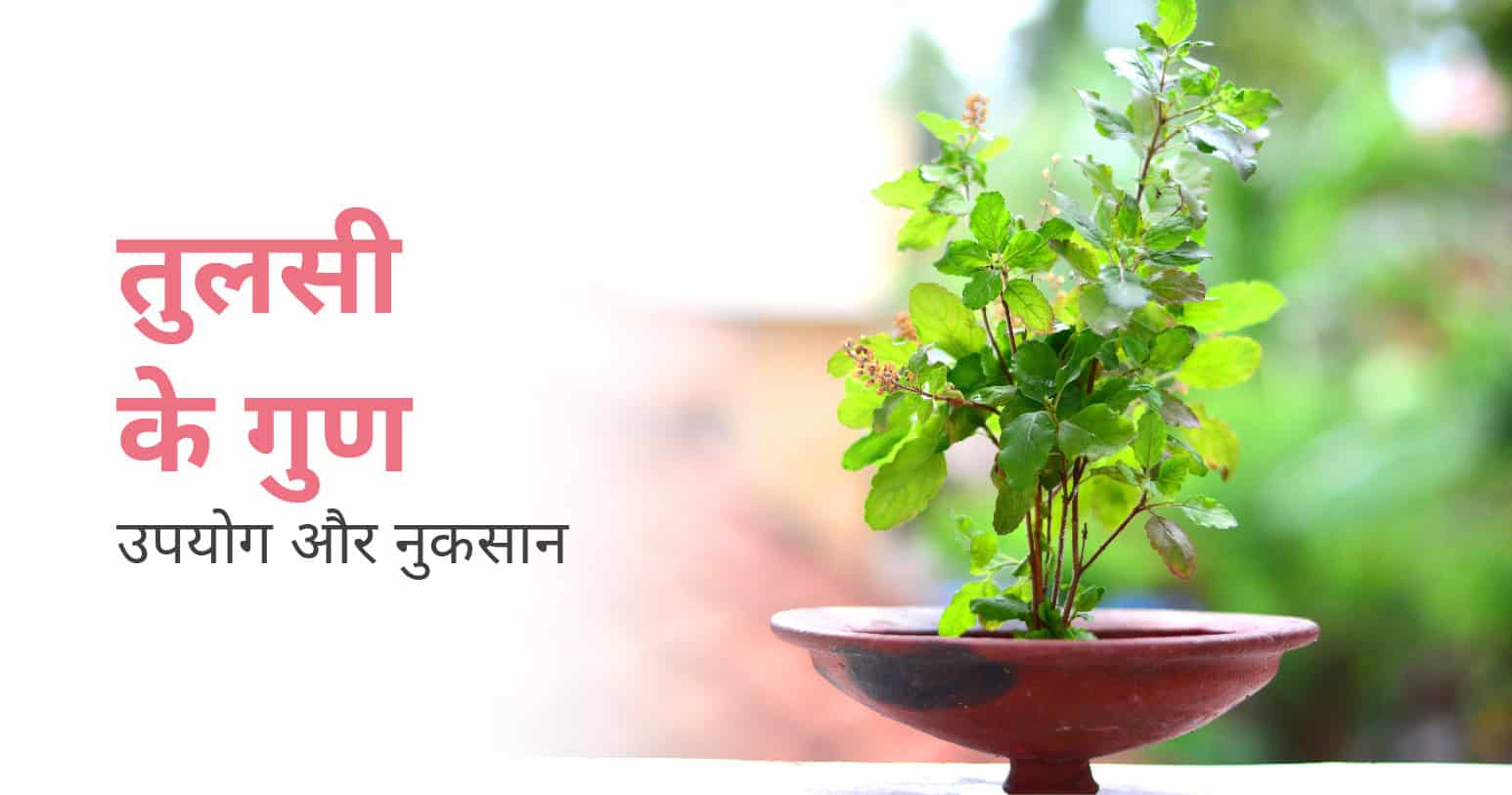
तुलसी को ओसीमम सैंक्टम के नाम से भी जाना जाता है। यह अपने कई स्वास्थ्य लाभों के लिए आयुर्वेद में महत्वपूर्ण स्थान रखता है। इस जड़ी बूटी का उपयोग सदियों से पारंपरिक चिकित्सा में किया जाता रहा है और इसकी समृद्ध फाइटोकैमिस्ट्री के लिए इसे महत्व दिया जाता है।
तुलसी के लाभ शारीरिक और मानसिक कल्याण के विभिन्न पहलुओं तक फैले हुए हैं, जिससे यह समग्र स्वास्थ्य के प्रति सजक लोगों के लिए एक लोकप्रिय विकल्प बन गया है। आइए इसके फायदों के बारे में जानने की कोशिश करते हैं:
तुलसी को एडाप्टोजेन के रूप में वर्गीकृत किया गया है, एक ऐसा पदार्थ जो शरीर को तनाव के अनुकूल बनाने में मदद करता है और समग्र संतुलन को बढ़ावा देता है। यह तनाव के प्रति शरीर की प्रतिक्रिया को नियंत्रित करता है, जिससे शारीरिक और मानसिक स्वास्थ्य दोनों पर तनाव का नकारात्मक प्रभाव कम होता है।
फ्लेवोनोइड्स और पॉलीफेनोल्स जैसे एंटीऑक्सीडेंट से भरपूर, तुलसी ऑक्सीडेटिव तनाव से निपटने और मुक्त कणों को बेअसर करने में मदद करती है। यह सेलुलर स्वास्थ्य में योगदान देता है और पुरानी बीमारियों को रोकने में भूमिका निभा सकता है।
तुलसी में सूजन-रोधी गुण होते हैं, जो शरीर में सूजन को कम करने में मदद करते हैं। पुरानी सूजन विभिन्न स्वास्थ्य समस्याओं से जुड़ी हुई है, और तुलसी के सूजन-रोधी प्रभाव सूजन संबंधी स्थितियों की रोकथाम और प्रबंधन में योगदान कर सकते हैं।
तुलसी के प्रतिरक्षा-मॉड्यूलेटिंग गुण इसे प्रतिरक्षा प्रणाली का समर्थन करने में एक मूल्यवान सहयोगी बनाते हैं। यह शरीर की प्राकृतिक रक्षा तंत्र को बढ़ाता है, जिससे यह संक्रमण और बीमारियों से लड़ने में मजबूत होता है।
तुलसी ने रोगाणुरोधी और जीवाणुरोधी गुणों का प्रदर्शन किया है। यह विभिन्न रोगजनकों से निपटने में मदद कर सकता है, संक्रमण की रोकथाम और उपचार में योगदान दे सकता है।
कुछ अध्ययनों से पता चलता है कि तुलसी हृदय स्वास्थ्य पर सकारात्मक प्रभाव डाल सकती है। यह रक्तचाप को नियंत्रित करने, कोलेस्ट्रॉल के स्तर को कम करने और समग्र हृदय समारोह में सुधार करने में मदद कर सकता है।
मधुमेह के प्रबंधन में इसकी संभावित भूमिका के लिए तुलसी की जांच की गई है। यह रक्त शर्करा के स्तर को नियंत्रित करने और इंसुलिन संवेदनशीलता में सुधार करने में मदद कर सकता है, जिससे यह मधुमेह प्रबंधन में एक सहायक तत्व बन जाता है।
तुलसी अपने न्यूरोप्रोटेक्टिव प्रभावों के लिए जानी जाती है। यह कॉग्निटिव यानी संज्ञानात्मक कार्य का समर्थन कर सकता है, याददाश्त में सुधार कर सकता है और उम्र से संबंधित संज्ञानात्मक गिरावट (cognitive decline) से बचा सकता है।
कुछ अध्ययनों ने प्राकृतिक कैंसर रोधी एजेंट के रूप में तुलसी की क्षमता का पता लगाया है। यह ऐसे गुण प्रदर्शित करता है जो कुछ कैंसर कोशिकाओं के विकास को रोक सकते हैं और ट्यूमर के प्रसार को रोक सकते हैं।
तुलसी श्वसन स्वास्थ्य के लिए फायदेमंद है। इसमें कफ निस्सारक गुण होते हैं, जो इसे अस्थमा, ब्रोंकाइटिस और अन्य श्वसन विकारों जैसी स्थितियों के प्रबंधन में उपयोगी बनाता है।
यह पाचन में सहायता कर सकती है और गैस्ट्रोइंटेस्टाइनल समस्याओं को कम कर सकती है। यह अपच, सूजन और गैस के लक्षणों को कम करने में मदद कर सकता है।
अपने एडाप्टोजेनिक गुणों के कारण, तुलसी मूड और मानसिक कल्याण पर सकारात्मक प्रभाव डालने के लिए जानी जाती है। यह चिंता और अवसाद के लक्षणों को कम करने में मदद कर सकता है।
तुलसी को अपनी दिनचर्या में शामिल करना, चाहे चाय, पूरक आहार या ताजी पत्तियों के माध्यम से, समग्र स्वास्थ्य और कल्याण को बढ़ावा देने का एक प्राकृतिक और समग्र तरीका हो सकता है।
तुलसी को आमतौर पर मध्यम मात्रा में सेवन करने पर अधिकांश लोगों के लिए सुरक्षित माना जाता है। हालाँकि, संभावित दुष्प्रभावों के बारे में जागरूक होना आवश्यक है:
तुलसी ब्लड शुगर यानी रक्त शर्करा के स्तर को कम कर सकती है। मधुमेह से पीड़ित व्यक्तियों या रक्त शर्करा को नियंत्रित करने के लिए दवाएँ लेने वाले लोगों को अपने स्तर की बारीकी से निगरानी करनी चाहिए और विशेषज्ञ से परामर्श लेना चाहिए।
तुलसी में एंटीप्लेटलेट प्रभाव हो सकते हैं, जो रक्त के थक्के जमने में बाधा उत्पन्न कर सकते हैं। रक्त पतला करने वाली दवाएँ लेने वाले या सर्जरी कराने वाले व्यक्तियों को सावधानी बरतनी चाहिए।
गर्भवती या स्तनपान कराने वाली महिलाओं को तुलसी का उपयोग करने से पहले अपने डॉक्टर से परामर्श लेना चाहिए, क्योंकि इन स्थितियों में इसकी सुरक्षा अच्छी तरह से स्थापित नहीं है।
तुलसी के अत्यधिक सेवन से हाइपोग्लाइसीमिया (निम्न रक्त शर्करा) हो सकता है, खासकर जब मधुमेह की दवाओं के साथ मिलाया जाता है। ऐसे मामलों में रक्त शर्करा के स्तर की निगरानी महत्वपूर्ण है।
कुछ लोगों को तुलसी से एलर्जी हो सकती है। एलर्जी की प्रतिक्रिया त्वचा पर चकत्ते, खुजली या सांस लेने में कठिनाई के रूप में प्रकट हो सकती है। यदि कोई एलर्जी संबंधी लक्षण दिखाई दे तो उपयोग बंद कर दें।
तुलसी कुछ दवाओं के साथ परस्पर क्रिया कर सकती है, जिनमें एंटीकोआगुलंट्स, एंटीप्लेटलेट दवाएं और रक्त शर्करा को कम करने वाली दवाएं शामिल हैं। यदि एक साथ दवाएँ ले रहे हैं तो अपने डॉक्टर से परामर्श करने के बाद ही इसक सेवन करें।
तुलसी कई स्वास्थ्य लाभ प्रदान करती है, इसका जिम्मेदारी से उपयोग करना और संभावित अंतःक्रियाओं और दुष्प्रभावों से अवगत रहना महत्वपूर्ण है। विशिष्ट स्वास्थ्य संबंधी चिंताओं वाले या दवा लेने वाले व्यक्तियों को तुलसी को अपनी दिनचर्या में शामिल करने से पहले विशेषज्ञ डॉक्टर से सलाह लेनी चाहिए।

As winter approaches, maintaining a robust immune system becomes crucial for fending off seasonal illnesses. From dietary choices to lifestyle habits, there are numerous strategies to bolster your immunity.
In this blog, we’ll explore practical tips and science-backed approaches to enhance your body’s defences during the colder months, ensuring you stay healthy and resilient in the face of winter challenges.
Table of Contents
Winter poses various challenges to our immune system, making us more susceptible to illnesses. These challenges are:
They create favourable conditions for the spread of viruses.
Additionally, dry and cold air can compromise our respiratory mucosa, a key defence barrier. The holiday season often brings dietary indulgences and stress, further impacting immune function.
Understanding these challenges helps us adopt proactive measures to support and strengthen our immunity during the winter months.
Key nutrients play a crucial role in supporting immunity during the winter months. Some essential nutrients include:
Ensuring a well-balanced diet rich in these nutrients is key to fortifying your immune system during the winter season.
Staying adequately hydrated is crucial for supporting immunity, especially during the winter. Hydration benefits the immune system in several ways:
Ensuring sufficient water intake through beverages and hydrating foods is a simple yet effective way to bolster your immune defences during the winter months.
Achieving winter wellness involves adopting healthy lifestyle practices to support overall well-being. Here are key habits for maintaining health during the winter:
By incorporating these practices, individuals can fortify their immune system naturally and enhance overall winter wellness.
During winter, supplements can play a supportive role in enhancing immunity. Essential nutrients like vitamin C, vitamin D, and zinc are crucial for immune function.
While obtaining these nutrients from a balanced diet is ideal, certain individuals, especially older adults, may have deficiencies. Vitamin C, which isn’t produced or stored by the body, may require supplementation if dietary intake is insufficient. Vitamin D is essential for immune health, and zinc plays a role in immune response.
However, it’s vital to approach supplementation cautiously, seeking advice from a doctor to ensure proper dosages and prevent potential interactions with existing medications or health conditions. A healthy lifestyle should be supplemented, not substituted, by supplements.
As winter approaches, fortifying your immune system is crucial. For a resilient winter wellness journey, it is essential to incorporate best practices, so it is always advisable to seek help from an experienced dietitian.
At the CK Birla Hospital, we ensure patients get holistic medical support which includes treatment in a compassionate environment. This patient-centric approach not only helps patients heal better but also ensures they are aware of the preventive measures as well. In case you need to consult a dietitian, reach out to us, or book a direct appointment at the CK Birla Hospital.
In winter, focus on immune-boosting foods like citrus fruits, leafy greens, yoghurt, garlic, and nuts. These nutrient-packed options provide vitamins, minerals, and antioxidants to support your body’s defences.
Winter weather can weaken immunity by promoting indoor crowding in the home, limiting sun exposure for vitamin D, and encouraging virus survival. Cold, dry air may also compromise respiratory defences, increasing infection risk.
Engaging in regular moderate-intensity exercise, such as brisk walking, can enhance immune function during winter. Exercise boosts circulation, aids immune cell activity, and contributes to overall well-being and resilience.
Adequate sleep and effective stress management are crucial for winter immunity. Quality sleep supports immune function, while managing stress and reduces inflammation, promoting a resilient immune system during the colder months.
Supplements like vitamin C, vitamin D, and zinc may aid immune support in winter, especially for those with deficiencies. However, consulting a doctor before taking new supplements is essential.
In females, the period is the regular discharge of mucosal tissue and blood from the inner lining of the uterus through the vagina. It is triggered by falling progesterone levels and is an indicator that pregnancy has not occurred.
During pregnancy, you cannot get periods, however, you might still experience bleeding or spotting due to other reasons. The spotting is normally dark brown or light pink. There may be other symptoms too such as light cramping, fatigue, irritability and lower back pain
If there is enough bleeding to fill a tampon or pad, then it is a sign that you are probably not pregnant (as a rule of thumb). If you are bleeding heavily and have a positive pregnancy test, then you should seek medical care.
Table of Contents
In lieu of egg fertilising, your period occurs every month. Once a month, the eggs are released from the ovary. When it doesn’t fertilise, the egg travels out of the uterus and sheds through the vagina.
During a normal period, bleeding often starts light, then becomes dark red and heavier. Towards the end of the cycle, it lightens in quantity and colour.
The difference between being pregnant and menstruation is very clear: you don’t get periods anymore once you are pregnant.
Bleeding is a warning sign but it does not always mean something is wrong. Many people who experience spotting during their first trimester go on to have healthy babies. If you bleed during pregnancy, the reason will be something else than regular menstruation.
There are various causes of periods-like bleeding that might happen to an expectant mother during the first, second and third trimester.
During early pregnancy, around one out of four people experience spotting. Some of the causes attributed to this are:
These Causes can also be Accompanied by Some Additional Symptoms:
Implantation bleeding happens in the earliest stages of pregnancy. You likely haven’t gotten a pregnancy test yet at this point. This type of bleeding occurs when the fertilised egg implants into the uterus, normally around the time your period would be expected.
Implantation bleeding is often mistaken as a period, though the bleeding is usually just spotting or light.
You might also experience spotting from cervical changes shortly after pregnancy. This isn’t often a cause for concern unless there is an infection.
Bleeding during the second and third trimesters requires an emergency visit from a doctor, irrespective of the symptoms. Some common causes of bleeding include:
Any birth that happens before 37 weeks is referred to as preterm labour. Before preterm labour, some people experience a large amount of mucus discharge and symptoms similar to a period.
Preterm labour causes contractions and cramping. It might also cause backache, a sensation of pressure in the vagina and changes in discharge.
This occurs when the placenta is implanted very close to the cervix or low in the uterus. Placenta previa can hinder delivery and labour.
This happens usually during the last few months of pregnancy. There is cramping, severe stomach pain and bleeding when the placenta detaches from the uterus. The risk of placental abruption can be increased by certain health conditions like high blood pressure.
In a uterine rupture, the muscle of the uterus tears or separates, which can lead to uncontrolled bleeding. It happens mostly in people who have delivered via caesarean delivery in the past and occurs on the old scar lines along the uterus.
One of the common signs of pregnancy is cramping. The cramps may seem a little milder or similar to what you usually experience during your period.
There can be other causes for abdominal cramping, like digestive ailments or gas. You may feel the cramps in your lower abdomen and they are normally sharp, however, they typically don’t last too long.
There is a general misconception regarding bleeding during pregnancy, which can be mistaken as a period by most people. While pregnancy makes the expectant mother a little edgy with respect to her baby, there is no need for panic if you have some minor spotting or bleeding due to any of the symptoms and causes mentioned above. It is essential to stay calm and seek help immediately.
To ascertain the cause of bleeding during your pregnancy, it is advisable to seek medical help from an experienced gynaecologist. Timely care and help can ensure any period-like symptoms during pregnancy are diagnosed and treated correctly.
At the CK Birla Hospital, we ensure patients get holistic medical support which includes treatment in a compassionate environment. This patient-centric approach not only helps patients heal better but also ensures they are aware of the preventive measures as well. In case you need to consult a gynaecologist, reach out to us, or book a direct appointment at the CK Birla Hospital.
After your body starts producing the pregnancy hormone (HCG), it becomes impossible to experience a period during pregnancy.
Normally, there is spotting (dark brown or light pink) during early pregnancy. If you bleed enough to fill a tampon or a pad, it is a sign you are not pregnant.
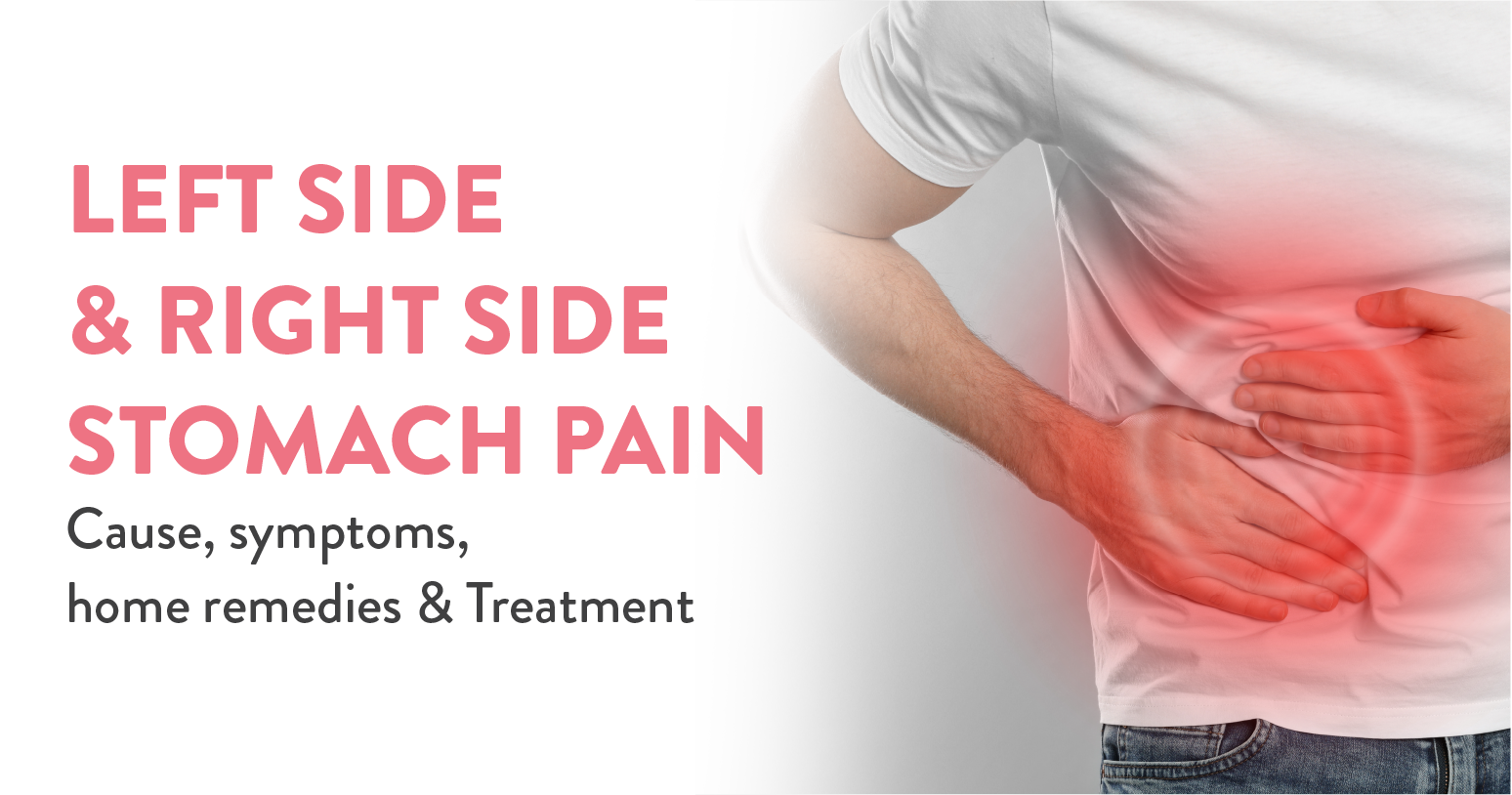
Experiencing stomach pain is common, but understanding its nuances is key to effective management. Left-side and right-side stomach pain can indicate various underlying issues, each with distinct causes and symptoms.
This blog delves into the intricacies of abdominal discomfort, exploring potential triggers, recognizable signs, and practical home remedies. Gain insights into effective treatments for targeted relief and empower yourself to navigate stomach pain with informed decisions.
Table of Contents
Most symptoms associated with left-sided and right-sided stomach pain are common, which include:-
It’s essential to note that these symptoms are general, and a healthcare professional should evaluate persistent or severe stomach pain for accurate diagnosis and appropriate treatment.
Stomach pain, whether left or right-sided, can stem from various conditions, each with distinct symptoms and treatments.
Treatment for both left-side and right-side stomach pain varies by diagnosis. Anti-inflammatory medicines aid ulcer-related pain. Conditions like kidney stones may need shock wave lithotripsy, while gallbladder inflammation may require surgery. Some pain-modifying drugs may be prescribed to alter pain signal processing in the brain.
If you and your doctor have determined that your stomach pain is not the result of a serious medical condition, some home health remedies may provide relief. Here’s a brief list:
Treatment for left-side and right-side stomach pain hinges on identifying and addressing the underlying causes.
Seek prompt medical attention for severe or persistent stomach pain, as it could indicate a serious condition requiring immediate intervention.
Understanding the nuances of left and right-side stomach pain empowers individuals to seek timely care. From recognizing symptoms to availing of medical treatments, proactive health management is key. It is always advisable to seek medical help from an experienced gastroenterologist. Timely care and help can ensure an appropriate diagnosis and treatment of your condition.
At the CK Birla Hospital, we ensure patients get holistic medical support which includes treatment in a compassionate environment. This patient-centric approach not only helps patients heal better but also ensures they are aware of the preventive measures as well. In case you need to consult a gastroenterologist, reach out to us, or book a direct appointment at the CK Birla Hospital.
Right-sided stomach pain can be a cause for concern, especially if severe, persistent, or accompanied by other alarming symptoms. Seek advice from a medical expert for an appropriate assessment and direction.
Gas can cause pain on either side of the abdomen. Incomplete digestion leading to gas buildup may result in discomfort, bloating, and pain that can affect various abdominal regions.
Yes, specific home remedies can help alleviate left or right stomach pain. These may include applying heat, gentle massages, staying hydrated, and consuming ginger or peppermint for relief.
Consult a doctor for persistent abdominal pain if it worsens, is severe, accompanies other concerning symptoms, or if you experience persistent discomfort interfering with daily activities. Early medical evaluation is crucial.
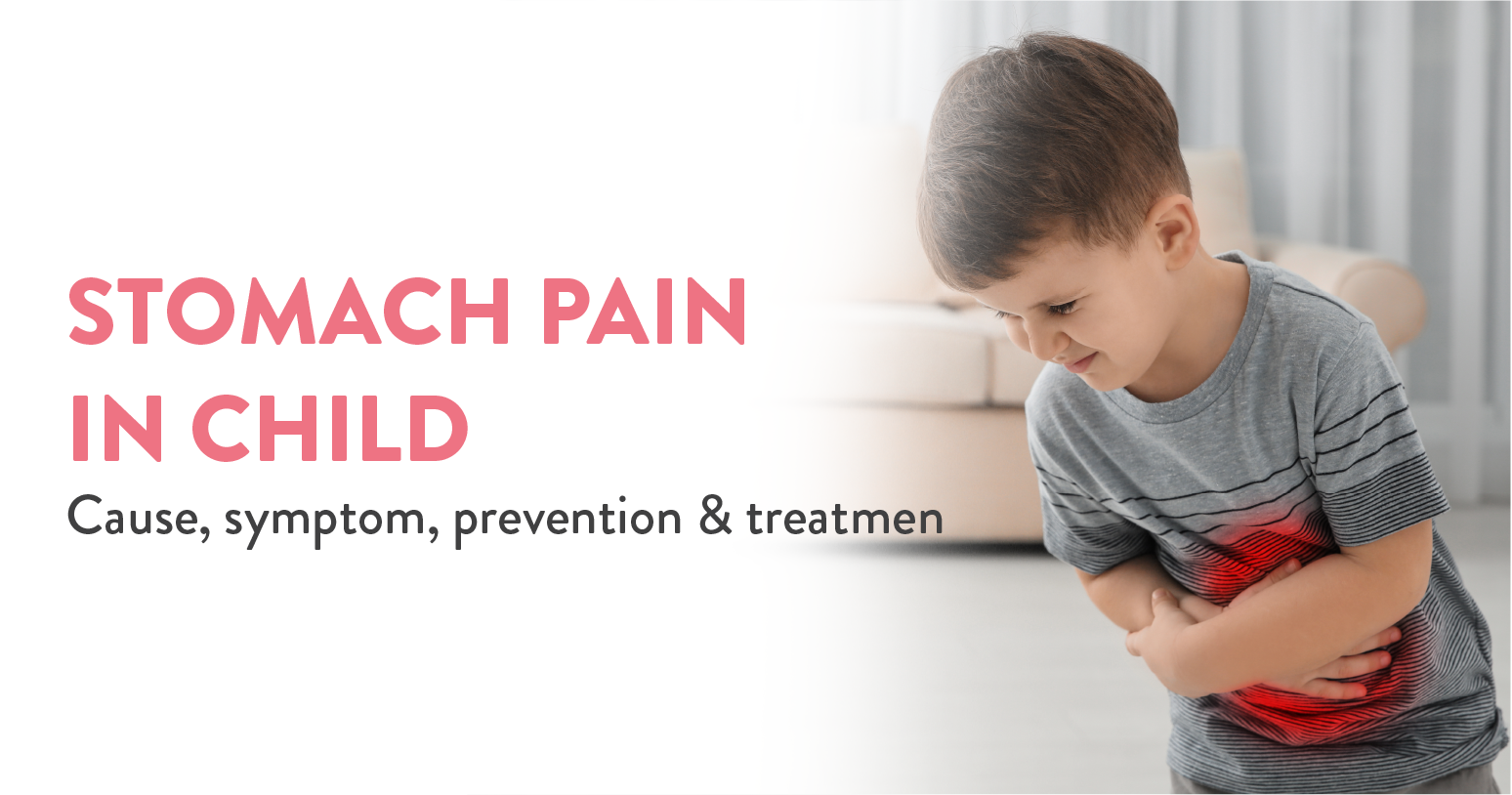
Navigating stomach pain in children can be a tricky ordeal, with causes ranging from the common to potentially severe. From stomach bugs to stress and underlying health issues, understanding the reasons behind your child’s discomfort is essential.
In most cases, abdominal pain is temporary and resolves with minimal intervention. However, when it becomes recurrent or the cause remains elusive, addressing the pain can pose a challenge, necessitating a closer look into potential infections, food-related issues, or other underlying concerns for effective prevention and treatment.
Table of Contents
Stomach pain in children can manifest in various ways, and symptoms may vary based on the underlying cause. Common symptoms include:
It’s essential to observe these symptoms, communicate with the child, and consult a healthcare professional for proper diagnosis and management.
You Can Also Read: Inflammatory Bowel Disease: Causes, Symptoms & Treatments
Abdominal pain in children can stem from various causes, ranging from mild to severe. Understanding the type of pain and accompanying symptoms is crucial for proper evaluation.
Common causes and their symptoms include:
Prompt medical attention is crucial, especially for severe cases such as:
Chronic issues may involve intestinal conditions, IBD (Inflammatory bowel disease), or functional origin, demanding a paediatrician’s comprehensive assessment. Other potential causes include IBS (irritable bowel syndrome), celiac disease, ulcerative colitis, and Crohn’s disease.
The underlying reason for children’s stomach aches determines the course of treatment. Here are the general guidelines and interventions:
For more severe cases requiring immediate attention:
Always consult with a healthcare professional for an accurate diagnosis and appropriate treatment plan based on the child’s specific condition.
Preventive measures for childhood stomach pain involve promoting overall health and addressing specific risk factors. Here are some general guidelines:
It’s essential to tailor preventive measures based on the child’s individual health needs and any specific conditions they may have. Regular communication with healthcare professionals can help guide and optimise preventive strategies.
Mild stomach aches in children might not be alarming, but specific signs call for medical attention. Assess your child’s condition based on:
There will come a time when your child will feel pain in the vicinity of their stomach. If your child’s vomiting, fever, nausea, or other symptoms of an allergic response are present along with apparent severe stomach discomfort, then It is always advisable to seek medical help from an experienced gastroenterologist. Timely care and help can ensure an appropriate diagnosis and treatment of your condition.
At the CK Birla Hospital, we ensure patients get holistic medical support which includes treatment in a compassionate environment. This patient-centric approach not only helps patients heal better but also ensures they are aware of the preventive measures as well. In case you need to consult a gastroenterologist, reach out to us, or book a direct appointment at the CK Birla Hospital.
Parents can prevent kids’ stomach pain by promoting a balanced diet, ensuring regular bowel movements, fostering good hygiene practices, addressing stress, and promptly addressing any signs of discomfort or illness.
Certain foods like fatty, greasy, or acidic ones can contribute to stomach pain in children. Food intolerances to items like milk, chocolate, or additives may also trigger discomfort.
To soothe a child’s stomach ache, consider offering bland foods, clear fluids, and ginger tea. Warm compresses on the abdomen, adequate rest, and avoiding trigger foods can also help alleviate discomfort.

In your body, gonads lead testosterone production: ovaries for those AFAB (persons assigned female at birth) and testicles for those AMAB (persons assigned male at birth). Adrenal glands craft Dehydroepiandrosterone (DHEA), transforming into testosterone and oestrogen, balancing hormones. Testosterone, a key androgen, shapes masculine traits, notably higher in AMAB. The interplay of gonads and adrenal glands sculpts an individual’s hormonal landscape, influencing traits.
Table of Contents
Testosterone, the powerhouse hormone, takes on varied roles depending on life stages, influencing aspects like adulthood, puberty in males, and even foetal development.
Crucial for sperm production, testosterone in adults assigned male at birth (AMAB) has multifaceted roles:
Puberty in individuals designated male at birth witnesses testosterone-induced changes, encompassing:
Understanding the intricate dance of testosterone across various life stages unveils its profound impact on human development and well-being.
You Can Also Read: Impact of Low Testosterone Levels: Causes, Symptoms, and Solutions
Explore the two charts below, offering insights into the typical testosterone levels based on age and gender. The unit of measurement for this crucial hormone is nanograms per deciliter (ng/dL).
Testosterone ranges vary by test and lab. Your doctor interprets based on your test’s specific lab, giving you a personalised and accurate reading.
For individuals designated male at birth, normal testosterone levels are:
| Age Range | Normal Testosterone Range |
| Under 1 year old | Less than 12 ng/dL |
| 1 to 5 years old | Less than 12 ng/dL |
| 6 to 10 years old | Less than 25 ng/dL |
| 11 to 15 years old | Less than 830 ng/dL |
| 16 to 17 years old | 102 to 1010 ng/dL |
| 18 to 99 years old | 193 to 824 ng/dL |
For individuals designated female at birth, normal testosterone levels are:
| Age Range | Normal Testosterone Range |
| Under 1 year old | Less than 21 ng/dL |
| 1 to 5 years old | Less than 12 ng/dL |
| 6 to 10 years old | Less than 25 ng/dL |
| 11 to 17 years old | Less than 79 ng/dL |
| 18 to 99 years old | Less than 40 ng/dL |
Testosterone, a key hormone in men, wields a profound influence on both physical and mental well-being.
Understanding and maintaining balanced testosterone levels is integral to fostering holistic well-being in men.
Let us unveil the nuanced impact of testosterone in women, from enhancing libido to influencing cognitive and emotional aspects.
While often overshadowed by its prominence in men, testosterone remains vital for various aspects of women’s health, encompassing both physical and emotional well-being.
In the intricate symphony of female physiology, hormonal balance is a key conductor, orchestrating various functions that span physical and emotional realms.
Understanding and preserving this delicate hormonal balance is essential for women’s overall health, emphasising the need for regular check-ups and a holistic approach to well-being.
Testosterone is essential for overall health and reproductive health, whether for people who are born male or female. If they are always high or low, you might not feel comfortable. It is always advisable to seek medical help from an experienced endocrinologist. Timely care and help can ensure an appropriate diagnosis and treatment of your condition
At the CK Birla Hospital, we ensure patients get holistic medical support which includes treatment in a compassionate environment. This patient-centric approach not only helps patients heal better but also ensures they are aware of the preventive measures as well. In case you need to consult an endocrinologist, reach out to us, or book a direct appointment at the CK Birla Hospital.
In males, testosterone is crucial for sperm production, libido, and maintaining muscle and bone strength. In females, it contributes to libido, overall well-being, and the transformation of precursor hormones.
Testosterone levels tend to decline with age in both men and women. In males, the decline is gradual but may lead to symptoms like reduced libido and muscle mass.
Yes, imbalances in testosterone can lead to health issues. Low levels may cause fatigue, reduced libido, and mood changes, while high levels may contribute to infertility and cardiovascular problems.
Natural ways to boost testosterone include regular exercise, sufficient sleep, a balanced diet with adequate nutrients, maintaining a healthy weight, managing stress, and avoiding excessive alcohol consumption.
Testosterone plays a crucial role in reproductive health by promoting sperm production, maintaining libido, and contributing to the development of male reproductive organs, influencing fertility and overall reproductive function.
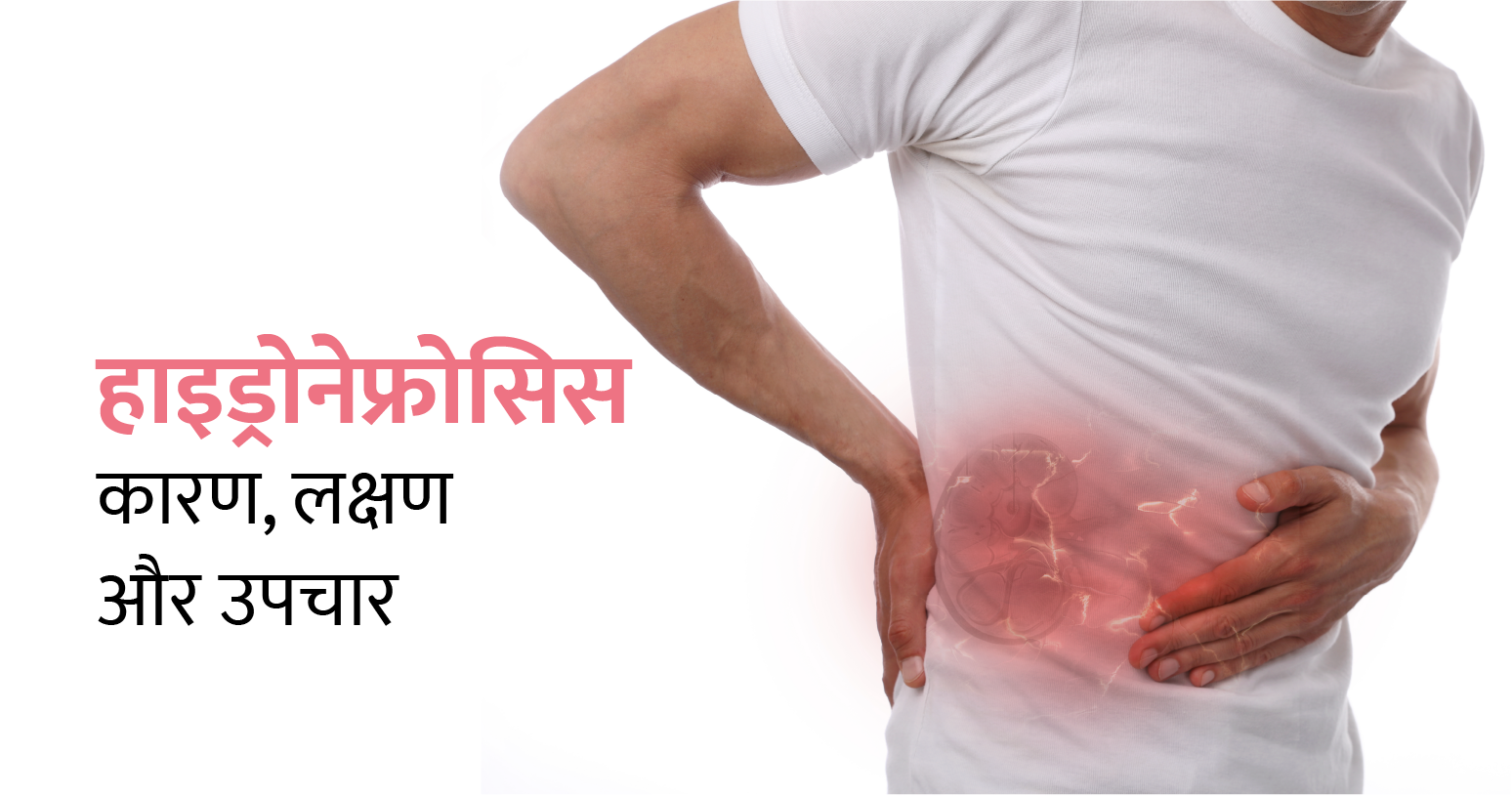
हाइड्रोनफ्रोसिस एक मेडिकल कंडीशन है जिसमें मूत्र जमा होने के कारण एक या दोनों किडनी में सूजन या वृद्धि होती है। ऐसा तब होता है जब किडनी से मूत्राशय तक मूत्र के प्रवाह में रुकावट आ जाती है। यह स्थिति सभी उम्र के लोगों को प्रभावित कर सकती है और अगर इलाज न किया जाए तो विभिन्न जटिलताएँ हो सकती हैं। दीर्घकालिक जटिलताओं के उचित प्रबंधन और रोकथाम के लिए, हाइड्रोनफ्रोसिस के कारणों, लक्षणों और उपचार विकल्पों को समझना महत्वपूर्ण है। इस ब्लॉग में हम हाइड्रोनफ्रोसिस के कारणों, लक्षणों और उपचार के बारे में विस्तार से जानने की कोशिश करेंगे।
Table of Contents
हाइड्रोनफ्रोसिस कई अंतर्निहित कारणों से हो सकता है, जिनमें से प्रत्येक कारण मूत्र के सामान्य प्रवाह को प्रभावित करता है और गुर्दे में तरल पदार्थ केजमा होने का कारण बनता है। कुछ सामान्य कारणों में शामिल हैं:
गुर्दे की पथरी की उपस्थिति मूत्र पथ में बाधा डाल सकती है, मूत्र के सामान्य प्रवाह को रोक सकती है और हाइड्रोनफ्रोसिस का कारण बन सकती है।
मूत्र पथ में संक्रमण सूजन और सूजन का कारण बन सकता है, जिससे मूत्र प्रवाह में बाधा उत्पन्न हो सकती है।
पुरुषों में, बढ़ा हुआ प्रोस्टेट मूत्रमार्ग को संकुचित कर सकता है, मूत्र के मार्ग को अवरुद्ध कर सकता है और हाइड्रोनफ्रोसिस का कारण बन सकता है।
गर्भवती महिलाओं में, बढ़ता हुआ गर्भाशय मूत्रवाहिनी पर दबाव डाल सकता है, जिससे मूत्र का प्रवाह बाधित हो सकता है और परिणामस्वरूप गुर्दे में सूजन हो सकती है।
सौम्य और घातक दोनों ट्यूमर मूत्र पथ में बाधा उत्पन्न कर सकते हैं, जिससे हाइड्रोनफ्रोसिस हो सकता है।
ऐसी स्थितियाँ जो मूत्रवाहिनी में घाव या फाइब्रोसिस का कारण बनती हैं, जैसे कि रेट्रोपेरिटोनियल फाइब्रोसिस, जिसके परिणामस्वरूप मूत्र प्रवाह में रुकावट हो सकती है।
इन सबके अलावा, न्यूरोजेनिक मूत्राशय की शिथिलता। मूत्राशय के तंत्रिका संकेतों को प्रभावित करने वाले विकार सामान्य मलत्याग को बाधित कर सकते हैं और हाइड्रोनफ्रोसिस में योगदान कर सकते हैं।
हाइड्रोनफ्रोसिस के लक्षण स्थिति की गंभीरता और अंतर्निहित कारण के आधार पर भिन्न हो सकते हैं। कुछ सामान्य संकेतों और लक्षणों में शामिल हैं:
मरीजों को पेट या पार्श्व में दर्द का अनुभव हो सकता है, जो हल्की असुविधा से लेकर गंभीर, तेज दर्द तक हो सकता है।
विशेष रूप से रात के दौरान पेशाब की आवृत्ति में वृद्धि देखी जा सकती है।
हाइड्रोनफ्रोसिस वाले व्यक्तियों को पेशाब शुरू करने या पूरा करने में कठिनाई हो सकती है।
हेमट्यूरिया, या मूत्र में रक्त की उपस्थिति, मूत्र पथ में जलन और क्षति के कारण हो सकती है।
हाइड्रोनफ्रोसिस के गंभीर मामलों में मतली और उल्टी हो सकती है, जो संभावित किडनी की शिथिलता का संकेत देती है।
साथ ही, कुछ मामलों में, किडनी के बढ़ने के कारण पेट में सूजन या स्पष्ट द्रव्यमान दिखाई दे सकता है और संक्रमण से बुखार और अन्य प्रणालीगत लक्षण हो सकते हैं।
आप ये भी पढ़ सकते हैं – जाने पेशाब में जलन का कारण, लक्षण और इलाज
हाइड्रोनफ्रोसिस के उपचार का उद्देश्य अंतर्निहित कारण को संबोधित करना और सामान्य मूत्र प्रवाह को नॉर्मल करना है। स्थिति की गंभीरता और विशिष्ट कारण के आधार पर उपचार का दृष्टिकोण भिन्न हो सकता है। सामान्य उपचार के तौर-तरीकों में शामिल हैं:
हाइड्रोनफ्रोसिस से जुड़े दर्द को एनाल्जेसिक दवाओं से प्रबंधित किया जा सकता है। कुछ मामलों में, सूजन को कम करने के लिए सूजन-रोधी दवाएं भी निर्धारित की जा सकती हैं।
यदि हाइड्रोनफ्रोसिस मूत्र पथ के संक्रमण के कारण होता है, तो संक्रमण को खत्म करने और इसकी पुनरावृत्ति को रोकने के लिए एंटीबायोटिक चिकित्सा आवश्यक है।
रुकावट पैदा करने वाली किडनी की पथरी को दूर करने के लिए एक्स्ट्राकोर्पोरियल शॉक वेव लिथोट्रिप्सी (ईएसडब्ल्यूएल) या यूरेटेरोस्कोपी जैसी प्रक्रियाओं का इस्तेमाल किया जा सकता है। अधिक जटिल रुकावटों के लिए सर्जिकल हस्तक्षेप आवश्यक हो सकता है।
गंभीर रुकावट के मामलों में, मूत्र निकालने और किडनी पर दबाव कम करने के लिए कैथेटर की अस्थायी नियुक्ति की आवश्यकता हो सकती है।
अंतर्निहित स्थितियों को संबोधित करना, जैसे कि ट्यूमर को हटाने के लिए सर्जरी या बढ़े हुए प्रोस्टेट का उपचार, दीर्घकालिक प्रबंधन के लिए महत्वपूर्ण है।
अल्ट्रासाउंड या सीटी स्कैन जैसे इमेजिंग अध्ययनों के माध्यम से नियमित निगरानी, हाइड्रोनफ्रोसिस के समाधान का आकलन करने और किसी भी पुनरावृत्ति या जटिलताओं की पहचान करने के लिए आवश्यक है।
मरीजों को जीवनशैली में बदलाव करने की सलाह दी जा सकती है, जैसे उचित जलयोजन बनाए रखना, स्वस्थ आहार अपनाना और मधुमेह जैसी स्थितियों का प्रबंधन करना जो मूत्र पथ की समस्याओं में योगदान कर सकते हैं।
अगर आप खुद में हाइड्रोनफ्रोसिस के लक्षणों का अनुभव करते हैं तो तत्काल चिकित्सा सहायता लेना महत्वपूर्ण है। उपचार में देरी करने से किडनी की क्षति, गुर्दे की विफलता या बार-बार संक्रमण जैसी जटिलताएँ हो सकती हैं।
हाइड्रोनफ्रोसिस एक ऐसी स्थिति है जिसके लिए व्यापक मूल्यांकन और सटीक उपचार की आवश्यकता होती है। प्रारंभिक निदान और हस्तक्षेप के लिए अंतर्निहित कारणों को समझना और लक्षणों को पहचानना महत्वपूर्ण है। चिकित्सा प्रौद्योगिकी में प्रगति और बहु-विषयक दृष्टिकोण के साथ, विशेषज्ञ डॉक्टर प्रभावी ढंग से हाइड्रोनफ्रोसिस का प्रबंधन कर सकते हैं और मरीजों के जीवन की गुणवत्ता में सुधार कर सकते हैं।

