Filter :
Postpartum depression is a silent struggle that affects countless new mothers worldwide. Amid the joy of welcoming a newborn, this insidious condition can cast a dark cloud over the postpartum period.
In this blog, we’ll explore the nuances of postpartum depression, its symptoms, causes/reasons, and most importantly, strategies for coping, managing and seeking help. Join us in shedding light on this crucial issue and offering support to those who need it most.
Table of Contents
Having a baby is life-changing, and parenthood can be exciting yet overwhelming. Feelings of worry and doubt are normal, especially for first-time parents. However, extreme sadness, loneliness, mood swings, and crying spells may indicate postpartum depression (PPD).
PPD can affect anyone after childbirth, including surrogates and adoptive parents, due to hormonal, physical, emotional, financial, and social changes. Remember, you’re not alone, it’s not your fault, and help is available through your healthcare provider to deal with and overcome PPD symptoms.
Postpartum depression, different from the “baby blues,” lasts weeks after childbirth, causing severe symptoms that hinder daily functioning. Symptoms vary and can emerge 1 to 3 weeks postpartum.
Symptoms include:
Remember, postpartum depression isn’t your fault, and seeking help from a healthcare professional is crucial for recovery.
You Can Also Read: The Importance of Mental Health for Your Overall Health
Baby blues are common, mild emotional changes that occur within the first two weeks after childbirth, including mood swings and irritability. They often resolve on their own.
Postpartum depression (PPD), on the other hand, is a more severe and long-lasting condition that can develop within the first year postpartum. PPD symptoms are intense and include deep sadness, fatigue, loss of interest, and difficulties bonding with the baby.
PPD requires medical attention and treatment, such as therapy and medication. Recognizing the difference is crucial, as early intervention can help new mothers suffering from PPD regain their emotional well-being and ability to care for themselves and their babies.
Postpartum depression’s cause is unclear, likely stemming from a mix of factors:
Postpartum depression (PPD) has a profound impact on mothers and their families:
Early recognition and professional help, including therapy and support groups, are crucial for improving well-being and mitigating these effects.
You Can Also Read: Tips to look after your mental health
Postpartum depression (PPD) impacts children in the following ways:
The severity of these impacts depends on the mother’s access to treatment and support.
Early intervention and PPD treatment are essential to minimise negative consequences for both mother and child, with support systems and professional help playing critical roles in reducing long-term effects.
Seek screening from a healthcare provider if, within the first year following childbirth, you have symptoms of postpartum depression that last longer than two weeks. They’ll assess your symptoms, including:
Additionally, they’ll consider risk factors like:
They may also order a blood test for underlying conditions contributing to your depression.
If you have symptoms of postpartum depression, it’s crucial to seek help from a healthcare professional promptly. An outline of the main ideas is provided here:
Treatment options:
Hormone therapy: Hormone therapy (oestrogen) may be used to address hormonal imbalances contributing to postpartum depression.
Cognitive Behavioral Therapy (CBT): CBT, alongside medication, effectively reduces symptoms by altering thought patterns and enhancing problem-solving skills.
Natural remedies: Complementary practices like a balanced diet, gentle exercise, meditation, and nature exposure can support recovery.
Self-care: Vital for managing feelings of isolation; seek support from loved ones and consider support groups. Always prioritise professional guidance in treating postpartum depression.
Postpartum depression is a challenging and often overlooked condition that deserves our attention and support. The biological, physical and chemical factors that cause it are beyond your control. It is always advisable to seek medical help from an experienced psychiatrist. Timely care and help can ensure an appropriate diagnosis and treatment of your condition.
At the CK Birla Hospital, we ensure patients get holistic medical support which includes treatment in a compassionate environment. This patient-centric approach not only helps patients heal better but also ensures they are aware of the preventive measures as well. In case you need to consult a psychiatrist, reach out to us, or book a direct appointment at the CK Birla Hospital.
Early signs of postpartum depression may include sadness, irritability, sleep disturbances, appetite changes, loss of interest in activities, and difficulty bonding with the baby. Seeking help is crucial.
Yes, postpartum depression can occur after any pregnancy, including first pregnancies or subsequent ones. It is not limited to a specific pregnancy and can affect any new mother.
Postpartum depression can last for several months to a year or more if left untreated. Early intervention and appropriate treatment can help shorten its duration.
Preventive measures for postpartum depression include a strong support system, stress reduction, healthy lifestyle choices, and seeking early treatment if at risk or experiencing symptoms.
Partners can help by offering emotional support, assisting with baby care, encouraging self-care, and encouraging professional help if needed to alleviate postpartum depression in new mothers.
To promote recovery, it is imperative that individuals with postpartum depression seek professional assistance if their symptoms worsen, last longer than two weeks, or interfere with their everyday activities.

एलर्जिक राइनाइटिस, जिसे आमतौर पर हे फीवर या परागर ज्वर के नाम से भी जाना जाता है। एक प्रचलित एलर्जी स्थिति है जो नाक के मार्ग को प्रभावित करती है। यह तब होता है जब प्रतिरक्षा प्रणाली एलर्जी के प्रति अत्यधिक प्रतिक्रिया करती है, जिससे नाक की श्लेष्मा झिल्ली में सूजन आ जाती है।
एलर्जिक राइनाइटिस जीवन की गुणवत्ता को महत्वपूर्ण रूप से प्रभावित कर सकती है, जिससे छींकने और नाक बंद होने से लेकर आंखों में खुजली और थकान तक परेशान करने वाले लक्षण पैदा हो सकते हैं। इस ब्लॉग में हम एलर्जिक राइनाइटिस के कारणों, लक्षणों, निदान और उपचार आदि के बारे में विस्तार से चर्चा करेंगे।
Table of Contents
एलर्जिक राइनाइटिस का प्राथमिक कारण शरीर की प्रतिरक्षा प्रणाली का कुछ पदार्थों के प्रति अत्यधिक प्रतिक्रिया करना है, जिन्हें एलर्जी कहा जाता है। आम एलर्जी जो एलर्जिक राइनाइटिस को ट्रिगर कर सकते हैं उनमें पराग, धूल के कण, पालतू जानवरों की रूसी, फफूंद बीजाणु और कुछ खाद्य पदार्थ शामिल हैं। जब एलर्जी की प्रवृत्ति वाला कोई व्यक्ति इन एलर्जी कारकों के संपर्क में आता है, तो प्रतिरक्षा प्रणाली हिस्टामाइन जैसे रसायन छोड़ती है, जो एलर्जिक राइनाइटिस के विशिष्ट लक्षणों को जन्म देती है।
आनुवंशिकी किसी व्यक्ति की एलर्जिक राइनाइटिस के प्रति संवेदनशीलता को निर्धारित करने में महत्वपूर्ण भूमिका निभाती है। यदि माता-पिता दोनों को एलर्जी है, तो इस बात की अधिक संभावना है कि उनके बच्चों में राइनाइटिस सहित एलर्जी की स्थिति विकसित होगी। इसके अलावा, पर्यावरणीय कारक, जैसे बचपन के दौरान तंबाकू के धुएं के संपर्क में आने से एलर्जिक राइनाइटिस विकसित होने का खतरा बढ़ सकता है।
एलर्जिक राइनाइटिस के लक्षण गंभीरता में भिन्न हो सकते हैं और अलग-अलग व्यक्तियों में अलग-अलग तरह से अनुभव हो सकते हैं। इसके सामान्य लक्षणों में निम्न शामिल हैं:
इन सबके अलावा, नाक बंद होना और अन्य लक्षण नींद में बाधा डाल सकते हैं, जिससे सोने या सोते रहने में कठिनाई हो सकती है।
ये भी पढ़े: साइनोसाइटिस का कारण और इलाज
एलर्जिक राइनाइटिस के निदान में एक विशेषज्ञ डॉक्टर द्वारा व्यापक मूल्यांकन शामिल होता है। मरीज का इतिहास महत्वपूर्ण है, जिसमें लक्षणों की प्रकृति और अवधि, संभावित ट्रिगर और एलर्जी के पारिवारिक इतिहास पर जोर दिया जाता है। शारीरिक परीक्षण से अक्सर नासिका संबंधी विशिष्ट लक्षणों का पता चलता है, जैसे नाक बंद होना, नाक बहना और नासिका मार्ग में सूजन होना आदि। स्थिति को ट्रिगर करने वाले विशिष्ट एलर्जी कारकों की पहचान करने के लिए एलर्जी परीक्षण को नियोजित किया जा सकता है। इसके अलावा, डॉक्टर कुछ टेस्ट भी कर सकते हैं जैसे कि स्किन प्रिक टेस्ट और रक्त परीक्षण आदि।
एलर्जिक राइनाइटिस के प्रबंधन में आमतौर पर एलर्जेन से बचाव, फार्माकोथेरेपी और कुछ मामलों में इम्यूनोथेरेपी का संयोजन शामिल होता है। यहाँ उपचार के प्रमुख प्रकार हैं:
एलर्जिक राइनाइटिस के प्रबंधन में एलर्जेन की पहचान करना और उनके संपर्क को कम करना बहुत ज़रूरी है। इसमें वायु शोधक का उपयोग करना, उच्च पराग मौसम के दौरान खिड़कियां बंद रखना और धूल के कण को कम करने के लिए नियमित रूप से घर की सफाई और धूल झाड़ना शामिल हो सकता है।
एलर्जी शॉट्स: इम्यूनोथेरेपी में प्रतिरक्षा प्रणाली को निष्क्रिय करने के लिए एलर्जी की खुराक को धीरे-धीरे बढ़ाना शामिल है। एलर्जिक राइनाइटिस से पीड़ित कुछ व्यक्तियों के लिए यह एक प्रभावी दीर्घकालिक समाधान हो सकता है।
एलर्जिक राइनाइटिस एक सामान्य एलर्जी स्थिति है जो किसी व्यक्ति के जीवन की गुणवत्ता को महत्वपूर्ण रूप से प्रभावित कर सकती है। कारणों को समझना, लक्षणों को पहचानना, उचित उपचार के लिए विशेषज्ञ डॉक्टर से परामर्श करना एलर्जिक राइनाइटिस को प्रभावी ढंग से प्रबंधित करने के लिए आवश्यक कदम हैं।
ये भी पढ़े: कान का पर्दा फटने के कारण और इलाज
एलर्जिक राइनाइटिस नाक के मार्ग की एक सूजन वाली स्थिति है जो पराग, धूल, या पालतू जानवरों की रूसी जैसे एलर्जी के कारण उत्पन्न होती है। सामान्य सर्दी के विपरीत, जो वायरस के कारण होता है, एलर्जिक राइनाइटिस विशिष्ट एलर्जी के प्रति प्रतिरक्षा प्रणाली की प्रतिक्रिया के परिणामस्वरूप होता है।
लक्षणों में छींक आना, बहती या बंद नाक, आंखों में खुजली और थकान शामिल हैं। सर्दी के विपरीत, एलर्जिक राइनाइटिस में आमतौर पर बुखार नहीं होता है और नाक से स्पष्ट स्राव होता है। लक्षणों का 10-14 दिनों से अधिक बने रहना संक्रामक कारण के बजाय एलर्जी का संकेत हो सकता है।
एलर्जिक राइनाइटिस किसी भी उम्र में विकसित हो सकता है, इसकी शुरुआत अक्सर बचपन में होती है। हालाँकि, यह पहली बार वयस्कता में प्रकट हो सकता है। आनुवंशिक कारक और पर्यावरणीय जोखिम इसके विकास में योगदान करते हैं।
निदान में संपूर्ण चिकित्सीय इतिहास, शारीरिक परीक्षण और एलर्जी परीक्षण शामिल होता है। यदि लक्षण बने रहते हैं, बदतर हो जाते हैं, या दैनिक जीवन पर महत्वपूर्ण प्रभाव डालते हैं, तो चिकित्सा पर ध्यान देने की सलाह दी जाती है। शीघ्र निदान और प्रभावी प्रबंधन इसके लक्षणों को दूर करने में मदद करते हैं।
लंबे समय तक एलर्जी के संपर्क में रहने से साइनसाइटिस या कान में संक्रमण जैसी जटिलताएँ हो सकती हैं। प्रभावी प्रबंधन में एलर्जेन से बचाव, एंटीहिस्टामाइन या नाक कॉर्टिकोस्टेरॉइड्स जैसी दवाएं और दीर्घकालिक राहत के लिए एलर्जेन इम्यूनोथेरेपी शामिल है।
हालांकि इसका कोई इलाज नहीं है, एलर्जिक राइनाइटिस को प्रभावी ढंग से प्रबंधित किया जा सकता है। जीवनशैली में बदलाव, एलर्जी से बचाव और दवाएं लक्षणों को नियंत्रित कर सकती हैं। कुछ मामलों में, एलर्जेन इम्यूनोथेरेपी विशिष्ट एलर्जी के प्रति प्रतिरक्षा प्रणाली को असंवेदनशील बनाकर दीर्घकालिक समाधान प्रदान कर सकती है।
ओवर-द-काउंटर एंटीहिस्टामाइन हल्के मामलों में अस्थायी राहत प्रदान कर सकते हैं। हालाँकि, यदि लक्षण बने रहते हैं, गंभीर होते हैं, या दैनिक गतिविधियों पर असर पड़ता है, तो डॉक्टर से परामर्श करने की सलाह दी जाती है। एक विशेषज्ञ गंभीरता का आकलन कर सकता है, उचित दवाओं की सिफारिश कर सकता है और दीर्घकालिक प्रबंधन विकल्प का सुझाव दे सकता है।
यूरिक एसिड हमारे शरीर में एक महत्वपूर्ण भूमिका निभाता है। सामान्य स्तर पर मौजूद होने पर यह स्वास्थ्य को बनाए रखने में सहायता करता है। हालाँकि, बढ़ा हुआ स्तर गठिया और गुर्दे की पथरी जैसी स्थितियों को जन्म दे सकता है। इस ब्लॉग में हम यूरिक एसिड की सामान्य और बढ़ी हुई श्रेणियों के बारे में विस्तार से जानेंगे, कारणों, लक्षणों, निदान को समझने की कोशिश करेंगे और साथ ही इसके घरेलू उपचार और रोकथाम पर भी विस्तार से चर्चा करेंगे।
यूरिक एसिड का सामान्य स्तर यूरिक एसिड के स्तर की सामान्य स्तर प्रयोगशाला और परीक्षण के लिए उपयोग की जाने वाली विधि के आधार पर थोड़ी भिन्न हो सकती है।
हालाँकि, इसका सामने स्तर इस प्रकार है:
इस बात का ध्यान रखना ज़रूरी है कि ये स्तर उम्र, लिंग और अंतर्निहित स्वास्थ्य स्थितियों जैसे कारकों से प्रभावित हो सकते हैं। इसलिए, एक्सपर्ट डॉक्टर इन श्रेणियों को संदर्भ बिंदु के रूप में उपयोग करते हैं।
यूरिक एसिड का बढ़ा हुआ स्तर, जिसे हाइपरयुरिसीमिया के रूप में जाना जाता है, तब होता है जब शरीर बहुत अधिक यूरिक एसिड का उत्पादन करता है या इसे कुशलता से खत्म करने में असमर्थ होता है।
यूरिक एसिड की बढे हुए स्तर को आमतौर पर निम्न रूप में परिभाषित किया गया है:
लगातार हाइपरयुरिसीमिया के कारण जोड़ों में क्रिस्टल का निर्माण हो सकता है, जो गाउट जैसी दर्दनाक स्थिति का कारण बन सकता है। इसके अलावा, उच्च यूरिक एसिड का स्तर गुर्दे की पथरी के विकास में योगदान कर सकता है।
Table of Contents
यूरिक एसिड के स्तर को बढ़ाने में कई कारक योगदान करते हैं, जिनमें मुख्य रूप से निम्न शामिल हैं:
उच्च प्यूरीन वाले खाद्य पदार्थ, जैसे ऑर्गन मीट, रेड मीट, समुद्री भोजन और उच्च फ्रुक्टोज कॉर्न सिरप, यूरिक एसिड के स्तर को बढ़ा सकते हैं। अत्यधिक शराब का सेवन, विशेष रूप से बीयर, भी हाइपरयुरिसीमिया में योगदान कर सकता है।
कुछ व्यक्तियों में यूरिक एसिड के अधिक उत्पादन या कम उत्सर्जन की आनुवंशिक प्रवृत्ति हो सकती है, जिससे हाइपरयुरिसीमिया का खतरा बढ़ जाता है।
कुछ स्वास्थ्य स्थितियाँ, जैसे मेटाबोलिक सिंड्रोम, उच्च रक्तचाप और गुर्दे की बीमारी, शरीर में यूरिक एसिड के संतुलन को बाधित कर सकती हैं।
कुछ दवाएं, जिनमें मूत्रवर्धक और कुछ इम्यूनोसप्रेसेन्ट शामिल हैं, यूरिक एसिड उन्मूलन में हस्तक्षेप कर सकती हैं, जिससे स्तर बढ़ सकता है।
इसके अलावा, अपर्याप्त तरल पदार्थ का सेवन मूत्र की मात्रा और एकाग्रता को कम कर सकता है, जिससे किडनी की यूरिक एसिड को कुशलता से खत्म करने की क्षमता कम हो सकती है।
ये भी पढ़े: हाइड्रोनेफ्रोसिस का कारण, लक्षण और उपचार
हाइपरयुरिसीमिया स्वयं ध्यान देने योग्य लक्षण पैदा नहीं कर सकता है, लेकिन जब यूरिक एसिड क्रिस्टल बनते हैं और जोड़ों या ऊतकों में जमा होते हैं, तो लक्षण प्रकट हो सकते हैं। ऊंचे यूरिक एसिड स्तर से जुड़े सामान्य लक्षणों में शामिल हैं:
तीव्र जोड़ों का दर्द, जो आमतौर पर बड़े पैर के अंगूठे को प्रभावित करता है, गाउट का एक प्रमुख लक्षण है। गाउट से प्रभावित जोड़ के आसपास सूजन, लालिमा और गर्मी भी मौजूद हो सकती है।
क्रिस्टलीकृत यूरिक एसिड गुर्दे की पथरी के निर्माण में योगदान कर सकता है, जिससे पीठ या बाजू में गंभीर दर्द, मूत्र में रक्त और बार-बार पेशाब आना जैसे लक्षण हो सकते हैं।
साथ ही, हाइपरयुरिसीमिया पूर्ण विकसित गाउट हमले के बिना भी जोड़ों के दर्द का कारण बन सकता है। यह दर्द रुक-रुक कर हो सकता है और विभिन्न जोड़ों को प्रभावित कर सकता है।
ऊंचे यूरिक एसिड स्तर के निदान में नैदानिक मूल्यांकन, चिकित्सा इतिहास और प्रयोगशाला परीक्षणों का संयोजन शामिल है। सामान्य निदान में शामिल हैं:
यूरिक एसिड के स्तर को मापने वाला रक्त परीक्षण हाइपरयुरिसीमिया के निदान के लिए प्राथमिक तरीका है। परिणाम, नैदानिक लक्षणों के साथ, विशेषज्ञ को कार्रवाई का उचित तरीका निर्धारित करने में मदद करते हैं।
संदिग्ध गठिया के मामलों में, एक विशेषज्ञ प्रभावित जोड़ से एक छोटा सा नमूना निकालकर जॉइंट फ्लूड एनालिसिस यानी संयुक्त द्रव विश्लेषण कर सकता है। यूरिक एसिड क्रिस्टल की उपस्थिति गाउट निदान की पुष्टि करती है।
लंबे समय तक हाइपरयुरिसीमिया के कारण होने वाली संयुक्त क्षति का आकलन करने के लिए एक्स-रे, अल्ट्रासाउंड या अन्य इमेजिंग अध्ययन का उपयोग किया जा सकता है।
गंभीर मामलों के लिए चिकित्सा हस्तक्षेप आवश्यक हो सकता है। हालाँकि, कुछ मामलों में जीवनशैली में कुछ ख़ास बदलाव और घरेलू उपचार यूरिक एसिड के स्तर को प्रबंधित करने में मदद कर सकते हैं जैसे कि:
स्वस्थ किडनी फंक्शन को बनाए रखने और यूरिक एसिड के उन्मूलन को बढ़ावा देने के लिए पर्याप्त तरल पदार्थ का सेवन महत्वपूर्ण है। प्रतिदिन कम से कम 8-10 गिलास पानी पीने का लक्ष्य रखें।
प्यूरीन युक्त खाद्य पदार्थों, जैसे ऑर्गन मीट, रेड मीट, समुद्री भोजन और शर्करा युक्त पेय पदार्थों का सेवन सीमित करना फायदेमंद हो सकता है। संतुलित आहार पर ध्यान दें जिसमें फल, सब्जियाँ, साबुत अनाज और कम वसा वाले डेयरी उत्पाद शामिल हों।
स्वस्थ वजन हासिल करने और बनाए रखने से गाउट का खतरा कम हो जाता है और यूरिक एसिड के स्तर को नियंत्रित करने में मदद मिलती है। वजन घटाने की रणनीतियों में संतुलित आहार और नियमित शारीरिक गतिविधि का संयोजन शामिल होना चाहिए।
शराब, विशेष रूप से बीयर, को यूरिक एसिड उत्पादन में वृद्धि से जोड़ा गया है। शराब के सेवन को नियंत्रित करने या ख़त्म करने से यूरिक एसिड के स्तर को प्रबंधित करने में मदद मिल सकती है।
कुछ अध्ययनों से पता चलता है कि तीखा चेरी के रस में सूजन-रोधी गुण हो सकते हैं और यूरिक एसिड के स्तर को कम करने में मदद कर सकते हैं। हालाँकि, इन लाभों की पुष्टि के लिए और अधिक शोध की आवश्यकता है। डॉक्टर से परामर्श करने के बाद इसका सेवन कर सकते हैं।
साथ ही, विटामिन सी से भरपूर खाद्य पदार्थ, जैसे खट्टे फल और जामुन, यूरिक एसिड के स्तर को कम करने में मदद कर सकते हैं। इन खाद्य पदार्थों को अपने आहार में शामिल करने या अपने डॉक्टर के साथ विटामिन सी की खुराक पर चर्चा करने पर विचार करें।
ऊंचे यूरिक एसिड स्तर को रोकने में जीवनशैली में संशोधन और निरंतर प्रबंधन का संयोजन शामिल है। निम्नलिखित निवारक उपायों पर विचार करें:
ऐसे आहार को अपनाना जिसमें प्यूरीन की मात्रा कम हो और फलों, सब्जियों, साबुत अनाज और दुबले प्रोटीन से भरपूर हो, समग्र स्वास्थ्य का समर्थन करता है और यूरिक एसिड के स्तर को नियंत्रित करने में मदद करता है।
नियमित शारीरिक गतिविधि में शामिल होने से न केवल वजन प्रबंधन में मदद मिलती है बल्कि बेहतर समग्र स्वास्थ्य को भी बढ़ावा मिलता है। हालाँकि, गठिया होने पर हेवी व्यायाम से बचना चाहिए।
शराब, विशेष रूप से बीयर का संयम या उन्मूलन, हाइपरयुरिसीमिया की रोकथाम में योगदान कर सकता है।
यदि आप ऐसी दवाएं ले रहे हैं जो यूरिक एसिड के स्तर को बढ़ाने में योगदान दे सकती हैं, तो अपने डॉक्टर के साथ विकल्पों पर चर्चा करें। यदि संभव हो तो दवा के नियमों को समायोजित करने से जोखिम को कम करने में मदद मिल सकती है।
नियमित स्वास्थ्य जांच और यूरिक एसिड के स्तर की निगरानी आवश्यक है, खासकर उन व्यक्तियों के लिए जिनके परिवार में गठिया या अन्य जोखिम कारकों का इतिहास है।
दीर्घकालिक तनाव विभिन्न स्वास्थ्य समस्याओं में योगदान कर सकता है, जिसमें गठिया के लक्षणों का बढ़ना भी शामिल है। ध्यान या योग जैसी तनाव कम करने वाली गतिविधियों को अपनी दिनचर्या में शामिल करना फायदेमंद हो सकता है।
समग्र स्वास्थ्य को बनाए रखने के लिए यूरिक एसिड, इसकी सामान्य और बढे हुए स्तर, कारण, लक्षण, निदान और प्रबंधन रणनीतियों को समझना आवश्यक है। जबकि गंभीर मामलों में चिकित्सा हस्तक्षेप आवश्यक हो सकता है, संतुलित आहार, नियमित व्यायाम और उचित जलयोजन सहित स्वस्थ जीवनशैली अपनाना, यूरिक एसिड की रोकथाम और प्रबंधन में महत्वपूर्ण योगदान दे सकता है।
प्यूरीन के सामान्य स्रोतों में ऑर्गन मीट, रेड मीट, समुद्री भोजन और कुछ पेय पदार्थ शामिल हैं। हालाँकि, इन खाद्य पदार्थों को पूरी तरह से समाप्त करना आवश्यक नहीं है, लेकिन संयम महत्वपूर्ण है। एक संतुलित आहार जिसमें विभिन्न प्रकार के खाद्य पदार्थ शामिल हों, प्यूरीन सेवन को नियंत्रित करने में मदद कर सकता है।
हाँ, निर्जलीकरण से मूत्र की मात्रा कम हो सकती है, जिससे यूरिक एसिड का निष्कासन ख़राब हो सकता है। शारीरिक गतिविधि और जलवायु जैसे कारकों को ध्यान में रखते हुए प्रतिदिन कम से कम 8-10 गिलास पानी पीने का लक्ष्य रखें।
हाँ, विशेषकर बीयर और स्पिरिट के साथ। शराब, विशेष रूप से बियर, यूरिक एसिड उत्पादन में वृद्धि के साथ जुड़ा हुआ है। शराब को सीमित करना या उससे परहेज करना, विशेष रूप से गाउट के प्रकोप के दौरान, यूरिक एसिड के स्तर को प्रबंधित करने में मदद कर सकता है।
हां, वजन घटाने से यूरिक एसिड के स्तर पर सकारात्मक प्रभाव पड़ सकता है। संतुलित आहार और नियमित व्यायाम के संयोजन के क्रमिक दृष्टिकोण की सिफारिश की जाती है। तेजी से वजन घटने से शरीर के ऊतकों के टूटने के कारण यूरिक एसिड अस्थायी रूप से बढ़ सकता है।
कुछ अध्ययन संभावित लाभों का सुझाव देते हैं, लेकिन अधिक शोध की आवश्यकता है। विटामिन सी से भरपूर खाद्य पदार्थ और तीखी चेरी के रस को सीमित मात्रा में शामिल करने से सूजन-रोधी गुण हो सकते हैं। हालाँकि, पूरकों का उपयोग करने से पहले विशेषज्ञ से परामर्श करना आवश्यक है।
Frequent urination is a common concern that many women face, often leading to discomfort and disruption in daily life.
In this informative blog, we’ll explore the various factors that can contribute to this issue, including urinary tract infections, hormonal changes, and lifestyle habits. We’ll also provide practical tips and guidance on how to manage and alleviate frequent urination, empowering women to take control of their urinary health.
Table of Contents
Urinary Tract Infections (UTIs) can often lead to frequent urination in women. Here’s how they are related:
Pregnancy triggers hormonal and physiological changes, increasing the need for frequent urination, a common symptom during this time. Here’s how pregnancy is related to frequent urination:
Normal in pregnancy, frequent urination occurs mainly in the first and third trimesters. Staying hydrated is important, and seek medical advice if needed.
Overactive Bladder Syndrome (OAB) in women causes frequent, sudden, and uncontrollable urges to urinate. It may result in increased daytime and nighttime urination, often leading to urgency and potential urinary incontinence.
OAB disrupts daily life, affecting work, social activities, and sleep, and can negatively impact a woman’s quality of life.
You Can Also Read: What causes a burning sensation when urinating or dysuria?
Interstitial Cystitis (IC) in women leads to chronic pelvic pain, frequent urination, and urgency. It causes discomfort and a constant feeling of needing to urinate, often with only small amounts of urine expelled.
IC can significantly disrupt daily activities and sleep due to persistent discomfort and frequent bathroom trips, affecting a woman’s quality of life.
Diabetes can be related to frequent urination in women due to its impact on blood sugar levels and kidney function. Here’s how it works:
Various medications can increase urination in women, prescribed for different conditions affecting the urinary system. Some of the common medications that can increase urination in women include:
Medication effects on urination vary. Consult a healthcare provider if experiencing unusual urinary symptoms. They can guide management or adjust treatment.
You Can Also Read: Hematospermia (Blood in the Semen)
Age-related changes in bladder health can increase urination in women due to several factors:
Managing these changes requires consulting healthcare professionals for personalised solutions like exercises, hormone therapy, medication, and lifestyle adjustments.
Neurological disorders can contribute to frequent urination in women via various mechanisms:
Consulting a healthcare provider is crucial for proper evaluation, diagnosis, and tailored treatment, addressing the underlying cause effectively.
Physical obstructions and conditions can affect urination in women in several ways:
If experiencing these symptoms, seek medical attention for diagnosis and treatment.
Lifestyle factors can increase urination in women through various mechanisms:
Monitoring these factors and consulting a healthcare provider for persistent or concerning changes in urination is advisable.
You Can Also Read: When Should You Worry about Blood in Urine?
Women may urinate more often due to gynaecological issues through a variety of mechanisms:
Consulting a healthcare provider is crucial for proper diagnosis and tailored treatment to address these gynaecological factors.
If a urinary tract infection is causing frequent urination in women, antibiotics can be effective in treating the infection. Other treatments and preventive techniques for non-infection-related frequent urination include:
It’s essential to consult a doctor before starting any bladder-retraining schedule or medication regimen.
Frequent urination in women necessitates medical assessment and lifestyle modifications. Prompt attention to this symptom can enhance your well-being and provide relief from discomfort. It is always advisable to seek medical help from an experienced urologist. Timely care and help can ensure an appropriate diagnosis and treatment of your condition.
At the CK Birla Hospital, we ensure patients get holistic medical support which includes treatment in a compassionate environment. This patient-centric approach not only helps patients heal better but also ensures they are aware of the preventive measures as well. In case you need to consult a urologist, reach out to us, or book a direct appointment at the CK Birla Hospital.
Increased urination in women can result from factors like hydration, pregnancy, urinary tract infections, diabetes, medications, or hormone fluctuations. Speak with a healthcare professional for an accurate assessment and direction.
The normal urination frequency for women typically ranges from 6 to 8 times a day, but it can vary depending on factors like hydration, age, and individual differences.
Seek medical attention for frequent urination if it persists for more than a few days, and is accompanied by pain, blood in urine, or other concerning symptoms.
Treatment for frequent urination in women may include lifestyle changes, pelvic floor exercises, bladder training, and medications, depending on the underlying cause. Consult a healthcare professional.
Hypocalcemia, often referred to as low blood calcium levels, is a medical condition that can have significant implications for one’s health.
Calcium is a vital mineral, not only for strong bones and teeth but also for various essential bodily functions.
In this blog, we will delve into the causes, symptoms and treatment options for hypocalcemia, shedding light on the importance of maintaining the right balance of this crucial nutrient in our bodies.
Table of Contents
Hypocalcemia is a manageable medical condition that occurs when the concentration of calcium in your bloodstream falls below normal levels.
Numerous underlying health issues can lead to hypocalcemia, often stemming from irregular levels of parathyroid hormone (PTH) or vitamin D in your system. The severity of hypocalcemia can vary, and it may be either a temporary or a persistent (lifelong) condition.
People with mild hypocalcemia may be asymptomatic. The severity of symptoms varies. Mild hypocalcemia symptoms include:
Left untreated, hypocalcemia can lead to neurological or psychological symptoms such as:
Severe hypocalcemia presents more serious symptoms like:
Hypocalcemia stems from various factors and health conditions. Key contributors include parathyroid hormone (PTH) and vitamin D imbalances, affecting calcium regulation.
The common causes of hypocalcemia are:
Some other contributors to hypocalcemia are:
Hypocalcemia, with blood calcium < 8.8 mg/dL, may be discovered incidentally. Diagnosis via a blood test is essential, but equally significant is uncovering the underlying cause for effective management.
To identify the source of your hypocalcemia or to make sure it isn’t harming other areas of your body, your healthcare provider could carry out the following tests or procedures:
The treatment options for hypocalcemia include:
Additionally, it’s essential to address the underlying cause of hypocalcemia:
Preventive measures for hypocalcemia involve a combination of dietary adjustments, vitamin intake, managing underlying conditions, and lifestyle choices:
Personalised advice is essential, so consult a healthcare professional for tailored guidance and treatment.
You Can Also Read: The Safe Way to Lighten Skin: Reducing Melanin Production Without Risking Your Health
Untreated hypocalcemia, characterised by low blood calcium levels, can lead to various complications:
Severe, untreated hypocalcemia can be life-threatening, necessitating prompt medical attention and calcium supplementation to address underlying causes.
Seek medical attention for hypocalcemia if you experience:
Low calcium levels can result from various causes, so it’s crucial to:
Hypocalcemia is a complex medical condition that demands careful monitoring and prompt treatment. Understanding its causes, symptoms, and management is crucial for ensuring optimal health and well-being. It is always advisable to seek medical help from an experienced dietitian. Timely care and help can ensure an appropriate diagnosis and treatment of your condition.
At the CK Birla Hospital, we ensure patients get holistic medical support which includes treatment in a compassionate environment. This patient-centric approach not only helps patients heal better but also ensures they are aware of the preventive measures as well. In case you need to consult a dietitian, reach out to us, or book a direct appointment at the CK Birla Hospital.
Hypocalcemia is low blood calcium levels, leading to muscle and nerve problems. Calcium is vital for bone health, muscle function, nerve transmission, blood clotting, and various biochemical processes in the body.
Common signs of calcium deficiency include muscle cramps, twitching, numbness, brittle nails, and weakened bones, potentially leading to osteoporosis or tetany (muscle spasms and seizures).
Risk factors for hypocalcemia include inadequate dietary calcium, certain medical conditions (kidney disease, thyroid issues), medications (diuretics), and surgeries (thyroidectomy). For a customised evaluation, speak with a medical expert.
Dairy products (milk, cheese), leafy greens (spinach), fortified foods (orange juice, cereals) and almonds are rich dietary sources of calcium to prevent deficiency.
Treatment for hypocalcemia depends on its cause. It may involve calcium supplements, vitamin D, addressing underlying conditions, or adjusting medications. Seek advice from a medical expert for an accurate diagnosis and treatment.
The frequency of calcium level checks depends on individual health factors and risk factors. Generally, it’s recommended to discuss with a healthcare provider for personalised guidance on testing intervals.
Untreated hypocalcemia can lead to muscle spasms, seizures, osteoporosis, heart rhythm abnormalities, and neuromuscular issues, affecting overall health and quality of life. Early treatment is crucial.
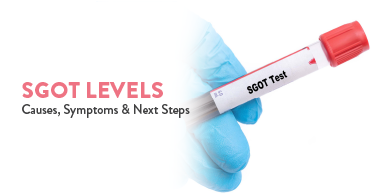
SGOT levels, or Serum Glutamic Oxaloacetic Transaminase levels, play a critical role in assessing liver health and function. Elevated SGOT levels can be indicative of various medical conditions, from liver diseases to muscle injuries.
Understanding SGOT levels and their significance is essential for maintaining good health and preventing potential health complications.
In this blog, we will delve into the world of SGOT levels, shedding light on their importance and how to interpret them.
Table of Contents
SGOT (Serum Glutamic Oxaloacetic Transaminase), also known as AST, is an enzyme found in various tissues, mainly the liver and heart. Elevated SGOT levels in blood tests indicate potential damage or diseases in these organs.
It’s a crucial marker for diagnosing and monitoring liver and heart conditions.
SGOT (AST) enzyme, prevalent in liver and heart tissues, is essential for amino acid metabolism. It becomes a valuable health marker when released into the bloodstream due to tissue damage, aiding in assessments.
Normal SGOT levels typically range between 10 to 40 units per litre (U/L), although slight variations exist depending on the lab’s reference range.
Abnormal SGOT levels may signal several medical conditions:
Remember, SGOT levels alone aren’t diagnostic; they require interpretation alongside medical history, symptoms, and additional tests. Consult a healthcare professional for a comprehensive evaluation if you’re concerned about your SGOT levels.
You Can Also Read: Inflammatory Bowel Disease: Causes, Symptoms & Treatments
Elevated Serum Glutamic Oxaloacetic Transaminase (SGOT or AST) levels in the blood can signify various health issues. Common causes include:
For a comprehensive assessment that identifies the underlying reason and the best course of action, speak with a healthcare professional.
Abnormal SGOT (Serum Glutamic Oxaloacetic Transaminase) levels do not typically produce specific symptoms but are indicators of underlying medical conditions. Elevated SGOT levels may suggest damage or inflammation in the liver or heart, leading to various symptoms:
Abnormal SGOT levels can also be associated with conditions affecting muscles, kidneys, or other tissues, resulting in a wide range of symptoms. It’s crucial to consult a healthcare professional for a proper evaluation and diagnosis, as elevated SGOT levels alone do not constitute a diagnosis but indicate the need for further investigation and appropriate treatment.
Diagnosing high SGOT (serum glutamic oxaloacetic transaminase) levels involves a multifaceted approach:
Begin with a review of the patient’s medical history and any associated symptoms.
Conduct a thorough physical exam to detect signs of liver or heart disease.
Order tests including SGPT (ALT), ALP, bilirubin, and CBC to assess liver function and exclude other causes.
Utilise ultrasound, CT scans, or MRIs to visualise the liver and identify abnormalities.
Depending on the findings, consider liver biopsy or other specialised tests to pinpoint the cause.
If heart damage is suspected, perform ECG, echocardiogram, or cardiac enzyme tests.
Collaboration with a healthcare provider is crucial to determine the underlying cause and establish an appropriate treatment plan, given the various potential causes of elevated SGOT levels.
You Can Also Read: Lower & Upper Stomach Pain: Know the Cause, Symptom & Treatment
Management of abnormal SGOT (AST) levels depends on the underlying cause:
Patients should collaborate with healthcare providers for thorough assessments, diagnostic tests, and personalised treatment plans. Lifestyle modifications, dietary changes, and medications can address the root issue and improve liver or muscle health.
Maintaining healthy SGOT levels is essential for overall health, especially as elevated levels can indicate liver or heart problems. Here are preventive measures to consider:
Engage in regular physical activity to maintain a healthy weight and improve cardiovascular health.
Consult healthcare professionals before taking any medications or supplements that may affect liver function.
Effectively manage conditions like diabetes, hypertension, and high cholesterol, which can impact liver health.
Visit healthcare providers for routine check-ups and SGOT-level monitoring to detect issues early.
Incorporate stress-reduction techniques like meditation and yoga into your routine for overall well-being.
Minimise exposure to environmental toxins and chemicals that can harm the liver.
Remember that personalised advice from healthcare professionals is crucial, as recommendations may vary based on individual health status and medical history.
Understanding SGOT levels is crucial for assessing liver health. Monitoring these levels can aid in the early detection and management of liver diseases, promoting overall well-being. It is always advisable to seek medical help from an experienced gastroenterologist. Timely care and help can ensure an appropriate diagnosis and treatment of your condition.
At the CK Birla Hospital, we ensure patients get holistic medical support which includes treatment in a compassionate environment. This patient-centric approach not only helps patients heal better but also ensures they are aware of the preventive measures as well. In case you need to consult a gastroenterologist, reach out to us, or book a direct appointment at the CK Birla Hospital.
SGOT (Serum Glutamic Oxaloacetic Transaminase) is an enzyme in the liver and heart, used to diagnose and monitor liver and heart conditions.
SGOT levels are tested through a blood test. Elevated levels may indicate liver or heart damage, while normal levels suggest healthy function.
Common causes of elevated SGOT levels include liver disease, heart conditions, alcohol use, muscle injury, and certain medications.
Treatment for high SGOT levels depends on the underlying cause, such as managing liver disease, heart conditions, or discontinuing medications causing the elevation.
Yes, adopting a healthy lifestyle with a balanced diet, exercise, and limiting alcohol can help improve and maintain normal SGOT levels.
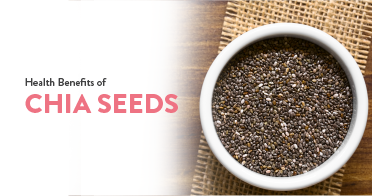
Chia seeds, tiny but mighty, have taken the health and wellness world by storm in recent years. These unassuming seeds, derived from the Salvia hispanica plant, are packed with an impressive array of nutrients, making them a popular choice among health-conscious individuals.
In this blog, we’ll delve into the many benefits and versatile uses of chia seeds, shedding light on why they’ve earned their superfood status.
Table of Contents
Chia seeds, from the chia plant, were cherished by the Aztecs and Mayans in Mexico and Guatemala. “Chia” means “strength” in Mayan. These small, shiny seeds vary in colour from white to black. Chia seeds are versatile and suitable for porridge, puddings, baking, salads, or yoghurt toppings. They can thicken liquids and replace eggs in recipes.
Chia seeds are nutrient-packed, with 138 calories per ounce. They are 6% water, 46% carbs (83% fibre), 34% fat, and 19% protein. In 3.5 ounces (100 grams), you get 486 calories, 16.5g protein, 42.1g carbs, 34.4g fibre, and 30.7g fat, including heart-healthy omega-3s. Chia seeds are gluten-free.
Their carb content is rich in fibre, providing 11g per ounce, a substantial portion of the daily recommended intake.
An exceptional source of omega-3 fatty acids is chia seeds. A low omega-6 to omega-3 ratio is linked to reduced risk of chronic conditions.
They contain 19% protein with all essential amino acids but aren’t recommended as a sole protein source for children.
You Can Also Read: Vitamin D Foods and its Benefits
Chia seeds can enhance digestive health in several ways:
However, start with small amounts and increase gradually to avoid digestive discomfort. Consult a healthcare professional if you have underlying digestive concerns before adding chia seeds to your diet.
Chia seeds promote heart health through various mechanisms:
However, they should complement a balanced diet with diverse heart-healthy foods and individualised guidance from healthcare professionals.
Chia seeds, a superfood, are not a guaranteed solution for shedding pounds but can indirectly aid weight loss through their nutritional benefits, like:
Include chia seeds in your diet by mixing them into various foods. Consume in moderation as part of a balanced diet and consult professionals before major dietary changes for weight loss.
You Can Also Read: Benefits of Taking Fish Oil
Chia seeds promote bone health through:
Incorporating chia seeds into a balanced diet, complemented by exercise and healthy habits, can positively impact overall bone health.
Chia seeds possess antioxidant properties, thanks to various components:
These antioxidants combat free radicals, shielding cells from damage, and potentially reducing the risk of chronic diseases and ageing. Integrating chia seeds into your diet can be a healthy way to harness their antioxidant advantages and reap other nutritional benefits.
You can incorporate chia seeds into your daily diet through various methods:
Start with a small amount and stay hydrated, as chia seeds absorb liquid and expand in your stomach.
You Can Also Read:
Chia seeds are generally safe to eat with few reported adverse effects. To prevent digestive issues, drink plenty of water when consuming them, especially if not presoaked.
Chia seeds contain phytic acid, which can hinder mineral absorption. Omega-3 fats in chia seeds may have blood-thinning effects, so consult your doctor if you take blood-thinning medications before consuming large amounts.
Chia seeds are a nutritional powerhouse packed with fibre, omega-3 fatty acids, and various essential nutrients. Incorporating them into your diet can promote overall health and well-being, so it is always advisable to seek help from an experienced dietitian.
At the CK Birla Hospital, we ensure patients get holistic medical support which includes treatment in a compassionate environment. This patient-centric approach not only helps patients heal better but also ensures they are aware of the preventive measures as well. In case you need to consult a dietitian, reach out to us, or book a direct appointment at the CK Birla Hospital.
Chia seeds are small, nutrient-dense seeds rich in fibre, omega-3 fatty acids, and antioxidants. They’re considered a superfood due to their numerous health benefits, including improved heart health and digestion.
Chia seeds aid digestive health by providing ample fibre, promoting regular bowel movements, preventing constipation, and supporting a healthy gut microbiome due to their prebiotic properties.
Chia seeds aid weight loss by promoting fullness, regulating blood sugar, and providing fibre and protein, which help reduce calorie intake and support healthy metabolism.
Chia seeds are calorie-dense, with around 58-60 calories per tablespoon, but their high fibre content can help control appetite and contribute to weight management.
Add chia seeds to smoothies, yoghurt, or oatmeal, use them as a thickening agent in recipes, or make chia pudding by soaking them in liquid for a nutritious treat.
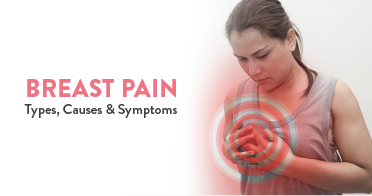
Breast pain, a common concern among women, can be a source of worry and discomfort. It’s essential to understand the various factors that can contribute to breast pain, from hormonal fluctuations and lifestyle choices to underlying medical conditions.
In this blog, we’ll delve into the world of breast pain, offering insights, advice, and solutions to help you better manage and navigate this often-encountered issue.
Table of Contents
Breast pain, known as mastalgia, can arise due to factors like hormonal changes, medication, or surgeries like chest binding. It can be cyclical, linked to the menstrual cycle, or non-cyclical with diverse causes.
Non Cyclical pain may originate from injuries or surrounding tissues. Pain can range from mild discomfort to sharp sensations.
Breast pain may be classified into two different categories:
Cyclic breast pain aligns with the menstrual cycle, mainly affecting women aged 20 to 50, especially younger ones. It can occur in one or both breasts due to hormonal changes. Typically, it starts a week before your period, in the upper, and outer breast areas, disappearing after menstruation and recurring in the next cycle. Post-menopause, this pain is rare.
This kind of breast pain is more frequent in women between the ages of 40 and 50 and is unrelated to the menstrual cycle.
The symptoms of cyclic and noncyclic breast pain differ:
The severity varies among individuals, and recognizing these distinctions can aid in understanding and managing breast pain effectively.
You Can Also Read: Breast Pain: Top 10 Reasons Why Breast Pain Happens
Breast pain can have various causes, such as:
To ascertain whether your breast pain is associated with cancer, your doctor may employ the below diagnostic procedures:
This imaging examination helps doctors find anomalies in breast tissue.
Without exposing you to radiation, an ultrasound scans the breast tissue. It is useful for identifying lumps by doctors.
To find possibly malignant tumours, an MRI produces finely detailed pictures of breast tissue.
Breast tissue is removed during a biopsy to allow the doctor to look for cancerous cells.
Cyclic breast pain is a common part of the menstrual cycle, often manageable without extensive treatment. Some pain-relieving medications include:
For severe cases, Danazol or Tamoxifen may be prescribed but consult your doctor due to potential side effects. Additional relief methods include:
Noncyclic breast pain may require similar medications while identifying and addressing underlying causes like fibroadenomas or cysts can offer symptom relief.
You Can Also Read: Breast Cancer: Causes, Symptoms & Treatments
Cyclic breast pain is inevitable during the menstrual cycle, but you can minimise it with lifestyle adjustments, like:
Breast pain, or mastalgia, is common, and often related to hormonal changes. Concerns arise in specific scenarios:
Remember, most breast pain isn’t cancer-related, but consult a healthcare provider for proper evaluation and guidance.
Numerous factors, including hormonal changes, certain drugs, and pain from an accident, can cause breast discomfort. Breast pain treatment is based on its underlying cause. It is always advisable to seek medical help from an experienced breast specialist. Timely care and help can ensure an appropriate diagnosis and treatment of your condition.
At the CK Birla Hospital, we ensure patients get holistic medical support which includes treatment in a compassionate environment. This patient-centric approach not only helps patients heal better but also ensures they are aware of the preventive measures as well. In case you need to consult a breast specialist, reach out to us, or book a direct appointment at the CK Birla Hospital.
Breast pain can result from hormonal changes, injury, infection, or benign conditions like fibrocystic changes, but it may also indicate breast cancer, requiring medical evaluation.
Breast pain is often benign and related to hormonal changes, but it can also signal a serious condition like breast cancer, so it should not be ignored, and medical evaluation is important.
Normal breast pain typically fluctuates with the menstrual cycle and feels mild to moderate. Abnormal breast pain is persistent, severe, one-sided, or accompanied by lumps, skin changes, or discharge, warranting medical assessment.
Seek medical attention for breast pain if it’s persistent, severe, one-sided, or accompanied by lumps, skin changes, nipple discharge, or other concerning symptoms, as it may indicate a serious issue.
Common treatment options for breast pain include over-the-counter pain relievers, wearing a well-fitted bra, lifestyle changes (e.g., reducing caffeine intake), and hormonal therapies prescribed by a doctor when necessary.
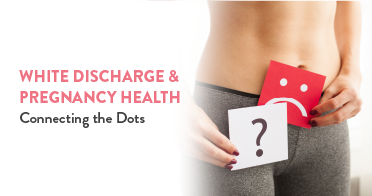
White discharge during pregnancy is a common occurrence that often raises questions and concerns among expectant mothers. Understanding this natural phenomenon is crucial for ensuring a healthy pregnancy journey.
In this blog, we’ll delve into white discharge during pregnancy, and its causes, and offer guidance on maintaining optimal health while experiencing this common bodily change. Join us for essential insights.
Table of Contents
Vaginal discharge is a normal aspect of vaginal health, typically indicating good function. It varies with your menstrual cycle, ensuring vaginal moisture and pH balance. This discharge helps eliminate bacteria and germs. However, white discharge occasionally warrants medical attention. Discover when it’s necessary to consult a doctor.
The causes of different kinds of white discharge are:
A thick, white discharge called leukorrhea is normal during your menstrual cycle.
It can vary in consistency, becoming thicker around ovulation, indicating fertility. If trying to conceive, it’s a good time for intercourse.
If it’s odourless and symptom-free, it’s healthy. Wearing a panty liner may help manage the extra fluid, and a doctor visit isn’t necessary.
During the early days of your menstrual cycle, you may notice thin, egg-white-like vaginal discharge, indicating preparation for ovulation. As your period approaches, it may become thicker.
This milky white discharge can also signal pregnancy due to hormonal changes. It serves to clear away bacteria, form a cervical mucus plug, and maintain cervical health during pregnancy. Typically, if it lacks odour and other symptoms, it reflects normal vaginal health.
However, a white-grey discharge with a fishy odour suggests a possible infection, like bacterial vaginosis, characterised by milky white or grey discharge and an unpleasant smell.
When not ovulating, thick and sticky vaginal fluid acts as a barrier against sperm and helps prevent infections. Increased fluid post-period cleanses the vagina of bacteria, maintaining its health and balance.
Experiencing thick, clumpy, white discharge may indicate a yeast infection, caused by Candida albicans overgrowth. Symptoms include cottage cheese-like discharge, odour, itching, swelling, and discomfort.
Over-the-counter treatments are available, while prescriptions are for severe cases. Abstaining from intercourse during treatment is advisable. Partner treatment isn’t necessary, but recurrent infections might require partner evaluation.
If you’ve had more than 4 yeast infections in a year, consult your doctor, as underlying issues like recurrent vulvovaginal candidiasis may be present, especially in individuals with immune conditions or diabetes.
You Can Also Read: Brown Vaginal Discharge
White discharge, also known as leukorrhea, serves several roles during pregnancy:
While white discharge is normal, any unusual symptoms like yellow or green discharge should be discussed with a healthcare provider to rule out infections or complications.
Understanding the distinction between normal and abnormal vaginal discharge is essential for women’s reproductive health.
It’s essential to pay attention to changes in vaginal discharge, as abnormal discharge can be a sign of an underlying infection or medical condition that may require evaluation and treatment by a healthcare professional.
You Can Also Read: White discharge during pregnancy: Should I be worried?
There are several measures which can be taken to maintain personal hygiene with white vaginal discharge, like:
These measures help prevent infections and discomfort while promoting vaginal health.
Vaginal discharge is usual, yet pH imbalance, yeast infection, STI, odour, white-grey colour, or clumpy texture can indicate underlying issues. It is always advisable to seek medical help from an experienced gynaecologist. Timely care and help can ensure an appropriate diagnosis and treatment of your condition.
At the CK Birla Hospital, we ensure patients get holistic medical support which includes treatment in a compassionate environment. This patient-centric approach not only helps patients heal better but also ensures they are aware of the preventive measures as well. In case you need to consult a gynaecologist, reach out to us, or book a direct appointment at the CK Birla Hospital.
Yes, it is normal to have white discharge during pregnancy due to hormonal changes and increased blood flow to the pelvic area.
To manage normal white discharge during pregnancy, maintain good hygiene, wear breathable underwear, avoid scented products, and consult your healthcare provider if you notice any unusual changes or discomfort.
You should be concerned about the colour or smell of your discharge during pregnancy if it becomes green, yellow, or foul-smelling, or if you experience itching, burning, or irritation. Consult your healthcare provider.
Normal pregnancy discharge is usually white or clear, odourless, and without itching or discomfort. If it changes colour, smells bad, or causes irritation, consult your healthcare provider for evaluation.
Abnormal discharge during pregnancy may indicate infections or other issues that can affect your health and the baby. Timely evaluation and treatment by a healthcare provider are crucial.
Discuss discharge changes with your healthcare provider whenever you notice unusual colour, odour, or discomfort. Regular prenatal visits provide opportunities to address concerns and ensure a healthy pregnancy.

