Filter :
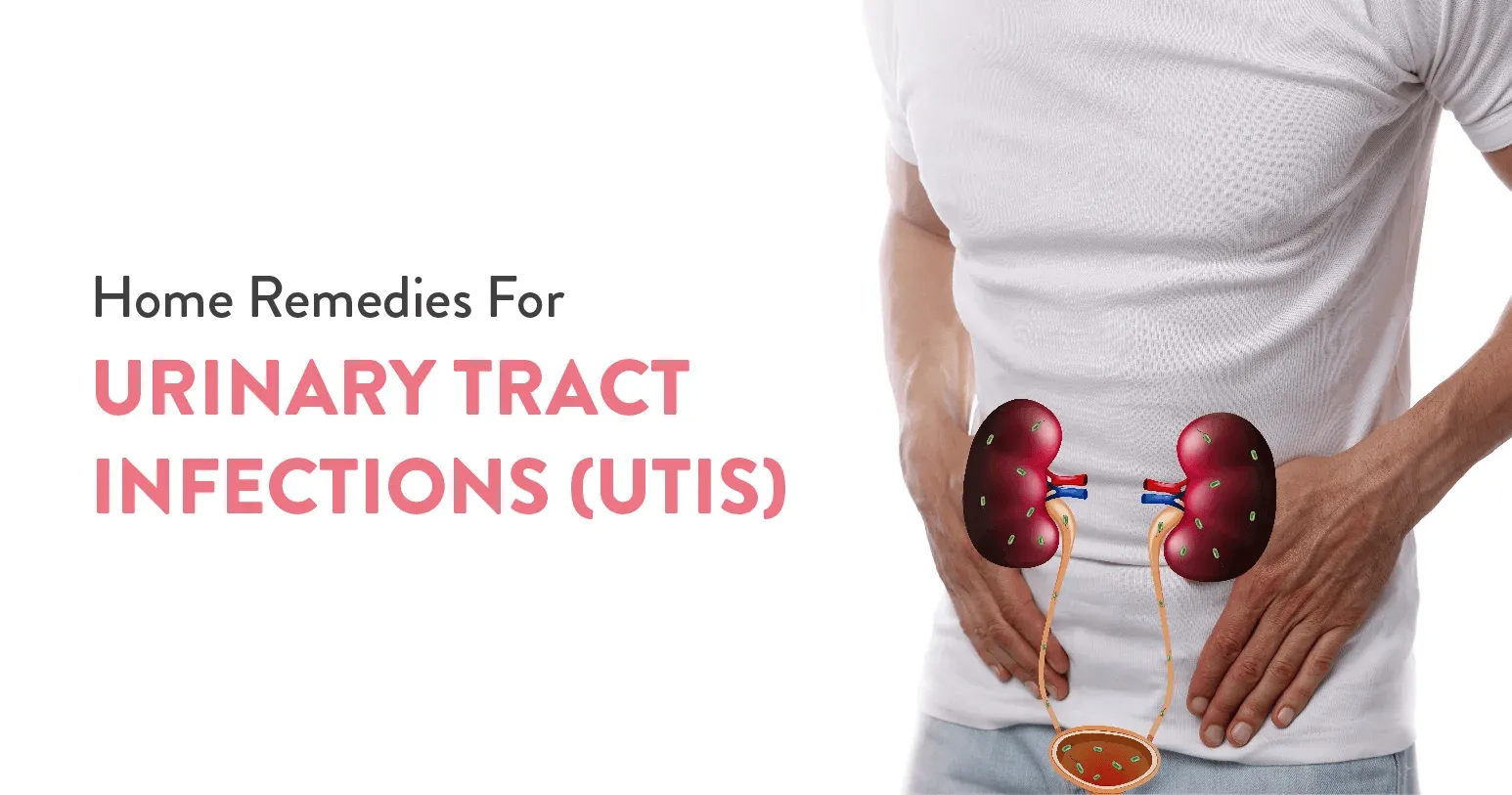
Dealing with a urinary tract infection (UTI) can be frustrating, with symptoms like burning, frequent urges, and discomfort affecting your day.
While a doctor’s advice is always important for proper treatment, there are also simple, natural ways you can support your recovery and feel better.
In this blog, we will walk you through easy home remedies and everyday habits that may help ease the discomfort and keep your urinary tract healthy.
Table of Contents
A urinary tract infection (UTI) is a bacterial infection in the urinary system, which includes the urethra (urethritis), kidneys (pyelonephritis), and bladder (cystitis).
Normally, urine produced by the kidneys is free of bacteria. A UTI occurs when harmful bacteria enter the urinary tract and multiply, leading to infection.
UTI symptoms vary depending on the affected urinary tract.
If a UTI spreads to the kidneys (an upper tract infection), it can occasionally lead to a serious bloodstream infection called urosepsis. Symptoms may include fever, low blood pressure, confusion, or feeling very unwell. Early diagnosis and treatment are crucial to prevent these complications.
You Can Also Read: Home Remedies for Urinary Tract Infections (UTIs)
UTIs usually occur when bacteria enter the urinary tract through the urethra. The most common culprit is E. coli, a type of bacteria normally found in the intestines. Other bacteria, fungi, or rarely viruses can also cause UTIs. Factors that make it easier for bacteria to cause infection include:
Unique factors affecting females include:
Various factors increase UTI risk in both genders, with unique considerations for females. Proper hygiene and precautions reduce UTI risk.
You Can Also Read: Common Causes of Frequent Urination in Women
Some people are more prone to UTIs due to:
There are several home remedies for UTIs, such as:
How it may help: Cranberries contain proanthocyanidins (PACs) that may reduce E. coli adhesion to the bladder wall.
What the science says: Evidence is mixed. Some trials suggest fewer recurrences, especially in women with frequent UTIs; others show little benefit. Works better as a prevention than a treatment.
How to use:
Safety & limits: May interact with blood-thinning medicines like warfarin; can worsen reflux in some people. Avoid sugary cocktails.
How it may help: Dilutes urine and increases flow, helping flush out bacteria from the bladder and urethra.
What the science says: Observational and interventional studies associate optimum fluid intake with lower UTI risk and shorter symptom duration. It’s supportive, not curative.
How to use:
Safety & limits: People with heart/kidney disease should follow the clinician’s fluid limits.
How it may help: Restores protective vaginal and gut microbiota, which can lower colonisation by uropathogens.
What the science says: Growing but heterogeneous evidence that Lactobacillus strains (e.g., L. rhamnosus GR‑1 and L. reuteri RC‑14) may reduce recurrent UTIs. However, these are not a stand‑alone treatment for acute infection. Antibiotics are still needed for symptom relief and cure.”
How to use:
Safety & limits: Avoid in severely immunocompromised individuals unless advised by a clinician.
How it may help: May acidify urine, creating a less hospitable environment for some bacteria.
What the science says: Evidence is limited and inconsistent. It can be considered as an adjunct for prevention, not an acute cure.
How to use:
Safety & limits: High doses may raise kidney stone risk in predisposed individuals. Your doctor will recommend the right dosage.
How it may help: Wearing loose, breathable clothing and cotton underwear helps keep the genital area dry, reducing the growth of bacteria that can cause UTIs.
What the science says: Moist, warm environments encourage bacterial growth. Choosing breathable fabrics is a simple, non-invasive way to lower infection risk
What should be done:
Safety & limits: Comfortable clothing is a preventive measure, not a treatment for an active infection. Always seek medical care if symptoms appear.
How it may help: Relaxes pelvic muscles and eases bladder pressure, reducing discomfort.
What the science says: Supports pain relief only; it does not treat infection.
How to use:
Safety & limits: Use a cover; avoid sleeping with a heating pad to prevent burns.
Bearberry (Uva‑ursi), Garlic, Green Tea extracts
How they may help: Traditional antimicrobial or anti‑adhesion actions have been proposed.
What the science says: Insufficient high‑quality evidence for acute treatment; potential role (especially bearberry) in prevention is still uncertain. Quality and dosing vary widely.
How to use: If considered, use standardised products and discuss with a clinician first.
Safety & limits: Bearberry is not for long‑term use or during pregnancy and should be used cautiously; it can cause possible liver/renal concerns. Herbal‑drug interactions can occur.
| MYTH | FACT |
| Baking soda/sodium bicarbonate drinks help clear UTIs | There is no evidence for it. Instead, these can disturb the body’s acid–base balance and may cause side effects without treating the infection. |
| Apple cider vinegar cures UTIs | There is no clinical proof to support this. It may irritate the bladder or stomach in some people instead of helping them. |
| Cranberry cocktails with added sugar work like cranberry juice | Added sugar can actually worsen UTI symptoms and is not effective. Only unsweetened cranberry products are considered in studies. |
Note: Home remedies are to support the treatment and not to be used as substitute for actual treatment. Always consult a doctor before trying remedies or supplements.
You should consult a doctor if you notice any of the following symptoms.
Timely medical intervention is important to prevent further complications.
Incorporating effective home remedies for urinary tract infections can offer valuable relief and support for those dealing with this uncomfortable condition and help in promoting overall urinary health. While these natural treatments can help alleviate symptoms, it’s crucial to remember that severe or persistent UTIs may require medical intervention. It is always advisable to seek medical help from an experienced urologist. Timely care and help can ensure an appropriate diagnosis and treatment of your condition.
At the CK Birla Hospital, we ensure patients get holistic medical support which includes treatment in a compassionate environment. This patient-centric approach not only helps patients heal better but also ensures they are aware of the preventive measures as well. In case you need to consult a urologist, reach out to us, or book a direct appointment at the CK Birla Hospital.
Drinking water alone cannot cure a UTI. While staying hydrated is important for UTI prevention, antibiotics prescribed by a healthcare professional are typically required to treat a UTI effectively.
Cranberry juice may help prevent UTIs by preventing bacteria from adhering to the urinary tract lining, but it is not a reliable treatment and should not replace antibiotics when infection occurs.
Yes, there are risks in using herbal remedies for UTIs, including inadequate treatment, delayed medical care, and potential interactions with other medications. For appropriate advice, speak with a healthcare provider.
Prevent recurring UTIs by staying hydrated, practising good hygiene, urinating after sexual activity, avoiding irritants, and consulting a healthcare provider for underlying causes or preventive measures like antibiotics.
Opt for antibiotics over home remedies for UTIs when symptoms are severe, last more than a day or two, or when prescribed by a healthcare professional to prevent complications.
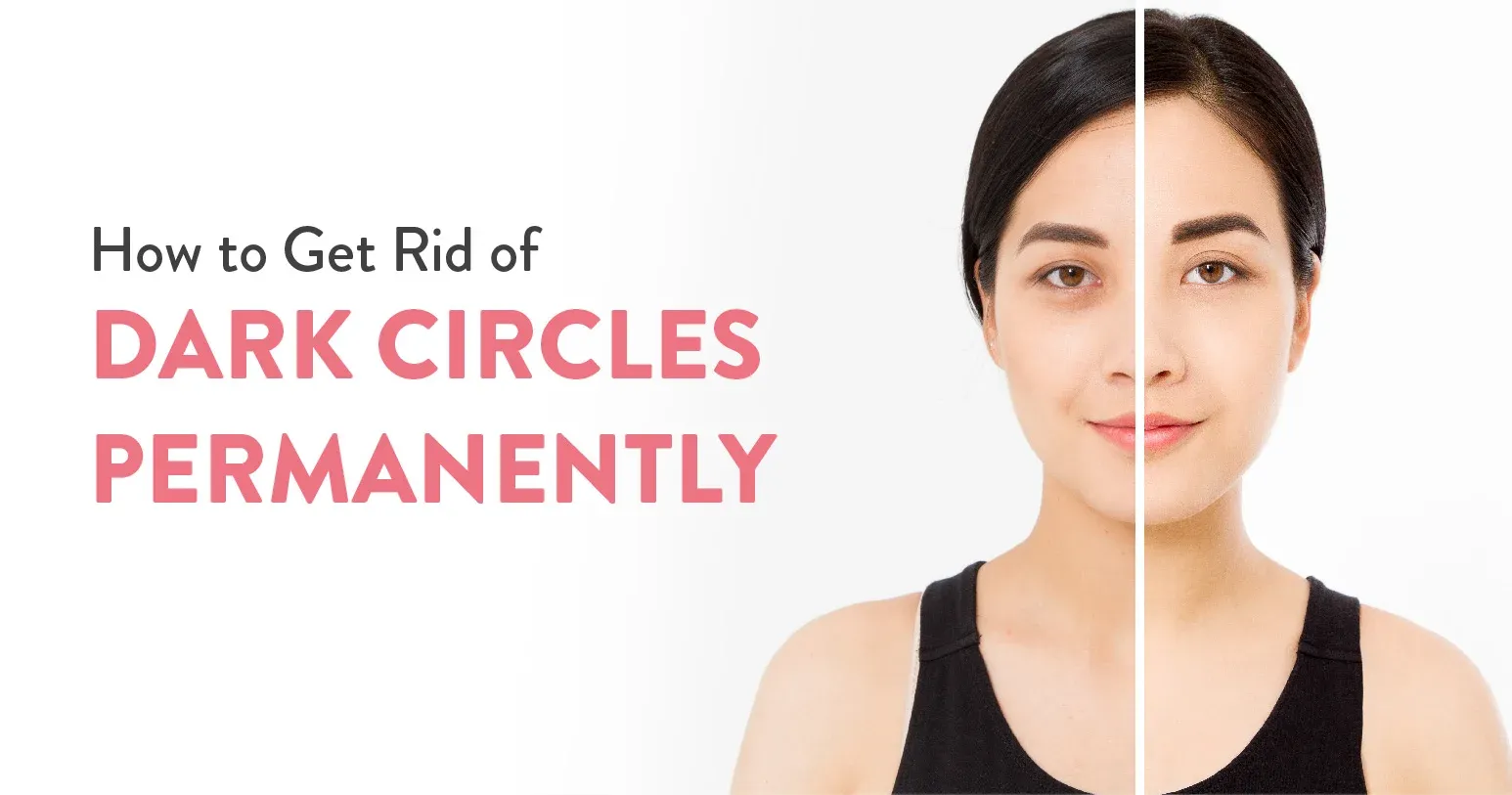
Are those stubborn dark circles under your eyes causing you frustration and self-consciousness? You’re not alone!
In our quest for a refreshed and youthful appearance, discovering how to banish dark circles permanently is a common desire. In this blog, we’ll delve into effective strategies, treatments, and lifestyle changes to help you bid farewell to those pesky shadows and regain your confidence.
Table of Contents
Dark circles under the eyes result in darkened skin below, varying in shades of blue, purple, brown, or black based on skin tone. They can age and fatigue your appearance.
Under-eye circles often stem from various causes and aren’t typically a medical concern. However, you may seek cosmetic solutions to reduce their appearance.
You Can Also Read: Types of Skin Problems & their Solutions
Aging thins the skin under the eyes, making blood vessels more visible and causing dark circles. Tear troughs further contribute by creating shadowed areas, enhancing the appearance of puffiness.
Other potential reasons for dark circles beneath your eyes might be:
To combat under-eye dark circles at home, try these tips:
To eliminate dark circles quickly and permanently, consult your healthcare provider for suitable treatments. Medical options include:
These treatments offer various ways to address dark circles effectively under your eyes.
You Can Also Read: Safely Lighten Skin: Reduce Melanin Without Health Risks
Preventing dark circles under your eyes is not always guaranteed, but there are several adjustments you can implement to potentially alleviate the issue. These changes encompass:
Achieving permanent relief from dark circles requires a holistic approach, from lifestyle changes to skincare routines. Consistency and patience are key to achieving lasting results for brighter, healthier under-eyes. It is always advisable to seek medical help from an experienced dermatologist. Timely care and help can ensure an appropriate diagnosis and treatment of your condition.
At the CK Birla Hospital, we ensure patients get holistic medical support which includes treatment in a compassionate environment. This patient-centric approach not only helps patients heal better but also ensures they are aware of the preventive measures as well. In case you need to consult a dermatologist, reach out to us, or book a direct appointment at the CK Birla Hospital.
Dark circles under the eyes may not be completely curable, as they can be caused by various factors like genetics and ageing. However, treatments can help reduce their appearance.
The time to see results from dark circle treatments varies but typically ranges from a few weeks to several months, depending on the chosen treatment method and individual response.
Yes, dark circles under the eyes can sometimes indicate underlying health issues like allergies, fatigue, or anaemia. Consult a healthcare professional if concerned about their cause.
Home remedies for dark circles under the eyes may provide temporary relief but are unlikely to deliver permanent results. Long-term solutions often require professional treatments or lifestyle changes.
Preventive measures for dark circles include adequate sleep, a balanced diet, hydration, sunscreen, and managing allergies and stress. Avoiding excessive rubbing or tugging on the delicate under-eye area is also essential.

Spotting before your period — light bleeding in the days leading up to menstruation — is one of the most common menstrual questions women ask their gynaecologist. It’s often a completely normal part of a healthy cycle, but it can occasionally signal a hormonal imbalance or an underlying condition that needs treatment.
This blog explains what spotting before a period means, its most common causes, how to tell it apart from a light period, what different colours indicate, and when it’s time to see a doctor.
Table of Contents
Spotting is light vaginal bleeding outside your regular period, often with small amounts of blood. It may appear in underwear or on toilet paper after using the restroom. A panty liner usually suffices for protection, not a pad or tampon.
This is what “spotting” means in the context of periods: it is not a lighter version of your period, but a distinct, much smaller amount of bleeding that can happen at any point in your cycle — including, but not limited to, the days right before your period is due.
Any bleeding outside your period is considered abnormal vaginal bleeding (intermenstrual bleeding) in medical terms. While it can occasionally indicate a more serious issue, it’s usually harmless. Consult a doctor if you’re concerned about spotting between periods.
Yes, in most cases. Studies show that over 40% of women report at least one day of spotting just before their period starts — usually as a normal part of a healthy cycle, with no particular cause for concern. Some periods also begin with a lighter flow before ramping up, which can be hard to tell apart from spotting.
Spotting is more likely to be normal when it:
It’s worth getting checked when it:
| Spotting | Light Period | Regular Period | |
| Flow | A few drops; panty liner is enough | Noticeably lighter than usual, but still needs a pad/tampon | Needs a pad, tampon, or cup |
| Colour | Pink, red, or brown | Red or brown, may start light | Starts light, becomes bright red, tapers off |
| Duration | A few hours to 2-3 days | 3-7 days, shorter/lighter than usual | 4-7 days |
| Pattern | Intermittent — comes and goes | Continuous, follows your normal cycle | Continuous, follows your regular cycle |
| Total blood loss | A few drops only | Below your usual 30-72 mL | 30-72 mL |
The colour of spotting is one of the most useful clues to its cause.
Pink spotting: Usually blood mixed with cervical fluid, often linked to ovulation or a mild dip in oestrogen.
Red spotting: Fresh blood — most often seen right before your period starts, or after minor cervical irritation from sex, a pelvic exam, or tampon use.
Brown spotting: Brown spotting is typically older blood that has taken longer to leave the uterus, and is one of the most common colours seen in the day or two before a period. It’s usually the least concerning colour.
When colour is a red flag: Grey or foul-smelling discharge, or spotting with visible clots outside your normal pattern, should be checked by a gynaecologist — these can point to infection or polyps.
Experiencing spotting before your period can occur due to various factors, such as:
Approximately 15-25% of pregnant individuals may notice light pink, red, or brown spotting in the first trimester. While spotting is common, contact a doctor if it becomes heavy or is accompanied by pelvic pain, potentially indicating complications.
Hormonal birth control methods like pills, patches, injections, rings, or implants can lead to spotting, especially when initiating, altering, or missing doses. Consult a doctor if symptoms persist.
Around 4.8% of menstruating women may experience ovulation-related spotting, occurring approximately 14 days before menstruation. Recognizing these signs can aid in conceiving.
During the transition to menopause, irregular periods, spotting, or variations in flow are common.
While spotting is not a typical cancer symptom, certain types, like endometrial, cervical, ovarian, or vaginal cancer, can cause abnormal bleeding or spotting, especially post-menopause.
This occurs when a fertilised egg attaches to the uterine lining, causing light pink to dark brown spotting a few days before the expected period. Seek medical attention if heavy bleeding occurs during pregnancy.
Vaginal or cervical trauma, such as rough sex, tampon use, or pelvic exams, can lead to irregular spotting.
Cervical or uterine polyps may cause spotting, light bleeding after sex, or unusual discharge. Consult a doctor if symptoms persist.
Sexually transmitted infections like chlamydia or gonorrhoea can result in spotting, along with other symptoms. Early treatment is vital.
Abnormal bleeding between periods is a common PID symptom, potentially requiring antibiotics for treatment.
Uterine fibroids may lead to spotting between periods, heavier menstrual flow, pelvic pain, and urinary issues.
Endometriosis can cause spotting, along with pelvic pain, heavy periods, painful intercourse, and other symptoms.
Irregular bleeding is a sign of PCOS, which can also affect fertility and manifest in various other symptoms.
High levels of physical or emotional stress may result in vaginal spotting.
Some drugs, such as blood thinners, thyroid medications, or hormonal drugs, may lead to abnormal vaginal bleeding. Consult your doctor for alternatives.
Hypothyroidism, characterised by an underactive thyroid, can cause spotting after menstruation. Hormone therapy may be necessary.
Spotting can have multiple causes, so consult a healthcare professional for an accurate diagnosis and appropriate treatment if necessary.
You Can Also Read: Brown Vaginal Discharge
1-2 days before: Very common; usually the tail end of the natural late-luteal-phase progesterone drop.
3-5 days before: Still generally normal for many women, though this is where hormonal causes such as low progesterone, PCOS, or thyroid problems become more likely if the pattern repeats every cycle.
A week or more before, or spotting lasting 4-5+ days: Less typical for simple hormonal spotting, and worth a gynaecologist visit to rule out endometriosis, fibroids, or polyps — conditions that tend to cause spotting closer to 2-3 days before a period rather than a single isolated day.
If you’re in your reproductive years and suspect pregnancy, use an at-home hCG test to check. If you see a positive result, then it is advisable to consult an obstetrician-gynaecologist for confirmation.
If it’s negative but your period is more than a week late, seek a doctor’s evaluation. They can investigate potential underlying conditions causing the delay.
Monitoring hCG levels in your urine is a reliable way to detect pregnancy, but a medical consultation is essential for both positive and negative results if there are unusual menstrual changes.
Yes, periods naturally vary in flow from cycle to cycle, and starting or ending light is normal. This is different from spotting before a period, since it happens during your period window rather than in the lead-up to it. But if every period is unusually light, this can be linked to hormonal birth control, significant stress, being underweight, over-exercising, or perimenopause. Track it for 2-3 cycles and see a gynaecologist if the pattern continues, especially alongside missed periods.
If you notice unexplained spotting between periods, consult a doctor as it could indicate a serious issue.
Keep track of spotting and accompanying symptoms for the doctor’s evaluation.
Seek immediate medical attention if spotting is accompanied by:
Postmenopausal spotting also warrants a doctor’s visit.
Diagnostic procedures may include:
Early intervention is crucial for prompt treatment and management of any potential health concerns.
To minimize spotting before menstruation, consider the following strategies:
You Can Also Read: How to know You have Vaginitis?
Spotting before menstruation has diverse causes, with treatment options depending on the underlying issue. Here are common reasons and their treatments:
Fluctuations in oestrogen and progesterone levels can lead to spotting before menstruation. Treatment may involve hormonal therapy to regulate hormone levels, such as birth control pills or hormone replacement therapy.
Stress can disrupt hormonal balance and lead to spotting. Managing stress through relaxation techniques, exercise, and counselling may help alleviate symptoms.
These non-cancerous growths in the uterus can cause spotting before menstruation. Treatment options may include medication to shrink the fibroids, surgical removal, or procedures like uterine artery embolization.
PCOS can cause irregular periods and spotting. Treatment may involve lifestyle changes such as weight loss, medication to regulate menstrual cycles, or fertility treatments if pregnancy is desired.
This disorder develops when uterine lining-like tissue grows outside the uterus. Treatment may involve pain management medication, hormone therapy, or surgery to remove the abnormal tissue.
An infection of the reproductive organs, usually caused by sexually transmitted bacteria, can lead to spotting and other symptoms. Treatment typically involves antibiotics to clear the infection.
These growths on the cervix or inside the uterus can cause spotting. Treatment may involve surgical removal of the polyps.
Some women may experience spotting during ovulation, which is normal and typically does not require treatment.
It’s essential to consult a healthcare provider for an accurate diagnosis and appropriate treatment plan tailored to your specific needs and medical history.
Spotting before menstruation is a common occurrence with various potential causes, including hormonal fluctuations, stress, or underlying health issues. Monitoring patterns and pursuing professional help if concerns arise is crucial. It is always advisable to seek medical help from an experienced gynaecologist. Timely care and help can ensure an appropriate diagnosis and treatment of your condition.
At the CK Birla Hospital, we ensure patients get holistic medical support which includes treatment in a compassionate environment. This patient-centric approach not only helps patients heal better but also ensures they are aware of the preventive measures as well. In case you need to consult a gynaecologist, reach out to us, or book a direct appointment at the CK Birla Hospital.
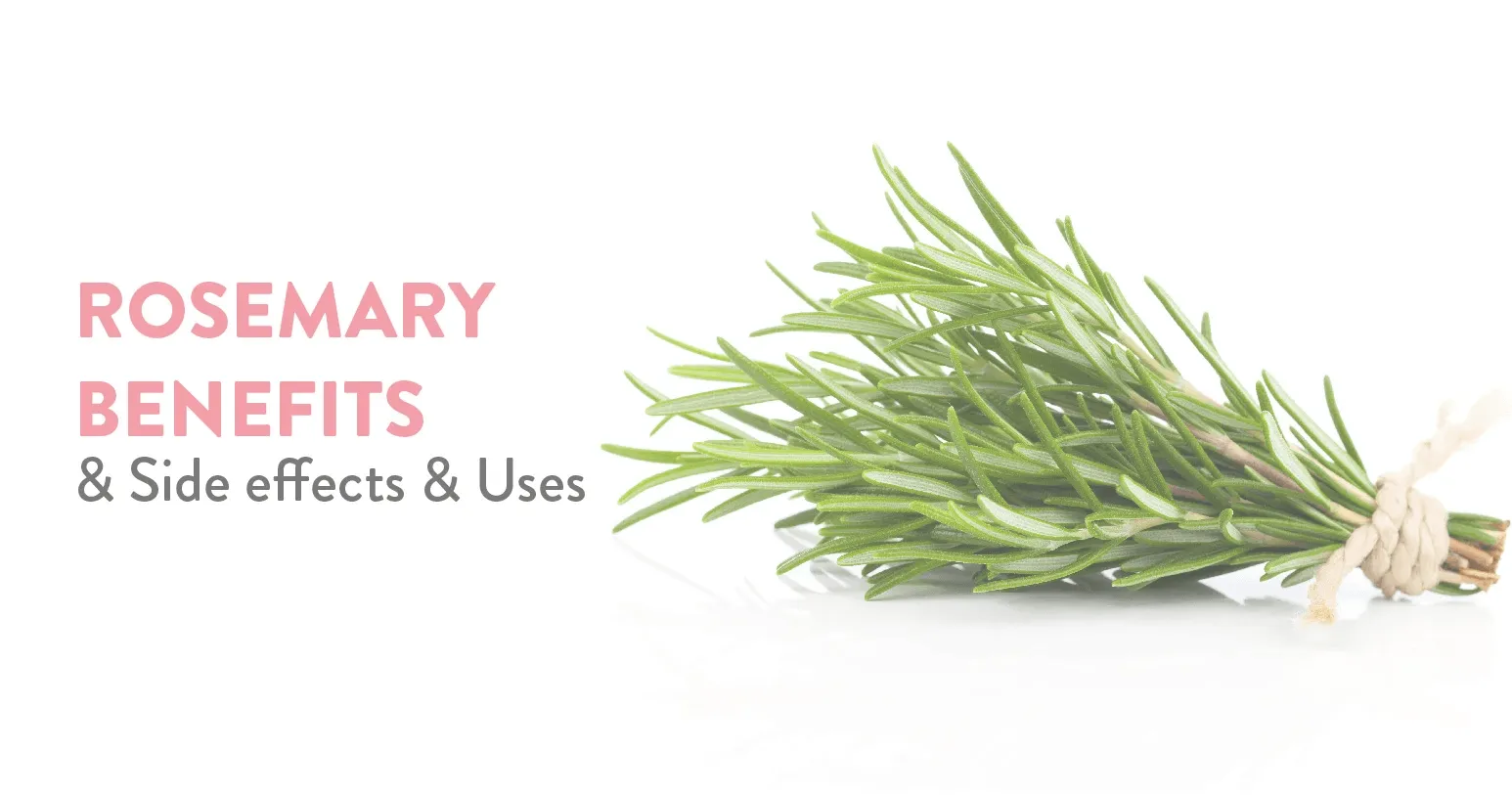
Rosemary, an aromatic herb native to the Mediterranean region, has long been celebrated for its multifaceted benefits, intriguing side effects, and versatile uses.
Beyond its culinary charm, rosemary boasts a rich history in traditional medicine and modern research, offering a spectrum of potential advantages for health and well-being.
Let’s explore the fascinating world of rosemary, delving into its diverse applications and understanding its effects.
Table of Contents
Limited research suggests that rosemary may have health benefits. Most studies focus on high-dose extracts and essential oils, unlike culinary rosemary. More research is needed for conclusive evidence. Some of these benefits are:
Rosemary extract contains phenolic acids, flavonoids, and diterpenoids, showcasing antioxidative and antimicrobial qualities. It’s utilised in food preservation, particularly in meats and oils like beef and pork, to deter oxidation and contamination.
A 2018 study indicates its potential as a natural alternative to synthetic antioxidants in food and beverage products. The effectiveness in preservation hinges on the extraction method and compound concentration.
Research suggests rosemary essential oil in aromatherapy may enhance exam performance in students and cognitive function in Alzheimer’s patients. Its inclusion in massage therapy could alleviate nerve pain and enhance the quality of life for those with diabetes. However, further research is necessary to comprehensively grasp its health benefits.
Research indicates rosemary may improve cognitive health. A 2018 study showed drinking rosemary extract-infused water enhanced cognitive performance in adults. Another study from 2013 suggested rosemary leaf extract could treat and prevent dementia.
Additionally, a 2012 study indicated rosemary might boost cognitive function in older individuals. While promising, further research is necessary to confirm these findings.
There’s some indication that consuming rosemary supplements at high doses could potentially enhance mood and enhance sleep quality among healthy adults.
A study conducted in 2017 with a small sample size revealed that university students who took a daily dose of 1,000 mg of rosemary for a month experienced reduced symptoms of anxiety and depression, as well as better sleep quality, compared to those who received a placebo treatment.
Rosemary possesses potent anti-inflammatory properties due to its rich content of carnosic acid and rosmarinic acid, which inhibit pro-inflammatory enzymes.
Additionally, its high levels of antioxidants such as flavonoids and phenolic acids help combat oxidative stress, shielding cells from damage caused by free radicals.
These properties make rosemary a valuable herb for promoting overall health and reducing the risk of chronic diseases.
Rosemary aids digestion by stimulating bile flow, easing bloating, and reducing indigestion. Its antioxidants, like carnosic acid, may protect the digestive system from inflammation and oxidative stress.
While it supports liver function, there’s limited evidence directly linking rosemary to detoxification. However, its overall health-promoting properties may indirectly support the body’s natural detox processes.
Rosemary is a versatile herb widely used in culinary practices. Its aromatic, piney flavour enhances roasted meats, poultry, and vegetables, adding depth to dishes like roasted potatoes or grilled lamb. It infuses oils and vinegar, elevates bread, and complements cheeses.
Rosemary also shines in marinades, soups, and sauces, offering a fragrant and savoury essence to various cuisines.
Rosemary offers numerous benefits for skin and hair. Its antioxidant properties help combat free radicals, reducing signs of ageing and promoting skin elasticity. Additionally, rosemary’s anti-inflammatory properties can soothe skin irritation and promote scalp health, potentially stimulating hair growth.
Its natural astringent properties also help balance oily skin and scalp, making it a versatile ingredient in skincare and haircare routines.
Rosemary contains compounds like rosmarinic acid and carnosol, which possess anti-inflammatory properties. These compounds may inhibit certain enzymes involved in inflammation and pain pathways, helping to relax muscles and alleviate discomfort.
Additionally, rosemary’s aroma has been suggested to have calming effects, potentially aiding in stress reduction, which can indirectly contribute to muscle relaxation and pain relief.
You Can Also Read: Health Benefits of Chia Seeds
Rosemary is safe in culinary amounts or topically. Excessive use, especially concentrated forms like essential oils, can lead to side effects, such as:
Use rosemary in moderation, consulting healthcare professionals before concentrated forms or supplements, especially with underlying health conditions or medications. Pregnant women should use caution due to potential complications.
Rosemary is a commonly used herb in cooking and herbal medicine, but it’s important to take certain precautions when using it, like:
Use rosemary responsibly and moderately like any herbal supplement. For guidance or concerns, consult a healthcare professional or qualified herbalist.
You Can Also Read: Benefits of Taking Fish Oil
Rosemary emerges as a versatile herb, offering an array of health benefits while warranting caution due to potential side effects. Its rich history and diverse applications underscore its enduring significance.
At the CK Birla Hospital, we ensure patients get holistic medical support which includes treatment in a compassionate environment. This patient-centric approach not only helps patients heal better but also ensures they are aware of the preventive measures as well. In case you need to consult a dietitian, reach out to us, or book a direct appointment at the CK Birla Hospital.
Rosemary is safe in culinary amounts. Avoid consuming large medicinal doses; excessive intake can cause vomiting, spasms, or pulmonary oedema.
Rosemary may aid weight loss by improving digestion, reducing inflammation, and potentially enhancing metabolism, but more research is needed.
Rosemary oil can be irritating to sensitive skin and may have adverse effects in pregnant women; consult a healthcare professional.
Rosemary may enhance cognitive performance and memory, attributed to its compounds like carnosic acid, but more research is needed for validation.
Rosemary used in cooking is generally safe; avoid consuming large amounts, which may lead to adverse effects in some individuals.
In our diverse world, many seek safe, effective skin-lightening methods. This guide explores the safest approaches to achieve an even complexion, helping you confidently embrace your skin.
Table of Contents
Skin lightening aims to reduce melanin for a fairer complexion, addressing cosmetic desires or hyperpigmentation. Methods range from topical creams to laser therapy. It’s vital to consult a dermatologist to avoid skin damage and understand cultural implications.
Skin pigmentation, determined by melanin production, is influenced by genetics, environment, and physiology. Melanin types, eumelanin and pheomelanin, contribute to skin, hair, and eye colour. UV radiation, nutrition, and hormones also affect pigmentation.
Unsafe methods can cause skin damage, allergic reactions, infections, and psychological impacts. Steroid dependence and increased cancer risk are also concerns. Always seek dermatologist advice for safe solutions.
You Can Also Read: Benefits of Taking Fish Oil
Advancements include Lip enzyme creams, IPL treatments, and advanced lasers. Embrace your unique skin tone and focus on healthy practices for radiant skin.
Skin lightening is often influenced by cultural and societal norms. It’s crucial to understand these perspectives and promote a message of self-love and acceptance. Embracing one’s natural skin tone is a step towards breaking stereotypes and appreciating diversity.
One of the biggest ways to improve skin health is with a well-balanced diet high in vitamins, minerals, and antioxidants. Foods high in vitamin C, E, and beta-carotene contribute to skin radiance and may naturally help in balancing skin tone.
Mental and emotional well-being can affect skin health. Stress management techniques like meditation, yoga, and regular exercise can improve skin condition and overall health.
Hydration plays a vital role in skin health. Drinking adequate water helps maintain skin elasticity and can aid in achieving a healthier complexion.
It’s essential to understand the active ingredients in skin-lightening products and their effects on the skin. Ingredients like niacinamide and liquorice extract are known for their safe lightening properties.
You Can Also Read: Beetroot Benefits | CK Birla Hospital
The future of skin lightening lies in safe, non-invasive, and ethical practices. Research continues to evolve, focusing on treatments that respect skin health and individuality.
It’s time to challenge and redefine beauty standards. Embracing all skin tones and types is key to fostering a more inclusive and accepting society.
It’s important to debunk common myths about skin lightening. Understand that lighter skin is not a standard of beauty, and natural skin tone should be celebrated.
The pursuit of lighter skin can affect mental health. It’s important to address any underlying issues and promote a positive body image.
Genetics play a significant role in determining skin colour. Understanding this can help appreciate the uniqueness of each individual’s skin tone.
Environmental factors like pollution and sun exposure can affect skin health. Protecting skin from these elements is crucial for maintaining its natural beauty.
You Can Aslo Read: 15 Hair Growth Tips | CK Birla Hospital
Skin-lightening practices vary globally. Understanding different cultural attitudes towards skin colour can broaden perspectives on beauty and health.
Skin health is not just about external treatments. A holistic approach, including a healthy lifestyle and mental well-being, is key to radiant skin.
The blog concludes by celebrating skin diversity and encouraging readers to embrace their natural beauty. It emphasises the importance of self-acceptance and the beauty of all skin tones.
Prioritising skin health is paramount. Safe and natural methods can achieve radiant skin without compromising well-being.
At the CK Birla Hospital, we ensure patients get holistic medical support which includes treatment in a compassionate environment. This patient-centric approach not only helps patients heal better but also ensures they are aware of the preventive measures as well. In case you need to consult a dermatologist, reach out to us, or book a direct appointment at the CK Birla Hospital.
Melanin is a pigment produced by skin cells that affect skin colouration.
Use sunscreen, and topical treatments, and avoid excessive sun exposure.
Use aloe vera, yoghurt, lemon juice, and maintain a healthy lifestyle.
Risks include irritation, uneven pigmentation, and allergic reactions. Consult a dermatologist for safe options.
In understanding the intricate relationship between diet and triglycerides, making informed food choices becomes paramount. Triglycerides, a type of fat found in the blood, are greatly influenced by our dietary habits.
This blog delves into the fascinating link between what we eat and our triglyceride levels, offering insights to empower readers in crafting a diet conducive to maintaining optimal health and wellness.
Table of Contents
Triglycerides are compounds formed when the body processes excess calories, sugar, and alcohol. These compounds are stored in fat cells and utilised as energy when required. If one consumes more carbohydrates than their body can burn, triglyceride levels may rise, increasing the risk of conditions such as atherosclerosis, stroke, heart attack, and PAD.
Elevated triglyceride levels are also linked to pancreatitis and liver disease. Hence, it is essential to monitor and control triglyceride levels for optimal health.
As per the National Heart, Lung, and Blood Institute, a lipid panel assesses your blood for levels of:
Your doctor may advise fasting for 8-12 hours before the test. Results arrive in days, with guidance based on your test levels.
| Adults | Children 10-19 | Children Under 10 | |
| Normal | under 150 mg/dL | under 90 mg/dL | under 75 mg/dL |
| Borderline High | 151–199 mg/dL | 90–129 mg/dL | 75–99 mg/dL |
| High | over 200 mg/dL | over 130 mg/dL | over 100 mg/dL |
| Very High | over 500 mg/dL | n/a | n/a |
Note: The data presented in this table reflects measurements taken under fasting conditions, expressed in milligrams of triglycerides per deciliter of blood (mg/dL).
High triglycerides, known as hypertriglyceridemia, often don’t produce noticeable symptoms on their own. However, extremely high levels may cause symptoms such as:
High triglycerides are often found in routine blood tests, often linked to obesity, diabetes, metabolic syndrome, or hypothyroidism. Consult a healthcare professional for diagnosis and management.
You Can Also Read: Everything you need to know about migraine & Its Symptoms
Factors that could lead to elevated triglyceride levels include:
Having triglyceride levels above normal increases the risk of arteriosclerosis, heart attack, stroke, and heart disease. Additionally, high triglyceride levels may predispose individuals to pancreatitis and liver disease.
Elevated triglyceride levels elevate the likelihood of pancreatitis, a serious and agonising inflammation of the pancreas that can pose life-threatening risks.
Furthermore, heightened triglyceride levels heighten the susceptibility to heart and vascular conditions such as:
Individuals aged 20 and above should undergo testing every 4 to 6 years, with the frequency potentially adjusted by a healthcare provider based on individual health conditions. Children are advised to undergo testing once between ages 9 and 11, and once again between ages 17 and 21.
As low triglyceride levels usually don’t raise alarm, there isn’t a specific range established currently. Triglyceride levels lower than the norm, like those below 150 mg/dL, commonly stem from factors such as:
However, low triglyceride levels might also signal an underlying issue like malnutrition or malabsorption. Nevertheless, these conditions are typically recognized and diagnosed through accompanying symptoms.
You Can Also Read: Lifestyle changes and Blood Pressure Control
A doctor may suggest prescription drugs for managing elevated triglyceride levels. These medications may include:
Lowering elevated triglyceride levels can be achieved through three main approaches:
Among the healthy lifestyle options that help decrease elevated triglyceride levels are:
Additional lifestyle adjustments that can aid in reducing triglyceride levels encompass:
Furthermore, a healthcare provider might recommend supplements like niacin (nicotinic acid) or fish oil (rich in omega-3 fatty acids).
Modifying your dietary and lifestyle habits can effectively reduce triglyceride levels. To maintain optimal triglyceride and total cholesterol levels:
High triglyceride levels often go unnoticed due to a lack of symptoms, detected through lipid panel blood tests. Without high-risk factors, doctors order lipid panels every few years to monitor cholesterol and triglycerides.
Elevated triglycerides may prompt lifestyle changes like diet and exercise. If ineffective, medication like statins or fibrates might be recommended for management.
Maintaining optimal triglyceride levels is crucial for overall health. By making lifestyle adjustments and seeking medical guidance when needed, you can mitigate risks and promote long-term wellness. It is always advisable to seek medical help from an experienced endocrinologist. Timely care and help can ensure an appropriate diagnosis and treatment of your condition.
At the CK Birla Hospital, we ensure patients get holistic medical support which includes treatment in a compassionate environment. This patient-centric approach not only helps patients heal better but also ensures they are aware of the preventive measures as well. In case you need to consult an endocrinologist, reach out to us, or book a direct appointment at the CK Birla Hospital.
Triglycerides are fats in the blood. They’re essential for energy, but high levels increase heart disease risk.
Factors include poor diet, obesity, lack of exercise, alcohol consumption, genetics, and medical conditions like diabetes and thyroid disorders.
Elevated levels raise heart disease risk, leading to atherosclerosis, heart attack, and stroke. They also contribute to pancreatitis and metabolic syndrome.
Yes, adopting a healthy diet, exercising regularly, limiting alcohol intake, and managing weight can significantly reduce triglyceride levels.
Consult a healthcare professional if levels are consistently high, especially if accompanied by other risk factors or symptoms like chest pain or abdominal discomfort.
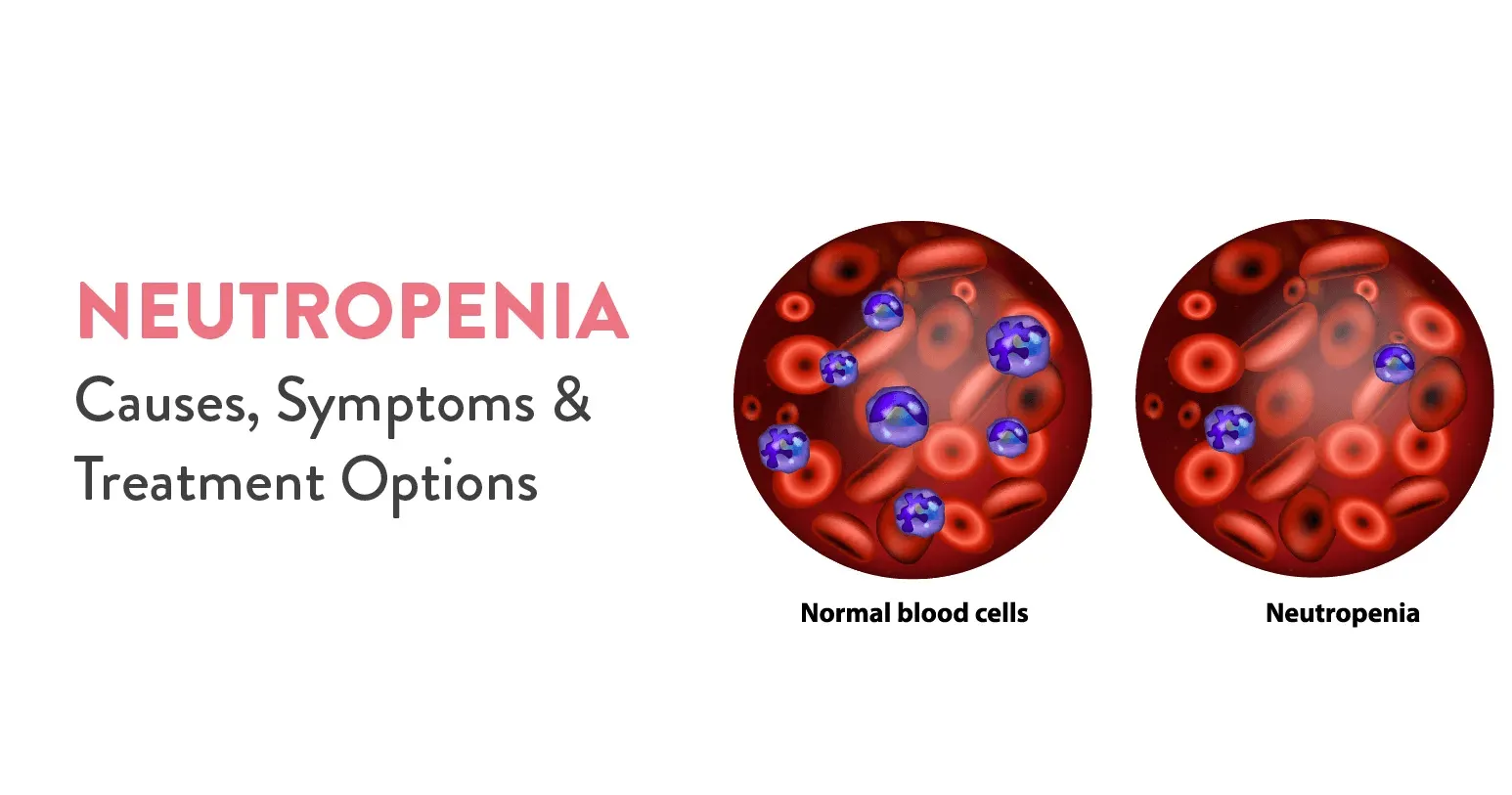
Neutropenia, a condition characterised by abnormally low levels of neutrophils, a type of white blood cell crucial for fighting infections, presents unique challenges and considerations.
From understanding its causes and symptoms to exploring treatment options and lifestyle modifications, navigating Neutropenia requires insight and awareness.
In this blog, we delve into the intricacies of this condition, offering valuable information and insights for those affected and their caregivers.
Table of Contents
Neutropenia indicates low levels of neutrophils in the blood, crucial white blood cells that combat infections. Without enough neutrophils, the body struggles to fend off germs, increasing infection risk.
Severe cases may result in sickness from typically harmless bacteria found in the mouth and intestines.
Symptoms of neutropenia vary in severity, correlating with the level of neutrophils in the body. Common indicators encompass:
Severe congenital neutropenia manifests with significant symptoms, predominantly bacterial infections that can affect the skin, digestive tract, and respiratory system.
Cyclic neutropenia symptoms follow a 3-week cycle, with increased susceptibility to infections during periods of low neutrophil levels.
Autoimmune and idiopathic neutropenia also exhibit infection-related symptoms, typically less severe than those observed in congenital cases.
You Can Also Read: Lifestyle changes and Blood Pressure Control
Neutropenia occurs when the bone marrow fails to produce enough neutrophils, they break down prematurely or are destroyed. Causes include:
Your doctor may utilise the following examinations for diagnosing neutropenia:
Certain forms of neutropenia may not necessitate treatment. Alternative treatment modalities are contingent upon the underlying cause of your diminished neutrophil levels. Treatments may include:
Medication-induced neutropenia may require adjusting or stopping the drug. Treatment varies; some cases don’t need intervention. Fever with neutropenia requires prompt medical attention to prevent complications.
There is no known specific method to prevent neutropenia, however, some recommendations to minimise complications are:
Following these preventive measures can help mitigate potential complications associated with neutropenia. It’s essential to promptly report any symptoms to your doctor and always have access to medical care.
You Can Also Read: Eosinophilia: Definition, Symptoms, Causes & Treatment
If you’re undergoing chemotherapy or have a condition predisposing you to neutropenia, it’s crucial to promptly seek medical attention if you experience any of the following symptoms or reach out to your healthcare provider immediately for guidance:
Neutropenia poses significant challenges, but with early detection, proper management, and ongoing medical care, individuals can lead fulfilling lives while effectively navigating this condition’s complexities. It is always advisable to seek medical help from an experienced general physician. Timely care and help can ensure an appropriate diagnosis and treatment of your condition.
At the CK Birla Hospital, we ensure patients get holistic medical support which includes treatment in a compassionate environment. This patient-centric approach not only helps patients heal better but also ensures they are aware of the preventive measures as well. In case you need to consult a general physician, reach out to us, or book a direct appointment at the CK Birla Hospital.
Neutropenia, a condition characterised by low levels of neutrophils (a type of white blood cell), can be managed with treatments such as medications, lifestyle changes, and sometimes stem cell transplants.
Neutropenia increases susceptibility to infections, impacting daily life with frequent illness, strict hygiene practices, avoidance of crowded places, and sometimes limitations on certain activities and foods to prevent infections.
Neutropenia prevention involves avoiding known risk factors like certain medications, maintaining good hygiene practices, seeking prompt medical attention for infections, and following a healthy lifestyle to support immune function.
Dietary practices for neutropenia involve consuming a balanced diet rich in fruits, vegetables, lean proteins, and probiotics while avoiding raw or undercooked foods and practising good food safety measures.
Someone with neutropenia should follow their doctor’s recommendations, typically involving regular check-ups to monitor blood cell counts and overall health, with frequency determined by the severity of their condition.
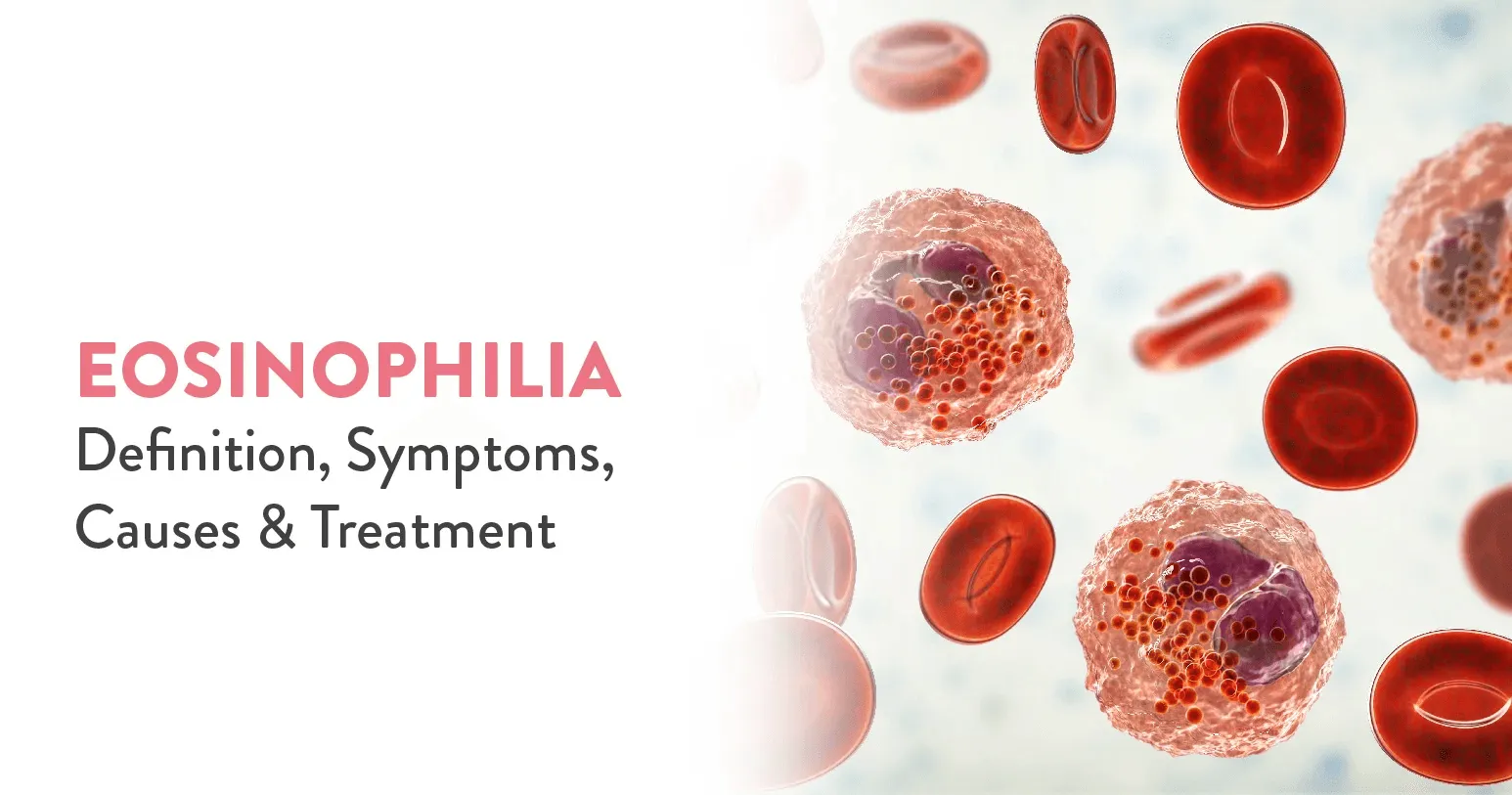
Eosinophilia, a condition marked by elevated levels of eosinophils in the blood, often serves as a crucial diagnostic clue in various medical contexts. While eosinophils play a vital role in the immune system’s response to allergens and parasites, their abnormal elevation can signal underlying health issues.
This blog explores the causes, symptoms, diagnosis, and treatment options for eosinophilia, shedding light on this intriguing medical phenomenon.
Table of Contents
Eosinophilia is characterised by an excess of eosinophils, a type of white blood cell, in the blood, typically exceeding the normal threshold of 500 eosinophils per microliter.
Eosinophils are integral to immune function, contributing significantly to defence against allergens and protection against fungal and parasitic infections.
Factors such as certain medical conditions and medication usage can provoke an elevation in eosinophil levels.
Normal eosinophil levels typically range from 0 to 0.5 × 10^9 cells per litre of blood. White blood cells known as eosinophils are part of the immune system that fights allergies and parasites.
Elevated eosinophil levels, known as eosinophilia, occur when there are more than 0.5 × 10^9 eosinophils per litre of blood. Causes include allergies, asthma, parasitic infections, certain medications, autoimmune diseases, and some types of cancer.
Symptoms vary depending on the underlying cause but may include skin rashes, difficulty breathing, abdominal pain, and fatigue. Further evaluation is needed to determine the specific cause.
Symptoms of eosinophilia can vary depending on the underlying cause, but they may include:
Eosinophilia isn’t a disease but a sign of underlying issues. Seek medical help if symptoms arise for evaluation and diagnosis.
You Can Also Read: Your Guide to Epilepsy
Elevated eosinophil counts in blood can stem from various factors:
Eosinophils trigger inflammation, leading to eosinophilic disorders, such as:
Eosinophilic granulomatosis with polyangiitis (Churg-Strauss syndrome) affects multiple organs like the lungs and heart.
Hypereosinophilic syndrome is rare but serious. It involves persistently high eosinophil levels and impacts the heart, central nervous system, skin, and respiratory tract.
The diagnosis of eosinophilia typically involves several steps:
Treatment hinges on identifying eosinophilia’s cause and addressing underlying conditions like allergies, parasitic infections, autoimmune diseases, or malignancies.
You Can Also Read: Everything You Must Know about Subdural Hematoma.
Treatment for eosinophilia depends on its cause, including allergies, infections, autoimmune diseases, medications, or cancers. Identifying and treating the underlying condition is essential.
Here are some common approaches to treating eosinophilia:
Close collaboration with healthcare providers is essential for eosinophilia management, including determining the cause, developing treatment plans, and monitoring eosinophil levels.
Eosinophilia, while often a sign of underlying conditions, requires thorough evaluation and management. Understanding its causes, symptoms, and treatment options is crucial for effective patient care and outcomes. It is always advisable to seek medical help from an experienced general physician. Timely care and help can ensure an appropriate diagnosis and treatment of your condition.
At the CK Birla Hospital, we ensure patients get holistic medical support which includes treatment in a compassionate environment. This patient-centric approach not only helps patients heal better but also ensures they are aware of the preventive measures as well. In case you need to consult a general physician, reach out to us, or book a direct appointment at the CK Birla Hospital.
Eosinophilia, an elevated level of eosinophils in the blood, can occur in various conditions like allergies, infections, and autoimmune diseases, but it’s not considered a common condition overall.
Treating the underlying cause of eosinophilia, such as allergies, infections, or autoimmune disorders, can lead to resolution. However, a complete cure depends on addressing the specific condition causing eosinophilia.
Natural remedies like dietary changes, herbal supplements (such as turmeric or ginger), probiotics, and managing allergies through avoidance can help alleviate symptoms, but consulting a healthcare professional is advised.
Eosinophilia, an increase in eosinophils in the blood, may indicate allergic reactions, infections, or autoimmune disorders. Its impact on overall health varies based on underlying conditions, potentially affecting immune function and organ systems.
Long-term effects of eosinophilia depend on underlying causes but may include chronic inflammation, tissue damage, and organ dysfunction, impacting respiratory, gastrointestinal, and cardiovascular systems among others.

एस्फिक्सिएटिंग थोरैसिक डिस्ट्रोफी (एटीडी) को जीन सिंड्रोम भी कहा जाता है। यह एक दुर्लभ आनुवंशिक विकार है जो कंकाल संबंधी असामान्यताओं (skeletal abnormalities) के कारण होता है। विशेष रूप से यह थोरैसिक क्षेत्र को प्रभावित करता है, जिसके कारण सांस से संबंधित जटिलताएं होती हैं। यह ऑटोसोमल रिसेसिव स्थिति मुख्य रूप से छाती के विकास को प्रभावित करती है जिससे जीवन के लिए खतरा पैदा करने वाली सांस संबंधित समस्याएं हो सकती हैं।
Table of Contents
एस्फिक्सिएटिंग थोरैसिक डिस्ट्रोफी मुख्य रूप से आनुवंशिक उत्परिवर्तन के कारण होता है जो सिलिया के विकास को प्रभावित करता है, जो कोशिकाओं की सतह पर छोटी, बाल जैसी संरचनाएं होती हैं। सिलिया विभिन्न शारीरिक प्रक्रियाओं में महत्वपूर्ण भूमिका निभाती है, जिसमें श्वसन पथ के साथ बलगम और कणों का आना-जाना भी शामिल है। सिलिया गठन से जुड़े जीनों में उत्परिवर्तन, जैसे कि IFT80, DYNC2H1, और TTC21B जीन, सिलिअरी फ़ंक्शन के बिगड़ने का कारण बन सकते हैं।
एस्फिक्सिएटिंग थोरैसिक डिस्ट्रोफी एक ऑटोसोमल रिसेसिव डिसऑर्डर है, इसका मतलब है कि किसी व्यक्ति को इस स्थिति को विकसित करने के लिए माता-पिता दोनों से एक उत्परिवर्तित जीन प्राप्त करना होगा। जब किसी एक को यह स्थिति होती है तो वह एक उत्परिवर्तित जीन वाला व्यक्ति, आमतौर पर स्पर्शोन्मुख (asymptomatic) होता है, लेकिन जब दो व्यक्ति इससे ग्रसित होते हैं और उनको बच्चा होता है, तो 25% संभावना होती है कि बच्चे को माता-पिता दोनों से उत्परिवर्तित जीन विरासत में मिलेंगे, जिसके कारन उसे भी यह समस्या होगी।
एस्फिक्सिएटिंग थोरैसिक डिस्ट्रोफी एक कंकाल संबंधी असामान्यता हैं, जो विशेष रूप से थोरैसिक यानी वक्षीय क्षेत्र को प्रभावित करती हैं। यह संकीर्ण छाती (वक्षीय संकुचन) और छोटी पसलियों के रूप में प्रकट हो सकता है, जिससे फेफड़ों के विस्तार की क्षमता कम हो जाती है। इसके लक्षणों में निम्न शामिल हैं:
एस्फिक्सिएटिंग थोरैसिक डिस्ट्रॉफी वाले व्यक्तियों में लक्षणों की गंभीरता व्यापक रूप से भिन्न हो सकती है। जबकि कुछ को जीवन-घातक श्वसन संबंधी जटिलताओं का अनुभव हो सकता है, दूसरों को हल्के लक्षण हो सकते हैं।
ये भी पढ़े: ट्यूबरक्लोसिस क्या है – कारण, लक्षण और बचाव
रोगी के चिकित्सीय इतिहास, पारिवारिक इतिहास और एटीडी की विशिष्ट विशेषताओं की पहचान करने के लिए विस्तृत शारीरिक परीक्षण पर ध्यान केंद्रित करते हुए एक संपूर्ण नैदानिक मूल्यांकन किया जाता है जिसमें निम्न शामिल हैं:
एक्स-रे और सीटी स्कैन का उपयोग आमतौर पर कंकाल की असामान्यताओं का आकलन करने के लिए किया जाता है, विशेष रूप से वक्षीय क्षेत्र को प्रभावित करने वाली। ये इमेजिंग अध्ययन एटीडी की विशिष्ट संकीर्ण छाती और छोटी पसलियों को देखने में मदद करते हैं।
एटीडी के निदान में आणविक आनुवंशिक परीक्षण महत्वपूर्ण भूमिका निभाता है। इसमें सिलिअरी फ़ंक्शन से जुड़े जीन, जैसे IFT80, DYNC2H1 और TTC21B में उत्परिवर्तन की पहचान करने के लिए डीएनए का विश्लेषण करना शामिल है।
ऐसे मामलों में जहां एटीडी या ज्ञात वाहक स्थिति का पारिवारिक इतिहास है, कोरियोनिक विलस सैंपलिंग (सीवीएस) या एमनियोसेंटेसिस के माध्यम से प्रसवपूर्व परीक्षण यह निर्धारित करने के लिए किया जा सकता है कि विकासशील भ्रूण को उत्परिवर्तित जीन विरासत में मिला है या नहीं।
रेटिनल डिजनरेशन के साथ संबंध को देखते हुए, रेटिना की विद्युत गतिविधि का आकलन करने और किसी भी असामान्यता की पहचान करने के लिए एक इलेक्ट्रोरेटिनोग्राम किया जा सकता है।
वर्तमान में, एस्फिक्सिएटिंग थोरैसिक डिस्ट्रॉफी का कोई इलाज नहीं है, और उपचार मुख्य रूप से लक्षणों के प्रबंधन और सहायक देखभाल प्रदान करने पर केंद्रित है। मल्टीडिसिप्लिनरी दृष्टिकोण में पल्मोनोलॉजिस्ट, आर्थोपेडिक विशेषज्ञ और आनुवंशिक परामर्शदाताओं सहित मेडिकल एक्सपर्ट की एक टीम शामिल है। उपचार रणनीतियों में निम्न शामिल हो सकते हैं:
ये भी पढ़े: साइनोसाइटिस का कारण और इलाज
एस्फिक्सिएटिंग थोरैसिक डिस्ट्रॉफी एक दुर्लभ आनुवंशिक विकार है जो श्वसन क्रिया को महत्वपूर्ण रूप से प्रभावित करता है। कारणों को समझना, विभिन्न लक्षणों को पहचानना और उन्नत निदान विधियों को अपनाना इसके मरीजों के प्रबंधन और उचित देखभाल प्रदान करने में आवश्यक कदम हैं।
हां, एस्फिक्सिएटिंग थोरैसिक डिस्ट्रोफी आमतौर पर एक ऑटोसोमल रिसेसिव तरीके से विरासत में मिली है, जिसका अर्थ है कि माता-पिता दोनों को अपने बच्चे को प्रभावित करने के लिए उत्परिवर्तित जीन की एक प्रति रखनी होगी। वाहक माता-पिता आमतौर पर विकार के लक्षण नहीं दिखाते हैं, लेकिन प्रत्येक गर्भावस्था के साथ एस्फिक्सिएटिंग थोरैसिक डिस्ट्रॉफी वाले बच्चे के होने की 25% संभावना होती है।
हां, शोधकर्ता सक्रिय रूप से एस्फिक्सिएटिंग थोरैसिक डिस्ट्रोफी के आनुवंशिक आधार का अध्ययन करने, संभावित चिकित्सीय हस्तक्षेपों की खोज करने और विकार के अंतर्निहित तंत्र को समझने में लगे हुए हैं। वैज्ञानिक संस्थानों और रोगी वकालत समूहों के बीच सहयोगात्मक प्रयासों का उद्देश्य ज्ञान को आगे बढ़ाना और इस दुर्लभ स्थिति के लिए नवीन उपचार विकसित करना है।
श्वसन चुनौतियों और संभावित शारीरिक सीमाओं के कारण एटीडी दैनिक जीवन पर महत्वपूर्ण प्रभाव डाल सकता है। एटीडी वाले व्यक्तियों को अपनी गतिशीलता और स्वतंत्रता को बढ़ाने के लिए सहायक उपकरणों, अनुकूली प्रौद्योगिकियों और सहायक सेवाओं की आवश्यकता हो सकती है। स्थिति के विभिन्न पहलुओं के प्रबंधन और समग्र कल्याण में सुधार के लिए विशेषज्ञ से परामर्श करना महत्वपूर्ण है।
गर्भावस्था के दौरान एस्फिक्सिएटिंग थोरैसिक डिस्ट्रोफी का पता लगाने के लिए प्रसव पूर्व परीक्षण, जैसे कोरियोनिक विलस सैंपलिंग (सीवीएस) या एमनियोसेंटेसिस का उपयोग किया जा सकता है। यह गर्भावस्था के प्रबंधन के संबंध में शीघ्र निदान और सूचित निर्णय लेने की अनुमति देता है। संभावित प्रभावों को समझने और परिणामों के आधार पर सूचित विकल्प चुनने के लिए इन परीक्षणों पर विचार करने वाले परिवारों के लिए आनुवंशिक परामर्श महत्वपूर्ण है।

