Filter :

डाउन सिंड्रोम एक आनुवंशिक विकार है जिससे पीड़ित व्यक्ति के पास एक अतिरिक्त गुणसूत्र (क्रोमोसोम) या गुणसूत्र का एक अतिरिक्त टुकड़ा होता है। यह विभिन्न शारीरिक और संज्ञानात्मक (कॉग्निटिव) समस्याओं को जन्म देता है, जिसमें विकासा में देरी, बौद्धिक अक्षमताएं, चेहरे की विशिष्ट विशेषताएं जैसे कि तिरछी आंखें और एक सपाट नाक एवं हृदय दोष और थायराइड की समस्या आदि शामिल हैं।
डाउन सिंड्रोम वाले व्यक्तियों को चुनौतियों का सामना करना पड़ सकता है, कई लोग उचित समर्थन और संसाधनों के साथ पूर्ण जीवन जीते हैं। प्रारंभिक हस्तक्षेप कार्यक्रम और समावेशी (इन्क्लूसिव) शिक्षा उनके जीवन की गुणवत्ता में सुधार करने में मदद करती है और उन्हें समाज में सकारात्मक योगदान देने में सक्षम बनाती है।
Table of Contents
डाउन सिंड्रोम को मुख्य रूप से तीन प्राथमिक प्रकारों में बांटा गया है जिसमें निम्न शामिल हैं:
यह सबसे आम प्रकार है, जो लगभग 95% मामलों में होता है। यह क्रोमोसोम 21 की एक अतिरिक्त टुकड़ा के कारण होता है, जिससे प्रत्येक कोशिका में सामान्य दो की बजाय कुल तीन टुकड़े बन जाते हैं। ट्राइसॉमी 21 आमतौर पर माता-पिता में प्रजनन कोशिकाओं के निर्माण के दौरान उत्पन्न होता है, जिसके परिणामस्वरूप निषेचित अंडे में एक अतिरिक्त गुणसूत्र 21 बनता है।
लगभग 3% मामलों में यह प्रकार होता है। यह तब होता है जब कोशिका विभाजन के दौरान क्रोमोसोम 21 का एक हिस्सा टूट जाता है और दूसरे क्रोमोसोम, अक्सर क्रोमोसोम 14 से जुड़ जाता है। हालांकि, क्रोमोसोम की कुल संख्या 46 रहती है, अतिरिक्त आनुवंशिक मटेरियल डाउन सिंड्रोम की विशिष्ट विशेषताओं का कारण बनती है।
यह एक दुर्लभ रूप है, जो लगभग 2% मामलों में होता है। मोज़ेक डाउन सिंड्रोम वाले व्यक्तियों में कोशिकाओं का मिश्रण होता है, कुछ में क्रोमोसोम 21 की विशिष्ट दो टुकड़े होते हैं और अन्य में तीन। इस मोज़ेक पैटर्न की उपस्थिति निषेचन के बाद कोशिका विभाजन में त्रुटियों के परिणामस्वरूप होती है, जिससे डाउन सिंड्रोम से जुड़ी शारीरिक और बौद्धिक विशेषताओं की अलग-अलग डिग्री होती है।
और अधिक पढ़े: क्या क्लबफुट का स्थायी इलाज संभव है?
डाउन सिंड्रोम मुख्य रूप से आनुवंशिक विसंगतियों से उत्पन्न होता है। सबसे आम कारण ट्राइसॉमी 21 है, जो लगभग 95% मामलों में होता है, जहां गुणसूत्र 21 की एक अतिरिक्त प्रतिलिपि/टुकड़ा/कॉपी होती है। यह अतिरिक्त आनुवंशिक मटेरियल विशिष्ट विकास को बाधित करती है और डाउन सिंड्रोम की विशिष्ट विशेषताओं की ओर ले जाती है।
ट्रांसलोकेशन डाउन सिंड्रोम, लगभग 3% मामलों में, क्रोमोसोम 21 और दूसरे क्रोमोसोम के बीच आनुवंशिक मटेरियल के पुनर्व्यवस्था के परिणामस्वरूप होता है। जबकि गुणसूत्रों की कुल संख्या सामान्य रहती है, गुणसूत्र 21 से अतिरिक्त आनुवंशिक सामग्री सामान्य सेलुलर कार्यों को बाधित करती है।
लगभग 2% मामलों में होने वाला मोज़ेक डाउन सिंड्रोम, निषेचन के बाद कोशिका विभाजन के दौरान त्रुटियों से उत्पन्न होता है। इसके परिणामस्वरूप कुछ कोशिकाओं में गुणसूत्र 21 की सामान्य दो टुकड़े/प्रतियां होती हैं, जबकि अन्य में तीन होती हैं। मोज़ेक पैटर्न डाउन सिंड्रोम से जुड़े लक्षणों और चुनौतियों की अलग-अलग डिग्री की ओर ले जाता है।
सभी प्रकारों में, डाउन सिंड्रोम की ओर ले जाने वाली आनुवंशिक विसंगति का विशिष्ट कारण हमेशा स्पष्ट नहीं होता है, लेकिन उन्नत मातृ आयु एक ज्ञात जोखिम कारक है, विशेष रूप से ट्राइसॉमी 21 के लिए। हालाँकि, यह स्थिति किसी भी उम्र की महिलाओं की गर्भावस्था में हो सकती है।
डाउन सिंड्रोम शारीरिक, विकासात्मक और संज्ञानात्मक लक्षणों की एक श्रृंखला प्रस्तुत करता है। डाउन सिंड्रोम वाले व्यक्ति अपनी क्षमताओं और विशेषताओं में व्यापक रूप से भिन्न हो सकते हैं, कुछ सामान्य लक्षणों में निम्न शामिल हैं:
इन सबके अलावा, डाउन सिंड्रोम वाले व्यक्तियों में थायरॉयड विकार, मोटापा, गैस्ट्रोइंटेस्टाइनल समस्याएं और ल्यूकेमिया जैसी स्वास्थ्य समस्याएं विकसित होने का खतरा अधिक होता है।
और अधिक पढ़े: सेरेब्रल पाल्सी: कारण, लक्षण और इलाज
डाउन सिंड्रोम का निदान आमतौर पर गैर-इनवेसिव प्रीनेटल परीक्षण (एनआईपीटी), अल्ट्रासाउंड या एमनियोसेंटेसिस जैसे स्क्रीनिंग परीक्षणों के माध्यम से किया जाता है, जो भ्रूण की आनुवंशिक मटेरियल का विश्लेषण करते हैं या भौतिक मार्करों का आकलन करते हैं। जन्म के बाद, क्रोमोसोमल कैरियोटाइप विश्लेषण जैसे आनुवंशिक परीक्षण के माध्यम से निदान की पुष्टि की जाती है, जो अतिरिक्त क्रोमोसोम 21 की उपस्थिति के लिए कोशिकाओं की जांच करता है। प्रारंभिक निदान डाउन सिंड्रोम वाले व्यक्तियों और उनके परिवारों का समर्थन करने के लिए समय पर उचित चिकित्सा और विकासात्मक हस्तक्षेप में मदद करता है।
हालांकि, डाउन सिंड्रोम का कोई इलाज नहीं है, लेकिन इस स्थिति वाले व्यक्तियों को उनकी विशिष्ट आवश्यकताओं को पूरा करने के उद्देश्य से कई उपचारों और हस्तक्षेपों से लाभ होता है। प्रारंभिक हस्तक्षेप कार्यक्रम विकास का समर्थन करने और कौशल बढ़ाने के लिए शारीरिक, व्यावसायिक और भाषण चिकित्सा जैसी चिकित्साएँ प्रदान करते हैं। व्यक्तिगत शिक्षण शैलियों के अनुरूप शैक्षिक कार्यक्रम शैक्षणिक और सामाजिक विकास को बढ़ावा देने में मदद करते हैं।
चिकित्सा प्रबंधन हृदय दोष, दृष्टि और सुनने की समस्याएं, थायरॉइड डिसफंक्शन और ल्यूकेमिया जैसे संबंधित स्वास्थ्य समस्याओं को संबोधित करने पर केंद्रित है। परामर्श और सामाजिक सहायता नेटवर्क सहित सहायक सेवाएँ, डाउन सिंड्रोम से जुड़ी चुनौतियों से निपटने में परिवारों की सहायता करती हैं और समुदायों के भीतर समावेश और स्वीकृति को बढ़ावा देती हैं।
जैसे ही डाउन सिंड्रोम वाले व्यक्ति वयस्कता की ओर बढ़ते हैं, व्यावसायिक प्रशिक्षण और रोजगार सहायता उन्हें स्वतंत्रता प्राप्त करने और समाज में सार्थक योगदान देने में सक्षम बनाती है। नियमित स्वास्थ्य निगरानी और विशेष सेवाओं तक पहुंच सहित व्यापक देखभाल, यह सुनिश्चित करती है कि डाउन सिंड्रोम वाले व्यक्ति पूर्ण जीवन जी सकते हैं और अपनी पूरी क्षमता तक पहुंच सकते हैं।
In the realm of women’s health, discussions about vaginal discharge can be both sensitive and crucial. One such type that often raises concern is cottage cheese-like discharge, which may indicate various underlying conditions.
Understanding its causes, symptoms, and potential treatments is essential for maintaining vaginal health and seeking timely medical advice when necessary. Let’s delve into this topic to shed light on what cottage cheese vaginal discharge signifies.
Table of Contents
Cottage cheese vaginal discharge is thick, white, and curd-like, resembling cottage cheese. It’s often a symptom of a yeast infection caused by Candida overgrowth in the vagina. Other symptoms may include itching, burning, and irritation. It’s crucial to consult a healthcare professional for proper diagnosis and treatment, as other conditions may present with similar discharge.
Symptoms of “cottage cheese” vaginal discharge, often indicative of a yeast infection, include:
See a medical professional for a precise diagnosis and the best course of action.
The occurrence of cottage cheese discharge can be linked to a variety of factors and conditions, such as:
You Can Also Read: Spotting Before Menstruation: Reasons and When to Seek Help
Diagnosis of cottage cheese vaginal discharge typically involves a combination of medical history review, physical examination, and laboratory tests, such as:
Seek medical evaluation for accurate diagnosis and tailored treatment if experiencing symptoms akin to cottage cheese-like discharge. Consulting a healthcare professional ensures proper management through comprehensive assessment.
Cottage cheese-like discharge often signals a yeast infection from Candida albicans overgrowth. Treatment involves antifungal meds, OTC or prescribed. Common antifungal treatments include:
Consult a healthcare provider for an accurate diagnosis before starting treatment, as other vaginal infections may have similar symptoms. Follow medication instructions carefully and complete the full course. Seek further evaluation if symptoms persist or worsen.
Natural remedies for cottage cheese-like vaginal discharge, often a sign of a yeast infection, include:
Consult a healthcare provider for accurate diagnosis and treatment, especially for recurrent or worsening symptoms.
You Can Also Read: Suffering From Vaginal Yeast Infection In Summer? Know Its Treatment & Prevention
Seek a healthcare provider’s help for cottage cheese-like vaginal discharge in the following situations:
Overall, if unsure, consulting a healthcare provider is advisable for proper diagnosis and personalised treatment.
While cottage cheese-like vaginal discharge can be a sign of a yeast infection, it’s crucial not to self-diagnose. Maintaining good hygiene practices and a balanced diet can help prevent such infections and ensure your reproductive health and overall well-being. It is always advisable to seek medical help from an experienced gynaecologist. Timely care and help can ensure an appropriate diagnosis and treatment of your condition.
At the CK Birla Hospital, we ensure patients get holistic medical support which includes treatment in a compassionate environment. This patient-centric approach not only helps patients heal better but also ensures they are aware of the preventive measures as well. In case you need to consult a gynaecologist, reach out to us, or book a direct appointment at the CK Birla Hospital.
Yeast infections are typically not sexually transmitted, but sexual activity can increase risk factors. However, partners can pass yeast to each other through sexual contact in rare cases.
Yeast infections are caused by Candida overgrowth, leading to itching and thick discharge, while bacterial vaginosis results from an imbalance of vaginal bacteria, causing a fishy odour and thin discharge.
Yes, over-the-counter antifungal medications are available without a prescription for treating yeast infections. However, it’s essential to follow instructions carefully and consult a healthcare provider if symptoms persist or worsen.
Maintaining a balanced diet low in sugar and refined carbohydrates, and high in probiotics and fibre, can help prevent yeast infections by promoting healthy vaginal flora and immune function.
Yes, stress can weaken the immune system and disrupt the balance of microorganisms in the body, potentially increasing susceptibility to yeast infections. Stress management may help reduce this risk.
Recurrent yeast infections can lead to discomfort, and psychological distress, and potentially compromise fertility. In rare cases, they may indicate underlying health conditions warranting medical attention.

A breast cancer diagnosis can feel like a heavy blow, shrouded in stigma and fear. For many women, the prospect of a subsequent mastectomy can deepen feelings of despair and uncertainty. However, amidst the darkness, there’s a glimmer of hope: the power of early detection and advancements in surgical technology, particularly robotic-assisted surgery. The latest innovation in onco-surgeries, robotic surgery is revolutionising breast cancer treatment, offering patients a lifeline of hope, confidence, and preservation.
Table of Contents
Breast cancer remains one of the most stigmatised diseases, often overshadowed by misconceptions and fear. The fear of judgement and the unknown can prevent women from seeking timely medical attention, delaying diagnosis and treatment. However, breaking the silence and fostering open conversations about breast health is crucial in dispelling myths and empowering women to prioritise their well-being.
Often breast cancer is so advanced that there is no option but to remove the breast tissue completely by performing a mastectomy. The prospect of a mastectomy can plunge breast cancer patients into a whirlwind of emotions, from grief and anger to anxiety and uncertainty. The loss of a breast for a woman is not merely physical but deeply emotional, challenging one’s sense of identity and femininity. Healthcare providers need to offer compassionate support and guidance, helping patients navigate the emotional turmoil and make informed decisions about their treatment journey.
Amidst the challenges of a breast cancer diagnosis, maintaining motivation and resilience is paramount. Empowering patients with knowledge about their treatment options and the importance of early detection can instil a sense of agency and control. Additionally, providing access to support groups, counselling services, and holistic care can bolster patients’ emotional well-being and foster a sense of community and camaraderie.
Early detection is the cornerstone of successful breast cancer treatment, offering the best chance of preserving the breast and achieving optimal outcomes. Regular screening mammograms and self-breast exams empower women to detect abnormalities early, allowing for timely intervention and breast conservation.
By prioritising proactive breast health measures, women can take control of their health and well-being, potentially avoiding the need for more extensive surgical interventions. A host of new and alternative treatment options are helping oncologists tackle breast cancer better.
Take, for instance, a 28-year-old mother of an infant who presented with advanced breast cancer. Treated with a combination of neoadjuvant chemotherapy and immunotherapy, she underwent robotic-assisted functional breast preservation surgery. The procedure involved the removal of the affected portion of breast tissue while preserving the original breast skin and reconstructing with tissue from the back, all through a single incision. The outcome? Precision, minimal scarring, and remarkable aesthetics, with the patient now cancer-free and with a sensate breast that feels the same as it did before cancer.
In another case, a 60-year-old woman with nipple retraction underwent robotic-assisted surgery with the aid of indocyanine green (ICG) navigation technology. The team successfully identified and excised a suspicious breast lesion, providing swift clarity on malignancy. This technology, employed in 90% of recent breast cancer surgeries, enables accurate diagnosis and facilitates breast conservation surgeries with oncoplasty, preserving both life and confidence.
Enter robotic-assisted surgery, a groundbreaking approach that is revolutionising the field of breast cancer treatment. At the CK Birla Hospital Gurgaon, Dr. Mandeep Malhotra is leading the way in robotic-assisted breast cancer surgery, offering patients unparalleled precision, minimal scarring, and enhanced aesthetic outcomes. By harnessing the power of robotics, Dr. Malhotra and his team can approach delicate breast surgeries with unmatched accuracy and efficiency, minimising trauma to surrounding tissues and preserving vital aspects of the breast.
Breast cancer may cast a shadow of uncertainty, but with advancements in surgical technology and a compassionate approach to care, there is hope. At the CK Birla Hospital( Gurgaon, we’re proud to lead the charge in robotic-assisted breast surgery, empowering patients with personalised, precision-driven care that preserves both life and dignity. “Cancer does not discriminate. Neither is it predictable. But as oncologists, our goal is not only to increase survival but also prioritise the patient’s quality of life.” Dr Mandeep S Malhotra, Surgical and Molecular Oncologist.
Robotic-assisted surgery offers a beacon of light, guiding breast cancer patients toward preservation, confidence, and survivorship. Together, let’s rewrite the narrative of breast cancer treatment, one robotic arm at a time.
In recent times, surgical approaches have seen the rise of two groundbreaking techniques that have revolutionised the way surgeries are performed – Laparoscopic Surgery and Robotic Surgery. Each brings its own set of advantages and caters to diverse medical needs. Are these approaches the same or different? While the approach is similar, there are notable differences between laparoscopic and robotic surgery. Let us understand these cutting-edge approaches slightly better.
Laparoscopic surgery, often referred to as minimally invasive surgery, involves making small incisions through which a laparoscope (a thin, flexible tube with a light and camera). The surgeon navigates and performs the procedure while watching a video monitor, using specialised instruments.
Example: Laparoscopic cholecystectomy, a minimally invasive approach to gallbladder removal.
Robotic surgery can just be termed as an advanced approach to laparoscopy. It takes a step further by employing a surgical robot which is controlled by a surgeon. The robotic system provides enhanced visualisation and precision, thereby amplifying the surgeon’s capabilities through advanced technology.
Example: Robotic-assisted prostatectomy, a minimally invasive option for prostate removal.
Some basic similarities between the two are small incisions, an inside view of the surgical location, shorter hospital stay, better control of the process and improved clinical outcomes. However, when you go deeper you notice there are subtle but clinically impactful differences that differentiate the two. Now, let us explore some of the differences of each approach:
| Laparoscopic Surgery | Robotic Surgery |
| Tiny incisions that allow for camera and small instruments | Tiny incisions that allow for a camera, small instruments & endo wrist instruments |
| The surgeon stands over the patient | The surgeon sits at the surgeon’s console |
| The surgeon operates with instruments that have been inserted into the incision | The surgeon operates on the console, while the technology helps mimic his actions in the patient body in real time |
| Lowered range of motion when compared to robotic surgery | Robotic instruments and arms have a full 360-degree motion range. This makes robotic arms more dexterous than even the human hand enhancing the surgeon’s capability |
| Better control and access to tricky places than open surgery | Uncomparable control and access to difficult-to-reach and delicate regions is easier. |
| Recovery time is shorter than open surgery | Shortest recovery time and enhanced clinical outcomes. |
| Reduced risk of blood loss and infections | The minimised risk of blood loss and infections due to the cauterisation process helps carry out organ removal or reconstruction surgeries with the least patient discomfort. |
In conclusion, both laparoscopic and robotic surgeries represent remarkable advancements in the field of minimally invasive procedures. While laparoscopy has been a transformative approach, robotic surgery elevates precision and dexterity to unprecedented levels. The choice between the two depends on the specific procedure, surgeon’s expertise, and patient factors.
At the CK Birla Hospital, we pride ourselves on offering cutting-edge surgical solutions, ensuring that our patients receive the most advanced and personalised care. Our team of skilled surgeons, equipped with state-of-the-art technology, is committed to providing you with the best possible outcomes.
Choose excellence. Choose innovation. Choose CK Birla Hospital for your surgical needs.

As we approach International Women’s Day, it’s time to shine a light on the phrases and stereotypes that women are tired of hearing about their health. Women face a barrage of comments and expectations that can impact their physical and mental well-being. Let’s delve into these phrases and learn to address the real concerns which are getting overlooked in women’s health.
Table of Contents
The pressure to look like a perfect 10 at all times has led to an epidemic of self-doubt and insecurity. According to a survey carried out by the National Eating Disorders Association, approximately 91% of women surveyed admitted to dieting to control their weight, with body dissatisfaction being prevalent across different age groups. And alarmingly high among teens and young adults.
Source: https://eatingdisorderfoundation.org/learn-more/about-eating-disorders/facts/
Bloating is another common concern among women, often linked to hormonal fluctuations, digestive issues, or dietary choices. Hormonal imbalance, whether due to conditions like polycystic ovary syndrome (PCOS) or menopause, can also contribute to weight gain and bloating.
Following fad diets at any age can be detrimental to your body’s fitness, depriving women of the essential proteins and nutrients of a balanced diet. Instead, address the real concerns behind the weight problems and get a customised diet plan from a nutritionist who will address the real health issues with science and compassion, rather than judgement.
Weight gain is not a measure of worth, so instead of focusing on numbers on a scale, let’s talk about feeling strong, confident, and healthy from the inside out.
Yes, women experience hormonal fluctuations, but that doesn’t make their feelings any less valid. Period problems are more than just a monthly inconvenience. Premenstrual syndrome (PMS) is actually not one but a group of symptoms. Over 90% of women experience some form of premenstrual symptoms, ranging from mood swings to physical discomfort, including bloating, constipation, headaches, lethargy, etc.
Source: https://www.medicalnewstoday.com/articles/mood-swings-in-women#causes-in-females
Regular exercise and stress management techniques like yoga or meditation can help alleviate PMS symptoms. From cramps to cravings, women navigate through it all like warriors. And let’s not forget about stress and work-life balance, because balancing it all deserves a round of applause, not an eye roll.
Delicate? Please. Women are out here crushing high-energy jobs, raising families, and conquering the world one day at a time. Many women juggle high-energy and stress-filled jobs while simultaneously navigating the demands of motherhood. Joining work while breastfeeding is a testament to women’s resilience and determination, challenging the notion that they are fragile or weak.
Dealing with hair loss, weaker bones, and knees? Women handle it with grace and a radiant smile. Regular exercise, including strength training, and a balanced diet rich in calcium and vitamin D, can help maintain bone health and prevent osteoporosis.
Fitness is another area where women often face stereotypes and expectations. According to the Centers for Disease Control and Prevention (CDC), only 20.4% of women meet the recommended guidelines for aerobic and muscle-strengthening activities. Encouraging women to prioritise their fitness goals and find activities they enjoy can promote long-term health and well-being.
Source: https://www.cdc.gov/nchs/data/databriefs/db443.pdf
Cancer screening and regular check-ups are essential for women of all ages, yet many may hesitate due to fear or misconceptions. According to experts, early detection through regular screenings can significantly improve outcomes for breast, cervical, and colorectal cancers. Empowering women with accurate information about screening guidelines and the importance of preventive care is crucial for early detection and treatment.
The infamous ticking clock of societal expectations. But a woman’s worth is not determined by her relationship status or reproductive choices. According to a survey by the researchers of the International Institute for Population Studies for NFHS, it has been observed that the median age of a mother has declined by five years from 33 to 28 years in India.
The primary reason that drives this phrase is rooted in the real problems of infertility that women above 35 years tend to experience. However, fertility issues can affect women at any age, with factors like age, genetics, and lifestyle playing significant roles.
Egg preservation, also known as oocyte cryopreservation, offers women the option to preserve their fertility for the future. While it’s essential to raise awareness about reproductive health options, it’s equally important to respect each woman’s individual choices and timelines.
Having said that, natural transitions like perimenopause and menopause are often stigmatised or dismissed in similar parlance. Symptoms like hot flashes, mood swings, and vaginal dryness can impact a woman’s quality of life, but they are manageable with the right support and resources.
Whether single, married, or somewhere in between, women today are living life on their own terms. From exploring fertility options to getting regular health check-ups a wise woman is always at the top of her game.
These vices are not gender-specific. Health warnings apply to everyone. But yes, let’s talk about the impact of smoking and drinking on fertility and overall health. Spoiler alert: it’s not pretty.
While the health risks of smoking and excessive drinking are well-documented, these warnings should apply to everyone, regardless of gender. According to the World Health Organization (WHO), tobacco use is a leading cause of preventable death globally, with smoking-related diseases claiming over 8 million lives annually.
Scars are often left behind due to some trauma or hurt. Then there are skin conditions or injuries that often leave behind imperfections. Some women are subjected to unwanted prejudice due to slight imperfections. These can also be something as natural as wrinkles and age lines.
Dermatological issues like premature ageing or scars can be treated with cosmetic surgeries. Scars can be removed and trauma imperfections can also be permanently repaired with the help of plastic surgery. Always ensure you seek an experienced plastic surgeon for these treatments.
Women deserve to prioritise their health and well-being without fear of judgement or criticism. By taking control of their health journey and advocating for their needs, women can break free from the limitations imposed by others and embrace a life of vitality and empowerment.
Let’s celebrate womanhood by championing women’s health and amplifying their voices in the quest for equality and wellness. Take the first step to good health by scheduling a full body check-up here.
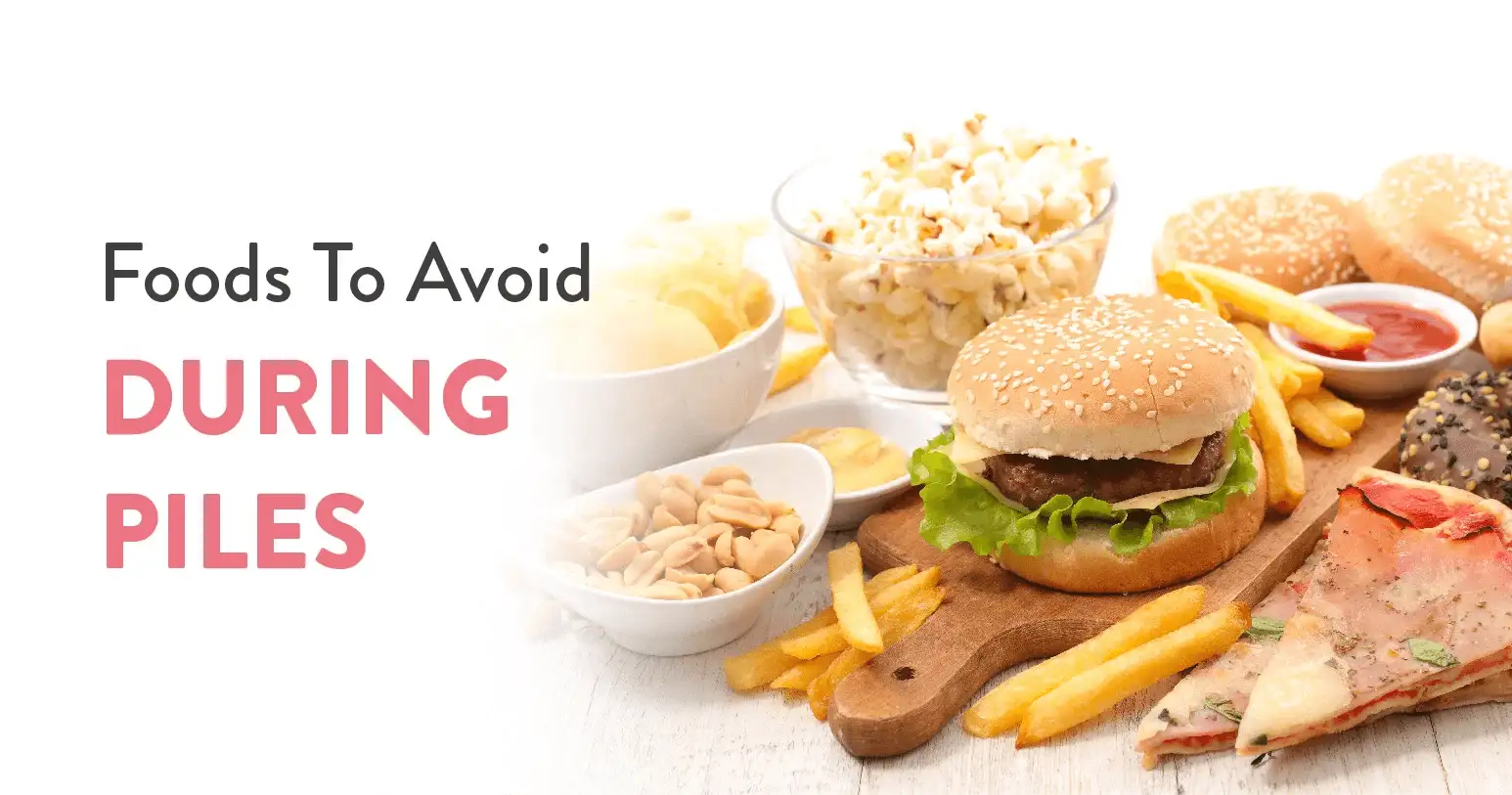
In the realm of managing piles, diet plays a crucial role in alleviating symptoms and promoting healing. Knowing which foods to embrace and which to steer clear of can make a significant difference in your comfort and recovery.
In this comprehensive guide, we’ll delve into the best dietary choices to soothe and support your digestive health while navigating the discomfort of piles.
Table of Contents
Diet can play a significant role in influencing piles, also known as haemorrhoids. Haemorrhoids are swollen veins in the rectum or anus that can cause discomfort, bleeding, and itching.
Overall, adopting a balanced diet rich in fibre, staying hydrated, and avoiding irritating foods can help prevent and alleviate symptoms of piles. It’s essential to consult with a healthcare professional for personalised dietary recommendations and treatment options if you are experiencing persistent or severe piles symptoms.
When experiencing piles, some days may be more painful than others. Your dietary habits play a crucial role in either improving or exacerbating your bowel movements and the resultant discomfort. Foods to stay away from include:
Frozen meals, fast food, and deep-fried items are cumbersome for digestion, containing fewer nutrients alongside high levels of salt and unhealthy fats. These factors collectively contribute to digestive issues and constipation.
While indulging in spicy dishes may be enjoyable, individuals with piles should exercise caution. Spicy foods can exacerbate discomfort during painful bowel movements or bleeding episodes associated with piles.
Reducing alcohol intake is advisable as it disrupts digestive equilibrium by depleting essential nutrients and dehydrating the gut.
Consumption of dairy products can lead to gas, stomach cramps, and constipation, particularly during flare-ups of haemorrhoids. Monitoring dairy intake is essential for managing symptoms.
While fruits are beneficial for alleviating piles symptoms, consuming ripe fruits is crucial. Unripe fruits such as bananas may contain compounds that exacerbate discomfort. Opt for ripe fruits as part of your dietary routine.
Opt for whole grains over refined varieties like white rice or bread, as refined grains lack fibre and essential nutrients.
Foods high in salt, such as tortilla chips, salted peanuts, and canned goods, can contribute to water retention and negatively impact blood vessels, worsening hemorrhoidal symptoms.
Iron supplements and some medications, such as those for colds or coughs, can cause constipation. It’s important to consult a healthcare professional before adjusting medication regimens.
While fibre is beneficial for gut health, excessive intake can exacerbate hemorrhoidal symptoms. Gradually increasing fibre intake is recommended rather than sudden changes, as it can have a bulking effect on stools rather than aiding in relief.
It’s advisable to limit the intake of processed meats during hemorrhoidal episodes due to their low fibre content and high sodium levels.
Of all meat varieties, this particular type is notably challenging to digest and may impede bowel movements, making it unfavourable for individuals experiencing symptoms or predisposed to piles.
Consuming sweets can exacerbate piles due to their potential to cause constipation, worsen inflammation, and contribute to weight gain, all of which can worsen haemorrhoid symptoms.
Numerous food options can aid in mitigating the likelihood of developing piles, which include constipation, bloating, and various digestive problems. These foods include:
Ensuring an adequate daily intake of dietary fibre can help minimise the occurrence of flare-ups associated with piles. There are two main types of fibre found in food: soluble and insoluble.
Soluble fibre forms a gel in the digestive tract and can be broken down by beneficial bacteria, while insoluble fibre adds bulk to stool.
Legumes such as beans, lentils, peas, soybeans, peanuts, and chickpeas are abundant sources of both types of fibre, with a particularly high concentration of soluble fibre.
Incorporating lentils and other legumes into your diet can increase stool bulk, reducing the likelihood of straining during bowel movements.
Cruciferous vegetables such as cauliflower, broccoli, cabbage and radishes are renowned for their high insoluble fibre content. These vegetables contain a natural compound called glucosinolate, which can be efficiently digested by gut bacteria.
This digestion process aids in smooth bowel movements and can alleviate symptoms associated with a fresh bout of haemorrhoids.
Root vegetables such as turnips, beetroot, carrots, sweet potatoes, and potatoes offer substantial satiety and exceptional nutrition. Additionally, they boast a rich content of gut-friendly fibre.
Take cooked and cooled white potatoes, for instance; they harbour resistant starch, a type of carbohydrate that traverses the digestive system without digestion. Like soluble fibre, they support gut bacteria and promote smooth bowel movements.
Rich in essential vitamins such as vitamin C and minerals, bell peppers serve as an excellent choice for boosting fibre intake in your diet. Just a cup of mild bell peppers provides approximately 2 grams of fibre.
Moreover, boasting a water content of around 93%, bell peppers aid in hydration and promote smooth passage of stool.
Similar to legumes, whole grains are a nutritional powerhouse as they preserve their germ, bran, and endosperm, all of which are rich in fibre content. Whole grains are notably abundant in insoluble fibre.
The advantage of insoluble fibre lies in its inability to be digested, thus adding bulk to stool and facilitating easier excretion, reducing the discomfort associated with piles.
Brown rice, oats and corn are among the beneficial whole grains.
For instance, incorporating oatmeal into your diet can alleviate symptoms of piles. Oatmeal contains a special soluble fibre known as beta-glucan, which supports the gut microbiome by acting as a prebiotic. This, in turn, nourishes healthy gut bacteria and aids in smoother excretion.
Incorporating them into your diet can effectively alleviate symptoms of piles. With their rich content of pectin and resistant starch, a single banana typically supplies an average of 3 grams of fibre.
This combination aids in promoting smooth bowel movements, facilitating easier stool passage.
Tomatoes are rich in dietary fibre and have a high water content, which helps alleviate symptoms of constipation by reducing the need to strain during bowel movements.
Additionally, tomatoes contain a natural antioxidant called naringenin, which some scientists suggest may have a laxative effect on constipation.
Fruits such as oranges, lemons, and grapes boast high levels of vitamin C. Beneath their outer layer, the inner skin of these fruits is abundant in fibre.
Citrus fruits are also rich in water content, which aids in softening stools. Similar to tomatoes, they also contain naringenin, a natural compound known for its laxative effect.
You Can Also Read: Piles and Fissures – Know the Difference
Managing piles through diet requires a balance of fibre-rich foods, hydration, and avoidance of trigger foods like processed snacks. Prioritise healthful choices to alleviate symptoms and promote overall well-being.
At the CK Birla Hospital, we ensure patients get holistic medical support which includes treatment in a compassionate environment. This patient-centric approach not only helps patients heal better but also ensures they are aware of the preventive measures as well. In case you need to consult a dietitian, reach out to us, or book a direct appointment at the CK Birla Hospital.
A high-fibre diet can help alleviate symptoms of piles by promoting smoother bowel movements and reducing strain during defecation.
Gentle spices like turmeric, ginger, and cumin can aid digestion and may alleviate discomfort associated with piles when consumed moderately.
Improvements in diet, particularly increased fibre intake, can alleviate piles symptoms within days to weeks depending on individual responses.
Yes, a vegetarian diet rich in fibre from fruits, vegetables, and whole grains can help alleviate piles symptoms and promote digestive health.
Opt for low-sugar, high-fibre snacks like fruit, nuts, or dark chocolate to minimise aggravation of piles while still enjoying treats.
The infectious disease known as tuberculosis, or TB for short, is brought on by the Mycobacterium tuberculosis bacteria. Although it can also affect other sections of the body, its primary effect is on the lungs. Despite being preventable and curable, TB remains a significant global health concern, particularly in low- and middle-income countries.
Understanding its causes, symptoms, prevention, and treatment is crucial in combating this ancient disease.
Table of Contents
Tuberculosis, or TB, is an infectious disease (infectious disease doctors) primarily affecting the lungs, though it can harm other organs like the brain or kidneys. It originates from the Latin word for “nodule.”
TB may remain latent without symptoms or progress to active disease, characterised by contagion and symptoms. Its stages include primary infection, latent TB infection, and active TB disease. Treatment is essential for sickness.
Latent TB, caused by Mycobacterium tuberculosis, may be asymptomatic for years before progressing to active TB disease. Active TB manifests various symptoms, primarily respiratory, but can affect other body parts.
TB spreading to other organs presents additional symptoms such as:
You Can Also Read: How to Avoid Influenza?
The germ that causes tuberculosis, or TB, is called Mycobacterium tuberculosis. Various strains of TB exist, some of which have developed resistance to medication.
TB bacteria are spread through infected droplets in the air, which can be inhaled by anyone nearby. Transmission can occur through actions such as sneezing, coughing, speaking, or singing.
Individuals with a strong immune system may not exhibit TB symptoms despite being infected, a condition referred to as latent or inactive TB infection. It is estimated that around a quarter of the global population carries latent TB.
Latent TB is not contagious, but it can progress to active disease over time. Active TB disease can cause illness and is also transmissible to others.
Over 95% of TB deaths occur in developing nations, particularly in Sub-Saharan Africa, India and parts of Asia.
TB is a top cause of death for HIV-positive people. Testing, HIV treatment adherence, avoiding TB exposure, quitting smoking, a balanced diet, and exercise prevent TB progression.
Healthcare professionals use a range of tests to diagnose TB, each with distinct considerations. These include:
Treatment for tuberculosis (TB) involves a combination of antibiotics taken over several months. This combination, known as “first-line” treatment, lasts at least six months. Patients must adhere strictly to their prescribed medication regimen and complete the entire course, even if symptoms improve. This prevents drug-resistant strains from emerging.
Monitoring by healthcare providers is crucial to assess treatment response and identify any side effects or complications. In cases of drug-resistant TB, treatment is more complex and may require different antibiotic combinations.
You Can Also Read: How to keep lungs healthy?
In low-risk areas, understanding TB prevention is crucial. Precautions remain essential, particularly in high-risk settings.
Tuberculosis remains a pressing global health concern, necessitating continued efforts in prevention, diagnosis, and treatment. With collaborative action, we can strive towards a world free from the burden of TB. It is always advisable to seek medical help from an experienced pulmonologist. Timely care and help can ensure an appropriate diagnosis and treatment of your condition.
At the CK Birla Hospital, we ensure patients get holistic medical support which includes treatment in a compassionate environment. This patient-centric approach not only helps patients heal better but also ensures they are aware of the preventive measures as well. In case you need to consult a pulmonologist, reach out to us, or book a direct appointment at the CK Birla Hospital.
Yes, tuberculosis (TB) can be completely cured with appropriate antibiotic treatment, usually a combination of drugs taken for several months, ensuring eradication of the bacteria from the body.
When an infected individual coughs or sneezes, the disease spreads via the air. Prevention involves vaccination, early detection, treatment of infected individuals, and practising good respiratory hygiene to reduce transmission.
Yes, untreated TB can lead to serious complications such as lung damage, respiratory problems, and even death. Timely treatment can prevent long-term effects and promote recovery.
Close contacts and family members of TB patients should undergo screening for infection, receive preventive therapy if indicated, adhere to infection control measures, and follow up with healthcare providers for monitoring.
Signs of TB treatment failure or relapse include persistent symptoms, worsening of symptoms after initial improvement, positive sputum tests, and radiographic evidence of disease progression despite treatment. Prompt medical evaluation is essential.
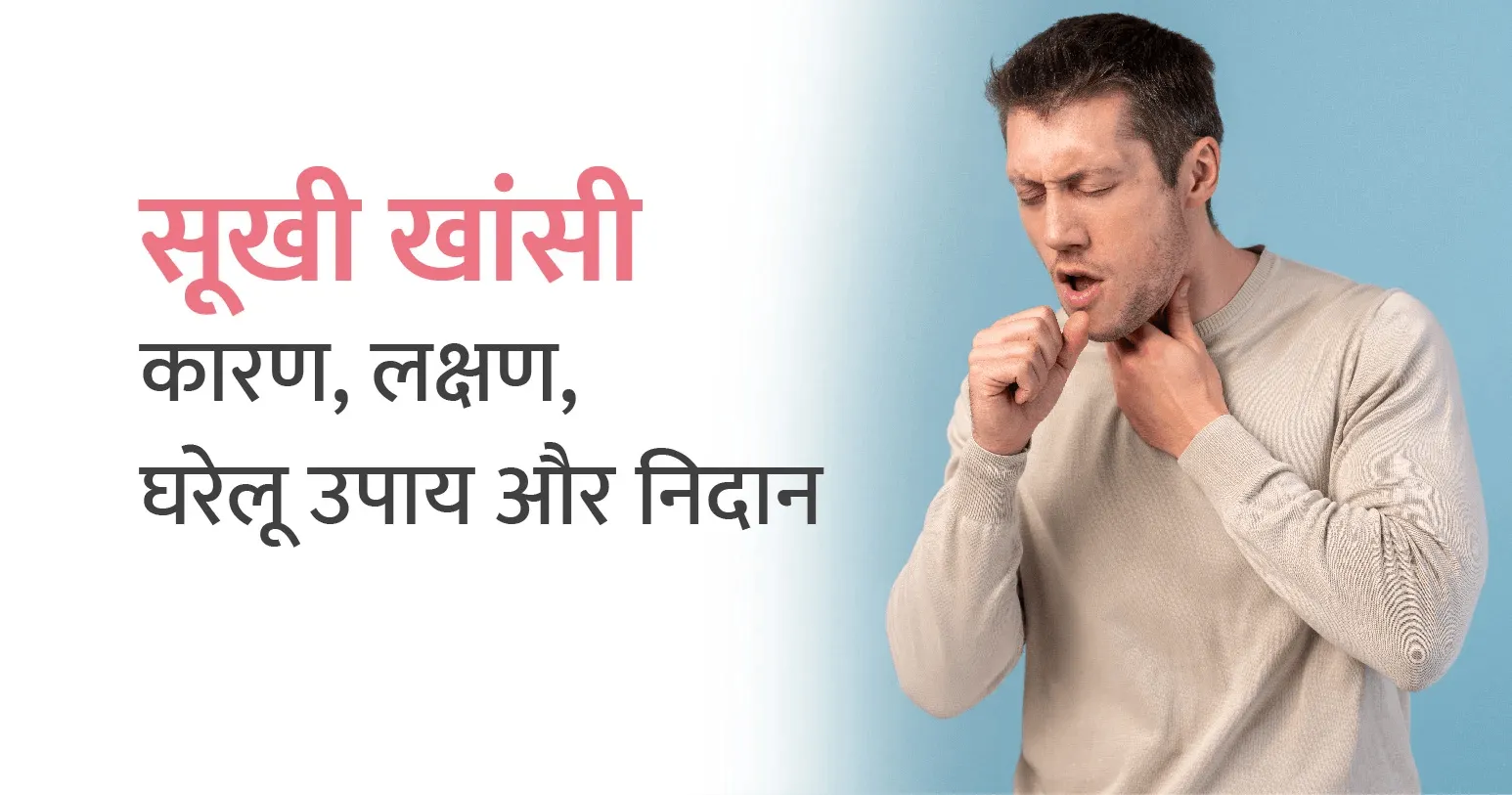
सूखी खांसी एक श्वसन स्थिति (respiratory condition) है जिसमें बलगम या कफ का उत्पादन नहीं होता है। आमतौर पर यह गले और वायुमार्ग में जलन या सूजन के कारण होता है। हालाँकि, इसके मुख्य कारणों में सामान्य सर्दी या फ्लू जैसे वायरल संक्रमण, एलर्जी, जलन पैदा करने वाले कारक या पर्यावरणीय कारक शामिल हैं।
खांसी कठोर और कर्कश लगती है, जिससे कफ के माध्यम से राहत नहीं मिलती है और मरीज को परेशानी होती है। कुछ मामलों में सूखी खांसी विभिन्न अंतर्निहित स्थितियों का लक्षण भी हो सकती है। इसके मूल कारण को समझना, सटीक उपचार में मदद करता है। इस ब्लॉग में हम सूखी खांसी के कारण, लक्षण, घरेलू उपचार आदि के बारे में जानने की कोशिश करेंगे।
और अधिक पढ़ें : इओसिनोफिलिया क्या है – कारण, लक्षण और घरेलू उपचार (Eosinophils in Hindi)
Table of Contents
सूखी खांसी विभिन्न अंतर्निहित कारणों से हो सकती है, जो अक्सर श्वसन प्रणाली में जलन या सूजन का संकेत देती है। सामान्य सर्दी या इन्फ्लूएंजा जैसे वायरल संक्रमण अक्सर सूखी खांसी का कारण बनते हैं। पराग, धूल, या पालतू जानवरों के रूसी जैसे वायुजनित कणों से एलर्जी के कारण भी बलगम उत्पन्न हुए बिना लगातार खांसी हो सकती है। धुआँ, प्रदूषण, या तेज़ गंध जैसे पर्यावरणीय परेशानियाँ भी सूखी खाँसी को प्रेरित कर सकती हैं।
और अधिक पढ़ें: ठण्ड में अस्थमा के मरीज़ो को क्या सावधानियां रखनी चाइये?
गैस्ट्रोएसोफेगल रिफ्लक्स रोग (जीईआरडी) पेट के एसिड को एसोफेगस में वापस प्रवाहित करके खांसी में योगदान कर सकता है। कुछ दवाएं, विशेष रूप से उच्च रक्तचाप के लिए जिन्हें एसीई अवरोधक के रूप में जाना जाता है, लगातार खांसी के दुष्प्रभाव से जुड़ी हैं। इसके अलावा, अस्थमा या क्रॉनिक ऑब्सट्रक्टिव पल्मोनरी डिजीज (सीओपीडी) जैसी श्वसन संबंधी स्थितियां सूखी खांसी के साथ प्रकट हो सकती हैं।
और अधिक पढ़ें : सांस लेने में दिक्कत हो तो क्या करें?
सूखी खांसी के लक्षणीं में गले में खिचखिच होना, आवाज़ कर्कश होना, गले में खरोच जैसा अनुभव होना और तेज़ आवाज़ के साथ खांसी होना आदि शामिल हैं। सूखी खांसी वाले लोगों को असुविधा या गले में बेचैनी महसूस हो सकती है, जो अक्सर खांसने से बढ़ जाती है। खांसी अनुत्पादक होती है, अर्थात इसमें बलगम नहीं आता है।
हालांकि, यह एक स्टैंडअलोन लक्षण हो सकता है, लेकिन वायरल संक्रमण, एलर्जी या श्वसन स्थितियों जैसे अंतर्निहित कारणों के साथ थकान, सांस की तकलीफ या सीने में परेशानी जैसे अतिरिक्त लक्षण भी अनुभव हो सकते हैं, जिसके लिए उचित निदान और उपचार की आवश्यकता होती है।
और अधिक पढ़ें : खांसी का कारण और इलाज | Cough in Hindi
घर पर सूखी खांसी का प्रबंधन करने में सुखदायक उपचार और जीवनशैली में बदलाव शामिल है। हालांकि, ये उपाय राहत प्रदान कर सकते हैं, लेकिन अगर खांसी बनी रहती है या बिगड़ जाती है तो विशेषज्ञ से परामर्श करना महत्वपूर्ण है। घर पर सूखी खांसी का उपचार करने के लिए डॉक्टर से परामर्श के बाद निम्न घरेलू नुस्खों का इस्तेमाल किया जा सकता है:
अपने गले को नम रखने और जलन को कम करने के लिए पूरे दिन खूब पानी पियें। गर्म तरल पदार्थ, जैसे हर्बल चाय, साफ़ शोरबा, या शहद और नींबू के साथ गर्म पानी, विशेष रूप से फायदेमंद हो सकते हैं।
शहद में प्राकृतिक जीवाणुरोधी और सुखदायक गुण होते हैं। गर्म पानी या हर्बल चाय में एक चम्मच शहद मिलाएं और उसका सेवन करें। सोने से पहले कच्चे शहद का सेवन खांसी को कम करने और बेहतर नींद को बढ़ावा देने में मदद कर सकता है।
नमक के पानी से गरारे करने से गले की जलन कम हो सकती है। गर्म पानी में एक चम्मच नमक मिलाकर दिन में कई बार गरारे करें।
हवा में नमी लाने के लिए अपने कमरे में ह्यूमिडिफायर का उपयोग करें। नम हवा गले में सूखापन दूर करने और खांसी को कम करने में मदद कर सकती है।
भाप लेने से श्वसन मार्ग को नमी मिलने पर तुरंत फायदा होता है। गर्म पानी में नीलगिरी के तेल की कुछ बूंदें मिलाएं और भाप लें।
अदरक में सूजन-रोधी गुण होते हैं जो सूखी खांसी को ठीक करने में मदद कर सकते हैं। ताजे अदरक के टुकड़ों को पानी में उबालकर अदरक की चाय तैयार करें। मिठास के लिए शहद मिलाएं और उसका सेवन करें।
हल्दी में एंटी-इंफ्लेमेटरी और एंटीबैक्टीरियल गुण होते हैं। गर्म दूध में एक चम्मच हल्दी मिलाएं और सोने से पहले पिएं।
सुनिश्चित करें कि आपको पर्याप्त आराम मिले ताकि आपका शरीर ठीक हो सके। पर्याप्त नींद प्रतिरक्षा प्रणाली का समर्थन करती है और समग्र स्वास्थ्य को बढ़ावा देती है।
सोते समय अतिरिक्त तकिये का उपयोग करके अपना सिर ऊंचा रखें। यह रात के समय होने वाली खांसी को कम करने में मदद कर सकता है।
धुएं, तेज़ गंध और अन्य पर्यावरणीय परेशानियों से दूर रहें जो सूखी खांसी को बदतर बना सकते हैं। घर से बाहर निकलने पर मास्क का इस्तेमाल करें।
गले पर गर्म सेक लगाने से मांसपेशियों को आराम मिल सकता है और असुविधा कम हो सकती है। गर्म नमक के पानी में एक कपड़ा डुबोएं, उसे निचोड़ें और कुछ मिनटों के लिए अपने गले पर रखें।
दही या सप्लीमेंट्स में पाए जाने वाले प्रोबायोटिक्स, प्रतिरक्षा प्रणाली को बढ़ावा देने और श्वसन स्वास्थ्य को बढ़ावा देने में मदद कर सकते हैं।
और अधिक पढ़ें : क्या सामान्य ज़ुकाम, खांसी या ठंड निमोनिया में बदल सकती है
ऊपर दिए गए घरेलू नुस्खे सूखी खांसी के अलक्षणों को कम करने में मदद कर सकते हैं, लेकिन यह विशेषज्ञ के साथ परामर्श और उपचार की जगह नहीं ले सकता है। अगर आपकी सूखी खांसी बनी रहती है, गंभीर है, या अन्य संबंधित लक्षणों के साथ है, तो उचित निदान और उपचार के लिए विशेषज्ञ से परामर्श करें। साथ ही, पहले से मौजूद स्वास्थ्य समस्याओं वाले या पहले से दवाएँ लेने वालों को नए उपचार आज़माने से पहले एक विशेषज्ञ से अवश्य मार्गदर्शन लेना चाहिए।
लगातार सूखी खांसी विभिन्न कारणों से हो सकती है, जिनमें वायरल संक्रमण (सामान्य सर्दी, फ्लू), एलर्जी, पर्यावरण संबंधी परेशानियां (धुआं, प्रदूषण), गैस्ट्रोएसोफेगल रिफ्लक्स रोग (जीईआरडी), दवाएं (जैसे एसीई अवरोधक), और अंतर्निहित शामिल हैं। अस्थमा या क्रॉनिक ऑब्सट्रक्टिव पल्मोनरी डिजीज (सीओपीडी) जैसी श्वसन संबंधी स्थितियां आदि।
ओवर-द-काउंटर खांसी की दवाएं अस्थायी राहत प्रदान कर सकती हैं लेकिन आमतौर पर गीली या उत्पादक खांसी के लिए अधिक प्रभावी होती हैं। सूखी खांसी के लिए अक्सर शहद, गले की दवा या ह्यूमिडिफायर जैसे उपचारों की सिफारिश की जाती है। किसी भी दवा का उपयोग करने से पहले एक विशेषज्ञ डॉक्टर से परामर्श करें, खासकर अगर आपको पहले से कोई स्वास्थ्य समस्या है या आप अन्य दवाएं ले रहे हैं।
अगर सूखी खांसी तीन सप्ताह से अधिक समय तक बनी रहती है, साथ में सांस लेने में तकलीफ, सीने में दर्द, या लगातार थकान जैसे गंभीर लक्षण होते हैं, या खांसी में खून आता है, तो तुरंत चिकित्सा सहायता लेने की सलाह दी जाती है। ये एक अंतर्निहित स्थिति के संकेत हो सकते हैं जिसके लिए मेडिकल सहायता की आवश्यकता होती है।
मसालेदार, अम्लीय, या जलन पैदा करने वाले खाद्य पदार्थ और पेय पदार्थ गले में जलन बढ़ा सकते हैं और सूखी खांसी बढ़ा सकते हैं। कैफीन, शराब और तंबाकू से बचने की सलाह दी जाती है, जो निर्जलीकरण और गले के सूखने में योगदान कर सकते हैं। असुविधा को कम करने के लिए गर्म सूप, हर्बल चाय और गैर-अम्लीय फलों जैसे सुखदायक खाद्य पदार्थों का विकल्प चुनें।
हां, पराग, धूल, या पालतू जानवरों की रूसी जैसे वायुजनित कणों से एलर्जी के कारण गले में पुरानी जलन और लगातार सूखी खांसी हो सकती है। एंटीहिस्टामाइन के माध्यम से एलर्जी का प्रबंधन करना, ट्रिगर से बचना और एलर्जेन-प्रूफ बिस्तर का उपयोग करना एलर्जी प्रतिक्रियाओं से जुड़ी खांसी को कम करने में मदद कर सकता है।
हां, सूखी खांसी के लिए ह्यूमिडिफायर का उपयोग फायदेमंद हो सकता है। यह हवा में नमी लाता है, गले को सूखने से बचाता है और जलन को कम करता है। हालाँकि, फफूंद या बैक्टीरिया के विकास को रोकने के लिए ह्यूमिडिफायर को नियमित रूप से साफ करना आवश्यक है, जो श्वसन संबंधी लक्षणों को खराब कर सकता है।
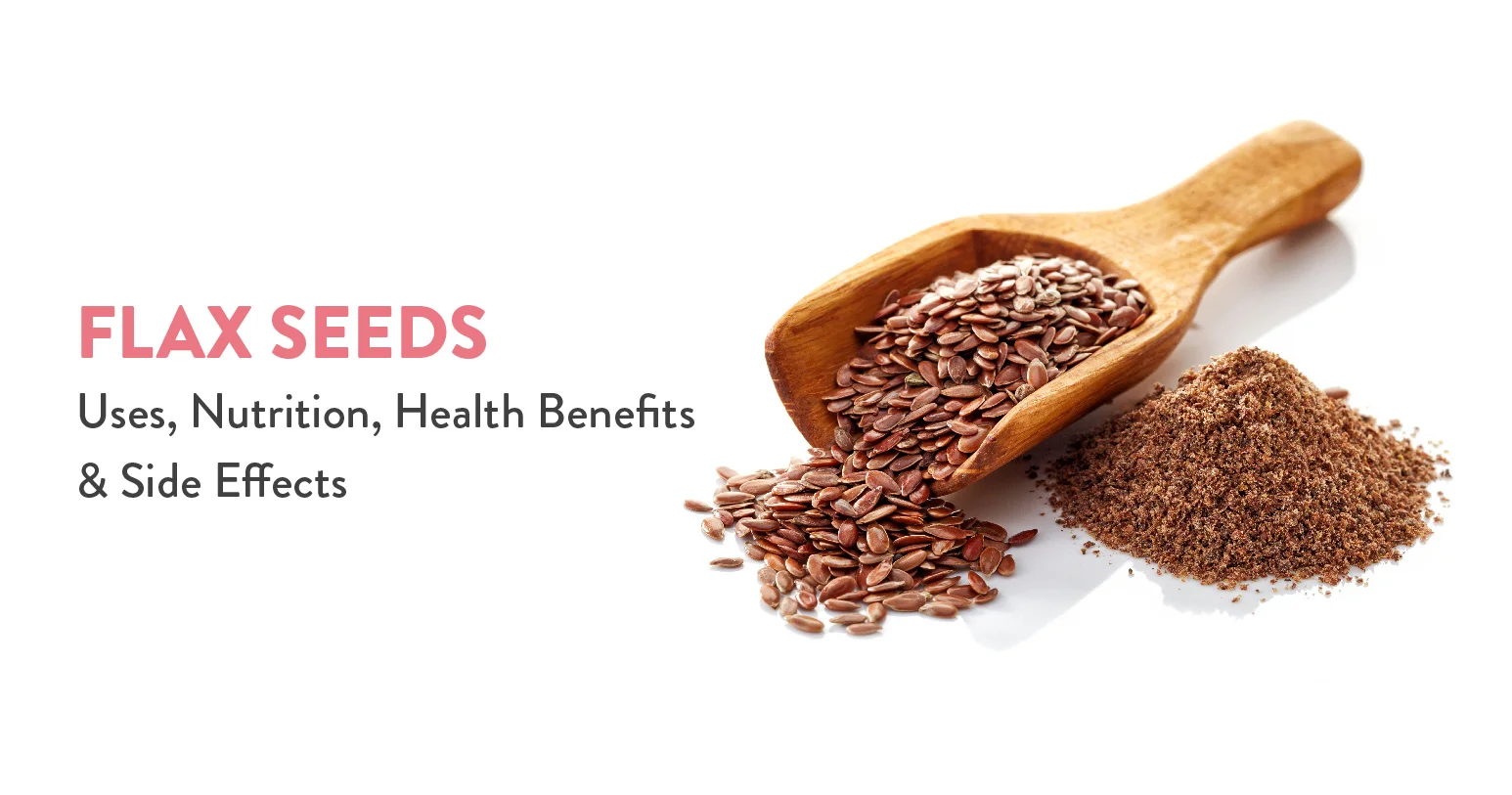
Flax seeds, often touted as a nutritional powerhouse, have been gaining widespread recognition in the world of health and wellness. Packed with essential nutrients, fibre, and beneficial fatty acids, these tiny seeds offer a plethora of health benefits.
In this blog, we’ll dive deep into the wonders of flax seeds, exploring their nutritional value, versatile uses, and how they can become a valuable addition to your daily diet.
Table of Contents
Flaxseed, also recognized as flax or linseed, constitutes the seeds of the flax plant. Available in hues spanning reddish brown to light yellow (often called golden flaxseed), it can be ingested as whole seeds, ground powder, or flaxseed oil.
Flaxseeds contain 534 calories in every 3.5 ounces (100 grams), equivalent to 55 calories per tablespoon (10 grams) of whole seeds.
Their composition comprises 42% fat, 29% carbohydrates, and 18% protein.
A single tablespoon (10 grams) of whole flax seeds provides the following nutritional values:
Flax seeds are incredibly rich in fibre, with 95% of their 29% carb content being fibre.
Two tablespoons of flax seeds (20 grams) offer 6 grams of fibre, meeting 15–25% of the daily fibre intake for men and women.
This fibre is a blend of soluble fibre (20–40%) for blood sugar and cholesterol control, and insoluble fibre (60–80%) aiding in digestion.
Flax seeds, when mixed with water, form a thick mucilage, acting as a natural laxative, promoting regularity, preventing constipation, and lowering the risk of diabetes.
Flax seeds, with 18% protein, have a soybean-like amino acid profile but lack lysine, making them incomplete protein. Rich in heart and immune-boosting arginine and glutamine.
Flax seeds are rich in fat, with 1 tablespoon containing 4.3 grams, consisting of 73% polyunsaturated fatty acids, including omega-6 and ALA (alpha-linolenic acid) omega-3. ALA is essential and must be obtained from food as the body can’t produce it.
Flaxseed oil has the highest ALA content, followed by milled seeds, while whole seeds have the least. Flax seeds have a favourable omega-6 to omega-3 ratio, linked to lower chronic disease risk, but they contain less omega-3 than fish oils. Converting ALA to EPA (eicosapentaenoic acid) and DHA (docosahexaenoic acid) is often inefficient.
Solin, a yellow variety of flax seeds, is less nutritious with a different oil profile and low omega-3 content.
You Can Also Read: Health Benefits of Chia Seeds
Flax seeds serve as a valuable nutritional resource as they provide numerous vitamins and minerals, such as:
Flax seeds are also rich in numerous beneficial plant components, like:
The multiple health benefits of lignans are:
Flax seeds offer versatility in cooking and baking, providing both flavour and nutrition. Here’s how they can be used:
Store flax seeds properly to maintain freshness and nutritional benefits. Grinding them just before use is recommended. Incorporating flax seeds into your meals enhances fibre and omega-3 intake.
Flax seeds offer various health benefits across heart health, digestion, and cholesterol levels:
Ground flax seeds aid digestion. Consult a healthcare professional if you have health conditions or take medications. Include them in a balanced diet for health benefits.
Flax seeds, rich in soluble fibre, aid weight loss by reducing hunger and cravings.
Controlled studies found that incorporating flax seeds into diets helped overweight individuals shed an average of 2.2 pounds (1 kg).
Longer studies and daily consumption of over 30 grams showed even more significant weight loss effects.
You Can Also Read: Top High Protein Foods
Consuming flax seeds safely involves several key considerations for their high fibre and omega-3 fatty acid content:
Always consult with a healthcare professional if you have specific dietary concerns or medical conditions before adding flax seeds to your diet.
Flax seeds are a nutritional powerhouse with numerous health benefits. Incorporating them into your diet can enhance your overall well-being and contribute to a healthier lifestyle.
At the CK Birla Hospital, we ensure patients get holistic medical support which includes treatment in a compassionate environment. This patient-centric approach not only helps patients heal better but also ensures they are aware of the preventive measures as well. In case you need to Consult a Dietitian, reach out to us, or book a direct appointment at the CK Birla Hospital.
Flax seeds are rich in omega-3 fatty acids, fibre, and antioxidants, supporting heart health, digestion, and skin.
Ground flax seeds are more digestible; sprinkle on yoghurt, in smoothies, or use as an egg substitute in baking.
Consult a doctor if you have allergies, are pregnant, or taking certain medications to ensure safety.
Yes, the fibre content can promote feelings of fullness, aiding weight management when part of a balanced diet.
Store flax seeds in an airtight container in the refrigerator to prevent rancidity due to their high oil content.

