Filter :

विटामिन बी12 को कोबालामिन भी कहा जाता है। यह एक महत्वपूर्ण पानी में घुलनशील विटामिन है जो शरीर में कई महत्वपूर्ण भूमिका निभाता है। यह निम्न के लिए आवश्यक है:
विटामिन बी12 प्राकृतिक रूप से मांस, मछली, पोल्ट्री, अंडे और डेयरी उत्पादों जैसे पशु उत्पादों में पाया जाता है। इसे गरिष्ठ खाद्य पदार्थों और पूरकों के माध्यम से भी प्राप्त किया जा सकता है। हालाँकि, यह ध्यान रखना महत्वपूर्ण है कि बी12 प्राकृतिक रूप से पौधों के खाद्य पदार्थों में मौजूद नहीं है, इसलिए शाकाहारियों को यह सुनिश्चित करने की आवश्यकता हो सकती है कि उन्हें गरिष्ठ खाद्य पदार्थों या पूरक के माध्यम से पर्याप्त मात्रा में सेवन मिले।
इसके अलावा, कुछ व्यक्तियों को बी12 को अवशोषित करने में कठिनाई हो सकती है, जैसे कि घातक एनीमिया या कुछ गैस्ट्रोइंटेस्टाइनल विकारों वाले लोगों को, और बी12 इंजेक्शन या मौखिक पूरक की उच्च खुराक की आवश्यकता हो सकती है।
ये भी पढ़े: Neutrophils in Hindi (White Blood Cell Kaise Badhaye)
Table of Contents
विटामिन बी12 की कमी विभिन्न कारकों से उत्पन्न हो सकती है, मुख्य रूप से अपर्याप्त सेवन, बिगड़ा हुआ अवशोषण (impaired absorption), या बढ़ी हुई आवश्यकता से संबंधित है। बी12 से भरपूर खाद्य पदार्थों की अपर्याप्त खपत, विशेष रूप से शाकाहारी और शाकाहारियों के बीच जो अपने आहार से पशु उत्पादों को बाहर करते हैं, समय के साथ इसकी कमी हो सकती है।
साथ ही, गैस्ट्रोइंटेस्टाइनल मार्ग को प्रभावित करने वाली स्थितियाँ, जैसे कि घातक रक्ताल्पता, सीलिएक रोग, क्रोहन रोग, या पेट या आंतों के कुछ हिस्सों को शल्य चिकित्सा द्वारा हटाना, भोजन से बी12 को अवशोषित करने की शरीर की क्षमता को खराब कर सकता है। कुछ दवाएं, जैसे प्रोटॉन पंप अवरोधक और मेटफॉर्मिन, भी बी12 अवशोषण में हस्तक्षेप कर सकती हैं।
उम्र बढ़ने से पेट में एसिड और आंतरिक कारक का उत्पादन कम हो सकता है, जो बी12 अवशोषण के लिए आवश्यक है, जिससे वृद्ध वयस्कों में इसकी कमी का खतरा बढ़ जाता है। इसके अलावा, ऐसी स्थितियाँ जो बी12 के उपयोग या मांग को बढ़ाती हैं, जैसे गर्भावस्था, स्तनपान, या कुछ चिकित्सा उपचार, कमी में योगदान कर सकते हैं। कमी से संबंधित जटिलताओं को रोकने और प्रबंधित करने के लिए बी12 स्तरों की नियमित निगरानी और उचित पूरकता या आहार समायोजन आवश्यक हैं।
और अधिक पढ़े: हीमोग्लोबिन क्या है – कम होने का कारण, लक्षण और उपचार (Hemoglobin in Hindi)
विटामिन बी12 की कमी के कई लक्षण हो सकते हैं जो शरीर में विभिन्न प्रणालियों को प्रभावित करते हैं, थकान और कमजोरी से लेकर न्यूरोलॉजिकल और पाचन समस्याओं तक। इसके सामान्य लक्षणों में निम्न शामिल हैं:
दीर्घकालिक जटिलताओं को रोकने के लिए शीघ्र पता लगाना और उपचार आवश्यक है। इन लक्षणों का अनुभव होने पर स्वास्थ्य देखभाल पेशेवर से परामर्श की सलाह दी जाती है, खासकर आहार प्रतिबंध या गैस्ट्रोइंटेस्टाइनल स्थितियों जैसे जोखिम कारकों के साथ।
ये भी पढ़े: लो बीपी (लो ब्लड प्रेशर) : लक्षण, कारण और उपचार
विटामिन बी12 की कमी के निदान में आमतौर पर नैदानिक मूल्यांकन और प्रयोगशाला परीक्षणों का संयोजन शामिल होता है। विशेषज्ञ डॉक्टर थकान, तंत्रिका संबंधी समस्याएं या ग्लोसिटिस जैसे लक्षणों का आकलन करने के लिए शारीरिक परीक्षण कर सकते हैं। रक्त में विटामिन बी12 की सांद्रता को मापने के लिए सीरम बी12 स्तर सहित रक्त परीक्षण किया जा सकता है।
इसके अलावा, मिथाइलमेलोनिक एसिड (एमएमए) और होमोसिस्टीन स्तर जैसे मार्करों के परीक्षण कमी की पुष्टि करने में मदद कर सकते हैं। कुछ मामलों में, जटिलताओं का आकलन करने के लिए बोन मैरो एस्पिरेशन या इमेजिंग अध्ययन जैसी आगे की जांच आवश्यक हो सकती है। सटीक निदान और उचित प्रबंधन के लिए एक विशेषज्ञ डॉक्टर द्वारा व्यापक मूल्यांकन महत्वपूर्ण है।
और अधिक पढ़े: प्रतिरोधक क्षमता(इम्यूनिटी) बढ़ाने के लिए क्या खाएं?
विटामिन बी12 की कमी के उपचार में आमतौर पर शरीर में बी12 के स्तर को बढ़ाने के लिए पूरक आहार शामिल होता है। कमी की गंभीरता और अंतर्निहित कारण के आधार पर, उपचार के विकल्प भिन्न हो सकते हैं:
विटामिन बी12 की कमी के सफल प्रबंधन के लिए बी12 स्तरों की नियमित निगरानी और उपचार सिफारिशों का अनुपालन महत्वपूर्ण है।
और अधिक पढ़े: प्रोटीन युक्त आहार लिस्ट: 15 हाई प्रोटीन फूड्स
विटामिन बी 12 की कमी को रोकने में बी 12 युक्त खाद्य पदार्थों का पर्याप्त सेवन सुनिश्चित करने और अवशोषण को ख़राब करने वाले कारकों को संबोधित करने के लिए रणनीतियों को अपनाना शामिल है। कमी को रोकने के कुछ तरीके यहां दिए गए हैं:
इन निवारक उपायों को अपनाकर, आप पर्याप्त बी12 स्तर बनाए रख सकते हैं और कमी से संबंधित जटिलताओं के जोखिम को कम कर सकते हैं।
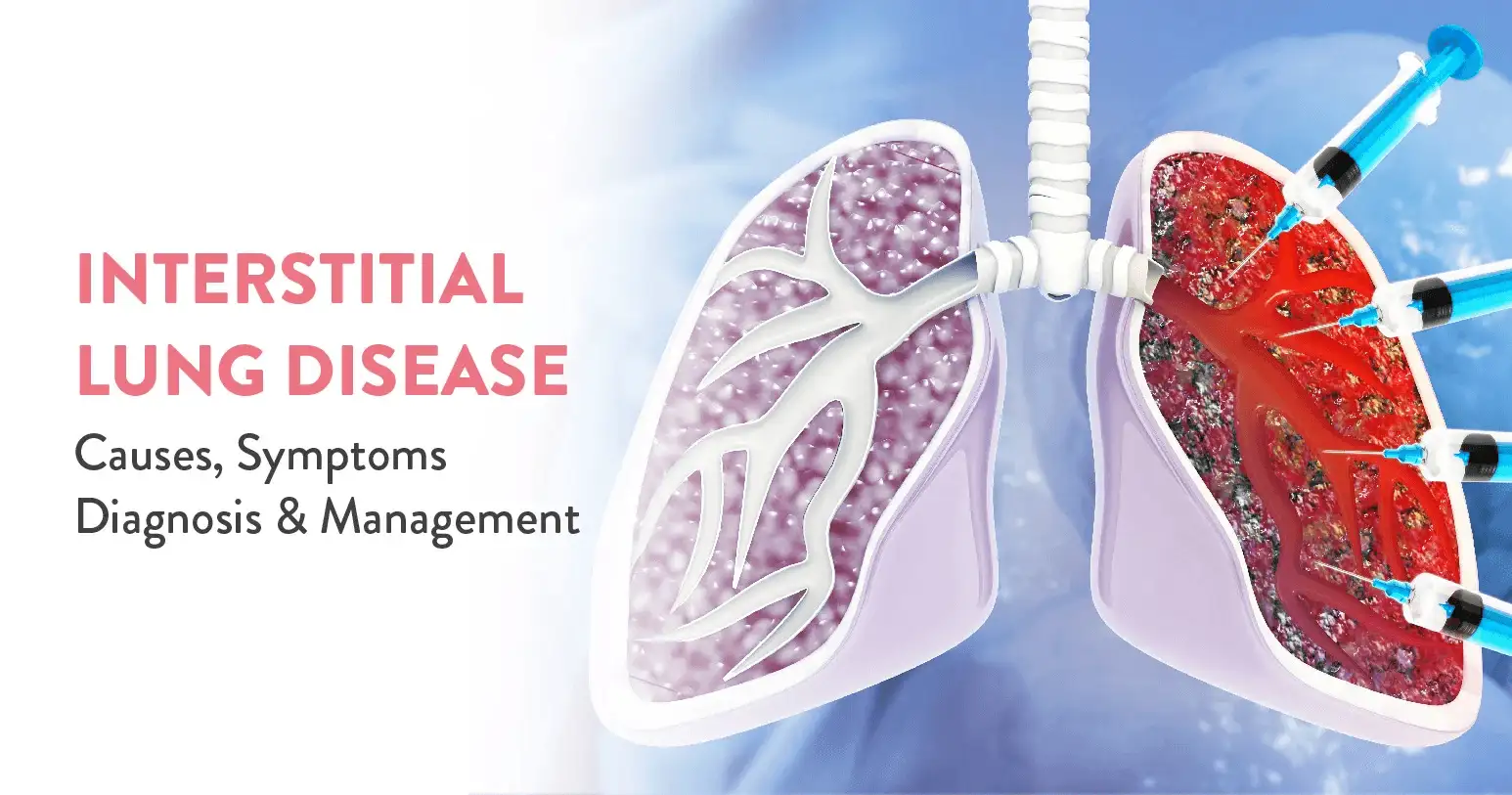
Interstitial lung disease (ILD) encompasses a diverse group of disorders characterised by inflammation and scarring of the lung tissue. This umbrella term includes conditions such as idiopathic pulmonary fibrosis (lung fibrosis), sarcoidosis, and connective tissue disease-associated ILD, among others.
ILD poses significant challenges in diagnosis and management, often leading to progressive respiratory impairment and reduced quality of life. Understanding its complexities is crucial for effective patient care and research advancements.
Table of Contents
Interstitial lung disease (ILD) encompasses more than 200 conditions characterised by inflammation and scarring within the lungs.
It results in damage to the tissues surrounding the small air sacs (alveoli) and the adjacent blood vessels, leading to impaired oxygen transfer from the lungs to the body. ILD is alternatively known as diffuse parenchymal lung disease (DPLD).
There exists a plethora of interstitial lung diseases, numbering over 200. Among these are:
You Can Also Read: Tuberculosis: Causes, Symptoms, Diagnosis & Treatment
Interstitial lung disease can manifest with a range of symptoms due to lung damage, irritation, and reduced oxygen levels. These may include:
Symptoms vary, resembling other respiratory issues. Consult a doctor if you experience shortness of breath or any unusual symptoms. Early diagnosis enables treatment initiation for interstitial lung disease.
Interstitial lung disease causes are categorised as known or unknown. Known causes result from existing diseases or exposures, while idiopathic cases lack identifiable causes or exposures.
Interstitial lung disease may result in various complications, including:
Early diagnosis of interstitial lung disease and adherence to your treatment regimen can potentially lower the risk of these complications.
You Can Also Read: Asthma: Understanding Types, Causes, Symptoms, Diagnosis, and Treatment
Your healthcare provider (Interstitial Lung Disease Doctor) will diagnose interstitial lung disease through a comprehensive process involving various examinations and tests, such as:
Treatment for interstitial lung disease (ILD) primarily addresses underlying conditions and symptom management. Below are the various methods used to treat this disease:
Interstitial lung disease represents a complex array of conditions with a significant impact on individuals’ health. Early detection, comprehensive management, and ongoing research remain crucial for improving outcomes and enhancing quality of life. It is always advisable to seek medical help from an experienced pulmonologist. Timely care and help can ensure an appropriate diagnosis and treatment of your condition.
At the CK Birla Hospital, we ensure patients get holistic medical support which includes treatment in a compassionate environment. This patient-centric approach not only helps patients heal better but also ensures they are aware of the preventive measures as well. In case you need to consult a pulmonologist, reach out to us, or book a direct appointment at the CK Birla Hospital.
Interstitial lung disease (ILD) encompasses various conditions; some types are treatable but not curable. Management focuses on symptom relief, slowing progression, and addressing underlying causes, though a complete cure remains elusive for many cases.
Some forms of interstitial lung disease (ILD) may improve or stabilise with treatment, but complete reversal is rare. Early detection, appropriate management, and lifestyle changes can help mitigate symptoms and slow progression.
Advanced stages of interstitial lung disease (ILD) can lead to respiratory failure due to progressive scarring and damage to lung tissue, impairing the ability to exchange oxygen and carbon dioxide effectively.
While no specific dietary restrictions apply universally to interstitial lung disease (ILD), maintaining a balanced diet rich in fruits, vegetables, and lean proteins, and staying adequately hydrated can support overall health and lung function.
Prevention of interstitial lung disease (ILD) involves reducing exposure to known risk factors such as smoking, environmental pollutants, and occupational hazards. Early detection and prompt treatment of lung conditions can help mitigate risks.
Interstitial lung disease (ILD) is not contagious. It is a non-communicable condition characterised by inflammation and scarring of lung tissue, usually caused by environmental or autoimmune factors, not pathogens.
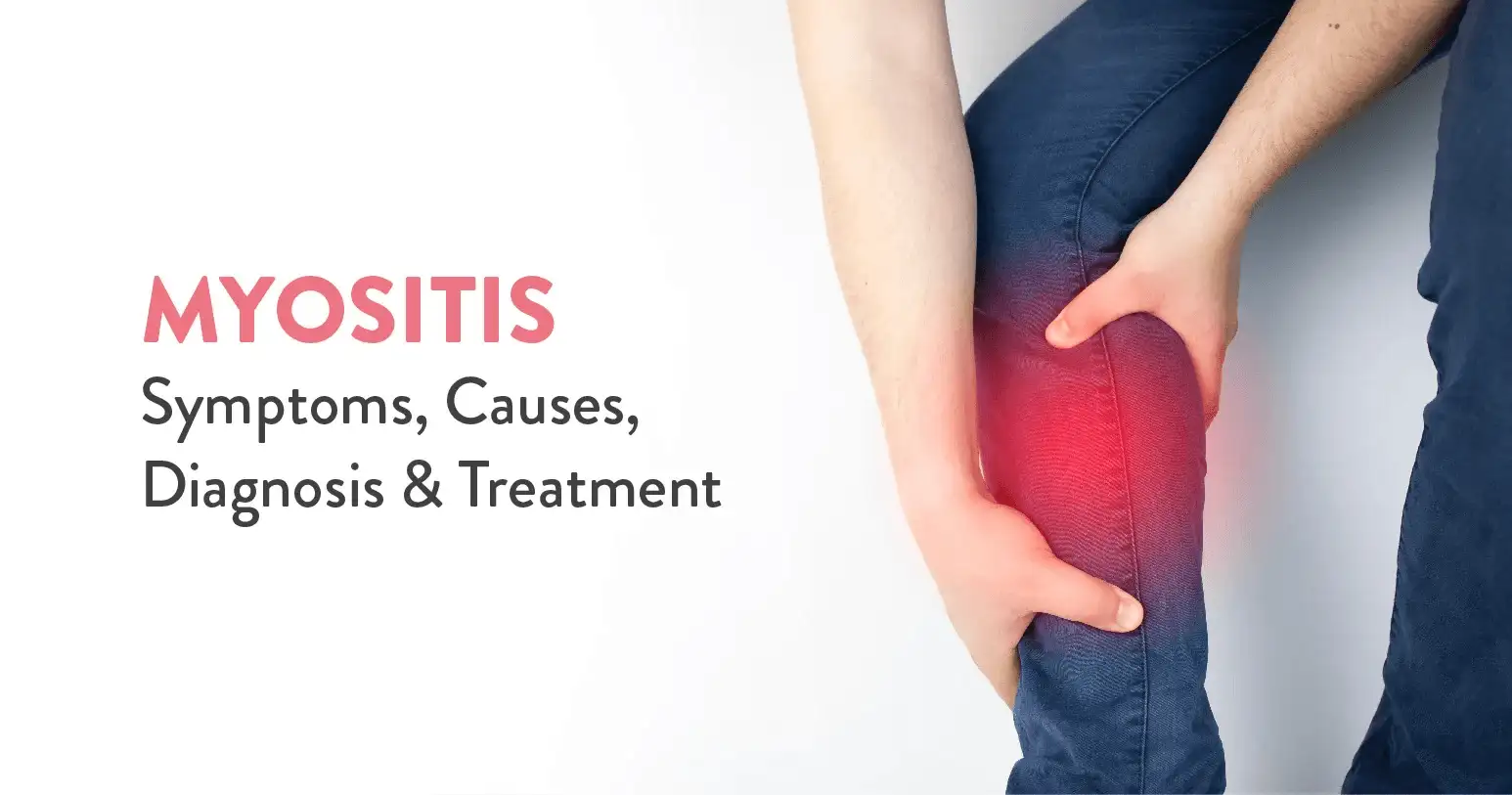
Myositis, a group of rare autoimmune diseases characterised by muscle inflammation, presents unique challenges and complexities for both patients and healthcare providers. Understanding its diverse manifestations, from weakness and fatigue to skin rashes, is crucial for accurate diagnosis and effective management.
In this blog, we delve into the intricacies of myositis, exploring its symptoms, diagnosis, treatment options, and the latest research advancements. By unravelling the mysteries surrounding myositis, we aim to empower patients with knowledge and provide healthcare professionals with valuable insights into this often misunderstood condition.
Table of Contents
Myositis, an immune system disorder, induces chronic muscle inflammation, leading to weakness and pain. It falls under myopathy, affecting skeletal muscles, including those in the arms, legs, abdomen, and spine. Some experience weakness in the eyes, oesophagus, or diaphragm.
Its cause remains uncertain, with no cure available. Treatment focuses on symptom management and exercise. Seek medical help for weakness, mobility issues, or respiratory distress.
A healthcare provider diagnoses myositis based on symptoms and affected muscle locations. Forms of myositis include:
Symptoms of myositis encompass:
During symptomatic episodes, movement or usual activities might pose challenges. Increased fatigue or a sense of loss of control over limbs may be experienced.
Various forms of myositis manifest distinct symptoms. Your healthcare provider will outline anticipated symptoms and their specific manifestations for your condition.
You Can Also Read: Raynaud’s Disease: Symptoms, Causes, Diagnosis, and Management
The exact cause of myositis remains uncertain according to experts. While it can manifest independently, it is sometimes precipitated by underlying health conditions.
Myositis is categorised as an autoimmune disorder, wherein the immune system mistakenly targets the body rather than safeguarding it. The reasons behind this misdirection are not fully understood.
Some individuals are more predisposed to developing myositis due to their autoimmune conditions, like:
Additionally, some individuals may experience myositis following a viral infection such as:
Muscle inflammation is the hallmark of myositis, which can lead to several problems, including:
Management involves a multidisciplinary approach, including rheumatologists and physical therapists, to minimise risks and enhance quality of life. Regular medical care is crucial for monitoring and addressing potential complications effectively.
People with myositis often receive misdiagnosis due to the rarity of the condition and the similarity of its primary symptoms to those of other common diseases, such as muscle weakness and fatigue.
To aid in the diagnosis, physicians may utilise a combination of the following methods:
You Can Also Read: Prone to Frequent Lower Back Pain? 7 Things to Know About Ankylosing Spondylitis
Myositis has no known cure. Instead, your healthcare provider will focus on managing your symptoms to minimise their interference with your daily life. The aim is to alleviate your symptoms until the myositis enters a state of remission, characterised by minimal or no inflammation in your muscles. Common treatments for myositis encompass:
Additionally, your healthcare provider or physical therapist will prescribe stretches and exercises tailored to maintain flexibility and strength in your affected muscles. This proactive approach can help alleviate pain and stiffness and mitigate the impact of future episodes.
Myositis presents a complex array of symptoms, requiring personalised treatment approaches. Awareness, early detection, and interdisciplinary care are pivotal in managing this condition effectively and improving patients’ quality of life. It is always advisable to seek medical help from an experienced rheumatologist. Timely care and help can ensure an appropriate diagnosis and treatment of your condition.
At the CK Birla Hospital, we ensure patients get holistic medical support which includes treatment in a compassionate environment. This patient-centric approach not only helps patients heal better but also ensures they are aware of the preventive measures as well. In case you need to consult a rheumatologist, reach out to us, or book a direct appointment at the CK Birla Hospital. (Booking Link).
Myositis can affect children, although it’s relatively rare. Juvenile dermatomyositis (JDM) is the most common form, causing muscle weakness and skin rash, often requiring medical intervention.
Myositis is not contagious. It’s an autoimmune condition where the body’s immune system attacks its muscles, leading to inflammation and weakness.
Yes, myositis can lead to disability, especially if left untreated or if severe muscle damage occurs. Proper management, including medication and therapy, can help minimise disability.
Certain triggers like infections, stress, overexertion, and exposure to certain medications or environmental factors can worsen myositis symptoms by exacerbating inflammation and muscle weakness.
Patients with myositis should typically have regular follow-up appointments every few months to monitor their condition, adjust treatment as needed, and address any emerging symptoms or concerns.
Osteomalacia, often referred to as “soft bones,” is a metabolic bone disorder characterised by a deficiency in vitamin D, calcium, or phosphate, leading to weakened and softened bones. This condition primarily affects adults and can result in bone pain, fractures, and muscle weakness.
Understanding its causes, symptoms, diagnosis, and treatment options is crucial for effectively managing and preventing its debilitating effects on skeletal health.
Table of Contents
Osteomalacia, which translates to “soft bones,” is a condition characterised by weakened bones that are more susceptible to fractures. This disorder arises from decreased mineralization, leading to a breakdown of bone structure at a faster rate than it can regenerate.
Osteomalacia primarily affects adults, whereas insufficient vitamin D levels in children can lead to a similar condition known as rickets. This ailment differs from osteoporosis. Osteoporosis entails the deterioration of existing living bone undergoing remodelling.
Osteomalacia manifests through various symptoms:
These symptoms collectively signify the presence of osteomalacia, warranting medical attention and intervention.
You Can Also Read: Chondromalacia Patella: Causes, Symptoms and Treatment
Osteomalacia, primarily caused by a lack of vitamin D, is a condition where bones become soft and weak. Key points include:
Factors contributing to vitamin D deficiency:
Conditions affecting vitamin D absorption:
Other contributing factors:
Your healthcare provider diagnoses osteomalacia through blood tests, X-rays, and possibly a bone biopsy:
Overall, blood tests and X-rays usually suffice for diagnosis, with biopsies reserved for confirmation when needed. This all-inclusive method guarantees a precise diagnosis and suitable therapy.
You Can Also Read: High Tibial Osteotomy
Treatment for osteomalacia involves addressing underlying causes and supplementing with vitamin D and calcium:
Untreated or severe osteomalacia presents several complications:
Timely diagnosis and treatment are crucial to mitigate these complications.
You Can Also Read: Osteochondritis Dissecans (OCD)
Preventing osteomalacia involves a combination of lifestyle measures and dietary choices:
Maintaining a healthy weight, limiting alcohol and caffeine, quitting smoking, and regular medical monitoring are essential. Consult healthcare providers for personalised advice and bone density
Osteomalacia is a condition marked by softening of the bones, often due to vitamin D deficiency. Early diagnosis and proper treatment are crucial for managing symptoms and preventing complications. It is always advisable to seek medical help from an experienced orthopaedist. Timely care and help can ensure an appropriate diagnosis and treatment of your condition.
At the CK Birla Hospital, we ensure patients get holistic medical support which includes treatment in a compassionate environment. This patient-centric approach not only helps patients heal better but also ensures they are aware of the preventive measures as well. In case you need to consult an orthopaedist, reach out to us, or book a direct appointment at the CK Birla Hospital.
Yes, osteomalacia can occur in children. It’s a condition characterised by softening of bones due to vitamin D deficiency or other factors affecting bone mineralization during growth.
Risk factors for osteomalacia include inadequate sunlight exposure, insufficient dietary intake of vitamin D, malabsorption disorders, renal diseases, certain medications, and conditions affecting the metabolism of vitamin D or calcium.
Yes, prolonged untreated osteomalacia can lead to osteoporosis. Both conditions involve decreased bone density, but osteomalacia specifically results from a lack of mineralization due to vitamin D deficiency.
Yes, certain medications such as anticonvulsants, glucocorticoids, proton pump inhibitors, and some antiretroviral drugs can interfere with vitamin D metabolism or absorption, potentially leading to osteomalacia.
The time to reverse osteomalacia with treatment varies depending on the severity and underlying cause, but improvement in symptoms and bone mineralization can typically be observed within several months.
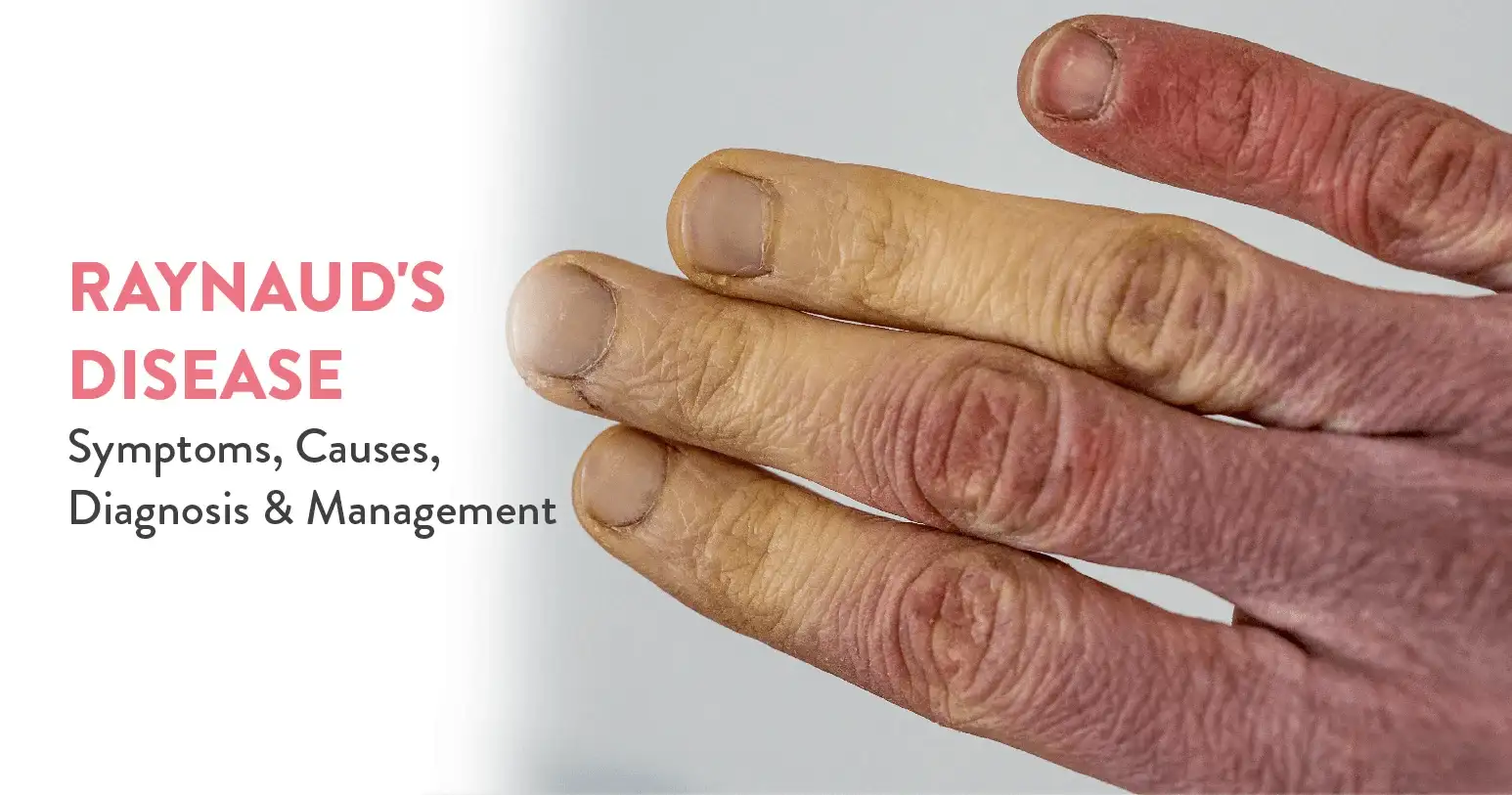
Raynaud’s disease, a condition affecting blood circulation, manifests in extreme sensitivity to cold temperatures or stress, causing the fingers, toes, and sometimes other extremities to turn white or blue and feel numb or cold. Named after the French physician Maurice Raynaud who first described it in 1862, this disorder affects millions worldwide, with various triggers and management strategies.
Understanding its nuances is crucial for those impacted. With proper knowledge, individuals can implement effective coping mechanisms and treatment plans to mitigate its effects and improve their quality of life. By delving into the intricacies of Raynaud’s disease, we can foster greater awareness and support for those navigating its challenges.
Table of Contents
Raynaud’s syndrome affects small blood vessels in fingers, toes, and other areas like the nose, lips, or ear lobes. Triggered by cold or stress, it causes spasms called vasospastic attacks.
During an attack, arterioles and capillaries tighten excessively, turning skin white and then blue due to oxygen deficiency. Skin may feel cold or numb, followed by redness or tingling as vessels relax. Attacks typically last 15 minutes.
There exist two classifications of Raynaud’s syndrome: primary and secondary.
According to a study conducted in 2020, the majority of individuals displaying these symptoms are diagnosed with primary Raynaud’s disorder, constituting 80-90 per cent of cases. This variant lacks a known cause and is considered idiopathic.
Secondary Raynaud’s syndrome is triggered by an underlying medical condition or certain medications. For instance, systemic sclerosis can induce Raynaud’s phenomenon and frequently serves as the initial indicator of the disease.
Individuals diagnosed with Raynaud’s may encounter symptoms ranging from moderate to severe.
Raynaud’s symptoms manifest in various ways, including:
Symptoms of Raynaud’s syndrome are episodic, lasting around 15 minutes typically, but can vary in duration. Triggers like cold weather often provoke episodes. Primary Raynaud’s syndrome tends to have milder symptoms, while secondary cases may involve more severe manifestations like skin ulcers.
You Can Also Read: Costochondritis: Symptoms, Causes, Diagnosis and Treatment
Primary Raynaud’s disease is characterised by the body’s response to cold or stress, restricting blood flow to the skin, and leading to symptoms. Factors impacting its occurrence include:
Secondary Raynaud’s links to medical conditions, medications, or habits like smoking, arthritis, and autoimmune diseases. Cold and stress are common triggers, urging attention to bodily signals.
Raynaud’s disease, characterised by vasospasm and reduced blood flow to extremities, poses potential complications, like:
Management involves avoiding triggers, keeping extremities warm, and seeking medical attention for severe symptoms. Treating underlying conditions is vital, particularly in secondary Raynaud’s, to mitigate complications.
To determine primary or secondary Raynaud’s syndrome, various diagnostic tests are available, such as:
These tests assist in diagnosing or ruling out underlying conditions contributing to Raynaud’s symptoms.
You Can Also Read: Prone to Frequent Lower Back Pain? 7 Things to Know About Ankylosing Spondylitis
There is no cure for primary or secondary Raynaud’s disease. Various therapies and modifications to your lifestyle, however, could assist in controlling your symptoms and lowering the frequency of episodes.
Raynaud’s disease poses unique challenges, yet with proper understanding and management, individuals can navigate its impact effectively. Increased awareness and support foster a better quality of life for sufferers. It is always advisable to seek medical help from an experienced rheumatologist. Timely care and help can ensure an appropriate diagnosis and treatment of your condition.
At the CK Birla Hospital, we ensure patients get holistic medical support which includes treatment in a compassionate environment. This patient-centric approach not only helps patients heal better but also ensures they are aware of the preventive measures as well. In case you need to consult a rheumatologist, reach out to us, or book a direct appointment at the CK Birla Hospital.
Raynaud’s disease can affect other body parts such as the nose, ears, nipples, and even internal organs like the lungs and heart in severe cases.
Raynaud’s disease can have a hereditary component, with a higher likelihood of occurrence in individuals with a family history of the condition.
In severe cases, Raynaud’s disease can lead to tissue damage, ulcers, and, rarely, gangrene in the affected fingers and toes, potentially resulting in permanent complications or amputation.
For managing Raynaud’s symptoms, consider a diet rich in omega-3 fatty acids, and antioxidants, and avoiding caffeine and alcohol. Keep warm and hydrated to improve blood circulation and reduce flare-ups.
Raynaud’s disease involves vasospasms triggered by cold or stress, causing reduced blood flow to extremities. Frostbite results from tissue freezing due to prolonged exposure to cold temperatures, leading to tissue damage.
Yes, stress can trigger Raynaud’s episodes by causing blood vessels to constrict, reducing blood flow to the extremities. Managing stress through relaxation techniques may help alleviate symptoms.
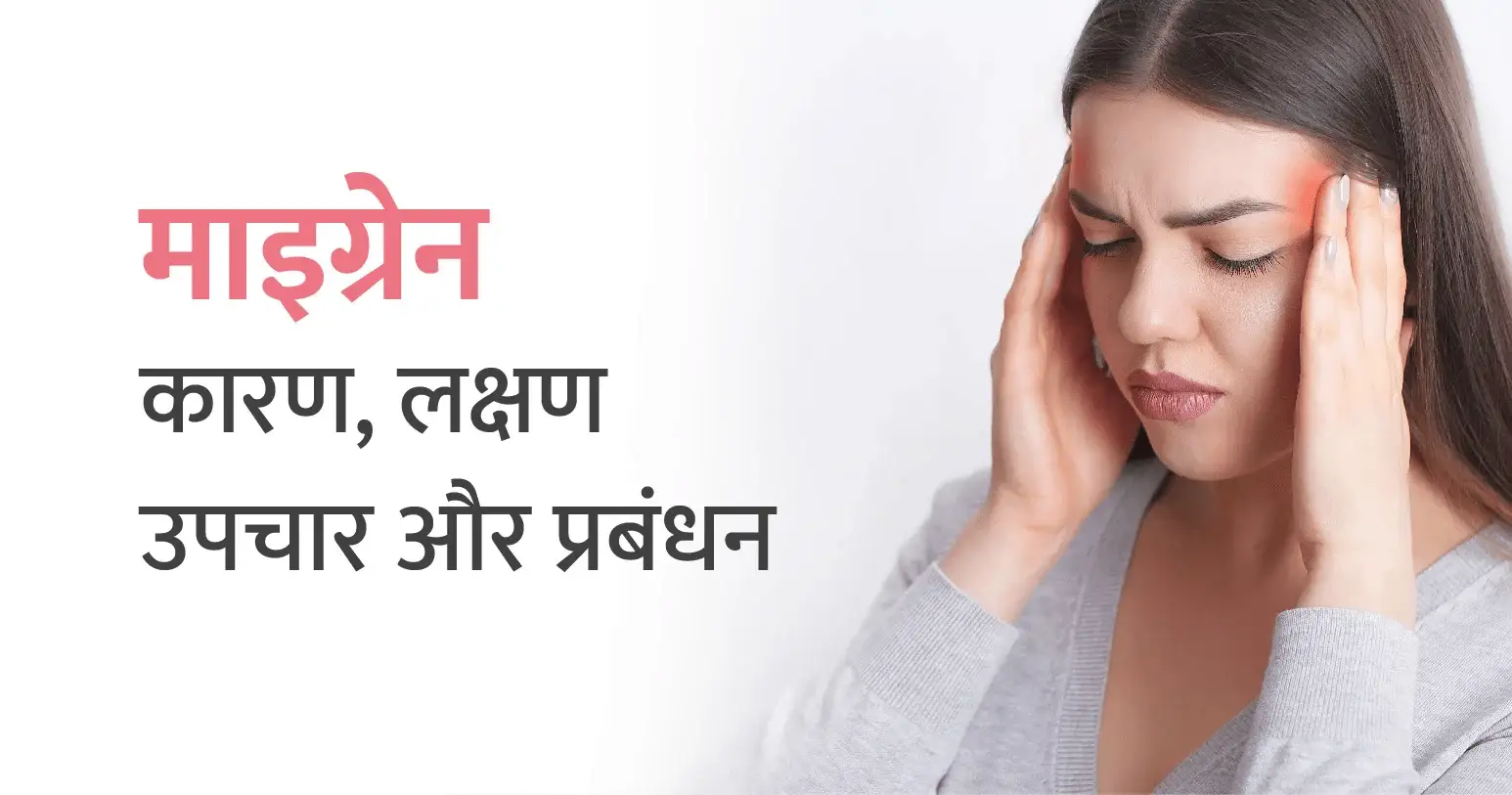
निश्चित रूप से, आपने अपने जीवन में कभी न कभी सिरदर्द की परेशानी का अनुभव किया होगा। क्या आपको वह तेज़ दर्द याद है जो आपकी दिनचर्या को बाधित करता है और बेहतर होता नहीं दिखता? अब उस दर्द की तीव्रता दोगुना हो जाता है और आपको जो सिरदर्द विकार होता है उसे माइग्रेन कहा जाता है। माइग्रेन का सिरदर्द दुनिया भर में लगभग 1 अरब लोगों को प्रभावित करता है। यह एक ऐसी स्थिति है जिसमें बार-बार दुर्बल करने वाला सिरदर्द होता है, जो मध्यम से गंभीर तक बढ़ जाता है। माइग्रेन रिसर्च फाउंडेशन के अनुसार, माइग्रेन सिरदर्द दुनिया में तीसरी सबसे आम बीमारी है। इतनी अधिक घटनाओं के बावजूद, माइग्रेन के लक्षण, कारण और उपचार के बारे में बहुत कम समझ है।
इस लेख में, प्रमुख आंतरिक चिकित्सा विशेषज्ञ डॉ तुषार तायल बताते हैं कि माइग्रेन क्या है और माइग्रेन के लक्षण क्या हैं।
Table of Contents
माइग्रेन एक बहुत ही सामान्य विकार है। यह एक न्यूरोलॉजिकल स्थिति है जो अत्यधिक दर्द का कारण बनती है और सिर के एक तरफ स्पंदन की अनुभूति कई घंटों या दिनों तक रह सकती है। माइग्रेन सिर्फ सिरदर्द से कहीं अधिक है क्योंकि यह आमतौर पर संवेदी गड़बड़ी (sensory disturbance) के बाद होता है। इन आभा विकारों में शामिल हैं:
यदि रोगी किसी भी प्रकार के शारीरिक परिश्रम में शामिल होता है तो दर्द बदतर हो जाता है। माइग्रेन 15 से 55 वर्ष की उम्र के लोगों को प्रभावित करता है।
माइग्रेन को दो मुख्य प्रकारों में वर्गीकृत किया जा सकता है जो इस बात पर निर्भर करता है कि रोगी संवेदी हानि या गड़बड़ी से पीड़ित है या नहीं। इन गड़बड़ियों को ऑरा के नाम से जाना जाता है। इसलिए, माइग्रेन के प्रकारों में शामिल हैं:
ये लक्षण कई रोगियों के लिए चेतावनी के रूप में कार्य करते हैं और माइग्रेन की शुरुआत का संकेत देते हैं। ऑरा की पहचान विभिन्न संवेदी गड़बड़ी से होती है जिनमें शामिल हैं:
जैसा कि नाम से पता चलता है, इस श्रेणी के अंतर्गत, रोगी को आभा संबंधी कोई हानि या संवेदना महसूस नहीं होती है। लगभग 70% से 90% लोग बिना किसी संवेदी गड़बड़ी या ऑरा के माइग्रेन का अनुभव करते हैं।
हालाँकि, बिना ऑरा वाले माइग्रेन में भी, एक व्यक्ति माइग्रेन के दौरे की शुरुआत या शुरुआत से गुजरता है और एक या दो दिन पहले लक्षणों का अनुभव करता है। इस अवस्था को प्रोड्रोम चरण के रूप में जाना जाता है।
ऑरा के आधार पर वर्गीकरण के अलावा, माइग्रेन के प्रकारों को भी विभाजित किया गया है। माइग्रेन के कुछ अन्य प्रकार हैं जो विशिष्ट सिंड्रोम और ट्रिगर से संबंधित हैं।
हालाँकि, लक्षणों के बारे में जानना महत्वपूर्ण है, लेकिन आपको अपनी स्थिति का स्वयं निदान नहीं करना चाहिए। यदि सिरदर्द माइग्रेन पैटर्न का अनुसरण करता है तो डॉक्टर से परामर्श करने का सुझाव दिया जाता है।
माइग्रेन के लक्षण उनके प्रकार और सिरदर्द की शुरुआत के चरण पर निर्भर करते हैं।
प्रोड्रोम चरण में सामान्य माइग्रेन लक्षणों में शामिल हैं:
ऑरा वाले माइग्रेन में, प्रोड्रोम चरण के बाद रोगी को कुछ संवेदी कठिनाइयों का अनुभव होता है। ऑरा के दौरान संवेदी अंग दृष्टि, गति, श्रवण, वाणी और/या संवेदना में हानि के साथ प्रभावित होते हैं। ऑरा के साथ सामान्य माइग्रेन सिरदर्द के लक्षणों में शामिल हैं:
कुख्यात माइग्रेन का दर्द इसके बाद होता है। इस चरण को आक्रमण चरण कहा जाता है। सभी चरणों में से सबसे गंभीर जिसके लिए माइग्रेन जाना जाता है। यह चरण घंटों या दिनों तक भी चल सकता है। इस चरण में दिखने वाले लक्षण हर व्यक्ति में अलग-अलग हो सकते हैं। हमले के चरण के कुछ सबसे आम माइग्रेन लक्षणों में शामिल हैं:
हमले के बाद, रोगी को आमतौर पर वह अनुभव होता है जिसे पोस्टड्रोम चरण कहा जाता है। इस चरण के दौरान मूड और भावनाओं में बदलाव का अनुभव होता है। यह उत्साहित और प्रसन्न से लेकर हल्के और सुस्त सिरदर्द के साथ थका हुआ और उदासीन हो सकता है।
इन चरणों की अवधि और डिग्री व्यक्ति दर व्यक्ति अलग-अलग होती है। एक चरण का छूट जाना असामान्य बात नहीं है और यह पूरी तरह से संभव है कि बिना किसी सिरदर्द के दौरा पड़ सकता है।
और अधिक पढ़े: डाउन सिंड्रोम क्या है: कारण, लक्षण, निदान और उपचार
माइग्रेन के कारणों को अभी तक पूरी तरह से समझा नहीं जा सका है। लेकिन जाहिर तौर पर इसका कारण आनुवंशिकी और पर्यावरणीय कारकों का मिश्रण है जो एक प्रमुख भूमिका निभाते हैं और इन्हें माइग्रेन का कारण माना जा सकता है।
मस्तिष्क की असामान्य गतिविधियों के कारण माइग्रेन का दर्द हो सकता है। यह तंत्रिकाओं के संचार के तरीके को प्रभावित करता है और रासायनिक असंतुलन का कारण बन सकता है। इस असंतुलन में सेरोटोनिन नामक मस्तिष्क रसायन में कमी शामिल है। आनुवंशिकी और एलर्जी भी एक बड़ी भूमिका निभाते प्रतीत होते हैं। उपरोक्त दो-तिहाई मामलों में, माइग्रेन पूरे परिवार में चलता है।
माइग्रेन ट्रिगर कोई भी पर्यावरणीय परिवर्तन, बाहरी उत्तेजना या शारीरिक क्रिया है जिसके परिणामस्वरूप माइग्रेन का सिरदर्द होता है। माइग्रेन अटैक के लिए कई ट्रिगर जिम्मेदार और कारण हैं जिनमें शामिल हैं:
महिलाओं में हार्मोनल बदलाव एक ट्रिगर की तरह काम करते हैं। मासिक धर्म, गर्भावस्था और/या रजोनिवृत्ति संक्रमण के कारण एस्ट्रोजन के स्तर में उतार-चढ़ाव तीव्र सिरदर्द को ट्रिगर करता है। मौखिक गर्भ निरोधकों और हार्मोन रिप्लेसमेंट थेरेपी जैसी हार्मोनल दवाओं के उपयोग के कारण यह खराब हो सकता है।
कुछ पेय पदार्थ, विशेष रूप से वे जिनमें अल्कोहल या कैफीन होता है, जैसे वाइन, कॉफी या एनर्जी ड्रिंक, पुरुषों और महिलाओं में माइग्रेन का कारण बन सकते हैं।
कुछ खाद्य पदार्थ माइग्रेन को ट्रिगर करने के लिए जाने जाते हैं जैसे पुराना पनीर और नमकीन प्रसंस्कृत भोजन। कुछ कृत्रिम मिठास का उपयोग करना या यहां तक कि भोजन छोड़ना भी माइग्रेन को ट्रिगर कर सकता है।
माइग्रेन का सबसे लोकप्रिय ट्रिगर तनाव है। घर या कार्यस्थल पर तनाव और तनाव व्यापक रूप से ज्ञात कारक हैं जो माइग्रेन का कारण बन सकते हैं।
मौखिक गर्भनिरोधक हार्मोनल असंतुलन और वैसोडिलेटर का कारण बन सकते हैं।
तीव्र शारीरिक परिश्रम में शामिल होने से सिरदर्द हो सकता है। इसलिए, नींद के पैटर्न में बदलाव हो सकता है या नींद गायब हो सकती है। कभी-कभी बहुत अधिक नींद और जेट लैग भी माइग्रेन का कारण बन सकते हैं।
इन सबके अलावा, तेज़ रोशनी जैसे सूरज की चमक, तेज़ आवाज़ या तेज़ गंध के संपर्क में आने से माइग्रेन हो सकता है।
माइग्रेन का कोई एक इलाज नहीं है और हर व्यक्ति का इलाज अलग-अलग हो सकता है। यदि आपको ऊपर बताए गए लक्षणों में से कोई भी लक्षण दिखाई देता है या यदि आपका सिरदर्द माइग्रेन पैटर्न के अनुसार होता है, तो डॉक्टर से मिलने का सुझाव दिया जाता है।
माइग्रेन का उपचार पूर्ण विकसित हमले को रोकने में मदद करता है। कभी-कभी माइग्रेन जीवनशैली और दैनिक आदतों में कुछ बदलावों से कम हो सकता है लेकिन कभी-कभी इसे ठीक करने के लिए सर्जरी की आवश्यकता हो सकती है। माइग्रेन से निपटने का सबसे अच्छा तरीका डॉक्टर से परामर्श करना और इसका निदान कराना है।
और अधिक पढ़े: मिर्गी क्या है – कारण, लक्षण और इलाज (Epilepsy, Seizure in Hindi)
चिकित्सा उपचार और जीवनशैली में संशोधन, संयुक्त रूप से माइग्रेन से छुटकारा पाने में मदद कर सकते हैं। जीवनशैली में कुछ बदलाव माइग्रेन में मदद कर सकते हैं जिनमें शामिल हैं:
आमतौर पर, उपचार के दौरान माइग्रेन की दवा की भी सलाह दी जाती है। किसी भी प्रकार की माइग्रेन की दवा शुरू करने से पहले हमेशा डॉक्टर से सलाह लें।
प्राथमिक अंतर यह है कि माइग्रेन एक सिरदर्द विकार है। यह सिरदर्द के कई प्रकारों में से एक है। आमतौर पर सिरदर्द सिर, चेहरे या गर्दन के ऊपरी हिस्से में महसूस होता है। जबकि माइग्रेन का सिरदर्द ज्यादातर सिर के एक तरफ महसूस होता है।
माइग्रेन का सिरदर्द एक थका देने वाला अनुभव हो सकता है और इसमें आपके जीवन के कई घंटे या दिन भी लग सकते हैं। माइग्रेन का प्रभावी इलाज पाने के लिए खुद को माइग्रेन के मूल सिद्धांतों के बारे में शिक्षित करना महत्वपूर्ण है।
हां, यह संभव है कि माइग्रेन का सिरदर्द अपने आप कम हो जाए। हालाँकि, यदि आपका सिरदर्द आपके दैनिक जीवन को गंभीर रूप से प्रभावित कर रहा है, तो आपको चिकित्सीय सहायता लेनी चाहिए।
माइग्रेन से छुटकारा पाने के लिए आप अपने सिर पर ठंडा या गर्म सेक लगा सकते हैं, अपने चारों ओर रोशनी कम कर सकते हैं और खूब पानी पी सकते हैं।
कुछ प्रसिद्ध खाद्य पदार्थ जो माइग्रेन से राहत दिलाने में मदद कर सकते हैं उनमें शकरकंद, गाजर, पालक, ब्राउन चावल आदि शामिल हैं।
आपको अपने माइग्रेन ट्रिगर्स जैसे कि पुरानी चीज, शराब और कैफीन की पहचान करनी चाहिए और उनसे बचना चाहिए।

Spinal Muscular Atrophy (SMA) is a rare genetic disorder affecting the motor neurons in the spinal cord, leading to muscle weakness and atrophy. Despite its low prevalence, SMA poses significant challenges to those diagnosed and their families.
This blog aims to shed light on the intricacies of SMA, including its causes, symptoms, available treatments, and ongoing research efforts to improve patient outcomes.
Table of Contents
An inherited neuromuscular condition known as spinal muscular atrophy (SMA). It weakens muscles as it targets motor neurons in the spinal cord, which control muscle movement. Without these neurons, muscles receive no signals for movement. This leads to muscle atrophy, where muscles shrink and weaken due to inactivity.
The four main forms of spinal muscular atrophy are as follows:
You Can Also Read: Common spine issues that can affect anyone and how to prevent them
Spinal Muscular Atrophy (SMA) presents varying symptoms, and severity depending on the age of onset:
In infants, symptoms are severe and potentially life-threatening, such as:
SMA also includes:
Management involves swallowing therapy, mobility aids, and possibly feeding tubes, to address symptoms and enhance quality of life.
SMA is caused by a deficiency in the SMN1 gene, leading to insufficient SMN protein production vital for motor neuron health. Without enough SMN protein, motor neurons deteriorate, impairing voluntary movement control, especially in the head, neck, arms, and legs.
Individuals possess SMN2 genes, which can partially compensate for SMN1 deficiency, with up to eight copies per person. More SMN2 copies often correlate with milder SMA symptoms due to increased SMN protein production.
Occasionally, SMA stems from mutations in genes other than SMN1 (non-chromosome 5), although this is rare.
Some symptoms of Spinal Muscular Atrophy (SMA) mimic those seen in neuromuscular disorders such as muscular dystrophy. Healthcare providers conduct physical exams and review medical histories to ascertain the underlying cause of symptoms. The diagnostic tests for SMA are:
The prenatal tests for SMA include:
You Can Also Read: Caring for Your Spine: Understanding Degenerative Disc Disease
SMA lacks a cure. Treatments vary based on SMA type and symptoms. Physical therapy, occupational therapy, and assistive devices like braces, crutches, walkers, and wheelchairs aid many SMA patients.
Disease-modifying therapy like Nusinersen stimulates SMN protein production, administered via spinal canal injection. Risdaplam, taken orally, aids adults and children older than two months.
Gene replacement therapy benefits infants under two through a one-time IV infusion of onasemnogene abeparvovec-xioi, replacing a faulty SMN1 gene with a functional one.
Throughout their condition, individuals with SMA undergo a gradual decline in muscle strength and coordination. This progression may lead to various complications, such as:
Inheritance of SMA is a genetic phenomenon. Should either you or your partner possess the mutated gene responsible for SMA, consulting a genetic counsellor can provide insights into the likelihood of your child inheriting SMA or becoming a carrier.
Before conception, steps can be taken to reduce the risk of passing on SMA. Preimplantation genetic diagnosis (PGD) identifies embryos without the mutated gene, ensuring that during in vitro fertilization (IVF), only healthy embryos are implanted. This method ensures that your child will inherit two healthy SMN1 genes, preventing SMA.
Spinal muscular atrophy poses significant challenges, but advancements in research, treatment, and support offer hope. Through continued efforts, we strive for improved outcomes and a brighter future. It is always advisable to seek medical help from an experienced neurologist. Timely care and help can ensure an appropriate diagnosis and treatment of your condition.
At the CK Birla Hospital, we ensure patients get holistic medical support which includes treatment in a compassionate environment. This patient-centric approach not only helps patients heal better but also ensures they are aware of the preventive measures as well. In case you need to Consult a Neurologist, reach out to us, or book a direct appointment at the CK Birla Hospital.
The life expectancy of someone with Spinal Muscular Atrophy (SMA) varies greatly depending on the type and severity of the condition, but it can range from infancy to adulthood.
Yes, although it’s less common, adults can develop SMA due to genetic mutations or late-onset presentations. Symptoms may vary in severity and can appear later in life.
If one parent is a carrier of the SMA gene mutation, each child has a 50% chance of inheriting the mutated gene, which could lead to SMA if both parents pass it on.
SMA (Spinal Muscular Atrophy) weakens respiratory muscles, leading to difficulty breathing, reduced lung capacity, and increased susceptibility to respiratory infections, impacting overall respiratory function and potentially causing respiratory failure.
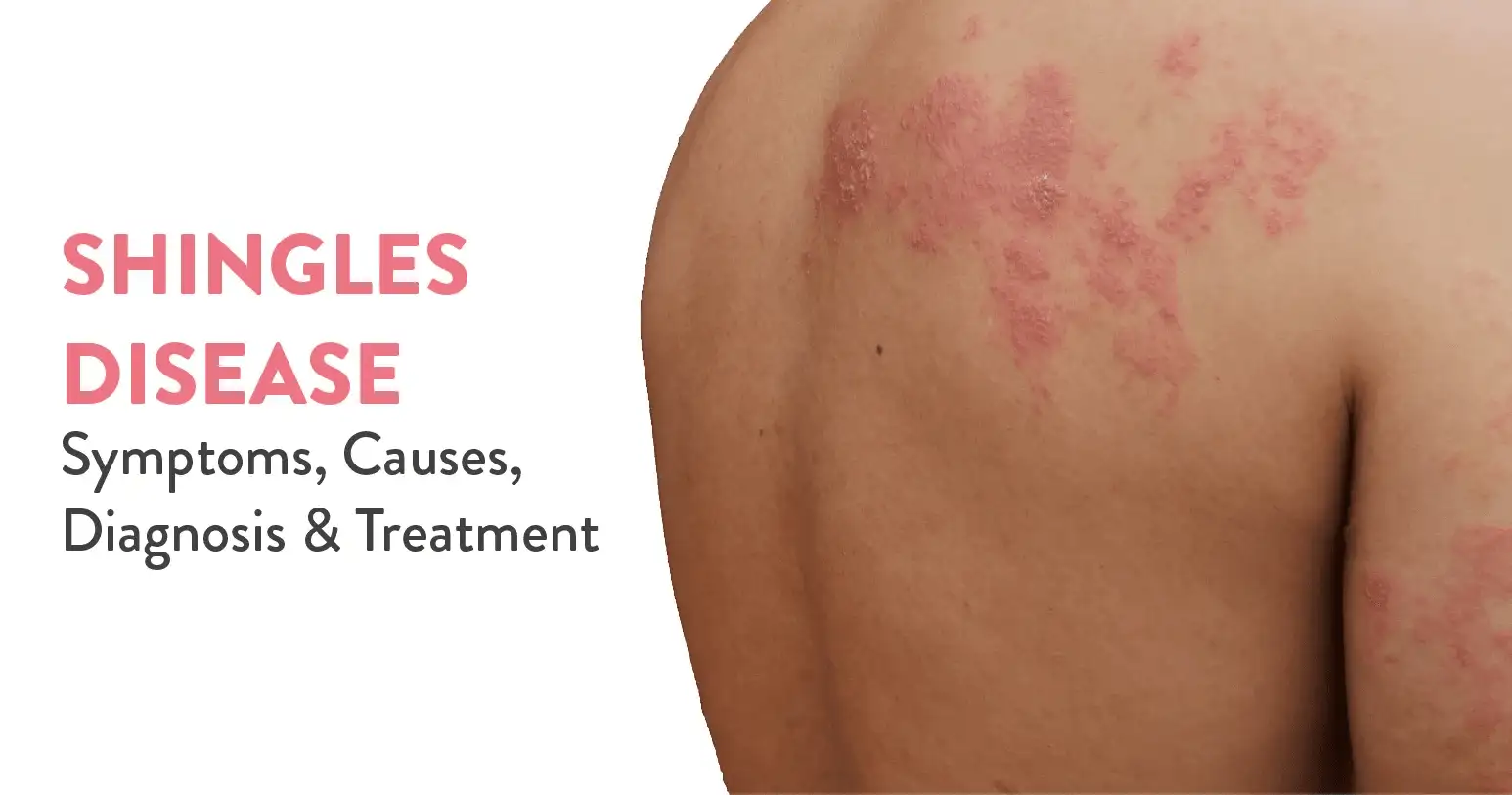
Shingles, caused by the varicella-zoster virus, is a painful rash that typically appears on one side of the body. While often associated with older adults, it can affect individuals of any age who have had chickenpox.
Understanding its symptoms, risk factors, and available treatments is crucial for managing this condition effectively. Explore this blog to gain insights into shingles and its impact on health.
Table of Contents
Shingles (herpes zoster) is a painful rash caused by the varicella-zoster virus, which also causes chickenpox. The rash typically appears as a band of blisters on one part of the body. After childhood chickenpox, the virus remains dormant in the body. In adulthood, it can reactivate as shingles.
The first symptoms of shingles often start with pain and burning, typically affecting one side of the body in a specific skin area known as a dermatome. A subsequent rash, though not always red, may appear dark pink, dark brown, or purplish, depending on skin tone.
The characteristics of a shingles rash outlined by the National Institute on Aging (NIA) are:
Additional symptoms per the American Academy of Dermatology may include:
Other complications (which are rare):
Shingles can manifest in various areas, such as:
You Can Also Read: Types of Skin Problems & their Solutions
Shingles arise from the varicella-zoster virus, the same virus responsible for chickenpox. If you’ve had chickenpox previously, shingles can occur when this virus becomes active again in your system.
The exact cause of why shingles affect certain individuals remains uncertain. Its prevalence tends to be higher among older adults due to reduced immunity to infections.
Potential factors that may increase the risk of shingles include:
Shingles are typically diagnosed by doctors through a thorough examination of your rashes and blisters, accompanied by inquiries into your medical background.
Occasionally, if necessary, your physician might require a skin sample or fluid from the blisters for testing. This process entails the use of a sterile swab to gather tissue or fluid, which is then sent to a medical lab to validate the virus’s presence.
There is no cure for shingles, but various treatments help manage symptoms, such as:
These drugs can alleviate discomfort and shorten symptom duration if taken within 72 hours of the first sign of shingles. They might lessen the chance of developing postherpetic neuralgia as well.
These medications can provide relief from pain associated with shingles.
You Can Also Read: Suffering From Tinea Cruris Or Jock Itch (Groin Ringworm)
While shingles can cause considerable discomfort, it’s essential to remain vigilant about potential complications, like:
Vaccination can prevent severe shingles symptoms. Two doses of the chickenpox vaccination are required for children.
Adults without prior chickenpox should also receive it. While not guaranteed, the vaccine prevents chickenpox in 9 out of 10 cases.
Adults over 50 should get the shingles vaccine to avoid severe symptoms. Consult your doctor to determine if you need the shingles vaccine.
Shingles can be a painful and debilitating condition, but with proper understanding, prevention, and medical care, individuals can effectively manage and overcome its challenges for a healthier future. It is always advisable to seek medical help from an experienced dermatologist. Timely care and help can ensure an appropriate diagnosis and treatment of your condition.
At the CK Birla Hospital, we ensure patients get holistic medical support which includes treatment in a compassionate environment. This patient-centric approach not only helps patients heal better but also ensures they are aware of the preventive measures as well. In case you need to consult a dermatologist, reach out to us, at the CK Birla Hospital.
Shingles can indeed recur several times. Although uncommon, individuals who have had shingles can experience a recurrence due to the reactivation of the varicella-zoster virus.
Shingles can be contagious, but it only spreads through direct contact with the rash during the blister phase. It can transmit the varicella-zoster virus, causing chickenpox in susceptible individuals.
Long-term effects of shingles may include postherpetic neuralgia (chronic pain), scarring, changes in vision or hearing if the eyes or ears are affected, and in rare cases, neurological complications.
Shingles can affect internal organs if the virus spreads to them. This may lead to complications such as pneumonia, encephalitis, or inflammation of other internal organs.
Shingles and chickenpox are caused by the same virus, varicella-zoster, but present differently. Chickenpox is a widespread rash, while shingles is a localised, painful rash along a nerve pathway.
Shingles typically last 2 to 4 weeks. However, complications like postherpetic neuralgia can prolong symptoms. Early treatment can help shorten the duration and reduce the severity of the illness.
Yes, stress can trigger shingles outbreaks by weakening the immune system, allowing the varicella-zoster virus to reactivate. Managing stress through relaxation techniques and healthy lifestyle habits may help prevent recurrences.

In today’s dynamic business landscape, where competition is fierce and talent is the key differentiator, organizations must continuously evolve to stay ahead. At the CK Birla Hospital, we recognize that our greatest asset is our people, and fostering a workplace culture where employees thrive is paramount to our success. That’s why earning the prestigious Great Place To Work (GPTW) certification isn’t just a milestone; it’s a strategic imperative that positions us for accelerated growth and sustainable success.

GPTW Trust Framework
The CK Birla Hospital stands out as a great place to work for several compelling reasons, each rooted in our unwavering commitment to fostering a culture of excellence, empathy, and empowerment. Here are some key factors that contribute to making CK Birla Hospital a great workplace:
At the heart of CK Birla Hospital is a deep appreciation for our people. We recognize that our employees are our most valuable asset, and we prioritize their well-being, growth, and development above all else. Our people-centric culture is reflected in every aspect of our organization, from our inclusive leadership style to our transparent communication practices.
We go above and beyond to ensure that our employees feel supported, valued, and empowered. From comprehensive health and wellness programs to flexible work arrangements and employee assistance programs, we prioritize the physical, mental, and emotional well-being of our workforce.
At the CK Birla Hospital, we believe in investing in our employees’ growth and development. We provide ample opportunities for learning, training, and career advancement, enabling our employees to realize their full potential and achieve their professional goals.
Collaboration is at the core of our organizational DNA. We foster a culture of teamwork, respect, and inclusivity, where every voice is heard and every contribution is valued. Our diverse workforce brings together individuals from different backgrounds, perspectives, and experiences, enriching our collective learning and driving innovation.
Our leadership team leads by example, embodying our core values of integrity, accountability, and empathy. They provide clear direction, guidance, and support, empowering employees to take ownership of their work and contribute meaningfully to our shared goals and objectives.
Whether through formal recognition programs, employee appreciation events, or personalized acknowledgements, we ensure that our employees feel valued, appreciated, and motivated to continue delivering their best.
We prioritize open, honest, and transparent communication at all levels of the organization. We believe in keeping our employees informed and engaged, fostering a culture of trust, collaboration, and accountability.

GPTW Trust Framework
As we embark on this transformative journey, we’re poised to leverage our GPTW certification as a springboard for organizational advancement. Getting certified by GPTW implies that our operations and policies are aligned with industry best practices. These are:
By showcasing our commitment to employee well-being and professional development, we’re able to attract high-calibre talent who are aligned with our values and vision for the future.
Engaged employees are the driving force behind organizational success. By prioritizing factors such as fairness, transparency, and inclusivity, we empower our employees to bring their best selves to work each day, driving productivity, innovation, and ultimately, organizational growth.
Employee satisfaction directly correlates with customer satisfaction. As satisfied and engaged employees deliver superior service and care to our patients, we’re able to enhance customer satisfaction and loyalty.
We unlock innovation by empowering employees to share ideas, experiment, and challenge the norm. This positions us for long-term success in a competitive market.
By showcasing our commitment to employee well-being, integrity, and excellence, we’re able to attract patients, partners, and investors who share our values and support our mission for growth and impact.
A positive workplace culture directly impacts operational efficiency and effectiveness. By investing in our employees’ development, well-being, and job satisfaction, we’re able to enhance employee morale, reduce turnover, and drive efficiencies that contribute to bottom-line growth and sustainability.
Continuous learning and development are essential for organizational growth and resilience. By investing in training, mentorship, and career development programs, we’re able to empower our employees to reach their full potential, driving individual and organizational growth in tandem.
What makes the CK Birla Hospital a great place to work is our unwavering commitment to our people, our values, and our shared vision for excellence. By prioritizing employee well-being, fostering a collaborative and inclusive environment, providing opportunities for growth and advancement, and embodying strong leadership and vision, we create a workplace where every individual can thrive, contribute, and make a meaningful difference.

