Filter :
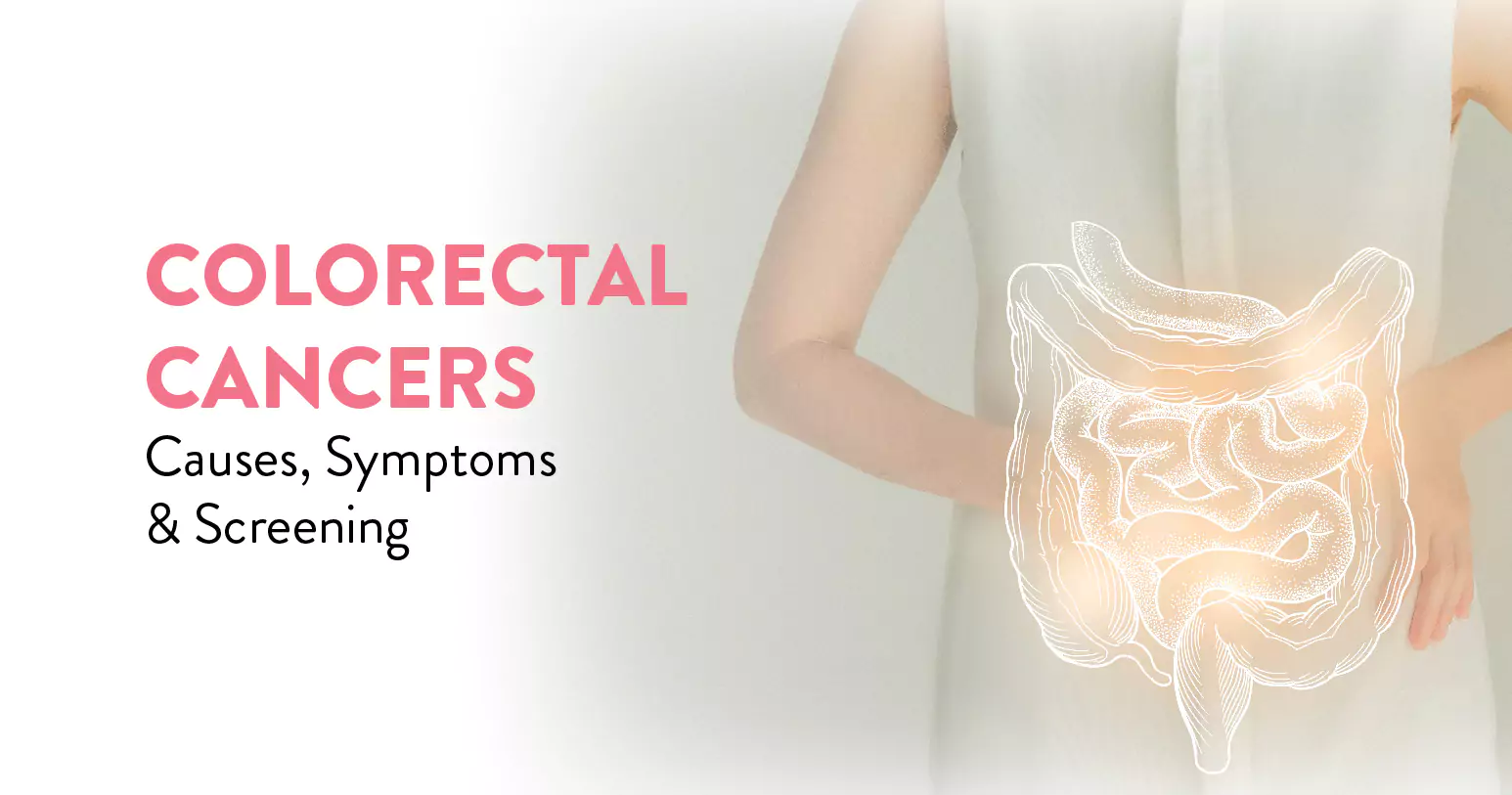
Colorectal cancer is a significant health concern affecting both men and women worldwide. This type of cancer develops in the colon or rectum and can be life-threatening if not detected and treated early.
In this blog, we will explore the causes, symptoms, diagnosis, treatment options, and prevention strategies for colorectal cancer, providing valuable insights into this prevalent disease.
Table of Contents
Colon (colorectal) cancer originates in the colon, the large intestine, responsible for transporting digested food to the rectum.
It arises from specific polyps in the colon lining. Screening tests identify precancerous polyps, preventing their progression to tumours. Undetected or untreated, colon cancer can metastasize. Screening, early treatment, and innovative therapies contribute to reduced mortality rates from this disease.
Colon cancer encompasses various types originating from different cells and locations within the digestive tract, like:
Understanding these diverse origins is crucial for effective diagnosis and treatment strategies.
Colon cancer can develop without noticeable symptoms, making regular screenings essential. If symptoms arise, it’s important to discern whether they indicate colon cancer or another condition due to overlapping symptoms. Typical indicators to watch out for are:
Regular medical check-ups are crucial for prompt diagnosis and treatment.
Key causes and risk factors contributing to colorectal cancer include:
Colorectal cancer can lead to various complications if not diagnosed and treated promptly:
Managing these complications requires close collaboration with healthcare providers for optimal treatment and outcomes. Early detection is key to improving prognosis and reducing risks.
An early diagnosis of colon cancer is crucial for successful treatment.
Colon cancer is often asymptomatic in its early stages, making routine screenings vital for detection. Screening is normally advised from age 40 due to rising diagnoses in younger adults.
Colon cancer treatment primarily involves surgical procedures tailored to the specific needs of the patient. The following are a few typical procedures and therapies:
Additionally, healthcare providers may combine surgery with adjuvant therapies like:
Reducing your risk of colon cancer involves:
Awareness and early detection are vital in combating colorectal cancer. By staying informed, adopting healthy lifestyles, and undergoing recommended screenings, we can reduce its impact and save lives. Prioritising prevention and proactive health measures is important. It is always advisable to seek medical help from an experienced oncologist. Timely care and help can ensure an appropriate diagnosis and treatment of your condition.
At the CK Birla Hospital, we ensure patients get holistic medical support which includes treatment in a compassionate environment. This patient-centric approach not only helps patients heal better but also ensures they are aware of the preventive measures as well. In case you need to consult an oncologist, reach out to us, or book a direct appointment with oncologist .
Start screening for colorectal cancer at age 45, or earlier if there’s a family history or other risk factors. Discuss with your healthcare provider to determine the best screening method for you.
Yes, colorectal cancer is curable, especially if detected early. Treatment options include surgery, chemotherapy, and radiation therapy. Regular screenings can improve early detection and outcomes.
To lower colorectal cancer risk, increase fibre intake (fruits, vegetables, whole grains), limit red and processed meats, consume calcium-rich foods, maintain a healthy weight, and limit alcohol and tobacco use.
Colorectal cancer can spread (metastasize) to other organs like the liver, lungs, or lymph nodes. Early detection and treatment can help prevent or manage the spread.

In today’s fast-paced world, the silent epidemic of Post-Traumatic Stress Disorder (PTSD) continues to affect millions globally. Rooted in distressing experiences, PTSD transcends mere psychological turmoil, infiltrating every facet of daily life. From debilitating flashbacks to crippling anxiety, its ramifications are profound.
Understanding PTSD, its triggers, symptoms, and treatment modalities, is paramount for both those affected and the society at large. Let’s delve into this complex condition in this blog.
Table of Contents
PTSD (post-traumatic stress disorder) is a mental health condition that arises in some individuals after experiencing or witnessing a traumatic event. This event may be life-threatening or significantly threaten one’s physical, emotional, or spiritual well-being. Every age group is susceptible to PTSD.
Individuals with PTSD experience intense and intrusive thoughts and feelings related to the trauma long after the event has passed. PTSD symptoms include:
Significant anxiety and difficulties with day-to-day functioning are caused by these symptoms.
PTSD can be broken down into subtypes based on symptoms, known as condition “specifiers,” to aid in diagnosis and treatment.
With Derealization –
Also read: Behavioural problems in children: symptoms, causes, and treatment
To be diagnosed with PTSD, a person’s symptoms must be severe enough to interfere with everyday functioning or continue longer than a month. Four categories of PTSD symptoms exist:
These symptoms can be confused with ADHD, so it’s important to consult a specialist experienced in diagnosing PTSD in children.
Approximately 61% to 80% of people experience a traumatic event in their lives, with PTSD developing in about 5% to 10% of this population. The reasons for different responses to trauma are unclear, but studies indicate that people with PTSD show abnormal levels of certain neurotransmitters and hormones, and experience brain changes.
The following conditions are frequently observed in individuals with PTSD and can exacerbate its symptoms:
Additionally, people with PTSD face a higher risk of experiencing suicidal thoughts and attempts.
Also read:5 Common cancers affecting women
Diagnosing PTSD involves a comprehensive evaluation by a healthcare provider, as there’s no single test for it. The process includes:
It can be challenging to discuss the trauma. Bringing a loved one for support and additional details can be helpful. Additionally, your provider might conduct a physical exam and order tests to rule out other conditions.
Psychotherapy (talk therapy) is the main treatment for PTSD, especially forms of cognitive behavioural therapy (CBT). This therapy takes place with a trained, licensed mental health professional, such as a psychologist or psychiatrist. They provide support, education, and guidance to help you and your loved ones function better and increase well-being.
There are no FDA-approved medications specifically for PTSD, but healthcare providers may prescribe:
Also read: 9 Easy Ways for Desk Warriors to Stay Fit and Healthy
While you can’t always prevent a traumatic event, research suggests that certain actions might help mitigate the development of PTSD afterwards. Known as “protective factors” these behaviours consist of:
Understanding PTSD is crucial for providing effective support and treatment. By raising awareness and promoting empathy, we can help those affected lead healthier, more fulfilling lives. It is always advisable to seek medical help from a psychiatrist. Timely care and help can ensure an appropriate diagnosis and treatment of your condition.
At the CK Birla Hospital, we ensure patients get holistic medical support which includes treatment in a compassionate environment. This patient-centric approach not only helps patients heal better but also ensures they are aware of the preventive measures as well. In case you need to consult a psychiatrist, reach out to us, or book a direct appointment with psychiatry at the CK Birla Hospital.
Yes, PTSD can develop years after the traumatic event, often triggered by reminders or new stressors, reflecting the latent impact of unresolved trauma.
PTSD is not exclusive to military veterans; it can affect anyone who has experienced or witnessed a traumatic event, such as accidents, assaults, disasters, or abuse.
Children can develop PTSD after experiencing or witnessing traumatic events, such as abuse, natural disasters, or violence, impacting their emotional and psychological well-being.
Yes, untreated PTSD can lead to chronic mental health issues like depression, anxiety, substance abuse, relationship problems, and increased risk of physical health conditions.
PTSD can strain relationships through symptoms like irritability, emotional numbness, and withdrawal, leading to misunderstandings, reduced intimacy, and difficulties in communication and trust.
PTSD may not be completely cured, but effective treatments like therapy and medication can significantly reduce symptoms, helping individuals manage and lead fulfilling lives.
If you suspect someone has PTSD, encourage them to seek professional help, offer support and understanding, listen non-judgmentally, and help them connect with resources for treatment and support.
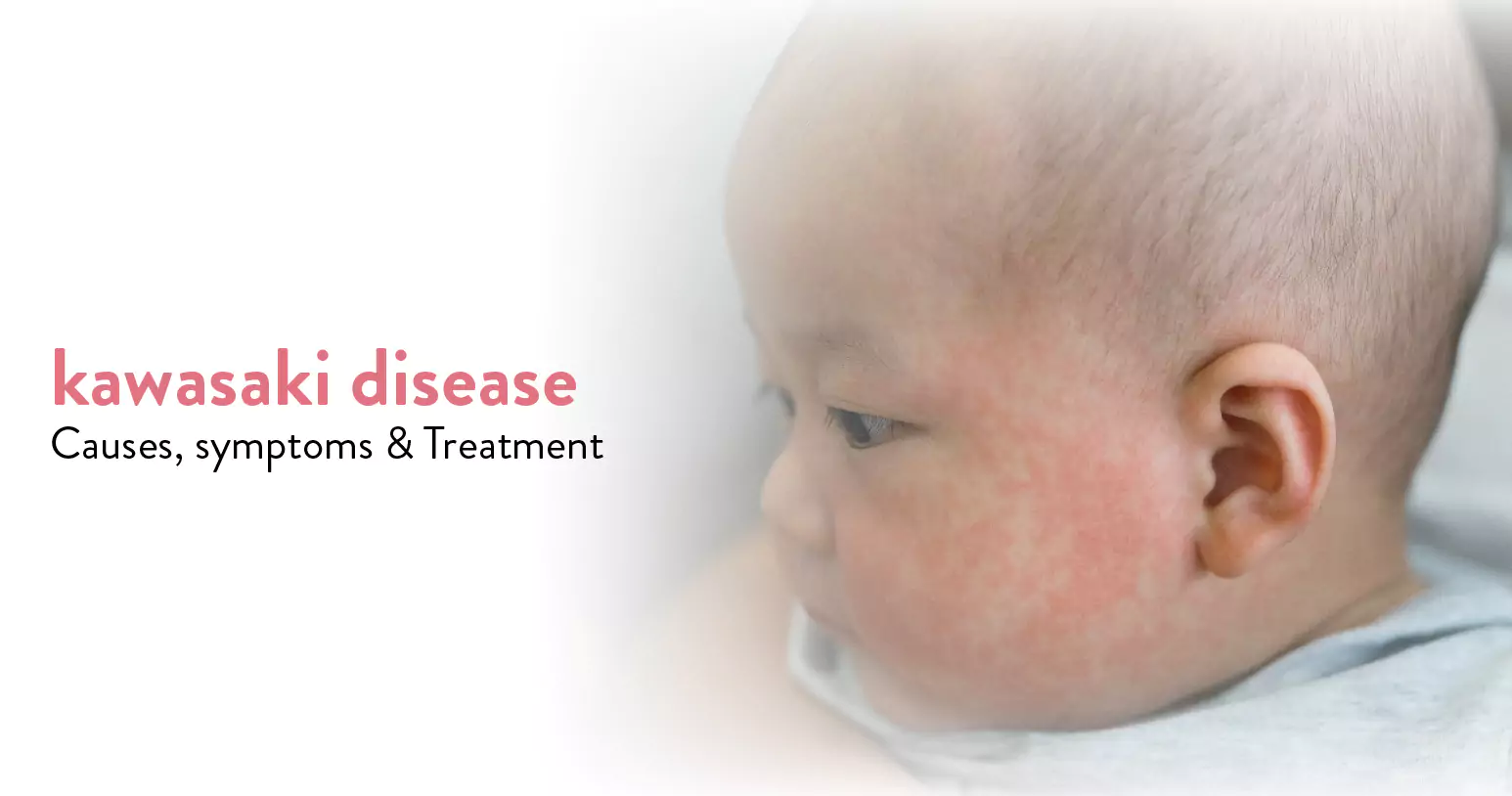
Kawasaki Disease, though rare, is a perplexing paediatric illness characterized by inflammation of blood vessels throughout the body. Its cause precise remains elusive, making early diagnosis crucial. Symptoms often mimic other common childhood illnesses, posing diagnostic challenges.
Without prompt treatment, Kawasaki Disease can lead to severe complications, including damage to the heart. Understanding its symptoms, diagnosis, and treatment is essential for timely intervention and improved outcomes.
Table of Contents
Kawasaki disease, also known as Kawasaki syndrome, is a rare form of vasculitis characterized by inflammation of blood vessels. Inflammation can cause blood vessels to weaken and expand, increasing the risk of tearing or narrowing. This restricts blood flow, limiting the nourishment of tissues and organs.
Kawasaki disease primarily occurs in children aged 6 months to 5 years. While it affects all arteries, the greatest concern is for the coronary arteries, which supply blood to the heart. Children with affected coronary arteries may experience heart complications.
With timely treatment, most children typically recover within approximately two months.
Kawasaki disease (KD) is characterized by distinct stages and seasonal patterns, typically emerging in late winter and spring, peaking in some Asian regions during summer.
Contact your doctor if your child shows these signs, especially if under 1 or over 5 years old. Such children, comprising 25% of KD cases, face an increased risk of heart complications.
The exact reason behind Kawasaki disease remains a mystery, although it tends to occur more frequently during late winter and early spring. Scientists are investigating potential causes such as infections, environmental elements, or genetic factors.
Kawasaki disease should be suspected in any child with a fever lasting over five days, especially if accompanied by symptoms like peeling skin.
Also Read: Cardiac Arrest vs. Heart Attack: Know the Key Differences & Signs
Treatment for Kawasaki disease typically involves several approaches to address its symptoms and prevent complications. Here’s what’s typically involved:
During treatment, your child will stay in the hospital to achieve the following treatment goals:
Cold compresses may also be applied to alleviate discomfort and reduce fever during treatment.
Kawasaki disease is a complex condition that requires prompt recognition and treatment. With ongoing research and awareness, we can improve outcomes for affected children and advance our understanding of this enigmatic disease. Early diagnosis remains pivotal in preventing complications and ensuring better long-term health for patients. It is always advisable to seek medical help from a paediatrician. Timely care and help can ensure an appropriate diagnosis and treatment of your condition.
At the CK Birla Hospital, we ensure patients get holistic medical support which includes treatment in a compassionate environment. This patient-centric approach not only helps patients heal better but also ensures they are aware of the preventive measures as well. In case you need to consult a paediatrician, reach out to us, or book a direct appointment with paediatrician at the CK Birla Hospital.
Although rare, adults can develop Kawasaki disease. It typically affects children, but adult cases can occur, often with different symptoms and outcomes compared to paediatric cases.
Kawasaki disease is not contagious; it is believed to be triggered by an abnormal immune response to certain infections, but it does not spread directly from person to person.
Kawasaki disease is distinct due to its inflammatory nature affecting blood vessels, causing fever, rash, and swollen lymph nodes. It can lead to coronary artery complications if untreated, unlike typical childhood illnesses.
Yes, Kawasaki disease can lead to long-term effects, primarily affecting the heart. Complications may include coronary artery abnormalities, aneurysms, and risk of cardiovascular problems, requiring ongoing monitoring and care.
Risk factors for developing coronary artery abnormalities in Kawasaki disease include delayed treatment, younger age, male gender, prolonged fever duration, and certain laboratory findings like elevated inflammatory markers and low albumin levels.
Currently, Kawasaki disease cannot be prevented as its exact cause is unknown. Early diagnosis and prompt treatment with intravenous immunoglobulin (IVIG) can help reduce complications and improve outcomes.
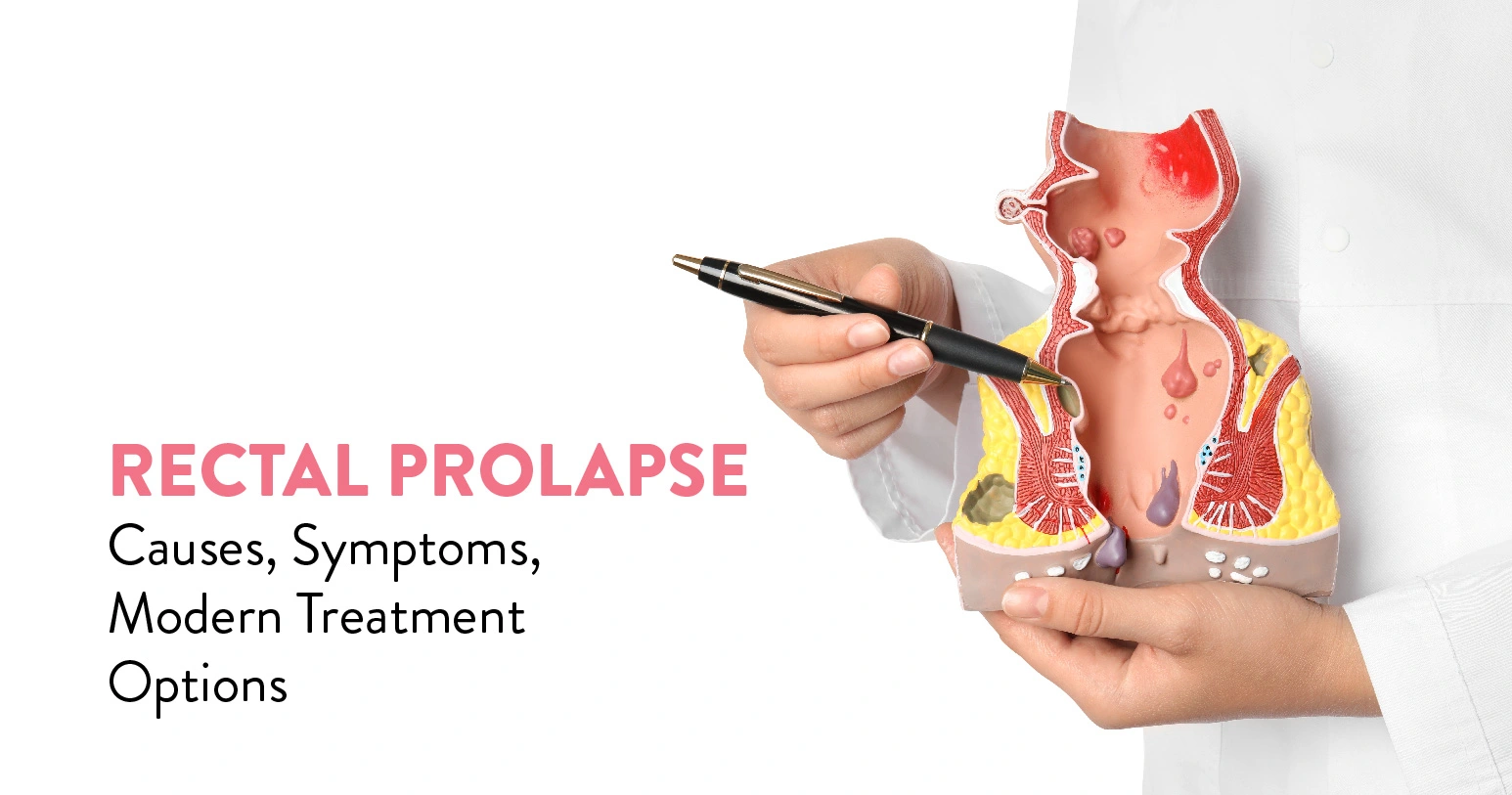
Rectal prolapse is a distressing condition where the rectum protrudes through the anus. This issue often causes discomfort, embarrassment, and challenges with daily activities. Factors like age, weakened pelvic muscles, chronic constipation, or childbirth can contribute to this condition.
In this blog, we’ll delve into the causes, symptoms, treatment options, and lifestyle changes that can help manage rectal prolapse effectively.
Table of Contents
The rectum, the final part of the large intestine before the anus, is where faeces gathers before exiting the body. Faecal arrival in the rectum signals the urge to defecate, with muscles aiding expulsion through the anus.
Rectal prolapse involves the rectum shifting downwards into the anal canal, sometimes protruding outside. Healthcare terms this as prolapse, where a body part descends from its original position due to weakened muscles. Muscle weakening, common with ageing, can be hastened by factors like childbirth, chronic constipation, or diarrhoea, impacting the rectum’s stability.
You can also read: 10 things all couples must do before becoming pregnant
There are three classifications of rectal prolapse, distinguished by the extent of rectal movement:
Rectal prolapse symptoms start slowly with a bulge sensation around the anus, resembling sitting on a ball. Over time, a reddish bulge may extend from the anus, visible with a mirror.
Key Symptoms to be Aware of include:
Moreover, rectal prolapse often coincides with chronic constipation (in 30-67% of cases) and diarrhoea (in about 15%).
Also Read: Abnormal uterine bleeding: symptoms, causes, diagnosis and treatment
Muscular weakness supporting the rectum can result in rectal prolapse, which can be influenced by various factors, such as:
Rectal prolapse can potentially result in serious complications, such as:
Your healthcare provider will review your medical history and conduct a rectal exam. They might ask you to contract your muscles. Additional tests may be used for diagnosis, like:
Rectal prolapse treatment options depend on symptom severity and impact on quality of life. The treatment is also impacted by:
For definitive treatment, these surgical options are often necessary:
Involves making an incision in the abdomen to reposition the rectum (abdominal rectopexy), sometimes done laparoscopically.
These surgeries are recommended for severe cases or when laparoscopic procedures are unsuitable due to constipation.
Preventing rectal prolapse is challenging, but you can lower your risk by prioritizing intestinal health. To minimize constipation:
Rectal prolapse is a challenging condition that requires prompt medical attention. Treatment options vary based on severity, with surgery often providing the most effective long-term solution. Early intervention is key to restoring quality of life. It is always advisable to seek medical help from an experienced general surgeon. Timely care and help can ensure an appropriate diagnosis and treatment of your condition.
At the CK Birla Hospital, we ensure patients get holistic medical support which includes treatment in a compassionate environment. This patient-centric approach not only helps patients heal better but also ensures they are aware of the preventive measures as well. In case you need to consult a general surgeon, reach out to us, or book a direct appointment with gastroenterologist at the CK Birla Hospital.
Rectal prolapse rarely resolves on its own and typically requires medical intervention such as surgery. Early diagnosis and treatment are essential for managing rectal prolapse effectively.
Rectal prolapse is uncommon in children but can occur, especially in those under 4 years old. It’s often associated with underlying conditions like cystic fibrosis or chronic constipation.
Risk factors include elderly individuals, women who have given birth multiple times, chronic constipation sufferers, and those with connective tissue disorders.
Seek medical advice if you notice symptoms of rectal prolapse, such as a protrusion from the anus, difficulty controlling bowel movements, or persistent rectal discomfort.
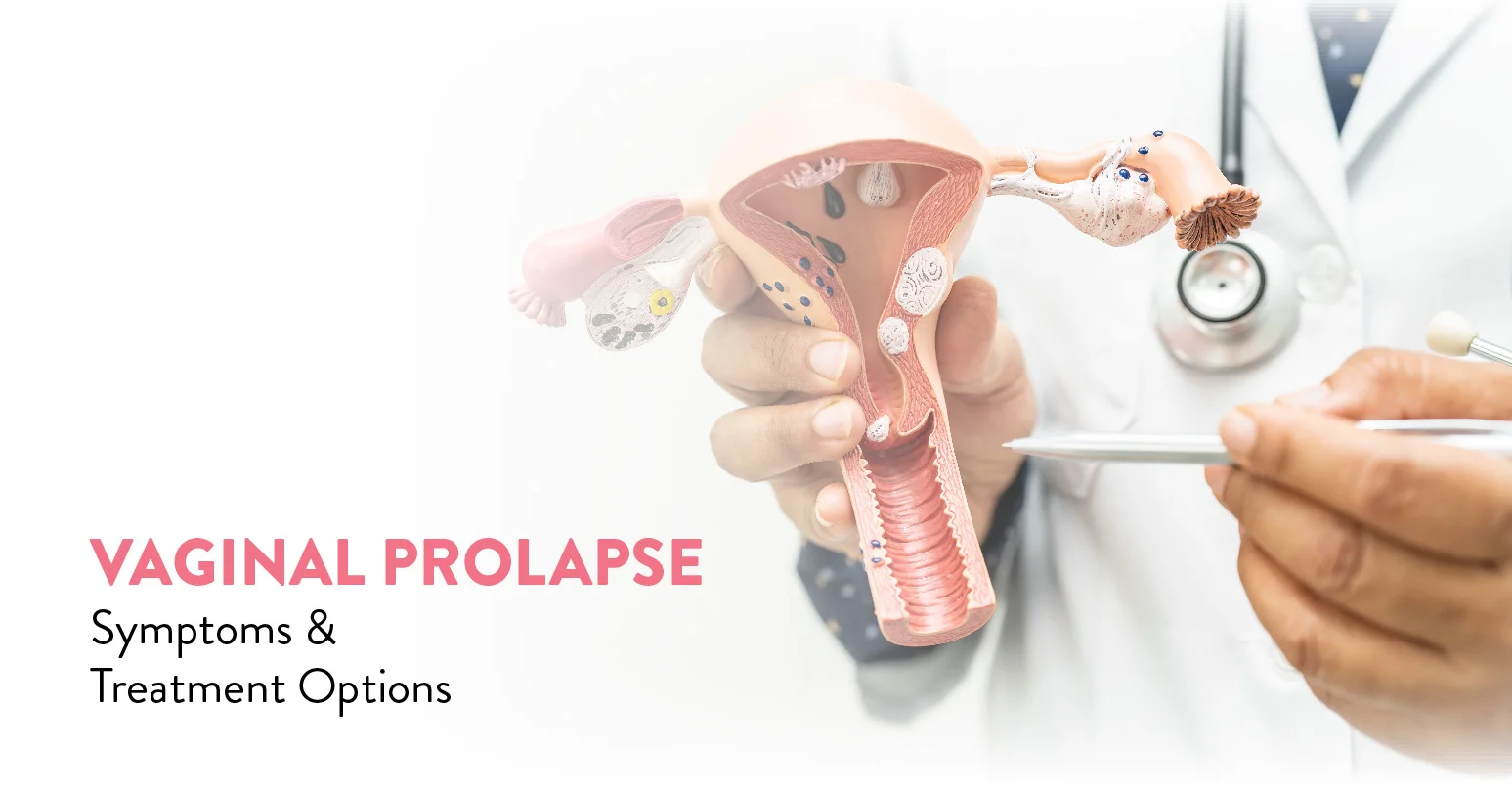
Vaginal prolapse is a common yet often misunderstood condition that affects many women. It occurs when the structures supporting the vagina weaken, causing the vaginal walls to protrude into or outside of the vaginal opening. This can lead to discomfort, urinary problems, and a range of other symptoms.
It is essential to comprehend the origins, signs, and available treatments for this ailment to properly manage it.
Table of Contents
Vaginal prolapse (or vault prolapse) occurs when the top of the vagina descends from its normal position in the body. This weakening is due to pelvic muscle and tissue support deterioration, causing organs to sag or bulge into the vagina. Mild cases may not require surgery, but severe prolapse may necessitate surgical repair to alleviate painful symptoms.
The several types of vaginal prolapse are:
You can also read: Common Causes of Frequent Urination in Women
Symptoms of vaginal prolapse may manifest as:
Also read: Bad back Common spine issues that can affect anyone and how to prevent them
Your vagina is supported within your pelvis by muscles and tissues that can weaken over time, leading to a prolapse where the vagina slips out of place. Common causes of vaginal prolapse include:
The consequences of vaginal prolapse vary depending on the organs affected and may include:
Diagnosing vaginal prolapse typically involves a pelvic exam, where your doctor may ask you to bear down as if having a bowel movement. Additionally, they might request you tighten and release muscles used to control urine flow to assess pelvic muscle strength. If you experience urination difficulties, urodynamic testing can evaluate bladder function. Specific tests include:
Vaginal prolapse treatment options are tailored to the severity of the condition. Healthcare providers may adopt a watchful waiting approach for mild cases. Treatment choices encompass both nonsurgical and surgical interventions, contingent upon various factors, such as:
Nonsurgical methods are preferred for mild prolapses, like:
For advanced cases, surgical options are considered, which are:
Open dialogue with healthcare providers is crucial for addressing concerns and making informed treatment decisions.
While vaginal prolapse cannot always be entirely prevented, adopting healthy lifestyle habits can reduce your risk of developing it. These habits may include:
Understanding vaginal prolapse is crucial for women’s health. Early diagnosis and appropriate treatment can significantly improve quality of life. Raising awareness and priortising women’s pelvic health is important. It is always advisable to seek medical help from an experienced gynaecologist. Timely care and help can ensure an appropriate diagnosis and treatment of your condition.
At the CK Birla Hospital, we ensure patients get holistic medical support which includes treatment in a compassionate environment. This patient-centric approach not only helps patients heal better but also ensures they are aware of the preventive measures as well. In case you need to consult a gynaecologist, reach out to us, or book a direct appointment with the best gynaecologist aft the CK Birla Hospital.
Vaginal prolapse can occur during pregnancy due to increased pressure on pelvic organs. Hormonal changes and weakened pelvic floor muscles contribute to this condition.
Vaginal prolapse can have a genetic component, but it’s influenced by multiple factors including childbirth, ageing, and lifestyle. Family history may increase susceptibility but isn’t the sole cause.
Mild cases of vaginal prolapse may improve with pelvic floor exercises (Kegels), lifestyle changes (like weight loss), and using pessaries. Severe cases often require surgical intervention for complete reversal.
Avoid high-impact exercises like heavy lifting, running, and jumping if you have vaginal prolapse. Instead, focus on low-impact activities such as walking, swimming, or yoga, under medical guidance.
Recovery after vaginal prolapse surgery typically takes about 4 to 6 weeks, during which activity levels gradually increase. Follow-up care and restrictions are advised based on individual progress.

In today’s fast-paced world, many of us find ourselves chained to our desks for hours on end, often neglecting our health in the process. But fear not, fellow desk warriors! This World Health Day, it’s time to break free from the sedentary lifestyle and embrace a healthier way of living. Let’s dive into 10 simple yet effective ways for desk-bound individuals to incorporate more movement and vitality into their lives.
1. Take the Stairs: Ditch the elevator and opt for the stairs whenever possible. Not only does this get your heart pumping, but it also strengthens your leg muscles and burns calories as advised by our ortho specialist at the CK Birla Hospital, Gurgaon, Dr. Debashish Chanda.
2. Deskercise Breaks: Take a break from being in one stride on your chair. Get up and move around. Alternatively, incorporate short exercise breaks into your workday. Simple stretches, squats, or lunges can help combat stiffness and improve circulation.

3. Walk and Talk: Instead of sitting during phone calls, take them on the move. Grab your headphones and go for a brisk walk while chatting with colleagues or clients. Added focus and clarity is a bonus takeaway.
4. Standing Desk: If working from home, consider investing in a standing desk or using a makeshift standing workstation. Alternating between sitting and standing throughout the day can alleviate back pain and boost energy levels.

5. Active Commuting: If feasible, bike or walk to work instead of driving or taking public transport. Not only does this reduce carbon emissions, but it also provides a refreshing start to your day. Taking a long commute or being stuck in traffic for long periods everyday often leads to musculoskeletal problems.
6. Lunchtime Walks: Make it a habit to go for a walk during your lunch break. Invite coworkers to join you and explore nearby parks or scenic routes. These not only work for your health but also foster a stress-free space for teams to bond.

7. Fitness Apps: Get help wherever you can. Explore fitness apps that offer quick and convenient workouts tailored to your schedule to ensure you hit the coveted 10,000 step mark consistently.
8. Office Challenges: Organize friendly fitness challenges within your workplace. Whether it’s a step count competition or a plank challenge, gamifying fitness can foster camaraderie and motivation. We are kickstarting the #StepChallenge at the CK Birla Hospital, where we are encouraging our people and their communities to start a healthy habit in a motivated and guided space.
9. Hydration Reminder: Stay hydrated throughout the day by keeping a water bottle at your desk. Not only does adequate hydration support overall health, but it also boosts energy levels and mental clarity. But cut down on caffeine, as it is known to contribute to weight gain & insulin resistance that leads to a host of lifestyle diseases.
This World Health Day, let’s rewrite the narrative of sedentary desk jobs and embrace a more active and balanced lifestyle. With small, actionable steps and the support of initiatives like the #StepChallenge, we can pave the way towards a healthier future. Remember, every step counts – so lace up your shoes, step out of your comfort zone, and embark on a journey of vitality and wellness.
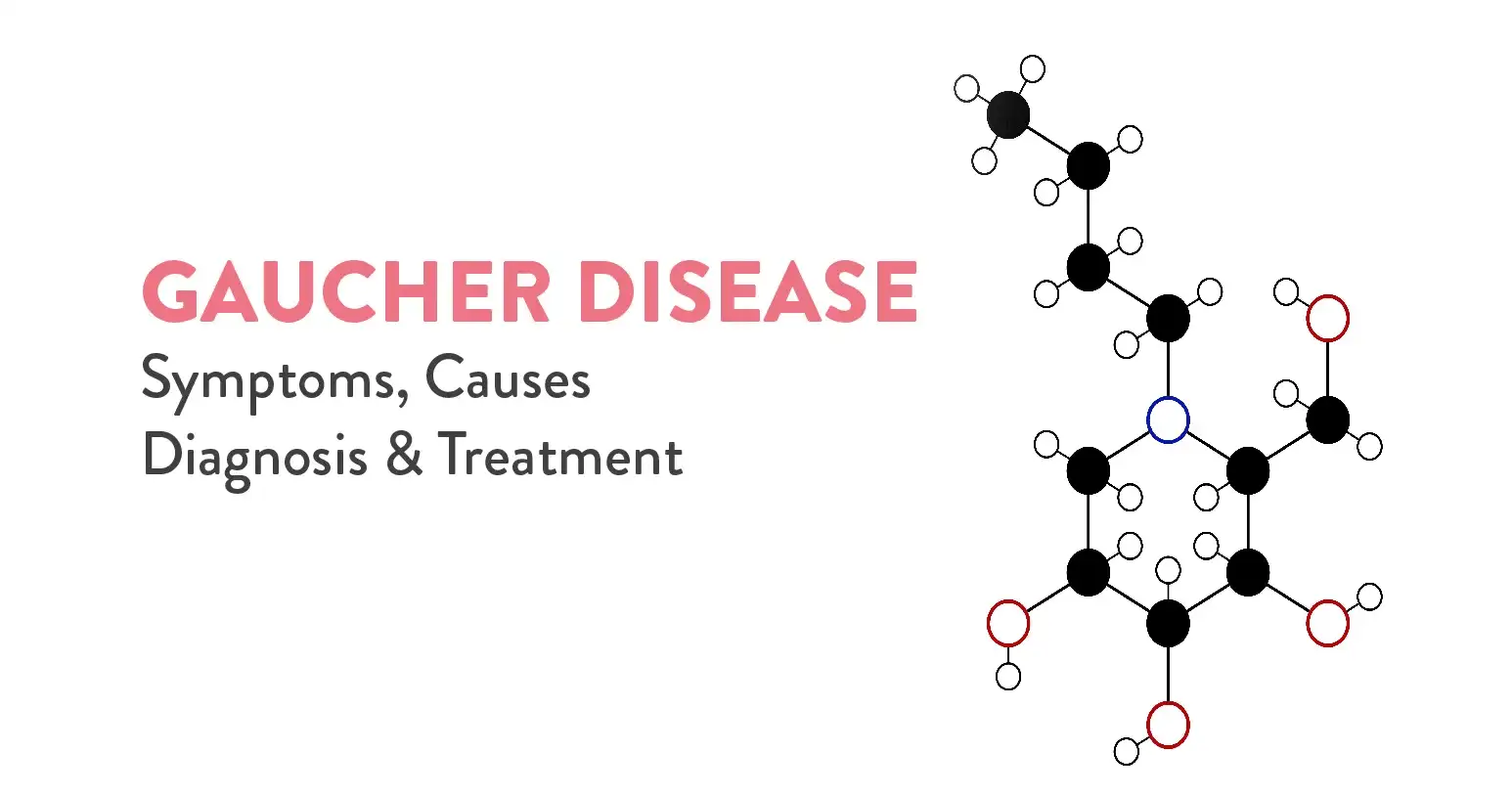
Gaucher Disease, a rare genetic disorder, affects individuals worldwide, impacting their quality of life and overall health. This disorder stems from a deficiency in an enzyme crucial for breaking down certain fats, leading to their accumulation in various organs and tissues.
In this blog, we delve into the intricacies of Gaucher Disease, exploring its symptoms, diagnosis, treatment options, and the latest advancements in research and management.
Table of Contents
Gaucher disease, an uncommon inherited metabolic disorder, manifests diverse symptoms and physical manifestations that differ from individual to individual, contingent upon the specific type of the condition. It can affect various organs including the spleen, liver, bones, heart, lungs, and brain. While some types of Gaucher disease exhibit symptoms during childhood, others may not surface until adulthood.
Gaucher disease, also known as Gaucher’s disease, manifests in three distinct types, each with its own set of symptoms affecting organs and bones.
You Can Also Read: Understanding Obsessive-Compulsive Disorders (OCD)
Gaucher disease symptoms are variable, ranging from mild to severe. While some individuals may be asymptomatic, others face serious health complications, even death.
Gaucher disease, an inherited metabolic disorder, stems from mutations in the GBA gene, impairing the production of glucocerebrosidase (GCase) enzyme.
This deficiency leads to the accumulation of fatty chemicals (Gaucher cells) in organs, bone marrow, and brain, causing various issues like organ dysfunction, blood cell destruction, and bone weakening. GCase, crucial for breaking down fats, is insufficient in individuals with Gaucher disease, exacerbating symptoms and complications.
Complications of Gaucher disease include:
Healthcare providers diagnose Gaucher’s disease through symptom evaluation and blood or DNA tests.
Blood tests measure enzyme levels, while DNA tests detect gene mutations associated with the disease. DNA tests, using saliva or blood samples, identify carriers who may pass the disease to offspring. Carriers, usually asymptomatic, can seek guidance from genetic counsellors when planning to have children to understand potential risks and options.
You Can Also Read: Basic Facts About Aphasia – What You Need to Know
Depending on the kind, Gaucher disease has different treatments:
For Gaucher disease type 1, treatment options include:
Research advancements, including genetic engineering and stem cell technologies, offer promising future therapies.
Gaucher Disease poses significant challenges, but advancements in research, treatments, and support networks offer hope. With continued awareness and dedication, we can strive towards better management and ultimately, a cure. It is always advisable to seek medical help from an experienced neurologist. Timely care and help can ensure an appropriate diagnosis and treatment of your condition.
At the CK Birla Hospital, we ensure patients get holistic medical support which includes treatment in a compassionate environment. This patient-centric approach not only helps patients heal better but also ensures they are aware of the preventive measures as well. In case you need to consult a neurologist, reach out to us, or book a direct appointment at the CK Birla Hospital.
Gaucher disease is not curable, but treatments such as enzyme replacement therapy can manage symptoms and improve the quality of life for patients affected by this rare genetic disorder.
Gaucher disease can be diagnosed before birth through prenatal testing, such as chorionic villus sampling or amniocentesis, which can detect genetic mutations associated with the disorder.
Gaucher disease can affect adults. While it often presents in childhood, symptoms can manifest at any age, with varying severity and progression throughout an individual’s life.
If one parent is a carrier of Gaucher disease, each child has a 50% chance of inheriting the mutated gene, which may lead to the development of the disorder.
There are no specific dietary restrictions for individuals with Gaucher disease. However, maintaining a balanced diet and staying hydrated can support overall health and management of symptoms.
Yes, Gaucher disease can lead to various health problems, including bone abnormalities, anaemia, enlarged liver and spleen, and increased risk of certain cancers, among other complications.
Gaucher disease can be life-threatening if untreated, particularly in severe cases with complications like organ damage or blood disorders. However, with proper management, life expectancy can be improved.
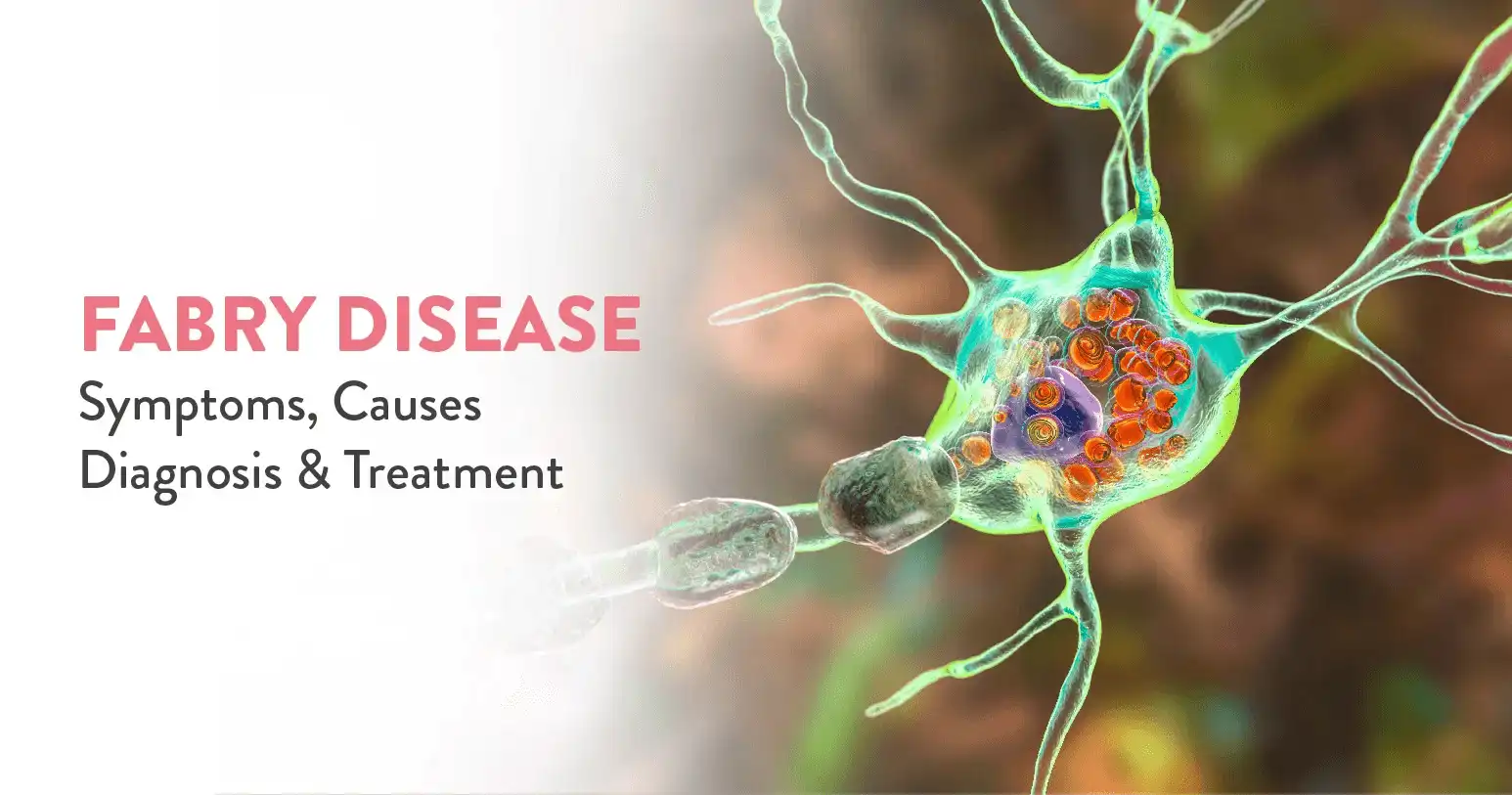
Fabry Disease is a rare genetic disorder that affects approximately 1 in 40,000 to 60,000 people worldwide. This condition, caused by mutations in the GLA gene, leads to the accumulation of a particular type of fat within the body’s cells.
Despite its low prevalence, Fabry Disease can have profound effects on various organs, making early detection and management crucial for patients’ well-being. Symptoms often manifest in childhood or adolescence and can include skin lesions, gastrointestinal issues, kidney dysfunction, and cardiovascular complications. Understanding the intricacies of Fabry Disease is vital for improving diagnosis, treatment, and ultimately, the quality of life for affected individuals.
Table of Contents
Fabry disease, a rare genetic condition, results from insufficient production of the enzyme alpha-galactosidase A (alpha-GAL). This enzyme breaks down sphingolipids, preventing their accumulation in blood vessels and tissues.
It’s a type of lysosomal storage disorder, that impacts the heart, kidneys, brain, nervous system, and skin. Also known as Anderson-Fabry disease or alpha-galactosidase-A deficiency, it leads to harmful sphingolipid buildup without functional alpha-GAL enzymes.
Fabry disease manifests in various forms based on symptom onset, which are:
Symptoms emerge in childhood or teenage years. Notably, a burning sensation in hands and feet may appear as early as age 2, worsening gradually.
Symptoms typically arise after 30s. Manifestations may include kidney failure or heart disease, serving as initial indicators of the condition.
Fabry Disease (FD) presents a variety of symptoms, posing challenges in diagnosis. Manifestations differ among genders and between type 1 and type 2 FD.
Similar complications arise but typically later in life, between the 30s and 60s.
Some serious FD symptoms are:
You Can Also Read: Understanding Spinal Muscular Atrophy: Causes, Symptoms, and Treatment Options
Accumulation of the fatty substance over time can harm blood vessels, potentially resulting in severe health complications such as:
Tests to diagnose Fabry disease that your healthcare provider may order include:
You Can Also Read: Basic Facts About Aphasia – What You Need to Know
Fabry disease, unfortunately, lacks a cure, but certain medications can alleviate pain and stomach issues associated with it. However, two treatments show promise in slowing down the accumulation of fatty substances, aiming to avert severe complications like heart and kidney problems:
Ongoing research explores additional therapies utilising genetic engineering and stem cell technologies.
Fabry disease presents complex challenges, yet advancements in diagnosis, treatment, and support offer hope. Increased awareness and research are crucial for improving patient outcomes and quality of life. It is always advisable to seek medical help from an experienced neurologist. Timely care and help can ensure an appropriate diagnosis and treatment of your condition.
At the CK Birla Hospital, we ensure patients get holistic medical support which includes treatment in a compassionate environment. This patient-centric approach not only helps patients heal better but also ensures they are aware of the preventive measures as well. In case you need to consult a neurologist, reach out to us, or book a direct appointment at the CK Birla Hospital.
Fabry disease can appear to skip generations due to the inheritance pattern. It is an X-linked genetic disorder, so males typically show symptoms while females can be carriers.
Females can have symptoms of Fabry disease if they inherit the mutated gene from both parents or if they inherit one mutated gene and have skewed X-chromosome inactivation.
Fabry disease can lead to serious complications affecting multiple organs and may reduce life expectancy, but with appropriate management, including enzyme replacement therapy, life expectancy can be improved.
Fabry disease cannot be prevented as it is a genetic disorder caused by mutations in the GLA gene. However, genetic counselling and testing can help in family planning and management.
There are generally no specific dietary restrictions for individuals with Fabry disease, but maintaining a healthy diet low in saturated fats and sodium may help manage associated complications like kidney disease.
Fabry disease can potentially lead to complications during pregnancy, such as worsening of symptoms due to increased physiological demands, but each case varies and requires careful management by healthcare professionals.

पार्किंसन रोग एक तंत्रिका संबंधी विकार (न्यूरोलॉजिकल डिसऑर्डर) है जो मुख्य रूप से तंत्रिका तंत्र और तंत्रिकाओं द्वारा नियंत्रित शरीर के हिस्सों को प्रभावित करता है। यह डोपामाइन-उत्पादक मस्तिष्क कोशिकाओं के नुकसान के कारण होता है, जिससे कंपकंपी, कठोरता, गति की धीमी गति और असंतुलन एवं समन्वय (impaired balance and coordination) जैसे लक्षण होते हैं।
जैसे-जैसे यह बीमारी बढ़ती है, गैर-मोटर लक्षण जैसे कॉग्निटिव इम्पेयरमेंट, डिप्रेशन और नींद की गड़बड़ी भी पैदा कर सकती है। पार्किंसन रोग का सटीक कारण पूरी तरह से समझा नहीं गया है, लेकिन माना जाता है कि आनुवंशिक और पर्यावरणीय दोनों कारक इसमें भूमिका निभाते हैं। हालाँकि, पार्किंसन रोग का वर्तमान में कोई इलाज नहीं है, उपचार का उद्देश्य दवा, चिकित्सा और कभी-कभी सर्जरी के माध्यम से लक्षणों को प्रबंधित करना और जीवन की गुणवत्ता में सुधार करना है।
ये भी पढ़े: नसों में दर्द का कारण और उपचार | Nerve Pain in Hindi
Table of Contents
पार्किंसन रोग बहुकारक कारणों वाला एक जटिल विकार है। शोध से पता चलता है कि आनुवंशिक प्रवृत्ति और पर्यावरणीय कारकों का संयोजन इसके विकास में योगदान देता है। आनुवंशिक कारक एक भूमिका निभाते हैं, क्योंकि एसएनसीए, एलआरआरके2 और पार्किन जैसे कुछ जीनों में उत्परिवर्तन को पार्किंसन के पारिवारिक मामलों से जोड़ा गया है। हालाँकि, अधिकांश मामले छिटपुट होते हैं जिनमें कोई स्पष्ट आनुवंशिक वंशानुक्रम पैटर्न नहीं होता है।
पर्यावरणीय कारक भी महत्वपूर्ण भूमिका निभाते हैं। कीटनाशकों, शाकनाशी और औद्योगिक रसायनों जैसे कुछ विषाक्त पदार्थों के संपर्क में आने से पार्किंसन रोग विकसित होने का खतरा बढ़ जाता है। इसके अलावा, सिर और मस्तिष्क पर चोट इस रोग की शुरुआत में योगदान कर सकते हैं।
इन सबके अलावा, मस्तिष्क में डोपामाइन-उत्पादक न्यूरॉन्स का अध: पतन, विशेष रूप से सबस्टैंटिया नाइग्रा में, पार्किंसन रोग की एक पहचान है। डोपामाइन की हानि से स्थिति के विशिष्ट मोटर लक्षण उत्पन्न होते हैं। कुल मिलाकर, पार्किंसन रोग आनुवंशिक संवेदनशीलता, पर्यावरणीय जोखिम और न्यूरोनल डिसफंक्शन की जटिल परस्पर क्रिया से उत्पन्न होता है।
और अधिक पढ़े: मिर्गी क्या है – कारण, लक्षण और इलाज (Epilepsy, Seizure in Hindi)
पार्किंसन रोग के लक्षण धीरे-धीरे प्रकट होते हैं और व्यक्तियों में गंभीरता अलग-अलग होती है। वे मुख्य रूप से गति को प्रभावित करते हैं, लेकिन इसमें गैर-मोटर लक्षण भी शामिल हो सकते हैं:
समय के साथ लक्षण बिगड़ सकते हैं, जिससे दैनिक जीवन और जीवन की गुणवत्ता प्रभावित हो सकती है। इसके अलावा, मरीज़ों को लक्षणों में उतार-चढ़ाव का अनुभव हो सकता है।
पार्किंसन रोग के निदान में चिकित्सा इतिहास, शारीरिक परीक्षण और लक्षणों का व्यापक मूल्यांकन शामिल है। कोई निश्चित परीक्षण नहीं है, लेकिन चिकित्सक अन्य स्थितियों का पता लगाने के लिए एमआरआई या डैटस्कैन जैसे इमेजिंग परीक्षणों का उपयोग कर सकते हैं। निदान विशिष्ट मोटर लक्षणों जैसे कंपकंपी, ब्रैडीकिनेसिया, कठोरता और आसनीय अस्थिरता की उपस्थिति पर निर्भर करता है।
न्यूरोलॉजिकल मूल्यांकन में एकीकृत पार्किंसन रोग रेटिंग स्केल शामिल हो सकता है। इसके आलावा, डोपामिनर्जिक दवा की प्रतिक्रिया से निदान की पुष्टि करने में मदद मिल सकती है। सटीक निदान और उचित प्रबंधन के लिए न्यूरोलॉजिस्ट, मूवमेंट डिसऑर्डर विशेषज्ञों और अन्य डॉक्टर को शामिल करने वाला एक बहु-विषयक दृष्टिकोण आवश्यक है।
पार्किंसन रोग के उपचार का उद्देश्य लक्षणों को कम करना, जीवन की गुणवत्ता में सुधार करना और रोग की प्रगति को धीमा करना है। इसमें आमतौर पर प्रत्येक मरीज़ की ज़रूरतों के अनुरूप दवा, चिकित्सा और जीवनशैली समायोजन का संयोजन शामिल होता है।
लेवोडोपा: मस्तिष्क में डोपामाइन में परिवर्तित हो जाता है, जिससे मोटर संबंधी लक्षणों से राहत मिलती है। प्रभावशीलता बढ़ाने और दुष्प्रभावों को कम करने के लिए इसे अक्सर कार्बिडोपा के साथ मिलाया जाता है।
असामान्य तंत्रिका गतिविधि को नियंत्रित करने के लिए विशिष्ट मस्तिष्क क्षेत्रों में इलेक्ट्रोड के आरोपण से जुड़ी सर्जिकल प्रक्रिया। उन्नत पार्किंसन रोग में मोटर के उतार-चढ़ाव, कंपकंपी और डिस्केनेसिया के प्रबंधन के लिए प्रभावी।
गतिशीलता, संतुलन और लचीलेपन को बेहतर बनाने में मदद करता है। तकनीकों में चाल प्रशिक्षण, गति-सीमा वाले व्यायाम और मजबूत बनाने वाले व्यायाम शामिल हो सकते हैं।
स्वतंत्रता और जीवन की गुणवत्ता में सुधार के लिए दैनिक गतिविधियों को अपनाने पर ध्यान केंद्रित करता है। बढ़िया मोटर कौशल, लिखावट और स्व-देखभाल कार्यों जैसे मुद्दों को संबोधित करता है।
पार्किंसन रोग में बोलने और निगलने में कठिनाई आम है। इसलिए तकनीकों में बोलने और निगलने में शामिल मांसपेशियों को मजबूत करने के लिए व्यायाम शामिल हैं।
इस बीमारी की प्रगति और व्यक्तिगत प्रतिक्रिया के आधार पर उपचार योजनाओं की नियमित रूप से समीक्षा और समायोजन किया जाना चाहिए। पार्किंसन रोग के श्रेष्ठ प्रबंधन के लिए विशेषज्ञ और मरीज़ के बीच घनिष्ठ सहयोग आवश्यक है।

