Filter :

When it comes to addressing severe joint pain and mobility issues, patients often face a critical decision: joint preservation or replacement.
This blog delves into the nuances of both approaches, comparing the benefits and drawbacks of preserving your natural joint versus opting for a prosthetic replacement. Understanding these options is crucial for making an informed choice tailored to your health needs.
Table of Contents
Joint preservation and joint replacement are approaches to managing joint problems.
The goal of joint preservation is to maintain and restore joint function without replacement. Its methods include:
The goal of joint replacement is to replace damaged joint surfaces with artificial components. The various types are:
Factors include patient age, activity level, joint damage severity, and overall health. Joint preservation is for early-stage issues, while replacement suits severe cases.
Maintaining joint health involves various lifestyle modifications, such as:
For individualised guidance, speak with a healthcare provider.
Non-surgical interventions for preserving joints include physical therapy, medications, lifestyle modifications, and assistive devices.
Physical therapy involves customised exercise programs to strengthen muscles and improve flexibility, along with manual therapy techniques.
Alternative therapies like acupuncture, chiropractic care, and massage therapy can also be beneficial.
Replacing a joint, or arthroplasty, involves several key steps, like:
Joint replacement surgery involves several techniques tailored to the joint and patient condition, which are:
The rehabilitation and recovery process after a joint replacement involves these stages:
Immediate Postoperative Phase (Days 1-3)
Early Recovery Phase (Weeks 1-6)
Intermediate Recovery Phase (Months 2-4)
Late Recovery Phase (Months 5-12)
Compliance, nutrition, mental health, and education are key to a successful recovery.
Deciding between joint preservation and joint replacement involves multiple considerations, which are:
Consulting with an orthopaedic specialist is essential for the best decision.
Choosing between joint preservation and replacement depends on individual needs and circumstances. Both options offer significant benefits for joint health, ensuring improved mobility and quality of life. It is always advisable to seek medical help from an orthopaedic surgeon. Timely care and help can ensure an appropriate diagnosis and treatment of your condition.
At the CK Birla Hospital, we ensure patients get holistic medical support which includes treatment in a compassionate environment. This patient-centric approach not only helps patients heal better but also ensures they are aware of the preventive measures as well. In case you need to consult an orthopaedic surgeon, reach out to us, or book a direct appointment with orthopaedic at the CK Birla Hospital.
Joint preservation maintains natural joint function, reduces pain, delays or avoids joint replacement, improves mobility, and enhances the overall quality of life, often through minimally invasive procedures and rehabilitation.
Joint replacement surgery is recommended for severe joint pain or dysfunction, typically due to arthritis or injury, when conservative treatments fail to provide adequate relief or improve function.
There are no strict age restrictions for joint replacement surgery. Candidates are evaluated based on health status, pain severity, and functional impairment rather than age alone.
Recovery from joint replacement surgery varies but typically involves several weeks of initial healing, followed by months of rehabilitation to regain strength, mobility, and function, with full recovery taking several months.
Yes, joint replacement surgery can be repeated if necessary due to wear, loosening, or other complications. However, each subsequent surgery may pose increased risks and potentially diminish long-term outcomes.
Alternative treatments for joint conditions include physical therapy, medications (NSAIDs, corticosteroids), lifestyle modifications (weight management, exercise), assistive devices (braces, canes), and minimally invasive procedures like arthroscopy or injections.

Bad breath, medically known as halitosis, affects millions and can be an embarrassing issue.
This blog delves into the causes, ranging from poor dental hygiene to underlying health conditions, and offers practical tips to combat it. Discover the science behind fresh breath and how simple changes can boost your confidence and overall oral health.
Table of Contents
Halitosis, the medical term for bad breath, is a common occurrence, especially after consuming foods like garlic and onions. However, persistent bad breath (chronic halitosis) may indicate an oral health problem or another underlying condition affecting your body.
Halitosis serves as a symptoms of various conditions, acting as a warning signal from your body. Identifying the underlying cause of halitosis is crucial for effective treatment.
Bad breath, or halitosis, can be identified by several symptoms, like:
If these symptoms persist, consult a dentist or healthcare professional.
Poor oral hygiene is the most common cause of halitosis, several other conditions can cause bad breath, such as:
Bad breath, or halitosis, can lead to these complications:
Additionally, it can indicate oral health issues like gum disease and tooth decay, as well as underlying health conditions such as diabetes, liver disease, and chronic sinusitis. These complications highlight the importance of maintaining good oral hygiene and seeking medical evaluation when necessary to address persistent bad breath.
Bad breath, or halitosis, is diagnosed through the below measures:
Combining these methods helps healthcare providers identify the cause of bad breath and recommend appropriate treatments.
Also read: 10 kidney disease symptoms to watch out for
Based on its cause, treatment for bad breath, or halitosis varies, like:
Consulting a healthcare professional is crucial if bad breath persists.
Maintaining good dental hygiene is the best defence against foul breath. Here are some general guidelines:
Maintaining good oral hygiene, staying hydrated, and regular dental check-ups are essential to prevent bad breath. Addressing underlying health issues can also ensure fresh breath and overall well-being. It is always advisable to seek medical help from an ENT specialist. Timely care and help can ensure an appropriate diagnosis and treatment of your condition.
At the CK Birla Hospital, we ensure patients get holistic medical support which includes treatment in a compassionate environment. This patient-centric approach not only helps patients heal better but also ensures they are aware of the preventive measures as well. In case you need to consult an ENT specialist, reach out to us, or book a direct appointment with GI at the CK Birla Hospital.
Yes, bad breath can indicate underlying health issues like gum disease, respiratory infections, or digestive problems. Persistent bad breath warrants attention from a healthcare professional for proper diagnosis and treatment.
You can check for bad breath by licking your wrist, letting it dry, then smelling it, or by asking someone you trust for an honest assessment of your breath.
Foods like parsley, apples, yoghurt, and green tea can help freshen breath by neutralising odours, promoting saliva production, and reducing bacteria in the mouth.
If you have persistent bad breath despite good oral hygiene, consult a healthcare professional to check for underlying issues like gum disease, infections, or digestive problems.
While bad breath itself is not hereditary, factors that contribute to it, such as certain medical conditions or tendencies for dry mouth, can have a genetic component.
Over-the-counter mouthwashes can temporarily mask bad breath and reduce bacteria, but they don’t address underlying causes. Persistent bad breath should be evaluated by a healthcare professional.
Yes, bad breath can harm social life and relationships, leading to embarrassment, decreased confidence, and discomfort in personal and professional interactions.
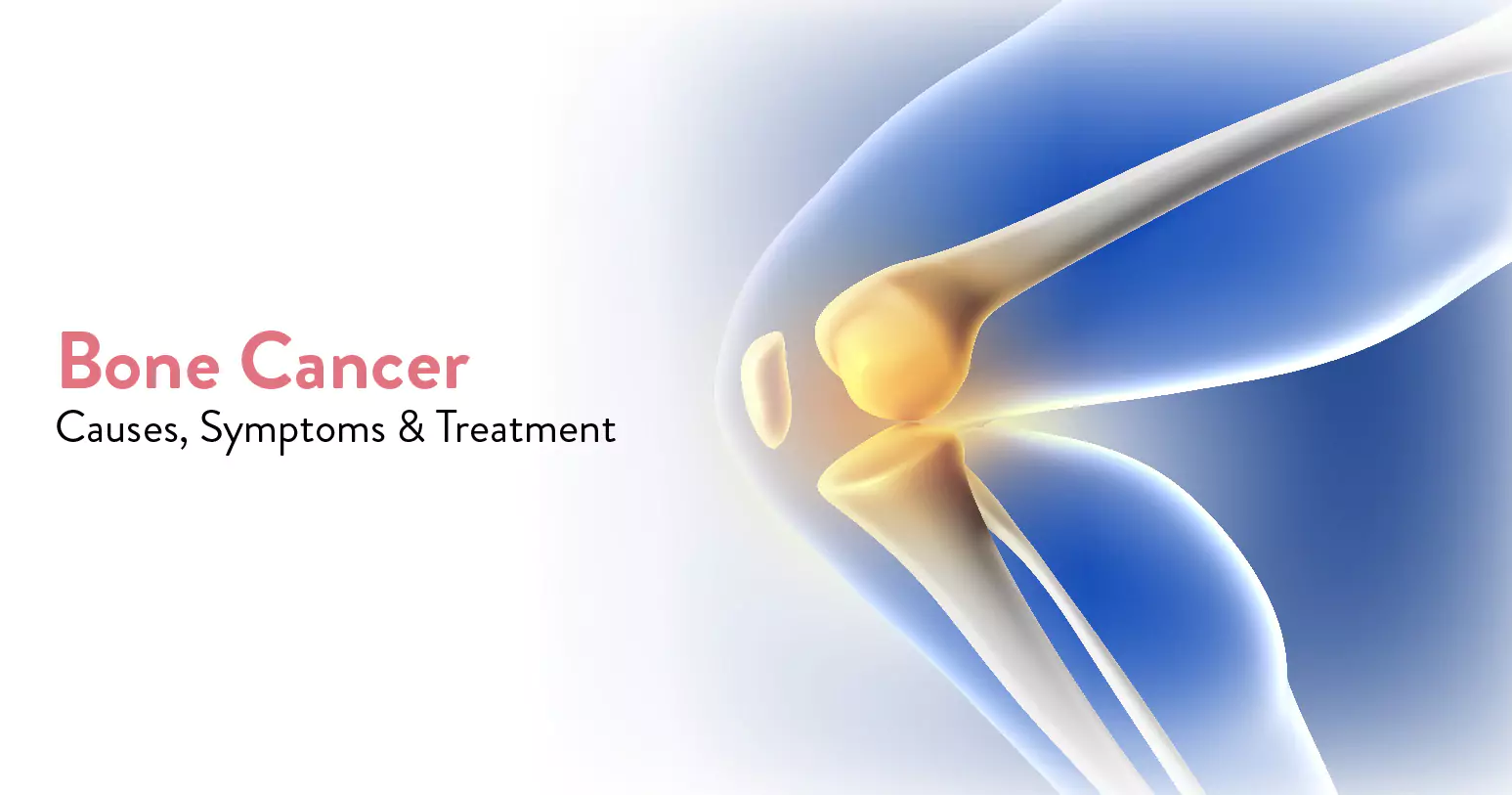
Bone cancer is a rare but serious condition that originates in the bones, affecting both children and adults. Characterized by the uncontrolled growth of abnormal cells, it can lead to debilitating pain and fractures.
Understanding the types, symptoms, and treatments of bone cancer is crucial for early detection and improving patient outcomes. Let’s explore this critical health issue in this blog.
Table of Contents
Bone cancer refers to a variety of cancers that originate in the bones. When cancer cells invade a bone, they can damage the normal bone tissue. The specific type of bone cancer is determined by the cell and tissue where the cancer originates.
Cancers that start in the bone itself are known as primary bone cancers. Tumours that begin in other organs or body parts can also spread to the bones and are referred to as secondary or metastatic bone cancers. Breast, prostate, and lung cancers are the most common types to metastasize to the bones.
Staging is based on the tumor’s size, location, and whether the cancer has metastasized. Primary bone cancer is classified into four stages:
Stage 1: The tumor is low-grade, with cancer cells confined to the original site.
Stage 2: The tumor remains localized, but the cancer cells are high-grade.
Stage 3: The tumor is high-grade, and the cancer has spread within the same bone.
Stage 4: The cancer has metastasized from the bone to other parts of the body, such as the lungs or liver.
Bone cancer types vary, and the primary ones include:
The symptoms of bone cancer can include:
Pain is the most common symptom, but not all types of bone cancer cause pain. If you experience any of these symptoms, make an appointment with a doctor to determine the cause.
The exact cause of bone cancer is unknown, but several factors may increase the risk, such as:
Bone cancer can cause significant complications. These include:
Treatment-related complications, such as side effects from chemotherapy and radiation, and surgical risks, further impact patients. Additionally, the psychological impact, including anxiety and depression, significantly affects the quality of life.
To diagnose bone cancer, healthcare providers typically start with X-rays to visualize the bones. For more detailed images of the surrounding areas, they often use magnetic resonance imaging (MRI) and computed tomography (CT) scans before initiating any treatment.
To confirm the diagnosis, a biopsy is performed, where a small tissue sample is taken from the bone and examined under a microscope. This procedure offers specific details about the cancer, including its origin. Such information is crucial for determining the most effective treatment plan for a particular type of cancer.
Also read: 7 Ways You Can Lower Triglycerides
Bone cancer treatment depends on the type of cancer, its spread, and location. A multidisciplinary team usually manages treatment, including oncologists, radiation oncologists, and orthopaedic surgeons. Treatments vary based on the cancer type, tumour size, and metastasis. The common types of treatment are:
Bone cancer, while daunting, is met with advancing treatments and resilient spirits. Early detection and comprehensive care are key, offering hope and improved outcomes for those affected by this challenging disease. It is always advisable to seek medical help from an oncologist. Timely care and help can ensure an appropriate diagnosis and treatment of your condition.
At the CK Birla Hospital, we ensure patients get holistic medical support which includes treatment in a compassionate environment. This patient-centric approach not only helps patients heal better but also ensures they are aware of the preventive measures as well. In case you need to consult an oncologist, reach out to us, or book a direct appointment with oncologist at the CK Birla Hospital.
Bone cancer can be curable, especially if detected early and treated with surgery, chemotherapy, and/or radiation. Outcomes vary based on cancer type, stage, and patient health.
Yes, bone cancer can metastasize to other parts of the body, commonly spreading to the lungs, liver, and other bones, complicating treatment and affecting prognosis.
Risk factors for bone cancer include genetic conditions, previous radiation therapy, Paget’s disease of bone, and certain inherited disorders like Li-Fraumeni syndrome and hereditary retinoblastoma.
Preventing bone cancer is challenging due to its link with genetic factors and rare conditions. Reducing radiation exposure and monitoring high-risk individuals can help with early detection and management.
If you suspect bone cancer, consult a healthcare professional promptly for a thorough evaluation, including imaging tests and possibly a biopsy, to determine the diagnosis and appropriate treatment.
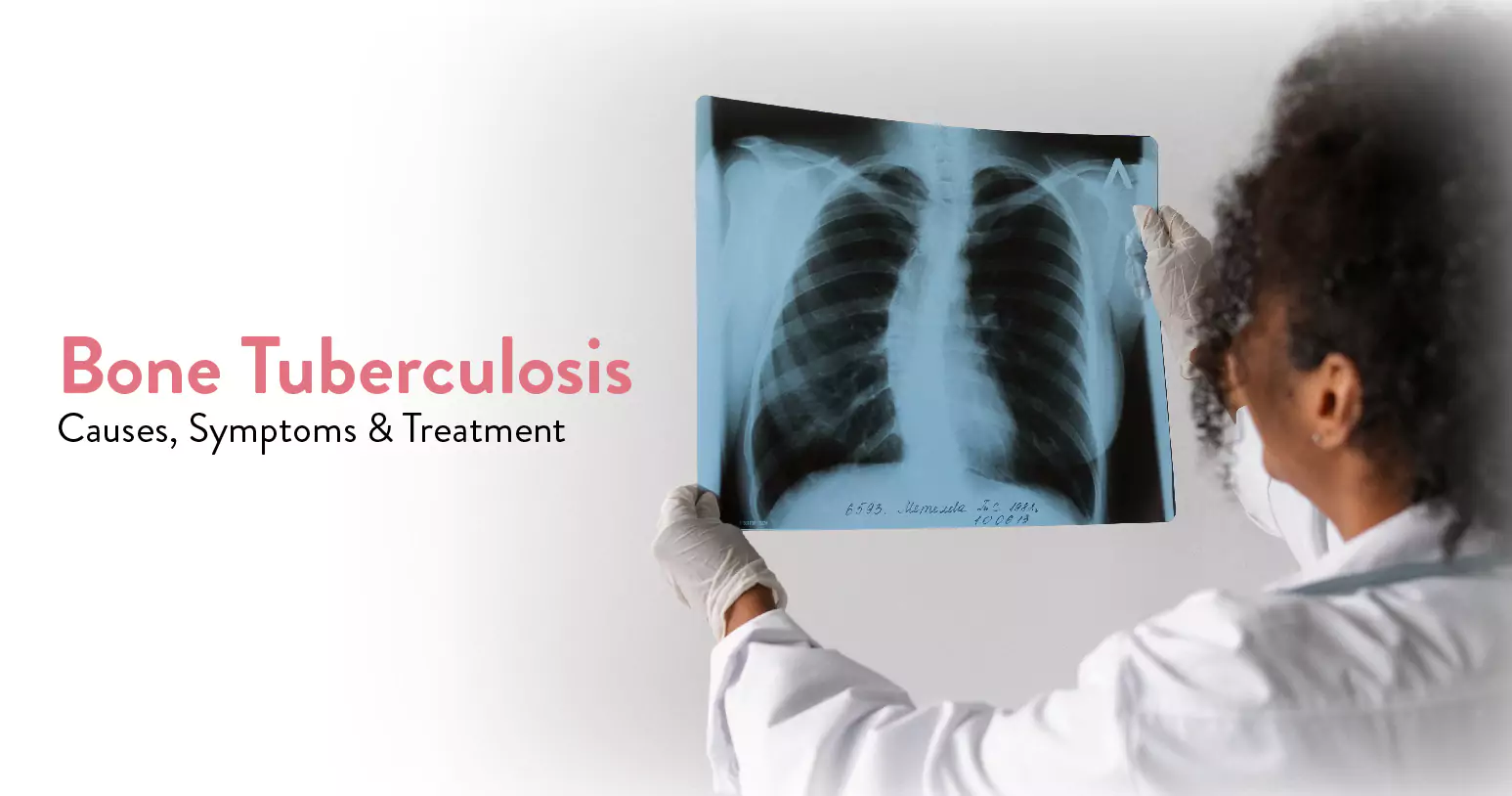
Bone tuberculosis (TB) is a disease that historically plagued communities and continues to pose challenges in modern healthcare. Bone TB, caused by Mycobacterium tuberculosis, affects the skeletal system and can lead to debilitating consequences if not promptly diagnosed and treated.
Let us delve into the causes, symptoms, diagnosis, and management of this intriguing yet serious condition in this blog.
Table of Contents
Bone tuberculosis, or skeletal tuberculosis, is a form of tuberculosis that affects the bones and joints. It occurs when Mycobacterium tuberculosis infects the skeletal system, commonly in the spine, hips, and knees.
Symptoms include joint pain, swelling, and deformities. Diagnosis involves imaging and culture tests. Treatment requires prolonged anti-tuberculosis medication and sometimes surgery.
Bone tuberculosis, also known as skeletal or osteoarticular tuberculosis, encompasses several types depending on the location within the skeletal system, like:
Recognizing bone tuberculosis (TB) can be challenging, especially since spinal TB often lacks early symptoms and pain. Patients may not exhibit any signs until the disease has significantly progressed. Furthermore, TB can remain dormant in the lungs, spreading without detection. However, once bone TB manifests, several key symptoms emerge, such as:
As bone TB advances, it presents more serious symptoms, which are:
Interestingly, typical TB symptoms like fatigue, fever, night sweats, and weight loss might not always manifest in bone TB cases. This disease demands vigilance due to its subtle onset and potentially severe outcomes.
Bone tuberculosis (osteoarticular tuberculosis) is caused by Mycobacterium tuberculosis, typically spreading from a primary infection, often pulmonary TB. Factors contributing to bone TB include:
Bone tuberculosis commonly affects the spine, hips, and knees. It leads to bone destruction and joint stiffness if not promptly treated with anti-tuberculosis medications. Early diagnosis and intervention are critical for effective management.
Bone tuberculosis (TB), also known as skeletal tuberculosis or osteoarticular tuberculosis, though less common than pulmonary TB, can have significant consequences if not promptly treated. Here are the complications associated with bone TB:
Early diagnosis and proper treatment with anti-tuberculosis medications are essential to prevent complications. Surgical interventions may be necessary for severe cases to prevent deformities and restore function. Regular follow-up is crucial for complete resolution and managing long-term effects.
Bone tuberculosis, also termed skeletal tuberculosis, requires a comprehensive diagnostic approach involving clinical evaluation, imaging studies, laboratory tests, and sometimes biopsy. The diagnostic process includes:
Initial assessment involves a detailed medical history and physical examination to identify symptoms like persistent joint pain, swelling, stiffness, and soft tissue masses.
Various imaging modalities play a crucial role, such as:
Several tests aid in diagnosis, like:
Definitive tests include culture for Mycobacterium tuberculosis and PCR for quicker confirmation.
A biopsy is considered if clinical and imaging findings suggest bone tuberculosis. Despite challenges due to nonspecific symptoms, a combination of these methods leads to an accurate diagnosis and appropriate treatment initiation.
Treatment for bone tuberculosis involves a comprehensive approach, which involves
Always seek personalized advice from healthcare professionals for tailored treatment.
Preventing bone tuberculosis involves these key strategies:
By combining vaccination, hygiene, and early detection with lifestyle management, the risk of bone tuberculosis and other severe TB manifestations can be significantly reduced.
Bone tuberculosis, though rare, remains a significant health concern with its impact on skeletal health. Early diagnosis and treatment are pivotal for successful outcomes and preventing severe complications. Understanding its signs and seeking prompt medical attention are crucial steps in managing this challenging condition. It is always advisable to seek medical help from an orthopaedic surgeon. Timely care and help can ensure an appropriate diagnosis and treatment of your condition.
At the CK Birla Hospital, we ensure patients get holistic medical support which includes treatment in a compassionate environment. This patient-centric approach not only helps patients heal better but also ensures they are aware of the preventive measures as well. In case you need to consult an orthopaedic surgeon, reach out to us, or book a direct appointment with pulmonologist at the CK Birla Hospital.
Bone tuberculosis itself is not contagious, but the underlying Mycobacterium tuberculosis bacteria can spread through respiratory droplets if the patient also has active pulmonary TB.
Bone tuberculosis affects the bones and joints, causing localized pain and swelling, while pulmonary tuberculosis primarily affects the lungs, causing cough, chest pain, and respiratory symptoms.
Risk factors for developing bone tuberculosis include weakened immune systems (e.g., HIV/AIDS), malnutrition, living in or travelling to TB-endemic areas, and having close contact with active TB patients.
Yes, children can be affected by bone tuberculosis, especially those with weakened immune systems or malnutrition. It can lead to bone pain, deformities, and growth disturbances if left untreated.
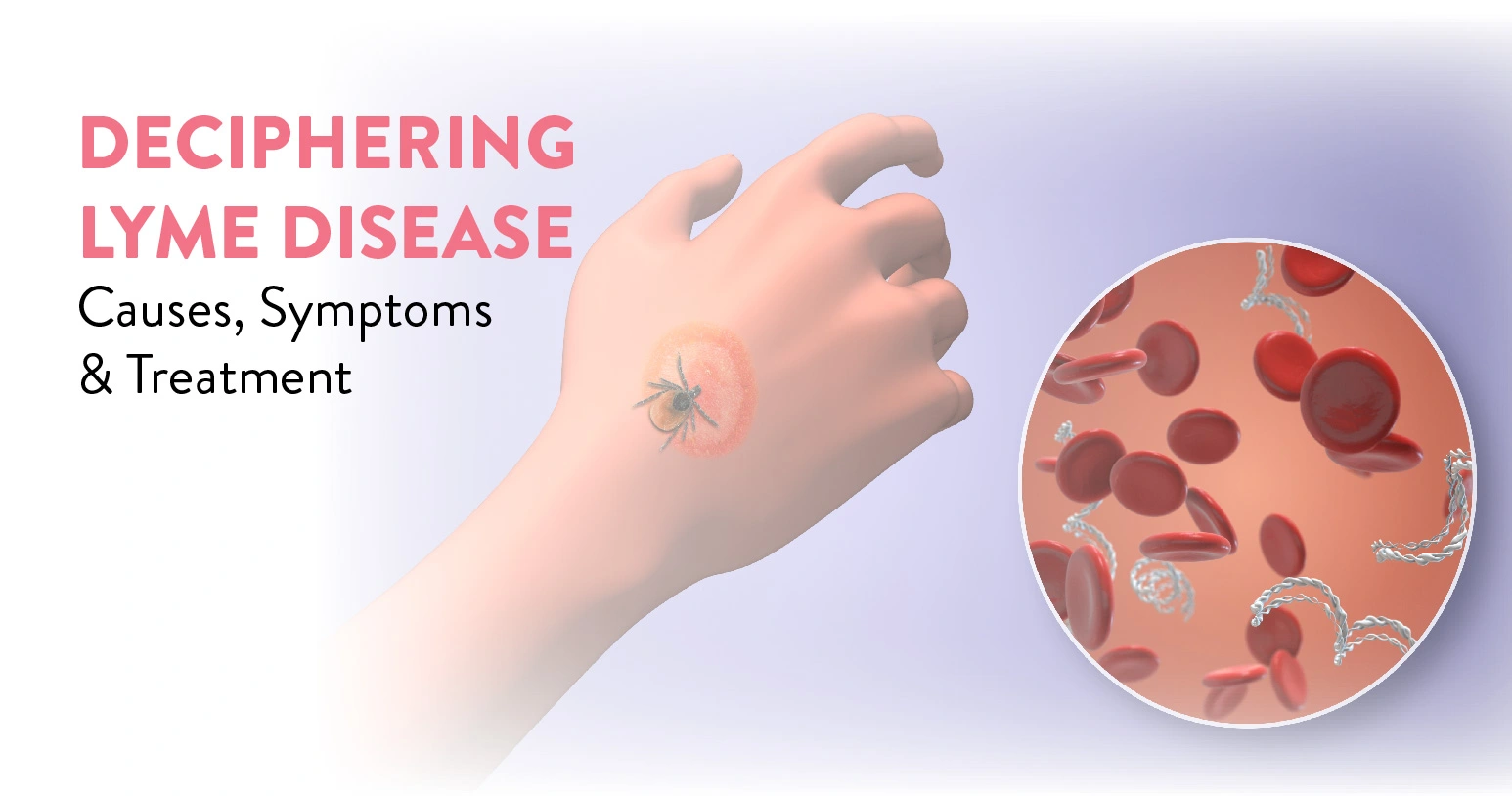
Lyme disease, a tick-borne illness caused by the bacterium Borrelia burgdorferi, presents a complex health challenge worldwide. With symptoms ranging from fatigue and joint pain to neurological issues, early diagnosis and treatment are crucial.
This blog explores the intricacies of Lyme disease: its symptoms, diagnosis, treatment options, prevention strategies, and the ongoing research aimed at better understanding this often misunderstood condition.
Table of Contents
Lyme disease stems from the bacterium Borrelia burgdorferi, transmitted through bites from infected deer ticks (also known as black-legged ticks). It’s important to note that common “wood ticks” and “dog ticks” do not transmit this infection.
The initial identification of Lyme disease, or borreliosis, traces back to 1975 when numerous cases of juvenile rheumatoid arthritis were diagnosed among children in Lyme, Connecticut, and nearby areas. It was later determined by researchers that the outbreak of arthritis was linked to bites from deer ticks carrying the infection.
Lyme disease progresses through three main stages if left untreated:
Early detection and antibiotic treatment are vital to prevent progression to later stages. Immediately seek medical assistance if you think you may have Lyme disease.
Early signs of Lyme disease often start with a distinctive rash called erythema migrans (EM), appearing as a red spot at the tick bite site. Here’s what to look for:
As Lyme disease progresses, symptoms may evolve into the second stage:
Untreated Lyme disease can lead to late-stage symptoms:
Recognizing these signs helps in the timely diagnosis and treatment of Lyme disease.
Lyme disease is caused by the bacterium Borrelia burgdorferi, transmitted through the bite of infected ticks like black-legged or deer ticks. Outdoor activities in wooded or grassy areas elevate the risk, exposing individuals to tick bites.
Lyme disease, caused by Borrelia burgdorferi transmitted through tick bites, can result in various complications if untreated. The disease progresses through these stages:
Early Localized Infection
Early Disseminated Infection
Late Disseminated Infection (Chronic Lyme disease)
The severity varies among individuals. Early diagnosis and antibiotic treatment are crucial for preventing progression and complications.
Also read:10 Signs of Breast Cancer During COVID-19
Lyme disease can be challenging to diagnose due to its symptoms overlapping with other illnesses. Healthcare providers start with a medical history and physical exam to spot signs like erythema migrans.
Key steps in Lyme disease diagnosis include:
Prompt treatment outweighs waiting for tick test outcomes in Lyme disease.
Treatment for Lyme disease varies depending on the infection’s stage:
Early Stages
Best treated early with 10- to 14-day oral antibiotics (e.g., doxycycline, amoxicillin, cefuroxime) to eliminate the infection.
Later Stages
In all cases, treatment duration and method are tailored to the severity and progression of Lyme disease. Early detection is crucial for successful outcomes.
Lyme disease peaks in late spring to early fall with active tick feeding. Deer ticks thrive in wooded and grassy areas, less so in sunny lawns.
Key points to prevent tick bites include:
After outdoor activities in risky areas:
Additionally, pets can carry ticks indoors. Consult a veterinarian for tick prevention strategies for your pet.
Lyme disease is a complex illness with varying symptoms and treatment challenges. Early detection is crucial for effective management. Awareness, prevention measures, and ongoing research are essential in combating this widespread health concern. It is always advisable to seek medical help from a general physician. Timely care and help can ensure an appropriate diagnosis and treatment of your condition.
At the CK Birla Hospital, we ensure patients get holistic medical support which includes treatment in a compassionate environment. This patient-centric approach not only helps patients heal better but also ensures they are aware of the preventive measures as well. In case you need to consult a general physician, reach out to us, or book a direct appointment with rheumatologist at the CK Birla Hospital.
Yes, Lyme disease can typically be cured with antibiotics if treated early. However, some individuals may experience lingering symptoms known as post-treatment Lyme disease syndrome (PTLDS).
Seek medical attention promptly if you notice symptoms like rash, fever, fatigue, or joint pain within a few weeks after a tick bite. Early treatment can prevent Lyme disease complications.
Lyme disease is not contagious among humans. It is transmitted only through the bite of infected ticks, primarily deer ticks (black-legged ticks) carrying the bacterium Borrelia burgdorferi.
Long-term effects of Lyme disease can include chronic joint inflammation, neurological symptoms (like nerve pain or cognitive difficulties), and in rare cases, heart problems or persistent symptoms known as post-treatment Lyme disease syndrome (PTLDS).
Pets can get Lyme disease from infected ticks. Dogs are particularly susceptible and can develop symptoms similar to humans, including fever, joint pain, and lethargy.

Autism, a complex neuro developmental condition, manifests uniquely in each individual, affecting communication, behaviour, and social interaction. Understanding autism requires dispelling common myths and embracing diverse perspectives.
This blog delves into the multifaceted world of autism, exploring its intricacies, challenges, and triumphs. Join us on a journey of discovery and acceptance, celebrating the rich diversity within the autism spectrum.
Table of Contents
Autism, now known as autism spectrum disorder (ASD), is a condition affecting brain development. ASD is a developmental disability resulting from variations in a child’s brain.
Individuals with ASD may demonstrate unique behaviours, interactions, and learning patterns compared to others. They may encounter challenges in social interactions and understanding and utilizing both verbal and nonverbal communication.
Autism (ASD) involves challenges with social skills, repetitive behaviours, speech, and communication. Subtypes are no longer distinct diagnoses; ASD is seen as a spectrum disorder with varying signs/symptoms and severity. The subtypes are:
Today, autism is diagnosed and understood based on a spectrum, with varying support needs and symptoms, emphasizing individual strengths and challenges rather than distinct subtypes.
Autism symptoms vary widely in severity, with each individual exhibiting unique characteristics. Recognizing signs of autism early is crucial to seek appropriate evaluation and support for your child. Consider the following indicators:
Social Interaction Challenges
Restricted/Repetitive Behaviours
If you notice these signs, consult your child’s healthcare provider promptly for further guidance and evaluation.
The exact cause of Autism Spectrum Disorder (ASD) remains unknown, with research indicating it likely stems from a combination of factors rather than a single cause. Among the possible risk factors for ASD are:
Autism frequently co-occurs with various physical and mental challenges, encompassing:
Obtaining an autism diagnosis involves a multifaceted process that relies on:
Though challenging, this process ensures a thorough understanding of a child’s development for accurate diagnosis and support.
Treatment for autism spectrum disorder (ASD) is tailored to individual needs and often combines various approaches, such as
Interventions include parent-mediated and sensory therapies, and music/art therapy. Education and support services are crucial for better outcomes. Early diagnosis and personalized plans enhance the quality of life.
While you cannot prevent autism, you can reduce the risk of having a baby with the condition by taking specific measures, which are:
Autism is a complex neurological condition that manifests uniquely in each individual. By fostering understanding, acceptance, and support, we can create inclusive environments that empower and celebrate autistic individuals’ strengths and contributions. It is always advisable to seek medical help from a developmental pediatrician. Timely care and help can ensure an appropriate diagnosis and treatment of your condition.
At the CK Birla Hospital, we ensure patients get holistic medical support which includes treatment in a compassionate environment. This patient-centric approach not only helps patients heal better but also ensures they are aware of the preventive measures as well. In case you need to consult a developmental pediatrician, reach out to us, or book a direct appointment with pediatric neurologist at the CK Birla Hospital.
Autism cannot be cured, but various therapies and interventions can help manage symptoms and improve quality of life. Acceptance, understanding, and support are crucial for individuals with autism.
No, scientific studies and experts confirm that vaccines do not cause autism. Extensive research has consistently shown that vaccines are safe and essential for public health.
Autism prevalence in India is estimated at around 1 in 100 children. However, accurate data can be challenging due to limited awareness, varied access to healthcare, and cultural factors affecting diagnosis.
Yes, adults can be diagnosed with autism spectrum disorder (ASD) through comprehensive evaluations by qualified professionals. Diagnosis can provide understanding, support, and access to appropriate interventions and services.
Common misconceptions about autism include viewing it as a disease or deficit, assuming all autistic individuals are alike, believing it’s solely a childhood condition, and thinking it’s caused by vaccines.
Yes, there are various support services for individuals with autism and their families, including therapy, educational programs, community resources, advocacy groups, and specialized healthcare professionals.

Gynecomastia, a condition characterized by the enlargement of breast tissue in males, can impact self-esteem and quality of life.
This blog explores the causes, symptoms, and treatment options for gynecomastia, providing valuable insights into this often misunderstood condition. Whether you’re seeking information for yourself or a loved one, join us as we delve into the intricacies of gynecomastia.
Table of Contents
Gynecomastia is a prevalent condition characterized by the enlargement of breast tissue in males. It can affect males of various ages, typically manifesting during infancy, puberty, and later in adulthood. Gynecomastia has multiple causes, with the most common being an imbalance between testosterone and oestrogen hormones.
Gynecomastia, the development of enlarged breast tissue in males, encompasses several types with distinct causes, such as:
Gynecomastia can be unilateral or bilateral, and identifying its type aids in diagnosis and treatment. Consulting a healthcare provider is recommended for evaluation and management.
The symptoms of gynecomastia can manifest as:
Additional symptoms may arise depending on the underlying cause. If you experience these symptoms, it’s important to consult your doctor for proper evaluation and diagnosis.
Gynecomastia, the enlargement of male breasts, often results from hormonal imbalances such as excess oestrogen or reduced testosterone. Here’s a breakdown of the causes:
Medical Conditions
Medications (Which affect hormone levels or metabolism)
Other Substances Linked to Breast Swelling
Gynecomastia, the enlargement of breast tissue in males, presents several complications, like:
Gynecomastia can signal hormonal imbalances, liver disease, and a slightly increased risk of breast cancer in men. It impacts intimacy and requires medical evaluation for diagnosis and treatment.
Your healthcare provider will evaluate symptoms, conduct a physical examination, and go over your medical and family background. They may suggest a blood test to assess hormone levels.
Since both gynecomastia and breast cancer can result in breast lumps, your provider might request:
Gynecomastia can be addressed through various treatments tailored to the individual’s needs, which are:
Also read: 10 Best Gynaecologists to Visit in Delhi-Gurgaon.
Gynecomastia can often be prevented or minimized by addressing underlying causes and making certain lifestyle choices. Here are some effective strategies:
Gynecomastia is a common condition with various causes and treatment options. Seeking medical advice is crucial for accurate diagnosis and personalized management, ensuring optimal outcomes and improved quality of life. It is always advisable to seek medical help from a plastic surgeon. Timely care and help can ensure an appropriate diagnosis and treatment of your condition.
At the CK Birla Hospital, we ensure patients get holistic medical support which includes treatment in a compassionate environment. This patient-centric approach not only helps patients heal better but also ensures they are aware of the preventive measures as well. In case you need to consult a plastic surgeon, reach out to us, or book a direct appointment with plastic surgeons at the CK Birla Hospital.
Also read:10 Best Gynaecologists to Visit in Delhi-Gurgaon
Gynecomastia can sometimes resolve on its own, especially during puberty. However, if it persists or is due to other causes, medical evaluation and treatment may be needed.
Hormonal changes during puberty often result in gynecomastia. It often resolves on its own as hormone levels stabilize, but medical evaluation may be needed if it persists.
Certain medications such as hormones, anti-androgens, and some antidepressants can cause gynecomastia by altering hormone levels. Consulting a doctor about medication side effects is advisable.
Recovery time after gynecomastia surgery typically ranges from a few days to a few weeks. Full recovery and final results may take several months, depending on individual healing.
Non-surgical treatment options for gynecomastia include hormone therapy, medications like tamoxifen or raloxifene, and lifestyle changes (exercise, weight loss) depending on the underlying cause. Consulting a healthcare provider is recommended.
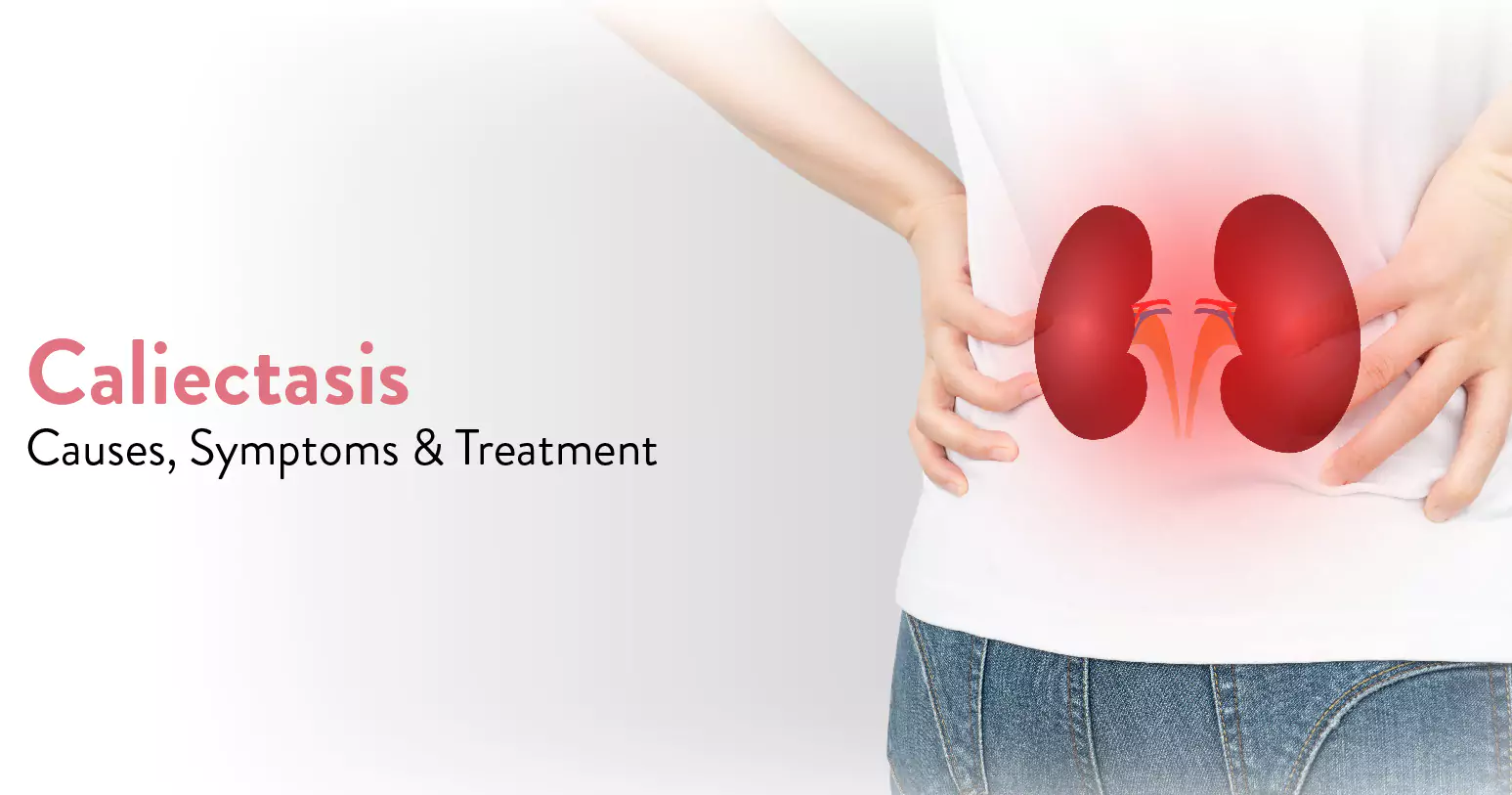
Caliectasis refers to the dilation or enlargement of the calyces, the structures in the kidneys responsible for collecting urine. In this blog, we’ll explore the causes, symptoms, diagnosis, and treatment options for caliectasis, providing valuable insights into this condition and its impact on health.
Table of Contents
Caliectasis is a condition that impacts the calyces of the kidneys, which are the starting points for urine collection. Normally, each kidney has 6 to 10 calyces situated on its outer edges. In caliectasis, the calyces become enlarged and swollen due to an accumulation of excess fluid. This condition is typically triggered by an underlying kidney-related issue like a urinary tract infection (UTI). Caliectasis can only be identified through diagnostic testing, and many individuals with this condition are unaware of it until undergoing testing for other reasons.
Caliectasis, the dilation of renal calyces, encompasses various types with distinct etiologies, like:
Caliectasis itself typically does not present symptoms. However, symptoms may manifest from the underlying condition causing caliectasis.
Caliectasis typically results from conditions affecting the kidneys, such as:
If not addressed, conditions resulting in caliectasis may lead to serious complications such as kidney failure, where the kidneys sustain irreparable damage. Depending on the extent of damage, a kidney transplant or dialysis may be required. Additionally, caliectasis associated with a urinary tract infection (UTI) or obstruction (UTO) can heighten the risk of developing kidney disease.
Caliectasis is frequently identified alongside other kidney-related conditions. Initially, your doctor will inquire about any symptoms you are experiencing and conduct a physical examination to assess swelling and tenderness around your kidneys. Subsequently, they will likely utilise a diagnostic procedure such as:
Caliectasis is typically detected during one of these diagnostic tests.
Managing caliectasis varies based on its root cause. Approaches for addressing typical kidney issues involve:
Preventing caliectasis involves several key measures, such as:
Monitor medications, manage chronic conditions (e.g., diabetes, hypertension), and schedule regular health check-ups. Recognize symptoms like flank pain or changes in urination for early detection and treatment.
Caliectasis is a significant medical condition involving dilation of the renal calyces. Understanding its causes, symptoms, and management is crucial for timely diagnosis and effective treatment to prevent complications and promote renal health. Early intervention and ongoing monitoring are key to managing caliectasis and optimising patient outcomes. It is always advisable to seek medical help from a urologist. Timely care and help can ensure an appropriate diagnosis and treatment of your condition. At the CK Birla Hospital, we ensure patients get holistic medical support which includes treatment in a compassionate environment. This patient-centric approach not only helps patients heal better but also ensures they are aware of the preventive measures as well. In case you need to consult a urologist, reach out to us, or book a direct appointment with nephrologist .
Caliectasis can be serious depending on its underlying cause. It refers to the dilation of the calyces in the kidney. Diagnosis and management should address the specific underlying condition.
Yes, caliectasis can potentially cause kidney damage if it’s due to an underlying condition like kidney stones or obstruction. Timely diagnosis and treatment are important to prevent complications.
Risk factors for caliectasis include kidney stones, urinary tract obstructions (such as from tumours or strictures), congenital abnormalities of the urinary tract, and recurrent urinary tract infections.
Individuals with caliectasis may benefit from dietary modifications to prevent kidney stone formation, such as increasing fluid intake and reducing sodium and oxalate-rich foods. Speaking with a healthcare professional is advised.
Caliectasis can affect kidney function long-term if it leads to persistent obstruction or recurrent infections, causing damage to the kidney tissue over time. Regular monitoring and management are essential.
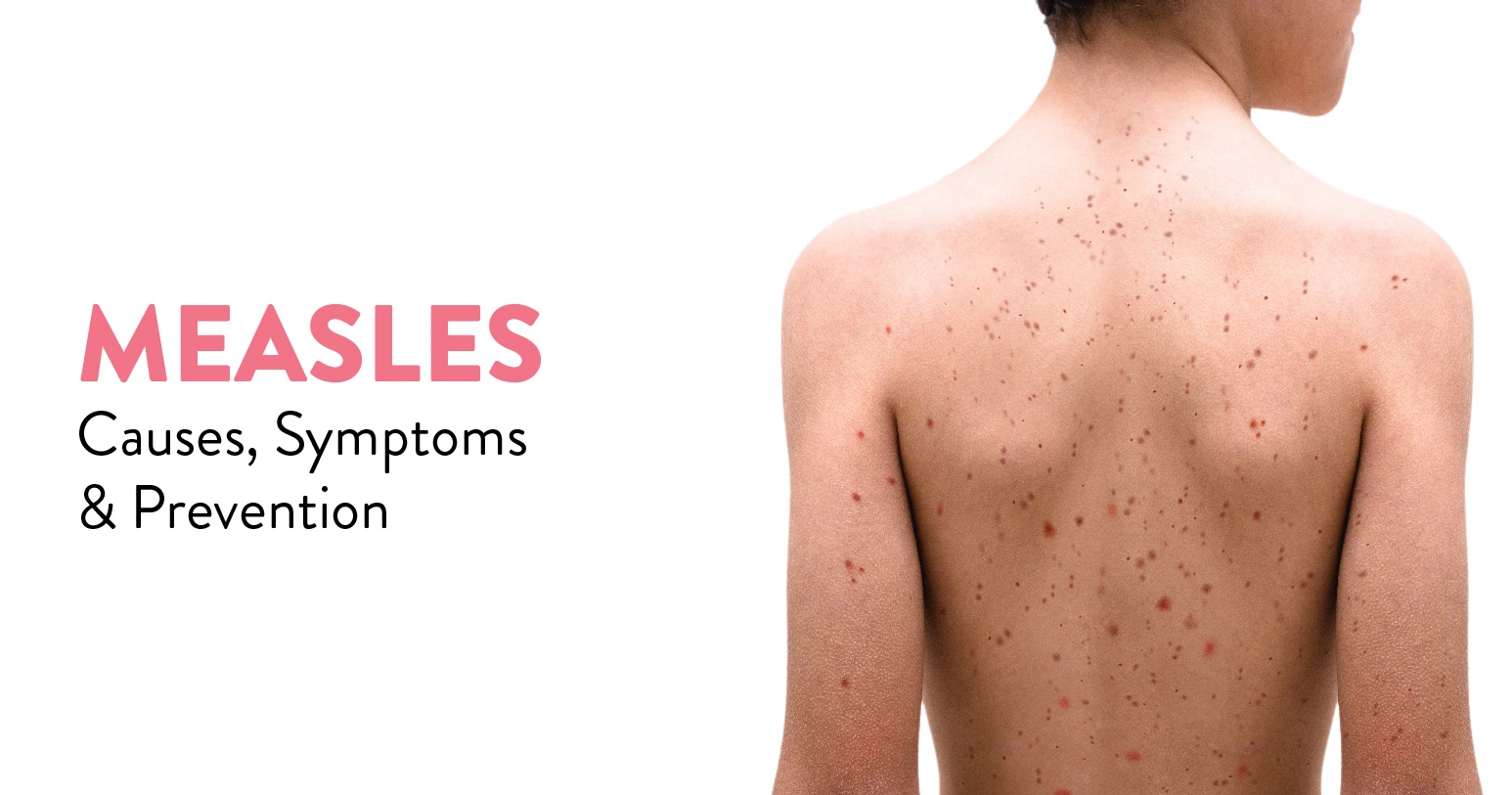
Measles, a highly contagious viral infection, continues to be a significant public health concern globally. Despite the availability of a safe and effective vaccine, outbreaks still occur due to gaps in immunization coverage and vaccine hesitancy.
Understanding the basics of measles, its symptoms, transmission, and the importance of vaccination is crucial for combating this preventable disease and protecting vulnerable populations.
Table of Contents
Measles (rubeola) is a highly contagious viral disease causing fever and rash, transmitted through airborne droplets from coughing or sneezing. No specific treatment exists; the virus must run its course and vaccination provides the best defense against it. Though less common due to vaccination, measles outbreaks persist due to declining immunization rates. Measles (or rubeola) differs from German measles (rubella).
Symptoms typically emerge approximately eight to 12 days following exposure to someone with measles, although there are instances where symptoms may appear as late as 21 days post-exposure.
The primary symptoms of measles often consist of:
Several days after these initial symptoms manifest, a distinctive red, blotchy rash develops, starting on the face and then spreading to other parts of the body. This rash typically persists for about seven to 10 days.
Additional symptoms of measles may include:
Measles is caused by a contagious virus (morbillivirus) spread through the air by breathing, coughing, sneezing, or talking. Airborne particles can infect others and linger up to two hours in a room, settling on surfaces for further transmission.
Measles can be transmitted through:
Measles can lead to various serious complications, especially affecting certain groups more than others, like:
Potential complications include:
Typically, healthcare providers can diagnose measles effectively through a comprehensive patient history, physical examination, and evaluation of the characteristic rash. Occasionally, they might request laboratory tests to detect the virus in samples obtained from:
In contrast to bacterial infections, antibiotics are ineffective against viral infections. Typically, viral infections, including measles, resolve on their own within about three weeks. Therefore, treatment for measles focuses on alleviating symptoms and reducing the risk of complications.
If you have been exposed to the measles virus, healthcare providers may take proactive measures even before symptoms appear, such as:
For managing acute symptoms like cough and fever, they may recommend:
To reduce the chance of getting measles and its complications, consider the following steps:
Vaccination
MMR Vaccine: Administered in two doses and it is highly effective (offers 97% protection)
Timing for Vaccination:
Who Should Avoid Vaccination:
Side Effects:
Other Prevention Methods
Herd Immunity: Critical to have ~96% population vaccinated to prevent measles spread.
Hand Hygiene: Wash hands frequently, especially before eating or touching your face.
Avoid sharing personal items and minimize contact with sick individuals.
Steps to Take if you Have Measles
Isolate Yourself:
Practice Respiratory Etiquette:
Maintain Hygiene:
Vaccination not only protects you but also contributes to community health by preventing the spread of measles.
Measles remains a serious public health concern despite available vaccines. Continued efforts in vaccination, education, and surveillance are crucial to prevent outbreaks and protect vulnerable populations from this highly contagious disease. It is always advisable to seek medical help from a general physician. Timely care and help can ensure an appropriate diagnosis and treatment of your condition.
At the CK Birla Hospital, we ensure patients get holistic medical support which includes treatment in a compassionate environment. This patient-centric approach not only helps patients heal better but also ensures they are aware of the preventive measures as well. In case you need to consult a general physician, reach out to us, or book a direct appointment with paediatrics at the CK Birla Hospital.
Measles is a serious illness that can lead to complications such as pneumonia, encephalitis, and death, especially in young children and those with weakened immune systems.
Yes, adults can get measles if they are not immune either through vaccination or previous infection. It is more severe in adults compared to children and can lead to complications.
The long-term effects of measles can include brain damage (encephalitis), hearing loss, and an increased susceptibility to other infections due to weakening of the immune system.
The measles vaccine is highly effective, providing about 97% protection after two shots. It significantly reduces the risk of contracting measles and also helps prevent severe complications and transmission of the virus.
It’s rare but possible to get measles after vaccination. The measles vaccine is very effective, but a small percentage of vaccinated individuals may still contract the disease if exposed to the virus.
If you’ve been exposed to someone with measles and are not immune or vaccinated, contact your healthcare provider immediately. They can advise on potential preventive measures or post-exposure vaccination.

