Filter :
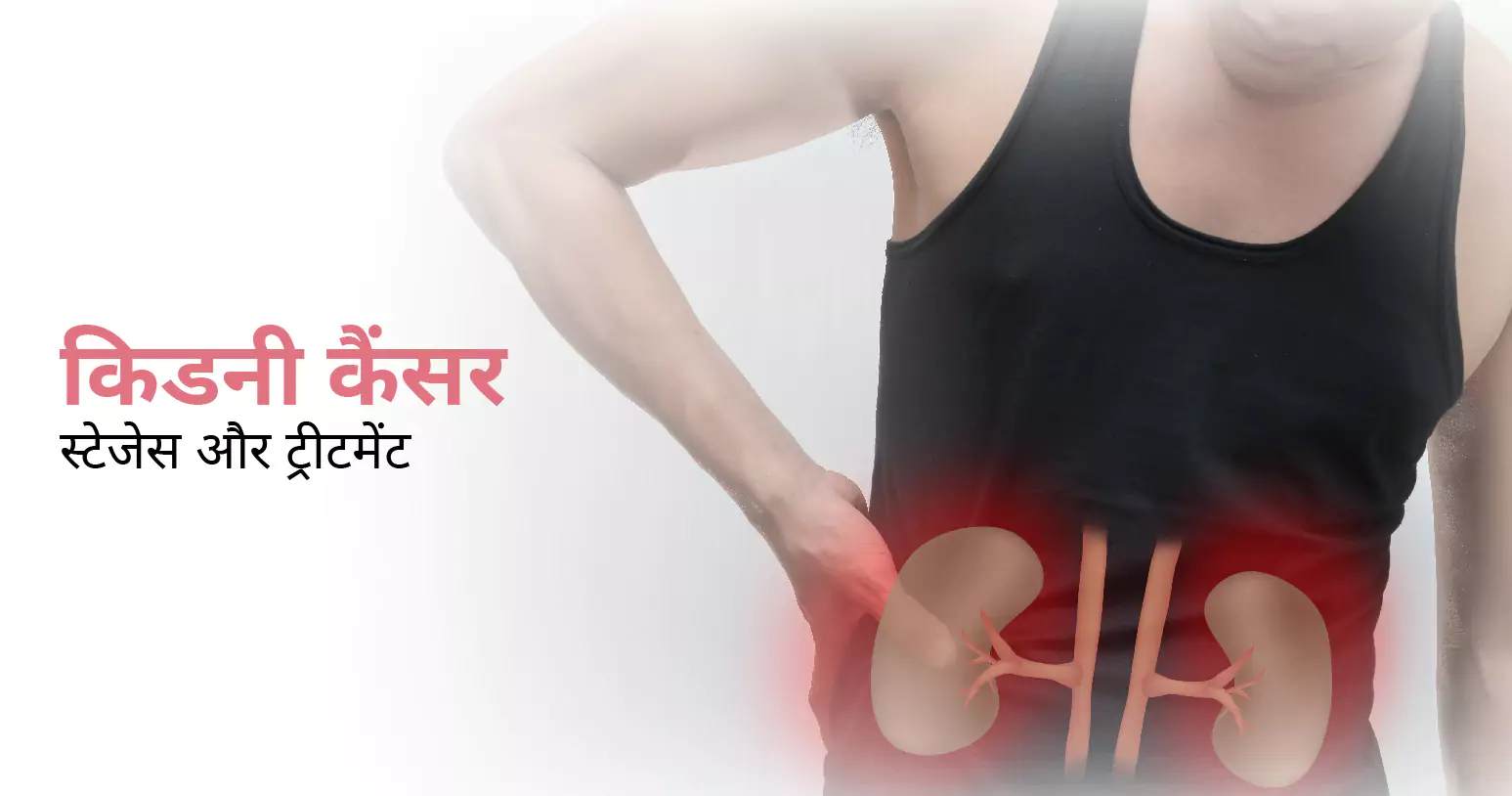
किडनी कैंसर एक प्रकार का कैंसर है, जो किडनी में होता है। इसके मुख्य लक्षणों में पेशाब में खून आना, पीठ दर्द और वजन कम होना शामिल हैं। इस ब्लॉग में हम किडनी कैंसर के स्टेज और ट्रीटमेंट के बारे में विस्तार से जानेंगे।
Table of Contents
किडनी कैंसर आमतौर पर कई स्टेज में बढ़ता है। इसके प्रकार की पुष्टि इस बात से की जाती है कि ट्यूमर शरीर के अन्य हिस्सों में कहाँ तक तक फैल चुका है। किडनी कैंसर को चार स्टेज में बांटा गया है जिसमें शामिल हैं:
आमतौर पर किडनी कैंसर में ट्यूमर व्यास में 7 सेंटीमीटर (लगभग 2.75 इंच) से छोटे होते हैं और ये किडनी तक ही सीमित होते हैं।
स्टेज 1 की तुलना में, ट्यूमर बड़े होते हैं, लेकिन फिर भी ये किडनी तक ही सीमित होते हैं। स्टेज 2 में, ट्यूमर का व्यास आमतौर पर 7 से 10 सेंटीमीटर (लगभग 2.75 से 3.94 इंच) के बीच होता है।
इस स्टेज में, ट्यूमर किडनी के आस-पास के टिशू या संरचनाओं, जैसे कि ब्लड वेसेल्स या एड्रेनल ग्लैंड में फैल सकते हैं। ट्यूमर का आकार अलग-अलग हो सकता है, लेकिन आमतौर पर ये 10 सेंटीमीटर से बड़े होते हैं।
इस स्टेज में ट्यूमर, शरीर के अन्य हिस्सों में फैल जाते हैं। प्राथमिक ट्यूमर का आकार अलग हो सकता है और एक से अधिक ट्यूमर मौजूद हो सकते हैं। किडनी कैंसर के चौथे स्टेज में, डॉक्टर कैंसर के आकार के बजाय इस बात पर ज़्यादा ध्यान देते हैं कि ट्यूमर शरीर के किस हिस्सों में फैल चूका है।
यह भी पढ़े: कमर दर्द का कारण ,उपाय और घरेलू इलाज
यदि आप नीचे दिए गए लक्षणों को अनुभव करते हैं तो तुरंत डॉक्टर से मिलें:
अगर ये लक्षण बने रहते हैं या गंभीर हो जाते हैं तो तुरंत मेडिकल सहायता लें। शीघ्र निदान और उपचार से इन लक्षणों में सुधार होता है।
यह भी पढ़े: किडनी में सूजन का कारण और इलाज | Kidney Inflammation in Hindi
किडनी कैंसर का ट्रीटमेंट इसकी गंभीरता, ट्यूमर के आकार और मरीज़ के समग्र स्वास्थ्य पर निर्भर करता है। इसके मुख्य उपचार में शामिल हैं:
यह किडनी कैंसर का सबसे सामान्य इलाज है, जिसमें ट्यूमर या पूरी किडनी को निकालना शामिल है। इस सर्जरी के दो मुख्य प्रकार हैं:
केवल ट्यूमर और स्वस्थ ऊतक का एक छोटा सा हिस्सा हटाना।
आस-पास के ऊतकों सहित पूरी किडनी को हटाना। कभी-कभी, एड्रेनल ग्लैंड और लिम्फ नोड्स को भी बाहर निकाल दिया जाता है।
ट्यूमर को हटाए बिना उसे नष्ट कर देता है। इन प्रक्रिया में रेडियोफ्रीक्वेंसी एब्लेशन और क्रायोएब्लेशन (ट्यूमर को फ्रीज करना) शामिल हैं।
ट्यूमर में खून का प्रवाह बंद कर देता है, जिससे यह सिकुड़ जाता है। यह ट्यूमर को पोषण देने वाली ब्लड वेसेल्स में छोटे कणों को इंजेक्ट करके किया जाता है।
विशिष्ट जीन या प्रोटीन को टारगेट करने के लिए दवाओं का उपयोग किया जाता है जो कैंसर कोशिकाओं को बढ़ने में मदद करते हैं। ये दवाएं कैंसर कोशिकाओं की वृद्धि को रोक सकती हैं।
इससे कैंसर से लड़ने के लिए शरीर की प्रतिरक्षा प्रणाली को बढ़ावा मिलती है। चेकपॉइंट ब्लॉकर जैसी दवाएं प्रतिरक्षा प्रणाली को कैंसर कोशिकाओं को पहचानने और उन्हें में मदद करती हैं। इम्यूनोथेरेपी थेरेपी एडवांस किडनी कैंसर के लिए उपयोगी है।
इस थेरेपी में कैंसर कोशिकाओं को मारने के लिए उच्च-ऊर्जा किरणों का उपयोग होता है। आमतौर पर इसका इस्तेमाल किडनी कैंसर के लिए नहीं किया जाता है, लेकिन जब कैंसर शरीर के अन्य हिस्सों में फैल जाता है तो लक्षणों से राहत दिलाने में सहायक हो सकता है।
हर मरीज़ की उपचार योजना यूनिक होती है। इसलिए किडनी कैंसर का उपचार करने से पहले डॉक्टर अनेक बातों पर विचार करते हैं जैसे कि मरीज़ का समग्र स्वास्थ्य, किडनी कैंसर का स्टेज और लक्षण आदि।
किडनी कैंसर के सामान्य लक्षण में पेशाब में खून, लगातार पीठ में दर्द, बिना कारण वजन कम होना, थकान और पेट में गांठ आदि शामिल हैं।
धूम्रपान, मोटापा, उच्च रक्तचाप, किडनी कैंसर का पारिवारिक इतिहास और कुछ आनुवंशिक स्थितियाँ किडनी कैंसर के खतरे को बढ़ाती हैं।
इमेजिंग परीक्षण (सीटी स्कैन, एमआरआई, अल्ट्रासाउंड), खून और पेशाब की जांच एवं कभी-कभी बायोप्सी के माध्यम से किडनी कैंसर का निदान किया जाता है।
हालांकि सभी मामलों को रोका नहीं जा सकता है, धूम्रपान जैसे जोखिम कारकों को कम करना, स्वस्थ वजन बनाए रखना, रक्तचाप का प्रबंधन करना और नियमित जांच से जोखिम को कम करने में मदद मिल सकती है।
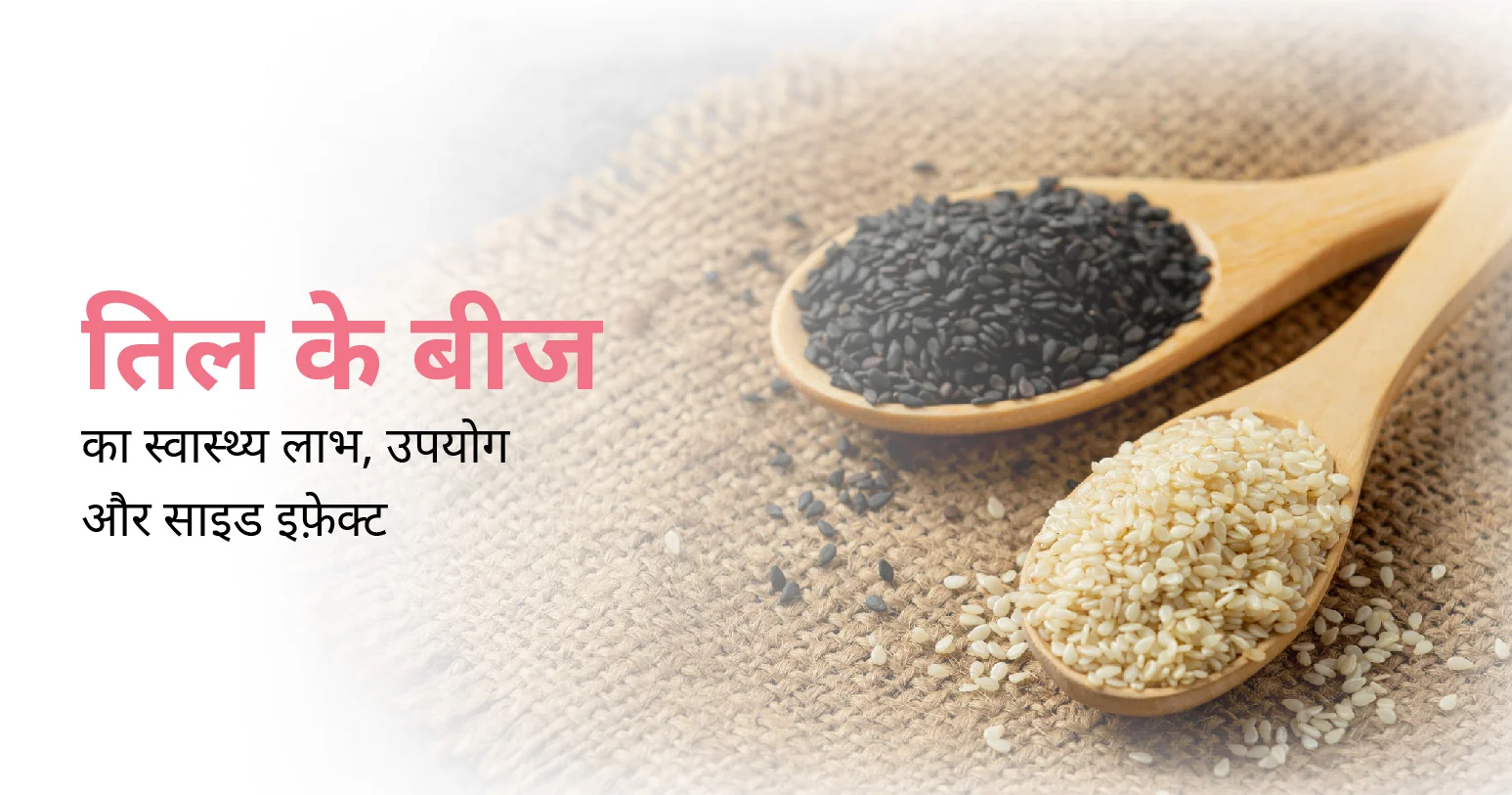
क्या आपको पता है तिल के बीज के फायदों के बारे में? यह आपके स्वास्थ्य और वेलनेस के लिए बहुत फायदेमंद है। इसके अनेक फायदों के कारण ही डॉक्टर भी कई बार मरीज़ को इसे अपनी डाइट में शामिल करने का सुझाव देते हैं। तो आइए, तिल के बीज के फायदों के बारे में जानते हैं।
यह भी पढ़ें: चिया सीड्स के फायदे, नुकसान, और पोषक तत्त्व
अपने छोटे आकार के बावजूद, तिल के बीज प्रोटीन, फाइबर, स्वस्थ वसा, विटामिन और खनिज जैसे आवश्यक पोषक तत्वों से भरपूर होते हैं। इनमें कैल्शियम, आयरन, मैग्नीशियम, फॉस्फोरस, जिंक, विटामिन बी6 और बहुत कुछ होता है, जो उन्हें पोषण का पावरहाउस बनाता है।
तिल के बीज में मोनोअनसैचुरेटेड और पॉलीअनसेचुरेटेड वसा की अधिक मात्रा, खराब कोलेस्ट्रॉल के स्तर को कम करने में मदद कर सकती है, जिससे हृदय रोग और स्ट्रोक का खतरा कम हो जाता है। इसके अलावा, उनमें सेसमोल और सेसामिनोल, एंटीऑक्सिडेंट होते हैं जो हृदय के स्वास्थ्य के लिए आवश्यक होते हैं।
यह भी पढ़ें: कोलेस्ट्रॉल कम करने का रामबाण इलाज
तिल के बीज, कैल्शियम का एक बेहतर स्रोत हैं, जो हड्डियों को मजबूत बनाने और ऑस्टियोपोरोसिस जैसी स्थितियों को रोकने के लिए महत्वपूर्ण हैं। अपने आहार में तिल को शामिल करने से हड्डियों के घनत्व और समग्र स्केलेटल हेल्थ में योगदान मिलता है।
तिल के बीज एंटीऑक्सीडेंट से भरपूर होते हैं, जिनमें सेसमिन, सेसमोलिन और विटामिन ई शामिल हैं, जो शरीर में हानिकारक मुक्त कणों को बेअसर करने में मदद करते हैं। यह एंटीऑक्सीडेंट गतिविधि सूजन, ऑक्सीडेटिव तनाव और कैंसर जैसी पुरानी बीमारियों के खतरे को कम कर सकती है।
तिल के बीज में फाइबर सामग्री नियमित मल त्याग को बढ़ावा देकर, कब्ज को रोककर पाचन स्वास्थ्य का बेहतर बनाता है। फाइबर लाभकारी आंत बैक्टीरिया को भी पोषण देता है, स्वस्थ आंत, माइक्रोबायोम और समग्र पाचन क्रिया में योगदान देता है।
यह भी पढ़ें: पेट साफ करने के घरेलू उपाय
तिल के बीज में मौजूद मैग्नीशियम, इंसुलिन डिस्चार्ज और ग्लूकोज चयापचय में भूमिका निभाती है, जिससे ब्लड शुगर के स्तर को नियंत्रित करने में मदद मिलती है। अपने आहार में तिल को शामिल करने से ब्लड शुगर में वृद्धि और गिरावट को रोकने में मदद मिल सकती है, जिससे टाइप 2 मधुमेह का खतरा कम हो सकता है।
तिल के बीज में जिंक भरपूर मात्रा में होता है, जो कोलेजन उत्पादन, त्वचा की मरम्मत और स्वस्थ बालों को बनाए रखने के लिए आवश्यक खनिज है। अपने आहार में तिल को शामिल करने या शीर्ष पर तिल के तेल का उपयोग करने से स्किन इलास्टिसिटी, हाइड्रेशन और बालों की मजबूती को बढ़ावा मिल सकता है।
तिल के बीज में लिगनेन, पौधे के यौगिक होते हैं जिनका शरीर में एस्ट्रोजन जैसा प्रभाव होता है। ये यौगिक हार्मोन के स्तर को रेगुलेट करने में मदद कर सकते हैं, विशेष रूप से मेनोपॉज़ के बाद की महिलाओं में, संभावित रूप से हॉट फ्लैश और मूड स्विंग जैसे लक्षणों को कम करते हैं।
तिल के बीज में पाया जाने वाला जिंक और विटामिन बी6 स्वस्थ प्रतिरक्षा प्रणाली के लिए महत्वपूर्ण हैं। जिंक प्रतिरक्षा कोशिकाओं को ठीक से काम करने में मदद करता है, जबकि विटामिन बी6 प्रतिरक्षा प्रतिक्रियाओं में शामिल जैव रासायनिक प्रतिक्रियाओं का समर्थन करता है, जिससे संक्रमण और बीमारियों से बचाव में मदद मिलती है।
तिल के बीज अविश्वसनीय रूप से बहुमुखी हैं और इन्हें व्यंजनों की एक विस्तृत श्रृंखला में शामिल किया जा सकता है। चाहे सलाद पर छिड़का जाए, स्टर-फ्राई में मिलाया जाए, मछली या चिकन के लिए लेप के रूप में इस्तेमाल किया जाए, या सॉस और ड्रेसिंग के लिए ताहिनी पेस्ट में पीसा जाए, तिल भोजन के स्वाद और पोषण मूल्य को बढ़ा सकते हैं।
अक्सर खाना पकाने और बेकिंग में उपयोग किए जाने वाले तिल के बीज के कई संभावित दुष्प्रभाव होते हैं, हालांकि कम मात्रा में सेवन करने पर वे आमतौर पर ज्यादातर लोगों के लिए सुरक्षित होते हैं। इसके संभावित साइड इफ्केट में शामिल हैं:
कुछ लोगों को तिल के बीज से एलर्जी प्रतिक्रियाओं का अनुभव हो सकता है, जिसमें खुजली और पित्ती जैसे हल्के लक्षणों से लेकर सांस लेने में कठिनाई या एनाफिलेक्सिस जैसी गंभीर प्रतिक्रियाएं शामिल हैं।
तिल के बीज में फाइबर की मात्रा अधिक होती है, जो पाचन संबंधी असुविधा जैसे सूजन, गैस या दस्त का कारण बन सकता है, खासकर जब बड़ी मात्रा में या संवेदनशील पेट वाले लोग इसका सेवन करते हैं।
तिल के बीज में ऑक्सालेट, यौगिक होते हैं जो अतिसंवेदनशील व्यक्तियों में गुर्दे की पथरी के निर्माण में योगदान कर सकते हैं। जिन लोगों को गुर्दे की पथरी का इतिहास है, उन्हें इसके सेवन को सीमित करने की आवश्यकता हो सकती है।
कई बीजों की तरह, तिल के बीज में फाइटिक एसिड होता है, जो कैल्शियम, जिंक और आयरन जैसे कुछ खनिजों के अवशोषण में हस्तक्षेप कर सकता है। हालाँकि, संतुलित आहार में यह प्रभाव आमतौर पर न्यूनतम होता है।
तिल के बीज में गोइट्रोजेन्स होते हैं, ऐसे यौगिक जो बड़ी मात्रा में सेवन करने पर थायरॉइड फ़ंक्शन में हस्तक्षेप कर सकते हैं, संभावित रूप से हाइपोथायरायडिज्म जैसे थायरॉयड विकारों को बढ़ा सकते हैं।
तिल के बीज हृदय स्वास्थ्य और एंटीऑक्सीडेंट गुणों सहित विभिन्न स्वास्थ्य लाभ प्रदान करते हैं, उनका सीमित मात्रा में सेवन करना और संभावित साइड इफेक्ट से सावधान रहना आवश्यक है, विशेष रूप से विशिष्ट स्वास्थ्य चिंताओं या एलर्जी वाले व्यक्तियों के लिए।
हीमोफीलिया एक आनुवंशिक विकार है। इससे पीड़ित मरीज के खून में थक्के बनने कम हो जाते हैं जिससे मामूली चोट लगने पर भी लंबे समय तक रक्तस्राव (ब्लीडिंग) होता रहता है। यह मुख्य रूप से वंशानुगत (Hereditary) होता है, जो अधिकतर पुरुषों को प्रभावित करता है। इसके लक्षणों में मामूली चोट लगना, जोड़ों में दर्द और लगातार रक्तस्राव होना जिससे जान का खतरा होता है। हीमोफीलिया के उपचार में क्लॉटिंग फैक्टर रिप्लेसमेंट थेरेपी और रक्तस्राव को मैनेज करना शामिल है।
Table of Contents
हीमोफीलिया के लक्षण स्थिति की गंभीरता के आधार पर अलग-अलग होते हैं। इसके सामान्य लक्षणों में निम्न शामिल हैं:
थक्का कम बनने के कारण – चोट लगने, कटने, फटने या सर्जरी के दौरान लंबे समय तक रक्तस्राव हो सकता है।
जोड़ों, खासकर घुटनों, टखनों और कोहनियों में दर्द, सूजन और गतिशीलता में कमी हो सकती है।
यह भी पढ़ें: जोड़ों में दर्द का कारण, लक्षण और उपचार |
आंतरिक रक्तस्राव पेशाब या मल में रक्त के रूप में प्रकट हो सकता है।
खराब थक्के बनने के कारण बार-बार या लंबे समय तक नाक से खून आ सकता है।
बार-बार रक्तस्राव के कारण होने वाले क्रोनिक एनीमिया से थकान और कमजोरी हो सकती है।
हीमोफीलिया से पीड़ित महिलाओं को लंबे समय तक मासिक धर्म हो सकता है। हीमोफीलिया के तुरंत निदान और प्रभावी उपचार के लिए इन लक्षणों की प्रारंभिक पहचान महत्वपूर्ण है। अगर आप खुद में इन लक्षणों को अनुभव करते हैं जल्द से जल्द विशेषज्ञ से परामर्श करें।
हीमोफीलिया मुख्य रूप से आनुवंशिक म्यूटेशन (mutation) के कारण होता है जो रक्त में थक्के जमने वाले कारकों को प्रभावित करता है।
हीमोफीलिया का सबसे आम कारण किसी के माता-पिता से दोषपूर्ण जीन विरासत में मिलना है। पुरुषों को अपनी मां से एक एक्स गुणसूत्र विरासत में मिलता है, और यदि यह एक्स गुणसूत्र हीमोफिलिया के लिए उत्परिवर्तित जीन को वहन करता है, तो उनमें विकार होगा। महिलाओं में हीमोफीलिया विकसित होने के लिए उत्परिवर्तित जीन की दो प्रतियां (प्रत्येक माता-पिता से एक) प्राप्त करने की आवश्यकता होती है, जिससे महिलाओं में यह बहुत दुर्लभ हो जाता है।
कुछ मामलों में, भ्रूण के विकास के दौरान होने वाले थक्के कारक, जीन में स्पॉन्टेनियस म्यूटेशन के कारण हीमोफिलिया का कारण बन सकते हैं। इससे उन लोगों में हीमोफीलिया हो सकता है जिनके परिवार में इस विकार का कोई इतिहास नहीं है।
आनुवांशिक म्यूटेशन, स्पॉन्टेनियस क्लॉटिंग कारकों का उत्पादन करने की शरीर की क्षमता को बाधित करते हैं, जिससे हीमोफिलिया के विशिष्ट लक्षण दिखाई देते हैं, जैसे कि लंबे समय तक रक्तस्राव और मामूली चोटों से भी खून आना आदि।
हीमोफीलिया के उपचार का उद्देश्य रक्तस्राव (ब्लीडिंग) को कंट्रोल करना, जटिलताओं को रोकना और जीवन की क्वालिटी को बेहतर बनाना है। उपचार विकल्प में निम्न शामिल हैं:
हीमोफिलिया उपचार में रक्त में थक्का बनाने वाले कारकों को नसों के ज़रिए शरीर में ट्रांसफर करना शामिल है। क्लॉटिंग कारक, मनुष्य के प्लाज्मा से प्राप्त होते हैं या कृत्रिम रूप से तैयार किए जाते हैं।
ट्रैनेक्सैमिक एसिड या एमिनोकैप्रोइक एसिड जैसी दवाएं रक्त के थक्कों को टूटने से रोकने में मदद कर सकती हैं, खासकर म्यूकोसल रक्तस्राव या डेंटल प्रक्रियाओं के मामलों में।
जीन थेरेपी में वायरल वैक्टर का उपयोग करके, शरीर में दोषपूर्ण थक्के कारक जीन की कार्यात्मक प्रतियां (functional copies) शामिल करना है। इसका उद्देश्य शरीर को स्वतंत्र रूप से अपने थक्के बनाने वाले कारकों का उत्पादन करने में सक्षम बनाना है।
जोड़ों या मांसपेशियों में रक्तस्राव से जुड़े दर्द को कम करने के लिए एनाल्जेसिक और सूजन-रोधी दवाएं निर्धारित की जा सकती हैं।
हीमोफीलिया की गंभीरता, व्यक्तिगत जरूरतों और जीवनशैली कारकों को ध्यान में रखते हुए, अनुकूलित उपचार योजनाएं, हीमोफीलिया से पीड़ित मरीज के समग्र स्वास्थ्य में सुधार के लिए महत्वपूर्ण हैं।
हीमोफीलिया मुख्य रूप से एक आनुवंशिक विकार है। इसलिए रोकथाम में ऐसे लोगों की पहचान करने के लिए आनुवंशिक परामर्श और परीक्षण शामिल हैं, जो इस स्थिति को अपने बच्चों में ट्रांसफर करने के जोखिम में हैं। इससे बचने के निम्न उपाय हैं:
हीमोफीलिया के पारिवारिक इतिहास वाले या दोषपूर्ण जीन के वाहक (carrier) के रूप में पहचाने जाने वाले व्यक्ति, आनुवंशिक परामर्श से लाभ उठा सकते हैं। इससे उन्हें वंशानुक्रम पैटर्न को समझने, अपने बच्चों में इस स्थिति के ट्रांसफर होने के जोखिम का आकलन करने और प्रजनन विकल्पों का पता लगाने में मदद मिलती है।
हीमोफिलिया फैलने के जोखिम वाले दंपति पीजीडी के साथ इन विट्रो फर्टिलाइजेशन (आईवीएफ) करा सकते हैं। यह तकनीक प्रत्यारोपण से पहले हीमोफिलिया जीन म्यूटेशन के लिए भ्रूण की जांच करने की अनुमति देती है, जिससे गर्भावस्था के लिए अप्रभावित भ्रूण का चयन किया जा सकता है।
हीमोफीलिया के पारिवारिक इतिहास वाली गर्भवती महिलाओं के लिए, भ्रूण की स्थिति का निदान करने के लिए कोरियोनिक विलस सैंपलिंग (सीवीएस) या एमनियोसेंटेसिस जैसे प्रसवपूर्व परीक्षण किए जा सकते हैं।
बचाव के इन उपायों का इस्तेमाल करके, आप फैमिली प्लानिंग के बारे में सूचित निर्णय ले सकते हैं, जिससे आने वाली पीढ़ियों में हीमोफिलिया होने की संभावना कम या ख़त्म हो जाती है।
यह भी पढ़ें: प्रेगनेंसी के शुरूआती लक्षण क्या होते हैं|
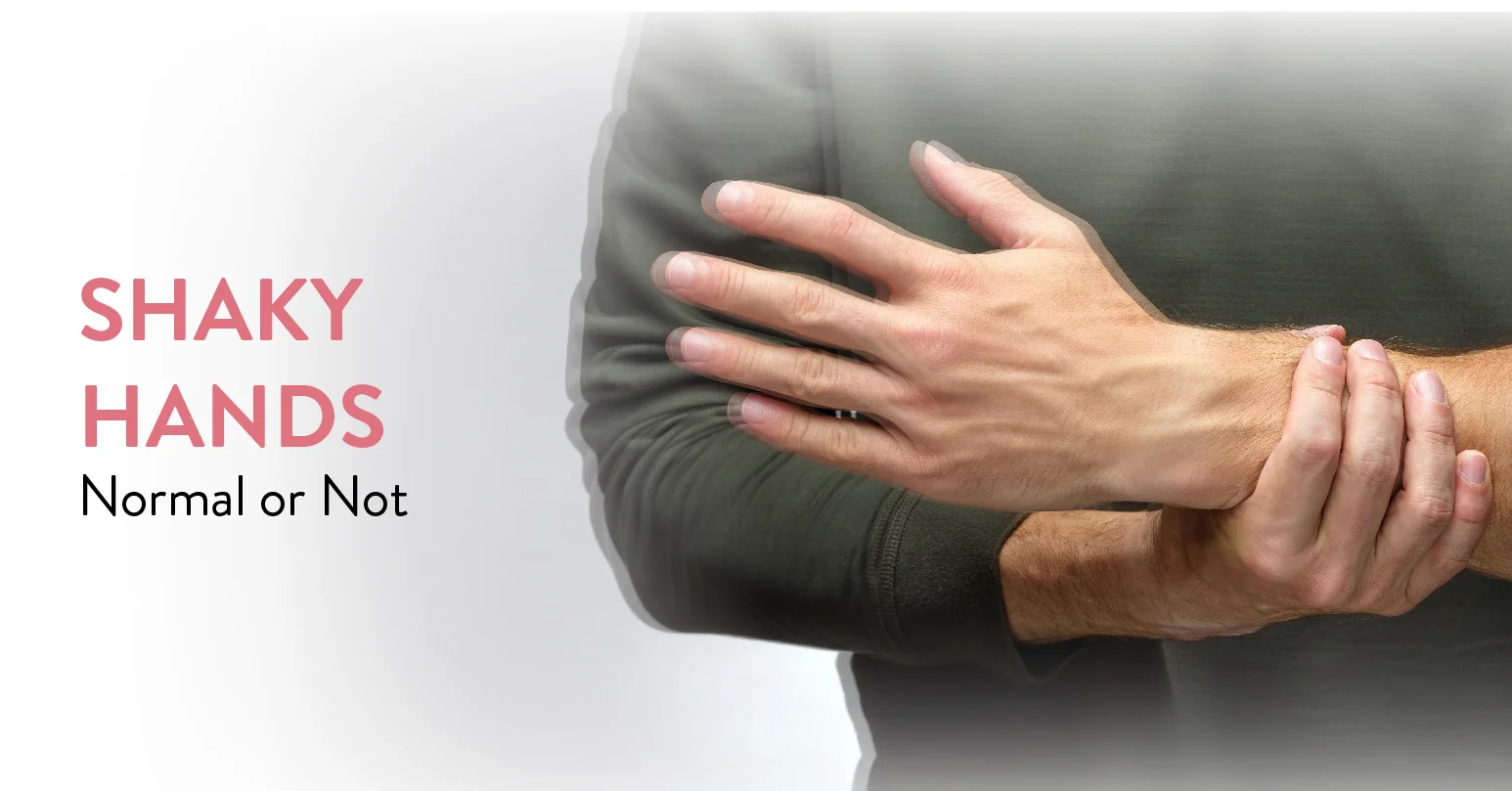
Shaky hands also referred to as hand tremors are among the most common conditions affecting millions of people across the world. This condition occurs at any age due to several underlying causes although is usually linked to growing age. Shaky hands are not life-threatening but can substantially influence regular activities, making tasks like eating, holding any object, or writing difficult.
In this blog, we will dig deep into understanding shaky hands, their types, symptoms, causes, diagnosis, and treatment options to manage this condition efficiently.
Table of Contents
Shaky hands are determined by automatic, rhythmic muscle contractions causing shaky movements in one or both hands. This condition differs in severity, prevalence, and influence on day-to-day life. Hand tremors can be temporary or consistent, and their existence signifies various underlying health problems or physiological conditions.
Everyone experiences physiological tremors at some point in life, but are nearly imperceptible tremors; however, some individuals experience severe shaking making their daily functions challenging such as eating, writing, or holding items.
There are several types of hand tremors, each with distinct characteristics and causes. The most common types include:
| Type of Tremor | Initial Symptoms | Progressive Symptoms |
| Essential Tremor | The most common type, which is congenital and affects both hands. | The condition tends to deteriorate with movement and gets better with proper rest. |
| Parkinsonian Tremor | Associated with Parkinson’s disease, this variant is triggered at rest and starts in one hand. | As the condition goes downhill, it spreads to the other hand and other parts of the body. |
| Cerebellar Tremor | Occurs due to cerebellum damage, this tremor arises during voluntary movements like reaching for an object. | This variant can be serious as it impacts coordination and balance. |
| Dystonic Tremor | Related to dystonia, this type is a movement disorder causing involuntary muscle contractions. | It may impact any part of the body and may turn severe in particular postures or movements. |
| Physiologic Tremor | Usually experienced by every individual, these tend to be nearly unnoticeable | This worsens over time due to caffeine, anxiety, fatigue, or some medications. |
The main symptom of shaky hands is the involuntary tremor or shaking of one or both hands. Other symptoms involved with shaky hands are:
Decreased control over bodily movements is identified to be the main contributor to hand tremors and is related to different issues such as weariness, stress, drug side effects, medical illnesses, or mental health disorders. Additionally, other causes of shaky hands are:
There are several risk factors that increase the probability of shaky hands, such as:
To diagnose shaky hands, the healthcare professional involves comprehensive medical assessment, including:
The underlying causes and the severity of the tremors identify the course of treatment for shaky hands. Some of the commonly involved options are:
Shaky hands can be more than just a little nuisance as they can interfere with your daily life and wear away your level of confidence. Comprehending the causes and treatments helps to manage the condition efficiently. Each type of shaky hands has several causes, whether it’s due to genetics, neurological problems, or lifestyle factors. Fortunately, modern medicine nowadays is offering us several solutions, from medications to innovative therapies. You can find ways to stabilize your hands and regain control over daily tasks by learning more and seeking expert guidance.
At the CK Birla Hospital, we ensure patients get holistic medical support which includes treatment in a compassionate environment. This patient-centric approach not only helps patients heal better but also ensures they are aware of the preventive measures as well. In case you need to consult a cardiologist, reach out to us, or book a direct appointment at the CK Birla Hospital.
Usually, shaky hands don’t signify serious condition, however, they are a symptom of conditions like multiple sclerosis, dystonia, or Parkinson’s disease. Also, they arise due to a stroke or traumatic brain injury. Hence, it is always a good idea to seek professional advice if you are regularly experiencing them.
If shaky hands are disrupting your day-to-day tasks such as drinking, writing, eating, phone dialing, etc. then it is a sign that you must visit Shaky Hands Doctor to test for neurological or metabolic abnormalities.
For essential tremors, no cure is available to date, however, with the right treatment options like medication, lifestyle changes, stress management, etc. you can suppress the tremors.
Natural remedies that can be involved for hand tremors are relaxation methods, avoiding triggers, entailing hand exercises, using assistive devices, and stress management to reduce tremors.
Be calm and keep note of additional signs if you suddenly experience hand tremors. Make sure you get sufficient sleep, limit caffeine intake, and manage your stress. Seek clinical intervention immediately to identify the reason and start therapy if they are accompanied by other symptoms.

In today’s dynamic beauty scene, where Korean beauty sets the pace with its nine-step skincare routines and coveted glass skin results, a fascinating trend is emerging: the skinification of hair. While many may perceive this concept as novel, in truth, it’s something we’ve been practicing all along—caring for our scalp. But what exactly does skinification of hair entail? Let’s delve deeper into this innovative approach that’s revolutionizing haircare practices worldwide.
Table of Contents
The skinification of hair represents a revolutionary approach to haircare, inspired by the principles of skincare. By treating the scalp with the same care and sophistication as facial skin, skinification aims to improve overall hair health from the roots up.
But this does not mean that your skincare products will also go on your scalp. Skinification is mainly the application of effective skin care principles into hair care routines. This approach recognises that a healthy scalp is crucial for maintaining vibrant and strong hair.
By incorporating active ingredients like Hyaluronic Acid, Niacinamide, Vitamin C, and Peptides into hair care products, skinification aims to nourish, protect, and rejuvenate the scalp and hair follicles. Let us understand how:
These techniques have recently been all the rage in achieving the quintessential glass skin look, where the skin is thoroughly cleansed and hydrated for a natural glass like finish. So following these will help improve the scalp, keep it protected from pollutants and make the hair shiny.
| Objective | Approach | Outcome |
Improved Scalp Health |
Skinification fosters a healthier scalp environment by addressing issues like dryness, irritation, and excess oil production. | A balanced scalp automatically results in stronger, shinier hair. |
Enhanced Hair Hydration |
Active ingredients like Hyaluronic Acid and Vitamin C boost scalp hydration, improving hair elasticity and reducing frizz. | Well-hydrated hair implies reduced tendency of hair breakage and formation of split ends. |
Strengthened Hair Structure |
Peptides and other strengthening agents fortify the hair shaft, promoting resilience against damage and environmental stressors. | This leads to thicker-looking hair with improved texture. |
Hair Growth |
Skinification can enhance the natural affinity of hair shaftsand promote a favorable environment for scalp health | Improvement in hair density or thickness generally in around 3 to 6 months. |
Implementing skinification techniques for hair care involves following expert dermatological advice to ensure effective and safe results. Here’s a summary of expert tips from dermatologists specializing in scalp and hair health:
By following these expert tips, you can effectively implement skinification techniques into your hair care routine while ensuring the health and vitality of your scalp and hair. For personalized advice and optimal results, consult with a dermatologist or hair care specialist who can provide tailored recommendations based on your individual scalp condition and hair type.
No. While some ingredients overlap, hair and scalp have unique needs. It’s best to use products formulated specifically for hair to address its specific requirements effectively.
It depends largely on your hair type and scalp condition. Generally, once in 2 weeks is sufficient to remove buildup and promote scalp health without causing irritation. But if there is more exposure to dust and pollutants it needs to be more frequent.
Potential risks include scalp irritation or allergic reactions to specific ingredients. Patch testing and selecting products suited to your scalp type can minimize these risks.
By improving scalp health and providing essential nutrients, skinification can support optimal conditions for healthy hair growth. However, individual results may vary.
Look for hair care brands that offer affordable options with key ingredients like Hyaluronic Acid, Niacinamide, Vitamin C, and Peptides. Drugstore brands often provide effective skincare-inspired hair care products.
Results vary based on individual hair and scalp conditions. With consistent use of appropriate products, improvements in hair texture and scalp health can typically be noticed within a few weeks to months.
Embracing the skinification of hair involves integrating skin care principles into your hair care routine to promote scalp health and enhance hair vitality. By incorporating key ingredients like Hyaluronic Acid, Niacinamide, Vitamin C, and Peptides, and following effective techniques such as double cleansing and scalp exfoliation, you can achieve healthier, more resilient hair. For personalized advice and optimal outcomes, consult with a dermatologist or hair care specialist who can recommend tailored products and treatments suited to your specific needs. Start your journey towards healthier hair today with skinification!
Consult a dermatologist or hair care specialist to discover personalised skinification solutions for your hair and scalp health needs.At the CK Birla Hospital, we ensure patients get holistic medical support which includes treatment in a compassionate environment. This patient-centric approach not only helps patients heal better but also ensures they are aware of the preventive measures as well. In case you need to consult an orthopaedic surgeon, reach out to us, or book a direct appointment with Dermatologist at the CK Birla Hospital.
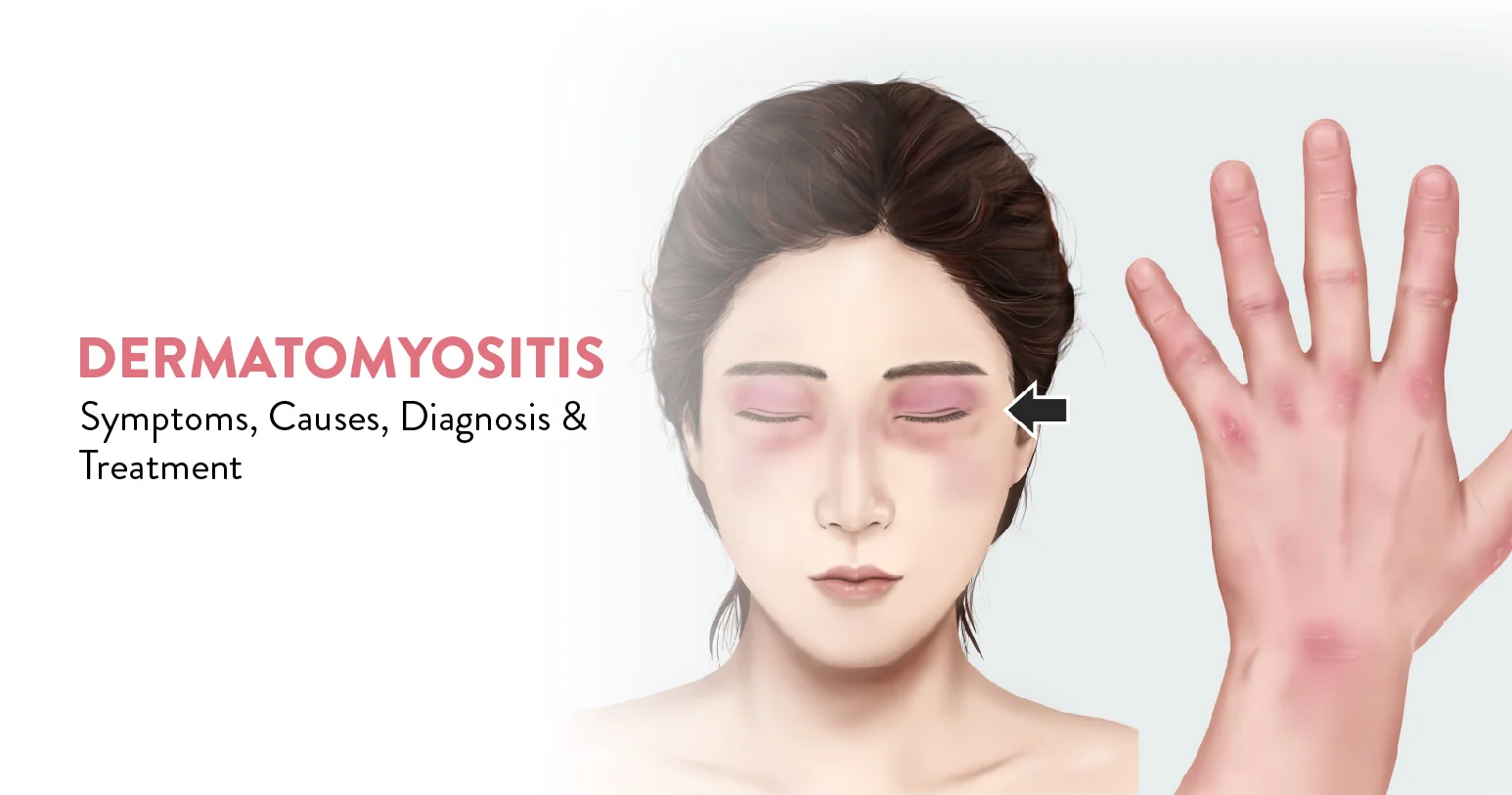
Dermatomyositis, a rare autoimmune disease, presents a unique challenge in the realm of rheumatology and dermatology. Characterised by muscle weakness and skin inflammation, it can significantly impact patients’ quality of life.
Understanding its complex aetiology, varied clinical manifestations, and evolving treatment approaches is crucial for healthcare professionals and individuals affected by this condition. In this blog, we delve into the intricacies of dermatomyositis, shedding light on its diagnosis, management, and the latest research advancements.
Table of Contents
Dermatomyositis, a rare myopathy, manifests as muscle weakness and skin rashes. Severe cases may impair breathing and swallowing. It’s a variant of polymyositis affecting both muscles and skin.
Prompt medical attention is vital as symptoms can escalate quickly. Early treatment reduces the risk of severe complications and potential fatality, also lowering the chance of cancer development, especially within the first year of symptoms.
An uncommon inflammatory condition that affects the muscles and skin is called dermatomyositis. There are several types of dermatomyositis, including:
This is the most common type and is characterised by muscle weakness and a distinctive skin rash.
In this type, there is skin involvement without significant muscle weakness. It’s also known as dermatomyositis sine myositis.
This type involves mild muscle weakness alongside skin symptoms.
This form of dermatomyositis is associated with an underlying cancer, most commonly lung, ovarian, or gastrointestinal cancers.
This type affects children and typically presents with similar symptoms to classic dermatomyositis.
Dermatomyositis types vary in presentation, severity, and treatment. Consultation with healthcare professionals is essential for diagnosis and management.
Dermatomyositis manifests through various symptoms, primarily muscle weakness and skin rash. These often occur concurrently, although one symptom may precede the other for extended periods.
Muscle weakness affects daily activities like:
The rash, common in sun-exposed areas, appears discoloured and swollen on:
Additional symptoms include:
Dermatomyositis can either resolve, especially in children or persist chronically, causing lifelong symptoms in 80% of cases.
Dermatomyositis’s exact cause remains uncertain among experts, although several potential factors are considered:
Research suggests a genetic component to dermatomyositis.
Dermatomyositis shares similarities with autoimmune disorders wherein the immune system mistakenly targets healthy tissues.
Some evidence indicates that certain viral infections could serve as triggers for dermatomyositis, even post-resolution of the initial infection.
Studies propose a correlation between residing in regions with increased pollution or poorer air quality and heightened susceptibility to dermatomyositis development.
The doctor assesses symptoms, and medical history, and conducts a physical exam. Dermatomyositis, characterised by an autoimmune rash, is comparatively easier to diagnose due to its distinct features among inflammatory muscle diseases.
Your healthcare provider might also request:
Dermatomyositis treatments may involve a combination of the following:
Your treatment plan depends on symptom location and severity. Consult your healthcare provider to understand the expected course of treatment.
The muscle weakness and skin issues associated with dermatomyositis can lead to various complications, including:
Additionally, dermatomyositis may be correlated with the following conditions:
Preventing dermatomyositis involves a multifaceted approach:
These strategies, while not guaranteeing prevention, can help mitigate risks and manage symptoms effectively.
Dermatomyositis presents complex challenges, impacting both the skin and muscles. With ongoing research and multidisciplinary care, patients can find hope for improved management and quality of life. It is always advisable to seek medical help from an experienced dermatologist. Timely care and help can ensure an appropriate diagnosis and treatment of your condition.
At the CK Birla Hospital, we ensure patients get holistic medical support which includes treatment in a compassionate environment. This patient-centric approach not only helps patients heal better but also ensures they are aware of the preventive measures as well. In case you need to consult a dermatologist, reach out to us, or book a direct appointment with dermatologist at the CK Birla Hospital.
Yes, dermatomyositis can affect children, although it’s less common compared to adults. It’s a rare autoimmune disease characterised by muscle weakness and skin rash. Early diagnosis and treatment are crucial.
No, dermatomyositis is not contagious. It’s an autoimmune disease where the body’s immune system mistakenly attacks its tissues, leading to muscle weakness and skin rash.
Yes, dermatomyositis can lead to disability, particularly if not properly managed. Muscle weakness and inflammation can affect mobility and daily activities, impacting quality of life.
Yes, triggers such as sunlight exposure, infections, certain medications, and stress can exacerbate dermatomyositis symptoms, leading to increased muscle weakness and skin rash.
Managing dermatomyositis involves regular exercise to maintain muscle strength, sun protection to minimise skin rash, a balanced diet for overall health, stress management, and avoiding triggers like certain medications.
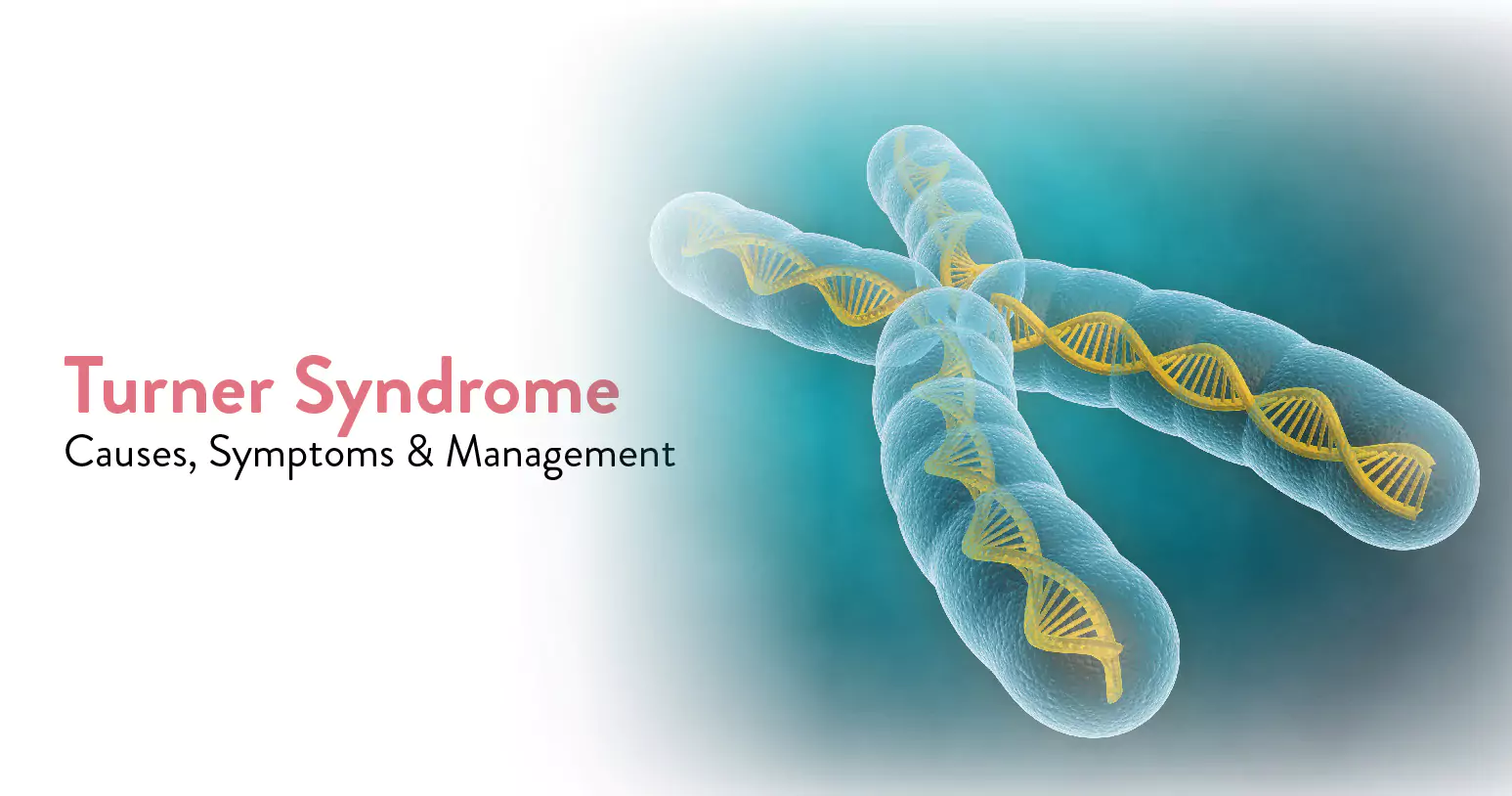
Turner Syndrome is a genetic disorder affecting females, characterised by the partial or complete absence of one X chromosome. It manifests in various physical and developmental challenges, including short stature and infertility.
This blog delves into the intricacies of Turner Syndrome, exploring its causes, symptoms, and treatments, which can help you navigate life with this condition.
Table of Contents
Turner syndrome (TS) is a congenital condition that exclusively affects individuals assigned to female at birth (AFAB). It occurs when one of the two X chromosomes is either partially or completely missing.
This syndrome manifests in various features and symptoms, which vary from person to person. However, the most common characteristics are short stature and decreased ovarian function (primary ovarian insufficiency).
Turner Syndrome (TS) manifests differently across life stages, which are:
Early diagnosis and multidisciplinary care are crucial for managing TS effectively.
Also read this: Carpal tunnel syndrome – Symptoms, Causes, Diagnosis
Turner syndrome (TS) has different types based on the effect on one of the X chromosomes:
Turner syndrome (TS) presents with a variety of characteristics and health conditions, which vary in severity. Depending on the type, signs of TS may appear:
The common features of Turner Syndrome are:
The health conditions associated with TS are:
For personalised information, consult a healthcare provider regarding specific symptoms and features based on unique genetic makeup.
Most humans possess 23 pairs of chromosomes, totalling 46. These chromosomes segregate into 22 pairs labelled numerically (autosomes) and one pair determining sex. Each individual inherits one chromosome from each biological parent, forming a pair.
The 23rd pair typically comprises one X and one Y chromosome for individuals identified as male at birth (AMAB), while those identified as female at birth (AFAB) have two X chromosomes. Turner syndrome occurs when one of the two X chromosomes in a baby is absent or defective. The exact cause of this occurrence remains unknown to researchers.
People with Turner syndrome face a higher risk of specific medical issues, but with proper monitoring and checkups, most conditions can be effectively managed. Here are some common complications:
Healthcare professionals can diagnose Turner syndrome during any phase of a child’s growth after birth. Additionally, on occasion, they can identify the condition before birth through the utilisation of these tests:
There’s no cure for Turner syndrome, but certain medications and therapies can help manage its symptoms. Treatment often focuses on hormones and related medical issues.
Turner Syndrome poses unique challenges for individuals, necessitating comprehensive medical care and supportive interventions. By raising awareness and fostering understanding, we can empower those affected to lead fulfilling lives. It is always advisable to seek medical help from a paediatrician. Timely care and help can ensure an appropriate diagnosis and treatment of your condition.
At the CK Birla Hospital, we ensure patients get holistic medical support which includes treatment in a compassionate environment. This patient-centric approach not only helps patients heal better but also ensures they are aware of the preventive measures as well. In case you need to consult a paediatrician, reach out to us, or book a direct appointment with endocrinologist at the CK Birla Hospital.
Turner syndrome can’t be cured, but treatments manage symptoms and address associated health concerns. Hormone therapy aids growth and development, while assisted reproductive techniques may help with fertility challenges.
Long-term risks of Turner syndrome include heart problems, osteoporosis, diabetes, thyroid issues, and infertility. Regular monitoring and medical care help manage these risks and maintain overall health.
Individuals with Turner syndrome typically have reduced fertility but can sometimes conceive with assisted reproductive techniques such as egg donation or in vitro fertilization (IVF) using donated eggs.
Turner syndrome can variably impact intelligence and cognitive abilities. While some individuals may experience learning disabilities or social challenges, many lead fulfilling lives with appropriate support and educational interventions.
Turner syndrome occurs in about 1 in 2,000 to 2,500 live female births. It is one of the most common chromosomal disorders, caused by partial or complete absence of the second sex chromosome.
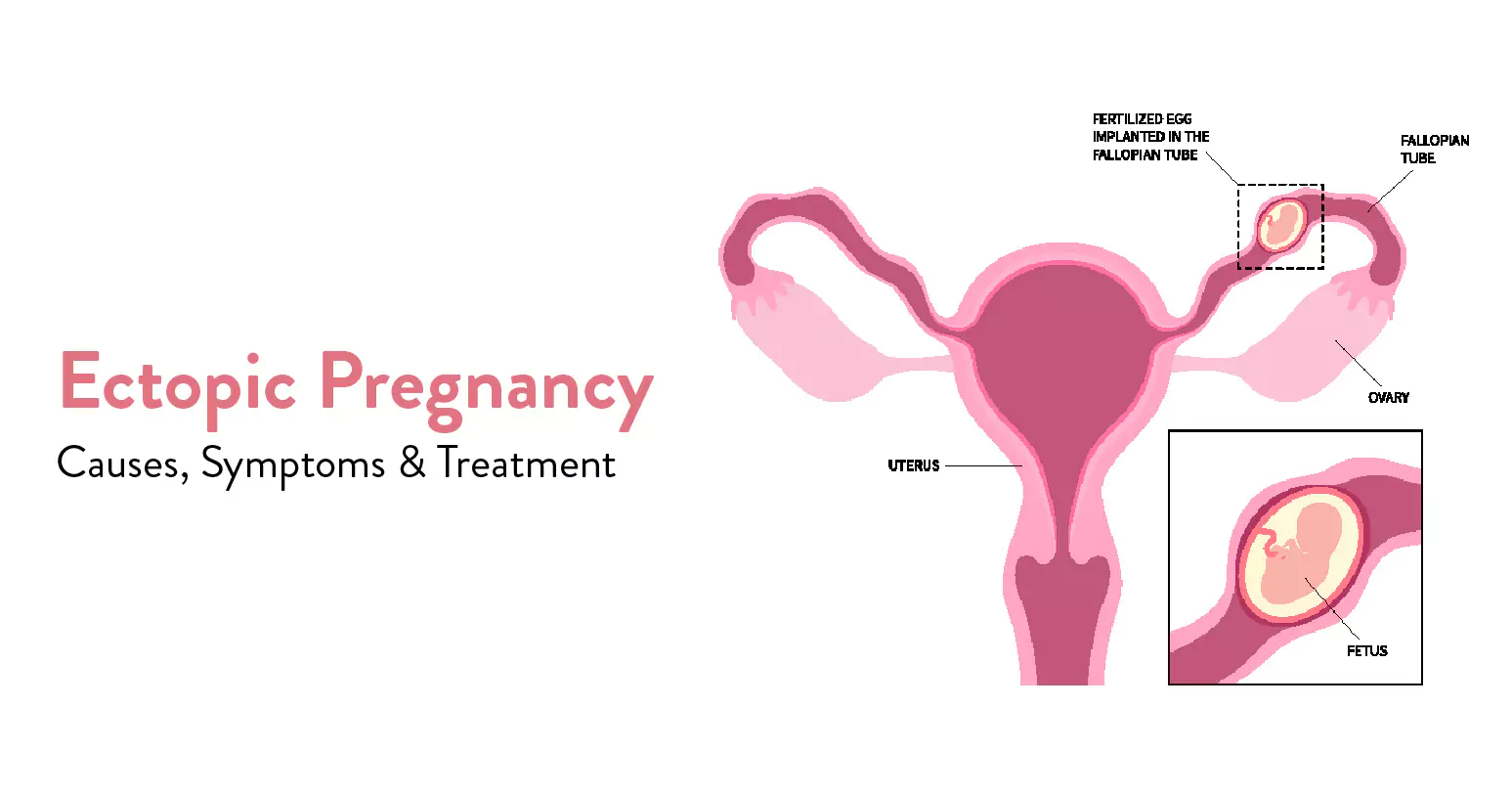
Ectopic pregnancy, a potentially life-threatening condition, occurs when a fertilised egg implants outside the uterus, typically in a fallopian tube. This abnormal implantation prevents normal pregnancy progression and necessitates immediate medical intervention.
Understanding the symptoms, risk factors, and treatment options is crucial for early diagnosis and safeguarding the health of those affected by this condition.
Table of Contents
An ectopic pregnancy refers to the implantation of a fertilised egg outside the uterus, commonly occurring in the fallopian tube. In rare cases, it may implant in the ovary, abdominal pain, or cervix. Since these locations can’t sustain foetal development, pregnancies cannot progress normally.
Ectopic pregnancies pose serious risks, particularly if the fallopian tube ruptures, leading to severe bleeding, infection, and potentially fatal outcomes. Prompt medical intervention is crucial to address ectopic pregnancies effectively.
The stages of ectopic pregnancy typically progress as follows:
When a fertilised egg implants outside the uterus, it results in an ectopic pregnancy. The types include:
Heterotopic Pregnancy: Simultaneous intrauterine and ectopic pregnancies.
Scar Ectopic Pregnancy: On a caesarean or uterine surgery scar.
Early symptoms of an ectopic pregnancy can closely resemble those of a typical pregnancy. However, you might also experience:
If your fallopian tube ruptures, the resulting pain and bleeding could be severe, leading to additional symptoms such as:
A ruptured tube can cause sudden, sharp lower abdominal pain, which is a medical emergency. Contact your healthcare provider or go to the emergency room immediately.
Ectopic pregnancy is typically caused by conditions that hinder or obstruct the egg’s journey through the fallopian tube. This can occur due to:
Ectopic pregnancy, where a fertilised egg implants outside the uterus, can lead to serious complications, such as:
Additionally, women may experience chronic pain and psychological impacts such as anxiety, depression, and grief.
Most people don’t know their pregnancy is ectopic until a prenatal appointment, bloodwork, or ultrasound. Your provider may suspect an ectopic pregnancy during this visit.
To diagnose an ectopic pregnancy, your provider will perform several tests, including:
In rare cases, if a rupture is suspected, a culdocentesis may be performed.
Once an ectopic pregnancy is confirmed, the provider will discuss a treatment plan, as it is an emergency requiring prompt treatment.
Ectopic pregnancies pose significant risks to the mother and the embryo cannot develop to term. Immediate removal of the embryo is essential for the mother’s health and future fertility. The location and progression of the ectopic pregnancy determine the available treatment choices.
Contact your doctor if pain increases or abnormalities arise.
Reproductive health and controlling risk factors are key to preventing ectopic pregnancy. The preventive measures are:
Regular medical care and awareness are key to reducing the risk.
Ectopic pregnancies demand swift recognition and intervention to prevent life-threatening complications. Early detection, medical or surgical management, and emotional support are crucial for optimal outcomes and maternal well-being. It is always advisable to seek medical help from a gynecologist. Timely care and help can ensure an appropriate diagnosis and treatment of your condition.
At the CK Birla Hospital, we ensure patients get holistic medical support which includes treatment in a compassionate environment. This patient-centric approach not only helps patients heal better but also ensures they are aware of the preventive measures as well. In case you need to consult a gynecologist, reach out to us, or book a direct appointment with gynecologist at the CK Birla Hospital.
Risk factors for ectopic pregnancy include previous ectopic pregnancies, pelvic inflammatory disease, tubal surgery, smoking, older maternal age, infertility treatments, and certain contraceptive methods like tubal ligation failure or progestin-only pills.
Ectopic pregnancy can be mistaken for a normal pregnancy initially due to similar symptoms like missed periods and positive pregnancy tests, but signs such as abdominal pain and bleeding differentiate them.
Long-term effects of ectopic pregnancy may include future fertility issues, increased risk of recurrent ectopic pregnancies, and potential psychological impacts due to the loss and traumatic nature of the experience.
It’s possible to get pregnant after an ectopic pregnancy, but the chances may be influenced by factors such as the health of the fallopian tubes and any underlying conditions.
Ectopic pregnancy isn’t always symptomatic. Some cases may be asymptomatic initially, but symptoms like abdominal pain and vaginal bleeding often develop as the pregnancy progresses.
You should consult a doctor right away if you think you may have an ectopic pregnancy. Symptoms may include abdominal pain, vaginal bleeding, shoulder pain, dizziness, or fainting. Early detection is crucial for prompt treatment.
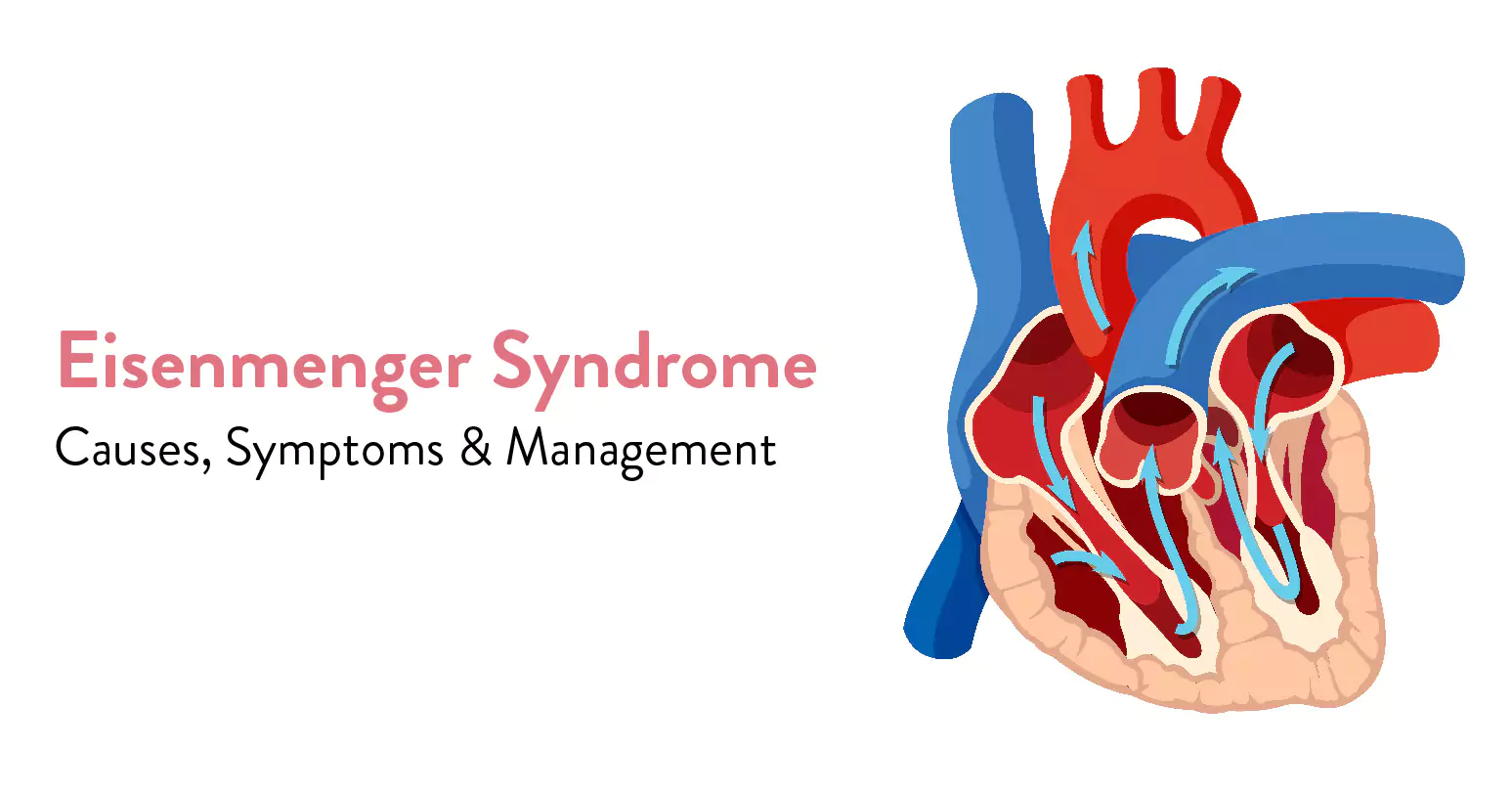
Eisenmenger Syndrome, a complex yet critical condition, arises as a consequence of untreated congenital heart defects. It manifests as a reversal of blood flow due to pulmonary hypertension, leading to life-threatening complications.
Understanding its aetiology, symptoms, and management is pivotal for healthcare professionals and patients alike. In this blog, we delve into the intricacies of Eisenmenger Syndrome, shedding light on its nuances and treatment modalities.
Table of Contents
Eisenmenger syndrome arises from an excessive volume of blood coursing through the arteries that transport blood from the heart to the lungs. This condition induces pulmonary hypertension, characterised by elevated blood pressure within the lung’s blood vessels and the right cardiac chamber. Additionally, it prompts blood diversion between the heart’s left and right sides, indicating an anomalous connection causing blood to flow from the left heart chamber to the right one.
Typically stemming from one or multiple untreated congenital heart anomalies present since birth, Eisenmenger syndrome progressively results in irreversible lung impairment and associated complications.
Also Read: What is cholesterol? Type, normal range, Diagnosis and Treatment
Eisenmenger Syndrome progresses through several stages, which are:
Eisenmenger Syndrome manifests in three types, each linked to distinct congenital heart defects. These types are:
In all types, increased pulmonary pressure prompts shunt reversal, causing cyanosis. Over time, this influx of deoxygenated blood leads to complications such as polycythemia and thromboembolism. Such classifications aid in tailored management strategies for patients with Eisenmenger Syndrome.
Symptoms of Eisenmenger syndrome can vary based on the specific heart defect and organs involved. Typically, they do not manifest until puberty or early adulthood, gradually worsening over time.
Common indicators of the condition include:
Understanding the blood circulation in the heart is crucial for grasping Eisenmenger syndrome. In a normally functioning heart:
However, if there’s an opening in the wall between the right and left ventricles or any other structural abnormalities in the heart, oxygen-rich and oxygen-poor blood may mix. This leads to an excess flow of blood to the lungs, causing pulmonary hypertension and a deficiency of oxygen-rich blood reaching the body.
Eisenmenger syndrome may lead to various health issues, including:
Eisenmenger syndrome is often detected by a healthcare provider during a physical assessment. To confirm the diagnosis, they may request the following examinations:
Treatment for Eisenmenger syndrome focuses on alleviating symptoms and preventing severe heart or lung damage. Potential therapies include:
By the time Eisenmenger syndrome develops, surgical repair of the underlying heart defect is usually no longer an option. However, individuals with severe symptoms and organ damage may require a heart or lung transplant.
Preventing Eisenmenger Syndrome involves early detection and management of congenital heart defects (CHDs). Key strategies include:
Early Diagnosis – Prenatal and newborn screening to detect CHDs early.
Timely Treatment
Regular follow-up – Continuous monitoring by a cardiologist.
Preventing Secondary Complications
Education and Awareness – Educating patients and families about symptoms and treatment adherence.
These measures can prevent the progression of Eisenmenger Syndrome.
Understanding Eisenmenger Syndrome is crucial for managing its impact. Early diagnosis and appropriate treatment can significantly enhance the quality of life, highlighting the importance of awareness and medical advancements. It is always advisable to seek medical help from a cardiologist. Timely care and help can ensure an appropriate diagnosis and treatment of your condition.
At the CK Birla Hospital, we ensure patients get holistic medical support which includes treatment in a compassionate environment. This patient-centric approach not only helps patients heal better but also ensures they are aware of the preventive measures as well. In case you need to consult a cardiologist, reach out to us, or book a direct appointment with cardiologist at the CK Birla Hospital.
Eisenmenger syndrome is not curable. It’s a complex condition where abnormal blood flow in the heart leads to serious complications, managed with medications and sometimes surgery.
Life expectancy varies but is generally reduced. With proper management, including medications, oxygen therapy, and sometimes heart/lung transplant, individuals may live into adulthood, but prognosis depends on individual factors.
Eisenmenger syndrome is not directly hereditary, but it can be associated with congenital heart defects that may have a genetic component. However, it primarily arises from untreated or poorly managed heart conditions.
Individuals with Eisenmenger syndrome often face limitations due to their condition, but with proper management and lifestyle adjustments, they can lead fulfilling lives, although their activities may be restricted.
Pregnancy poses significant risks for both the mother and foetus in Eisenmenger syndrome, including increased strain on the heart, higher risk of complications like heart failure, and maternal mortality.
Medication can help manage symptoms and improve the quality of life in Eisenmenger syndrome, but it’s often not enough on its own. Additional interventions like oxygen therapy or surgery may be necessary.

