Filter :
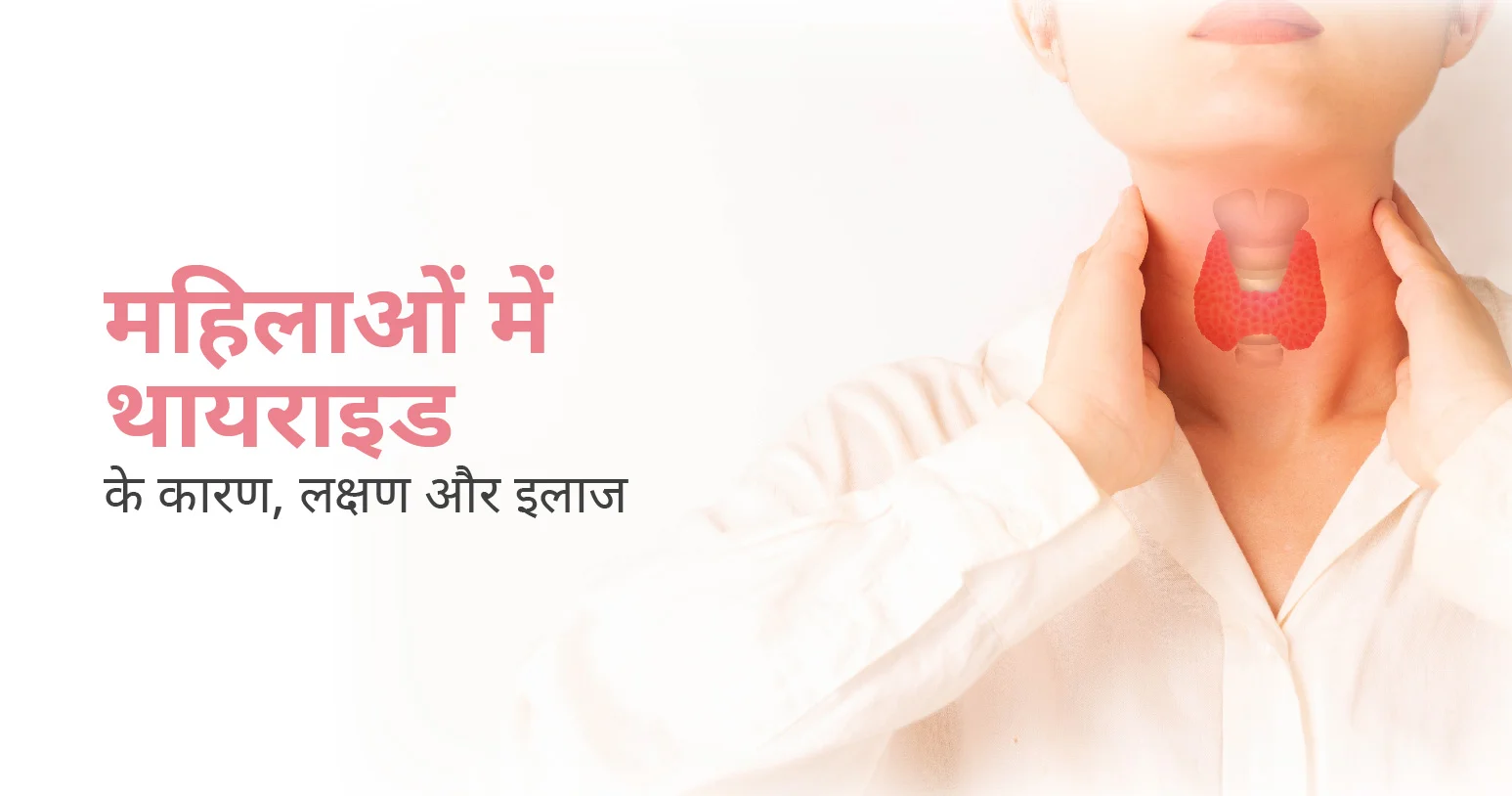
हार्मोनल असंतुलन, तनाव, शरीर में आयोडीन की कमी, वायरल संक्रमण आदि के कारण महिलाओं में कई तरह की समस्याएं पैदा होती हैं। थायराइड भी उन्हीं में से एक है। थायराइड के कारण महिलाओं को अनेक समस्याओं का सामना करना पड़ता है जैसे कि वजन बढ़ना, थकान महसूस करना और इर्रेगुलर पीरियड्स आदि। सही लाइफस्टाइल और खानपान एवं दवा की मदद से समस्या को कंट्रोल किया जा सकता है।
Table of Contents
थायराइड गले में आगे की तरफ मौजूद एक ग्रंथि है जो तितली के आकार की होती है। यह ग्रंथि शरीर की अनेकों आवश्यक गतिविधियों को नियंत्रित करती है जैसे कि भोजन को ऊर्जा में बदलना आदि।
थायराइड टी3 यानी ट्राईआयोडोथायरोनिन और टी4 यानी थायरॉक्सिन हार्मोन का निर्माण करता है। ये हार्मोन दिल की धड़कन, सांस, पाचन तंत्र, शरीर का तापमान, हड्डियों, मांसपेशियों और कोलेस्ट्रॉल को संतुलित रखने में मदद करते हैं(home remedies to lower cholesterol level in hindi)
जब इन दोनों हार्मोन में असंतुलन होता है तो उसे थायराइड की समस्या कहते हैं। पुरुषों की तुलना में महिलाओं में थायराइड रोग का प्रभाव अधिक देखा जाता है। पुरुष की तुलना में महिलाओं में थायराइड प्रभाव अधिक होता है।
साथ ही, महिलाओं को गर्भावस्था (प्रेगनेंसी के शुरूआती लक्षण )में थायराइड प्रभाव डालता है। अगर आपके मन में यह प्रश्न उठता है कि महिलाओं में थायराइड कितना होना चाहिए तो हम आपको बता दें कि महिलाओं में थायराइड का नॉर्मल रेंज 0.4-4.0mIU/L के बीच होना चाहिए।
और पढ़ें: गर्भावस्था में उल्टी की समस्या के लिए कारगर घरेलू उपाय
थायरॉइड के प्रकार विभिन्न होते हैं जिन्हें हाइपरथायरायडिज्म और हाइपोथायरायडिज्म के रूप में जाना जाता है।
हाइपरथायरायडिज्म तब होता है जब आपकी थायराइड ग्रंथि अत्यधिक हार्मोन थायरोक्सिन का उत्पादन करती है। यह थायराइड विकार आपके शरीर के चयापचय को तेज कर सकता है, इस प्रकार, अनजाने में वजन घटाने(home remedies to lose weight in hindi) और एक तेज या अनियमित दिल की धड़कन पैदा कर सकता है।
हाइपोथायरायडिज्म एक ऐसी स्थिति है जिसमें आपकी थायराइड ग्रंथि कुछ महत्वपूर्ण हार्मोनों का पर्याप्त उत्पादन नहीं करती है। यह वृद्ध महिलाओं में सबसे अधिक प्रचलित है। जब आपके शरीर में बहुत कम थायराइड हार्मोन होता है, तो यह आपको थका हुआ महसूस कर सकता है, आपका वजन बढ़ सकता है(how to gain weight in hindi) और आप ठंडे तापमान को सहन करने में भी असमर्थ हो सकते हैं।
और पढ़ें: पेचिश के कारण, लक्षण, बचाव और घरेलू उपाय
महिलाओं में थायराइड कई कारणों से होता है जिसमें मुख्य रूप से निम्न शामिल हो सकते हैं:-
और पढ़ें: बच्चो के लिए हेल्दी डाइट चार्ट
महिलाओं में थायराइड के प्रमुख लक्षण में थायराइड ग्रंथि में सूजन होना शामिल है, लेकिन यह जरूरी नहीं कि सभी महिलाओं में यह लक्षण दिखाई दें। महिलाओं में थायराइड का लक्षण के रूप में निम्न अनुभव हो सकते हैं:
महिलाओं में हाइपरथायरायडिज्म के लक्षण में निम्न शामिल हो सकते हैं:-
महिलाओं में हाइपोथायरायडिज्म के लक्षण में निम्न शामिल हो सकते हैं:-
कुछ मामलों में थायराइड के लक्षण दूसरी बीमारियों या स्थितियों के लक्षण जैसा हो सकते हैं, ऐसे में इस बात की पुष्टि करने के लिए डॉक्टर कुछ जांच का सहारा लेते हैं।
और पढ़ें: जानिए प्रेगनेंसी में संबंध बनाना चाहिए या नहीं ?
महिलाओं में थायराइड की समस्या अधिक पाई जाती है। थायराइड विकार यौवन और मासिक धर्म को असामान्य रूप से जल्दी या देर से होने (Menstrual Disorder Treatment) का कारण बन सकते हैं। इसके अलावा, थायराइड हार्मोन का असामान्य रूप से उच्च या निम्न स्तर बहुत हल्का या बहुत भारी मासिक धर्म, बहुत अनियमित मासिक धर्म, या अनुपस्थित मासिक धर्म (एमेनोरिया नामक स्थिति) का कारण बन सकता है।
और पढ़ें: एसिडिटी से तुरंत राहत पाने के घरेलू नुस्खे
थायराइड ग्रंथि के कार्यों का एक महिला के प्रजनन तंत्र में बहुत बड़ी भूमिका होती है, खासकर अगर थायरॉयड अति सक्रिय या कम सक्रिय है। महिलाओं में थायराइड के साइड इफेक्ट निम्न हो सकते हैं:
और पढ़े: ओट्स और दलिया में अंतर, फायदे और नुक्सान
महिलाओं में थायराइड का इलाज मरीज की उम्र और थायराइड की गंभीरता पर निर्भर करता है। चाहे हाइपरथायरायडिज्म का इलाज हो या हाइपोथायरायडिज्म का इलाज – इस समस्या का उपचार कई तरह से किया जा सकता है जिसमें एंटी-थायराइड गोलियां, रेडियोएक्टिव आयोडीन उपचार, लेवोथायरोक्सिन और सर्जरी (थायरॉयडेक्टॉमी) आदि शामिल हैं।
इलाज के जब सभी माध्यम असफल हो जाते हैं या थायराइड की स्थिति गंभीर होती है तो डॉक्टर सर्जरी का सुझाव देते हैं। इस प्रक्रिया के दौरान उन उत्तकों को आंशिक रूप से बाहर निकाल दिया जाता है जो अधिक हार्मोन का उत्पादन करते हैं।
और पढ़े: डायबिटिक के मरीज के लिए कम्पलीट डाइट चार्ट
यह पूरी तरह से थायराइड की गंभीरता और इलाज के प्रकार पर निर्भर करता है। जहां दवाओं से थायराइड को ठीक होने में कुछ सप्ताह या महीने लग सकते हैं, वही सर्जरी से इसे मात्र कुछ ही दिनों में ठीक किया जा सकता है। आपके लिए इलाज का कौन सा प्रकार सही है डॉक्टर इस बात का फैसला जांच के बाद करते हैं।
थायराइड में गर्म पानी पीने का सुझाव दिया जाता है, क्योंकि इससे शरीर डिटॉक्सीफाई होता है।
थायराइड से पीड़ित मरीज के लिए दूध फायदेमंद होता है, इसलिए इसका सेवन किया जा सकता है।
थायराइड से पीड़ित मरीज को चाय या कॉफी का सेवन नहीं करना चाहिए, क्योंकि इससे उनकी परेशानियां बढ़ सकती हैं।
TSH का सामान्य मान 0.5 से 5.0 mIU/L है। गर्भावस्था, थायरॉयड कैंसर का इतिहास, पिट्यूटरी ग्रंथि रोग का इतिहास, और वृद्धावस्था कुछ ऐसी स्थितियां हैं जब टीएसएच को एक एंडोक्रिनोलॉजिस्ट द्वारा निर्देशित एक अलग श्रेणी में बनाए रखा जाता है। FT4 सामान्य मान 0.7 से 1.9ng/dL हैं।
पुरुषों की तुलना में महिलाओं के लिए जोखिम लगभग 10 गुना अधिक है। इसका एक कारण यह है कि थायरॉयड विकार अक्सर ऑटोइम्यून प्रतिक्रियाओं से उत्पन्न होते हैं, जो तब होता है जब शरीर की प्रतिरक्षा प्रणाली अपनी ही कोशिकाओं पर हमला करना शुरू कर देती है।
जब एक औरत को थायराइड की समस्या होती है तो उसे अनेक समस्याओं का सामना करना पड़ता है जैसे कि पीरियड्स अनियमित होना, नींद नहीं आना, वजन बढ़ना, तनाव बढ़ना आदि।
थायराइड एक बड़ी ग्रंथि है जो पुरुषों और महिलाओं दोनों के गले में स्थिति होती है।
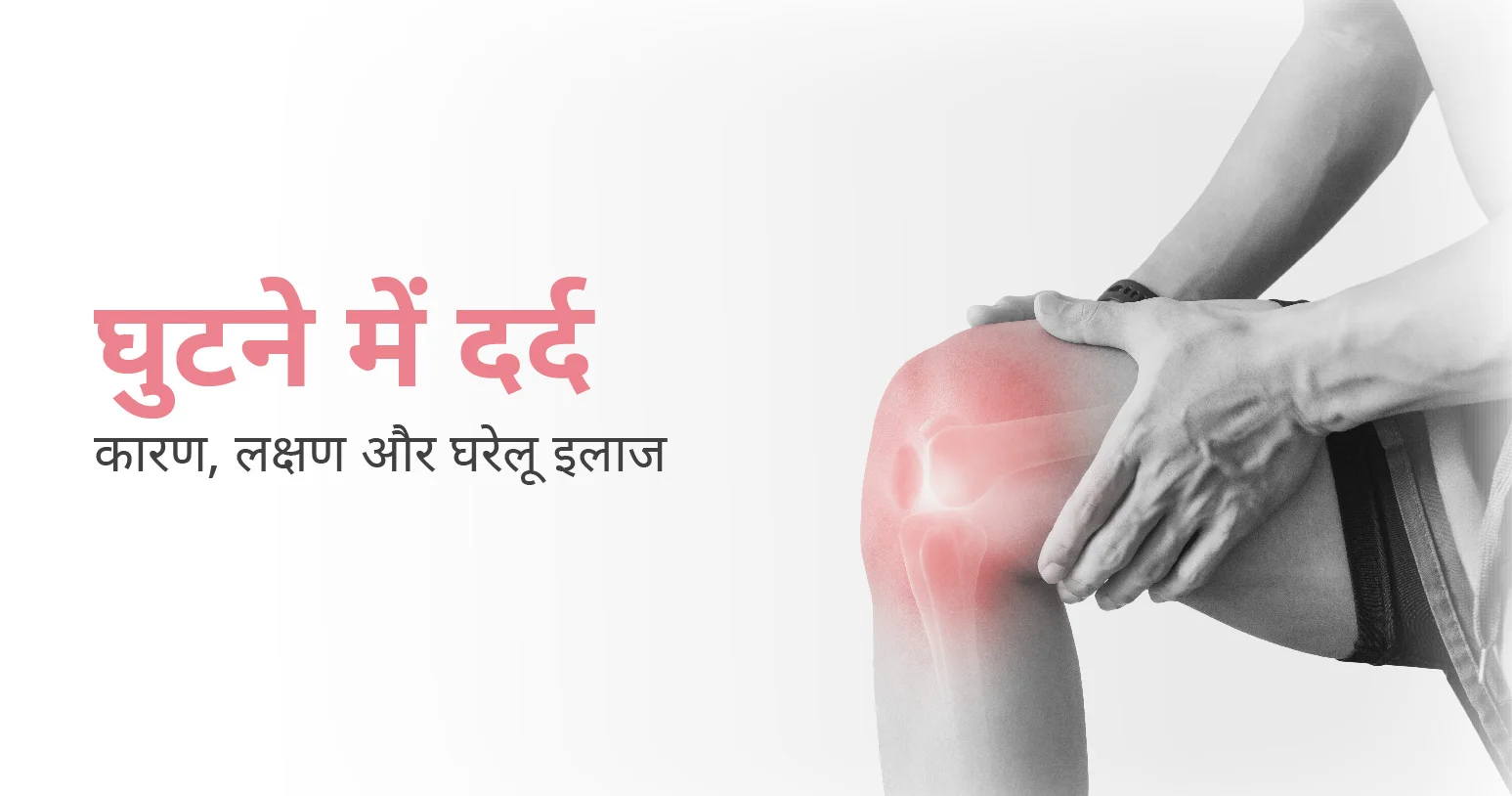
घुटने में दर्द की शिकायत घुटने में चोट लगने या दूसरी बीमारियों के कारण पैदा होती है। घुटना में दर्द दैनिक जीवन में मुश्किलें बढ़ा सकता है। घुटना में दर्द के अनेक कारण और लक्षण हो सकते हैं। इसके कारण और लक्षणों के आधार डॉक्टर उपचार का विकल्प चुनते हैं।
घुटना शरीर के अहम् जोड़ों में से एक है जो उठने, बैठने, चलने या दैनिक जीवन के दूसरे अनेक कामों को बिना किसी परेशानी का सामना किए आसानी से पूरा करने में मदद करता है। जीवन की गुणवत्ता यानी क्वालिटी में स्वस्थ घुटने की खास भूमिका होती है।
इस ब्लॉग में हम घुटना दर्द के कारण, लक्षण और उसके घरेलू उपचार के बारे में विस्तार से जानने की कोशिश करेंगे।
Table of Contents
अक्सर दौड़ते, खेलते, यात्रा करते, सीढ़ियां चढ़ते या दैनिक जीवन के कामों को करते समय घुटने में चोट लग जाती है जिसके कारण घुटने में दर्द होता है। चोट के कारण घुटने में दर्द होना कोई गंभीर समस्या नहीं है, क्योंकि इसका उपचर घरेलू नुस्खों, ओवर-द-काउंटर-दवाओं से किया जा सकता है। परेशानी तब बढ़ जाती है जब घुटने में दर्द का कारण बर्साइटिस, गाउट, टेंडनाइटीस या आर्थराइटिस जैसी कोई गंभीर बीमारी होती है।
ऐसी स्थिति में घरेलू उपायों से कोई फायदा नहीं होता है। इस स्थिति में घुटने दर्द का इलाज करने के लिए डॉक्टर दवाओं, तेल या सर्जरी का उपयोग करते हैं।
ये भी पढ़े: सिर में भारीपन के कारण और घरेलु इलाज
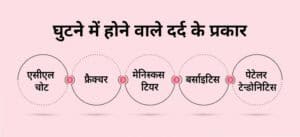
घुटने में दर्द का कारण अनेको सामान्य और गंभीर स्थितियां और बीमारियां हो सकती हैं। घुटने में दर्द के निम्न कारण हो सकते हैं:-
ये भी पढ़े: कमर दर्द क्यों होता है — कारण और घरेलू इलाज (Back Pain in Hindi)
घुटनों में दर्द का सबसे बड़ा लक्षण खुद दर्द है। दर्द के साथ आप दूसरे भी लक्षणों को अनुभव कर सकते हैं। घुटने में दर्द के अन्य लक्षणों में निम्न शामिल हो सकते हैं:-
इन सबके अलावा, दर्द से प्रभावित हिस्से में लालिमा छाना और उसे छूने पर हल्का गर्म महसूस होना आदि।
कुछ सुझावों का पालन कर घुटने की बेहतर देखभाल की जा सकती है और घुटने के दर्द से बचा जा सकता है।
घुटने के दर्द को दूर रखने के लिए आप निम्न बातों को फॉलो कर सकते हैं:-
इन सबके साथ ही, खेल कूद के दौरान इस बात का ध्यान रखें की घुटनों में चोट न आए। दौड़ते या खेलते समय नी कैप का इस्तेमाल कर सकते हैं। यह चोट की तीव्रता को कम करता है और घुटनों में गंभीर चोट आने से बचाता है।
कुछ खास घरेलू नुस्खों से घुटने में दर्द का उपचार किया जा सकता है। अगर घुटने में दर्द का कारण हल्की-फुल्की चोट या कोई सामान्य समस्या है तो उसका उपचार करने के लिए नीचे दिए घरेलू नुस्खों का इस्तेमाल किया जा सकता है।
ये भी पढ़े: कान दर्द के लक्षण, कारण और घरेलू इलाज
साथ ही, विटामिन सी और विटामिन डी से भरपूर खाद्य पदार्थों को अपनी डाइट में शामिल करना।
जब घरेलू नुस्खों से घुटने के दर्द का उपचार नहीं होता है तो या घुटने में दर्द का कारण कोई गंभीर बीमारी होती है तो इस स्थिति में डॉक्टर उपचार के लिए निम्न माध्यमों का चुनाव करते हैं:-
घुटनों के दर्द से राहत दिलाने में व्यायाम एक अहम भूमिका निभा सकते हैं, लेकिन ध्यान रहे कि बिना डॉक्टर से परामर्श किए आपको ये एक्सरसाइज नहीं करने की सलाह दी जाती है।
घुटने में दर्द से छुटकारा पाने में निम्न व्यायाम कारगर साबित हो सकते हैं:-
व्यायाम के साथ-साथ कुछ खास योग भी घुटनों के दर्द को कम करने में मददगार साबित हो सकते हैं जिसमें मुख्य रूप से निम्न शामिल हैं:-
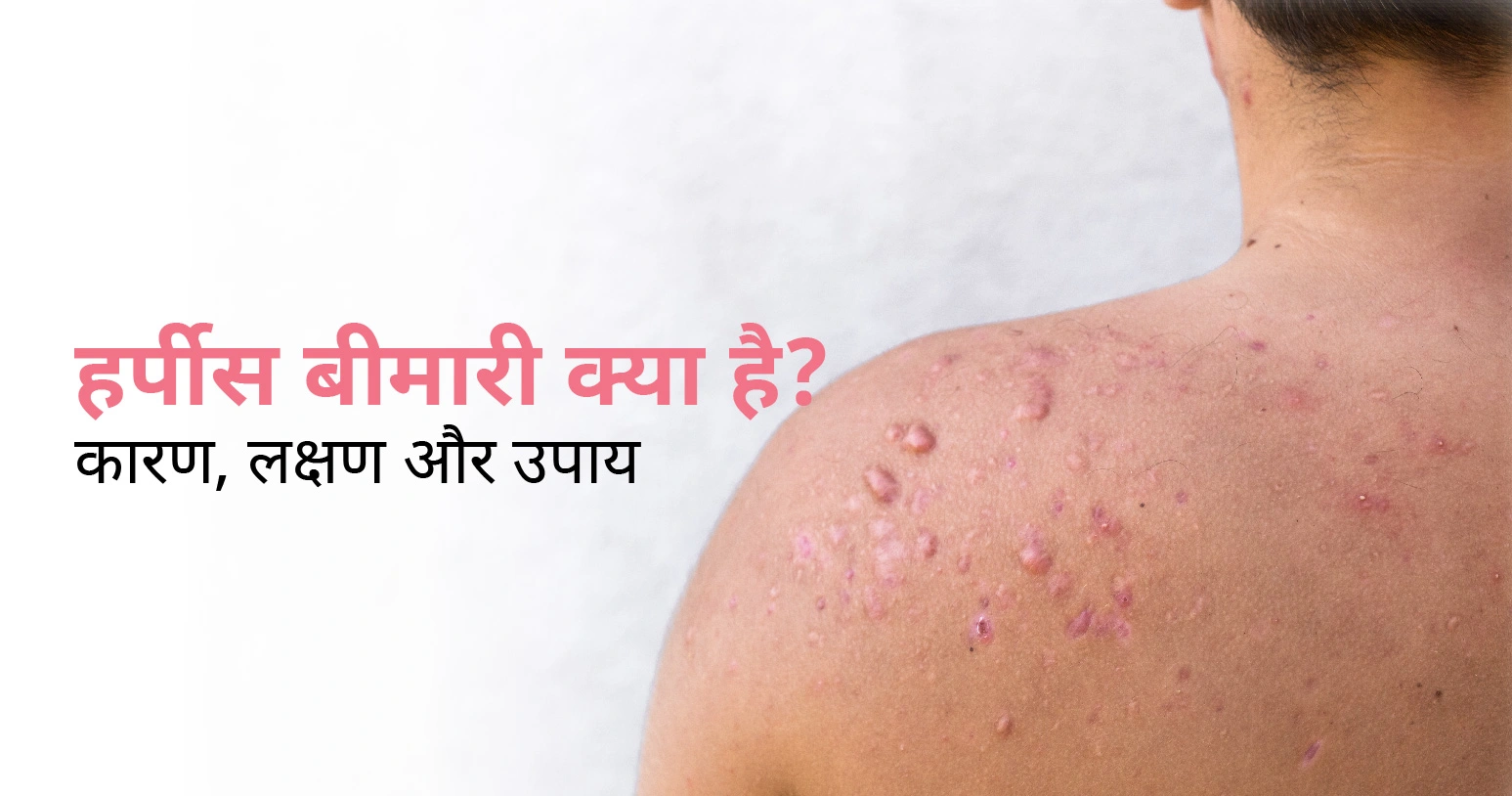
हर्पीस एक आम वायरल संक्रमण है, जो हर्पीस सिम्प्लेक्स वायरस (HSV) के कारण होता है। इस वायरस के दो मुख्य प्रकार होते हैं – हर्पीस सिम्प्लेक्स वायरस टाइप 1 (HSV-1) और हर्पीस सिम्प्लेक्स वायरस टाइप 2 (HSV-2)। दोनों प्रकार जननांग हर्पीस का कारण बन सकते हैं, जबकि एचएसवी-1 आमतौर पर मौखिक हर्पीस से जुड़ा होता है, जो मुंह के आसपास ठंडे छाले या बुखार के फफोले के रूप में दिखाई देता है।
आमतौर पर हर्पीस जानलेवा नहीं होता, लेकिन यह असुविधा, दर्द और बार-बार संक्रमण की समस्या पैदा कर सकता है। कुछ मामलों में, यदि इसका इलाज न किया जाए या प्रतिरक्षा प्रणाली कमजोर हो, तो यह गंभीर जटिलताओं का कारण बन सकता है।
ये भी पढ़े: धूप में अपनी त्वचा को बचाने के लिए अपनायें ये घरेलू उपाय
Table of Contents
दाद मुख्य रूप से वायरल शेडिंग की अवधि के दौरान किसी संक्रमित व्यक्ति की त्वचा या श्लेष्म झिल्ली के सीधे संपर्क के माध्यम से फैलता है। यह विभिन्न माध्यमों से हो सकता है:
ये भी पढ़े: रूखी त्वचा का कारण और घरेलू उपचार | Dry Skin in Hindi
हर्पीज संक्रमण गंभीरता, प्रकोप की आवृत्ति और लक्षणों के संदर्भ में व्यापक रूप से भिन्न हो सकता है। हर्पीज से संक्रमित कई व्यक्ति हल्के या कभी-कभार फैलने का अनुभव कर सकते हैं, जबकि अन्य में अधिक लगातार और गंभीर लक्षण हो सकते हैं। दाद के सामान्य लक्षण और लक्षणों में शामिल हैं:
कई मामलों में, दाद से संक्रमित व्यक्तियों को ध्यान देने योग्य लक्षणों का अनुभव नहीं हो सकता है, लेकिन फिर भी वे लक्षण रहित रूप से वायरस फैला सकते हैं।
ये भी पढ़े: चेहरे पर पिंपल्स हटाने के नुस्खे
हालांकि, दाद का कोई इलाज नहीं है, एंटीवायरल दवाएं लक्षणों को प्रबंधित करने, प्रकोप की आवृत्ति और गंभीरता को कम करने और दूसरों में संचरण के जोखिम को कम करने में मदद कर सकती हैं। दाद के उपचार के विकल्पों में शामिल हैं:
ये भी पढ़े: फटी हुई एड़ियों का घरेलु इलाज
हर्पीज, हर्पीज सिम्प्लेक्स वायरस के कारण होने वाला एक सामान्य वायरल संक्रमण है, जो यौन संपर्क, मौखिक संपर्क और त्वचा से त्वचा संपर्क सहित विभिन्न माध्यमों से फैल सकता है। दाद के लक्षणों में घाव, दर्द, खुजली, फ्लू जैसे लक्षण और स्पर्शोन्मुख बहाव शामिल हो सकते हैं। हालांकि, हर्पीस का कोई इलाज नहीं है, लेकिन एंटीवायरल दवाएं, सामयिक उपचार, दर्द प्रबंधन रणनीतियां, दमनात्मक चिकित्सा और निवारक उपाय लक्षणों को प्रबंधित करने, प्रकोप की आवृत्ति को कम करने और संचरण के जोखिम को कम करने में मदद कर सकते हैं।
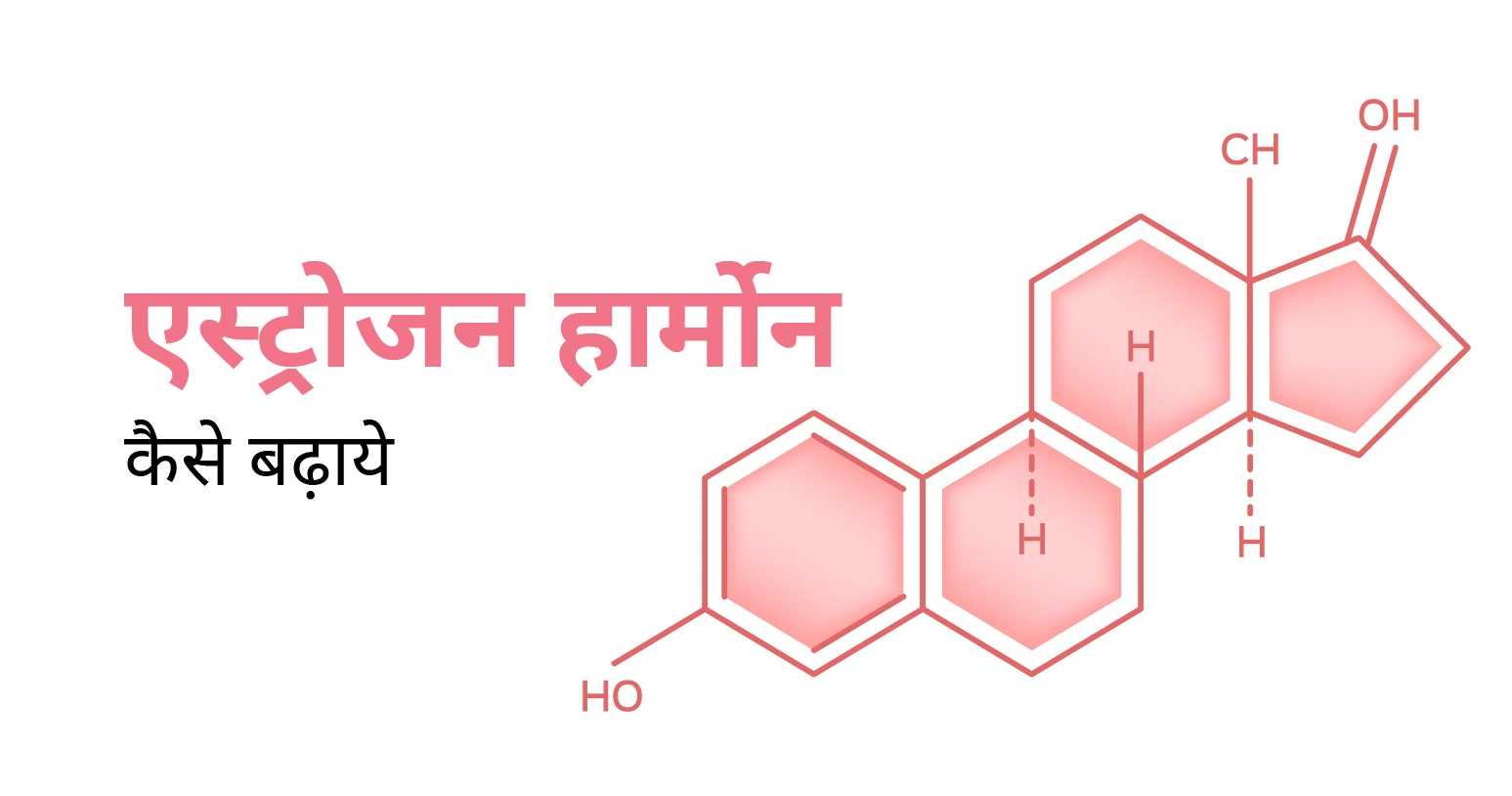
एस्ट्रोजन, महिलाओं में पाए जाने वाला हार्मोन है, जो मुख्य रूप से महिलाओं में प्रजनन और यौन विकास का कार्य करता है। आसान भाषा में इन्हें महिला सेक्स हार्मोन भी कहा जाता है। इस हार्मोन का निर्माण हर माह महिलाओं के अंडाशय द्वारा कोलेस्ट्रॉल से होता है। एस्ट्रोजन रक्त के माध्यम से सभी अंगों और ऊतकों तक पहुंचता है और लिवर में एंजाइमों द्वारा इसका चयापचय होता है।
Table of Contents
जैसा कि हमने आपको पहले ही बताया है कि एस्ट्रोजन महिलाओं में पाया जाने वाला महत्वपूर्ण हार्मोन है, जिसका कार्य महिला के शारीरिक और मानसिक स्वास्थ्य का ख्याल रखना है। एस्ट्रोजन का मुख्य कार्य महिलाओं के विकास, प्रजनन स्वास्थ्य, मासिक धर्म चक्र विनियमन, हड्डी के स्वास्थ्य, और हृदय संबंधी समस्याओं को दूर करना है।
यह भी पढ़े: बच्चेदानी में सूजन का इलाज
एस्ट्रोजन महिलाओं में मुख्य हार्मोन है, जो उनके शारीरिक और मानसिक स्वास्थ्य को प्रभावित करता है। यह महिलाओं के गर्भाशय, स्तन, और अन्य शारीरिक अंगों के विकास और देखभाल में अहम भूमिका निभाता है। एस्ट्रोजन के कई प्रकार होते हैं जैसे –
यह एक प्रकार का एस्ट्रोजन है, जो प्राकृतिक रूप से शरीर में उत्पन्न होता है। यह मुख्य रूप से फैट सेल्स द्वारा उत्पन्न होता है और महिलाओं के बाद में उत्पन्न तक बढ़ता है।
यह एक और प्रकार का एस्ट्रोजन है जो युवा महिलाओं में पाया जाता है। यह गर्भाशय के विकास और मासिक धर्म को नियमित करने में मदद करता है।
यह एक और प्रमुख एस्ट्रोजन है, जो बाल्यावस्था के दौरान उत्पन्न होता है। यह महिलाओं के शारीरिक विकास में अहम भूमिका अदा करते हैं।
एस्ट्रोजन मुख्य रूप से महिलाओं में पाए जाने वाला हार्मोन है, लेकिन यह पुरुषों में भी मौजूद होता है। पुरुषों का सेक्स हार्मोन टेस्टोस्टेरोन है जो उनके शारीरिक विकास, और स्वाभाविक हार्मोनल संतुलन के लिए महत्वपूर्ण कार्य करता है। हालांकि पुरुषों में भी एस्ट्रोजन होता है और यदि उनका स्तर अनियंत्रित हो जाए तो व्यक्ति को निम्नलिखित समस्याओं का सामना करना पड़ सकता है –
एस्ट्रोजन के स्तर में संतुलन की कमी के कारण कई स्वास्थ्य समस्याएं उत्पन्न हो सकती हैं। इस प्रकार के असंतुलन के कुछ सामान्य लक्षण इस प्रकार हैं –
इनमें से कुछ लक्षण मेनोपॉज की तरफ संकेत देते हैं, इसलिए लक्षण महसूस होने पर तुरंत हमारे महिला स्त्री रोग विशेषज्ञ से परामर्श लें। एस्ट्रोजन असंतुलन के कारण अन्य स्वास्थ्य समस्याएं उत्पन्न हो सकती हैं जैसे ऑस्टियोपोरोसिस, हृदय रोग, और मानसिक स्वास्थ्य समस्याएं, इसलिए समय पर इसका प्रबंधन बहुत ज्यादा आवश्यक होता है।
ये भी पढ़े: गर्भावस्था में उल्टी की समस्या के लिए कारगर घरेलू उपाय
हार्मोन रिप्लेसमेंट थेरेपी में महिलाओं के उन हार्मोन को रिप्लेस किया जाता है, जिसका निर्माण मेनोपॉज के दौरान बंद हो जाता है। इस थेरेपी का प्रयोग अक्सर डॉक्टर तभी करते हैं, जब रजोनिवृत्ति या फिर मेनोपॉज के लक्षण दिखने लगते हैं।
इस थेरेपी के कई लाभ हैं जैसे लो एस्ट्रोजन लेवल के कारण महिलाओं की हड्डियों को नुकसान होता है। इस थेरेपी की मदद से स्थिति में काफी हद तक सुधार हो सकता है।
हालांकि, हार्मोन थेरेपी के कुछ जोखिम और जटिलताएं भी होती हैं, इसलिए डॉक्टर के साथ अच्छे से परामर्श लें, इलाज के सभी पहलुओं को समझें और जानें कि इस थेरेपी का आपके शरीर पर क्या प्रभाव पड़ने वाले हैं। इसके अतिरिक्त थेरेपी के साथ-साथ समय समय पर चिकित्सा परामर्श भी बहुत ज्यादा अनिवार्य होता है।
एस्ट्रोजन को बढ़ाने के लिए कुछ प्राकृतिक स्रोत हैं, जिन्हें अपने आहार में जोड़ने से बहुत मदद मिलेगी। निम्नलिखित खाद्य पदार्थ के सेवन से एस्ट्रोजन के स्तर को प्राकृतिक रूप से बढ़ाने में मदद मिलेगी –
सोए उत्पाद को एस्ट्रोजन का एक अच्छा स्रोत माना जाता है। इसके साथ-साथ इसमें विटामिन ई, फाइटोएस्ट्रोजेन, और आइसोफ्लेवोंस होते हैं, जो शरीर में एस्ट्रोजन के स्तर को बढ़ाते हैं। सोया उत्पादों में टोफू, सोया मिल्क, सोया दूध, और सोया बीन्स शामिल हैं।
ब्रोकोली एस्ट्रोजन का एक और प्राकृतिक स्रोत है, जो एस्ट्रोजन की आपूर्ति में मदद करता है। इसकी सहायता से एस्ट्रोजन के स्तर को संतुलित करने में मदद करता है।
बैंगन भी एक अच्छा स्रोत है, जिससे शरीर को एस्ट्रोजन की आपूर्ति में मदद मिलती है। इसमें फाइटोएस्ट्रोजेन होता है, जो एस्ट्रोजन के स्तर को बढ़ा सकता है।
गोभी भी एस्ट्रोजन की मात्रा बढ़ाने के लिए एक प्राकृतिक स्रोत है। इसमें सल्फोराफेन होता है, जो एस्ट्रोजन के स्तर को संतुलित करने में मदद करता है।
एस्ट्रोजन का मानसिक स्वास्थ्य पर भी प्रभाव बहुत गहरा होता है। इसके कारण महिलाओं में कुछ मानसिक समस्याएं उत्पन्न होती हैं जैसे –
यह सारी समस्याएं एक व्यक्ति को किसी एक कार्य पर फोकस करने में परेशानी होती है। इसलिए एस्ट्रोजन के स्तर को संतुलित रखना मानसिक स्वास्थ्य के लिए बहुत ज्यादा महत्वपूर्ण है।
हाल फिलहाल में कई रिसर्च हुए हैं, जो बताते हैं कि एस्ट्रोजन का संतुलित होना हमारे शरीर के लिए कितना महत्वपूर्ण है जैसे –
संक्षेप में कहा जाए तो एस्ट्रोजेन के संतुलित स्तर को बनाए रखना स्वास्थ्य के लिए महत्वपूर्ण है। विशेष रूप से यह महिलाओं के लिए बहुत ज्यादा आवश्यक है। एस्ट्रोजन शरीर के विभिन्न कार्यों में महत्वपूर्ण भूमिका निभाता है, जैसे प्रजनन स्वास्थ्य, हड्डी, हृदय, और मानसिक स्वास्थ्य। आपको व्यक्तिगत मार्गदर्शन के लिए एक अच्छे डॉक्टर से परामर्श करना चाहिए।
कम एस्ट्रोजन स्तर से शरीर में अधिक गर्मी, मूड स्विंग, योनि का सूखापन, और ऑस्टियोपोरोसिस की समस्या का सामना करना पड़ सकता है।
हां, अधिक एस्ट्रोजन स्तर से स्तन कैंसर और रक्त के थक्के जैसी कुछ स्वास्थ्य समस्याएं बढ़ सकती हैं।
स्वस्थ जीवन शैली जैसे नियमित व्यायाम, संतुलित आहार, और तनाव प्रबंधन से एस्ट्रोजन के स्तर को संतुलित करने में मदद मिल सकती है।
Table of Contents
ये भी पढ़े: हड्डी का कैंसर: प्रकार, कारण, लक्षण और उपचार
कितना भी खाए मोटा नहीं होता हूं! बहुत ट्राई किया, लेकिन वजन नहीं बढ़ रहा है! क्या आप भी इन वाक्यों से वाकिफ हैं? यदि हां, तो आज हम इस ब्लॉग में वजन बढ़ाने के बारे में बात करने वाले हैं। जिस तरह हमारा मोटापा हमारे स्वास्थ्य के लिए एक खतरनाक कारक बन गया है, उसी प्रकार कम वजन भी हमारे जीवन में कई समस्याओं का मुख्य कारण बनता जा रहा है।
कई बार ऐसा होता है कि लोग प्रमुख रूप से कम वजन के कारण एक मजाक का पात्र बन जाते हैं। लेकिन अभ आपको घबराने की आवश्यकता नहीं है। इस ब्लॉग में वह सारी जानकारी आपको मिल जाएगी, जिससे आपका वजन प्राकृतिक रूप से बढ़ने लग जाएगा।
कम वजन कई स्वास्थ्य समस्याओं का संकेत देता है, जैसे कमजोर प्रतिरक्षा प्रणाली, थकान, और कुपोषण। यदि व्यक्ति स्वस्थ वजन बनाए रखने में सफल होता हैं, तो इससे व्यक्ति के शरीर में ऊर्जा के स्तर में भी वृद्धि होती है और मांसपेशियों की ताकत में भी सुधार होता है। इसके कारण समग्र स्वास्थ्य में भी लाभ देखने को मिलता है। चलिए सबसे पहले वजन बढ़ाने से संबंधित मूल बातों के बारे में जानते हैं।
वजन बढ़ाने की युक्तियों को जानने से पहले आपको कुछ बातों को ज़रूर जान लेना चाहिए। यह सारी मूल बातें वजन बढ़ाने की नींव है, जो आपकी मदद कर सकते हैं। निम्नलिखित बातों का विशेष ध्यान रखने की आवश्यकता होती है –
स्वस्थ वजन बनाए रखना बहुत ज्यादा आवश्यक है क्योंकि –
कुछ भी खाने से स्वस्थ वजन नहीं बढ़ता है। यह सत्य है कि बाहर का खाने-पीने से वजन बढ़ता है, लेकिन वह अस्वस्थ वजन होता है, जो कई सारी बीमारियों के साथ आता है। वजन बढ़ाने के लिए तीन मुख्य बातों पर ध्यान देना चाहिए – कैलोरी अधिशेष, मैक्रोन्यूट्रिएंट्स, और सूक्ष्म पोषक तत्वों का सेवन। चलिए तीनों को एक-एक करके समझते हैं।
वजन कम करने के लिए कम कैलोरी का सेवन करना चाहिए, उसी प्रकार वजन को बढ़ाने के लिए कैलोरी के सेवन को बढ़ाने की आवश्यकता होती है। कैलोरी का मुख्य कार्य शरीर में ऊर्जा और ऊतकों का निर्माण करना है, जिससे शरीर को आवश्यक ईंधन भी मिलता है। एक बात का और खास ख्याल रखना होगा कि कैलोरी के लिए अस्वस्थ आहार से आपको दूरी बनानी चाहिए।
मैक्रोन्यूट्रिएंट्स वजन बढ़ाने में बहुत अहम भूमिका निभाते हैं। इसमें कार्ब्स, प्रोटीन और स्वस्थ वसा शामिल होते हैं जिससे शारीरिक कार्यों को करने के लिए पर्याप्त ऊर्जा मिलती है। औसतन एक व्यक्ति को अपने दैनिक कार्यों को करने के लिए 45-65% कार्ब्स, 10-35% प्रोटीन और 20-35% वसा की आवश्यकता होती है। चलिए इन पोषक तत्वों के कार्य को समझते हैं –
कई रिसर्च में पता चला है कि विटामिन डी का मुख्य कार्य वजन नियंत्रण और समग्र स्वास्थ्य में सुधार करना है। यदि व्यक्ति सही मात्रा में विटामिन का सेवन करता है तो शरीर कैल्शियम को अवशोषित करने में सक्षम होता है। इससे हड्डियों का वजन बढ़ता है, खासकर दुबला पतले लोगों के लिए यह बहुत लाभकारी साबित हो सकता है।
खाने का सही विकल्प आपको वजन बढ़ाने की यात्रा पर बड़ा प्रभाव डालते हैं। यदि आपको इस प्रश्न का उत्तर मिल जाता है कि क्या खाना चाहिए और क्या नहीं, तो आपको वजन बढ़ाने का राज मिल जाएगा। चलिए समझते हैं कि किस प्रकार के भोजन का सेवन करने से आपको लाभ होगा।
निम्नलिखित खाद्य पदार्थों के सेवन से आपको वजन बढ़ाने के लिए सभी पोषक तत्व मिल जाते हैं –
भोजन करने का तरीका भी इसमें एक अहम भूमिका निभाता है। सबसे पहले तो आपको यह समझना होगा कि हमेशा स्वस्थ आहार का ही सेवन करें। पूरे दिन के दौरान भोजन के संबंध में निम्नलिखित निर्देशों का पालन करना चाहिए –
स्वस्थ स्नैक्स के बारे में हमने आपको बताया था। चलिए जानते हैं कि किस प्रकार के स्वस्थ स्नैक्स का आप सेवन कर सकते हैं –
कई बार लोगों के मन में प्रश्न उठते हैं कि क्या व्यायाम से वजन बढ़ सकता है? किस प्रकार के व्यायाम से वजन बढ़ता है? व्यायाम का क्या महत्व है? चलिए इन सब सवालों के उत्तर जानते हैं।
मांसपेशियां वसा के मुकाबले अधिक कैलोरी को जलाती है। मांसपेशियों का निर्माण करने से शरीर का मेटाबॉलिज्म दुरुस्त होता है, जिससे वजन बढ़ाने में बहुत मदद मिलती है। वेट ट्रेनिंग जैसे डम्बल, स्क्वाट्स और पुश-अप्स, मांसपेशियों का निर्माण करते है जिससे शरीर का मेटाबॉलिज्म फिर से दुरुस्त हो जाता है। प्रयास करें कि यह सारे व्यायाम एक ट्रेनर के साथ ही करें। धीरे-धीरे अपने व्यायाम की तीव्रता को बढ़ाएं।
हम सभी जानते हैं कि कार्डियो हृदय स्वास्थ्य के लिए सबसे अच्छा विकल्प माना जाता है। इसके साथ-साथ यह कैलोरी को बर्न करने में भी बहुत मदद करता है। लेकिन एक बात का ध्यान रखें कि बहुत अधिक कार्डियो भी वजन बढ़ाने की जगह वजन कम न करा दे। यही कारण है कि हमेशा वेट ट्रेनिंग और कार्डियो का संतुलन बना रहना चाहिए।
व्यायाम के बाद हमारे मांसपेशियों में दर्द होता है। इससे बचने का एक ही रास्ता होता है और वह है आराम। व्यायाम के बाद व्यक्ति जिनता आराम करता है, वह उतनी ही जल्दी रिकवरी भी करता है। इसके अतिरिक्त व्यायाम के बाद पर्याप्त नींद और हा्रड्रेशन स्थिति के सुधार में लाभकारी साबित हो सकता है। तनाव को कम करने से आपको बहुत मदद मिलेगी।
जैसा कि हमने आपको पहले भी बताया है कि वजन बढ़ाने के लिए आपको अपनी कैलोरी की मात्रा को बढ़ाने की आवश्यकता होती है। कुछ पूरक या फिर सप्लीमेंट बाजार में उपलब्ध हैं जो आपको वजन बढ़ाने में मदद कर सकते हैं। हालांकि हम इन सप्लीमेंट के प्रयोग की सहयोग नहीं करते हैं।
हालांकि सप्लीमेंट से आसानी से वजन बढ़ाया जा सकता है, लेकिन इसके कारण कुछ अन्य समस्याएं आपको परेशान कर सकती हैं। मुख्यतः बाजार में दो प्रकार के पूरक उपलब्ध है जिनका आप सहयोग ले सकते हैं –
वजन बढ़ाने की कोशिश में लोगों को कई चुनौतियों का सामना करना पड़ता है। चलिए सभी को एक-एक करके समझते हैं –
वजन बढ़ाने के दौरान कई बार ऐसा होता है कि वह हाई मेटाबॉलिज्म का सामना करते हैं। जब मेटाबॉलिज्म अधिक होता है तो वजन बढ़ाने में लोगों को अधिक दिक्कतों का सामना करना पड़ता है। हाई मेटाबॉलिज्म को कम करने के लिए आप निम्नलिखित निर्देशों का पालन कर सकते हैं –
कई बार ऐसा होता है कि वजन बढ़ाने की यात्रा के दौरान लोगों को भूख नहीं लगती है। यह कोई भीषण समस्या नहीं है। इससे बचने के लिए आप निर्देशों का पालन कर सकते हैं –
यदि वजन बढ़ाने में समय लगता है, तो आपको घबराने की आवश्यकता नहीं है। यही कारण है कि आपको निरंतरता और धैर्य रखने की आवश्यकता है। इस दौरान आप कुछ निर्देशों का पालन कर सकते हैं जैसे –
वजन बढ़ाने की यात्रा में स्वस्थ भोजन और व्यायाम के साथ-साथ जीवनशैली कारक भी एक महत्वपूर्ण कारक साबित होता है। चलिए कुछ जीवनशैली कारकों के बारे में बात करते हैं, जो आपके वजन बढ़ाने की यात्रा में बाधा उत्पन्न हो सकती है।
यदि आप पर्याप्त नींद नहीं ले पाते हैं, तो शरीर ‘घ्रेलिन’ नामक हार्मोन का अधिक निर्माण करता है, जिसके कारण वजन को बढ़ाने में बाधा उत्पन्न होती है। घ्रेलिन के उत्पादन के कारण अधिक भूख लगने लगती है। वहीं इसके साथ ‘लेप्टिन’ नामक हार्मोन का उत्पादन कम होता है, जिसके कारण पेट हमेशा भरा हुआ महसूस करता है। इन सबके कारण व्यक्ति खाना नहीं खाता है, जिससे इसे पोष्टक आहार नहीं मिलता है और उसका वजन भी नहीं बढ़ता है।
अधिक तनाव के कारण शरीर में कोर्टिसोल (Cortisol) नामक हार्मोन का स्तर बढ़ाता है। शरीर में जब कोर्टिसोल का स्तर बढ़ जाता है, जिसके कारण शरीर में वसा जमा होने लगता है। तनाव को कम करने के लिए आप योग, ध्यान, और व्यायाम का सहारा ले सकते हैं। तनाव कम करने से वजन बढ़ाने में सहायता मिलती है। जब आप मन से खुश रहेंगे तो आपका शरीर भी खुश रहेगा, जिसकी सहायता से वजन बढ़ सकता है।
वजन बढ़ाने की यात्रा चुनौतीपूर्ण हो सकती है, लेकिन आपको यह समझना होगा कि उचित रणनीति और दृढ़ संकल्प आपको वजन बढ़ाने में मदद कर सकते हैं। वजन बढ़ाने का मतलब केवल भोजन करना नहीं है। खाने के साथ स्वस्थ जीवन शैली अपनाना और स्वयं को हाइड्रेट रखना है। हमेशा याद रखें कि आपको स्वस्थ वजन बढ़ाना है। आप प्रयास करें और आप सफल रहेंगे।
अपने दैनिक आहार में कैलोरी के सेवन को बढ़ाने से आपको लाभ होगा। इसके अतिरिक्त प्रोटीन, स्वस्थ वसा और कार्ब्स से भरपूर आहार लें।
हां, व्यायाम मांसपेशियों के निर्माण में मदद करता है, जो वजन बढ़ाने में सहायक करता है। मांसपेशियों का निर्माण शरीर में मेटाबॉलिज्म को बढ़ाता है, जो बहुत लाभकारी साबित हो सकती है।
वजन बढ़ाने के लिए औसतन 7-8 घंटे की नींद जरूरी है। नींद से शरीर में कई बदलाव होते हैं। इससे मांसपेशियों का निर्माण अच्छे से होता है और भूख को नियंत्रित करने में मदद कर सकता है।
तनाव से कोर्टिसोल हार्मोन बढ़ता है, जो वजन बढ़ाने में बाधा डालता है। तनाव प्रबंधन जरूरी है। इसके लिए आप योग, मेडिटेशन और अन्य हेपिनेस प्रोग्राम को अपनाएं।
वजन बढ़ाने में सबसे आवश्यक है धैर्य। स्वस्थ तरीके से वजन बढ़ाने में समय लगता है और प्रयास करें कि प्राकृतिक चीजों को ही अपनाएं।
तेजी से वजन कम करने के लिए एक समग्र और सूचित दृष्टिकोण की आवश्यकता होती है। इस ब्लॉग में हम प्रभावी रूप से वजन कम करने के लिए विभिन्न तरीकों पर चर्चा करने की कोशिश करेंगे, जिसमें घरेलू उपचार, आहार संबंधी सुझाव और चिकित्सा उपचार शामिल हैं। एक स्वस्थ जीवनशैली हासिल करना एक व्यक्तिगत प्रयास है। वजन कम करने के लिए इसके अनेक पहलुओं की गहरी समझ होना आवश्यक है।
Table of Contents
वजन कम करने के लिए सबसे सरल और सबसे प्रभावशाली घरेलू उपचारों में से एक जलयोजन स्तर बनाए रखना है। केवल जलयोजन में अपनी भूमिका से परे, पानी चयापचय, एपेटाइट सप्रेशन (भूख दबाना) और डिटॉक्सिफिकेशन प्रोसेस के लिए एक गतिशील उत्प्रेरक है। यह सुनिश्चित करने के लिए कि आपका शरीर बेहतर ढंग से काम कर रहा है और आपके वजन घटाने के लक्ष्यों का समर्थन करता है, प्रति दिन कम से कम आठ गिलास पानी का सेवन करने का प्रयास करें। साथ ही, निम्न को अपनी जीवन में अपनाएं:
ग्रीन टी को अपनी दिनचर्या में शामिल करना आपकी वजन घटाने की यात्रा के लिए एक गेम-चेंजर साबित हो सकता है। यह अपने एंटीऑक्सीडेंट्स और कैटेचिन्स की प्रचुर मात्रा के लिए जानी जाती है, जो मेटाबॉलिज़्म को बढ़ाने और फैट बर्निंग प्रक्रिया को प्रोत्साहित करने में मदद करती हैं। अपने वजन घटाने के परिणामों को अधिक प्रभावी बनाने के लिए प्रतिदिन 2-3 कप ग्रीन टी पीने का प्रयास करें।
यह अपने संभावित वजन घटाने के लाभों के लिए व्यापक रूप से जाना जाता है। सेब का सिरका रक्त शर्करा के स्तर को स्थिर करके और तृप्ति की भावना को बढ़ावा देकर वजन प्रबंधन में योगदान देता है। हालाँकि, सावधानी बरतने की सलाह दी जाती है और इसका उपयोग विवेकपूर्ण तरीके से करना आवश्यक है। इस मामले में अगर मन में कोई प्रश्न है तो किसी विशेषज्ञ से परामर्श करें और उनसे सलाह लें।
अपने दिन की शुरुआत नींबू मिले गर्म पानी के साथ करने से आपके चयापचय और पाचन प्रक्रियाओं के लिए सकारात्मक माहौल तैयार हो सकता है। नींबू में विटामिन सी की मात्रा शरीर के वसा बर्न करने वाले तंत्र में एक सहायक तत्व के रूप में कार्य करती है, जिससे यह आपकी दैनिक दिनचर्या के लिए एक ताज़ा और फायदेमंद अतिरिक्त बन जाता है।
ये भी पढ़े: भूख बढ़ाने के आसान घरेलू उपाय
इसके अलावा, पर्याप्त मात्रा में नींद लें। इसे अक्सर नजरअंदाज कर दिया जाता है, वजन घटाने के संदर्भ में गुणवत्तापूर्ण नींद के महत्व को नजरअंदाज नहीं किया जा सकता है। नींद की कमी हार्मोनल संतुलन को बाधित कर सकती है, जिससे भूख और लालसा में वृद्धि हो सकती है। अपने शरीर की पुनर्स्थापनात्मक प्रक्रियाओं को अनुकूलित करने और अपने वजन घटाने के लक्ष्यों का समर्थन करने के लिए रोजाना 7-9 घंटे का लक्ष्य रखें।
ये भी पढ़े: गैस की वजह से पेट फूलने के घरेलू उपचार क्या हैं
आपके दैनिक आहार में लीन प्रोटीन का एकीकरण प्रभावी वजन घटाने की रणनीति के लिए मौलिक है। चिकन, मछली, टोफू और फलियां जैसे स्रोतों से प्राप्त प्रोटीन न केवल आवश्यक अमीनो एसिड की आपूर्ति करते हैं, बल्कि मांसपेशियों के संरक्षण और परिपूर्णता की भावना को बनाए रखने में भी महत्वपूर्ण भूमिका निभाते हैं, जो अधिक खपत से बचने में सहायता करता है। इसके अलावा, निम्न को भी अपनी डाइट में शामिल करें:
फलें और सब्जियां आवश्यक पोषक तत्वों और फाइबर का बड़ा श्रोत हैं। यह न केवल समग्र स्वास्थ्य का समर्थन करता है बल्कि तृप्ति की भावना को बढ़ाकर वजन घटाने में भी महत्वपूर्ण योगदान देता है। उनकी पोषण संबंधी समृद्धि का लाभ उठाने के लिए अपने दैनिक भोजन में विभिन्न प्रकार के फलों और सब्जियों को शामिल करें।
वजन घटाने की दिशा में परिष्कृत अनाज के बजाय साबुत अनाज का चयन करना एक रणनीतिक कदम है। साबुत अनाज जैसे ब्राउन राइस, क्विनोआ और साबुत गेहूं उत्पाद न केवल अधिक व्यापक पोषक तत्व प्रदान करते हैं बल्कि निरंतर ऊर्जा और बेहतर पाचन भी प्रदान करते हैं।
पुरानी मान्यताओं के विपरीत, वसा संतुलित आहार का एक अभिन्न अंग है। एवोकाडो, नट्स और जैतून के तेल जैसे स्वस्थ वसा के स्रोतों को शामिल करने से आवश्यक पोषक तत्व मिलते हैं और लंबे समय तक तृप्ति की भावना में योगदान होता है, भाग नियंत्रण और समग्र वजन प्रबंधन में सहायता मिलती है।
ये भी पढ़े: चुकंदर के फायदे, पोषक तत्व और नुकसान
साथ ही, प्रभावी वजन घटाने का एक मूलभूत सिद्धांत भाग नियंत्रण का अभ्यास करना है। छोटी प्लेटों का उपयोग करें, सर्विंग्स को मापें, और अपने शरीर की भूख और परिपूर्णता के संकेतों के बारे में जागरूकता पैदा करें। ये आदतें भोजन के साथ स्वस्थ संबंध स्थापित करने और अधिक खाने से रोकने में मदद कर सकती हैं।
ये भी पढ़े: मोटापा और वजन घटाने के लिए कम्पलीट डाइट चार्ट
सफल रूप से वजन घटाने के लिए प्रसंस्कृत खाद्य पदार्थों का सेवन कम करना सर्वोपरि है। ये खाद्य पदार्थ अक्सर अतिरिक्त शर्करा, अनहेल्दी वसा और प्रिजर्वेटिव्स से भरे होते हैं, जो अतिरिक्त कैलोरी खपत में योगदान करते हैं और प्रगति में बाधा डालते हैं।
सोडा और फलों के रस सहित शर्करा युक्त पेय न केवल कैलोरी से भरपूर होते हैं, बल्कि उनमें आवश्यक पोषक तत्वों की भी कमी होती है। अपने आहार से इन पेय पदार्थों को कम करना या समाप्त करना स्वस्थ वजन प्राप्त करने और बनाए रखने की दिशा में एक महत्वपूर्ण कदम है।
आमतौर पर तले हुए और व्यावसायिक रूप से पके हुए उत्पादों में पाए जाने वाले ट्रांस वसा, हृदय स्वास्थ्य के लिए काफी खतरा पैदा करते हैं। वजन घटाने और समग्र कल्याण के लिए ट्रांस वसा वाले खाद्य पदार्थों से परहेज करना आवश्यक है।
ये भी पढ़े: चिया सीड्स के फायदे, नुकसान, और पोषक तत्त्व
कार्बोहाइड्रेट संतुलित आहार का एक आवश्यक घटक है, साबुत अनाज से जटिल कार्बोहाइड्रेट पर ध्यान केंद्रित करना महत्वपूर्ण है। सफेद ब्रेड और मीठे स्नैक्स जैसे परिष्कृत कार्बोहाइड्रेट का सेवन सीमित करने से वजन घटाने के प्रयासों और समग्र स्वास्थ्य में मदद मिलती है।
इसके अलावा, शराब के सेवन पर ध्यान दें। मध्यम मात्रा में शराब का सेवन स्वस्थ जीवन शैली में अपना स्थान बना सकता है, अत्यधिक सेवन अनावश्यक कैलोरी खपत और खराब आहार विकल्पों में योगदान कर सकता है। प्रभावी वजन प्रबंधन चाहने वालों के लिए संयम महत्वपूर्ण है।
ये भी पढ़े: संतुलित आहार (7-दिन का संतुलित आहार चार्ट) (Balanced Diet in Hindi)
घरेलू उपचार के साथ-साथ आप डॉक्टर से परामर्श करने के बाद चिकित्सा उपचार की मदद भी ले सकते हैं अपने वजन को कम करने के लिए। वजन कम करने के लिए मुख्य रूप से निम्न का उपयोग किया जाता है:
मोटापे या वजन से संबंधित स्वास्थ्य संबंधी चिंताओं से जूझ रहे लोगों के लिए, चिकित्सकीय दवाएं एक व्यवहार्य समाधान प्रदान कर सकती हैं। हालाँकि, ऐसी दवाओं की उपयुक्तता निर्धारित करने और संभावित दुष्प्रभावों की बारीकी से निगरानी करने के लिए विशेषज्ञ डॉक्टर से परामर्श करना महत्वपूर्ण है।
गंभीर मोटापे से ग्रस्त लोगों के लिए बेरिएट्रिक सर्जरी पर विचार किया जाता है जब वजन घटाने के अन्य तरीके अप्रभावी साबित होते हैं। गैस्ट्रिक बाईपास और गैस्ट्रिक स्लीव जैसी प्रक्रियाएं पेट के आकार को काफी कम कर देती हैं, जिससे वजन घटाने में मदद मिलती है और समग्र स्वास्थ्य में सुधार होता है।
ये भी पढ़े: क्या रोज़ अंजीर खाना सेहत के लिए अच्छा है? जानिए इसके फायदे, नुकसान और खाने का सही समय
विशेषज्ञ डॉक्टर की देखरेख में किए गए व्यापक वजन घटाने के कार्यक्रम वजन प्रबंधन के लिए एक संरचित दृष्टिकोण प्रदान कर सकते हैं। इन कार्यक्रमों में वजन घटाने की बहुमुखी प्रकृति को संबोधित करने के लिए व्यक्तिगत आहार योजना, व्यायाम आहार और परामर्श शामिल हो सकते हैं।
हार्मोनल असंतुलन वजन बढ़ाने में योगदान दे सकता है, और इन असंतुलन को दूर करने और वजन घटाने के प्रयासों का समर्थन करने के लिए एक विशेषज्ञ डॉक्टर के मार्गदर्शन में हार्मोन थेरेपी की सिफारिश की जा सकती है।
इन सबके अलावा, वजन घटाने के भावनात्मक और मनोवैज्ञानिक पहलू महत्वपूर्ण हैं। व्यवहार थेरेपी, जिसमें परामर्श और सहायता समूह शामिल हैं, व्यक्तियों को स्वस्थ आदतें विकसित करने, तनाव से निपटने और वजन को प्रभावित करने वाले भावनात्मक कारकों को संबोधित करने में सहायता कर सकती हैं।
ये भी पढ़े: क्या पेट की चर्बी बढ़ना ख़तरनाक है ? इसको कम करने के घरेलु उपाय
हालांकि, भोजन छोड़ने से अल्पकालिक वजन कम हो सकता है, लेकिन यह एक स्थायी या स्वस्थ दृष्टिकोण नहीं है। ऊर्जा के स्तर को बनाए रखने और दिन में बाद में अधिक खाने से बचने के लिए नियमित, संतुलित भोजन और नाश्ता आवश्यक है।
फैट बर्न करने वाली खुराक की प्रभावकारिता सीमित हो सकती है और इसे स्वस्थ आहार और नियमित व्यायाम का स्थान नहीं लेना चाहिए। किसी भी पूरक को अपनी दिनचर्या में शामिल करने से पहले किसी विशेषज्ञ से परामर्श करें।
प्रति सप्ताह कम से कम 150 मिनट की मध्यम-तीव्रता वाले व्यायाम का लक्ष्य रखें। शक्ति प्रशिक्षण के साथ हृदय व्यायाम का संयोजन समग्र स्वास्थ्य को बढ़ावा देने और वजन प्रबंधन में सहायता के लिए आदर्श है।
कभी-कभार कुछ करना सही है और यह वजन घटाने के लिए संतुलित दृष्टिकोण का हिस्सा हो सकता है। हालाँकि, समग्र स्वस्थ आहार और जीवनशैली के साथ व्यवहार में संयम और संतुलन ही वजन कम करने का मुख्य श्रोत हैं।
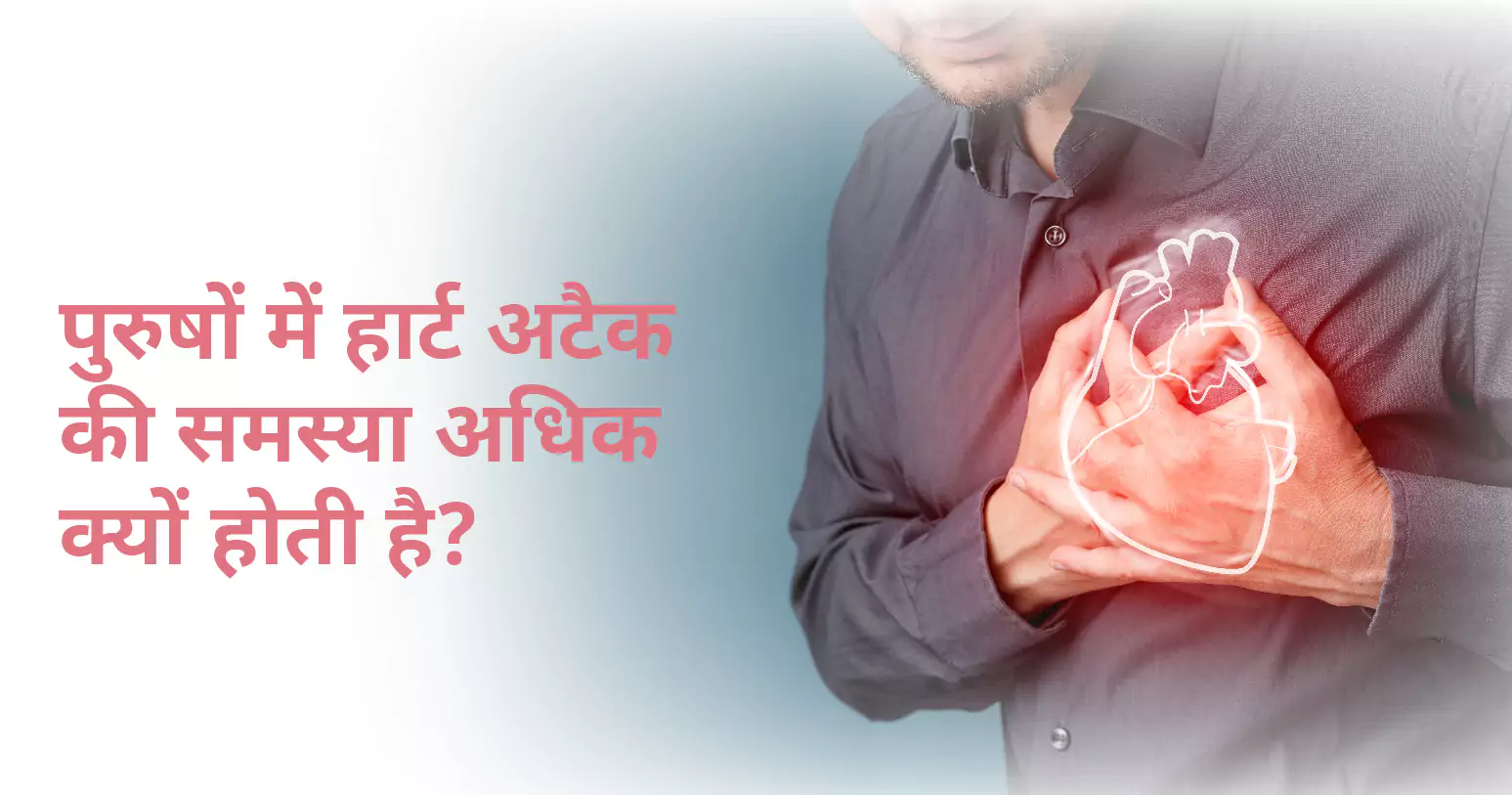
पुरुषों को हार्ट अटैक तब आता है जब हार्ट यानी हृदय के एक हिस्से में खून का प्रवाह बाधित होता है। इसके सामान्य लक्षणों में सीने में दर्द या बेचैनी, सांस लेने में तकलीफ, मतली और चक्कर आना शामिल हैं। पुरुषों को बांहों, गर्दन, जबड़े या पीठ में भी दर्द का अनुभव हो सकता है।
पुरुषों में हार्ट अटैक के जोखिम कारकों में धूम्रपान, उच्च रक्तचाप, उच्च कोलेस्ट्रॉल, मोटापा, व्यायाम की कमी और हृदय रोग का पारिवारिक इतिहास शामिल हैं। हार्ट फेल होने के खतरे को कम करने के लिए तत्काल मेडिकल सहायता महत्वपूर्ण है। इस ब्लॉग में हम पुरुषों में हार्ट अटैक के कारणों, लक्षणों और बचाव के बारे में जानेंगे।
यह भी पढ़े: बीपी (ब्लड प्रेशर) कम करने के 5 उपाय
Table of Contents
हार्ट अटैक का सबसे आम कारण कोरोनरी धमनियों में प्लाक का जमा होना है। प्लाक के कारण धमनी संकरी हो सकती है और यदि प्लाक फट जाए तो वहां खून का थक्का बनकर रक्त प्रवाह को बाधित कर सकता है।
पुरुषों में हार्ट अटैक के जोखिम को बढ़ाने वाले प्रमुख कारक हैं:
इनमें से कुछ जोखिम कारकों को जीवनशैली में बदलाव और डॉक्टर की सलाह से नियंत्रित किया जा सकता है।
पुरुषों में हार्ट अटैक विभिन्न कारणों से होता है:
धमनियों में फैट जमना: समय के साथ धमनियों में फैट जमा हो जाता है, जिससे हार्ट में रक्त का प्रवाह कम हो जाता है जो हार्ट अटैक का कारण बनता है।
खून का थक्का बनना: धमनियों में जमा फैट फटने पर थक्का बना जाता है जो हार्ट तक खून को जाने से रोकता है, जिससे हार्ट अटैक का खतरा होता है।
हाई ब्लड प्रेशर: लंबे समय तक हाई ब्लड प्रेशर की समस्या होने से धमनियों को नुकसान पहुंचाता है, जिससे उनमें खून का थक्का बनने और धमियों के सिकुड़ने की संभावना बढ़ जाती है।
हाई कोलेस्ट्रॉल: खून में अतिरिक्त कोलेस्ट्रॉल धमनियों में खून का थक्का बनने में योगदान कर सकता है, जिससे खून का प्रवाह बाधित होता है।
यह भी पढ़े: कोलेस्ट्रॉल कम करने का रामबाण इलाज
धूम्रपान: सिगरेट में मौजूद रसायन हृदय और रक्त वाहिकाओं (Blood Vessels) को नुकसान पहुंचाते हैं, जिससे थक्का बनने और हार्ट अटैक आने का खतरा बढ़ जाता है।
मोटापा: वजन अधिक होना यानी मोटापा के कारण हार्ट पर अतिरिक्त दबाव पड़ता है और उच्च रक्तचाप और मधुमेह जैसी स्थितियां पैदा हो सकती हैं।
मधुमेह: हाई ब्लड शुगर, रक्त वाहिकाओं को नुकसान पहुंचा सकता है और हृदय रोग का खतरा बढ़ सकता है।
तनाव: दीर्घकालिक तनाव से रक्तचाप और हृदय संबंधी अन्य समस्याएं बढ़ सकती हैं।
अनहेल्दी डाइट: सैचुरेटेड फैट, नमक और चीनी से भरपूर आहार मोटापा, उच्च कोलेस्ट्रॉल और उच्च रक्तचाप में योगदान कर सकता है।
इन सबके अलावा, आनुवांशिकी हृदय रोग विकसित होने की संभावना को प्रभावित कर सकती है, जिससे कुछ पुरुषों को हार्ट अटैक का खतरा अधिक होता है।
यह भी पढ़े: अंकुरित प्याज सेहत के लिए वरदान या जहर?
पुरुषों में हार्ट अटैक के लक्षण अलग-अलग हो सकते हैं, लेकिन इसके सामान्य लक्षणों में निम्न शामिल हैं:
यह सबसे आम लक्षण है। यह छाती के मध्य या बाईं ओर दबाव महसूस हो सकता है। यह कुछ मिनटों से अधिक समय तक रह सकता है या आता-जाता रह सकता है।
यह सीने में दर्द के साथ या उसके बिना भी हो सकता है। ऐसा महसूस हो सकता है कि आप सांस नहीं ले पा रहे हैं या सांस लेने के लिए संघर्ष कर रहे हैं।
पुरुषों को बाहों (आमतौर पर बाएं हाथ), पीठ, गर्दन, जबड़े या पेट में दर्द या असुविधा का अनुभव हो सकता है। यह दर्द अचानक या धीरे-धीरे हो सकता है।
यह भी पढ़े: जोड़ों में दर्द का कारण, लक्षण और उपचार
कुछ पुरुषों को हार्ट अटैक आने पर पेट खराब हो सकता है या उल्टी हो सकती है।
बेहोशी या सिर घूमना हार्ट अटैक आने का संकेत हो सकता है, खासकर अगर यह सीने में दर्द या सांस की तकलीफ के साथ हो।
अत्यधिक थकान, खासकर अगर यह अचानक या गंभीर हो, तो एक संकेत हो सकता है हार्ट अटैक अटैक का।
इन लक्षणों को पहचानना और तुरंत मेडिकल सहायता लेना महत्वपूर्ण है। शीघ्र उपचार से जान बचाई जा सकती है और हार्ट को फेल होने से रोका जा सकता है। अगर आप इन लक्षणों का अनुभव करते हैं तो ह्रदय रोग विशेषज्ञ से परामर्श करें।
यह भी पढ़े: लो बीपी (लो ब्लड प्रेशर) : लक्षण, कारण और उपचार
यदि किसी व्यक्ति को अचानक सीने में दबाव या दर्द, सांस लेने में परेशानी, ठंडा पसीना, चक्कर या शरीर के ऊपरी हिस्से में दर्द जैसे संभावित हार्ट अटैक के लक्षण दिखाई दें, तो तुरंत आपातकालीन चिकित्सा सहायता लें।
लक्षणों के अपने आप ठीक होने का इंतजार न करें। हार्ट अटैक में शुरुआती चिकित्सा सहायता हृदय की मांसपेशियों को होने वाले नुकसान को कम करने में महत्वपूर्ण हो सकती है।
पुरुषों में हार्ट अटैक को रोकने में स्वस्थ जीवनशैली अपनाना और जोखिम कारकों का प्रबंधन करना शामिल है:
स्वस्थ आहार: फलों, सब्जियों, साबुत अनाज, लीन प्रोटीन और स्वस्थ वसा से भरपूर संतुलित आहार खाएं। सैचुरेटेड फैट, नमक और चीनी का सेवन सीमित करें।
नियमित व्यायाम: हफ्ते में कम से कम चार दिन हल्का-फुल्का व्यायाम करें जैसे कि तेज चलना और दौड़ना आदि।
स्वस्थ वजन बनाए रखें: हार्ट पर दबाव कम करने के लिए स्वस्थ वजन बनाए रखें। मोटापा से बचें।
धूम्रपान छोड़ें: हार्ट हेल्थ में सुधार और हृदय रोग के जोखिम को कम करने के लिए धूम्रपान बंद करें।
ब्लड प्रेशर को कंट्रोल करें: अगर आवश्यक हो तो आहार, व्यायाम और दवा के माध्यम से ब्लड प्रेशर की निगरानी और प्रबंधन करें।
कोलेस्ट्रॉल को कंट्रोल करें: स्वस्थ आहार, नियमित व्यायाम और यदि निर्धारित हो तो दवाओं से कोलेस्ट्रॉल के स्तर को कंट्रोल में रखें।
शराब सीमित करें: शराब कम मात्रा में पियें या फिर इसका सेवन बंद कर दें।
तनाव को प्रबंधित करें: मेडिटेशन और योग एवं व्यायाम आदि से तनाव कम करें।
नियमित जांच: जोखिम कारकों का शीघ्र पता लगाने और उन्हें प्रबंधित करने के लिए नियमित स्वास्थ्य जांच के लिए अपने डॉक्टर से मिलें।
जीवनशैली में इन बदलावों को लागू करने से पुरुष ही नहीं बल्कि महिलाऐं भी हार्ट अटैक से बच सकती हैं।
पुरुषों में हार्ट अटैक का जोखिम कई कारकों से प्रभावित हो सकता है, जिनमें हाई BP, हाई कोलेस्ट्रॉल, डायबिटीज, धूम्रपान, मोटापा और शारीरिक निष्क्रियता प्रमुख हैं। सीने में दर्द या दबाव के साथ सांस फूलना, पसीना, चक्कर, मतली या हाथ और जबड़े में दर्द जैसे संकेतों को गंभीरता से लेना चाहिए।
स्वस्थ आहार, नियमित शारीरिक गतिविधि, धूम्रपान से दूरी और नियमित स्वास्थ्य जांच हृदय स्वास्थ्य को बनाए रखने में मदद कर सकती है। यदि हार्ट अटैक के संभावित लक्षण दिखाई दें, तो तुरंत आपातकालीन चिकित्सा सहायता लेना जरूरी है।
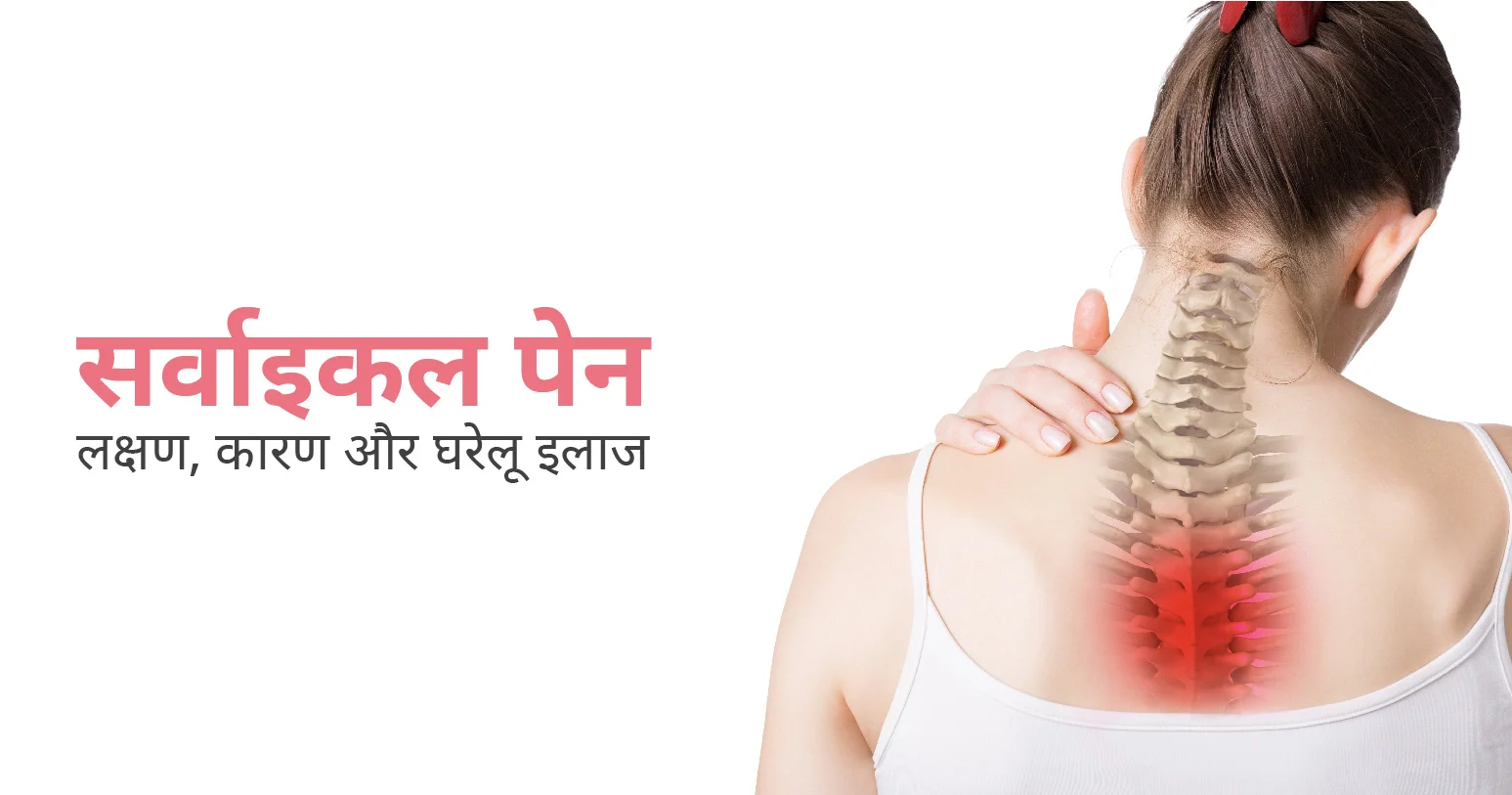
गर्दन क्षेत्र में असुविधा या दर्द को सर्वाइकल पेन कहते हैं। यह अक्सर मांसपेशियों में खिंचाव, चोटों या गठिया जैसी अपक्षयी स्थितियों (degenerative conditions) के कारण होता है। इससे अकड़न, सिरदर्द (headache in hindi) और गर्दन की गति सिमित होना जैसे लक्षण अनुभव होते हैं, जो दैनिक गतिविधियों और जीवन की क्वालिटी को प्रभावित करते हैं।
Table of Contents
सर्वाइकल पेन के लक्षण अंतर्निहित कारण के आधार पर भिन्न हो सकते हैं, लेकिन इसके सामान्य लक्षणों में निम्न शामिल हैं:
ये लक्षण दैनिक गतिविधियों और जीवन की गुणवत्ता को महत्वपूर्ण रूप से प्रभावित करते हैं। कारण निर्धारित करने और उचित उपचार प्राप्त करने के लिए लगातार या गंभीर सर्वाइकल पेन के लिए मेडिकल सहायता महत्वपूर्ण है।
ये भी पढ़े: सिर में भारीपन के कारण और घरेलु इलाज
सर्वाइकल पेन विभिन्न कारणों से होता है, जिसमें मामूली समस्याओं से लेकर अधिक गंभीर स्थितियां शामिल हैं। इन कारणों में निम्न शामिल हैं:
सर्वाइकल पेन दैनिक जीवन को महत्वपूर्ण रूप से प्रभावित कर सकता है। इसलिए इस स्थिति को प्रभावी ढंग से प्रबंधित और इलाज करने के लिए अंतर्निहित कारण की पहचान करना आवश्यक है।
ये भी पढ़े: नसों में दर्द का कारण और उपचार | Nerve Pain in Hindi
घरेलू उपचार सर्वाइकल पेन को प्रबंधित और कम करने में प्रभावी होते हैं, खासकर जब यह मांसपेशियों में खिंचाव या पुअर पोस्चर जैसी छोटी समस्याओं के कारण होता है। नीचे दिए गए घरेलू उपचार आपकी मदद कर सकते हैं:
इन घरेलू उपचारों की मदद से सर्वाइकल पेन को कम करने और दोबारा होने से रोका जा सकता है। हालाँकि, अगर दर्द बना रहता है या बिगड़ जाता है, तो आगे के मूल्यांकन और उपचार के लिए एक्सपर्ट डॉक्टर से परामर्श करना आवश्यक है।
ये भी पढ़े: जाने सिरदर्द के प्रकार, कारण और इलाज अनुभवी डॉक्टर द्वारा
अगर घरेलू उपचार से सर्वाइकल दर्द में आराम नहीं मिलता है, तो आपको एक विशेषज्ञ से परामर्श लेना चाहिए। वे सही निदान और उपयुक्त उपचार की सिफारिश करेंगे।
तनाव गर्दन की मांसपेशियों में तनाव पैदा करके सर्वाइकल पेन में योगदान कर सकता है, जिससे असुविधा हो सकती है और मांसपेशियों में खिंचाव जैसी स्थिति बढ़ सकती है।
हाँ, गलत तरीके से नींद सोने से गर्दन की मांसपेशियों में तनाव पैदा होता है जो सर्वाइकल पेन का कारण बन सकता है।
Are you prepared to face the scorching heat wave this season? With temperatures rising to extreme levels, saving oneself from a heatwave has become of utmost importance.
Typically, India is known for its diverse climate and often experiences extreme weather conditions, including fiery heat waves. According to the India Meteorological Department (IMD) this summer season, particularly in the northern regions like Delhi NCR, Punjab, Rajasthan and other North Indian states, can be brutal, with temperatures soaring well above 45 degrees Celsius. Therefore, staying safe during these intense conditions is critical to avoiding heat-related illnesses and ensuring general well-being.
This article comprises some essential tips and strategies to help you stay safe during a heat wave. But first, let’s understand why heat waves are dangerous.
Table of Contents
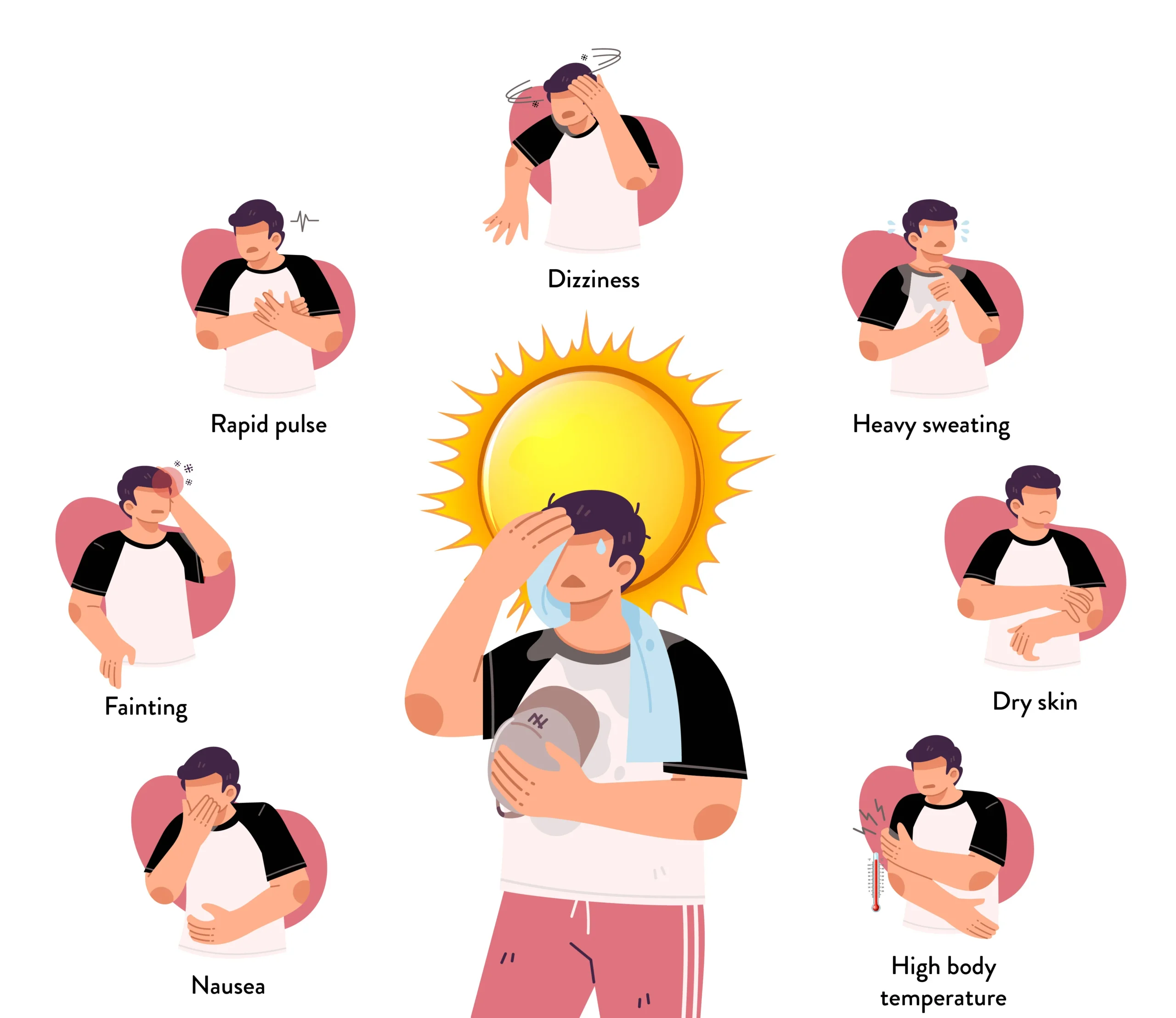
What is Heat wave? It is a prolonged period of excessively hot weather, often accompanied by high humidity. These conditions can be life-threatening, especially for vulnerable individuals. The dangers of heat waves include heat exhaustion, increased mortality, heatstroke, dehydration, and respiratory issues.
Some of the common symptoms of these conditions are:
During heat wave temperatures, preparation becomes the key to staying safe. Here are some steps to take before the temperatures rise:
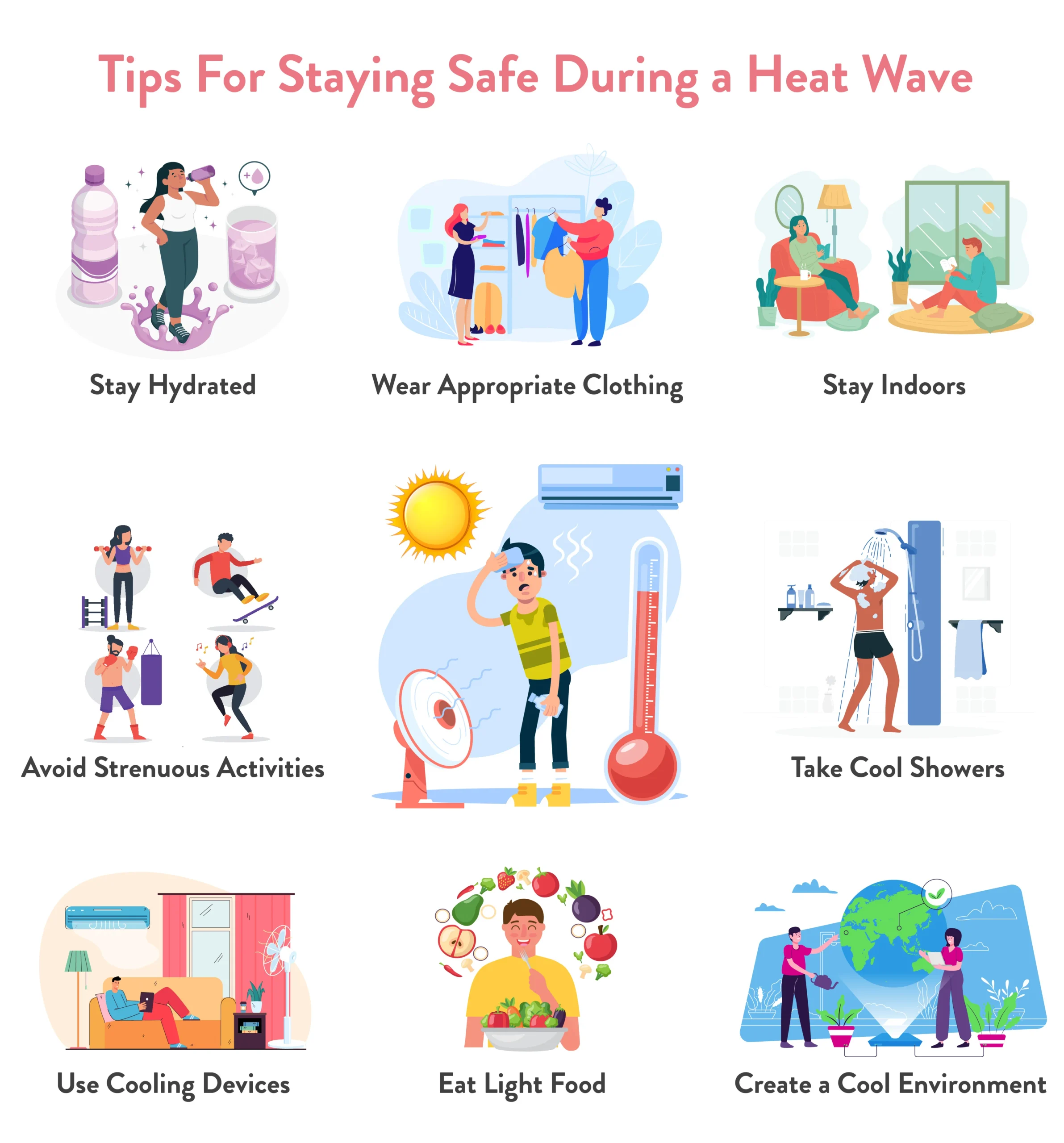
To stay safe during these heat waves these few guidelines can help you:
Some places are red alert for heat waves. To give you an idea of the temperatures you might face, here is a table showing average heat wave temperatures in some regions of India:
| Region | Average Temperature (°C) |
| Heat Wave Temperature in Delhi NCR | 40-45 |
| Heat Wave Temperature in Punjab | 38-44 |
| Heat Wave Temperature in Haryana | 40-46 |
| Heat Wave Temperature in Uttar Pradesh | 38-45 |
| Heat Wave Temperature in Rajasthan | 42-48 |
Certain age groups are more vulnerable to the effects of extreme heat and such high temperatures. While keeping in mind that some areas are on red alert because of heat waves, it’s important to consider these groups:
Planning ahead can make all the difference. Below are a few tips that can help you in case of a heat-related emergency:
Staying cool is essential to prevent heat-related illnesses. Here are some dos and don’ts to follow along with effective cooling techniques to prevent yourself from heat:
Heat waves can be harmful, but with careful planning and safeguards, you can stay safe and healthy. Keep yourself informed about weather conditions, stay hydrated, avoid intense activity during peak heat hours, and protect vulnerable individuals like elders and infants. If you suspect someone is suffering from heatstroke, relocate them to a cooler location, administer cool water to their skin, and contact emergency medical services. All these suggestions mentioned in the article can help you navigate the severe heat wave of Indian summers while protecting yourself and your loved ones from heat-related ailments. Remember that staying cool is more than just about comfort; after facing the heat wave red alert it’s about survival. Stay safe!
Use fans, stay in well-ventilated spaces, keep a wet cloth with you, and a small spray bottle for face misting in order to balance the body temperature.
You should aim for at least 8-10 glasses a day and more if you’re sweating heavily.
Yes, make sure they have plenty of drink and shade, and avoid walking them at high temperatures.
The common signs of heatstroke include high body temperature, confusion, rapid pulse, and unconsciousness. Seek immediate medical help and cool the person with ice packs or a cold bath.
Sources –
https://ncdc.mohfw.gov.in/wp-content/uploads/2024/03/Emergency-Cooling-for-Severe-Heat-Related-Illnesses_March2024_NPCCHH.pdf
https://m.economictimes.com/news/india/delhi-weather-forecast-imd-issues-heatwave-red-alert-in-north-india/amp_videoshow/111086046.cms
https://www.businesstoday.in/latest/trends/story/imd-predicts-heatwave-in-northwest-india-from-may-16-heavy-rainfall-in-these-regions-429378-2024-05-13
https://economictimes.indiatimes.com/news/india/delhi-heat-index-crosses-50-as-imd-issues-red-alert-when-heatwave-in-north-india-will-ease/articleshow/111072409.cms?from=mdr

