Filter :
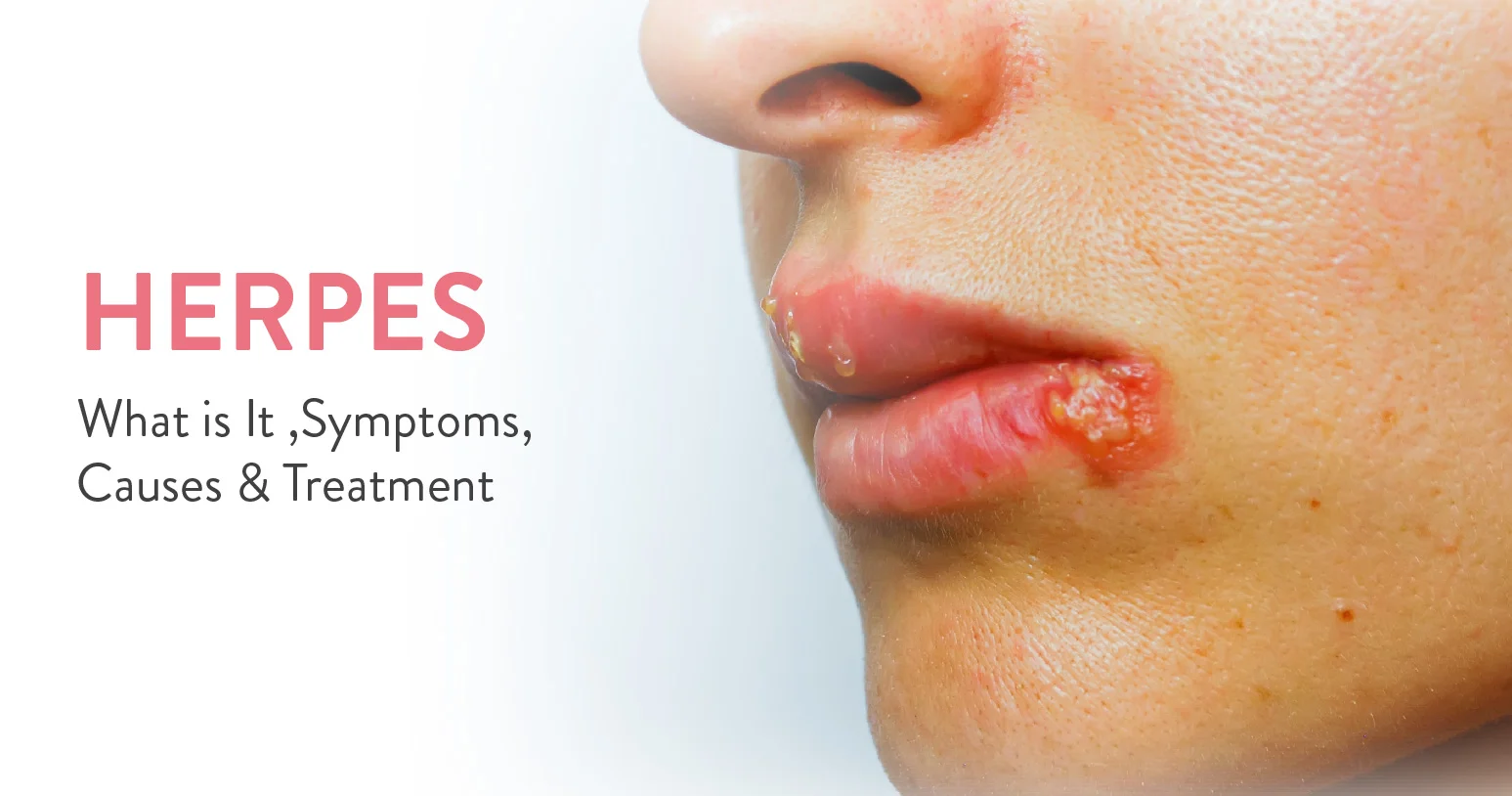
Are you experiencing sores in your genital or oral regions? If yes, it might indicate a condition called herpes, also known as the herpes simplex virus (HSV), which shows up in the form of cold sores or blisters in the oral or genital region. While there’s no cure for herpes, antiviral medications and home remedies help ease symptoms greatly.
Around 67% of the global population under the age of 50 is at risk of contracting oral or genital herpes. While HSV-1 is more common than HSV-2 among the types of herpes, approximately 13% of the population aged 15 to 49 is at a higher risk of contracting HSV-2.
Misconceptions still cloud the condition despite its widespread occurrence. Many are attributed to people not coming forward with the problem due to fear of social stigma. Hence, in this blog, we aim to raise awareness about the disease by providing essential information related to the causes, symptoms, treatments, and different preventive measures to deal with herpes. So, stay tuned.
Table of Contents
Herpes is a common viral infection that affects both oral and genital areas in our body. Caused by the herpes simplex virus (HSV), many individuals with herpes show no symptoms at all. They carry the virus without experiencing any active episodes or flare-ups. This asymptomatic nature means they can unknowingly transmit the virus to others.
For those who do experience symptoms, herpes often manifests as blisters or small fluid-filled lesions. These blisters can appear on different parts of the body which means they can show up around the lips or mouth, or in the genital regions. Since it can be easily transmitted, sometimes these sores may appear in the hands or fingers. The first outbreak is usually the most severe, with subsequent flare-ups being less intense.
Yes, herpes is categorised into two main variants:
| Type of Herpes | Affected Areas of the Body | Visible Signs |
| HSV-1 | Patients who have this type of herpes usually experience growth in the oral region | Cold sores or fever blisters appearing on the patient’s face or in the mouth |
| HSV-2 | This type often targets the areas in the lower part of the body. | Lesions and blisters in the inner thighs, buttocks, anus, and genitals including the female vaginal area. |
Not everyone experiences the symptoms caused by herpes. If they do arise, whether they are primary or periodic infections, often decide how harmful the symptoms are. Usually, the main symptoms of this condition take around a few days to weeks after coming into contact with an infected individual. The following are herpes symptoms:
| Major Symptoms of Herpes | |||
| High-temperature weakness or unusual weariness | Headache or frequent body aches | Sharp pain in the affected area | Enlarged Lymph Nodes |
| Cold sores in the mouth, lips, or tongue | Discomfort during urination | Sores in the vaginal area | Loss of appetite |
Herpes is primarily transmitted through sexual contact, but it can also spread through other means. This includes skin-to-skin contact with an infected area, sharing personal items like razors or towels, or from a mother to her baby during childbirth. The herpes virus is usually detected in the saliva and skin of the HSV patient. Here are some of the other causes of herpes or HSV-1 and HSV-2 transmission in the table below:
| Types | Causes |
| HSV-1 transmission | For individuals who have been experiencing the symptoms of herpes, possibilities are that they contracted the virus through:
|
| HSV-2 transmission | People diagnosed with this type might have caught the virus through:
|
Dermatologists in Gurgaon usually perform a culture test involving fluid extraction from the sore, which is sent to the lab for assessment purposes. Diagnosing herpes involves several methods, each designed to accurately detect the presence of the herpes simplex virus (HSV).
For pregnant women, diagnosing herpes is especially important to prevent transmission to the baby during childbirth. Viral culture and PCR tests are often used to diagnose and monitor HSV in pregnant women. A blood test is involved when a person has been exposed to the virus but there is no sign of symptom to identify HSV antibodies. Be mindful that it could take 12 weeks for blood testing to correctly identify HSV after you contract the illness.
According to health experts, presently there is no cure available for herpes treatment but the following options can help relieve the symptoms effectively:
| Managing Herpes at Home | |||
| Don’t wear tight-fitted clothes, especially pants | Use tea-tree oil on blisters | Use baking soda or cornstarch over sores | Warm or cold compression |
| Use light-salt water when bathing | A crushed garlic mixture can provide relief | Using aloe vera gel on the blisters | Eucalyptus or peppermint oil |
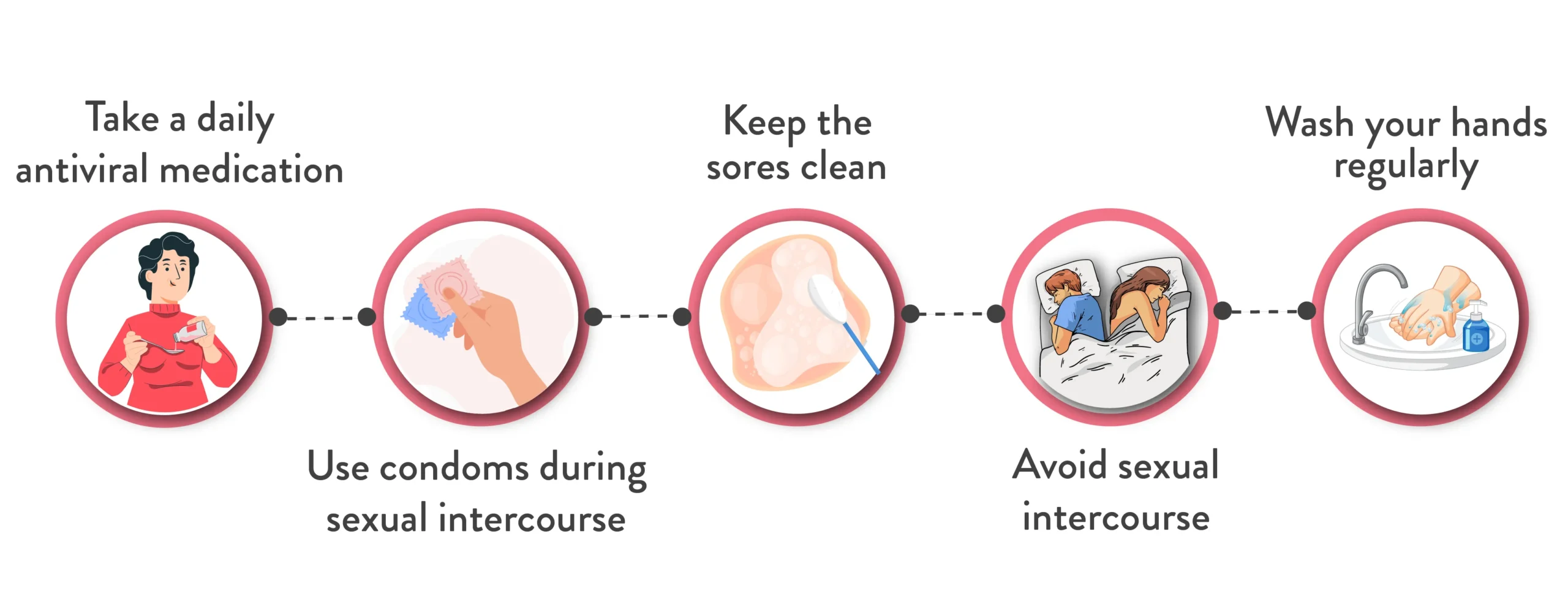
Preventing herpes is not a hassle, you just have to follow certain precautions and you are going to be fine. Here are these tips:
Herpes diagnosis involves a combination of physical examinations, lab tests, and understanding the emotional impact. Accurate diagnosis is the first step in managing the condition effectively. If you suspect you have herpes, consult a healthcare provider for a comprehensive evaluation and personalised care plan. Getting diagnosed with herpes can be emotionally challenging. But it helps to remember, herpes is a common condition, and with the right care and support, you can lead a healthy, fulfilling life.
There is no cure available for herpes at present, but antiviral medications help control the symptoms and minimise the frequency of occurrence. There might be a need for lifelong management for some people depending on the severity of this condition.
Here is how you can reduce the herpes transmission:
If you know you have herpes, it is mandatory that your partner is aware and understands your condition. Addressing the stigma starts with open communication.
Yes, for some people, it might be hard to know they have herpes as they are asymptomatic. Even without visible occurrences, they can still spread the virus.
For most females, herpes doesn’t affect their pregnancy or the health of a child. However, doctors might recommend C-sections to females who have contracted the virus in their last trimester as it increases the possibility of passing the virus to their fetus.
Herpes outbreaks are often triggered by certain factors such as stress, fatigue, hormonal changes, exposure to sunlight, and a weak immune system.
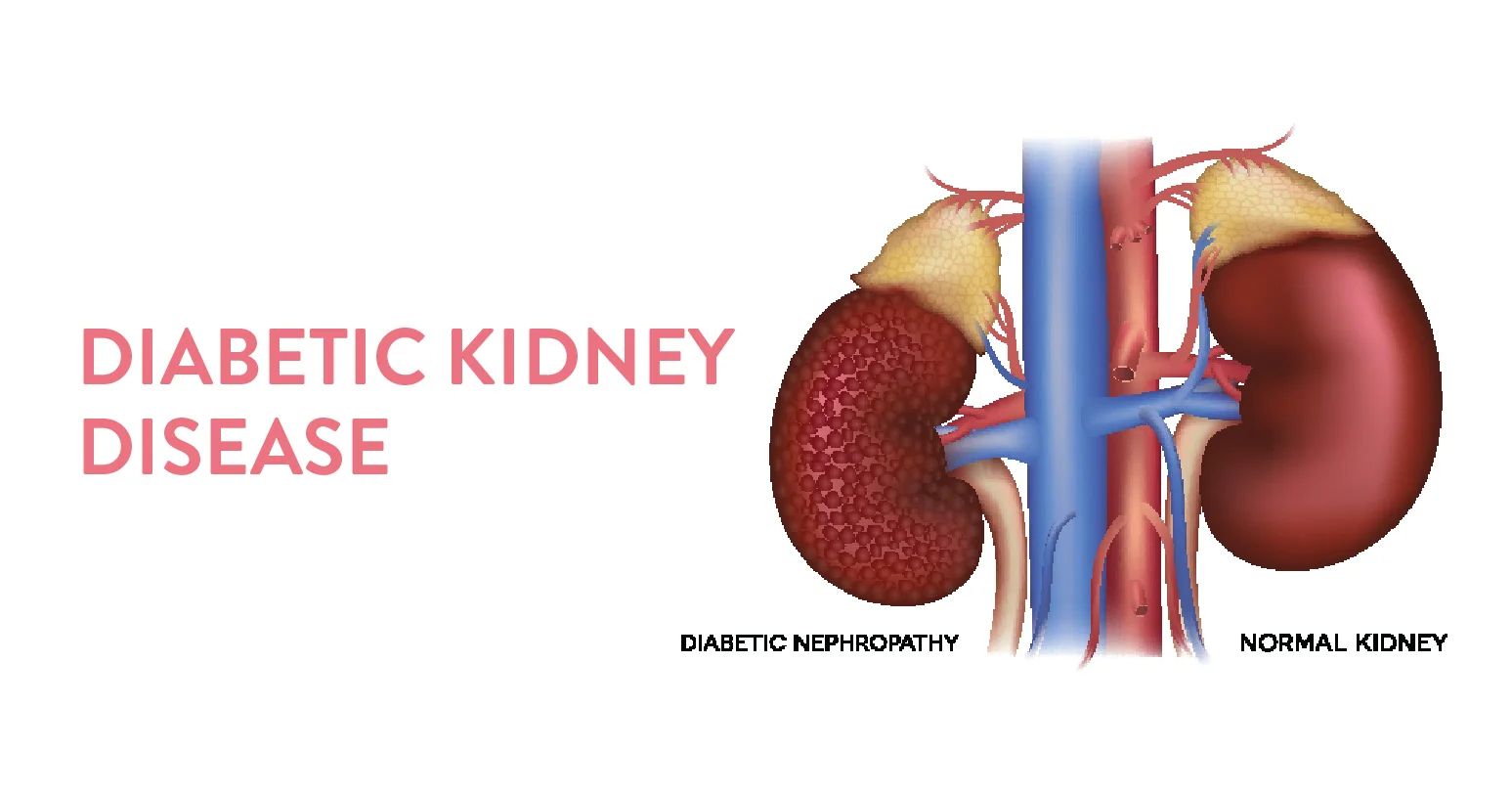
Diabetic Kidney Disease (DKD) is a significant complication of diabetes that affects the kidneys. In severe circumstances it leads to kidney damage and, in severe cases, kidney failure. This blog provides comprehensive information on Diabetic Kidney Disease, focusing on understanding its causes, recognizing symptoms, and exploring treatment options.
Table of Contents
Diabetic Kidney Disease, also known as diabetic nephropathy, is a type of kidney disease that commonly occurs in people who are diagnosed with diabetes. Over time, high blood sugar levels end up affecting the kidneys adversely, damaging the kidneys’ filtering system. This condition over time worsens to impaired kidney function. This condition can progress to end-stage renal disease (ESRD), which will invariably require dialysis or kidney transplantation. So it is safe to say that an early diagnosis will be the best way to prevent this.
Diabetic Kidney Disease(DKD) is a chronic condition where the kidney functions deteriorate due to long-term damage caused by diabetes. It typically develops after many years of poorly controlled blood sugar levels. DKD is one of the leading causes of chronic kidney disease (CKD) and affects millions of people worldwide.
Research suggests that approximately 30% Type I diabetics and between 10% to 40% Type II diabetics are at risk of developing end-stage kidney failure.
The primary cause of diabetic kidney disease is prolonged high blood sugar levels. Over time, high glucose levels in the blood leads to
This damage can lead to the development of proteinuria, where proteins leak into the urine, a hallmark of the diabetic kidney disease.
Hypertension is a complication of diabetes. It therefore contributes directly to diabetic nephropathy or DKD. Hypertension is believed to be both a cause as well as a result of the damage created by DKD.
Several risk factors increase the likelihood of developing a diabetic kidney disease. Understanding the factors that may increase the risk of developing diabetic kidney disease can help in taking proactive steps towards prevention and early intervention.
Risk factors that make individuals more vulnerable to this condition are:
| Early Symptoms | Progressive Symptoms | Advanced Symptoms |
| In the early stages, Diabetic Kidney Disease often presents no symptoms. Early detection is typically through routine medical screening, which can reveal protein in the urine. | Swelling: Especially in the legs, ankles, and feet due to fluid retention.
Fatigue: Feeling unusually tired or weak. Increased Urination: Especially at night. Foamy Urine: Primarily due to the increasing presence of protein. |
Nausea/Vomiting: Filtering failure leading to the buildup of unfiltered toxins in the body.Loss of Appetite: Leading to unintended weight loss. Itching: Persistent itching due to waste buildup in the body. Shortness of Breath: Due to fluid accumulation in the lungs. |
Diagnosis of Diabetic Kidney Disease involves several tests and procedures. However, it must be borne in mind that diagnosing Diabetic Kidney Disease is an important step in ensuring you receive the care and support you need. It involves a series of tests and procedures designed to help us understand your condition better and provide you with the best possible treatment:
Treating Diabetic Kidney Disease is about providing you with the best care to slow the disease’s progression and manage your symptoms effectively. A sound approach to treating Diabetic Kidney Disease centers on:
Diet and lifestyle play a crucial role in managing diabetic kidney disease:
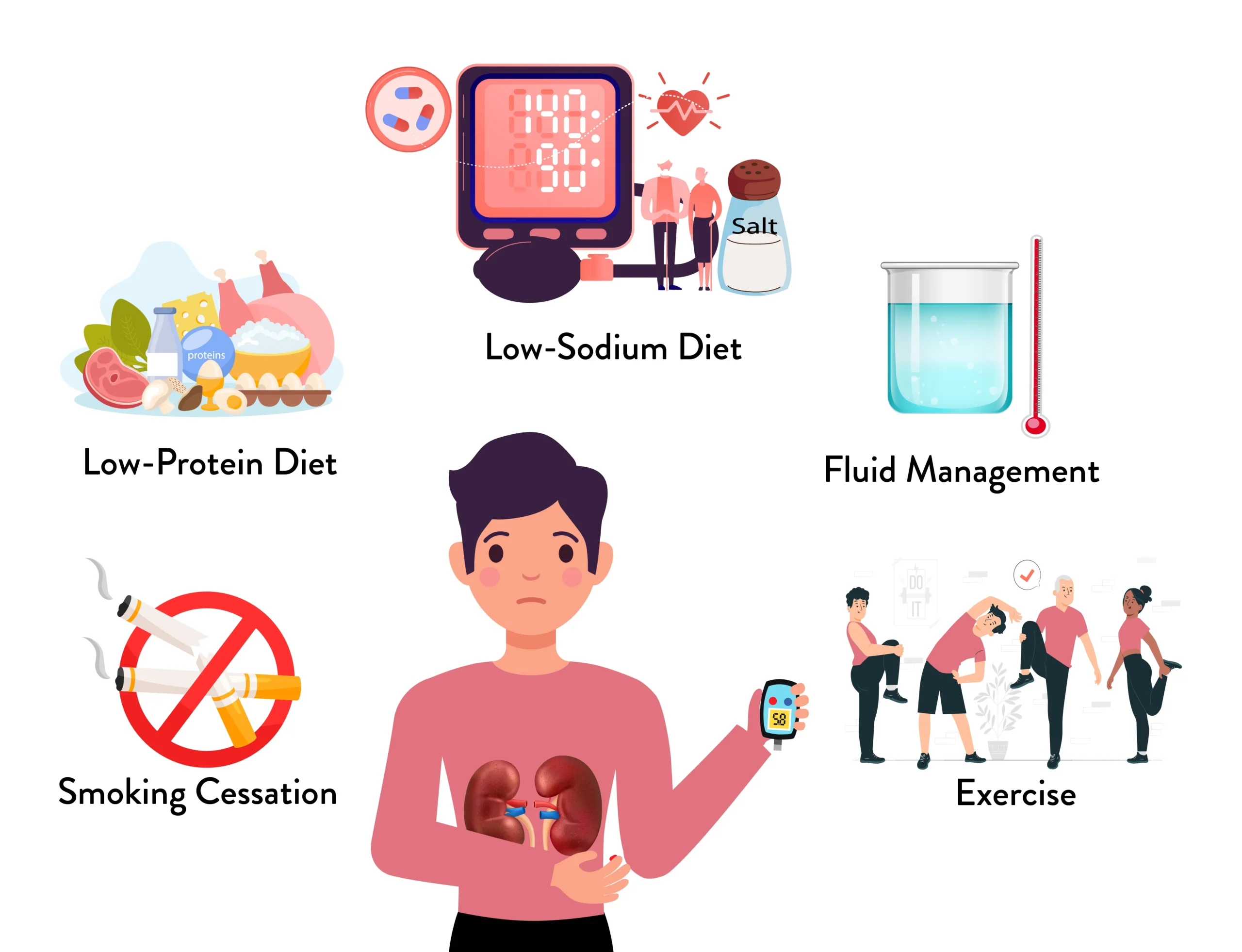
Preventing Diabetic Kidney Disease is about making caring and mindful choices for your health:
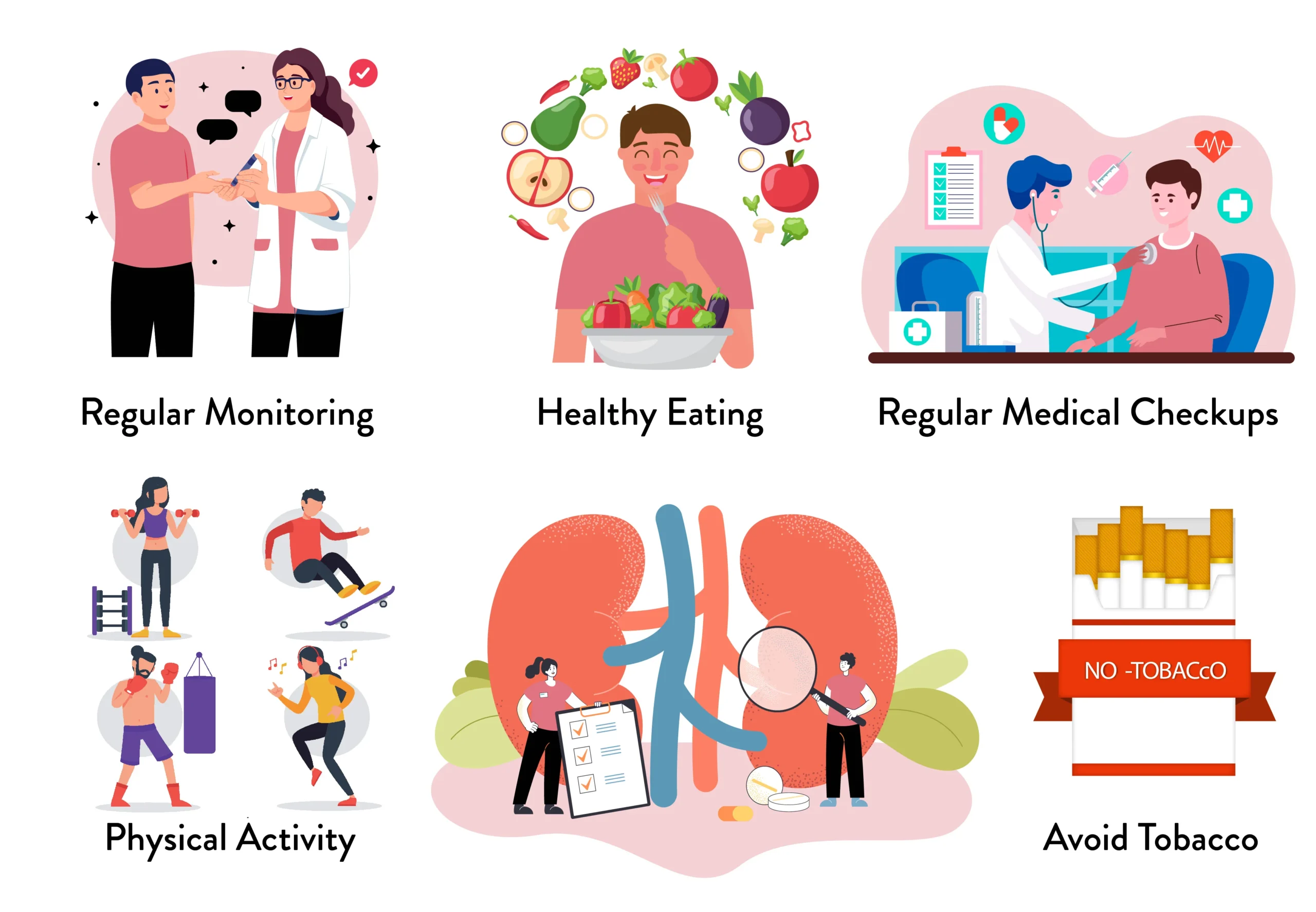
Living with diabetic kidney disease can be challenging, but there is hope and optimism for a fulfilling life. With advancements in medical treatments and a strong support system, managing diabetic kidney disease has become more effective than ever. By following a personalized care plan, which includes regular monitoring, medications, dietary adjustments, and healthy lifestyle choices, you can significantly slow the progression of the disease and maintain a good quality of life.
Remember, you are not alone—healthcare professionals, support groups, and loved ones are here to help you navigate this journey, ensuring you live a vibrant and active life despite the challenges of diabetic kidney disease.
In conclusion, understanding, preventing, and managing Diabetic Kidney Disease is essential for maintaining overall health and well-being. By recognizing the symptoms, seeking early diagnosis, and following a comprehensive treatment plan, individuals with diabetes can reduce their risk of developing DKD and lead healthier lives.
Diabetic Kidney Disease is characterized by damage to the kidney’s filtering units due to high blood sugar levels over time.
While Diabetic Kidney Disease cannot be completely reversed, early detection and proper management can slow its progression. Controlling blood sugar and blood pressure, along with lifestyle changes, can help manage the condition and improve quality of life.
A diet for Diabetic Kidney Disease typically involves
It’s important to work with a dietitian to create a personalised diet plan that meets individual needs and health goals.
Regular screenings can help detect Diabetic Kidney Disease early, allowing for timely intervention and management to prevent further kidney damage.
Research is ongoing, and new treatments for Diabetic Kidney Disease are being developed, including advanced medications and therapies aimed at better managing blood sugar levels, reducing inflammation, and protecting kidney function. Staying informed about the latest advancements can provide hope and options for those affected.
Preventing Diabetic Kidney Disease involves:
Early intervention and proactive management are key to preventing Diabetic Kidney Disease.
Source: https://www.kidney.org/atoz/content/preventkiddisease#:~:text=Diabetic%20kidney%20disease%20is%20a,cause%20damage%20to%20other%20organs.

इरेक्टाइल डिसफंक्शन (ईडी) का मतलब है सेक्स के दौरान इरेक्शन पाने या उसे मजबूत बनाए रखने में परेशानी होना। यह डायबिटीज या हृदय रोग जैसी स्वास्थ्य समस्याओं या तनाव या चिंता जैसे मनोवैज्ञानिक समस्याओं के कारण होता है।
ईडी आत्मविश्वास और रिश्तों को प्रभावित करता है। इसके उपचार में दवाएं, जीवनशैली में बदलाव जैसे व्यायाम और आहार शामिल हैं। हर मरीज के लिए उपचार विकल्प अलग-अलग होते हैं।
आपके लिए सर्वोत्तम उपचार क्या है जानने के लिए विशेषज्ञ से परामर्श लेना महत्वपूर्ण है। इरेक्टाइल डिसफंक्शन के सामान्य उपचार में निम्न शामिल हैं:
इरेक्टाइल डिसफंक्शन के मरीजों के लिए अपने चिकित्सा इतिहास, अंतर्निहित कारणों, प्राथमिकताओं और समग्र स्वास्थ्य के आधार पर सबसे उपयुक्त उपचार निर्धारित करने के लिए विशेषज्ञ से परामर्श करना महत्वपूर्ण है।
उपचार की प्रभावशीलता हर मरीज के लिए अलग-अलग होती है। इसलिए इस बारे में अपने डॉक्टर से विस्तार से बात करें और जानने की कोशिश करें कि आपके लिए सबसे बेहतर विकल्प क्या है।
हां, ईडी किसी अन्य स्वास्थ्य समस्याओं का एक संकेत हो सकता है जैसे कि डायबिटीज, हृदय रोग, उच्च रक्तचाप आदि।
हां, जीवनशैली में बदलाव जैसे कि व्यायाम, स्वस्थ आहार, और वजन नियंत्रण से ईडी में सुधार हो सकता है।
इरेक्टाइल डिसफंक्शन का मुख्य लक्षण सेक्स के लिए पर्याप्त इरेक्शन प्राप्त करने या बनाए रखने में असमर्थता है। अन्य लक्षणों में यौन इच्छा में कमी, सेक्स लाइफ के बारे में चिंता शामिल हो सकते हैं।
इसके सबसे आम शारीरिक कारणों में हृदय रोग, डायबिटीज, उच्च रक्तचाप, उच्च कोलेस्ट्रॉल, मोटापा, हार्मोनल असंतुलन और तंत्रिका तंत्र को प्रभावित करने वाली स्थितियां जैसे पार्किंसंस रोग या मल्टीपल स्केलेरोसिस शामिल हैं।
Welcome to our in-depth exploration of nephrology, a vital medical field dedicated to kidney health and disease management. This blog aims to enlighten patients, families, and anyone interested in understanding kidney functions, common disorders, innovative treatments, and the comprehensive care provided by specialists. We’ll also introduce you to the dedicated team at the CK Birla Hospital in Delhi and Gurgaon, renowned for its exemplary nephrology services.
Table of Contents
Nephrology is the branch of medicine concerned with the diagnosis, treatment, and management of kidney diseases. This includes conditions such as chronic kidney disease, kidney infections, and hypertension, which can significantly impact overall health. Nephrologists are medical doctors specialising in kidney care, including managing dialysis for end-stage renal disease and overseeing kidney transplants.
Nephrologists undergo rigorous training to diagnose and treat various kidney disorders. They are skilled in procedures such as kidney biopsies, managing dialysis, and overseeing the care of patients before and after kidney transplantation. Their expertise extends to treating systemic conditions affecting the kidneys, such as diabetes and autoimmune diseases, and addressing complications arising from kidney dysfunction.
CK Birla Hospital in Delhi and Gurgaon is at the forefront of renal medicine, offering a wide range of services from early disease detection to advanced therapeutic interventions. The Department of Nephrology and Dialysis is equipped with state-of-the-art infrastructure, including advanced dialysis units, to provide patients with the best possible care. Our team is committed to enhancing patient quality of life through personalised treatment plans and continuous innovation in medical practices.
You Can Also Read: 10 Best Gynecologists to Visit in Delhi-Gurgaon
At the CK Birla Hospital in Delhi and Gurgaon, we understand that dealing with kidney disease can be challenging. Our nephrology team works closely with patients to develop individualised care plans, incorporating the latest treatment options and supportive services. We believe in empowering patients with knowledge and resources to manage their conditions effectively.
Our nephrology department is dedicated to advancing kidney health through exceptional patient care, research, and education. If you or a loved one is seeking expert nephrological care, we invite you to reach out to us. Book a direct appointment with our specialists at CK Birla Hospital for a comprehensive and compassionate approach to kidney health.
Maintaining a balanced diet, staying hydrated, controlling blood pressure and sugar levels, and avoiding excessive use of over-the-counter painkillers can significantly improve kidney health.
Symptoms like swelling in the legs and ankles, persistent fatigue, changes in urine output, and difficulty sleeping could indicate kidney disease. Early detection is crucial, so consult a nephrologist if you notice these signs.
The frequency of visits depends on the severity and stage of your kidney disease. Your nephrologist will recommend a check-up schedule tailored to your specific needs.
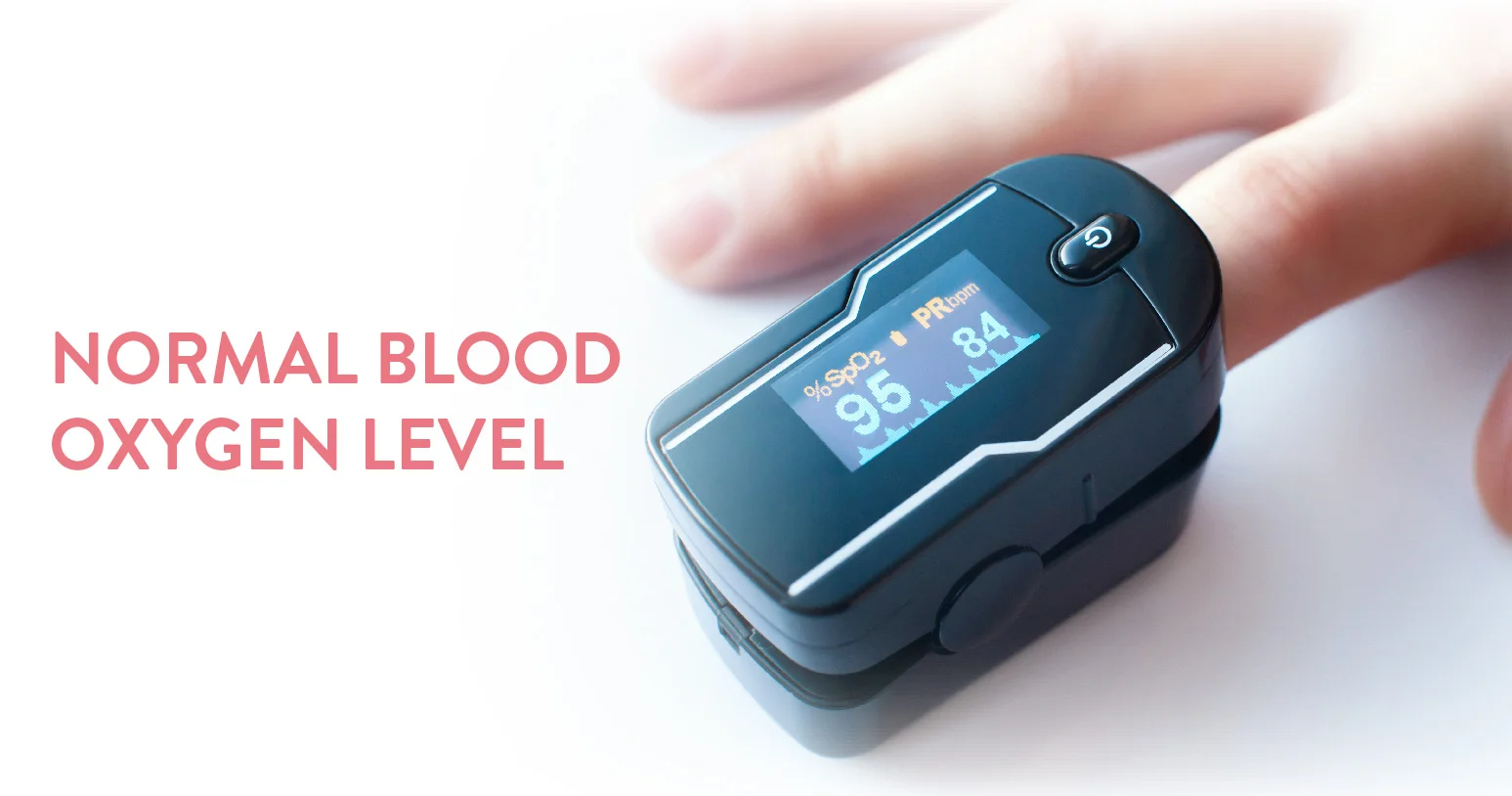
Oxygen saturation is the fraction of oxygen-saturated haemoglobin relative to total haemoglobin (unsaturated + saturated) in the blood. The level of oxygen in the blood must be precisely balanced to meet the needs of the human body. Normal arterial blood oxygen saturation levels in humans are 97–100%. If the level is below 90%, it is considered low and called hypoxemia. Arterial blood oxygen levels below 80% should be promptly addressed as it might compromise organ function, such as the heart and brain. Continued low oxygen levels might lead to cardiac or respiratory arrest.
Maintaining a blood oxygen level of 95–100% is vital for healthy kidneys, brain and heart. Most people don’t need to monitor their blood oxygen levels regularly, however, if you have a health condition that might cause low oxygen states, measuring your levels with pulse oximetry is quick and noninvasive.
Table of Contents
The measure of how much oxygen your red blood cells are carrying is your blood oxygen level. Most adults and children do not need to monitor their blood oxygen levels. Most doctors won’t check it unless you are showing signs of problems like chest pain or shortness of breath or having a procedure done. Blood oxygen levels may need to be monitored in people with certain medical disorders to assess if treatments are effective or whether they need to be changed. These conditions may include:
Blood oxygen levels can be measured through 2 types of tests: ABG (arterial blood gas) and pulse oximeter. The method adopted to monitor your blood oxygen levels might have an impact on your findings.
A pulse oximeter reading indicates the SpO2 level (the percentage of your blood which is saturated). It is the most common type of test because it provides quick readings and is noninvasive. A normal, healthy reading is 95-100%. A doctor might recommend you get an ABG if your SpO2 level is less than 92%.
An ABG measurement will determine the PaO2 (the partial pressure of oxygen in your blood). For healthy lungs, a typical ABG oxygen level ranges from 75 to 100 millimetres of mercury (mm Hg). This test is more invasive but very accurate.
Smokers may additionally require an ABG test as they may have an unreliable high pulse oximetry value. Carbon monoxide builds up in your blood due to smoking. A pulse ox can’t tell the difference between oxygen and this type of gas.
| ABG (Arterial blood gas) | Pulse oximeter | |
| Healthy level | 75–100 mm Hg | 95–100% |
| When to get medical help | less than 74 mm Hg | less than 95% |
These ranges may differ for people with lung diseases or COPD. Discuss your levels with your doctor if you are living with a lung condition as they can help you identify what a normal range will look like for you.
You’re at risk of hypoxemia when your blood oxygen level goes below 95%. The medical term for low blood oxygen levels is hypoxemia.
It is a cause for concern often and might lead to complications that affect the heart, kidneys and brain. You could notice any of the following indicators:
Cognitive and visual changes might start to develop if your blood oxygen level falls below 80–85%.
You are at risk of developing symptoms of cyanosis at 67%. The hallmark sign of this is a blue discolouration of your mucus membranes, skin and nail beds. This might also lead to respiratory failure, which can be life-threatening. If you have symptoms, get medical help right away.
It is crucial to know what your regular oxygen level is, particularly if you have a chronic lung condition. Regarding the range of oxygen levels that are suitable for you, a doctor may provide advice.
Some particular health conditions might cause hypoxemia by affecting your lung function, which includes:
Problems and blood disorders with your circulatory system might also prevent your blood from picking up oxygen and transporting it throughout your body.
How these disorders and conditions lower your blood oxygen levels can be classified in 5 different ways:
There are numerous ways to increase your blood oxygen levels at home naturally, like:
You might need supplemental oxygen to boost your oxygen saturation if your blood oxygen level is too low. Home oxygen supplementation is a drug that needs a doctor’s prescription. It is important to follow their advice on how home oxygen should be used to avoid complications.
Blood oxygen levels are an indicator of the amount of oxygen in your blood. If your levels are critically low, then it is advisable to seek medical help from an experienced pulmonologist. Timely care and help can ensure long-term balanced oxygen levels in your blood.
At the CK Birla Hospital, we ensure patients get holistic medical support which includes treatment in a compassionate environment. This patient-centric approach not only helps patients heal better but also ensures they are aware of the preventive measures as well. In case you need to consult a pulmonologist, reach out to us, or book a direct appointment with pulmonologist at the CK Birla Hospital.
A healthy blood oxygen level is 95–100% in most people. Anything below 95% might put you at risk of hypoxemia and is considered low.People with specific conditions, such as COPD, might need to maintain their blood oxygen at a different level. Speak with a doctor to determine the realistic or ideal level for you.
A blood oxygen level below 95% is considered low and might increase the risk of hypoxemia. If you are experiencing some symptoms like chest pain, shortness of breath and rapid heartbeat, then you should get immediate medical attention.
You can increase your oxygen level by doing certain things like walking outside, allowing fresh air into your home, exercising regularly, eating a well-balanced diet and quitting smoking.
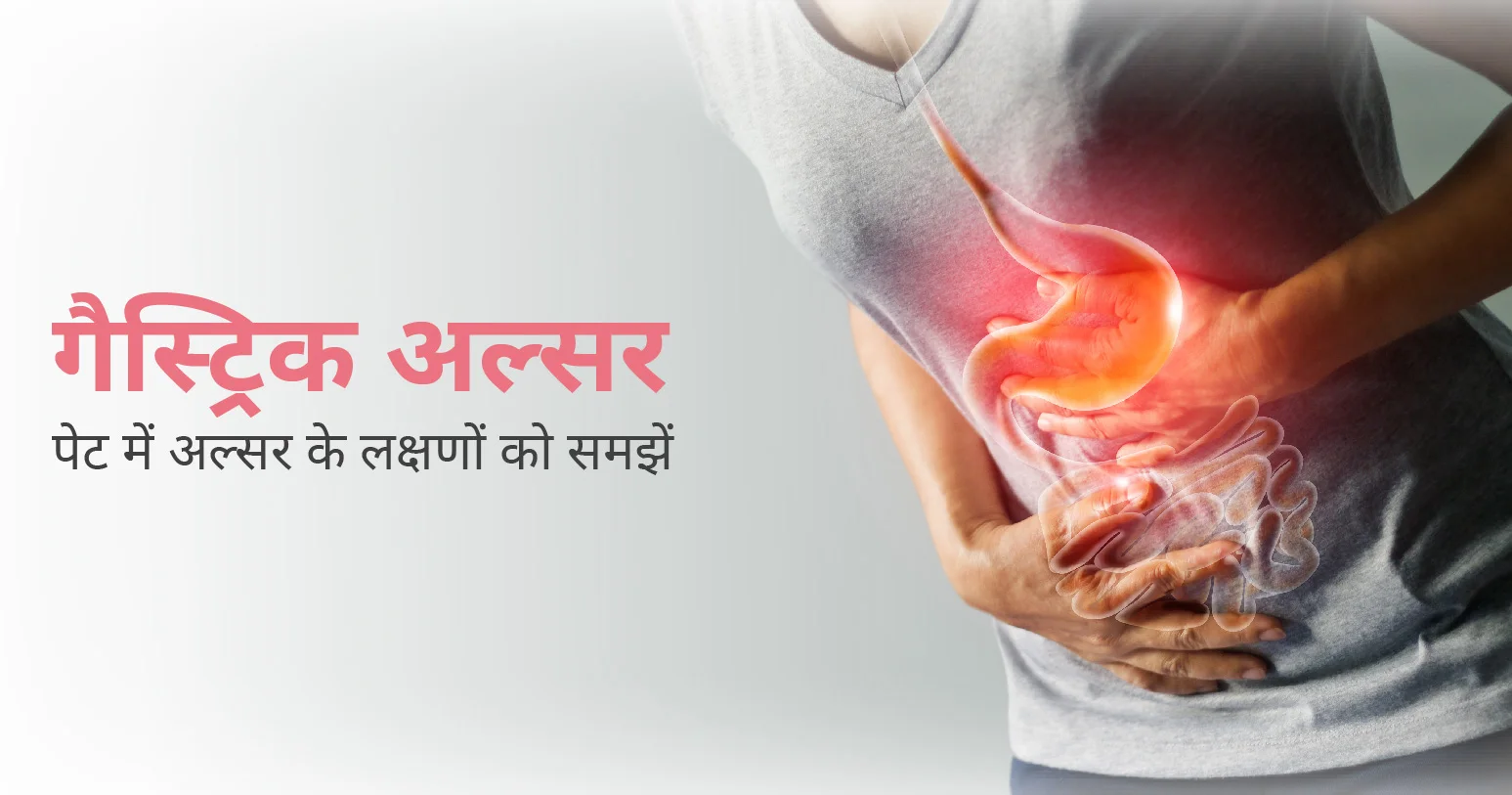
Table of Contents
गैस्ट्रिक अल्सर पेट की परत पर होने वाला घाव है। यह तब होता है जब पेट की सुरक्षात्मक बलगम परत (protective mucus layer) में क्षति पहुंचती है। इससे पेट का एसिड ऊतकों में जलन पैदा करता है। इसके सामान्य कारणों में एच. पाइलोरी बैक्टीरिया से संक्रमण और इबुप्रोफेन जैसे एनएसएआईडी का लंबे समय तक उपयोग शामिल है।
जीवनशैली में बदलाव, जैसे मसालेदार भोजन से परहेज और धूम्रपान छोड़ना, अल्सर को रोकने में मदद करते हैं। अगर इलाज न किया जाए, तो वे गंभीर जटिलताएँ पैदा कर सकते हैं। गैस्ट्रिक अल्सर के लक्षणों में पेट में जलन, मतली और सूजन शामिल हो सकते हैं। उपचार में अक्सर पेट के एसिड को कम करने के लिए दवाएं और बैक्टीरिया शामिल होने पर एंटीबायोटिक्स शामिल होते हैं।
यह भी पढ़े: मुंह में छाला होने के कारण, लक्षण और उपचार | Mouth Ulcers in Hindi
गैस्ट्रिक अल्सर के अनेक लक्षण होते हैं जो गंभीरता में भिन्न हो सकते हैं। प्रभावी उपचार और जटिलताओं को रोकने के लिए इन लक्षणों को जल्दी पहचानना महत्वपूर्ण है। सामान्य लक्षणों में निम्न शामिल हैं:
यह भी पढ़े: जाने पेट में कैंसर के लक्षण, कारण और उपचार
गैस्ट्रिक अल्सर, पेट के पाचन तरल पदार्थ और पेट की परत के सुरक्षात्मक तंत्र के बीच असंतुलन के कारण विकसित होता है। यहाँ प्राथमिक कारणों में शामिल हैं:
इन कारणों को समझने से गैस्ट्रिक अल्सर को प्रभावी ढंग से रोकने और प्रबंधित करने में मदद मिलती है। जीवनशैली में बदलाव, उचित दवा का उपयोग और ज्ञात जोखिम कारकों से बचना अल्सर के विकास के जोखिम को कम करने में महत्वपूर्ण कदम हैं।
यह भी पढ़े: जाने एसिडिटी होने के कारण और इलाज
गैस्ट्रिक अल्सर का उपचार पेट के एसिड को कम करने, संक्रमण को खत्म करने और पेट की परत को ठीक करने पर केंद्रित है। उपचार में निम्न शामिल हैं:
ये भी पढ़े: पेट दर्द (Stomach Pain)के कारण, लक्षण और घरेलू इलाज
तनाव अकेले गैस्ट्रिक अल्सर का मुख्य कारण नहीं है, लेकिन यह पेट में एसिड बढ़ाकर अल्सर की संभावना बढ़ा सकता है।
गैस्ट्रिक अल्सर का इलाज एंटासिड, पीपीआई, एच2-रिसेप्टर एंटागोनिस्ट, एंटीबायोटिक्स और लाइफस्टाइल में बदलाव से किया जाता है।
हाँ, मसालेदार, तले हुए, और एसिडिक भोजन से परहेज करने और छोटे, बार-बार भोजन करने से अल्सर में राहत मिलती है।
हां, अगर दवाओं से अल्सर ठीक नहीं होता या जटिलताएं होती हैं, तो सर्जरी की आवश्यकता हो सकती है।

We go out seeking answers in two cases. When we are trying to stay prepared for something new or have found ourselves in the middle of unfamiliar territory. This means one of these two options is true for you:
If you are the former, then well done! Informed parenthood is one of the biggest favours you will do to your body, mind and your baby. If you are the latter, then heartiest congratulations, for this is going to be the most memorable transformation in your life. You are beyond excited but have like 100 odd questions too!
So what next? Well, let us take baby steps towards understanding your pregnancy journey, starting with the first trimester.
Table of Contents
This phase is a time for change or metamorphosis. Both you and your baby will go through major changes while still being invisible to the world outside. The entire pregnancy usually lasts 9 months for a full term. This is further divided into 3 terms of 3 months each called trimesters. Each trimester comes with its own set of benefits and challenges which help shape the baby’s growth inside the mother’s womb.
In the first trimester, also referred to as early pregnancy, the baby goes from being a fertilized egg to an ovum of almost 6 cm in length. This is the onset of pregnancy and lasts from week 1 till the end of week 13 which is roughly the first three months. The first day is counted as the first day of your last period and the last day is 12 weeks from this date. This rule of thumb applies to most pregnancies since the pregnant woman will not know the actual date of conception.
You are making a new life in your womb. Your body is changing to make space for its growth. In order to do this, the body will undergo certain changes.
During the first trimester, the baby develops a heartbeat and the brain, stomach and intestines start developing, while their limbs start to grow. If you are a smoker or drinker, this would be a good time to quit because it will impact the basic development of the foetus.
Apart from this, the diet in this stage is also vital. A balanced diet during pregnancy will ensure the building blocks of the foetus are strong and effective.
Make sure you get regular medical check-ups. This whole trimester, it is essential to track the development and growth of the foetus. Make sure you focus on the following:
Pregnancy is a delicate state of affairs as it involves carefully incubating a baby cell by cell. So every pregnancy has risks, however, some involve complications at the onset itself which can be termed high-risk cases. Either way, the following should be avoided:
No two pregnancies are ever the same, however, some symptoms may be common to all. These include:
To manage all of the above, make sure you are having your multivitamins and calcium supplements regularly while eating a healthy diet. Don’t become immobile, gradually pace your body with the changes and stay physically active while taking care of the baby growing inside you. It is important to understand that miscarriages are highest during the first trimester. So watch out for the following symptoms where you should seek immediate medical attention:
This is a very delicate stage of pregnancy with the highest risk of miscarriage. Also, it is riskier for women who are above the age of 35, have weight issues (over or under), carry multiple pregnancies at a time or have a life-threatening condition like cancer or HIV. It is recommended that you reach out to an OBGYN who is hands-on and has a proven track record of providing compassionate care. At the Department of Mother & Child Care at the CK Birla Hospital, we have a team of renowned OBGYNs who deliver along the global standards of healthcare services and ensure a calm and safe environment for the mother and her baby at all times. In case you need to consult a pulmonologist, reach out to us, or book a direct appointment with gynecologist at the CK Birla Hospital.
The first trimester in a normal full-length pregnancy of 9 months is the first 3 months from the time of fertilization of the egg. Unlike IVF, this cannot be determined in normal pregnancies hence the countdown starts from the first day of your last period. This is one of the trickiest times for the pregnancy as in most cases pregnancies are not detected in the very first week. Some women don’t even know they were pregnant as the pregnancy is naturally terminated before it was realized.
Yes, it is very normal to have cramps. To begin with, all the blood circulation is concentrated in your stomach so this is bound to give leg cramps. Secondly, the body frequently urinates and often you can get cramps because the body is not well hydrated.
Time to sober up and quit alcohol, smoking and any kind of recreational drugs. It is advisable to even limit caffeine intake and avoid foods rich in mercury. Also, be mindful of your exercise regime. Avoid stressful workouts and opt for simpler alternatives that help your body in this phase.
थैलेसीमिया एक आनुवंशिक रक्त विकार है। यह हीमोग्लोबिन के उत्पादन को प्रभावित करता है, लाल रक्त कोशिकाओं में प्रोटीन जो ऑक्सीजन ले जाता है। इसके दो मुख्य प्रकार हैं: अल्फा और बीटा थैलेसीमिया। इसके लक्षणों में थकान, कमजोरी और त्वचा में पीलापन शामिल हैं। थैलेसीमिया हल्के से लेकर गंभीर तक हो सकता है। उपचार में नियमित रूप से रक्त चढ़ाना, रक्त से अतिरिक्त आयरन को निकालना और गंभीर मामलों में, बोन मैरो या स्टेम सेल ट्रांसप्लांटेशन शामिल हैं।
Table of Contents
थैलेसीमिया के लक्षण स्थिति के प्रकार और गंभीरता के आधार पर भिन्न हो सकते हैं। सामान्य लक्षणों में शामिल हैं:
थैलेसीमिया आनुवंशिक उत्परिवर्तन (genetic mutation) के कारण होता है जो हीमोग्लोबिन के उत्पादन को प्रभावित करता है। इसके मुख्य कारणों में निम्न शामिल हैं:
यह भी पढ़े: ओपन हार्ट सर्जरी क्या है?
थैलेसीमिया का निदान कई परीक्षणों के माध्यम से किया जाता है। शुरुआत में, एनीमिया और असामान्य लाल रक्त कोशिकाओं की जांच के लिए एक पूर्ण रक्त गणना (सीबीसी) की जाती है। फिर हीमोग्लोबिन के असामान्य प्रकार की पहचान करने के लिए हीमोग्लोबिन इलेक्ट्रोफोरेसिस का उपयोग किया जाता है।
आनुवंशिक परीक्षण थैलेसीमिया पैदा करने वाले विशिष्ट उत्परिवर्तन की पुष्टि करता है। प्रसवपूर्व परीक्षण, जैसे एमनियोसेंटेसिस या कोरियोनिक विलस सैंपलिंग (सीवीएस), भ्रूण में थैलेसीमिया का निदान कर सकते हैं। थैलेसीमिया के खतरे का आकलन करने के लिए पारिवारिक चिकित्सा इतिहास पर भी विचार किया जाता है। ये परीक्षण थैलेसीमिया के प्रकार और गंभीरता को निर्धारित करने, उचित उपचार और प्रबंधन का मार्गदर्शन करने में मदद करते हैं।
थैलेसीमिया उपचार का उद्देश्य लक्षणों को प्रबंधित करना और जटिलताओं को रोकना है, जो स्थिति के प्रकार और गंभीरता के आधार पर भिन्न होता है। सामान्य उपचार विकल्पों में शामिल हैं:
यह भी पढ़े: हीमोग्लोबिन क्या है – कम होने का कारण, लक्षण और उपचार।
थैलेसीमिया का इलाज बोन मैरो या स्टेम सेल ट्रांसप्लांट से संभव है। इस बारे में विस्तार से जानने के लिए हमसे संपर्क करें।
थैलेसीमिया एक अनुवांशिक विकार है जो हीमोग्लोबिन उत्पादन को प्रभावित करता है, जबकि अन्य एनीमिया आहार की कमी या अन्य कारणों से हो सकता है।
हाँ, जन्म से पहले थैलेसीमिया का पता अम्नियोसेंटेसिस या कोरियोनिक विल्लस सैम्पलिंग (CVS) द्वारा लगाया जा सकता है।

Are you suffering from cold or nasal congestion that does not seem to get better even after weeks of an allopathic medicine course. If your answer to this question is yes, we recommend you get yourself checked for nasal polyps. Do not worry they are not something serious and can be treated easily.
Table of Contents
Nasal polyps are non-cancerous cysts that grow in the nasal cavity, especially in the lining of the nose, paranasal sinuses, or mucosa. Mucosa plays an important role in safeguarding the inside of the nose from infections and other allergies. However, after contact with an infection and bacteria, the mucosa becomes red and swollen, producing fluid and eventually developing into polyps. Nasal polyps are not serious and painful. However, they can grow without treatment, eventually obstructing the nose and making breathing hard. Hence, people with nasal polyps often confuse their blocked nose and runny nose as symptoms of a cold.
Nasal polyps do not have any significant symptoms. Some of its symptoms which are like cough and cold are:
There are no specific causes related to nasal polyps. Researchers believe people may or may not develop polyps due to frequent exposure to nasal cavity infections and bacteria. Some also believe that the growth of polyps can be associated with the immune system or the chemical makeup of the nasal cavity.
Some other risks factors which are associated with nasal polyps are:
Here are some tips you can keep in mind for the prevention of nasal polyps:
Nasal polyps might seem to be a scary health condition, but with proper treatment, they can be easily cured. If you or your loved one is suffering from a nasal polyp and have not been able to treat it successfully, do not worry.
To get access to the best nasal polyp treatment, visit CK Birla Hospital or book an appointment with ENT surgeon The highly qualified medical professionals and cutting-edge technology at the hospital will provide you with the best and hassle-free treatment plans.

