Filter :
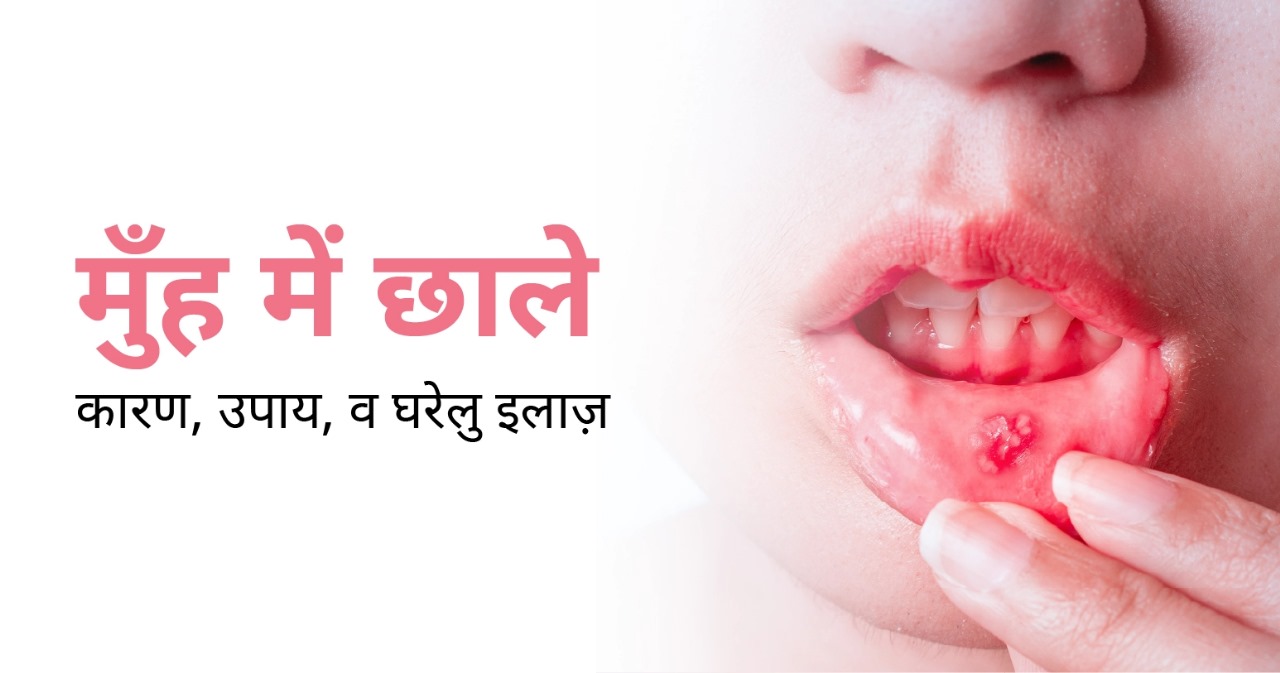
मुँह के छाले(Mouth Ulcers) एक आम लेकिन परेशान करने वाली मुँह की स्थिति है जिसका अनुभव लगभग हर कोई जीवन में कभी न कभी करता है। ये छोटे, दर्दनाक घाव अक्सर मुँह के अंदर (गालों के अंदरूनी हिस्से, होंठों, मसूड़ों या जीभ पर) होते हैं और खाने, पीने और यहाँ तक कि बात करने में भी असहजता पैदा कर सकते हैं। हालाँकि ज़्यादातर छाले एक या दो हफ़्ते में अपने आप ठीक हो जाते हैं, लेकिन बार-बार होने वाले मुँह के छाले कभी-कभी किसी अंतर्निहित समस्या का संकेत हो सकते हैं जिस पर ध्यान देने की आवश्यकता है।
इस ब्लॉग में, हम बार-बार होने वाले मुँह के छालों के कारणों, मुँह के छालों के आसान उपायों और उन्हें दोबारा होने से रोकने के व्यावहारिक सुझावों पर चर्चा करेंगे।
Table of Contents
मुँह के छाले, जिन्हें कैंकर सोर (Canker sores) भी कहा जाता है, तब होते हैं जब मुँह के अंदर की नाज़ुक परत में जलन या क्षति हो जाती है। मुँह के छालों के कई कारण और कारण हो सकते हैं, जिनमें शामिल हैं:
जब मुँह के छाले हों, तो असुविधा कम करने और तेज़ी से ठीक होने के लिए उनका उचित प्रबंधन करना ज़रूरी है। आप ये कर सकते हैं:
यदि अल्सर दो सप्ताह से अधिक समय तक बना रहे, असामान्य रूप से बड़े दिखाई दें, या बुखार या सूजी हुई लिम्फ नोड्स के साथ हों, तो डॉक्टर या दंत चिकित्सक से परामर्श करें।
ये भी पढ़े: हल्दी वाले दूध पीने के स्वास्थ्य लाभ (benefits of turmeric milk)
मुँह के छालों की रोकथाम और प्रबंधन, दोनों में आहार की महत्वपूर्ण भूमिका होती है। यहाँ कुछ खाद्य पदार्थों को शामिल करने और उनसे बचने के बारे में एक विस्तृत तालिका दी गई है:
| श्रेणी | खाद्य पदार्थ | लाभ |
| नरम खाद्य पदार्थ | दही, मसले हुए आलू, दलिया, स्मूदी | निगलने में आसान और छालों पर हल्के असरदार। |
| ठंडे खाद्य पदार्थ | ठंडा दूध, दही, आइसक्रीम | जलन और दर्द से राहत देते हैं। |
| विटामिन युक्त फल-सब्ज़ियाँ | केला, पपीता, खरबूजा, हरी पत्तेदार सब्ज़ियाँ | विटामिन B और आयरन की कमी दूर कर छालों की रोकथाम में मदद करते हैं। |
| साबुत अनाज और दालें | ओट्स, ब्राउन राइस, मूंग दाल, मसूर दाल | शरीर को पोषण देकर मुँह के छालों से बचाव में सहायक। |
| श्रेणी | खाद्य पदार्थ | कारण / प्रभाव |
| मसालेदार और खट्टे खाद्य पदार्थ | खट्टे फल, अचार, सिरका, तीखी चटनी | दर्द और जलन बढ़ाते हैं। |
| नमकीन स्नैक्स | चिप्स, तली हुई चीज़ें, प्रसंस्कृत खाद्य पदार्थ | खुले छालों में जलन पैदा करते हैं। |
| रूखे या कुरकुरे खाद्य पदार्थ | टोस्ट, कुरकुरी ब्रेड | छालों को खुरचकर भरने में देरी करते हैं। |
| शराब और तंबाकू | — | मुँह की परत में जलन और छालों का खतरा बढ़ाते हैं। |
ये भी पढ़े: ओट्स और दलिया में अंतर, फायदे और नुक्सान
मुँह के छालों के लिए कई प्राकृतिक उपचार हैं जो दर्द से राहत दिलाने और छालों को जल्दी भरने में मदद कर सकते हैं। ये उपाय सुरक्षित, प्रभावी और घर पर आसानी से आजमाए जा सकते हैं।
ये भी पढ़े: प्रोटीन युक्त आहार लिस्ट: 15 हाई प्रोटीन फूड्स
रोकथाम हमेशा इलाज से बेहतर होती है। बार-बार होने वाले मुँह के छालों से बचने के कुछ आसान तरीके इस प्रकार हैं:
ये भी पढ़े: बदलते मौसम में बीमारियों से बचने के आसान टिप्स
मुँह के छाले आमतौर पर हानिरहित होते हैं, लेकिन ये काफी परेशानी का कारण बन सकते हैं। मुँह के छालों के कारणों और उपचारों को समझने से आपको उनका शीघ्र उपचार करने और पुनरावृत्ति को रोकने में मदद मिल सकती है। स्वस्थ आहार, तनाव प्रबंधन और अच्छी मुँह की स्वच्छता इन दर्दनाक छालों को दूर रखने में काफी मददगार साबित होती है।
यदि आपको बार-बार मुँह के छाले, असामान्य रूप से बड़े छाले, या दो सप्ताह के भीतर ठीक न होने वाले छाले दिखाई देते हैं, तो अंतर्निहित स्वास्थ्य समस्याओं से बचने के लिए किसी स्वास्थ्य सेवा पेशेवर से परामर्श लें।
1. क्या मुँह और गले के छाले अलग-अलग होते हैं?
हाँ। मुँह के छाले मुँह के अंदर होते हैं—जीभ, मसूड़ों या गालों पर—जबकि गले के छाले गले या टॉन्सिल में गहराई में बनते हैं। इनके कारण एक जैसे हो सकते हैं, लेकिन गले के छाले अक्सर संक्रमण या एसिड रिफ्लक्स के कारण होते हैं।
2. मुँह के छालों का कारण क्या है?
आयरन, फोलिक एसिड और विटामिन B12 की कमी मुँह के छालों के बार-बार होने के सामान्य कारण हैं। पोषक तत्वों से भरपूर खाद्य पदार्थ या सप्लीमेंट लेने से इनसे बचाव हो सकता है।
3. क्या बार-बार मुँह के छाले किसी गंभीर बीमारी का संकेत हैं?
हालाँकि ज़्यादातर छाले हानिरहित होते हैं, लेकिन बार-बार होने वाले या गंभीर छाले सीलिएक रोग, विटामिन की कमी या किसी स्व-प्रतिरक्षी विकार का संकेत हो सकते हैं। अगर ये बार-बार होते हैं, तो जाँच करवाना उचित है।
4. क्या नींबू या मसालेदार खाना मुँह के छालों को बढ़ा सकता है?
हाँ। नींबू और मसालेदार खाना अम्लीय होता है और खुले घावों में जलन पैदा कर सकता है, दर्द बढ़ा सकता है और घाव भरने में देरी कर सकता है। जब तक छाले पूरी तरह से ठीक न हो जाएँ, तब तक इनसे बचना ही बेहतर है।

Many people experience nightfall, but hesitate to talk about it openly, mostly because of myths, embarrassment, or mixed advice from friends. If you also have questions or concerns about nightfall, you are definitely not alone, and it is normal to ask. If you have been wondering why it happens, whether it is normal, or if it is something to be worried about, this article walks you through everything in a simple, clear, and comforting way.
Table of Contents
But does it mean that it cannot happen later?
No, even adults, including married men or those who are sexually active, may also experience nightfall occasionally. It is important to know that it is not a disease, and it does not indicate that you have poor health. In fact, it is the body’s natural way of cleaning your reproductive system by releasing excess semen.
Numerous factors can lead to nightfall in men, and they are generally harmless.
Also Read: Common causes of frequent urination in men
There are no typical signs of nightfall; however, some people may experience:
Nightfall cannot be eliminated completely, and there is also no need to prevent it, since it is a natural process. However, if it is happening more often than usual, then you should consult a medical professional and follow the tips below that can support your reproductive health.
1. Improve Sleep Hygiene: Take adequate sleep, maintain healthy sleep patterns and avoid screens 1–2 hours before bed. Also, avoid heavy meals before bedtime.
2. Stay Physically Active: Regular exercise balances hormones, reduces anxiety, and improves sleep quality. All these help reduce frequent nocturnal emissions.
3. Manage Stress: Try deep breathing, meditation, yoga, or light evening walks to manage stress.
4. Limit Sexual Triggers Before Bed: Avoid pornography, erotic content, or sexually stimulating conversations before sleeping.
5. Eat a Healthy Diet: Here is what to include and what to avoid:
Include ✅
Avoid ❌
6. Stay Connected Emotionally: Talking to a trusted friend or a counsellor helps reduce anxiety around sexual health.
7. Maintain Healthy Sexual Habits: For adults, healthy sexual expression through intercourse or masturbation may reduce the body’s need for nocturnal release.
Although harmless, nightfall can become a concern in some cases that require medical guidance.
Note: Frequent nightfall alone does not indicate infertility or serious illness, but prolonged symptoms might indicate hormonal imbalance, sleep disorders, anxiety, infections, or underlying medical issues that need medical intervention.
You must be somewhat relieved by now that you are not the only one experiencing nightfall, and it is a completely normal physiological process. However, it is important to understand and listen to your body. If frequent episodes of nightfall worry you or affect your daily life, simple lifestyle changes or a conversation with a doctor can make a big difference. Do not hesitate to talk to our reproductive health specialists at the CK Birla Hospital, who will compassionately help you deal with your reproductive health concerns while maintaining 100% privacy.
Also Read: Urinary tract infection – A guide for men
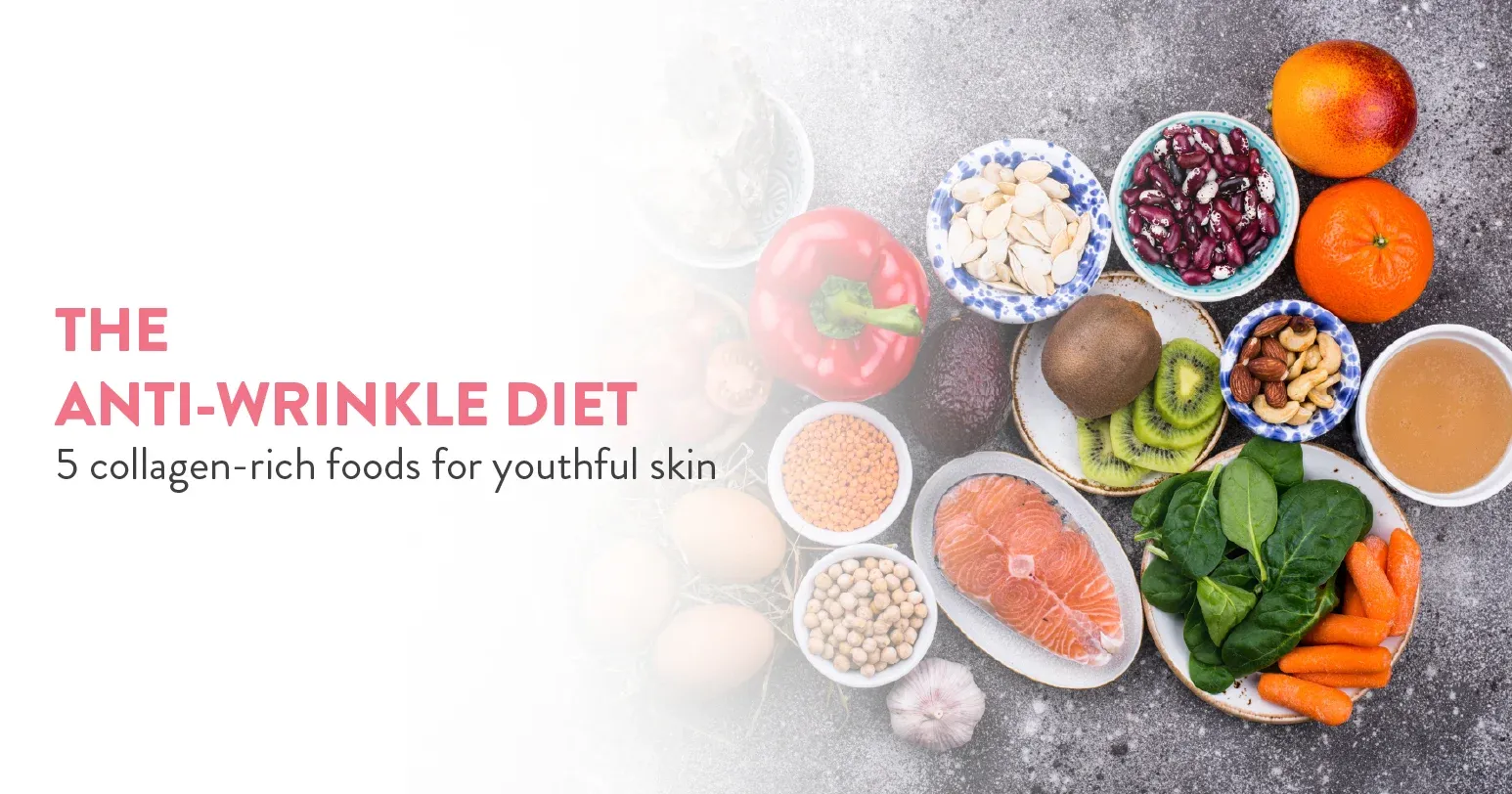
Table of Contents
Trying your best for that glowing skin?
Youthful and glowing skin is not just about expensive serums, long skincare routines, or cosmetic procedures, it is also about what you eat and how is your lifestyle. Collagen plays the primary role when it comes to a healthy skin. It is your skin’s most abundant protein which naturally declines after your mid-20s, leading to fine lines, sagging, and dryness.
But do you know that you can slow this process simply by nourishing your body with collagen-boosting foods? Your diet cannot magically erase wrinkles overnight, but the right nutrients can support your body’s collagen production, improve skin repair, and protect against premature ageing.
Let’s explore the anti-wrinkle diet, a simple, delicious way to glow from within.
Let’s understand the science behind collagen first. It is a protein that is made up of three key amino acids – glycine, proline, and hydroxyproline. You body requires vitamin C, zinc, copper, and antioxidants to produce this collagen. Now what happens when you eat sugar and processed foods, smoke everyday, and take stress? The collage breakdown increases and your ageing process speeds up. And what happens when you eat a nutrient-rich healthy diet? It just do the opposite; it can boost collagen formation, reduce skin inflammation, and support healthy cell turnover.
Also Read: Beetroot Benefits
Your skin reflects what happens inside your body. A nourishing diet helps maintain that healthy skin in three major ways:
1. Boosts collagen production naturally
Vitamin C–rich foods, protein, and healthy fats encourage the body to create new collagen fibres.
2. Protects collagen from damage
Antioxidants neutralise free radicals – the unstable molecules that accelerate wrinkles, dullness, and age spots.
3. Hydrates and plumps the skin
Foods rich in omega-3 fatty acids and water content keep skin supple and reduce the appearance of fine lines.
A consistent anti-ageing diet can help your skin stay firmer, brighter, and healthier for years.
Here are the top foods that nourish your skin from within:
| S.No. | Food | Benefit |
| 1 | Bone Broth | A natural source of collagen peptides. It supports skin elasticity and firmness. |
| 2 | Fish (Salmon, Mackerel, Sardines) | They are packed with amino acids and omega-3s that hydrate and reduce inflammation. |
| 3 | Chicken | A rich source of connective tissues that naturally contain collagen. |
| 4 | Eggs | Egg whites contain proline, a key amino acid for collagen synthesis. |
| 5 | Citrus Fruits (Oranges, Lemons, Grapefruit) | Vitamin C boosts collagen formation and protects skin against UV damage. |
| 6 | Berries (Strawberries, Blueberries, Blackberries) | They are high in antioxidants that fight free radical damage. |
| 7 | Tomatoes | They contain lycopene, which is a powerful antioxidant that protects collagen in the skin. |
| 8 | Leafy Greens (Spinach, Kale, Methi) | They are loaded with vitamin C, iron, and chlorophyll for stronger collagen fibres. |
| 9 | Nuts & Seeds (Almonds, Walnuts, Chia Seeds, Flax Seeds) | They provide healthy fats, zinc, and vitamin E to repair skin cells. |
| 10 | Avocado | It contains essential fatty acids and antioxidants that slow skin ageing. |
| 11 | Soy Products (Tofu, Edamame) | Isoflavones in soy increase collagen and improve skin elasticity in women. |
| 12 | Pumpkin Seeds | These are high in zinc, an essential mineral for collagen regeneration. |
| 13 | Green Tea | It is rich in catechins that protect the skin and reduce wrinkle formation. |
| 14 | Red & Yellow Peppers | These are packed with vitamin C and antioxidants that smoothen skin texture. |
| 15 | Garlic | It contains sulphur, which helps synthesise collagen and prevents its breakdown. |
These foods work beautifully together to strengthen the skin barrier and maintain firmness.
Also Read: Quinoa: Health Benefits & Nutritional Value
Along with collagen-rich foods, your skin thrives on:
Vitamin A: Supports cell turnover and prevents dryness.
Found in: carrots, sweet potatoes, spinach.
Vitamin E: Protects skin from UV damage and moisturises from within.
Found in: almonds, sunflower seeds, olive oil.
Omega-3 Fatty Acids: Reduce inflammation and help maintain the skin’s natural oil barrier.
Found in: fatty fish, chia seeds, flax seeds.
Polyphenols: Slow ageing and support skin repair.
Found in: green tea, cocoa, dark berries.
Also Read: Uses & Benefits of Castor Oil
Food is essential, but your lifestyle can dramatically affect how your skin ages. Here are simple daily habits:
Also Read: Benefits of Taking Fish Oil
Ageing is natural, but looking after your skin from within can help you age gracefully and confidently. A collagen-supporting diet gives your skin the nutrients it needs to stay firm, hydrated, and glowing. By combining collagen-rich foods, antioxidant-packed fruits and vegetables, and healthy lifestyle habits, you can slow wrinkles and maintain youthful-looking skin for longer.
Your food plate is one of the most powerful skincare tools you have. You should use it wisely and let your natural radiance shine through.
Also Read: Pineapple: Benefits, Nutrition, Right Way to eat and who should avoid
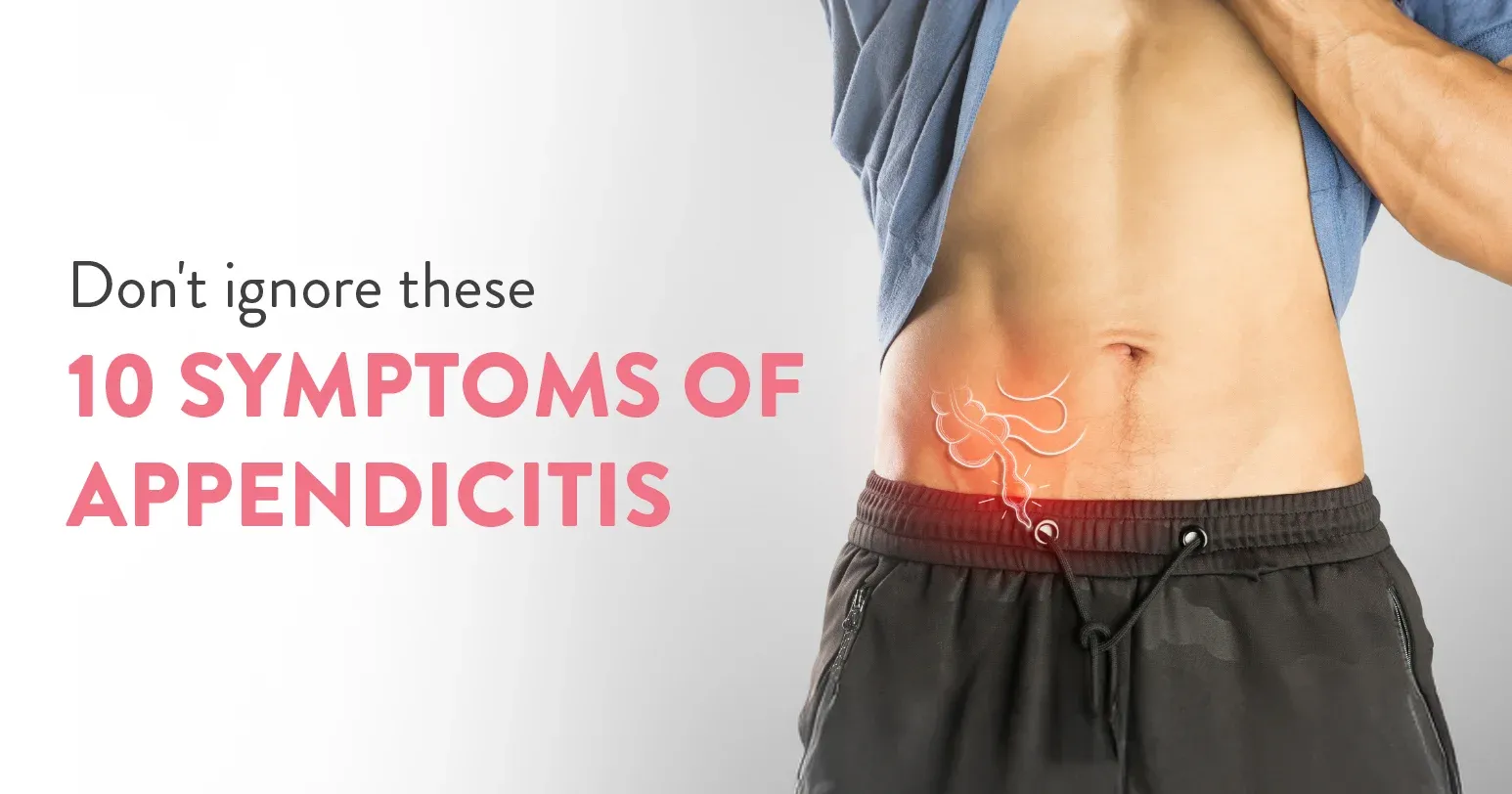
Table of Contents
The appendix is a tiny, finger-shaped pouch located in the lower right side of your abdomen and attached to the large intestine. Appendicitis is a painful medical condition in which the appendix becomes swollen or infected. Although the appendix has no essential role in digestion, it can cause serious, even life-threatening problems when inflamed. Appendicitis can affect anyone, but it is most commonly seen in teenagers and adults in their 20s and 30s.
Appendicitis starts as mild inflammation, but it can progress quickly. Ignoring symptoms or delaying treatment can lead to:
1. Risk of Rupture
The appendix can burst if the swelling becomes severe, and cause spilling of the infectious material inside the abdomen. A rupture usually happens within 48–72 hours of the onset of symptoms.
2. Peritonitis
A burst appendix can lead to peritonitis. It is a serious infection of the abdominal lining. This condition causes widespread inflammation and severe pain and requires emergency treatment.
3. Sepsis
If the infection enters the bloodstream, it can trigger sepsis, which is a life-threatening immune reaction that affects multiple organs. Immediate hospital care is needed in such cases.
Note: Appendicitis is not something to “wait and watch”. Timely action is important to avoid complications.
The symptoms of appendicitis can vary among different individuals; however, the common ones are:
Seek medical help immediately if these symptoms appear suddenly and especially in combination.
The classic pattern pain starting near the belly button and moving to the lower right abdomen doesn’t always play out the same way for everyone:
Because symptoms can present atypically in these groups, it’s especially important not to rule out appendicitis just because the pain doesn’t match the “typical” description — when in doubt, get it checked.
You should consult a doctor immediately if:
Delaying medical attention increases the chance of rupture and other complications.
Also Read: Adrenal Insufficiency: Symptoms & Treatment
Doctors use a combination of diagnostic tools to assess appendicitis:
Appendicitis is managed through medication or surgery, though surgery is the most sought-after and reliable option.
The standard and most effective treatment for appendicitis is appendectomy, the surgical removal of the appendix.
Also Read: Inflammatory Bowel Disease: Causes, Symptoms & Treatments
Most appendicitis is acute as it starts suddenly and gets worse quickly. A rarer form, chronic appendicitis, causes milder, on-and-off inflammation over a longer period, sometimes making it harder to recognise. Even so, doctors generally treat it the same way as acute appendicitis, because it can still worsen unexpectedly. If you have ongoing, unexplained abdominal pain, it’s worth getting checked even if it doesn’t feel like a sudden emergency.
Possible Risk Factors
Prevention Tips for Appendicitis
While there is no guaranteed way to prevent appendicitis, you can lower the risk by supporting better gut health and reducing the chances of blockage or inflammation. Here are a few tips that can help:
Also Read: Balanced Diet Chart
Appendicitis can start with mild abdominal pain, but it can rapidly turn into a medical emergency. Therefore, it is important to take proactive action and not ignore the early warning signs. Seeking prompt medical care can prevent serious complications like rupture and sepsis. With timely diagnosis and treatment, usually through surgery, most people recover fully and return to their normal routine within weeks. If you are facing any abdominal discomfort, do not hesitate to talk to our specialists at the CK Birla Hospital.
1. Where does appendicitis occur?
Appendicitis occurs in the lower right side of the abdomen, where the appendix is located.
2. Can appendicitis pain come and go?
Not usually. Appendicitis pain tends to worsen over time and does not disappear.
3. Does appendicitis pain come and go?
Rarely. If the pain fluctuates, it may be due to another condition, but consistent worsening pain needs urgent evaluation.
4. Can appendicitis be cured without surgery?
In a few mild cases, antibiotics may help temporarily, but surgery remains the most reliable and long-term cure.
5. Why does appendicitis occur?
It happens due to blockage of the appendix, often from stool, infection, or swollen tissue.
6. Is appendicitis dangerous?
If left untreated, it can lead to serious complications like appendix rupture, peritonitis, or sepsis.
7. Does appendicitis cause gas?
It may cause bloating or inability to pass gas, but not excessive gas.
8. Can appendicitis cause back pain?
Yes, some people feel pain radiating to the lower back or pelvis.
9. Is appendicitis curable?
Absolutely. Removal of the appendix usually cures the condition permanently.
10. How does appendicitis start?
It usually begins with mild abdominal discomfort near the belly button, gradually moving to the lower right abdomen and intensifying.
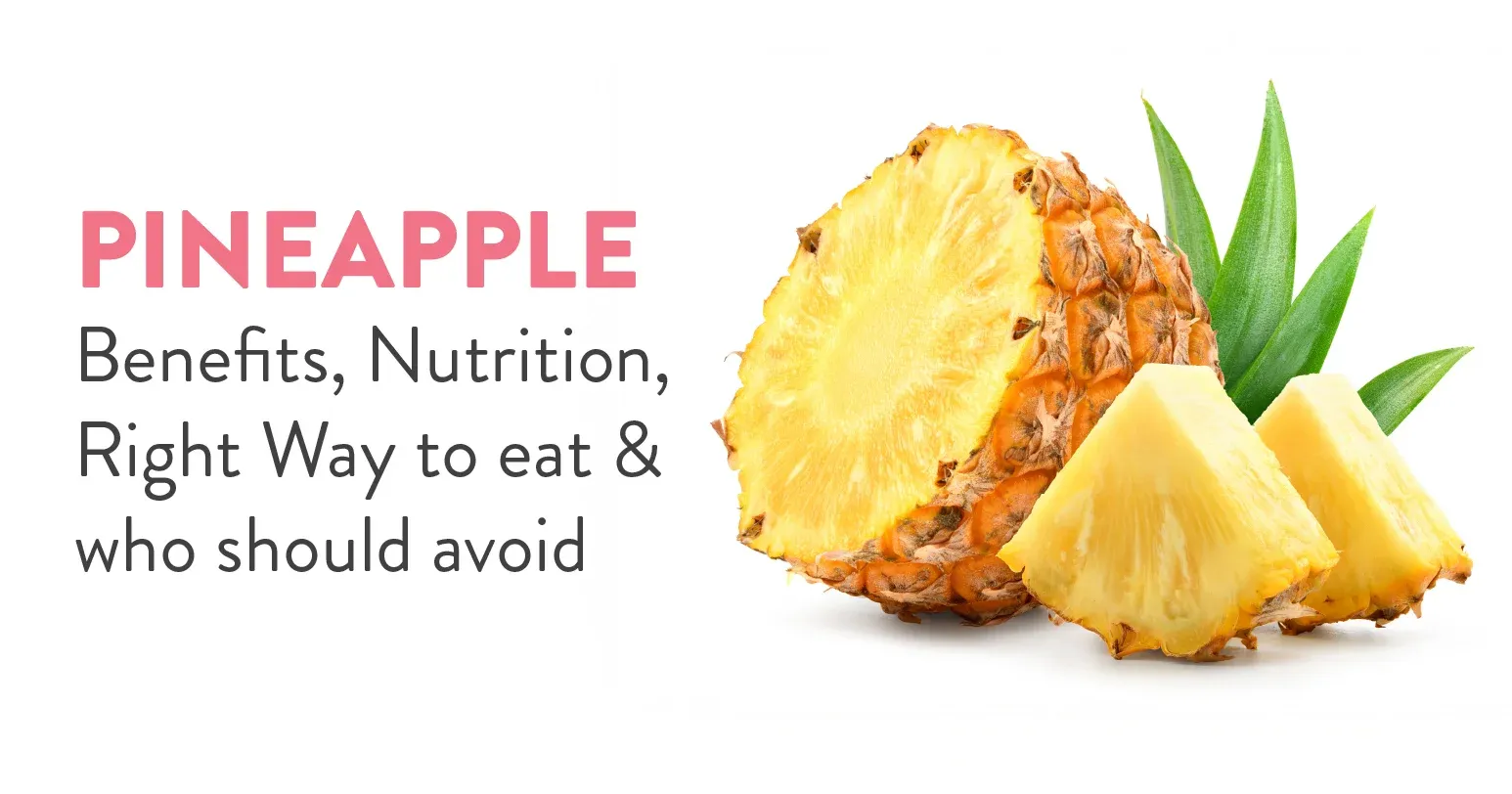
Naturally, Pineapple is more than just a holiday fruit; it’s tropical, acidic, and sweet in a way that makes you feel good. It is a superfood full of vitamins, enzymes, and antioxidants that help your immune system, gastrointestinal health, skin radiance, and energy levels.
“Pineapple is one of those rare fruits that combines flavour with function,” says, a clinical nutritionist. “It’s high in vitamin C, bromelain, and fibre, which work together to fight inflammation, improve digestion, and support overall health.”
Whether you want to drink pineapple juice or eat it as a snack, let’s look at all the health advantages, nutrition, best methods to eat it, and who should stay away from this tropical delicacy.
Table of Contents
| Benefits for Men
Pineapple contains nutrients like Vitamin B6, magnesium, and bromelain, which can:
|
Good Things For Women
Pineapple contains essential nutrients that are particularly beneficial for women’s health:
|
Fresh pineapple juice is one of the easiest ways to get vitamins and natural goodness in a single glass without no cooking and not much preparation.
Pineapple supports weight loss, but don’t expect overnight results. Taking pineapple in your daily diet as a healthy swap will results over time.
1. Kills your sweet cravings
When you crave something for eating sweet, the pineapple is a much better option to eat. It gives you that sweetness but with lower calories and without any sugar added.
2. Stomach stays full longer time
Pineapple has fibre, which supports to slows down the digestion. This means food stays in your stomach longer and you feel fuller between meals. It reduce the chances for unhealthy snacks before lunch or dinner.
3. High water content fills you up fast
Pineapple consists of waterwith a very few calories. It adds bulk to your snack or meal and makes you feel fuller stomach.
There’s a common myth that pineapple can trigger early labour, however there’s no scientific proof to support it. In fact:
Tip: Avoid excess or unripe pineapple, which may cause acidity. 1 or 2 small slices a few times a week should be safe. If facing discomfort discontinue. “Moderation is key. Pineapple can be part of a healthy pregnancy diet, but overeating it may cause acidity or discomfort,” adds Prachi Jain.
Also Read: How to Boost Your Immunity in Winter
Pineapple is safe for most people in normal amounts, but eating too much can have some side effects:
1. Mouth tingling or soreness: The ingredient bromelain breaks down protein, so large amounts can leave the tongue, lips or inner cheeks feeling raw.
2. Acidity: its acidity can trigger heartburn or stomach upset in sensitive people.
3. Blood-sugar spikes: The natural sugar can raise blood glucose if portions are large, which affects on the health of people with diabetes.
4. Allergy / latex cross-reaction: Some people with a latex allergy react to pineapple with itching or swelling.
5. Tooth enamel wear with frequent, large amounts of the acidic fruit or juice can erode enamel over time; rinsing with water afterwards helps.
While generally safe, a few people should be cautious:
1. Is it safe for pregnant women to eat pineapple?
Yes, but not too much. 2–3 slices a week are harmless and good for your immune system and digestion.
2. Does pineapple raise testosterone levels?
Bromelain and antioxidants may help men keep their testosterone levels stable and lower oxidative stress.
3. Is pineapple healthy for people with diabetes?
Yes, but only in little amounts. To keep sugar spikes under control, eat with protein, like yoghurt.
4. Can eating pineapple help you lose weight?
Yes, for sure. It has a lot of fiber and few calories, which helps you feel full longer and cuts down on cravings.
5. Is pineapple beneficial for a cough?
Yes! Bromelain is a natural decongestant that also helps with sore throats.
6. Is it okay to eat pineapple at night?
Yes, however it’s recommended to eat it 2 to 3 hours before bed to avoid acidity.
7. What is the best time to eat pineapple?
Mid-morning or around a workout is ideal. Avoid eating it very late at night or on a completely empty stomach if you are prone to acidity.
8. Is it good to eat pineapple every day?
For most healthy adults, about 100–150 g of fresh pineapple a day is safe and can support immunity and digestion. Vary it with other fruits and scale down if you manage blood sugar.
9. Are there benefits of pineapple juice for men?
Pineapple juice provides vitamin C, B6 and bromelain that may support circulation and post-workout recovery, but it loses fibre and concentrates sugar, so keep portions small and unsweetened.
10. What are the main uses of pineapple?
Beyond eating it fresh, pineapple is used in juices, smoothies, salads, salsas and chutneys, and as a natural meat tenderizer thanks to bromelain.
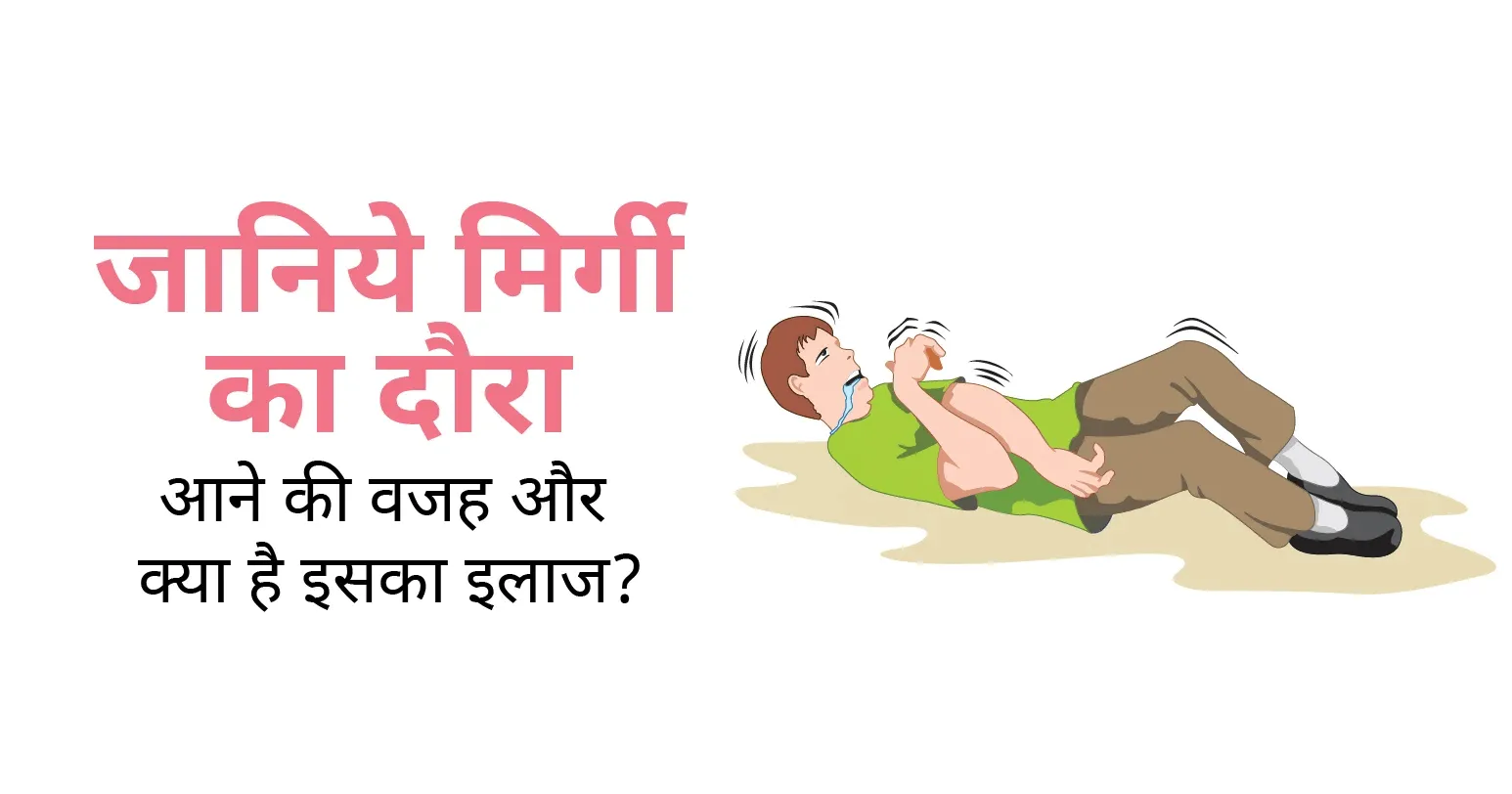
मिर्गी दुनिया की सबसे आम तंत्रिका संबंधी स्थितियों (neurological conditions) में से एक है, जो हर उम्र के लोगों को प्रभावित करती है। इसकी व्यापकता के बावजूद, बहुत से लोग इस बात से अनजान हैं कि मिर्गी का दौरा वास्तव में क्यों पड़ता है, यह कैसे होता है और इसे नियंत्रित करने के लिए क्या किया जा सकता है। मिर्गी का दौरा न केवल एक चिकित्सीय स्थिति है, बल्कि एक चुनौती भी है जो व्यक्ति के दैनिक जीवन, कार्य और रिश्तों को गहराई से प्रभावित कर सकती है।
मिर्गी के कारण, इसके लक्षण, उपचार के विकल्प और जीवनशैली संबंधी सावधानियों को समझना इस स्थिति को प्रभावी ढंग से प्रबंधित करने की दिशा में पहला कदम है। यह लेख विस्तार से बताएगा कि मिर्गी मस्तिष्क को कैसे प्रभावित करती है, दौरे क्यों पड़ते हैं, और यदि आपको या आपके आस-पास किसी को मिर्गी का दौरा पड़ता है तो आपको क्या करना चाहिए।
Table of Contents
मिर्गी एक तंत्रिका संबंधी विकार है जिसकी विशेषता बार-बार और बिना किसी कारण के दौरे पड़ना है। ये दौरे मस्तिष्क में असामान्य विद्युत गतिविधि के अचानक बढ़ने के कारण होते हैं, जो अस्थायी रूप से सामान्य मस्तिष्क कार्यों को बाधित करते हैं।
मस्तिष्क लाखों तंत्रिका कोशिकाओं (nerve cells) के माध्यम से संचार करता है जो विद्युत आवेगों का उपयोग करके संकेत भेजती हैं। मिर्गी में, यह संचार बाधित हो जाता है, जिससे अत्यधिक या अनियंत्रित गतिविधि हो सकती है। परिणामस्वरूप, व्यक्ति बेहोश हो सकता है, असामान्य गतिविधियों का अनुभव कर सकता है, या यहाँ तक कि संवेदना, व्यवहार या भावनाओं में भी बदलाव आ सकता है।
मिर्गी का दौरा अलग-अलग लोगों को अलग-अलग तरह से प्रभावित कर सकता है। कुछ लोगों में, यह कुछ देर तक घूरने के दौरों का कारण बन सकता है, जबकि अन्य लोगों में, यह तीव्र आक्षेप का कारण बन सकता है। मिर्गी के दौरे की गंभीरता और आवृत्ति व्यक्ति-दर-व्यक्ति बहुत भिन्न होती है।
मिर्गी का सटीक कारण हमेशा ज्ञात नहीं होता है। कई मामलों में, डॉक्टर किसी एक कारण का पता नहीं लगा पाते हैं। हालाँकि, शोध ने कई संभावित कारणों और ट्रिगर की पहचान की है जो मिर्गी के दौरे में योगदान कर सकते हैं:
भले ही किसी को पहले से ही मिर्गी हो, कुछ ट्रिगर दौरे का कारण बन सकते हैं:
इन ट्रिगर्स को पहचानकर और उनसे बचकर दौरे पड़ने की संभावना को काफी कम किया जा सकता है।
सभी दौरे एक जैसे नहीं होते। कुछ हल्के होते हैं और ध्यान नहीं जाते, जबकि कुछ गंभीर और जानलेवा हो सकते हैं। मिर्गी के चेतावनी संकेतों को समझने से शुरुआती पहचान और प्रबंधन में मदद मिलती है।
कुछ लोगों को दौरे से पहले कई तरह की संवेदनाएँ महसूस होती हैं, जिन्हें अक्सर “आभा” कहा जाता है। इनमें शामिल हैं:
इन स्थितियों में तत्काल चिकित्सा की आवश्यकता होती है।
यह भी पढ़े- नसों में दर्द का कारण और उपचार
लोगों द्वारा पूछे जाने वाले सबसे आम प्रश्नों में से एक है: “क्या मिर्गी ठीक हो सकती है?”
वर्तमान में, मिर्गी के लिए कोई स्थायी इलाज की गारंटी नहीं है। हालाँकि, सही उपचार और जीवनशैली में बदलाव के साथ, कई मरीज़ लंबे समय तक दौरे पर नियंत्रण पा लेते हैं। वास्तव में, मिर्गी से पीड़ित लगभग 70% लोग उचित दवा के साथ दौरे-मुक्त जीवन जी सकते हैं।
मिर्गी से पीड़ित कुछ बच्चे उम्र बढ़ने के साथ इस स्थिति से उबर भी सकते हैं। दूसरों को लक्षणों को नियंत्रित करने के लिए आजीवन उपचार की आवश्यकता हो सकती है। मुख्य बात है नियमित चिकित्सा देखभाल और निर्धारित चिकित्सा का पालन।
यह भी पढ़े- बच्चों में मिर्गी (एपिलेप्सी) – कारण,लक्षण और बचाव
दौरा पड़ना या उसे देखना डरावना हो सकता है, लेकिन क्या करना है, यह जानना जान बचा सकता है।
यह भी पढ़े- फैटी लिवर का कारण, लक्षण और इलाज
मिर्गी का इलाज दौरे को नियंत्रित करने और जीवन की गुणवत्ता में सुधार लाने पर केंद्रित है। विकल्पों में शामिल हैं:
मिर्गी को नियंत्रित करने में जीवनशैली का प्रबंधन भी उतना ही महत्वपूर्ण है। रोगियों को इन चरणों का पालन करना चाहिए:
मिर्गी एक जटिल लेकिन प्रबंधनीय स्थिति है। हालाँकि मिर्गी के कारण आनुवंशिकता से लेकर मस्तिष्क की चोट तक भिन्न हो सकते हैं, फिर भी उचित दवा, जीवनशैली में बदलाव और चिकित्सा देखरेख से दौरे को अक्सर नियंत्रित किया जा सकता है। मिर्गी के दौरे के शुरुआती चेतावनी संकेतों को पहचानना, दौरे के दौरान क्या करना है, यह जानना और उपचार संबंधी दिशानिर्देशों का पालन करना रोगी की सुरक्षा और स्वास्थ्य के लिए आवश्यक है।
हालाँकि मिर्गी का हमेशा पूरी तरह से इलाज संभव नहीं होता, लेकिन सही दृष्टिकोण से रोगी स्वस्थ और संतुष्ट जीवन जी सकते हैं। जागरूकता, समय पर उपचार और एक सहायक वातावरण मिर्गी के प्रभावी प्रबंधन में महत्वपूर्ण भूमिका निभाते हैं।
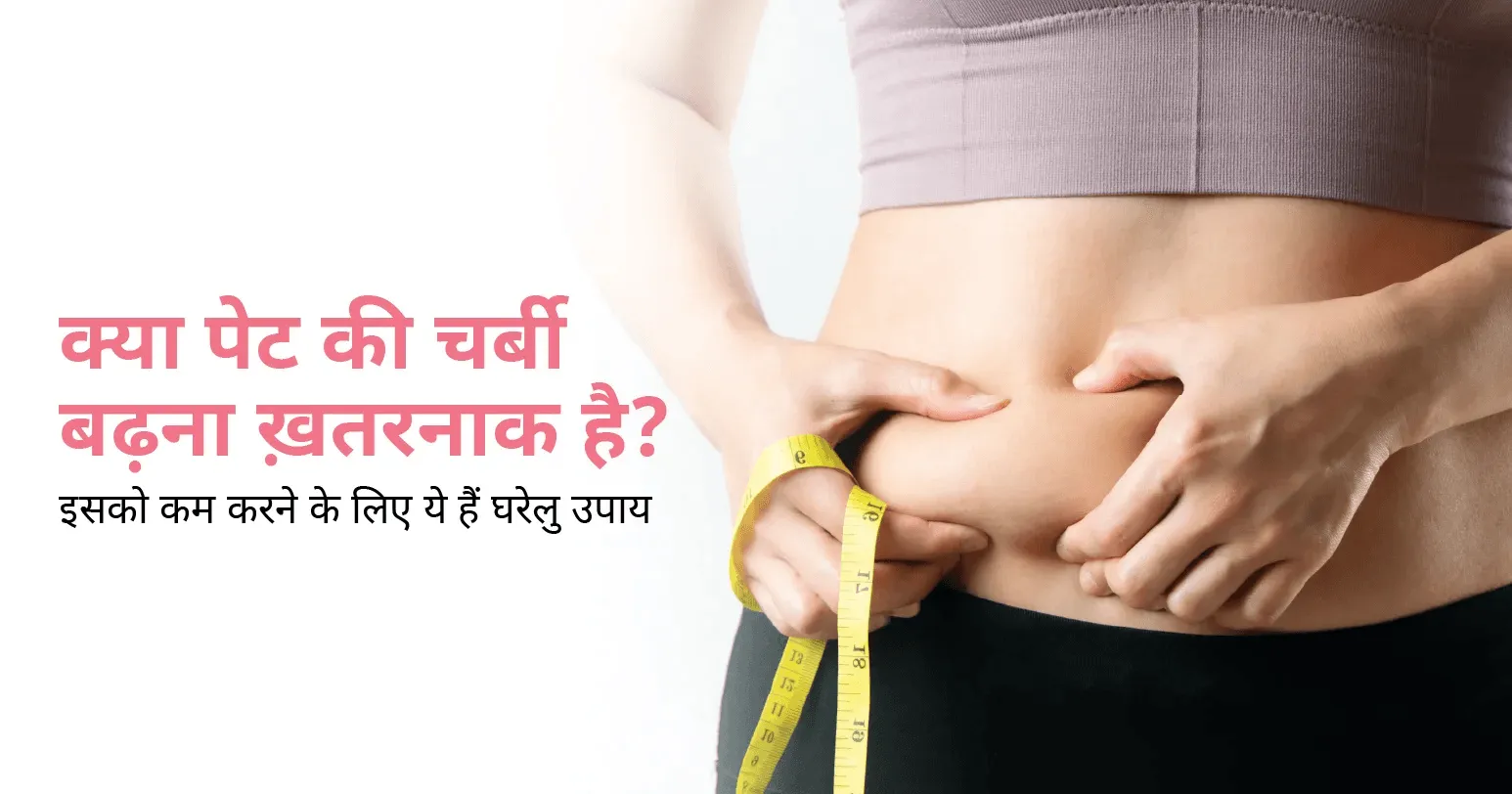
पेट की चर्बी (belly fat) हर उम्र के लोगों के लिए सबसे आम स्वास्थ्य समस्याओं में से एक है। शरीर के अन्य हिस्सों में जमा चर्बी के विपरीत, पेट की अतिरिक्त चर्बी न केवल एक सौंदर्य संबंधी समस्या है, बल्कि एक गंभीर स्वास्थ्य जोखिम भी है। कई अध्ययनों से पता चला है कि पेट के आसपास जमा चर्बी हृदय संबंधी समस्याओं (heart problems), मधुमेह और यहाँ तक कि कुछ कैंसर जैसी क्रोनिक बीमारियों से भी जुड़ी है।
जो लोग पेट की चर्बी कम करने के बारे में सोच रहे हैं, उनके लिए अच्छी खबर यह है कि आप संतुलित आहार, नियमित व्यायाम और आसान घरेलू उपायों के ज़रिए इसे प्राकृतिक रूप से नियंत्रित कर सकते हैं। जीवनशैली में सावधानीपूर्वक बदलाव करके और सही खाद्य पदार्थ खाकर, पेट की चर्बी को प्रभावी ढंग से कम करना संभव है—कुछ मामलों में तो एक महीने के भीतर भी।
इस ब्लॉग में, आइए पेट की चर्बी बढ़ने के मुख्य कारणों, इससे जुड़े स्वास्थ्य जोखिमों और अपनी कमर को स्वस्थ रखने के लिए सर्वोत्तम घरेलू उपायों और आहार रणनीतियों को समझते हैं।
Table of Contents
पेट की अतिरिक्त चर्बी आमतौर पर तब बनती है जब आपका शरीर जितनी कैलोरी जलाता है, उससे ज़्यादा कैलोरी जमा कर लेता है। हालाँकि, इस जिद्दी चर्बी के लिए कई अन्य कारक भी ज़िम्मेदार हैं:
ये भी पढ़े – मोटापा और वजन घटाने के लिए कम्पलीट डाइट चार्ट
त्वचा के नीचे जमा चर्बी के विपरीत, पेट की चर्बी में अक्सर आंतरिक अंगों के आसपास की आंतरिक चर्बी भी शामिल होती है। यही इसे विशेष रूप से हानिकारक बनाता है। पेट की चर्बी से जुड़ी कुछ प्रमुख स्वास्थ्य समस्याओं में शामिल हैं:
स्पष्ट रूप से, पेट की चर्बी केवल वजन की समस्या नहीं है – यह एक स्वास्थ्य जोखिम है जिस पर ध्यान देने की आवश्यकता है।
ये भी पढ़े – सहजन (मोरिंगा) खाने के क्या फायदे हैं?
हालाँकि व्यायाम और आहार वज़न घटाने में सबसे बड़ी भूमिका निभाते हैं, लेकिन आसान घरेलू उपाय आपके प्रयासों को और तेज़ कर सकते हैं। अगर आप पेट की चर्बी कम करने के घरेलू उपाय खोज रहे हैं, तो यहाँ कुछ आजमाए हुए विकल्प दिए गए हैं:
ये भी पढ़े – तेजी से वजन कम करने के घरेलू उपाय और उपचार
अगर आप जानना चाहते हैं कि पेट की चर्बी कम करने के लिए क्या खाना चाहिए, तो पोषक तत्वों से भरपूर आहार पर ध्यान देना ज़रूरी है। एक सुनियोजित आहार यह सुनिश्चित करता है कि आपके शरीर को अनावश्यक चर्बी जमा किए बिना आवश्यक ऊर्जा मिले। यहाँ एक नमूना आहार चार्ट दिया गया है जिसका आप पालन कर सकते हैं:
यह आहार संपूर्ण खाद्य पदार्थों, रेशे, लीन प्रोटीन और स्वस्थ वसा पर ज़ोर देता है, जो मिलकर पेट की चर्बी को प्राकृतिक रूप से कम करने में मदद कर सकते हैं।
ये भी पढ़े – गैस की वजह से पेट फूलने के घरेलू उपचार क्या हैं
हालांकि हल्के पेट की चर्बी को घरेलू नुस्खों, आहार और व्यायाम से नियंत्रित किया जा सकता है, लेकिन कई बार पेशेवर मदद की ज़रूरत भी पड़ सकती है। आपको डॉक्टर से सलाह लेनी चाहिए अगर:
ये भी पढ़े – यूरिक एसिड बढ़ने का कारण, लक्षण, इलाज और आसान घरेलू नुस्खे
पेट की चर्बी सिर्फ़ दिखावे की बात नहीं है—यह एक स्वास्थ्य समस्या है जिसे नज़रअंदाज़ करने पर जानलेवा बीमारियाँ हो सकती हैं। पेट की चर्बी कम करने की कुंजी संतुलित आहार अपनाने, सक्रिय रहने, तनाव प्रबंधन का अभ्यास करने और सरल घरेलू उपचारों का उपयोग करने में निहित है। हालाँकि परिणाम तुरंत नहीं मिल सकते हैं, लेकिन लगातार प्रयास करने से एक महीने के भीतर स्पष्ट बदलाव आ सकते हैं।
अगर जीवनशैली में बदलाव के बावजूद पेट की चर्बी बनी रहती है, तो किसी भी अंतर्निहित स्वास्थ्य समस्या का पता लगाने के लिए डॉक्टर से परामर्श करना ज़रूरी है। रोज़मर्रा की ज़िंदगी में छोटे-छोटे लेकिन प्रभावी बदलाव करके, आप अपनी सेहत की रक्षा कर सकते हैं, आत्मविश्वास बढ़ा सकते हैं और एक बेहतर जीवनशैली का आनंद ले सकते हैं।

सामान्य सर्दी-ज़ुकाम या खांसी भले ही हानिरहित लगें, लेकिन कुछ मामलों में, ये साधारण श्वसन संक्रमण निमोनिया जैसी गंभीर बीमारी का रूप ले सकते हैं। हालाँकि ज़्यादातर सर्दी-ज़ुकाम और फ्लू एक या दो हफ़्ते में ठीक हो जाते हैं, लेकिन कुछ स्थितियों में संक्रमण फेफड़ों में गहराई तक फैल सकता है, जिससे सूजन और साँस लेने में तकलीफ़ हो सकती है। निमोनिया के कारणों को समझना, इसके शुरुआती लक्षणों को पहचानना और यह जानना कि कब चिकित्सा सहायता लेनी है, जटिलताओं को रोकने के लिए बेहद ज़रूरी है।
इस ब्लॉग में, हम जानेंगे कि सर्दी-ज़ुकाम या फ्लू निमोनिया में कैसे बदल सकता है, किन चेतावनी संकेतों पर ध्यान देना चाहिए, मुख्य जोखिम कारक क्या हैं, और निमोनिया की रोकथाम और उपचार के लिए आप क्या कदम उठा सकते हैं।
यह भी पढ़े- सूखी खांसी: कारण, लक्षण, घरेलू उपाय और निदान
Table of Contents
ज़्यादातर सर्दी-ज़ुकाम और हल्के फ्लू के संक्रमण ऊपरी श्वसन पथ (Upper respiratory tract) – नाक, गले और साइनस (sinus) तक ही सीमित रहते हैं। हालाँकि, निमोनिया निचले श्वसन पथ (lower respiratory tract), खासकर फेफड़ों को प्रभावित करता है। यह तब होता है जब बैक्टीरिया, वायरस या कवक एल्वियोली (Fungus alveoli) ––फेफड़ों में छोटी वायुकोशिकाएँ (alveoli) में फैल जाते हैं, जिससे उनमें मवाद या तरल पदार्थ भर जाता है।
ये भी पढ़े: गले में दर्द का कारण, लक्षण और उपचार (Gale Mein Dard)
संक्षेप में, हालाँकि हर सर्दी निमोनिया का कारण नहीं बनती, लेकिन सही परिस्थितियों में ऐसा हो सकता है।
यह भी पढ़े- जानिए फेफड़ों में पानी भरने के मुख्य कारण और इलाज
निमोनिया के लक्षणों को जल्दी पहचान लेने से ठीक होने में बहुत मदद मिल सकती है।
यह भी पढ़े- ठण्ड में अस्थमा के मरीज़ो को क्या सावधानियां रखनी चाइये?
यदि आपको ये गंभीर लक्षण दिखाई दें, तो तुरंत डॉक्टर से परामर्श करना ज़रूरी है, क्योंकि बिना इलाज के निमोनिया गंभीर जटिलताएँ पैदा कर सकता है।
यह भी पढ़े- निमोनिया क्या होता है – कारण, लक्षण, जांच और उपचार (Pneumonia Meaning in Hindi)
यह भी पढ़े- गले में इन्फेक्शन का कारण, लक्षण, बचाव और घरेलू उपचार
निमोनिया के इन कारणों और जोखिम कारकों को समझने से रोकथाम और शीघ्र पता लगाने में मदद मिलती है।
यह भी पढ़े- इओसिनोफिलिया क्या है – कारण, लक्षण और घरेलू उपचार (Eosinophils in Hindi)
हालांकि निमोनिया के सभी मामलों को रोका नहीं जा सकता, फिर भी इसके जोखिम को कम करने के लिए कुछ व्यावहारिक कदम हैं:
इन निवारक उपायों का पालन करके, आप सामान्य सर्दी से निमोनिया होने के जोखिम को काफी कम कर सकते हैं।
यह भी पढ़े- गले में सूजन का कारण और उपचार | Swelling in Throat in Hindi
यह तय करना मुश्किल हो सकता है कि कब खांसी या ज़ुकाम गंभीर रूप ले लेता है। निम्नलिखित स्थितियों में चिकित्सा सहायता लेने पर विचार करें:
समय पर चिकित्सा देखभाल, ज़रूरत पड़ने पर एंटीबायोटिक्स, एंटीवायरल या ऑक्सीजन जैसी सहायक चिकित्सा के ज़रिए निमोनिया का उचित इलाज सुनिश्चित करती है।
यह भी पढ़े- सांस लेने में दिक्कत हो तो क्या करें?
हालांकि सर्दी या खांसी मामूली लग सकती है, लेकिन सही परिस्थितियों में, ये निमोनिया में बदल सकती हैं, जो संभावित रूप से जानलेवा फेफड़ों का संक्रमण है। निमोनिया के शुरुआती लक्षणों को पहचानना, निमोनिया के कारणों को समझना और समय पर देखभाल प्राप्त करना जटिलताओं को रोक सकता है। रोग प्रतिरोधक क्षमता को मज़बूत करके, अच्छी स्वच्छता का पालन करके और टीकाकरण जैसे निवारक कदम उठाकर, आप अपने जोखिम को काफी हद तक कम कर सकते हैं।
जानकारी रखना और समय पर कार्रवाई करना, खुद को और अपने प्रियजनों को निमोनिया से बचाने के सर्वोत्तम तरीके हैं।
ये भी पढ़े: जानिए काला पीलिया क्यों होता है ? इसके कारण, लक्षण, उपचार
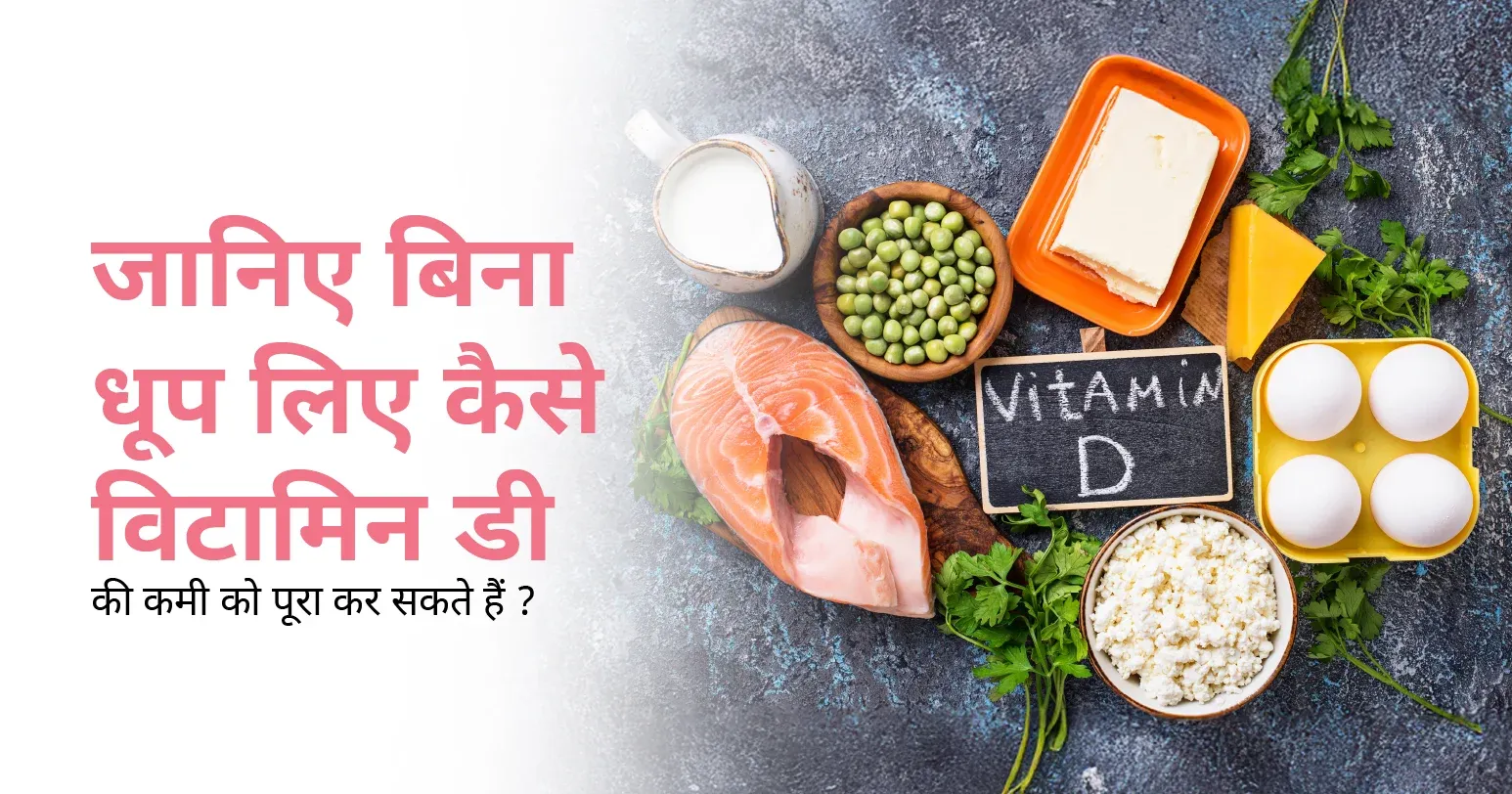
हमारा शरीर सूर्य के प्रकाश के संपर्क में आने पर विटामिन डी उत्पन्न करने के लिए डिज़ाइन किया गया है। लेकिन घर के अंदर काम करने, उत्तरी अक्षांशों और आवश्यक सूर्य संरक्षण की दुनिया में, केवल धूप पर निर्भर रहना हमेशा संभव नहीं होता। इस वास्तविकता ने एक शांत समस्या को जन्म दिया है: विटामिन डी की कमी।
यह कोई साधारण स्वास्थ्य समस्या नहीं है। विटामिन डी की कमी धीरे-धीरे आपके लंबे समय तक के स्वास्थ्य को कमजोर कर सकती है। लेकिन अच्छी बात यह है कि इसके लिए आप सिर्फ धूप पर निर्भर नहीं हैं। इस लेख में आपको आसान और बिना धूप वाली तरीक़े बताए गए हैं, जिनसे आप विटामिन डी की कमी को दूर कर सकते हैं और अपने स्वास्थ्य को मज़बूत बना सकते हैं।
Table of Contents
पर्याप्त स्तर बनाए रखने की आवश्यकता को सही मायने में समझने के लिए, यह समझना ज़रूरी है कि विटामिन डी आपके पूरे शरीर पर कितना गहरा प्रभाव डालता है। यह एक सामान्य विटामिन की तरह कम और एक प्रमुख हार्मोन की तरह ज़्यादा काम करता है जो कई महत्वपूर्ण कार्यों को निर्देशित करता है।
विटामिन डी की कमी से जुड़ी सबसे बड़ी चुनौतियों में से एक यह है कि इसके लक्षण अस्पष्ट हो सकते हैं और आसानी से नज़रअंदाज़ किए जा सकते हैं। इन सूक्ष्म संकेतों को पहचानना सीखना सुधारात्मक कार्रवाई करने की दिशा में पहला कदम है।
महिलाओं में, ये लक्षण विशेष रूप से स्पष्ट हो सकते हैं। कमज़ोर कर देने वाली थकान, मनोदशा में अचानक बदलाव और बालों का झड़ना आम शिकायतें हैं। प्रसव के वर्षों के दौरान, इसकी कमी प्रजनन क्षमता और गर्भावस्था के परिणामों को प्रभावित कर सकती है। रजोनिवृत्ति के बाद, विटामिन डी की कमी से हड्डियों के घनत्व में नाटकीय रूप से कमी आ जाती है, जिससे ऑस्टियोपोरोसिस (osteoporosis) से फ्रैक्चर का खतरा एक गंभीर चिंता का विषय बन जाता है।
जब विटामिन डी की कमी पुरानी हो जाती है, तो यह और भी गंभीर चिकित्सीय स्थितियों में बदल सकती है। विटामिन डी की कमी से होने वाले ये रोग निष्क्रियता के गंभीर परिणामों को दर्शाते हैं:
सूर्य की सहायता के बिना विटामिन डी की कमी से निपटने के लिए एक सोची-समझी दो-भाग वाली रणनीति की आवश्यकता होती है: अपने आहार को अनुकूलित करना और बुद्धिमानी से पूरक आहार लेने पर विचार करना। आप अपने शरीर में क्या ले रहे हैं, इस पर ध्यान केंद्रित करके, आप कमी के विरुद्ध एक मजबूत आंतरिक रक्षा प्रणाली बना सकते हैं।
विटामिन डी से भरपूर भोजन तैयार करना: ऐसे खाद्य पदार्थ जो प्रभावशाली हैं
हालांकि विटामिन डी से भरपूर खाद्य पदार्थों की सूची लंबी नहीं है, लेकिन जिन खाद्य पदार्थों में यह होता है, वे शक्तिशाली होते हैं। इन्हें अपने आहार का नियमित हिस्सा बनाना एक प्रभावशाली कदम है।
1. वसायुक्त मछलियाँ और उनके तेल (Fatty fish and their oils)
ये समुद्री स्रोत आहार संबंधी विटामिन डी के निर्विवाद विकल्प हैं।
2. अंडे की जर्दी (Egg yolk)
3. यूवी-एक्सपोज़्ड मशरूम (UV-exposed mushrooms)
4. फोर्टिफिकेशन की शक्ति (The Power of Fortification)
खाद्य पदार्थों का फोर्टिफिकेशन, मुख्य खाद्य पदार्थों में आवश्यक पोषक तत्व जोड़ने की एक सार्वजनिक स्वास्थ्य पद्धति है। एक सामान्य व्यक्ति के लिए, ये खाद्य पदार्थ विटामिन डी के सबसे सुसंगत और सुलभ आहार स्रोत हैं:
ये भी पढ़े – प्रतिरोधक क्षमता(इम्यूनिटी) बढ़ाने के लिए क्या खाएं?
इन खाद्य पदार्थों को अपनी दिनचर्या में शामिल करना बेहद ज़रूरी है। इसे अपने जीवन का अभिन्न अंग बनाने के तरीके इस प्रकार हैं:
ये भी पढ़े – कैल्शियम की कमी के कारण, लक्षण और उपचार
प्रश्न 1. अगर मुझे विटामिन डी की कमी है तो किन खाद्य पदार्थों या आदतों से बचना चाहिए?
विशिष्ट खाद्य पदार्थों से परहेज करने के बजाय, उन आदतों को सीमित करने पर ध्यान केंद्रित करना चाहिए जो आपके शरीर के पोषक तत्वों के अवशोषण और समग्र स्वास्थ्य में बाधा डालती हैं। अत्यधिक शराब का सेवन विटामिन डी को सक्रिय करने में लीवर की भूमिका को कम कर सकता है। अत्यधिक प्रसंस्कृत खाद्य पदार्थों से भरपूर आहार आपके शरीर के लिए आवश्यक पोषक तत्वों से भरपूर विकल्पों को विस्थापित कर देता है। सबसे अच्छी रणनीति यह है कि बुरे खाद्य पदार्थों को अच्छे खाद्य पदार्थों से दूर करने पर ध्यान केंद्रित किया जाए।
प्रश्न 2. विटामिन डी के स्तर को बेहतर बनाने के लिए कौन से खाद्य पदार्थ खाना सबसे अच्छा है?
सबसे महत्वपूर्ण आहार संबंधी प्रभाव के लिए, सैल्मन, हेरिंग और मैकेरल जैसी वसायुक्त मछलियों को प्राथमिकता दें। नियमित, दैनिक सेवन के लिए, फोर्टिफाइड खाद्य पदार्थ आपके लिए सबसे भरोसेमंद विकल्प हैं। फोर्टिफाइड दूध या फोर्टिफाइड अनाज को दैनिक आदत बनाने से एक मजबूत पोषण आधार तैयार हो सकता है।
प्रश्न 3. क्या शाकाहारी बिना धूप में निकले पर्याप्त विटामिन डी प्राप्त कर सकते हैं?
एक शाकाहारी के लिए, बिना धूप में निकले केवल भोजन से पर्याप्त विटामिन डी प्राप्त करना मुश्किल है, लेकिन सावधानीपूर्वक योजना बनाकर संभव है। आहार में यूवी-एक्सपोज़्ड मशरूम, अंडे और विभिन्न प्रकार के फोर्टिफाइड उत्पादों को प्रमुखता से शामिल करना होगा। ज़्यादातर मामलों में, खासकर किसी मौजूदा कमी को दूर करने के लिए, उच्च गुणवत्ता वाला शाकाहारी सप्लीमेंट (विटामिन D2 या वीगन D3) सबसे विश्वसनीय और प्रभावी तरीका होता है।
प्रश्न 4. क्या बच्चों को विटामिन D सप्लीमेंट देना सुरक्षित है?
हाँ, यह सुरक्षित है और अक्सर चिकित्सकीय रूप से अनुशंसित है, खासकर शिशुओं और बच्चों के लिए जो धूप में कम समय बिताते हैं। हालाँकि, बच्चों के लिए इसकी खुराक वयस्कों से बहुत अलग होती है और उम्र के अनुसार बदलती रहती है। अपने बच्चे के लिए उपयुक्त और सुरक्षित मात्रा निर्धारित करने के लिए बाल रोग विशेषज्ञ से परामर्श करना नितांत आवश्यक है। बच्चों के लिए कभी भी खुद से सप्लीमेंट न लिखें।
प्रश्न 5. क्या रोज़ाना मल्टीविटामिन लेने से विटामिन D की कमी को रोकने या उसका इलाज करने में मदद मिल सकती है?
रोज़ाना मल्टीविटामिन लेने से रोकथाम और रखरखाव का एक बेहतरीन तरीका है, क्योंकि यह आमतौर पर विटामिन D का एक आधारभूत स्तर प्रदान करता है। हालाँकि, यह मात्रा आमतौर पर चिकित्सकीय रूप से निदान की गई कमी का इलाज करने के लिए पर्याप्त नहीं होती है। कमी को ठीक करने के लिए आमतौर पर डॉक्टर से विटामिन D की अल्पकालिक, उच्च खुराक लेने की आवश्यकता होती है ताकि आपके स्तर को इष्टतम सीमा तक लाया जा सके।
ज़्यादातर घर के अंदर रहने से विटामिन डी की कमी होना ज़रूरी नहीं है। इसकी महत्वपूर्ण भूमिका को समझकर, इसके लक्षणों को पहचानना सीखकर और अपने खान-पान के बारे में सोच-समझकर चुनाव करके, आप अपने स्वास्थ्य की प्रभावी रूप से ज़िम्मेदारी ले सकते हैं। वसायुक्त मछली, पौष्टिक आहार और अन्य प्रमुख स्रोतों से भरपूर आहार आपकी पहली सुरक्षा पंक्ति है।
अंततः, सबसे प्रभावी कदम जो आप उठा सकते हैं, वह है अपने डॉक्टर के साथ मिलकर काम करना। वे आपकी व्यक्तिगत ज़रूरतों को समझने में आपकी मदद कर सकते हैं और विटामिन डी की कमी को दूर करने के सबसे प्रभावी तरीके पर आपका मार्गदर्शन कर सकते हैं, जिससे यह सुनिश्चित होगा कि आपका शरीर बाहर के मौसम की परवाह किए बिना, मज़बूत, लचीला और मज़बूत बना रहे।

