Filter :
आँखों से पानी आना, जिसे मेडिकल भाषा में एपिफोरा (Epiphora) कहते हैं, आँखों की एक बहुत ही आम समस्या है जो हर उम्र के लोगों को होती है। कभी-कभी आँखों से पानी आना नॉर्मल है और इससे आँखों में चिकनाई बनी रहती है, लेकिन बहुत ज़्यादा पानी आना असहज हो सकता है और रोज़ाना के कामों में रुकावट डाल सकता है। बहुत से लोग सोचते हैं, “आँखों से पानी आना कौन सी बीमारी है?” या “मेरी आँखों से लगातार पानी क्यों आ रहा है?” इस ब्लॉग में हम जानेंगे कि आँखों से पानी क्यों आता है, इसके कारण, लक्षण, इलाज और असरदार घरेलू नुस्खे क्या हैं।
यह भी पढ़े: साइनोसाइटिस का कारण और इलाज
Table of Contents
आँखों से पानी आना, या एपिफोरा, तब होता है जब आँख का टियर सिस्टम इम्बैलेंस हो जाता है। आपकी आँखें नमी बनाए रखने के लिए लगातार आँसू बनाती रहती हैं। ये आँसू आमतौर पर आपकी आँखों के अंदरूनी कोने में मौजूद छोटी डक्ट्स से निकलते हैं।
जब यह सिस्टम ठीक से काम नहीं करता है, तो आँसू ओवरफ्लो हो सकते हैं, जिससे लगातार पानी आता रहता है। यह एक या दोनों आँखों में हो सकता है।
यह भी पढ़े: सिर दर्द की समस्या से निजात पाने का रामबाड़ उपाय
आपकी आँखों से बहुत ज़्यादा पानी आने के कई कारण हो सकते हैं। सबसे आम कारण ये हैं:
ज़्यादा आँसू आने के अलावा, दूसरे लक्षण भी हो सकते हैं:
अगर आँखों से पानी लगातार आ रहा है और साथ में दर्द, मवाद या नज़र में बदलाव हो रहा है, तो डॉक्टर की मदद लेना ज़रूरी है।
यह भी पढ़े: अनिद्रा (Insomnia) का कारण, लक्षण और उपचार
आँखों से पानी आने का इलाज असल वजह पर निर्भर करता है। डॉक्टर आमतौर पर आपके लक्षणों, पलकों की बनावट, आँसू की नली और आँख की सतह की जाँच करके सही इलाज तय करते हैं।
अगर आप आँखों से पानी आने की समस्या को ठीक करने के नैचुरल तरीके ढूंढ रहे हैं, तो ये घरेलू नुस्खे बहुत असरदार हो सकते हैं:
आँखों से पानी आना तकलीफ़देह हो सकता है, लेकिन सही देखभाल से इसे अक्सर मैनेज किया जा सकता है। एलर्जी और इन्फेक्शन से लेकर डिजिटल आई स्ट्रेन या आँखों के बंद होने तक, आँखों से पानी आने के कई कारण हो सकते हैं। इन कारणों को समझना और आसान घरेलू नुस्खों के साथ सही इलाज अपनाना, आँखों से पानी आना काफी कम कर सकता है।
हालांकि, अगर लक्षण कुछ दिनों से ज़्यादा समय तक बने रहते हैं या दर्द, सूजन, डिस्चार्ज या नज़र में बदलाव के साथ होते हैं, तो समय पर जांच के लिए आई स्पेशलिस्ट से सलाह लेना सही रहता है।
1. क्या मोबाइल फ़ोन या लैपटॉप के लगातार इस्तेमाल से आँखों में पानी आ सकता है?
हाँ। ज़्यादा देर तक स्क्रीन पर रहने से आपकी आँखों पर ज़ोर पड़ता है, पलकें कम झपकती हैं, और आँखों में सूखापन आ जाता है, जिससे आँखों से पानी आना और आँखों से पानी आना शुरू हो सकता है।
2. अगर आपकी आँखों से पानी आता है तो कौन से टेस्ट या जाँच करवानी चाहिए?
3. क्या एलर्जी या मौसम में बदलाव से आँखों से पानी आना नॉर्मल है?
हाँ। ठंडी हवा, धूप, धूल, या मौसमी एलर्जी से आमतौर पर आँखों से पानी आता है और ये आमतौर पर गंभीर नहीं होती हैं।
4. क्या कॉन्टैक्ट लेंस पहनने वालों की आँखों से ज़्यादा पानी आता है?
हाँ। लेंस की ठीक से सफाई न करना, सूखे लेंस, या गलत फिटिंग से आँखों में जलन हो सकती है और बहुत ज़्यादा आँसू आ सकते हैं।
5. क्या बच्चों की आँखों से पानी आना किसी गंभीर समस्या का संकेत हो सकता है?
हमेशा नहीं, लेकिन लगातार आँसू आना आँसू की नली में रुकावट या इन्फेक्शन का संकेत हो सकता है। अगर लक्षणों में सुधार न हो तो बच्चों का आई चेकअप करवाने की सलाह दी जाती है।
क्या आई ड्रॉप्स का ज़्यादा इस्तेमाल इस समस्या को और खराब कर सकता है?
हाँ। आई ड्रॉप्स का ज़्यादा इस्तेमाल करने से जलन या लालिमा हो सकती है, जिससे ज़्यादा आँसू आ सकते हैं। सिर्फ़ सलाह के अनुसार ही इस्तेमाल करें।
Table of Contents
प्रेग्नेंसी एक नाजुक समय होता है, खासकर आखिरी महीनों में, जब छोटे-से इन्फेक्शन भी चिंता बढ़ा सकते हैं। इसी में से एक है चिकनपॉक्स। आमतौर पर यह बच्चों में हल्का होता है, लेकिन जिन प्रेग्नेंट महिलाओं को पहले कभी चिकनपॉक्स नहीं हुआ, उनके लिए यह गंभीर हो सकता है। चिकनपॉक्स वायरस के संपर्क में आने पर इसके शुरुआती लक्षण, संभावित खतरे और सही इलाज को समझना माँ और बच्चे दोनों की सुरक्षा के लिए ज़रूरी है। जिन महिलाओं को बचपन में इसका इन्फेक्शन या वैक्सीन नहीं लगी, उनमें प्रेग्नेंसी के दौरान संक्रमण का जोखिम बढ़ जाता है। इसलिए यह जानना महत्वपूर्ण है कि यह माँ और विकसित हो रहे बच्चे को कैसे प्रभावित कर सकता है।
प्रेग्नेंसी के दौरान चिकनपॉक्स खतरनाक हो सकता है क्योंकि एक महिला का इम्यून सिस्टम बढ़ते बच्चे को सपोर्ट करने के लिए नैचुरली कमजोर हो जाता है। अगर इंफेक्शन प्रेग्नेंसी के दौरान होता है और माँ में पहले से कोई इम्यूनिटी नहीं है, तो इससे ये कॉम्प्लीकेशंस हो सकती हैं:
प्रेग्नेंसी के स्टेज के हिसाब से खतरा अलग-अलग होता है। प्रेग्नेंसी की शुरुआत में इंफेक्शन होने में बाद में वायरस होने से अलग रिस्क होते हैं।
यह भी पढ़े: व्यस्त दिनचर्या में अपने हृदय को स्वस्थ रखने के 10 आसान घरेलू उपाय: विश्व हृदय दिवस
बच्चे पर इसका असर इस बात पर निर्भर करता है कि माँ को इंफेक्शन कब होता है।
1. पहली तिमाही और दूसरी तिमाही की शुरुआत में
अगर माँ को पहले 20 हफ़्तों के दौरान चिकनपॉक्स हो जाता है, तो कुछ बच्चों को कंजेनिटल वैरिसेला सिंड्रोम (CVS) हो सकता है। इस रेयर कंडीशन से ये हो सकता है:
हालांकि इसके चांस बहुत कम होते हैं, लेकिन इस चांस की वजह से जल्दी डायग्नोसिस और समय पर देखभाल बहुत ज़रूरी हो जाती है।
2. प्रेग्नेंसी के बाद (20 हफ़्तों के बाद)
प्रेग्नेंसी के बीच के स्टेज के बाद इंफेक्शन से आमतौर पर कोई बड़ी बर्थ डिफेक्ट नहीं होती, लेकिन बच्चे को फिर भी ये हो सकता है:
3. डिलीवरी के पास (जन्म से 5 दिन पहले या 2 दिन बाद)
इसे सबसे ज़रूरी समय माना जाता है। अगर डिलीवरी के आस-पास माँ को चिकनपॉक्स हो जाता है, तो बच्चे को नियोनेटल वैरिसेला हो सकता है, जो गंभीर हो सकता है और इसके लिए तुरंत मेडिकल मदद की ज़रूरत होती है।
यह भी पढ़े: बच्चा गिराने के बाद कितने दिन बाद पीरियड आता है?
प्रेग्नेंसी का तीसरा महीना एक सेंसिटिव समय होता है जब बच्चे के अंग विकसित हो रहे होते हैं। अगर आपको चिकनपॉक्स के शुरुआती लक्षण दिखें, जैसे:
तो आपको तुरंत अपने डॉक्टर से संपर्क करना चाहिए।
आपके डॉक्टर ये सलाह दे सकते हैं:
समय पर मेडिकल मदद से माँ और बच्चे दोनों के लिए कॉम्प्लीकेशंस काफी कम हो जाती हैं।
यह भी पढ़े: पीरियड्स मिस होने से पहले प्रेग्नेंसी के क्या लक्षण दिखाई देते हैं?
चिकनपॉक्स का इन्फेक्शन प्लेसेंटा के ज़रिए बच्चे तक पहुँच सकता है, जब माँ को इन्फेक्शन होता है। इस इन्फेक्शन का समय बच्चे के रिस्क को तय करता है:
अगर बच्चे माँ के एक्टिव रैश के संपर्क में आते हैं, तो जन्म के ठीक बाद भी उन्हें इन्फेक्शन हो सकता है। यह समझने से कि इन्फेक्शन कब हुआ, आपके डॉक्टर को सही ट्रीटमेंट प्लान तय करने में मदद मिलती है।
ट्रीटमेंट इस बात पर निर्भर करता है कि इन्फेक्शन कितना गंभीर है और प्रेग्नेंसी कितनी आगे बढ़ चुकी है।
1. एंटीवायरल दवाएँ (antiviral medications)
डॉक्टर लक्षणों को कम करने और कॉम्प्लीकेशंस को रोकने के लिए एसाइक्लोविर जैसी एंटीवायरल दवाएँ लिख सकते हैं। ये दवाएँ रैश दिखने के 24 घंटे के अंदर शुरू करने पर सबसे अच्छा काम करती हैं।
2. वैरिसेला-ज़ोस्टर इम्यूनोग्लोबुलिन (Varicella-Zoster Immunoglobulin – VZIG)
अगर कोई प्रेग्नेंट महिला किसी ऐसे व्यक्ति के संपर्क में आती है जिसे चिकनपॉक्स है, और उसकी कोई इम्यूनिटी नहीं है, तो उसे संपर्क में आने के 10 दिनों के अंदर VZIG दिया जा सकता है। यह इंजेक्शन:
3. घर पर लक्षणों को मैनेज करना (Managing symptoms at home)
मेडिकल केयर के साथ, ये आसान स्टेप्स मदद कर सकते हैं:
4. प्रेग्नेंसी के दौरान मॉनिटरिंग (Monitoring during pregnancy)
डॉक्टर बच्चे की ग्रोथ पक्का करने और चिकनपॉक्स से जुड़ी दुर्लभ परेशानियों की जाँच के लिए एक्स्ट्रा अल्ट्रासाउंड की सलाह दे सकते हैं।
बचाव सबसे सुरक्षित तरीका है। आप ये कर सकते हैं:
1. प्रेग्नेंसी से पहले अपनी इम्यूनिटी चेक करें
एक आसान ब्लड टेस्ट से यह पता लगाने में मदद मिल सकती है कि आपके अंदर चिकनपॉक्स वायरस के खिलाफ एंटीबॉडी हैं या नहीं।
2. प्रेग्नेंसी से पहले वैक्सीनेशन
अगर आप इम्यून नहीं हैं, तो डॉक्टर आमतौर पर कंसीव करने की कोशिश करने से कम से कम एक महीने पहले चिकनपॉक्स का वैक्सीन लगवाने की सलाह देते हैं। प्रेग्नेंट महिलाओं को वैक्सीन नहीं लगवानी चाहिए, लेकिन पहले वैक्सीन लगवाने से प्रेग्नेंसी के दौरान लंबे समय तक सुरक्षा मिलती है।
3. एक्सपोज़र से बचें
प्रेग्नेंसी के 9 महीनों के दौरान, इनके साथ ज़्यादा कॉन्टैक्ट में आने से बचें:
4. हाइजीन और इम्यूनिटी बनाए रखें
बार-बार हाथ धोएं, हेल्दी डाइट लें, और बीमारी फैलने पर भीड़-भाड़ वाली जगहों से बचें।
यह भी पढ़े: गर्भावस्था में सोने का सही तरीका
प्रेग्नेंसी के दौरान चिकनपॉक्स चिंता की बात हो सकती है, खासकर उन महिलाओं के लिए जिनमें पहले से कोई इम्यूनिटी नहीं है। हालांकि इन्फेक्शन से माँ और बच्चे दोनों को खतरा हो सकता है, लेकिन समय पर डायग्नोसिस, मेडिकल ट्रीटमेंट और बचाव के तरीके मज़बूत सुरक्षा देते हैं। अगर आपको शक हो कि इन्फेक्शन हुआ है या लक्षण दिखें, तो बिना देर किए मेडिकल मदद लें। सही गाइडेंस से, ज़्यादातर महिलाएँ ठीक हो जाती हैं और हेल्दी प्रेग्नेंसी की ओर बढ़ती हैं।
1. क्या प्रेग्नेंसी के दौरान बच्चे को चिकनपॉक्स हो सकता है?
हाँ, अगर माँ को इन्फेक्शन हो जाता है, तो वायरस प्लेसेंटा को पार करके बच्चे को भी प्रभावित कर सकता है। रिस्क इस बात पर निर्भर करता है कि प्रेग्नेंसी के दौरान इन्फेक्शन कब होता है।
2. अगर किसी को चिकनपॉक्स हो जाए तो डॉक्टर को कब दिखाना चाहिए?
तुरंत। किसी भी प्रेग्नेंट महिला को अगर रैश, बुखार हो, या उसे शक हो कि वह किसी ऐसे व्यक्ति के संपर्क में आई है जिसे चिकनपॉक्स है, तो उसे तुरंत डॉक्टर से संपर्क करना चाहिए।
3. क्या प्रेग्नेंट महिला को चिकनपॉक्स का टीका लग सकता है?
नहीं। प्रेग्नेंसी के दौरान टीका लगवाने की सलाह नहीं दी जाती है। हालाँकि, जो महिलाएँ प्रेग्नेंसी की प्लानिंग कर रही हैं, वे पहले से सुरक्षित रूप से टीका लगवा सकती हैं।
4. चिकनपॉक्स के बाद प्रेग्नेंसी के दौरान क्या सावधानियां बरतनी चाहिए?
अपने डॉक्टर की सलाह मानें, रेगुलर चेक-अप करवाएँ, बताए गए अल्ट्रासाउंड करवाएँ, और लक्षणों पर ध्यान से नज़र रखें।
5. क्या चिकनपॉक्स होने पर नॉर्मल डिलीवरी हो सकती है?
ज़्यादातर मामलों में, हाँ—जब तक कि इन्फेक्शन डिलीवरी के ठीक आसपास न हो, ऐसे में डॉक्टर नए जन्मे बच्चे की सुरक्षा के लिए और सावधानी बरत सकते हैं।
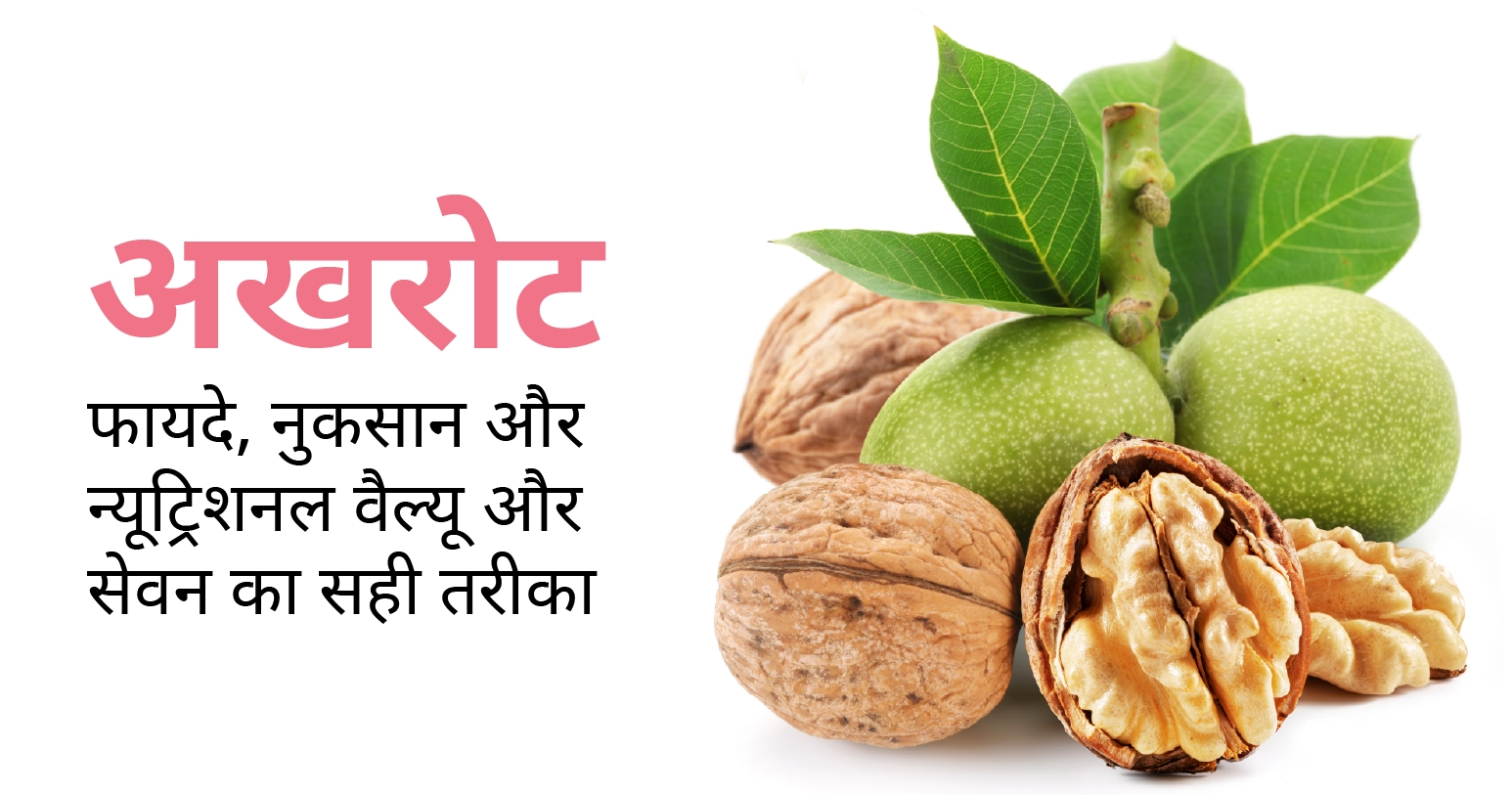
पाचन से जुड़ी समस्याएं अखरोट सबसे ज़्यादा पौष्टिक नट्स में से एक है और सदियों से इसके हेल्थ-बूस्टिंग गुणों के लिए इस्तेमाल किया जाता रहा है। ज़रूरी न्यूट्रिएंट्स से भरपूर, अखरोट आसानी से एक हेल्दी लाइफस्टाइल में फिट हो जाता है—चाहे इसे कच्चा खाया जाए, भिगोया जाए, भुना जाए, या रेसिपी में अखरोट के दानों के रूप में इस्तेमाल किया जाए। अखरोट खाने के फायदे बेहतर दिल और दिमाग की हेल्थ से लेकर बेहतर मेटाबॉलिज्म और पूरी सेहत तक हैं।
हालांकि, हर खाने की चीज़ की तरह, अखरोट के भी कुछ साइड इफेक्ट्स होते हैं अगर इसे गलत तरीके से या ज़्यादा मात्रा में खाया जाए। इनकी न्यूट्रिशनल वैल्यू, फायदे, इन्हें खाने का सही समय और इससे जुड़े रिस्क को समझने से आप इन्हें सबसे हेल्दी तरीके से एन्जॉय कर सकते हैं।
इस ब्लॉग में अखरोट के बारे में वह सब कुछ बताया गया है जो आपको जानना चाहिए, जिसमें अखरोट खाने के खतरे, अखरोट के तेल के फायदे और अखरोट को अपनी रोज़ की डाइट में सुरक्षित रूप से कैसे शामिल करें, शामिल हैं।
यह भी पढ़े: चिया सीड्स के फायदे, नुकसान, और पोषक तत्त्व
Table of Contents
अखरोट पोषक तत्वों से भरपूर होते हैं और इनमें विटामिन, मिनरल, हेल्दी फ़ैट और प्लांट कंपाउंड का एक पावरफ़ुल कॉम्बिनेशन होता है। इनके न्यूट्रिशनल प्रोफ़ाइल में शामिल हैं:
| पोषक तत्व | क्या होता है? | फायदा |
| ओमेगा-3 फैटी एसिड (ALA) | अखरोट ALA का बेहतरीन प्लांट-बेस्ड स्रोत हैं | दिल की सेहत बेहतर, सूजन कम, दिमाग के लिए फ़ायदेमंद |
| प्रोटीन (Protein) | मुट्ठी भर अखरोट में अच्छी मात्रा में प्लांट प्रोटीन | मसल रिपेयर, स्ट्रेंथ और बॉडी ग्रोथ में मदद |
| हेल्दी फैट (Polyunsaturated Fat) | अच्छे फैट जो शरीर को एनर्जी देते हैं | हार्ट हेल्थ में सुधार और इंफ़्लेमेशन कंट्रोल |
| फाइबर (Fibre) | डाइजेशन को सपोर्ट करने वाला प्राकृतिक फाइबर | कब्ज से राहत, गट हेल्थ में सुधार |
| एंटीऑक्सीडेंट (Polyphenols) | पॉलीफेनोल जैसे शक्तिशाली एंटीऑक्सीडेंट | सेल डैमेज से बचाव, एंटी-एजिंग प्रभाव |
| विटामिन E | एक फैट-सॉल्यूबल विटामिन | त्वचा, बाल और इम्यून सिस्टम के लिए अच्छा |
| विटामिन B6 | जरूरी water-soluble विटामिन | दिमागी कार्य, हॉर्मोन बैलेंस और मेटाबॉलिज़्म में मदद |
| फोलेट (Folate) | बी-विटामिन का महत्वपूर्ण रूप | नई कोशिकाओं के निर्माण और प्रेग्नेंसी में ज़रूरी |
| मैग्नीशियम (Magnesium) | महत्वपूर्ण मिनरल | नसों, मसल्स और हड्डियों की मजबूती |
| कॉपर (Copper) | शरीर के कई हार्मोनल कार्यों में जरूरी | रेड ब्लड सेल्स, हड्डियों और इम्यूनिटी को सपोर्ट |
| मैंगनीज (Manganese) | एक एंटीऑक्सीडेंट मिनरल | मेटाबॉलिज़्म, बोन हेल्थ और एंटीऑक्सीडेंट प्रोटेक्शन |
यह भी पढ़े: ओट्स और दलिया में अंतर, फायदे और नुक्सान
यह भी पढ़े: तिल के बीज (Sesame Seed) का स्वास्थ्य लाभ और साइड इफेक्ट
हर दिन 2–4 अखरोट खाने की सलाह दी जाती है। यह मात्रा ज़्यादा कैलोरी लिए बिना हेल्थ बेनिफिट्स पाने के लिए काफ़ी है।
अखरोट खाने का सबसे अच्छा समय
यह भी पढ़े: तुलसी के फायदे और नुकसान
हाँ। अखरोट को रात भर भिगोने से टैनिन कम करने में मदद मिलती है, जिससे उन्हें पचाना आसान हो जाता है और न्यूट्रिएंट्स का एब्ज़ॉर्प्शन बेहतर होता है।
यह भी पढ़े: अंकुरित प्याज सेहत के लिए वरदान या जहर?
वैसे तो अखरोट आम तौर पर सेफ़ होते हैं, लेकिन ज़्यादा अखरोट खाने या सेंसिटिविटी वाले लोगों के लिए कुछ खतरे भी हैं।
1. पाचन से जुड़ी समस्याएं
ज़्यादा अखरोट खाने से ये हो सकता है:
ऐसा उनमें ज़्यादा फ़ाइबर और फ़ैट होने की वजह से होता है।
2. एलर्जिक रिएक्शन
नट से एलर्जी गंभीर हो सकती है और इससे ये हो सकता है:
जिन लोगों को नट से एलर्जी है, उन्हें अखरोट बिल्कुल नहीं खाना चाहिए।
3. वज़न बढ़ना
अखरोट में कैलोरी ज़्यादा होती है। ज़्यादा खाने से गैर-ज़रूरी कैलोरी मिल सकती है और वज़न बढ़ सकता है।
4. ज़्यादा ऑक्सालेट
अखरोट में ऑक्सालेट होते हैं, जो सेंसिटिव लोगों में किडनी स्टोन का कारण बन सकते हैं।
5. स्किन रैशेज़
कुछ लोगों को बिना नट एलर्जी के भी स्किन एलर्जिक रिएक्शन हो सकते हैं।
अखरोट बेशक सबसे पौष्टिक नट्स में से एक है और सही तरीके से खाने पर इसके कई हेल्थ बेनिफिट्स होते हैं। दिल की सेहत से लेकर बेहतर ब्रेन फंक्शन और बेहतर डाइजेशन तक, अखरोट खाने के फायदे इसे आपकी डाइट में रोज़ाना शामिल करने के लिए एक बेहतरीन चीज़ बनाते हैं। लेकिन, अखरोट खाने के खतरों के बारे में पता होना भी उतना ही ज़रूरी है, खासकर उन लोगों के लिए जिन्हें एलर्जी या पाचन से जुड़ी दिक्कतें हैं।
सबसे ज़रूरी है कि आप कम मात्रा में खाएं। रोज़ाना 2-4 भीगे हुए अखरोट खाना, बिना किसी साइड इफ़ेक्ट के उनके न्यूट्रिशनल फ़ायदों का मज़ा लेने के लिए काफ़ी है। चाहे अखरोट की गिरी के तौर पर खाया जाए, खाने में मिलाया जाए, या अखरोट के तेल के तौर पर इस्तेमाल किया जाए, अखरोट सभी उम्र के लोगों के लिए एक कई तरह का सुपरफ़ूड है।
1. एक अखरोट में कितनी कैलोरी होती है?
एक मीडियम साइज़ के अखरोट में लगभग 26-28 कैलोरी होती है। चार अखरोट में लगभग 100-110 कैलोरी होती हैं।
2. क्या अखरोट कोलेस्ट्रॉल बढ़ाते हैं?
नहीं। अखरोट असल में अपने हेल्दी फ़ैट की वजह से LDL (खराब कोलेस्ट्रॉल) को कम करने और दिल की सेहत को बेहतर बनाने में मदद करते हैं।
3. आपको रोज़ाना कितने अखरोट खाने चाहिए?
आपको रोज़ाना 2-4 अखरोट खाने चाहिए, बेहतर होगा कि बेहतर पाचन और न्यूट्रिएंट्स एब्ज़ॉर्प्शन के लिए भीगे हुए अखरोट खाएं।
4. क्या अखरोट तीखे होते हैं?
पारंपरिक खान-पान में अखरोट को “गर्म” माना जाता है, जिसका मतलब है कि ज़्यादा खाने पर ये शरीर की गर्मी बढ़ा सकते हैं। इन्हें भिगोने से इस असर को कम करने में मदद मिलती है।
Table of Contents
मेनोपॉज़ एक महिला के रिप्रोडक्टिव सालों के खत्म होने का संकेत है। हालांकि यह फेज़ पूरी तरह से नॉर्मल है, लेकिन कई महिलाएं इसके साथ होने वाले फिजिकल और इमोशनल बदलावों के लिए खुद को तैयार नहीं पाती हैं। ये बदलाव रातों-रात नहीं होते; ये धीरे-धीरे होते हैं और मूड और मेटाबॉलिज्म से लेकर हड्डियों की हेल्थ और नींद की क्वालिटी तक हर चीज़ पर असर डाल सकते हैं। इसके साइन, लक्षण, कारण और शरीर में होने वाले बदलावों को जानने से महिलाओं को मेनोपॉज़ को ज़्यादा आराम से झेलने और इस बदलाव के दौरान एक हेल्दी बैलेंस बनाए रखने में मदद मिलती है।
रजोनिवृत्ति यानि मेनोपॉज़ वह स्टेज है जब एक महिला को लगातार 12 महीने तक पीरियड्स (periods) नहीं आते हैं। ऐसा इसलिए होता है क्योंकि ओवरीज़ धीरे-धीरे अंडे देना बंद कर देती हैं और हार्मोन का लेवल कम कर देती हैं – खासकर एस्ट्रोजन और प्रोजेस्टेरोन।
हर चरण में मेनोपॉज़ के लक्षणों को समझने से महिलाओं को यह पहचानने में मदद मिलती है कि उनका शरीर क्या सिग्नल दे रहा है।
यह भी पढ़े: महिलाओं में हार्मोनल असंतुलन के कारण, प्रभाव और इलाज
मेनोपॉज़ की एवरेज उम्र 45–55 साल होती है, और ज़्यादातर महिलाएं लगभग 50–51 साल की उम्र में इस तक पहुँच जाती हैं।
हालांकि, यह उम्र जेनेटिक्स, लाइफस्टाइल और पूरी हेल्थ के आधार पर अलग-अलग हो सकती है। कुछ महिलाओं को यह पहले भी हो सकता है, जिसे अर्ली मेनोपॉज़ (40–45 साल) या प्रीमैच्योर मेनोपॉज़ (40 से पहले) कहा जाता है।
हालांकि उम्र बढ़ना सबसे आम वजह है, लेकिन कई और वजहें भी मेनोपॉज़ को पहले शुरू कर सकती हैं:
शुरुआती लक्षण आमतौर पर पेरिमेनोपॉज़ के दौरान शुरू होते हैं, अक्सर पीरियड्स बंद होने से कई साल पहले। ये बदलाव एस्ट्रोजन लेवल में उतार-चढ़ाव के कारण होते हैं।
आम शुरुआती लक्षणों में शामिल हैं:
इन शुरुआती लक्षणों को पहचानने से महिलाओं को समय पर मदद और लाइफस्टाइल गाइडेंस लेने में मदद मिलती है।
मेनोपॉज़ के बाद शरीर में होने वाले बदलाव शॉर्ट-टर्म और लॉन्ग-टर्म दोनों हो सकते हैं। ये बदलाव एस्ट्रोजन लेवल कम होने की वजह से होते हैं।
इन बदलावों को समझने से महिलाएं सेहत और आराम बनाए रखने के लिए कदम उठा पाती हैं।
अच्छी आदतें लक्षणों को काफी कम कर सकती हैं और मेनोपॉज़ को मैनेज करना आसान बना सकती हैं।
मेनोपॉज़ ज़िंदगी का एक नैचुरल पड़ाव है, डरने वाली कोई समस्या नहीं है। मेनोपॉज़ क्या है, यह समझना, मेनोपॉज़ के लक्षणों को पहचानना और मेनोपॉज़ के बाद शरीर में होने वाले बदलावों को जानना महिलाओं को इस बदलाव को कॉन्फिडेंस के साथ पार करने में मदद कर सकता है। हेल्दी लाइफस्टाइल की आदतों, इमोशनल अवेयरनेस और सही मेडिकल गाइडेंस के साथ, महिलाएं इस फेज़ को मजबूती और साफ तौर पर अपना सकती हैं। मेनोपॉज़ मुश्किलें ला सकता है, लेकिन यह एक नए चैप्टर की शुरुआत भी करता है—खुद की देखभाल को प्रायोरिटी देने, अपने लक्ष्यों को फिर से खोजने और एक हेल्दी भविष्य बनाने का समय।
Table of Contents
डायबिटीज दुनिया में तेजी से बढ़ने वाली हेल्थ प्रॉब्लम है, जिसका मुख्य कारण खराब खानपान, कम एक्टिविटी, स्ट्रेस और नींद की कमी है। अच्छी बात यह है कि सही समय पर लाइफस्टाइल में बदलाव करके टाइप 2 डायबिटीज को काफी हद तक रोका जा सकता है। चाहे परिवार में डायबिटीज रही हो या आप प्री-डायबिटीज में हों, सही चुनाव करके इसे कंट्रोल में रखना बिल्कुल संभव है।
इस ब्लॉग में आप जानेंगे: डायबिटीज क्या है, बचाव क्यों ज़रूरी है, डायबिटीज रोकने के 8 असरदार लाइफस्टाइल टिप्स, साथ ही डायबिटीज में क्या खाएं और क्या न खाएं, तथा स्मोकिंग और शराब के प्रभाव।
यह भी पढ़े: डायबिटीज का आँखों पर प्रभाव और इसके बचाव
डायबिटीज एक मेटाबोलिक कंडीशन है जिसमें शरीर इंसुलिन का ठीक से इस्तेमाल या प्रोडक्शन नहीं कर पाता, जिससे ब्लड शुगर लेवल बढ़ जाता है।
इसके मुख्य रूप से दो प्रकार होते हैं:
नॉर्मल ब्लड शुगर लेवल होना चाहिए:
(ये वैल्यू इस आम सवाल का जवाब देती हैं—डायबिटीज कितनी होनी चाहिए?)
अनकंट्रोल्ड डायबिटीज दिल, किडनी, आंखें और नसों सहित लगभग हर अंग को नुकसान पहुंचा सकती है। जल्दी बचाव:
डायबिटीज को बाद में मैनेज करने से रोकना कहीं ज़्यादा आसान है। एक प्रोएक्टिव तरीका सच में लंबे समय की सेहत को बदल सकता है।
यह भी पढ़े: डायबिटिक के मरीज के लिए कम्पलीट डाइट चार्ट
1. हेल्दी वज़न बनाए रखें
शरीर का ज़्यादा फैट (खासकर पेट के आस-पास) इंसुलिन सेंसिटिविटी (Insulin sensitivity) को कम करता है। स्टडीज़ से पता चलता है कि 5–7% वज़न कम करने से भी ज़्यादा रिस्क वाले लोगों में डायबिटीज को रोका जा सकता है या उसे देर से होने दिया जा सकता है।
इसमें शामिल करें:
2. बैलेंस्ड डायबिटीज़ डाइट चार्ट अपनाएं
आपकी डाइट से ब्लड शुगर बढ़ना नहीं चाहिए, बल्कि उसे स्टेबल रखना चाहिए।
इसमें शामिल करें:
इनसे बचें:
एक अच्छी तरह से बना डायबिटीज डाइट चार्ट ग्लूकोज को नैचुरली कंट्रोल करने में मदद करता है और लंबे समय के रिस्क को कम करता है।
3. अगर आपको रिस्क है तो प्री-डायबिटीज डाइट प्लान फॉलो करें
अगर आपका ब्लड शुगर बॉर्डरलाइन हाई है, तो एक सख्त प्री-डायबिटीज (Pre-diabetes) डाइट प्लान इस कंडीशन को ठीक कर सकता है। टिप्स:
4. रोज़ाना 30–45 मिनट फिजिकली एक्टिव रहें
रेगुलर एक्सरसाइज सेल्स इंसुलिन के प्रति ज्यादा रिस्पॉन्सिव बनते हैं, आप इन्हें ट्राई करें:
हर हफ्ते कम से कम 150 मिनट की एक्टिविटी का टारगेट रखें।
5. डायबिटीज से बचाव के लिए योग करें
योग मन को शांत करता है, मेटाबॉलिज्म को बेहतर बनाता है और इंसुलिन के एक्शन को बढ़ाता है।
काम के आसन:
रेगुलर योग स्ट्रेस को कम करने में मदद करता है, जो डायबिटीज के छिपे हुए ट्रिगर्स में से एक है।
6. रोज़ 7–8 घंटे सोएं
7. स्ट्रेस कम करें
8. मीठी चाय से बचें और कैफीन कम लें
बहुत से लोगों को यह पता नहीं होता कि चीनी वाली चाय से ब्लड शुगर तेज़ी से बढ़ सकता है। डायबिटीज पर चाय के नुकसानदायक असर:
अगर आप चाय से बच नहीं सकते, तो इसकी जगह शुगर-फ्री या हर्बल चाय पिएं।
यह भी पढ़े: तिल के बीज (Sesame Seed) का स्वास्थ्य लाभ और साइड इफेक्ट
| खाएं | क्यों फायदेमंद | न खाएं | क्यों हानिकारक |
| साबुत अनाज (बाजरा, ओट्स) | शुगर धीरे बढ़े | मैदा, सफेद ब्रेड | शुगर तुरंत बढ़े |
| हरी/बिना स्टार्च वाली सब्ज़ियाँ | फाइबर ज्यादा | आलू ज्यादा | हाई GI |
| दाल, बीन्स, स्प्राउट्स | शुगर कंट्रोल | तली हुई दालें | अनहेल्दी फैट |
| कम-GI फल (सेब, नाशपाती) | कम शुगर | आम, अंगूर, केला ज्यादा | शुगर बढ़ाते हैं |
| दही, छाछ | हल्का, पचने में आसान | मीठा दही | छिपी शुगर |
| नट्स, बीज | हेल्दी फैट | नमकीन/फ्राइड नट्स | नमक/तेल ज्यादा |
| पानी, नींबू पानी | बिना शुगर | सॉफ्ट ड्रिंक, जूस | चीनी बहुत |
यह भी पढ़े: दिल के स्वास्थ्य के लिए हानिकारक खाद्य पदार्थ
हां। नींबू में कैलोरी कम और विटामिन C ज़्यादा होता है। यह डाइजेशन को बेहतर बनाता है और ब्लड शुगर को स्टेबल रखने में मदद कर सकता है। डायबिटीज और प्री-डायबिटीज वाले लोगों के लिए नींबू पानी एक आसान, सुरक्षित चीज़ है।
धूम्रपान
शराब
यह भी पढ़े: प्रोटीन युक्त आहार लिस्ट: 15 हाई प्रोटीन फूड्स
डायबिटीज को लाइफस्टाइल में छोटे लेकिन लगातार बदलावों से रोकना बिल्कुल मुमकिन है। हेल्दी वज़न बनाए रखना, बैलेंस्ड डाइट खाना, प्री-डायबिटीज़ डाइट प्लान फॉलो करना, रेगुलर एक्सरसाइज़ करना, योग करना, अच्छी नींद लेना और स्मोकिंग और शराब से बचना इस कंडीशन के होने के चांस को काफी कम कर सकता है।
आज ही अपनी आदतों पर कंट्रोल करके, आप अपनी लंबे समय की हेल्थ को बचा सकते हैं और ज़्यादा एक्टिव, एनर्जेटिक और बीमारी-मुक्त ज़िंदगी पक्की कर सकते हैं। इलाज से बचाव आसान है – और कहीं बेहतर भी।
Table of Contents
जो कोई भी हेल्दी रहना चाहता है, अपना वज़न मैनेज करना चाहता है, या अपनी डाइट को बेहतर बनाना चाहता है, उसके लिए रोज़ कितनी कैलोरी लेनी है, यह समझना ज़रूरी है। कैलोरी शरीर के हर काम को पूरा करती है, सांस लेने और चलने-फिरने से लेकर सोचने और खाना पचाने तक। लेकिन आपको असल में एक दिन में कितनी कैलोरी चाहिए? इसका जवाब उम्र, वज़न, लाइफस्टाइल और हेल्थ गोल पर निर्भर करता है।
इस ब्लॉग में हम जानेंगे कि कैलोरी क्या हैं, आपको कितनी लेनी चाहिए, किन खाने की चीज़ों में कैलोरी ज़्यादा या कम होती है, और आप अपनी कैलोरी को असरदार तरीके से कैसे बैलेंस कर सकते हैं।
ये भी पढ़े: क्या पेट की चर्बी बढ़ना ख़तरनाक है ? इसको कम करने के घरेलु उपाय
कैलोरी एनर्जी की यूनिट होती हैं जो आपका शरीर खाने से निकालता है। जब आप खाते हैं, तो आपका डाइजेस्टिव सिस्टम कार्बोहाइड्रेट, प्रोटीन और फैट को एनर्जी में तोड़ देता है जो शरीर के कामों को पावर देती है और आपको एक्टिव रहने में मदद करती है।
कैलोरी को समझने से आपको एनर्जी बैलेंस बनाए रखने में मदद मिलती हैं। जितना आप बर्न करते हैं उससे ज़्यादा खाने से वज़न बढ़ता है, जबकि कम खाने से वज़न कम होता है।
ये भी पढ़े: गोंद कतीरा: फायदे, नुकसान और सेवन का सही तरीका
एक व्यक्ति को कैलोरी की मात्रा लेनी हैं यह उसकी उम्र, लिंग, वजन और गतिविधि स्तर के अनुसार लेनी चाहिए। इसे निम्न मे तालिका में बताया गया है:-
| श्रेणी | महिलाएं (कैलोरी/दिन) | पुरुष (कैलोरी/दिन) | विशेष नोट |
| 19–30 वर्ष | 1,800–2,300 | 2,400–2,800 | कम उम्र में मेटाबॉलिज़्म तेज़ होने के कारण ज़रूरत अधिक होती है |
| 31–50 वर्ष | 1,800–2,200 | 2,200–2,600 | उम्र बढ़ने पर मेटाबॉलिज़्म थोड़ा धीमा हो जाता है |
| 50+ वर्ष | 1,600–2,000 | 2,000–2,400 | मसल मास और एक्टिविटी लेवल कम होने से ज़रूरत कम होती है |
| एक्टिविटी लेवल | अतिरिक्त कैलोरी/दिन | विवरण |
| सिडेंटरी (कम एक्टिव) | 0 (बेसलाइन) | बहुत कम मूवमेंट या बैठे रहने वाली जीवनशैली |
| मॉडरेटली एक्टिव | +150–300 | हल्की–मध्यम एक्सरसाइज़, रोज़ 30–45 मिनट चलना |
| हाईली एक्टिव | +300–500+ | रोज़ाना वर्कआउट, खेल गतिविधियाँ, भारी शारीरिक काम |
| वज़न श्रेणी | कैलोरी ज़रूरत | नोट |
| कम वज़न (Underweight) | अधिक कैलोरी वाली डाइट | स्वस्थ तरीके से वज़न बढ़ाने में मदद |
| ज़्यादा वज़न (Overweight) | कैलोरी डेफिसिट प्लान | धीरे-धीरे और सुरक्षित वज़न कम करने के लिए |
| नॉर्मल वज़न | उम्र + एक्टिविटी के अनुसार | वजन बनाए रखने के लिए संतुलित आहार |
ज़्यादा खाना या शरीर जितनी कैलोरी बर्न (calorie burn) कर सकता है, उससे ज़्यादा कैलोरी लेने से कई शॉर्ट-टर्म और लॉन्ग-टर्म असर होते हैं:
वज़न घटाने का तरीका है कैलोरी की कमी बनाए रखना, यानी आप जितनी कैलोरी बर्न करते हैं, उससे कम कैलोरी लेते हैं। इस संबंध में आप निम्न तलिकाएं देखें:-
| बिंदु | विवरण |
| कैलोरी डेफिसिट | जितनी कैलोरी आप बर्न करते हैं, उससे कम कैलोरी लेना |
| सिफ़ारिश | हर दिन 500 कैलोरी की कमी बनाए रखें |
| उम्मीदित परिणाम | प्रति सप्ताह लगभग 0.45 kg (1 पाउंड) वज़न कम |
| जेंडर | सुरक्षित कैलोरी (प्रति दिन) | नोट |
| महिलाएं | 1,200–1,500 कैलोरी | पोषण की कमी से बचते हुए धीरे–धीरे वजन कम करने में मदद |
| पुरुष | 1,500–1,800 कैलोरी | शरीर को पर्याप्त ऊर्जा देते हुए फैट लॉस सपोर्ट |
| ध्यान रखने योग्य बातें | विवरण |
| धीमी और टिकाऊ वज़न घटाना | तेज़ी से घटाया वज़न वापस बढ़ सकता है |
| बैलेंस्ड डाइट जरूरी | प्रोटीन, फाइबर, हेल्दी फैट—सभी शामिल हों |
| रोज़ाना एक्टिविटी | 30–45 मिनट वॉक या हल्की एक्सरसाइज़ डेफिसिट को सपोर्ट करती है |
| एक्टिविटी | कैलोरी बर्न (एवरेज) |
| वॉकिंग (तेज़) | 120–150 |
| जॉगिंग | 200–300 |
| साइकिलिंग | 150–250 |
| योगा | 100–150 |
| स्विमिंग | 200–350 |
| स्ट्रेंथ ट्रेनिंग | 150–220 |
आपकी सही कैलोरी बर्न आपके वज़न, इंटेंसिटी और फिटनेस लेवल पर निर्भर करती है।
ये भी पढ़े: प्रतिरोधक क्षमता(इम्यूनिटी) बढ़ाने के लिए क्या खाएं?
यह जानना कि आपको रोज़ कितनी कैलोरी लेनी चाहिए, आपको हेल्दी वज़न बनाए रखने, अपने एनर्जी लेवल को सपोर्ट करने और पूरी सेहत को बेहतर बनाने में मदद कर सकता है। उम्र, एक्टिविटी लेवल और हेल्थ गोल जैसे फैक्टर आपके लिए सही कैलोरी इनटेक तय करने में अहम भूमिका निभाते हैं। अपनी डाइट को न्यूट्रिएंट्स से भरपूर खाने की चीज़ों से बैलेंस करना, ज़रूरत पड़ने पर कैलोरी की कमी बनाए रखना, और ज़्यादा और कम कैलोरी वाले ऑप्शन को समझना आपको हेल्दी ऑप्शन चुनने में मदद कर सकता है। चाहे आपका गोल वज़न कम करना हो, वज़न बढ़ाना हो, या बस बेहतर न्यूट्रिशन हो, हेल्दी लाइफस्टाइल के लिए कैलोरी पर ध्यान देना एक ज़रूरी कदम है।
1. गेहूं की ब्रेड के एक लोफ़ में कितनी कैलोरी होती है?
गेहूं की ब्रेड के एक स्टैंडर्ड लोफ़ में 900–1,200 कैलोरी होती हैं, जो उसके साइज़ और इंग्रीडिएंट्स पर डिपेंड करती है। एक स्लाइस में आमतौर पर 70–80 कैलोरी होती हैं।
2. किस फल में सबसे ज़्यादा कैलोरी होती है?
एवोकाडो में फलों में सबसे ज़्यादा कैलोरी होती है, हर मीडियम साइज़ के फल में 200–250 कैलोरी होती है।

Are you worried about your little one’s cold and cough? It is normal for new parents to be extra cautious with their baby and get stressed if they see them sneezing, coughing or suffering with a runny nose. Newborn babies are more vulnerable to infections due to their delicate immune system. But there is nothing to panic about, as you can manage their condition at home and also seek medical help if required.
Table of Contents
Yes! Newborns usually get a cough due to their smaller and more sensitive airways. If you notice occasional mild coughing or a slight congestion in your baby, this could be due to viral infections, environmental triggers or post-nasal drip.
However, if you notice a persistent cough with high fever, or difficult breathing, you should immediately consult a paediatrician.
Also Read: How do we get Pneumonia?
There has to be a gentle and careful approach while treating cough and cold in newborns. Over-the-counter cough medicines are usually not recommended for babies under two years. These can have potential side effects. Instead, focus on comfort and supportive care:
Also Read: How to avoid Influenza?
Most colds in newborns are mild, but if your baby shows any of these signs, contact a paediatrician immediately.
Also Read: Asthma in Children: Recognizing Symptoms & Providing Treatment
Though medical evaluation is important in certain cases, there are some home remedies that are safe and effective:
| Remedy | How Does It Help? |
| Use of saline nasal drops |
|
| Giving a steam therapy |
|
| Positioning of the head during sleep |
|
| Frequent feeding | Breastmilk or formula keeps the baby hydrated, thins mucus, and supports immunity. |
| Warm chest compress | A soft and warm cloth placed gently on the chest may provide comfort. |
| Comfort and cuddles | Sometimes, holding your baby upright or gently rocking them can ease coughing episodes. |
Important: Avoid honey, over-the-counter cough syrups, and essential oils for newborns as they can be harmful.
The following are some key factors that can cause cough in babies:
Also Read: Interstitial Lung Disease: Causes, Symptoms, Diagnosis, and Management
Preventing colds in newborns requires careful hygiene and environmental management. Below are some tips:
Even with precautions, mild colds are normal, especially during the first few months.
We understand that the health of your baby is of utmost importance to you, and seeing them suffer from a cough or cold can make you worry. But remember that a mild cough or cold is common in newborns, and if you feel anything unusual or the condition of your baby is not improving, you can always reach out to our expert paediatricians at the CK Birla Hospital. By combining comfort care with timely consultation, you can help your newborn recover quickly while ensuring their health and safety.
1. Is cough and cold normal in newborns?
Yes. Mild cough and cold are common due to their developing immune system.
2. Can I give over-the-counter cough medicine to my newborn?
No, these medicines are not safe for babies under 2 years. However, you can use saline drops and supportive care instead. It is always best to consult a paediatrician.
3. How often should I feed my baby when they have a cold?
It is suggested that you provide smaller and frequent feedings to your baby to keep them hydrated and support recovery.
4. When should I call a doctor for my baby’s cold?
Contact a paediatrician if your baby has:
5. Can a newborn’s cold turn into something more serious?
While most colds are mild, complications like respiratory infections can occur, so monitor your baby closely.
6. How can I prevent my baby from catching a cold?
Below are some tips:
7. Are there any natural remedies that are safe for newborns if they have a cold?
Yes, some natural home-based remedies include:
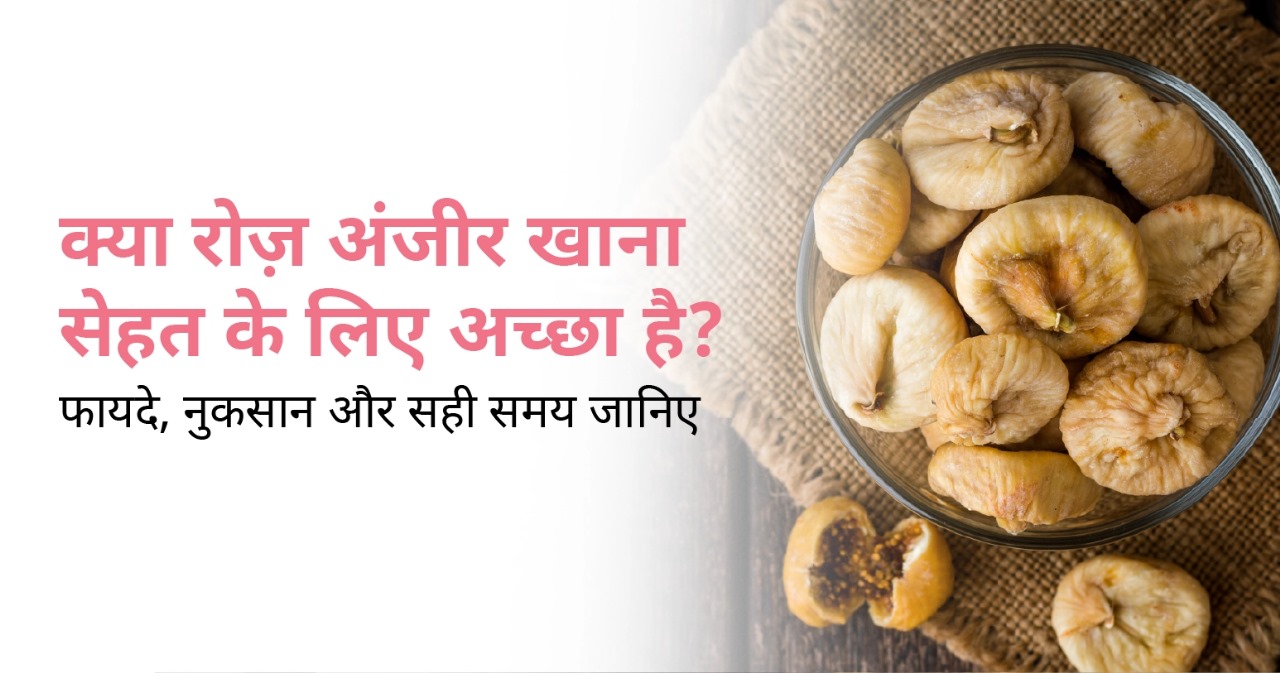
अंजीर (figs), जिसे दुनिया के कई हिस्सों में अंजीर के नाम से जाना जाता है, सदियों से अपने रिच टेस्ट और थेराप्यूटिक वैल्यू (therapeutic value) के लिए खाया जाता रहा है। चाहे ताज़ा खाया जाए, सुखाया जाए, रात भर भिगोया जाए, या गर्म दूध में मिलाया जाए, अंजीर में पावरफुल न्यूट्रिएंट्स होते हैं जो पूरी हेल्थ को सपोर्ट करते हैं। डाइजेस्टिव हेल्थ से लेकर रिप्रोडक्टिव हेल्थ तक, अंजीर पुरुषों और महिलाओं दोनों के लिए कई तरह के फायदे देता है। इस ब्लॉग में हम जानेंगे अंजीर खाने के फायदे, उनके न्यूट्रिएंट्स, इस्तेमाल, संभावित नुकसान और उन्हें अपनी डाइट में शामिल करने के सही तरीके क्या हैं?
Table of Contents
अंजीर (figs) नरम, गूदेदार और नैचुरली मीठे फल होते हैं जो अंजीर के पेड़ (फिकस कैरिका – Ficus Carica) से आते हैं। ये आमतौर पर ताज़े और सूखे रूप में मिलते हैं। सूखे अंजीर (dried figs), खासकर, अपनी लंबी शेल्फ लाइफ और कॉन्सेंट्रेटेड न्यूट्रिएंट्स के कारण बहुत ज़्यादा खाए जाते हैं। अंजीर का इस्तेमाल ट्रेडिशनल हीलिंग सिस्टम में डाइजेस्टिव, फर्टिलिटी और इम्यून फंक्शन को सपोर्ट करने के लिए किया जाता रहा है।
अंजीर में निम्न पोषक तत्व पाएं जाते हैं:-
यह पोषक तत्व अंजीर को दिल के स्वास्थ्य, पाचन, हड्डियों की मजबूती, ब्लड शुगर कंट्रोल और रिप्रोडक्टिव हेल्थ के लिए फायदेमंद बनाते हैं।
ये भी पढ़े: खून की कमी के कारण, लक्षण और इलाज | Blood Deficiency in Hindi
हाँ, अंजीर रोज़ाना कम मात्रा में खाए जा सकते हैं। सही मात्रा है:
ज़्यादा फाइबर होने की वजह से ज़्यादा खाने से पाचन में दिक्कत हो सकती है। डायबिटीज़ वाले लोग या जो लोग अपनी कैलोरी इनटेक पर ध्यान देते हैं, उन्हें अपने खाने के साइज़ पर ध्यान देना चाहिए।
ये भी पढ़े: प्रतिरोधक क्षमता(इम्यूनिटी) बढ़ाने के लिए क्या खाएं?
| अंजीर खाने के मुख्य फ़ायदे | विवरण |
| पाचन शक्ति बढ़ाता है | अंजीर घुलनशील और अघुलनशील फ़ाइबर का बेहतरीन स्रोत है। यह कब्ज़ दूर करने, मल त्याग सुधारने और आंतों की सेहत बेहतर करने में मदद करता है। भीगे हुए अंजीर मल को नरम बनाते हैं, जिससे पाचन आसान होता है। |
| दिल की सेहत के लिए फ़ायदेमंद | अंजीर में मौजूद पोटैशियम और एंटीऑक्सीडेंट ब्लड प्रेशर को नियंत्रित रखने, ऑक्सीडेटिव स्ट्रेस कम करने और खराब कोलेस्ट्रॉल (LDL) को घटाने में मदद करते हैं। यह दिल की सेहत को बेहतर बनाता है। |
| हड्डियों की मज़बूती बढ़ाता है | अंजीर कैल्शियम, मैग्नीशियम, फ़ॉस्फ़ोरस और विटामिन K से भरपूर होता है, जो हड्डियों की डेंसिटी और मजबूती बढ़ाने में सहायक हैं। यह ऑस्टियोपोरोसिस के खतरे को कम करने में मदद कर सकता है। |
| पुरुषों की प्रजनन सेहत के लिए फ़ायदे | अंजीर (figs) में मौजूद ज़रूरी मिनरल और अमीनो एसिड एनर्जी, स्टैमिना और रिप्रोडक्टिव हेल्थ को बेहतर कर सकते हैं। 2–3 भीगे हुए अंजीर या गर्म दूध के साथ अंजीर खाना पुरुषों की ताकत बढ़ाने के लिए पारंपरिक रूप से इस्तेमाल किया जाता है। |
| स्किन और बालों के लिए फ़ायदेमंद | अंजीर में मौजूद एंटीऑक्सीडेंट कोलेजन निर्माण बढ़ाते हैं, फ्री रेडिकल्स से बचाते हैं और ग्लोइंग स्किन को बढ़ावा देते हैं। इनके मिनरल बालों को मज़बूत और स्वस्थ बनाने में मदद करते हैं। |
| गर्म दूध में अंजीर खाने के फ़ायदे | गर्म दूध के साथ अंजीर खाने से ताकत, स्टैमिना और पाचन बेहतर होता है। यह कॉम्बिनेशन प्रजनन स्वास्थ्य बढ़ाने, नींद सुधारने और शरीर को पोषण देने के लिए उपयोग किया जाता है। |
| महिलाओं की सेहत के लिए फ़ायदेमंद (Benefits for women’s health) | अंजीर(figs) में आयरन और कैल्शियम होते हैं जो पीरियड्स हेल्थ, हड्डियों की मजबूती और हार्मोनल बैलेंस को सपोर्ट करते हैं। यह PMS की थकान कम करने और मल त्याग रेगुलेट करने में मदद कर सकता है। |
| वज़न मैनेजमेंट में मदद (Helps in weight management) | अंजीर का फ़ाइबर भूख कम करता है, क्रेविंग कंट्रोल करता है और ओवरईटिंग रोकता है। कैलोरी अधिक होने के कारण इसे सीमित मात्रा में खाना चाहिए। |
अंजीर दोनों समय खाए जा सकते हैं, यह आपके लक्ष्य पर निर्भर करता है:
ये भी पढ़े: हल्दी वाले दूध पीने के स्वास्थ्य लाभ (benefits of turmeric milk)
हालांकि अंजीर (figs) आमतौर पर सुरक्षित होते हैं, लेकिन ज़्यादा खाने से ये हो सकते हैं:
ये भी पढ़े: सहजन (मोरिंगा) खाने के क्या फायदे हैं?
अगर आपको ये दिक्कतें हैं तो आपको सावधान रहना चाहिए या अंजीर नहीं खाना चाहिए:
अगर आपको कोई क्रोनिक हेल्थ प्रॉब्लम है तो डॉक्टर की सलाह लेने की सलाह दी जाती है।
ये भी पढ़े: डायबिटिक के मरीज के लिए कम्पलीट डाइट चार्ट
अंजीर पोषक तत्वों से भरपूर, नैचुरली मीठा और कई तरह से इस्तेमाल होने वाला फल है जो डाइजेशन और दिल की हेल्थ से लेकर पुरुषों और महिलाओं की रिप्रोडक्टिव हेल्थ तक कई हेल्थ बेनिफिट्स देता है। चाहे भिगोकर खाएं, कच्चा खाएं, या गर्म दूध के साथ खाएं, अंजीर आपकी डेली डाइट में एक कीमती चीज़ हो सकती है। हालांकि, किसी भी खाने की तरह, साइड इफेक्ट्स से बचने के लिए कम मात्रा में खाना ज़रूरी है।
अपने रूटीन में 2-3 अंजीर शामिल करने से पूरी हेल्थ बेहतर हो सकती है, एनर्जी बढ़ सकती है और लंबे समय तक सेहत अच्छी रहती है।
1. क्या आप मधुमेह में अंजीर खा सकते हैं?
हां, लेकिन कम मात्रा में। अंजीर काफी मीठा होता है जो ब्लड ग्लूकोज़ लेवल बढ़ा सकती है। डायबिटीज़ वाले लोगों को सिर्फ़ 1-2 अंजीर ही खाने चाहिए और बेहतर होगा कि उन्हें भिगोकर खाएं ताकि डाइजेशन में मदद मिले और ग्लाइसेमिक लोड कम हो।
2. अंजीर का पानी पीने के फायदे?
अंजीर को रात भर भिगोकर सुबह पानी पीने से ये फायदे होते हैं:
3. मर्दाना ताकत के लिए अंजीर कैसे खा सकते हैं?
आमतौर पर, स्टैमिना और रिप्रोडक्टिव हेल्थ को सपोर्ट करने के लिए रात में 2-3 भीगे हुए अंजीर या गर्म दूध में उबले हुए अंजीर खाए जाते हैं। मिनरल, एंटीऑक्सीडेंट और अमीनो एसिड एनर्जी को बेहतर बनाने में मदद करते हैं।
4. आप कितने दिनों तक लगातार अंजीर खा सकते हैं?
आप रोज़ाना अंजीर खा सकते हैं, बेहतर होगा कि दिन में 2-3, कई हफ़्तों या महीनों तक। लंबे समय तक इसका सेवन सुरक्षित है, जब तक आप इसे कम मात्रा में खाते हैं और आपको पाचन संबंधी परेशानी नहीं होती।
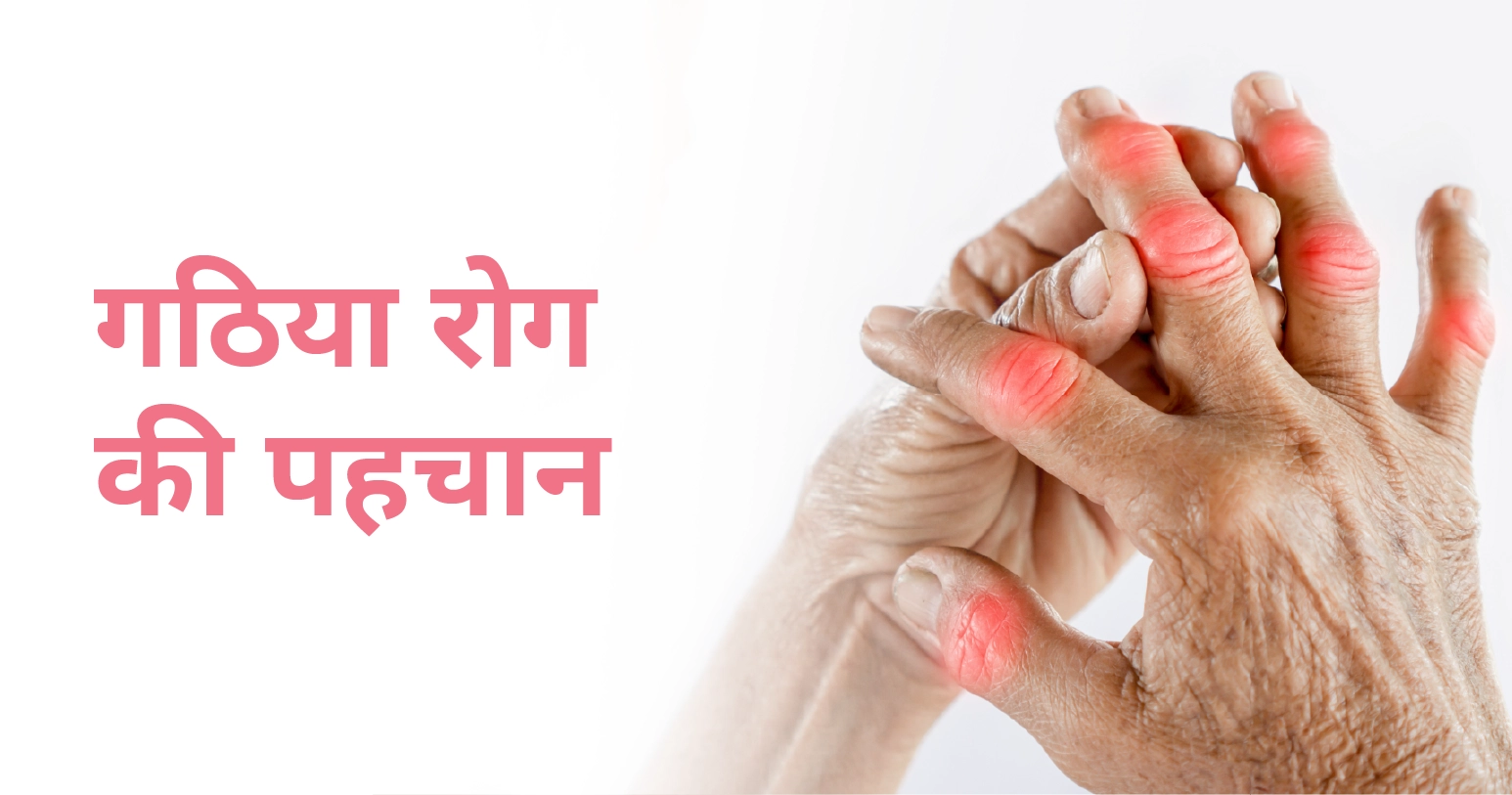
गठिया दुनिया भर में लाखों लोगों को प्रभावित करने वाले सबसे आम जोड़ों से संबंधित विकारों में से एक है। हालाँकि यह अक्सर बुढ़ापे से जुड़ा होता है, लेकिन गठिया जीवन के किसी भी चरण में हो सकता है, बचपन सहित। यह स्थिति धीरे-धीरे दैनिक कार्यों जैसे चलना, वस्तुओं को पकड़ना, सीढ़ियाँ चढ़ना, या यहाँ तक कि लंबे समय तक बैठना भी बाधित कर सकती है। जहाँ कई लोग गठिया के इलाज की तलाश में रहते हैं, वहीं यह समझना ज़रूरी है कि गठिया आमतौर पर एक पुरानी बीमारी है। हालाँकि, सही प्रबंधन, जीवनशैली में बदलाव और समय पर इलाज से ज़्यादातर लोग सक्रिय और आरामदायक जीवन जी सकते हैं।
इस ब्लॉग में गठिया के प्रकारों, कारणों, लक्षणों, निदान और उपचार विकल्पों के साथ-साथ गठिया के दर्द से तुरंत राहत पाने के सुझावों और लक्षणों को कम करने में मदद करने वाले आहार संबंधी सुझावों पर चर्चा करेंगे।
Table of Contents
गठिया एक या एक से अधिक जोड़ों की सूजन को संदर्भित करता है। सूजन के कारण दर्द, अकड़न, सूजन और गति की सीमा कम हो जाती है। यह कोई एक बीमारी नहीं है, बल्कि 100 से ज़्यादा विभिन्न जोड़ों की स्थितियों के लिए एक व्यापक शब्द है। गठिया हाथों, घुटनों, कूल्हों, रीढ़ और शरीर के अन्य हिस्सों के जोड़ों को प्रभावित कर सकता है। कई लोगों के लिए, गठिया एक प्रगतिशील स्थिति है, जिसका अर्थ है कि अगर ठीक से प्रबंधन न किया जाए तो समय के साथ लक्षण बिगड़ सकते हैं।
ये भी पढ़े: जानिये मिर्गी का दौरा आने की वजह और इसका इलाज?
गठिया 100 से ज़्यादा प्रकार का होता है, लेकिन सबसे आम प्रकार हैं:
ऑस्टियोआर्थराइटिस (Osteoarthritis – OA)
रूमेटाइड आर्थराइटिस (Rheumatoid Arthritis – RA)
गाउट (Gout)
सोरायटिक आर्थराइटिस (Psoriatic Arthritis)
किशोर गठिया (Juvenile Arthritis)
सटीक कारण गठिया के प्रकार पर निर्भर करता है, लेकिन कुछ सामान्य जोखिम कारक इस प्रकार हैं:
| कारण | विवरण |
| आयु (Age) | उम्र बढ़ने पर जोड़ों का घिसाव बढ़ता है, जिससे ऑस्टियोआर्थराइटिस का जोखिम बढ़ जाता है। |
| स्वप्रतिरक्षी स्थितियाँ (Autoimmune Conditions) | प्रतिरक्षा प्रणाली गलती से जोड़ों के ऊतकों पर हमला करती है, जैसे रुमेटाइड आर्थराइटिस में होता है। |
| चयापचय संबंधी समस्याएँ (Metabolic Problems) | शरीर में यूरिक एसिड बढ़ने से क्रिस्टल बनते हैं, जो गाउट का कारण बनते हैं। |
| मोटापा (Obesity) | अतिरिक्त वजन घुटनों, कूल्हों और रीढ़ जैसे भार-वहन करने वाले जोड़ों पर दबाव बढ़ा देता है। |
| संक्रमण (Infection) | कुछ संक्रमण जोड़ों में सूजन पैदा कर सकते हैं और आर्थराइटिस को ट्रिगर कर सकते हैं। |
| जीवनशैली कारक (Lifestyle Factors) | धूम्रपान, व्यायाम की कमी और खराब खानपान गठिया के लक्षणों को बिगाड़ सकते हैं। |
| आनुवंशिकी (Genetics) | परिवार में गठिया का इतिहास होने पर RA या OA होने की संभावना बढ़ जाती है। |
| जोड़ों की चोट (Joint Injury) | पुरानी चोटें जैसे फ्रैक्चर, खेल चोटें या लिगामेंट का फटना आगे चलकर गठिया पैदा कर सकता है। |
प्रकार के अनुसार लक्षण अलग-अलग होते हैं, लेकिन आमतौर पर इनमें शामिल हैं:
रोग की प्रगति को धीमा करने और दीर्घकालिक जोड़ों की क्षति को रोकने के लिए इसका शीघ्र पता लगाना महत्वपूर्ण है।
गठिया के निदान में आमतौर पर कई चरण शामिल होते हैं:
हालांकि गठिया हमेशा पूरी तरह से ठीक नहीं हो सकता, लेकिन विभिन्न उपचार लक्षणों को प्रभावी ढंग से नियंत्रित कर सकते हैं और प्रगति को धीमा कर सकते हैं।
ये भी पढ़े: हल्दी वाले दूध पीने के स्वास्थ्य लाभ (benefits of turmeric milk)
गठिया एक दीर्घकालिक स्थिति है, लेकिन इसका प्रभाव हर व्यक्ति पर अलग-अलग होता है। प्रभावी प्रबंधन के लिए इसके कारणों, लक्षणों और उपचार विकल्पों को समझना ज़रूरी है। हालाँकि गठिया का पूर्ण इलाज संभव नहीं है, लेकिन शीघ्र निदान, उचित उपचार, स्वस्थ जीवनशैली में बदलाव और जोड़ों के अनुकूल व्यायाम दैनिक कार्यप्रणाली में काफ़ी सुधार ला सकते हैं और दर्द को कम कर सकते हैं। सही देखभाल के साथ, गठिया से पीड़ित व्यक्ति एक सक्रिय और संतुष्ट जीवन का आनंद ले सकते हैं।
ये भी पढ़े: कौन-कौन से सुपरफूड्स आपकी रोग प्रतिरोधक क्षमता बढ़ा सकते हैं?

