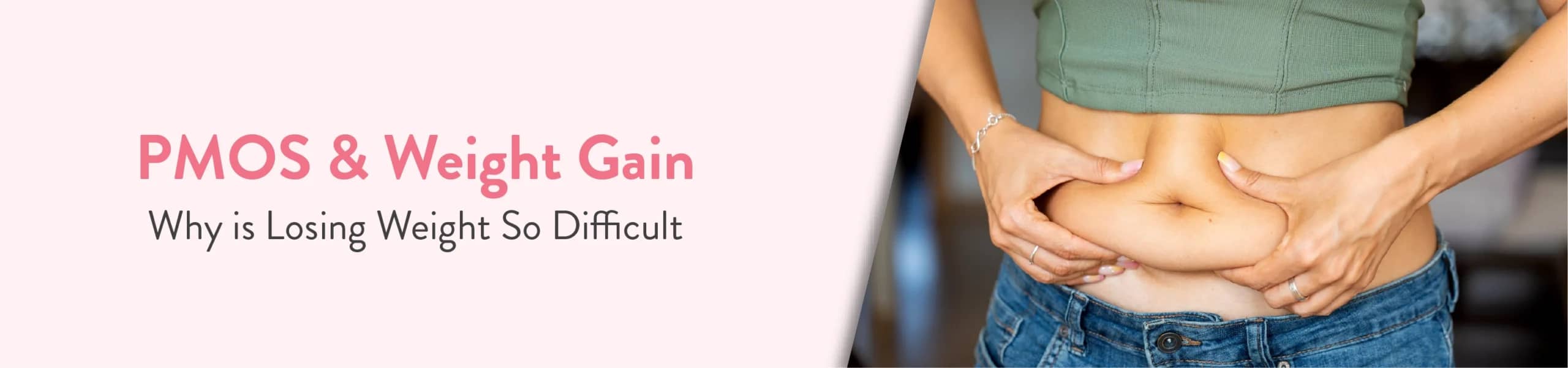
You have been diagnosed with PCOS. Your doctor tells you to lose weight in order to get your periods regularly. You eat a little less, try to exercise more and make a genuine effort to follow a healthy routine. But the results barely show on the weighing scale. Life goes on with this constant struggle. But nobody tells you about any metabolic factors that can change things around. This was until this year.
In 2026, PCOS was finally renamed to PMOS, Polyendocrine Metabolic Ovarian Syndrome (PMOS). This new development acknowledges the fact that
All of these make weight management more complicated than it seems. The diagnostic criteria remain the same, but the new name puts the metabolic side of the condition in sharper focus. A fresh approach can mean a breakthrough in weight management and metabolic health. Understanding how PMOS affects your body can help you find an approach that works for you.
PMOS is a combination of hormonal and metabolic conditions that affect women during their reproductive years. It manifests in the body over time in form of
Apart from impact on reproductive health, this condition can affect how the body processes glucose, regulates appetite and stores fat.
Weight gain, particularly around the abdomen, is common among women with PMOS, although not everyone with the condition is overweight. The relationship also works in both directions: excess body fat can worsen insulin resistance and hormonal imbalances in some women, while PMOS-related metabolic changes may make weight management more challenging.
Also Read: PMOS Awareness Month: What Every Woman Should Know
There isn’t one single explanation. Several factors can overlap, making weight management different for each person.
Insulin helps move glucose from the blood into our cells to be used for energy. When cells become less responsive to insulin, our body tends to start producing more of insulin to keep blood sugar levels under control. This is what is popularly known as insulin resistance.
Now with PMOS, this higher insulin level can stimulate the ovaries to produce more androgens, contributing to hormonal imbalances and irregular ovulation. Insulin resistance is also associated with an increased risk of pre-diabetes and type 2 diabetes.
Not only this, it can further lead to accumulation of visceral fat. Some women with PMOS accumulate more fat around the abdomen, including visceral fat, which surrounds internal organs. Higher levels of visceral fat are associated with insulin resistance and an increased risk of type 2 diabetes and cardiovascular disease.
Therefore, insulin resistance doesn’t automatically prevent weight loss, it can contribute to the metabolic difficulties associated with PMOS. However, abdominal fat isn’t unique to PMOS, and body shape alone cannot tell you whether you have insulin resistance or another metabolic condition.
Also Read: What is Acanthosis Nigricans? Causes, Symptoms & Treatment
PMOS is often associated with higher androgen levels than expected. These hormonal changes can affect menstrual cycles, skin health and fat distribution.
When the body starts becoming insulin resistant and starts producing more insulin to compensate, it triggers testosterone production within the female body. With more and more insulin resistance the body gets into an unending loop. As a result the hormonal changes influence fat distribution to a great extent.
Hirsutism, irregular cycles are all the tell tale PMOS signs that are a result of the underlying hormonal imbalance.
Some women with PMOS report persistent hunger, food cravings or difficulty feeling satisfied after meals. These experiences can have several contributing factors, such as:
When weight loss feels slow, it is tempting to cut calories sharply, skip meals or eliminate entire food groups.
These approaches may produce short-term results, but they can also increase hunger, reduce energy levels and make adequate nutrition difficult. Repeated cycles of restriction and weight regain can be exhausting.
There is no single diet proven to be best for every woman with PMOS. A balanced, sustainable eating pattern that fits your preferences, lifestyle and health needs is generally a more practical starting point.
For women with PMOS who have excess weight, even modest weight loss may improve some aspects of metabolic and reproductive health. By modest we mean losing about 5–10% of your body weight, which can improve how you feel and several health markers.
Potential benefits include:
These benefits vary from person to person, and weight loss does not guarantee that all PMOS symptoms will disappear in all women.
It’s also worth remembering that improvements in health don’t always show up on the weighing scale. Better fitness, healthier blood sugar levels and improved cholesterol can all be meaningful signs of progress, even when your weight changes very little.
Also Read: Female Infertility Treatment: Know Your Options
The aim is to build habits that support your health over time, rather than chase quick results through restrictive diets or exhausting workouts.
Don’t randomly eliminate food groups unless your health markers suggest so. Instead, pay attention to meal composition, portion sizes and the overall quality of your diet.
Try to include:
Don’t experiment at home, instead reach out to a registered dietitian to help develop a plan suited to your needs.
Also Read: Diet in PCOS/PCOD
If you have been inactive, start at a comfortable level and gradually increase your activity. Consistency matters more than occasional intense workouts.
Also Read: Walking or Spot Jogging: Which is More Beneficial for Body
If fatigue continues despite adequate sleep, ask your doctor about other possible causes, including sleep apnea, thyroid disorders or iron deficiency.
You don’t need to eliminate stress to make progress. Small, realistic changes can help: take short breaks during the day, spend time outdoors, practise breathing exercises or make room for activities you enjoy.
If anxiety, low mood, emotional eating or body-image concerns affect your daily life, professional support may also be helpful. If you need someone to talk to, you can also call Tele-MANAS on 14416, the government’s free mental health helpline.
Lifestyle changes are important, but some women may also benefit from pcos treatment. Options depend on symptoms, metabolic risk factors, medical history and pregnancy plans.
No medication is suitable for everyone. If you are planning a pregnancy or could become pregnant, discuss this with your doctor before starting weight-management medication, as some medicines require specific precautions or must be avoided.
If you have PMOS and are experiencing unexplained weight gain, persistent fatigue or difficulty managing blood sugar, a medical review can help identify contributing factors.
Depending on your symptoms and medical history, your doctor may recommend:
Not everyone needs every test. Your doctor can decide which investigations are appropriate based on your individual health profile.
Losing weight with PMOS can be challenging because hormonal, metabolic and lifestyle factors may overlap. Insulin resistance, changes in fat distribution, disrupted sleep and difficulties maintaining sustainable eating habits can all play a role.
The answer isn’t necessarily a stricter diet or a more punishing workout. A balanced eating pattern, regular physical activity, adequate sleep and appropriate medical care provide a more sustainable starting point. Some women may also benefit from medication.
Progress can mean more than a lower number on the weighing scale. Better blood sugar control, improved fitness, healthier cholesterol levels and more regular periods can all be meaningful outcomes.
PMOS is a medical condition, not a personal failure. The goal is to find an approach that supports your health, takes your individual challenges into account and helps you make progress without relying on quick fixes. If you would like support, you can book an appointment with our gynaecologists.
Written and Verified by:

Similar Gynaecology Blogs
Request a call back


