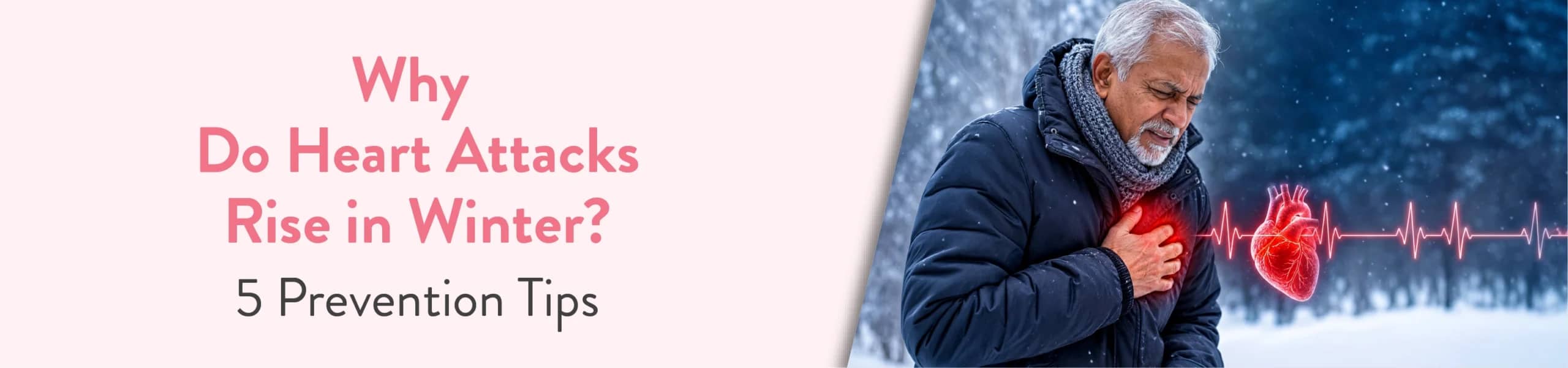
Understand why cold weather can increase blood pressure and put extra strain on the heart.
Learn how winter can affect people with existing heart conditions and other risk factors.
Explore 5 practical winter heart care tips, including staying warm, exercising safely and eating a heart-friendly diet.
Know why regular BP monitoring, cholesterol checks and prescribed medicines matter during winter.
Recognise possible heart attack symptoms and know when to seek emergency medical help.
Winter has its own little pleasures. A warm cup of tea, cosy evenings, comfort food and the excuse to spend a little longer under the blanket. But as the temperature drops, your heart may have to work a little harder.
Cold weather can affect blood pressure and circulation, putting additional strain on the heart. For people who already have high blood pressure, diabetes, high cholesterol or heart disease, this seasonal change is worth paying attention to.
So, why do heart attacks in winter become more common? And what can you do to protect your heart without giving up the things you enjoy? Let’s take a closer look.
To understand what happens to your heart you need to understand how cold affects our bodies. Think of what happens when you step outside on a cold morning. You instinctively pull your jacket closer, your fingers feel colder and your body tries to conserve heat.
One way it does this is by narrowing the blood vessels near the skin. This process, called vasoconstriction, helps your body retain warmth. But it also means blood has to flow through narrower vessels, which can cause blood pressure to rise. Your heart now has to pump against greater resistance.
Cold weather can also increase the heart’s demand for oxygen. If someone has coronary artery disease, where the arteries supplying blood to the heart are already narrowed by plaque, the heart may struggle to receive enough oxygen-rich blood. In some people, this can trigger chest discomfort or even a heart attack.
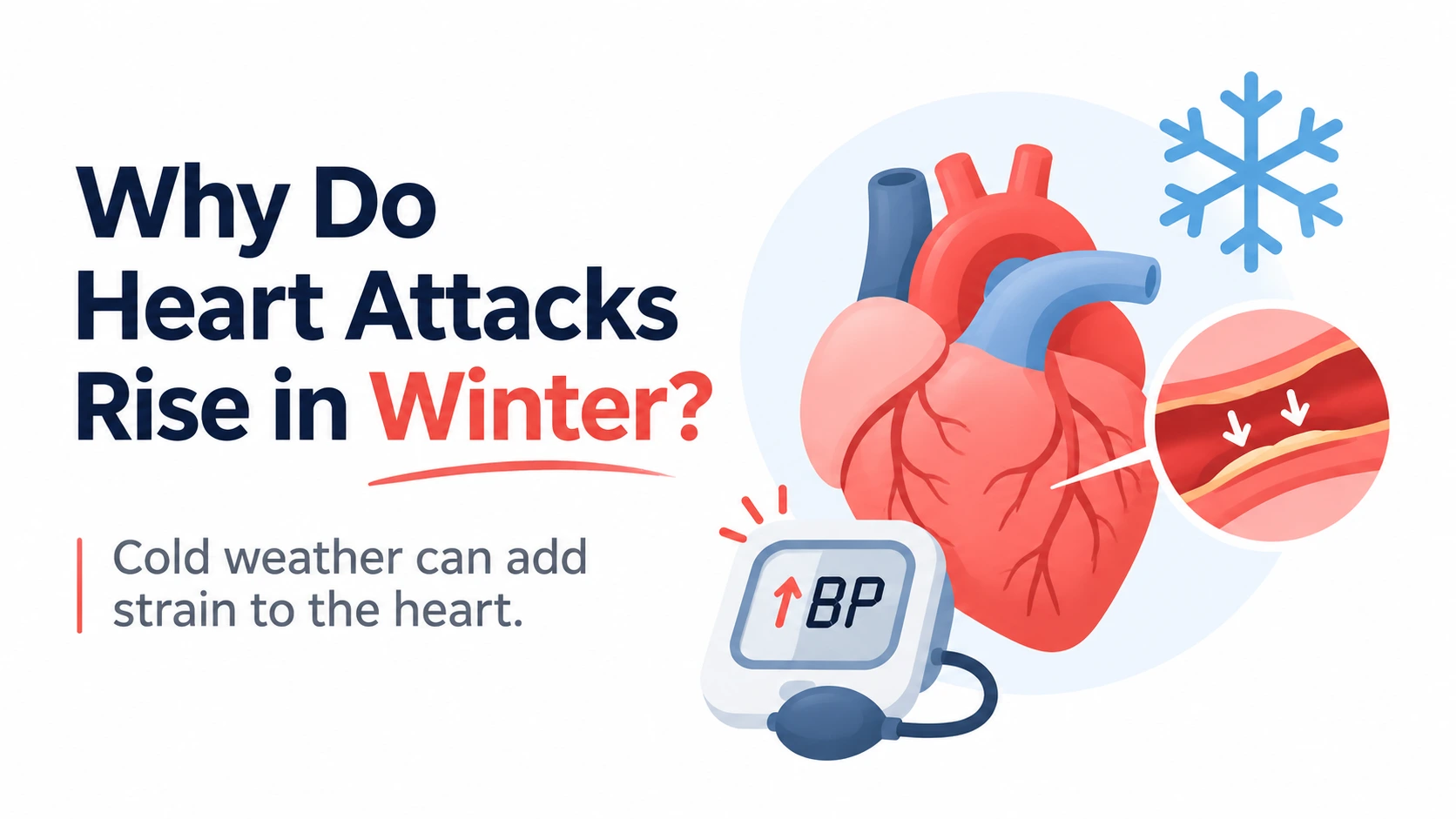
Winter risk isn’t just about the temperature, though. Respiratory infections, less physical activity, heavier meals and sudden strenuous exercise can also add to the strain. This doesn’t mean a cold day will automatically lead to a heart attack. Rather, it means that people with existing heart risk factors may need to be a little more careful during the colder months.
It sounds simple, but staying warm can make a difference. Try not to step straight from a warm room into very cold air without covering up. Wear layers but also ensure they are comfortable to breathe in, and keep your head, hands and feet protected when temperatures drop.
Early mornings are particularly cold, so if you have been previously diagnosed with heart disease or high blood pressure, take a little extra care when heading outdoors.
Now you don’t need to avoid winter altogether. Just give your body time to adjust to the cold.
High BP in winter can be very easy to miss. Cold weather may cause blood pressure to rise, even in people who usually have it under control. It shows no visible symptoms at all.
So if you have hypertension, check your readings regularly at home, as advised by your doctor. Try to measure your BP at a consistent time and keep a record. If your readings are repeatedly higher than usual, speak to your doctor.
And please don’t change or stop your medication on your own. Your treatment may need reviewing, but that decision should be made with your healthcare professional.
When it’s chilly outside, staying indoors feels tempting. But regular movement is important for your heart, circulation and overall health. A brisk indoor walk, gentle stretching, yoga or a workout at home, are all great ways to remain active while staying in comfortable room temperatures during the winter chill.
If you prefer walking outdoors, start slowly and give yourself time to warm up. Avoid suddenly doing strenuous activity, such as lifting heavy loads if your body isn’t used to it. The idea is to keep moving, and not turn every workout into a test of endurance.
Be mindful of experiencing chest discomfort, unusual breathlessness or dizziness during activity. When you do feel this, immediately stop and seek medical advice.
Celebrations are often at its peak in winters. Thanks to the wedding season, Christmas cheer, and New Year celebrations, winter often translates to richer meals, sweets, cakes, fried snacks and plenty of festive treats. There’s no need to say no to everything you love, but a little balance goes a long way.
For better cholesterol control, try to include more vegetables, fruits, whole grains, pulses, nuts and seeds in your meals. And no, plum cake and candied apricots don’t fall in this category.
Cut back on foods high in saturated or trans fats, excess salt and added sugar. These can affect cholesterol, blood pressure and blood sugar, all of which matter for heart health.
A useful way to think about it: enjoy your favourite winter foods, but don’t let them become your everyday routine.
If you’re taking medication for blood pressure, cholesterol, diabetes or heart disease, continue it as prescribed.
Winter is also a good time to check in with your doctor if you’ve been putting off a review. They may recommend checking your BP, cholesterol, blood sugar or other risk factors, depending on your health history.
If you already have heart disease, ask your doctor whether you need any changes to your activity routine or treatment during colder weather. A little planning can help you enjoy the season with greater confidence.
Heart attack symptoms don’t always look the way we expect. Along with chest pressure or pain, some people may experience breathlessness, cold sweats, nausea, sudden weakness or discomfort in the jaw, back, shoulder or arm.
These symptoms can have other causes, too. But if they appear suddenly, are severe, persist or occur together, don’t wait for them to pass. Seek emergency medical help immediately.
A little winter care goes a long way. Stay warm, keep moving and listen to your body. Your heart deserves attention in every season, not just when something feels wrong.
Written and Verified by:

Similar Cardiology Blogs
Request a call back


