Trust img

Best Tachycardia Doctors in India

Dr Sanjeeva Kumar Gupta

Dr Sanjeeva Kumar Gupta

Cardiologist


MBBS, MD (Internal Medicine), DM (Cardiology), FSCAI, FESC

27+ Years Experience

Location: Delhi
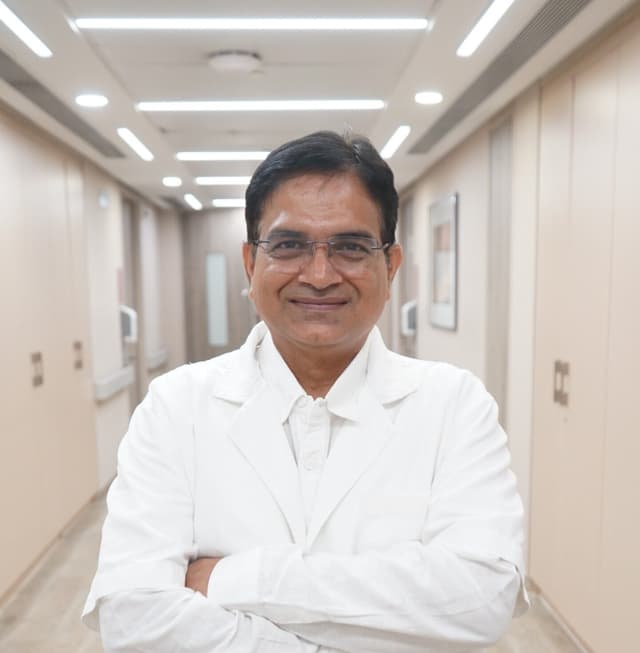
Dr Shashikant Mishra

Dr Shashikant Mishra

Cardiologist


MBBS, PGDCCP Senior Consultant - Non-Invasive Cardiology

23+ Years Experience

Location: Gurgaon

Dr Anshul Kumar Jain

Dr Anshul Kumar Jain

Cardiologist


MD, DM, FACC, FSCAI
Director – Cardiology

30+ Years Experience

Location: Delhi

It is normal for your heart to beat faster after a heavy workout, run or climb up the stairs. But if your heart rate stays above 100 beats per minute even when you are resting, it could be a sign of tachycardia. Stress, fever and dehydration can also make your heart beat faster temporarily. But if it keeps happening without a clear reason, it is worth getting it checked.

If you are looking for a tachycardia doctor in India, the cardiac care team at the CK Birla Hospital can help find the cause and suggest the right treatment.

Who is a Tachycardia Specialist?

A tachycardia specialist is generally a cardiologist who evaluates problems affecting the heart rate and rhythm. For people with recurrent or complex arrhythmias, an electrophysiologist, a cardiologist with specialised training in the heart’s electrical system, may be involved.

The specialist may evaluate:

  • How fast the heart beats and whether the rhythm is regular or irregular
  • When you experience the episodes and how long they last
  • Symptoms such as palpitations, dizziness, weakness, breathlessness or fainting
  • Existing heart conditions and family history
  • Possible triggers such as stress, fever, dehydration, caffeine or certain medicines
  • Other conditions that can increase heart rate, including anaemia or thyroid problems

A resting heart rate above 100 beats per minute is generally considered tachycardia in adults, although a faster heart rate during exercise, stress or illness can be a normal response of your body.

Issues Addressed by a Tachycardia Specialist

Different types of tachycardia can affect different parts of the heart and may require different treatments. A tachycardia specialist may evaluate and treat:

  • Sinus tachycardia: In this type, a fast heart rate is caused by the heart’s natural pacemaker, usually due to exercise, stress, fever or another condition.
  • Supraventricular tachycardia (SVT):This is a very fast heart rhythm that starts in the upper part of the heart and can begin and stop suddenly.
  • Atrial tachycardia: This is a fast heart rhythm that starts in the upper chambers of the heart.
  • Ventricular tachycardia: This is a fast heart rhythm that starts in the lower chambers of the heart and can sometimes require urgent medical attention.
  • Tachycardia due to other conditions: This is a fast heart rate that can be due to fever, anaemia, thyroid problems, electrolyte imbalances, certain medicines or heart conditions.

The specialist first determines why the heart is beating faster than usual and whether the rhythm itself is abnormal.

Tests Used to Diagnose Tachycardia

Your evaluation may include:

  • Electrocardiogram (ECG) to record the heart’s electrical activity and identify the type of rhythm.
  • Holter or other ambulatory monitoring involves wearing a small monitor that continuously records your heart’s activity for 24 to 72 hours or longer.
  • Echocardiogram to check the heart’s structure and pumping function.
  • Blood tests may be recommended to look for possible contributors such as thyroid problems, anaemia or electrolyte abnormalities.
  • Exercise or stress testing may be used when symptoms are associated with physical activity.
  • Electrophysiology (EP) study is a specialised test that can help locate abnormal electrical signals within the heart.

The tests recommended depend on your symptoms, medical history and the suspected type of tachycardia.

When to Consult a Tachycardia Specialist

It is worth arranging a medical assessment if you experience:

  • Repeated episodes of a racing or pounding heartbeat
  • A fast heartbeat even when resting
  • Dizziness or lightheadedness
  • Unusual weakness or tiredness
  • Breathlessness during an episode
  • Fainting (syncope)
  • A known heart condition or family history of rhythm disorders

If a very fast heartbeat occurs with chest pain, shortness of breath, severe dizziness, fainting or other concerning symptoms, seek an urgent medical evaluation.

Treatments Suggested by Tachycardia Specialists

The right treatment is determined after identifying the specific rhythm and its underlying cause. Depending on the diagnosis, treatment options may involve:

  • Treating the underlying cause: Managing fever, thyroid problems, anaemia, electrolyte disturbances or other related conditions may help reduce a fast heart rate.
  • Medication: Certain medicines can help control the heart rate or abnormal rhythm.
  • Vagal manoeuvres: In some cases of SVT (Supraventricular tachycardia), a specialist may teach specific techniques like coughing or bearing down (Valsalva manoeuvre) or applying gentle pressure to the carotid artery that can slow the heart rate by stimulating the vagus nerve. These should only be performed as advised by a healthcare professional.
  • Cardioversion: In some cases, an electrical or medication-based treatment may be used to restore a normal rhythm.
  • Catheter ablation: It is a minimally invasive procedure that uses heat or cold energy to create small areas of scar tissue that block abnormal electrical signals.
  • Implantable devices: In selected patients at risk of dangerous ventricular rhythms, an implantable cardioverter-defibrillator (ICD) may be recommended.

Why Choose The CK Birla Hospital for Tachycardia Treatment in India?

For patients seeking tachycardia treatment in India, access to the right specialist, diagnostic facilities and emergency services can make the evaluation more coordinated.

At the CK Birla Hospital, we offer:

  • Multispecialty collaboration for complex cardiac conditions
  • Personalised treatment planning and coordinated care
  • Cardiac monitoring for intermittent or recurring symptoms
  • Advanced cardiac diagnostics
  • Patient guidance for long-term heart health
  • Rehabilitation and lifestyle support
  • 24×7 ICU and Critical Care backup for cardiac monitoring and emergency response

Book a consultation with a cardiologist at the CK Birla Hospital to get your symptoms evaluated and understand the right treatment options.

FAQs

Not always. A fast heart rate can be a normal response to exercise, stress or illness. However, some abnormal rhythms can cause complications and require treatment. The seriousness depends on the type of tachycardia, how fast the heart is beating, how long it lasts and whether there is underlying heart disease.

In adults, a resting heart rate above 100 beats per minute is generally considered tachycardia. A temporary increase during exercise or stress does not always mean you have a heart rhythm disorder.

Yes. Stress and anxiety can make your heart beat faster and may trigger some types of tachycardia. However, if you frequently experience a fast heartbeat, consult a doctor to find out why.

Tachycardia describes a fast heart rate, whereas palpitations describe the sensation of feeling your heartbeat, such as racing, pounding, fluttering or skipping. You can have palpitations without tachycardia, and some people with tachycardia may not notice any symptoms.

It depends on the type and cause of tachycardia. Some cases improve once the underlying cause is treated. Certain abnormal heart rhythms can also be treated with procedures such as catheter ablation, which can help prevent future episodes.