Trust img

Best Doctors for Angina Treatment in Gurgaon

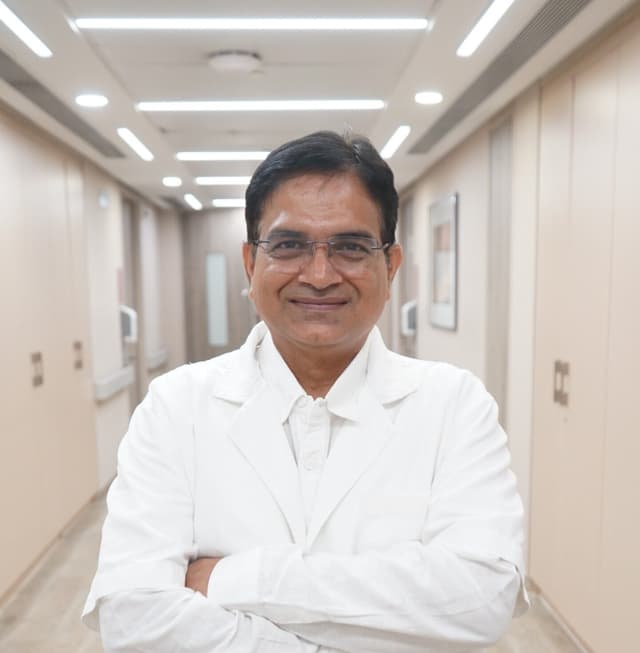
Dr Shashikant Mishra

Dr Shashikant Mishra

Cardiologist


MBBS, PGDCCP Senior Consultant - Non-Invasive Cardiology

23+ Years Experience

Location: Gurgaon

Do you experience chest pain when you are walking, climbing stairs or doing something strenuous? Occasional chest discomfort can have many causes, but if it keeps coming back, especially during any physical activity or even at rest, you should get it checked. This recurring pain could beangina, which is linked to reduced blood flow through the coronary arteries.

If you are looking for a doctor for angina treatment in Gurgaon, the cardiology team at the CK Birla Hospital can evaluate your symptoms, identify the underlying cause and recommend treatment based on your heart health and risk factors.

Which Doctor Treats Angina?

Angina is primarily evaluated and treated by a cardiologist. A cardiologist reviews your symptoms, medical history and heart disease risk factors to determine whether reduced blood flow to the heart could be causing your chest pain. They may also recommend tests to check for underlying coronary artery disease.

Depending on the findings, you may be referred to an interventional cardiologist or cardiac surgeon if a significant blockage needs further treatment. This may include procedures such as angioplasty and stenting or, in some cases, bypass surgery.

Issues Addressed by an Angina Specialist

An angina specialist may evaluate and manage:

  • Stable Angina: This type of chest pain generally follows a predictable pattern, such as occurring during physical activity or stress and improving with rest or prescribed medication.
  • Unstable Angina: Chest pain that suddenly starts, becomes more frequent or happens even when you are resting. It should be checked urgently as it can be linked to a heart attack.
  • Coronary Artery Disease (CAD): Narrowing of the arteries supplying blood to the heart.
  • Microvascular Angina: Chest pain caused by problems in the heart’s small blood vessels, even when the larger coronary arteries do not have significant blockages.
  • Coronary Artery Spasms: Temporary tightening of a coronary artery that can reduce blood flow.
  • Risk Factors Linked to Heart Disease: High blood pressure, high cholesterol, diabetes, smoking, obesity, physical inactivity and family history of heart disease.

Tests Used to Diagnose Angina

Based on your symptoms and medical history, your cardiologist may recommend one or more of the following tests:

  1. ECG (electrocardiogram) to record the electrical activity of the heart and identify changes that may point towards a heart problem.
  2. Blood tests to check for heart muscle injury and assess factors such as cholesterol and blood sugar.
  3. Echocardiogram uses ultrasound waves to create images of the heart and check its structure and pumping function.
  4. Exercise stress test to monitor how your heart responds to physical exertion.
  5. CT coronary angiography provides images of the coronary arteries and may help identify narrowing or blockage.
  6. Coronary angiography uses a thin catheter to take detailed images of the coronary arteries and check for significant narrowing or blockages.

When to Consult an Angina Specialist Cardiologist

You should consider seeing a cardiologist if you have:

  • Repeated chest pressure, tightness or discomfort, especially during physical activity
  • Chest pain that spreads to your arm, shoulder, neck, jaw or back
  • Breathlessness or unusual tiredness during physical activity
  • Chest pain that is becoming more frequent, more intense or starts with less activity than before
  • Risk factors such as high blood pressure, diabetes or high cholesterol
  • A history of coronary artery disease, angina or heart blockage

If your chest pain is new, severe, lasts for several minutes or happens even when you are resting, do not wait for a routine appointment. Seek emergency medical attention, especially if the pain comes with sweating, nausea, dizziness, severe breathlessness or spreads to your arm, jaw or back, as these can be signs of a heart attack.

Treatment Options for Angina

Treatment depends on the type of angina, its underlying cause and the extent of coronary artery disease.

  • Medications: Your cardiologist may prescribe medicines to ease angina symptoms, reduce strain on the heart, improve blood flow or manage factors such as blood pressure and cholesterol. The medicines you need will depend on your condition.
  • Angioplasty and Stenting: If a narrowed coronary artery is affecting blood flow to the heart, your cardiologist may recommend angioplasty. During the procedure, a small balloon is used to widen the narrowed artery, and a stent may be placed to help keep it open.
  • Coronary Artery Bypass Surgery (CABG): For extensive or complex coronary artery disease, bypass surgery may be considered. It creates a new route for blood to reach the heart muscle around the narrowed or blocked arteries.
  • Lifestyle and Long-term Management: For long-term benefits, the treatment can also involve quitting tobacco and alcohol, maintaining a healthy weight, staying physically active as advised by your doctor, managing blood pressure and diabetes, and following a healthy diet that is good for the heart.

Why Choose the CK Birla Hospital for Angina Treatment in Gurgaon?

For patients seeking angina treatment in Gurgaon, the CK Birla Hospital brings cardiology, diagnostics and emergency services together to help evaluate and manage heart-related chest pain.

We offer:

  • Multidisciplinary care approach
  • Experienced cardiologists and cardiac surgeons
  • Individualised treatment planning
  • Minimally invasive procedures
  • Access to advanced diagnostic facilities
  • Patient and family guidance throughout treatment
  • Integrated care across cardiology, ICU and critical care teams
  • 24×7 emergency care for critical cardiac conditions

For timely evaluation and personalised guidance on angina treatment, book a consultation with a cardiologist at the CK Birla Hospital.

FAQs

Stable angina usually follows a pattern. It may happen during physical activity or stress and improve with rest. Unstable angina is new, getting worse or can happen even when you are resting. It needs urgent medical attention as it can be a warning sign of a heart attack.

If your chest pain keeps coming back, becomes more intense or occurs at rest, see a cardiologist. If the pain is severe, persistent or comes with breathlessness, sweating, nausea, dizziness or pain that spreads to your arm, jaw or back, you should seek emergency medical attention.

Your cardiologist may recommend tests based on your symptoms and risk factors. These can include an ECG, blood tests, echocardiogram, stress test, CT coronary angiography or coronary angiography. You may not need all of these tests.

Depending on the cause and severity, angina may be managed with medicines and lifestyle changes. If there is a significant blockage, your cardiologist may recommend angioplasty, stenting or bypass surgery.

Your cardiologist may recommend quitting tobacco and alcohol, eating a heart-healthy diet, staying physically active as advised, maintaining a healthy weight and keeping conditions such as high blood pressure, diabetes and high cholesterol under control.