Recognise 7 warning signs of potential heart problems, including chest discomfort, breathlessness and unusual fatigue.
Understand how palpitations, leg swelling, dizziness and fainting may indicate an underlying heart condition.
Know why heart disease can develop silently without noticeable symptoms.
Explore common heart disease risk factors and how symptoms may differ in women and people with diabetes.
Discover the cardiac tests used to assess heart health and identify potential problems early.
Think of someone you know who has had a heart problem. A friend, a relative, maybe a celebrity whose story made headlines. Most of us can name at least one, because heart disease is now so common.
But common should not mean overlooked. Catching heart-related problems early, and preventing them where we can, still saves lives.
So how do you know if something might be wrong with your own heart? Keep reading to learn the signs to pay attention to, and when to get them checked.
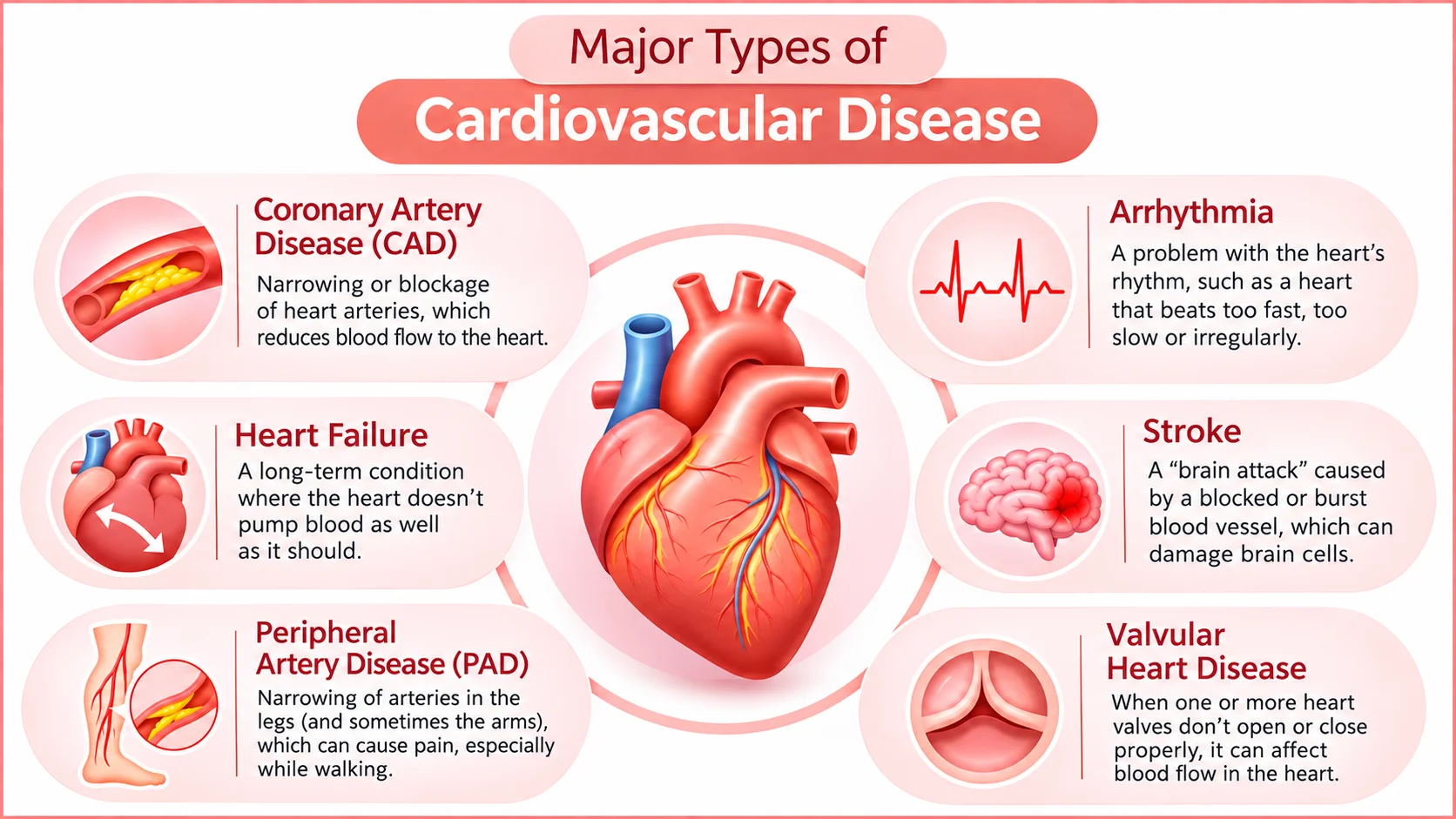
Cardiovascular disease, the umbrella term for conditions affecting the heart and blood vessels, is the world’s leading cause of death.
The WHO estimates that about 19.8 million people died from CVDs in 2022, roughly 32% of all deaths, and 85% of those were due to heart attack or stroke. More than three-quarters of CVD deaths occur in low and middle-income countries, which includes India.
Some of the factors that increase your heart disease risk do not cause symptoms. A study published in the American Heart Association’s journal Circulation found that more than 45% of heart attacks identified among its participants were silent or went unrecognised at the time.
Many people feel perfectly well while having:
That is why prevention is not only about reacting to symptoms, but also about knowing your risk before any obvious warning signs.
One symptom alone cannot confirm a heart condition, and many symptoms have other, less serious causes. What matters is the pattern: when they occur, what triggers them, how long they last and whether they are new or getting worse.
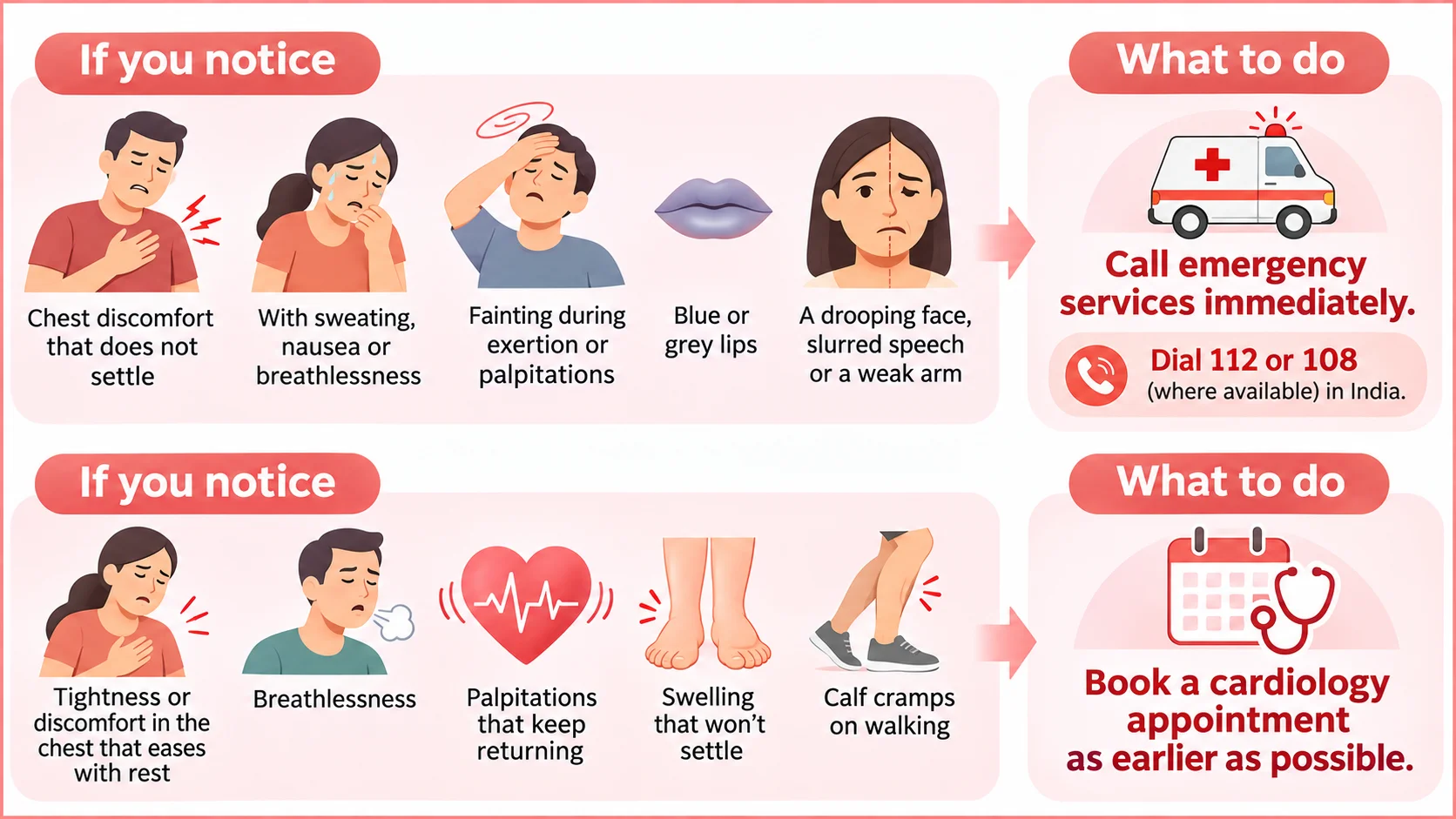
Cardiologists often call this angina when it comes on with exertion or emotional stress and settles within minutes of rest. People generally describe it as a feeling of heaviness, a tight band around the chest or indigestion, rather than a sharp pain. It usually doesn’t feel like a sharp pain. Discomfort that spreads to the arm, shoulder, back, neck or jaw adds to the concern. If it occurs at rest, lasts more than a few minutes, or is getting easier to trigger than it used to, it needs urgent assessment.
Breathlessness is the symptom people most readily blame on age or weight. Poor fitness, anaemia, lung conditions and anxiety can also cause it. However, if you find yourself getting out of breath during routine activities, such as climbing stairs, taking a short walk or exercising for a few minutes, get your heart health checked, especially if this is new or worsening.
This is the most commonly dismissed symptom, because everything from stress to anaemia to thyroid disease can cause it. What raises suspicion is a clear drop in stamina over weeks, especially alongside breathlessness or swelling. The heart may simply not be pumping enough blood to meet everyday demands.
A pounding heart after an extra intake of caffeine, a tense meeting or a lack of sleep is common and usually harmless; hormonal changes, anaemia and thyroid problems can cause it too. It deserves a proper look if it keeps happening, goes on for a long time, or comes with light-headedness, chest discomfort or breathlessness. Some persistent, irregular palpitations turn out to be atrial fibrillation, which is a rhythm problem that raises the risk of stroke.
Swelling in both legs that leaves a dent when pressed and gradually worsens can be a sign that your heart is struggling to pump blood effectively, leading to fluid build-up. This can also cause rapid weight gain due to fluid retention rather than an increase in body fat.
Feeling briefly light-headed after standing up suddenly is seen in many people, often due to a temporary drop in blood pressure. However, fainting during physical activity or without warning is more concerning. It can sometimes indicate an abnormal heart rhythm or a narrowed heart valve and needs timely medical attention.
Because CVD includes stroke, facial drooping, arm weakness or slurred speech belong on this list. They are an emergency, whatever the person’s age.
Yes, some heart conditions can be present for years without causing any noticeable symptoms.
Coronary artery disease (CAD), for example, can develop as plaque builds up and narrows the arteries that supply blood to the heart. Some people may not have symptoms until the condition becomes more advanced or complicated. That is why knowing your risk factors and getting appropriate health checks can help identify potential heart problems early.
A 2016 US study published in Circulation, a journal of the American Heart Association, involving nearly 9,500 middle-aged adults, found that over 45% of the heart attacks identified were silent: nobody recognised anything at the time, and they surfaced later on an ECG.
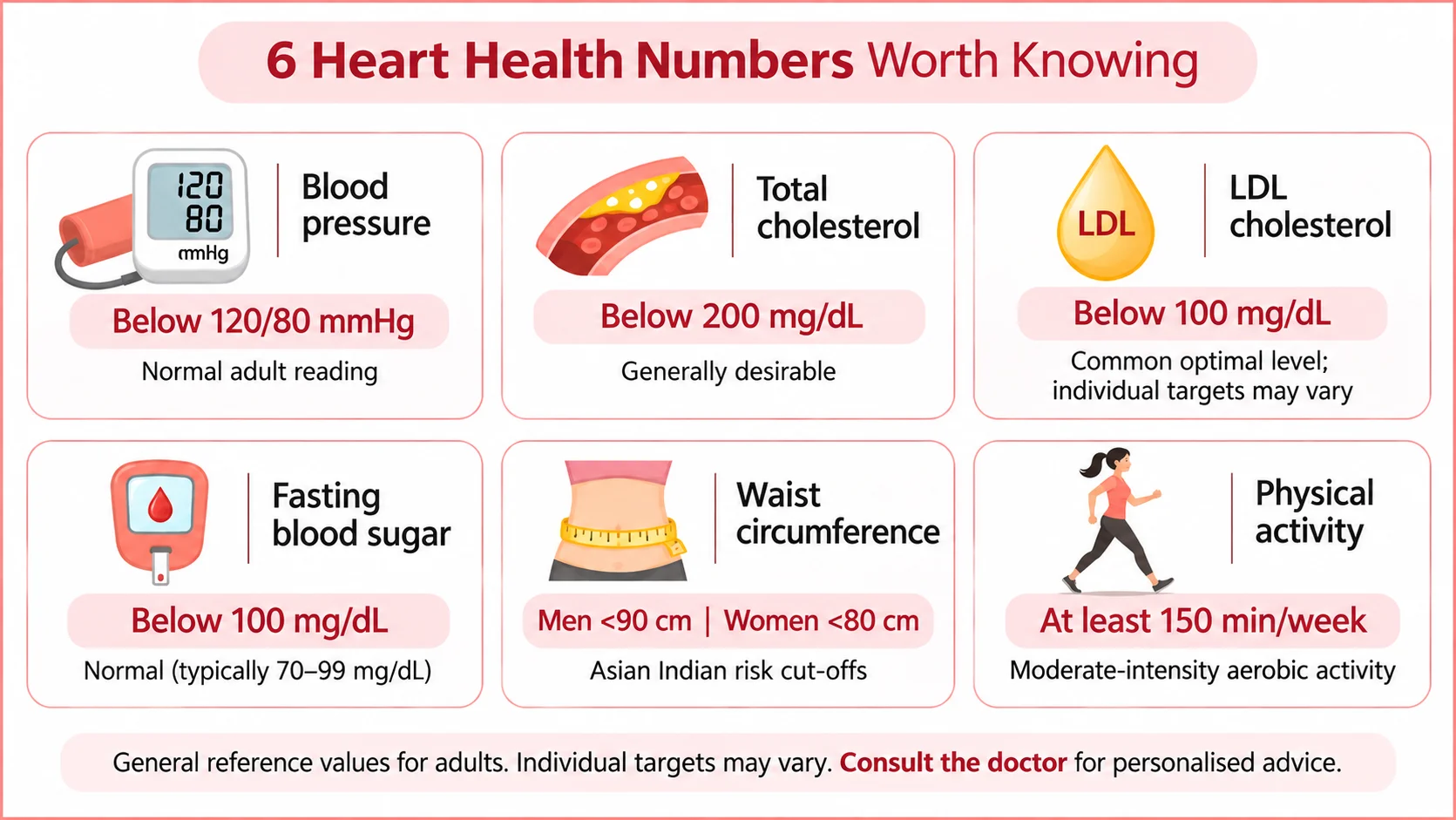
High blood pressure, cholesterol and blood sugar can also develop slowly for years, so medical check-ups are not only for people who feel unwell. It is important to get your health checked from time to time.
In women, heart problems may sometimes cause less obvious symptoms, such as nausea, back or jaw pain, and unusual tiredness.
In people with long-standing diabetes, nerve damage can dull pain, so a heart attack may feel like sudden breathlessness or just feeling unwell.
Age is the other assumption. It is easy to think you are too young to worry about heart disease. But research suggests otherwise, particularly in India. A review by researchers from the Indian Council of Medical Research (ICMR) found that coronary heart disease tends to develop five to ten years earlier in Indians than in many other populations. The reported average age of a first heart attack was around 53 years.
Your heart health is influenced by a combination of lifestyle, medical and inherited factors.
The WHO identifies tobacco use, an unhealthy diet, physical inactivity and harmful alcohol use as important behavioral risk factors for cardiovascular disease (CVD).
The choice of diagnostic test depends on your symptoms, history and risk profile.
You may not need all of these tests. Your cardiologist will recommend investigations based on your symptoms, medical history and individual risk factors.
You don’t have to reach a certain age to start thinking about your heart health. Heart problems can affect younger adults too, and not every warning sign is easy to recognise. Sometimes, it is the small changes in your everyday health that need your attention.
If something feels different, symptoms keep returning, or you have a family history of heart disease, it is worth speaking to a cardiologist in Gurgaon or Delhi.
At the CK Birla Hospital, our Cardiology Department can help you understand your heart health and take appropriate steps to manage your risks. Call us to book a consultation.
Written and Verified by:

Similar Cardiology Blogs
Request a call back


