Between long hours of sitting, rushed meals, barely any exercise and poor sleep, looking after our health can become less of a priority. Over time, these habits can affect heart health, not just in older adults but in younger people too.
If you have a heart condition, medicines, exercise and regular check-ups are important, but so is your diet. The right food choices can help manage cholesterol and blood pressure.
So, what should you eat, and what should you avoid? This blog covers both. Use it alongside advice from your cardiologist or dietitian.
Best Foods for Heart Health to Include in Your Diet
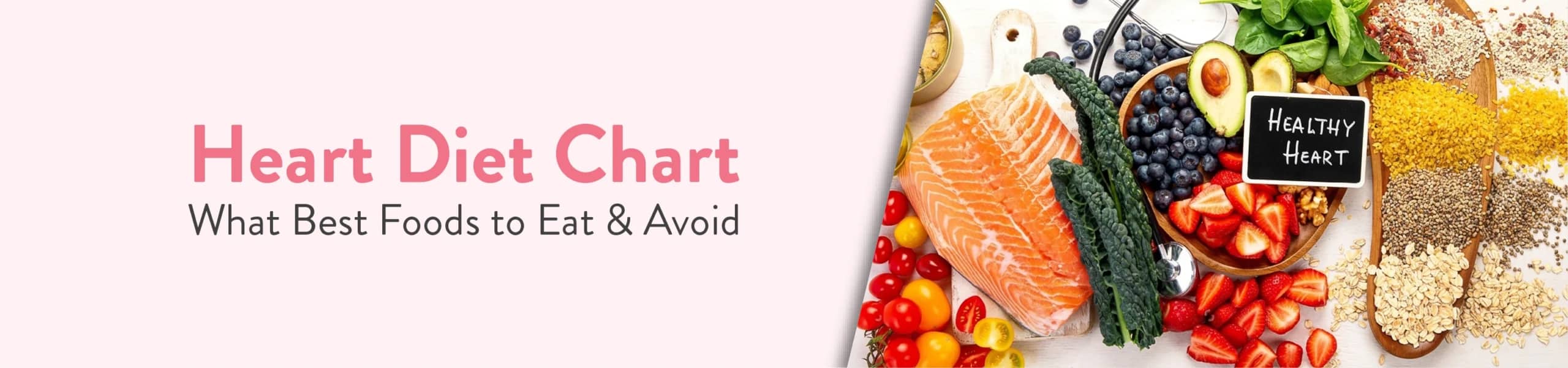
A heart-healthy diet is a simple plan for what to eat, how much, and when. Most of it comes down to eating less salt, saturated fat and added sugar, and more fibre, lean protein and healthy fats. The foods below are good additions to your meals, but your cardiologist or dietitian can tell you what is right for your own reports and medicines.
- Fruits and vegetables: Try to include vegetables in your main meals and eat different seasonal fruits through the day. Apples, guava, papaya, oranges, carrots, tomatoes and leafy greens are easy options.
- Whole grains: Swap refined grains for oats, barley, whole wheat roti, millets or brown rice more often. Oats and barley contain soluble fibre, which helps lower LDL or bad cholesterol.
- Nuts and seeds: A small handful of unsalted almonds or walnuts, or a sprinkle of flaxseeds or chia seeds, can add healthy fats and fibre to your diet. Just keep portions in check, as nuts are calorie dense.
- Omega-3 sources: Oily fish are a good source of omega-3 fats. If you don’t eat fish, try flaxseeds, chia seeds or walnuts. They provide a plant-based form of omega-3 that the body converts only in small amounts into the forms found in fish.
- Milk and dairy: Toned milk, plain curd and unsalted buttermilk are everyday options that provide protein and calcium while keeping saturated fat lower than full-fat alternatives.
- Pulses and legumes: Dal, rajma, chana, moong and soybean provide protein and fibre. You can include them regularly to add variety to your meals and replace some meat-based dishes.
- Cooking oils: You don’t need to stop using oil altogether. Mustard, groundnut, sesame and rice bran oils are options that contain unsaturated fats. You can use them in moderate amounts, and cut back on excess oil, ghee, butter and other sources of saturated fat.
Best Indian Foods and Grains for Cardiac Patients
- Millets like ragi, jowar and bajra are high in fibre and release energy slowly. Swapping one of your daily rotis for a jowar or ragi roti is an easy first step.
- Lentils and dals like moong, masoor and toor dal are filling and low in fat.
- Leafy greens like spinach, methi and sarson provide potassium, magnesium and folate.
If you are taking medicines, check with your doctor first, since sudden big changes in the diet can affect your medication.
Also Read: Healthy Diet Chart for High Blood Pressure Patients
Foods to Avoid or Limit for Heart Patients
Not everything mentioned in the below list has to be cut out completely. Some foods are best eliminated from the diet, while others can be consumed occasionally and in moderation.
Limit these food: (typo flagged, not yet changed)
- Trans fats: It is majorly found in butter, many packaged biscuits, bakery items and reused frying oil. (flagged for doctor review)
- Excess salt: This includes the hidden kind in pickles, papad, namkeen, instant noodles, sauces and bread. Many people stop adding salt at the table but still get plenty from packaged food.
- Processed and red meat: Sausages, salami, and large portions of mutton.
- Sugary drinks and sweets: Cold drinks, packaged juices and mithai.
- Ghee, butter and full-fat cream: A small amount occasionally is different from daily use.
- Fried snacks
Also Read: Early Signs of Heart Blockage You Should Never Ignore
Lifestyle Tips for Sustaining a Long-Term Cardiac Diet
A diet that lasts is better than a perfect one that doesn’t. A few things help:
- Change one thing at a time. Start with cooking oil, then salt, then snacks.
- Use less oil. Rotate oils like mustard, groundnut, rice bran or olive oil, and measure with a spoon instead of pouring.
- Season with other flavours. Lemon, garlic, ginger, cumin, coriander, and pepper make up for less salt.
- Don’t skip meals. Long gaps often lead to overeating or fried snacks later.
- Exercise daily. Even a 30-minute walk supports what the diet is doing.
- Keep follow-ups. Cholesterol and blood pressure readings tell you whether the plan is working.
When to Talk to Your Doctor
If you have chest pain, breathlessness, swelling in your legs, or sudden weight gain, don’t wait for a diet change to fix it. Contact your cardiologist immediately.
For any heart-related concern, our experienced cardiology team at the CK Birla Hospital is here to help, and you can book a consultation with them. If you need a diet plan that fits your reports and medicines, our clinical dietitians can build one with you.