Filter :

Table of Contents The final 7th, 8th and 9th months of pregnancy mark the third trimester. In the final stage, your baby matures fully and prepares itself as well as your body for labour and childbirth. For some women, childbirth may happen earlier than 40 weeks. While for others, obstetricians may need to induce labour if the third trimester exceeds 40 weeks. This trimester ends whenever your baby is born. Your body will change remarkably as you approach the final stage of your pregnancy. You can expect the following third trimester symptoms or bodily changes to happen: Your fetus continues to grow in weight and size during the last trimester of pregnancy. The most significant fetal change during this phase is in the position of your baby as it turns itself head-down. Other fetal development milestones in the third trimester include: It is important for you to remain healthy in order to give your baby a healthy start. Here are some things to do and things to avoid during the third trimester of pregnancy. Expecting mothers should get sufficient rest and sleep for nearly 8 hours every day. Warning symptoms include severe pain and discomfort in the abdomen, extreme nausea and vomiting, bleeding, pain and burning during urination and rapid weight gain. Early signs of labour include contractions, cramps and increased backache, losing your mucus plug and cervical dilations.Things you need to know
What is the third trimester of pregnancy?
Third trimester symptoms
Fetal development
Do’s and dont’s of the third trimester
FAQs
How much sleep should a pregnant woman get during the third trimester?
When should I consult a doctor during the third trimester?
What are the early signs of labour?
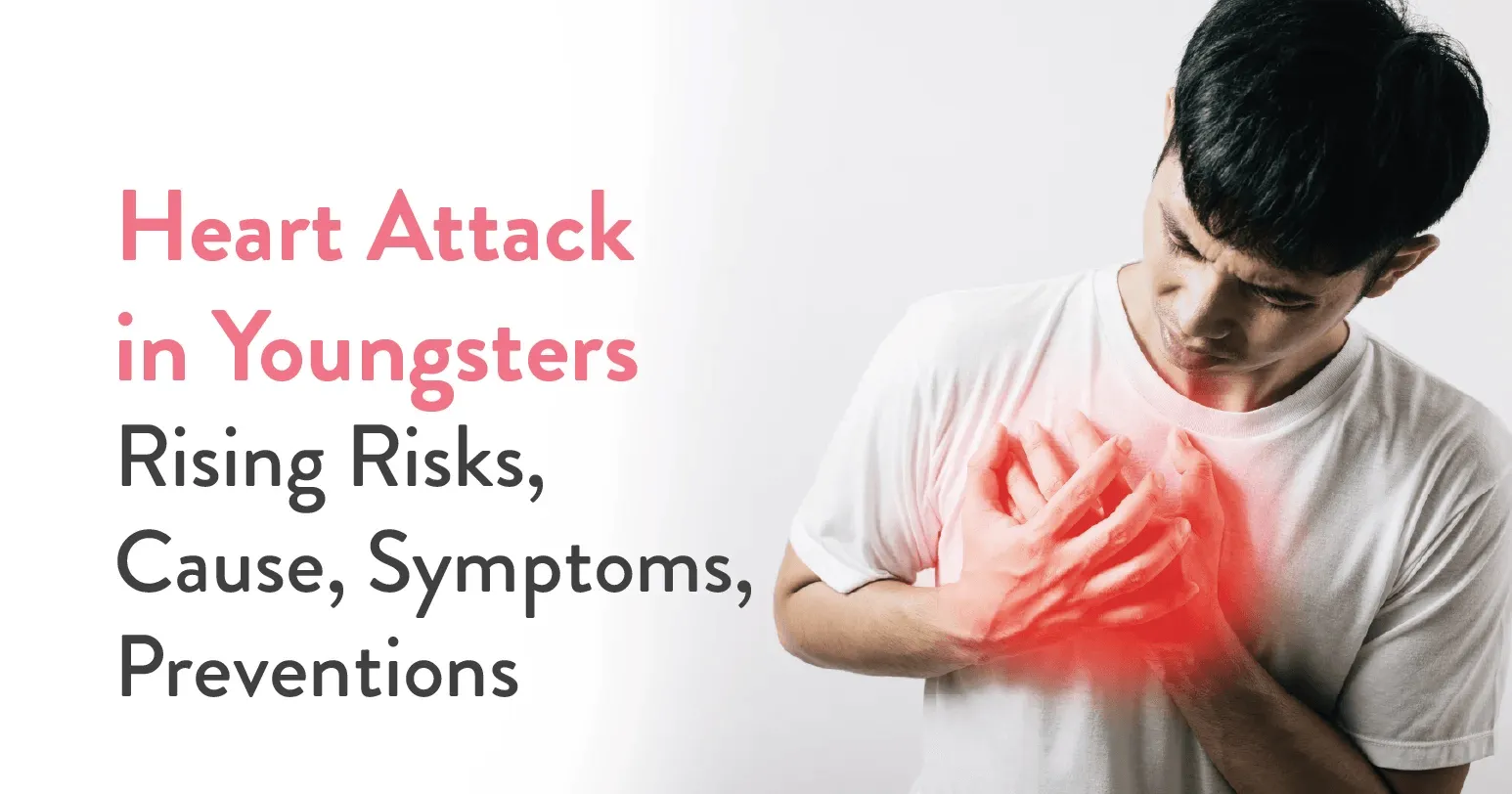
Heart – the vital organ is a part of the cardiovascular system responsible for circulating blood in the body. A heart beats around 60-100 times in a minute with each beat sending blood throughout the body. The fist-sized organ is located in the chest and is made up of muscle tissue called cardiac muscle.
Did you know? An adult healthy heart beats around 1,00,000 times a day and over 2.5 billion times over an average lifetime.
Given the crucial role the heart plays, even the slightest of issues can lead to serious complications. These complications can range from mild issues like chest pain, irregular heartbeat, valve problems, etc. to severe issues like coronary artery disease (CAD), heart attack, heart failure, and more.
A heart attack also known as myocardial infarction is a medical emergency caused due to blockage of arteries that supply blood to the heart.
Table of Contents
The heart is made up of a special type of muscle tissue called cardiac muscle, these muscles require oxygen to survive. A heart attack is a condition when the blood flow that brings oxygen to the heart muscles is reduced or stopped for too long causing heart muscles to die.
The blood flow is usually reduced due to the narrowing of the coronary artery from plaque (a buildup of fat, cholesterol & other substances). The plaque further blocks the blood flow through the artery to the heart muscles resulting in a heart attack.
The most common symptoms of heart attack are pain in the chest, a feeling of discomfort, squeezing or heaviness, pain radiating to the arms, shortness of breath, nausea, sweating, and more. Additionally, men and women usually have different heart attack symptoms.
The plaque buildup in the walls of the artery is called Atherosclerosis. The blocking of the artery may have no symptoms in the early stages, though when the artery is narrowed by nearly 70% symptoms like muscle pain, and cramps, may start to appear.
Also Read: Health Benefits & Side Effects of Apricot (Khubani)
Heart attacks in young people are another growing concern around the world. According to a report by the Indian Express, 50% of heart attack cases since 2020 are among adults aged below 40.
Heart attack, once considered the disease of the elderly is strikingly affecting young adults. The factors contributing to this growing number include sedentary lifestyle, genetic factors, stress, poor diet, alcohol consumption, smoking, etc.
In India, a decade ago heart attacks were common in people in their late 50s, but now the trend has shifted, people are suffering fatal heart attacks in their early 30s. Young individuals are experiencing symptoms like chest pain, shortness of breath, fatigue, etc. The main factors leading to heart attack in youngsters include:
A family history of heart conditions can make people more prone to heart attacks. First-degree male relatives aged 55 or less having a heart attack or stroke history or first-degree female relatives aged below 65 with a heart condition history can increase the risk of heart disease or heart attack.
Smoking (foods that reduces cravings during discontinuation of smoking) is linked to causing various types of issues in the body including the heart. Smoking leads to plaque buildup in the arteries affecting the blood flow and increasing the risk of blockage resulting in a heart attack or stroke.
Being overweight is associated with high blood pressure, high cholesterol, and insulin resistance all of which can increase the risk of heart attack. Also, being overweight can strain the heart resulting in heart failure.
The number of youngsters getting diagnosed as diabetic is rapidly increasing, and individuals with diabetes (symptoms, causes & effective treatment) are nearly twice as likely to have heart disease compared to non-diabetic people. Elevated blood sugar levels in the body can damage blood vessels which can interrupt the flow of blood to the heart.
High cholesterol in the blood is directly related to an increased risk of heart attack. High cholesterol in the blood can cause plaque to build up in the arteries, impacting the blood flow to the heart, and leading to an increased risk of heart attack.
High blood pressure or hypertension is already on the rise in younger adults given the sedentary lifestyle, stress, poor diet, etc. Consistent high blood pressure can damage the arteries and increase the risk of heart disease including heart attack.
The growing number of heart attacks in youngsters is also linked to a sedentary lifestyle, poor diet, inactive lifestyle, etc which are significant contributors to various types of mild to severe heart diseases.
Another factor that is a major contributor to the increasing number of heart attacks in youngsters is the overuse of substances like cocaine, amphetamines, and more that can narrow the blood vessels and increase the risk of heart attack.
Also Read: 8 Proven Strategies to Stay Cool, Healthy & Productive in Summer
A heart attack is a serious medical condition and catching the signs early is crucial. Heart attack symptoms usually vary between men and women. At times the symptoms are mistaken as mild discomfort but it’s important to understand what is a medical emergency, below are the most common symptoms:
The primary sign of a heart attack is pressure or tightness in the chest causing chest pain. The discomfort might be aching pain in the centre or left side of the chest.
The chest pain or discomfort may start to radiate & spread to the arms, back, neck, jaw, etc.
Sweating is another common sign of heart attack. Sudden cold sweats accompanied by nausea or light-headedness.
Sometimes people may also experience an upset stomach or vomiting along with other symptoms.
Feeling unusually tired or weak even without exertion along with feeling of unsteadiness or dizziness.
Also Read: Why Indian Moms Age Faster — And How to Help Her Stay Healthy
| Preventive Measures | Details |
| Exercise Regularly | Exercise for 30 minutes every day for 5 days a week. |
| Stick to a Healthy Diet | Eat more fruits, vegetables, whole grains & lean proteins. |
| Avoid Smoking | Refrain from smoking as it increases the risk of heart disease. |
| Maintain a Healthy Weight (Weight Management Tips from Experts) | Maintaining a healthy weight helps reduce strain on the heart. |
| Manage Stress | Practice yoga, meditation, or deep breathing exercises. |
| Regular Health Checkup | Monitor heart health regularly & manage any risk factors. |
Read More: Dark Circles: Discover The Secrets to Brighter Eyes
How to check heart blockage?
Tests like cardiac catheterization, angiogram, MRI, etc. can help detect heart blockage.
Can stress cause a heart attack?
Yes, stress can contribute to the risk of a heart attack.
What is the difference between heart attack and cardiac arrest?
Heart attack is blockage of the coronary artery preventing blood flow while cardiac arrest is a condition where the heart’s electrical system malfunctions causing it to stop beating.
What is the best test to check for heart problems?
Tests like echocardiograms, CT scans, blood tests like lipid profiles, and BNP tests can help accurately assess cardiovascular health.
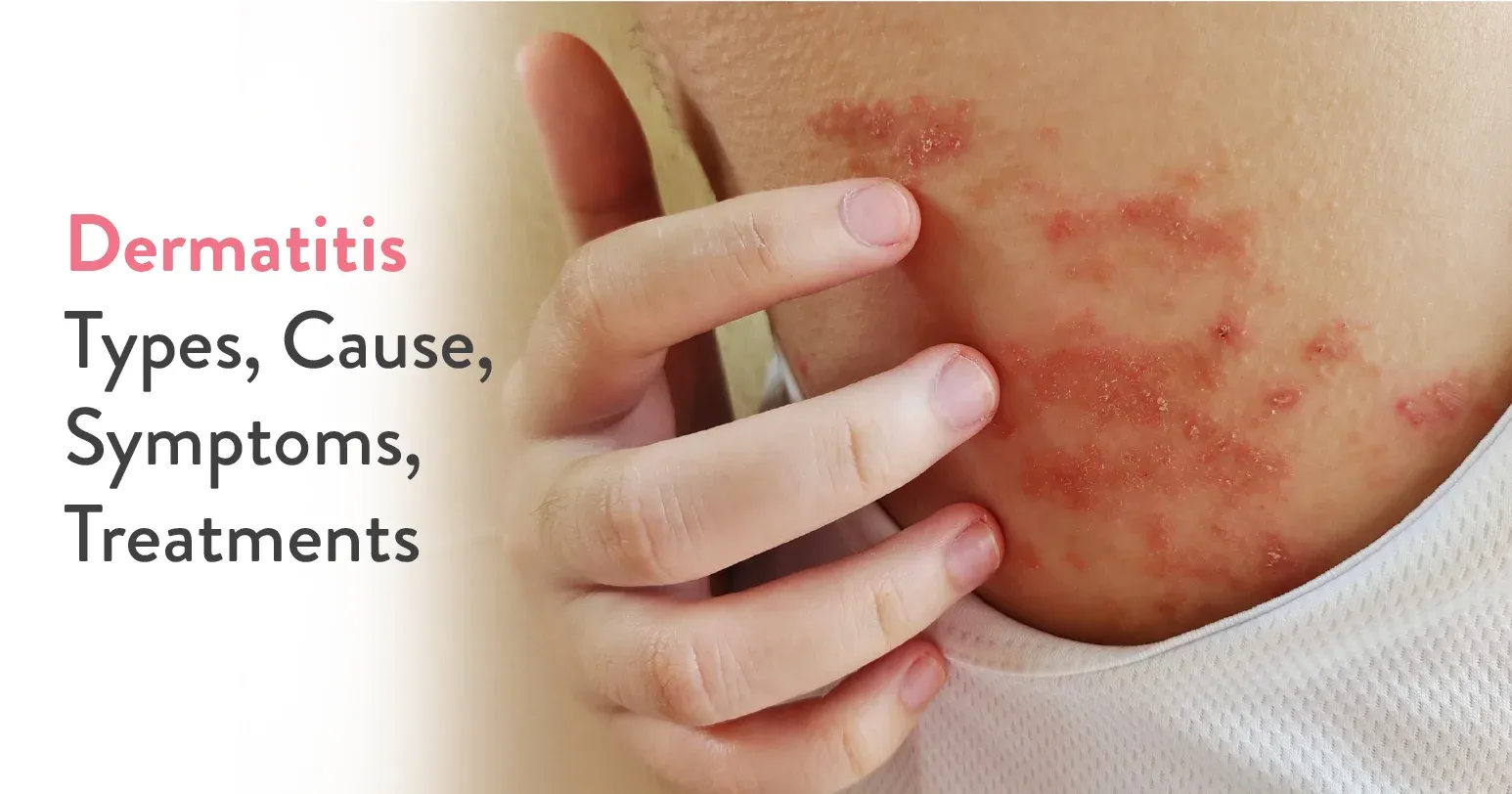
Table of Contents
Dermatitis is a term derived from the Greek word derma meaning skin and itis meaning inflammation. It is a skin condition resulting in swelling and irritation of the skin. Individuals suffering from dermatitis may experience symptoms like dry skin, itchiness, redness, rashes, cracking, and more. Dermatitis is a common term to describe several skin conditions caused by factors like:
Dermatitis does not cause any serious harm to the body and is a non-contagious condition. Also, different types of dermatitis have distinct causes. The most common triggers of dermatitis are stress, exposure to irritants, and dry skin. A dermatologist specialises in the treatment of dermatitis. Dermatitis can cause discomfort affecting sleep and daily activities and can cause skin pain, necessitating a consultation with a specialist.
There are several different types of dermatitis, the most common ones are listed below:
Atopic dermatitis commonly goes by the name ‘eczema’ refers to a chronic condition that causes skin discoloration and itchy rashes. Atopic dermatitis commonly develops during infancy, however it can also develop in adulthood. There is no cure for this chronic condition, though it can be managed through creams, medications, and other treatment options.
Contact dermatitis as the name implies is a skin condition caused when you get in contact with something allergic or something that irritates the skin resulting in rashes, itching, blisters, etc. Further, contact dermatitis is divided into two types, i.e. allergic contact and irritant contact dermatitis.
Seborrheic dermatitis is a condition that most commonly affects the scalp, however, it can appear on the face, ears, and chest. It is a condition that causes discoloration, scaly patches, and dandruff. As of now, there is no cure for seborrheic dermatitis, though the symptoms can be managed with several treatment options.
Neurodermatitis is referred to as an annoying skin condition causing itchiness, dryness, and discoloration usually in one or two patches of the skin. Neurodermatitis, also called lichen simplex, is often associated with dry skin, insect bites, nerve injuries, wearing tight clothing, etc.
Stasis dermatitis is a result of poor blood circulation in the body. Stasis dermatitis is common in the lower legs causing inflammation and changes in the skin. Common signs of stasis dermatitis are skin discoloration, thickening of skin texture, etc.
Nummular dermatitis is also referred to as discoid eczema causing raised, round spots on the skin. The condition is caused by several factors including allergies, bacterial infections, exposure to rough fabrics, skin trauma/injury, use of drying soaps, etc.
Also Read: Healthy Diet Chart for High Blood Pressure Patients
Dermatitis can be caused by several factors including genetics, environmental triggers, irritants, allergens, etc. Some of the most common causes of dermatitis include:
Several researches show that if one of your family members has dermatitis you’re more likely to have it. Genetics can impact the skin’s protective barrier and its ability to retain moisture increasing the likelihood of developing this condition.
The body’s immune system sometimes overreacts to small irritants or allergens considering it as a big threat, causing inflammation.
The environment you live in has an impact on your immune system’s protective barrier. Exposure to allergens, irritants, and pollutants like air pollutants, tobacco smoke, etc. and extreme temperature and humidity can exacerbate dermatitis symptoms.
Exposure to harmless substances can also trigger the immune system to react in certain individuals and lead to skin irritation and inflammation. Common allergens include nickel, fragrances, latex, etc.
Stress works as a contributing factor in worsening the symptoms of dermatitis. Stress can make flare-ups in the existing conditions, make itching worse, and more.
Poor blood circulation, particularly in the lower body can lead to fluid buildup under the skin causing swelling, irritation, skin breakdown, inflammation, etc.
Also Read: Benefits & Side Effects of Muskmelon (Kharbuja)
The symptoms depend on the type of dermatitis. Some of the common symptoms of dermatitis include:
Read More: Dark Circles: Discover The Secrets to Brighter Eyes
The treatment of dermatitis depends on the type of dermatitis. The treatment starts with identifying and avoiding the allergen or pollutant that triggers the dermatitis. You may treat the condition with home remedies as the first step or switch to medications recommended by the healthcare provider. Some of the treatment options for dermatitis include:
Also Read: Benefits & Side Effects of Jamun (Indian Blackberry)
Wet-wrap Therapy: Home remedy involves wrapping the affected area with a wet towel to increase the moisture in the skin.
Bleach Bath: Bleach bath involves taking a bath while adding a small amount of diluted household bleach as it acts as a mild antiseptic to reduce bacteria on the skin.
Using Moisturizer: Frequently using moisturizer, especially after taking a bath can keep the skin hydrated.
Avoid Hot Water Bath: Bathe with lukewarm water and avoid hot water bath as it may lead to drying of skin.
Manage Stress: Manage stress, as dermatitis can also flare up due to stress. Taking steps to manage stress can reduce the frequency or severity of flares.
Also Read: Oral Rehydration Solutions (ORS)-Uses & Benefits
Oral Medications: Medications that help reduce immune response leading to dermatitis.
Topical Corticosteroids: To reduce inflammation and itching.
Antihistamines: Helps relieve itching & can also help with allergic reactions.
Antibiotics: May be recommended to control bacterial infections.
Read More: Corns & Calluses : Causes, Symptoms & Treatments
Can dermatitis cause hair loss?
Yes, certain types of dermatitis, particularly seborrheic dermatitis may cause hair loss.
Does dermatitis spread?
No, dermatitis is not contagious and does not spread from person to person.
Is dermatitis common?
Yes, dermatitis is considered a common skin condition.
Are dermatitis and eczema the same?
No, dermatitis and eczema are not the same, eczema is a type of dermatitis.
Is dermatitis contagious?
No, dermatitis is not contagious.
Can dermatitis lead to skin cancer?
Dermatitis does not directly cause cancer, though prolonged inflammation of the skin can increase the risk of certain types of cancer.

Table of Contents HCG stands for Human chorionic gonadotropin. It is a hormone produced by the structure inside your uterus (the placenta) that connects to your baby and provides delivery of oxygen and nutrition. The placenta begins to produce hcg hormone soon after conception. However, it takes nearly 2 weeks for your HCG levels to become high enough to be detected in pregnancy. Normal hcg levels change as per the week of pregnancy. The average hcg levels are: 3 weeks: 6 – 70 IU/L 4 weeks: 10 – 750 IU/L 5 weeks: 200 – 7,100 IU/L 6 weeks: 160 – 32,000 IU/L 7 weeks: 3,700 – 160,000 IU/L 8 weeks: 32,000 – 150,000 IU/L 9 weeks: 64,000 – 150,000 IU/L 10 weeks: 47,000 – 190,000 IU/L 12 weeks: 28,000 – 210,000 IU/L 14 weeks: 14,000 – 63,000 IU/L 15 weeks: 12,000 – 71,000 IU/L 16 weeks: 9,000 – 56,000 IU/L 16 – 29 weeks (second trimester): 1,400 – 53,000 IUL 29 – 41 weeks (third trimester): 940 – 60,000 IU/L HCG levels in pregnancy can provide valuable information to your obstetrician about your and your baby’s health. If the HCG levels are higher, it implies that you may have multiple pregnancies or abnormal growth in your uterus. Low levels of HCG imply an increased risk of loss of pregnancy. HCG levels can also offer valuable information about the risk of an ectopic pregnancy. If you have an ectopic pregnancy, your HCG levels rise more slowly than the expected rate.Things you need to know
What is HCG?
Normal HCG levels
Importance of HCG levels
Ectopic pregnancy and HCG levels
FAQs
Table of Contents There are several discomforts and health concerns that can affect you during pregnancy. Some more common pregnancy complications include: Gestational diabetes is one of the most common health problems during pregnancy. It is a type of diabetes that develops particularly in pregnant women. One of the biggest risk factors of this complication is that your baby may grow much larger in size. Gestational diabetes also does not have any significant symptoms. It is mostly diagnosed during routine prenatal screenings and tests. Constipation in pregnancy is among the early health problems during pregnancy. The changes in your body due to pregnancy hormones can make you feel constipated. You can, however, prevent constipation by eating a high-fibre diet, exercising regularly and drinking plenty of water. Cramping and lower back pain in early pregnancy are highly common. Cramps are described as sudden, sharp pain usually in your calf muscles. Routine exercise can help in improving blood circulation and thus preventing cramps in pregnancy. Fainting in pregnancy is a result of not receiving sufficient oxygen and blood in your brain. It is among the most common health problems during pregnancy. Fainting in pregnancy usually occurs due to the rapid changes in pregnancy hormones. Pregnancy hormones can also trigger a range of skin changes. Most common changes include pigmentation, acne, varicose veins and stretch marks. Placenta previa is a pregnancy complication in which the baby’s placenta partially or fully covers the mother’s cervix. This condition causes you to bleed throughout your pregnancy and during delivery sometimes leading to preterm birth. When a pregnant woman experiences labour before 37 weeks of pregnancy, it is known as preterm labour. Preterm labour increases your chances of premature birth which further raises the risk of health concerns for your baby. UTI during pregnancy is among the most common pregnancy complications. It is because the growing fetus can put pressure on your bladder and urinary tract causing the bacteria to become trapped. UTI during pregnancy can increase your chances of preterm labour. Infections ranging from the common cold to sexually transmitted infections can negatively impact the health of your baby. Any type of infection can cause pregnancy complications. You should seek routine medical screening and preventive measures for infections during pregnancy. Pregnancy hormones can affect your mood during pregnancy. A vast majority of pregnant women experience troublesome mental health conditions during pregnancy such as depression, anxiety, difficulty in concentration and critical thinking. Depression during pregnancy can also increase your chances of postpartum depression. Preeclampsia is a medical condition that causes extremely high levels of blood pressure. It can be a fatal medical condition if left untreated. Common symptoms of preeclampsia include pain under the ribs, severe headache and vision problems. Pregnancy is a sensitive time and can increase your chances of developing a wide variety of conditions and discomforts such as: You can prevent health problems during pregnancy by living an active lifestyle, eating healthily, getting routine prenatal scans and tests and seeking comprehensive antenatal care. Warning signs of pregnancy include bleeding, blurry or impaired vision, severe stomach pain, persistent headaches and early irregular contractions. You may have a high-risk pregnancy if you have advanced maternal age, chronic health problems, multiple pregnancies or pregnancy complications.Things you need to know
Common health problems during pregnancy
Gestational diabetes
Constipation in pregnancy
Cramps in pregnancy
Fainting in pregnancy
Skin changes in pregnancy
Placenta previa
Preterm labour
Urinary tract infections during pregnancy
Infections
Mental health problems in pregnancy
Preeclampsia
Other common discomforts during pregnancy
FAQs
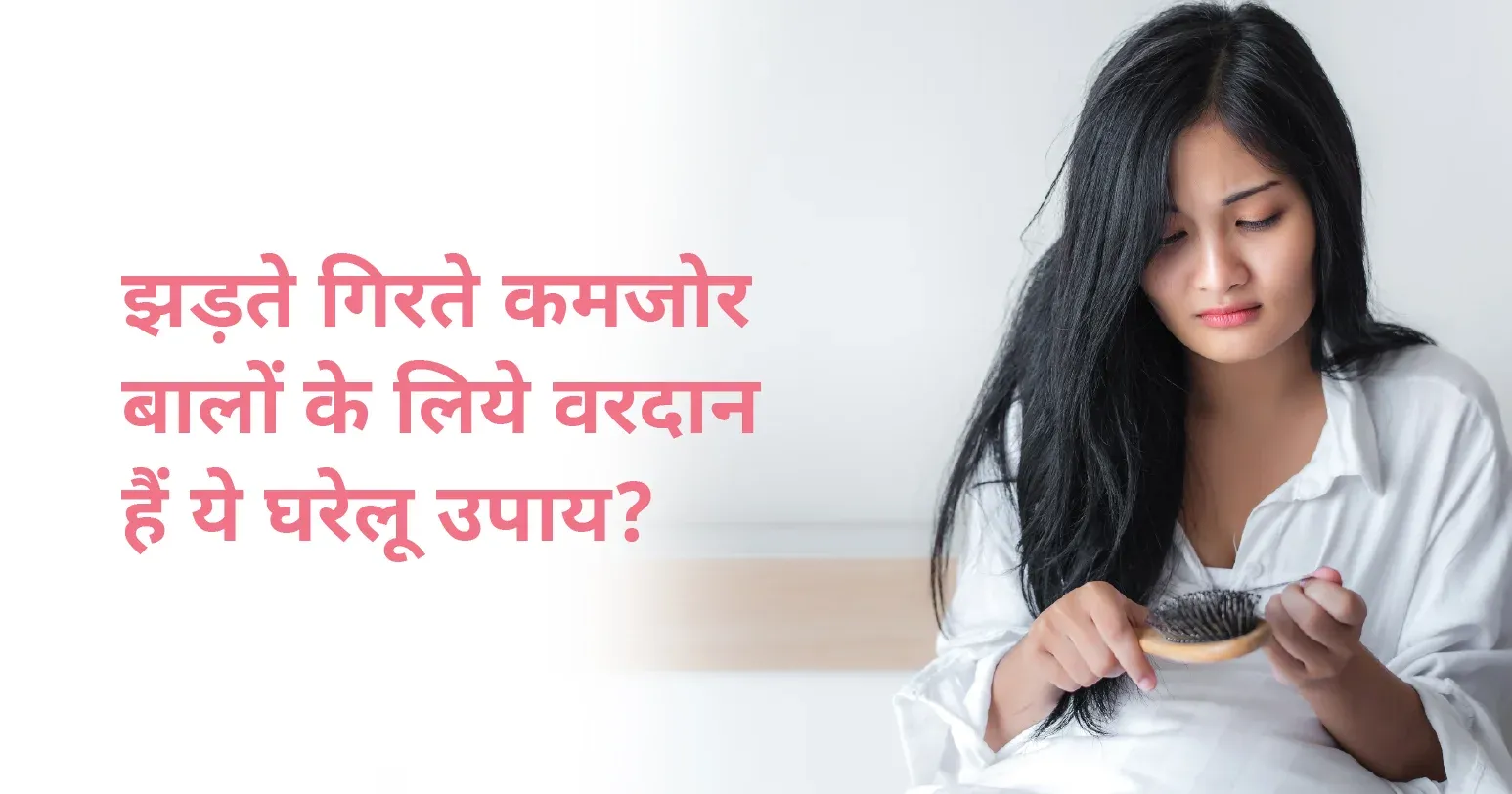
बालों का झड़ना आज एक आम समस्या बन गई है। इसे घरेलू उपायों जैसे कि तेल से मालिश, आंवला, मेथी और संतुलित आहार से रोका जा सकता है। कमजोर बालों को मजबूत बनाने के लिए घरेलू उपायों में शामिल हैं:
हालाँकि, अगर झड़ना लगातार बना रहे, तो डॉक्टर से सलाह लेना जरूरी है। आइए इसके बारे में विस्तार से जानते हैं।
बालों की मजबूती के लिए स्वस्थ जीवनशैली अपनाना आवश्यक है। इसमें मुख्य रूप से शामिल हैं:
ऊपर दिए गए जीवनशैली अपनानें से न सिर्फ बाल मजबूत होंगे, बल्कि वे घने और काले भी होंगे।
Table of Contents
आजकल बालों का गिरना और कमजोर होना हर दूसरे व्यक्ति की परेशानी है। यह न सिर्फ आपकी खूबसूरती को प्रभावित करता है, बल्कि आत्मविश्वास भी कम करता है। इस ब्लॉग में नीचे हम जानेंगे इसके आसान उपायों के बारे में जिनकी मदद से आप अपने बालों को मजबूत बनाकर झड़ने से बचा सकते हैं।
और पढ़ें: फास्ट फूड (जंक फूड) खाने के नुकसान (junk food khaane ke nuksaan)
कमजोर और टूटते बाल न सिर्फ लुक को खराब करते हैं, बल्कि यह इस बात का संकेत भी हो सकते हैं कि आपके शरीर को सही पोषण नहीं मिल रहा है। अच्छी बात यह है कि कुछ आसान घरेलू उपाय अपनाकर आप बालों को फिर से मजबूत बना सकते हैं। इसके घरेलू उपायों में शामिल हैं:
नारियल तेल बालों के लिए बहुत फायदेमंद होता है। यह जड़ों को पोषण देता है और बालों को मजबूत बनाता है। हफ्ते में दो बार हल्के गर्म नारियल तेल से सिर की मालिश करें।
आंवला में विटामिन C होता है जो बालों की ग्रोथ में मदद करता है। आंवला पाउडर को दही या नारियल तेल में मिलाकर बालों में लगाएं। 30 मिनट बाद धो लें।
मेथी बालों की जड़ों को मजबूती देता है। इसे रातभर पानी में भिगो दें और सुबह पीसकर पेस्ट बनाएं। इस पेस्ट को स्कैल्प पर लगाकर 30 मिनट के बाद धो लें।
अंडा प्रोटीन से भरपूर होता है जो बालों को मजबूत बनाता है। एक अंडे में थोड़ा दही और शहद मिलाकर बालों में लगाएं और 20-30 मिनट बाद माइल्ड शैम्पू से धो लें।
एलोवेरा बालों को नमी देता है और टूटने से बचाता है। ताजा एलोवेरा जेल स्कैल्प पर लगाएं और 30 मिनट बाद धो लें।
बालों को अंदर से मजबूत बनाने के लिए प्रोटीन, आयरन (iron rich foods) और विटामिन्स से भरपूर खाना खाएं। हरी सब्जियां, दालें, अंडे और मेवे को अपनी डाइट में शामिल करें।
इन घरेलू उपायों को अपनी डाइट में शामिल करके आप बालों को फिर से मजबूत बना सकते हैं।
और पढ़ें: बच्चो के लिए हेल्दी डाइट चार (healthy diet chart for kids in hindi)
बालों की सेहत सिर्फ बाहरी देखभाल से नहीं, बल्कि आपकी जीवनशैली पर भी निर्भर करती है। अगर आप चाहते हैं कि आपके बाल मजबूत और घने रहें, तो नीचे दिए गए कुछ सरल लेकिन असरदार सुझाव अपनाएं:
प्रोटीन (प्रोटीन युक्त आहार लिस्ट: 15 हाई प्रोटीन फूड्स), आयरन, विटामिन A, C, D और E बालों के लिए बहुत जरूरी हैं। अपने खाने में हरी सब्जियां, दालें, अंडे, दूध, फल और मेवे शामिल करें। जंक फूड और बहुत ज्यादा मीठा खाने से बचें।
शरीर में पानी की कमी से बाल रूखे और कमजोर हो जाते हैं। दिनभर में कम से कम 7-8 गिलास पानी जरूर पीएं।
तनाव और चिंता बालों के झड़ने की बड़ी वजह है। योग, ध्यान और डीप ब्रीथिंग एक्सरसाइज से तनाव को कम किया जा सकता है।
रोजाना 7-8 घंटे की नींद लेना जरूरी है। सही नींद से शरीर और बालों को आराम व पोषण मिलता है।
बालों को बहुत ज्यादा गर्म पानी से न धोएं। माइल्ड शैम्पू और नैचुरल तेलों का इस्तेमाल करें। हफ्ते में 1-2 बार तेल मालिश जरूर करें।
बाहर जाते समय बालों को स्कार्फ या टोपी से ढकें। धूल-मिट्टी और प्रदूषण से बालों को नुकसान होता है।
अगर आप इन स्वस्थ आदतों को अपनाएंगे, तो न सिर्फ बालों की मजबूती बढ़ेगी, बल्कि उनकी प्राकृतिक चमक भी लौट आएगी।
और पढ़ें: ऑफिस में बैठे-बैठे फिट रहने के 10 टिप्स
घरेलू उपाय और सही जीवनशैली अपनाने के बाद भी अगर बाल झड़ने की समस्या बनी रहे, तो विशेषज्ञ से मिलना जरूरी है। नीचे कुछ संकेत दिए गए हैं जब आपको विशेषज्ञ से परामर्श करना चाहिए:
अगर रोज 100 से ज्यादा बाल झड़ रहे हैं और बालों की मात्रा तेजी से कम हो रही है।
अगर सिर पर गोल या पैचेज में बाल झड़ने लगें और खाली जगह साफ दिखने लगे।
यह इंफेक्शन या स्किन की बीमारी का संकेत हो सकता है।
अगर बालों का टेक्सचर अचानक बदल जाए और वे आसानी से टूटने लगें।
अगर परिवार में गंजेपन या बाल झड़ने की समस्या रही हो, तो जल्द विशेषज्ञ से सलाह लें।
अगर 2-3 महीने लगातार घरेलू उपाय करने के बाद भी कोई फायदा न दिखे।
समय पर विशेषज्ञ से मिलना बालों को बचा सकता है। वे जड़ों की जांच कर सही कारण और इलाज बता सकते हैं, जिससे बालों को फिर से स्वस्थ बनाया जा सकता है।
और पढ़े: ओट्स और दलिया में अंतर, फायदे और नुक्सान
क्या बाल पतले होने के बाद वापस उग सकते हैं?
हाँ, अगर जड़ें जीवित हों तो सही देखभाल और इलाज से बाल फिर से उग सकते हैं।
मुझे इन घरेलू उपायों का कितनी बार इस्तेमाल करना चाहिए?
सप्ताह में 1-2 बार घरेलू उपाय अपनाना पर्याप्त है, लेकिन नियमितता और धैर्य रखना जरूरी है।
क्या प्राकृतिक उपाय रासायनिक उपचारों से बेहतर हैं?
प्राकृतिक उपाय सुरक्षित होते हैं, लेकिन धीरे असर करते हैं। रासायनिक इलाज जल्दी असर करता है पर साइड इफेक्ट्स हो सकते हैं।
कौन से खाद्य पदार्थ बालों की जड़ों को मज़बूत बनाते हैं?
अंडा, दालें, हरी सब्ज़ियां, सूखे मेवे, बीज, मछली और दूध जैसे प्रोटीन युक्त आहार जड़ों को मजबूत करते हैं।
क्या तनाव वास्तव में बालों के झड़ने को प्रभावित करता है?
हाँ, लंबे समय तक तनाव रहने पर हार्मोन असंतुलन होता है, जिससे बाल तेजी से झड़ सकते हैं।
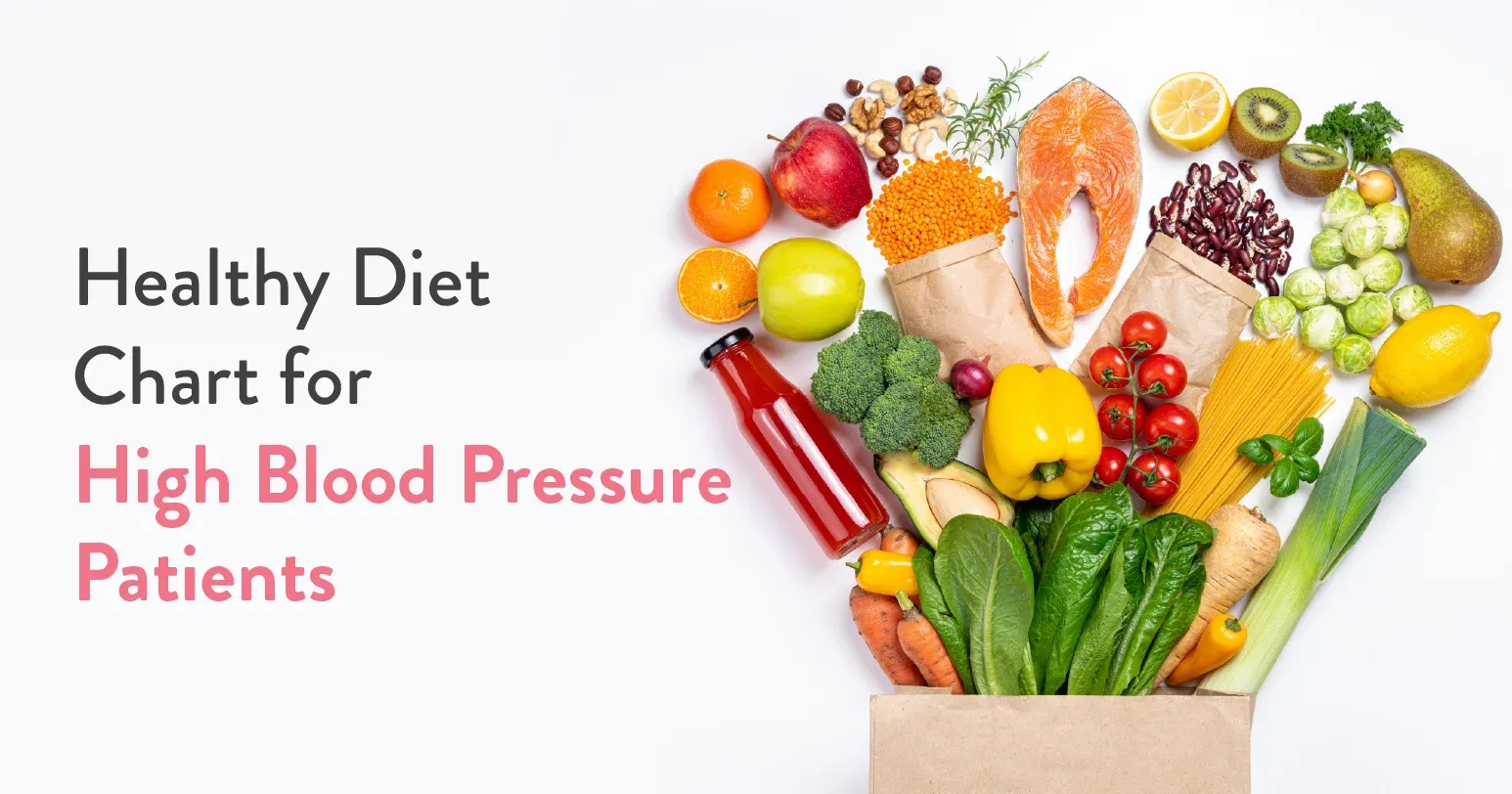
Table of Contents
High blood pressure (hypertension), also referred to as hypertension is a condition where the flow of blood pushing against the artery wall is consistently high. High blood pressure is also at times referred to as a silent killer, as the condition has no symptoms until it becomes severe.
High blood pressure is a significant health concern in India, the prevalence is estimated to be around 25-30%. Additionally, the prevalence is higher in urban areas compared to rural populations. According to the World Health Organization, 1 in 4 adults in India has hypertension.
Blood pressure is measured in millimetres of mercury (mm Hg). The definition of high blood pressure varies depending on the region. The below-mentioned blood pressure reading in India is considered high blood pressure:
In India, a number of 120-129/80 mmHg is considered pre-hypertension and readings between 120/90 mmHg or lower is considered normal.
High blood pressure can lead to several severe health problems including heart disease, stroke, kidney disease, vision issues, and more.
Did you know? Approximately 46% of adults have hypertension and are unaware they have it. (World Health Organization).
The amount of blood the heart pumps and how hard it is for the blood to move through the arteries determines the blood pressure. If the heart is pumping more blood and the arteries are narrow, it leads to high blood pressure. The exact cause of high blood pressure is not fully understood, but it is often linked to primary hypertension, lifestyle habits, and certain underlying health conditions.
Primary Hypertension: Primary hypertension is a condition where there is no identifiable cause of high blood pressure. Primary hypertension is also referred to as essential hypertension and grows gradually over time. Several contributing factors include ageing, plaque build-up in the arteries, chronic stress (link between stress & high blood pressure), etc.
Secondary Hypertension: Secondary hypertension results from underlying medical conditions or a specific cause. It appears suddenly and can spike blood pressure. Several conditions that can lead to secondary hypertension include thyroid problems, obstructive sleep apnea, kidney disease, blood vessel problems, cough & cold problems, etc.
Also Read: Diet Chart for Kidney Patients
Other factors that can cause high blood pressure include:
An unhealthy diet or diet high in salt/sodium can cause the body to retain water which increases blood volume & puts extra pressure on the blood vessels.
Excess body weight can put a load on the heart resulting in hormonal & metabolic changes in the body that may contribute to high blood pressure.
Persistent stress can cause the body to stay in a constant state of alert releasing hormones like adrenaline and cortisol resulting in temporary blood pressure spikes.
Other factors include lack of physical activity, excessive alcohol or smoking, certain medications, sleep deprivation, and more.
Read More: Why Indian Moms Age Faster — And How to Help Her Stay Healthy
Management of high blood pressure involves a combined approach involving lifestyle change and medication. A hypertension specialist or cardiologist specialises in the management of hypertension and recommends medication based on the blood pressure reading and the underlying condition.
Lowering blood pressure naturally is not quite common, but it is possible. Lifestyle changes like maintaining a healthy weight, eating a healthy diet, cutting down on salt (less than 1,500 mg/day), consuming potassium (3,500 – 5,000 mg/day), maintaining an active lifestyle, limiting alcohol, and more can help lower blood pressure naturally, particularly stage 1 hypertension.
Also Read: Corns & Calluses : Causes, Symptoms & Treatments
A hypertension specialist or cardiologist may recommend certain medications to lower blood pressure.
These medicines help reduce fluid and excess sodium from the body.
Angiotensin-converting enzyme inhibitors help block the production of the angiotensin II hormone and help avoid blood vessel narrowing.
Include calcium channel blockers, beta-blockers, angiotensin II receptor blockers, and more.
Also Read: How to Stay Cool, Healthy & Productive During Summer
Following a healthy diet is usually recommended by specialists to manage and lower high blood pressure. Also, certain foods can help manage and lower blood sugar naturally, especially when included as part of a balanced diet. Some of the foods to include in your everyday diet to manage hypertension include:
Leafy greens like spinach and Swiss chard are good sources of potassium (potassium rich foods) and magnesium which help keep blood pressure levels normal.
Nuts and seeds are high in nutrients, fibre, and arginine, which help relax blood vessels and result in managing high blood pressure.
Citrus fruits like orange, lemon, and grapefruit, are packed with vitamins, minerals, and plant compounds that help keep the heart healthy and reduce the risk of various heart diseases.
Fatty fish are a good source of omega-3 fats which are known to offer significant heart benefits. Additionally, consuming fatty fish may help reduce inflammation resulting in lower blood pressure.
Berries are a good source of antioxidants, adding them to the diet can increase the level of nitric oxide in the blood which helps control the production of molecules that restrict blood flow.
Also Read: Benefits & Side Effects of Muskmelon (Kharbuja)
There are certain foods that can raise the blood pressure levels in the body and should be avoided. Food to avoid or limit to manage blood pressure include:
Sodium is a major contributor to blood pressure spikes. Consuming excess salt affects the fluid balance in the body and makes the body retain more water increasing blood pressure.
Processed meats are high in saturated fat and salt, which are known to increase blood pressure and cholesterol.
Consuming excess sugar is linked to weight gain and insulin resistance resulting in raising blood pressure.
Excess alcohol consumption is not directly linked to spiking blood pressure but it can reduce the effectiveness of blood pressure medications.
Consuming excessive amounts of caffeine can also cause a temporary increase in blood pressure.
Also Read: Benefits & Side Effects of Jamun (Indian Blackberry)
Read More: Oral Rehydration Solutions (ORS) – The Ultimate Hydration Solution
Can high BP cause dizziness?
Yes, high blood pressure can cause dizziness.
Does high BP cause heart attacks?
Yes, high BP can lead to heart attack.
Can high BP cause nose bleeding?
High BP does not directly cause nose bleeding.
Can high BP cause paralysis?
Yes, high BP can cause paralysis.

Table of Contents
Apricots, also known as Armenian plums are flavorful fruit with unique & pleasant taste. They look like smaller versions of peaches and are extremely nutritious. Apricots are low in calories, high in fibre, additionally they contain vitamin A, vitamin C, vitamin E, potassium, lutein, beta-carotene and more. Apricots are widely consumed fresh and dried and are good for eye health, gut health, skin health, heart health, and more.
Apricots are grown in warm climates and the harvest season usually runs from May to June. The nutrition-rich fruit needs cold winters to flower properly and warm, dry summers to ripen. The fruit is scientifically called Prunus Armeniaca. Additionally, apricots are also referred to as Khubani, Albaricoque, Abricot, and more. In India, apricots are grown in Himalayan regions like Ladakh, Himachal Pradesh, Jammu and Kashmir, and Uttarakhand.
The stone fruit has impressive nutrient content and is known to be a native of China or Central Asia and has been cultivated for more than 4000 years. Additionally, dry apricots are more nutritious than fresh apricots in terms of certain nutrients.
Also Read: How to Stay Cool, Healthy & Productive During Summers
The table below showcases the nutritional composition of 80 gms of Apricot:
| Nutrient | Amount |
| Calories | 25 kcal |
| Protein (top high protein foods) | 0.7 g |
| Fibre | 1.8 g |
| Potassium | 216 mg |
| Carotenes | 324 mcg |
| Vitamin C | 5 mg |
| Fat | 0.1 g |
| Calcium | 10 mg |
Did you know? Apricots are 86% water and due to their tastiness apricots are cooked in different forms like snacks and salads.
Also Read: Ivy Gourd: Benefits & Side Effects
Apricots are widely consumed given their taste, though they are just not about taste, they have some real health benefits, making them a perfect healthy snack. Additionally, apricots are being used in Ayurvedic medicines to treat various conditions. Some of the major benefits of consuming apricots include:
The primary benefit of consuming apricots is that it provides the body with essential vitamins, minerals, and antioxidants. The skin of the fruit is high in fibre and nutrients, thus it should be eaten whole & unpeeled.
Eating apricots is also linked to better skin health. The fruit is high in antioxidants, vitamin C, and vitamin E, which protects the skin against sun damage, wrinkles, and other environmental pollutants. Additionally, vitamin C helps boost collagen production promoting skin health.
Apricots are high in fibre (high fibre rich foods you should eat) which helps regulate bowel movements and promote gut health. Apricots are also a good source of soluble fibre which also feeds the healthy gut bacteria boosting digestive health (tips for better digestive health)
The nutritional content, particularly vitamin A & vitamin C are known to strengthen the immune system and help the body fight infection.
Eating apricot is also linked to better eye health. The fruit is a good source of vitamin A (beta-carotene) which helps maintain good vision and prevent other eye issues.
Apricots are high in antioxidant content and help protect the liver from oxidative stress, protecting the liver from damage.

Also Read: Dark Circles: Discover The Secrets to Brighter Eyes
Apricots are generally considered safe when consumed in moderation. However, there are possible side effects caused by overeating, including:
The correct way to eat apricots is in moderation. The nutrient rich fruit should ideally be consumed wholly without peeling them. Also, apricots can be enjoyed fresh, dried, or cooked. Adding apricots to your daily diet can prove to be beneficial to promote overall health and provide the body with essential nutrition.
Read More: Why Indian Moms Age Faster — And How to Help Her Stay Healthy
Does apricot increase weight?
When consumed in moderation apricots do not cause weight gain.
Is apricot seed edible?
No, apricot seeds, particularly the kernels within, are not considered safe to eat.
Are apricots good for diabetics?
Yes, apricots are good for diabetic patients, but moderation is the key.
Is apricot safe during pregnancy?
Yes, apricots are considered safe and healthy during pregnancy.
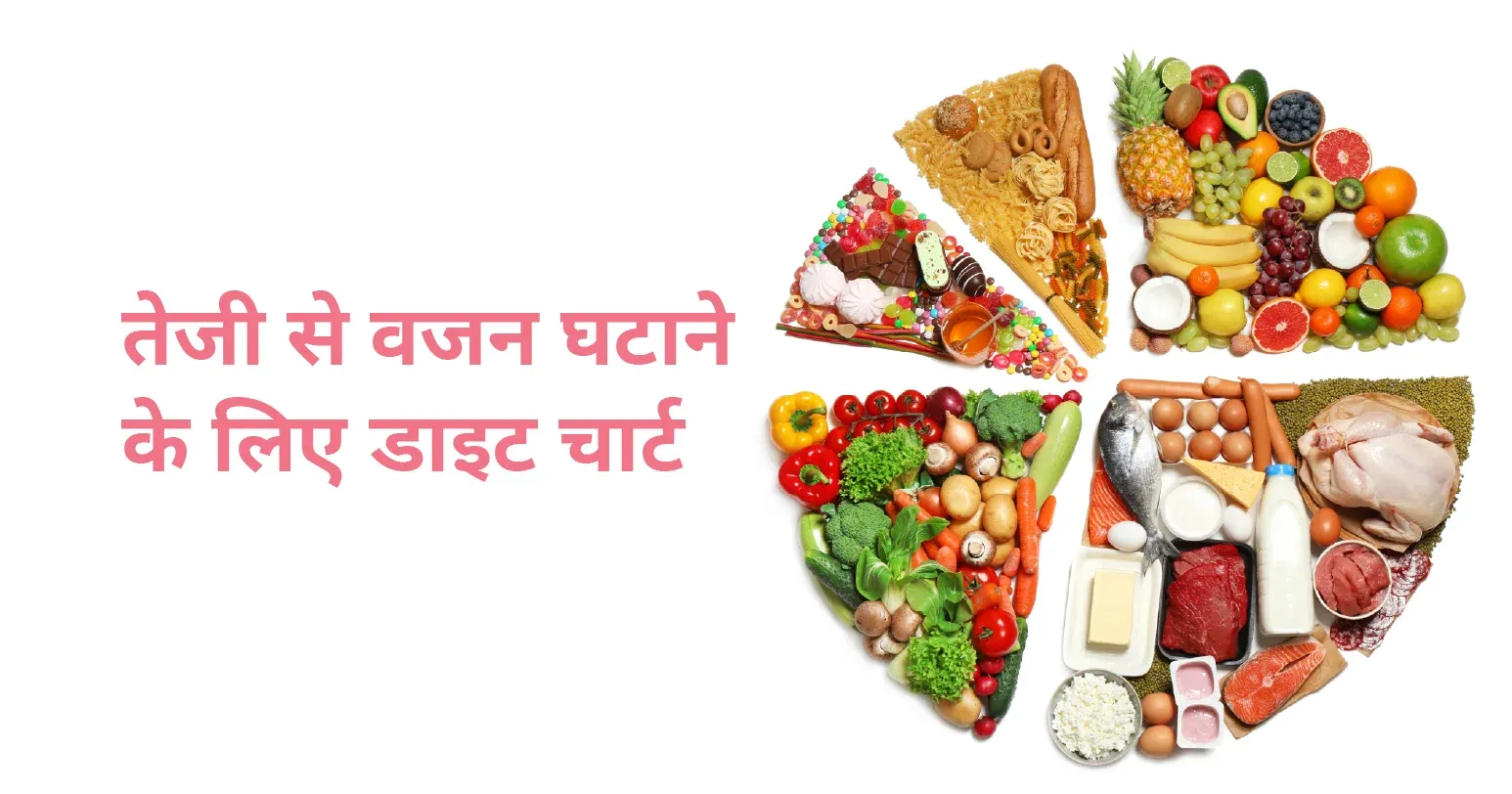
तेजी से वजन घटाने के लिए एक सही डाइट चार्ट जरूरी है। इसमें हल्का खाना, कम कैलोरी और ज्यादा पानी शामिल होता है। ताजा फल-सब्जियां खाएं। जंक फूड से बचें। समय पर खाना खाएं और नियमित एक्सरसाइज करें।
वजन कम करने के लिए सिर्फ डाइट ही नहीं, सही व्यायाम और योग भी जरूरी हैं। ये शरीर को एक्टिव रखते हैं, चर्बी घटाते हैं और फिटनेस बढ़ाते हैं। व्यायाम में ब्रिस्क वॉकिंग (तेज चलना), जॉगिंग या रनिंग करना, साइकलिंग करना, स्किपिंग (रस्सी कूदना), डांस या ज़ुम्बा करना, सीढ़ियां चढ़ना आदि। इतना ही नहीं, कुछ योगासन भी फायदेमंद साबित हो सकते हैं जैसे कि सूर्य नमस्कार, भुजंगासन, कपालभाति प्राणायाम, पवनमुक्तासन और त्रिकोणासन आदि।
आप घर बैठे कुछ घरेलू नुस्खों की मदद से भी वजन कम कर सकते हैं। इसमें नींबू-शहद वाला गर्म पानी पीना मेथी, अजवाइन और काली जीरी पाउडर को एक चम्मच गर्म पानी के साथ लेना, दालचीनी का पानी पीना, सौंफ का पानी पीना, भोजन के बाद 1 चम्मच त्रिफला चूर्ण गुनगुने पानी के साथ रात में सोने से पहले लेना, हर 2 घंटे में थोड़ा-थोड़ा खाना, तांबे के बर्तन में रखा पानी पीना आदि।
Table of Contents
वजन घटाना इसलिए जरूरी है क्योंकि ज्यादा वजन कई बीमारियों का कारण बन सकता है। यह हार्ट प्रॉब्लम, डायबिटीज, हाई बीपी (High Blood pressure) और जोड़ों में दर्द (Joint Pain in hindi) जैसी समस्याएं बढ़ाता है। सही वजन से शरीर फिट रहता है और एनर्जी बनी रहती है। साथ ही आत्मविश्वास भी बढ़ता है।
और पढ़े : ऑफिस में बैठे-बैठे फिट रहने के 10 टिप्स
अधिक वजन हाई ब्लड प्रेशर के जोखिम से जुड़ा हुआ है। वजन कम करने और नियमित शारीरिक गतिविधि को अपनाने से ब्लड प्रेशर को स्वस्थ स्तर पर रखने में मदद मिल सकती है।
स्वस्थ वजन बनाए रखना हृदय स्वास्थ्य के लिए महत्वपूर्ण है। वजन कम करने से कुछ लोगों में ब्लड प्रेशर, ब्लड शुगर और कोलेस्ट्रॉल जैसे हृदय रोग से जुड़े जोखिम कारकों में सुधार हो सकता है।
अतिरिक्त वजन कम होने से चलने-फिरने और रोजमर्रा के शारीरिक कार्यों में आसानी महसूस हो सकती है। नियमित शारीरिक गतिविधि मांसपेशियों और हड्डियों को मजबूत रखने तथा शारीरिक क्षमता को बेहतर बनाए रखने में भी मदद करती है।
अधिक वजन और मोटापा स्लीप एपनिया तथा सांस से जुड़ी समस्याओं के बढ़े हुए जोखिम से जुड़े हैं। वजन प्रबंधन और नियमित शारीरिक गतिविधि नींद की गुणवत्ता को बेहतर बनाने में मदद कर सकते हैं।
अधिक वजन शरीर के जोड़ों पर अतिरिक्त दबाव डाल सकता है और ऑस्टियोआर्थराइटिस जैसी समस्याओं के जोखिम से जुड़ा है। वजन को स्वस्थ स्तर पर लाने से गतिशीलता और शारीरिक कार्यक्षमता को बेहतर बनाए रखने में मदद मिल सकती है।
अधिक वजन टाइप 2 डायबिटीज के प्रमुख जोखिम कारकों में से एक है। यदि किसी व्यक्ति का वजन अधिक है, तो थोड़ी मात्रा में वजन कम करना भी स्वास्थ्य के लिए फायदेमंद हो सकता है।
मोटापा कई गंभीर स्वास्थ्य समस्याओं के बढ़े हुए जोखिम से जुड़ा है, जिनमें हृदय रोग, स्ट्रोक, टाइप 2 डायबिटीज और कुछ प्रकार के कैंसर शामिल हैं। स्वस्थ वजन बनाए रखना इन जोखिमों को कम करने वाली समग्र स्वास्थ्य रणनीति का हिस्सा हो सकता है।
वजन कम करने की प्रक्रिया केवल डाइट तक सीमित नहीं होनी चाहिए। संतुलित आहार, नियमित व्यायाम, पर्याप्त नींद और तनाव को नियंत्रित करना लंबे समय तक स्वस्थ वजन बनाए रखने में मदद कर सकते हैं।
वजन घटाने के लिए एक आसान और संतुलित डाइट चार्ट जरूरी है, जो निम्न हो सकता है:
साथ में रोजाना 30-45 मिनट वॉक या योग करें। पानी खूब पिएं और नींद पूरी लें।
और पढ़े : फटी हुई एड़ियों का घरेलु इलाज
मोटापे से बचने के लिए सही खाना और खाने का सही तरीका बहुत जरूरी है। नीचे कुछ आसान टिप्स दिए गए हैं:
सही आदतें अपनाकर मोटापे से बचा जा सकता है (weight management tips from experts) और सेहतमंद जीवन जिया जा सकता है।
और पढ़े : गैस की वजह से पेट फूलने के घरेलू उपचार क्या हैं
इन चीजों से दूरी बनाकर और हेल्दी विकल्प चुनकर मोटापे से बचा जा सकता है।
ये भी पढ़े: जानिए ओरल रिहाइड्रेशन सॉल्यूशन (ओआरएस) क्या है और इसके क्या फायदे हैं ?
वजन कम करने के लिए सिर्फ डाइट ही नहीं, सही व्यायाम और योग भी जरूरी हैं। ये शरीर को एक्टिव रखते हैं, चर्बी घटाते हैं और फिटनेस (Fitness) बढ़ाते हैं।
डाइट, व्यायाम और योग – ये तीनों मिलकर ही वजन को सही तरीके से घटाते हैं। हर दिन थोड़ी-थोड़ी प्रैक्टिस करें।
और पढ़े : लो बीपी (लो ब्लड प्रेशर) : लक्षण, कारण और उपचार
यहां कुछ अचूक घरेलू उपाय दिए गए हैं जो वजन घटाने में कारगर साबित हो सकते हैं – ये टिप्स आसान हैं, देसी हैं और बिना साइड इफेक्ट के असर दिखाते हैं:
ये उपाय नेचुरल हैं और धीरे-धीरे असर दिखाते हैं। इन्हें नियमित रूप से अपनाएं और धैर्य रखें। साथ में हल्का खाना और थोड़ी-सी फिजिकल एक्टिविटी जरूर रखें।
और पढ़े: चेहरे पर पिंपल्स हटाने के नुस्खे
यहाँ कुछ तेजी से वजन घटाने के लिए असरदार डिटॉक्स ड्रिंक दिए गए हैं। ये शरीर से टॉक्सिन्स निकालते हैं, मेटाबॉलिज्म बढ़ाते हैं और चर्बी घटाने में मदद करते हैं:
1 गिलास गुनगुने पानी में 1 नींबू का रस और थोड़ा शहद मिलाएं और सुबह खाली पेट पीएं। यह पेट की चर्बी घटती है, पाचन सुधरता है।
पानी में 5-6 खीरे के टुकड़े, 1 नींबू के स्लाइस और कुछ पुदीने की पत्तियां डालें। रातभर फ्रिज में रखें और दिनभर थोड़ी-थोड़ी मात्रा में लें। बॉडी हाइड्रेट और डिटॉक्स होती है।
1 गिलास पानी में 1 चम्मच धनिया के बीज रातभर भिगो दें, सुबह उबालकर छान लें और खाली पेट पीएं। यह सूजन और पानी की कमी से होने वाला वजन कम करता है।
1 चम्मच अजवाइन को रातभर पानी में भिगोकर सुबह उबालें और छानकर पिएं। पेट की चर्बी कम करता है और पाचन सुधारता है।
रातभर 1 चम्मच मेथी भिगो दें। सुबह पानी छानकर खाली पेट पिएं। मेटाबॉलिज्म को बढ़ाता है और भूख को कंट्रोल करता है।
इन डिटॉक्स ड्रिंक को रोज अपनी दिनचर्या में शामिल करें। साथ में हल्का खाना और थोड़ी एक्सरसाइज भी करें, ताकि असर जल्दी दिखे। अगर चाहें तो मैं आपको एक 3-दिन का डिटॉक्स प्लान भी बना सकता हूँ।
सुबह नींबू पानी, फिर हल्का नाश्ता जैसे ओट्स/उपमा। दोपहर में कम तेल वाली सब्जी, दाल और रोटी। शाम को फल या ड्राई फ्रूट्स। रात को हल्का खाना जैसे सूप या सलाद लें।
दिन की शुरुआत डिटॉक्स ड्रिंक से करें। नाश्ते में हाई-फाइबर फूड लें। दोपहर में सब्जी, ब्राउन राइस या रोटी। शाम को ग्रीन टी और फल। रात को लो-कैलोरी डिनर लें। नियमित एक्सरसाइज भी जरूरी है।
सात दिन के लिए डिटॉक्स डाइट लें। सुबह गुनगुना नींबू पानी, नाश्ते में फल। दोपहर में उबली सब्जियां और सूप। दिनभर पानी पिएं। नमक, शक्कर और तली चीजें बिल्कुल बंद करें। वॉक जरूर करें।

