Filter :
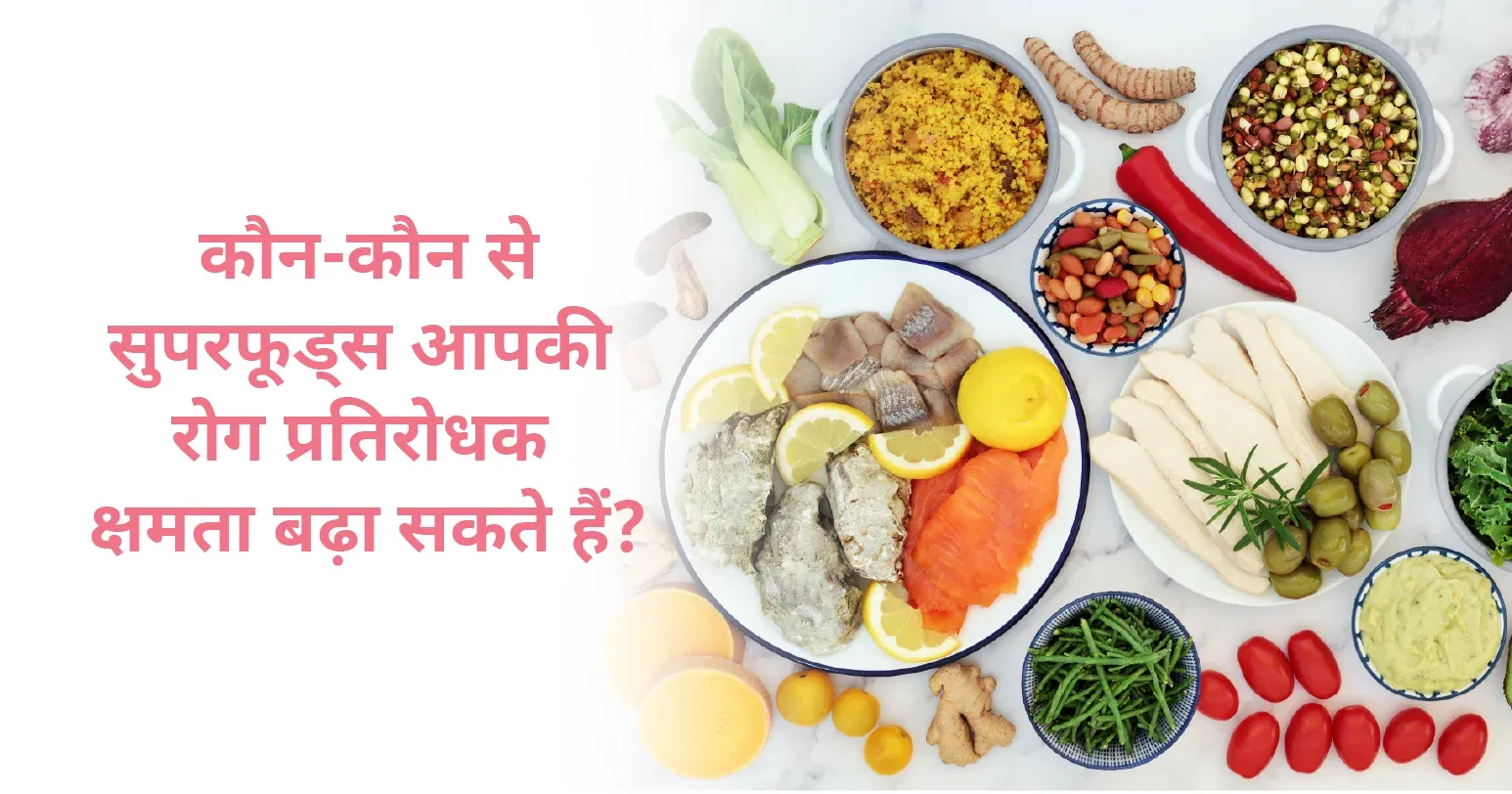
रोग प्रतिरोधक क्षमता को अंग्रेजी में इम्युनिटी कहते हैं। यह शरीर को बीमारियों और संक्रमणों से बचाने में मदद करती है। इसलिए इसका मजबूत रहना आवश्यक है। अनेक ऐसे सुपरफूड्स हैं जिनकी मदद से रोग प्रतिरोधक क्षमता को मजबूत बनाया जा सकता है, जैसे कि:
ये सभी इम्युनिटी को मजबूत बनाने में बड़ी भूमिका निभाते हैं। आइए इसके बारे में नीचे विस्तार से जानते हैं।
बीमारियों से बचने के लिए आपकी रोग प्रतिरोधक क्षमता यानी इम्युनिटी का मजबूत होना बेहद जरूरी है। इसे मजबूत बनाने के लिए कुछ खास सुपरफूड्स जैसे कि हल्दी, अदरक, लहसुन, आंवला, दही, बादाम, पालक, तुलसी और खट्टे फलों आदि का इस्तेमाल कर सकते हैं। आइए इस ब्लॉग में रोग प्रतिरोधक क्षमता को मजबूत करने वाले कुछ खास सुपरफूड्स के बारे में विस्तार से जानते हैं।
और पढ़ें: एसिडिटी से तुरंत राहत पाने के घरेलू नुस्खे
Table of Contents
रोग प्रतिरोधक क्षमता को मजबूत बनाने में डाइट की अहम भूमिका होती है। नीचे दिए गए सुपरफूड्स की मदद से आप न केवल अपनी प्रतिरोधक क्षमता बढ़ाते हैं, बल्कि खुद को अनेक बीमारियों से बचाते भी हैं। इन सुपरफूड्स में निम्न शामिल हैं:
इन सुपरफूड्स को अपनी डाइट में शामिल करके आप अपनी इम्युनिटी को मजबूत बना सकते हैं।
और पढ़े: झड़ते, गिरते, कमजोर बालों के लिये वरदान हैं ये घरेलु उपाय
रोग प्रतिरोधक क्षमता (इम्युनिटी) शरीर की प्राकृतिक रक्षा प्रणाली है, जो बैक्टीरिया, वायरस और अन्य हानिकारक तत्वों से बचाती है। अच्छी इम्युनिटी बीमारियों को रोकने में मदद करती है। इसे हेल्दी डाइट, एक्सरसाइज और बेहतर लाइफस्टाइल से मजबूत किया जा सकता है। कमजोर इम्युनिटी से बार-बार बीमार होने का खतरा होता है।
ये भी पढ़े: लिकोरिया (Likoria) का कारण, लक्षण और उपचार
इम्युनिटी हमारे शरीर की सुरक्षा ढाल है। अगर यह कमजोर हो जाए, तो शरीर बार-बार बीमार पड़ सकता है। इसे मजबूत रखना बहुत जरूरी है।
इम्युनिटी वायरस, बैक्टीरिया और अन्य हानिकारक तत्वों को पहचानकर उन्हें नष्ट करने का काम करती है। अगर इम्युनिटी मजबूत हो, तो सामान्य सर्दी-जुकाम से लेकर गंभीर इंफेक्शन तक का खतरा कम हो जाता है। इम्युनिटी कमजोर होने पर जल्दी इंफेक्शन होने का खतरा होता है।
इम्युनिटी मजबुतु होने पर बीमारी का असर ज्यादा समय तक नहीं रहता है। इम्यून सिस्टम सफेद रक्त कोशिकाओं (WBCs) के जरिए इंफेक्शन से लड़ता है और शरीर को जल्दी रिकवरी करने में मदद करता है। कमजोर इम्युनिटी वालों को ठीक होने में ज्यादा समय लगता है।
इम्युनिटी मजबूत होने से शरीर में कमज़ोरी महसूस नहीं होती है। जब इम्यून सिस्टम सही तरीके से काम करता है, तो शरीर को बीमारियों से लड़ने के लिए ज्यादा मेहनत नहीं करनी पड़ती है, जिससे थकान कम होती है, एनर्जी बनी रहती है और आप दिनभर एक्टिव महसूस करते हैं।
अच्छी इम्युनिटी न केवल बीमारियों से बचाव करती है, बल्कि शरीर की कोशिकाओं को भी मजबूत बनाती है। यह उम्र बढ़ने के प्रभाव को धीमा कर सकती है, जिससे आप लंबे समय तक स्वस्थ और फिट रह सकते हैं। इम्युनिटी मजबूत होने से दिल की बिमारियों, डायबिटीज और अन्य गंभीर बीमारियों का खतरा भी कम हो जाता है।
इम्युनिटी को मजबूत रखना जरूरी है ताकि आप बीमारियों से सुरक्षित रहें, एनर्जेटिक महसूस करें और एक लंबा और स्वस्थ जीवन जी सकें।
और पढ़े: तेजी से वजन घटाने के लिए डाइट चार्ट
क्या सुपरफूड्स से तुरंत इम्यूनिटी बढ़ती है?
नहीं, सुपरफूड्स इम्यूनिटी को धीरे-धीरे मजबूत करते हैं। रेगुलर सेवन और हेल्दी लाइफस्टाइल से बेहतर परिणाम मिलते हैं।
क्या रोज़ाना हल्दी का सेवन करना सुरक्षित है?
हाँ, रोजाना सीमित मात्रा में हल्दी का सेवन फायदेमंद है, लेकिन अधिक मात्रा में इसका सेवन करने से पेट में कुछ समस्याएं पैदा हो सकती हैं।
इम्यूनिटी बढ़ाने के लिए सबसे अच्छा विटामिन कौन-सा है?
विटामिन C और विटामिन D इम्यूनिटी बढ़ाने में सबसे महत्वपूर्ण हैं, क्योंकि वे शरीर को इंफेक्शन से बचाते और सफेद रक्त कोशिकाओं को मजबूत बनाते हैं।
क्या सुपरफूड्स अकेले ही इम्यूनिटी बढ़ाने के लिए पर्याप्त हैं?
नहीं, नियमित व्यायाम, अच्छी नींद और हाइड्रेशन के साथ बैलेंस्ड डाइट भी जरूरी है। सुपरफूड्स अकेले पर्याप्त नहीं हैं।
क्या डार्क चॉकलेट वास्तव में इम्यूनिटी के लिए अच्छी है?
हाँ, डार्क चॉकलेट में एंटीऑक्सीडेंट और फ्लेवोनोइड्स होते हैं, जो इम्यून सिस्टम को मजबूत और सूजन को कम करने में मदद करते हैं।
Table of Contents Labour is a natural process in which your baby prepares to leave the uterus leading to childbirth. The process of labour is classified majorly into 4 stages – dilation of the cervix, childbirth, birth of the placenta and recovery. Every labour is a unique experience for every woman. The first stage of labour begins when you experience regular contractions. These contractions cause your cervix to start to open (dilate) and become thin and soft (effacement). These changes help your baby to move into the birth canal. The first stage of labour is divided into two parts – Early labour – Early labour can last for hours or even days for women. During this stage, you may experience irregular contractions, period-like pain, loose bowel motions and an urge to vomit. You may also notice a pink-coloured, blood-stained discharge. Active labour – During this phase of the first stage of labour, your cervix begins to dilate from 6 cm to 10 cm. You will experience more frequent and stronger contractions. Other symptoms of active labour include leg cramping, nausea and pressure in the back. Active labour can last between 4-8 hours. The second stage of labour involves childbirth or the delivery of your baby. It is the period when your cervix is fully dilated to the delivery of your baby. The time taken to deliver a baby varies from one woman to another. You can expect to experience the following during the second stage of labour: Your healthcare provider will help you deliver the baby and guide you on when to push. He/she may also advise you about the different positions, labour pain management and staying motivated to push. The third stage of labour includes the delivery of the placenta. In this stage, you will experience more contractions (slightly mild) and a feeling of fullness in your vagina. The third stage of labour lasts upto 5-30 minutes and may sometimes take longer. Your obstetrician will ask you to push one more time to deliver the placenta. The fourth and final stage of labour involves active and physiological management and recovery. In this stage, your healthcare provider will lower your risk of heavy postpartum bleeding. The time between dilating to 1 cm is different for each woman. Some women experience dilation within a few hours while others may take several hours to achieve. Early signs of labour include frequent contractions, display of mucus plug, back pain and an increased urge to urinate.
Things you need to know
Stages of labour
The first stage of labour
The second stage of labour
The third stage of labour
The fourth stage of labour
FAQs
How long does labour last?
The time period of labour varies for every woman. On average, the first stage of labour can last for several hours (10-14 hours).
How long does it take for your cervix to become fully dilated?
What are the signs of labour?
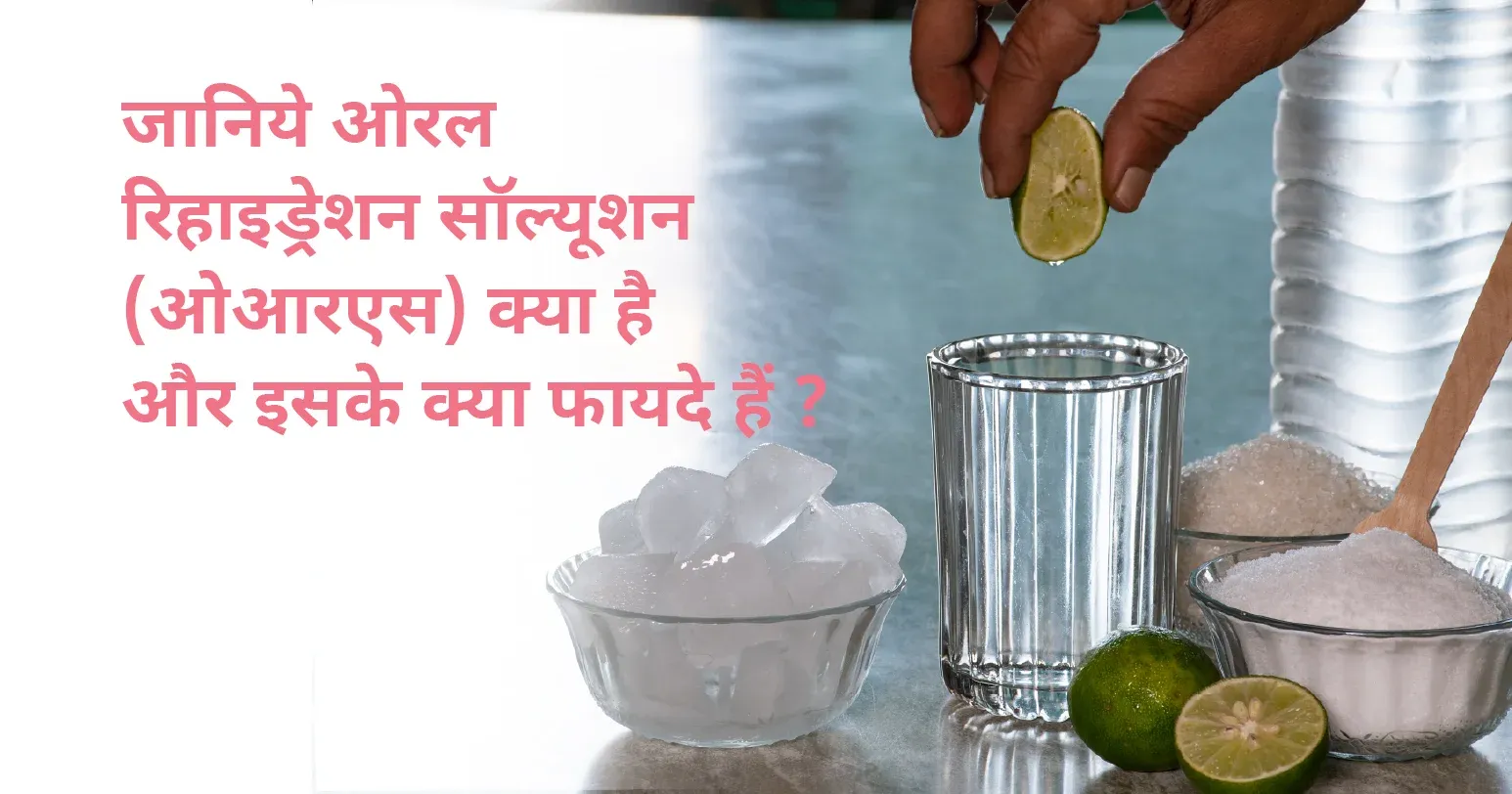
ओआरएस एक सरल घोल है जो पानी, नमक और शक्कर से बनता है। यह शरीर में पानी और इलेक्ट्रोलाइट्स की कमी को तेजी से पूरा करता है।
ओआरएस के उपयोग
ओआरएस के फायदे
ओआरएस के बारे में ध्यान देने योग्य बातें
आइए, ओआरएस के प्रकार, उपयोग और फायदों के बारे में विस्तार से जानते हैं।
Table of Contents
ओआरएस का पूरा नाम है ‘ओरल रिहाइड्रेशन सॉल्यूशन’ (Oral Rehydration Solution)। इसे हिंदी में मौखिक पुनर्जलीकरण घोल कहा जाता है। यह एक सरल घोल है, जो शरीर में पानी और जरूरी नमक की कमी को पूरा करता है। खासकर तब, जब किसी को दस्त, उल्टी, बुखार या डिहाइड्रेशन (पानी की कमी) हो जाती है।
इस घोल में तीन मुख्य चीजें होती हैं:
ये तीनों मिलकर शरीर को फिर से ऊर्जा देने और इलेक्ट्रोलाइट संतुलन बनाए रखने में मदद करते हैं।
और पढ़े : तेजी से वजन घटाने के लिए डाइट चार्ट
जब शरीर से ज्यादा मात्रा में पानी और नमक बाहर निकल जाता है, तब ओआरएस बेहद जरूरी हो जाता है। यह शरीर को फिर से ऊर्जा देने में मदद करता है। ओआरएस खासतौर पर इन स्थितियों में उपयोगी होता है:
ओआरएस एक साधारण लेकिन असरदार उपाय है जो शरीर को दोबारा संतुलित करने में मदद करता है, खासकर जब आप बीमार हों या ज्यादा थके हुए हों।
और पढ़ें: फास्ट फूड (जंक फूड) खाने के नुकसान (junk food khaane ke nuksaan)
अगर ओआरएस पैकेट उपलब्ध न हो, तो आप इसे घर पर आसानी से बना सकते हैं।
तीनों चीजों को अच्छे से मिलाएं और एक साफ बोतल में रखें। ध्यान रखें कि माप बिल्कुल सही हो। ज्यादा या कम नमक-चीनी शरीर को नुकसान पहुँचा सकते हैं। इसे दिन भर में थोड़ा-थोड़ा करके पिएं।
और पढ़ें: ओट्स और दलिया में अंतर, फायदे और नुक्सान
जब शरीर में पानी और नमक की कमी हो जाती है, तो ओआरएस का सही प्रकार चुनना बहुत जरूरी होता है। बाजार में कई तरह के ओआरएस उपलब्ध हैं, जो अलग-अलग उम्र और जरूरतों के हिसाब से बनाए गए हैं।
इनमें भी WHO मानकों के अनुसार ही नमक और शुगर डाली जाती है, बस स्वाद बेहतर करने के लिए फ्लेवर मिलाया जाता है।
चाहें कोई भी प्रकार हो, ओआरएस का सही समय पर और सही तरीके से सेवन करना ही सबसे जरूरी है। अगर जरूरत हो तो डॉक्टर से सलाह लेकर ही सही ओआरएस का चुनाव करें।
और पढ़ें: झड़ते, गिरते, कमजोर बालों के लिये वरदान हैं ये घरेलु उपाय
ओआरएस से शरीर को राहत मिलती है, लेकिन इसका सही मात्रा में और सही तरीके से सेवन करना बहुत जरूरी है।
अगर ओआरएस सही खुराक में और सावधानी से लिया जाए, तो यह डिहाइड्रेशन से बचाने में बेहद असरदार साबित होता है।
और पढ़ें: बच्चो के लिए हेल्दी डाइट चार्ट
और पढ़ें: उच्च रक्तचाप का कारण, लक्षण और इलाज
इन लक्षणों में ओआरएस के साथ डॉक्टर की सलाह जरूरी है।
और पढ़ें: एसिडिटी से तुरंत राहत पाने के घरेलू नुस्खे
ओआरएस एक सस्ता, सरल और असरदार उपाय है डिहाइड्रेशन से बचाव का। यह हर घर में होना चाहिए, खासकर जब बच्चों या बुज़ुर्गों की देखभाल करनी हो। गर्मियों के मौसम, बीमारी या यात्रा के समय ओआरएस बहुत उपयोगी साबित हो सकता है। जरूरत होने पर ओआरएस ज़रूर लें, सही मात्रा और सही समय पर। और अगर समस्या ज्यादा बढ़े तो डॉक्टर से तुरंत संपर्क करें।
क्या गर्भावस्था में ओआरएस सुरक्षित है?
हाँ, बिल्कुल सुरक्षित है। गर्भावस्था में उल्टी या डायरिया हो तो ओआरएस से पानी की कमी को पूरा किया जा सकता है।
क्या ओआरएस रक्तचाप बढ़ा सकता है?
नहीं। ओआरएस में नमक की मात्रा संतुलित होती है। फिर भी, अगर आपको हाई ब्लड प्रेशर है, तो डॉक्टर की सलाह लेकर ही लें।
क्या ओआरएस रोजाना लिया जा सकता है?
नहीं। ओआरएस इलाज है, दवा नहीं। इसे तभी लें जब शरीर में डिहाइड्रेशन के लक्षण हों। बिना जरूरत रोजाना लेना ठीक नहीं।
धूप में लंबे समय तक रहने से त्वचा को कई तरह के नुकसान होते हैं, जैसे कि सनबर्न (sunburn), टैनिंग (tanning), झुर्रियाँ (wrinkles), डार्क स्पॉट्स (dark spots on skin) और यहां तक कि स्किन कैंसर (skin cancer) का खतरा भी बढ़ सकता है।
इन समस्याओं से बचने के लिए कुछ आसान और असरदार घरेलू उपाय अपनाए जा सकते हैं, जैसे कि एलोवेरा, खीरा, टमाटर, नींबू-शहद, गुलाब जल आदि का प्रयोग। ये त्वचा को नमी पहुंचाते हैं और टैनिंग कम करते हैं।
इसके साथ ही, कुछ जरूरी रोकथाम उपायों को भी रोजाना अपनाना चाहिए जैसे कि सनस्क्रीन लगाना, सिर ढकना, हल्के कपड़े पहनना, पर्याप्त मात्रा में पानी पीना और हेल्दी डाइट लेना। इन सभी तरीकों से आप धूप से त्वचा को सुरक्षित रख सकते हैं।
और पढ़ें: हर्पीस बीमारी क्या है? इसके कारण, लक्षण और उपाय
त्वचा शरीर का सबसे बड़ा अंग है, जो आपको बाहरी चीज़ों से सुरक्षित रखती है। लेकिन जब आप ज्यादा देर तक धूप में रहते हैं, तो इससे त्वचा को नुकसान पहुंचता सकता है। धूप में मौजूद अल्ट्रा वायलेट किरणें त्वचा की ऊपरी परत को नुकसान पहुंचाती हैं, जिसके कारण त्वचा का रंग बदल सकता है, उसमें जलन हो सकती है और उम्र से पहले त्वचा में झुर्रियाँ (10 home remedies for anti aging) आ सकती हैं।
भारत जैसे देश में, जहां तेज धूप आम बात है, लोगों को अपनी त्वचा का खास ध्यान रखना चाहिए। आइए धूप में त्वचा को बचाने के लिए अपनायें जाने वाले कुछ विशेष घरेलू उपायों के बारे में विस्तार से जानते हैं।
और पढ़ें: ऑफिस में बैठे-बैठे फिट रहने के 10 टिप्स
Table of Contents
ज्यादा देर तक तेज धूप रहने से त्वचा को कई तरह की समस्याएं हो सकती हैं। इसमें मुख्य रूप से निम्न शामिल हैं:
इस स्थिति में त्वचा लाल हो जाती है और छूने पर जलन महसूस होती है। कभी-कभी त्वचा में छाले भी पड़ जाते हैं
तेज धूप के कारण त्वचा का रंग गहरा हो जाता है। यह शरीर की प्राकृतिक सुरक्षा है, लेकिन देखने में बुरा लगता है
अल्ट्रा वायलेट किरणें त्वचा की गहराई में जाकर कोलेजन को नुकसान पहुँचाती हैं। इससे त्वचा ढीली होती है और उसमें झुर्रियाँ आने लगती हैं।
ज्यादा देते तक धूप में समय बिताने से त्वचा पर काले या भूरे धब्बे पड़ जाते हैं। चेहरा बेजान और असमान दिखने लगता है।
बहुत ज्यादा और लम्बे समय तक धूप में रहना त्वचा में कैंसर होने का खतरा बढ़ सकता है। खासकर, अगर त्वचा बहुत गोरी हो।
धूप से होने वाले इन नुकसानों से बचने के लिए सही उपाय अपनाएं, ताकि आपकी त्वचा स्वस्थ, सुंदर और सुरक्षित बनी रहे।
और पढ़ें: झड़ते, गिरते, कमजोर बालों के लिये वरदान हैं ये घरेलु उपाय
अगर आप हर दिन धूप में निकलते हैं, तो कुछ आसान घरेलू उपाय आपकी त्वचा की रक्षा कर सकते हैं।
एलोवेरा त्वचा को ठंडक देता है, जलन और सूजन कम करता है। इसे धूप से झुलसी त्वचा पर लगाने से ताज़गी और राहत मिलती है।
दही त्वचा को ठंडक देता है और बेसन गहराई से साफ़ करता है। दोनों मिलाकर फेस पैक बनाएं और उसे त्वचा पर लगाएं। इससे टैनिंग कम होती है और रंग निखरता है।
टमाटर में लाइकोपीन होता है, जो त्वचा को अल्ट्रा वायलेट किरणों से बचाता है। टैनिंग हल्की करता है और चेहरा निखरता है। इसे रोजाना लगाना फायदेमंद है।
खीरा त्वचा को ठंडक देता है, जलन और सूजन कम करता है। रस निकालकर चेहरे पर लगाएं। गर्मी और लालपन से राहत मिलती है, त्वचा तरोताज़ा लगती है।
आलू में नैचुरल ब्लीचिंग गुण होते हैं। यह टैनिंग और दाग-धब्बों को हल्का करता है। रस लगाएं या स्लाइस रगड़ें। रंगत साफ़ और त्वचा मुलायम बनती है।
नारियल तेल त्वचा को गहराई से मॉइस्चर देता है। जलन शांत करता है और त्वचा को मरम्मत करने में मदद करता है। इसे रात को लगाएं, सुबह नमी और आराम मिलेगी।
नींबू में ब्लीचिंग गुण और शहद में मॉइस्चर होता है। दोनों मिलाकर पेस्ट बनाएं और उसे त्वचा पर लगाएं। इससे टैनिंग कम होती है। आप इसे हफ्ते में 2-3 बार इस्तेमाल कर सकते हैं।
गुलाब जल ठंडक और ताज़गी देने वाला प्राकृतिक टोनर है। इसे कॉटन से चेहरे पर लगाएं। गर्मी और जलन से राहत मिलती है, त्वचा साफ़ और फ्रेश महसूस होती है।
धूप से बचने के इन आसान और प्राकृतिक उपायों को अपनाकर आप अपनी त्वचा को सुरक्षित रख सकते हैं और स्वस्थ, निखरी हुई त्वचा का आनंद ले सकते हैं!
और पढ़ें: फास्ट फूड (जंक फूड) खाने के नुकसान (junk food khaane ke nuksaan)
घरेलू उपायों के साथ-साथ कुछ सामान्य आदतें अपनाकर भी आप अपनी त्वचा को धूप से बचा सकते हैं:
हर बार बाहर निकलने से पहले SPF 30 या उससे अधिक सनस्क्रीन लगाएं और 2-3 घंटे में इसे फिर से लगाएं।
छाता या स्कार्फ का उपयोग करके सिर और चेहरे को अल्ट्रा वायलेट किरणों से बचाएं, ताकि त्वचा पर सीधी किरणें न पड़ें।
त्वचा की सुरक्षा के लिए हल्के और ढीले कपड़े पहनें, खासकर सूती कपड़े, जो त्वचा को सांस लेने का मौका देते हैं।
दिन के 12 से 3 बजे के बीच सूर्य की किरणें सबसे तेज़ होती हैं। इस दौरान बाहर न निकलने की कोशिश करें।
त्वचा को हाइड्रेटेड रख ने के लिए दिन में कम से कम 8-10 गिलास पानी पिएं, जिससे जलन और टैनिंग कम होगी।
विटामिन C और E से भरपूर फल और सब्ज़ियाँ जैसे नींबू, संतरा, पपीता और पालक खाएं, जो त्वचा को हेल्दी रखते हैं।
इन आसान और प्रभावी उपायों को अपनाकर आप अपनी त्वचा को धूप से बचा सकते हैं और उसे स्वस्थ रख सकते हैं।
और पढ़ें: तेजी से वजन घटाने के लिए डाइट चार्ट
धूप से पूरी तरह बचना तो मुमकिन नहीं, लेकिन आप छोटे-छोटे उपाय अपनाकर अपनी त्वचा को सुरक्षित रख सकते हैं। घरेलू नुस्खे सरल और सस्ते हैं। आपकी त्वचा आपकी पहचान है। उसकी देखभाल आपकी ज़िम्मेदारी है। अगर आपको लगता है कि त्वचा पर ज़्यादा जलन, काले धब्बे या कुछ असामान्य हो रहा है, तो तुरंत डॉक्टर से सलाह लें।
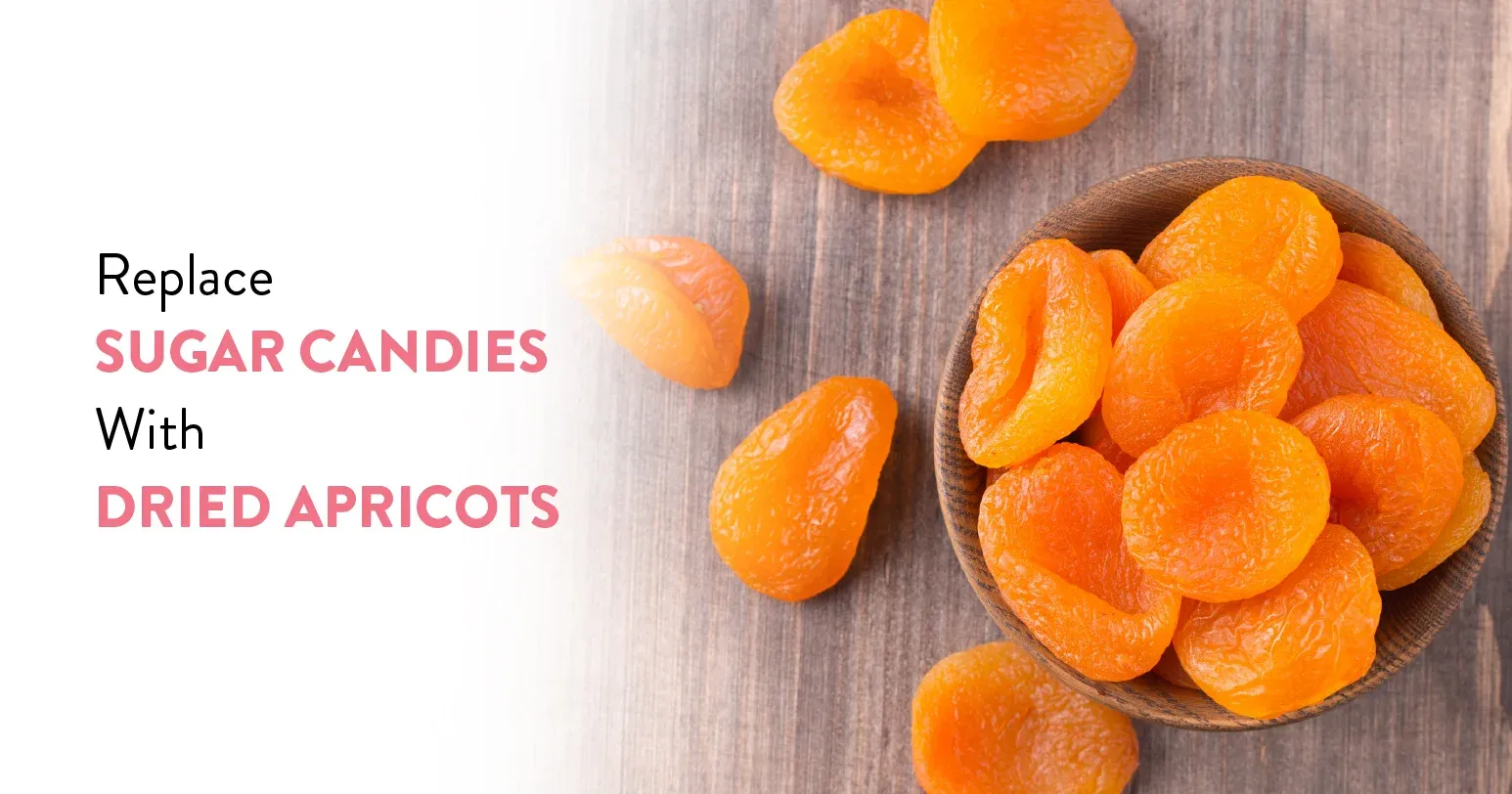
Table of Contents
Have you recently quit or are trying to quit smoking? Are you constantly drawn towards sugar candies to keep your withdrawals under control? Do you have a sweet tooth and prediabetic but cannot resist a good old orange sugar candy? Your story is similar to a lot of folks who are caught in a love-hate relationship with sugar candies. Having a sweet tooth is not the problem here, the problem is the intake of refined sugars.
Sugar candies are primarily made of one main ingredient – Sugar! High levels of refined sugars are mixed with artificial colors and lots of preservatives. Regular consumption of these candies almost always show up in our bodies through obesity, diabetes, and heart disease. While it was ok to have them as kids, we are no longer as active as we used to be in order to burn it out.
According to the World Health Organization (WHO), excessive sugar intake increases the risk of type 2 diabetes and cardiovascular diseases, even in children who do not indulge in sports or outdoor activities. Additionally, they add little to no nutritional value, making them an unhealthy snack by default.
Dried apricots are naturally sweet, packed with essential nutrients, and free from any form of artificial additives. They provide necessary dietary fibre, rich in vitamins & antioxidants, and minerals that support overall health. Although sweet, they do not cause rapid spikes in blood sugar caused by sugar candies. Dried apricots also have a lower glycemic index, making them a safer option for diabetics and pre-diabetics.
Below is the detailed nutritional breakdown per 100 grams of dried apricots:
| Nutrient | Amount |
| Energy | 241 kcal |
| Carbohydrates | 63.9 g |
| Sugars | 53.4 g |
| Fiber | 7.3 g |
| Protein | 3.4 g |
| Fat | 0.5 g |
| Vitamin A | 1800 IU |
| Vitamin C | 1 mg |
| Potassium | 1162 mg |
| Calcium | 55 mg |
| Iron | 2.7 mg |
| Magnesium | 32 mg |
The sugar in candies is refined and quickly absorbed, leading to spikes in blood sugar levels. In contrast, dried apricots contain natural fruit sugars, which are absorbed more slowly due to their high fibre content.
Candies often contain artificial colors, flavors, and preservatives that can have harmful effects over time. Dried apricots, however, provide a natural source of vitamins A and C, iron, and potassium, which support immune function, skin health, and heart health.
| Component | Sugar Candies (100g) | Dried Apricots (100g) |
| Calories | 400 kcal | 241 kcal |
| Sugar Content | 90g (Added Sugar) | 53.4g (Natural Sugar) |
| Fiber | 0g | 7.3g |
| Vitamins & Minerals | Minimal | Rich in Vitamin A, C, Iron, and Potassium |
| Glycemic Index | High (Rapid Blood Sugar Spike) | Moderate (Steady Blood Sugar Levels) |
Dried apricots offer a nutritious and natural alternative to sugar candies, especially for those looking to manage diabetes or reduce refined sugar intake. They are packed with fibre, vitamins, and minerals that promote overall health without artificial additives. By making a small dietary shift, you can enjoy a delicious yet healthy treat that satisfies your sweet cravings while supporting long-term well-being.
Dried apricots can be eaten as a snack, added to cereals, blended into smoothies, or used in cooking for natural sweetness.
Yes, dried apricots are rich in iron, folate, and fibre, which are beneficial for foetal development and preventing anaemia during pregnancy.
Dried apricots have a moderate glycemic index and are rich in fibre, making them a healthier option for diabetics when consumed in moderation.
By replacing sugar candies with dried apricots, you take a simple yet impactful step towards a healthier lifestyle!
In India, menstruation has proven to be a bit of a taboo. Considered dirty and impure, women avoid speaking about their periods in public and shopkeepers pack sanitary napkins in opaque black plastic. Yet, all women experience the emotional and physical ebbs and flows of the menstrual cycle. For some women, their periods can feel like the worst part of the month. Ladies far and wide find themselves curled up under blankets, cradling hot water bottles in attempts to soothe the pain.
On the most part, cramping is considered a normal part of the menstrual cycle. A common experience, three out of four women report having cramps during their period. The likely cause of most menstrual cramps has been linked to hormone-like compounds called prostaglandins that are released as the uterine lining begins to shed. Although prostaglandins facilitate the uterine contractions that help expel the uterine lining, they can cause extreme pain when produced in excess.
Severe menstrual cramps can also be caused by medical conditions such as endometriosis or adenomyosis. If your cramps are particularly bad, you should reach out to your doctor. Since female pain is often overlooked and under-treated, we encourage you to advocate for yourself and seek out treatment from an OB/GYN healthcare provider near you.
Five well known methods you can try to soothe your cramps at home: –
In the face of livid menstrual cramps, heat compresses through hot water bottles and warm baths are a tried and tested method for relief. Some studies have shown heat to be as effective as NSAIDs and aspirin for menstrual cramp pain.
It seems ginger may also be as effective as common painkillers, some clinical trials suggest. Ingestion of an eighth of a teaspoon of ginger three times a day during one’s period is reported to be helpful for cramps and reduction of bleeding.
Certain low stress workouts have been found to ease bloating, back and leg pain caused by menstruation. Increasing blood circulation in the affected area while also strengthening it contributes greatly to pain relief.
During one’s period, it is recommended to refrain from the use of drugs such as alcohol, tobacco and caffeine. All are known to increase inflammation and can lead to worsened pain.
The release of endorphins such as oxytocin and dopamine through sexual activity is a strong line of defense against period pains. The power of endorphins in reducing pain is as strong, if not stronger, than many over-the-counter painkillers. Although a pain relief method that is slightly off the beaten path, it is surely worth considering.

Table of Contents You can expect to gain some amount of weight during pregnancy to accommodate the growth and development of your baby. A moderate and healthy weight gain can help you in having an easier pregnancy and childbirth. However, gaining too much or too little weight can cause health concerns for you and your baby. Common complications and health problems include gestational diabetes, hypertension during pregnancy and increased chances of a Cesarean section. The body weight goals of each expecting mother are different. Your weight gain depends on your Body Mass Index (BMI) before pregnancy. Your obstetrician can help you in identifying your weight goals. Being pregnant does not mean that you are “eating for two”. During pregnancy, you should aim to double up on your nutritional intake. It is advised that pregnant women should eat 5 portions of a variety of foods and vegetables. You should eat nearly 300 extra calories on a daily basis. Nutrition during pregnancy should incorporate folic acid, iron, protein, calcium, Vitamin D, Vitamin A, Vitamin C and minerals. Foods to eat during pregnancy: bread, potatoes, breakfast cereals, rice, meat, fish, poultry, eggs, beans, pulses, nuts, cheese, yoghurt, broccoli, citrus fruits, peas, leafy green vegetables and whole grains. Foods to avoid during pregnancy: Uncooked or raw food, high-mercury fish, raw eggs and processed junk food. Exercise during pregnancy has multiple benefits for the mother and the baby. Pregnant women are encouraged to exercise regularly as it prevents the side effects of pregnancy and supports the growth of their babies. Routine exercises help you prepare for labour and childbirth. Your obstetrician and antenatal experts provide personalised guidance to help you strengthen your pelvic floor. Some common forms of exercise for pregnant women include walking, prenatal yoga, pilates, aerobics and kegel exercises. It can be difficult to meet your nutritional requirements from food alone each day. It is advised that expecting mothers start taking prenatal vitamins to fulfil their nutrition needs. These supplements also help in the prevention of certain neural tube defects including spina bifida. You should take one prenatal vitamin daily as prescribed by your doctor. During pregnancy, your body is doing an extra amount of work to support the growth of your baby. It is natural to feel tired and exhausted frequently during this time. It is advised that pregnant women should get plenty of rest and sleep every day. You should sleep for at least 7-9 hours each day. A healthy lifestyle during pregnancy also includes cutting down on bad habits. Here is a list of things you should avoid in order to remain healthy during pregnancy: Your weight gain during pregnancy depends on your weight before pregnancy. Most women gain between 10-12kgs during pregnancy.
Things you need to know
Healthy weight
Healthy eating
Physical activity
Prenatal vitamins
Things to avoid
FAQs
What are the early signs of pregnancy?
Early signs of pregnancy include frequent urination, breast soreness, fatigue and nausea.
How much weight should I gain during pregnancy?
How should I sleep in pregnancy?
During the first trimester, you can sleep on your back. However, as your pregnancy progresses and your bump becomes more profound, you should sleep on your side.
गर्मी के मौसम में चलने वाली बेहद गर्म और सूखी हवा को ‘लू’ कहते हैं। जब तापमान बहुत ज्यादा (40°C से ऊपर) हो और हवा में नमी कम हो, तो लू चलती है। यह शरीर पर बुरा असर डाल सकती है। छोटे बच्चे, बुजुर्ग, गर्भवती महिलाएं और जो लोग दिन में बाहर काम करते हैं (जैसे कि मजदूर, रेहड़ी वाले, ट्रैफिक पुलिस) आदि को लू लगने का सबसे अधिक खतरा होता है।
मई और जून के महीनों में, खासकर दोपहर 12 बजे से 3 बजे के बीच लू चलने का खतरा अधिक होता है। लू लगने पर मरीज खुद में कुछ लक्षणों को अनुभव कर सकता है जैसे कि:
कई कारणों से आपको लू लग सकता है। इसके मुख्य कारणों में शामिल हैं:
लू लगने पर आप कुछ ख़ास उपायों की मदद ले सकते हैं। लू लगने के घरेलू उपचार हैं जिनकी मदद से इस समस्या को दूर किया जा सकता है और इससे बचा भी जा सकता है। इसमें शामिल हैं:
कुछ खास उपाए हैं जिन्हें अपनाकर आप खुद को लू लगने से बचा सकते हैं। आइए लू लगने के लक्षण व उपचार के बारे में विस्तार से जानते हैं।
Table of Contents
गर्मी के मौसम में जब शरीर का तापमान सामान्य से बहुत ज्यादा बढ़ जाता है और शरीर में पानी की कमी हो जाती है, तो उसे लू लगना कहते हैं। यह एक तरह की हीट स्ट्रोक (heat stroke in hindi) की स्थिति होती है।
और पढ़ें: झड़ते, गिरते, कमजोर बालों के लिये वरदान हैं ये घरेलु उपाय
जब इंसान को लू लगती है, तो शरीर में कई बदलाव दिखाई देने लगते हैं। इन लक्षणों को पहचानना बहुत जरूरी है ताकि समय रहते इलाज हो सके।
लू लगने पर शरीर का तापमान बहुत तेजी से बढ़ जाता है, जो अक्सर 104°F या उससे अधिक हो सकता है। यह बुखार सामान्य बुखार से अलग होता है और बिना पसीना आए बढ़ता रहता है।
तेज धूप में रहने से दिमाग पर असर होता है। व्यक्ति को तेज सिर दर्द और चक्कर आने लगते हैं। कभी-कभी यह चक्कर बेहोशी तक भी ले जा सकते हैं।
लू के कारण शरीर का पानी तेजी से बाहर निकल जाता है। इससे व्यक्ति को बार-बार और बहुत अधिक प्यास लगती है।
लू लगने पर त्वचा गर्म और सूखी हो जाती है। पसीना आना बंद हो जाता है, जिससे शरीर का तापमान और बढ़ता है।
पेट खराब लगने लगता है और कभी-कभी उल्टी भी हो सकती है। यह शरीर में गर्मी और पानी की कमी के कारण होता है।
व्यक्ति बहुत कमजोर महसूस करता है, शरीर थका हुआ और सुस्त लगने लगता है। किसी काम में मन नहीं लगता।
कुछ मामलों में व्यक्ति को समझ में नहीं आता कि उसके साथ क्या हो रहा है। वह उल्टा-सीधा बोल सकता है या बेहोश भी हो सकता है।
और पढ़ें: तेजी से वजन घटाने के लिए डाइट चार्ट
लू लगने के कई कारण होते हैं, जिनमें मुख्य रूप से तेज गर्मी और शरीर में पानी की कमी शामिल हैं। आइए विस्तार से जानते हैं:
जून-जुलाई के महीने में जब तापमान बहुत ज्यादा होता है, उस समय बिना छांव या सुरक्षा के बाहर जाना लू का बड़ा कारण बनता है।
गर्मी के मौसम में शरीर को ज्यादा पानी की जरूरत होती है। अगर आप दिनभर पानी नहीं पीते हैं तो शरीर जल्दी डीहाइड्रेट हो जाता है और लू लग सकती है।
अगर आप खेतों में, निर्माण कार्य में या फैक्ट्री में तेज गर्मी में लगातार काम करते हैं, तो शरीर गर्मी सहन नहीं कर पाता और लू लग जाती है।
सिर को टोपी, गमछा या छतरी से ढके बिना निकलने से सूरज की किरणें सीधे सिर पर लगती हैं। यह लू लगने का बड़ा कारण है।
ज्यादा पसीना निकलने से शरीर में नमक की मात्रा कम हो जाती है। इससे शरीर का तापमान कंट्रोल से बाहर हो जाता है।
कुछ लोगों के शरीर में गर्मी सहने की क्षमता कम होती है। ऐसे लोग जल्दी लू की चपेट में आ जाते हैं।
और पढ़ें: ऑफिस में बैठे-बैठे फिट रहने के 10 टिप्स
अगर आप लू से बचना चाहते हैं या किसी को लू लग गई है, तो नीचे दिए गए उपाय बहुत फायदेमंद हैं। लू लगने के घरेलू उपचार में निम्न शामिल हैं:
कच्चे प्याज को काटकर जेब में रखें या शरीर पर रगड़ें। यह शरीर को गर्म हवाओं से बचाता है। आप प्याज का रस निकालकर माथे पर भी लगा सकते हैं।
कच्चे आम को उबालकर उसके रस में नमक और पुदीना मिलाकर पिएं। यह शरीर को ठंडक देता है और लू से बचाता है।
नींबू पानी में थोड़ा नमक और शक्कर मिलाकर रोज पिएं। यह शरीर में इलेक्ट्रोलाइट्स की कमी को पूरा करता है।
छाछ और बेल का शरबत शरीर को अंदर से ठंडक देता है और लू से बचाता है।
टोपी, दुपट्टा या गमछा जरूर पहनें। सिर और कान को ढकने से गर्म हवाएं शरीर के अंदर नहीं जातीं।
गर्मियों में सूती और हल्के रंग के कपड़े पहनें। ये पसीना जल्दी सोख लेते हैं और शरीर को ठंडा रखते हैं।
इस समय सूरज की गर्मी सबसे तेज होती है। बहुत जरूरी हो तभी बाहर जाएं।
गुलकंद (गुलाब की पंखुड़ियों से बना मुरब्बा) और तुलसी शरीर को ठंडक देते हैं और गर्मी से लड़ने में मदद करते हैं।
नारियल पानी शरीर को तुरंत ऊर्जा और पानी देता है। तरबूज, खीरा और ककड़ी जैसे फल भी बहुत लाभकारी होते हैं।
ओआरएस (ORS) शरीर की खोई हुई नमक और शक्कर की मात्रा को पूरा करता है। ये बाजार में आसानी से मिलता है या घर पर भी बनाया जा सकता है।
गर्मी में लू लगना एक गंभीर समस्या हो सकती है, लेकिन थोड़ी सी सावधानी और सही जानकारी से इससे बचा जा सकता है। लू लगने के लक्षणों को समय पर पहचानना और तुरंत घरेलू या चिकित्सीय उपचार शुरू करना जरूरी है।
ध्यान रखें:
यदि लू लगने के लक्षण ज्यादा गंभीर हैं, तो तुरंत डॉक्टर से संपर्क करना चाहिए। समय रहते इलाज होने से जान बचाई जा सकती है।
और पढ़ें: फास्ट फूड (जंक फूड) खाने के नुकसान
लू लगने पर कितनी देर में असर दिखता है?
धूप में 30 मिनट से ज्यादा रहने के बाद शरीर पर लू के लक्षण दिखने शुरू हो सकते हैं। यह व्यक्ति की सहनशक्ति और शरीर में पानी की मात्रा पर भी निर्भर करता है।
क्या छोटे बच्चों को भी लू लग सकती है?
हां, बच्चे, बूढ़े और गर्भवती महिलाएं सबसे जल्दी लू की चपेट में आ सकते हैं। इसलिए इन्हें खास ध्यान देना चाहिए।
क्या लू लगना जानलेवा हो सकता है?
अगर सही समय पर इलाज न हो तो यह जानलेवा भी हो सकता है। खासकर अगर शरीर का तापमान बहुत अधिक हो जाए और बेहोशी जैसी हालत हो।
क्या लू लगने के बाद नहाना सही है?
अगर हल्के लक्षण हैं तो ठंडे पानी से स्नान किया जा सकता है, लेकिन बहुत तेज बुखार या बेहोशी की हालत में तुरंत अस्पताल ले जाना चाहिए।
क्या सिर्फ धूप से ही लू लगती है?
जी नहीं, गर्म और सूखी हवा (लू) भी शरीर को नुकसान पहुंचाती है। इसलिए गर्मी में हवा भी उतनी ही खतरनाक हो सकती है।
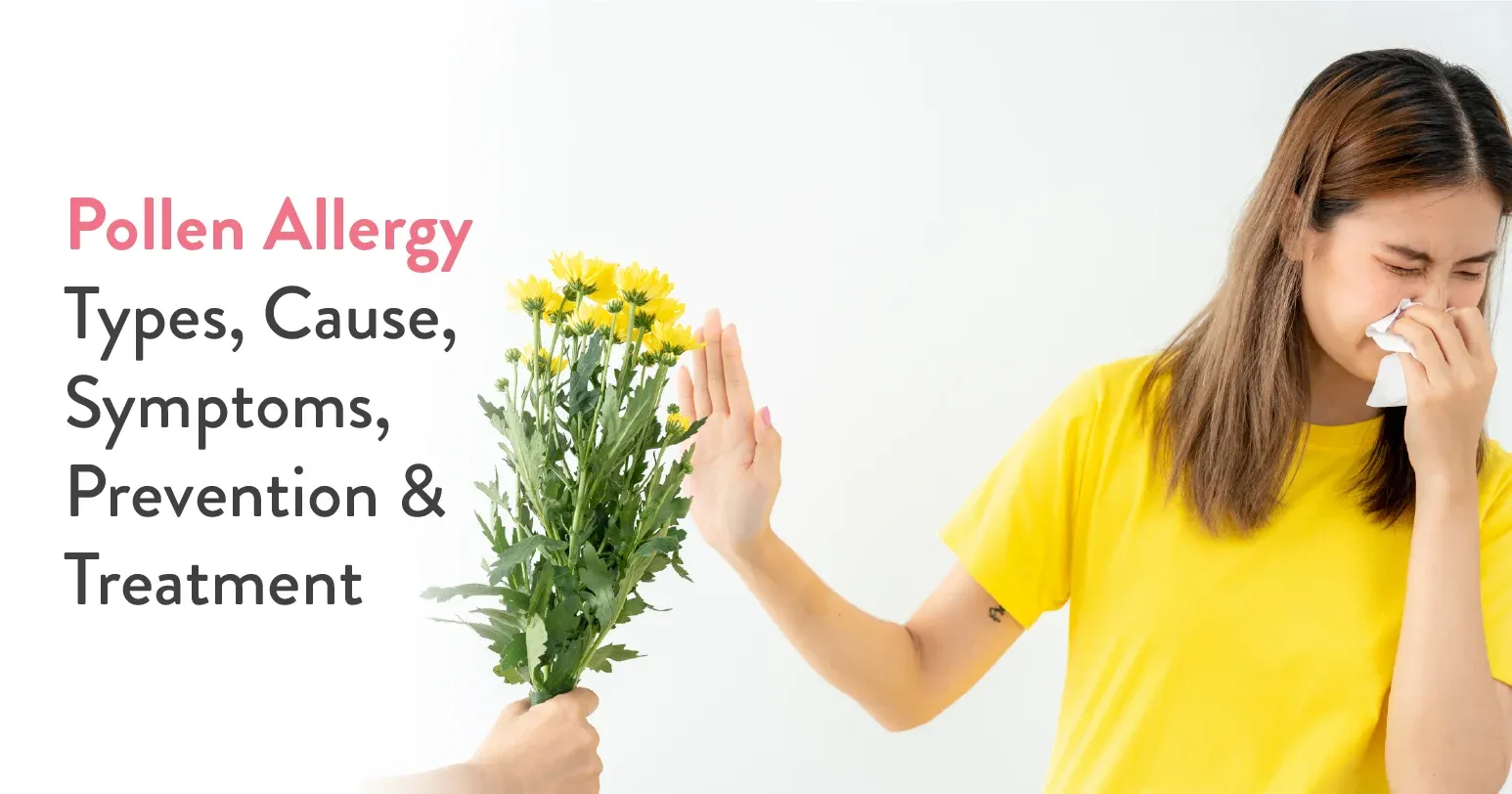
Table of Contents
Pollen is a fine powder produced by trees, flowers, weeds, and grasses to fertilize other plants belonging to the same species. Pollen is one of the most common factor leading to allergies in India. The powdery particle travels by floating in the air, inhaling which can cause symptoms like stuffy nose, coughing, and more. Our body’s immune system thinks pollen is a dangerous intruder and produces chemicals to fight off pollen leading to an allergic reaction.
Did you know? Pollen can travel miles and each plant has unique pollen making them different in size, shape, and at times colour from the others. Pollen allergy is considered seasonal and affects people when plants pollinate and in warmer climates symptoms of pollen can start from January.
Pollen allergy, also referred to as seasonal allergic rhinitis, is triggered by three sources, i.e. tree pollen, grass pollen, and weed pollen. Each of these plants pollinates at different times of the year. The different types of pollen allergies include:
Tree pollen allergy as the name implies are allergies caused due to pollen produced by trees. Some species that cause the most allergy symptoms include Birch, Cedar, and Oak. Tree pollen allergies are most common during the spring when the trees are blooming & releasing pollen.
Grass pollen allergies peak in late spring and summer. Grass pollen is comparatively light and the wind can easily carry it. The most common types of grass that lead to grass pollen allergies include Johnson, Bahia, Bermuda, Fescue, and more.
Allergies caused due to weed pollen are the most around late summer and fall. The most common species of weed pollen causing allergy is Ragweed, other species include Sagebrush, Tumbleweed, Burning bush, etc. One Ragweed plant can produce 1 billion grains of pollen.
Also Read: Heart Attack in Youngsters: Rising Risks, Cause, Symptoms, Preventions
Pollen allergies occur when your body mistakenly identifies pollen as a dangerous substance, further the immune system begins to produce chemicals including histamine to fight against the pollen leading to allergic reaction. When pollen produced by trees, grasses, and weeds are inhaled the overactive immune system triggers an allergic reaction causing symptoms like sneezing, runny nose, and itchy eyes.
Factors like a family history of allergies or asthma, living in areas with high pollen counts, exposure to air pollution (health impact of air pollution), and a weakened immune system (tips to boost your immune system) make you more prone to pollen allergies.
Also Read: Dermatitis- Types, Causes, Symptoms & Home Remedies for Treatment
The nasal passage can be congested or produce a watery discharge due to watery mucus produced by the body to trap the pollen. Additionally, inflammation of the nasal tissue leads to a feeling of a stuffy nose.
Sneezing is another common symptom of pollen allergies. The reflex occurs when the body tries to push the pollen out of the nasal passage through sneezing.
Pollen landing on the eyes can cause irritation, redness, excessive tearing, and puffiness around the eyes.
Pollen triggers in sensitive tissues around the throat and mouth, particularly the roof of the mouth and back of the throat.
Allergy symptoms like sneezing, lack of sleep (sleep disorders & their treatment), and other allergic responses can make the body feel drained and drowsy.
Pollen allergy can affect the ability to taste or smell food due to nasal congestion.
Also Read: Benefits & Side Effects of Jamun (Indian Blackberry)
Pollen allergies are treated by an allergist, a doctor specializing in the treatment of various types of allergies. The treatment depends on how severe the allergy is and determining what works best for your body. The treatment options include:
Antihistamines help control the histamine production in the body which the body produces in response to the allergens. Taking antihistamines helps control sneezing, itching, runny nose, etc.
Treatment using nasal sprays helps reduce inflammation in the nasal passage.
Treatment involves gradually exposing the body to allergens to desensitize it resulting in long term relief from pollen allergies.
Leukotriene inhibitors pills help block leukotriene which causes inflammation during an allergic reaction.
Decongestants help clean nasal congestion by shrinking and normalizing swallowed nasal passages.
Also Read: Benefits & Side Effects of Muskmelon (Kharbuja)
| Prevention Tips | Description |
| Regularly Check Forecasts | Frequently check pollen forecasts & stay indoors if levels are high. |
| Wear Sunglasses & Mask | When going out, wear sunglasses & mask to protect from exposure. |
| Use Air Purifiers | Use air purifiers & HEPA filters that help trap pollen indoors. |
| Shower After Going Out | Take a bath post returning from outside to remove pollen from skin & hair. |
| Keep Windows Closed | Avoid opening windows especially when the pollen levels are high. |
Does pollen allergy cause fever?
No, pollen allergies are seasonal allergies and do not cause fever.
Does pollen allergy cause sore throat?
Yes, pollen allergies can cause sore throat.
How long do pollen allergy symptoms last?
Pollen allergy symptoms may appear as long as the allergen is present in the air.
Is pollen allergy common?
Yes, allergies caused by pollen are very common.
Is pollen allergy dangerous?
Pollen allergies are usually not dangerous, though they can affect the quality of life significantly.
Is pollen allergy genetic?
Yes, pollen allergies can be genetic.

