Filter :

A 2021 NFHS Survey revealed some very shocking facts around men’s health
Source: https://timesofindia.indiatimes.com/city/nagpur/world-mens-day-2023-prioritizing-mens-health-and-reversing-gender-norms/articleshow/115427819.cms
Fathers are the unsung heroes in our lives, stepping up as guides, protectors, providers, and so much more. We take a moment to celebrate Father’s Day on the third Sunday of June every year honoring the incredible roles fathers play and appreciating their presence in our lives. This year, alongside celebrations, let’s remind our fathers to take a moment for themselves.
Most fathers rarely express their own needs; they’ve always put us first, whether it’s in terms of health, happiness, or fun. Yet, as time goes on, our unsung heroes are ageing, but their selfless care doesn’t seem to fade. We sometimes forget that growing older requires more than just rest; it calls for a little extra love and attention.
This Father’s Day, why not surprise your father with an extra special gift – a preventive health checkup? Those selfless fathers might brush it off with a “next time” or “let it be,” but this thoughtful addition can help catch any health issues early, giving you both more wonderful years to spend together.
Did you know? Chronic conditions like hypertension, high cholesterol, and heart disease often develop silently in men aged over 40 years.
At the CK Birla Hospital, we’ve crafted a health checkup plan tailored to meet every need, especially for fathers who understand its importance but may not have prioritized it for themselves. Discover the preventive health checkup plans here: Gold Health Package
Table of Contents
Fathers never ask for anything, yet give us everything but sometimes, in their role as givers, they forget to take care of their health. In India, it’s concerning that half of men over 45 are dealing with chronic illnesses, often without even realising it. Below are some of the health risks that rise after 40:
Did you know that India is known to be the diabetic capital of the world? Plus Indian men especially are at higher risk of developing this condition due to stress, unhealthy diet, sedentary lifestyle, and more. Diabetes develops slowly and the early symptoms can be mistaken for ageing or stress. This Father’s Day, be proactive in looking for early signs in the unsung heroes in your life and get them the preventive checkup they deserve.
We’ve all heard this from our dads at some point, right? They often swear by home remedies and a little rest as the go-to fix. But here’s the thing: As a study found out, by age 40 chronic joint pain may indicate the onset of diseases like osteoarthritis, rheumatoid arthritis, and more. That’s why it’s so important to get a preventive health checkup. Tests like DEXA scans and dual-energy X-rays can help catch any potential issues early and give us a clearer picture of our bone density. This Father’s Day, we encourage you to gift your dad a pain-free movement for years to come.
Hypertension is one of the most common silent diseases that grows gradually and leads to severe complications. Research by the National Family Health Survey showed 28.4% of men aged over 40 were hypertensive – nearly double the prevalence seen in younger men. Various factors contribute to this condition including, an unhealthy diet, lack of exercise (know how much exercise is too much exercise), stress (10 ways to keep away the stress), and more. A proactive approach towards hypertension treatment involves diagnosis of the cause and managing the symptoms, a preventive checkup helps identify issues early and leads to better treatment outcomes.
Prostate & testicular issues are rarely talked about, given lack of awareness or embarrassment prevents men from discussing these symptoms. However, these issues can lead to severe complications later. Did you know? Numerous researches show that after age 40, the risk of prostate issues – including cancer increases. This Father’s Day, let’s encourage dads to open up, consult a urologist, and schedule those important check-ups. Dr. Shalabh Agrawal, a urologist at the CK Birla Hospital, emphasises that, “symptoms like urinary difficulties, unusual lumps, or pelvic pain, call for early medical advice to rule out any serious conditions.”
Alcohol consumption or smoking is quite common in men. But as we all are aware prolonged consumption of alcohol, and tobacco can lead to major health risks including cancer, liver diseases, and more. This Father’s Day, why not take the opportunity to encourage them to kick the habit and schedule a preventive health checkup? Catching any potential problems early can make a world of difference.
Mental health challenges are just as prevalent in men, yet they often remain the most overlooked aspect of men’s health. Many men deal with issues like depression (tips to improve mental health), anxiety, anger, and burnout, but they rarely talk about it. This Father’s Day, let’s encourage them to open up and consider speaking with a therapist. A simple consultation could help them recognize and address the mental health struggles they might not even be aware of.
Understanding the ‘why’ behind this ignorance is crucial to understanding the reason behind it. Some of the most common reasons include:
This Father’s Day, gift your childhood role model a preventive health check-up. A preventive health check-up is essentially a mix of screening, diagnostic, and wellness services. It’s highly recommended because it plays a crucial role in the early prevention, detection, and treatment of various health issues like diabetes, hypertension, obesity, heart problems, and even cancer. This Father’s Day, why not add a preventive health check-up to your list of thoughtful gifts? Let’s encourage our childhood heroes to take a proactive approach to their health as well!
At the CK Birla Hospital, we’ve put together a plan that caters to everyone’s needs. With our NABH-accredited multi-speciality hospital, 24/7 in-house radiology, diagnostics, pharmacy, and more, you can feel confident that you’re receiving care that truly matters. Let’s work together to break the stigma surrounding men’s health by making care accessible, free of judgment, and all-encompassing.
Do risks for chronic issues increase with age in men?
Yes, the risk of developing chronic health conditions increases with age in men.
What is a preventive health checkup?
A preventive health checkup is a medical examination that helps detect health problems early before they become serious.
Why is preventive health checkup important?
A preventive health checkup is crucial as it helps detect diseases in their earliest stages – before they get worse.
What are the most common health problems in older men?
Health conditions like prostate problems, heart diseases, bladder issues, and chronic pain are some of the common health problems in older men.
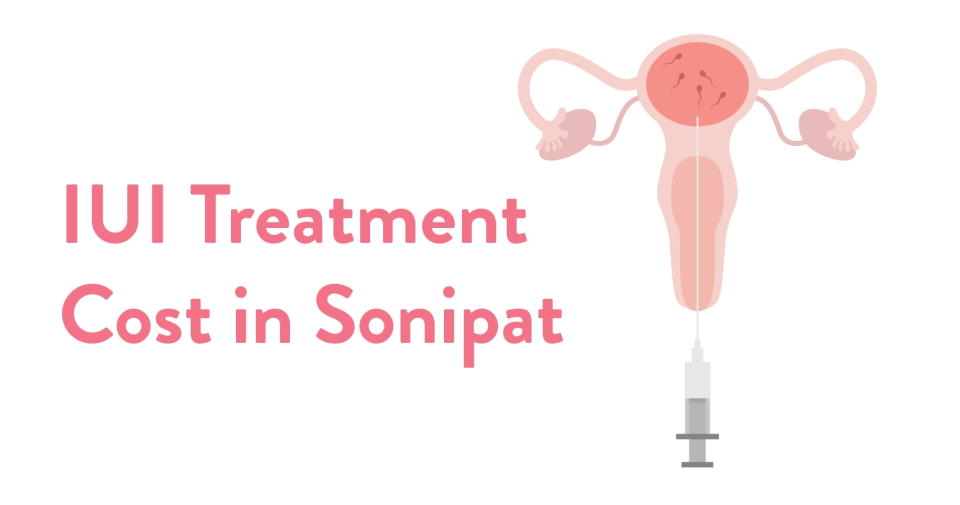
If you are looking for the best fertility treatments, understanding about IUI and the cost of the IUI procedure in Sonipat can help. On average, IUI costs ₹21,300 per cycle in Sonipat, with most fertility clinics charging anywhere between ₹17,600 and ₹22,000. The final pricing, however, depends on various factors such as the fertility centre, the doctor’s expertise, and any additional services taken or required during the cycle.
Table of Contents
| Procedure | Avg Cost | Max Cost | Min Cost |
| Consultation Fees | ₹900 | ₹1,200 | ₹600 |
| Semen Analysis | ₹900 | ₹1,200 | ₹600 |
| Ultrasound | ₹4,000 | ₹4,500 | ₹3,500 |
| IUI Procedure | ₹12,000 | ₹13,000 | ₹11,000 |
| Medications | ₹3,500 | ₹4,000 | ₹3,000 |
| Total | ₹21,300 | ₹23,900 | ₹18,700 |
While many couples complete their IUI cycle within the standard package, some may require add-on services suggested by the infertility specialist in Sonipat to enhance the chances of conception. These include:
In some cases, medicines are required to regulate ovulation and stimulate egg development, which increases the overall IUI procedure cost in Sonipat. This may vary based on the dosage required, type of medicine, etc.
For those couples who want to opt for sperm freezing to preserve their future fertility options, the service is available at most fertility clinics in Sonipat. The charges may vary depending on storage duration, sample preparation during the IUI cycle, etc.
Some cases may require advanced tests like sperm DNA fragmentation, detailed semen analysis, or specialised motility tests. These assessments at an intrauterine insemination (IUI) clinic in Sonipat help identify underlying issues and guide better treatment planning, but also increase the final cost.
Several elements influence the final IUI treatment cost in Sonipat, and they may vary from one clinic to another:
Like across other cities in India, fertility treatments like Intrauterine Insemination (IUI) are usually not covered under the standard mediclaim policies. Although IUI is a less costly and simpler fertility procedure, when compared to other advanced techniques like IVF, it is still not covered under traditional plans offered by medical insurance providers.
Since the awareness about fertility treatments is increasing, some insurance companies in Sonipat have started including fertility benefits as add-on services, but these also come with some limitations. It is always advisable to confirm with your insurer. Also, you should discuss financial options with your fertility centre in the city. Many fertility treatment clinics in Sonipat offer flexible payment plans, package deals, or discounts on multiple cycles.
Managing the overall IUI price in Sonipat becomes easier when you make informed choices. Here are a few practical ways to keep expenses under control without affecting treatment quality:
Table of Contents
इन्फ्लूएंजा, जिसे आमतौर पर ‘फ्लू’ कहा जाता है, एक संक्रामक वायरस के कारण होने वाली बीमारी है। यह वायरस नाक, गले और फेफड़ों को प्रभावित करता है। जब यह बीमारी मौसम बदलने के दौरान फैलती है, तो इसे मौसमी फ्लू (Seasonal Flu) कहा जाता है।
फ्लू बच्चों, बुजुर्गों और पहले से बीमार लोगों के लिए अधिक खतरनाक हो सकता है। सही समय पर पहचान और इलाज से इसे रोका जा सकता है।
और पढ़ें: ठण्ड में अस्थमा के मरीज़ो को क्या सावधानियां रखनी चाइये?
इन्फ्लूएंजा वायरस के कई प्रकार होते हैं, जैसे कि टाइप A, B और C. इनमें से टाइप A और B सबसे ज़्यादा मौसमी फ्लू के लिए जिम्मेदार होते हैं।
और पढ़ें: कौन-कौन से सुपरफूड्स आपकी रोग प्रतिरोधक क्षमता बढ़ा सकते हैं?
इन्फ्लूएंजा और मौसमी फ्लू से बचाव के लिए कुछ सरल लेकिन प्रभावी उपाय अपनाकर आप खुद को और अपने परिवार को संक्रमण से सुरक्षित रख सकते हैं।
इन आसान उपायों को रोज़मर्रा की आदतों में शामिल कर आप फ्लू के खतरे को काफी हद तक कम कर सकते हैं—सावधानी ही सुरक्षा की पहली और सबसे जरूरी कड़ी है।
और पढ़ें: एसिडिटी से तुरंत राहत पाने के घरेलू नुस्खे
फ्लू का मौसम आते ही संक्रमण का खतरा बढ़ जाता है। इस समय सही देखभाल और साफ-सफाई अपनाकर हम अपने परिवार को सुरक्षित रख सकते हैं।
ये भी पढ़े: टॉन्सिल (टॉन्सिलाइटिस) के कारण, लक्षण और इलाज
इन सावधानियों को अपनाकर आप न केवल खुद बल्कि अपने परिवार को भी फ्लू से बचा सकते हैं और स्वस्थ मौसम का आनंद ले सकते हैं।
और पढ़ें: निमोनिया क्या होता है – कारण, लक्षण, जांच और उपचार (Pneumonia Meaning in Hindi)
इन्फ्लूएंजा और मौसमी फ्लू के शुरुआती लक्षण पहचानकर सही समय पर इलाज शुरू करना आपकी सेहत को जल्दी ठीक करने में मदद करता है।
और पढ़े: तेजी से वजन घटाने के लिए डाइट चार्ट
इन्फ्लूएंजा और मौसमी फ्लू के दौरान राहत पाने के लिए कुछ आसान और असरदार घरेलू उपाय आपके शरीर की प्रतिरोधक क्षमता बढ़ाने और लक्षणों को कम करने में मदद कर सकते हैं।
हल्दी में एंटीसेप्टिक और एंटी-इंफ्लेमेटरी गुण होते हैं, जबकि अदरक शरीर की गर्मी बढ़ाकर संक्रमण से लड़ता है। दोनों मिलकर इम्यून सिस्टम को मजबूत और सूजन को कम करते हैं। रोज़ रात सोने से पहले इसे पीना फायदेमंद होता है, खासकर गले की खराश और थकावट में।
गर्म पानी की भाप लेने से नाक के बंद मार्ग खुलते हैं, जिससे सांस लेने में आसानी होती है। यह बलगम को ढीला करता है और खांसी से राहत देता है। दिन में 1-2 बार भाप लेने से गले और छाती की जकड़न में भी आराम मिलता है। इसमें नीलगिरी या पुदीना तेल मिलाना और भी फायदेमंद होता है।
तुलसी के पत्ते में रोग प्रतिरोधक गुण होते हैं और शहद में प्राकृतिक एंटीबैक्टीरियल तत्व होते हैं। दोनों मिलकर कफ को बाहर निकालने और गले की खराश को शांत करने में मदद करते हैं। यह मिश्रण खांसी और फ्लू के लक्षणों को प्राकृतिक रूप से कम करता है। बच्चों के लिए भी यह सुरक्षित और प्रभावी उपाय है।
गर्म पानी में चुटकीभर नमक मिलाकर गरारे करने से गले की सूजन और जलन में तुरंत राहत मिलती है। यह कीटाणुओं को मारता है और इन्फेक्शन को फैलने से रोकता है। दिन में दो बार गरारे करने से गले की खराश और खांसी में आराम मिलता है। यह बेहद सरल और कारगर उपाय है।
यह आयुर्वेदिक काढ़ा शरीर की रोग प्रतिरोधक क्षमता बढ़ाने और वायरल संक्रमण से लड़ने में मदद करता है। तुलसी सांस की तकलीफ में लाभदायक है, काली मिर्च बलगम साफ करती है, अदरक सूजन को कम करता है और दालचीनी शरीर को गर्म रखती है। यह काढ़ा फ्लू के लक्षणों को कम करने में बेहद असरदार होता है।
और पढ़े: प्रतिरोधक क्षमता (इम्यूनिटी) बढ़ाने के लिए क्या खाएं?
इन्फ्लुएंजा और सर्दी-खांसी में क्या अंतर है?
सामान्य सर्दी हल्की होती है और धीरे-धीरे ठीक होती है, जबकि इन्फ्लुएंजा में अचानक तेज बुखार और पूरे शरीर में दर्द होता है। इन्फ्लुएंजा के लक्षण अधिक गंभीर होते हैं।
बच्चों और बुजुर्गों के लिए फ्लू से बचाव के उपाय क्या हैं?
क्या फ्लू का टीका हर साल लगवाना चाहिए?
हाँ, फ्लू का वायरस हर साल अपना रूप बदलता है, इसलिए हर साल नया टीका ज़रूरी होता है। यह आपकी और आपके परिवार की सुरक्षा सुनिश्चित करता है।
इन्फ्लूएंजा किसके द्वारा होता है?
इन्फ्लूएंजा वायरस से होता है। यह वायरस मुख्य रूप से संक्रमित व्यक्ति के संपर्क में आने से फैलता है।
इन्फ्लूएंजा और मौसमी फ्लू को हल्के में लेना खतरनाक हो सकता है, खासकर बच्चों, बुजुर्गों और पहले से बीमार लोगों के लिए। समय पर सावधानी, नियमित सफाई, सही खानपान और वैक्सीनेशन से हम इससे बच सकते हैं। घरेलू नुस्खे शुरुआती लक्षणों में सहायक हो सकते हैं, लेकिन अगर लक्षण तेज हों या लंबे समय तक बने रहें, तो डॉक्टर से सलाह जरूर लें।
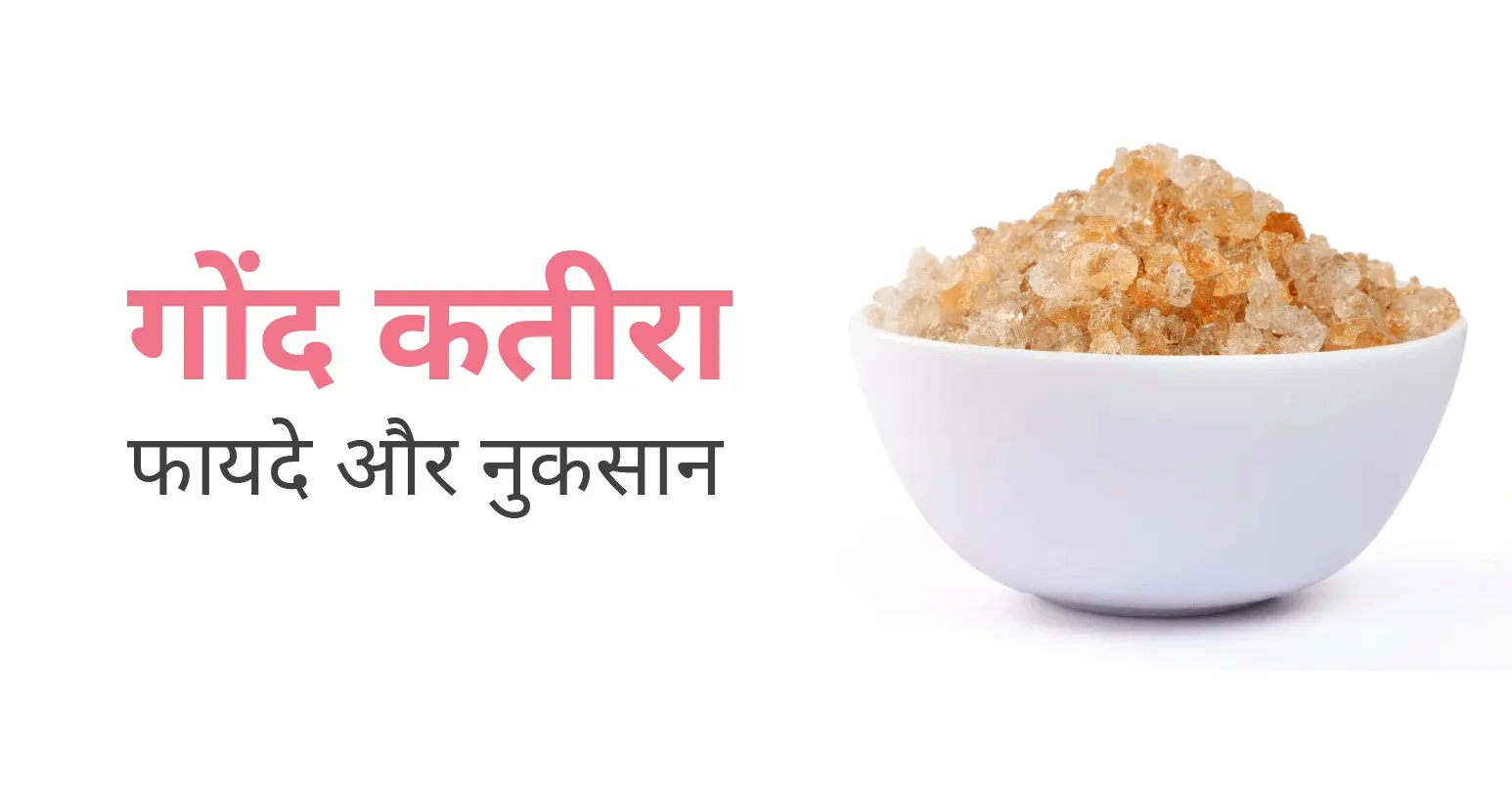
हमारे किचन में कई ऐसे पारंपरिक खज़ाने छिपे होते हैं, जिनकी क़ीमत हमें तब समझ आती है जब हम उनके गुणों को जानने लगते हैं। इन्हीं में से एक है – गोंद कतीरा, जिसे आपने फालूदा, शरबत या कुछ पारंपरिक मिठाइयों में जरूर देखा होगा। पर क्या आप जानते हैं कि यह केवल स्वाद बढ़ाने के लिए ही नहीं, बल्कि शरीर के लिए एक औषधीय वरदान भी है?
गोंद कतीरा, जिसे अंग्रेज़ी में Tragacanth Gum कहते हैं, एक प्राकृतिक गोंद है जो Astragalus नामक पेड़ की छाल से प्राप्त होता है। यह सफेद या हल्के भूरे रंग का होता है और सूखा होने पर कांच की तरह कठोर दिखता है। लेकिन जैसे ही इसे पानी में भिगोया जाता है, यह फूलकर एक पारदर्शी जैली जैसा रूप ले लेता है – न स्वाद, न गंध, फिर भी शरीर के लिए अत्यंत लाभकारी।
Table of Contents
गोंद कतीरा का सेवन करने के अनेक फायदे (gond katira ke fayade) हैं जैसे कि:
गोंद कतीरा की सबसे प्रसिद्ध खासियत इसकी ठंडी तासीर है। गर्मियों में जब लू (लू से बचने के घरेलु उपाय), डिहाइड्रेशन और चक्कर जैसी समस्याएं आम हो जाती हैं, तब गोंद कतीरा शरीर को अंदर से ठंडक पहुंचाकर राहत देता है। यह शरीर के तापमान को संतुलित रखने में मदद करता है।
पुरुषों के लिए गोंद कतीरा किसी टॉनिक से कम नहीं। आयुर्वेद के अनुसार यह वीर्य (increase sperm) की गुणवत्ता को बेहतर बनाता है, थकावट दूर करता है और शरीर में नई ऊर्जा का संचार करता है।
गोंद कतीरा में नैसर्गिक फाइबर पाया जाता है, जो आंतों को चिकनाई देता है और मल को नरम बनाता है। इसका नियमित सेवन कब्ज (constipation) की समस्या को दूर कर सकता है।
यह इम्यून सिस्टम (immunity booster foods in hindi) को मजबूत करता है और शरीर को बीमारियों से लड़ने के लिए तैयार करता है, खासकर मौसम परिवर्तन के समय।
झाइयाँ, मुंहासे या त्वचा की जलन (sunburn treatment at home)जैसी समस्याओं में यह राहत देता है। इसके ठंडे गुण त्वचा को शांत करते हैं और निखार लाने में मदद करते हैं।
गोंद कतीरा का फाइबर ब्लड शुगर को नियंत्रित रखने में सहायक हो सकता है। हालांकि इसका सेवन करते समय डॉक्टर की सलाह लेना बेहतर है।
गर्मियों में पेशाब में जलन या बार-बार पेशाब आने जैसी दिक्कतें आम होती हैं। गोंद कतीरा के शीतल गुण इस प्रकार की समस्याओं से राहत दिला सकते हैं।
और पढ़े: बदलते मौसम में बीमारियों से बचने के आसान टिप्स
गोंद कतीरा का भरपूर लाभ उठाने के लिए आपको यह पता होना चाहिए कि गोंद कतीरा कैसे खाएं (gond katira recipe):
गोंद कतीरा को रातभर पानी में भिगो दें। सुबह यह फूलकर सफेद, नरम और जैली जैसा हो जाता है। इसे सीधे या किसी पेय पदार्थ में मिलाकर सेवन किया जा सकता है।
गर्मियों में इसे रूह अफ़ज़ा, बेल शरबत या नींबू पानी के साथ मिलाकर पिएं। इससे शरीर को ठंडक मिलेगी और लू से बचाव होगा।
सर्दियों में गोंद कतीरा को गर्म दूध में मिलाकर सेवन करना लाभकारी होता है, विशेषकर पुरुषों के लिए यह ताकत बढ़ाने वाला माना गया है।
फालूदा, कुल्फी या खीर में इसे मिलाकर उसका स्वाद और पौष्टिकता दोनों बढ़ाए जा सकते हैं। यह पाचन में भी मदद करता है।
गोंद कतीरा एक शक्तिशाली प्राकृतिक तत्व है। एक बार में 5 से 10 ग्राम से अधिक न लें। इससे अधिक सेवन करने पर नुकसान हो सकता है।
और पढ़े: कौन-कौन से सुपरफूड्स आपकी रोग प्रतिरोधक क्षमता बढ़ा सकते हैं?
जहां इसके उनके फायदे हैं, वहीं कुछ सावधानियां भी ज़रूरी हैं:
और पढ़े: जानिए ओरल रिहाइड्रेशन सॉल्यूशन (ओआरएस) क्या है और इसके क्या फायदे हैं ?
और पढ़े: धूप में अपनी त्वचा को बचाने के लिए अपनायें ये घरेलू उपाय
और पढ़े: तेजी से वजन घटाने के लिए डाइट चार्ट
गोंद कतीरा न केवल एक पारंपरिक खाद्य सामग्री है, बल्कि एक बहुउपयोगी आयुर्वेदिक औषधि भी है। यह गर्मियों में शरीर को ठंडक देने, यौन शक्ति बढ़ाने और पाचन सुधारने जैसे कई लाभ देता है। लेकिन जैसे हर औषधि का असर व्यक्ति विशेष पर अलग होता है, वैसे ही गोंद कतीरा भी हर किसी के लिए उपयुक्त नहीं हो सकता। सही मात्रा, मौसम और स्वास्थ्य की स्थिति को ध्यान में रखते हुए डॉक्टर से सलाह लेने के बाद ही इसका सेवन करें।
Table of Contents
प्रेगनेंसी के दौरान शरीर में कई बदलाव होते हैं। इन बदलावों में से एक है बवासीर (Piles या Hemorrhoids)। यह समस्या तब होती है जब गुदा (anus) या मलाशय (rectum) की नसों में सूजन आ जाती है। प्रेगनेंसी के दौरान हार्मोनल बदलाव, बढ़ता हुआ गर्भाशय और कब्ज जैसी समस्याओं के कारण यह स्थिति आम हो जाती है।
गर्भवती महिलाओं में बवासीर होने के पीछे कई कारण हो सकते हैं:
अगर आप प्रेगनेंसी में निम्न लक्षण महसूस करें, तो यह बवासीर के संकेत हो सकते हैं:
ध्यान दें: ये लक्षण किसी और समस्या के भी हो सकते हैं, इसलिए डॉक्टर से जांच करवाना जरूरी है।
और पढ़ें: बवासीर का निदान कैसे किया जाता है?
प्रेगनेंसी के दौरान कुछ बातों का ध्यान रखकर बवासीर से बचा जा सकता है:
अगर सावधानियां बरतने के बाद भी समस्या बनी रहे, तो निम्न उपायों से राहत पाई जा सकती है:
और पढ़ें: एसिडिटी से तुरंत राहत पाने के घरेलू नुस्खे
अगर निम्न में से कोई भी लक्षण दिखे, तो तुरंत डॉक्टर से संपर्क करें:
बिना डॉक्टर की सलाह के कोई दवा न लें, खासकर प्रेगनेंसी में।
और पढ़े: झड़ते, गिरते, कमजोर बालों के लिये वरदान हैं ये घरेलु उपाय
क्या आप बवासीर से परेशान हैं? सही खानपान से काफी राहत पाई जा सकती है। आइए जानें किन चीज़ों को खाना चाहिए और किनसे बचना चाहिए।
बवासीर में थोड़ा खानपान का ध्यान और नियमित दिनचर्या आपके लिए राहत का रास्ता खोल सकती है। अगर समस्या बनी रहे, तो विशेषज्ञ डॉक्टर से सलाह जरूर लें।
और पढ़े: तेजी से वजन घटाने के लिए डाइट चार्ट
क्या प्रेगनेंसी में बवासीर एक सामान्य समस्या है?
हां, यह एक सामान्य समस्या है। लगभग 25–35% गर्भवती महिलाएं बवासीर की समस्या से गुजरती हैं। लेकिन सावधानी और सही देखभाल से इसे कम किया जा सकता है।
क्या बवासीर की समस्या डिलीवरी के बाद भी बनी रहती है?
कई बार डिलीवरी के बाद भी यह समस्या कुछ हफ्तों तक बनी रह सकती है, खासकर अगर नॉर्मल डिलीवरी के दौरान बहुत जोर लगाया गया हो। लेकिन समय और सही इलाज से यह ठीक हो जाती है।
प्रेगनेंसी में बवासीर होना आम है लेकिन इसे नजरअंदाज नहीं करना चाहिए। संतुलित आहार, नियमित व्यायाम और साफ-सफाई से इसे रोका जा सकता है। अगर लक्षण गंभीर हों, तो डॉक्टर से समय पर संपर्क करना जरूरी है।
There have been several outbreaks that really changed how we see life, and COVID-19 is definitely one of them. It transformed everything from our work habits and travel routines to how we prioritize health and human connections. Even though the world has moved on and COVID isn’t making headlines like it used to, the virus is still very much around. In fact, a new variant has quietly entered the scene, reminding us that this story isn’t quite over yet. In recent months there has been a gradual uptick in cases, largely attributed to the highly transmissible Omicron sub-variant JN.1, along with emerging strains like NB.1.8.1 and LF.7
Table of Contents
According to some early research, the new strains NB.1.8.1 & LF.7 (a subvariant of omicron) are said to be more contagious as they are more capable of attaching themselves to human cells. However, there is yet no data showing that the variant is more harmful than the previous ones.
So far the cases in India are gradually rising and a total of 1010 active COVID cases have been reported, with the maximum cases being reported in the states of Kerala, Maharashtra, Delhi, Gujrat, and Tamil Nadu. Seven deaths have been reported in the country so far. Additionally, the hospitals in the states like Telangana, Karnataka and more have reported an increase in patients presenting with mild flu-like symptoms – fever, fatigue, dry cough, etc. Across Asia, a rise in the number of affected patients has been reported, specifically in Hong Kong, Singapore, Thailand, and more.
While the steady increase in cases might seem alarming, there’s no need to panic just yet. Also, the monsoon season is rolling in, and there’s also a rise in flu-like symptoms. However, we should remember that underlying COVID-19 infections can still be a concern, especially for older adults and those with chronic health issues.
| State | Active COVID-19 Cases |
| Kerala | 430 |
| Maharashtra | 210 |
| Delhi | 104 |
| Gujrat | 83 |
| Tamil Nadu | 69 |
| Uttar Pradesh | 15 |
Source: https://covid19dashboard.mohfw.gov.in/
As per the status shared by the Ministry of Health & Family Welfare, active cases in Delhi have reached 104. However, there is no alarming situation so far, additionally, the hospitals in the national capital are also prepared for any escalations. Gurugram reported 6 active cases so far.
Active COVID-19 cases in Mumbai saw a spike with 36 active cases and one fatality. While Maharashtra reported a total active cases of 210.
In India, 2 main sub variants namely NB.1.8.1 and LF.7 are reported to be affecting people in the majority of states including Kerala, Maharashtra, Delhi NCR, and Tamil Nadu. The sub-variants are part of the evolving Omicron variant. The first NB.1.8.1 was found in Tamil Nadu in April while the first case of LF.7 was detected first at Gujrat.
Both NB.1.8.1 and LF.7 are sub-lineages of the JN.1 variant, which remains the most dominant strain in India. These variants are being monitored by the World Health Organization (WHO). As per the initial reports, these sub-variants are more infectious and transmissible, though the severity of illness caused by them is low.
According to a renowned pulmonologist at the Calcutta Medical Research Institute (CMRI) Dr. Arup Halder, the reported cases remain mild with low hospitalisation rates.
Individuals affected with the new COVID-19 strain are reporting a range of symptoms. While some of the symptoms are similar to those of older variants, there are newer symptoms too.
The most common symptom being reported is persistent low-grade hyperthermia. The low-grade increase in body temperature may indicate an issue with the body’s thermoregulation mechanism,
The new variants, particularly NB.1.8.1 and LF.7 are known to cause nausea, loss of appetite, gastrointestinal discomfort, and more in certain individuals.
Extreme fatigue and muscle pain are also commonly being reported given the new Covid variant.
Individuals diagnosed with the new variants are also reporting upper respiratory symptoms including sore throat, cough, runny nose, mild fever, and more.
Neurological symptoms are also being reported by individuals including headache, dizziness, etc.
The symptoms usually appear 2 to 14 days after exposure and are often mild. Additionally, persistent low-grade fever without sweating & chills and gastrointestinal issues including diarrhoea, loss of appetite, etc. are the two different symptoms being reported commonly.
If you’re experiencing symptoms like mild continuous fever without any notable sweating & chills, loss of appetite, stomach discomfort, along with respiratory symptoms like runny nose, cough, and sore throat, it is recommended to,
Several reports suggest that the new strain of coronavirus has the potential to spread rapidly, the Ministry of Health and Family Welfare, India has recommended the following preventive measures:
Vaccine: Vaccines are the key to reducing the risk of severe illness. Ensure the vaccinations are up to date and booster doses are lined up.
Wear Mask: Wearing a mask is the first line of prevention, especially when in crowded places. It helps prevent and avoid the spread of the virus.
Maintain Proper Hygiene: Ensure washing hands regularly with soap and water. Additionally, use a sanitiser when outside.
Monitor Symptoms: Keep note of the symptoms like low-grade fever, nausea, stomach discomfort, sore throat, runny nose, and more.
Isolation: Isolate yourself if experiencing any of the symptoms, take adequate rest and avoid the spread of infection.
It’s important to stay safe right now, but there’s no need to panic. The vaccines are doing a great job and are effective against these new variants. Still, taking preventive measures is crucial to managing their impact. Make sure to wear a mask when you’re out, avoid crowded or enclosed spaces, self-isolate if you’re feeling any symptoms, and keep up with your vaccinations and booster shots. Plus, those at higher risk- like older adults, people with existing health conditions, and infants – should take extra precautions to stay safe. We’re seeing a surge in India, especially in metro cities where the population density and exposure are higher, so it’s even more important to be vigilant.
Let’s start with an honest note – Indian summers are brutal. Different regions of the nation experience record-breaking temperatures each year. The average temperature during the normal summer season which lasts from March to June is between 35°C and 45°C. Furthermore, some regions in the country exceed the higher range. Not only are these sharp temperatures increase & excess heat unpleasant but they also have an effect on health. Heat stroke is among the most prevalent conditions that arise from an increase in temperature.
Heat stroke is a severe condition resulting from prolonged exposure to excessive heat. There has been a noticeable increase in the number of heat stroke-related cases in India, given the changing climate. According to The Hindu the country recorded 41,789 heat stroke cases in 2024.
The IMD (Indian Meteorological Department) reported the year 2024, as the warmest on record in India since 1901. The prolonged exposure to high temperatures causes the body temperature to dangerously rise above 104° Fahrenheit, impairing the body’s cooling mechanism and resulting in a heat stroke.
Table of Contents
Heat stroke is defined as a life-threatening condition when the body overheats and is unable to cool down on its own. Heat stroke is common in people who live in warmer climates where summer temperatures typically reach 40 to 45°C or individuals who exercise intensely leading to the generation of a lot of body heat. Weakness, dizziness, confusion, blurred vision, nausea, and more are common signs of heat stroke. Additionally, unlike other heat-related illnesses, heat stroke affects brain function leading to changes in how you think and behave. Some of the main causes that lead to heat stroke include:
Spending time in excess heat without cooling measures, ventilation, etc.
Another common cause leading to heat stroke is overexerting the body in hot weather, increasing body heat and leading to heat exhaustion.
It is common to sweat during summers, though not drinking enough fluid impairs the body’s ability to cool down naturally which may lead to heat stroke.
Conditions like obesity (health risks & causes), diabetes (treatment), heart disease, and more can affect the body’s temperature regulation and increase the risk of heat stroke.
Wearing heavy, unbreathable clothing can also hinder the body’s ability to sweat and cool down, resulting in an increased risk of heat stroke.
The human body is built with the ability to cool down itself, though there are certain factors that can affect this ability, including prolonged exposure to excessive heat and heat generated by the body’s metabolism during physical activity, both impair the body’s natural ability to cool down.
Heat stroke is a medical emergency and requires immediate medical attention, therefore understanding the related symptoms is crucial. Some of the common symptoms include:
Summers in India are known to break the high record for temperature every year. The impact of rising temperature poses significant risks for everyone, but especially to vulnerable populations like infants, the elderly, individuals with health conditions, outdoor workers, and more. Here’s how to avoid excessive heat leading to heat stroke:
Use air conditioners, fans, etc. to keep the inside temperature cool, especially when the temperature outside is very high.
Stay hydrated, especially before and after engaging in physical activity during hot weather. Additionally, keeping hydrated with just water is not enough, take electrolytes, eat more water-rich fruits (benefits of eating muskmelon (kharbuja)), etc. to maintain hydration.
If you’re spending most of your time in air-conditioned space, refrain from directly going outdoors as the body might not be ready for that kind of exposure. The key is to gradually expose the body to activities outdoors.
Refrain from outdoor workouts and staying out during the hottest part of the day. Try working & exercising indoors when the outside temperature is high.
When outside wear proper full sleeves breathable clothing that is loose fitting to keep safe and limit sun exposure. Additionally, use umbrellas, goggles, hats, etc. to protect from the sun.
Additionally, to prevent heat stroke, develop a plan for hot days, maintain a healthy weight, stay extra cautious if there’s an existing medical condition, wear light-colored clothing, gradually increase physical activity, and more.
Heat stroke is a medical emergency that requires immediate medical attention as the condition can lead to serious complications like organ damage and more. Here’s what to do in an emergency:
Here are some home remedies that help with heat stroke:
| Remedy | Benefits |
| Cold Water Compress | Helps reduce body temperature |
| Coconut Water | Replenishes electrolytes & cools the body |
| Lemon Water (Salt & Sugar) | Helps with hydration, provides energy & electrolyte support |
| Ice Pack Under Feet | Helps cool the body quickly & reflex cooling points |
| Cucumber Juice | Rehydrates, soothing for skin and body heat |
| Poppy Seeds | Cools the body & aids in sleep/rest during recovery |
How can I tell if I’m getting heat stroke or just overheated?
The difference can be ascertained by noticing the body temperature and mental state. If the body temperature is around 104°F along with confusion, agitation, etc. it may be heat stroke.
Is heat stroke dangerous even if I cool down quickly?
Yes, heat stroke is a dangerous condition, even if you cool down quickly.
How much water should I drink to avoid heat stroke?
Drink at least 3 to 4 litres of water daily to avoid heat stroke.
Does sunscreen prevent heat stroke?
Sunscreen does not directly prevent heat stroke, though it prevents sunburn.
What is the difference between heat stroke and exhaustion?
Exhaustion is a milder condition where the body loses excessive water & salt through sweat while heat stroke is a condition where the body’s temperature control fails.
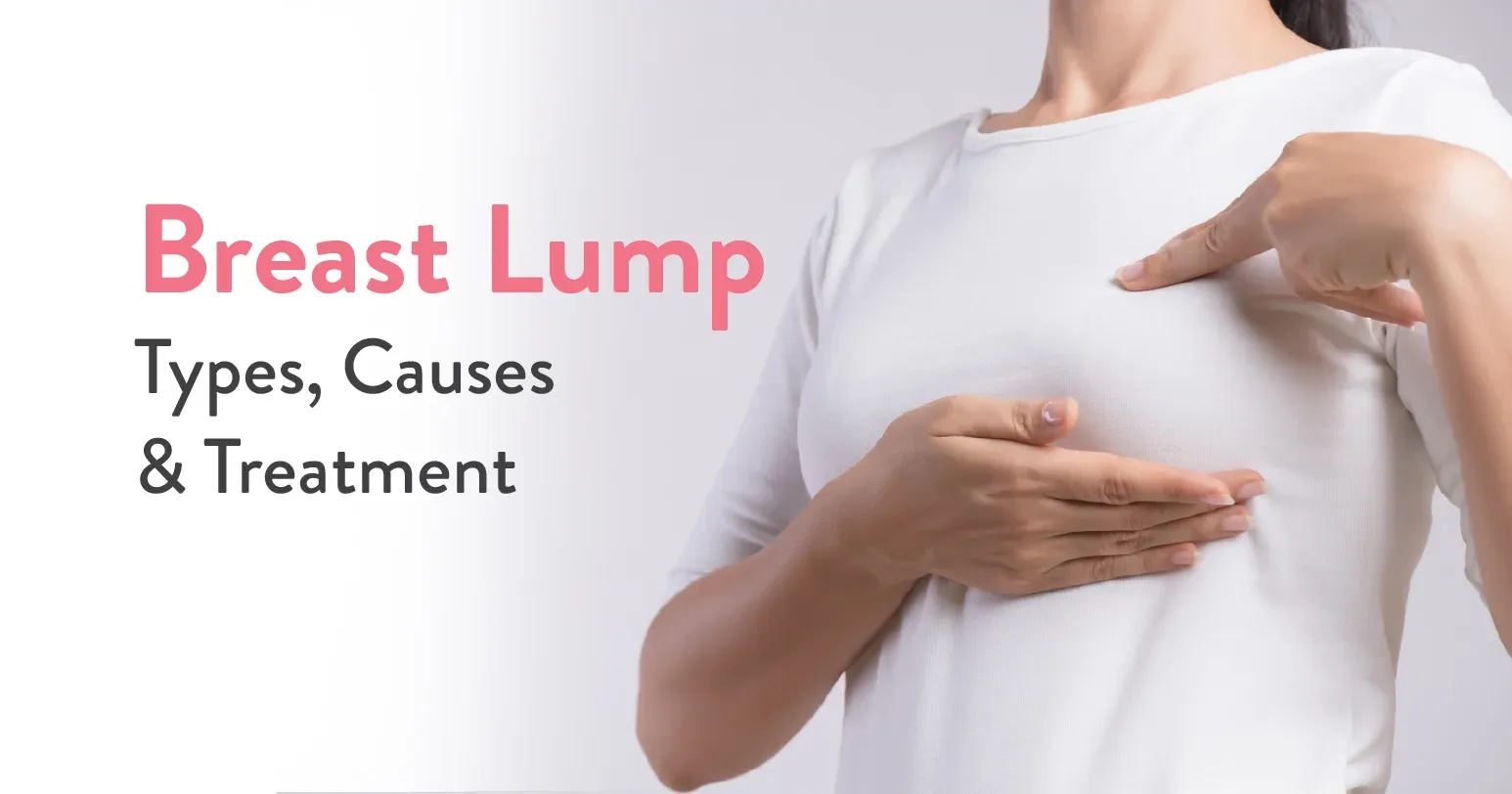
A breast lump is defined by swelling or growth within the breast tissues. These lumps can result from breast cysts, infections, calcium deposits, and other conditions. Breast lumps can be hard, soft, smooth, or round. Usually, breast lumps and other abnormalities are associated with breast cancer, though the majority of breast lumps are not cancer.
Table of Contents
A lump in the breast can feel like a distinct mass that is solid and different from the surrounding breast tissues. These lumps can vary in size and can range from as small as a pea to larger than a golf ball. Breast lumps can also be a sign of breast cancer, though approximately 8 out of 10 breast lumps are non-cancerous. The majority of lumps are cysts (fluid-filled sacs) or fibroadenoma (non-cancerous growths caused by sensitivity to oestrogen).
A breast lump is a growth under the skin and is usually felt rather than seen. On touch, a breast lump might feel like,
Additionally, a breast lump can have some visible signs, including
The lumps might feel as hard as rock or squishy like a grape. The signs can be accompanied by nipple changes like inversion, discharge, or scaling of the nipple.
Also Read: Are you a Breast Cancer Survivor? You can still have a baby!
A breast examination helps identify breast lumps, the key lies in noticing any new, unusual or persistent change. There are certain things to look for when identifying any unusual breast lumps, including,
Noticing changes in texture involves checking for lumpy, bumpy breast tissues or areas that feel different from surrounding tissues.
Identifying breast lumps also involves looking for changes in the skin, like dimpling, puckering, or redness of the skin on the breast.
Lastly, self-exam the nipples, including checking for unusual discharge, change in size and shape.
There are several ways through which breast lumps can be self-examined, including,
Also Read: Heart Attack in Youngsters: Rising Risks, Cause, Symptoms, Preventions
There are various types of breast lumps, which may be benign or cancerous. Though benign breast lumps are more common than cancerous breast lumps.
These are the most common benign breast tumours often found in younger women in their 20s and 30s. Fibroadenomas (types, causes, symptoms, treatment & prevention) may feel rubbery to touch, move around freely and are usually painless.
Breast cysts are fluid-filled sacs within the breast tissue. Breast cysts are associated with hormonal fluctuations and are most common in women aged between 35 to 50.
Fat necrosis is a condition where the fat tissues die due to injury or lack of blood supply. A breast surgery or biopsy may also lead to the formation of this non-cancerous lump.
Lipomas are fatty lumps that grow slowly and are soft to touch and move around freely when touched. These lumps do not require treatment unless they cause any discomfort.
Mastitis is a condition caused by infection, causing inflammation of the breast tissues. Mastitis can cause symptoms like fever, chills, etc.
Breast cancer can also lead to lumps that are cancerous. This kind of lump is hard, irregular, and fixed. Such lumps may cause skin dimpling, nipple changes, or discharge.
Also Read: What are the Side Effects of Masturbation?
The are several causes, ranging from benign conditions to malignant factors, including,
Causes |
Signs |
| Hormonal Changes | Hormone fluctuations can cause swollen, or lumpy breasts & fibrocystic changes. |
| Breast Cysts | Fluid buildup in the glands resulting in smooth, round, soft or firm lumps. |
| Fibroadenoma | Overgrowth of breast ducts leading to rubbery & movable lumps. |
| Infections | Mastitis or Abscess can cause a red, painful, swollen lump with fever & discharge. |
| Breast Cancer | Uncontrolled growth of breast cells resulting in a hard, immobile lump. |
Some of the common symptoms include,
The most common sign is the formation of a new lump or mass that can be rubbery or hard.
Changes in size and shape are another common sign of a developing breast lump.
Dimpling, pitting or redness of the skin can also be caused by breast lumps, though it commonly indicates breast cancer.
Inversion or unusual discharge from the nipple or other changes can also be a sign.
Swelling or other noticeable changes can also be a sign. Commonly, it can be a sign of breast cancer.
Also Read: Pollen Allergy : Types, Symptoms, Treatment & Prevention
There are numerous reasons that can lead to the development of breast lumps. Also, breast lumps are one of the symptoms of breast cancer; thus, if there are any noticeable changes, contacting the healthcare provider is recommended.
Benign breast lumps sometimes go away on their own, additionally, young people may experience lumps during their menstrual cycle, though these lumps go away by the end of the cycle. The initial appointment with the doctor might include,
The specialist might check the lumps and other unusual growth or changes.
The doctor might inquire about symptoms, medical history, and family history.
Imaging scan to have a detailed view of the breasts.
Post the physical exam and imaging tests, the doctor may recommend a viable treatment option. Some of the common treatment options include,
The first-line treatment may involve using antibiotics for the treatment of breast lumps, usually caused by infections.
Fluid drainage can help manage and treat breast cysts if they get large or painful.
Biopsy can be further recommended to characterise a mass.
Surgical treatment method for removing the lump and surrounding breast tissues.
Mastectomy, a surgical procedure involving the removal of the entire breast. This is usually the treatment method if the lump is cancerous and spreads.
If the lump is detected to be cancerous, chemotherapy is used to destroy the cancer cells.
Treatment involves targeting hormone receptors on cancer cells. Hormonal therapy is often recommended for hormone receptor-positive breast cancers.
Other treatment options include radiation therapy, targeted therapy, surgery, etc.
Also Read: Dermatitis: Types, Causes, Symptoms & Home Remedies for Treatment
Breast cancer lumps are abnormal growths or masses that are cancerous and form in the breast tissue. A breast cancer lump is usually different from benign lumps; a cancerous breast lump might feel like,
A lump caused by breast cancer can be accompanied by skin dimpling or puckering, unusual nipple discharge, nipple retraction, swelling in a part or whole of the breast, changes in breast size or shape, and more.
Also Read: Healthy Diet Chart for High Blood Pressure Patients
Breast tissues are naturally lumpy, and if the lumpiness feels like the rest of the breast, there is no need to worry. Also, if the lumps develop during the menstrual cycle and go away by the end of the cycle, it can be natural. Contacting the healthcare provider is necessary if,
Our expert Breast Cancer Doctors are here to guide you with any breast cancer-related issues
Read More: 8 Proven Strategies to Stay Cool, Healthy & Productive in Summer
How to cure a breast lump naturally?
Certain types of breast lumps, particularly benign lumps, can sometimes go away on their own, though there’s no natural cure for breast lumps.
Does a lump in the breast mean cancer?
No, a breast lump is just not caused due to breast cancer; in fact, 80% of the breast lumps are caused by benign conditions.
Which doctor to consult for a breast lump?
A gynaecologist or breast specialist can be consulted for a breast lump.
Is a breast cancer lump painful?
Usually, breast cancer lumps are painless, though in some cases, breast cancer lumps can cause pain.
Does a painful lump in the breast mean cancer?
No, a lump in the breast does not always mean cancer. 80% of breast lumps are non-cancerous.
Are lumps common in the breast?
Yes, lumps in the breast are common.
मौसम का बदलना एक नेचुरल प्रक्रिया है, लेकिन इसका हमारे शरीर और स्वास्थ्य पर गहरा प्रभाव पड़ता है। तापमान में बदलाव, हवा में नमी और प्रदूषण का स्तर बढ़ने या घटने से हमारी प्रतिरोधक क्षमता प्रभावित होती है। इस कारण कई तरह की बीमारियां जन्म ले सकती हैं। इसलिए बदलते मौसम में सेहत का ध्यान रखना बहुत जरूरी है।
जब मौसम बदलता है, तो शरीर को नई परिस्थितियों के अनुरूप ढलने में समय लगता है। इस दौरान हमारी इम्यूनिटी कमजोर हो सकती है, जिससे संक्रमण का खतरा बढ़ जाता है। सर्दी, गर्मी और बारिश—हर मौसम में कुछ विशेष स्वास्थ्य समस्याएं होती हैं। अगर हम पहले से सतर्क रहें और सही सावधानियां बरतें, तो इन समस्याओं से बचा जा सकता है।
और पढ़े: यूरिक एसिड बढ़ने का कारण, लक्षण, इलाज और आसान घरेलू नुस्खे
Table of Contents
मौसम परिवर्तन के दौरान कुछ बीमारियां अधिक सामान्य हो जाती हैं। ये बीमारियां हर आयु वर्ग के लोगों को प्रभावित कर सकती हैं, लेकिन बच्चों, बुजुर्गों और कमजोर प्रतिरोधक क्षमता वाले लोगों में इनका खतरा अधिक रहता है।
मौसम बदलते ही सर्दी-जुकाम की समस्या सबसे आम होती है। ठंड लगने या अचानक तापमान में गिरावट आने से शरीर को संक्रमण होने का खतरा बढ़ जाता है।
तापमान में उतार-चढ़ाव के कारण वायरस अधिक सक्रिय हो जाते हैं, जिससे वायरल संक्रमण बढ़ जाता है।
मौसम बदलने के दौरान हवा में नमी और धूल के कण बढ़ जाते हैं, जिससे एलर्जी और अस्थमा (Asthma) जैसी समस्याएं हो सकती हैं।
बरसात और गर्मी के दौरान दूषित पानी और भोजन के कारण पेट में कई तरह की समस्याएं पैदा होती हैं।
सर्दी में त्वचा रूखी हो जाती है, जबकि गर्मी और बारिश में अधिक पसीने से दाने और फंगल इंफेक्शन का खतरा बढ़ जाता है।
और पढ़े: ठण्ड में अस्थमा के मरीज़ो को क्या सावधानियां रखनी चाइये?
बदलते मौसम में बीमारियों से बचने के लिए कुछ आसान उपाय अपनाए जा सकते हैं, जैसे कि:
विटामिन C से भरपूर चीजें जैसे कि संतरा, नींबू, आंवला और हरी सब्जियां खाएं। सूखे मेवे और नट्स (बादाम, अखरोट) को शामिल करें और ताजे एवं पौष्टिक भोजन का सेवन करें।
शरीर को हाइड्रेट रखना बहुत जरूरी है। साफ और उबला हुआ पानी पिएं। गुनगुना पानी पीना कई तरह से फायदेमंद होता है।
हाथ धोने की आदत डालें। घर के अंदर और आसपास साफ-सफाई का ध्यान रखें। बिस्तर और कपड़ों को समय-समय पर धूप में सुखाएं।
ठंड में गर्म कपड़े पहनें और शरीर को पूरी तरह ढक कर रखें। गर्मी में हल्के और सूती कपड़े पहनें और बारिश के दौरान सूखे कपड़े और रेनकोट का इस्तेमाल करें।
हल्की एक्सरसाइज और योग करने से इम्यूनिटी मजबूत होती है। सुबह और शाम टहलने की आदत डालें। साथ ही, डीप ब्रीथिंग एक्सरसाइज (deep breating exercises) करें।
रोजाना 7-8 घंटे की पर्याप्त नींद लेना जरूरी है। सोने और उठने का समय निश्चित करें। आरामदायक और साफ बिस्तर पर सोएं।
तुलसी, अदरक और शहद का सेवन करें। हल्दी वाला दूध पिएं। साथ ही, गरम पानी में नींबू और शहद मिलाकर भी पिएं। ये सभी काफी फायदेमंद होते हैं।
और पढ़े: अनिद्रा (Insomnia) का कारण, लक्षण और उपचार
अगर लक्षण सामान्य से अधिक गंभीर हो जाएं, तो तुरंत डॉक्टर से सलाह लें। निम्नलिखित स्थितियों में डॉक्टर से संपर्क करें:
समय पर डॉक्टर की सलाह लेने से गंभीर बीमारियों से बचा जा सकता है। सही देखभाल और सावधानियां बरतने से हम बदलते मौसम के प्रभाव को कम कर सकते हैं।
बदलते मौसम का प्रभाव हमारे शरीर पर पड़ता है, लेकिन सही देखभाल और सावधानियों से हम बीमारियों से बच सकते हैं। अच्छी दिनचर्या, संतुलित डाइट और साफ-सफाई अपनाकर हम अपनी सेहत का ध्यान रख सकते हैं। अगर किसी प्रकार की स्वास्थ्य समस्या गंभीर हो, तो बिना देर किए डॉक्टर से संपर्क करें।
और पढ़ें: ऑफिस में बैठे-बैठे फिट रहने के 10 टिप्स
बदलते मौसम में बीमारियां क्यों ज्यादा होती हैं?
मौसम बदलने से बैक्टीरिया और वायरस अधिक सक्रिय हो जाते हैं। इसके अलावा, तापमान में अचानक बदलाव से शरीर की प्रतिरोधक क्षमता प्रभावित होती है।
क्या बदलते मौसम में एक्सरसाइज करनी चाहिए?
हां, लेकिन हल्की और बैलेंस्ड एक्सरसाइज करें। योग और स्ट्रेचिंग सबसे अच्छे विकल्प हैं। सुबह या शाम टहलना भी फायदेमंद होता है।
कौन-कौन सी बीमारियां ज्यादा होती हैं?
सर्दी-जुकाम, वायरल बुखार, एलर्जी, अस्थमा, डायरिया और त्वचा की समस्याएं सबसे ज्यादा होती हैं।
क्या बदलते मौसम में खानपान में बदलाव करना चाहिए?
हां, मौसम के अनुसार खानपान में बदलाव करना जरूरी है। सर्दी में गर्म चीजें और ड्राई फ्रूट्स फायदेमंद होते हैं, जबकि गर्मी में हल्का और ठंडा भोजन अच्छा होता है।
क्या बदलते मौसम में इम्यूनिटी बढ़ाने के लिए घरेलू उपाय किए जा सकते हैं?
हां, तुलसी, अदरक, शहद और हल्दी का सेवन इम्यूनिटी को मजबूत करने में मदद करता है। गर्म पानी में नींबू मिलाकर पीना भी फायदेमंद होता है।

