

Table of Contents
Filter :

Folic acid or folate is one of the B vitamins essential for fetal development (fetal development week by week) and a healthy lifestyle. It helps in the prevention of abnormalities associated with the brain and spinal cord. It is recommended that women should increase the intake of folic acid (role of folic acid in pregnancy) from the early days of conception or while trying to conceive. Recommendation: 400-1000 micrograms (0.4-1.0 mg) folic acid per day Sources: Leafy green vegetables such as spinach, asparagus, citrus fruits, cereals, oranges, peanuts, dried beans and peas Calcium (symptoms & solution of calcium deficiency) is one of the top elements of nutrition during pregnancy for bone growth and the development of strong teeth. It also promotes the functioning of your circulatory, muscular and nervous systems. Recommendation: 1000 milligrams of calcium per day Sources: Dairy products like milk, yogurt and cheese, broccoli, kale, cereal, juice, salmon and spinach Vitamin D helps your body to absorb the right amount of calcium and phosphate. Furthermore, it promotes the growth of strong bones and teeth in your baby. Vitamin D (symptoms & causes of vitamin D deficiency) is also significant for the development of kidneys, heart and nervous system. Recommendation: 10 micrograms of Vitamin D per day Sources: Fatty fish, orange juice, milk and eggs A sufficient intake of protein (top high protein foods) supports the growth of breast and uterine tissue during your pregnancy. It further promotes the circulation of blood in your body. Recommendation: 71 grams of protein per day Sources: Fish, poultry, cottage cheese, lentils, milk, eggs and peanut butter Iron (iron rich foods) is significant for the production of haemoglobin in your blood. Haemoglobin is responsible for carrying oxygen to your tissues. Your iron needs increase by double during pregnancy. An iron deficiency can elevate your chances of pregnancy and birthing complications. Recommendation: 27 milligrams of iron per day Sources: Lean red meat, spinach, cereal, beans, poultry and vegetables Vitamin A and vitamin C promote the development of healthy skin, eyesight, teeth, gums and bones. Recommendation: 770 milligrams Vitamin A & 85 milligrams Vitamin C per day Sources: Green leafy vegetables, carrots, sweet potatoes, citrus fruit, broccoli, tomatoes and strawberries Also Read: Healthy Lifestyle Tips for Pregnancy Sometimes it is not possible to meet your nutritional requirements through a rich diet only. It is, thus, recommended that expecting women start taking prenatal vitamins every day to boost healthy development. Here are some other guidelines you must follow for healthy eating during pregnancy: Read More: Balanced Diet Chart
Things you need to know
Folic acid
Calcium
Vitamin D
Protein
Iron
Vitamin A and C
Healthy Pregnancy Tips
FAQs
Which foods should I avoid during pregnancy?
You should avoid the consumption of unpasteurized milk, raw and uncooked seafood and refrigerated food.
How much should I eat during pregnancy?
You should increase your consumption of healthy foods and nutrients and aim to eat nearly extra 300 calories daily.
How many prenatal vitamins should I take every day?
You should take one serving of prenatal vitamins every day or as per your doctor’s recommendation.
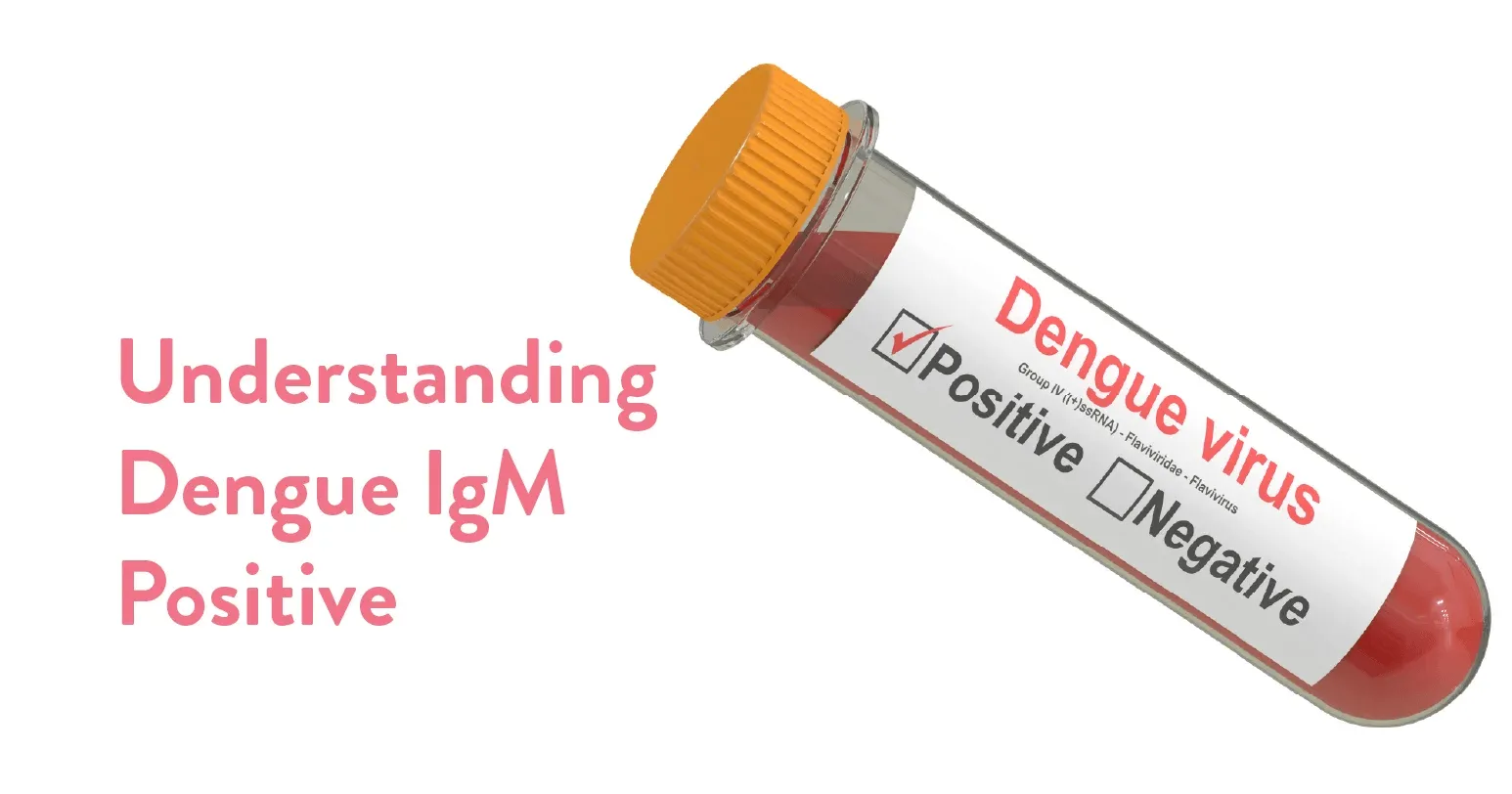
Dengue fever is a mosquito borne illness caused by dengue virus. It is transmitted to humans by the bite of an infected mosquito (Aedes aegypti). Dengue is common in tropical and subtropical regions, especially during and after the rainy season.
Dengue is a significant health concern in India, according to reports, India reported around 2,30,000 dengue cases and 236 related fatalities.
Early detection and treatment are the key to preventing severe complications like dengue hemorrhagic fever (DHF) and dengue shock syndrome (DSS).
Table of Contents
Dengue is a condition known to cause symptoms that can be mistaken for other illnesses including flu or other viral infections (fever, headache (types of headache, causes, symtoms & treatment), muscle pain, rash, etc.). Dengue IgM is a test that helps identify and differentiate other conditions that mimic similar symptoms of dengue.
When a person gets bitten by an infected mosquito, the immune system (tips to boost immune system) in the body produces IgM antibodies in response to the dengue virus infection. A positive dengue IgM test helps identify a recent or current dengue infection. The test helps accurately detect dengue from other illnesses for early detection and treatment.
The antibodies typically appear 3 to 5 days after the onset of symptoms. A negative test result for IgM antibodies indicates the patient does not have dengue or the antibody level is too low to be measured.
Also Read: Important Vaccinations for Newborns
Early diagnosis is crucial as it significantly improves patient outcomes by reducing the risk of severe complications and preventing spread. Dengue IgM tests help identify the condition early. The role of early diagnosis includes:
| Prevention | Advantage of Early Detection |
| Prevents complications | Prevents severe forms like DHF, DSS dehydration & organ failure |
| Symptom Management | Monitoring of platelet levels, ensuring hydration, avoiding NSAIDs |
| Controls Spread | Helps with breaking the transmission cycle & protect others from it |
| Reduces Hospitalisation Risk | Minimises the need for hospitalisation & allows for recovery at home |
Dengue virus serotypes are of 4 types, named:
These serotypes are closely related but have different interactions with antibodies in the blood. All the 4 dengue viruses are the same and share approximately 65% of their genomes but with some genetic variation. These variations result in a range of symptoms.
Also Read: Heart Attack in Youngsters: Rising Risks, Cause, Symptoms, Preventions
The serotypes vary with their severity trend, the DEN-1 type is associated with mild to moderate condition, DEN-2 often associated with more severe disease, DEN-3 can cause large outbreaks, and DEN-4 is generally considered milder.
The diagnosis involves a combination of clinical evaluation and laboratory testing. The doctor may ask about symptoms, and travel history, and consider & rule out other diseases which can mimic the same symptoms. Further, the doctor may recommend certain tests including, a complete blood test (CBC), serological test, antigen test, etc.
Also Read: Healthy Diet Chart for High Blood Pressure Patients
The body’s immune system produces IgM (Immunoglobulin M antibodies) in response to dengue (Dengue Fever-Symptoms, Causes & Treatment) virus infection. The antibodies are detectable in the blood after a few days of infection. Dengue IgM plays a key role in diagnosis including:
Also Read: PCOD – Causes, Symptoms & Treatment
IgM antibodies are usually the first line of defence produced by the body to fight against the infection. These antibodies typically appear 3 to 5 days after symptom onset. A positive result indicates a recent or current dengue infection. IgM test plays a key role in the identification of dengue in the acute phase (first 2 weeks) which can further lead to better treatment outcomes and prevent complications. The IgM antibodies remain positive for 1 to 3 months after recovery. Additionally, the best time for the test is around 4 – 5 days after the onset of symptoms.
Also Read: Benefits of ORS in Dengue
There are no specific antiviral medications for dengue. The treatment options focus on managing symptoms and supporting the body’s natural recovery process. Symptomatic and supportive care for the treatment of dengue involves:
| Measures | Description |
| Avoid Mosquito Bites | Use mosquito repellent & wear long-sleeved clothes. |
| Eliminate Stagnant Water | Empty coolers, flower pots, containers, etc. |
| Use Mosquito Net | Use mosquito nets, especially in areas where dengue is common. |
| Seek Early Consultation | If suspecting dengue, get medical attention promptly. |
Read More: Home Remedies to Stop Loose Motion
A large population suffers dengue in India every year. The condition is on the rise and requires prompt action. From prevention to early treatment, seeking early intervention is the key. Given the nature of dengue symptoms that are similar to those of other conditions, the dengue IgM test helps identify the condition accurately. Additionally one must take steps to reduce the risk of mosquito bites and keep an eye out for severe signs of dengue. According to the Ministry of Health and Family Welfare, India, clinical trials for the dengue vaccine have been initiated in India. At the same time, dengue vaccine Qdenga is to be licensed in India by 2026.
What test is done for dengue?
Various types of tests are done for diagnosing dengue including, blood test, antigen test, IgM, IgG test, and more.
Dengue NS1 positive means?
Dengue NS1 positive means dengue virus is currently present in the body.
Is high IgM serious?
High IgM indicates increased susceptibility to infection.
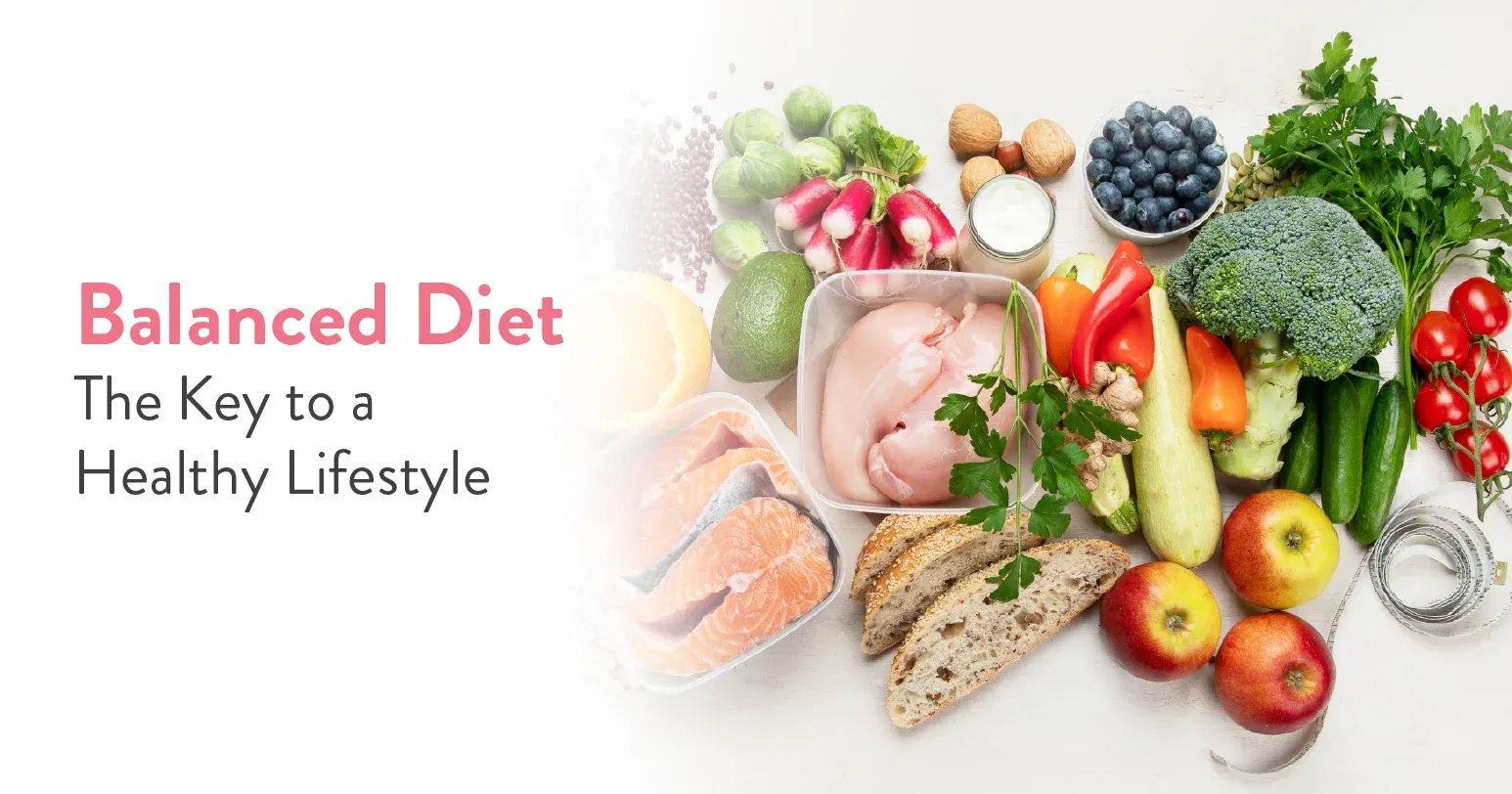
You must have heard about the term ‘balanced diet’, it is often overused and there is a mixed view about the same. So, is it just for gym-goers, or is it something everyone should consider for their overall health? Think of it as a chart listed with the right proportions of carbohydrates, fats, vitamins, minerals, and most importantly, protein-rich food essential for maintaining good health and overall well-being.
To stay on track, many people follow a balanced diet chart. This chart outlines the daily recommended intake of different food groups, ensuring the body gets the right nutrients without overindulging in any one type. A well-planned healthy diet chart can guide meals and snacks throughout the day, promoting energy, mental focus, and immunity.
Table of Contents
There are a few key components that make up a balanced diet, including:
Vitamins (health benefits of vitamin rich foods) are needed in small quantities but they play a key role in supporting bodily functions like immunity (tips to boost immunity), skin health, bone health (best foods for strong bones & joints), etc. Some of the good sources of vitamins include fruits, vegetables, nuts, seeds, dairy products, etc.
Carbohydrates are also known as the energy providers, they provide energy to the body and are the body’s primary source of energy. Whole grains like brown rice, oats, & vegetables, and fruits are rich in carbohydrates.
There are mixed views related to fats (what are good fat & bad fat), people think of it as a factor that leads to weight gain (diet chart for weight gain). However, it’s not true, fats are important for the body as they help with the absorption of vitamins, regulate body temperatures (normal body temperature), support brain health, and more. However, not all fats are good and it is suggested to limit the intake of trans and saturated fats. Some of the good sources of fats include nuts, seeds, avocados, fatty fish, olive oil, etc.
Protein – the word that always has a buzz around. Protein (top high protein foods) can be called the most famous component of a balanced diet chart. Protein-rich food is essential for growth, muscle repair, immune function, and more. Some of the common sources of protein include eggs, lentils, beans, lean meats, fish, dairy, tofu, nuts, etc.
Fibre (high fibre foods) plays a key role in digestion (tips for better digestive health) and keeps you full for longer. Also referred to as the ‘digestive wonder’, fibre contributes to weight loss (diet chart for weight loss). Some good sources include whole grains, fruits, vegetables, seeds, dals, etc.
Lastly, water also plays a key role in many bodily functions. Water is crucial for digestion, hydration, transporting nutrients, and more. On average 3 to 4 litres of water should be done daily to maintain adequate hydration. Additionally, the water intake should be increased during hot weather/summers.
Minerals are crucial for components that play a crucial role in maintaining various bodily functions including, supporting bone health, aiding oxygen transport, maintaining fluid balance, etc. Some of the common minerals include calcium, sodium, zinc, iodine, magnesium, etc.
You must have heard from doctors, that usually when a patient is recovering from any medical condition, they recommend a balanced diet to support faster healing. There is something about a balanced diet that makes them the right choice for maintaining overall health and well-being. Some of the benefits of a balanced diet include:
Also Read: Heart Attack in Youngsters: Rising Risks, Cause, Symptoms, Preventions
The below table highlights the best tips to maintain a healthy diet, it involves what food to avoid, what to eat in moderation, and what to include in your everyday diet.
| Tips | Description |
| Eat a variety of foods | Include all major food groups in your diet & also eat fruits of different colours daily. |
| Stay hydrated | Maintain adequate hydration, it aids in digestion, metabolism & toxin removal. |
| Limit sugar & salt | Avoid too much sugar & salt, as it can lead to weight gain, BP, diabetes, etc. |
| Include healthy fats in diet | Focus on good fats like nuts, seeds, avocados, fatty fish, olive oil, etc. |
| Limit unhealthy foods | Avoid processed foods, sugary drinks, foods high in saturated & trans fats. |
Also Read: Heat Stroke: Prevention Tips for this Summer
Also Read: Health Benefits & Side Effects of Apricot (Khubani)
Monday
Tuesday
Wednesday
Thursday
Friday
Saturday
Sunday
Read More: Benefits & Side Effects of Muskmelon (Kharbuja)
Why is nutrition important?
Nutrient is important for the body as it provides the body with essential components needed for growth & proper functioning.
How much fat should we take in food daily?
The daily fat intake should be around 25-30% of the total calorie intake.
What are good sources of protein?
Good sources of protein include lean meats, fish, seafood, beans, lentils, etc.
Is a balanced diet the same as a weight loss diet?
No, a balanced diet and a weight loss diet are not the same.
How often should I include protein in my diet?
To meet the right protein needs it is recommended to take protein three times a day, probably breakfast, lunch & dinner.

Summer, the season that was once associated with long summer vacations and the best of nature’s bounty is now changing. Furthermore, the happier, more cheerful days now require more prevention than joy. Summers are getting harsh, and factors like air pollution, deforestation and climate change are making summer’s hotter every year. This extreme heat leads to various types of heat-related illnesses, including heat stroke, heat exhaustion, heat cramps, and more.
Table of Contents
Excess heat is defined as a condition when the temperature is extremely high and poses a health risk. In India, temperatures in various parts of the country during summers surpass 40°C increasing the risk of heat exhaustion, heatstroke, dehydration, etc. Various factors constitute extreme heat including:
Excess heat poses a significant risk to health. According to WHO (World Health Organization), heat waves are one of the most dangerous natural hazards, also low-intensity heat waves can affect the health and well-being of vulnerable populations. 5 dangers of excessive heat involve:
Also Read: Balanced Diet Chart
| Condition | Key Symptoms |
| Heat Stroke | Body temperature above 40°C, confusion, disorientation, strong pulse, seizures, etc. |
| Heat Exhaustion | Heavy sweating, dizziness, headache, nausea, moist skin, fainting, vomiting, and more. |
| Heat Cramps | Painful muscle spasms, heavy sweating & muscle stiffness. |
| Dehydration | Excessive thirst, dry mouth or lips, dark-coloured urine, rapid heartbeat, and more. |
| Heat Rash | Red or pink-coloured itchy bump, prickling or tingling skin, etc. |
Also Read: Benefits & Side Effects of Muskmelon (Kharbuja)
Also Read: Hyperpigmentation- Causes, Home Remedies for Treatment & Prevention
| Tips | Description |
| Maintain Hydration | Drink plenty of water, add ORS or lemon if needed. |
| Eat More Seasonal Fruits | Choose fruits like watermelon, cucumber, oranges, and more. |
| Eat Light | Refrain from heavy meals high in oil & spice. |
| Avoid Peak Sun Hours | If possible, stay indoors between 11 AM to 4 PM. |
| Wear Breathable Clothing | Prefer cotton, light-coloured clothes. Wear clothes that are loose & breathable. |
| Use Broad Spectrum Sunscreen | Apply SPF 30+ sunscreen when going outside, reapply every 2 hours. |
Summers can be a lot more enjoyable if you take a few simple steps to stay safe and healthy. The season especially calls for extra care for those who are more vulnerable, like children and the elderly. It’s also crucial to keep yourself well-hydrated and to pay attention to the signals your body is sending, such as dizziness, nausea, or rising body temperatures. Excessive heat can really exacerbate existing medical conditions. Plus, being more aware of the early signs of heat-related dangers can help prevent serious issues like organ failure, seizures, or disorientation.
What are heat cramps?
Heat cramps are painful muscle cramps after being active in the heat. It is because the body loses important salts and minerals when we sweat a lot, causing muscles to cramp up.
How to reduce body heat?
Body heat can be reduced by maintaining adequate hydration, eating cooling foods like watermelon, cucumbers, etc, wearing loose breathable clothing, etc.
How to prevent heat stroke?
Preventing heat stroke involves drinking plenty of fluids, wearing loose clothes, avoiding strenuous activities during high temperatures, staying in cool – well-ventilated environments, etc.
How to cool stomach heat instantly?
Stomach heat can be managed by eating or drinking cool fluids like water, coconut water, eating cucumber, watermelon, etc.
Can dehydration cause headaches?
Yes, dehydration can cause headaches.

Table of Contents
World Yoga Day is observed around the world on the 21st of June every year. Yoga in India is said to have originated around 5000 years ago and is linked to being founded by great Saints and Sages. The word yoga first appeared in the oldest sacred text ‘Rig Veda’ derived from the Sanskrit word ‘Yug’ meaning join or unite. Initially, yoga was used primarily for meditation and religious purposes, rather than as a form of workout.
Today, yoga is practised by millions of people in many forms and variations, encompassing physical, mental, and spiritual benefits. This year’s World Yoga Day theme is ‘Yoga for One Earth, One Health’. The theme focuses on the deep interconnection between our personal health and the health of the planet.
Practising yoga is linked to numerous scientifically backed health benefits. According to a report by Harvard Health Publishing, people suffering from back pain who did 90 minutes of yoga for 24 weeks experienced a 56% reduction in pain. Similarly, according to a report by the National Library of Medicine, the practice of yoga offers a promising avenue for reducing stress and promoting overall well-being. There are numerous research and publications globally available that stress the fact that practising yoga has various physical, mental, and overall health benefits. Some of the key benefits include:
Did you know? There are 84 poses or asanas of yoga, according to texts from the 11th century and the 17th century.
Also Read: Balanced Diet Chart
Yoga poses/asanas range from easy to moderate in difficulty. Some poses are easy to perform while certain poses require long practice sessions. It is recommended to start with beginner-friendly asanas and gain flexibility & experience to further perform challenging asanas.
| Asanas/Poses | How to Perform | Key Benefits |
| Ardha Chakrasana
(Half-wheel Posture) |
Stand on the ground with the feet together & bend backwards as much as possible. Bend the elbows & support the lower back. | Relaxes the neck & back muscles, improves spinal flexibility & removes fats from the sides. |
| Bhujangasana
(Cobra Pose) |
Lie down on the stomach with the legs together & slowly raise the head, neck & shoulders. Raise the trunk to the naval. | Strengthens back muscles, can relocate slipped discs, alleviates menstrual disorders, etc. |
| Siddhasana (Accomplished Posture) |
Sit on the ground & fold the left leg, placing the right foot over the left making sure that the knees touch the ground. Keep the back straight | Helps with concentration, enhances digestion, improves flexibility of hips, ankles, knees, etc. |
| Vajrasana
(Thunderbolt Posture) |
Fold both the legs at the knee & place them under the buttock, position the buttocks in the space between the heels. | Strengths thigh & calf muscles, promotes digestion, helps keep the spine erect. |
| Trikonasana
(Triangle Pose) |
Spread both the legs 2-3 spread apart & lift your arm over the head & bend the body towards one side & repeat on the other side. | Relieves backaches, strengthens buttocks, useful for patients with sciatica, and more. |
| Paschimottanasana
(Posterior Stretch Posture) |
Sit on the ground & stretch legs in the front. Bend the body as forward as possible. Maintain the pose as long as comfortable. | Strengthen the abdominal muscles, helps with obesity, constipation, dyspepsia, etc. |
Also Read: Heart Attack in Youngsters: Rising Risks, Cause, Symptoms, Preventions
Yoga is recognised as a powerful ally of modern healthcare and not as a replacement. The integration of yoga with modern healthcare may lead to better preventive care, rehabilitation, and chronic disease management. Global healthcare bodies like WHO, NIH, AIIMS, and more recognise yoga as a powerful complementary therapy.
Modern healthcare focuses on the treatment and management of acute illnesses and emergency conditions, while yoga offers services in terms of preventive, promotive, and rehabilitative methods. Here’s how yoga complements modern healthcare:
| Healthcare Area | Role of Yoga |
| Mental Health | Reduces stress, anxiety, depression & enhances emotional balance. |
| Chronic Illness | Aids in managing hypertension, diabetes, asthma, arthritis & thyroid disorders. |
| Cardiac Health | Lowers heart rate, improves circulation & supports cardiac rehab. |
| Rehabilitation | Assists in recovery post-surgery or injury with improved mobility & balance. |
| Cancer Care | Helps manage pain, fatigue, anxiety & sleep disturbances during treatment. |
Experts at the Calcutta Medical Research Institute, Kolkata (CMRI) emphasise practising yoga every day given its role in managing stress, improving heartbeats, controlling high blood pressure, and staying physically active.
The significance of International Yoga Day lies in its role as a global movement promoting health, harmony, and unity through the ancient practice of yoga. The significance of World Yoga Day focuses on:
World Yoga Day is celebrated on the 21st of June given its the longest day of the year in the Northern Hemisphere. According to an official publication by The Government of India, the practice of yoga is believed to have started at the very dawn of civilization. The origin can be traced back to thousands of years even before the religious systems were born.
Also Read: Healthy Diet Chart for High Blood Pressure Patients
We at the CK Birla Hospital, believe healthcare goes beyond medication; it involves mental peace, preventive care, and lifestyle wellness. Our experts strongly believe in the power of yoga as a complementary approach to modern healthcare. Whether it’s managing stress, supporting recovery, or promoting preventive wellness – yoga plays a valuable role.
According to a renowned gynaecologist at the CK Birla Hospital, – practising yoga helps improve hormonal balance, improves blood flow in the pelvic region, helps strengthen the pelvic musculature, and leads to better reproductive health.
From cardiologists to physiotherapists, mental health professionals to general physicians our team encourages incorporating yoga into your daily routine. Let’s honour the ancient practice of yoga, a symbol of harmony between mind, body, and spirit. This World Yoga Day, 2025 – embrace wellness, balance, and inner peace – because when we care for ourselves, we care for our world. #‘YogaForOneEarthOneHealth
Q1. When is International Yoga Day celebrated?
International Yoga Day is celebrated on 21st June every year.
Q2. Can anyone start yoga regardless of age or fitness level?
Yes, anyone can perform yoga regardless of age and fitness level.
Q3. Is yoga helpful for people with chronic pain or injuries?
Yes, yoga is very helpful for people with chronic pain or injuries.
Q4. How often should I practice yoga to see results?
According to experts, 3 to 5 sessions per week can lead to noticeable improvements like increased flexibility, strength, mental well-being, etc.
Q5. Can yoga help improve mental health?
Yes, yoga can significantly improve mental health.
Q6. Do hospitals offer yoga-based rehabilitation or wellness programs?
Yes, hospitals including the CK Birla Hospital offer yoga-based rehabilitation programs.

Table of Contents Your baby will pass through several growth landmarks, especially during the first year. Every baby is unique and grows at his/her own pace and there is no rigid tracker. However, you may want to keep a note of certain developments. Here are some infant developmental milestones to notice in your baby: Also Read: Important Vaccinations for Newborns Breastfeeding is among the first elements of new born care. Breast milk is very healthy for infants as it contains several essential nutrients (important nutrient for women of all ages) such as protein, vitamins and fat. Furthermore, breast milk includes certain antibodies that help your newborn fight against viruses and bacteria. It is recommended that new mothers should breastfeed (advice and tips for breastfeeding) their babies at least until 6 months. If you choose to feed your baby formula milk, you should ensure to use a BPA free plastic bottle. As your baby grows, you may eventually introduce partially solid foods such as cereals and puree of certain fruits and vegetables. It is recommended that you should feed solid foods to your baby by the age of 4-6 months old. However, your newborn will continue to need breastfeeding support to meet his/her nutritional requirements. By 9 months, your baby may be ready to try finger foods such as ripe banana pieces, chunks of carrots and dry cereal. Also Read: Prevention from Heat Stroke Your infant will spend most hours of the day sleeping. Newborns usually sleep for small periods of 2-4 hours throughout the day and require nourishment within a few hours. However, eventually, your newborn will develop his/her sleeping pattern. Here are some things to consider while putting your baby to sleep: Also Read: About the Stages of Labour It is important to understand and decipher the cries of your baby in order to calm them and provide the best new born care. Most babies cry when they feel hungry as they require frequent feeding. Another reason why your baby may be crying could be his/her discomfort post-feeding. It is because babies usually swallow air during feeding. You should always burp the baby after feeding them in order to avoid such discomfort. Uncomfortable or wet nappies can be another reason behind your baby’s woes. Make sure to check their diaper and change it timely. Similarly, too many layers of clothing can be uncomfortable for the baby. Your baby may also feel distressed if and when they feel tired and crave your touch. Also Read: Health lifestyle tips for pregnancy It is recommended that you give your baby sponge baths in the first few weeks until the umbilical cord heals. Bathing your baby twice or thrice a week is sufficient as frequent bathing can cause skin dryness. Here are some bathing essentials you should take care of: Your paediatrician will conduct a few tests and checkups to ensure your newborn is healthy. These tests include a thorough physical examination to understand your baby’s breathing, behaviour and activity. Your healthcare provider will also examine your baby’s reflexes towards light, touch and sound. Your paediatrician may further order a few tests and scans to better understand your baby’s health. Some common newborn baby tests include: Read More: Health Problems During Pregnancy What are the basic needs of a newborn baby? Common components of newborn baby care include immediate skin-to-skin care, breastfeeding, umbilical cord care, eye care and immunization. What is the best position to feed a newborn? One of the top positions for latching and feeding a newborn is cross-cradle. In this position, your baby is supported by the arm opposite to the breast from which the baby is feeding. What are the common infant development milestones? Every baby grows at a unique pace. However, common infant development milestones include rolling over, sitting up, standing and walking.
Things you need to know
Infant developmental milestones
Breastfeeding and nutritional needs
Sleeping
Soothing a baby
Bathing your baby
Newborn baby tests
FAQs
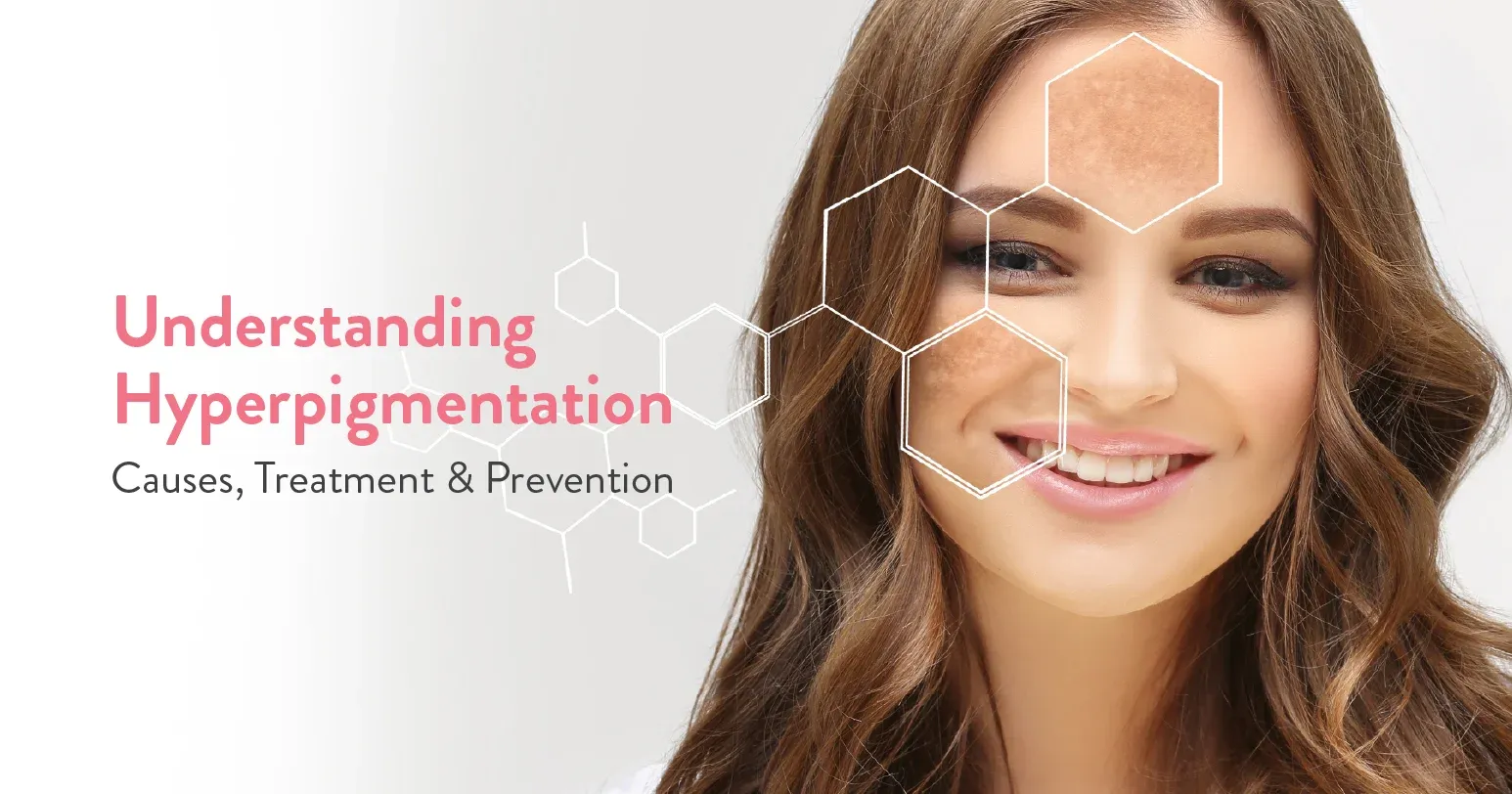
Table of Contents
Hyperpigmentation is defined as a harmless skin condition that causes darker skin patches on the skin. The condition can affect various parts of the body, though it is common in sun-exposed parts of the body including, the face, neck, hands, etc.
Hyperpigmentation is derived from the Greek word, hyper which means excessive, and pigmentation meaning colouring of the skin. Hyperpigmentation also referred to as ‘dark spots on the face’ is caused by overproduction of melanin (a pigment responsible for skin colour). There are various factors that trigger melanin production in the body including sun exposure, hormonal fluctuations, genetics, medications, skin injury, etc. Hyperpigmentation can appear in patches of brown, black, red, grey, or pink.
Hyperpigmentation can be caused by various factors and appears in different forms. Some of the common types of hyperpigmentation include,
Melasma is caused by both hormonal changes and sun exposure (how to prevent from heatstroke). Also commonly referred to as dark spots on the face is common in women aged in their 20s & 30s and appears in brown or grey-brown patches. Melasma usually occurs on the face, cheek, forehead, upper lips, etc. It is advisable to consult an experienced Melasma doctor for proper diagnosis and treatment to prevent it from worsening.
PIH is caused by inflammation or injury to the skin such as burns, cuts, rashes, etc. Post-inflammatory hyperpigmentation appears as flat spots, brown or black in colour post the lesion heals.
Freckles, also referred to as ephelides, is a type of hyperpigmentation that develops during childhood in sun-exposed areas of the body. Freckles become darker and spread with exposure to sun and heat.
Age spots (home remedies for anti-aging) as the name implies, are a type of hyperpigmentation that appears in adults due to sun exposure and previous sunburns. Age spots are common on the face, forearm, chest, hands, etc.
Periorbital hyperpigmentation commonly known as dark circles, is a condition that leads to darkening of the skin around the eyes.
Also Read: Dark Circles: Discover The Secrets to Brighter Eyes
The primary cause of hyperpigmentation is related to increased production of melanin. Melanin is a pigment that gives the skin, hair, and eye its colour. Melanin also protects the skin from UV damage and oxidative stress. When the skin cells that make melanin get damaged or unhealthy, it starts to overproduce melanin, resulting in darkening of the skin. Various factors that lead to increased production of melanin include,
Also Read- Benefits & Side Effects of Muskmelon (Kharbuja)
There are several ways to treat and lighten hyperpigmentation. Some over-the-counter medicines and creams may also be recommended by the dermatologist to control melanin production. Additionally, there are some procedural treatments performed by dermatologists and trained professionals recommended when topical treatments aren’t effective.
Also Read: Heart Attack in Youngsters: Rising Risks, Cause, Symptoms, Preventions
Home remedies for hyperpigmentation involve using natural products like turmeric, lemon juice, papaya, aloe vera, etc.
Cucumber is widely known for its cooling & lighting effects. Cucumber slices, grated cucumber, or cucumber juice can be applied to the darkened spots.
Lemon juice is high in citric acid which helps lighten dark spots and hyperpigmentation. Apply lemon juice on the affected area, additionally dilute with water if you have sensitive skin.
Aloe vera gel can be directly applied to the darkened spots. Aloe vera is packed with skin-lightening properties and helps reduce hyperpigmentation.
Rice water is widely preferred given its skin-lightening (reduce melanin without health risk), antioxidant, and vitamin (vitamin D foods & it’s benefits) properties. Rice water can help even out skin tone over time.
Avocado oil is rich in vitamin C, vitamin E, and antioxidant content which helps lighten dark spots and protects against sun damage.
Also Read- Corns & Calluses : Causes, Symptoms & Treatments
| Preventive Measures | Details |
| Sun Protection | Use sunscreen daily & reapply every 2-3 hours when outside |
| Avoid Picking | Refrain from picking acne, scabs, wounds, etc. |
| Gentle Skin Products | Use products that suit your skin & avoid harsh skin products |
| Monitor Hormonal Balance | Manage hormonal balance with medical advice |
| Avoid Excessive Heat Exposure | Limit sun exposure & wear full sleeves clothing, etc. |
Read More: Essential Vaccinations for Newborns – Pediatrician’s Guide
How to remove dark spots on the face?
Dark spots on the face can be lightened/removed by following dermatologist-recommended topical and procedural treatments.
Can hyperpigmentation go away on its own?
Hyperpigmentation can sometimes fade away on its own, particularly in mild cases.
How long does it take to see results from treatments?
Treatment results can vary and depend on various factors including the type of hyperpigmentation, treatment option, age of the patient, and more.
Can diet and lifestyle changes help prevent hyperpigmentation?
Yes, a diet rich in antioxidants, vitamins, and minerals can contribute to managing and preventing hyperpigmentation.
Does makeup cover hyperpigmentation effectively?
Yes, makeup can effectively cover up hyperpigmentation.
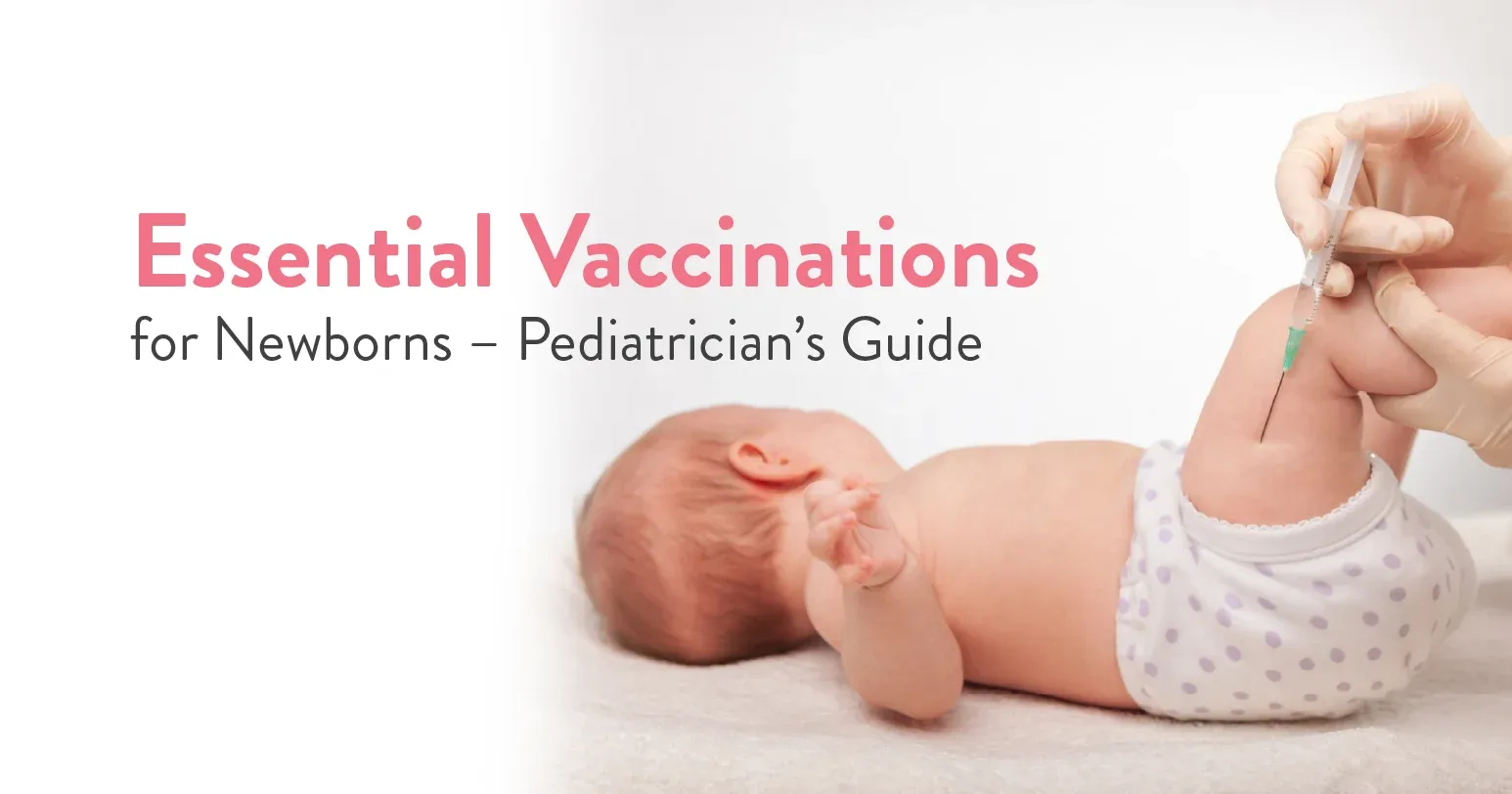
Ever wondered why newborns get vaccinated? The crux lies in their developing immune system, which is too weak to fight infections on its own. Vaccines for newborn play a crucial role in protecting the baby against life-threatening diseases by providing immunity to fight off these diseases. Did you know? Vaccines protect babies even before birth. Babies develop some antibodies during pregnancy from the vaccines their mothers have had.
Table of Contents
Vaccines are substances that help protect the body from certain diseases – earlier diseases like polio, diphtheria, and more infected a lot of children resulting in irreversible problems. However, polio vaccines help prevent newborns from diseases and most of the newborns don’t get it anymore. According to WHO (World Health Organisation), vaccines for newborns help protect against more than 30 life-threatening diseases. The newborns are vaccinated against various types of life-threatening diseases including, Hepatitis B (Know it’s symptoms, causes & treatment), Tuberculosis (TB) (know how to prevent TB), Diphtheria, Tetanus, Pertussis, Polio, Rotavirus, and more.
The primary role of vaccinations in newborns is to provide immunity (Tips to boost your immune system) from a wide range of diseases during the most vulnerable stage in life. Here’s the key role of vaccines:
The main role of vaccines is to protect the newborn from life-threatening diseases like polio, hepatitis, TB, and more which can be fatal at this stage.
During childhood, the immune system is in the developing stage and vaccines help stimulate the baby’s immune system to produce antibodies, creating a defence system against various types of infections, flu, and diseases.
Vaccinated newborns reduce the prevalence of vaccine-preventable diseases, thus leading to protecting those around them and also the future generation from these illnesses.
Various preventable diseases can cause lifelong disabilities, like paralysis, brain damage (know about Aphasia-which affects left side of the brain), liver damage, etc. Early vaccination can help avoid these disabilities.
Early vaccination can help reduce the need for antibiotics (are antibiotics effective against viruses), which can contribute to antibiotic resistance.
Early vaccination in newborns helps prevent costly treatment, easing financial strain.
Also Read: Heat Stroke: Prevention Tips for this Summer
In India, newborns receive several essential vaccines under the National Immunisation Programme (NIP), also known as the Universal Immunisation Programme (UIP) to protect newborns and pregnant women (important points to know for about vaccination during pregnancy) against life-threatening diseases. The national immunization programme is a flagship public health initiative launched by the Government of India that offers free vaccines across the country, available across all rural and urban locations. The initiative is supported by WHO and UNICEF. Key vaccines given at birth and in the following years include:
Also Read: Breast Lump- Causes, Symptoms, Treatment & How to Identify it
| Vaccine | Age | Purpose |
| BCG | 0 to 12 Months | Prevents tuberculosis (TB) |
| Hepatitis B | 0 to 24 Months | Prevents from Hepatitis B |
| Oral Polio Vaccine (OPV) | 0 to 15 Days | Helps protect against polio |
| Oral Polio Vaccine (OPV) | 6, 10 & 14 weeks (booster up to 5 years) | Continued protection from polio |
| Inactivated Polio Vaccine (IPV) | 6 & 14 weeks (up to 1 year) | Additional protection against polio |
| Rotavirus Vaccine (RVV) | 6, 10 & 14 weeks | Protects against rotavirus (diarrhoea-Home remedies for Diarrhoea) |
| Pneumococcal Conjugate Vaccine | 6 & 14 weeks, 9 months | Prevent pneumococcal infections |
| Measles-Rubella (MR) – 1st Dose | 9 to 12 months | Protect against measles & rubella |
| Japanese Encephalitis | 9 to 12 months (up to 15 years) | To protect against Japanese encephalitis |
| Oral Polio Vaccine (OPV) – Booster | 16 to 24 months (up to 5 years) | Continued immunity against polio |
| Japanese Encephalitis – 2nd Dose | 16 to 24 months (up to 15 years) | Added protection against Japanese encephalitis |
Also Read: Pollen Allergy : Types, Symptoms, Treatment & Prevention
There are numerous myths surrounding newborn vaccinations leading to hesitancy resulting in serious complications. Some of the most common ones include:
Also Read: Heart Attack in Youngsters: Rising Risks, Cause, Symptoms, Preventions
When to give the BCG vaccine to newborns?
BCG vaccine should be given at birth, as soon as possible after birth.
What happens if I miss a vaccine for my newborn?
It is recommended to catch up with the missed vaccine as soon as possible.
Are there any alternatives to vaccines for newborns?
No, there are no alternatives to vaccines for newborns.
Can my baby get vaccinated if they are sick?
Yes, your baby can get vaccinated if they are experiencing mild illness.
What should I do if my baby has a reaction to a vaccine?
If your baby has a reaction to a vaccine, monitor for mild symptoms like pain, swelling, rashes, etc. If the symptoms persist consult a specialist.
Do vaccines affect my baby’s immune system?
No, vaccines do not affect or weaken a baby’s immune system.
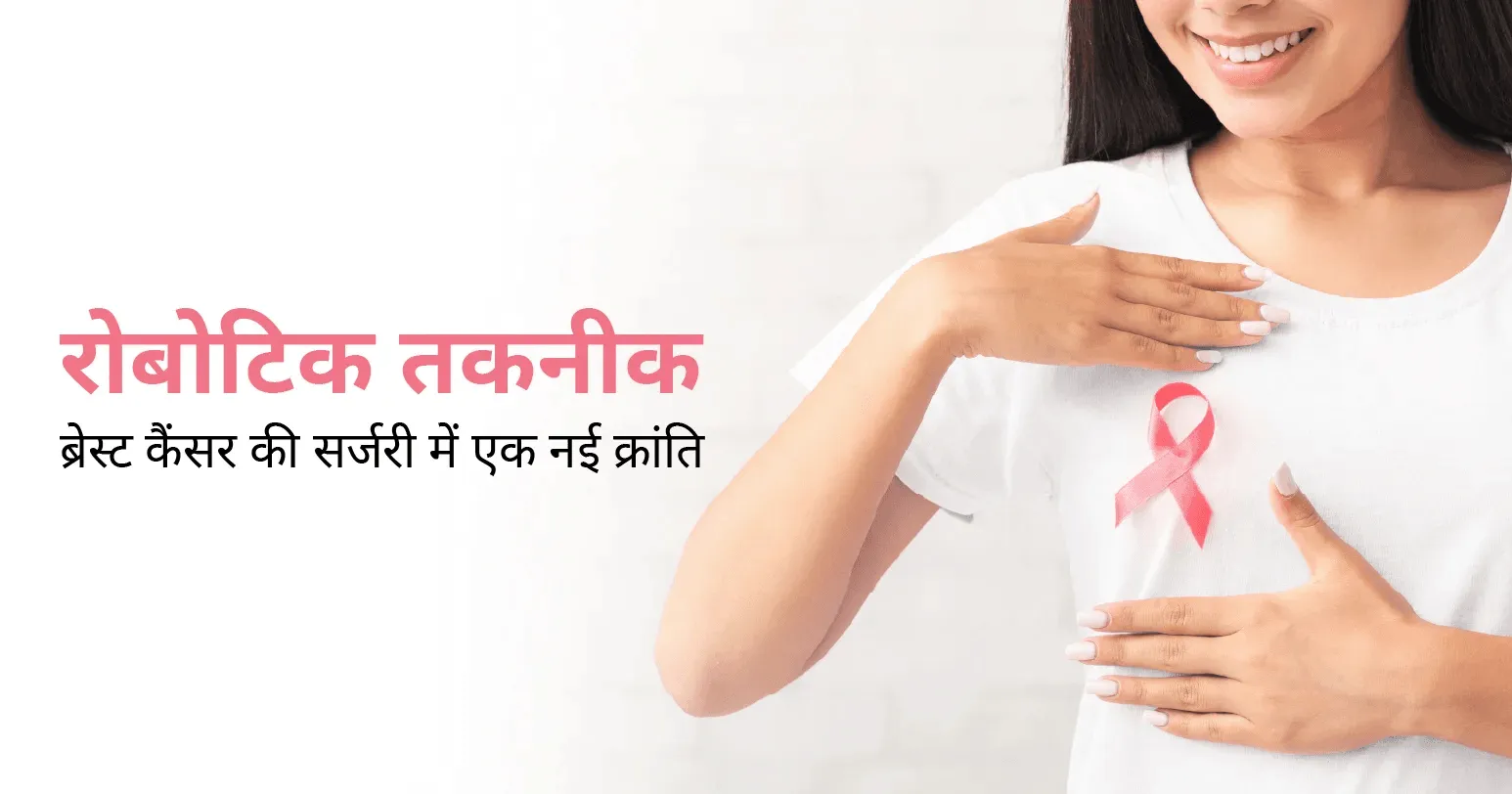
विश्व स्वास्थ्य संगठन के अनुसार, कैंसर दुनियाभर में मृत्यु का दूसरा सबसे बड़ा कारण है—हर छह में से एक व्यक्ति इसके प्रभाव में आता है। भारत में ब्रेस्ट कैंसर महिलाओं में होने वाले कुल कैंसर मामलों का लगभग 14% है और यह एक गंभीर चुनौती बना हुआ है। हर दो महिलाओं में से एक की इस बीमारी से मृत्यु हो जाती है। वर्ष 2020 में ब्रेस्ट कैंसर के 1,78,361 नए मामले सामने आए, जिनमें शहरी महिलाओं को इसका अधिक खतरा है (हर 22 में से 1 महिला), जबकि ग्रामीण क्षेत्रों में यह संख्या हर 60 में से 1 है।
ब्रेस्ट कैंसर के मरीजों की पाँच साल की औसत सर्वाइवल दर 66% है (survival rate of breast cancer), जो यह दर्शाती है कि समय रहते पहचान और इलाज कितना ज़रूरी है। देर से जाँच होने वाले मामलों में 50-60% मरीजों को मास्टेक्टॉमी (स्तन को पूरी तरह हटाने) (mastectomy) की आवश्यकता होती है। शहरीकरण, बदलती जीवनशैली और जागरूकता की कमी इस बढ़ती समस्या के प्रमुख कारण हैं। इससे निपटने के लिए ज़रूरी है कि हम जागरूकता फैलाएं, शुरुआती जाँच और इलाज को सुलभ बनाएं और स्वस्थ जीवनशैली को अपनाने के लिए लोगों को प्रेरित करें।
इलाज के पारंपरिक विकल्पों में ओपन सर्जरी शामिल है, जिसमें बड़े कट लगते हैं और रिकवरी में लंबा समय लगता है। वहीं, रोबोटिक सर्जरी एक आधुनिक तकनीक है, जिसमें छोटे चीरे लगते हैं और इसमें रोबोटिक आर्म्स का इस्तेमाल कर सर्जरी की जाती है।
इन तमाम चुनौतियों के बीच, रोबोटिक सर्जरी ब्रेस्ट कैंसर के प्रभावी और सटीक इलाज की एक नई उम्मीद बनकर उभरी है। यह तकनीक न सिर्फ कैंसर को हटाने (resection), बल्कि स्तन के पुनर्निर्माण (breast reconstruction) में भी कम जटिल और अधिक सटीक विकल्प प्रदान करती है। पारंपरिक ओपन सर्जरी की तुलना में यह मिनिमल इनवेसिव प्रक्रिया कई फायदे देती है—जैसे कि छोटे चीरे, कम रक्तस्राव, बेहतर कंट्रोल और सटीकता, और कम समय में रिकवरी। यह आधुनिक सर्जिकल तकनीक मरीजों को बेहतर अनुभव और तेज़ इलाज उपलब्ध कराती है।
और पढ़ें: गाइनेकोमैस्टिया क्या है – कारण, लक्षण और उपचार (Gynecomastia in Hindi)
पारंपरिक रूप से ब्रेस्ट कैंसर का इलाज मॉडिफाइड रैडिकल या रैडिकल मास्टेक्टॉमी जैसी सर्जरी से किया जाता था। लेकिन अब ये प्रक्रियाएं केवल उन्हीं मामलों में की जाती हैं, जहां कैंसर एडवांस स्टेज में हो और सिस्टमिक थेरेपी का असर न हो। आजकल ऑन्कोप्लास्टिक ब्रेस्ट प्रिज़र्वेशन को इलाज का आम तरीका माना जाता है।
जिन मरीजों को शुरुआती स्टेज का कैंसर हो और जहां त्वचा या निप्पल प्रभावित न हो या जिनमें सिस्टमिक थेरेपी का अच्छा रिस्पॉन्स मिला हो—उन्हें स्किन-स्पेयरिंग और निप्पल-स्पेयरिंग मास्टेक्टॉमी (SSM/NSM) (Nipple Repairing Mastectomy) की सलाह दी जाती है। इन प्रक्रियाओं में रोबोटिक तकनीक का सहारा कई फायदे देता है—जैसे कि बेहतर पहुंच, खासकर उन एंगल्स तक जो ओपन सर्जरी में रिट्रैक्टर्स से नहीं पहुंच पाते हैं। रोबोटिक आर्म्स 3D व्यू और ज़्यादा रेज़ोल्यूशन के साथ एक विस्तृत दृश्य प्रदान करते हैं, जिससे सटीकता के साथ टिशू की कटिंग और डिसेक्शन (dissection) संभव होती है।
आमतौर पर चीरे त्वचा की प्राकृतिक सिलवटों में जैसे बगल (axillary) (axillary breast surgery) या निचली ब्रेस्ट क्रीज़ में लगाए जाते हैं, जिससे कॉस्मेटिक रिज़ल्ट पारंपरिक सर्जरी की तुलना में कहीं बेहतर होते हैं। साथ ही, सावधानीपूर्वक प्लानिंग और कंट्रोल के कारण त्वचा की रक्त आपूर्ति (vascularity) भी बनी रहती है।
रोबोटिक तकनीक ब्रेस्ट रिकंस्ट्रक्शन (Breast Reconstruction) की प्रक्रिया को भी आसान बनाती है, खासकर उन मामलों में जहां लैटिसिमस डॉर्सी (LD) फ्लैप—जो पीठ की मांसपेशियों से लिया जाता है, की जरूरत होती है। पारंपरिक तरीकों में इस फ्लैप को निकालने के लिए पीठ पर लंबा चीरा लगाना पड़ता था और सर्जरी के दौरान मरीज की पोज़िशनिंग बदलने व दोबारा ड्रेपिंग की आवश्यकता होती थी। लेकिन रोबोटिक सर्जरी की मदद से इन सभी जटिलताओं को काफी हद तक कम किया जा सकता है। यह तकनीक बगल (axilla) के ज़रिए पीठ तक पहुंच बनाती है, जिससे पीठ पर लंबे चीरे की जरूरत नहीं पड़ती और वहां कोई दाग भी नहीं बनता। इस मिनिमल इनवेसिव तरीके (minimally invasive technique) से न केवल सर्जरी का समय लगभग आधा हो जाता है, बल्कि पूरी प्रक्रिया मरीज के लिए कम पीड़ादायक होती है और सौंदर्य की दृष्टि से भी बेहतर परिणाम देती है।
और पढ़ें: गायनेकोलॉजिकल कैंसर के प्रकार और लक्षण – Types of Gynecological Cancer in Hindi
भारत में, जहां ब्रेस्ट कैंसर एक बड़ी स्वास्थ्य समस्या बना हुआ है, वहीं रोबोटिक-असिस्टेड सर्जरी (Robotic Assisted Surgery) इलाज में एक क्रांतिकारी बदलाव के रूप में उभर रही है। भयावह आंकड़े यह स्पष्ट करते हैं कि अब नवाचार की सख्त ज़रूरत है। ऐसे में रोबोटिक सर्जरी का उपयोग ऑन्कोप्लास्टिक प्रोसीजर्स (oncoplastic procedure) और ब्रेस्ट रिकंस्ट्रक्शन में एक महत्वपूर्ण कदम साबित हो रहा है—जो न सिर्फ सर्जरी को मिनिमल इनवेसिव बनाता है, बल्कि मरीजों के नतीजों और अनुभवों को भी बेहतर करता है। जैसे-जैसे तकनीक और इसकी पहुंच आगे बढ़ रही है, एक ऐसा भविष्य अब संभव नज़र आ रहा है, जहां ब्रेस्ट कैंसर को पहले से कहीं ज़्यादा सटीक, प्रभावी और आसान तरीकों से नियंत्रित और इलाज किया जा सकेगा।
भारत में रोबोटिक सर्जरी ब्रेस्ट कैंसर के इलाज को एक नई दिशा देने के लिए तैयार है। यह केवल उम्मीद ही नहीं, बल्कि इस कठिन बीमारी से जूझ रहे लोगों के जीवन में ठोस सुधार की ओर एक बड़ा कदम है। जैसे-जैसे देश कैंसर के बढ़ते बोझ से जूझ रहा है, रोबोटिक तकनीक का यह परिवर्तनकारी प्रभाव एक ऐसे भविष्य की झलक देता है जहां सटीकता, कुशलता और बेहतर परिणाम मिलकर ब्रेस्ट कैंसर के इलाज की परिभाषा को पूरी तरह बदल सकते हैं।
और पढ़ें: रोबोटिक सिस्टम और आर्थोपेडिक सर्जरी