

Table of Contents
Filter :

गर्भपात या मिसकैरेज (miscarriage) किसी भी महिला के जीवन का एक ऐसा समय होता है, जब उसे अपनों की सबसे ज्यादा जरूरत होती है, क्योंकि इस दौरान यह अनुभव अत्यंत दुखद और दर्दनाक अनुभव के साथ उत्पन्न होती है। कई महिलाएं गर्भपात के बाद इस सवाल से जूझती हैं कि क्या वह फिर से गर्भधारण कर पाएंगी या नहीं। यदि हां, तो इसका सही समय क्या होगा।
ऐसे में सही जानकारी और मार्गदर्शन अत्यंत महत्वपूर्ण होता है। यदि आपने भी गर्भपात का अनुभव किया है और पुनः गर्भधारण करने का विचार कर रही हैं, तो यह लेख आपके लिए है। इस ब्लॉग में हम आपको गर्भपात के बाद गर्भधारण के संबंध में सभी महत्वपूर्ण जानकारी, सावधानियां और डॉक्टरी सलाह के बारे में बताएंगे, जिससे आप मानसिक रूप से खुद को तैयार कर पाएंगे और हैप्पी फैमिली बना पाएंगे। गर्भपात के बाद फिर से गर्भधारण करने का विचार कर रहे हैं? हम आपके इस प्रश्न का उत्तर जानते हैं। हमारे अनुभवी डॉक्टर से मिलें और इलाज लें।
Table of Contents
गर्भपात (मिसकैरेज) (miscarriage – why does a miscarriage happen?), गर्भधारण के पहले 20 हफ्तों में होने वाला एक प्राकृतिक बच्चेदानी का नुकसान है। इसके कई कारण हो सकते हैं जैसे कि –
गर्भपात के बाद शारीरिक और मानसिक स्वास्थ्य पर गहरा प्रभाव पड़ सकता है।
मिसकैरेज के बाद शारीरिक और मानसिक रूप से पूरी तरह से ठीक होने में समय लगता है। शारीरिक रूप से, यदि गर्भपात के बाद कोई मेडिकल प्रक्रिया जैसे गर्भपात के बाद गर्भाशय की सफाई (D&C) की आवश्यकता नहीं पड़ती है, तो शरीर सामान्यतः कुछ हफ्तों में ही ठीक हो जाता है। औसतन, गर्भपात के बाद ठीक होने में कम से कम 1 से 3 महीने तक का समय लग सकता है, लेकिन यह समय हर महिला के लिए अलग हो सकता है।
आपके हार्मोनल स्तर को सामान्य होने में भी कुछ समय लगता है, और इसके बाद आपके पीरियड्स साइकिल को फिर से नियमित होने में कुछ समय और लग सकता है।
इसे भी पढ़ें: जानिए प्रेगनेंसी में संबंध बनाना चाहिए या नहीं ?
गर्भपात के बाद सबसे महत्वपूर्ण बात यह है कि आप खुद का ख्याल कैसे रख सकते हैं? इसके लिए कुछ महत्वपूर्ण उपाय इस प्रकार है –
इसे भी पढ़ें: शुक्राणु बढ़ाने के उपाय (shukranu badhane ke upay)
गर्भपात के बाद संबंध बनाने का समय महिलाओं की स्थिति और उनके स्वास्थ्य पर निर्भर करता है। यदि गर्भपात के बाद आपको कोई शरीर में जटिलता नहीं होती है, तो डॉक्टर सामान्यतः 2 से 4 सप्ताह के बाद यौन संबंध बनाने की अनुमति दे सकते हैं। इसके साथ-साथ मानसिक स्वास्थ्य भी बहुत महत्वपूर्ण होता है। यदि आपके परिवार में किसी को भी इस स्थिति से गुजरना पड़ा है, तो उनका साथ ज़रूर दें। यह समय इसलिए भी जरूरी है ताकि संक्रमण से बचा जा सके और शरीर को ठीक से आराम मिल सके। यहां डॉक्टरी सलाह बहुत ज़रूरी है।
इसे भी पढ़ें: पीरियड्स के कितने समय बाद सम्बन्ध बनाना चाहिए
गर्भपात के बाद गर्भधारण की संभावना तुरंत हो सकती है, क्योंकि ओव्यूलेशन (ovulation) गर्भपात के कुछ ही दिनों के बाद हो सकता है। यदि आपका चक्र नियमित है और कोई अन्य स्वास्थ्य समस्या नहीं है, तो आप आसानी से गर्भधारण कर सकती हैं।
हालांकि, डॉक्टर सामान्य: गर्भपात के बाद कम से कम 1 से 3 महीने का समय देने की सलाह देते हैं, ताकि शरीर को ठीक से तैयार किया जा सके और हार्मोनल असंतुलन को ठीक किया जा सके।
इसे भी पढ़ें: प्रेगनेंसी टेस्ट के घरेलू उपाय
जब गर्भपात के बाद प्रेगनेंसी टेस्ट पॉजिटिव आ जाए, तो आपको कुछ सावधानियां बरतनी चाहिए जैसे कि –
गर्भधारण करने के बाद मिसकैरेज से बचना बहुत जरूरी होता है। इस दौरान कुछ बातों का पालन कड़ाई से करना पड़ता है जैसे कि –
इसे भी पढ़ें: प्रेगनेंसी के पहले महीने में क्या क्या होता है?
जब आप गर्भपात के बाद गर्भधारण के लिए शारीरिक और मानसिक रूप से तैयार हो जाएं, तो अपने शरीर के हार्मोनल परिवर्तन और ओवुलेशन के दिन को समझना महत्वपूर्ण है। इससे आपको और आपके साथी को गर्भवती होने की सबसे अच्छी संभावना वाले समय में संबंध बनाने में मदद मिलती है।
गर्भपात के बाद ओवुलेशन का पता लगाने के लिए कुछ संकेत निम्नलिखित हैं –
इसे भी पढ़ें: क्यों एक प्रेग्नेंट महिला को मॉर्निंग सिकनेस होती हैं?
इस ब्लॉग की मदद से हम यह समझ चुके हैं कि गर्भपात के कितने दिन बाद प्रेगनेंसी होती है? गर्भपात के बाद गर्भधारण करना संभव है, लेकिन इसके लिए मानसिक, शारीरिक और चिकित्सा तैयारी की आवश्यकता होती है। यदि आप गर्भधारण करने का विचार कर रही हैं, तो खुद का ख्याल रखना और डॉक्टर से परामर्श करना बेहद महत्वपूर्ण है। सही जानकारी और मार्गदर्शन से आप एक स्वस्थ गर्भावस्था की दिशा में कदम बढ़ा सकती हैं। आज ही अपने डॉक्टर से संपर्क करें और गर्भधारण की प्रक्रिया को सुरक्षित और स्वस्थ बनाने के लिए विशेषज्ञ की सलाह प्राप्त करें।
इसके अतिरिक्त आपके मन में प्रेगनेंसी या फिर मिसकैरेज के संबंध में कोई सवाल या फिर चिंता है, तो आप हमारे अनुभवी एवं सर्वश्रेष्ठ डॉक्टर से मिलें (Best Obstetrician & Gynaecologist) और इलाज लें।
गर्भपात के बाद मानसिक स्वास्थ्य का ख्याल कैसे रखें?
गर्भपात के बाद मानसिक स्वास्थ्य के लिए आराम करें, खुद को समय दें, परिवार और दोस्तों से समर्थन प्राप्त करें, और जरूरत महसूस होने पर पेशेवर काउंसलिंग लें।
क्या गर्भपात के बाद गर्भधारण करने में कोई जोखिम है?
यदि आपने पहले गर्भपात किया है, तो सामान्यतः जोखिम अधिक नहीं होता है। लेकिन कई मिसकैरेज के बाद डॉक्टर से जांच करवाना महत्वपूर्ण है, ताकि स्वास्थ्य की स्थिति सही हो।
गर्भपात के बाद शरीर को फिर से सामान्य बनाने के लिए क्या उपाय करें?
स्वस्थ आहार, पर्याप्त आराम, पानी की अधिक मात्रा, हल्का व्यायाम और मानसिक शांति को प्राथमिकता देकर शरीर को फिर से स्वस्थ किया जा सकता है। इन उपायों के बाद ही आप फिर से गर्भधारण करने के लिए तैयार हो सकते हैं।
क्या गर्भपात के बाद सभी महिलाएं जल्दी गर्भवती हो सकती हैं?
हर महिला का शरीर अलग होता है, इसलिए गर्भपात के बाद गर्भधारण का समय भी अलग-अलग होता है। किसी को जल्दी हो सकती है, जबकि कुछ महिलाओं को अधिक समय लग सकता है।
गर्भपात के बाद स्वस्थ गर्भधारण के लिए कौन सी जांच करवानी चाहिए?
यदि दो या दो से अधिक मिसकैरेज हुए हैं, तो डॉक्टर से क्रोमोसोम टेस्ट (Chromosomal tests), हार्मोन टेस्ट (hormone levels) और गर्भाशय से संबंधित टेस्ट {uterus-related tests (like ultrasound)} करवाना चाहिए, ताकि सही कारण का पता चल सके।

Table of Contents
Breast cancer is the most common cancer affecting women worldwide. Breast cancer is the most common cancer in India, accounting for 28.2% of all female cancers (according to a publication in the Times of India). Additionally, the risk of breast cancer is rising in India; 1 in 28 women is likely to develop breast cancer during their lifetime. Breast cancer also affects men; according to the WHO, approximately 0.5 – 1% of breast cancers occur in men.
The condition results when breast cells mutate, become cancerous, and multiply to form a tumour. Breast cancer usually affects women aged over 50; however, it can affect women younger than 50. Breast cancers are of different types and are characterized basis where they start, i.e. invasive ductal carcinoma (starts in the milk ducts), lobular breast cancer (starts in the milk producing glands), ductal carcinoma (starts in the milk ducts), inflammatory breast cancer, triple negative breast cancer, and Paget’s disease of the breast.
Also Read: Treatment of fibroadenoma without surgery | Is it possible?
Breast cancer has long been thought to affect older women, but recent statistics tell a different story. The rate of breast cancer in women under 50 has been climbing at a quicker pace – around 1.4 per cent each year from 2012 to 2022 – compared to a 1 per cent annual increase in women over 50.
Did you know? Studies suggest that breast cancer in young women is more likely to be the aggressive type.
According to breast surgeons at the CK Birla Hospital, the increasing number of breast cancer cases can be associated with several factors, including an inactive lifestyle, obesity (effect of obesity on health), alcohol consumption, a family history of cancer, radiation exposure, tobacco use, and postmenopausal hormone therapy. This early onset of breast cancer has been increasing for some years now. A study conducted by AIIMS Delhi revealed that 30% of breast cancer cases detected in women were under 40. Some of the top contributors to this rising number include:
Also Read: When to worry about breast lump
The primary challenge faced by young women diagnosed with breast cancer is linked to the type of breast cancer, i.e., the aggressive nature of breast cancer that can be challenging to treat.
The types of breast cancer that often affect young women are HER2-positive, triple-negative breast cancer, and invasive ductal carcinoma. The treatment of these aggressive forms of breast cancer may require a greater level of chemotherapy (how chemotherapy works against cancer) and targeted therapy. Some of the major challenges faced by young women with breast cancer include:
Also Read: Breast Lump – Causes, Symptoms, Treatment & How to identify it
The treatment plan is designed based on the conversation between you and your healthcare provider. The treatment plan is designed based on the type of breast cancer, its stage, and the desire to build a family. There are several factors to consider during treatment, including:
Read More: Symptoms of Pregnancy after Sex
For any concerns related to breast cancer, you can consult our experienced Breast Cancer Specialists.
Why is breast cancer affecting young women?
The increasing cases of breast cancer in younger women are associated with a sedentary lifestyle, obesity, increased alcohol consumption, hormonal factors, lack of awareness, and more.
At what age is breast cancer most commonly diagnosed?
Breast cancer most commonly affects women aged over 50; however, the cases of breast cancer are increasing in younger women.

महिलाओं के शरीर में कई प्रकार के हार्मोन होते हैं, जो उनके शरीर के विभिन्न कार्यों को नियंत्रित करते हैं। ये हॉर्मोन पीरियड्स, प्रजनन, नींद, भूख, और त्वचा के स्वास्थ्य तक को प्रभावित करते हैं। जब इन हॉर्मोनों का संतुलन बिगड़ता है, तो इसे हॉर्मोनल असंतुलन कहा जाता है। यह समस्या बहुत आम है, लेकिन समय पर पहचान और इलाज से इसे ठीक किया जा सकता है।
ये भी पढ़े: प्रेगनेंसी के तीसरे महीने में क्या क्या लक्षण दिखते हैं?
Table of Contents
हॉर्मोनल असंतुलन के पीछे कई कारण हो सकते हैं। ये कारण शारीरिक, मानसिक या जीवनशैली से जुड़े हो सकते हैं:
जब हार्मोन संतुलन में नहीं रहते, तो इसका असर शरीर और मन दोनों पर पड़ता है:
हार्मोनल असंतुलन का इलाज उसकी वजह पर निर्भर करता है। यहां कुछ सामान्य उपचार बताए गए हैं:
आपका खानपान सीधे आपके हार्मोनल स्वास्थ्य को प्रभावित करता है।
कैसे?
क्या खाएं?
शारीरिक गतिविधि आपके शरीर को एक्टिव रखती है और हॉर्मोन्स को संतुलित करने में मदद करती है।
कैसे?
क्या करें?
मानसिक तनाव का असर सबसे पहले आपके हॉर्मोन्स पर पड़ता है।
कैसे?
क्या करें?
इसे भी पढ़ें: पीरियड में कम ब्लीडिंग होने के कारण और उपचार
नींद की कमी भी हार्मोनल असंतुलन का बड़ा कारण है।
कैसे?
क्या करें?
चाय, कॉफी और शराब का अत्यधिक सेवन भी आपके हार्मोन को प्रभावित कर सकता है।
कैसे?
क्या करें?
इसे भी पढ़ें: How to increase sperm count in hindi
क्या हार्मोनल असंतुलन केवल उम्र बढ़ने के कारण होता है?
नहीं, हॉर्मोनल असंतुलन किसी भी उम्र में हो सकता है। यह जीवनशैली, तनाव, पीसीओडी, थायराइड और दवाइयों के कारण भी हो सकता है। मेनोपॉज के समय हॉर्मोन में बदलाव आम होता है, लेकिन यह एकमात्र कारण नहीं है।
हॉर्मोनल असंतुलन के कारण मासिक धर्म अनियमित हो जाता है, तो क्या यह गर्भधारण में समस्या पैदा कर सकता है?
हां, यदि मासिक धर्म अनियमित हो रहा है, तो इसका मतलब यह हो सकता है कि ओवुलेशन नियमित नहीं हो रहा। इससे गर्भधारण में दिक्कत आ सकती है। ऐसे में उचित जांच और इलाज जरूरी है।
हार्मोनल असंतुलन एक आम लेकिन गंभीर समस्या है, जिसे नजरअंदाज नहीं करना चाहिए। यदि समय रहते इसका पता लगाया जाए और सही इलाज व जीवनशैली अपनाई जाए, तो यह पूरी तरह से नियंत्रित किया जा सकता है। शरीर के छोटे-छोटे संकेतों को समझना और उनकी अनदेखी न करना ही सबसे बड़ा समाधान है। अगर आप भी ऊपर बताए गए लक्षणों से जूझ रही हैं, तो जल्द से जल्द किसी स्त्री रोग विशेषज्ञ से संपर्क करें।

आजकल भागदौड़ भरी ज़िंदगी में हममें से ज़्यादातर लोग या तो खाने के लिए समय नहीं निकाल पाते या फिर जो कुछ भी जल्दी मिल जाए, वही खा लेते हैं। लेकिन क्या आपने कभी सोचा है कि हमारा शरीर हर दिन जो मेहनत करता है, उसके लिए सही पोषण कितना ज़रूरी है?
सही खान-पान सिर्फ भूख मिटाने के लिए नहीं, बल्कि एक स्वस्थ और संतुलित जीवन जीने की नींव होता है। संतुलित आहार यानी ऐसा भोजन जिसमें आपके शरीर को रोज़ जिन पोषक तत्वों की ज़रूरत होती है – जैसे प्रोटीन (protein), कार्बोहाइड्रेट (carbohydrate), वसा (fat), विटामिन (vitamin), मिनरल्स (minerals), फाइबर (fibre) और पानी (water)– वे सभी सही मात्रा में मौजूद हों।
यह भी पढ़े – बीपी (ब्लड प्रेशर) कम करने के 5 उपाय
Table of Contents
अगर शरीर को वो पोषण न मिले जिसकी उसे ज़रूरत है, तो धीरे-धीरे उसकी क्षमता घटने लगती है – न सिर्फ शारीरिक रूप से बल्कि मानसिक रूप से भी। अगर आप हमेशा थका हुआ महसूस करते हैं, मूड स्विंग्स (mood swings) रहते हैं या अक्सर बीमार पड़ते हैं, तो हो सकता है इसका कारण आपकी थाली में छिपा हो।
एक संतुलित आहार हमारे शरीर को न सिर्फ ऊर्जा देता है, बल्कि बीमारियों से बचाता है, वजन को नियंत्रित रखता है (weight management), त्वचा और बालों को हेल्दी बनाता है (home remedies for hairfall in hindi) और दिमागी संतुलन को भी बेहतर करता है।
यह भी पढ़े – भूख बढ़ाने के आसान घरेलू उपाय
बच्चों का शरीर हर दिन बढ़ रहा होता है – उनका मस्तिष्क, हड्डियाँ, मांसपेशियाँ और इम्यून सिस्टम (immune system)(immune boosting foods in hindi) सभी विकास की प्रक्रिया में होते हैं। अगर शुरुआत से उन्हें सही पोषण न मिले तो उनका शारीरिक और मानसिक विकास प्रभावित हो सकता है।
ओमेगा-3 फैटी एसिड (omega-3 fatty acid), विटामिन (vitamin), मिनरल्स (minerals), प्रोटीन (protein) और कैल्शियम (calcium)– ये सब पोषक तत्व बच्चों के विकास में मदद करते हैं। सही आहार उन्हें एक्टिव, सतर्क और स्वस्थ रखता है। एक अच्छे आहार की आदत अगर बचपन से पड़ जाए तो आगे चलकर बड़ी बीमारियों से भी बचा जा सकता है।
यह भी पढ़े – शुक्राणु बढ़ाने के उपाय (shukranu badhane ke upay)
जब बात अच्छी सेहत की होती है, तो केवल खाना खा लेना ही काफी नहीं होता—जरूरी है सही चीज़ें और सही मात्रा में खाना। संतुलित आहार का मतलब है ऐसा भोजन जिसमें सभी जरूरी पोषक तत्व सही अनुपात में मौजूद हों। चाहे बच्चे हों या बुजुर्ग, पुरुष हों या महिलाएं—हर किसी के लिए संतुलित आहार एक मजबूत आधारशिला की तरह है जो शरीर को स्वस्थ, ऊर्जा से भरपूर और बीमारियों से दूर रखता है। लेकिन अक्सर सवाल उठता है—आख़िर संतुलित आहार में क्या-क्या शामिल होना चाहिए? आइए जानते हैं।
यह भी पढ़े– तेजी से वजन कम करने के घरेलू उपाय और उपचार
ये शरीर को ऊर्जा देने का मुख्य स्रोत हैं। लंबे समय तक शरीर को काम करने की ताकत देने के लिए जरूरी हैं।
स्रोत: रोटी, चावल, ओट्स, दलिया, ब्राउन ब्रेड
शरीर की मरम्मत और नई कोशिकाओं के निर्माण में मदद करता है।
स्रोत: दालें, दूध, अंडा, पनीर, मांस, सोया, मूंगफली
ज़रूरी मात्रा में ली गई वसा शरीर की कोशिकाओं को सुरक्षा देती है और कुछ विटामिन्स को अवशोषित करने में मदद करती है।
स्रोत: घी, तेल, नट्स, बीज
ये शरीर के हर छोटे-बड़े फंक्शन जैसे इम्युनिटी, हड्डियों की मजबूती, स्किन हेल्थ और हार्मोन बैलेंस में अहम भूमिका निभाते हैं।
स्रोत: फल, सब्जियाँ, दूध, अंकुरित अनाज
फाइबर पाचन को दुरुस्त रखता है और कब्ज से बचाता है।
स्रोत: साबुत अनाज, फल, सब्जियाँ
बिना पानी के जीवन की कल्पना ही नहीं की जा सकती। ये शरीर को हाइड्रेटेड रखने के साथ-साथ विषैले तत्वों को बाहर निकालने में भी मदद करता है।
जरूरी मात्रा: रोजाना 8–10 गिलास पानी
संतुलित आहार अपनाना किसी बड़े बदलाव की मांग नहीं करता, बस रोज़मर्रा की प्लेट में थोड़ा ध्यान और समझदारी जोड़नी होती है। रोटी, दाल, सब्ज़ी, फल, दही, पानी—ये सभी मिलकर हमारी सेहत का ख्याल रखते हैं। अगर आप हर दिन अपने भोजन में कार्बोहाइड्रेट्स (carbohydrate), प्रोटीन (protein), वसा (fat), विटामिन्स (vitamins), मिनरल्स (minerals), फाइबर (fibre) और पानी को शामिल करते हैं, तो यकीन मानिए, बीमारियां आपसे दूर रहेंगी और शरीर हर मोर्चे पर आपका साथ देगा। याद रखिए, अच्छी सेहत कोई विकल्प नहीं—ये एक ज़रूरत है।
यह भी पढ़े – प्रेगनेंसी टेस्ट के घरेलू उपाय
ये भी पढ़े: निमोनिया क्या होता है – कारण, लक्षण, जांच और उपचार (Pneumonia Meaning in Hindi)
हर दिन कुछ नया खाने की प्लानिंग करना मुश्किल हो सकता है। इसी वजह से नीचे एक ऐसा साप्ताहिक प्लान दिया गया है जो पोषक, स्वादिष्ट और आसानी से घर पर बन सकने वाला है:
| दिन | नाश्ता | दोपहर का खाना | रात का खाना |
| सोमवार | उपमा + फल + दूध | दाल, रोटी, सब्जी, सलाद | खिचड़ी + दही |
| मंगलवार | पोहा + नट्स + नींबू पानी | राजमा-चावल + सलाद | रोटी + लौकी की सब्जी + छाछ |
| बुधवार | दलिया + केला + दूध | पनीर की सब्जी + रोटी + ककड़ी | मूंग दाल चीला + हरी चटनी |
| गुरुवार | अंडा-सैंडविच + नारियल पानी | चना दाल + भिंडी + रोटी | खिचड़ी + दही |
| शुक्रवार | इडली-सांभर + फल | मिक्स वेज पुलाव + रायता | रोटी + आलू-टमाटर की सब्जी |
| शनिवार | पराठा + दही | मछली/सोया चंक्स + ब्राउन राइस | दलिया + सलाद |
| रविवार | आलू पराठा + बटर + लस्सी | चिकन/पनीर करी + रोटी + हरी सब्जी | वेज सूप + टोस्ट |
यह भी पढ़े – इन्फ्लूएंजा और मौसमी फ्लू से बचाव के उपाय
संतुलित आहार कोई डाइट प्लान नहीं, बल्कि जीवनशैली है। यह एक ऐसी आदत है, जो आपकी ज़िंदगी को कई मायनों में बदल सकती है। शुरुआत छोटे कदमों से करें – अपनी थाली में रंग-बिरंगी सब्जियाँ रखें, ताजे फल खाएँ, पर्याप्त पानी पिएँ और बाहर के खाने से परहेज़ करें। याद रखें, आपकी सेहत आपकी प्लेट से शुरू होती है। तो क्यों न आज से ही बेहतर जीवन की तरफ पहला कदम उठाया जाए?
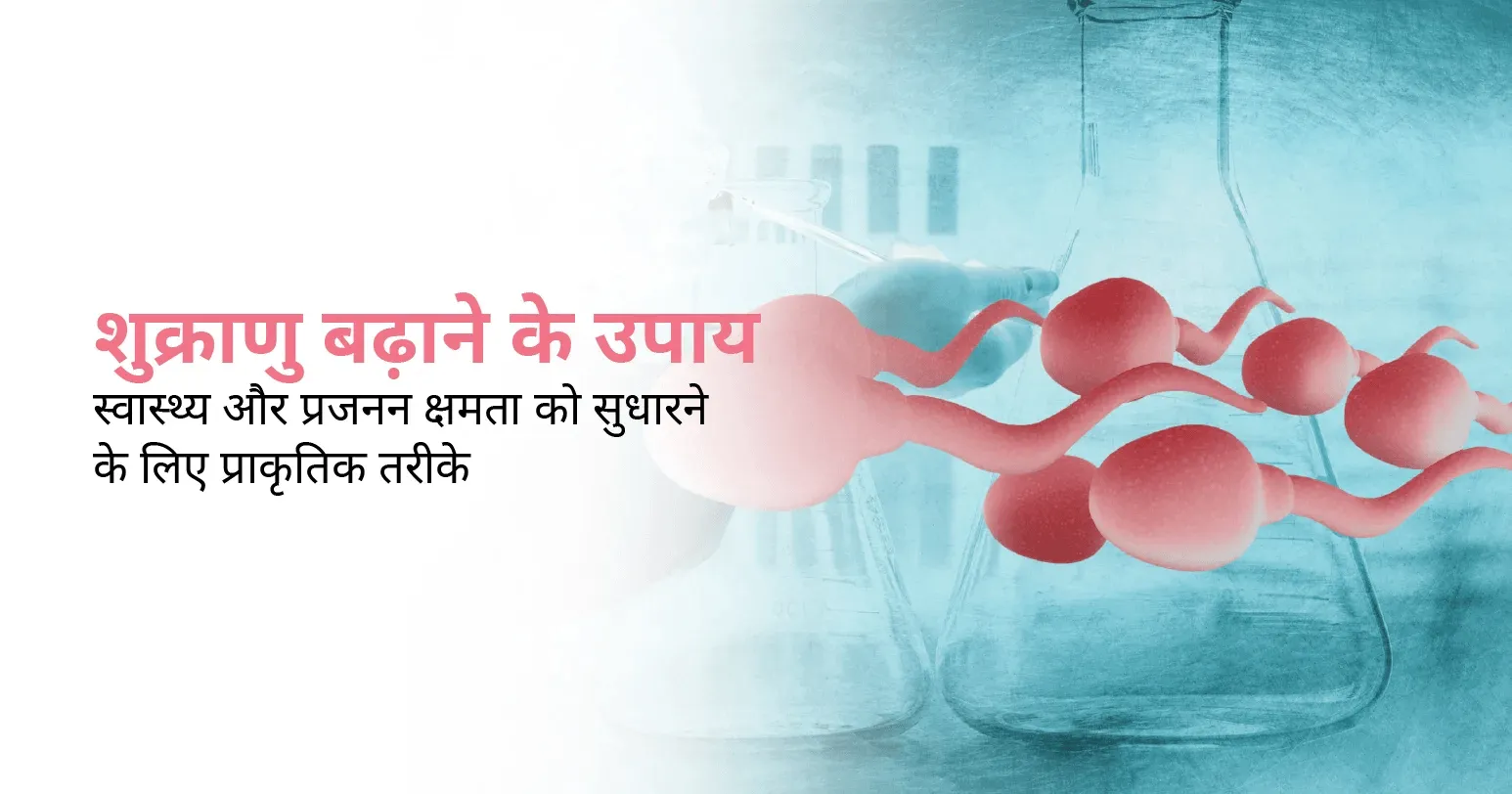
वर्तमान में हमारी जीवनशैली ऐसी हो गई है कि लोगों को अब अपने प्रजनन स्वास्थ्य को लेकर भी चिंताएं उत्पन्न होने लगी हैं। यदि कोई भी शुक्राणु की कमी की समस्या का सामना करता है, तो यह उनके संतान सुख को गंभीर रूप से प्रभावित कर सकता है। शुक्राणु की संख्या में कमी या उनका स्वास्थ्य ठीक न होने की स्थिति में गर्भधारण में कठिनाई हो सकती है। शुक्राणु बढ़ाने के उपायों से न केवल आपके प्रजनन स्वास्थ्य में सुधार हो सकता है, बल्कि यह आपको एक स्वस्थ जीवनशैली अपनाने के अवसर भी प्रदान करता है।
शुक्राणु की संख्या बढ़ाने के लिए कुछ प्राकृतिक और प्रभावी उपाय हैं, जिनके द्वारा आप अपनी प्रजनन क्षमता को बेहतर बना सकते हैं। इस लेख में हम आपको बताएंगे कि कैसे आप अपनी जीवन शैली, आहार और कुछ अन्य उपायों के द्वारा शुक्राणु की संख्या बढ़ा सकते हैं, ताकि आप और आपके साथी का सपना सच हो सके।
Table of Contents
शुक्राणु की संख्या और गुणवत्ता, दोनों ही प्रजनन क्षमता के महत्वपूर्ण पहलू हैं। शुक्राणु की संख्या कितनी होनी चाहिए? (sperm count kitna hona chahiye) यह प्रश्न कई लोगों के मन में आता होता है। इस संदर्भ में, एक सामान्य स्तर पर, 39 मिलियन शुक्राणु प्रति इजैकुलेट ( 39 million per ejaculate) माना जाता है, जो एक स्वस्थ शुक्राणु संख्या (c) का संकेत है। यदि शुक्राणु की संख्या इससे कम हो, तो महिलाओं को प्रेगनेंसी में समस्या आ सकती है।
यदि आपको शुक्राणु कम होने के लक्षण जैसे कि इरेक्टाइल डिसफंक्शन (erectile dysfunction) (erectile dysfunction & it’s treatment in hindi), कम सेक्स ड्राइव (low sex drive), या यौन सक्रियता में कमी दिखने को मिले, तो यह आपकी शुक्राणु संख्या की समस्या का संकेत हो सकता है। लेकिन यहां आपको चिंता नहीं करनी है, क्योंकि सही आहार, जीवनशैली में सुधार, और कुछ प्राकृतिक उपायों से शुक्राणु की संख्या को बढ़ाया जा सकता है।
यह भी पढ़े – प्रेगनेंसी टेस्ट के घरेलू उपाय
शुक्राणु की संख्या बढ़ाने के लिए निम्न प्राकृतिक उपाय आपके लिए कारगर साबित हो सकते हैं –
हमेशा से ही स्वस्थ आहार और सही पोषण की मदद से शुक्राणु की संख्या और गुणवत्ता में सुधार देखने को मिलता है। अपने आहार में विटामिन, मिनरल्स और एंटीऑक्सीडेंट की मात्रा को बढ़ाएं, जिससे आपके शुक्राणु के स्वास्थ्य को बहुत फायदा होगा। मुख्य रूप से अपने आहार में विटामिन C और E, जिंक और फोलिक एसिड को अपने आहार में शामिल करें। इसके अतिरिक्त फल, सब्जी, होल ग्रेन्स, और प्रोटीन का सेवन शुक्राणु की संख्या को बढ़ाने में सहायक हो सकते हैं।
व्यायाम आपके जीवन में बहुत महत्वपूर्ण योगदान देते हैं। यदि आप नियमित व्यायाम करते हैं, तो यह आपके शरीर में टेस्टोस्टेरोन के लेवल को बढ़ाते हैं (increase testosterone level)। रिसर्च के अनुसार यह स्थापित हो चुका है कि जो लोग रोजाना व्यायाम करते हैं, उनके शरीर में शुक्राणु संख्या और उनकी गुणवत्ता बेहतर होती है। प्रयास करें कि आप अपने जीवनशैली में तैराकी, साइकिलिंग, या हल्की दौड़ को शामिल करें क्योंकि यह शुक्राणु की संख्या को बढ़ा सकते हैं।
हम सभी जानते हैं कि मानसिक तनाव (मानसिक तनाव को कैसे कम करें)(tips to reduce mental stress in hindi) शारीरिक स्वास्थ्य को प्रभावित करते हैं, लेकिन क्या आप जानते हैं कि यह आपकी प्रजनन क्षमता पर भी नकारात्मक असर डाल सकता है? अत्यधिक तनाव, तनाव हार्मोन (Cortisol) के स्तर को बढ़ाता है, जो पुरुषों के टैस्ट्रोस्ट्रान (testosterone ) और शुक्राणु निर्माण (sperm growth) को प्रभावित करता है। इसलिए, मानसिक शांति (mental peace) बनाए रखना जरूरी है। योग (yoga), ध्यान, और ब्रीथिंग तकनीक (breathing technique) तनाव को कम करने के बेहतरीन तरीके हैं। इससे न केवल मानसिक शांति मिलती है, बल्कि शुक्राणु की संख्या और गुणवत्ता भी बेहतर होती है। अपने मानसिक स्वास्थ्य को प्राथमिकता देना आपकी प्रजनन क्षमता में सुधार लाने के लिए एक महत्वपूर्ण कदम साबित हो सकता है।
नींद आपके शरीर के लिए उतनी ही महत्वपूर्ण है, जितना सही आहार और व्यायाम। जब आप पर्याप्त नींद लेते हैं, तो आपके शरीर में टेस्ट्रोस्ट्रोन का उत्पादन सही तरीके से होता है, जो शुक्राणु निर्माण के लिए आवश्यक है। प्रयास करें कि आप रोजाना कम से कम 7-8 घंटे की नींद लें।
यह भी पढ़े – अंडकोष में दर्द का कारण, लक्षण और उपचार (testicular pain in hindi)
निम्न खाद्य पदार्थ आपके शरीर में शुक्राणु की संख्या को अच्छी खासी मात्रा में बढ़ा सकते हैं –
यह भी पढ़े – पीरियड्स के कितने समय बाद सम्बन्ध बनाना चाहिए
यदि आपने बीते कुछ दिनों में जीवनशैली में बदलाव किए हैं, फिर भी गर्भधारण में कठिनाई आ रही है, तो यह समय है कि आप एक डॉक्टर से संपर्क करें और उनसे इलाज लें। एक सीमेन एनालिसिस/सीमेन जांच (Semen Analysis) के द्वारा शुक्राणु की संख्या और गुणवत्ता का सही मूल्यांकन किया जा सकता है। यदि आपको कम शुक्राणु के लक्षण जैसे इरेक्टाइल डिसफंक्शन, यौन इच्छा की कमी, या कम शुक्राणु की संख्या महसूस हो रही है, तो एक विशेषज्ञ से सलाह लें। वह आपकी स्थिति का सही से मूल्यांकन करके उचित उपचार की सलाह देंगे।
यह भी पढ़े – जानिए क्या और कब होता है ओवुलेशन?
शुक्राणु बढ़ाने के उपायों को अपनाकर आप अपनी प्रजनन क्षमता में सुधार ला सकते हैं। संतुलित आहार, नियमित व्यायाम, मानसिक शांति, और अच्छी नींद से शुक्राणु की संख्या बढ़ सकती है। यदि फिर भी समस्या बनी रहती है, तो हमारे अनुभवी एवं सर्वश्रेष्ठ विशेषज्ञ से मिलें और इलाज लें।
क्या आहार से शुक्राणु बढ़ाए जा सकते हैं?
हां, सही आहार जैसे कि विटामिन C, E, जिंक, और एंटीऑक्सीडेंट से भरपूर खाद्य पदार्थों का सेवन शुक्राणु की संख्या और गुणवत्ता को बढ़ा सकता है।
शुक्राणु कब तक बनता है?
शुक्राणु का निर्माण लगभग 64 से 72 दिनों में पूरा होता है, इस दौरान आहार और जीवनशैली के प्रभाव से शुक्राणु की गुणवत्ता पर असर पड़ सकता है।
शुक्राणु का खोज किसने किया था?
शुक्राणु की खोज एंटोनी वैन लीउवेनहॉक (Antonie van Leeuwenhoek) ने 1677 में किया था, जब उन्होंने पहले बार माइक्रोस्कोप के जरिए शुक्राणु को देखा था और इसको नाम भी दिया था।
शुक्राणु कितना परसेंट होना चाहिए?
सामान्य शुक्राणु गणना 39 मिलियन प्रति इजैकुलेट से ज्यादा होना चाहिए। यदि संख्या इससे कम हो, तो यह प्रजनन क्षमता पर असर डाल सकता है। यह संख्या सीमेन एनालिसिस से ही पता चल सकती है।

पीरियड्स के न आने के कारण कई लोगों के मन में संदेह उत्पन्न हो जाता है कि कहीं वह प्रेग्नेंट तो नहीं है। इसके लिए लिए प्रेगनेंसी टेस्ट एक प्रमुख उपाय है, जिससे आपका संदेह दूर हो जाएगा। टेस्ट के लिए आप डॉक्टर से मिल सकते हैं या फिर प्रेगनेंसी टेस्ट किट भी खरीद सकते हैं। ऐसे में घर पर प्रेगनेंसी टेस्ट करने के घरेलू उपाय एक अच्छा विकल्प हो सकते हैं।
चलिए इस ब्लॉग की मदद से समझते हैं कि घर पर प्रेगनेंसी टेस्ट कैसे करें? क्या यह उपाय सही है? यदि आपको प्रेगनेंसी के लक्षण दिखते हैं और आप इन्हें समझने में असमर्थ हैं, तो बिना देर किए डॉक्टर से मिलें और इलाज लें।
Table of Contents
प्रेगनेंसी के शुरुआती लक्षणों की पहचान बहुत ज्यादा महत्वपूर्ण है, क्योंकि इसकी मदद से ही आप अपना पहला कदम प्रेगनेंसी टेस्ट की दिशा में बढ़ा सकते हैं। हालांकि प्रेगनेंसी की स्थिति में कुछ सामान्य लक्षण उत्पन्न हो सकते हैं जैसे कि –
इसे भी पढ़ें: पीरियड्स के कितने समय बाद सम्बन्ध बनाना चाहिए (intercourse after periods in hindi)
प्रेगनेंसी के लक्षण दिखने पर आपको प्रेगनेंसी टेस्ट करने की आवश्यकता होती है, लेकिन तुरंत टेस्ट करना संभव नहीं होता है। ऐसे में कुछ घरेलू उपाय आपके लिए कारगर साबित हो सकते हैं। हालांकि, यह उपाय केवल अनुमान लगाने के लिए होते हैं और उनकी सटीकता वैज्ञानिक रूप से प्रमाणित नहीं की जा सकती है। चलिए पहले उन उपायों के बारे में जानते हैं –
इन सारे उपायों का कोई वैज्ञानिक आधार नहीं है। प्रेगनेंसी टेस्ट के लिए हम आपको सलाह देंगे कि प्रोफेशनल टेस्ट करवाएं। घर पर प्रेगनेंसी टेस्ट करने से आपको सिर्फ अनुमान मिल सकता है, लेकिन डॉक्टर से कन्फर्मेशन लेना ही सबसे सही तरीका है।
और पढ़ें: प्रेगनेंसी में बवासीर: कारण, लक्षण और इलाज के उपाय
घरेलू टेस्ट के कुछ फायदे और नुकसान दोनों हैं। चलिए दोनों को एक-एक करके समझते हैं।
घरेलू टेस्ट के निम्न फायदे हैं –
और पढ़ें: कौन-कौन से सुपरफूड्स आपकी रोग प्रतिरोधक क्षमता बढ़ा सकते हैं?
प्रेगनेंसी टेस्ट के लिए सबसे अच्छा समय सुबह का होता है, खासकर सुबह उठते ही। ऐसा इसलिए होता है क्योंकि इस समय यूरिन में हार्मोन का स्तर सबसे अधिक होता है, जिससे टेस्ट के परिणाम अधिक सटीक हो सकते हैं। इसके अतिरिक्त, यदि आप घरेलू उपाय से टेस्ट कर रहे हैं, तो यह ध्यान रखें कि प्रेगनेंसी टेस्ट करने का सही समय तब होता है, जब आपको अपने पीरियड्स (मासिक धर्म) में देरी का अनुभव कर रहे हैं।
जब आप घर पर प्रेगनेंसी टेस्ट करते हैं, तो कुछ बातें आपको याद रखनी चाहिए जैसे कि –
और पढ़ें: प्रेगनेंसी के पहले महीने में क्या क्या होता है?
आप घर पर प्रेगनेंसी टेस्ट किट का उपयोग भी कर सकती हैं, जो कि मेडिकल स्टोर पर आसानी से उपलब्ध है। आप जब चाहे इस टेस्ट को घर लाकर सुबह उठकर अपने यूरिन से इसका टेस्ट कर सकते हैं। इस किट से भी आपको सही परिणाम मिल जाएंगे। हालांकि सिर्फ टेस्ट किट के भरोसे न रहें। जैसे ही आपको किट से प्रेगनेंसी के बारे में पता चलता है, तुरंत एक अच्छे डॉक्टर से मिलें और उनसे प्रेगनेंसी टेस्ट के बारे में बात करें। टेस्ट के दौरान आपको कुछ बातों का ध्यान रखना है, जैसे कि किट का उपयोग करते समय आपको पैकिंग पर दिए गए निर्देशों का पालन करना चाहिए। इससे परिणाम सटीक आते हैं।
और पढ़ें: Pregnancy Exercises in Hindi
प्रेगनेंसी टेस्ट के घरेलू उपाय आपके लिए शुरुआती संकेत दे सकते हैं, लेकिन यह केवल एक अनुमान है। सटीक और विश्वसनीय परिणाम के लिए डॉक्टर से टेस्ट करवाना ही सबसे अच्छा तरीका है। यदि आप घरेलू उपायों का उपयोग करते हैं, तो सुनिश्चित करें कि आप सही समय पर और सही तरीके से परीक्षण कर रहे हैं। किसी भी तरह के स्वास्थ्य संदेह पर विशेषज्ञ से मार्गदर्शन लेना हमेशा अच्छा माना जाता है।
आपकी प्रेगनेंसी का पता लगाना और उसकी देखभाल करना बहुत जरूरी है। अगर आपके मन में किसी भी प्रकार के सवाल या चिंता हो, तो हमें संपर्क करें। हमारे वर्षों के अनुभव वाले डॉक्टर आपकी सेवा के लिए हमेशा तैयार हैं।
होम किट एक वैज्ञानिक मान्यता प्राप्त टेस्टिंग किट है, जिसका उपयोग करने को डॉक्टर भी कहते हैं। इस किट में एक केमिकल का उपयोग होता है , जो यूरिन में प्रेगनेंसी हार्मोन का पता लगाता है। वहीं दूसरी तरफ घरेलू उपायों का कोई वैज्ञानिक आधार नहीं है। इससे परिणाम सटीक आने की संभावना बदलती रहती है।
नहीं, यूरिन का रंग बदलने से हमेशा प्रेगनेंसी का लक्षण नहीं होता है। इन घरेलू उपायों पर निर्भर करता है, और कभी-कभी यूरिन में रंग परिवर्तन अन्य कारणों से भी हो सकते हैं।
घरेलू टेस्ट तब फेल हो सकते हैं, जब यूरिन में हार्मोन का स्तर पर्याप्त न हो, या टेस्ट में इस्तेमाल की गई सामग्री में कोई गड़बड़ी हो।
यह एक अस्थायी उपाय हो सकता है, लेकिन इसके परिणाम हमेशा सही नहीं होते हैं। यदि टेस्ट सकारात्मक आता है, तो डॉक्टर से सलाह लेना जरूरी हो जाता है।
क्या घरेलू तरीकों से प्रेगनेंसी टेस्ट सही रिजल्ट देते हैं?
चीनी, नमक या साबुन जैसे घरेलू सामानों से प्रेगनेंसी टेस्ट करने का कोई भी साइंटिफिक आधार नहीं है। पुराने समय में लोग इन तरीकों का इस्तेमाल करते थे, लेकिन डॉक्टर इन्हें बिल्कुल भी भरोसेमंद नहीं मानते। असल में, ये चीजें शरीर के ‘hCG’ हार्मोन (जो प्रेगनेंसी में बढ़ता है) के साथ कोई ठोस रिएक्शन नहीं करतीं। इसलिए, इन घरेलू नुस्खों के आधार पर कोई भी बड़ा फैसला लेना गलत हो सकता है, क्योंकि इनके रिजल्ट महज एक तुक्का या इत्तेफाक हो सकते हैं। इसलिए पहले किट से टेस्ट करें और फिर तुरंत डॉक्टर के पास जाएं।
क्या घरेलू टेस्ट मेडिकल प्रेगनेंसी टेस्ट जितने भरोसेमंद होते हैं?
नहीं, घरेलू नुस्खे कभी भी मेडिकल प्रेगनेंसी किट या डॉक्टर द्वारा किए गए ब्लड टेस्ट की जगह नहीं ले सकते। फार्मेसी पर मिलने वाली प्रेगनेंसी किट को खास तौर पर आपके यूरिन में प्रेगनेंसी हार्मोन का पता लगाने के लिए बनाया जाता है, जिसकी सटीकता बहुत अधिक होती है। यदि आपको लगता है कि आप प्रेग्नेंट हैं, तो किसी घरेलू प्रयोग में समय बर्बाद करने के बजाय एक अच्छी क्वालिटी की टेस्ट किट का उपयोग करना या डॉक्टर से संपर्क करना ही सबसे सुरक्षित और सही रास्ता है।

Table of Contents A normal pregnancy usually lasts 40 weeks. When a pregnant woman experiences contractions before the estimated time (early than 37 weeks), it is considered preterm labour. The early onset of labour result in the opening of your cervix after 20 weeks or before 37 weeks of pregnancy. Preterm labour can lead to premature birth which can increase the risk of certain health problems in your baby such as cerebral palsy. Also Read: Home Remedies for Gas During Pregnancy Preterm labour leads to certain changes in your cervix including its thinning and dilation. These changes can lead to the following preterm labour symptoms: The exact causes of preterm labour are not known. Some common causes include: Preterm labour can affect any pregnant woman, however, some women have a higher risk than others. Common risk factors leading to the causes of preterm labour include: Also Read: Are You Sleeping Right? Guide for Pregnant Mothers Your healthcare provider will discuss your medical history and evaluate your risk of preterm labour. Common tests which are done to diagnose premature labour include: Once preterm labour has started, there are no clinical procedures to stop it. If you are at an increased risk for premature labour, your obstetrician will help manage or prevent preterm labour through the following protocols: Read More: Back Pain during Pregnancy Preterm labour can stop on its own in some cases. While in others, it continues to make way for preterm birth. Your healthcare provider will evaluate your condition and try to prevent preterm birth to help manage the health of you and your fetus. You can prevent preterm labour by living a healthier lifestyle, avoiding tobacco consumption and eating a nutrient-dense diet with increased folic acid. Premature birth happens before 37 weeks of pregnancy. Extremely preterm births happen between 23-28 weeks of pregnancy.
Things you need to know
What is preterm labour?
Preterm labour symptoms
Causes of preterm labour
Risk factors of preterm labour
Preterm labour management
FAQs
Can preterm labour stop on its own?
How can I prevent preterm labour?
How early can a baby be born?

Most of us are aware of the effects of excess sugar consumption and how it can significantly harm our health. Eating excess sugar has been linked to increased risk of various diseases like type 2 diabetes, cancer, obesity, heart disease, and more. Still, it is easy to underestimate the amount of sugar we actually consume on a daily basis.
The Indian Council of Medical Research (ICMR) recommends consuming sugar not more than 25 grams per day. Anything over this limit adds no nutritional value and can be harmful.
According to a report by Statista, India is one of the leading consumers of sugar with a whopping consumption of 31 million tonnes/year. Given the wide array of traditional sweets and desserts available, it’s no surprise that this figure is so high. But is this rising number solely due to the popularity of sugary treats? Not quite! In reality, the majority of foods we purchase are supplemented by sugar. Even the foods marked as healthy are unfortunately high in sugar.
Table of Contents
Identifying hidden sugars matters! But what exactly are hidden sugars? Hidden sugars are sugars that are not easily identifiable in the food and drinks we consume. These are often disguised with different names. These hidden sugars are commonly found in soft drinks, cereals, yoghurts, breads, granola bars, and more. Identifying hidden sugars is important because:
Read More: Diabetes Myths & Facts
There are various food products marketed as healthy but are surprisingly high in hidden sugars. From breakfast cereals to salad dressings all are high in sugar. Some of the unexpected foods that are high in hidden sugars include:
Yes, our go-to everyday breakfast that we consider healthy is high in hidden sugars. Even the healthy ones like granola. Plus, the cereals made specifically for children (healthy diet chart for kids in hindi) contain a significant amount of sugar. Ideally when choosing a cereal look for the ones high in fiber and low on added sugar. Also, check for other names that sugar comes in including sucrose, fructose, glucose, corn syrup, and more.
Yogurt is nutritious, though not all of them get created equally. Flavoured yoghurt usually contains high sugar to enhance their flavour. Did you know? Low-fat yoghurts are surprisingly high in sugar. A single cup of flavoured yoghurt contains approximately 45 grams of sugar. The solution? When buying yoghurt choose the ones low in added sugar and select ones with no flavour and added fruits, add your own as it helps control the sugar content.
Granola is packed with fiber, protein (high protein foods), and essential micronutrients, but it can also be sneaky with hidden sugars. It’s often marketed as a healthy breakfast choice, but when you look closer, you’ll find it’s mixed with nuts, honey, and extra sweeteners that bump up the sugar and calorie count. When you’re picking out granola, aim for options with less added sugar, or consider using it as a topping for fruit or yoghurt instead of having a whole bowl.
Ketchup & salad dressings are the most common condiments worldwide. Though these much-loved taste enhancers are high in sugar content. The key lies in controlling the portion size. According to a study, 1 tablespoon of ketchup contains around 1 teaspoon of sugar.
Commercially produced breads & baked goods also contain high amounts of sugars. Also, the ones that don’t taste overly sweet are packed with hidden sugars. It is often used to enhance the taste, texture, and browning of the crust. It is important to read labels carefully, even the ones labelled as healthy, whole grain can also be high in sugar.
Soups are something we don’t usually associate with sugar. However, canned soups & sauces are made using a lot of added ingredients including sugar. Sugar in soups and sauces is usually named sucrose, barley malt, maltose, and more. Soups and sauces that are high in sugar include tomato soup, salad dressing, ready-to-eat soup, pasta sauces, and more.
Our favourite munching snacks including flavoured popcorn, flavoured chips, crackers, flavoured ice cakes, and more are often packed with sugar. Even the ones mentioning natural, light or fit still hide added sugar with different names. Therefore it is often recommended to read labels and not just tags. Also, choose whole food over packaged foods, and try replacing packed snacks with roasted nuts, boiled eggs, etc.
Packaged food products like dried fruit, snacks, fruit jams, etc naturally contain sugar, though these products are packed with additional sugar to enhance their taste, increase shelf life, enhance texture, and more. The best alternative here is to eat fresh whole fruit, choose unsweetened dried fruits, and look for labels that mention 100% natural – no added sugar.
Energy & sports drinks are often associated with healthy alternatives even after being marketed as fitness-friendly or performance-enhancing. However, these contain high amounts of added sugars which may increase the risk of obesity (effects of obesity on health), diabetes (causes, symptoms & treatment), dental issues, and more. Sugar is generally added to these drinks to enhance the taste, improve texture, and increase shelf life. Hidden sugar in these drinks is often labelled as high-fructose corn syrup, glucose, fruit juice concentrate, etc.
Also Read: Daily Routine of Diabetic Patient
Hidden sugars are usually not named as ‘sugar’, rather they go by various other names in unexpected foods. Some of the common aliases to look for hidden sugars include:
When choosing a food product look beyond the buzzwords like light, fat-free, no added sugars, etc. Rather start with decoding the ingredient list first. Check for the section mentioning total sugars and added sugars. Start decoding the list in descending order, because the first 3-4 ingredients make the most of the product and if sugar is in t he top three, the product might be high in sugars. Additionally, check for various other names it goes by and calculate the volume per serving.
Also Read: Diet Chart for Diabetic Patient
There are various ways through which you can reduce the consumption of hidden sugars in your daily diet including:
| Habit/Action | What to Do |
| Choose whole food over processed foods | Eat fresh fruits, vegetables, and unprocessed grains. |
| Pick unsweetened versions | Always go for unsweetened versions of products like yoghurt, milk, cereals, etc. |
| Limit packed drinks/beverages | Avoid packaged juices, energy drinks, flavoured water, etc. |
| Use natural flavour enhancers | Add cinnamon, fruit puree, etc instead of sugar to foods. |
| Keep note of portion sizes | Watch for portion sizes, even healthier options can add up quickly. |
| Be cautious of labels | Look for other names in the labels as sugar goes by various names. |
Read More: Easy ways to manage type 1 and 2 diabetes
Cutting hidden sugar in the everyday diet does not have to equate to sacrificing taste – it’s about making wiser, better-informed decisions. Reading labels smartly, opting for whole and not ultra-processed foods, and taking notice of what goes into packaged food allows for sharply reduced unnecessary sugar consumption. Gradually, the taste buds will change, cravings will minimize, and you’ll like the natural flavours of food more than ever – all while promoting healthier long-term well-being.
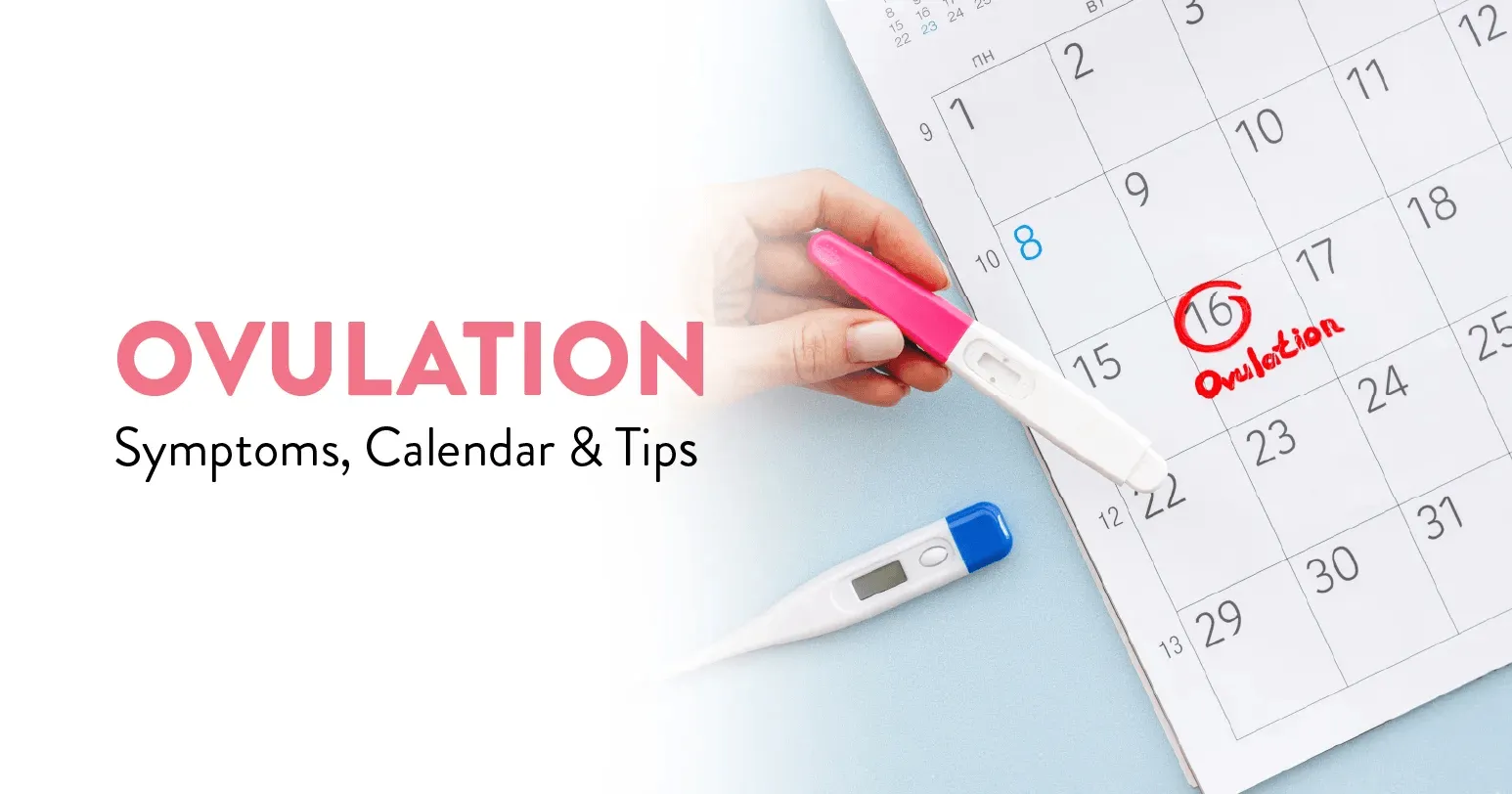
Table of Contents
Ovulation occurs when your ovary releases a mature egg that travels down to the fallopian tube where it can be fertilized with a sperm. If fertilisation happens, the egg can travel to the uterus and implant itself to develop into a pregnancy. The day of ovulation and 5 days beforehand are considered your fertile window.
The egg can be fertilized within 12-24 hours after being released while a sperm can live in the reproductive tract for nearly 5 days.
In an average menstrual cycle of nearly 28 days, ovulation occurs around 14 days before the next cycle. However, most women experience ovulation nearly 4 days before or after the midpoint of their menstrual cycle.
Also Read: How to prepare your body for pregnancy
Every woman has a distinct menstrual cycle. Hence, the ovulation period also varies. Nonetheless, you can identify your ovulation based on the following signs and ovulation symptoms.
Also Read: Home Remedies for Gas During Pregnancy
Here are some ways to keep a track of your ovulation cycle.
Also Read: Food cravings during pregnancy
Keep the following things in mind while you are trying to conceive.
How often should you have intercourse while trying to conceive?
You should have intercourse every day or every second day during ovulation while trying to conceive.
What if you are not ovulating regularly?
If you are ovulating regularly, you may be undergoing an ovulatory disorder. You should consult an expert obstetrician-gynaecologist for a health checkup.
Can you get pregnant after ovulation?
It is possible to get pregnant after ovulation. However, your chances are higher during your fertile window.