Filter :

पीरियड्स एक ऐसी समस्या है, जो अधिक आ जाए, कम आए, या फिर न आए, तो इन तीनों ही स्थिति में महिलाओं को परेशानी होती है। चलिए इन तीनों पहलू में से सबसे पहले समझते हैं पीरियड्स कम आने के नुकसान क्या है। पीरियड्स का कम आना या रुक-रुक कर आना एक ऐसी स्थिति है, जो किसी भी व्यक्ति को मानसिक और शारीरिक रूप से परेशान कर सकता है। यदि आप इसका सामना कर रहे हैं, तो आप इसमें अकेले नहीं है। भारत में कई महिलाएं इस समस्या का सामना करती हैं, लेकिन अक्सर इसे नजरअंदाज कर दिया जाता है, जो कभी नहीं करना चाहिए।
यदि आप जानना चाहते हैं, कि इसे कैसे ठीक किया जा सकता है, तो इस ब्लॉग में मौजूद जानकारी आपके लिए लाभकारी साबित होगी। पीरियड्स साइकिल में किसी भी प्रकार के बदलाव की स्थिति में आप हमारे अनुभवी डॉक्टर से मिलें और समझें कि ऐसा क्यों हो रहा है।
ये भी पढ़े: गर्भाशय कैंसर के कारण, लक्षण और उपचार (Uterine Cancer in Hindi)
Table of Contents
पीरियड्स में कोई भी बदलाव, जैसे कम रक्त हानि, या समय पर न आना, अनियमित पीरियड्स का संकेत हो सकता है। यह किसी भी उम्र में हो सकता है और हार्मोनल असंतुलन (hormonal imbalance), तनाव (stress-mansik swasthya ke zaruri upay) या अन्य स्वास्थ्य समस्याओं के कारण हो सकता है।
लाइट पीरियड्स या स्कैंटी पीरियड्स एक ऐसी स्थिति है जिसमें महिलाओं को हल्के पीरियड्स (light periods) आते हैं या फिर बहुत कम ब्लीडिंग होती है। आमतौर पर, मासिक धर्म के दौरान कुल रक्त हानि का लगभग 5 से 80 मिलीलीटर होता है। लाइट पीरियड में यह मात्रा 5 मिलीलीटर से भी कम हो सकती है।
इस स्थिति को चिकित्सा शब्दों में ओलिगोमेनोरिया (Oligomenorrhea) कहा जाता है, जिसका मतलब है कि महिला के पीरियड्स नियमित रूप या हल्का आना। अंतरराष्ट्रीय स्वास्थ्य संगठन (WHO) के अनुसार, दुनियाभर में 15-25% महिलाएं अनियमित पीरियड्स से प्रभावित हैं, जो उनके शारीरिक और मानसिक स्वास्थ्य पर असर डाल सकते हैं।
यदि आपके पीरियड्स रुक-रुक कर आते हैं या कम होते हैं, तो इसके कई कारण हो सकते हैं। चलिए सभी कारणों को एक-एक करके समझते हैं –
पीरियड्स का कम आना महिलाओं के स्वास्थ्य के लिए एक गंभीर संकेत हो सकता है। आइए जानते हैं कि पीरियड्स के कम आने से होने वाले कुछ प्रमुख नुकसान क्या हो सकते हैं –
पीरियड्स का कम आना प्रजनन क्षमता पर नकारात्मक प्रभाव डाल सकता है। जब भी पीरियड्स साइकिल में अनियमितता (irregular period causes & home remedies) होती है, तो इसका मतलब यह हो सकता है कि ओवुलेशन (अंडाणु का त्याग) भी ठीक से नहीं हो रहा है, जो प्रजनन स्वास्थ्य में समस्या को दर्शाता है।
जब शरीर में हार्मोन का संतुलन बिगड़ता है, तो यह पीरियड्स के साथ-साथ अन्य शारीरिक समस्याओं को भी जन्म दे सकता है। एस्ट्रोजन (estrogen-how to increase in hindi) और प्रोजेस्टेरोन (progesterone) जैसे महत्वपूर्ण हार्मोन के असंतुलन से हड्डियां कमजोर (weakening of bones) हो जाती है, और ऑस्टियोपोरोसिस (osteoporosis) (हड्डियों का रोग) का खतरा भी बढ़ सकता है। इस रोग की स्थिति में हड्डियां अपना आकार खो देती हैं।
पीरियड्स में अनियमितता (irregular periods) या कम आना मानसिक स्वास्थ्य पर भी असर डाल सकता है। इसके कारण लगातार यह चिंता बनी रहती है कि पीरियड्स क्यों नहीं आ रहे, क्या यह कोई गंभीर बीमारी का संकेत है? यह चिंता और तनाव को बढ़ा सकता है, जिससे मानसिक स्वास्थ्य पर बुरा प्रभाव पड़ सकता है। महिलाओं में इससे डिप्रेशन (depression) (mental health treatment) और चिंता के स्तर में वृद्धि हो सकती है।
कुछ रिसर्च में यह साबित भी हुआ है कि जिन महिलाओं के पीरियड्स कम आते हैं या नहीं आते, उनमें दिल की बीमारियों (heart disease) का खतरा अधिक हो सकता है। हार्मोनल असंतुलन का सीधा असर शरीर के रक्त वाहिकाओं पर भी हो सकता है, जिससे हृदय संबंधी समस्याएं उत्पन्न हो सकती हैं।
यदि पीरियड्स कम आते हैं, तो इसका एक प्रमुख कारण ओवुलेशन (ovulation) में गड़बड़ी भी हो सकती है। इससे गर्भधारण में समस्या उत्पन्न हो सकती है, क्योंकि महिलाओं को स्वस्थ और नियमित ओवुलेशन की आवश्यकता होती है। लंबे समय तक अनियमित पीरियड्स के कारण गर्भवती होने की संभावना भी कम हो सकती है।
यह भी पढ़े: बच्चेदानी में सूजन का इलाज
क्या आप जानना चाहते हैं कि पीरियड्स को नियमित कैसे किया जाए? चलिए कुछ उपायों के बारे में जानते हैं, जिससे आपको लाभ मिल सकता है –
यदि आपके हल्के पीरियड्स हल्के या उनमें अनियमितता का सामना कर रहे हैं, तो कुछ घरेलू उपाय आपके लिए मददगार साबित हो सकते हैं –
इसे भी पढ़ें: शुक्राणु बढ़ाने के उपाय (shukranu badhane ke upay)
यदि आपके पीरियड्स लगातार कम या अनियमित हो रहे हैं, तो आपको डॉक्टर से परामर्श लेना चाहिए। विशेषकर निम्नलिखित स्थितियों में परामर्श बहुत अधिक महत्वपूर्ण हो जाते हैं –
इसे भी पढ़ें: जानिए प्रेगनेंसी में संबंध बनाना चाहिए या नहीं ?
यदि आप पीरियड्स में किसी प्रकार की समस्या का सामना कर रही हैं, तो इसे हल्के में न लें। यह आपके शरीर में हार्मोनल असंतुलन या अन्य गंभीर समस्याओं का संकेत हो सकता है। सही समय पर डॉक्टर से परामर्श और उचित उपचार से आप इस समस्या का समाधान पा सकती हैं। जीवनशैली में छोटे बदलाव करके आप पीरियड्स को नियमित और स्वस्थ बना सकते हैं। हालांकि इस स्थिति के बेहतर इलाज के लिए हम आपको सलाह देंगे कि कम से कम एक बार आप हमारे अनुभवी एवं श्रेष्ठ विशेषज्ञों से मिले और परामर्श लें।
इसे भी पढ़ें: प्रेगनेंसी टेस्ट के घरेलू उपाय
अनियमित पीरियड्स को रेगुलर कैसे करें?
संतुलित आहार, नियमित व्यायाम, और तनाव को कम करना अनियमित पीरियड्स को रेगुलर करने में मदद कर सकते हैं।
पीरियड्स अनियमित क्यों होते हैं?
हार्मोनल असंतुलन, तनाव, वजन में बदलाव, और PCOS जैसी समस्याओं के कारण पीरियड्स में अनियमितता हो सकती है।
पीरियड ना आने से कौन सी बीमारी हो सकती है?
पीरियड्स का ना आना हार्मोनल असंतुलन, थायरॉयड समस्या, या PCOS जैसी बीमारियों का संकेत हो सकता है।
पीरियड्स कम से कम कितने दिन आना चाहिए?
पीरियड्स का सामान्य प्रवाह 3 से 7 दिनों तक होता है। अगर इससे कम दिन पीरियड्स आते हैं, तो यह अनियमितता का संकेत हो सकता है।
क्या एनीमिया से पीरियड्स कम आ सकते हैं?
हां, एनीमिया से हार्मोनल असंतुलन हो सकता है, जिससे पीरियड्स में कमी आ सकती है। एनीमिया वह स्थिति है, जिसमें शरीर में रक्त की कमी हो जाती है।
1 महीने से पीरियड ना आए तो क्या करें?
अगर 1 महीने तक पीरियड्स नहीं आते हैं, तो यह हार्मोनल असंतुलन या अन्य समस्या का संकेत हो सकता है। डॉक्टर से संपर्क करें। हालांकि पीरियड मिस होना प्रेगनेंसी का भी संकेत हो सकता है, जो कि एक परिस्थितिजन्य स्थिति है।
Table of Contents
Breast Cancer is a cancer that starts in the breast tissues. The condition is a result of changes in the cells that grow out of control. These growing cells lead to the formation of a mass called a breast lump. The changes in the cells happen when there are changes in the genetic material, though the exact cause of these changes is unknown.
Getting diagnosed with breast cancer can be overwhelming on its own, though what adds to this is the cloud of myths, half-truths and misinformation that surrounds it. Did you know? Finding a lump in the breast does not always mean you have cancer; around 8 in 10 breast lumps are benign.
The myths surrounding breast cancer are quite a lot, and they often silence the facts that could save lives or help detect conditions early, which helps avoid complications. Therefore, there is an increased need for more awareness and addressing breast cancer myths. Busting myths is just not about facts; it’s also about saving lives, easing fear, and empowering people to act early.
Also Read: Treatment of fibroadenoma without surgery | Is it possible?
Myths like ‘I am too young’ or ‘I have no family history’ can stop people from seeking help early. According to the National Library of Medicine, around 60% of breast cancer cases are diagnosed in stage III or IV. These Late diagnosis drastically reduces the chances of successful treatment.
There are numerous myths revolving around the treatment procedures of breast cancer, which lead to delaying medical care. A study reveals that breast cancer patients are scared of surgery (mastectomy), fear chemotherapy, and fear losing their’ natural shape. Did you know? According to a survey by Breast Cancer Care, over 60% of women fear the loss of their natural shape after surgery. Therefore, awareness is the key and leads to busting down the myths like ‘If I have a surgery, I will lose my breast’, though there are breast conservation surgeries which help preserve the natural shape of the breast.
Myths around breast cancer, like breast cancer only happens to women of a certain lifestyle, it’s contagious, it’s always fatal, and more, can lead to guilt, shame, and social exclusion. Plus, being diagnosed with breast cancer is already emotionally overwhelming, and these myths can lead to delayed or avoided treatment, social withdrawal, depression, and more.
The importance of awareness in the treatment of breast cancer is huge and encourages women to seek help early, improve emotional support systems, reduce stigma and isolation, and empower patients to make informed choices confidently.
Also Read: Lumpectomy VS Mastectomy for Breast Cancer Treatment. Which is the most effective?
Below are the most common myths about breast cancer, which often lead to delayed diagnosis, resulting in negative consequences. Here’s what you shouldn’t believe:
One of the most common myths revolving around breast cancer is that only people aged above 50 years get diagnosed with breast cancer. Though breast cancer can affect anyone after puberty, some aggressive types of breast cancer are higher in younger people. Fact: The risk of breast cancer increases with age.
A lot of people think breast cancer is an inherited disease. However, only 5 to 10% of breast cancers are inherited. Many people with no family history of breast cancer develop it, and people with a family history do not. Breast cancer (risk factor & prevention of breast cancer) can affect anyone regardless of family history of the condition.
Another very common myth around breast cancer is that it only affects women. While it is true that it overwhelmingly affects women, men are also affected by breast cancer. Thus, men should also look for any abnormal changes and consult a specialist (breast cancer specialist) if there are changes like lumps, discharge, etc.
People are often under the impression that the condition always causes a lump in the breast (causes, symptoms & treatment of breast lump), and take it as an excuse to skip mammograms. But it is a big-time myth. Breast cancer does not always cause a lump, or even by the time it does, the cancer might have spread to other parts of the body.
This is a known myth about breast cancer, which prevents people from early diagnosis. However, mammograms (breast cancer tests), the X-ray used to screen breast cancer, do not cause breast cancer. Instead, mammograms help in the early detection of breast cancer and increase survival rates.
Many people think that mastectomy is the only treatment available for breast cancer, which makes them hesitant to treat it. However, mastectomy (types, risks, recovery & reconstruction) is not the only option, and many patients are eligible for breast-conserving surgery or lumpectomy, and reconstruction.
Finding a lump in the breast is very commonly associated with breast cancer. Though 80% of breast lumps are non-cancerous (benign) (benign breast diseases).
These old claims are still believed to be true, but none of this is associated with increased risk of breast cancer (high risk of breast cancer- screening guidelines). According to the National Cancer Institute, there is no scientific evidence linking wearing bras and using deodorants with an increased risk.
Consuming sugar is also associated with an increased risk of the development of breast cancer. However, there is no evidence proving the myth that consuming sugar increases the risk.
It is also a common misbelief people fall for, but the fact is that the treatment plan depends on the type of cancer, stage of cancer, tumour size, age of the patient, and patient’s preferences. The treatment plans are tailored to give the best possible outcome, with fewer side effects.
Breast cancer is the most common type of cancer affecting women worldwide, and with this wide number comes numerous myths surrounding the condition. These myths can lead to a delay in diagnosis, a delay in treatment, resulting in unfavourable results or long-term consequences. It is important to be aware of the facts and how they can help with the early detection and treatment of the condition. Debunking myths and raising awareness can lead to early detection of signs and symptoms, understanding the condition better, taking better steps, and analysing the effects of treatment. It is important to consult your healthcare provider in case you notice any abnormal changes in your breasts and seek clarification.
Read More: Breast Pain – Causes, Symptoms, Diagnosis & Treatment
Can men get breast cancer?
Yes, men also get affected by breast cancer.
Does having a lot of caffeine increase my risk of breast cancer?
No, having a lot of caffeine does not increase the risk of breast cancer.
Does breast cancer always start with a lump?
No, breast cancer does not always cause a lump.

We’re all aware that the human body is fueled by macronutrients, i.e. carbohydrates, fats, and proteins, though are you aware that it’s the vitamins that keep the engine running?
These vitamins have a crucial role to play and enable the body to utilise the macronutrients. There are around 13 essential vitamins needed for human cell function including Vitamin A, C, D, E, K, and B vitamins. Each of these vitamins is responsible for various bodily functions, from vision to bone health to immune function. One key vitamin that is essential for nerve and blood cell health is vitamin B12. Vitamin B12 is also called cobalamin and is a water-soluble vitamin. The vitamin is essential for:
Consuming vitamin B12 foods is vital for overall health and well-being. A deficiency of the same can lead to anaemia, fatigue, memory issues, neurological problems, and more.
Also Read: Best food for healthy weight loss journey
Table of Contents
Vitamin B12 is primarily found in animal-based products. Some of the good sources are meat, fish, eggs, and dairy products. For vegetarians fortified plant-based foods are a good source of vitamin B12.
Animal-Based Source: Animal-based sources are the most reliable source of vitamin B12 as it is naturally found in animal tissues due to bacterial synthesis.
Also Read: Health Benefits & Nutritional Value of Mango
Also Read: Health Benefits & Side Effects of Eating Raw Garlic
Consuming vitamin B12-rich foods is essential for the diet and is crucial for various bodily functions.
Also Read: Sources of Hidden Sugar in your Diet
Read More: Balanced Diet Chart
Can vegetarians get enough vitamin B12 from food?
Yes, vegetarians can get enough vitamin B12 from food, though it can be challenging given vegetarian foods are low in vitamin B12 content.
What is folate?
Folate or vitamin B9 is a crucial vitamin needed for red blood cell formation and healthy cell growth.
How to get vitamin B12 naturally?
To obtain vitamin B12 naturally, consume foods of animal origin or foods forfeited with it.
What happens if vitamin B12 is low?
Deficiency of vitamin B12 can lead to various health issues including neurological issues, anemia, fatigue, and more.
What happens if vitamin B12 is high?
High vitamin B12 levels in the body can indicate an underlying health issue linked to liver, kidney, blood disorders, etc.
How much vitamin B12 do I need daily?
The daily amount of vitamin B12 recommended for adults is 2.4 mcg.
Can cooking destroy vitamin B12?
Yes, cooking in high temperatures and for prolonged periods can cause some loss of vitamin B12.
Table of Contents
Healthy Weight – there’s a lot of buzz around this term, and there are numerous ways through which you can lose or gain a healthy weight. But first, let’s get to the heart of the matter: what exactly does a healthy weight mean?
When it comes to a healthy weight, there is no one-size-fits-all approach, an ideal weight depends on various factors like age, gender, height, body frame, and more. One way to calculate healthy weight is through BMI (Body Mass Index) by dividing weight in kilograms by the square of height in meters.
When it comes to achieving a healthy weight, there are a bunch of factors that really matter, like genetics, surroundings, medical conditions, age, and more. But one of the biggest players in this journey is definitely food. Numerous studies and reports, including those from the World Health Organization (WHO), highlight just how crucial diet is for not only achieving but also maintaining a healthy weight.
The right food is crucial for overall health, and energy level, prevents chronic illness, and provides all the essential nutrients to the body. Additionally, choosing the right food is the most effective and sustainable way to lose weight. The World Health Organisation (WHO) recommends that a balanced diet (balanced diet chart) protects against obesity (health risks of obesity), diabetes (symptoms, causes, risks & treatment), heart disease, cancer (symptoms that can signal the presence of cancer), and more. Various health experts suggest that a balanced diet plays around 70-80% of the role of weight loss, while the remaining 20-30% is influenced by exercise, sleep, stress, genetics, and more.
Choosing the right food including vegetables, fruits, lean proteins and more in the right quantities helps reduce calorie (calorie counting) intake. Nutrient-rich foods are low in calories and are high in fiber which promotes a feeling of fullness without adding excess calories.
Eating a balanced diet provides the body with essential nutrients, vitamins, minerals, and other nutrients vital for good health and bodily functions. Weight loss isn’t just about eating less – it’s about eating right.
Eating the right food involving those rich in fiber content and complex carbs which keep the blood sugar level in control, provides a feeling of fullness that prevents overeating and contributes to weight loss (diet chart for weight loss).
During weight loss, a healthy diet helps preserve lean muscles. The muscles burn more calories at rest and contribute to long-term metabolic health.
Eating the right food fuels the metabolism. Protein-rich foods, for instance, require more energy to digest, helping burn more calories.
Also Read: Benefits & Side Effects of Jamun (Indian Blackberry)
The best foods for weight loss are low in calories and high in fiber and protein content, they promote a feeling of fullness and provide all the essential nutrients. Some of the best foods for weight loss include:
High-protein foods are good for weight loss as they promote a feeling of fullness, boost metabolism, and help retain muscle mass during weight loss. Some high-protein foods include eggs, paneer, low-fat curd, tofu, chicken breast, fish, lentils, kidney beans, greek yoghurt, and more.
Fiber is good for digestion and gut health (food great for gut health). Fiber-rich food helps regulate blood sugar and slows down digestion, promoting a feeling of fullness. Some of the best fibre-rich foods for weight loss include oats (what happens when you eat oats everyday), brown rice, quinoa, leafy greens, carrots, cucumbers, chia seeds (health benefits of chia seeds), flaxseeds (benefits & side effects of flaxseeds), and more.
Fats – are commonly taken as a component that adds up to weight. But healthy fats (good fats vs bad fats) are important for brain function, reduce craving, support hormone function, and support absorption of fat-soluble vitamins (A, D, E, K). Healthy fats during weight loss should be consumed from sources like nuts, seeds, avocados, olive oils, mustard oils, fatty fish, and more.
High water content food is considered great for weight loss as it adds volume to the meals without any excess calories. They help hydrate the body and support digestion. High water content food includes cucumber, tomato, lettuce, zucchini, watermelon, muskmelon (benefits & side effects of muskmelon), and more.
Antioxidant foods are known for several healthy benefits including fighting inflammation linked to weight gain (diet chart for weight gain). It supports fat metabolism and improves skin and immunity. Antioxidant-rich food to eat during weight loss includes berries, green tea, spinach, beetroot, pomegranate, cinnamon, ginger, etc.
There are foods that help you lose weight while there are foods that add up to your weight. Unhealthy foods high in trans fats, and calories, and low in nutrients are those that should be avoided to maintain good health. Certain foods to avoid during weight loss include:
Sugary food including sugary drinks is high in sugar content can cause insulin spikes, and increase fat storage, leading to craving and overeating. Sugar food includes cake, pastries, donuts, soft drinks, fruit juices with added sugars, etc.
Eating deep fried & oily foods directly adds up to weight and is unhealthy for overall health. Foods like fried chicken, chips, samosa, etc are high in trans fats and calories, and low in nutrients. Consuming these slows down digestion and adds up to fat leading to weight gain.
Processed foods & snacks like instant noodles, biscuits, frozen ready-to-eat foods, and flavoured chips are high in sodium, preservatives, refined flour, and unhealthy fats. It adds up to fat count and slows metabolism.
Refined carbs foods including white bread and maida products like naan, pasta, pizza, etc are known to hike blood sugar levels leading to weight gain.
Fast & junk food is packed with refined carbs, sugar, saturated fats, and more. All these ingredients add up to weight gain and affect the overall health.
Foods high in sodium content like salty snacks, pickles, processed meats, etc can cause water retention, bloating, and increased blood pressure – making weight loss more difficult.
Also Read: Benefits & Side Effects of Ivy Gourd
Read More: 8 Proven Strategies to Stay Cool, Healthy & Productive in Summer
Can drinking water before meals help reduce weight?
Yes, drinking water before meals can help with weight loss by reducing appetite and calorie intake.
How much fiber should I eat daily?
25-30 grams of fibre intake is recommended for adults every day.

Table of Contents
Ah, summer! The season of joy, fun summer vacations, family gatherings and a time to enjoy nature’s best harvests. Summer is the season that brings us some of the most delicious and refreshing fruits like watermelon, muskmelon, berries, mango, and more. Mangoes, in particular, are the summer staple and perfectly embody the hot, humid days – essentially, the warmer it gets, the sweeter and juicier those mangoes become!
Did you know? There are more than 1500 varieties of mangoes grown globally.
According to a publication in The Hindu, India produces around 54.2% of the total mangoes produced worldwide. Plus, these mangoes are exported worldwide, last year India exported 28,000 MT of mangoes amounting to approximately 48 million dollars.
Mango is the national fruit of India and is called ‘Mangifera Indica’ scientifically. The fruit is regarded as a symbol of abundance and prosperity. Given the popularity of the ‘King of Fruits’, mango is also the national fruit of the Philippines, Haiti, and Pakistan.
Mango holds rich cultural and historical importance in many regions around the world. With its roots tracing back to South Asia, the practice of cultivating mangoes has been around for more than 4,000 years. Often called the King of Fruits, mango is known for its incredible flavours, nutritional benefits, and deep cultural ties, especially in various parts of India.
Also Read: Benefits & Side Effects of Eating Muskmelon
Mangoes are packed with a variety of nutrients necessary for overall well-being. The fruit is a good source of vitamins, antioxidants, fiber, potassium (potassium rich foods), and more. There are different varieties of mangoes, that vary in colour, shape, flavour, seed size, and more. In India, some of the most common mangoes are Alphanso, Kesar, Dashehari, Langra, Chausa, Totapuri, and more. Key nutrients in mango include:
The below table mentions the value of one cup of sliced mangoes.
| Nutrients | Values |
| Calories | 60 |
| Fat (good fat vs bad fat) | 0.4 g |
| Sodium | 1 mg |
| Potassium | 168 mg |
| Carbohydrates | 15 mg |
| Protein (top protein rich foods) | 0.8 g |
| Vitamin C | 60% |
| Iron | 1% |
| Vitamin B6 | 5% |
| Magnesium | 2% |
| Fiber | 0.85-1.06 g |
Additionally, mangoes are a good source of xanthones and polyphenols which act as a good source of antioxidants that help fight against various ailments. Plus, mangoes are packed with digestive enzymes.
Also Read: Health Benefits & Side Effects of Eating Raw Garlic
Mangos – the fruit loved for its sweet and delicious taste are great substitutes for junk foods. The fruit is high in nutritional value and has numerous health benefits including:
Mangoes are packed with bioactive ingredients like esters, aldehydes, and terpenes. These ingredients help with better functioning of the digestive system (tips for better digestive health).
Mangoes are rich in potassium which in turn support the proper working of arteries and reduce the risk of heart diseases (heart attack in youngsters). Additionally, the potassium-rich content of mango helps maintain optimum blood pressure levels.
Fresh mango is high in natural sugars when compared to other fruits. However, the fruit is also a good source of vitamin C and carotenoids that help prevent the onset of diabetes (symptoms, causes & treatment). Though the fact that mango is high in natural sugars, it is suggested to consume the same in moderation to avoid blood sugar spikes (blood sugar levels).
Mango is known to be a good source of immune-boosting nutrients. The fruit is a good source of Vitamin A and Vitamin C both of which are essential for a healthy immune system (how to boost immunity & immune system). Other components like copper, vitamin E, folate, and more also strengthen immunity.
Consuming mangoes is linked to better eye health. The fruit is a good source of antioxidants named lutein and zeaxanthin. Plus, mangoes also contain vitamin A, all of which are considered the best nutrients for healthy eyes.
Mangoes are packed with polyphenols, which can help protect against oxidative stress. Additionally, it controls the spread and destroys cancer (symptoms that signals the presence of cancer) cells.
Also Read: 10 Places Where Hidden Sugars Sneak into Your Diet
Mango is one of the most delicious fruits and can be added as a snack, or dessert, or can be made smoothies, topping on cereal, salads, etc. Some of the best ways to include mango in everyday diet:
| Form | How to Eat | Benefits |
| Fresh Slices | Eat slices as a snack or dessert. | Eating raw slices is best for digestion. |
| Mango Smoothie | Blend mango with banana, yoghurt, flaxseeds & top up with berries & nuts. | Refreshing & fibrous morning breakfast drink. |
| Add in Salads | Combine with leafy greens, cucumber, avocado, mint, etc. | Adds a sweet and tangy taste to the salad. |
| Frozen Mango Yogurt Bites | Add chopped mangoes to Greek yoghurt & freeze. | Healthy popsicle alternatives suitable for kids & adults too. |
| Mango Chutney | Mix ripe mango with chilli, onion, lime & coriander. | Great dip for grilled dishes or whole grain wraps. |
| Mango Lentil Curry | Add ripe mango chunks to lentil curry. | Great source of antioxidants & protein. |
| Mango in Overnight Oats | Add mango cubes to oats soaked in milk overnight | Boosts fibre & flavour without added sugar. |
It is the season of mangoes and the king of fruit is already making its way to the markets. The juicy fruit is a great addition to various dishes, salads, shakes, smoothies, and more. However, it is also suggested to follow certain precautions before eating mango. At times, mangoes during the ripening process are covered with pesticides; thus, it is necessary to soak them in water for some time before consuming them. Some of the other precautions to maintain include:
Read More: Balanced Diet Chart
Can mango help in weight loss?
Yes, mango can be a beneficial addition to a weight loss diet when consumed in moderation.
Is mango good for diabetics?
Yes, mango can be enjoyed by diabetics, but in moderation.
How much mango should I eat daily?
According to nutritionists, for a healthy and balanced diet, a maximum of 2 cups of mango (around 330 grams) can be consumed daily.
Are mango leaves beneficial for health?
Yes, mango leaves can be beneficial for health given their rich nutrient content.
Does mango cause acne?
No, consuming mangoes does not directly cause acne.
Can we eat mangoes on an empty stomach?
Mangoes are generally not recommended to eat on an empty stomach.
Does mango cause acidity?
Yes, mango can cause acidity in some individuals.
Period, also known as menstruation is a condition characterised as normal vaginal bleeding that occurs during a woman’s monthly menstrual cycle. Periods occur once every 21 to 35 days and lasts around 3 to 7 days. Though, due to various factors, periods may get delayed, this condition is also known as menstrual irregularity. According to a study published in the Economic Times, more than 50% of women in India have irregular menstrual cycles. Various factors like stress, thyroid issues, intense exercise, illness, PCOS, medications, and more can result in delayed periods.
Though, a delayed period or getting a period on an important event can be uncomfortable, inconvenient, or restrictive. Therefore people tend to look for ways to prepone their periods or ways to get periods immediately to avoid dealing with cramps, fatigue, and hygiene issues during important events.
Table of Contents
A menstrual cycle is a natural monthly process that prepares a woman’s body for pregnancy. It involves a series of hormonal changes that regulate ovulation (release of an egg)-symptoms, calendar & tips and the shedding of the uterine lining (your period).
| Phase | What Happens | Days (Approx.) |
| Menstrual Phase | Uterus sheds its lining | Day 1 – 5 |
| Follicular Phase | Hormones stimulate the growth of follicles | Day 1 – 13 |
| Ovulation | One mature egg is released from the ovary | Day 14 |
| Luteal Phase | Body prepares for possible pregnancy | Day 15 – 28 |
There are various hormones involved in the menstrual cycles- (everything you need to know about mensuration), i.e. oestrogen, progesterone, FSH & LH. It is important to understand the cycle as it helps track fertility, manage mood changes, detect issues like PCOS, thyroid imbalance, and more.
Also Read: Symptoms of Pregnancy after Sex
The menstrual cycle is controlled by a delicate balance of hormones. Even small changes in your body, lifestyle, or health can affect this balance – causing your periods to come late, become irregular, or be missed entirely. Some of the main reasons for delayed or irregular periods include:
Stress-(link b/w stress & high blood pressure) is one of the main factors that contributes to delayed periods. Mental or physical stress can impact the hormone balance that regulates menstruation.
Thyroid disorders can also lead to delayed periods. The thyroid hormones control metabolism and influence the menstrual hormones.
Exercising at a very high level may signal the body that it’s under physical stress which reduces oestrogen levels, halts ovulation, and leads to missed or delayed periods.
Polycystic ovary syndrome hormonal condition where the ovaries produce higher levels of androgens (male hormones). This disrupts the regular release of eggs (ovulation), making periods come late.
Losing a lot of weight or gaining a lot of weight suddenly might stop hormone production in the body. Both the extremes can disrupt the hormonal balance and affect ovulation resulting in delayed periods.
Certain medications, especially hormonal birth control (myths & facts about oral contraception), can affect the timing and flow of the period. Some pills may delay periods or cause light, infrequent bleeding.
While being sexually active, even one missed or delayed period could mean pregnancy(pregnancy diet chart). It’s the most common reason for a missed period in reproductive-age individuals.
Also Read: Challenges of Young Women with Breast Cancer
Several natural products may help induce periods by promoting better blood flow, stimulating the uterus, and helping regulate hormones. Some of the natural remedies include:
Papaya contains papain, an enzyme that can stimulate contractions in the uterus. It helps promote menstrual flow and balance hormones. Papaya can be consumed daily as fresh fruit or in smoothies.
Ginger is known to increase heat in the body that may help stimulate menstruation. Plus, ginger tea can help reduce period pain once it begins.
Consuming milk with turmeric can help improve blood circulation and balance hormones. Turmeric has warming and anti-inflammatory properties which can help regulate periods. It can be consumed daily by mixing ½ teaspoon in warm milk.
Parsley is high in myristicin and apiole which is known to help with estrogen production in the body and also regulates overall menstrual cycle. Parsley can be consumed in small quantities.
Carom seeds with jaggery is a widely used home remedy used to induce periods. Carom seeds improve blood flow and jaggery provides warmth. Boil carom in water and add jaggery, and consume it warm.
Fenugreek seeds (methi) are a popular home remedy in Ayurveda and traditional Indian medicine. It can be consumed by soaking the seeds in water overnight and drinking the water on an empty stomach in the morning. Fenugreek water is known to support hormonal balance, improve uterine health, and may help regulate periods.
Also Read: Ovulation – Symptoms, Calendar & Tips
Moderate physical activity improves blood circulation, reduces stress (link between stress & high blood pressure), and supports hormonal balance – all of which can help trigger menstruation. Some of the exercises to induce periods include:
Using a heating pad or applying a warm compress to the lower abdomen can help increase blood flow to the uterus and may help the uterine lining shed more easily. A heating pad or hot water bag can be used for 15-20 minutes.
Did you know? Poor sleep or irregular sleep cycles (types, causes & treatment) can disturb the hormonal rhythm. The key lies in getting enough sleep of 7-9 hours and keeping a consistent bedtime.
High-stress levels can interfere with hormone signals that control ovulation. Reducing stress can help bring periods back on track. Some of the effective methods to manage stress include meditation, deep breathing exercises, journaling, etc.
Also Read: Pregnancy & Nutrition
Missing or delayed periods are quite common and usually aren’t something to worry about. However, a missed or late period can sometimes indicate an underlying health issue, so it’s important to know when it’s time to reach out to a doctor. Here are some signs that may suggest consulting a doctor:
Read More: Hyperpigmentation – Causes, Treatment, Prevention & Home Remedies
How long is a normal period cycle?
A healthy cycle ranges from 21 to 35 days.
Can stress delay or advance periods?
Yes, stress can lead to irregular or delayed periods.
Can birth control pills regulate or speed up periods?
Yes, birth control pills can regulate or even speed up periods.
Table of Contents
Pregnancy, a phase of immense transformation and joy, is a condition when a fetus grows inside the uterus. Pregnancy lasts around 40 weeks and is split into 3 trimesters each lasting around 13 weeks. This phase of transformation involves significant lifestyle changes along with the transformation in the body. It’s natural to expect some physical changes after intercourse and many people start to notice differences. Well, it is important to understand that pregnancy symptoms do not appear immediately and it may take a minimum of one week for the symptoms to show up. Additionally, there are various factors that play a key role here and it varies from person to person.
Pregnancy begins when a sperm fertilizes an egg, this can happen within 24 hours after ovulation. This can lead to various symptoms and noticeable changes in the body. Some of the symptoms of pregnancy after sex include mild abdominal pain, breast tenderness, bloating, and more.
Also Read: Nutrition During Pregnancy
Pregnancy doesn’t start the moment you have sex. It begins when a fertilized egg implants in your uterus, usually about 6 – 10 days after ovulation. After this, your body begins to produce the pregnancy hormone hCG, which causes many of the early symptoms. The symptoms also vary from person to person, some of the early pregnancy symptoms include:
It is one of the most common early signs of pregnancy. Females with a regular cycle, missing one cycle after intercourse can be a strong indicator of pregnancy. Additionally, some women may also experience light spotting (does lighter period than usual indicates pregnancy?), which at times is mistaken as light period.
Another significant sign of pregnancy is the breast feeling tender, heavier, and more sensitive. Breast changes occur due to hormonal changes and can begin as early as 1-2 weeks after conception.
Fatigue or tiredness (how to manage fatigue & dizziness in hot weather?) is very common in early pregnancy days. It is due to high levels of progesterone that support early fetal development.
This can start a few weeks after conception and can occur any time of the day and is not just limited to the morning. This is usually linked with rising levels of hCG (Human Chorionic Gonadotropin) and oestrogen levels.
Frequent urination is also common during the initial weeks of pregnancy. Rising hormones lead to an increase in the blood flow to the kidneys.
Implantation bleeding (bleeding during pregnancy) is light spotting that occurs when a fertilized egg attaches to the uterus wall. It can last for 1-2 days.
Also Read: Ovulation – Symptoms, Calendar & Tips
It’s a common misunderstanding, people often take pregnancy tests right after having sex. However, it’s crucial to know that if we take a test immediately after, it will almost always show a negative result. This is because the test detects hCG (Human Chorionic Gonadotropin), a hormone that only shows up after implanting.
Missed period is the most significant sign of pregnancy, though if the test is still negative retest after 2-3 days, and avoid drinking too much water before the test. Consult a specialist if the tests are negative and the period hasn’t started in a week.
Also Read: Premature Labour – Causes, Symptoms & Treatment
| Aspect | Details |
| Best time to test | After a missed period. |
| Earliest time to test | 10 to 12 days after ovulation. |
| Time of day | First morning urine is best for pregnancy tests. |
| What to look for | 1 line – negative, 2 lines – positive. |
| What to avoid | Avoid drinking too much water before testing. |
| How to use | Use a clean container, hold the strip & wait as per instructions. |
There are numerous misconceptions are myths about early pregnancy symptoms, some of the most common ones include:
One of the common misconceptions around early pregnancy days is linked to morning sickness as just a morning issue. Though the fact is nausea and vomiting can occur in any part of the day or night. The severity can vary from person to person.
There’s another very common myth around pregnancy symptoms that is related to symptoms getting noticeable right after sex. However, symptoms only appear after fertilisation and implantation take place.
This is another common belief people have, though symptoms during early pregnancy can vary significantly from person to person. Some women may feel & notice a lot of changes while others might not feel anything.
A missed period being considered pregnancy is very common. However, a missed period can also result from stress, weight changes, PCOS, or other health issues.
Another common misconception is related to light bleeding during early pregnancy. However, light bleeding results from implantation and is normal during early pregnancy.
When will I get pregnant after sex?
Pregnancy typically starts a few weeks after sex and can take 2-3 weeks to get officially recognized.
How to know if you are pregnant?
A pregnancy test can help detect pregnancy.
When do pregnancy symptoms start?
Pregnancy symptoms start between 4 to 6 weeks after conception.
Is white discharge a sign of pregnancy?
Yes, a white discharge can be a sign of pregnancy, especially during the early stages.
Can I take a pregnancy test after 5 days?
No, a pregnancy test after 5 days of intercourse is unlikely to be accurate.
Is stomach pain a sign of pregnancy?
Stomach pain can be a sign of pregnancy, though it can also result from other conditions.
How many days does it take to get pregnant after sex?
It can take 2 to 3 weeks from the time of intercourse for a person to become pregnant.

Table of Contents
Finding a lump in the breast might be concerning, the first instinct that comes in most of our minds is breast cancer. However, it is important to understand that most breast lumps are non-cancerous. A breast lump can be made of various things, including fluid-filled sacs, glandular tissue lumps, cancerous cells, fatty tissues, and more. These lumps can be hard, soft, smooth, or round and can appear either in the breast tissues or around the armpit area.
There are various causes that lead to breast lumps, some of the common factors that lead to benign breast lumps include:
Malignant breast lumps are less common, according to research 8 out of 10 breast lumps are non-cancerous. Plus, symptoms of cancerous breast lumps might vary for everyone. Some of the common causes leading to malignant breast lumps include:
Breast lumps can be quite alarming. While it’s true that most of them are non-cancerous, there are specific characteristics that could indicate a more serious issue. Here are some signs to look out for:
Also Read: Challenges of Young Women with Breast Cancer
Ideally, it is recommended to see a doctor for evaluation in case a new lump develops or if there are any breast changes. Here’s when to see a doctor:
Also Read: Ovulation – Symptoms, Calendar & Tips
Other symptoms which may necessitate seeing a doctor include:
Also Read: Breast Lump- Causes, Symptoms, Treatment & How to Identify it
Diagnosis of breast lumps involves a multi-faceted approach, starting with clinical examination, medical history, and imaging tests. Physical examination involves assessing the size, shape and other characteristics of the lump by a specialist. The diagnosis procedure involves imaging tests including:
Also Read: Breastfeeding: Advice, Nutrition & Tips
It is normal to worry after finding a breast lump, though it is important to consult a healthcare professional immediately. The following steps can be followed post-finding a breast lump:
Also Read: How Can One Detect Breast Cancer At The Early Stages?
| Preventive Measures | Description |
| Maintain a healthy weight (weight management tips) | Obesity (effects of obesity on health) is known to increase the risk of breast cancer, thus maintaining a healthy weight is crucial. |
| Limit alcohol intake | Consuming excessive alcohol can raise oestrogen levels which can increase the risk of breast cancer. |
| Do regular breast self-exams | Check for new growths, lumps, discharge, etc. especially a few days after the period ends. |
| Schedule routine screening | Schedule regular breast exams every 1 to 3 years, additionally go for mammograms. |
| Avoid Smoking | Refrain from smoking and secondhand smoke as it is linked to several types of cancers, including breast cancer. |
Breast lumps are definitely a cause of concern, but it is important to understand that reacting early is the key, whether the lump is benign or malignant. If you’re noticing a lump that is hard, immobile, and growing quickly and is also accompanied by symptoms like nipple changes, or unusual discharge, it is best to schedule a consultation with a breast specialist. According to the World Health Organization (WHO), breast cancer if caught early in stage one, has a survival rate of 90%, while in delayed stages the treatment becomes more intensive and treatment is not that favourable. Thus, early evaluation not only offers peace of mind but also ensures timely treatment if needed.
Read More: PCOD – Causes, Symptoms & Treatment
Can breast lumps come and go with the menstrual cycle?
Yes, breast lumps can fluctuate during the menstrual cycle.
Can hormonal changes cause breast lumps?
Yes, hormonal changes significantly contribute to breast lumps.
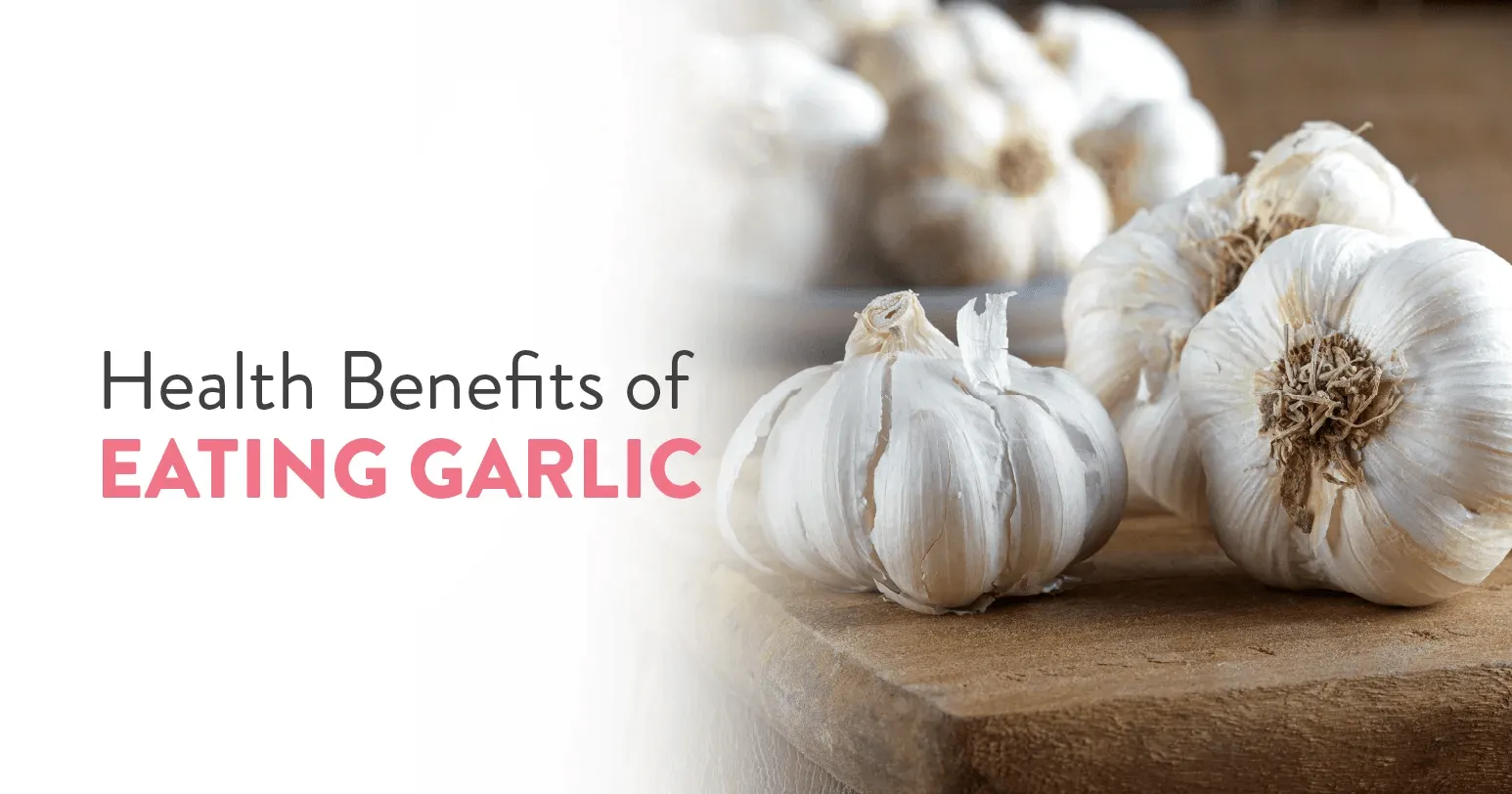
Eating raw garlic about 1 to 2 cloves a day — is linked with a stronger immune system, better heart health, improved digestion and natural antibacterial protection. Garlic (known as lehsun in Hindi) is most effective raw and slightly crushed, as this preserves allicin, its key active compound.
Many of us have probably had the kitchen-ready remedies our grandma used for various diseases or injuries. The remedies, more commonly referred to as ‘gharelu nuskhe’ may not be as popular today, but they continue to inspire modern medicine. From the soothing mix of honey and lemon to warm turmeric milk it has all been a part of our childhood memories. Even though times have changed, these home remedies continue to work wonders, one such natural ingredient that has numerous health advantages is garlic.
Garlic is a plant of the onion family and is known for its distinctive taste and numerous health benefits. Eating raw garlic is associated with health benefits including, an immunity boost, reducing the risk of diseases, improving gut health, helping fight infections, and more.
Table of Contents
Garlic is something people either love or hate, given their strong taste. Garlic is packed with essential nutrients and some findings also suggest that it has been used to treat illness for thousands of years. Garlic is low in calories and high in antimicrobial properties, and there are also researches that suggest that garlic reduces the risk of certain types of cancer. The scientific name for garlic is ‘allium sativum’, it is commonly used in homoeopathic medicines to help with conditions like cough, increasing weight, irregular sleep, and more.
Also Read: 10 Places Where Hidden Sugars Sneak into Your Diet
The table below shows the nutritional facts of 1 raw garlic clove:
| Nutrients | Values |
| Energy (kcal) | 4.45 g |
| Protein | 0.19 g |
| Sugars | 0 g |
| Carbohydrates | 1 g |
| Vitamin C | 0.09 mg |
| Calcium | 5.4 mg |
| Iron | 0.05 mg |
| Magnesium | 0.75 mg |
| Potassium | 11 mg |
| Zinc | 0.03 mg |
| Fiber | 0.06 g |
| Sodium | 0.51 mg |
What is the best Time to Eat Raw Garlic – Morning, Empty Stomach or Night?
One of the most common questions in mind is when to eat raw garlic for the best effect. Garlic can be eaten at any time of day, but many people prefer taking it on an empty stomach in the morning. The active compounds to be absorbed with less interference from other foods. Eating garlic at night is also a reasonable option and may be gentler for people prone to digestive discomfort, since it is consumed alongside dinner rather than alone.
| Timing | Suggested Method | Best Suited For |
| Empty stomach, morning | 1–2 crushed cloves swallowed with warm water | Those wanting maximum absorption and no food interactions |
| With a meal | Added to salads, dals or stir-fries | People with a sensitive stomach or GERD |
| At night, with dinner | Roasted or lightly cooked garlic with food | Those who find raw garlic on an empty stomach too strong |
Note: people with GERD, acid reflux, or a bleeding disorder should avoid taking raw garlic on an empty stomach, as it is more likely to irritate the digestive tract in a concentrated dose.
Garlic is known for its immunity-boosting properties, aiding digestion, supporting heart health, and more. The low-calorie vegetable is packed with a range of nutrients essential for maintaining overall well-being. Some of the top health benefits of eating garlic include:
Also Read: Balanced Diet Chart
Garlic is a very popular culinary ingredient used for its flavour and aroma that help enhance the taste of various types of dishes. Additionally, garlic is a good source of nutrients and has numerous health benefits. Here’s how to include garlic in your diet:
| Method | Description |
| Raw garlic in the morning | Crush 1 – 2 cloves of garlic and swallow with water. The method helps with immunity, detox & blood pressure control. |
| Garlic-infused oil | Lightly cook the garlic cloves in olive oil and further use it for salad dressing or cooking. |
| Add to salads | Use raw garlic cloves in salads or drizzle garlic oil over sauted vegetables. |
| Roast garlic | Roast a whole garlic bulb and have it on toast, mashed potatoes, or with roasted vegetables. |
| Add to soups & broths | Add crushed or minced garlic into soups, dals, broths, etc. It helps enhance taste & soothing benefits. |
| Stir fries & curries | Use saute chopped or minced garlic in oil and add it to vegetables or meats to enhance flavour. |
Garlic is called lehsun in Hindi and has long been used in Indian kitchens and home remedies. When a garlic clove is crushed or chopped, an enzyme reaction forms allicin, the compound behind most of garlic’s health effects. But allicin is unstable and breaks down quickly with heat. Letting crushed or chopped garlic rest for about 10 minutes before cooking or eating gives allicin time to form fully, which may help preserve more of its benefits.
Also Read: Dangers of Excessive Heat
Garlic cloves should be consumed in moderation, 1-2 cloves daily are adequate and may provide health benefits. There are several ways one can eat raw garlic, from chewing it directly to swallowing it with water, all have health benefits. Given the strong taste of garlic, choose the way that suits you the best. Plus, raw garlic also retains more allicin making it more beneficial for health. On the other side people with GERD (gastroesophageal reflux disease) should keep the garlic intake to the minimum to avoid heartburn. Also, there are certain compounds in garlic that may irritate the digestive tract which can cause a burning sensation or discomfort, during this situation, consider lowering the intake.
Read More: Benefits & Side Effects of Muskmelon
Can eating garlic help with colds and flu?
Yes, eating garlic can help with colds and flu.
Is raw garlic more beneficial than cooked garlic?
Yes, raw garlic is more beneficial than cooked garlic.
Does garlic increase testosterone?
Yes, some studies suggest that garlic increases testosterone.
Does garlic lower cholesterol?
Yes, garlic may lower the levels of cholesterol, particularly bad cholesterol.
How much garlic should I eat daily for health benefits?
Generally, 1-2 cloves of raw garlic is recommended for potential health benefits.

